Brand
McIntosh
Blue meters, black glass, and pure American engineering — since 1949.
Authorized Dealer — Scottsdale & Tempe, Arizona
Trade-in credit toward new purchases · Full installation and calibration · Walk in during business hours or book ahead
See what's on demonstration now ↓LMC Home Entertainment is an authorized McIntosh dealer in Arizona, with showrooms at 15507 N Scottsdale Rd, Suite 135, Scottsdale, AZ 85254 and 1705 W Ruby Dr, Suite 109, Tempe, AZ 85284. Walk in during business hours or book ahead.
McIntosh Laboratory was founded in 1949 by Frank H. McIntosh and Gordon Gow, originally in Silver Spring, Maryland, and moved in 1951 to 2 Chambers Street in Binghamton, New York — where the company has designed, built and hand-assembled every product for the seventy-five years since. That address matters: no other American high-end audio manufacturer has stayed on the same street that long, under a continuous corporate identity, still producing the same core designs that made the company's reputation. McIntosh's current president, Charlie Randall, joined the company as a co-op student in 1988 and rose through engineering and management to lead it. Roughly one in four McIntosh employees has been on the job for twenty years or longer. That kind of tenure is why a McIntosh built today measures and sounds recognisably like a McIntosh built forty years ago, only better.
Every McIntosh product is designed at the Binghamton facility, and the transformers — the heart of every McIntosh amplifier, and the reason McIntosh has always been fundamentally a transformer company as much as an electronics company — are wound in-house by the same team that has been doing it for decades.
The Unity Coupled Circuit, seventy-five years on
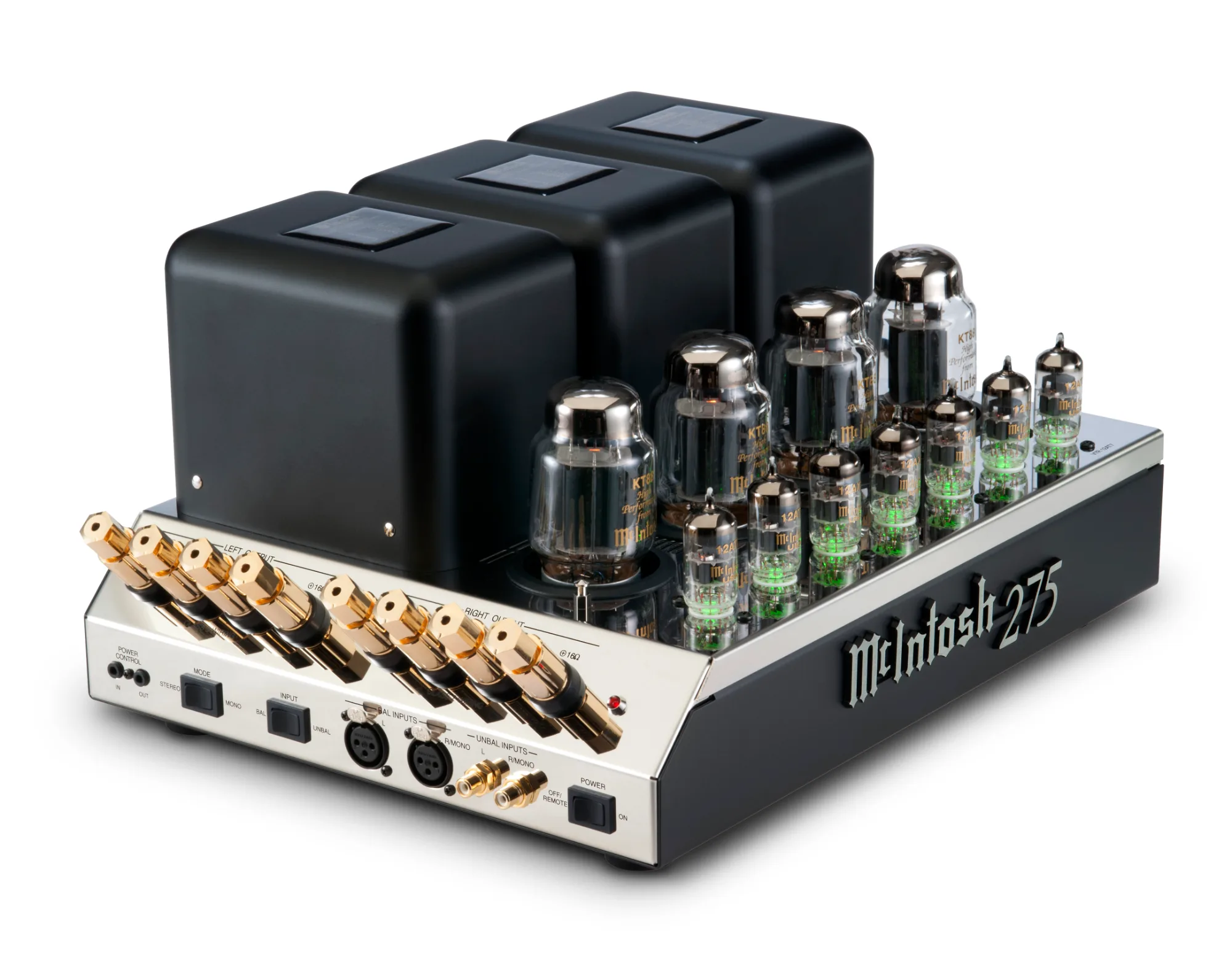
Frank McIntosh and Gordon Gow patented the Unity Coupled Circuit in 1949 as the company's foundational amplifier topology. The patent uses a bifilar-wound output transformer to couple two vacuum tubes in a way that dramatically reduces distortion at high output while extending frequency response. Seventy-five years later, the current MC275 Mk VI tube amplifier still uses the Unity Coupled Circuit. Very few audio manufacturers can claim that a foundational engineering idea has stayed in current production for three-quarters of a century without meaningful revision — and that fact matters less as a marketing claim than as evidence that Frank and Gordon actually got the underlying engineering right the first time.
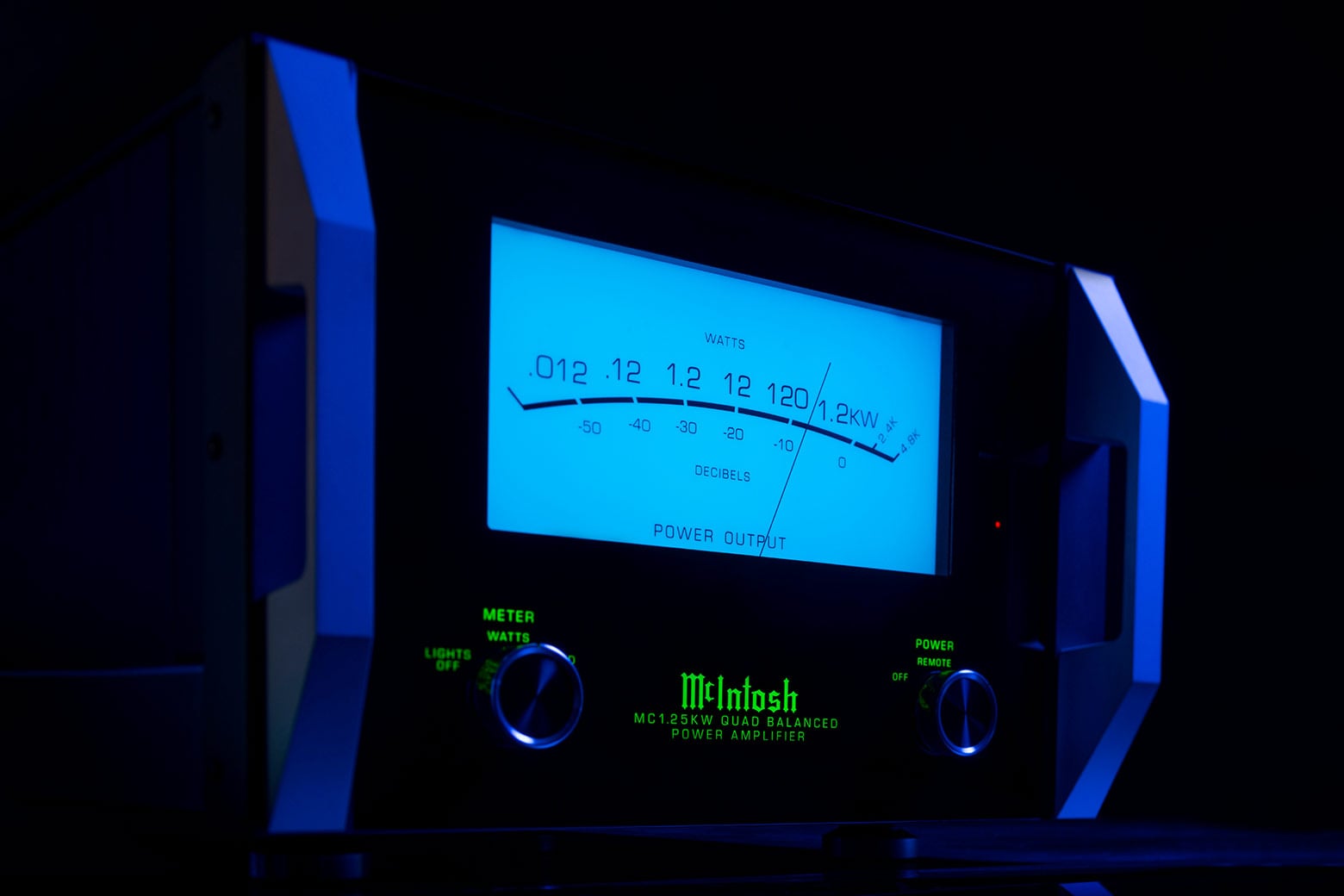
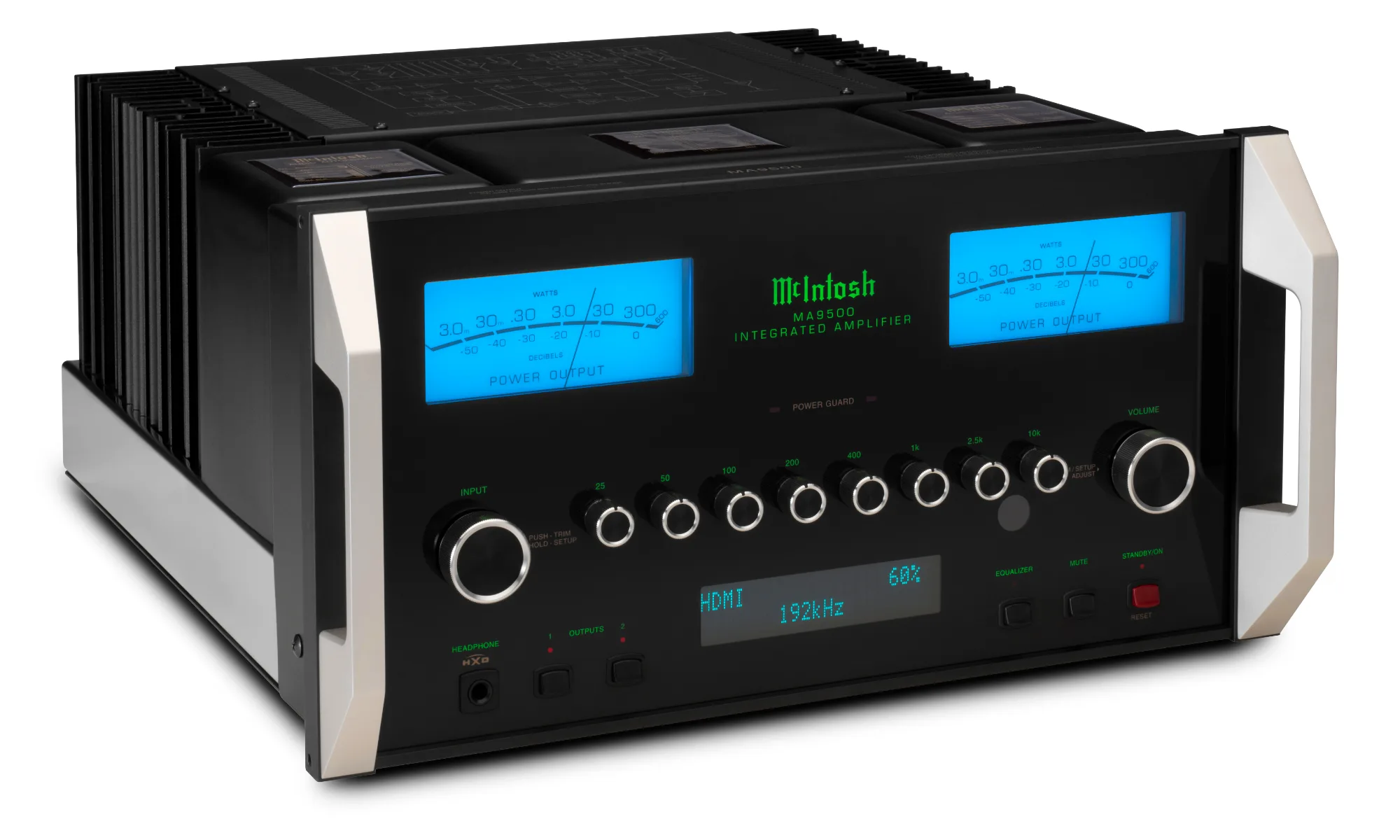
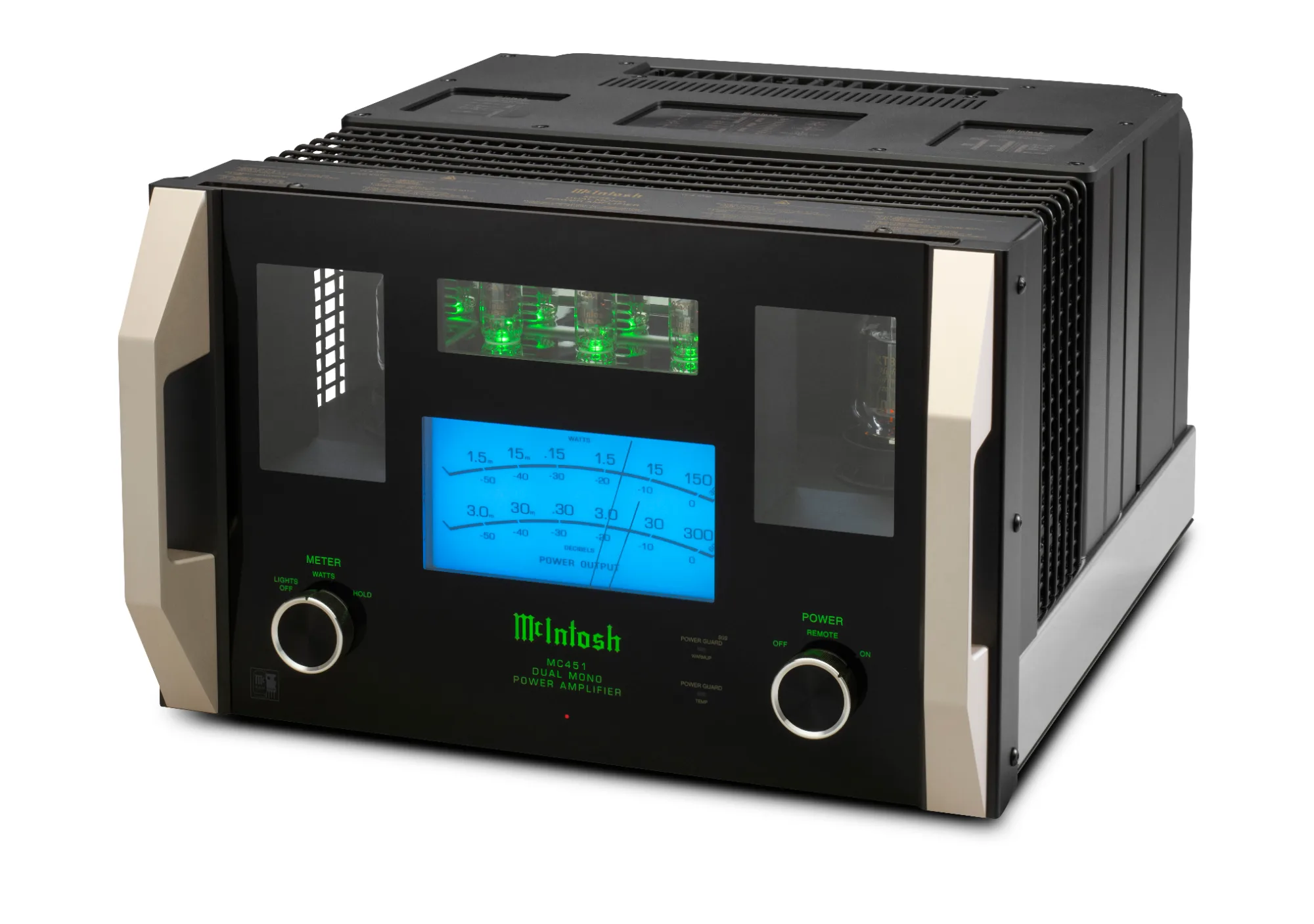
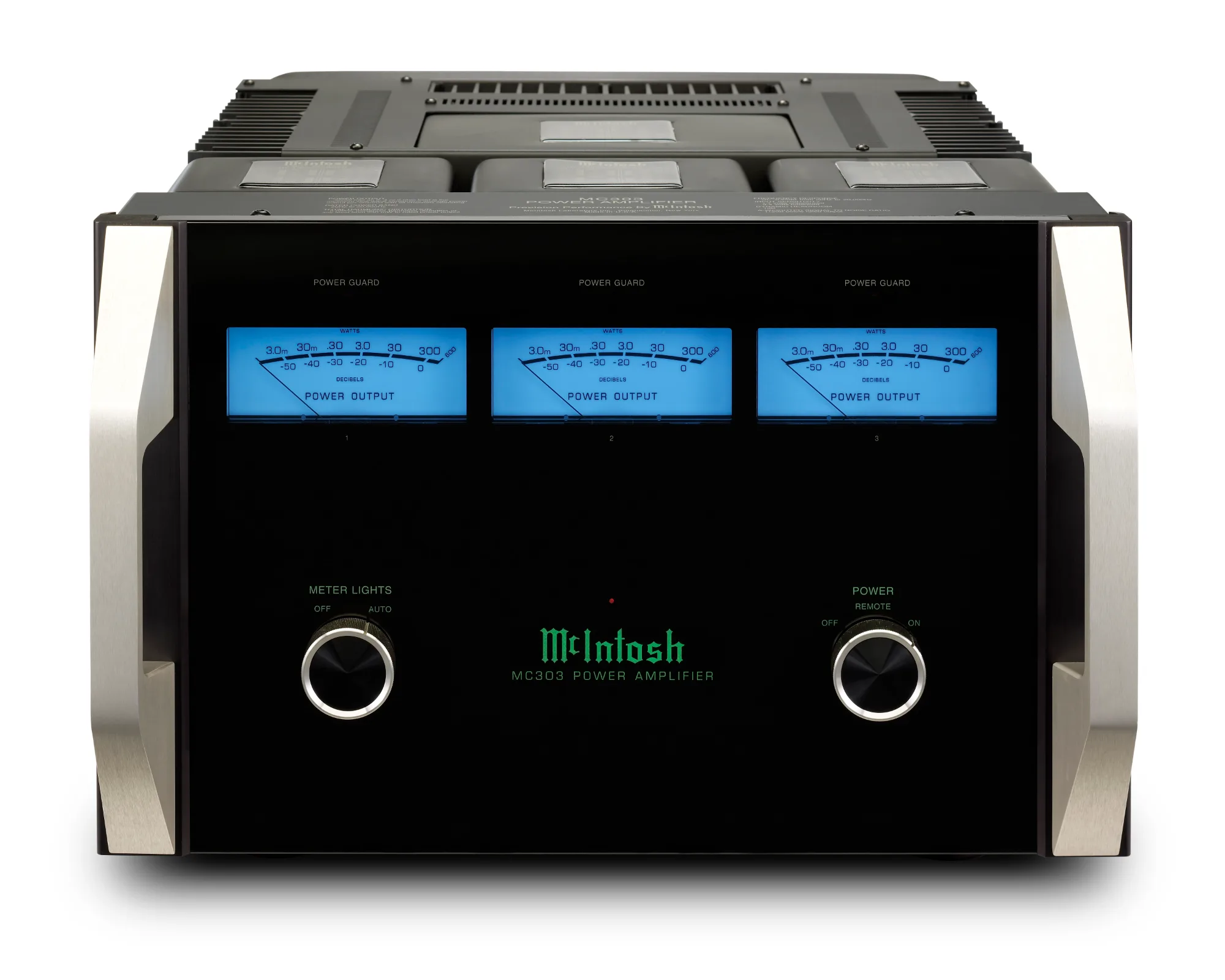
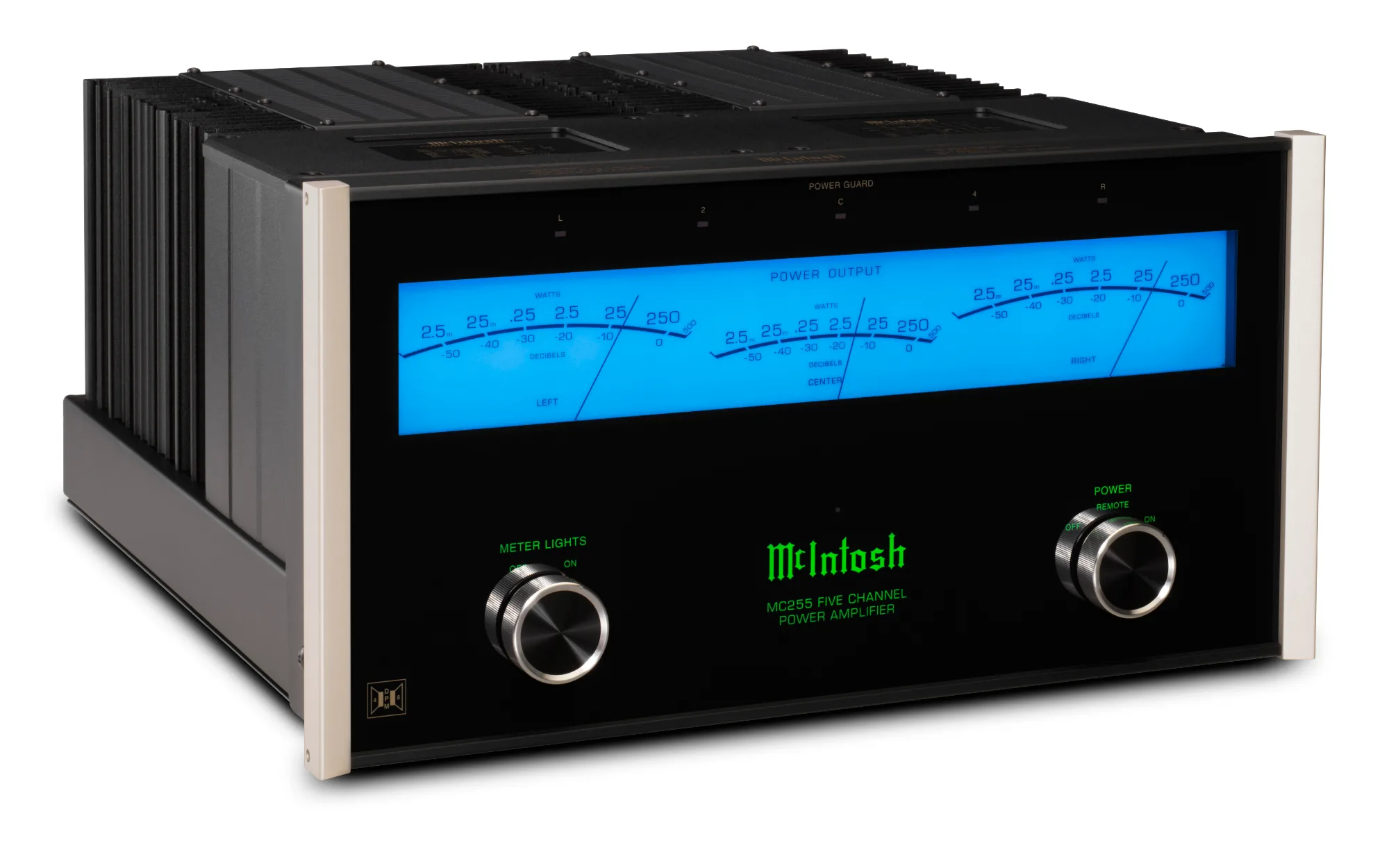
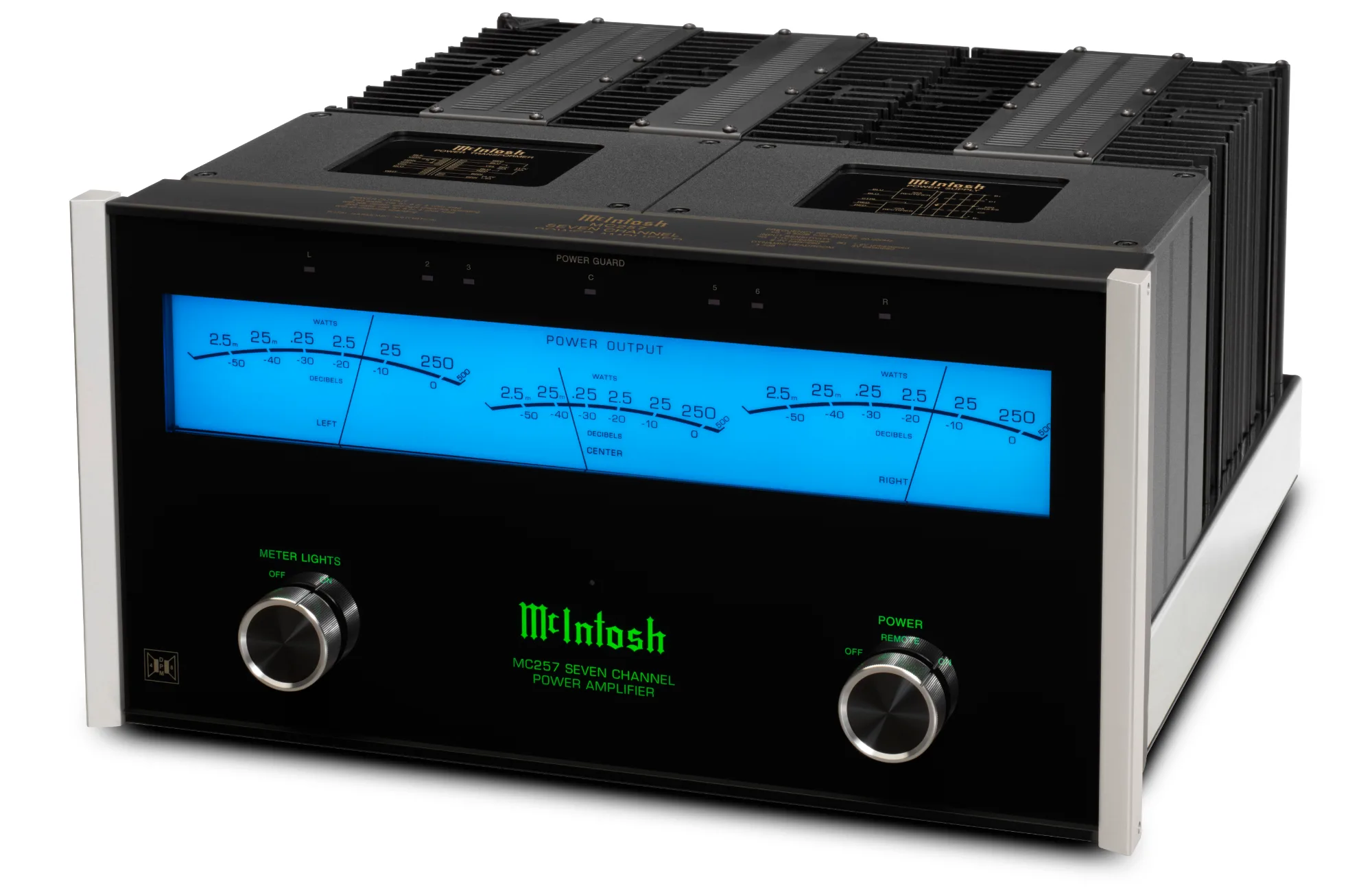
The visual identity is equally consistent. The black glass front panel dates to the early 1960s. The blue VU meters — introduced on the MC2105 in 1974 — are not decorative. They are true wide-band power meters, calibrated to display accurate output during actual music playback rather than idealised test tones, and the ballistic characteristics of the movement were designed to respond the way a listener perceives loudness. The gothic McIntosh logo, the black glass, the blue meters — no other manufacturer looks like a McIntosh, and the character is entirely a byproduct of engineering choices that were made honestly and never abandoned.
The McIntosh line at LMC
LMC carries the full McIntosh catalog across every product family the company makes.
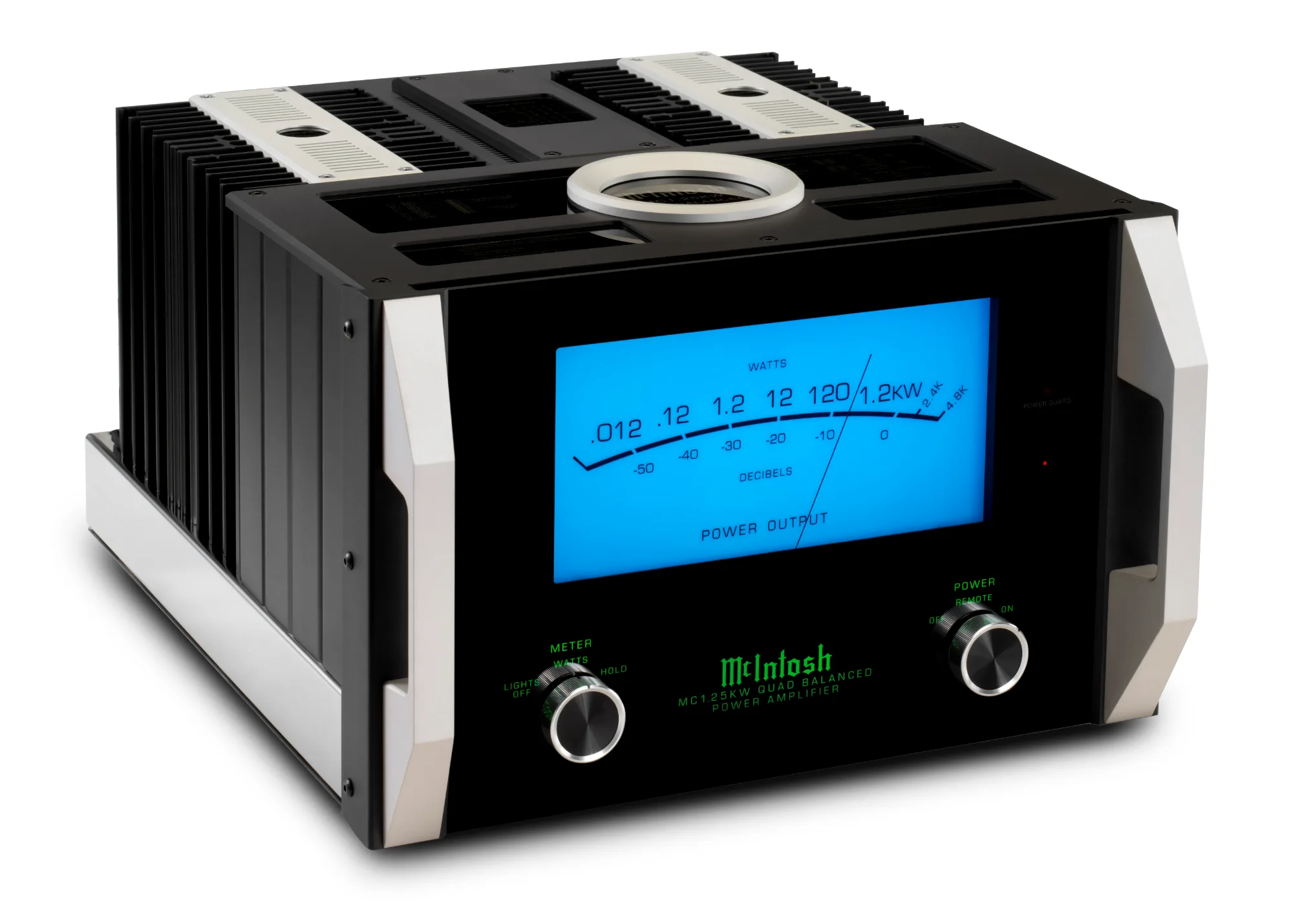
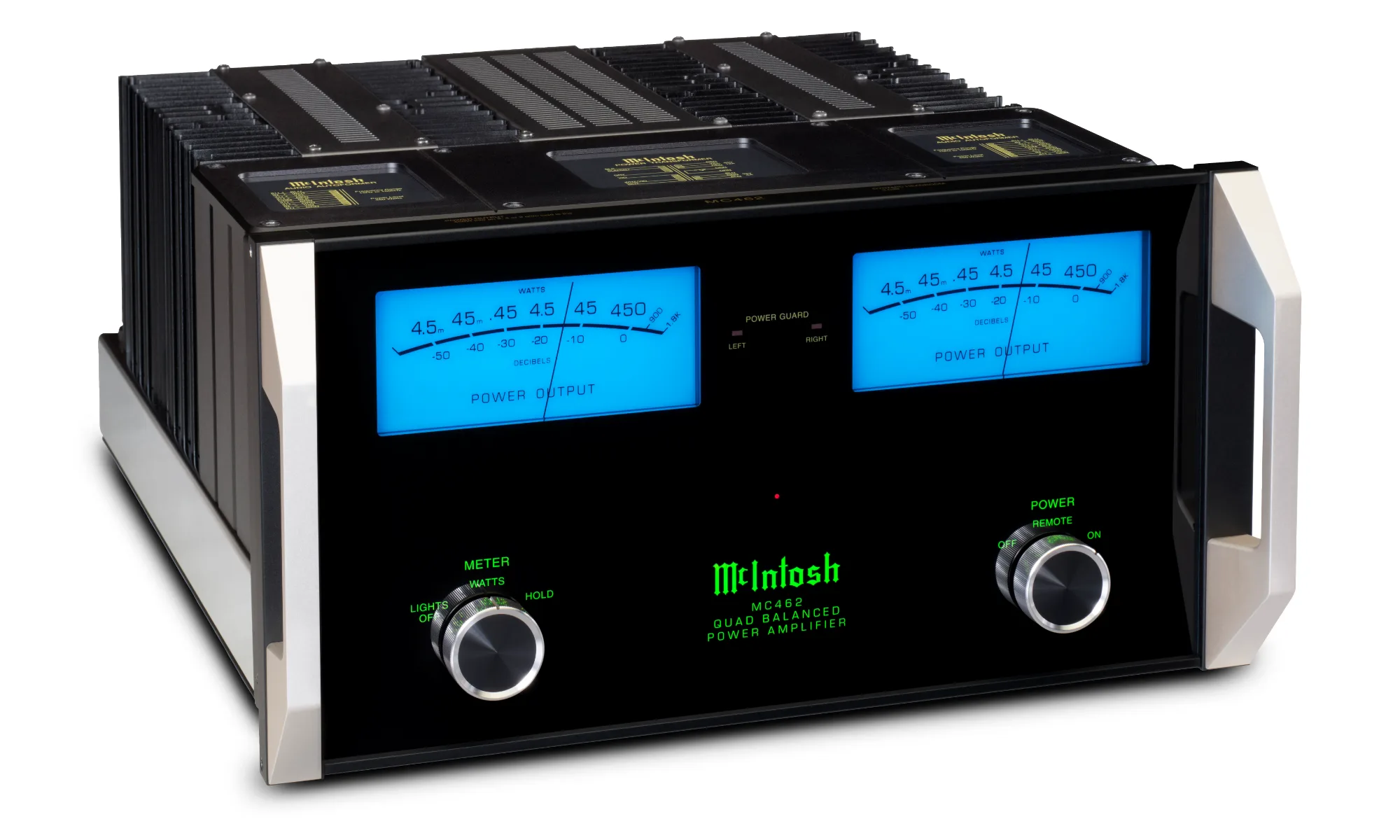
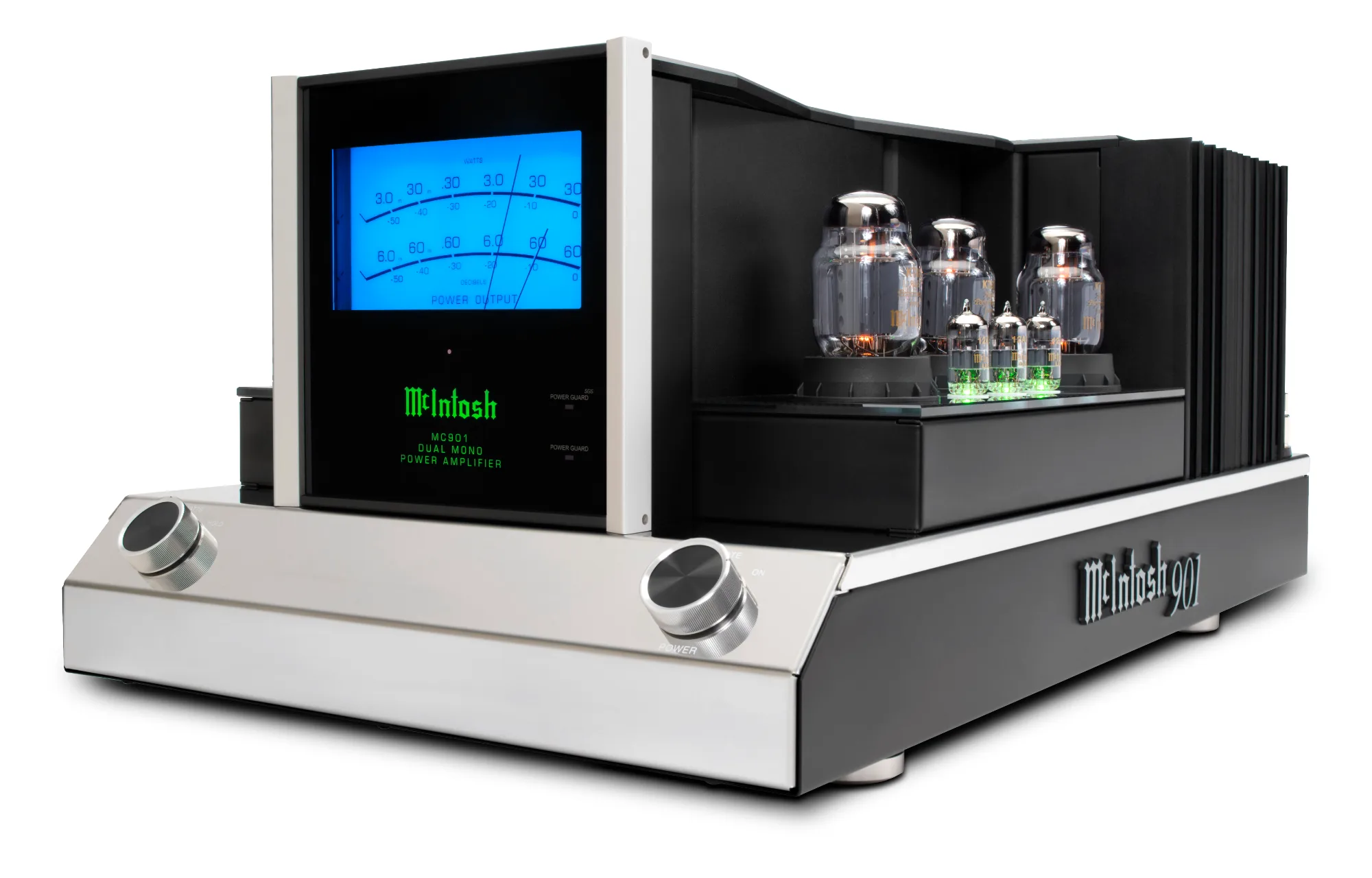
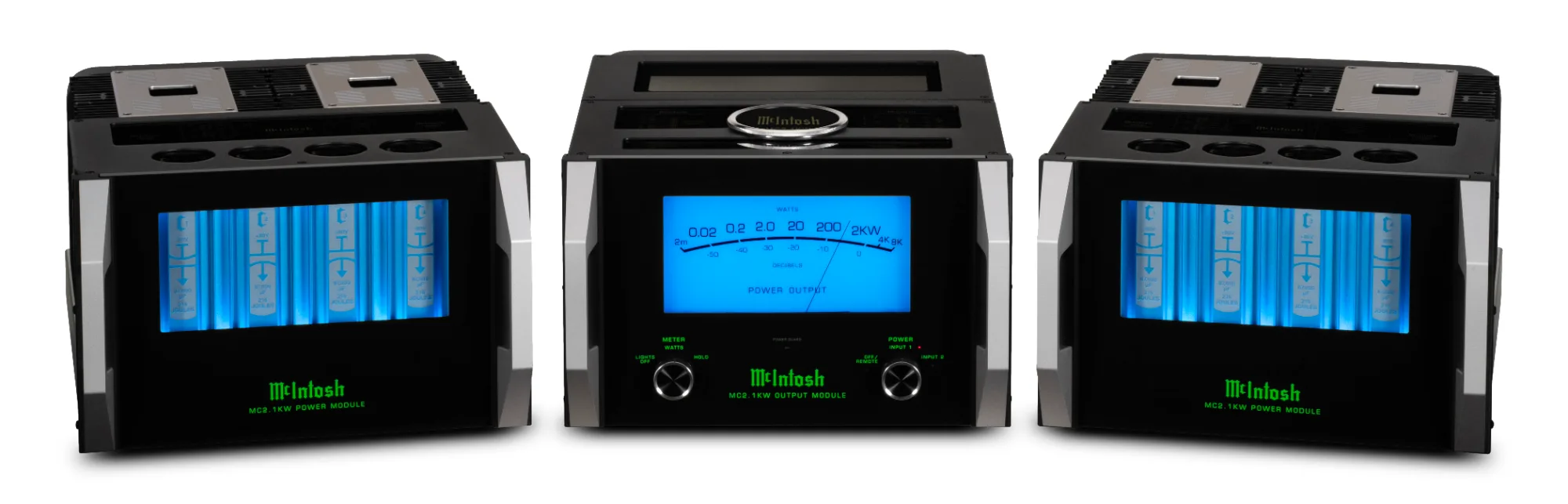
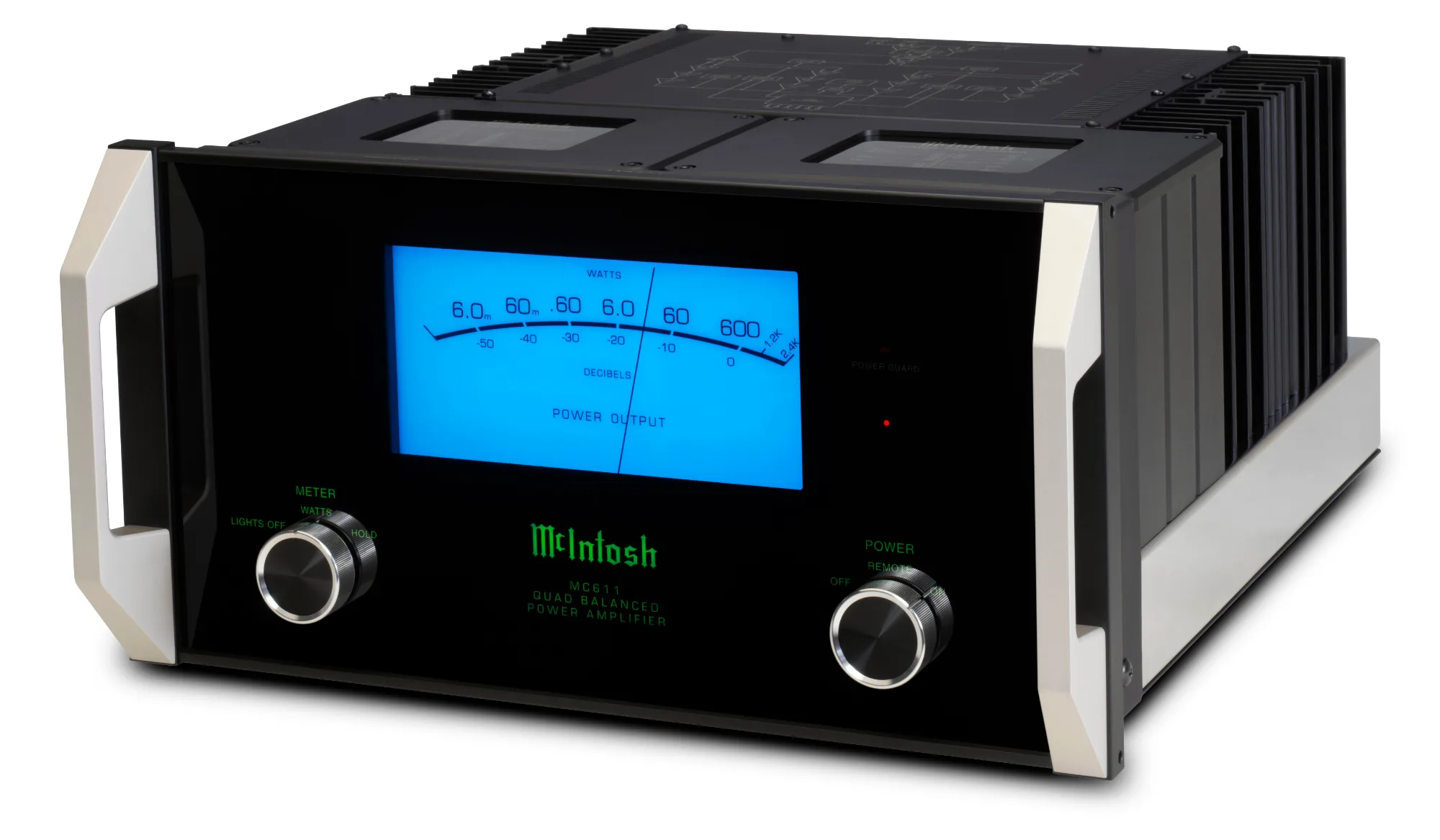
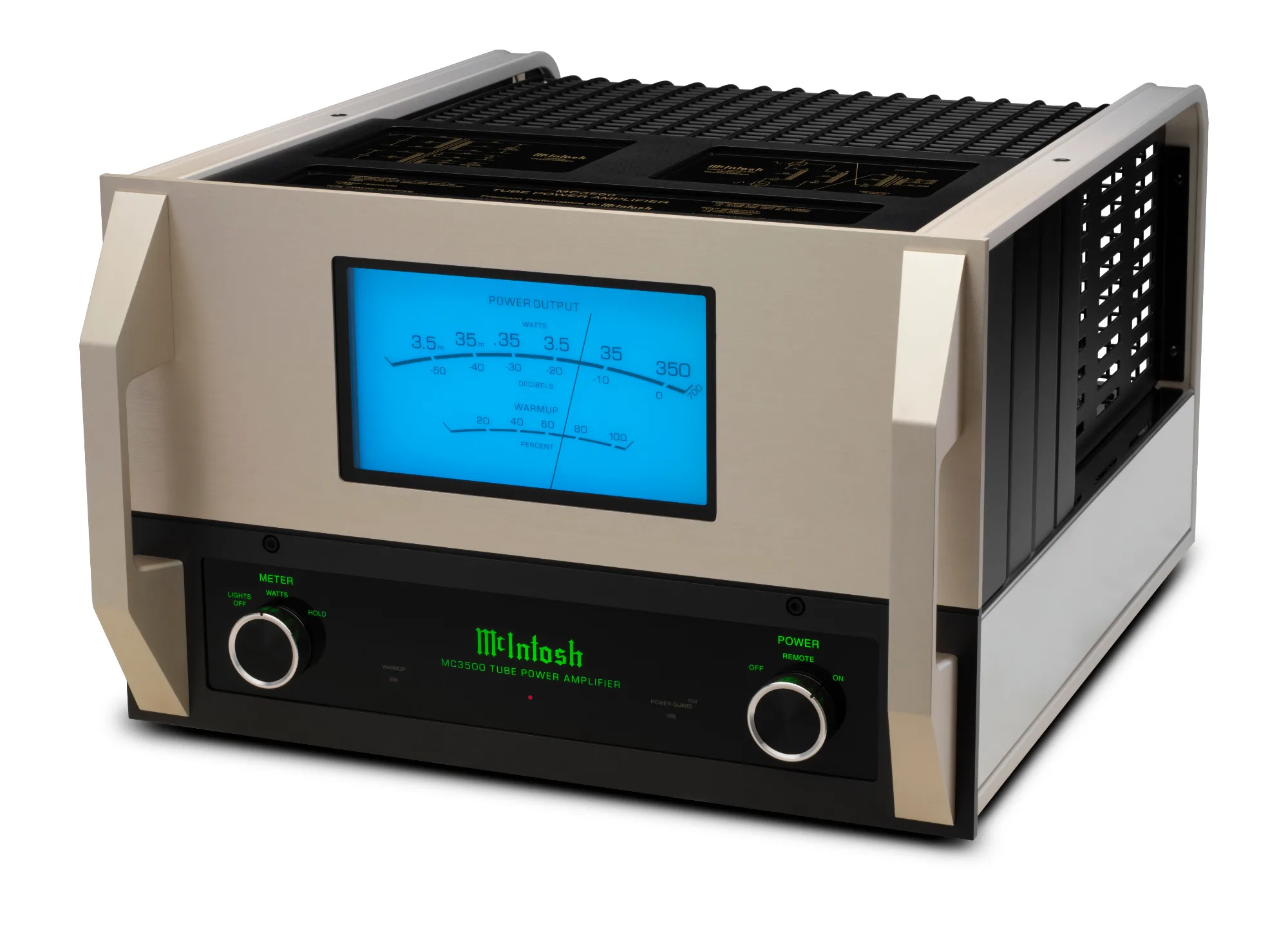
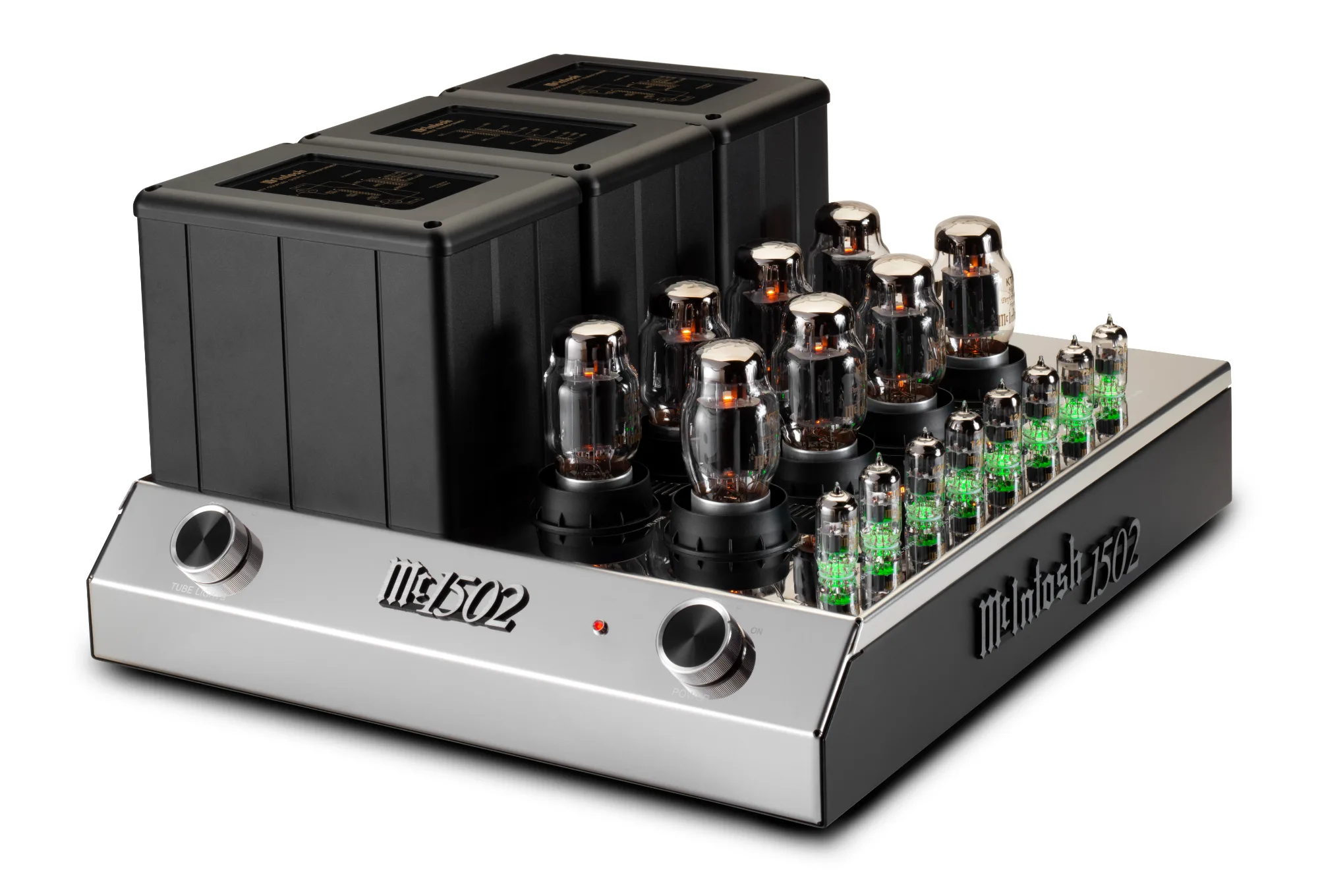
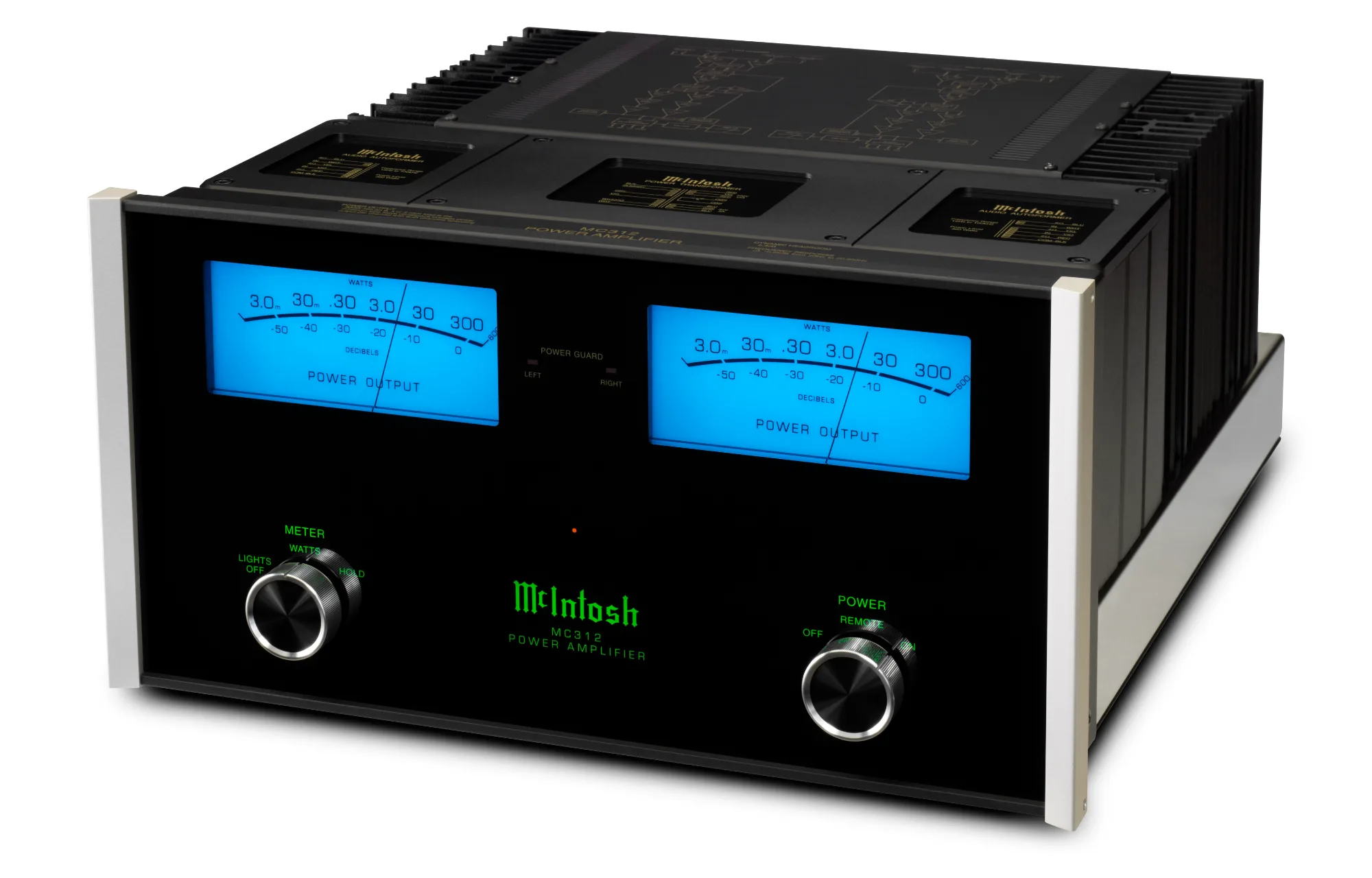
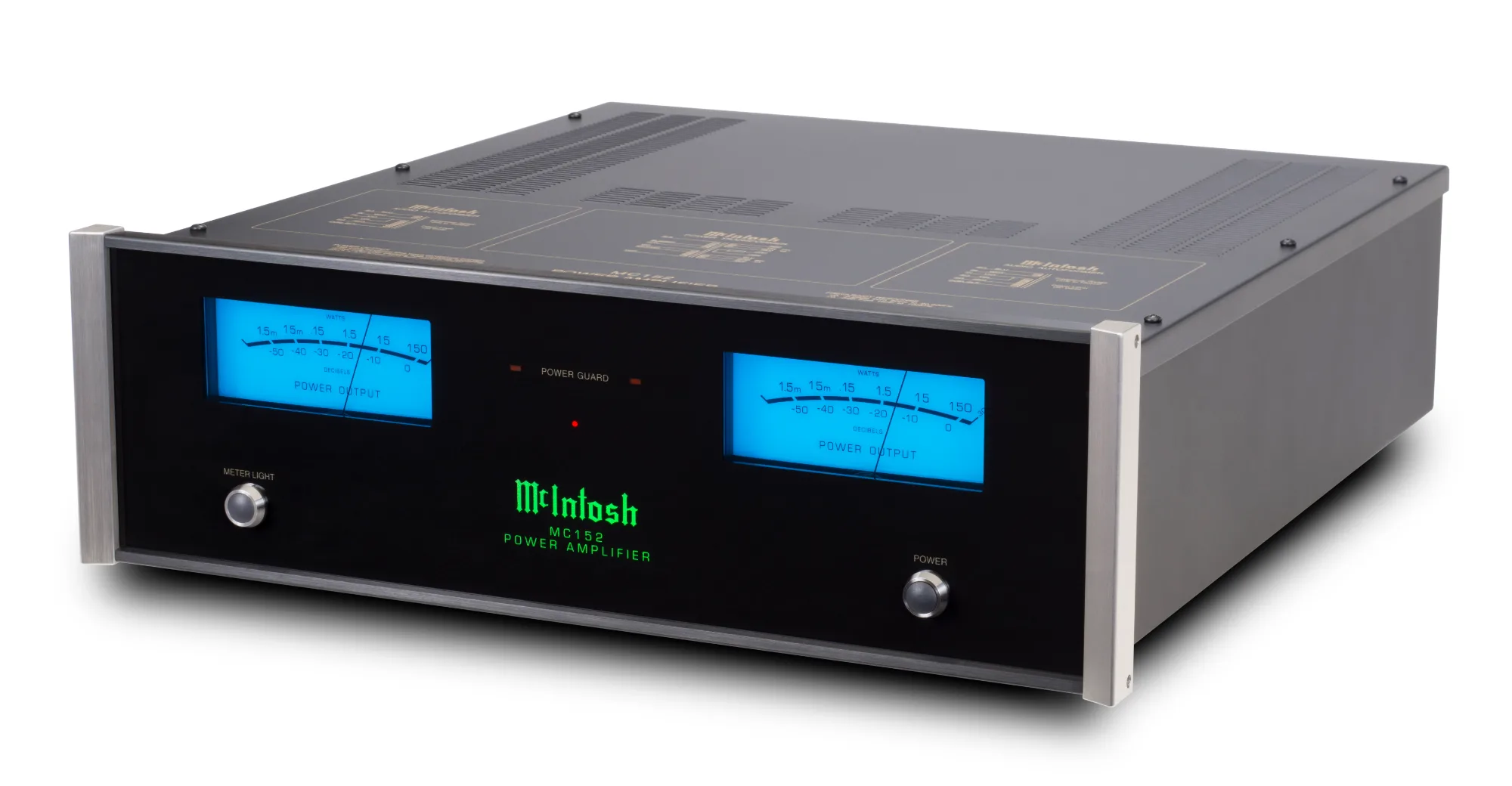
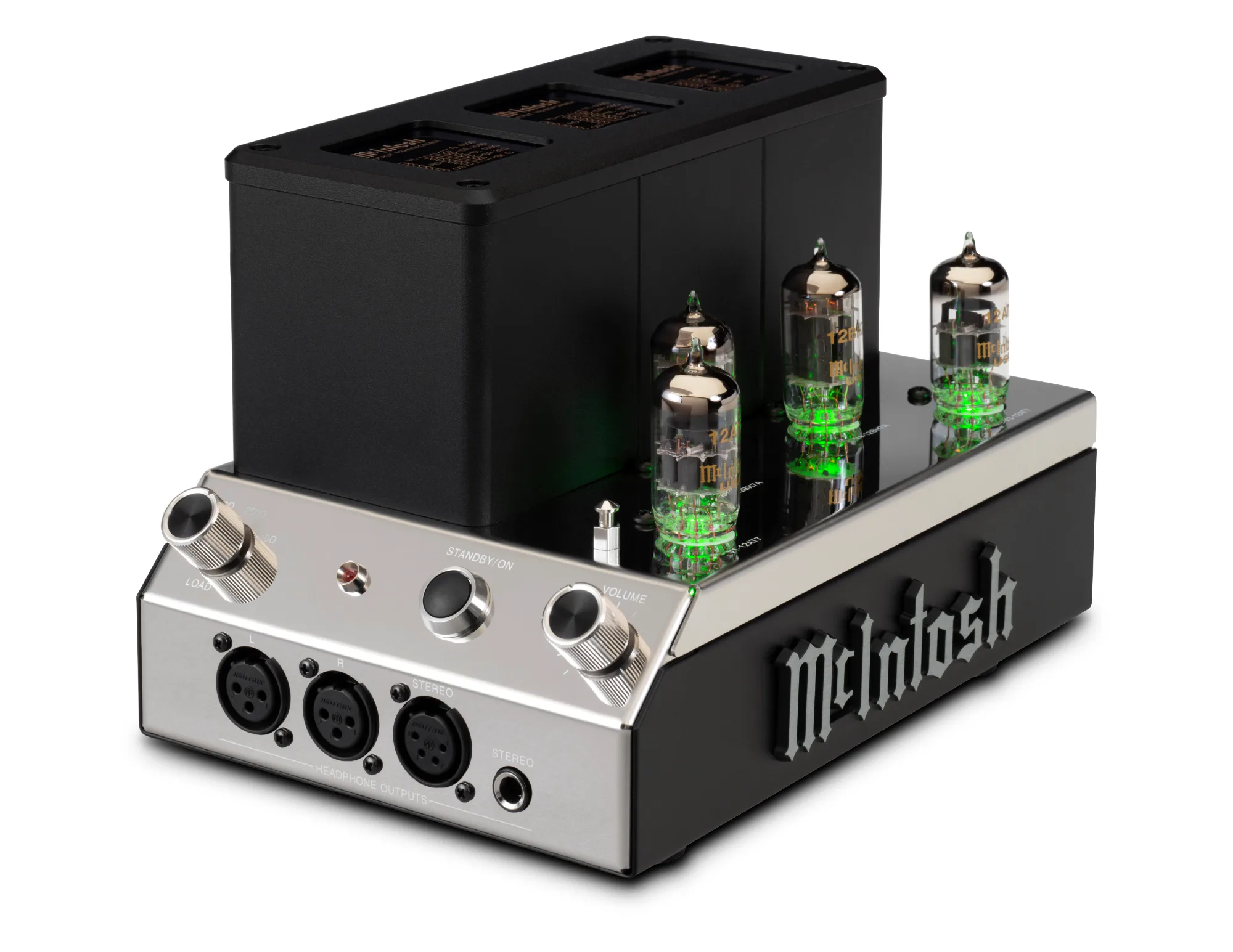
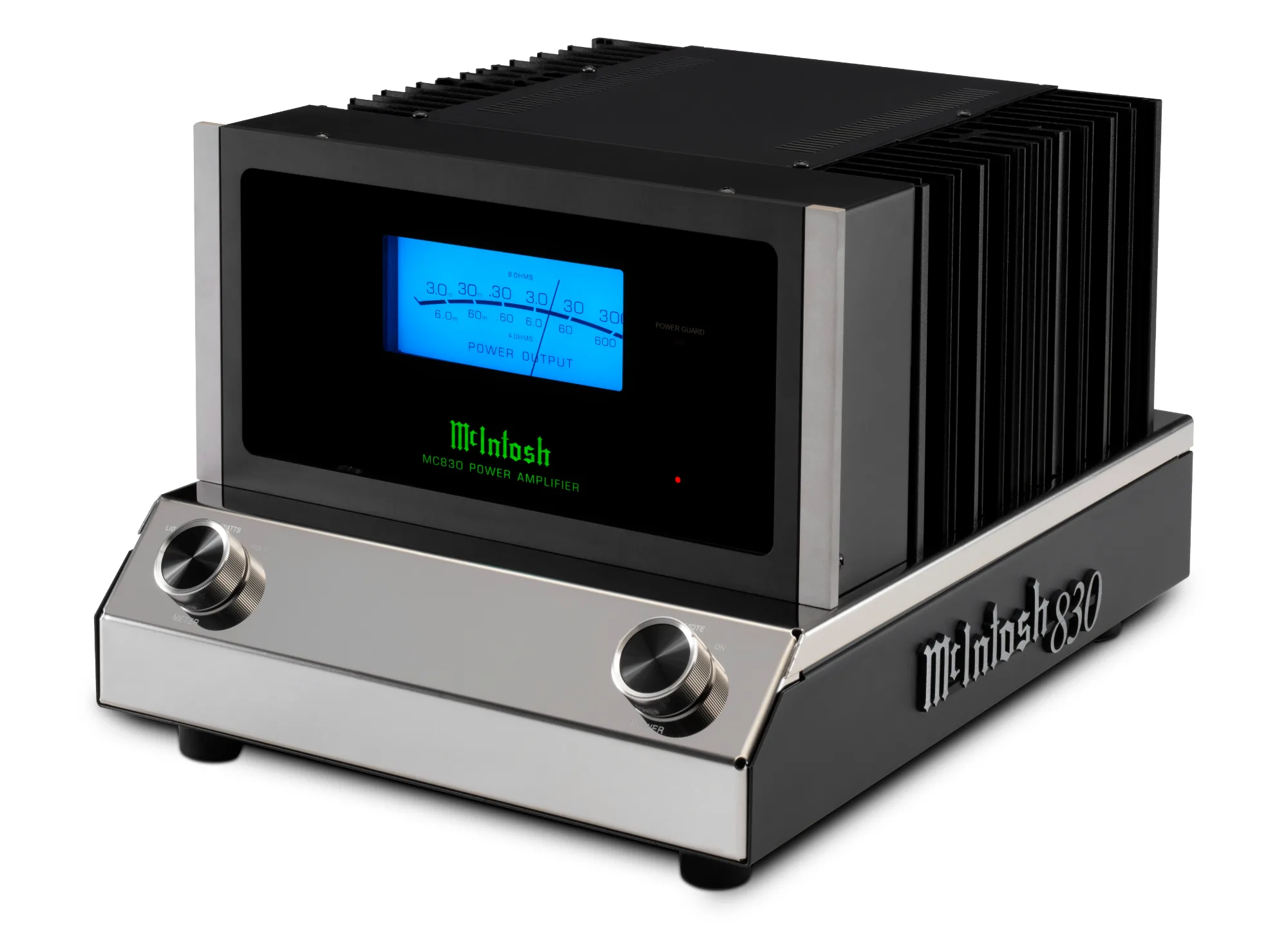
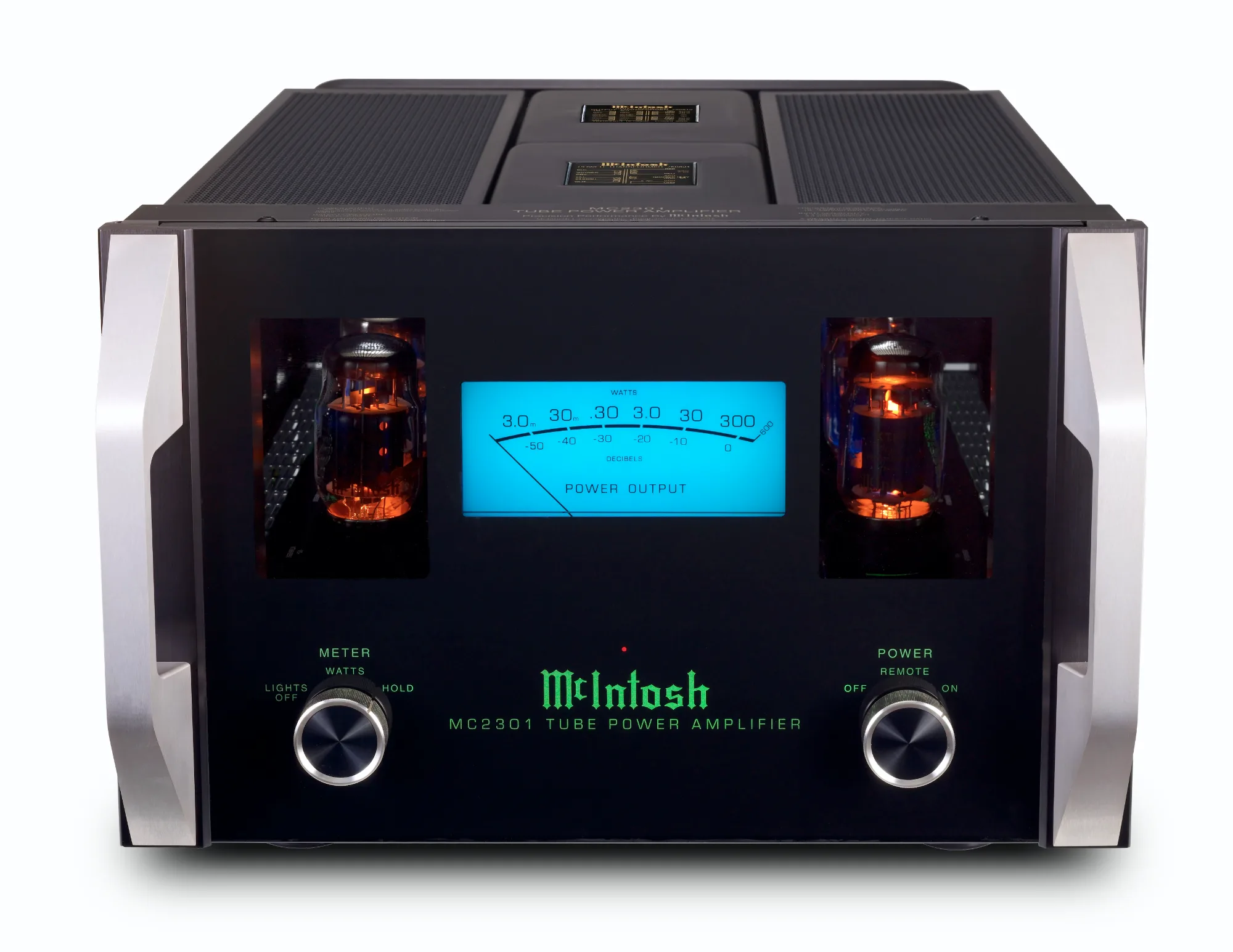
The tube amplifiers cover the range from the original 1961 MC275 lineage through the current dual-mono statement work — MC275 Mk VI stereo, MC1502 stereo, MC2301 monoblock, MC901 dual-mono hybrid, and the MC3500 Mk II 350-watt monoblock at the top. The solid-state amplifiers cover a similarly complete ladder — MC152, MC312, MC611, MC462, MC451 quad-balanced, and the MC1.25KW monoblock flagship.
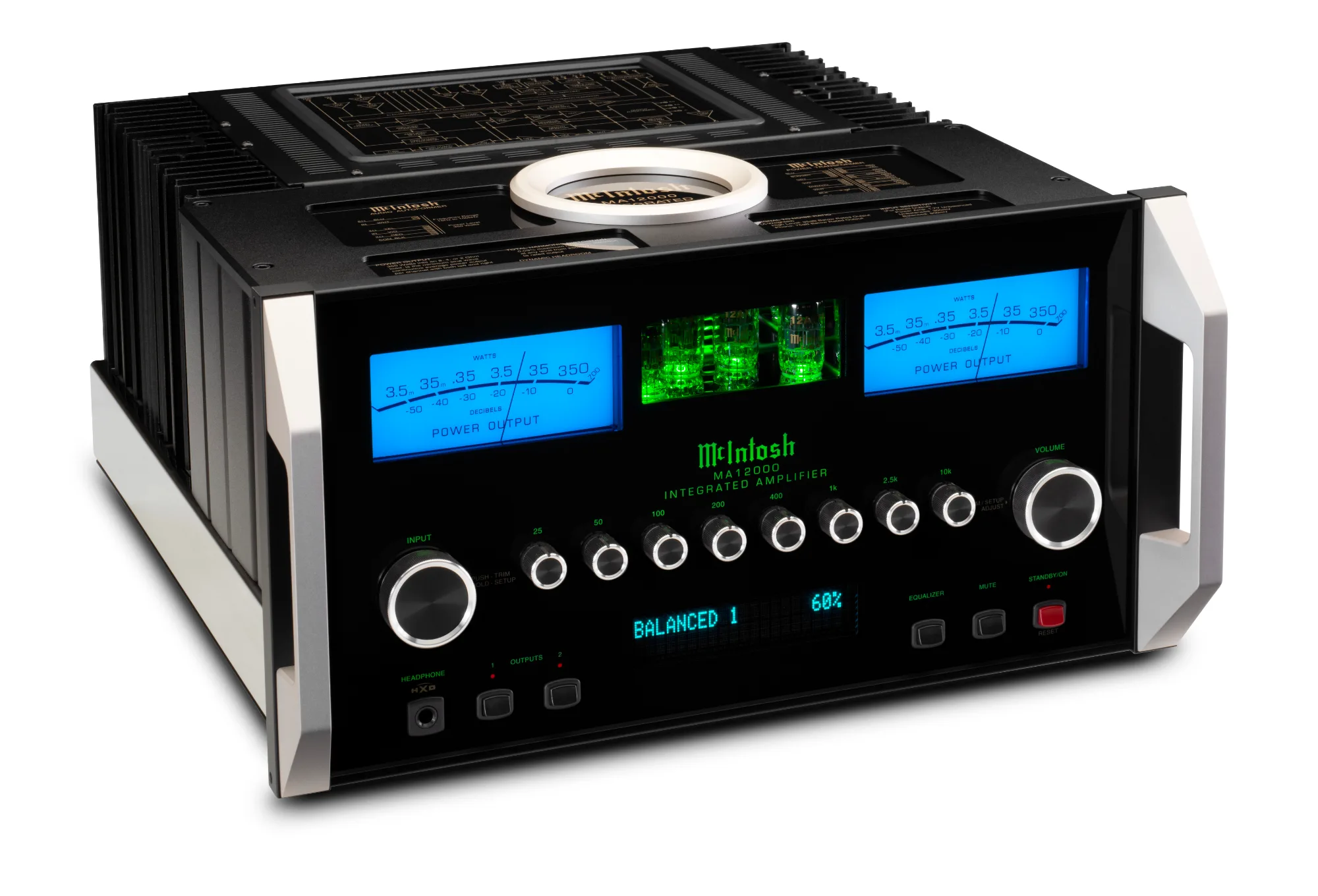
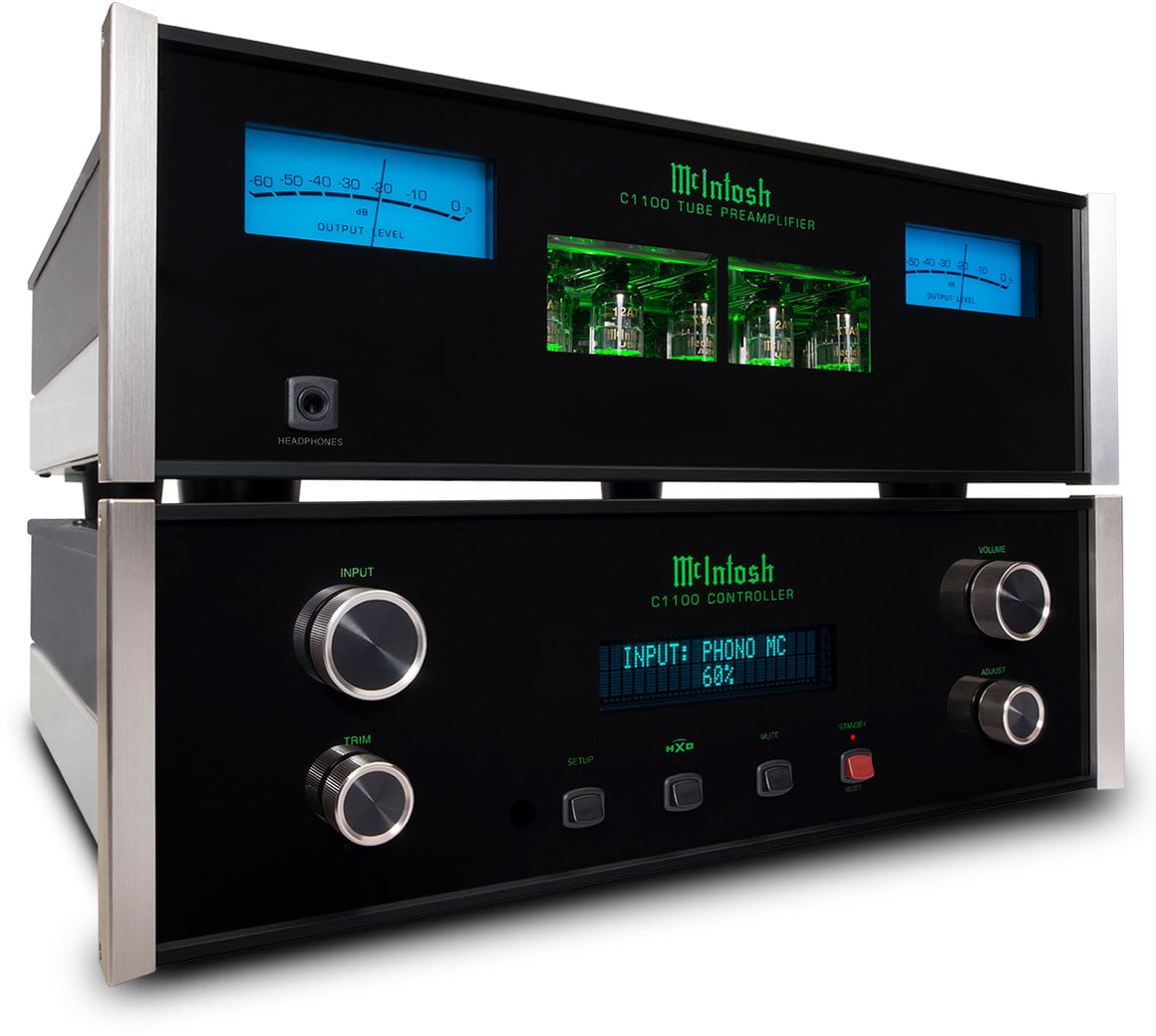
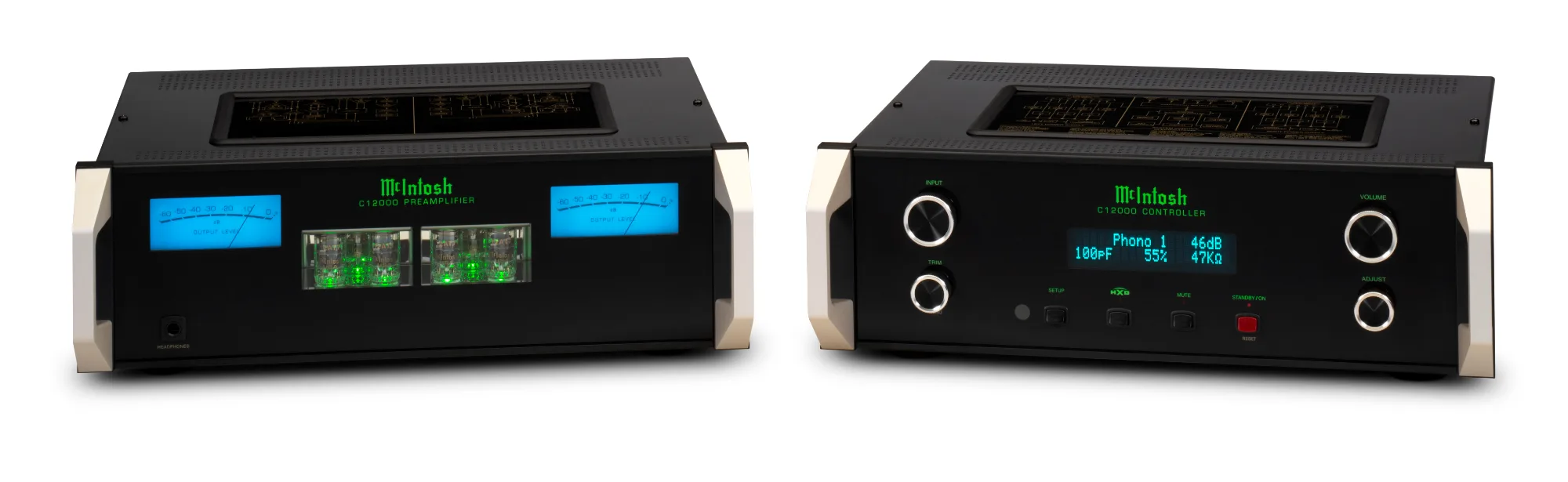
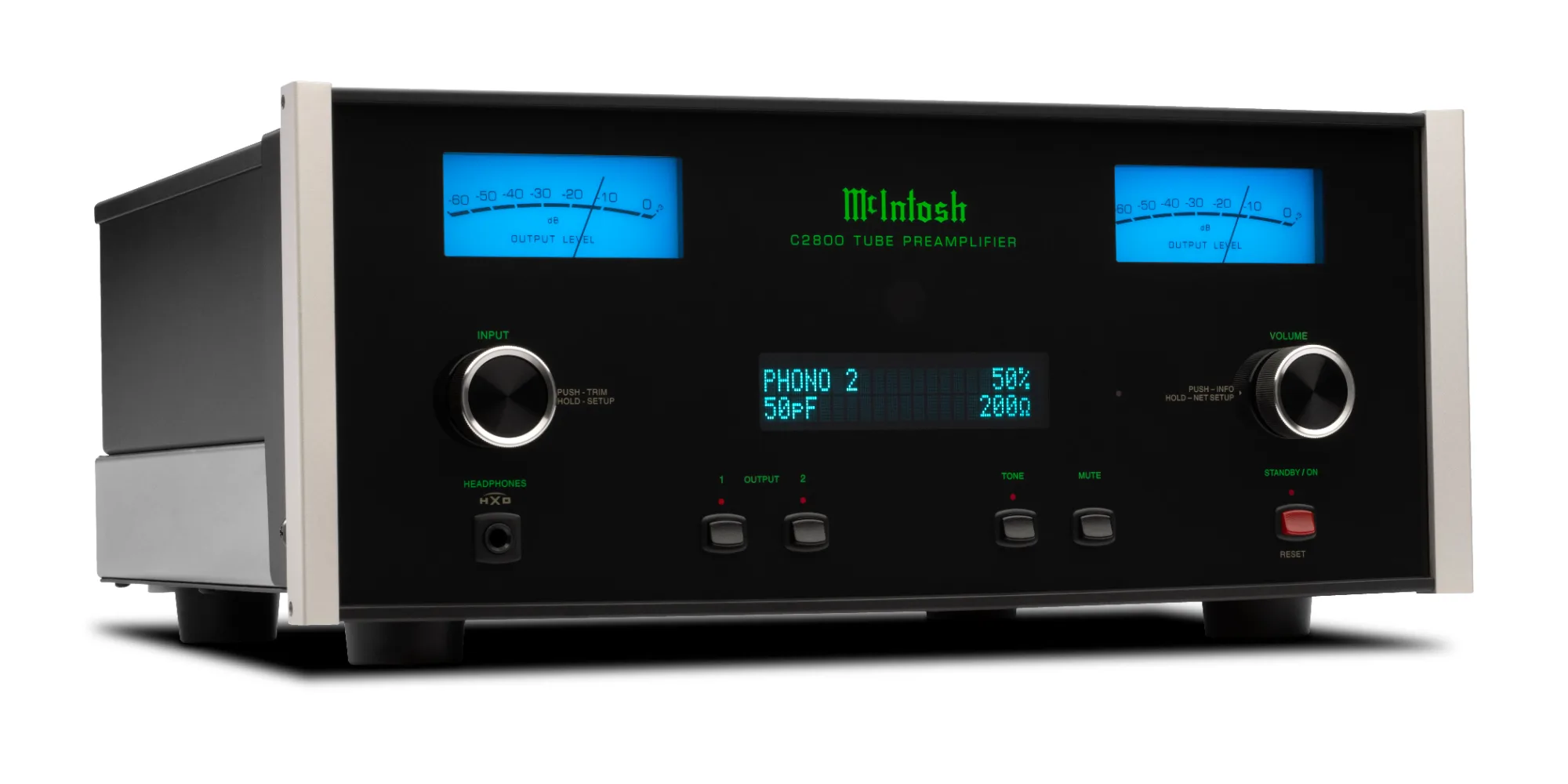
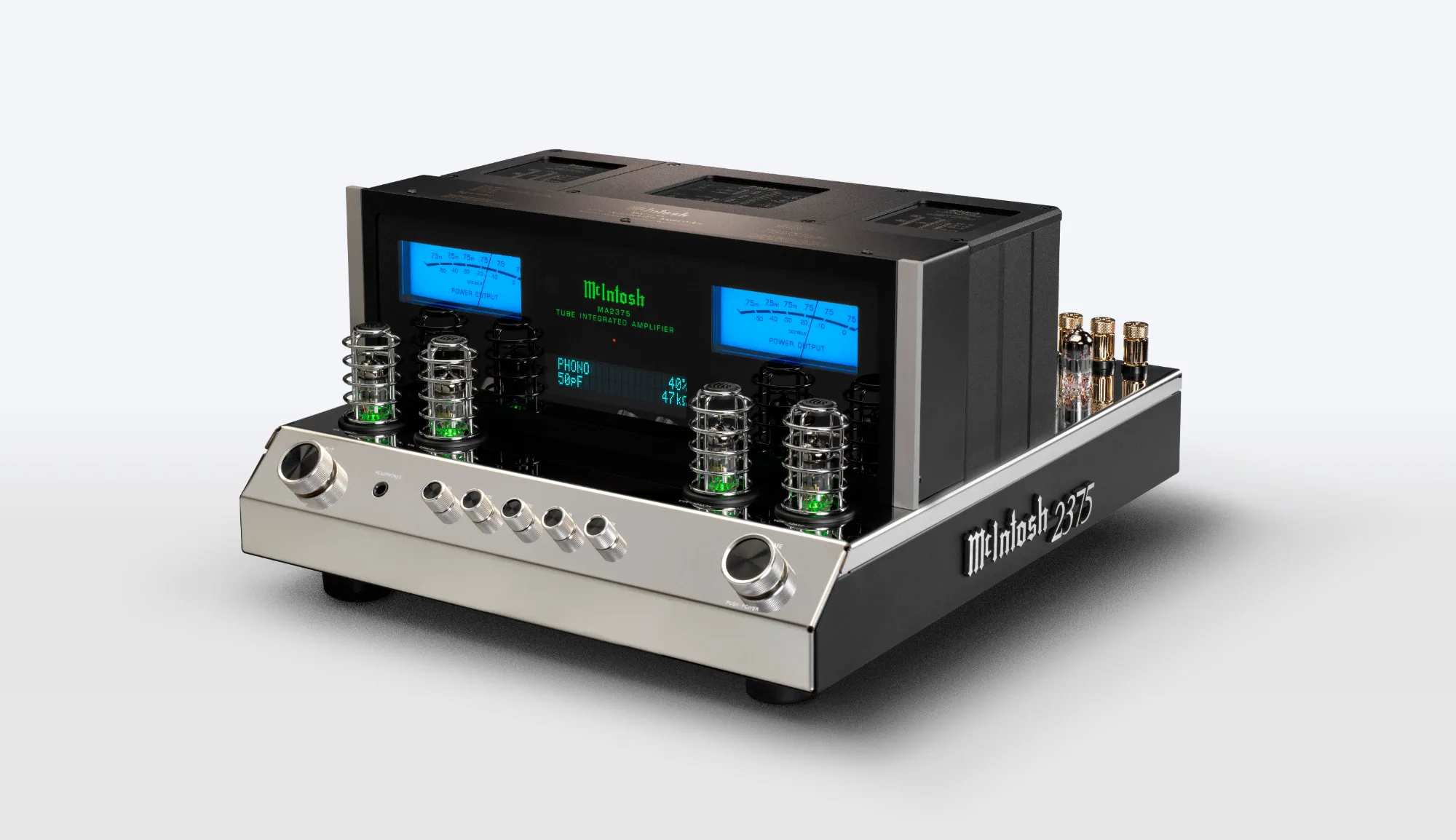
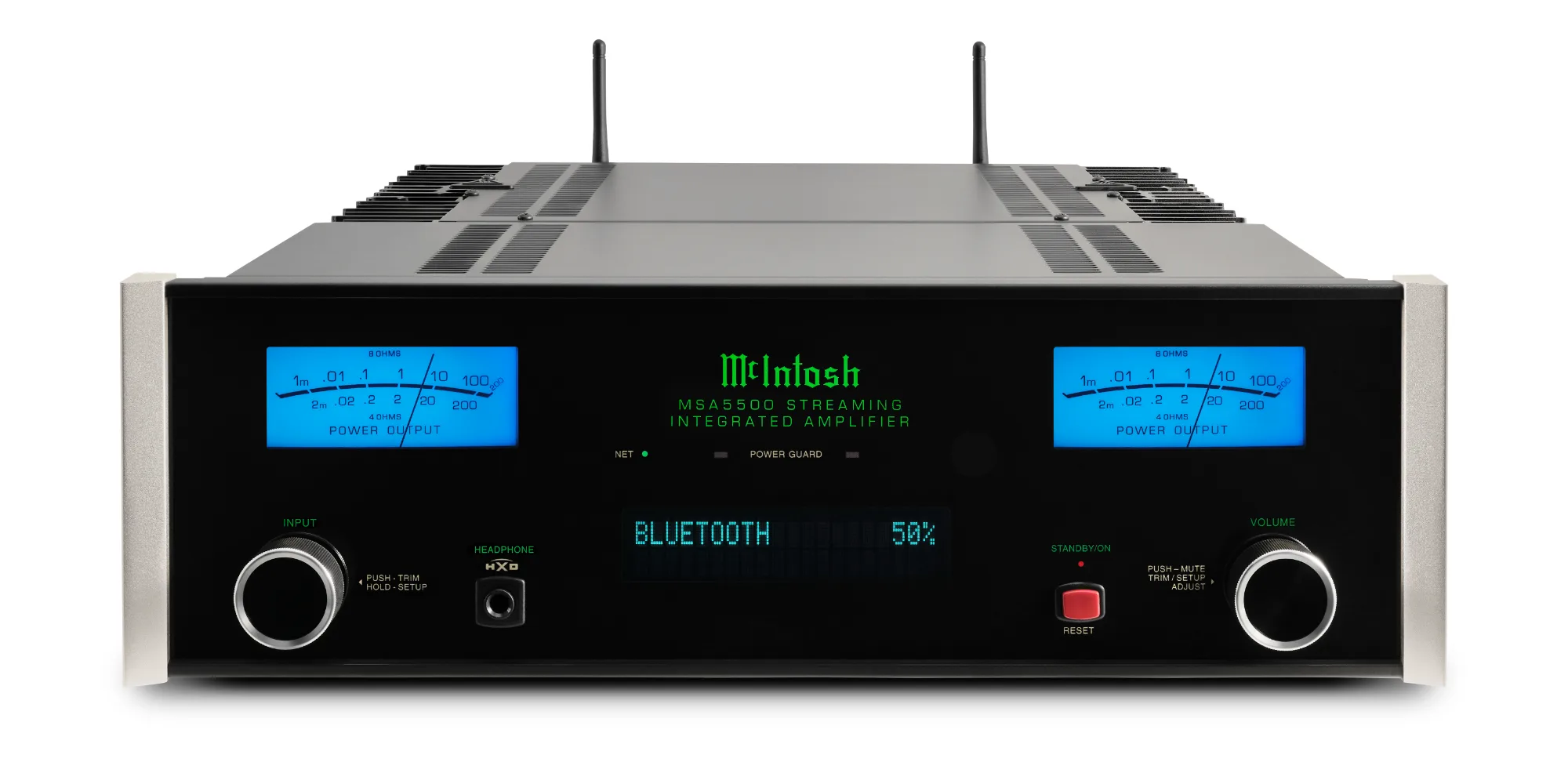
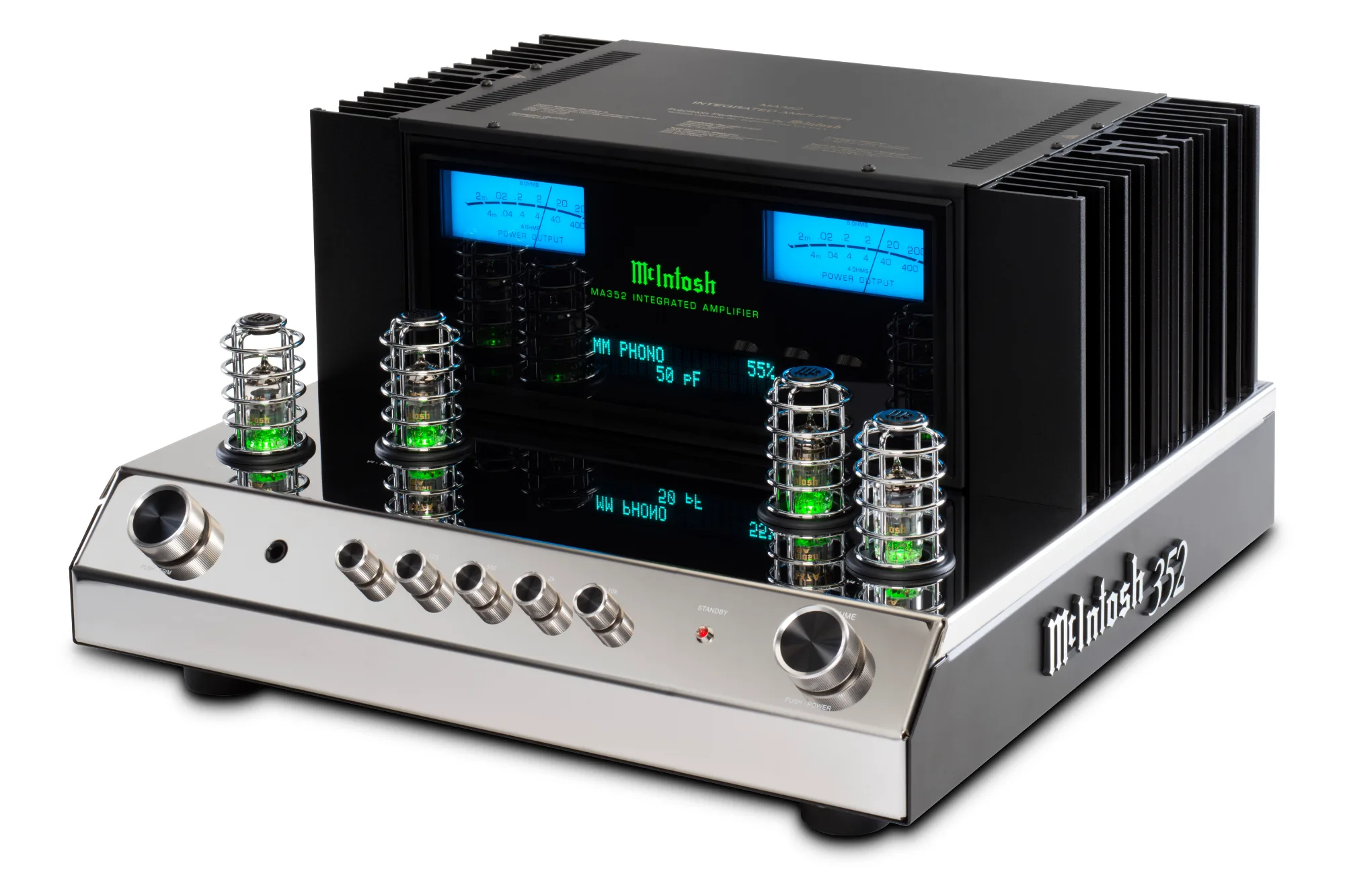
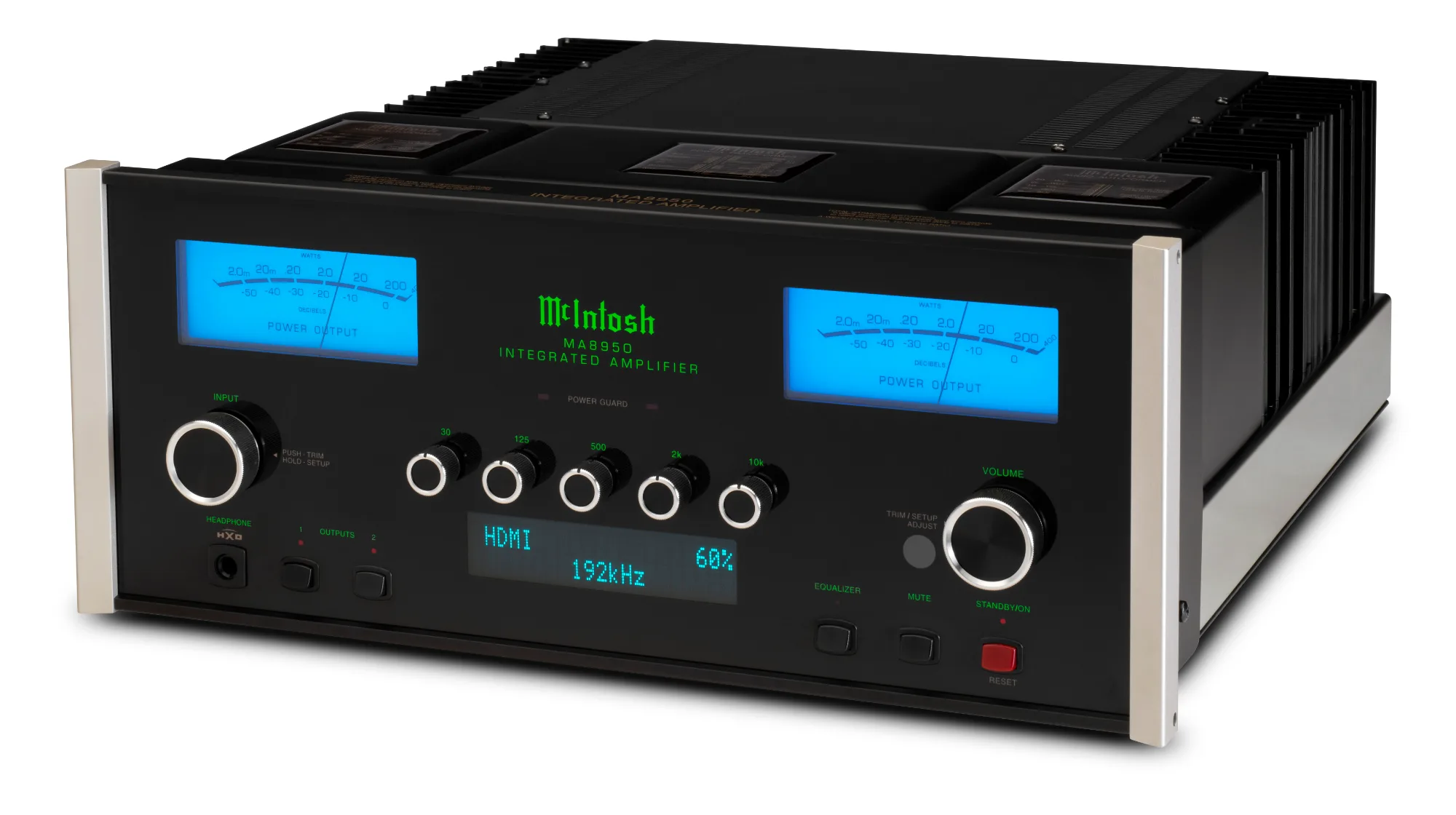
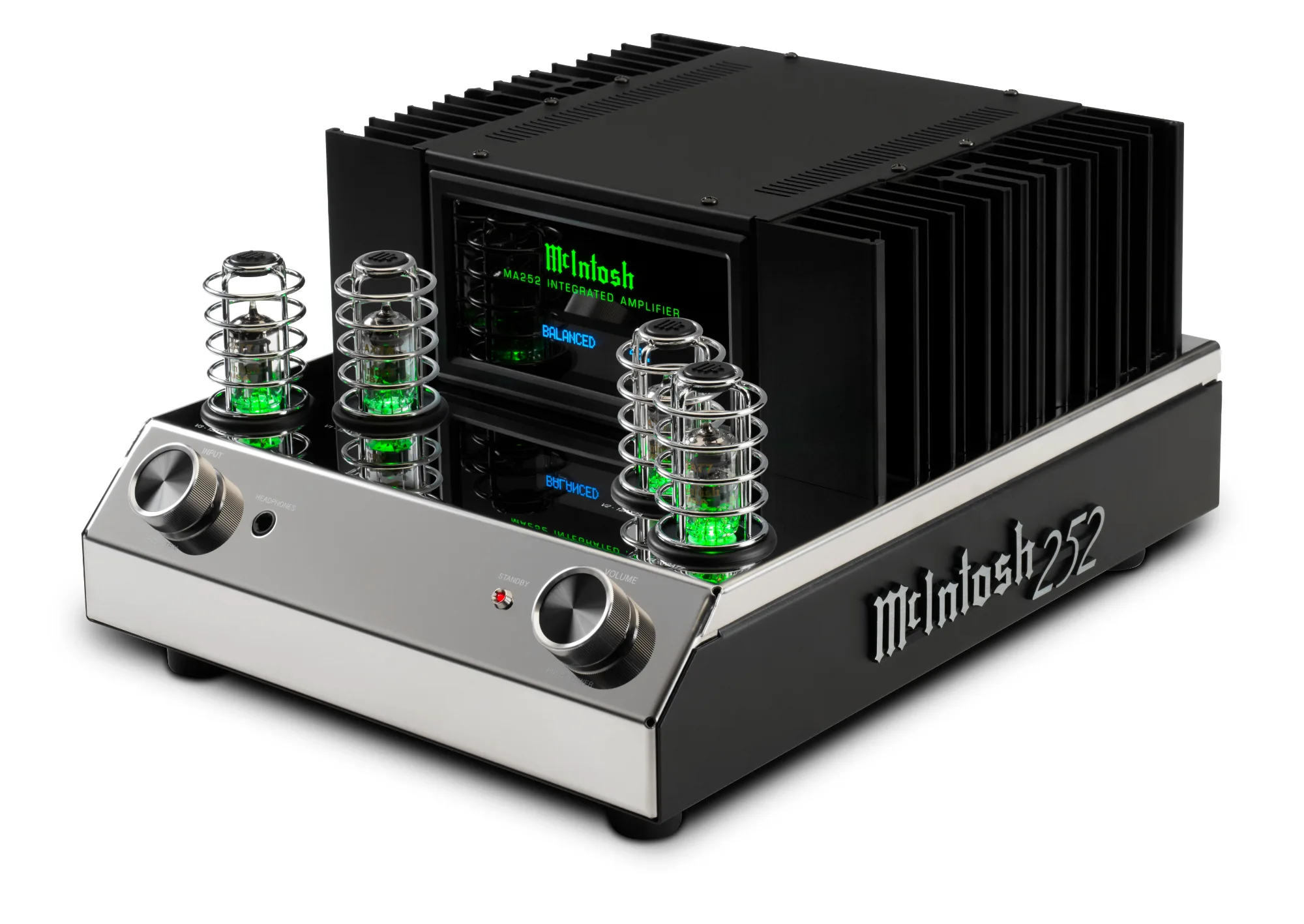
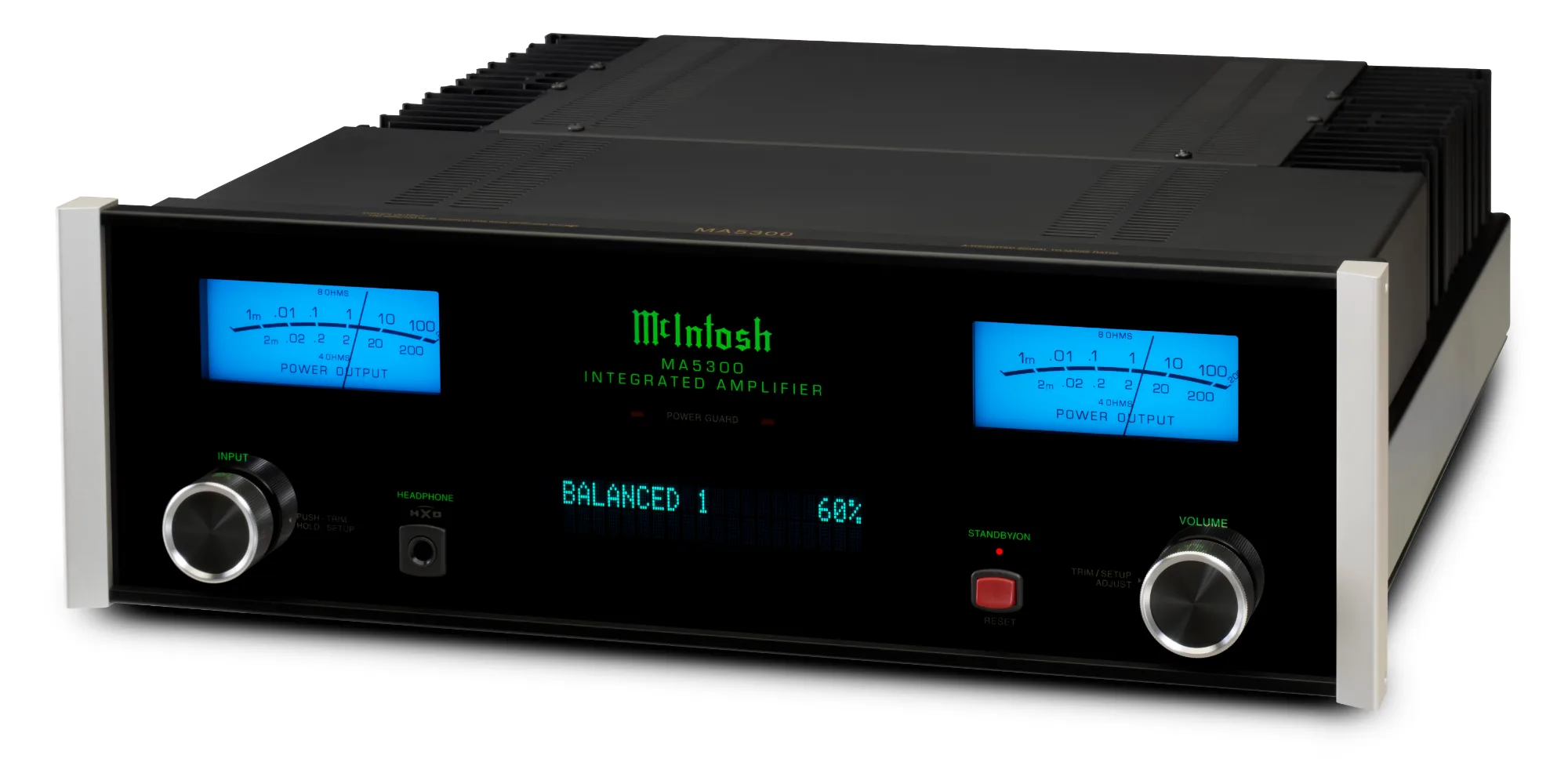
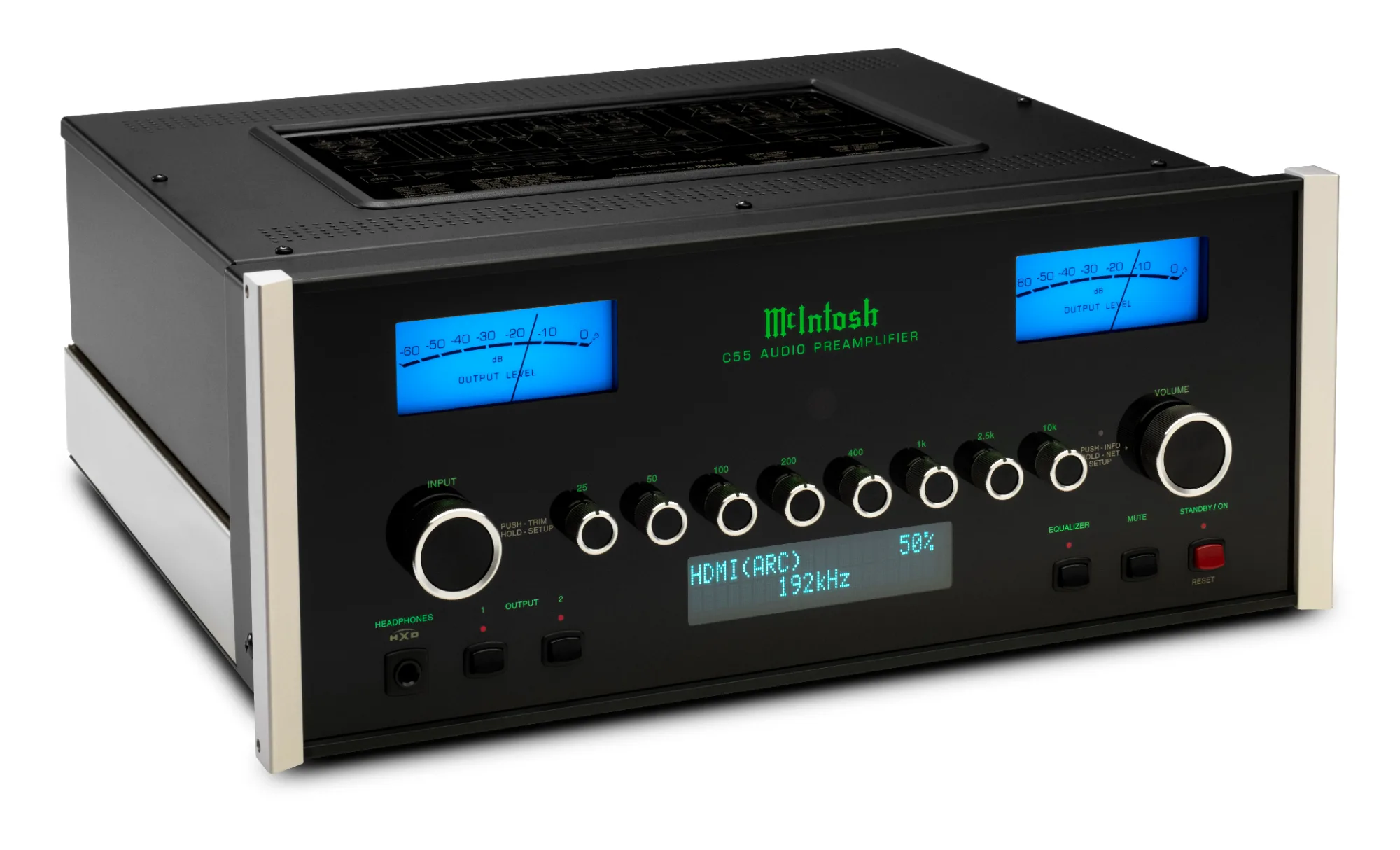
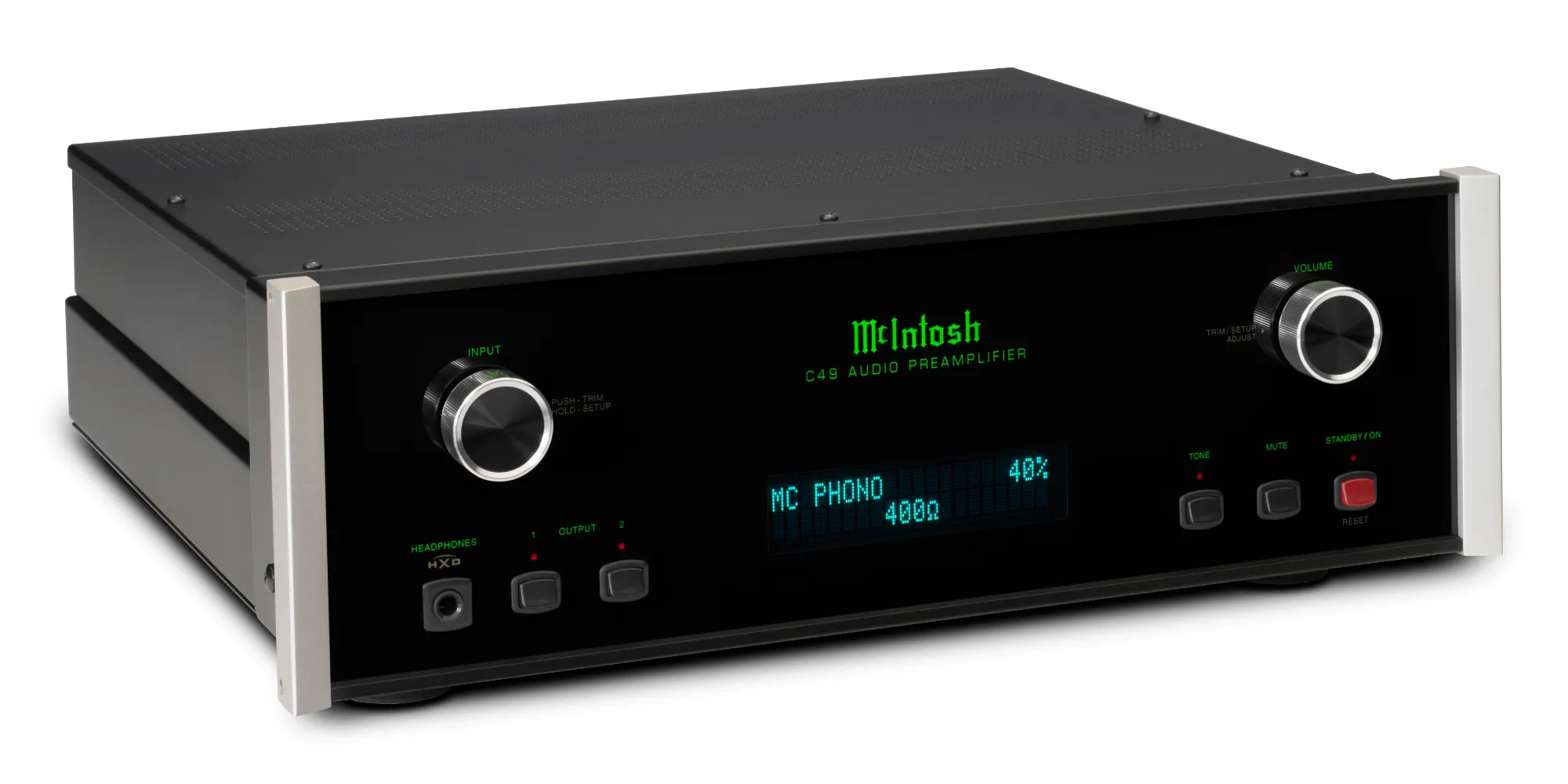
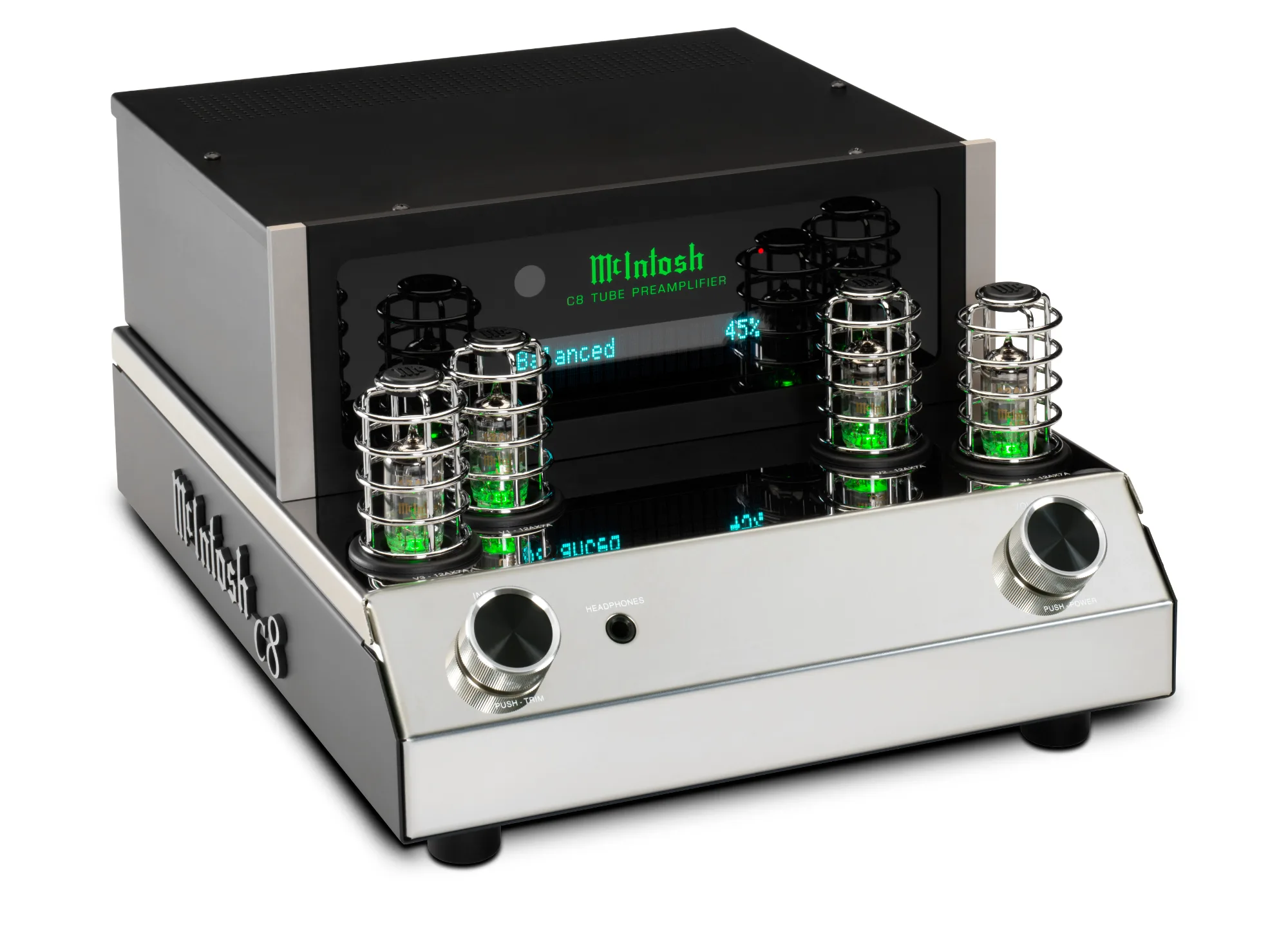
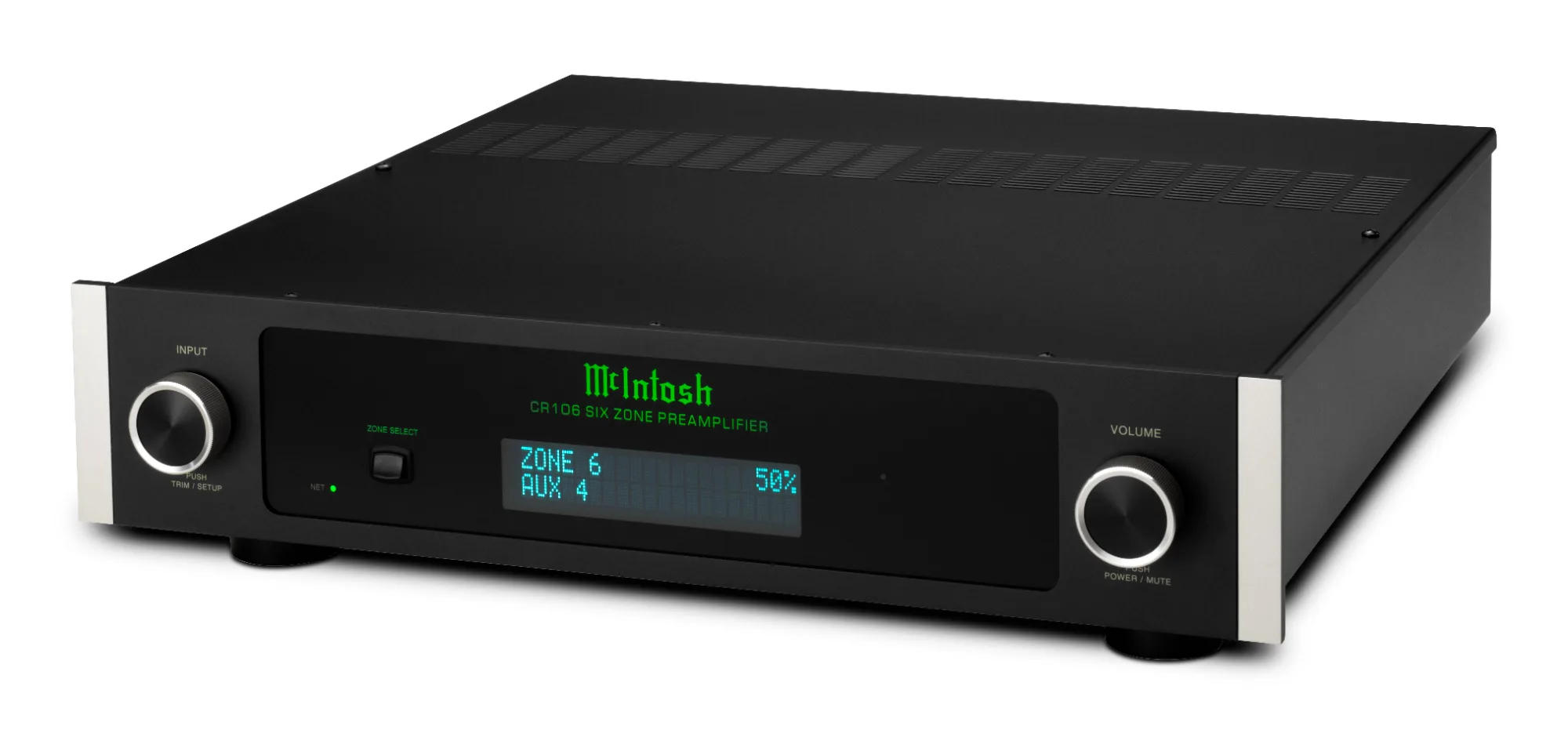
The preamplifiers span the compact solid-state C8 and vinyl-focused CR106 through the C49, C55 and C2800, up to the C12000 dual-mono flagship. The integrated amplifiers are the busiest part of the current catalog — MA252, MA5300, MA352, MSA5500, MA8950, MA9500, MA2375, and the MA12000 flagship — covering every reasonable one-chassis listening scenario from a compact study system through a full reference-tier setup.
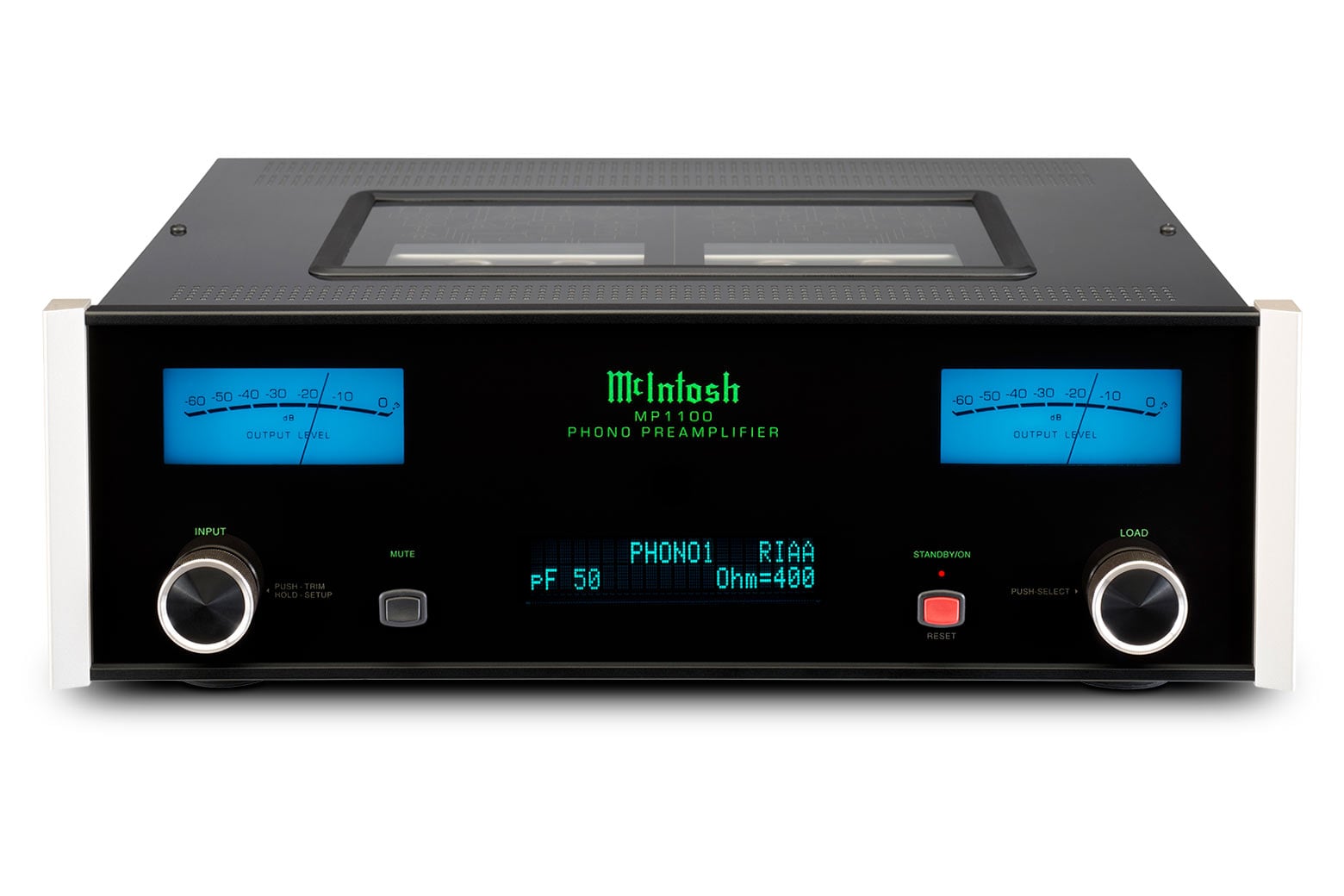
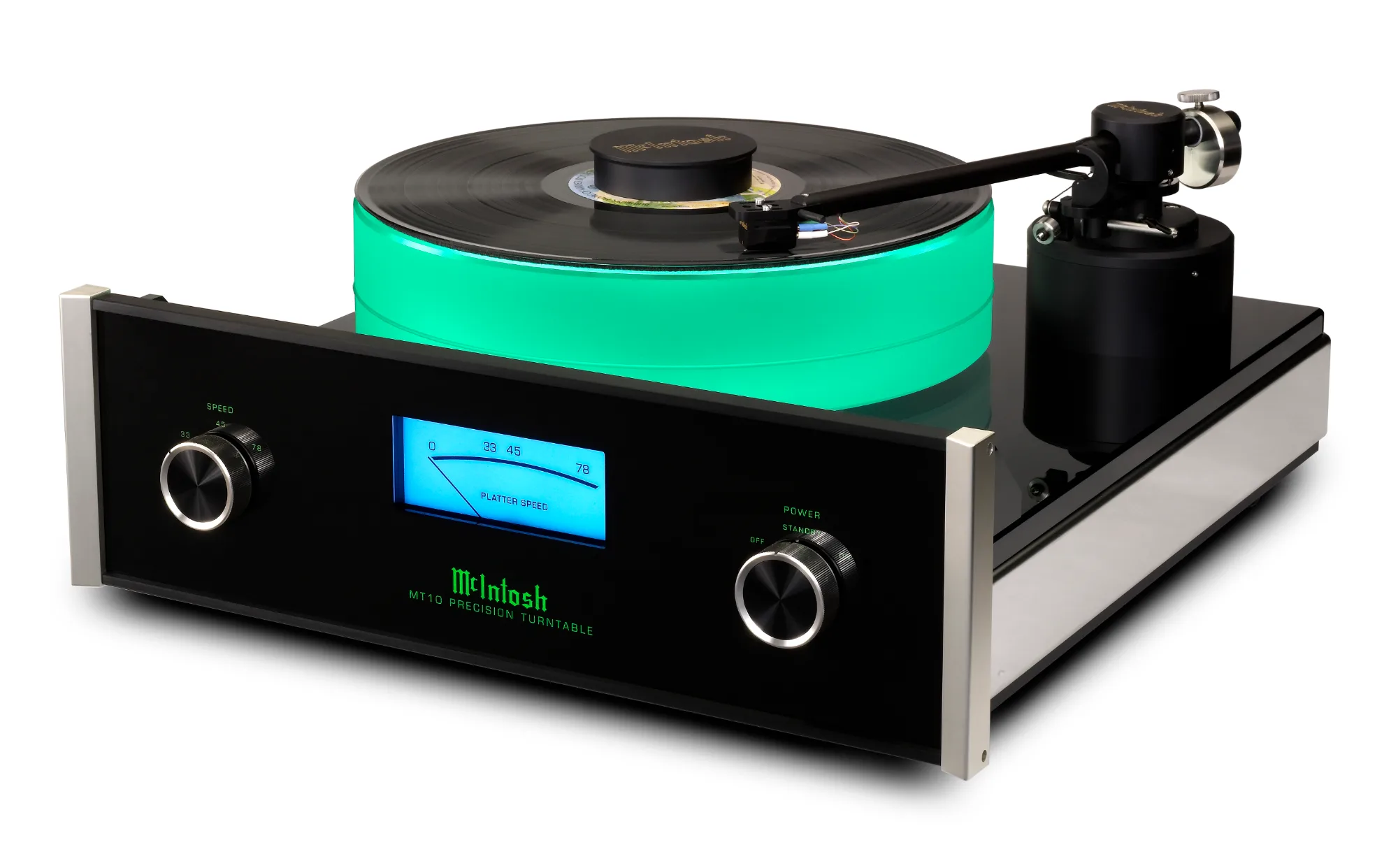
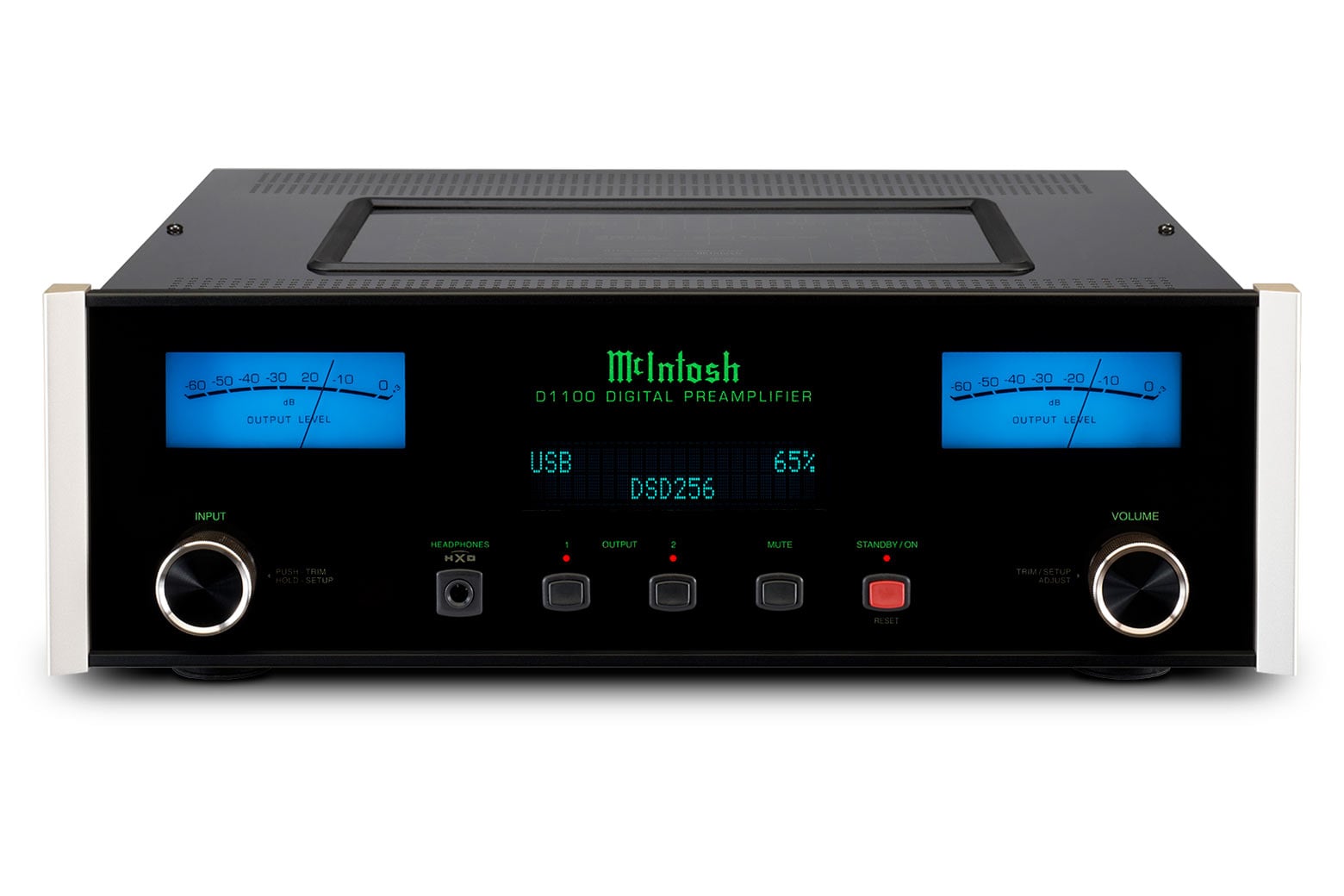
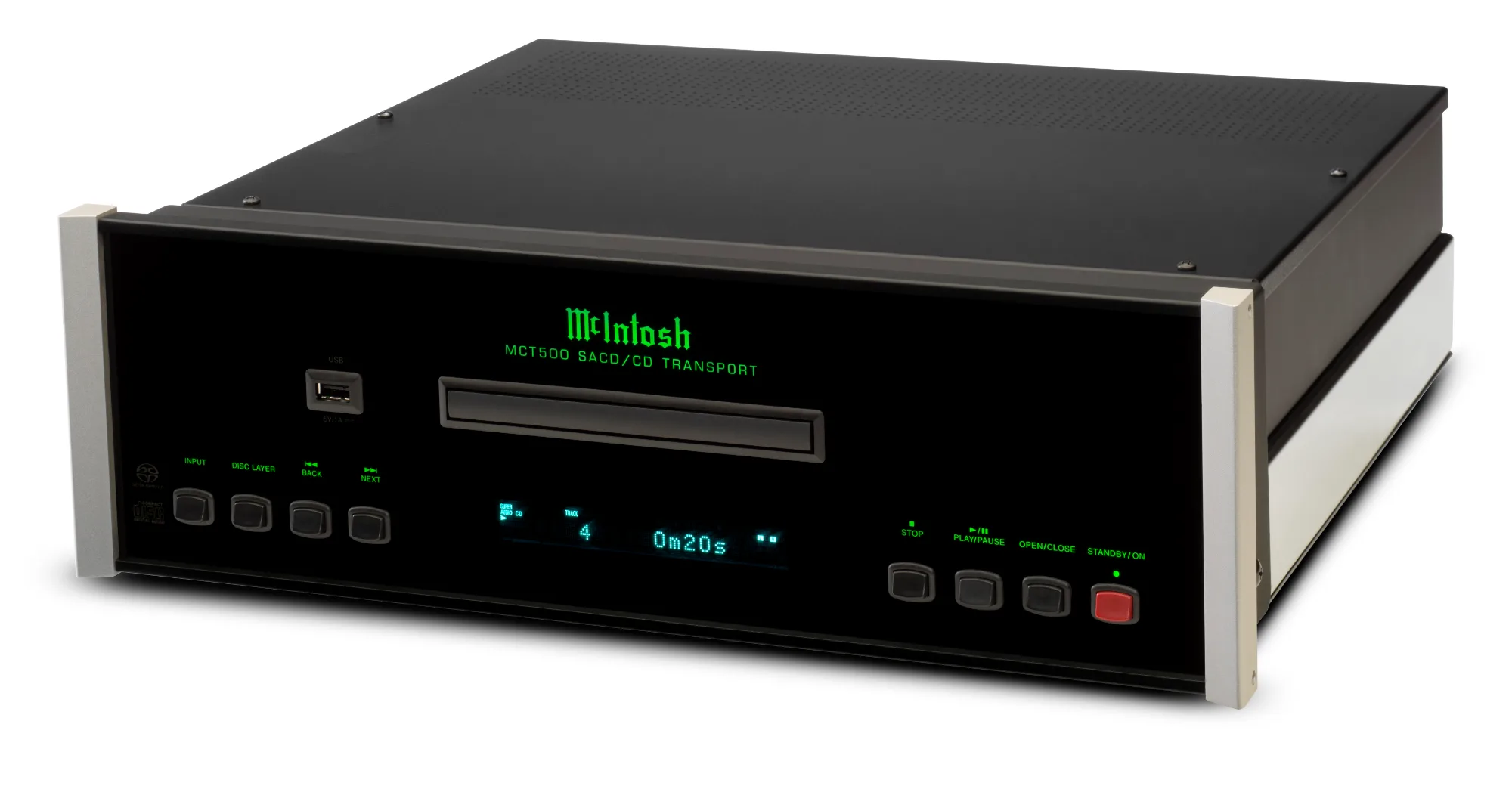
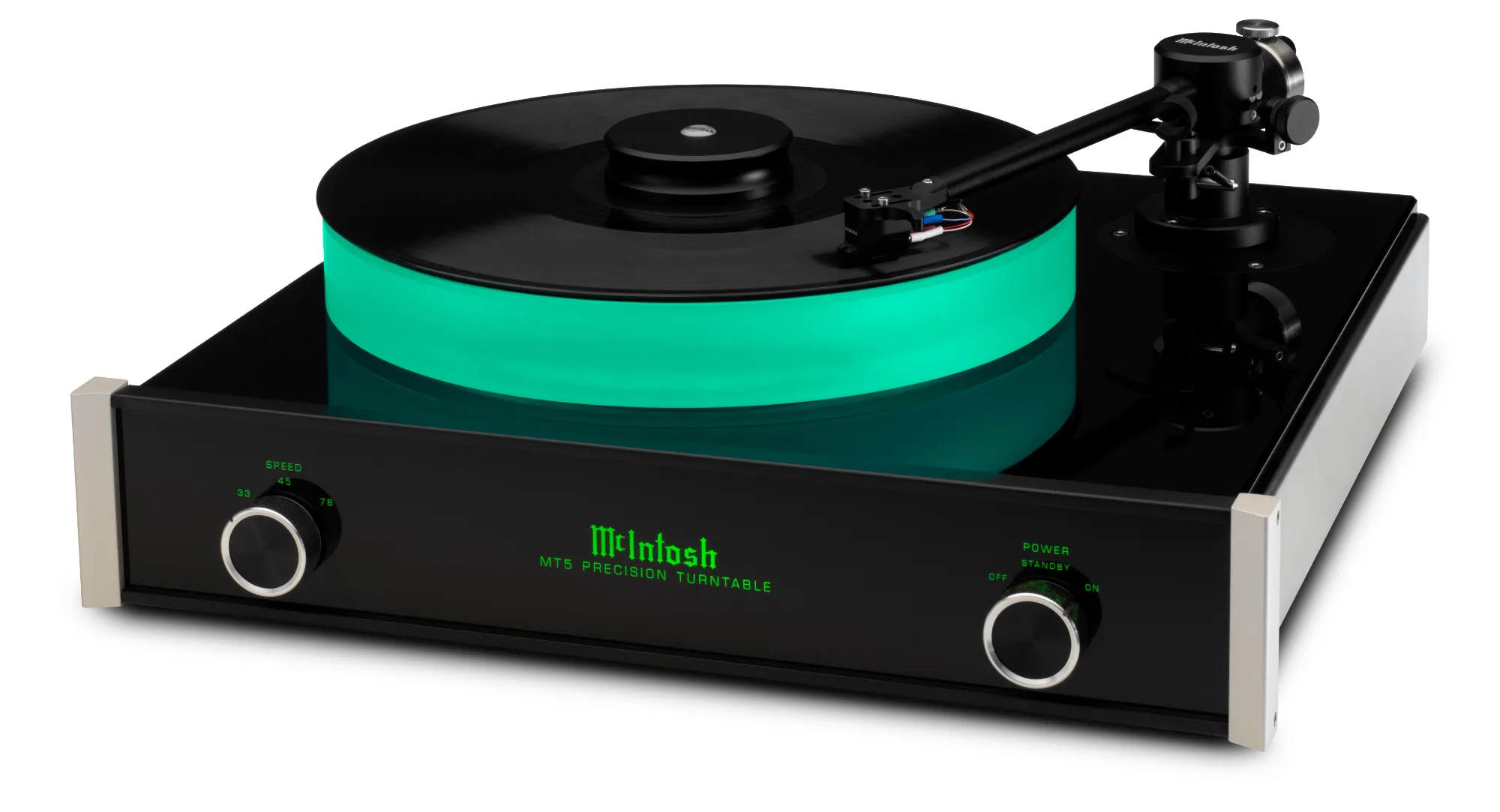
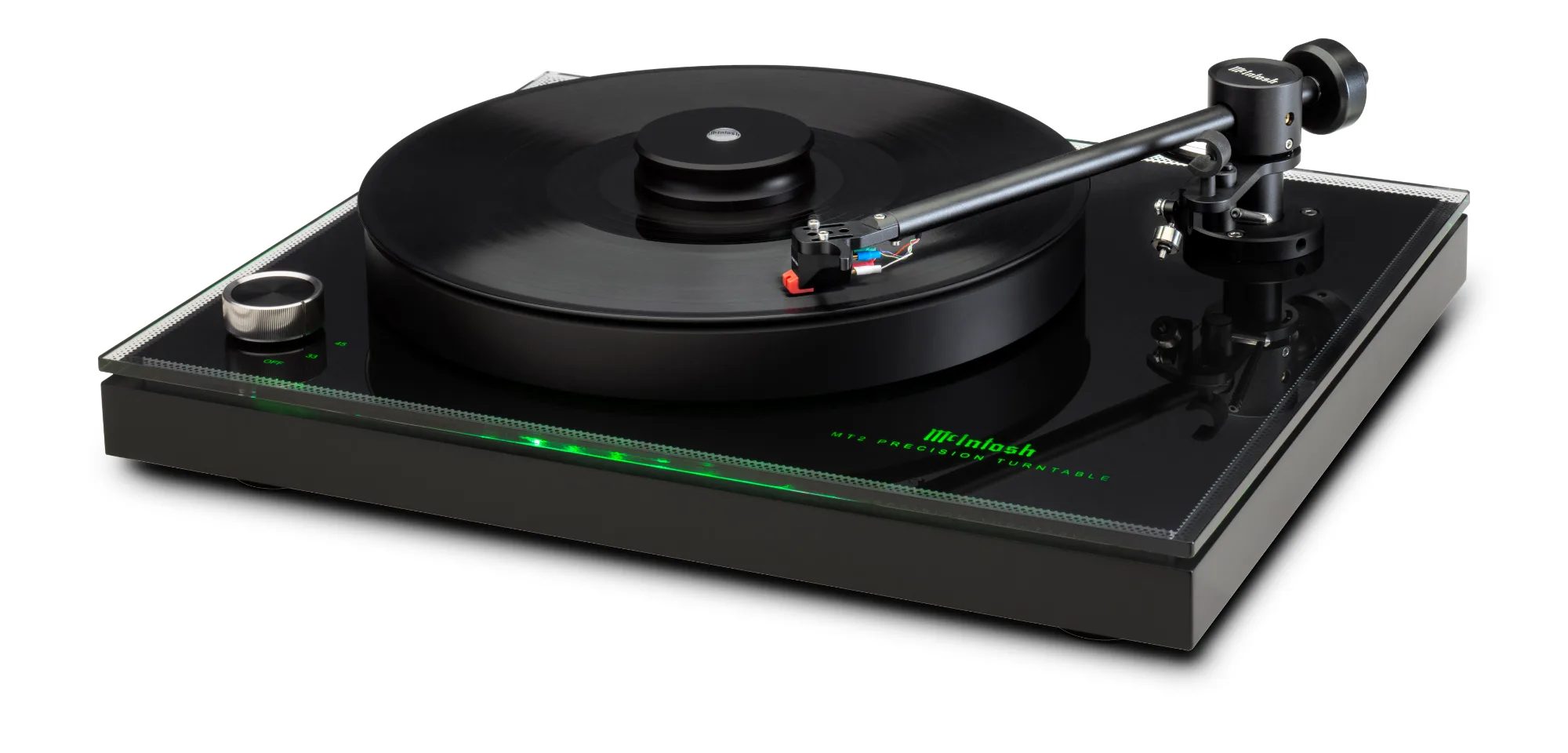
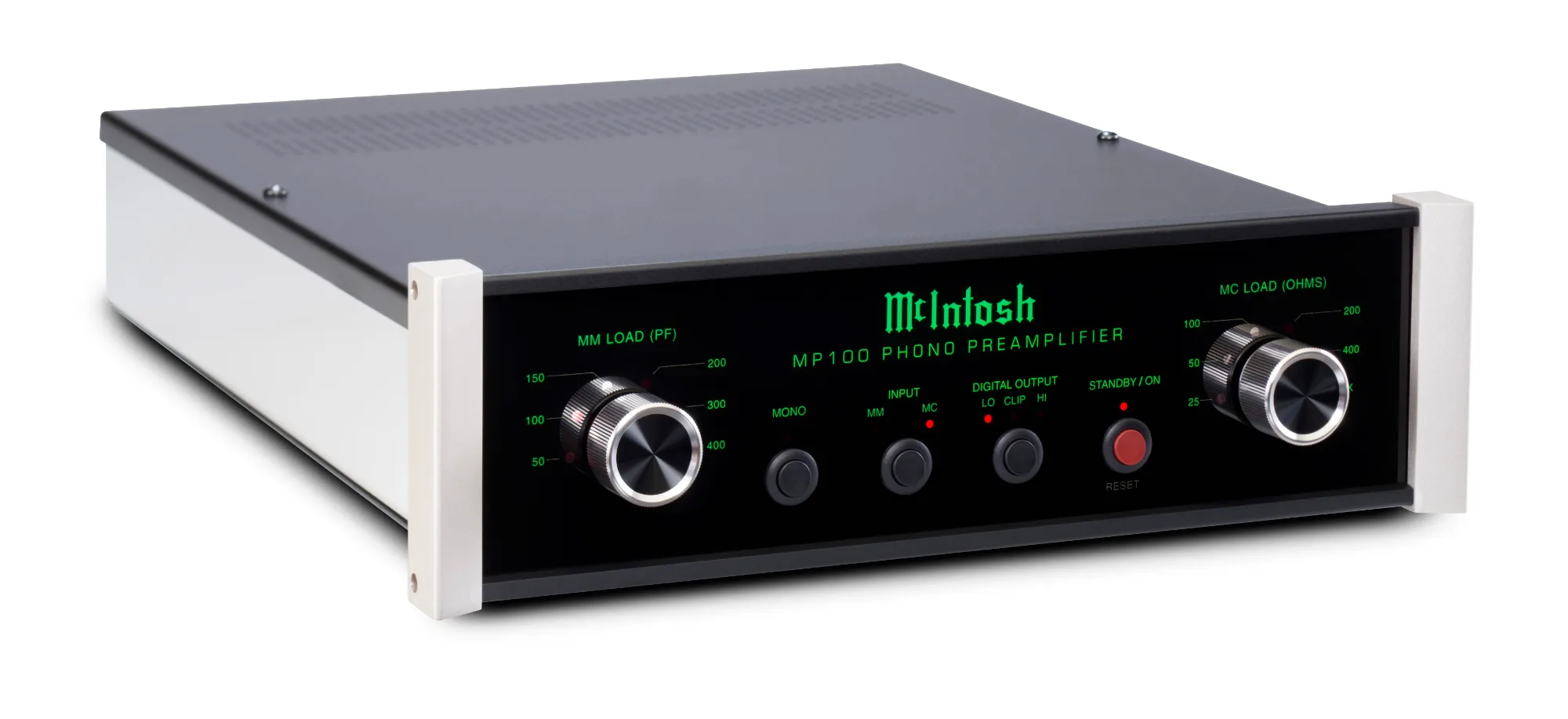
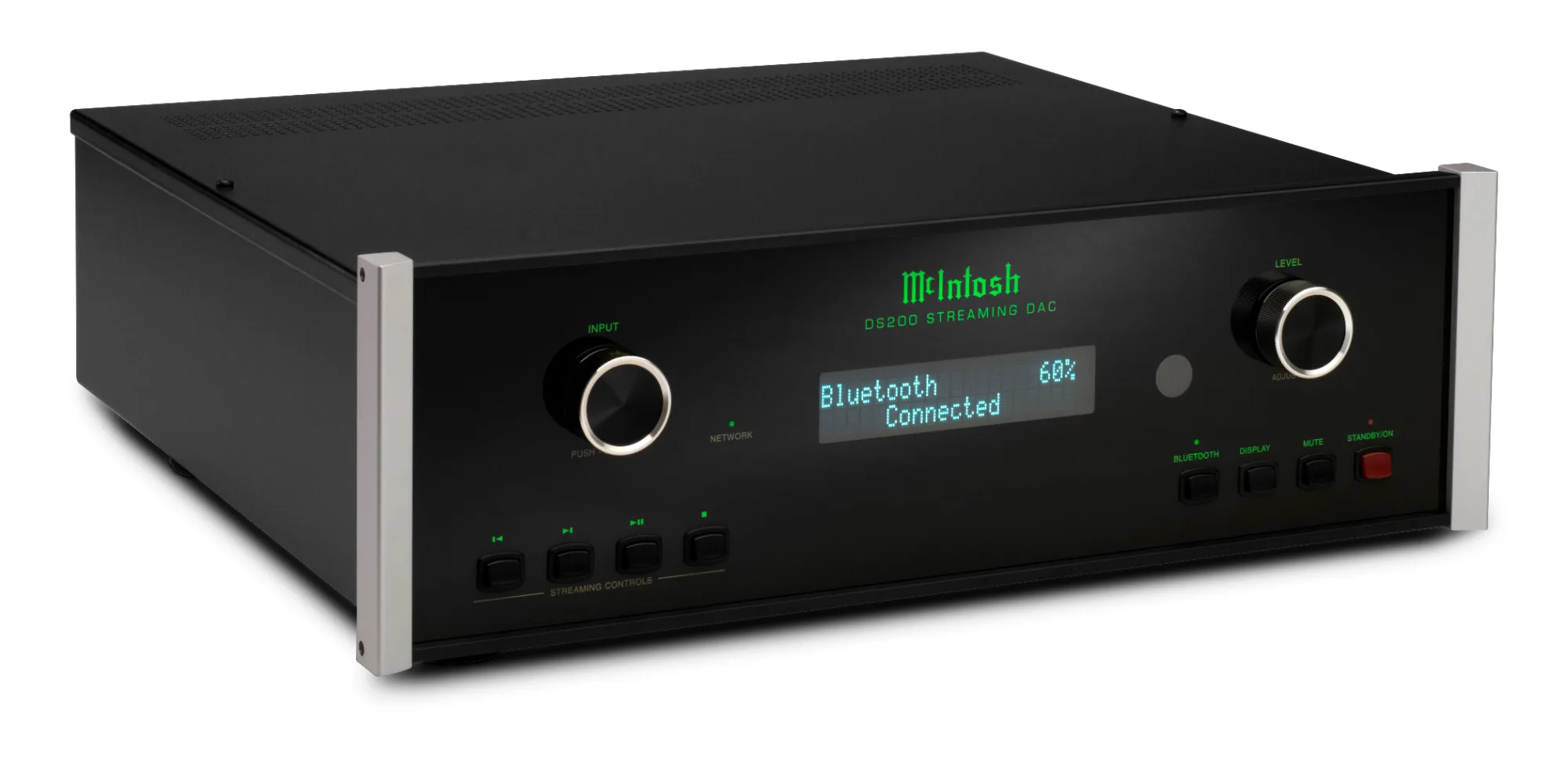
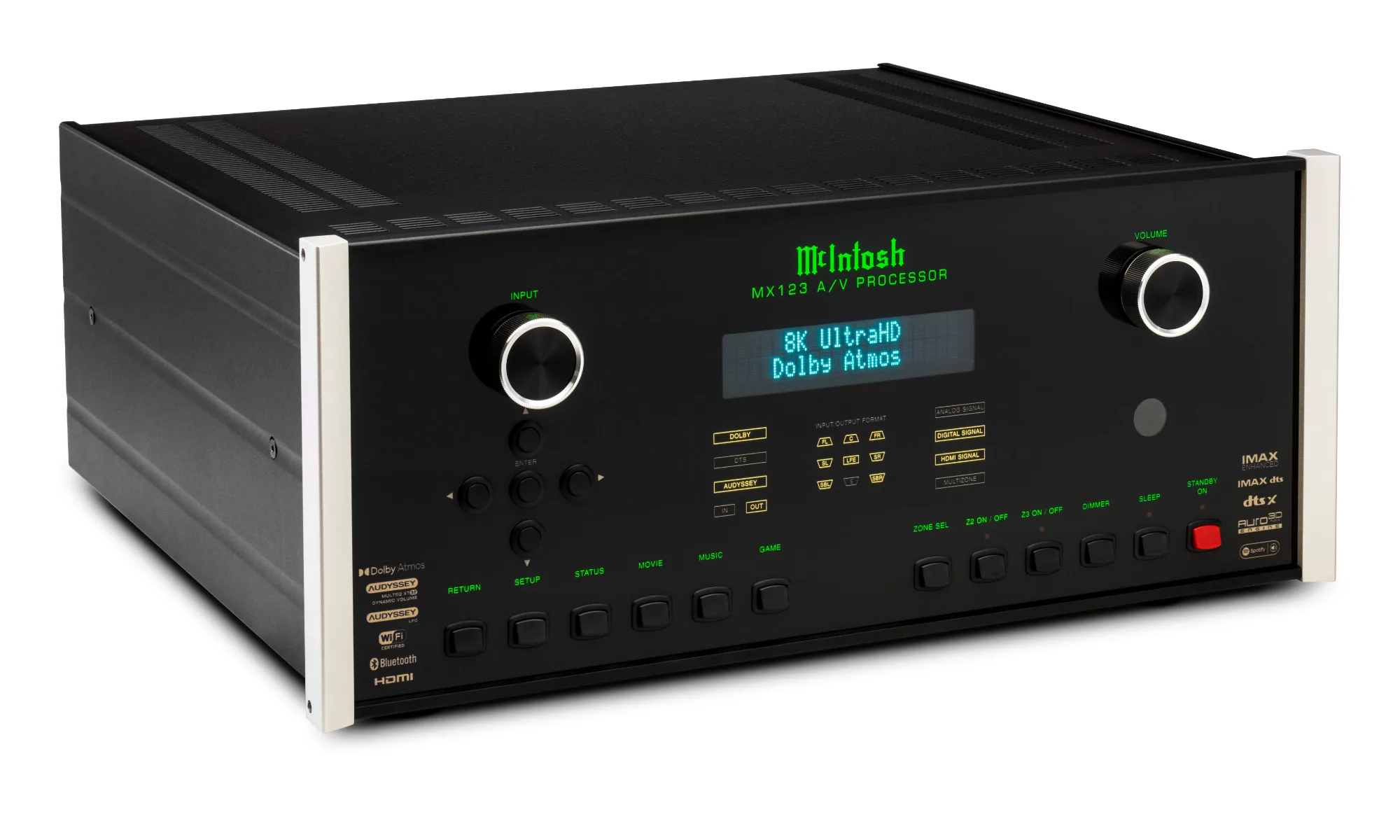
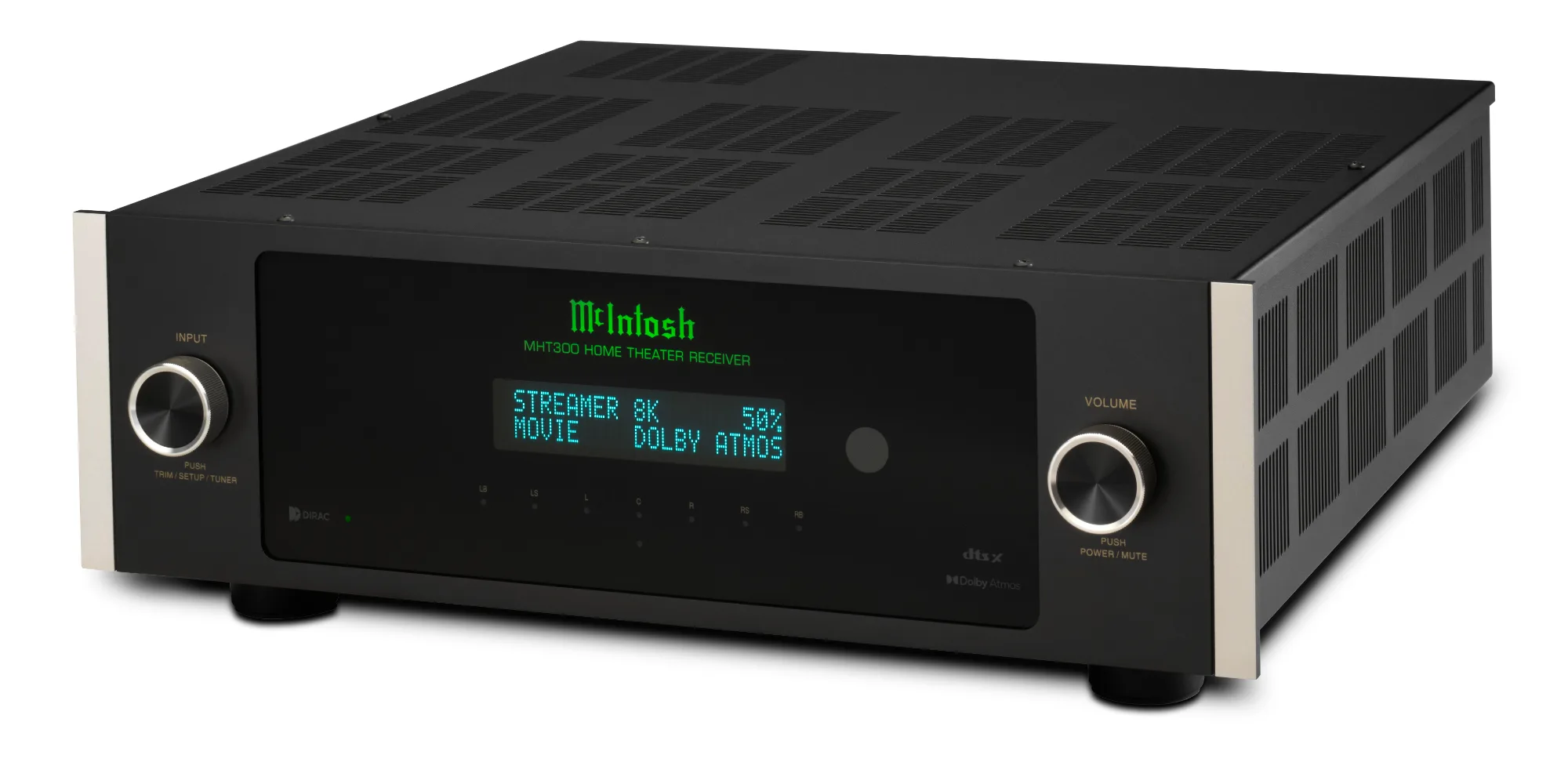
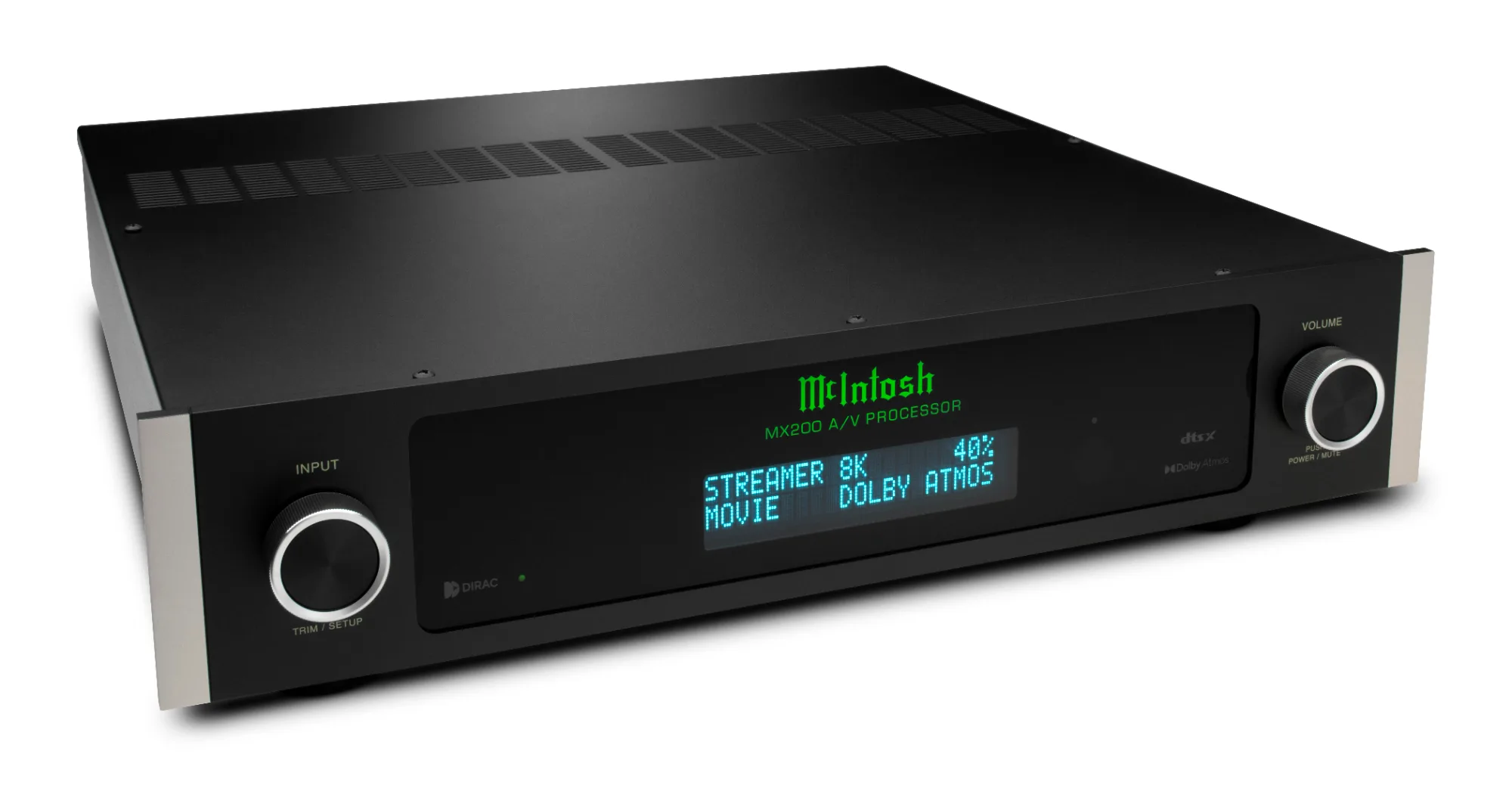
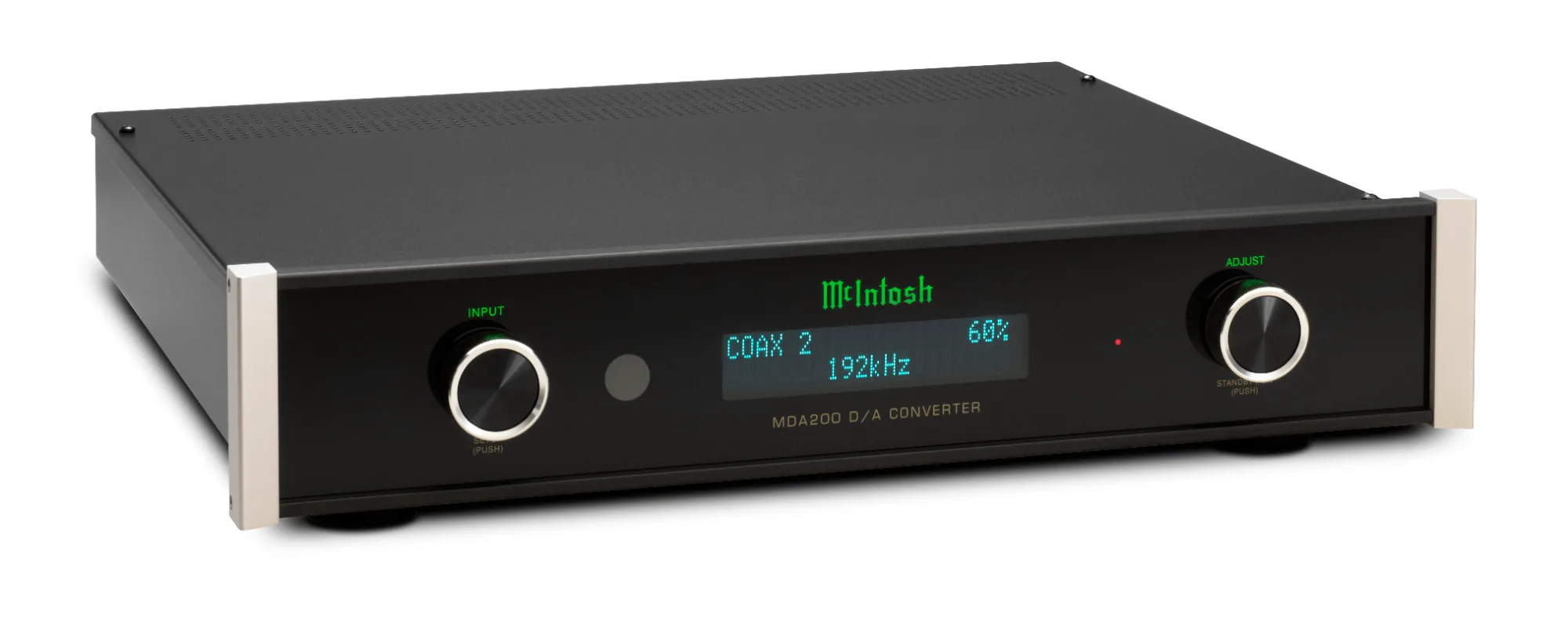
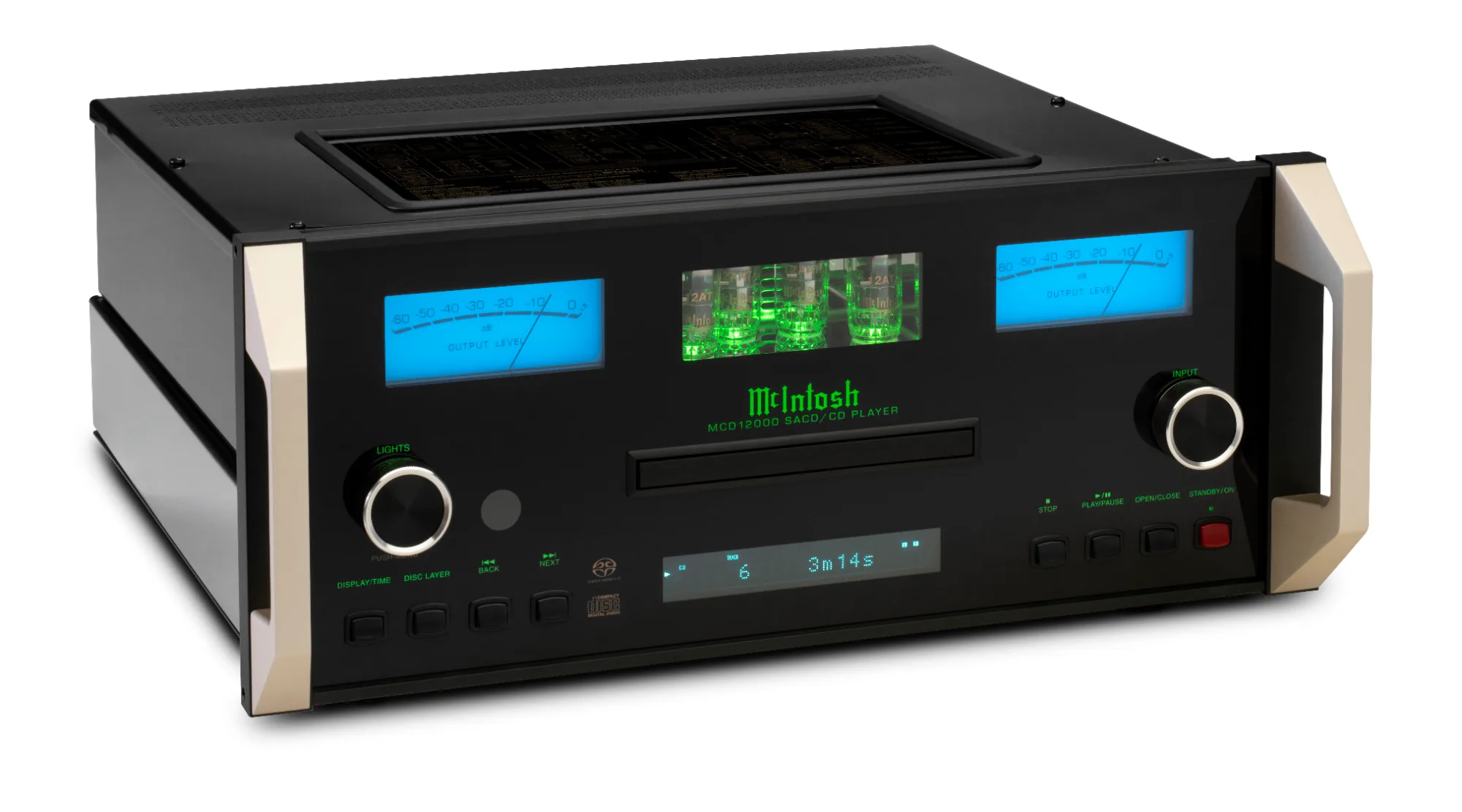
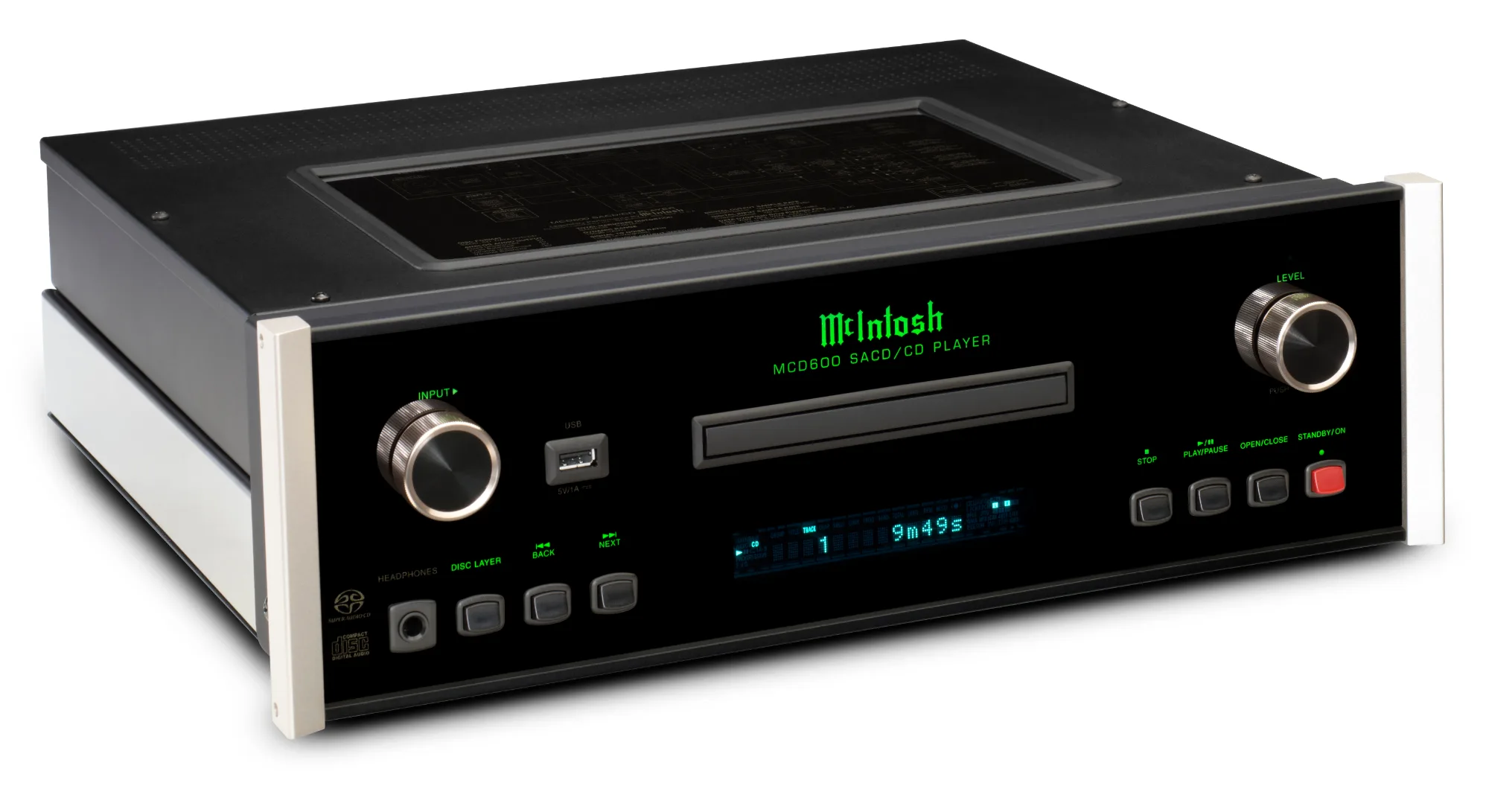
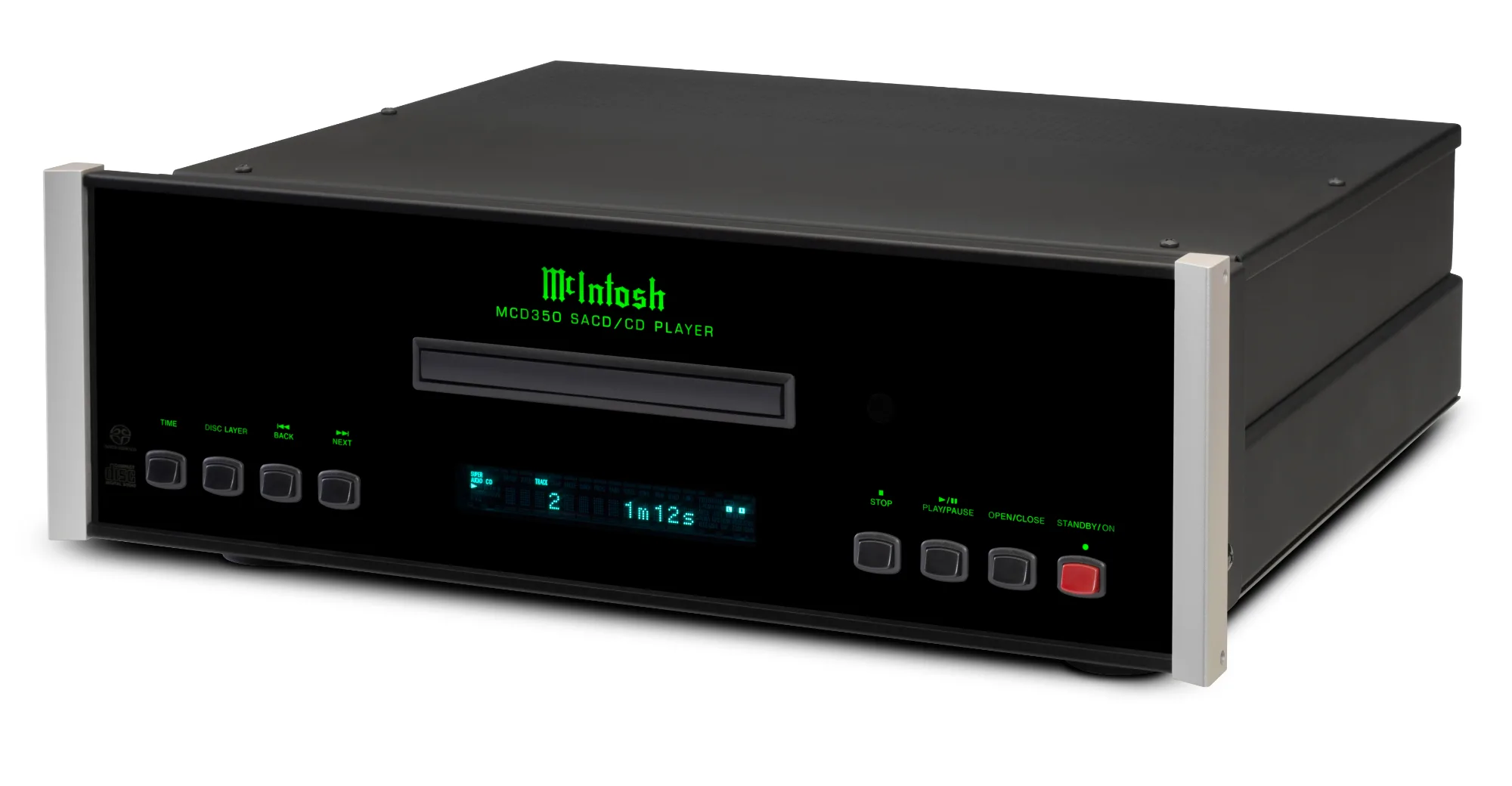
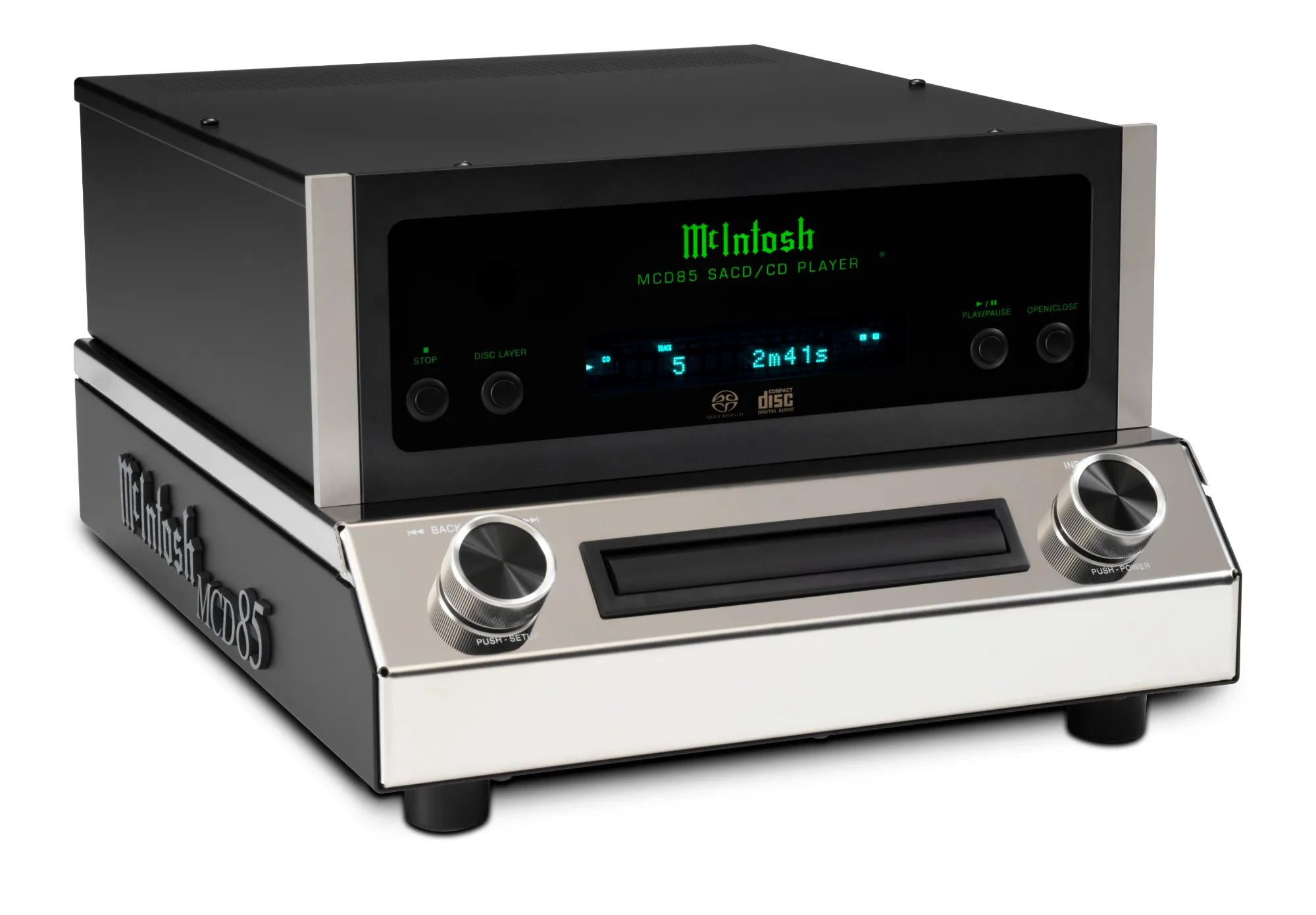
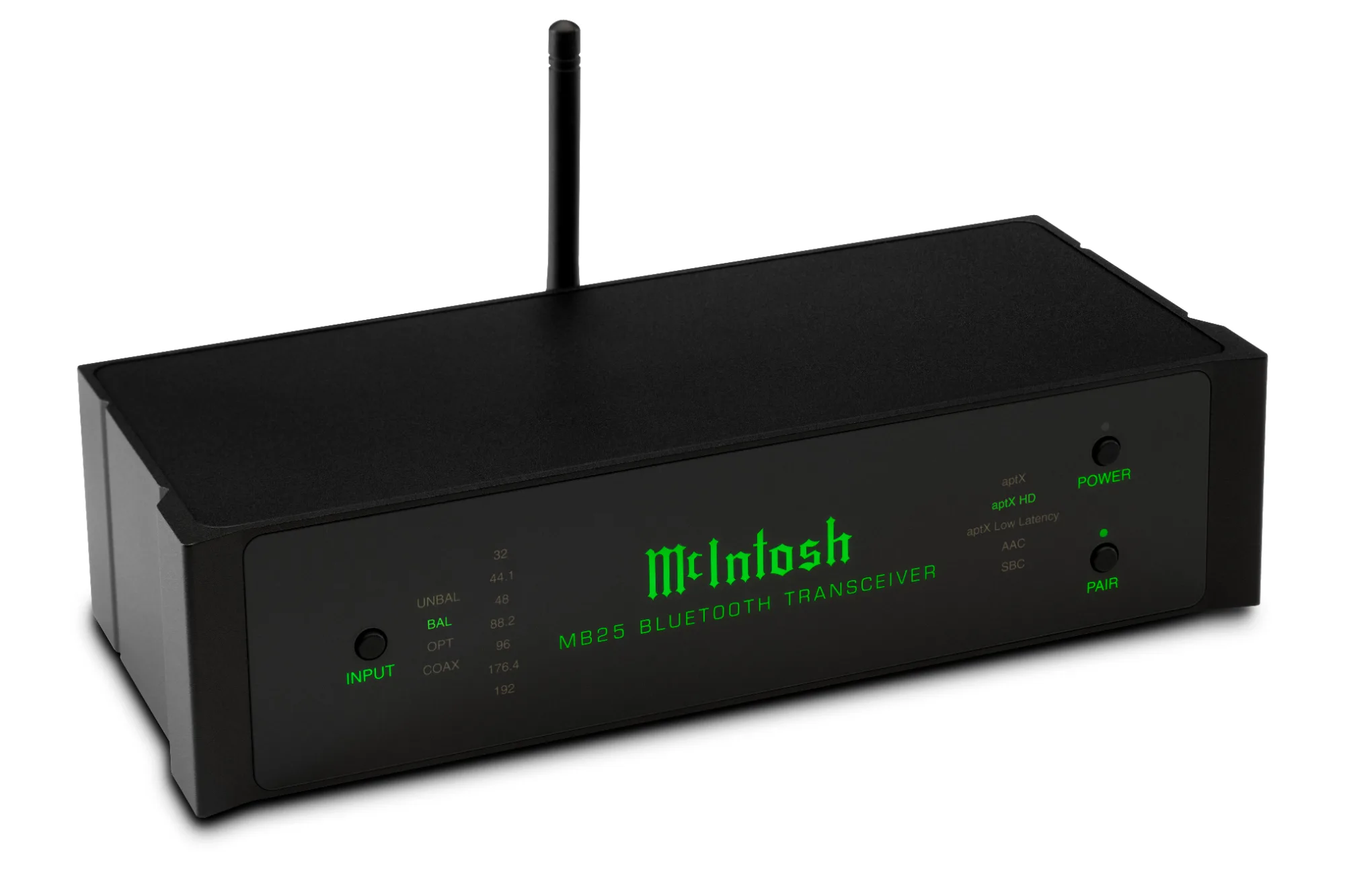
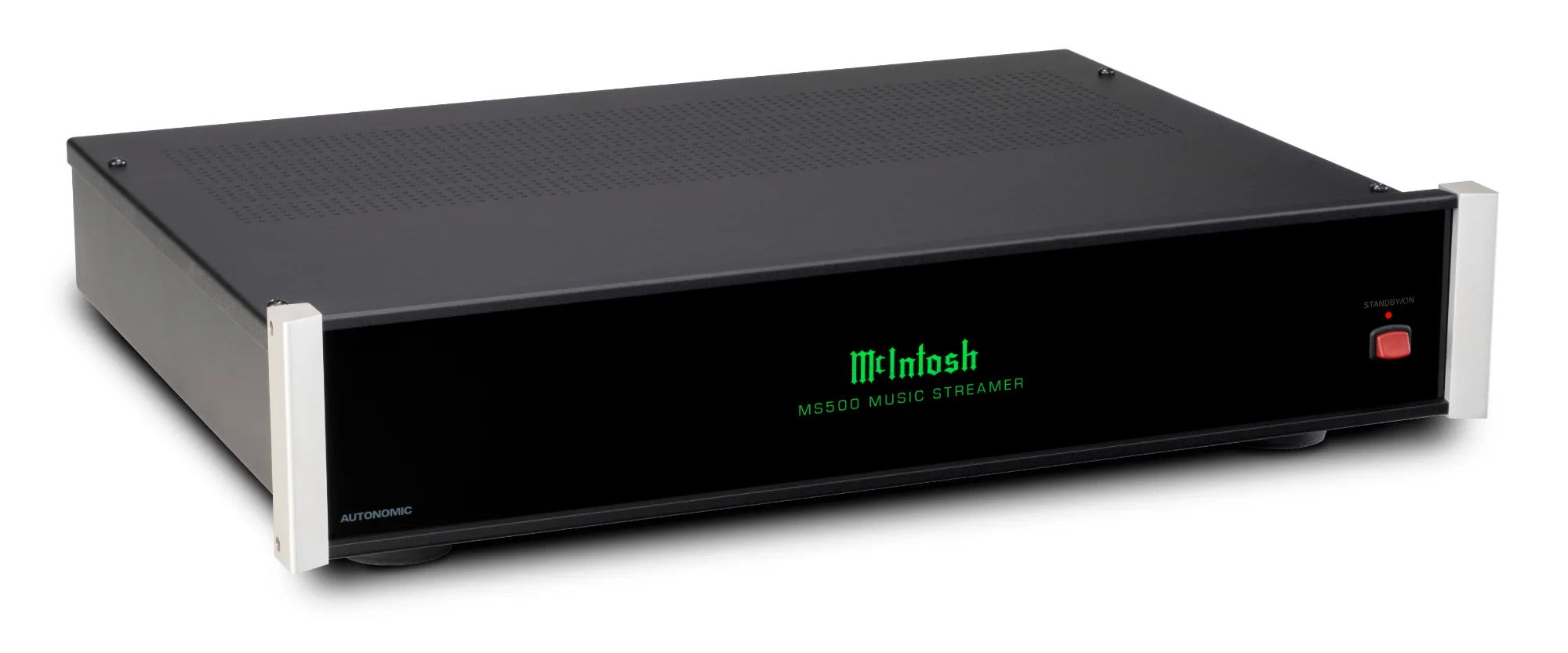
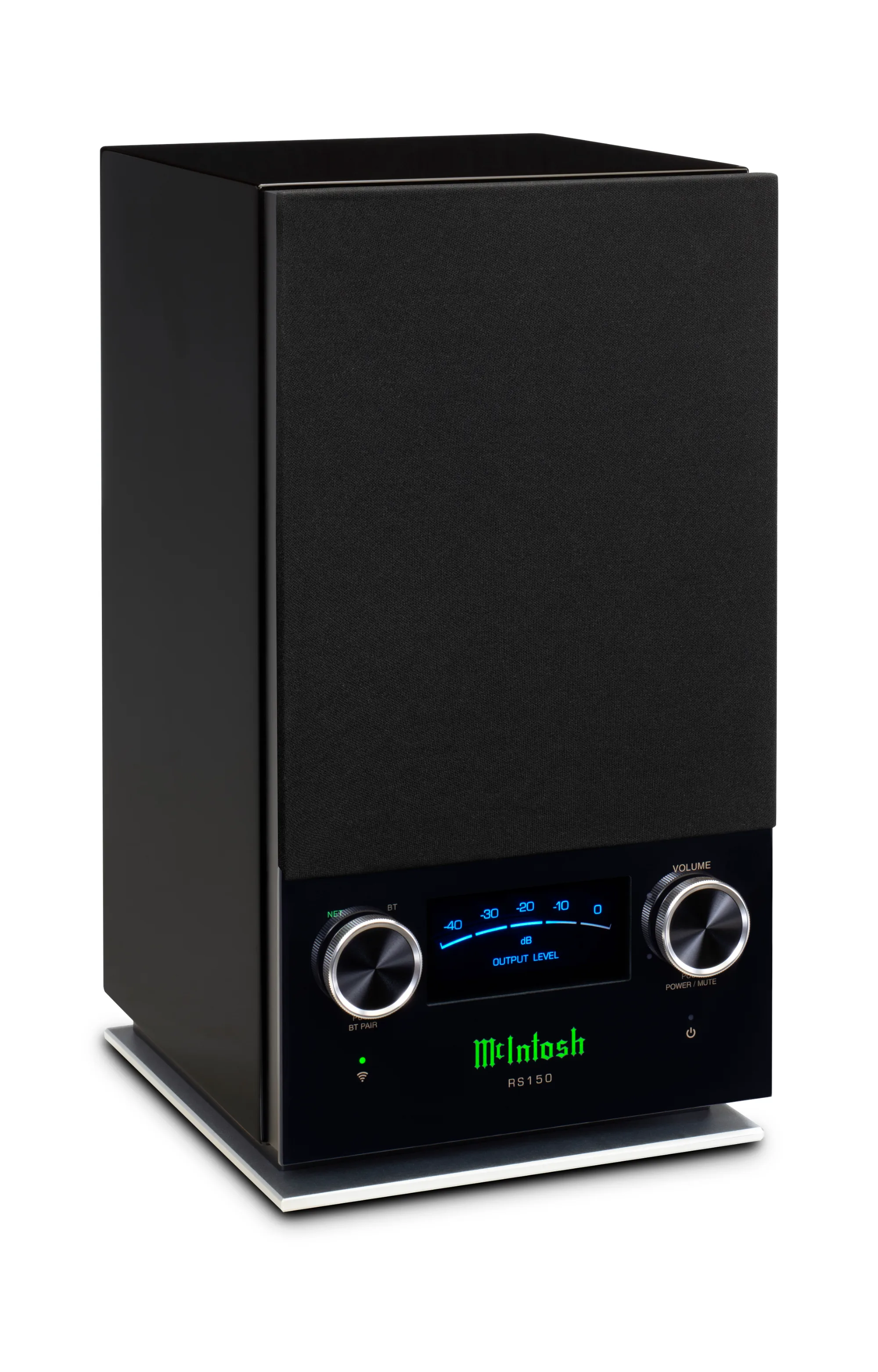
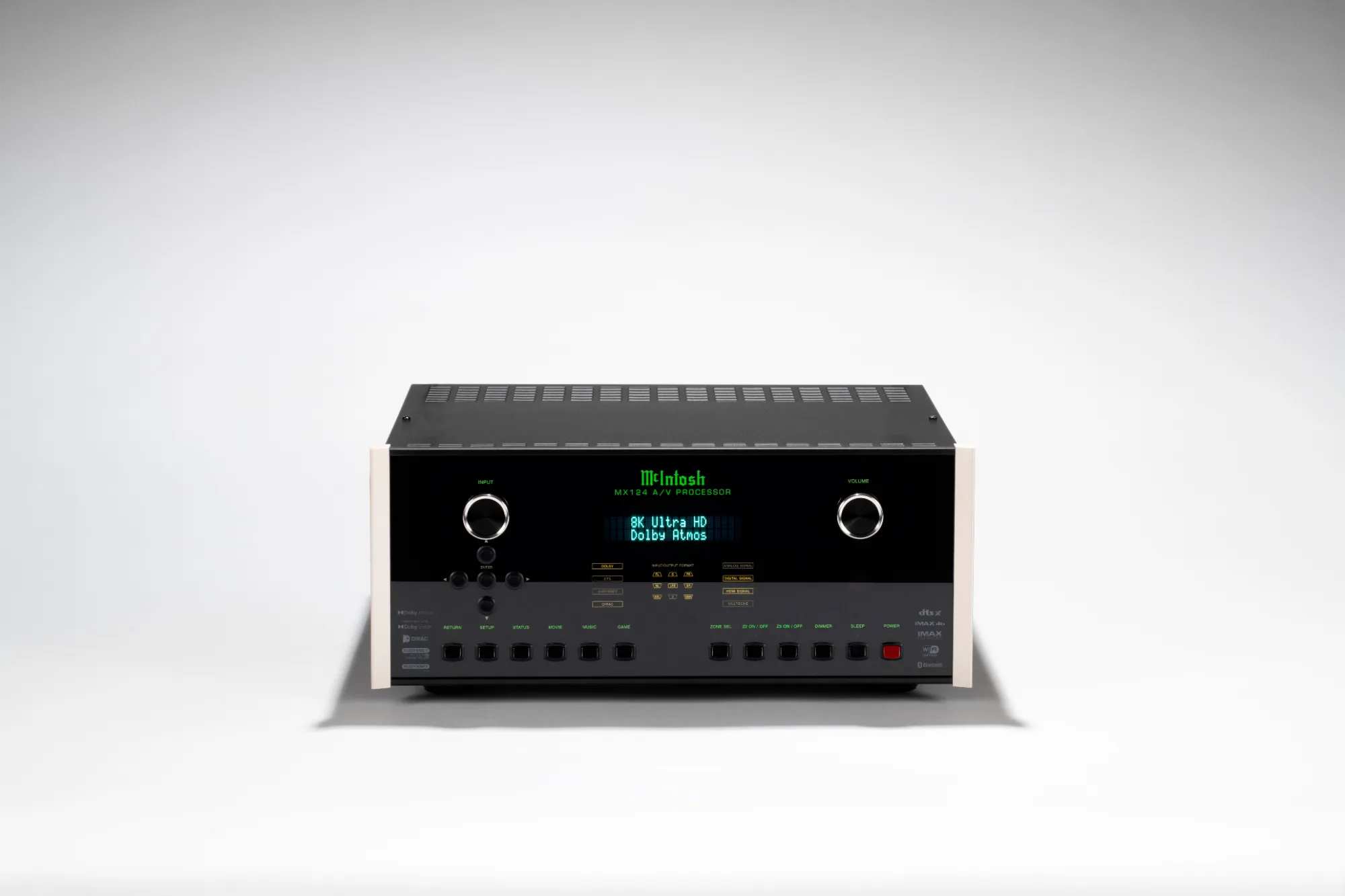
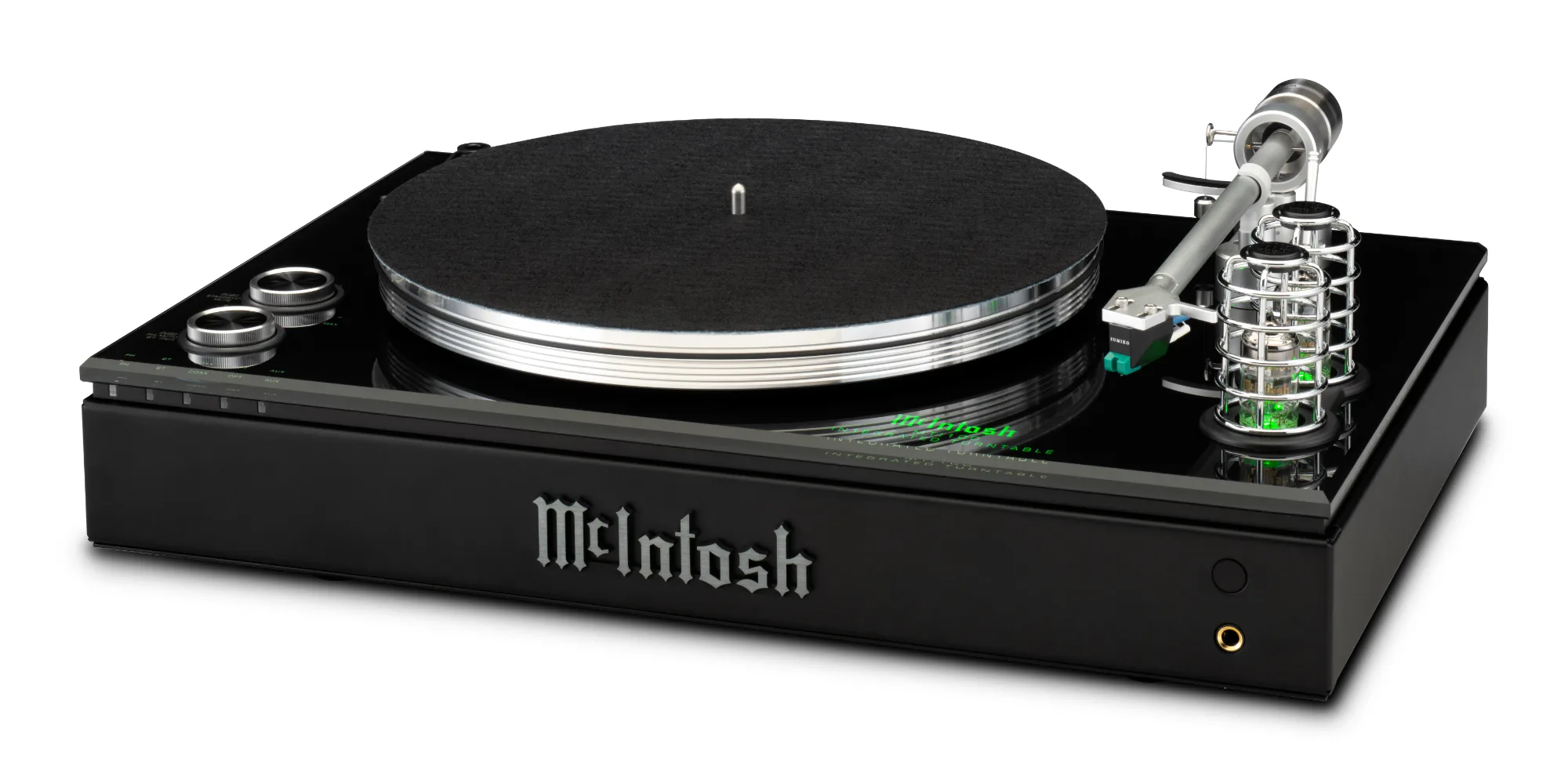
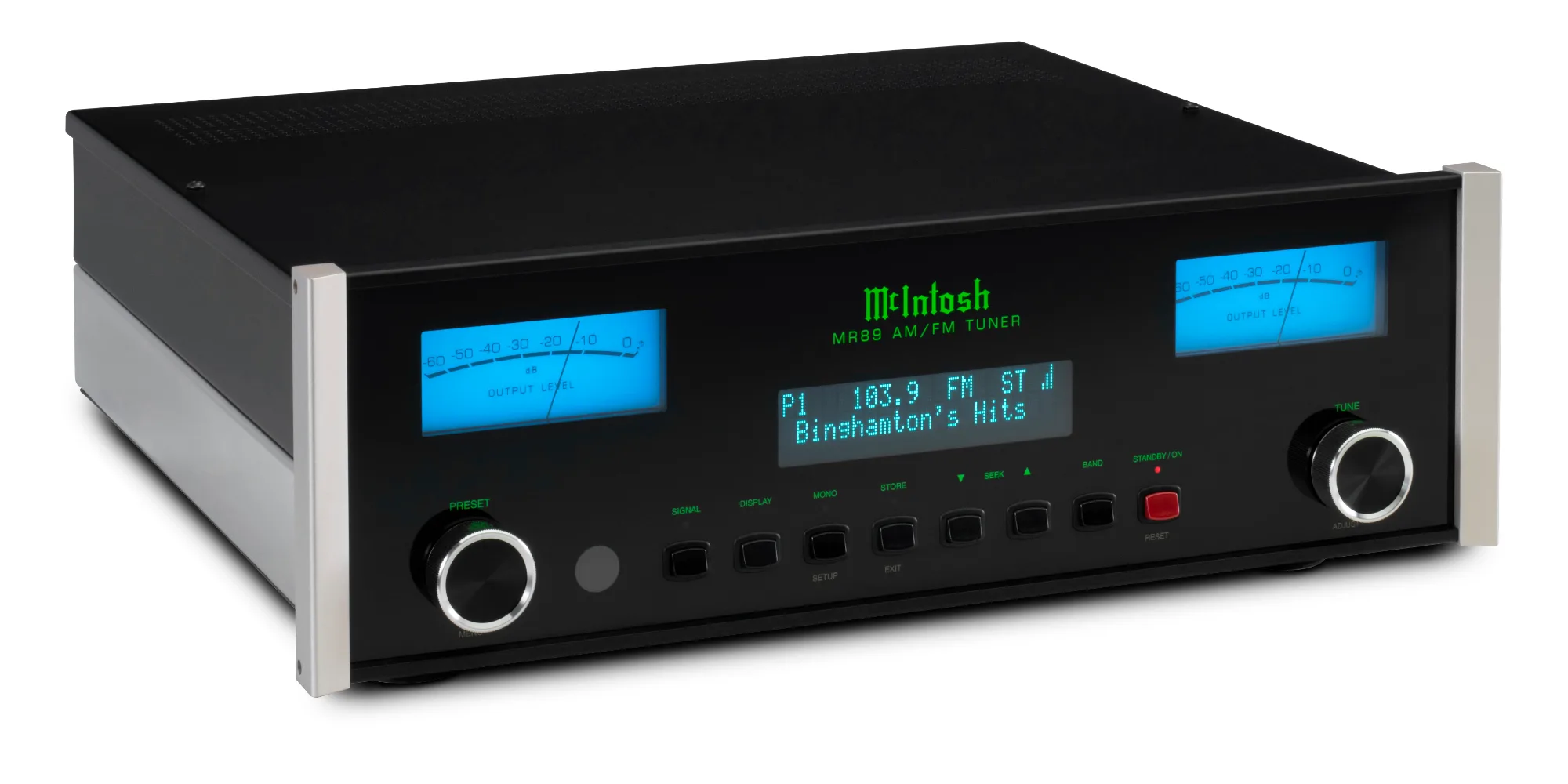
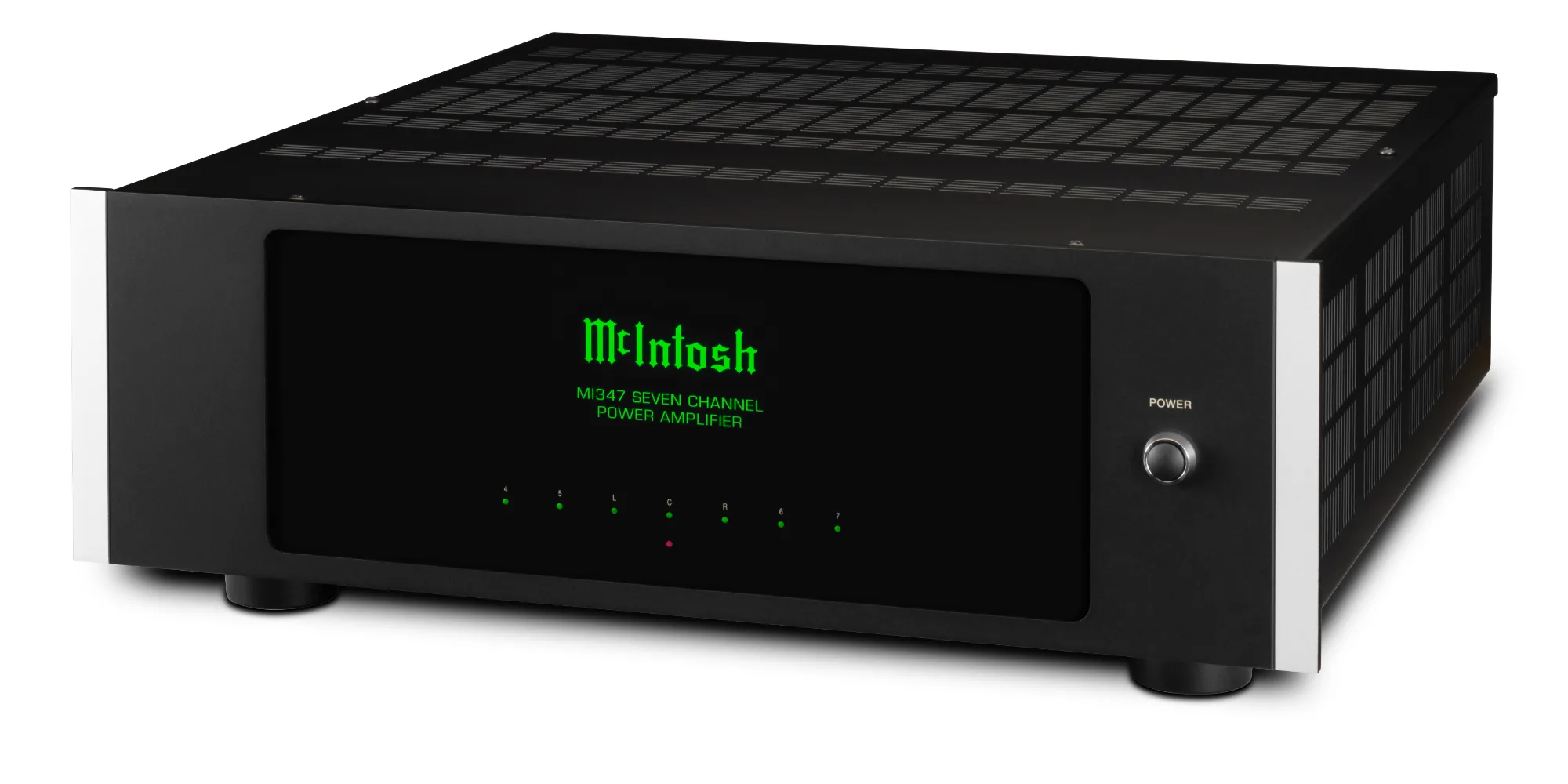
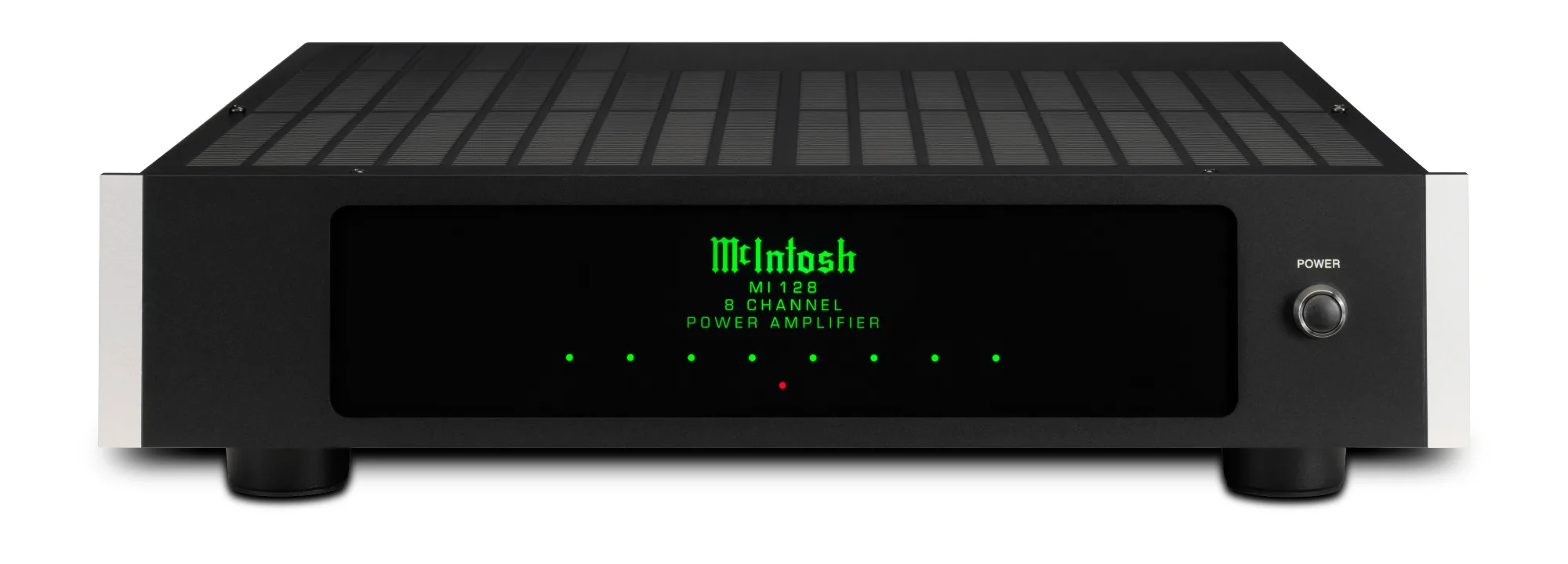
The home theater processors — MX200, MX123, and the new MX124 — are the surround-processing core of any McIntosh cinema installation. Multi-channel power amplifiers (MI128, MI347, MC8207, MC257, MC303) support those installations. McIntosh's digital and analog sources span the MCD85 through the MCD12000 flagship CD/SACD player, four current turntables (MT2, MTI100, MT5, MT10), streamers (MB25, DS200, MS500), the MR89 tuner, the MP100 phono preamplifier, the MDA200 DAC, and the RS150 integrated audio system.
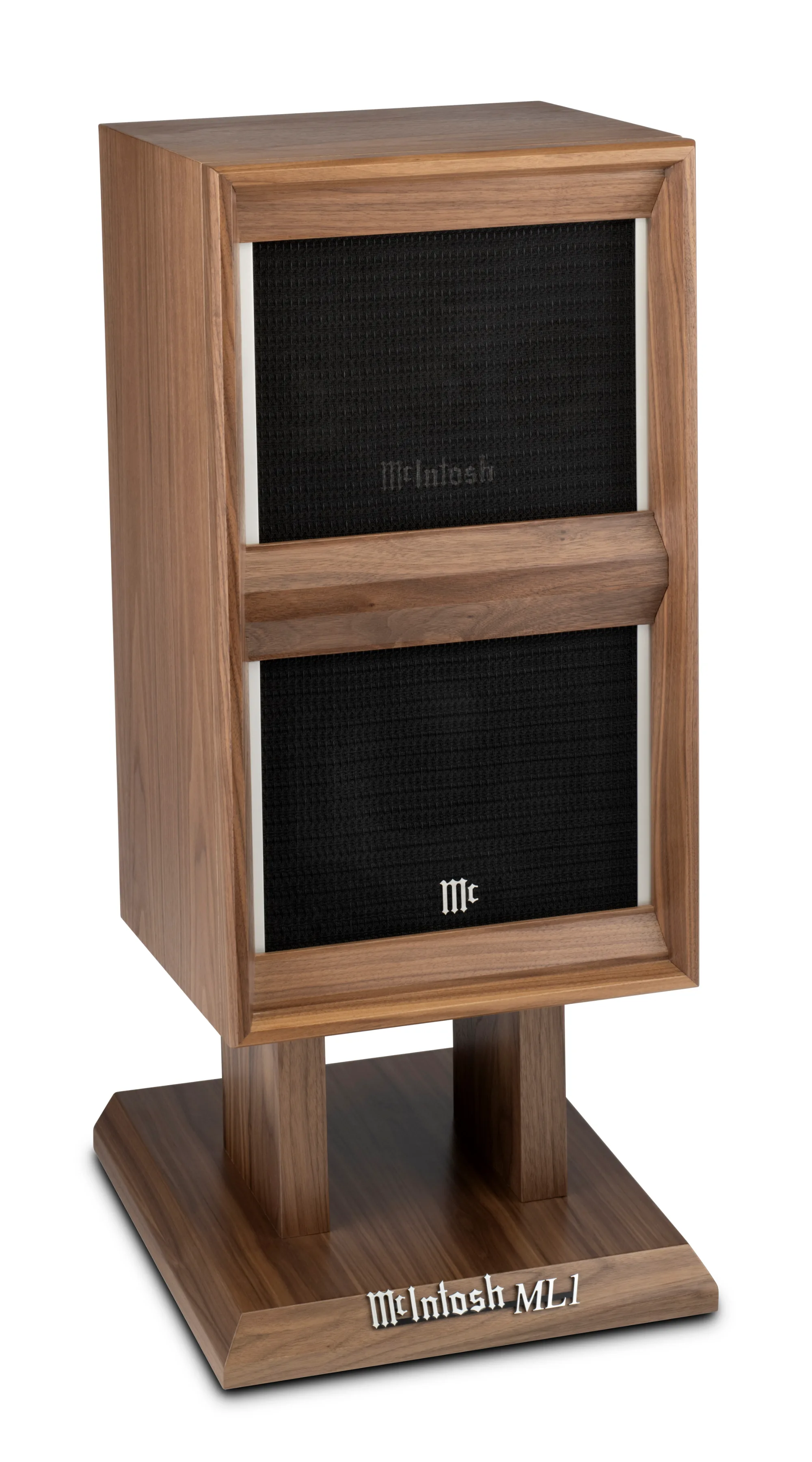
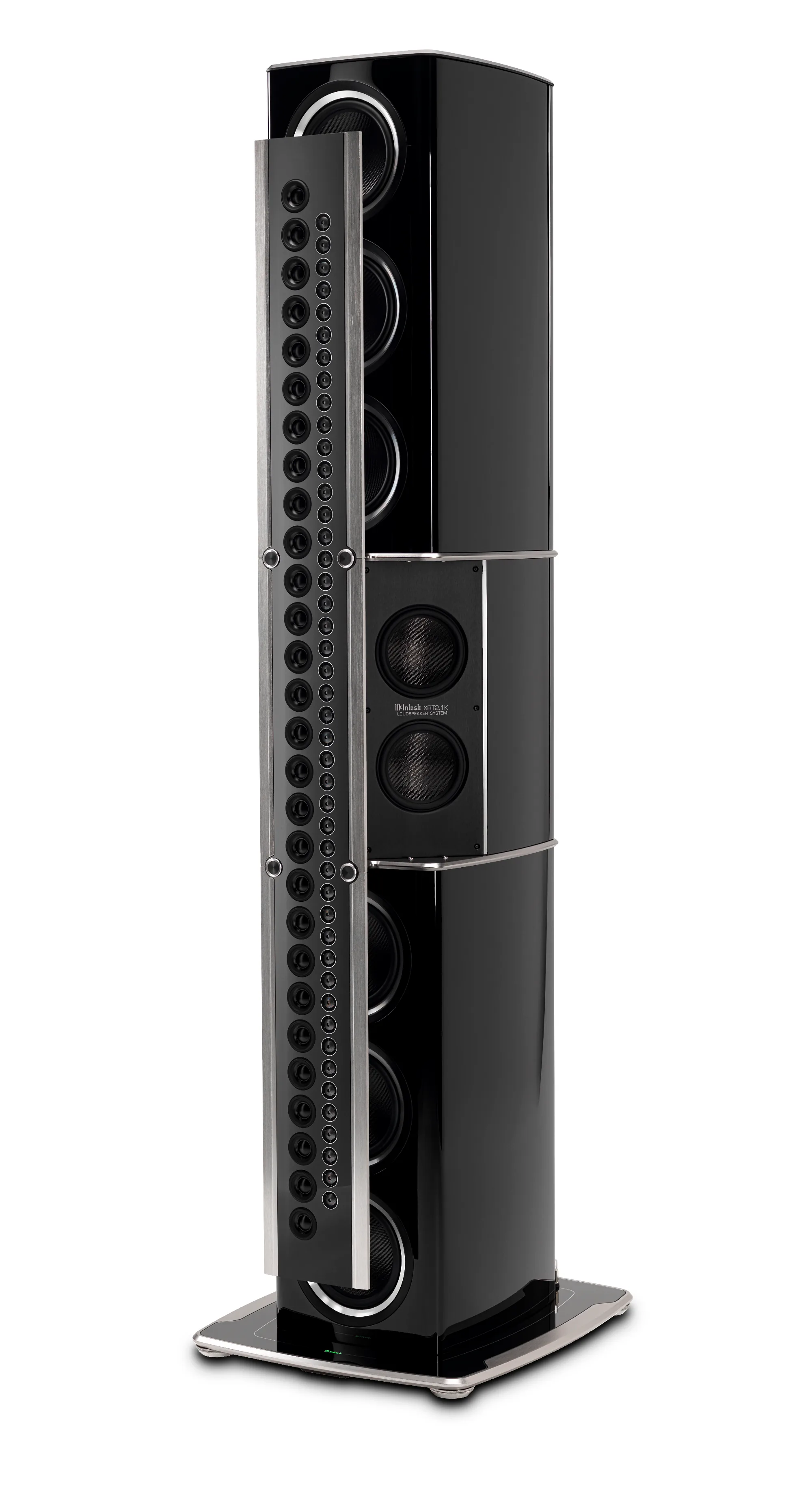
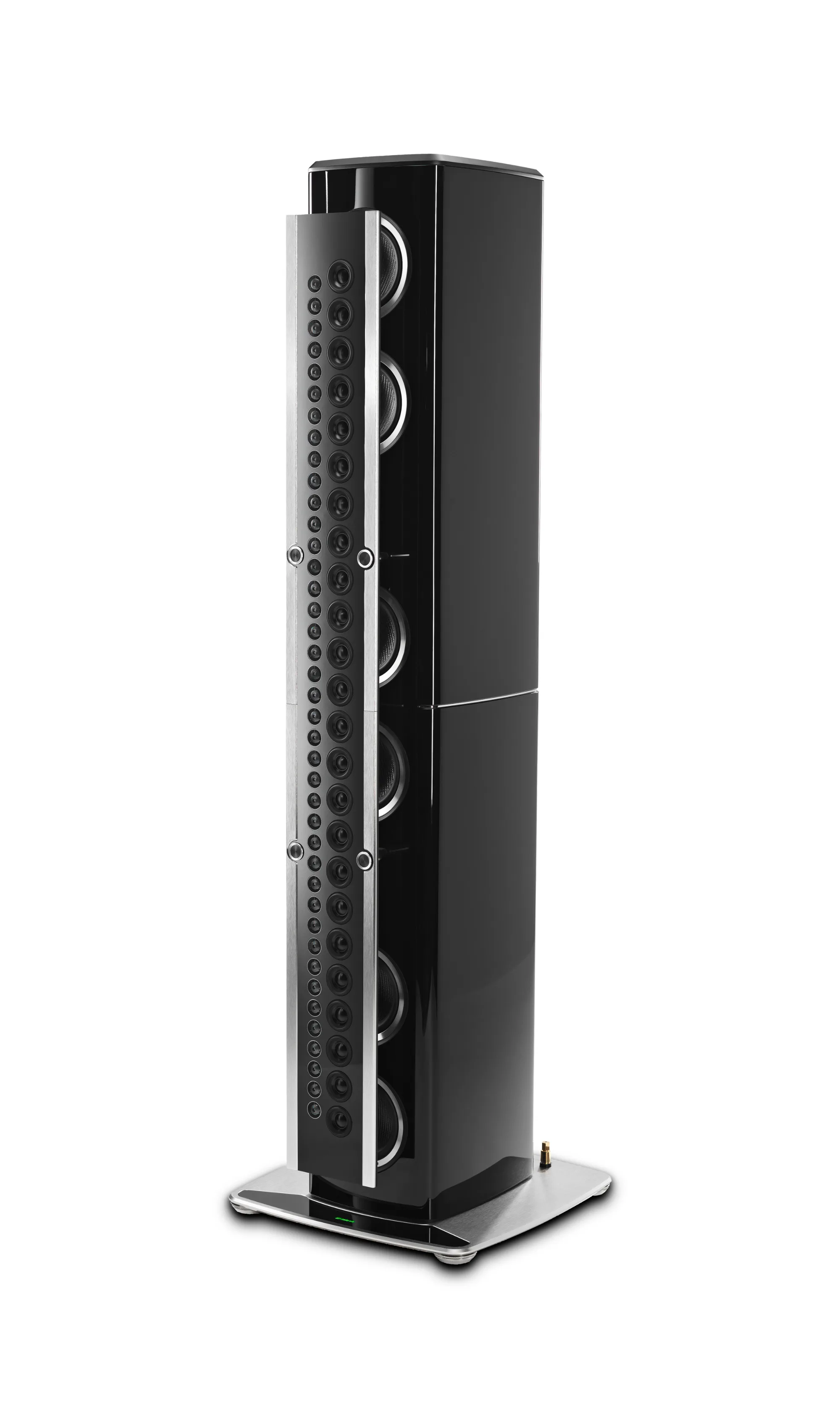
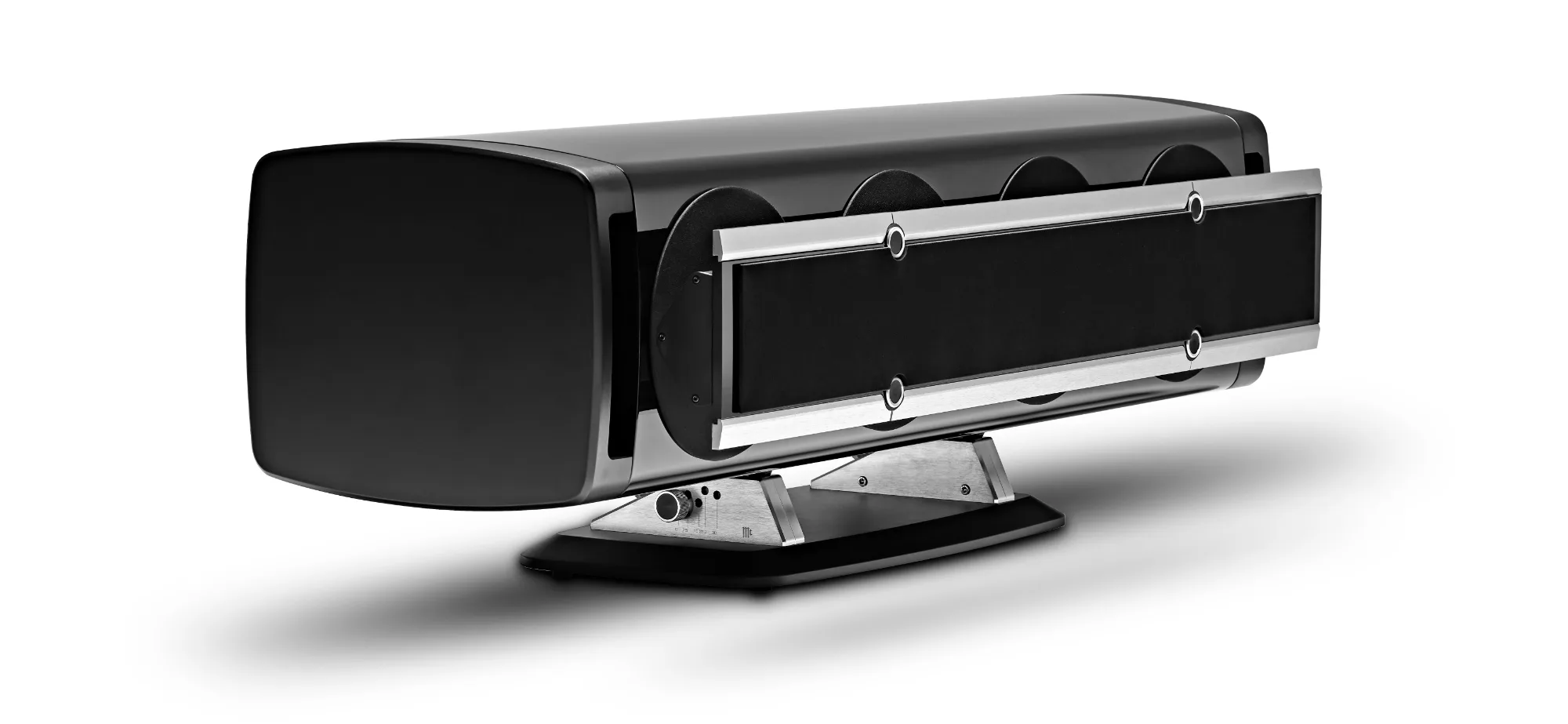
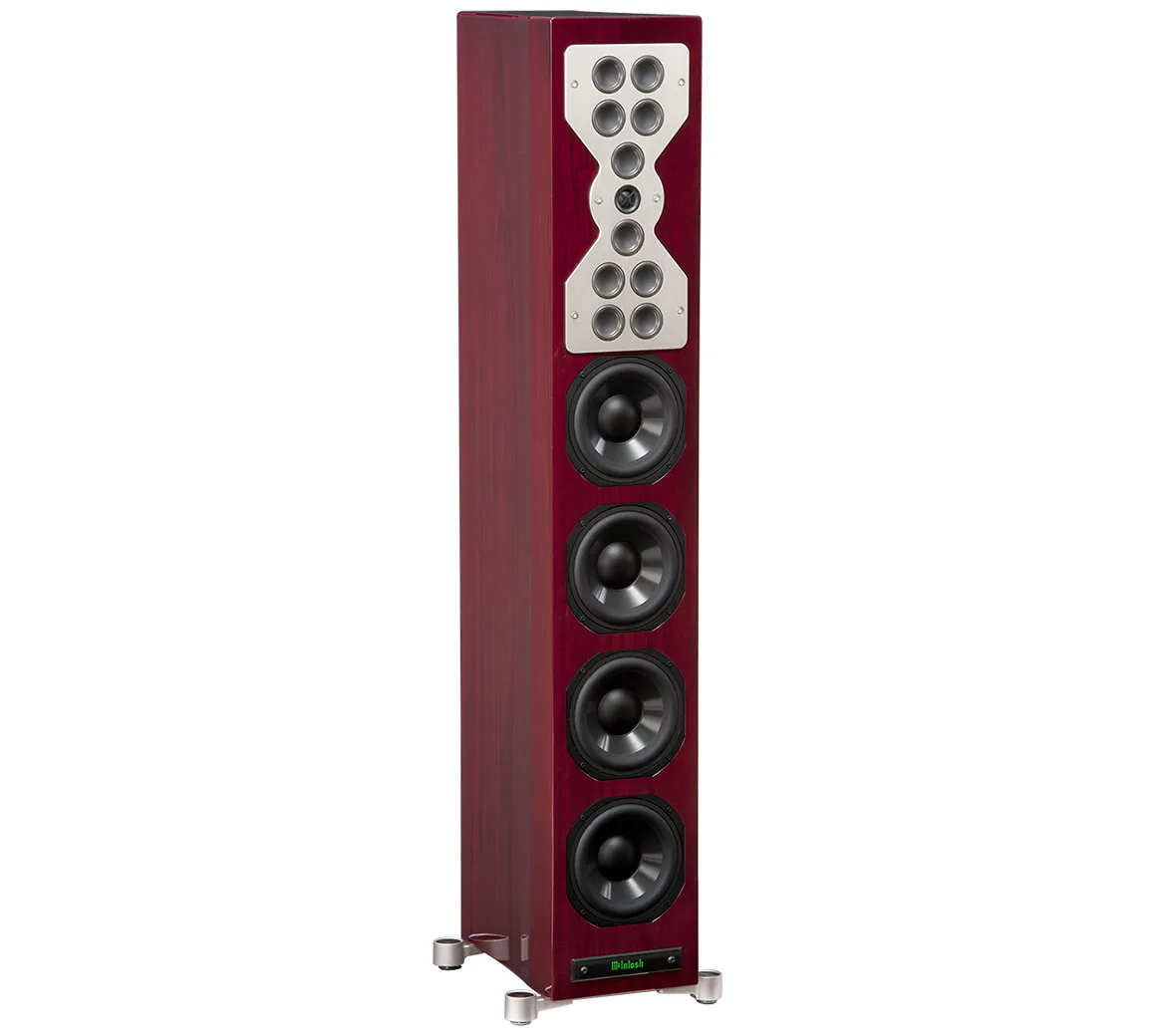
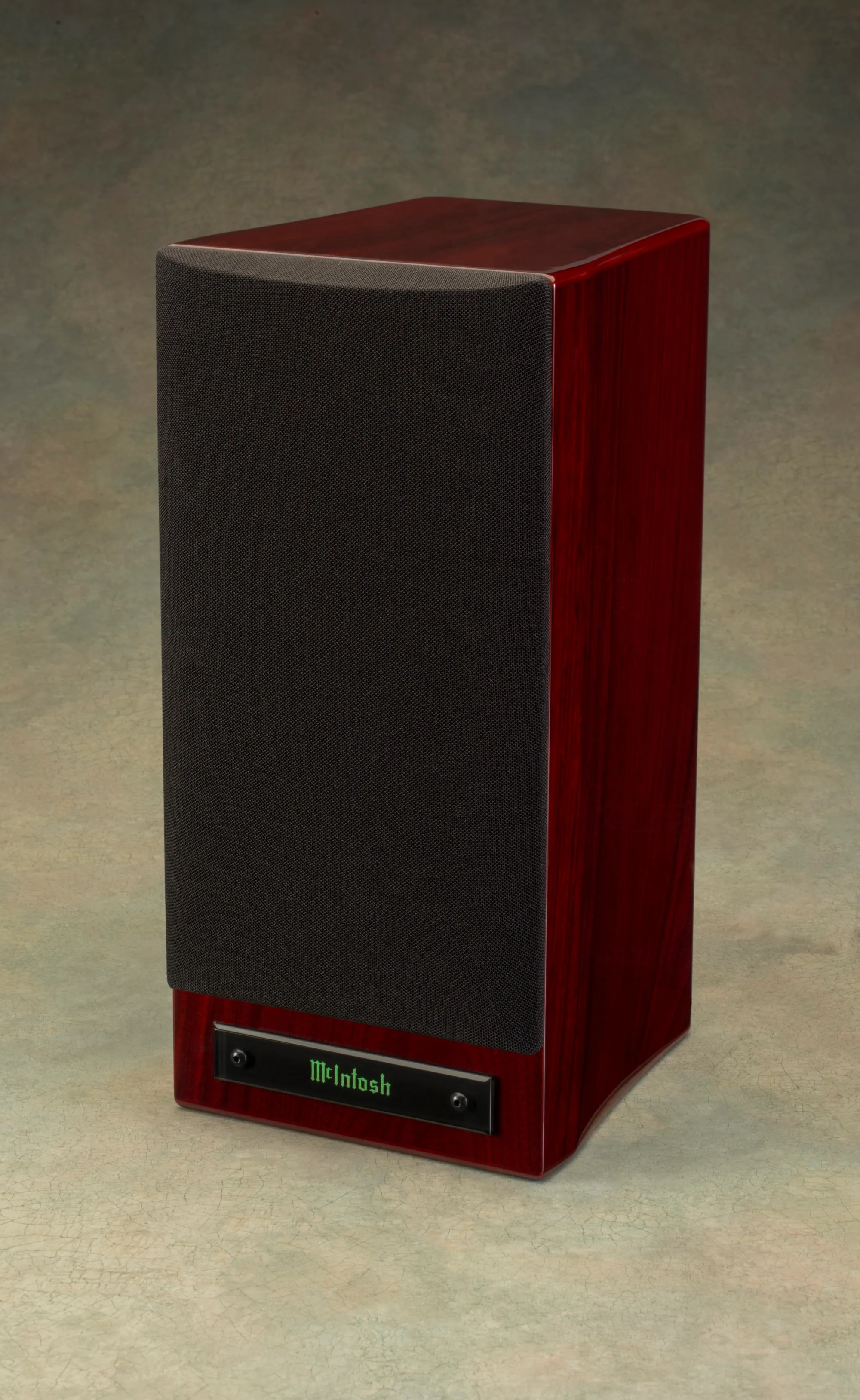
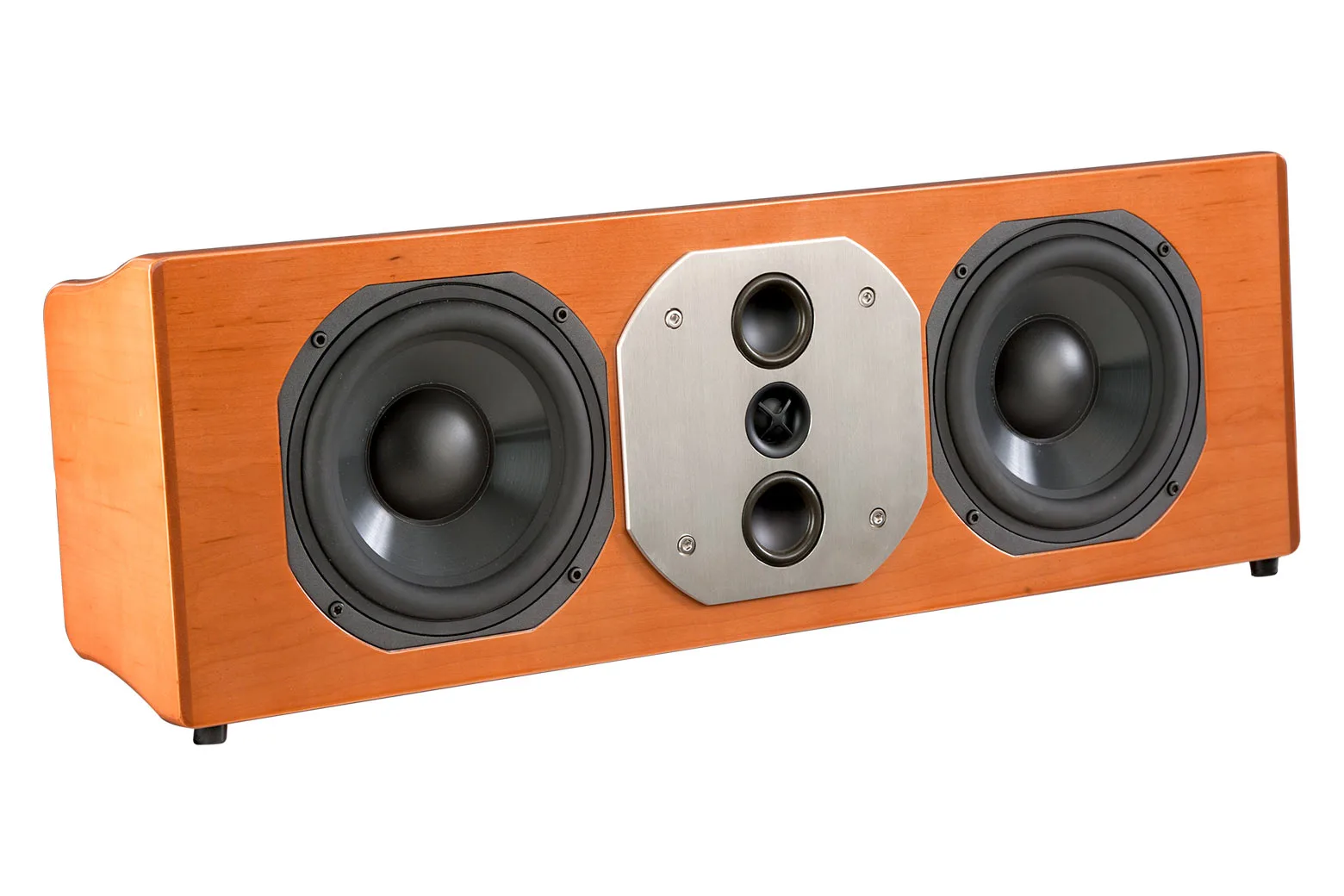
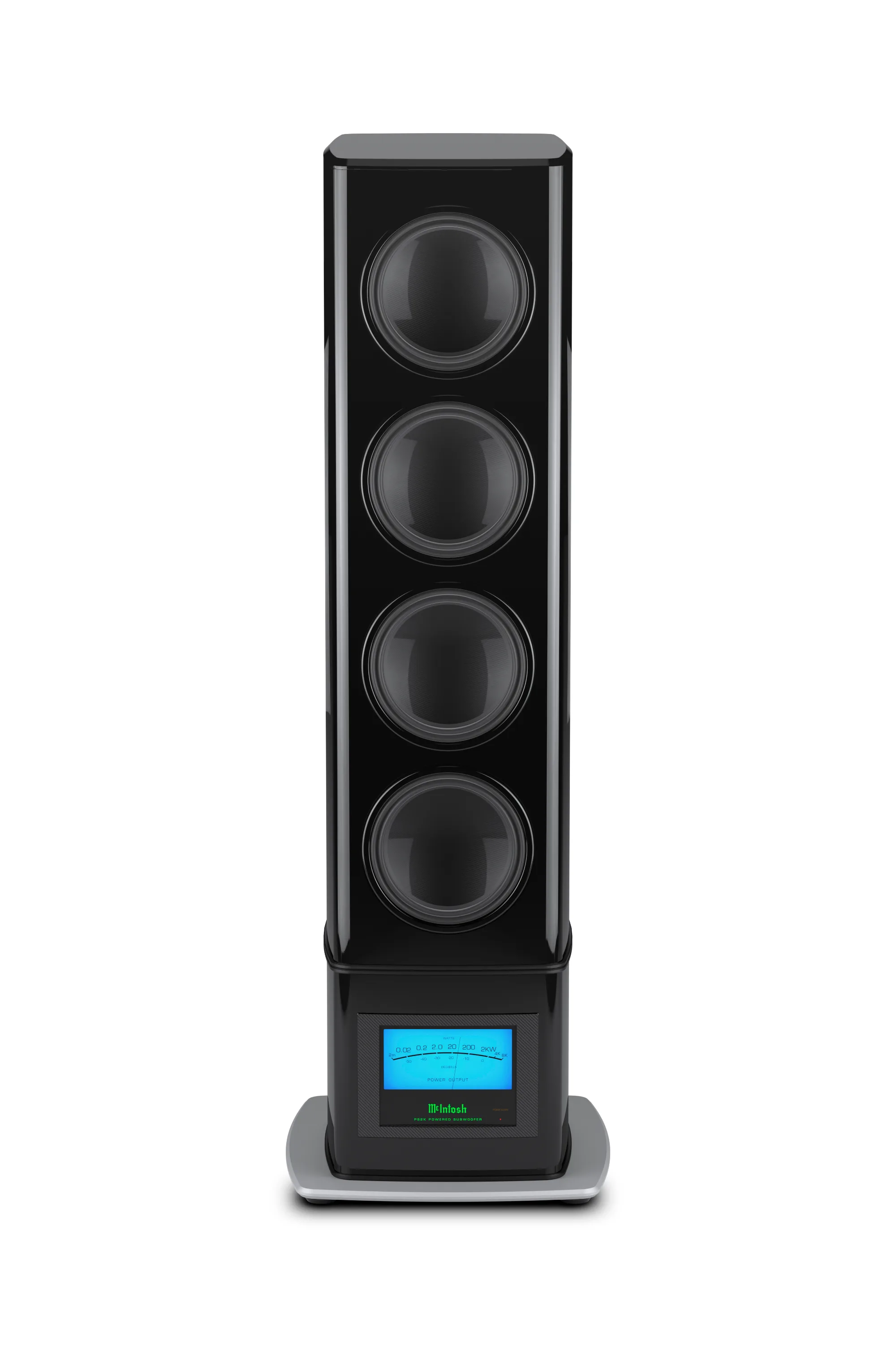
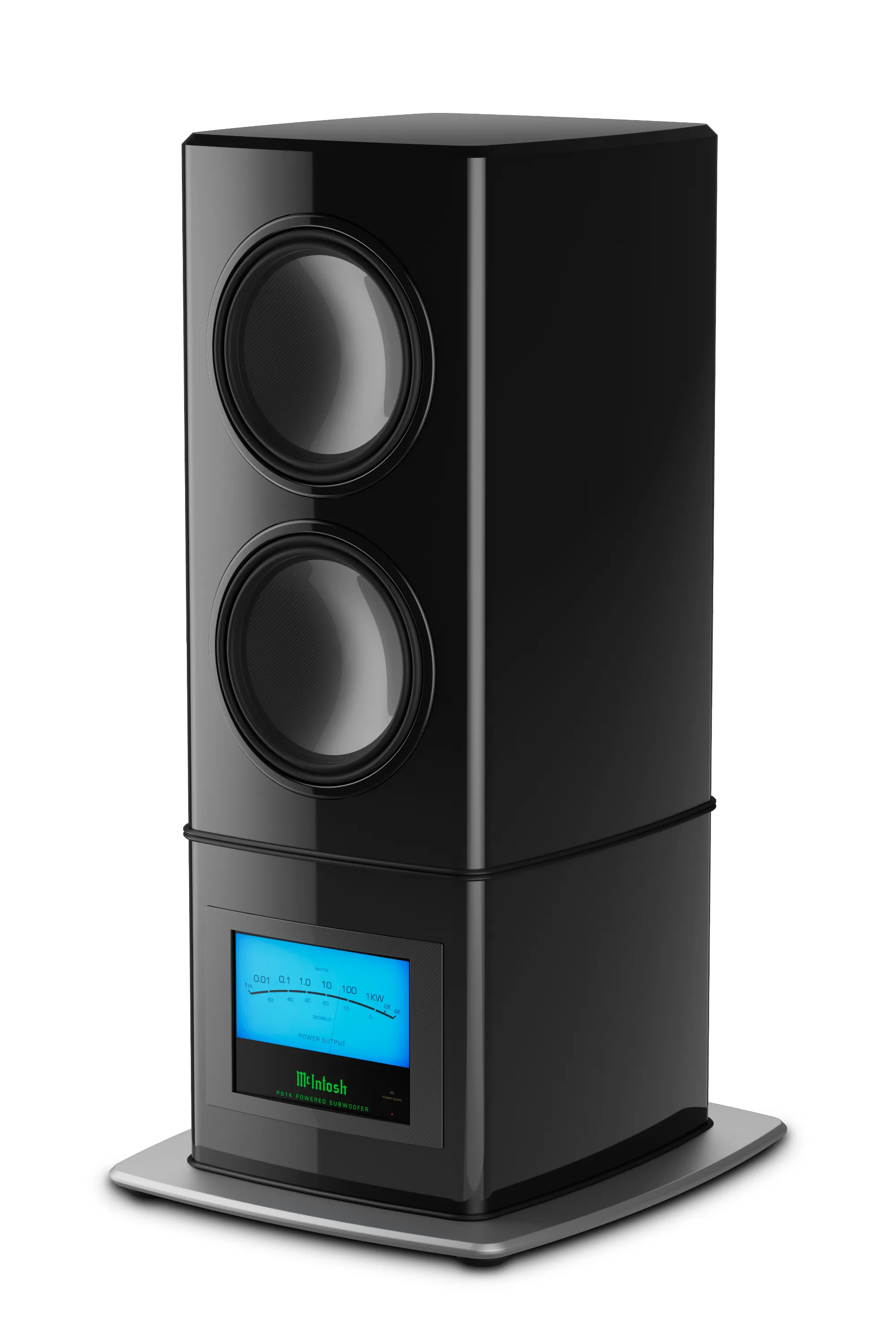
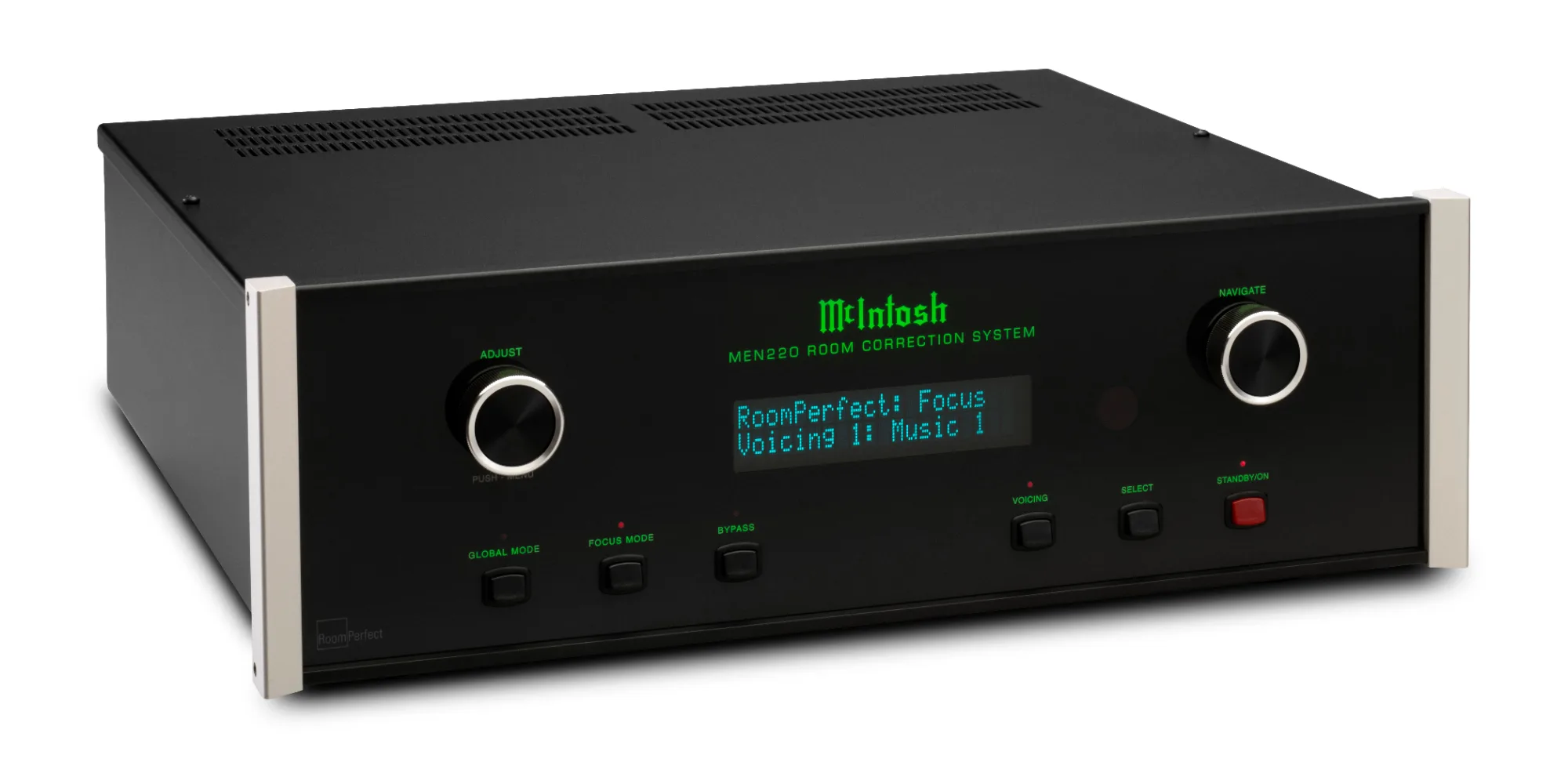
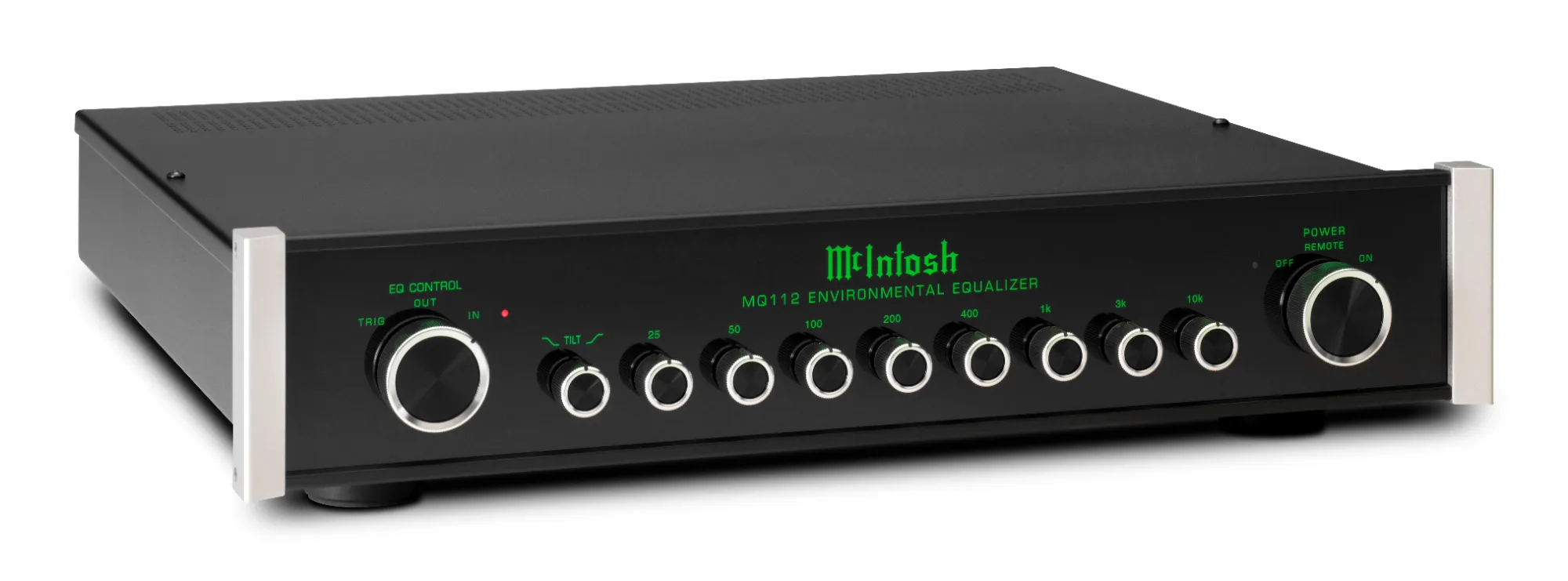
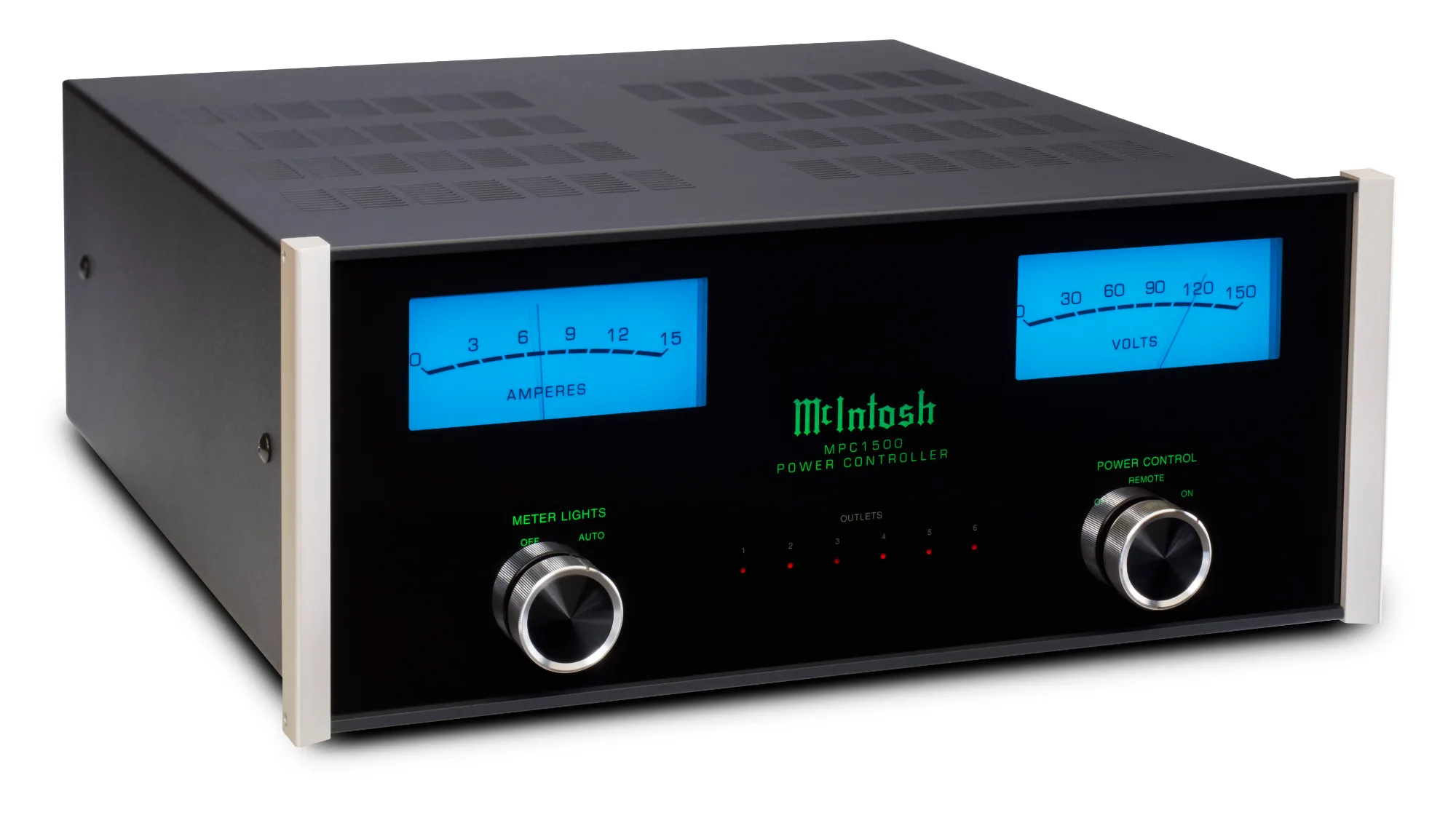
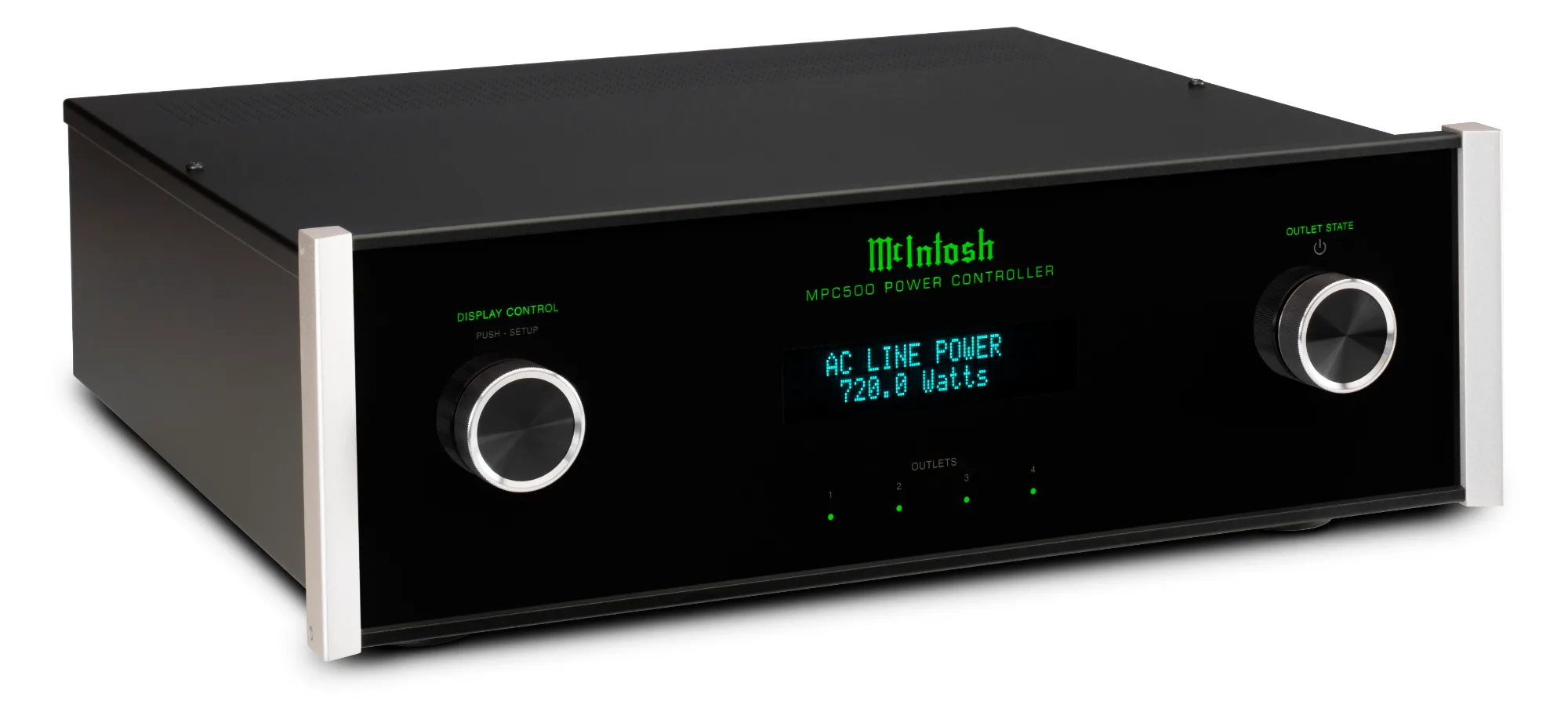
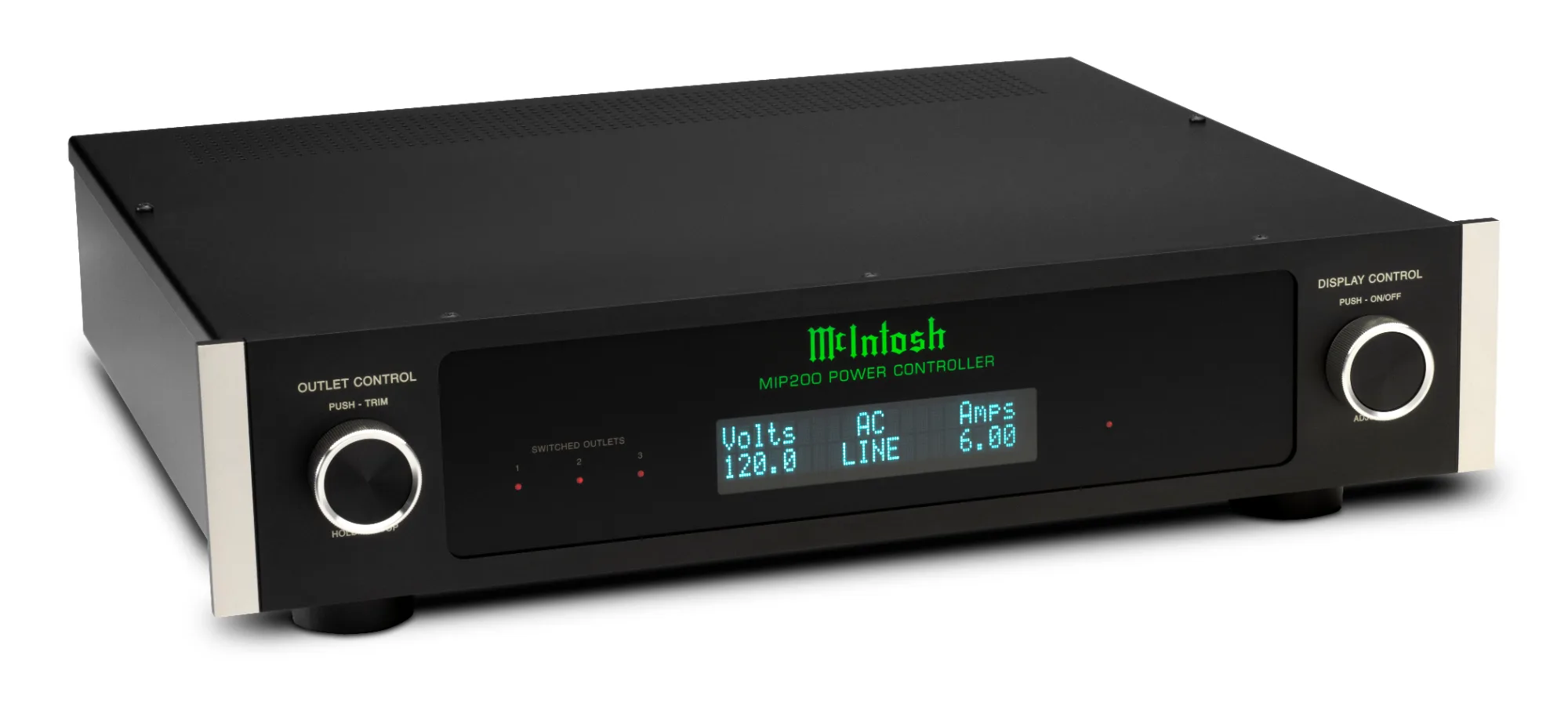
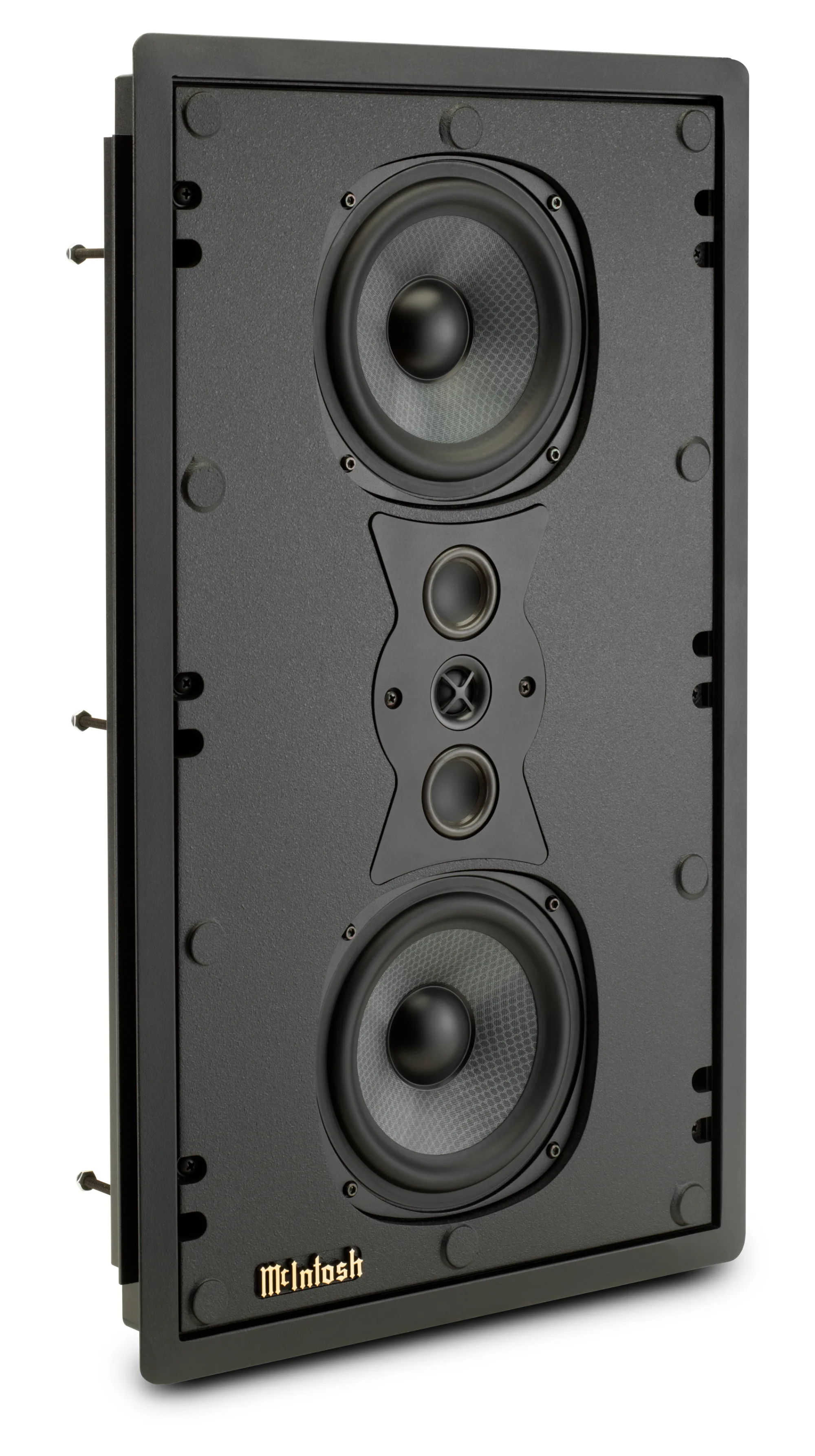
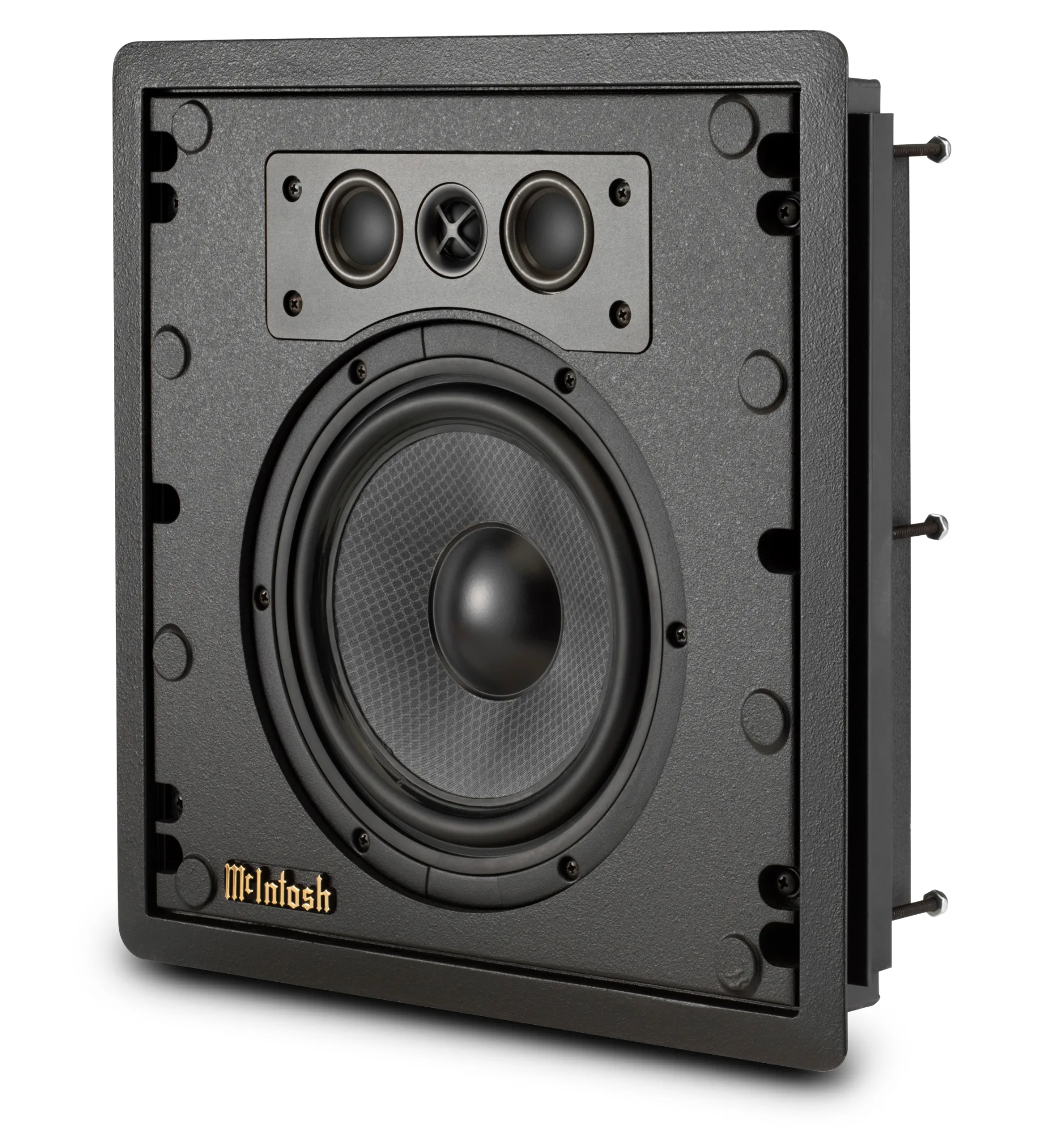
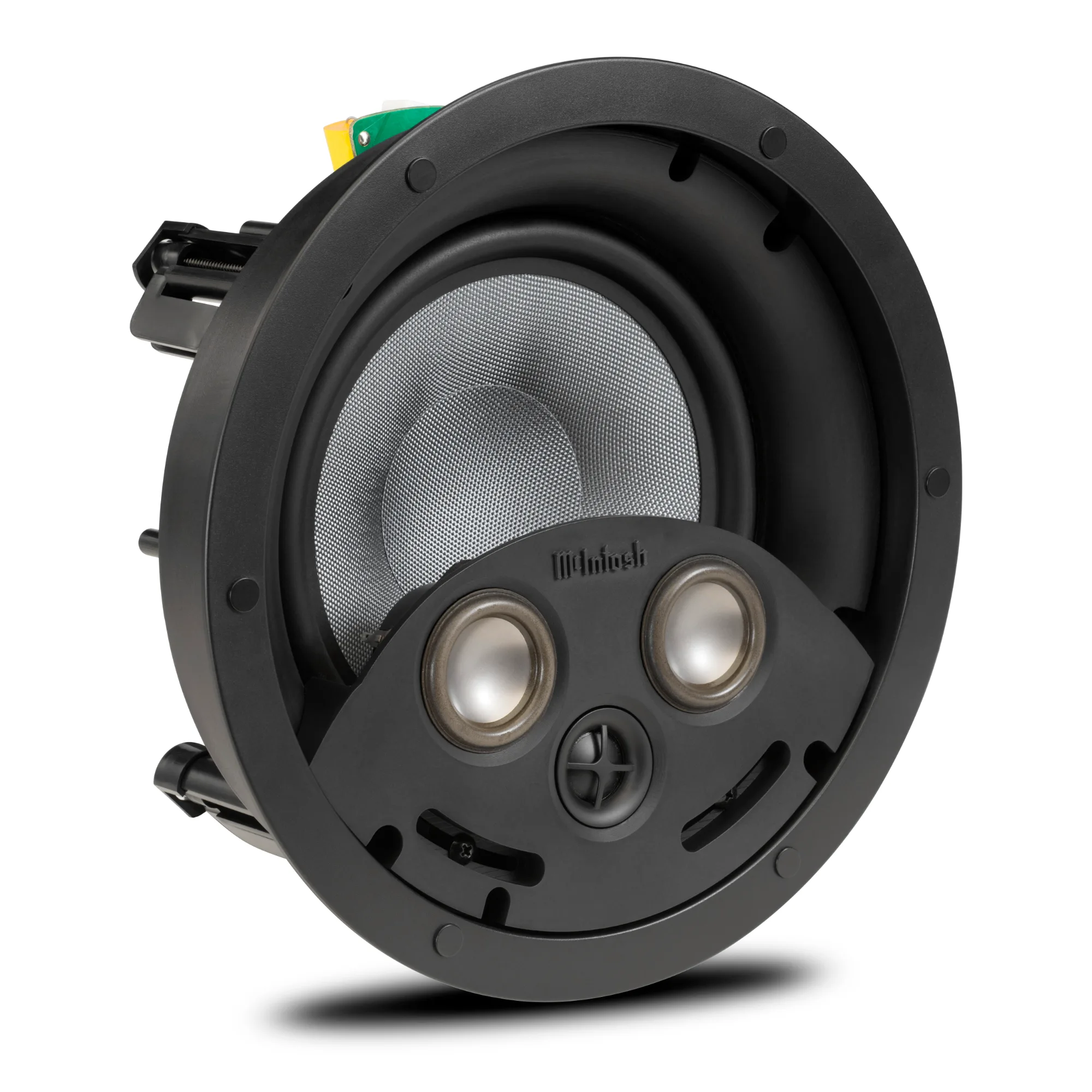
Loudspeakers span the XR50 through the ML1 MK II, XR100, XRT1.1K and XRT2.1K, plus dedicated centre-channel (LCR80, XCS1.5K) and in-wall / in-ceiling options (PS1K, PS2K). The MHA50 and MHA200 cover headphone amplification. Power conditioners (MPC500, MIP200, MPC1500) and room correction (MQ112, MEN220) round out the ecosystem.
McIntosh Dealer of the Year, six consecutive years
LMC has been named McIntosh Dealer of the Year for six consecutive years — 2011 through 2016 — a run that is unusual across McIntosh's US authorised dealer network. The recognition tracks factors that are not gameable from a distance: consistent product knowledge and demonstration discipline across the full catalog, direct manufacturer training, the quality of installation and after-sale service, and the number of clients who go home with a McIntosh system that actually solves their listening problem rather than one that merely photographs well. Being recognised for that six years in a row is a substantial claim. LMC has continued to carry the full McIntosh range across both showrooms since, and remains among the manufacturer's top dealers by product depth and installation base.
The MX124 in the reference cinema
The MX124 A/V Processor — McIntosh's newest home theater processor, launched July 2026 — is set up and available for demonstration at the Scottsdale showroom. The MX124 handles 13.4-channel processing, 7-in / 3-out 8K/60Hz HDMI switching, and every current immersive audio format: Dolby Atmos, DTS:X Pro, Sony 360 Reality Audio, and MPEG-H. Video pass-through covers Dolby Vision, HDR10+ and HLG. Room correction includes Dirac Live plus Audyssey MultEQ XT32 as standard — a genuinely uncommon combination, since most processor manufacturers pick one and leave the other off. The MX124 is Roon Ready and Control4 certified. In practice, that spec sheet answers the question a serious cinema installation actually needs answered: it will handle any current source, any current soundtrack format, and any current display without compromise.
The larger cinema story matters here. A McIntosh two-channel system and a McIntosh cinema system share circuit topology, transformer design, and voicing philosophy — and in a shared-purpose room, that matters. The processor talks to McIntosh multi-channel amplification talks to McIntosh loudspeakers, all built by the same people in the same facility to the same house sound. That coherence is difficult to achieve when the electronics come from three different manufacturers, and it is the technical argument for a full-McIntosh installation.
Where to start
For a first McIntosh audition, an integrated amplifier is usually the honest place to start — either the MA352 (hybrid tube preamp, solid-state amplifier) if the voicing question matters most, or the MA12000 if the driving question is how much a McIntosh integrated can actually do inside a demanding system. Both carry the McIntosh house character in a single chassis with the full blue-meter, gothic-logo identity that will define whatever else the system becomes, and both drive most quality loudspeakers convincingly.
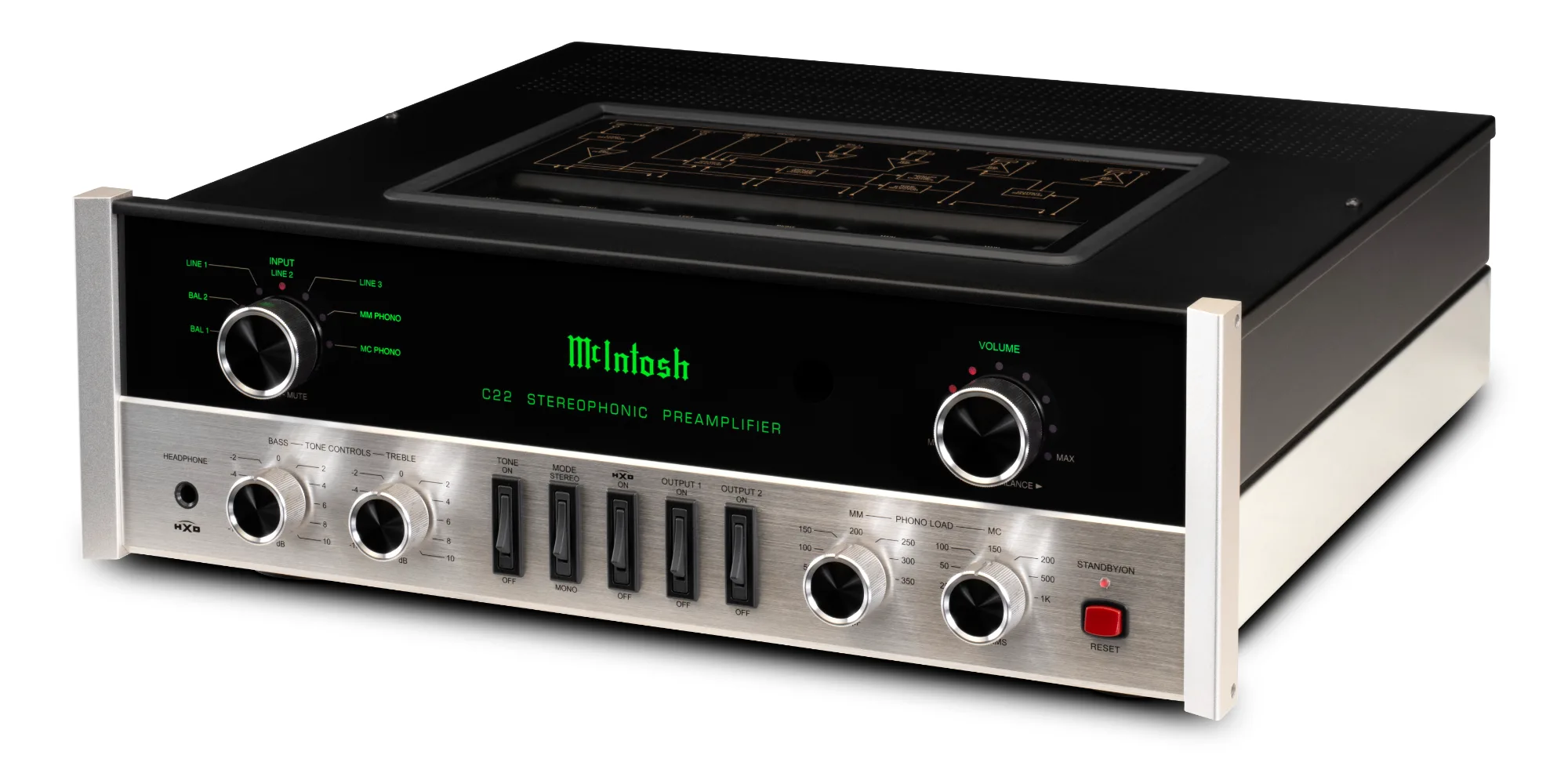
For separates, the natural entry point is the C49 preamplifier paired with an MC462 or MC312 solid-state stereo amplifier — a combination that has been a well-liked McIntosh reference pairing at LMC for several product generations and that scales cleanly upward. For the tube path, the MC275 Mk VI paired with a C22 Mk V preamplifier is the honest current expression of the design that launched the company — sixty-plus years of voicing refinement, still in current production, still Unity Coupled. The flagship setup — C12000 preamplifier with MC1.25KW or MC451 monoblocks — is the current statement of what McIntosh solid-state is capable of when the loudspeakers, room and source will genuinely reveal it.
What to listen for
Two things are worth testing deliberately in a McIntosh audition. Acoustic recordings played at real listening levels reveal how well the amplifier resolves low-level detail against silence — the McIntosh noise floor is very low, and the recovery of a note into its own reverb tail is often the audible signature. Complex, high-power material — full orchestra, big-band brass, dense electronic music — reveals how McIntosh's transformer coupling holds the presentation together as the volume rises. That composure under pressure is what the Unity Coupled Circuit exists to deliver, and it is where the audible difference between a McIntosh and a comparable amplifier from another manufacturer tends to be clearest.
Walk in during business hours to hear a McIntosh setup on demonstration in either the Scottsdale or Tempe showroom. Book ahead if the audition is for the MX124 in the reference cinema or for a specific two-channel comparison — an MA12000 against an MC462 / C49 pairing on your own recordings, for instance — so the room can be warmed up and the comparison configured before you arrive.
Frequently asked questions
What makes McIntosh different from other high-end amplifiers?
Three things, all of them the direct expression of engineering choices McIntosh has held to for over seventy years. McIntosh is fundamentally a transformer company as much as an electronics company — every McIntosh amplifier uses in-house-wound output transformers, and the Unity Coupled Circuit that Frank McIntosh and Gordon Gow patented in 1949 is still in current production in the MC275 Mk VI tube amplifier. The black glass front panel, the blue VU meters (introduced on the MC2105 in 1974 as true wide-band power meters, not decorative), and the gothic McIntosh logo have been consistent since the early 1960s. And every McIntosh product is designed, built and hand-assembled at 2 Chambers Street in Binghamton, New York, where the company has operated since 1951 — no other American high-end audio manufacturer has stayed on the same street that long under a continuous corporate identity. LMC has been a McIntosh dealer since 1999 and was named McIntosh Dealer of the Year six consecutive years, 2011 through 2016.
What is the Unity Coupled Circuit, and why has it stayed in current production for 75 years?
The Unity Coupled Circuit was patented in 1949 by Frank McIntosh and Gordon Gow as the company's foundational amplifier topology. The patent uses a bifilar-wound output transformer to couple two vacuum tubes in a way that dramatically reduces distortion at high output while extending frequency response. Seventy-five years later, the current MC275 Mk VI tube amplifier still uses the Unity Coupled Circuit — very few audio manufacturers can claim that a foundational engineering idea has stayed in current production for three-quarters of a century without meaningful revision. That fact matters less as a marketing claim than as evidence that Frank and Gordon actually got the underlying engineering right the first time, and it is one of the reasons a well-preserved McIntosh tube amplifier from the 1960s still sounds recognisably like the current MC275 Mk VI, only less resolved.
Which McIntosh line is right for my system — integrated, separates, tube, or solid-state?
The right entry depends on how many chassis you want on the rack, whether the tube-versus-transistor choice matters to you, and what your loudspeakers are asking for. For a first McIntosh audition, an integrated amplifier is usually the honest place to start — either the MA352 (hybrid tube preamp, solid-state amplifier) if the voicing question matters most, or the MA12000 if the driving question is how much a McIntosh integrated can actually do inside a demanding system. For separates, the natural entry is the C49 preamplifier paired with an MC462 or MC312 solid-state stereo amplifier, a combination that has been a well-liked McIntosh reference pairing at LMC for several product generations. For the tube path, the MC275 Mk VI paired with a C22 Mk V preamplifier is the honest current expression of the design that launched the company — sixty-plus years of voicing refinement, still in current production, still Unity Coupled. The flagship setup — C12000 preamplifier with MC1.25KW or MC451 monoblocks — is the current statement of what McIntosh solid-state can do.
Can I hear tube McIntosh at LMC?
Yes — across both showrooms. LMC carries the full McIntosh tube range: MC275 Mk VI stereo, MC1502 stereo, MC2301 monoblock, MC901 dual-mono hybrid, and the MC3500 Mk II 350-watt monoblock at the top. In the Tempe showroom, a pair of MC2301 tube monoblocks are set up in Room 2 driving a Sonus faber Il Cremonese, and again in Room 4 where the MC2301 pair share the room with an MC152 solid-state stereo amplifier switched from the same McIntosh C49 preamplifier — that comparison is the fastest way to hear what the tube-versus-solid-state McIntosh voicing difference actually sounds like, on the same source, same speakers and same preamplifier, at the same volume. Walk in during business hours to hear either. Book ahead if you'd like a specific tube-versus-transistor comparison configured against your own recordings.
What is the McIntosh MX124, and can I audition it at LMC?
The MX124 is McIntosh's newest home theater processor, launched in July 2026, and it is set up and available for demonstration at the Scottsdale showroom's reference cinema. The MX124 handles 13.4-channel processing, 7-in / 3-out 8K/60Hz HDMI switching, and every current immersive audio format: Dolby Atmos, DTS:X Pro, Sony 360 Reality Audio and MPEG-H. Video pass-through covers Dolby Vision, HDR10+ and HLG. Room correction includes Dirac Live plus Audyssey MultEQ XT32 as standard — a genuinely uncommon combination, since most processor manufacturers pick one and leave the other off. The MX124 is Roon Ready and Control4 certified. A McIntosh two-channel system and a McIntosh cinema system share circuit topology, transformer design and voicing philosophy, and in a shared-purpose room, that matters — the processor talks to McIntosh multi-channel amplification talks to McIntosh loudspeakers, all built by the same people in the same facility to the same house sound. Book ahead if you'd like to hear the MX124 against your own reference material.
Why has LMC been named McIntosh Dealer of the Year six consecutive years?
LMC was named McIntosh Dealer of the Year 2011 through 2016 — six consecutive years, which is unusual across McIntosh's US authorised dealer network. The recognition tracks factors that are not gameable from a distance: consistent product knowledge and demonstration discipline across the full McIntosh catalog, direct manufacturer training, the quality of installation and after-sale service, and the number of clients who go home with a McIntosh system that actually solves their listening problem rather than one that merely photographs well. Being recognised for that six years in a row is a substantial claim about a dealer, and LMC has continued to carry the full McIntosh range across both Scottsdale and Tempe since — the tube amplifiers, solid-state amplifiers, integrated amplifiers, preamplifiers, home theater processors, sources, loudspeakers and headphone amplification. Roughly one in four McIntosh employees has been on the job for twenty years or longer; the dealer relationship benefits from the same kind of tenure.
The Lineup
Explore the Range
Experience The Brand