Power Amplifiers
Power Amplifiers
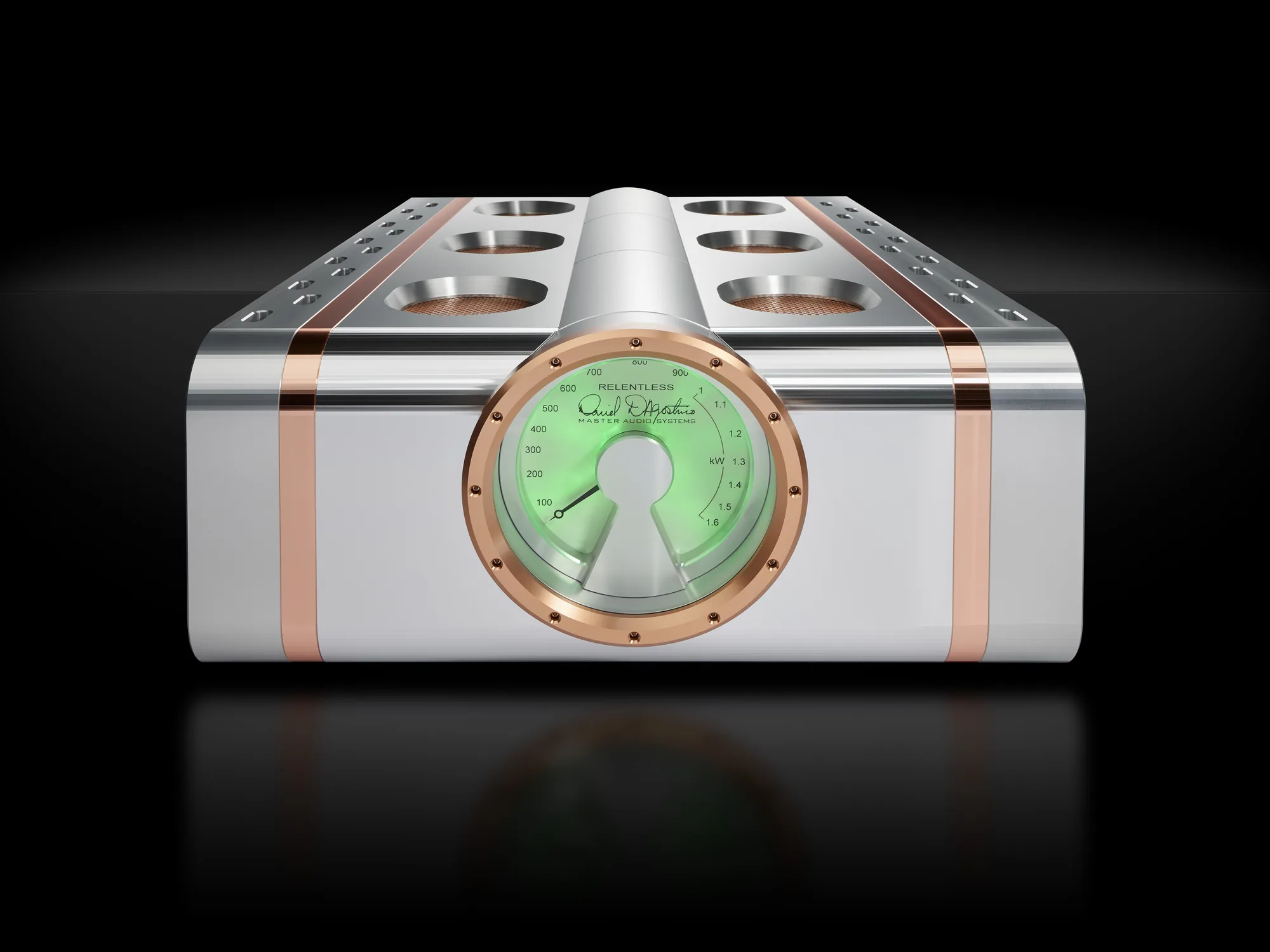
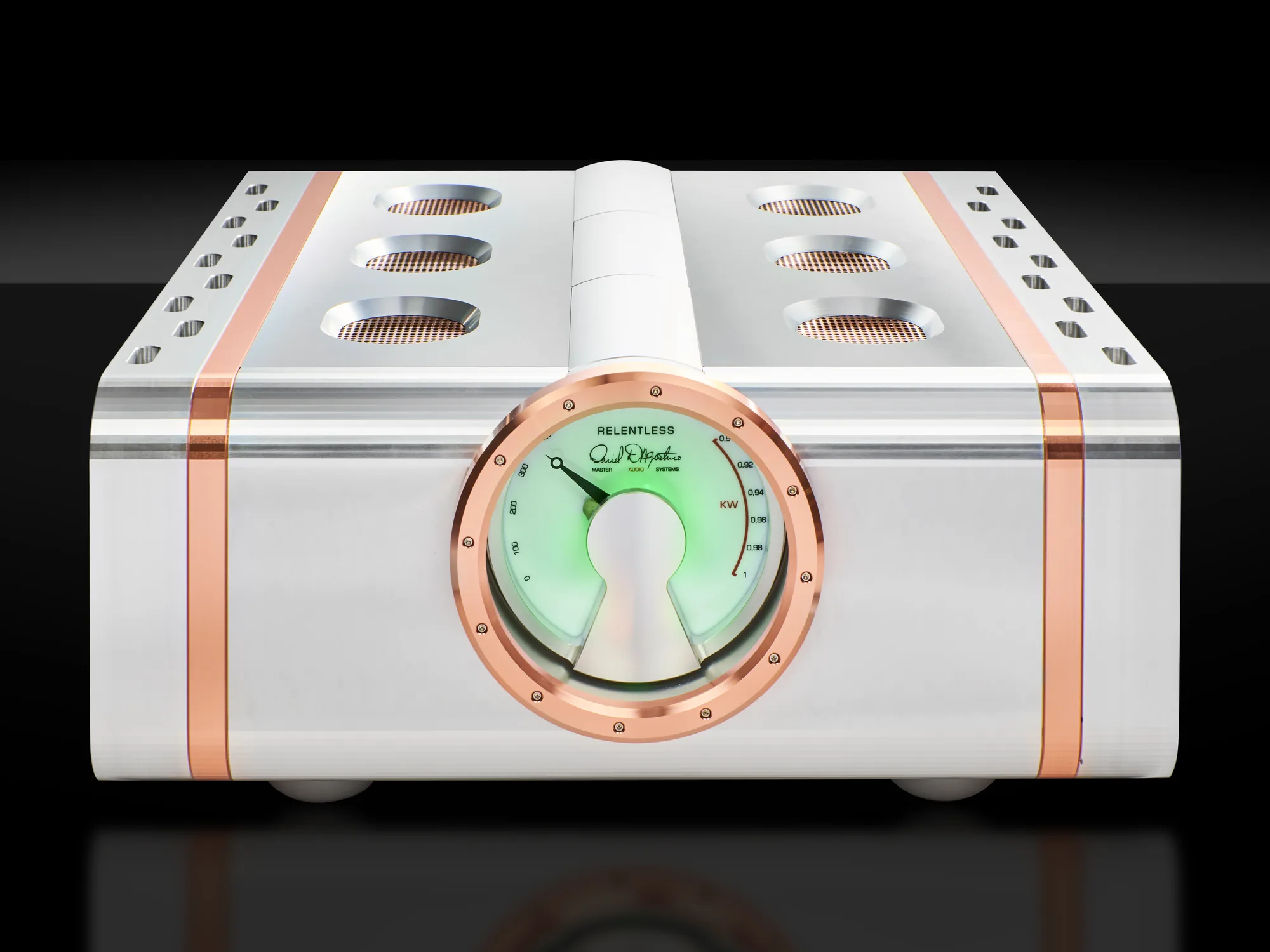
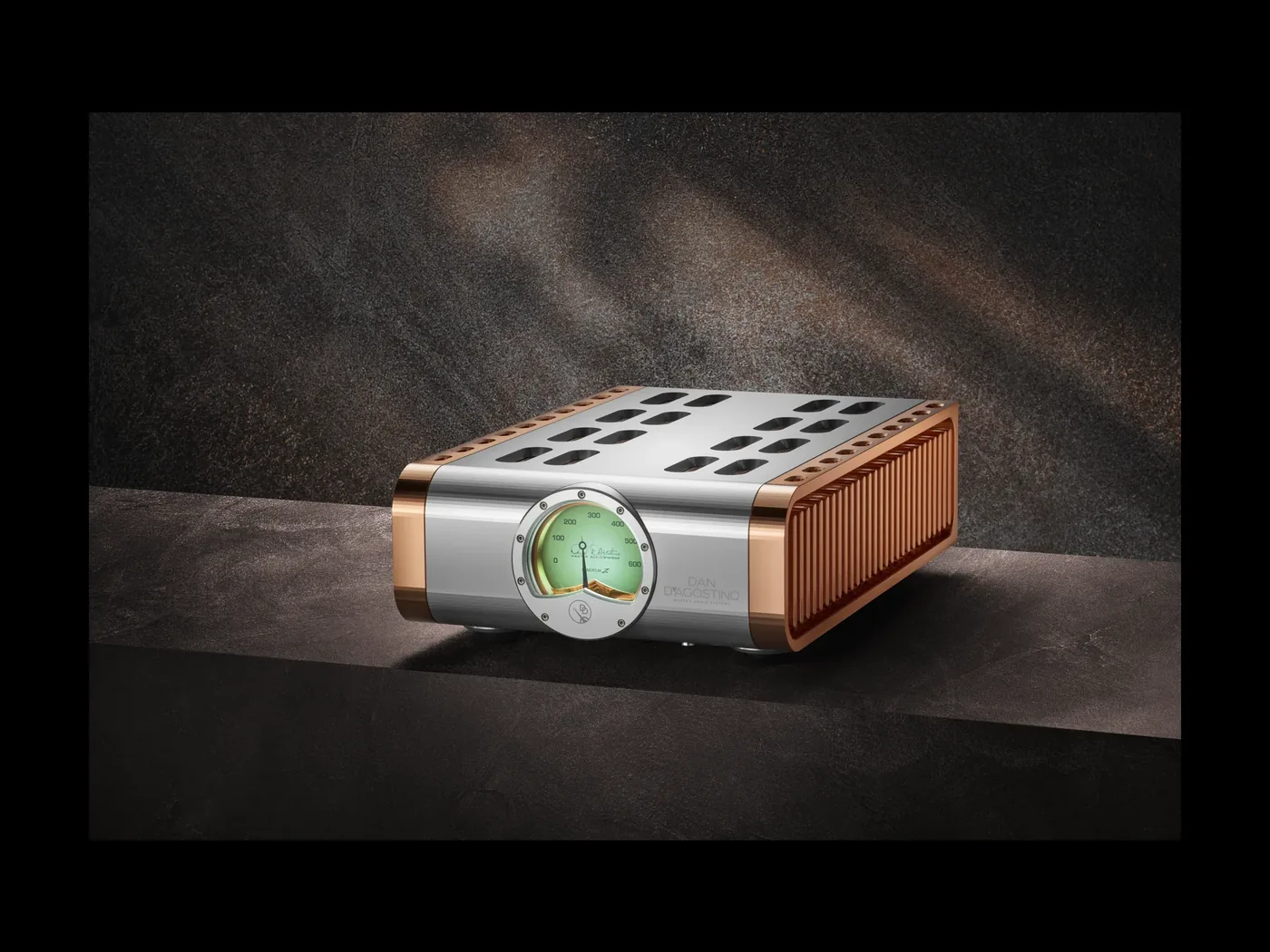
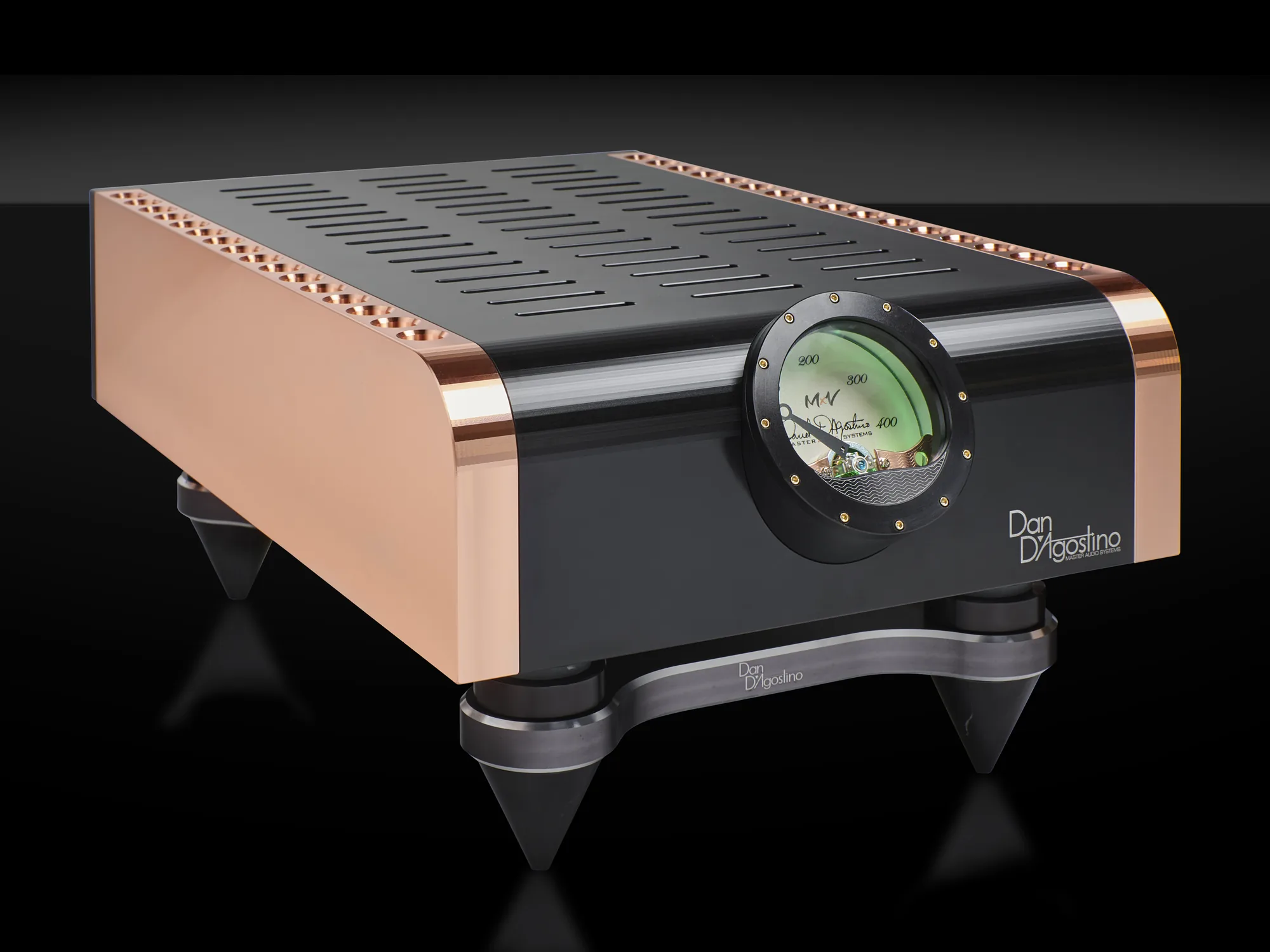
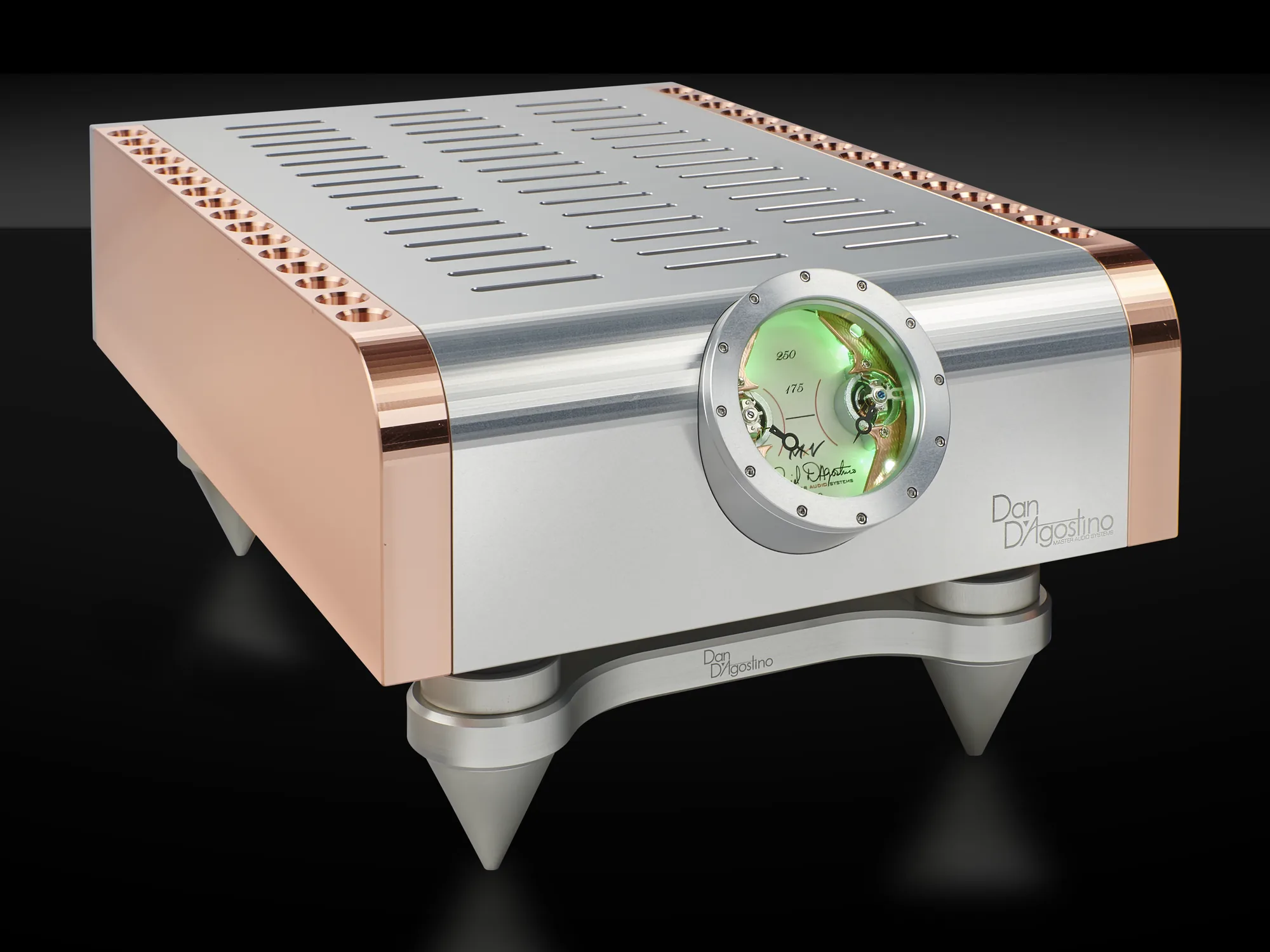
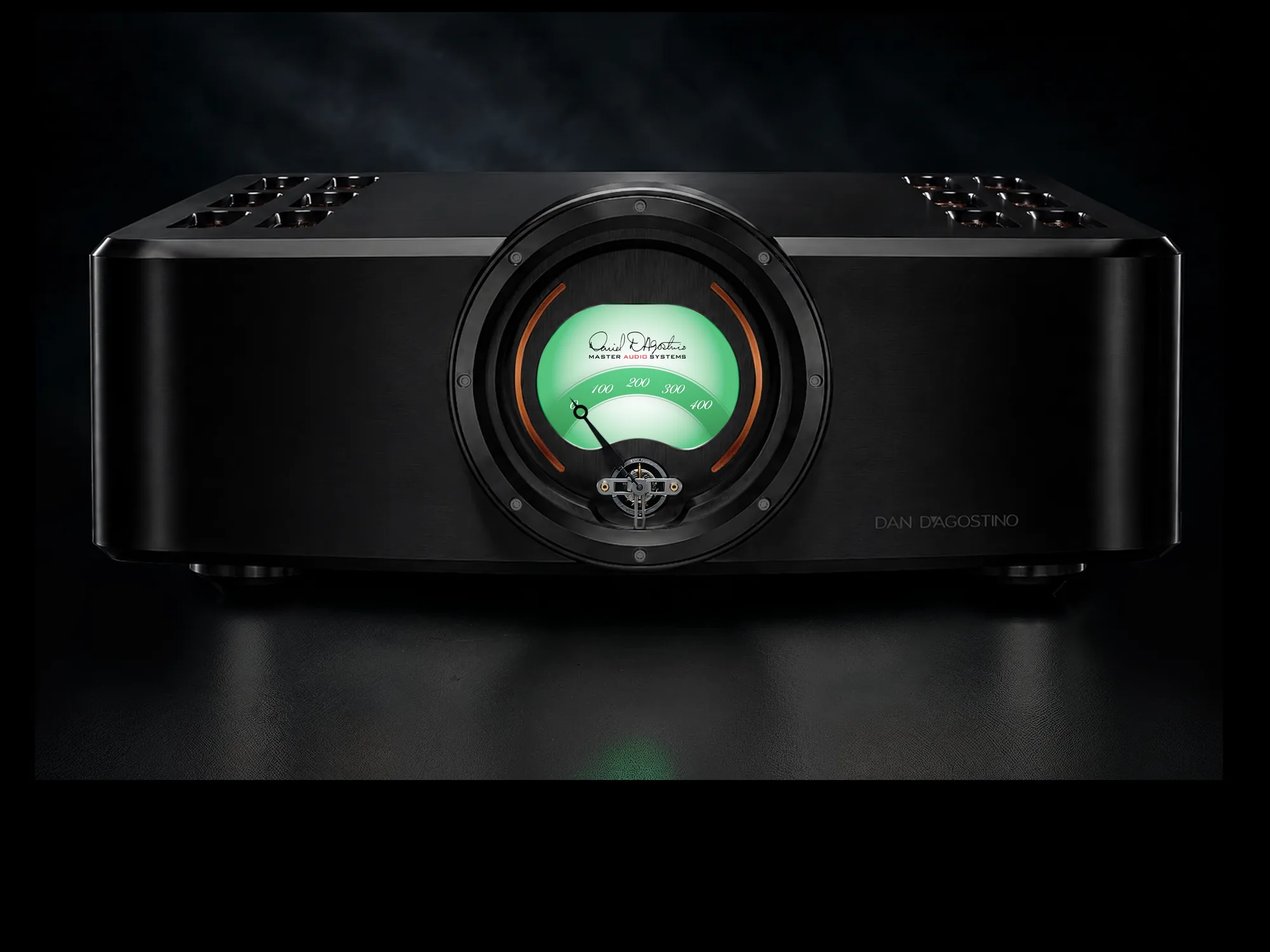
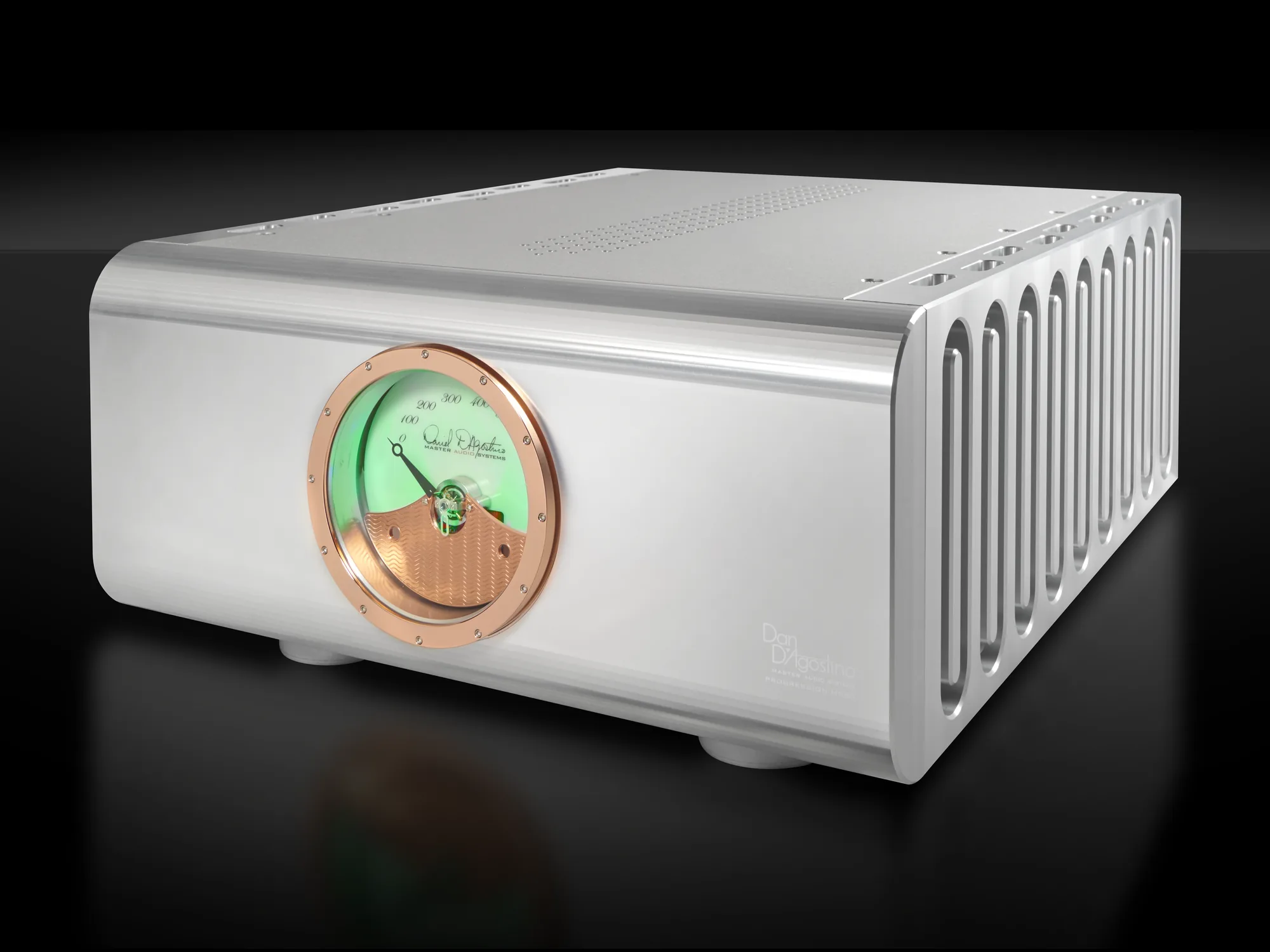
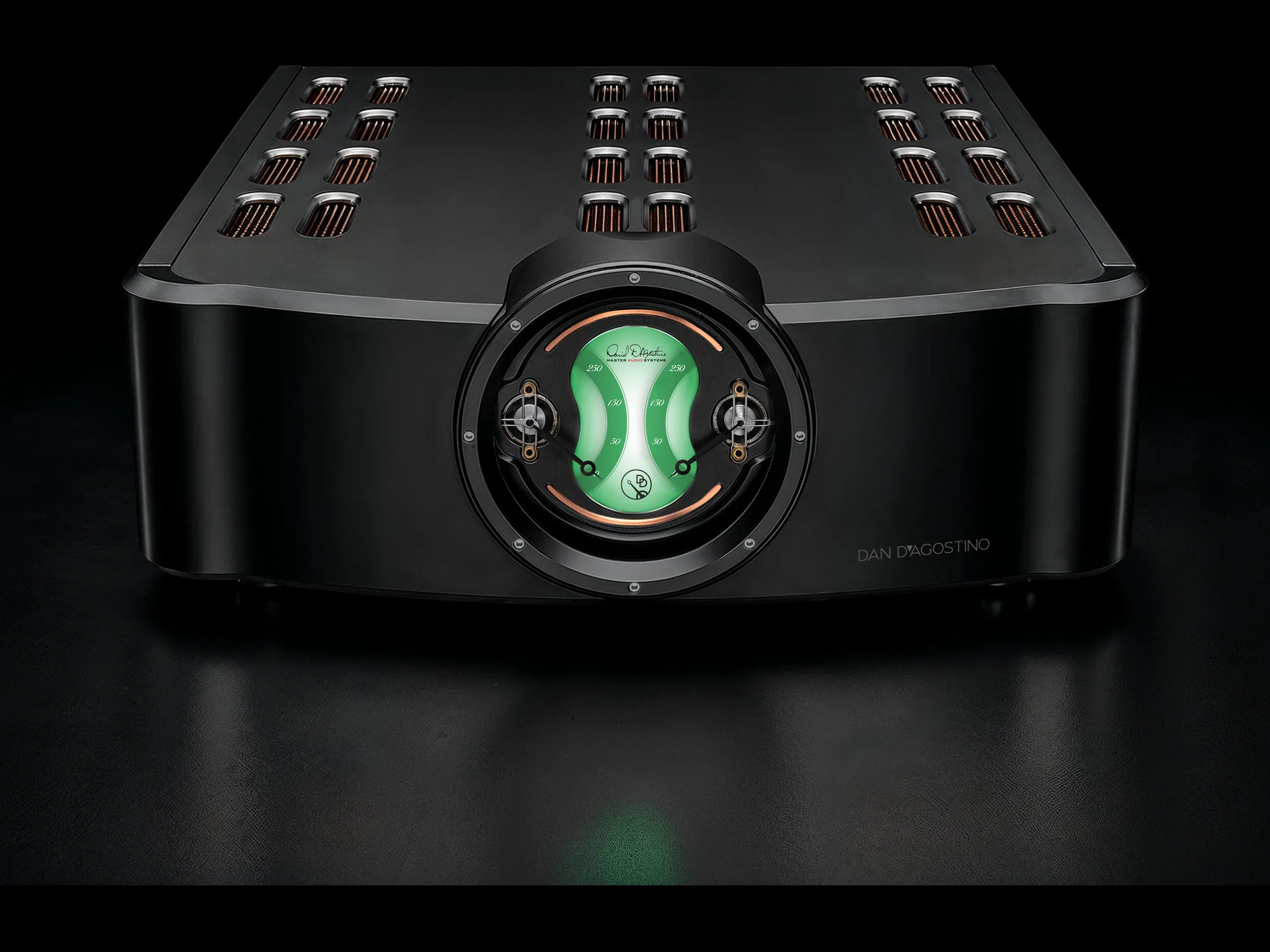
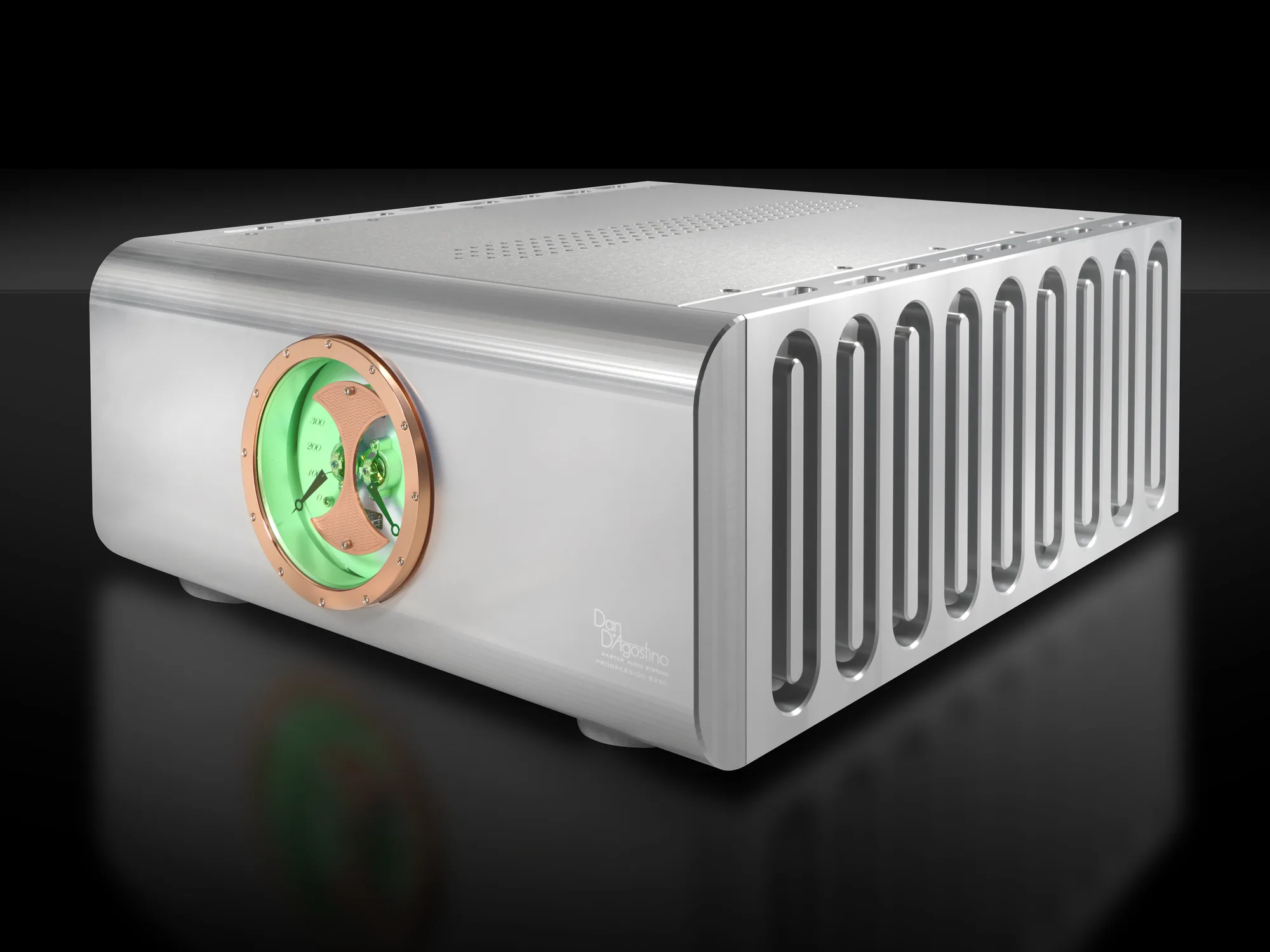
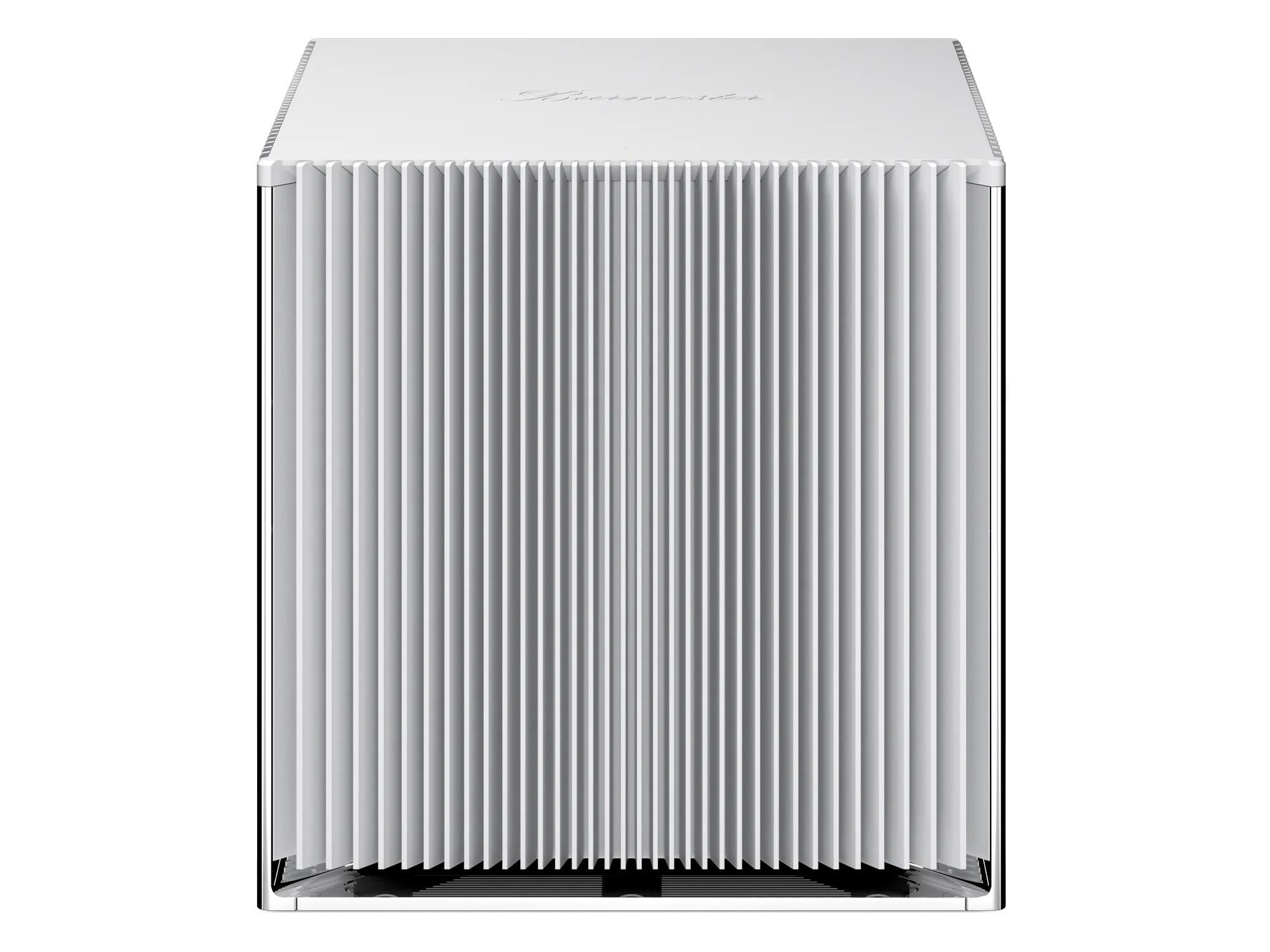
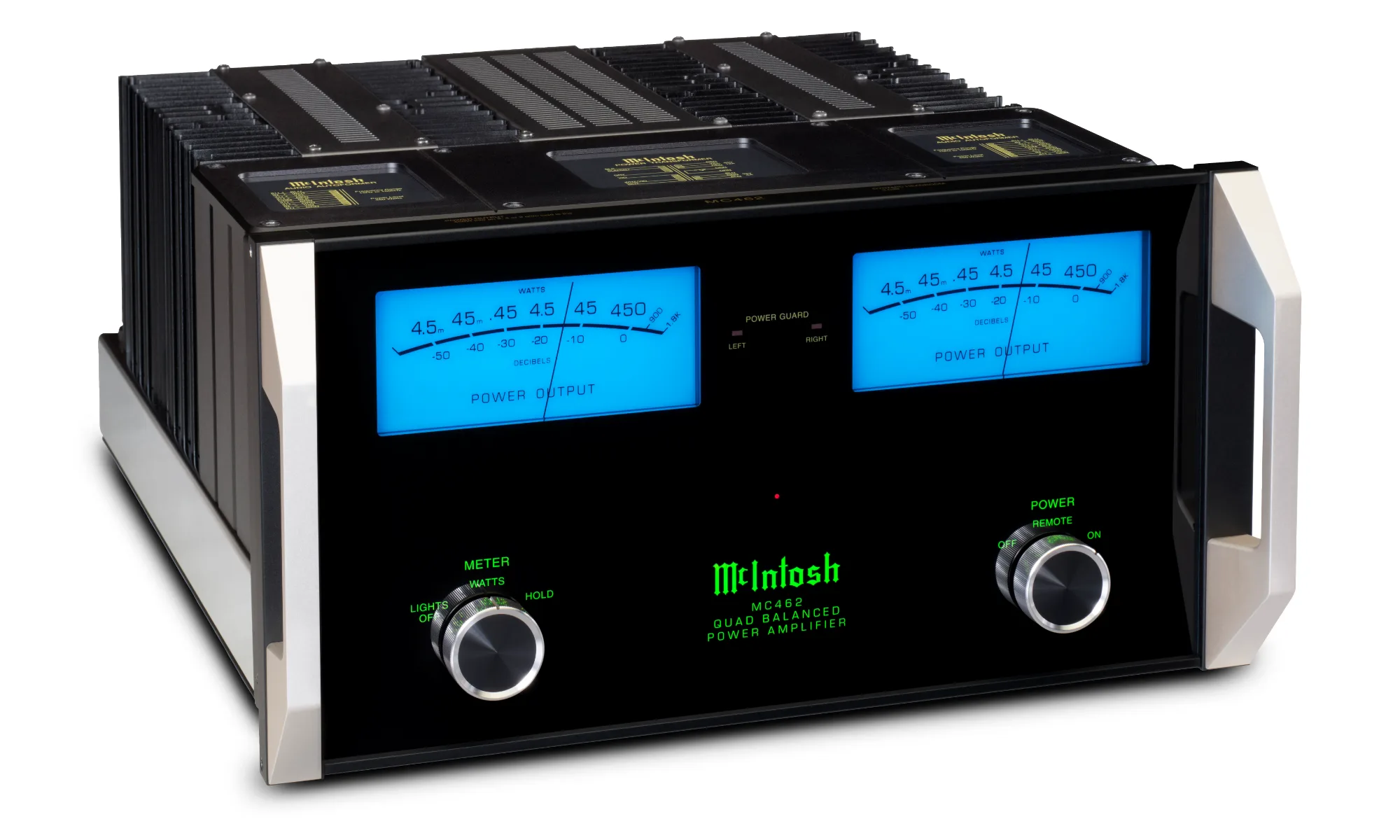
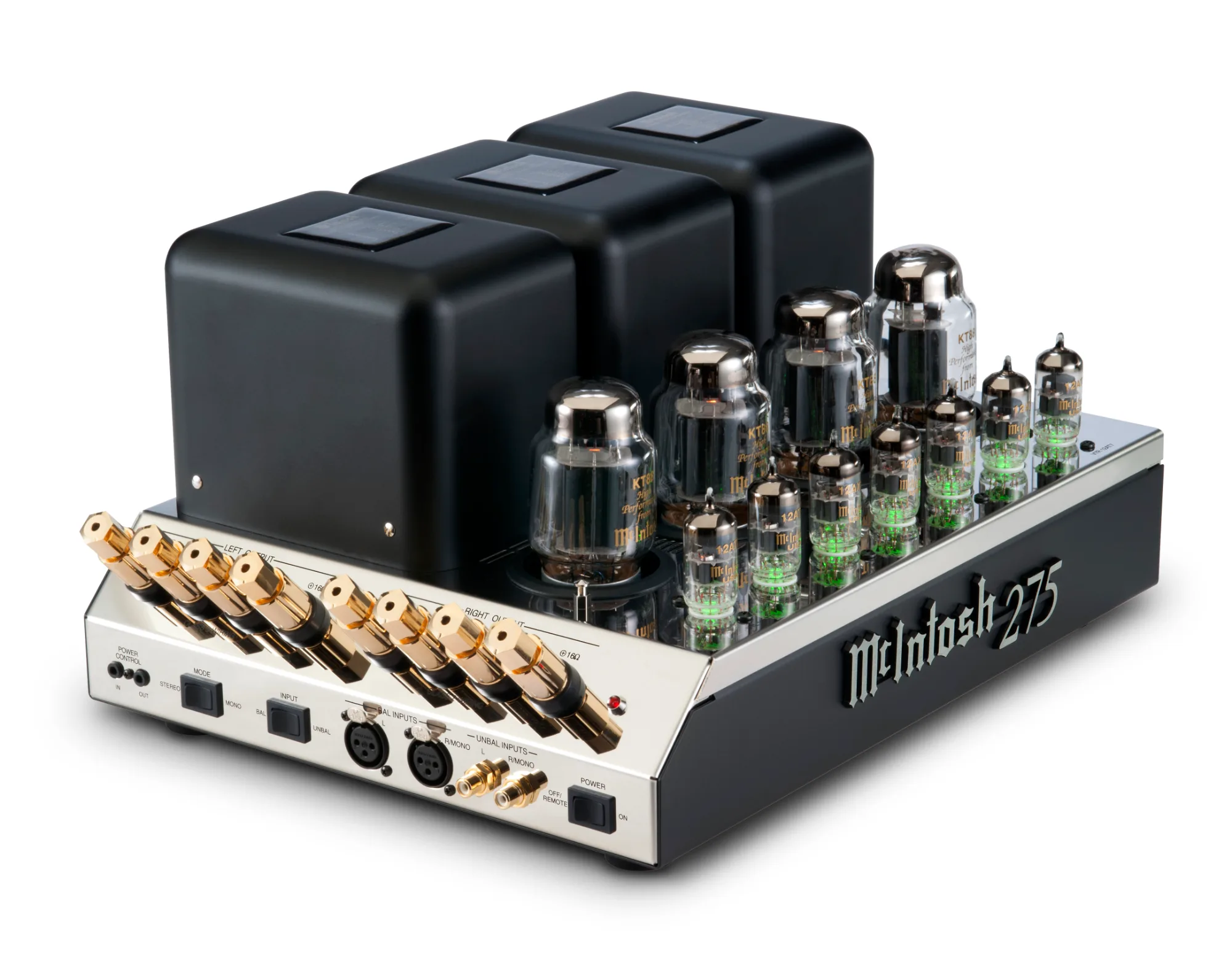
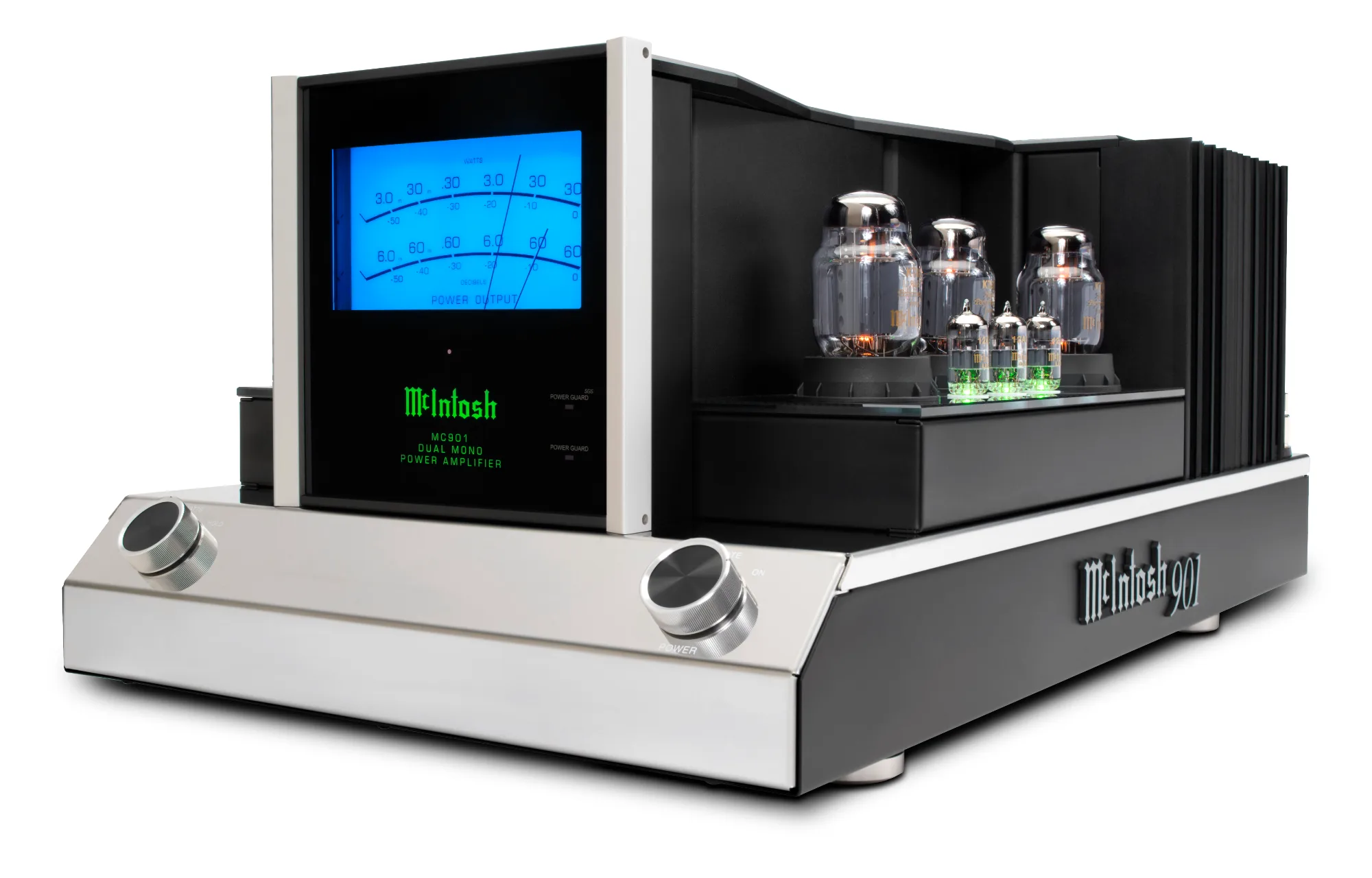
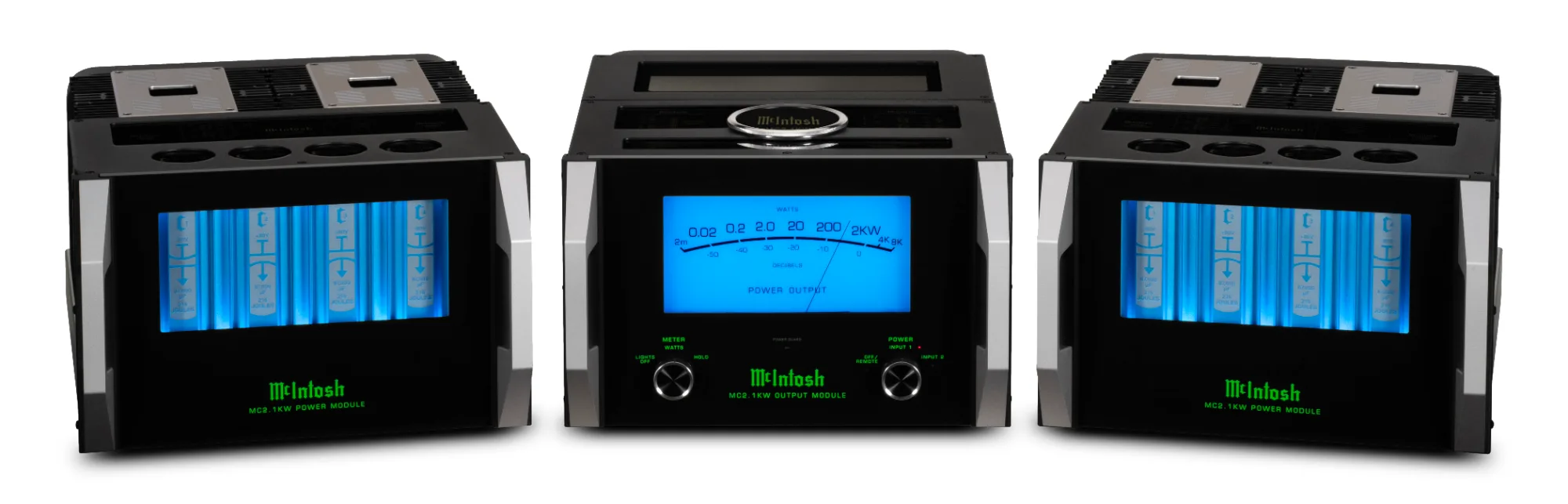
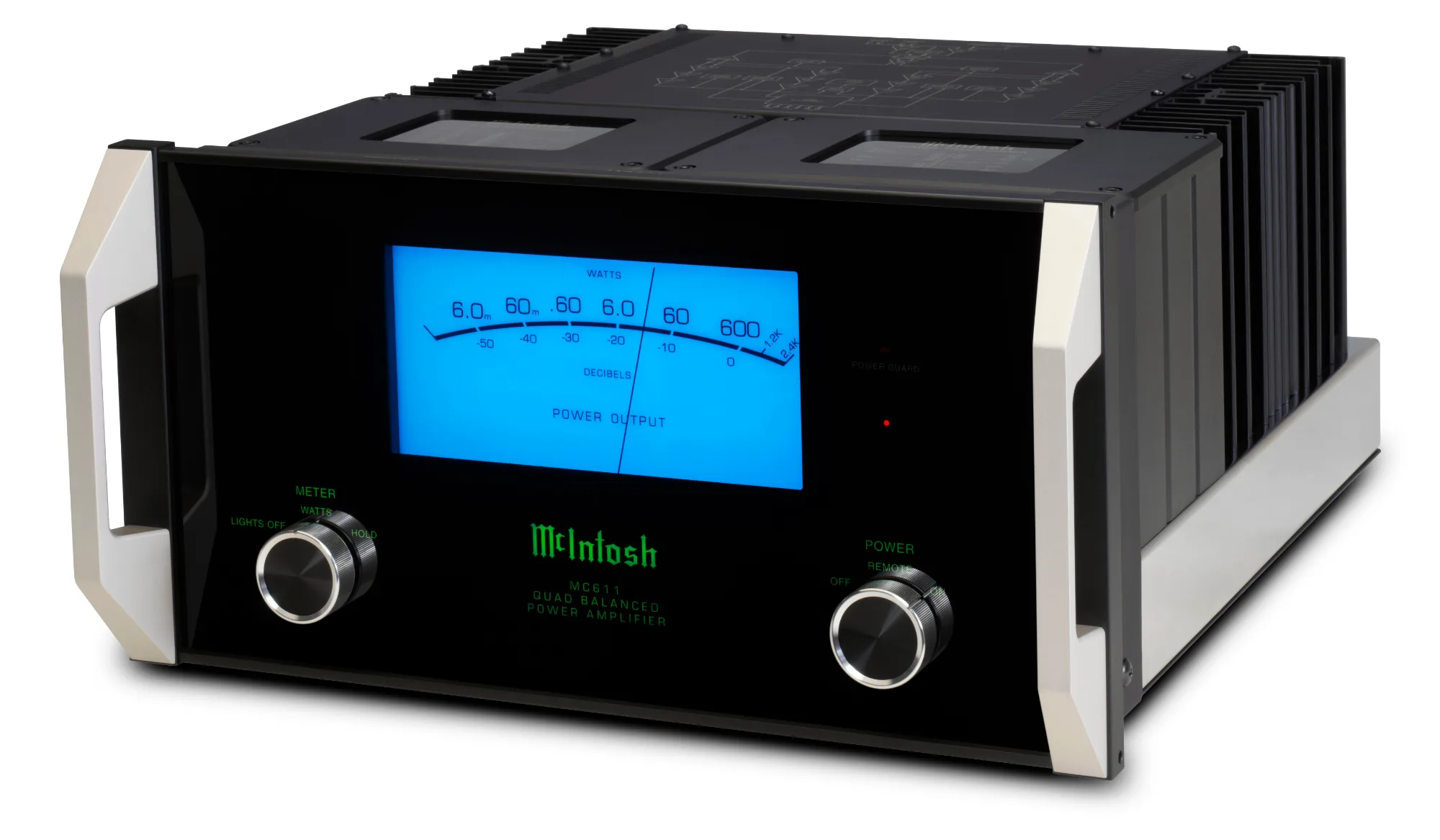
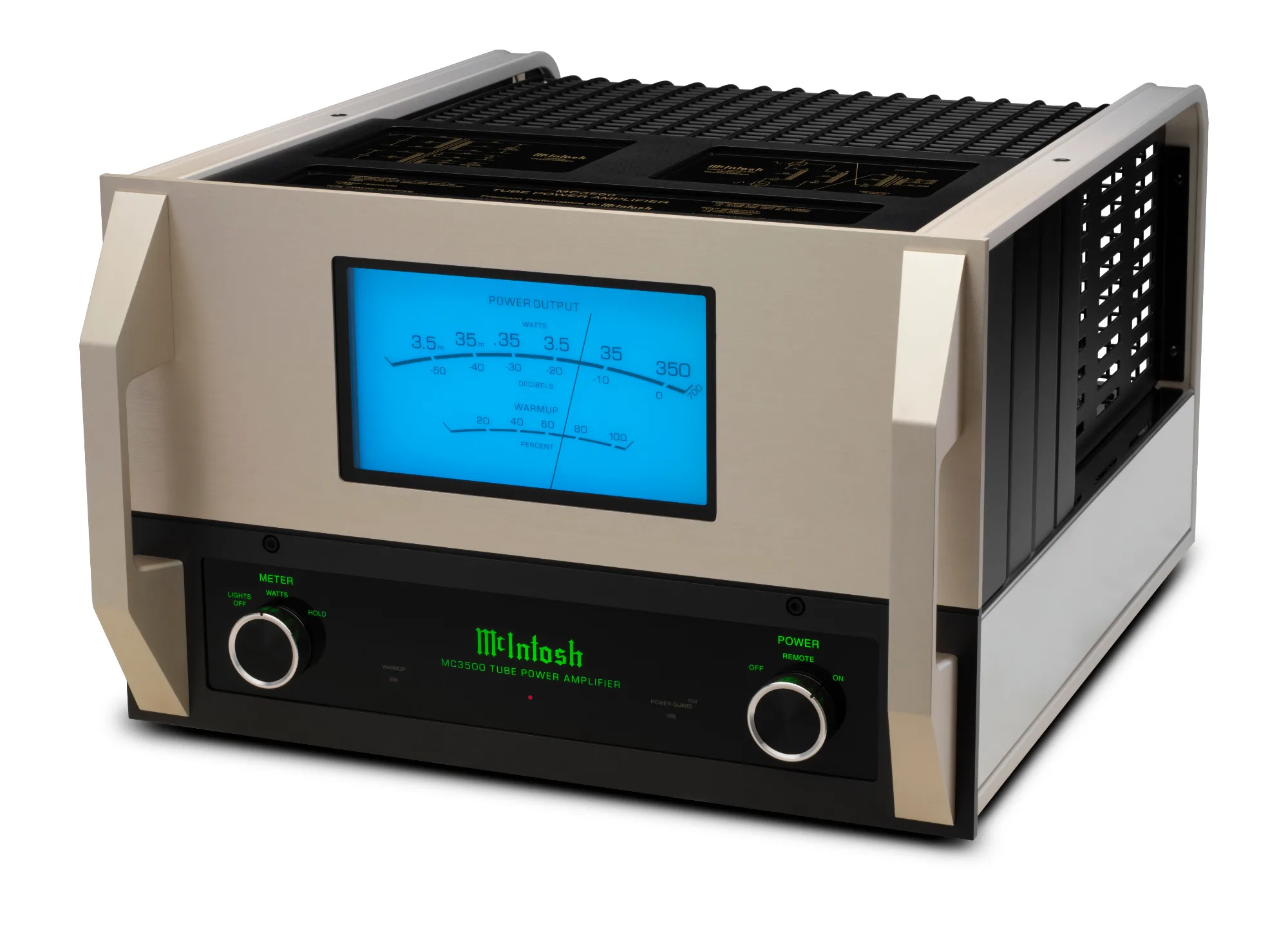
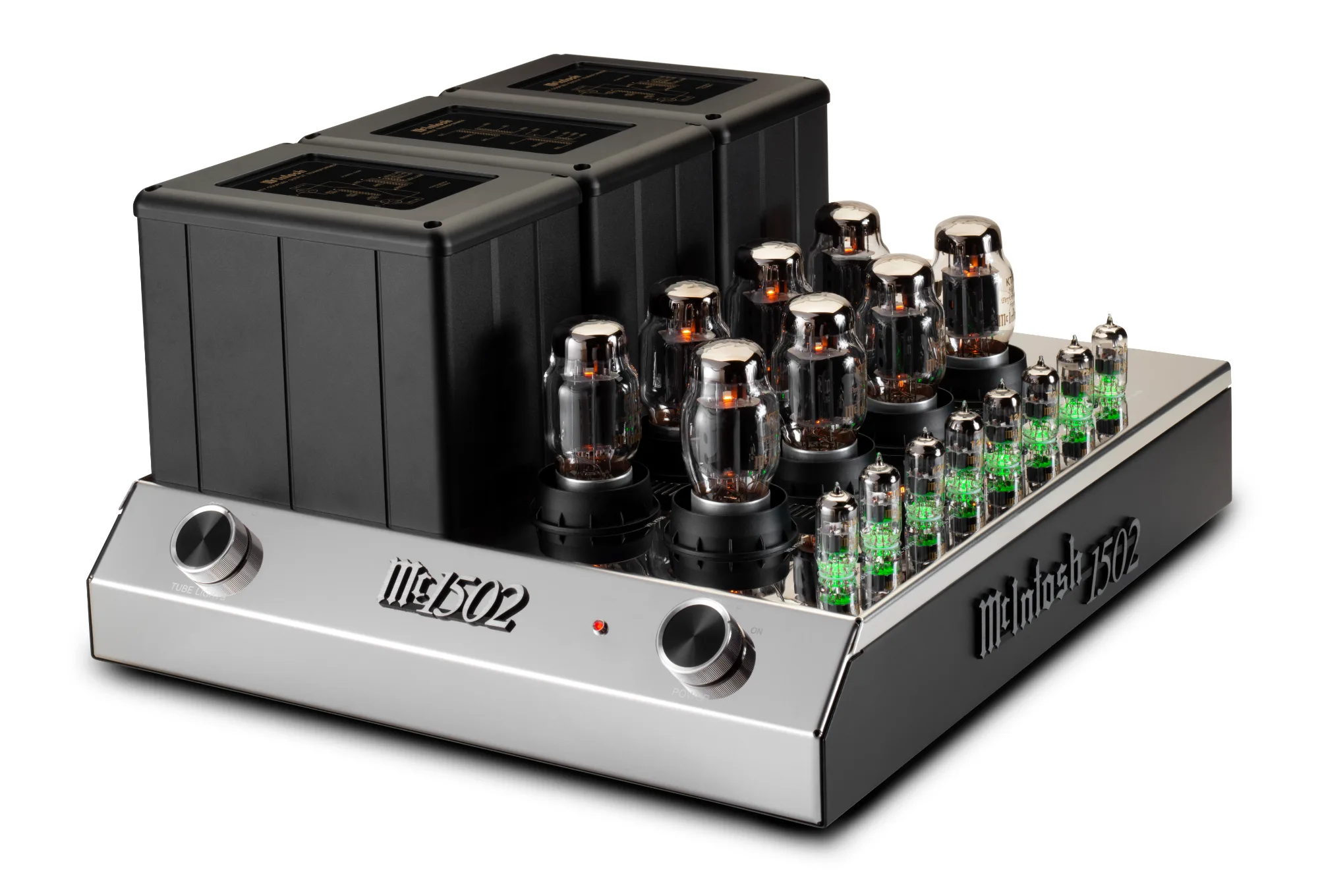
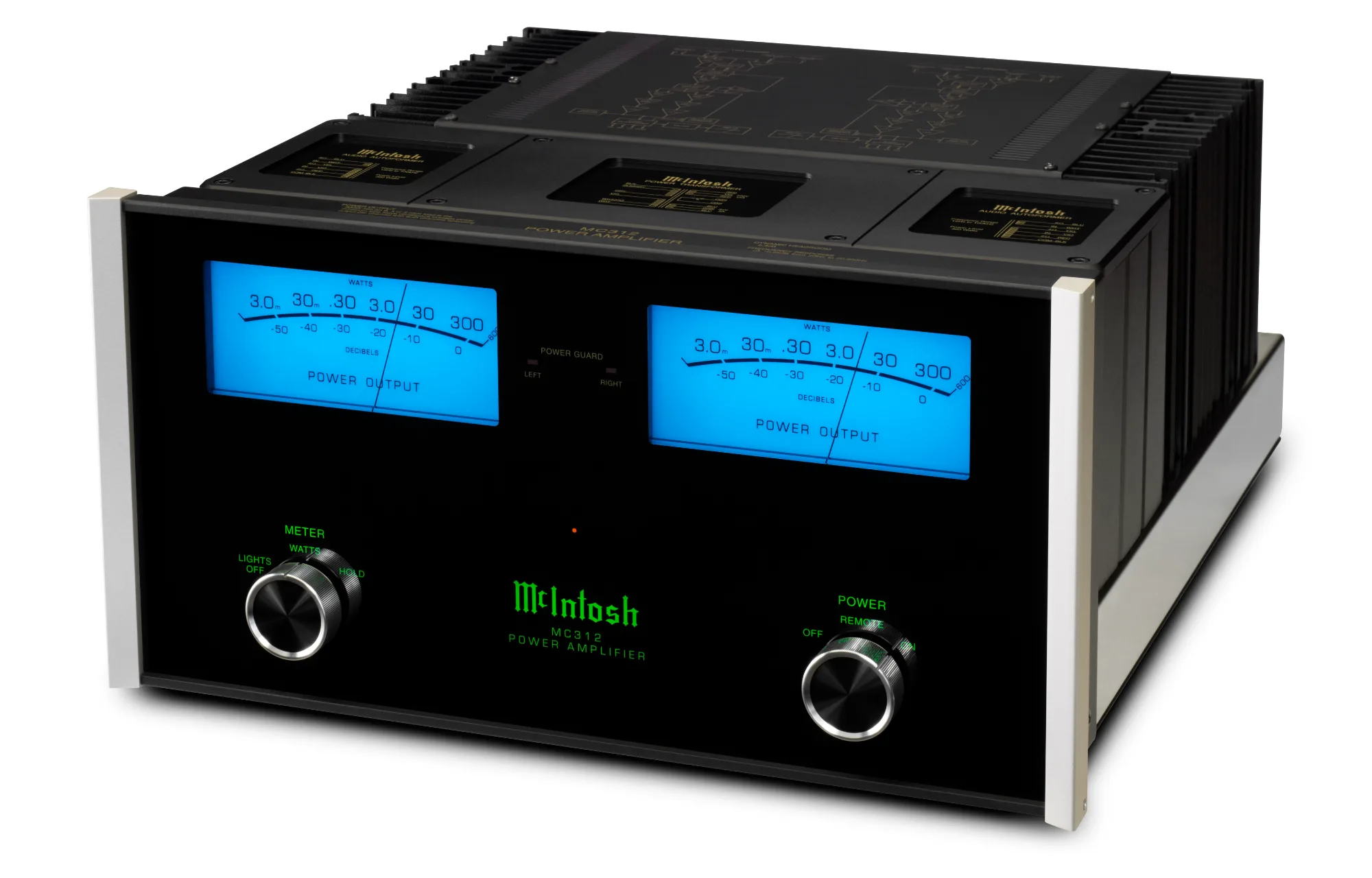
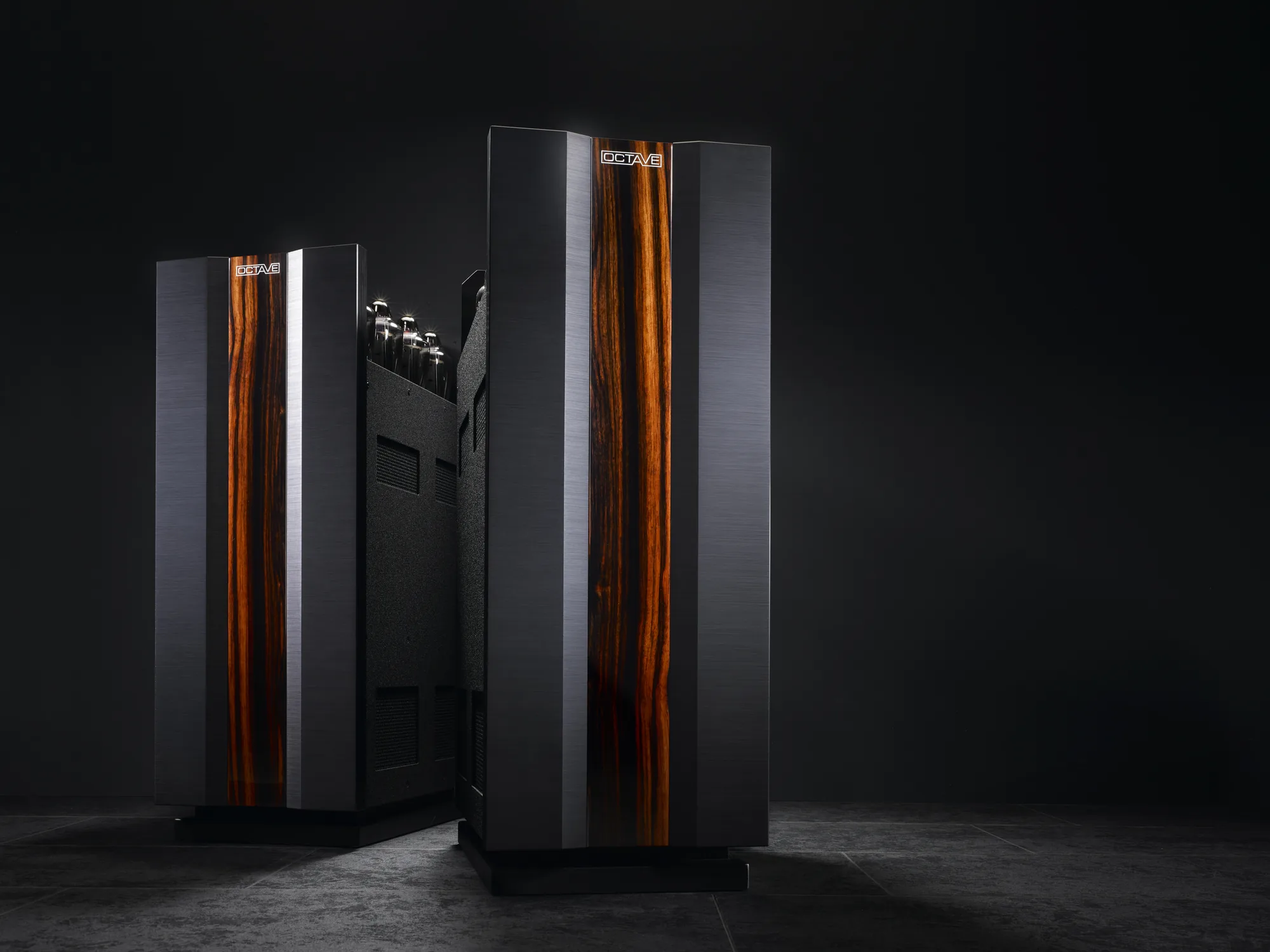
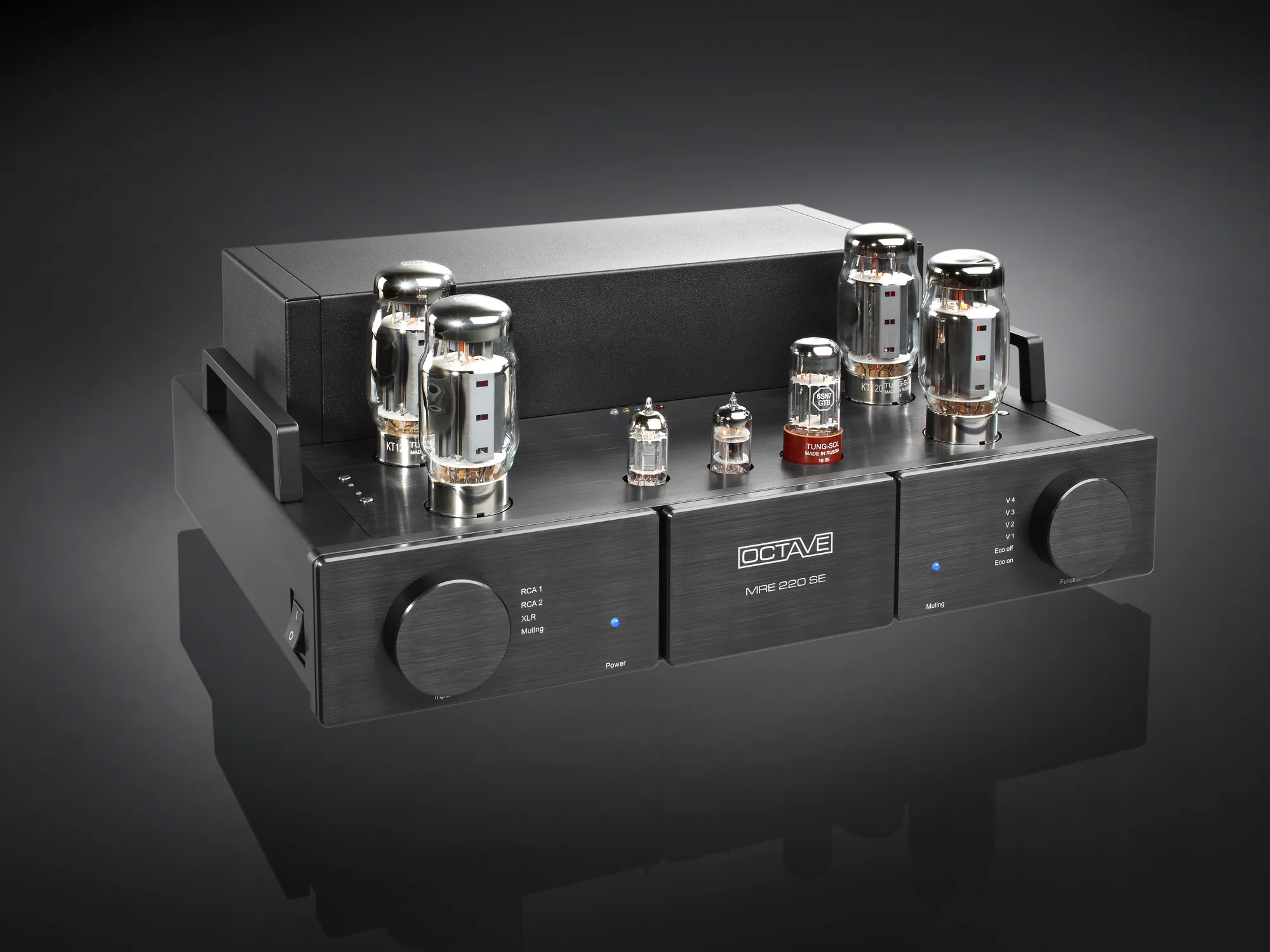
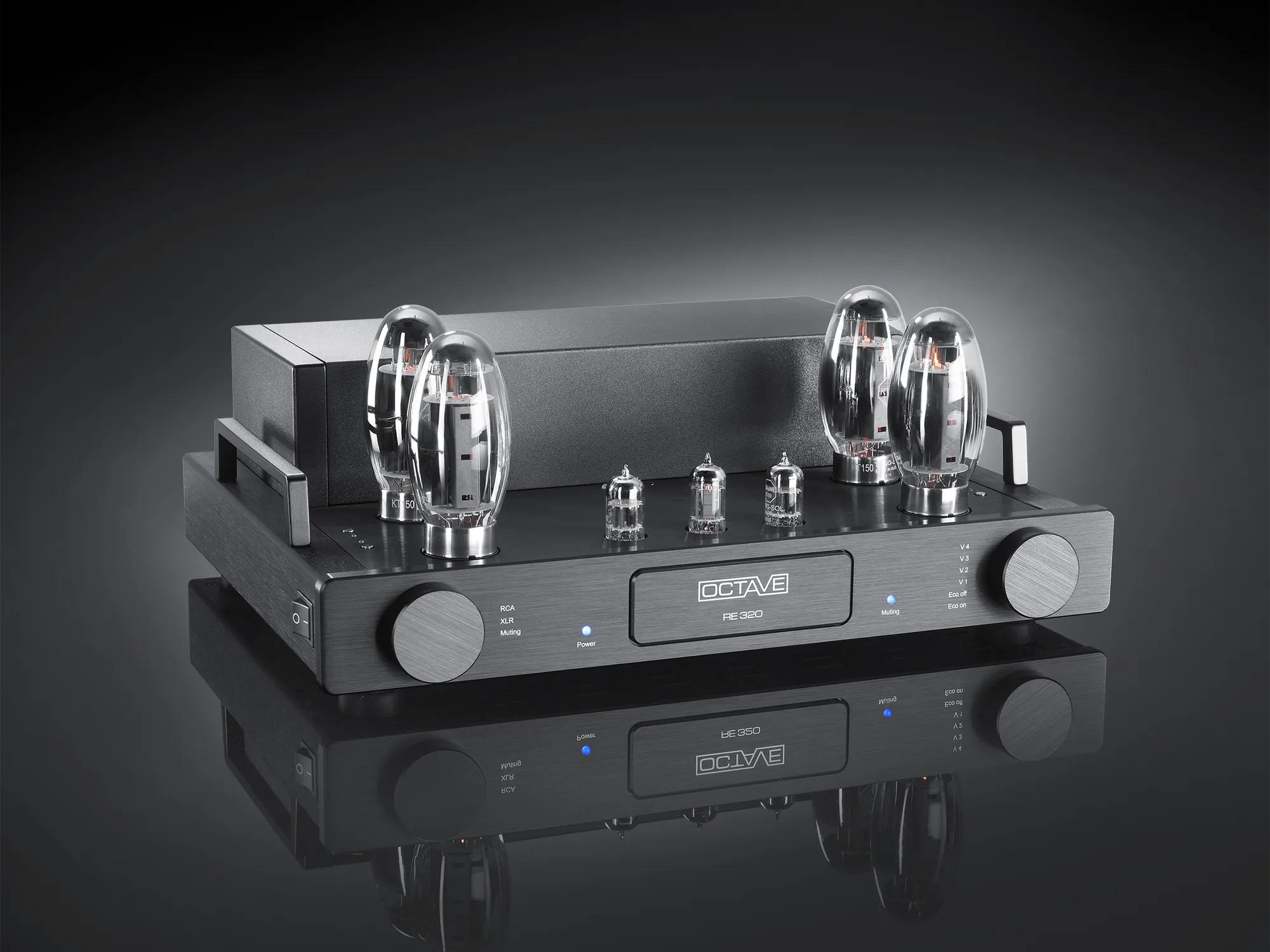
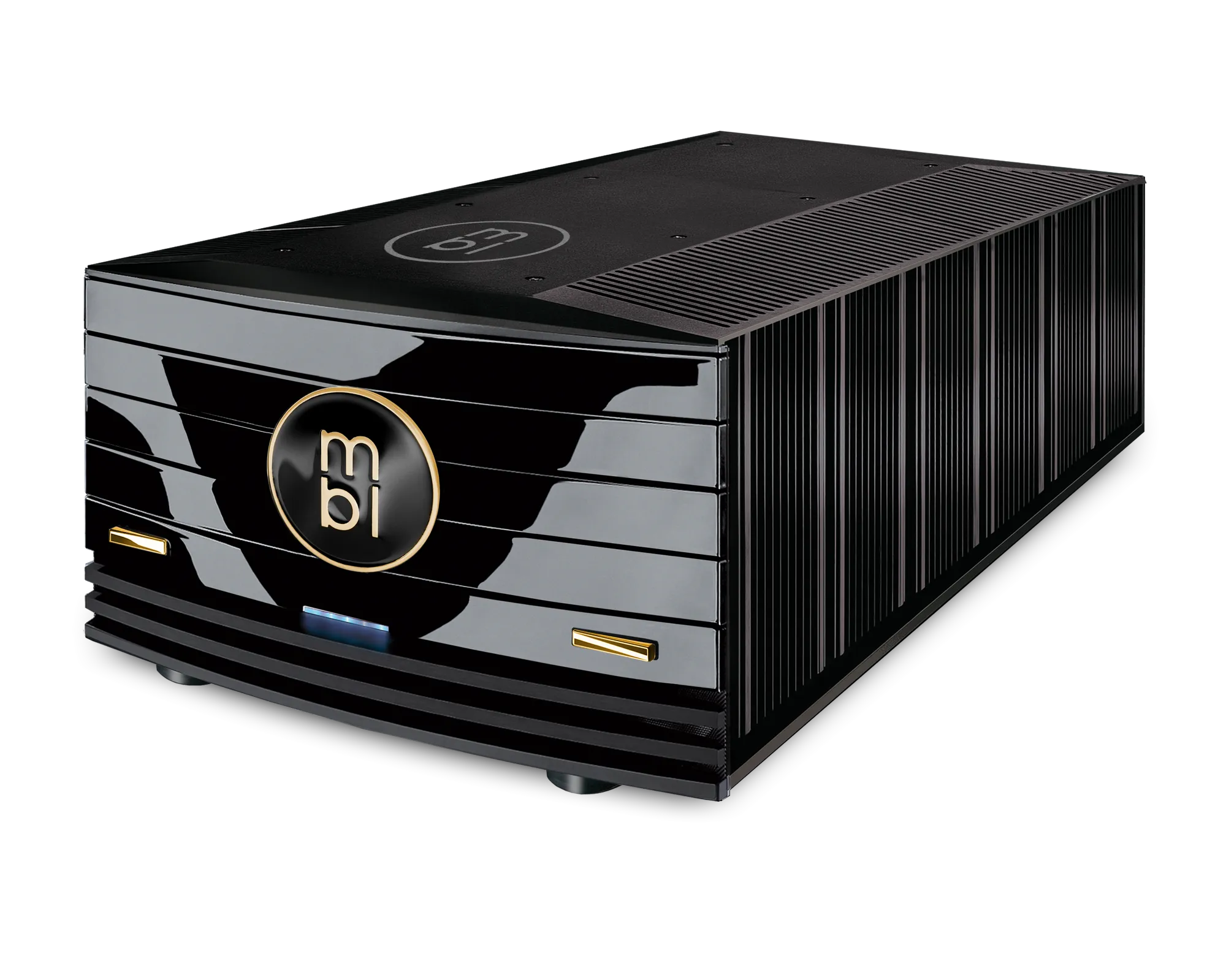
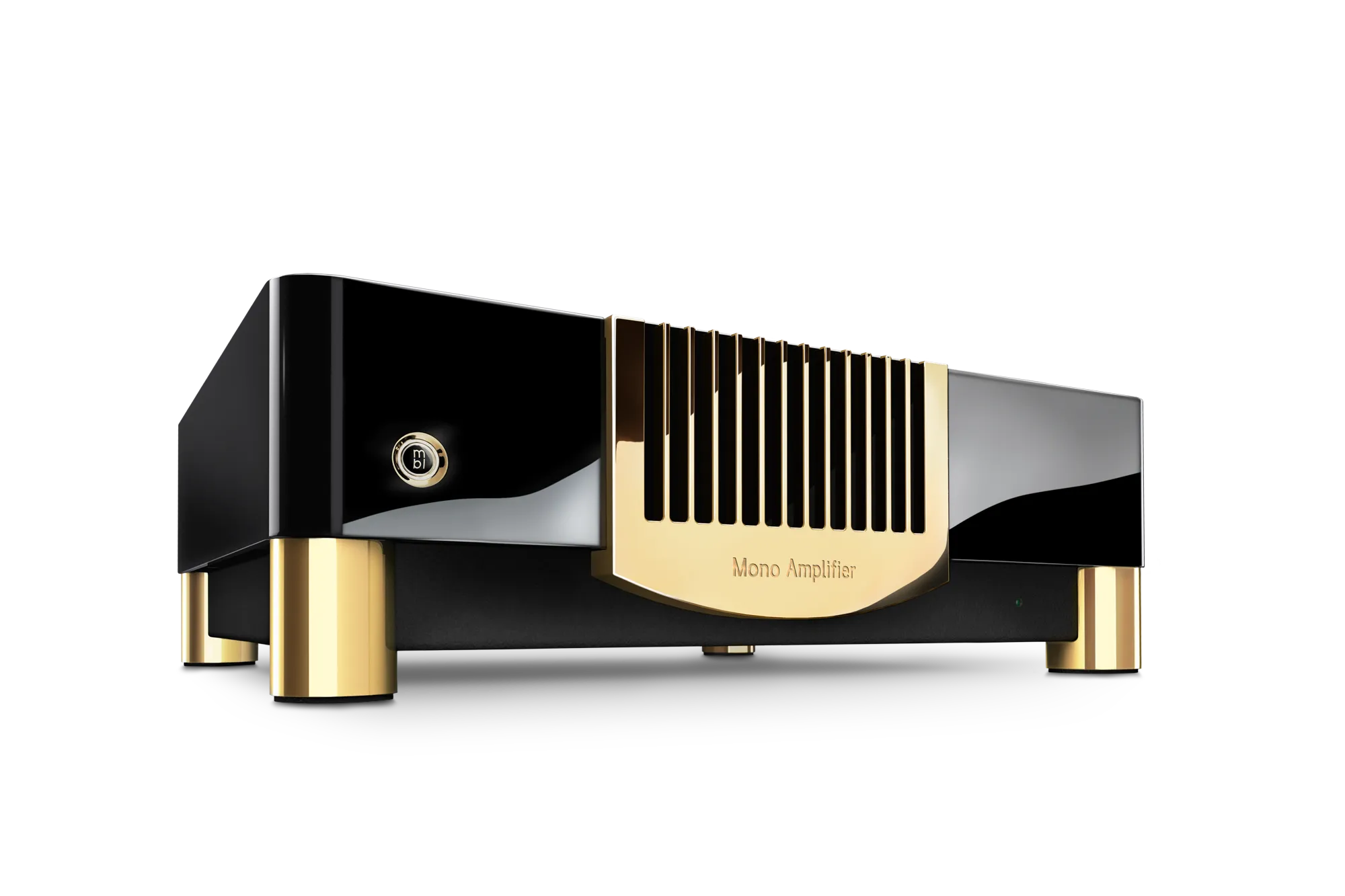
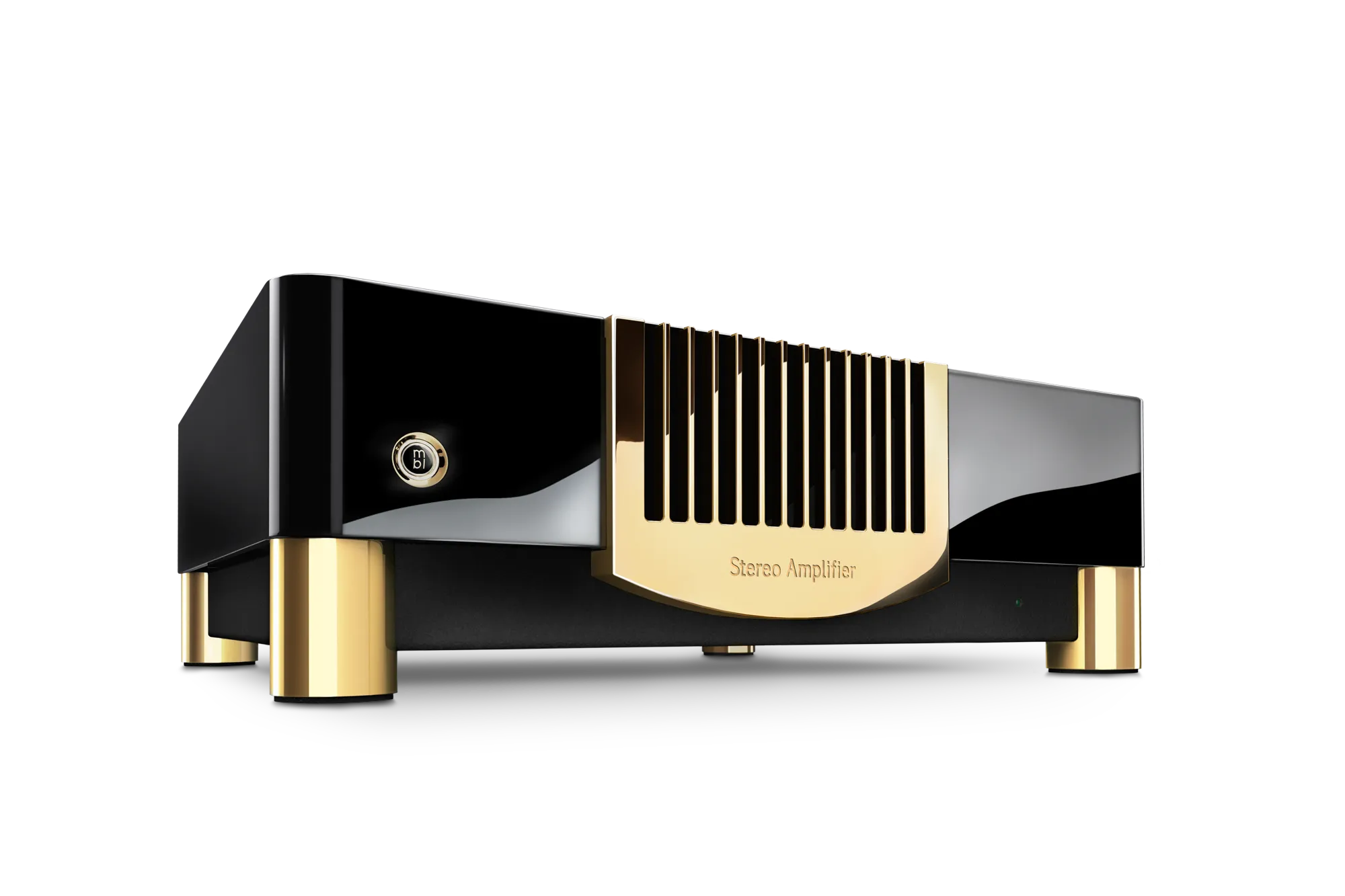
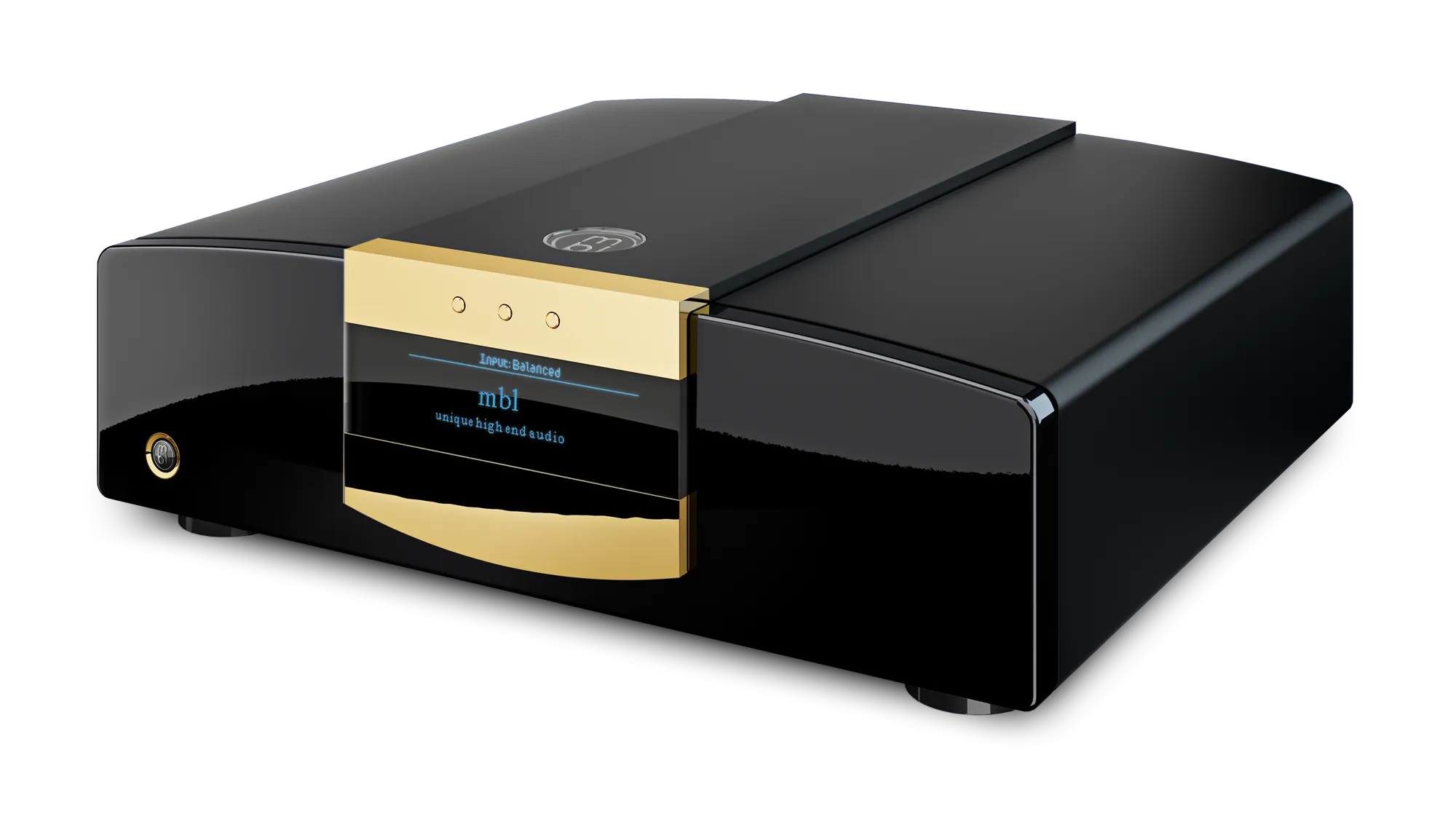
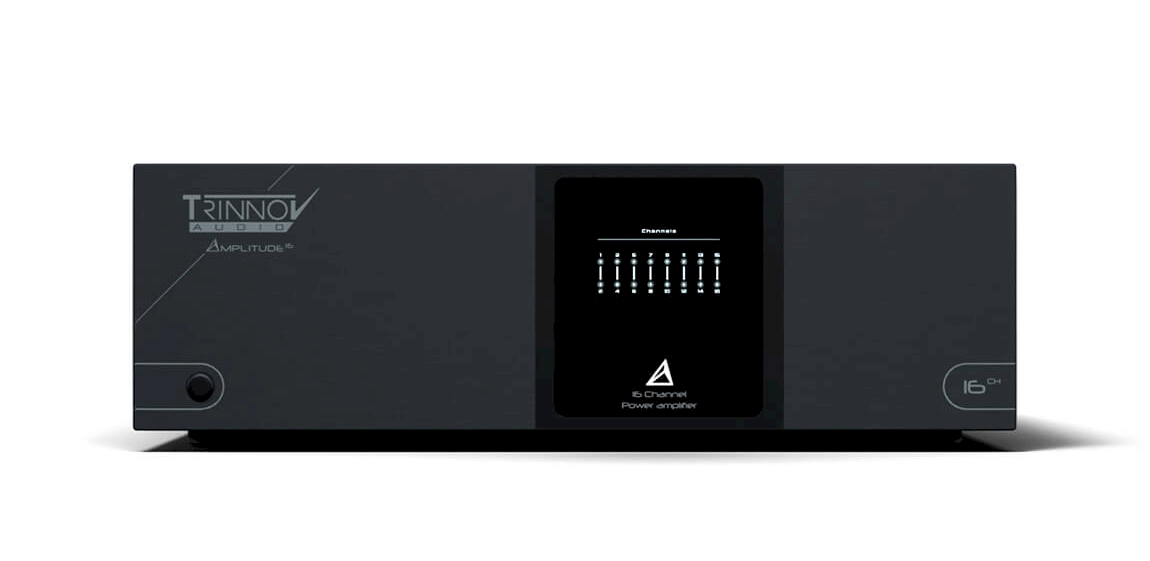
McIntosh, Dan D'Agostino, Burmester, Octave and MBL — monoblocks and stereo amplifiers, on demonstration.
Watts are the least interesting specification on an amplifier.
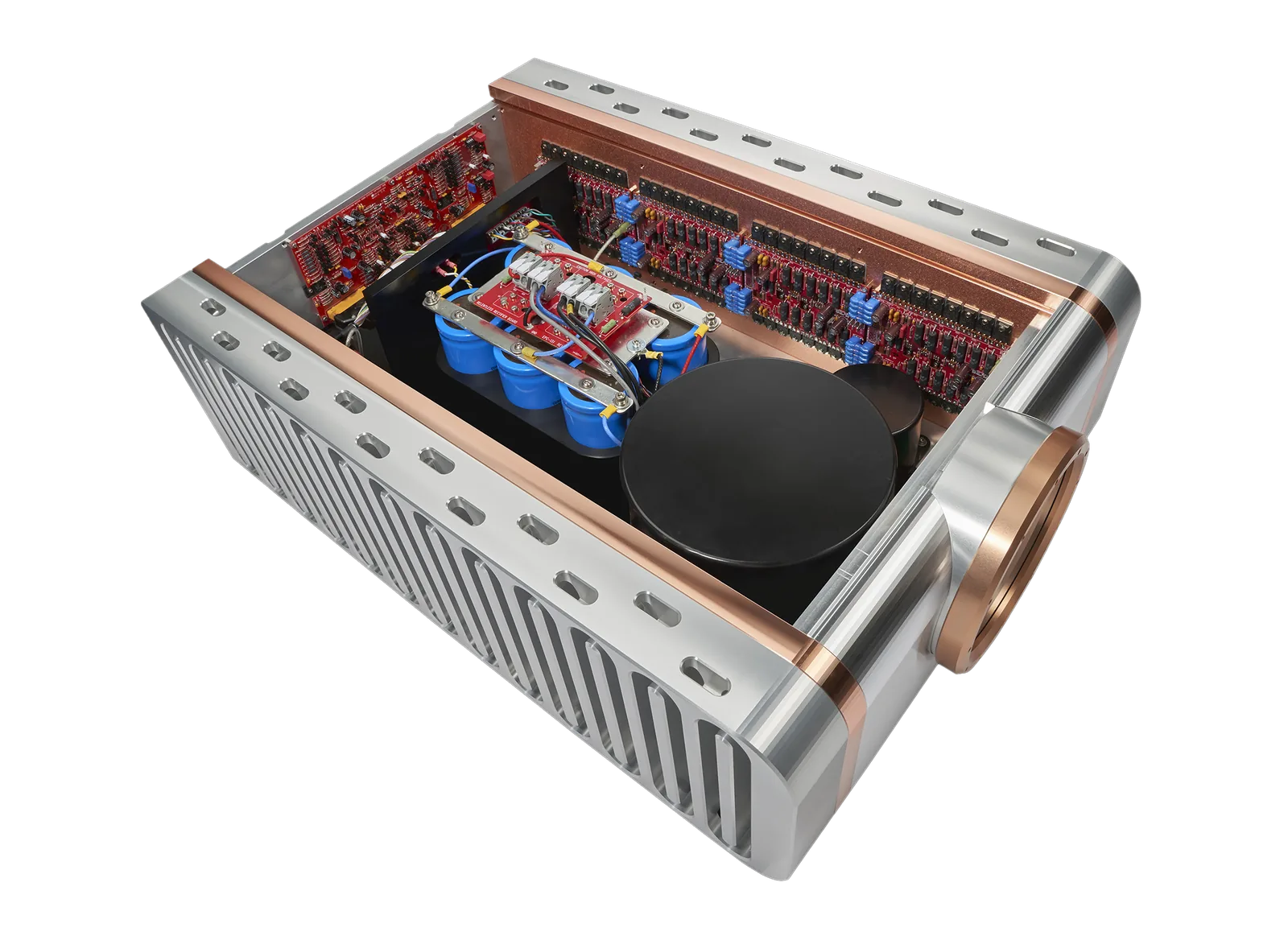
What separates these is how they behave when the music gets difficult — whether the power supply holds up under a demanding load, whether the amplifier stays composed into a two-ohm dip, whether it sounds the same at low volume as it does loud. McIntosh solves it with output autoformers, D'Agostino with copper heatsinks and no global feedback, Octave with tubes and a stability circuit that tolerates almost any speaker.
The right amplifier depends more on the loudspeaker it is driving than on any figure in a specification table. A 70-watt tube amplifier can outperform a 500-watt solid-state design on the right speaker, and be entirely wrong on another. That pairing is the conversation worth having in the room.
An amplifier is judged by what it does under load, not on paper.
How to choose a power amplifier
Rated power tells you less than how the amplifier behaves into a difficult load — whether output roughly doubles as impedance halves, and what it can deliver on a transient. Tubes or solid state is decided by the loudspeaker you are driving rather than by preference. Start from the speaker and work back.
More on choosing a power amplifier ↓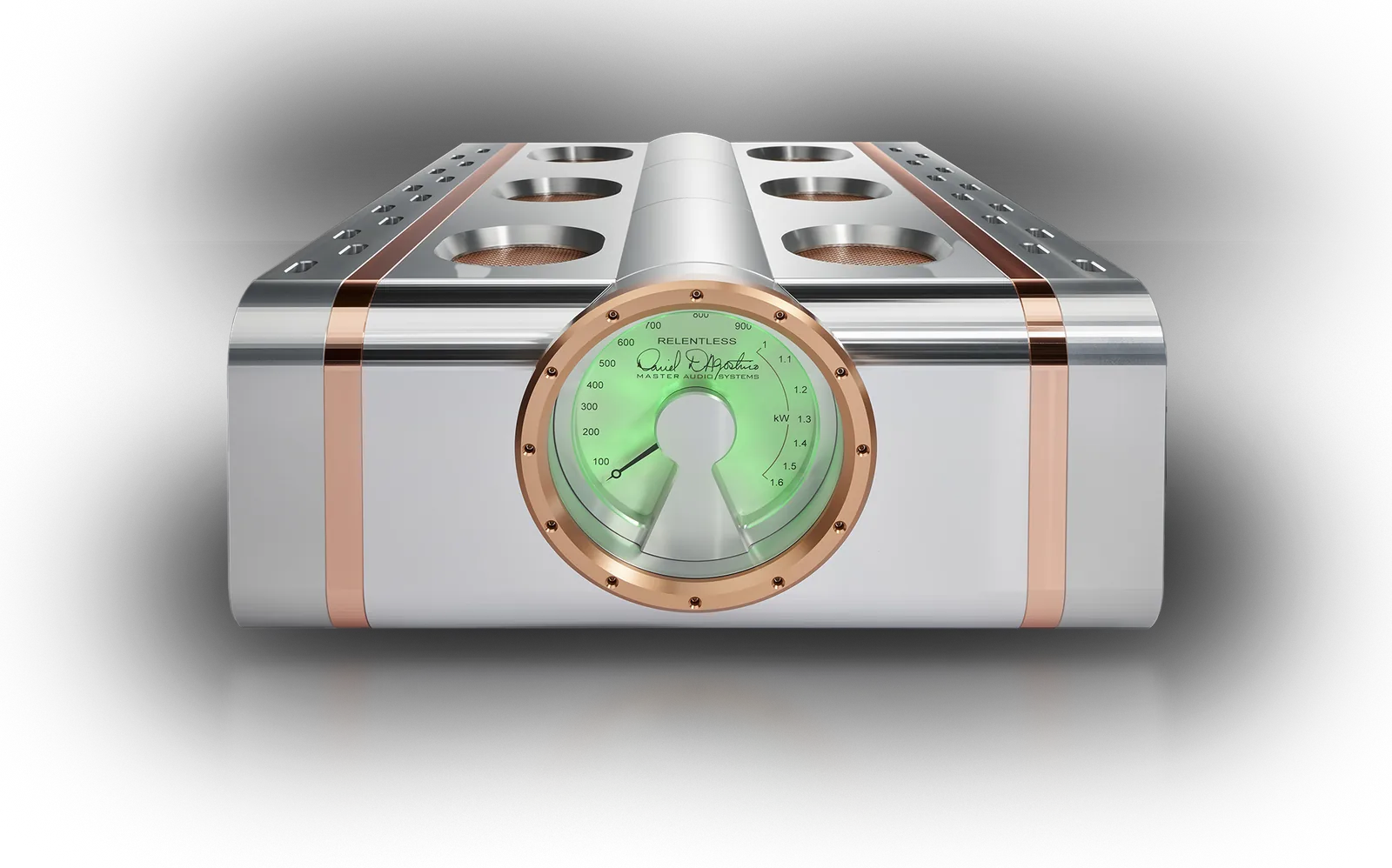
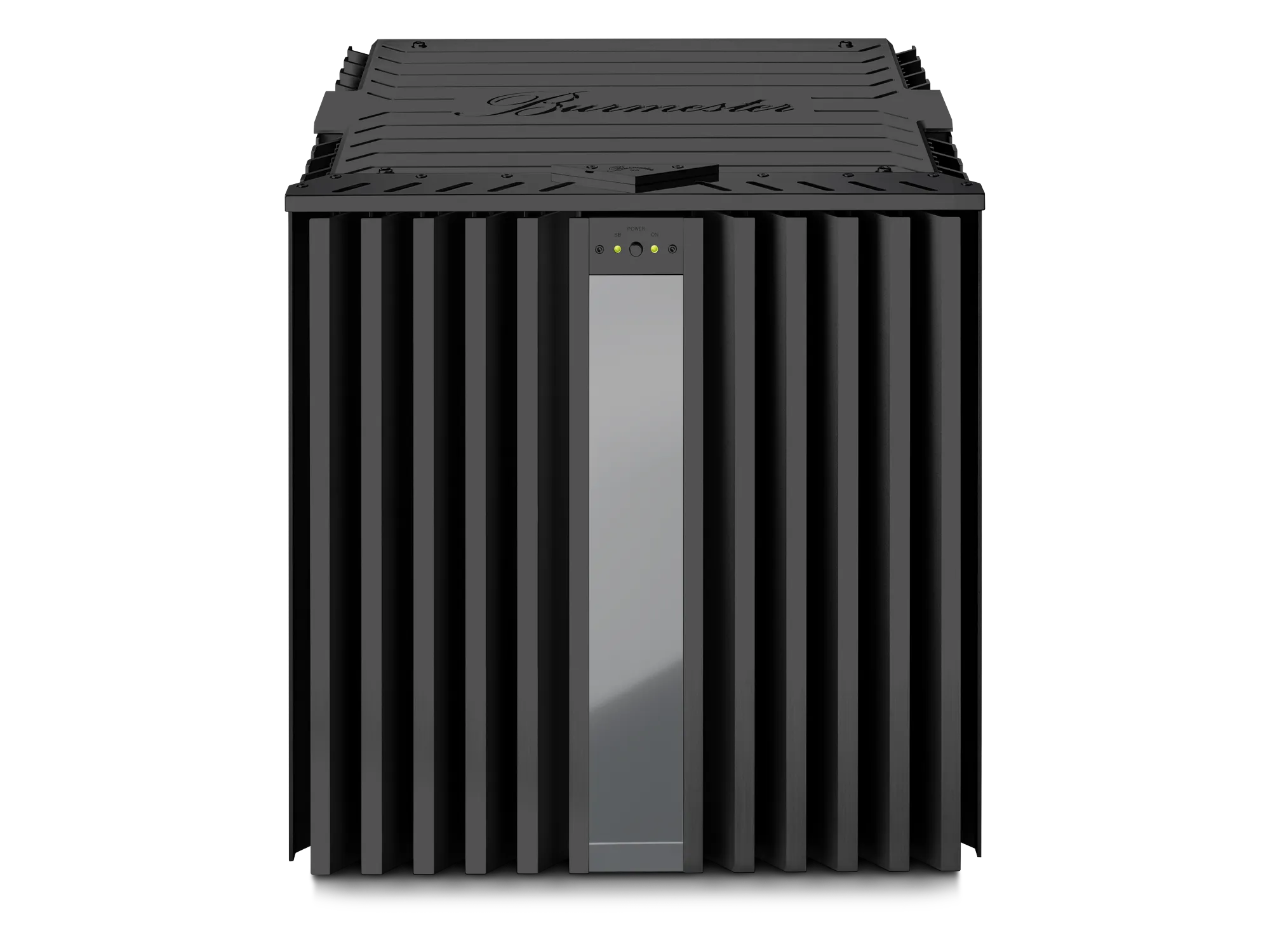
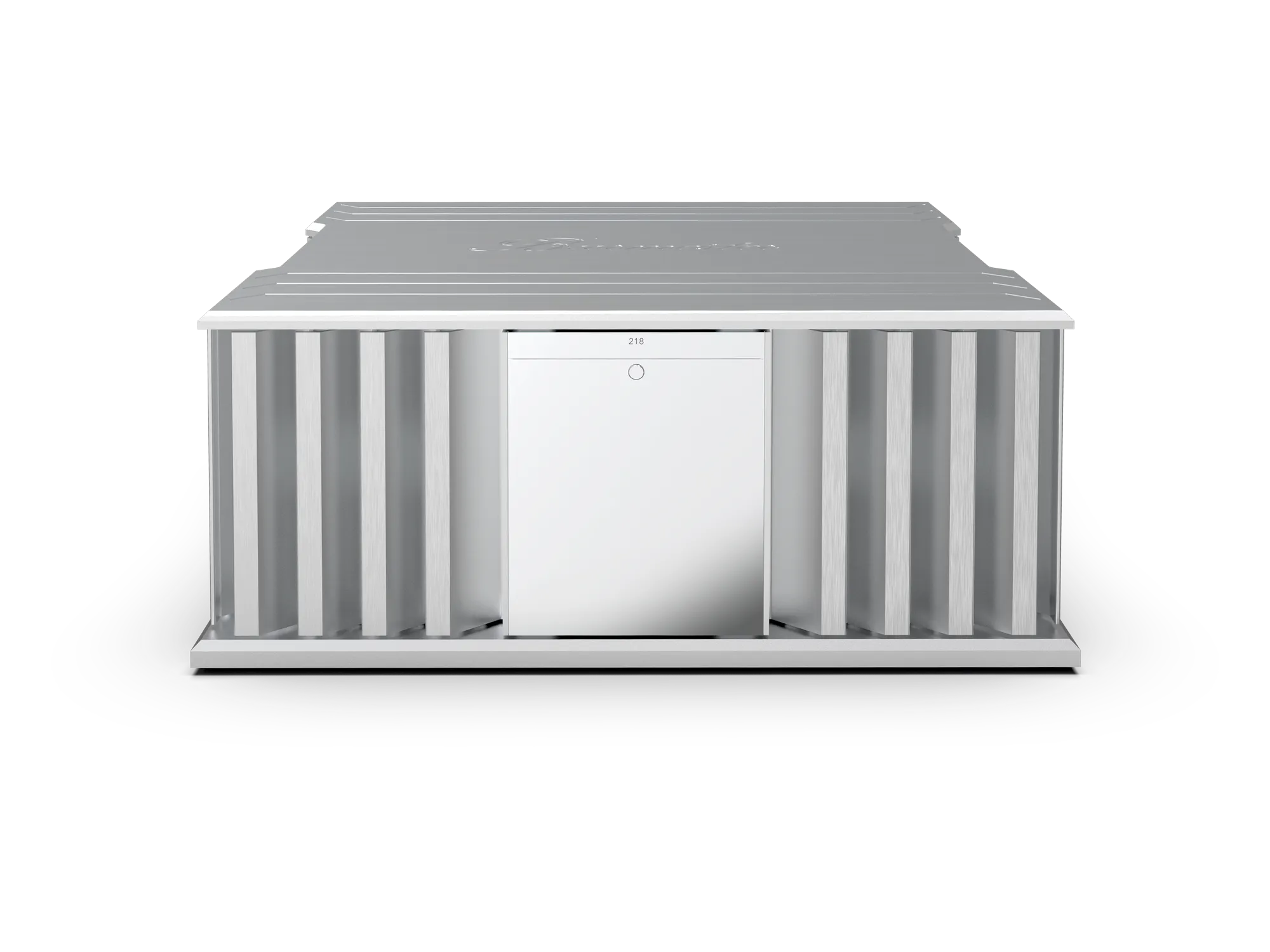
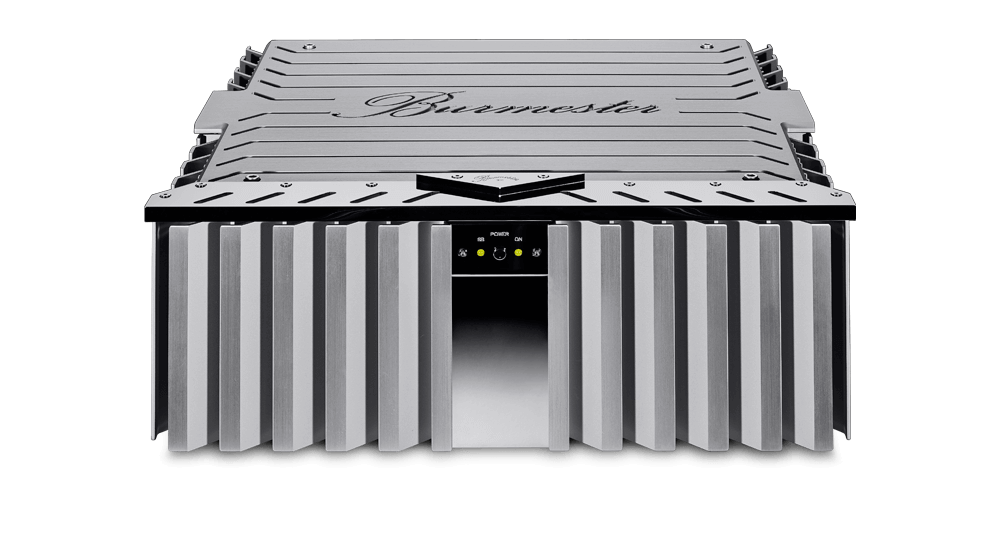
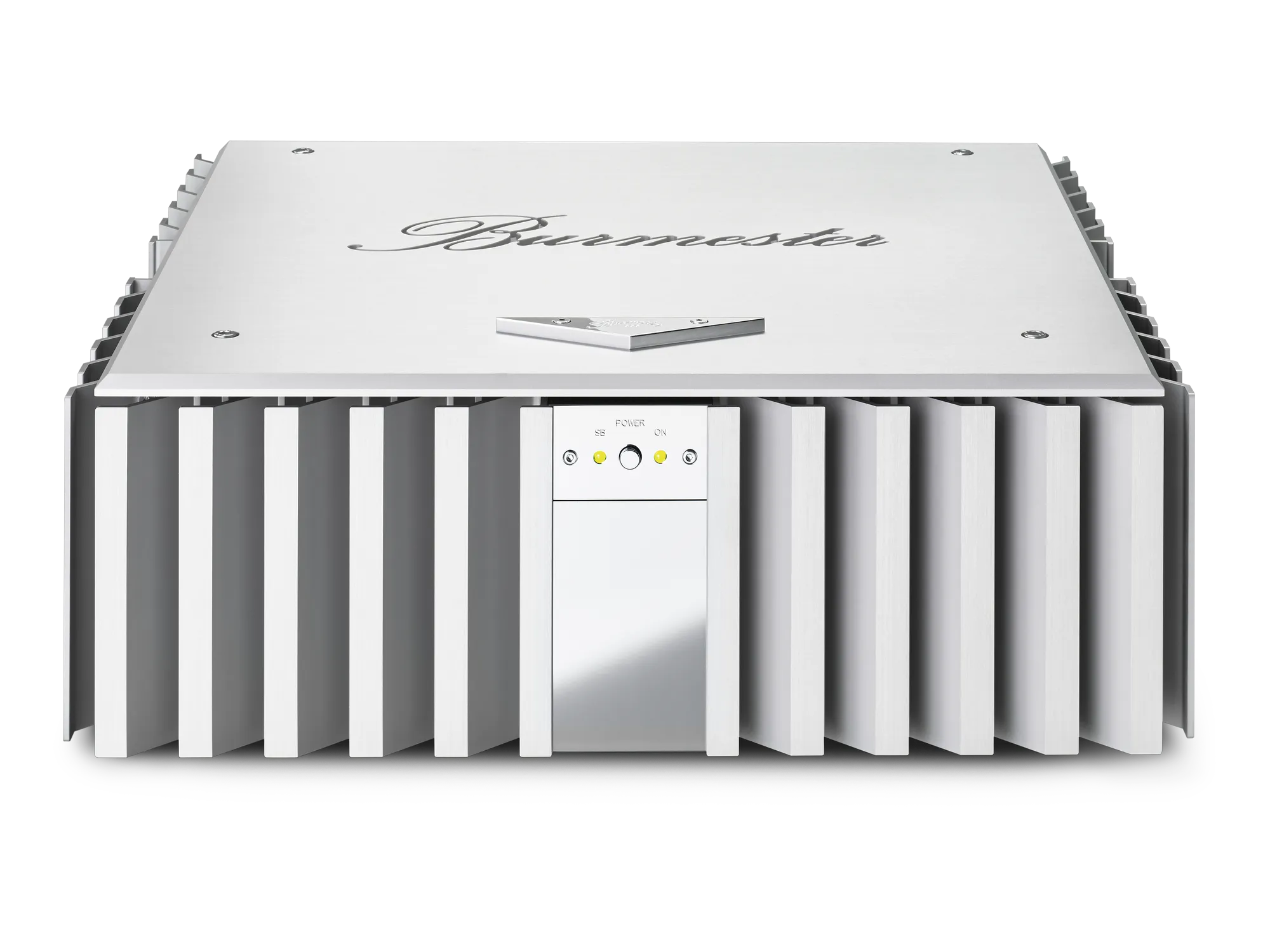
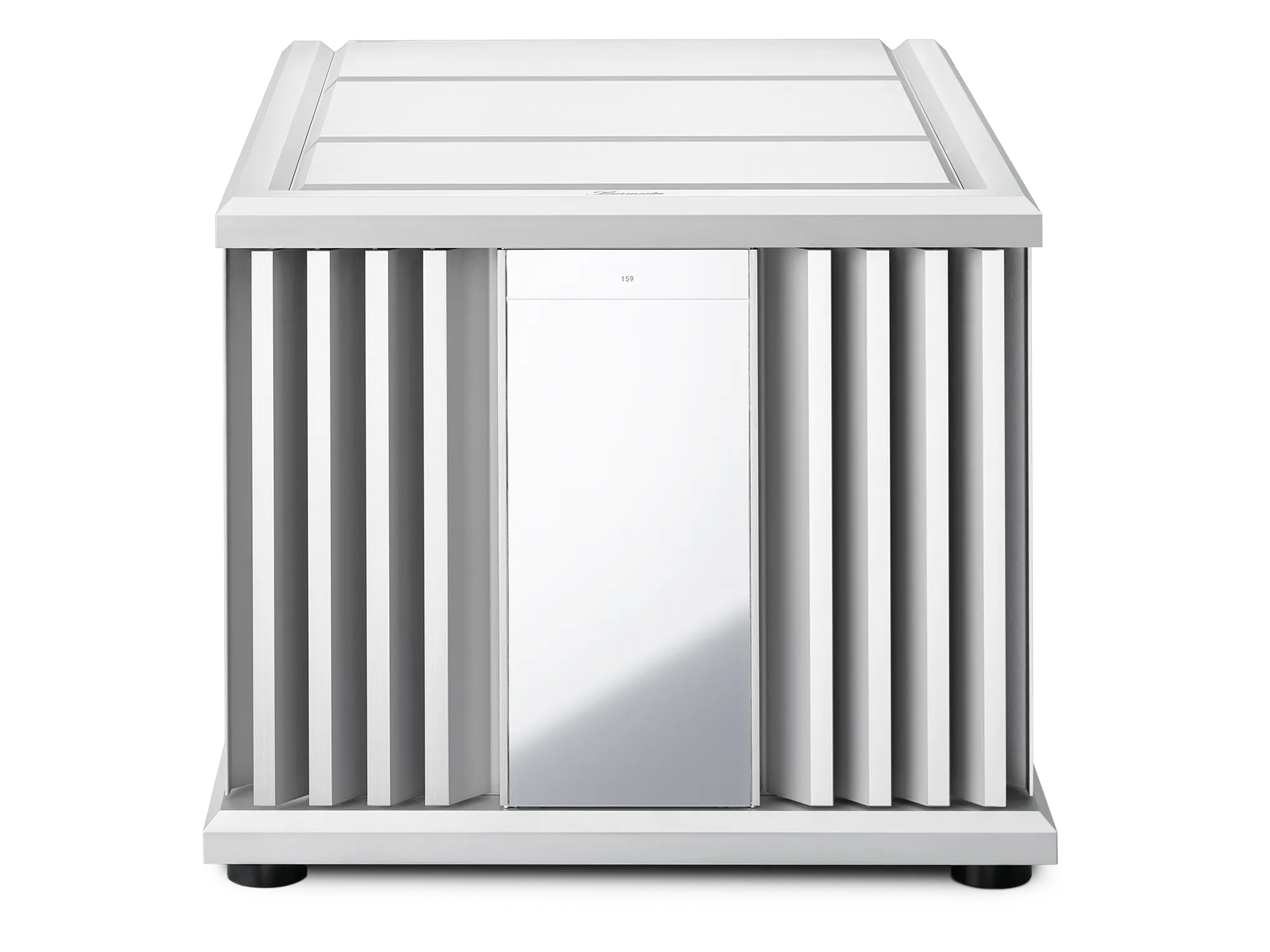
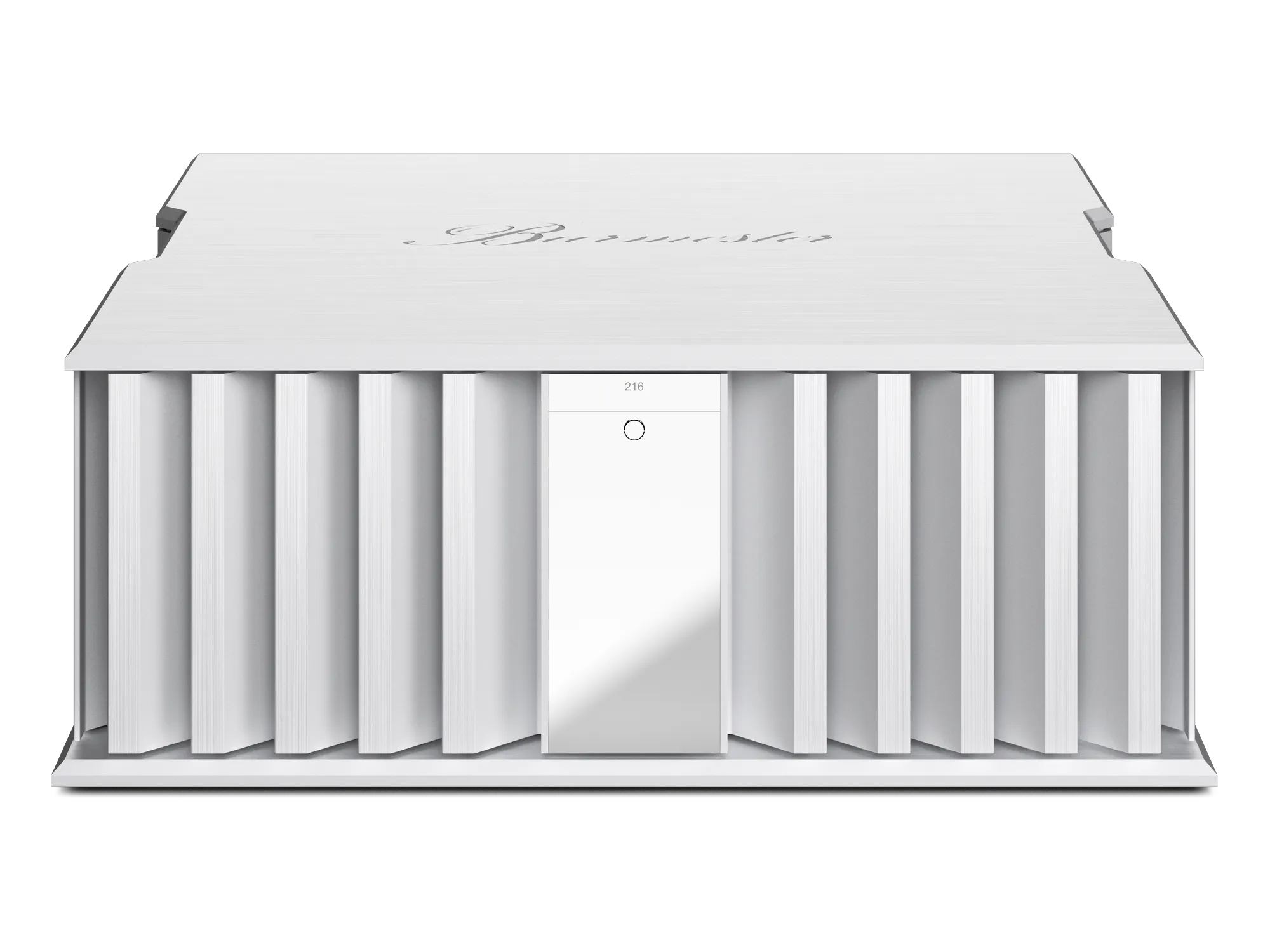
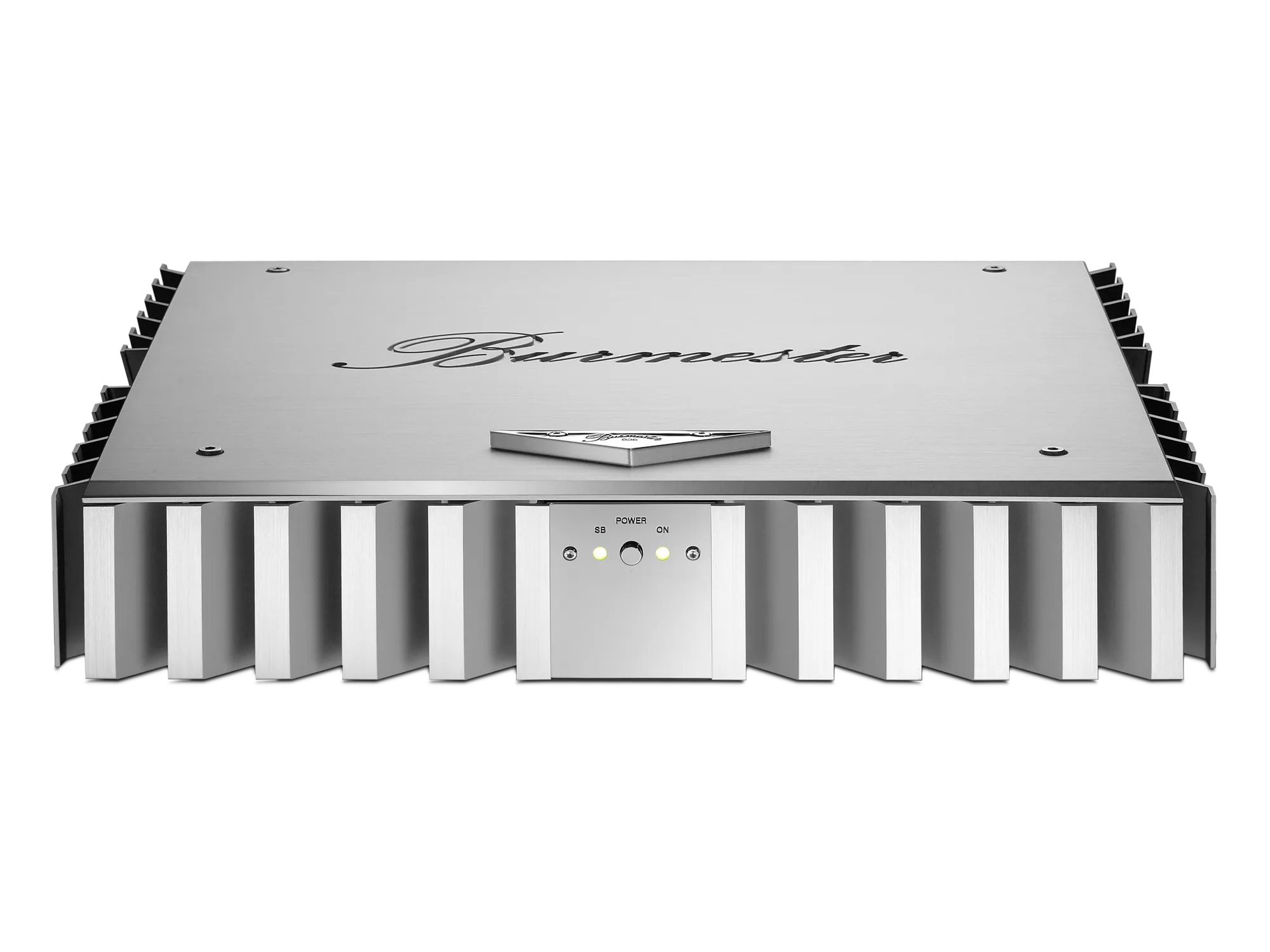
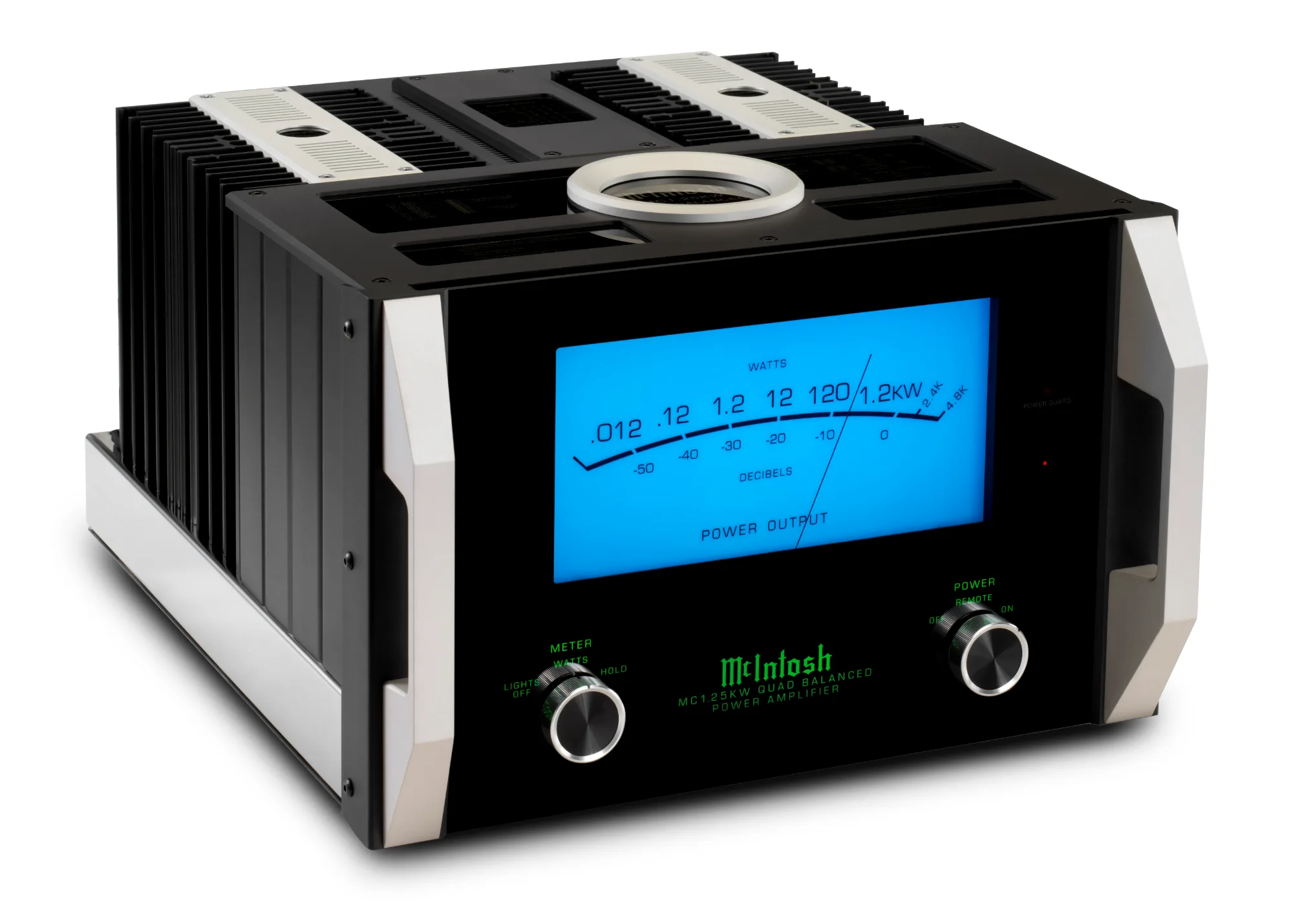
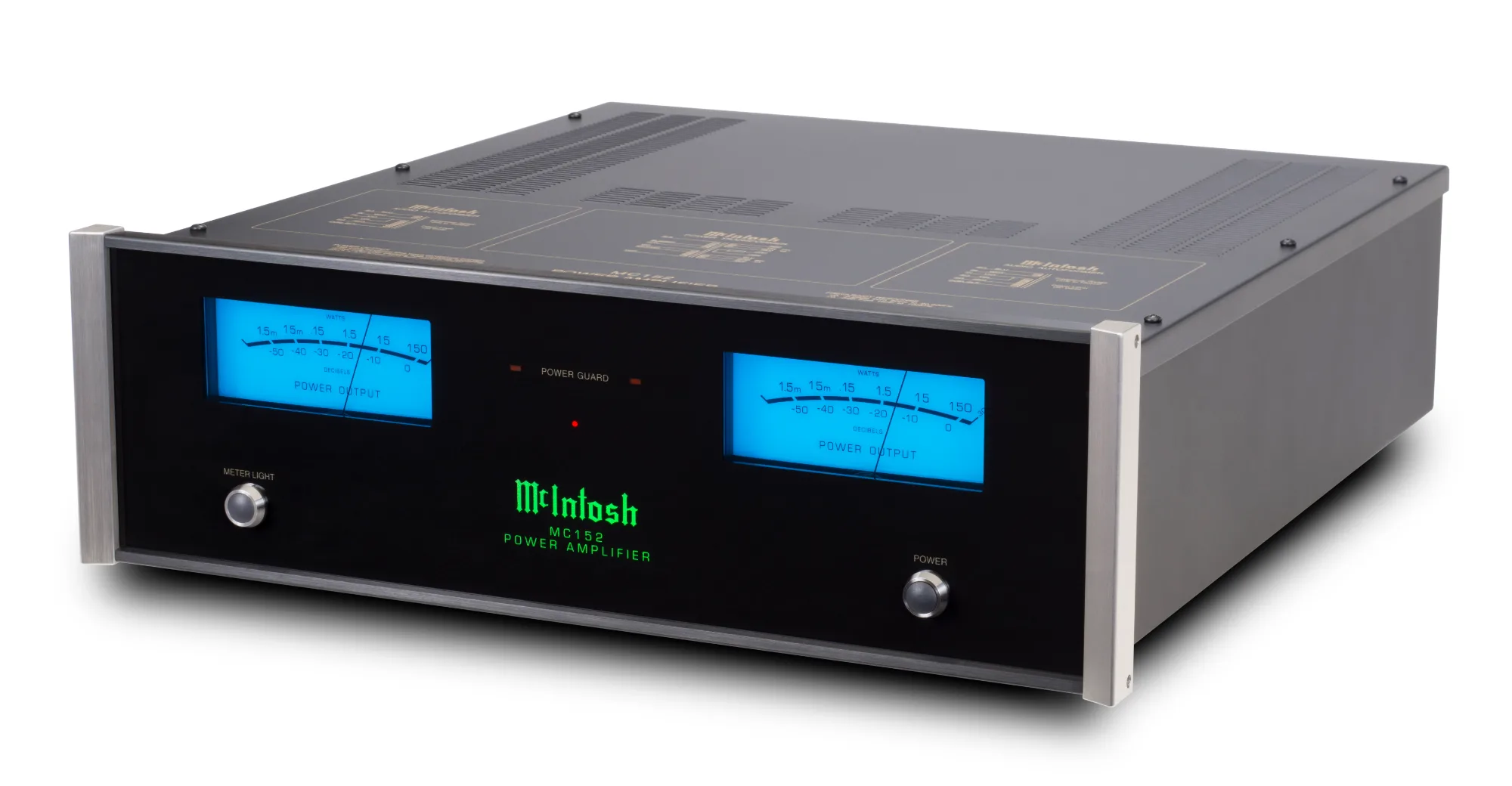
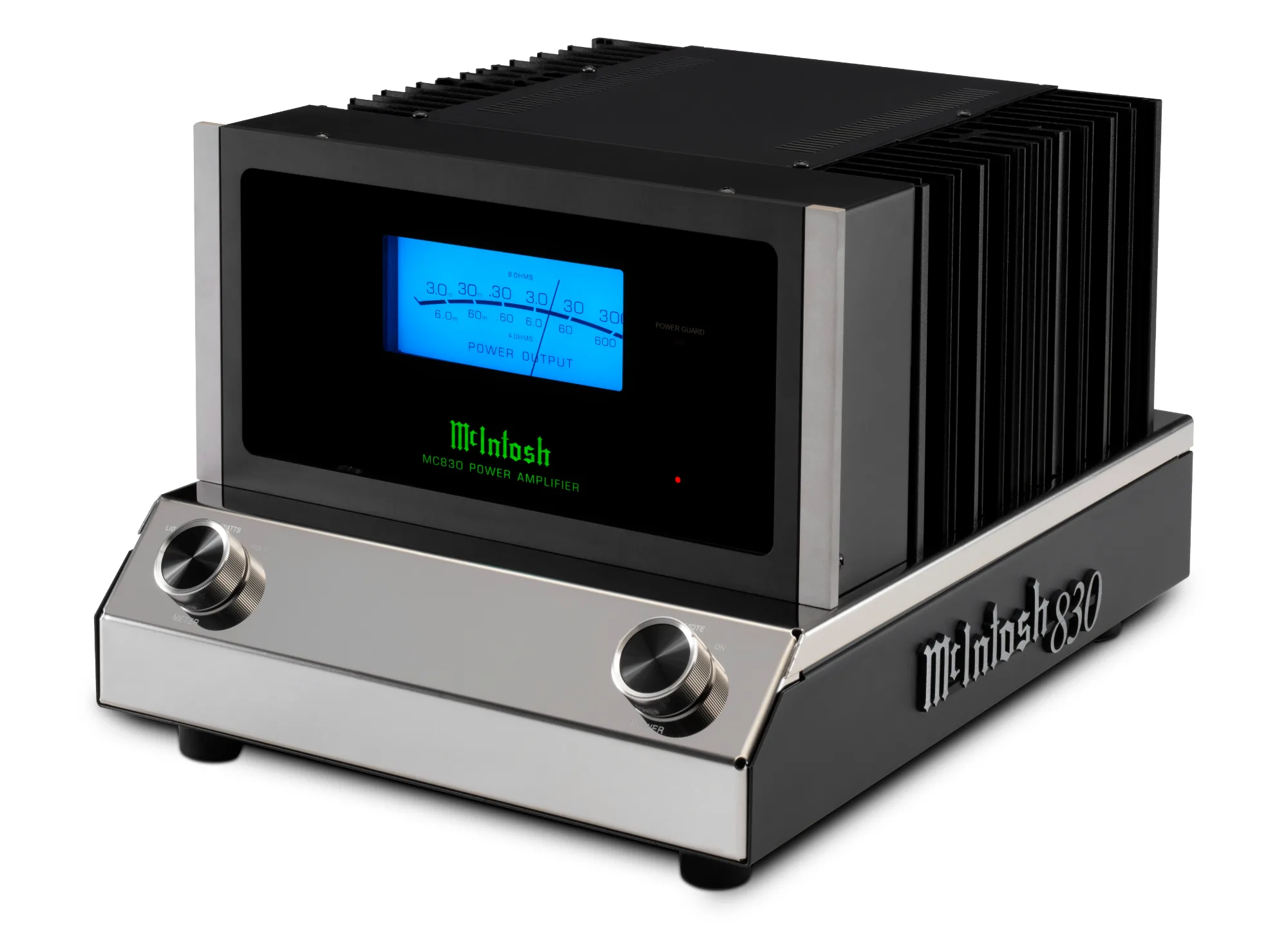
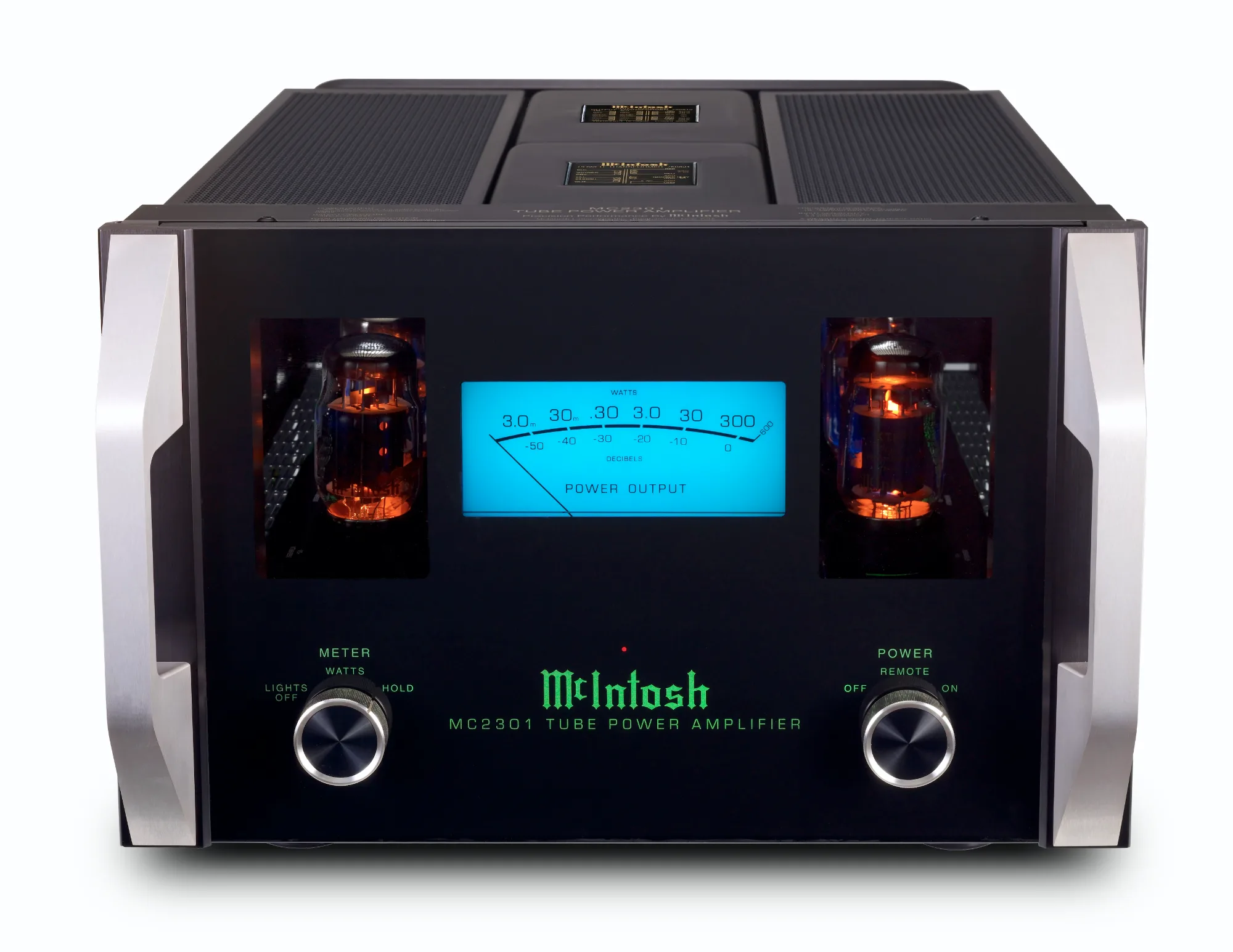
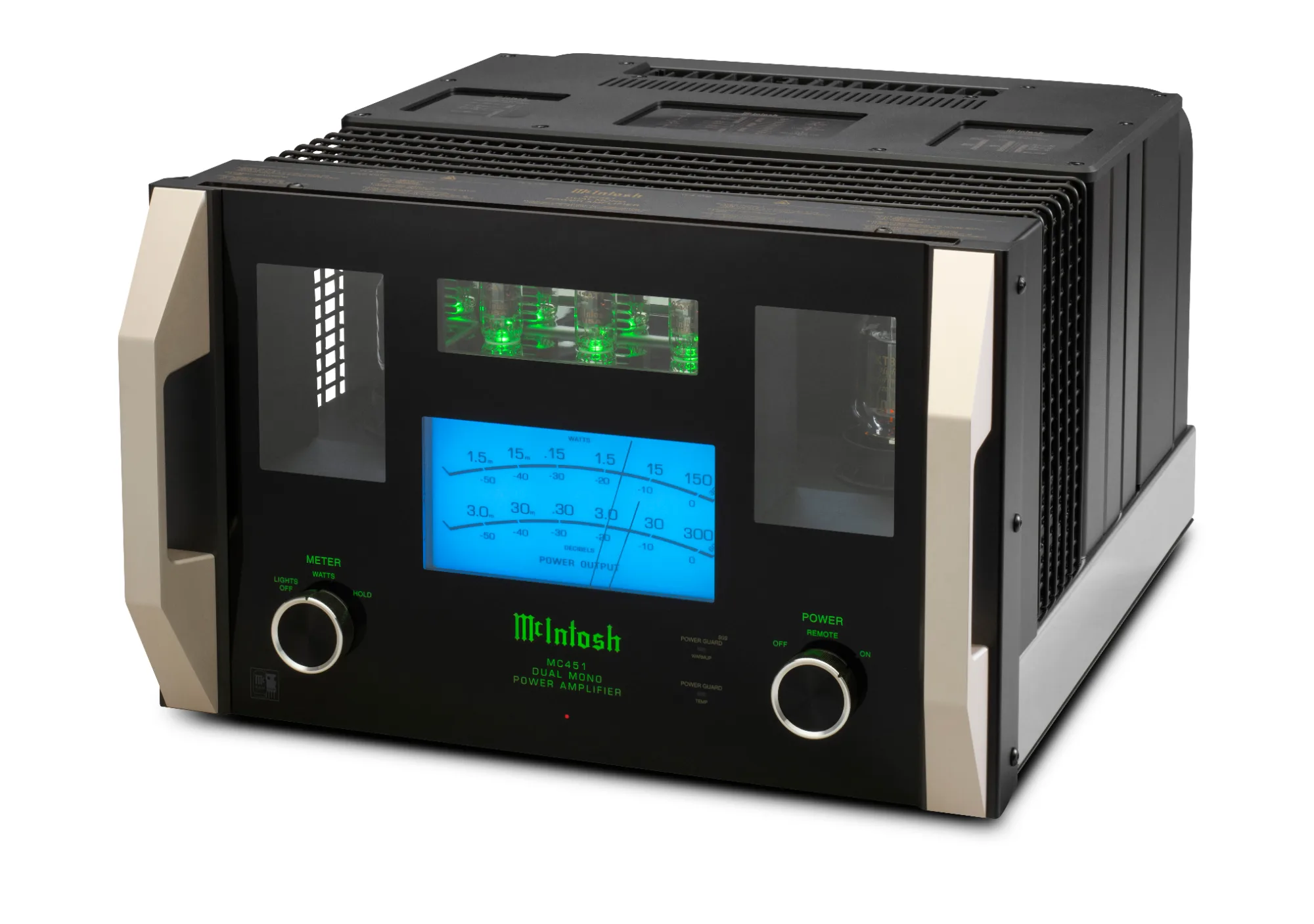
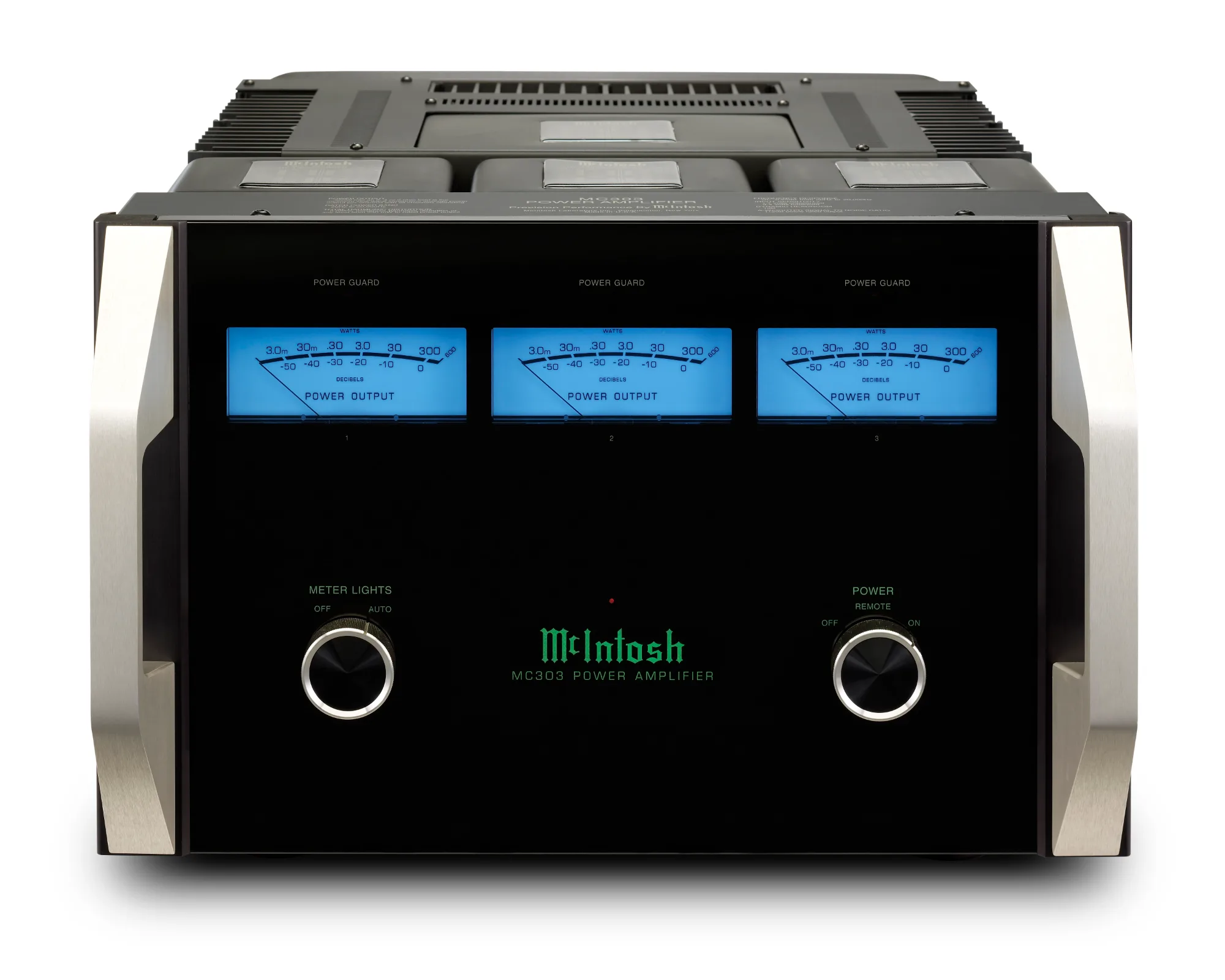
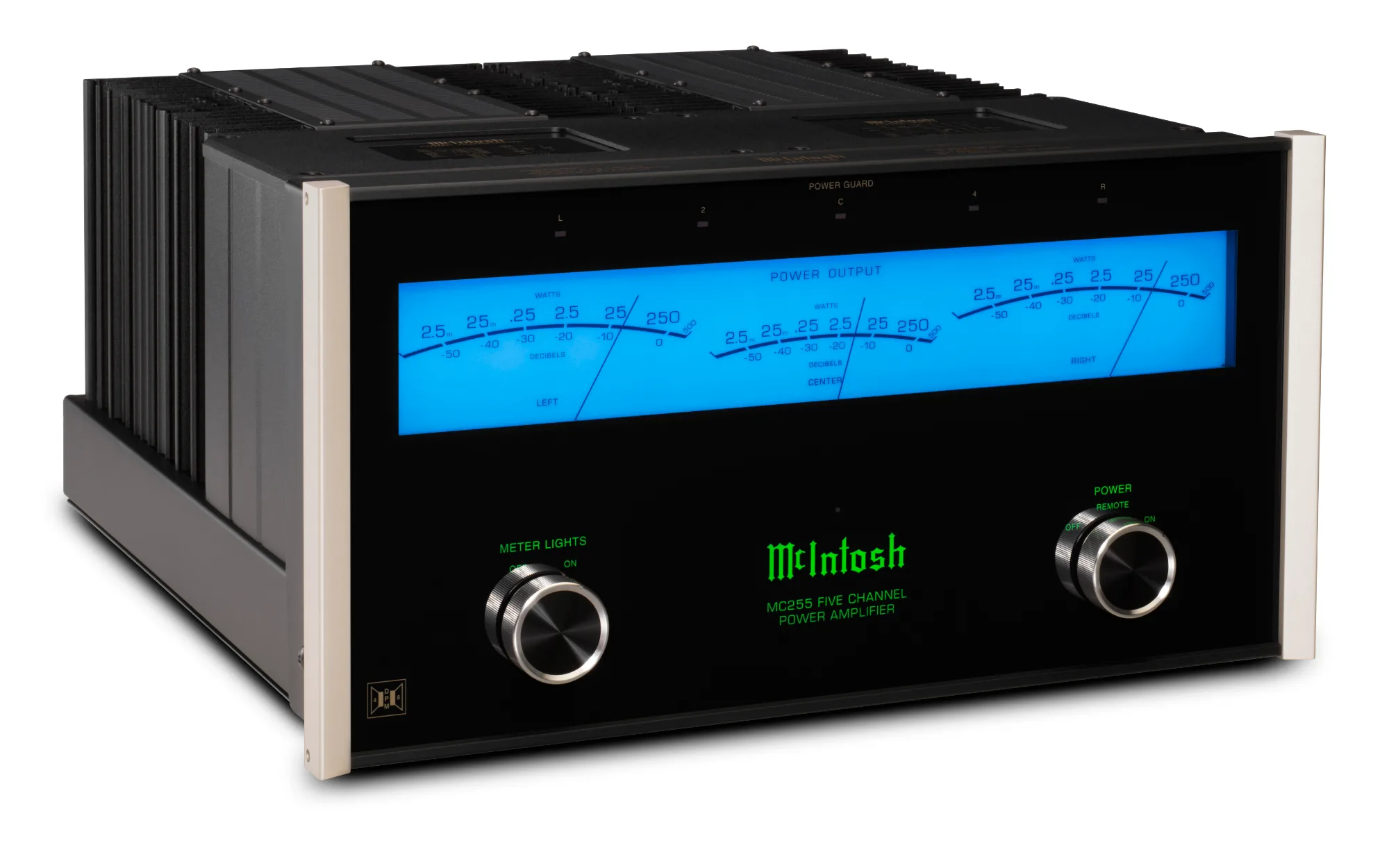
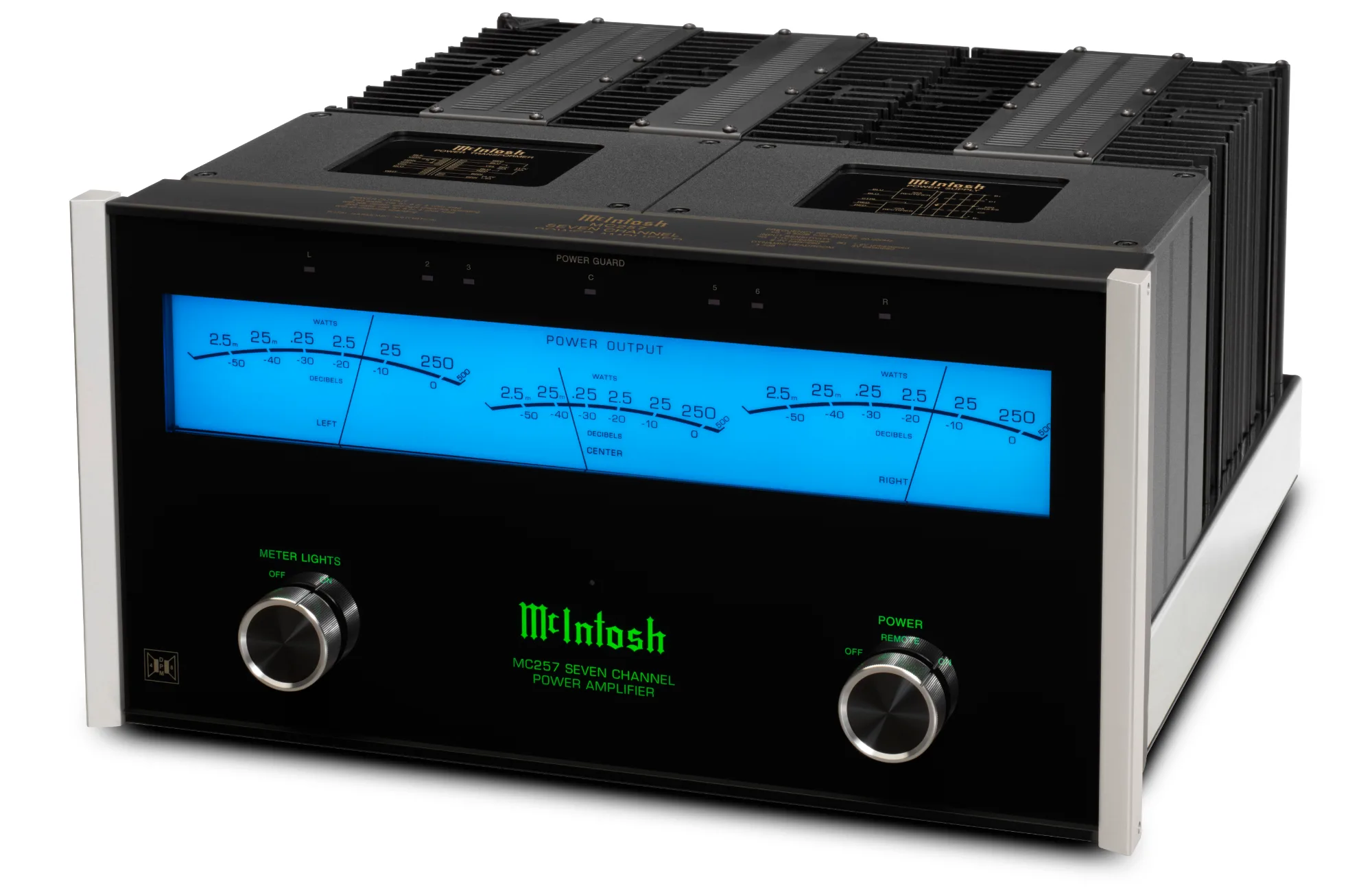
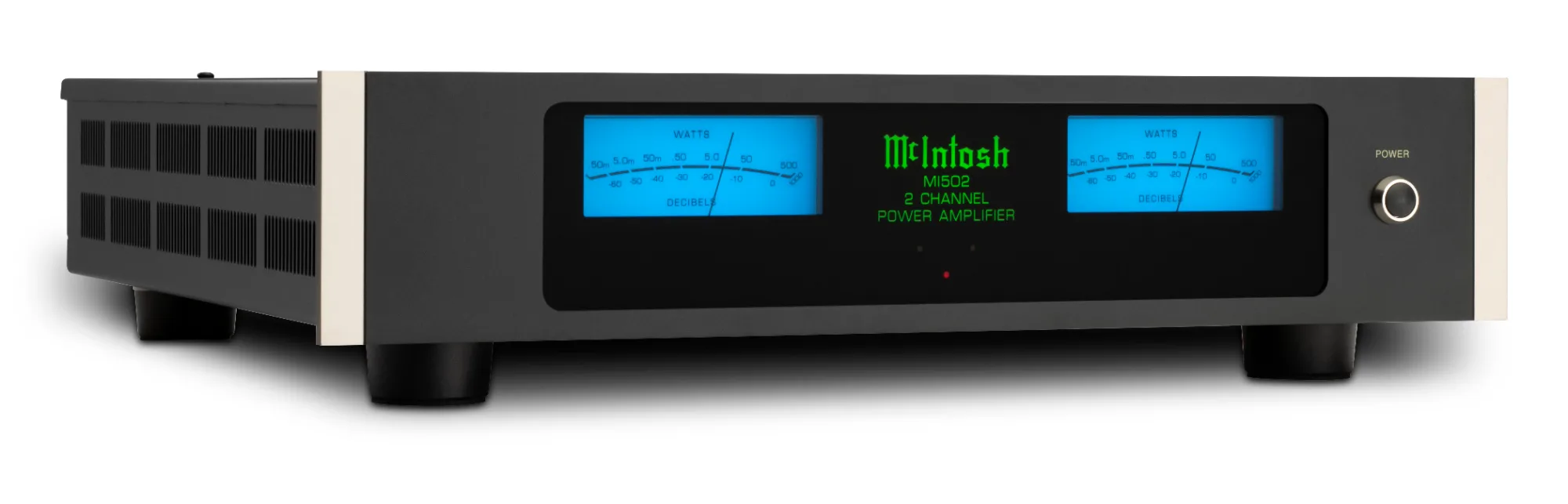
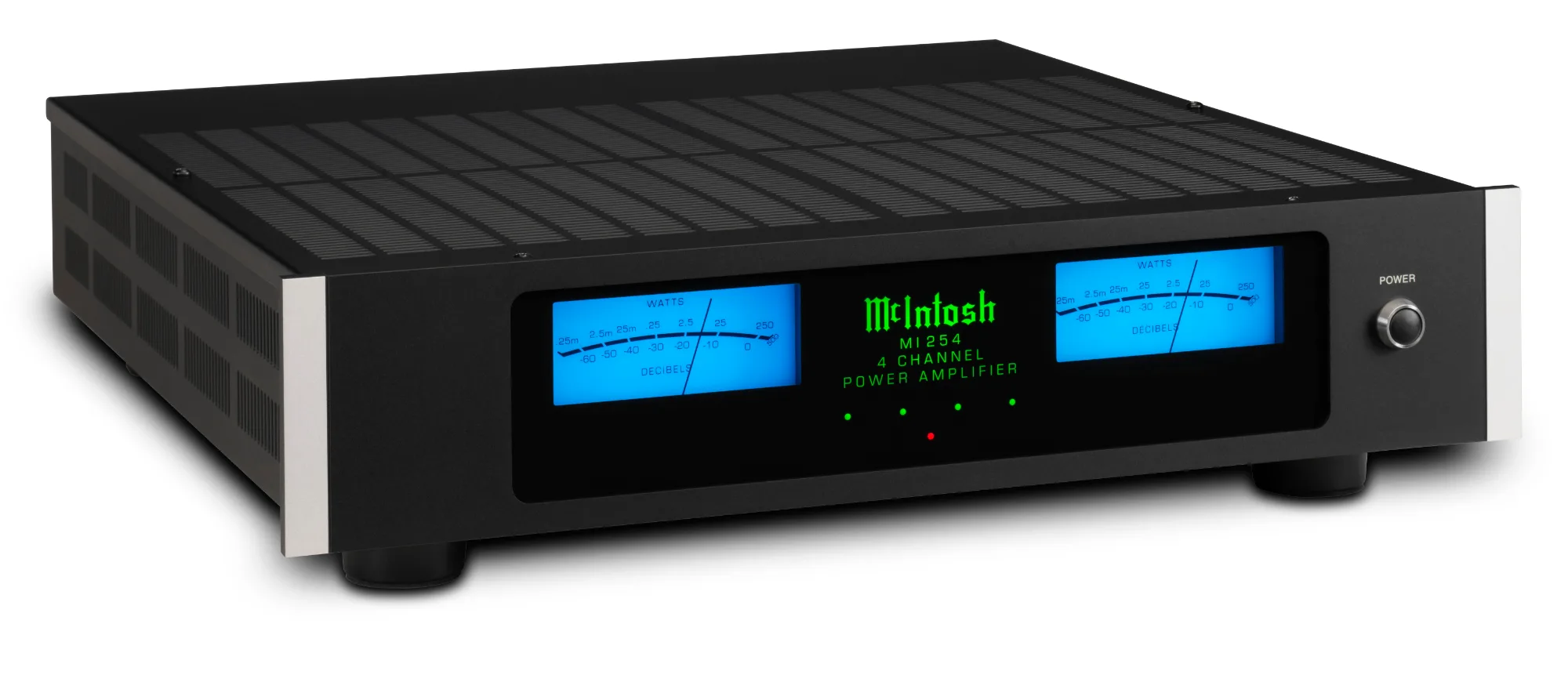
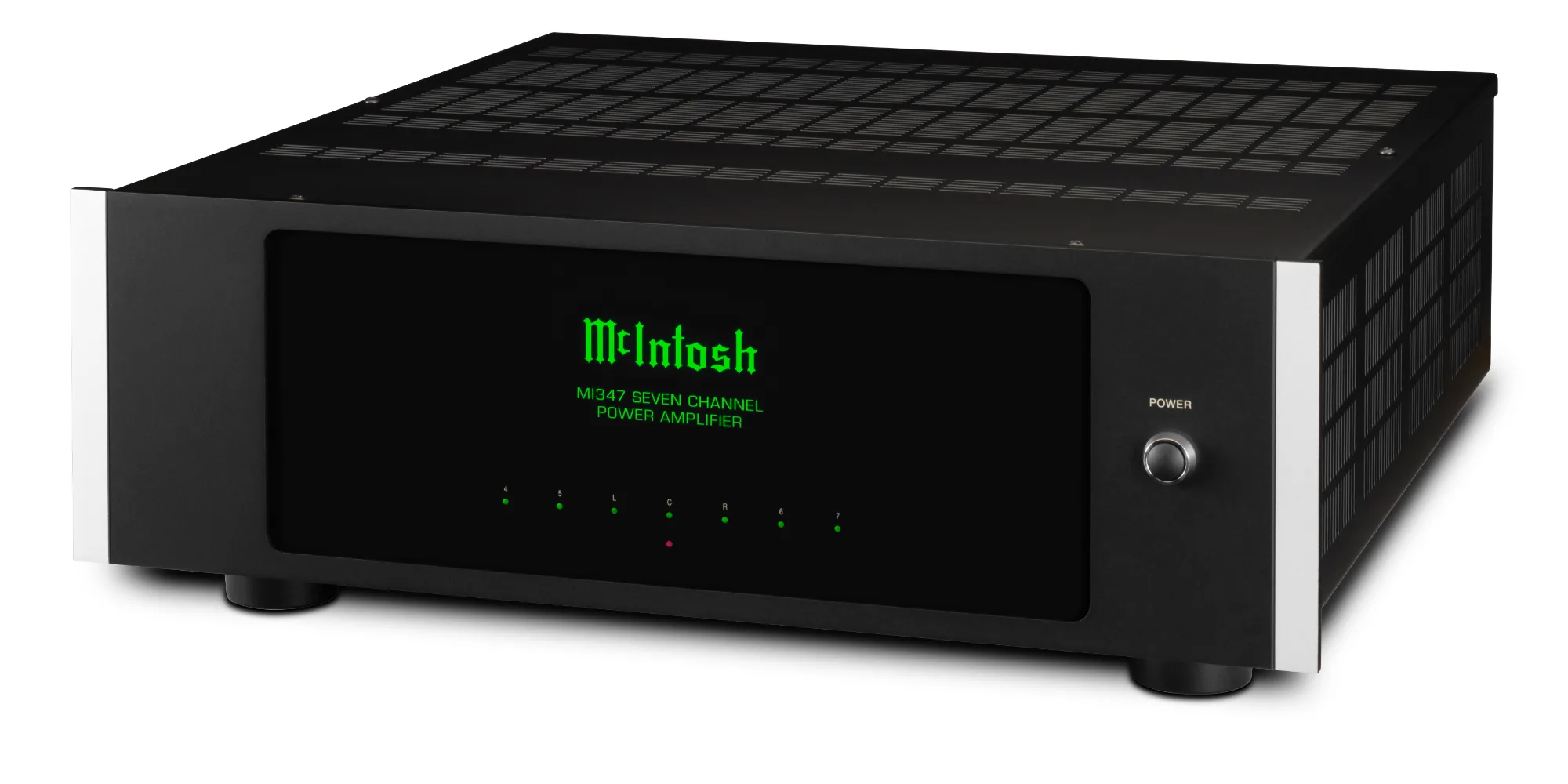
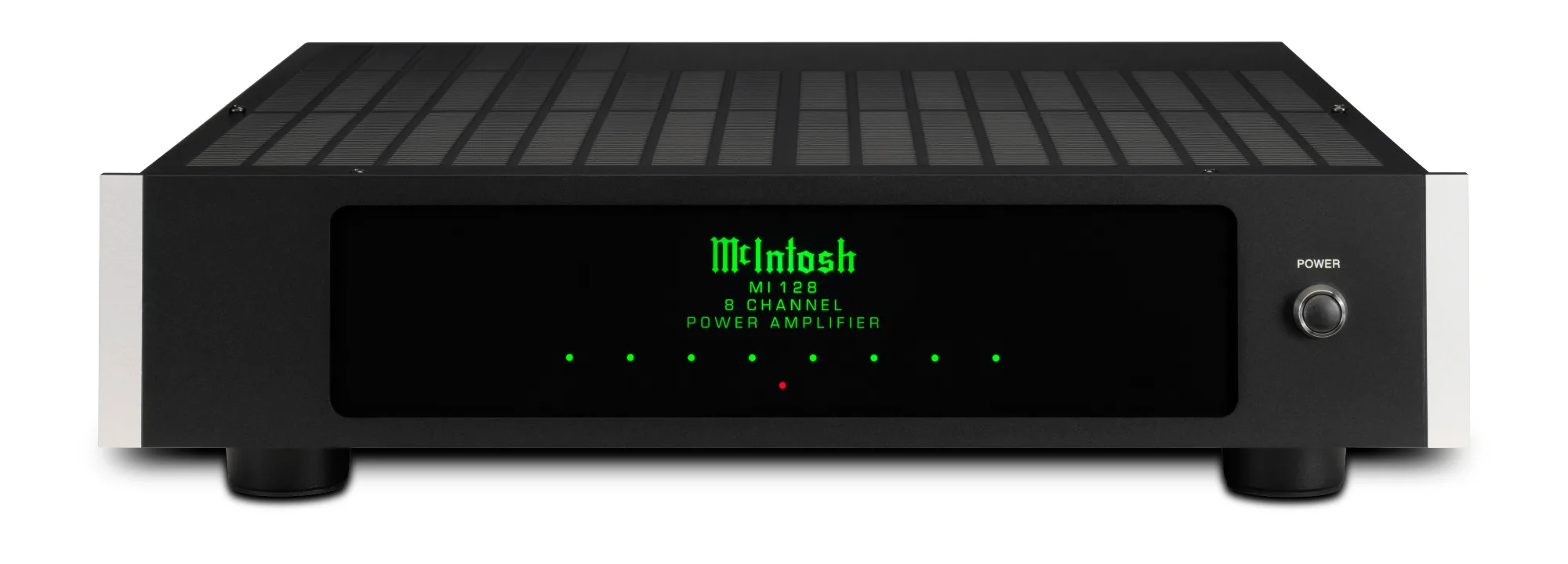
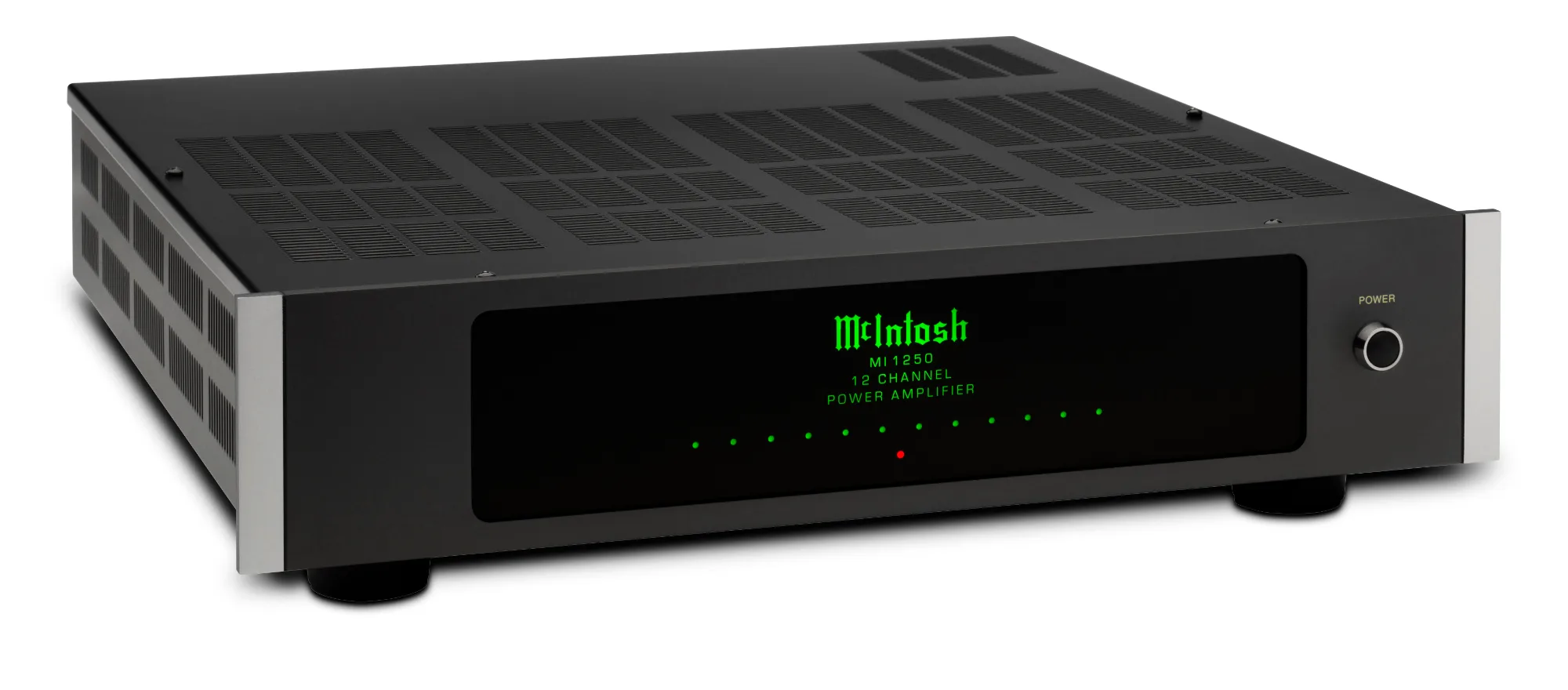



Choosing a power amplifier, in detail
Rated power is the least useful number on the page. What matters is how the amplifier behaves when the load gets difficult — whether output roughly doubles as impedance halves, and how much current it can deliver on a transient. An amplifier that holds its composure into three ohms will sound more powerful than one with a bigger number on the front panel that does not.
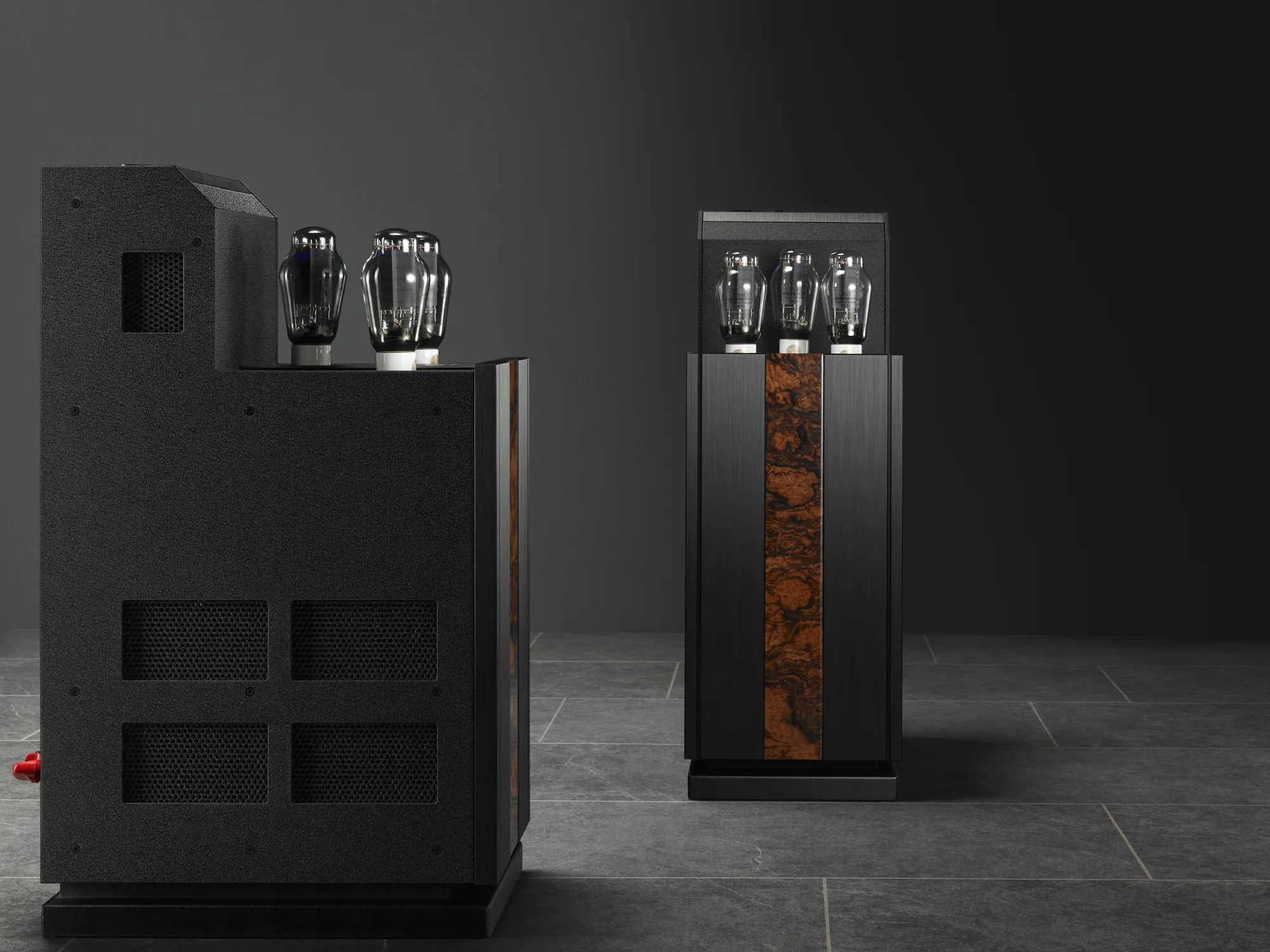
Tubes or solid state is a real fork, and it is decided more by your loudspeaker than by preference. A valve amplifier with a high output impedance interacts with the speaker's impedance curve, which can be euphonic or can flatten the tonal balance depending on the pairing. Solid state is more indifferent to what it drives. Neither is better in the abstract; the pairing is the thing.
Monoblocks buy channel separation and let you shorten the speaker cables by putting each amplifier next to its speaker. They also double the footprint, heat and cost. Worth it at the top of a system, hard to justify in the middle. And check the practical things before you fall for something: heat output in a closed room and whether the circuit can supply it.
Hear these in Scottsdale and Tempe
The useful demonstration is not two amplifiers on one speaker — it is one amplifier on two very different speakers, which shows you how much of what you are hearing is the pairing. We keep McIntosh, Dan D'Agostino, Burmester and Octave set up alongside each other and can run any of them into most of the loudspeakers on the floor. Tell us what you own and we will build the comparison around it.