Preamplifiers
Preamps
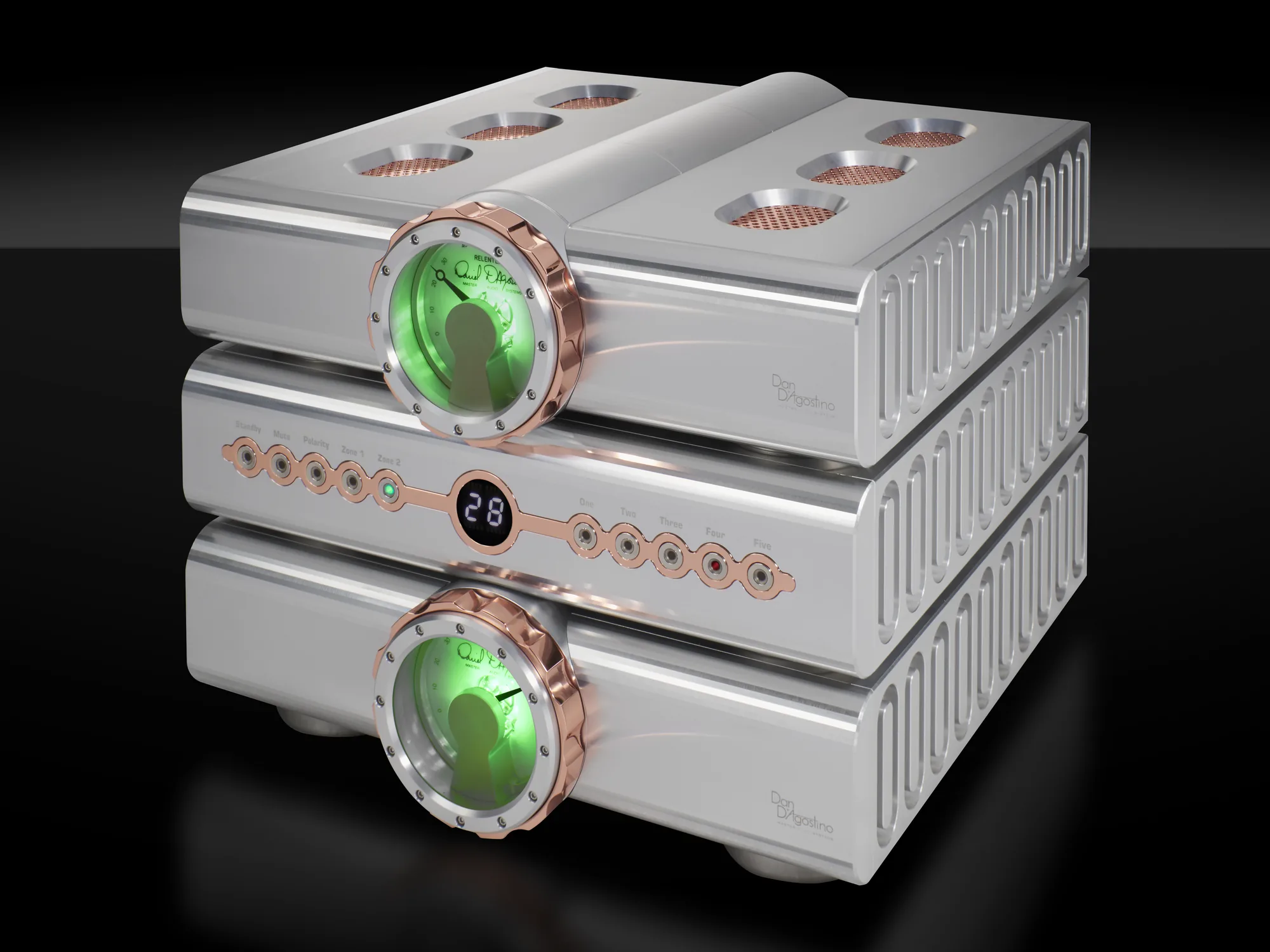
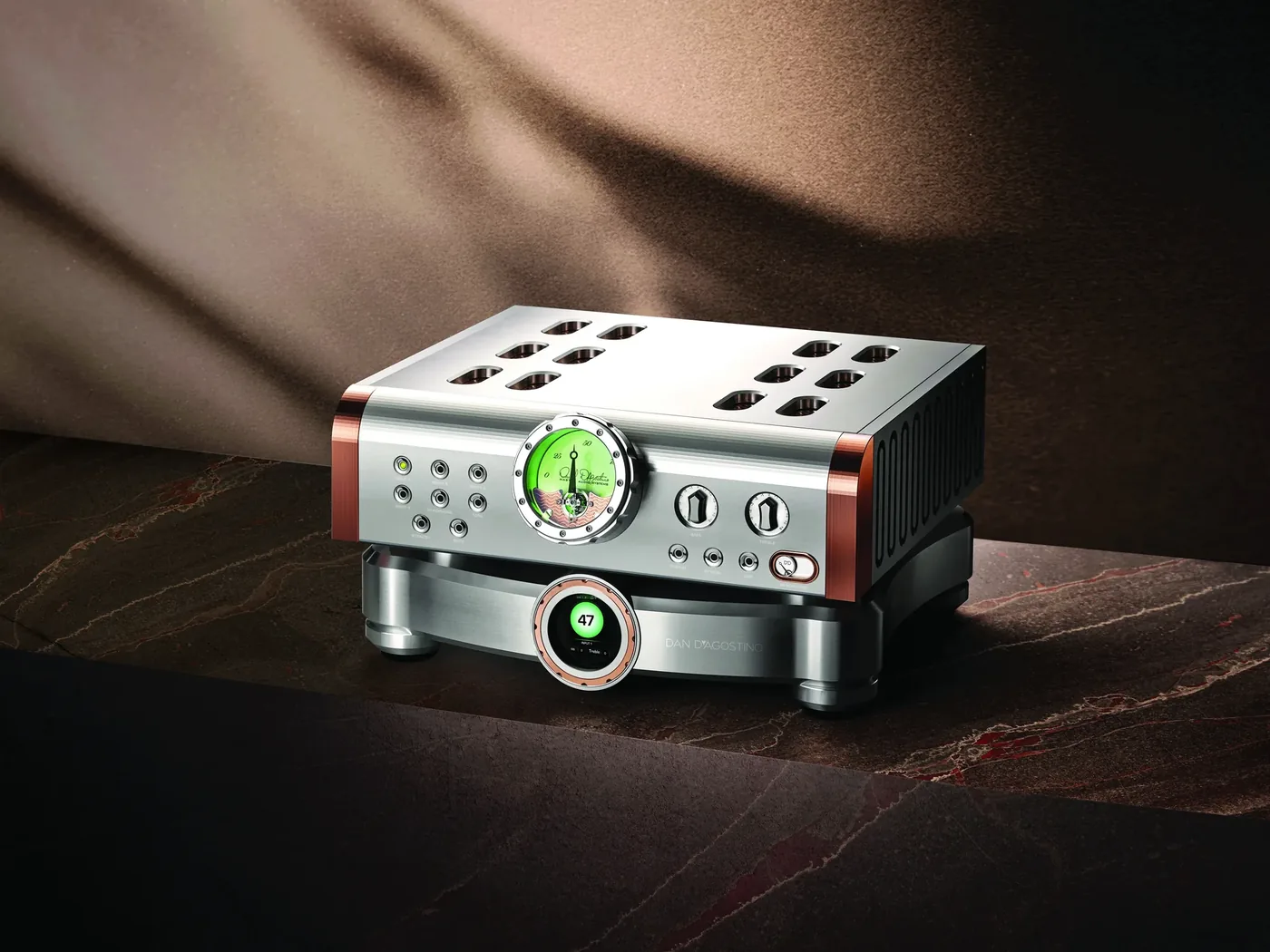
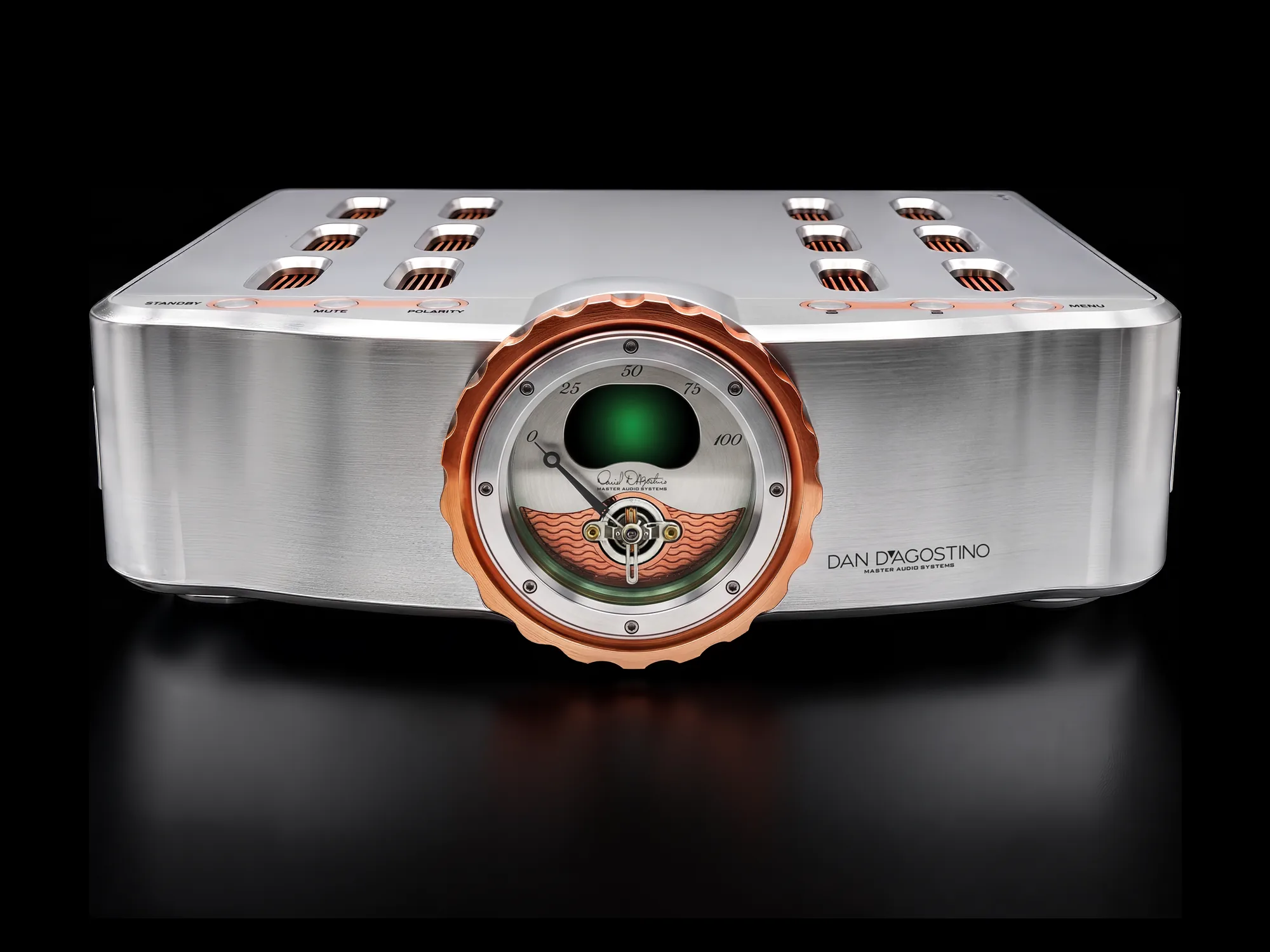
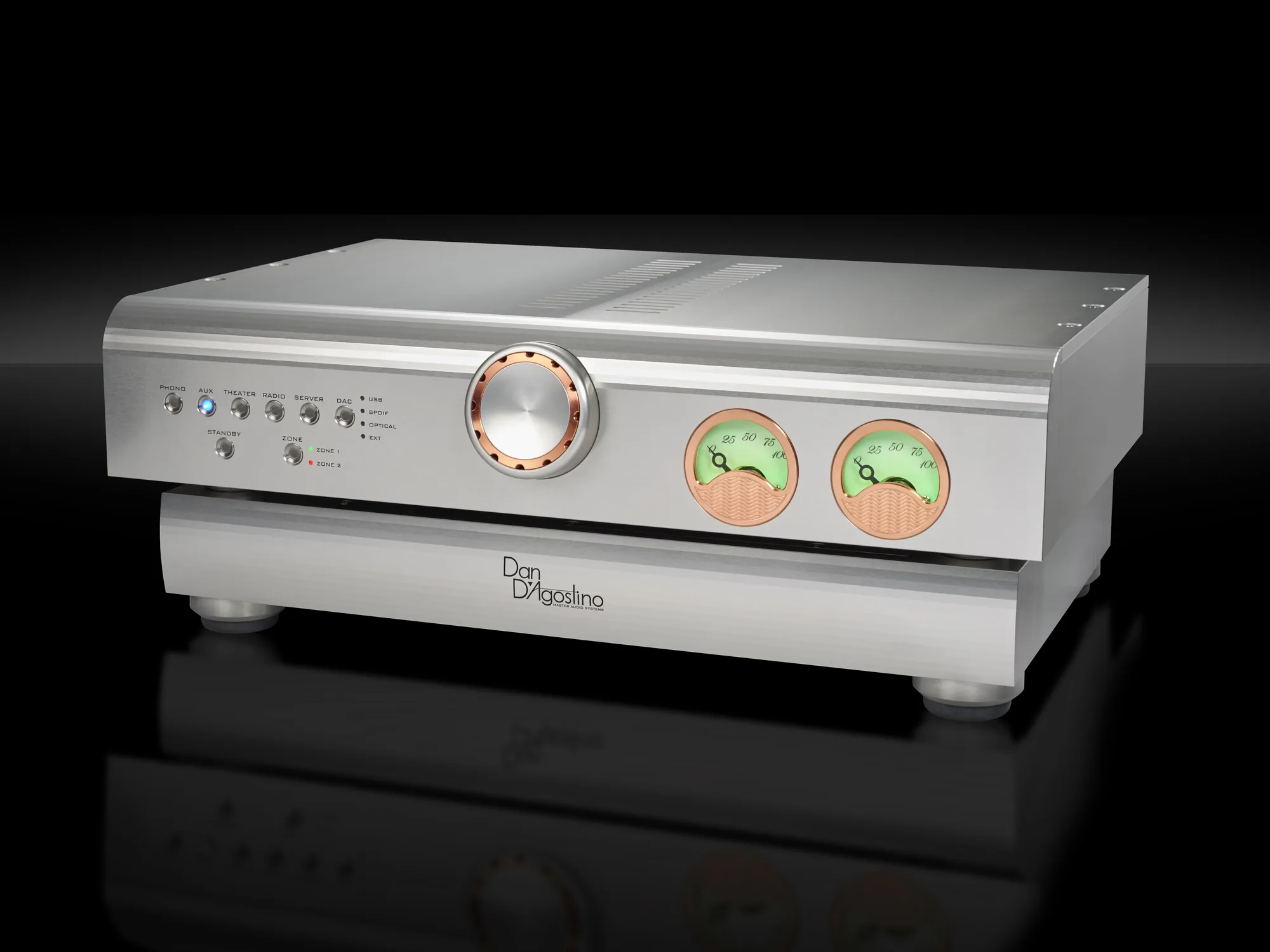
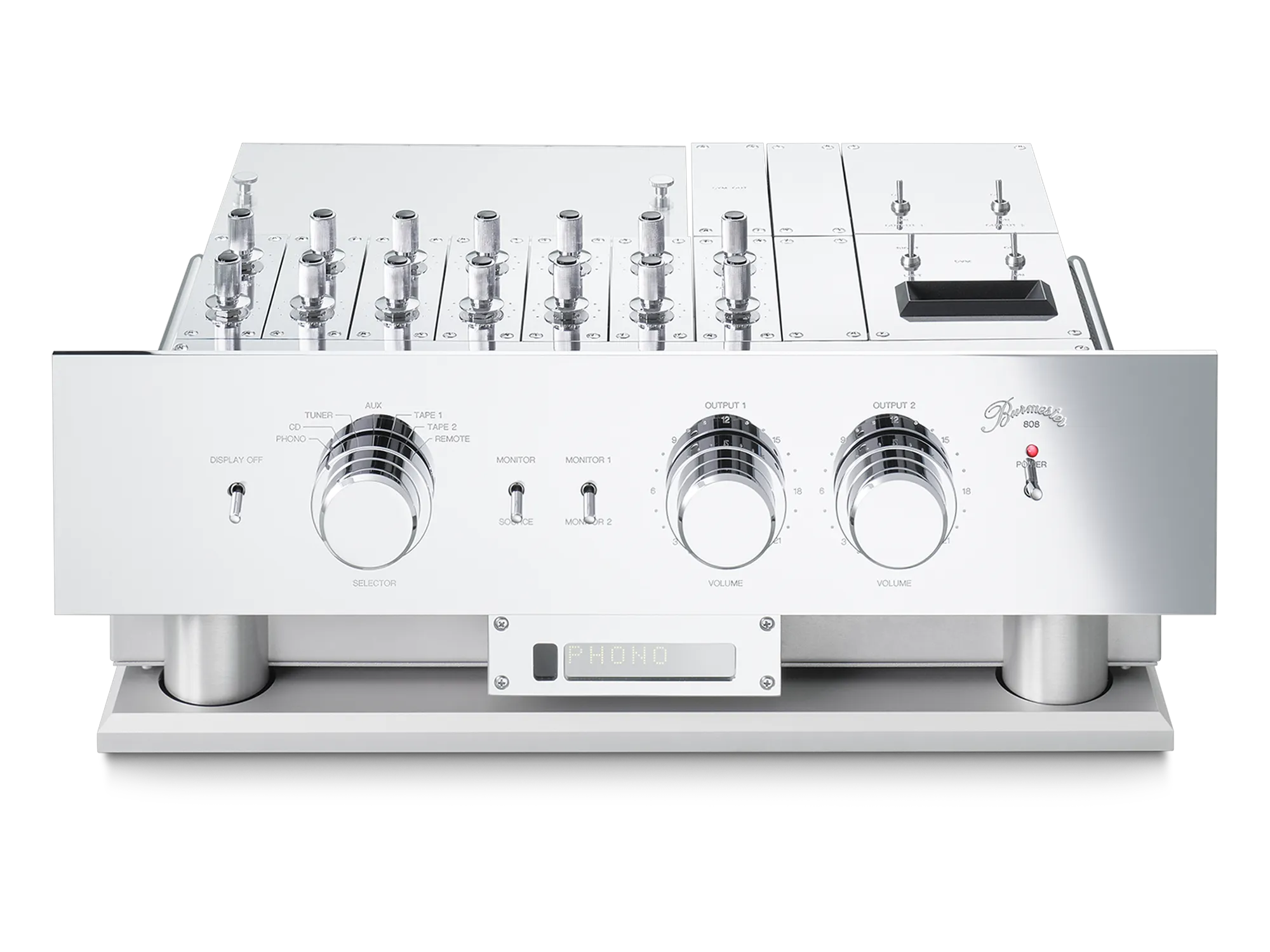
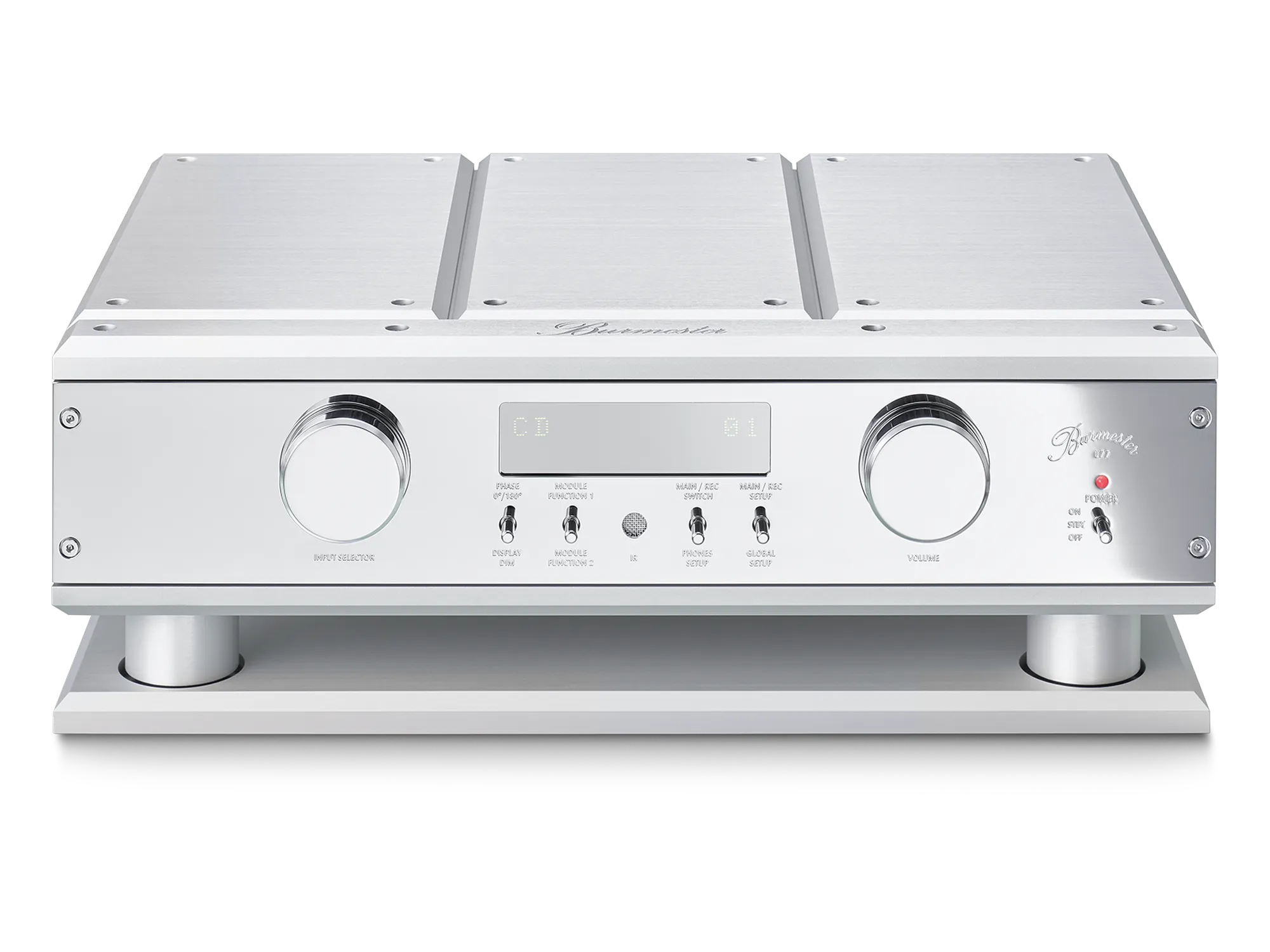
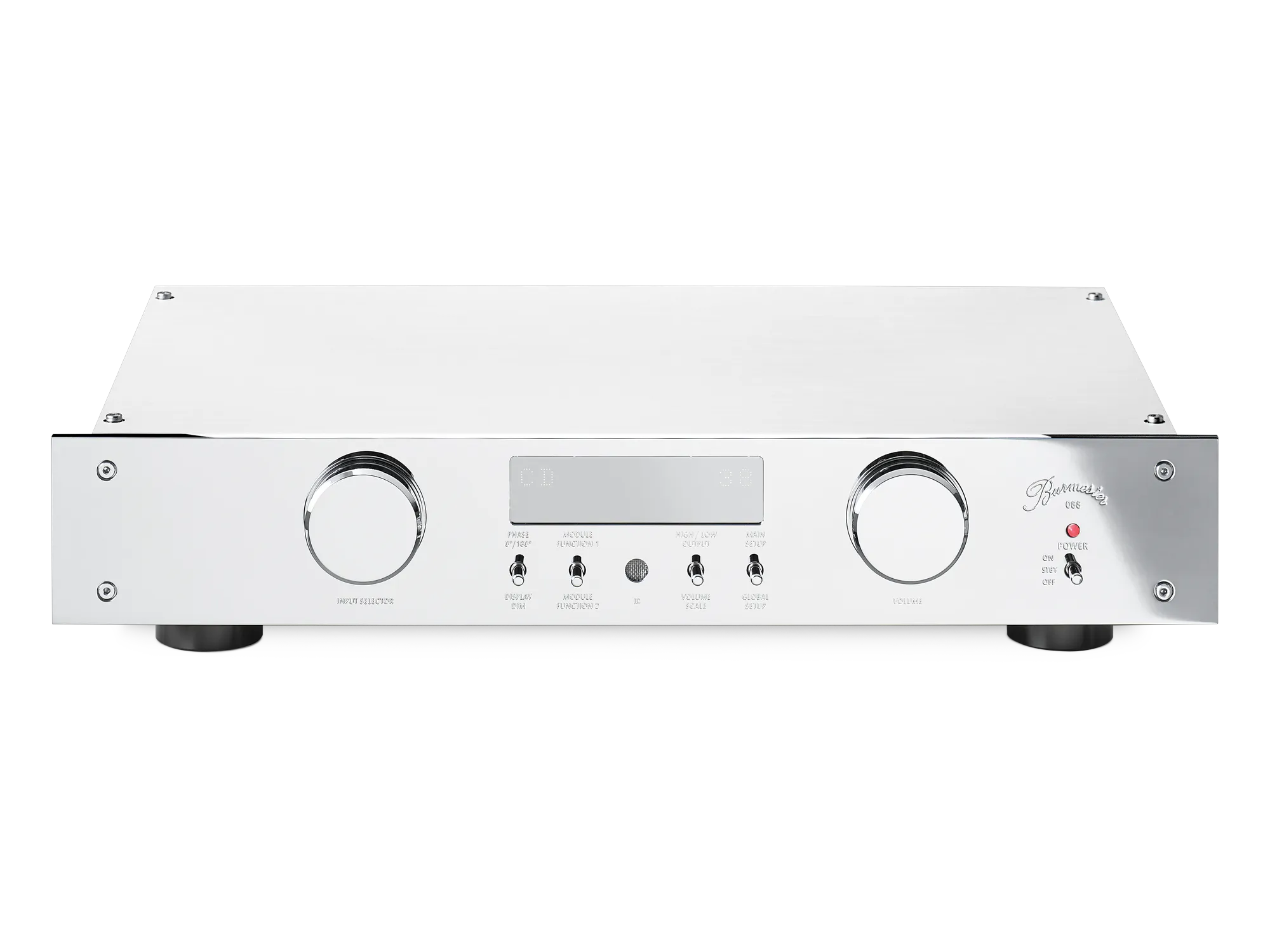
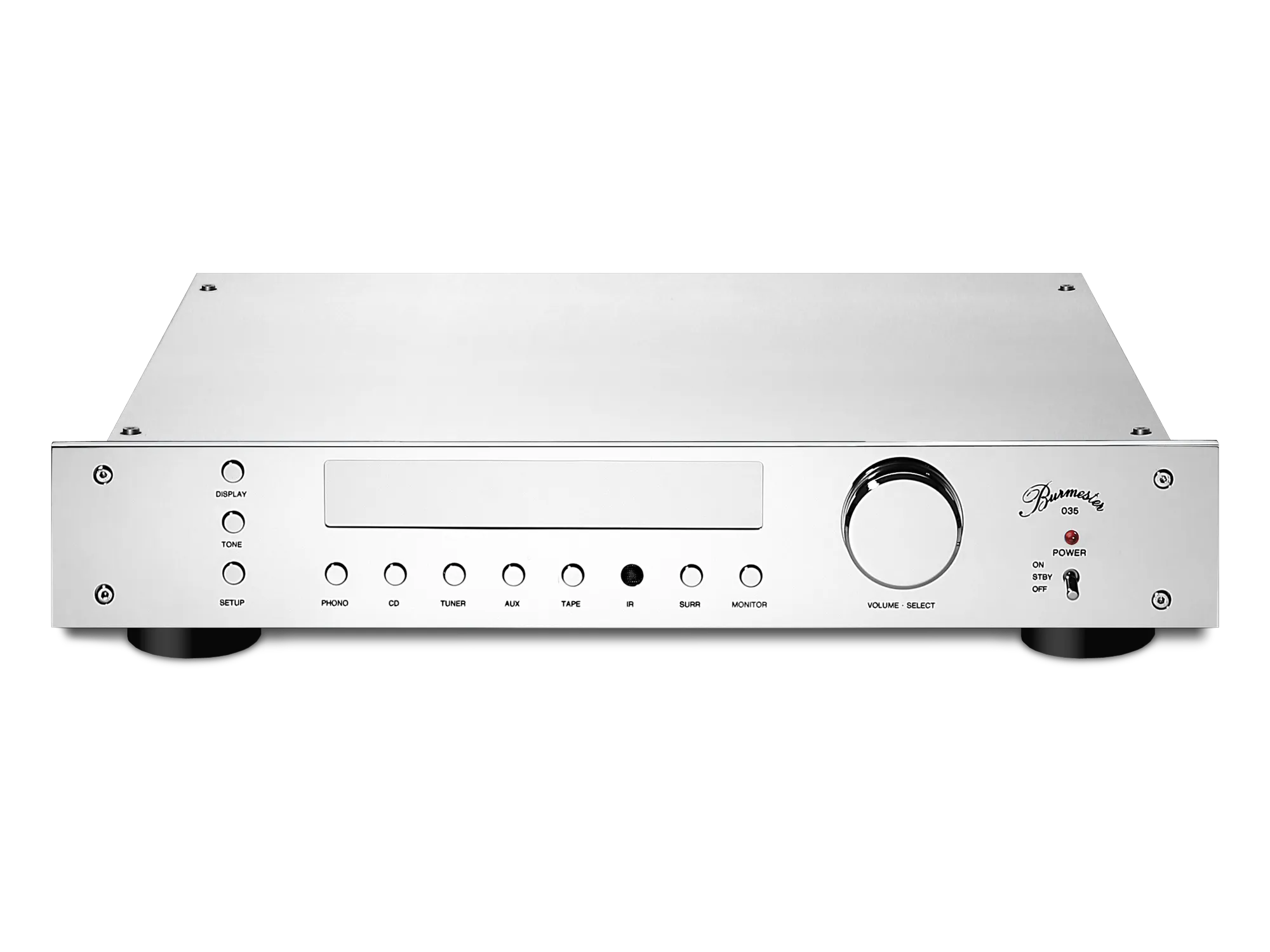
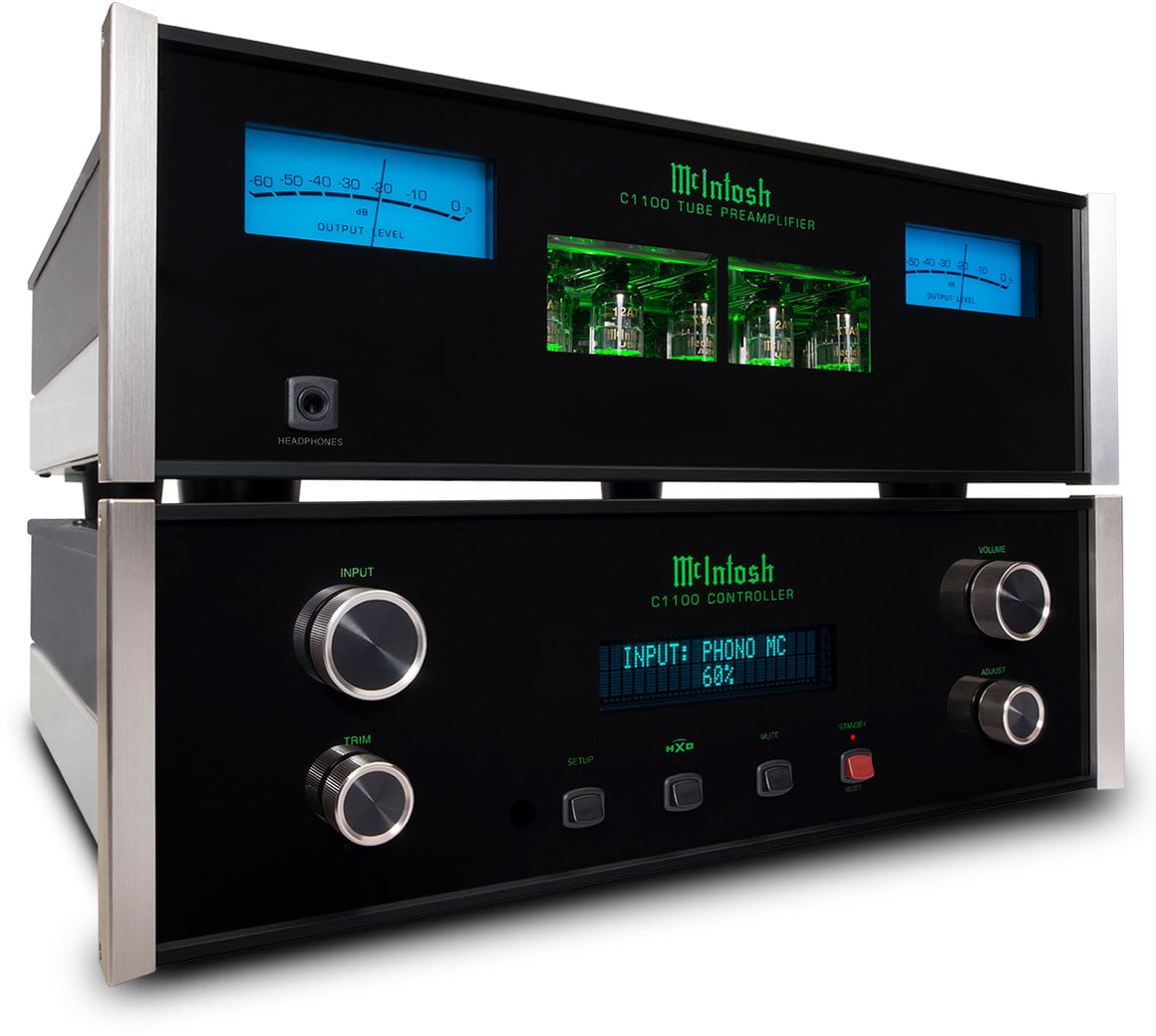
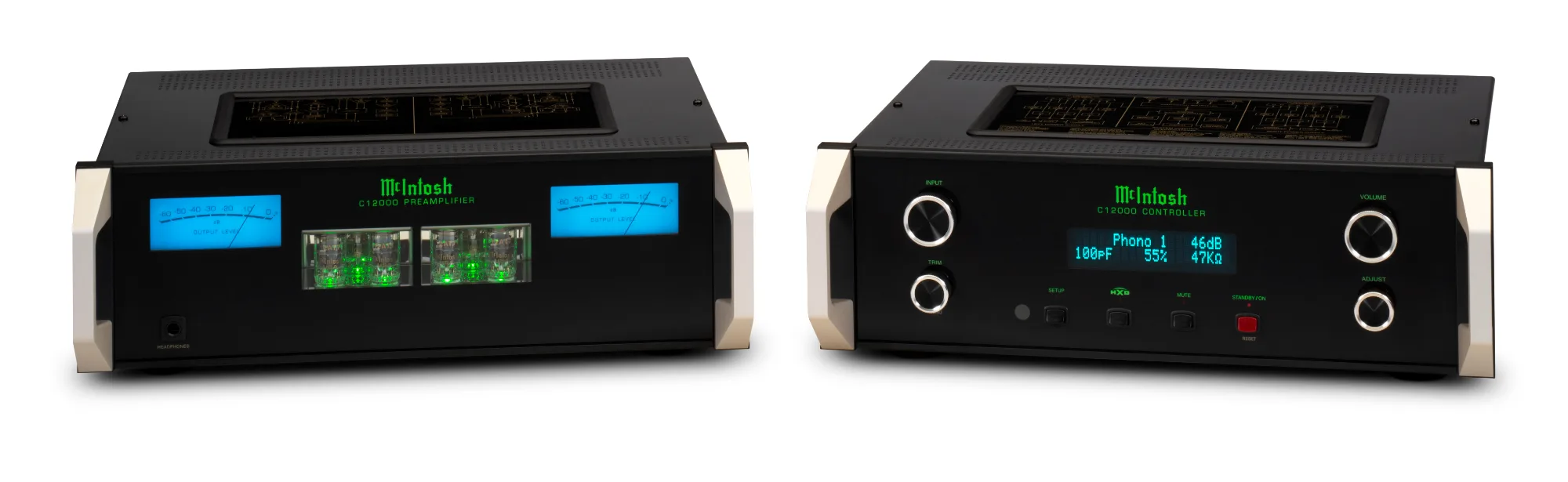
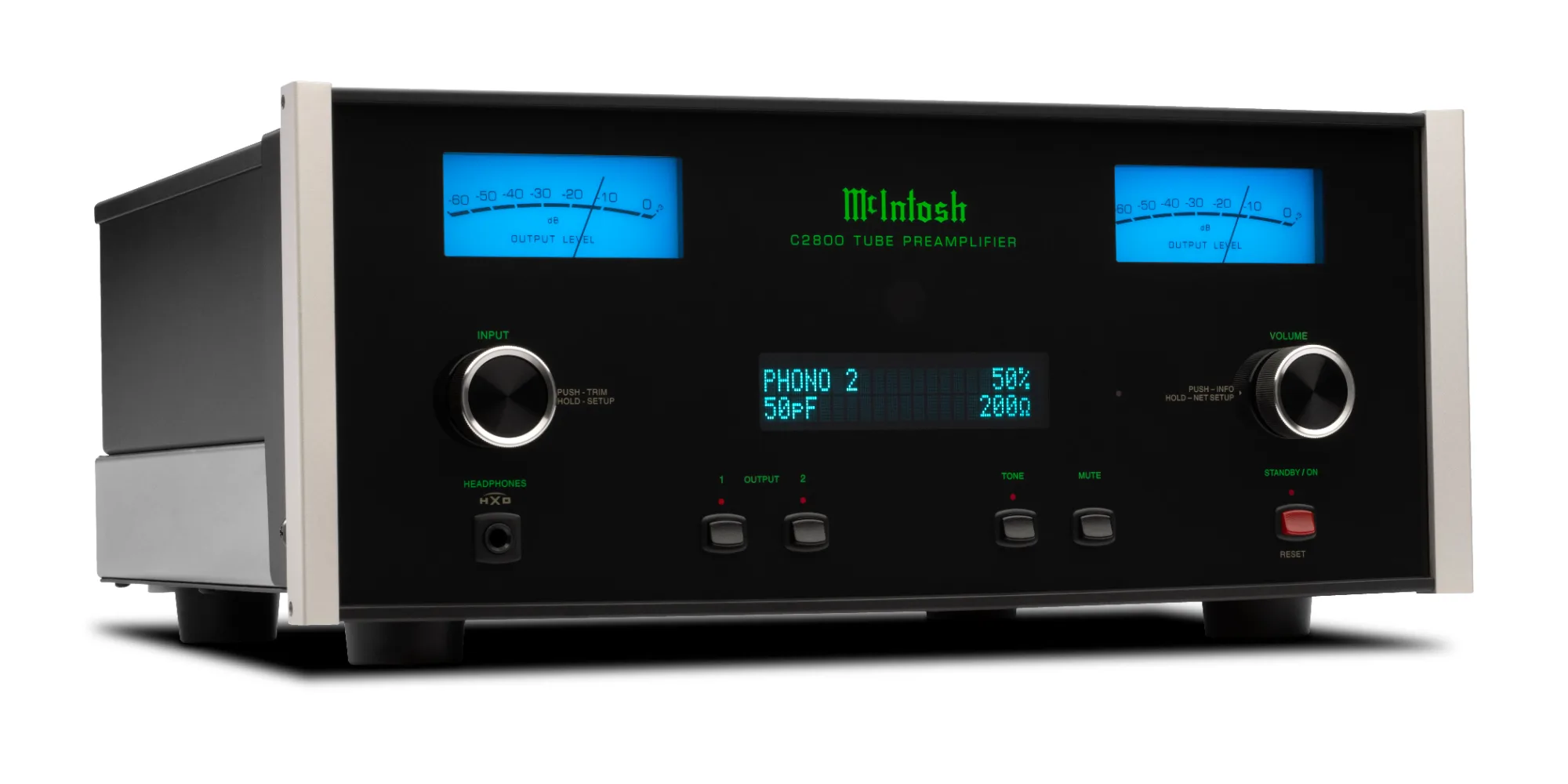
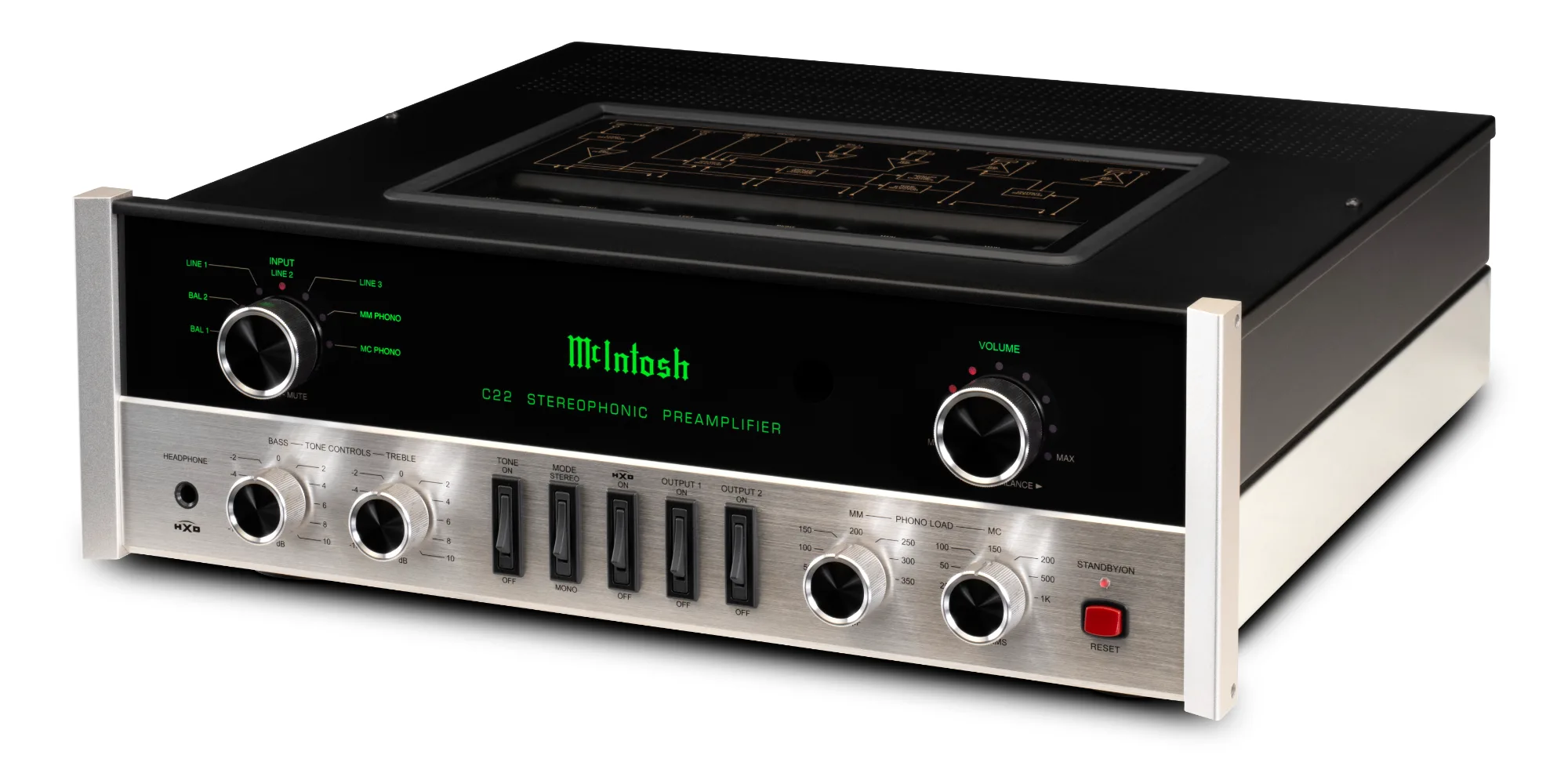
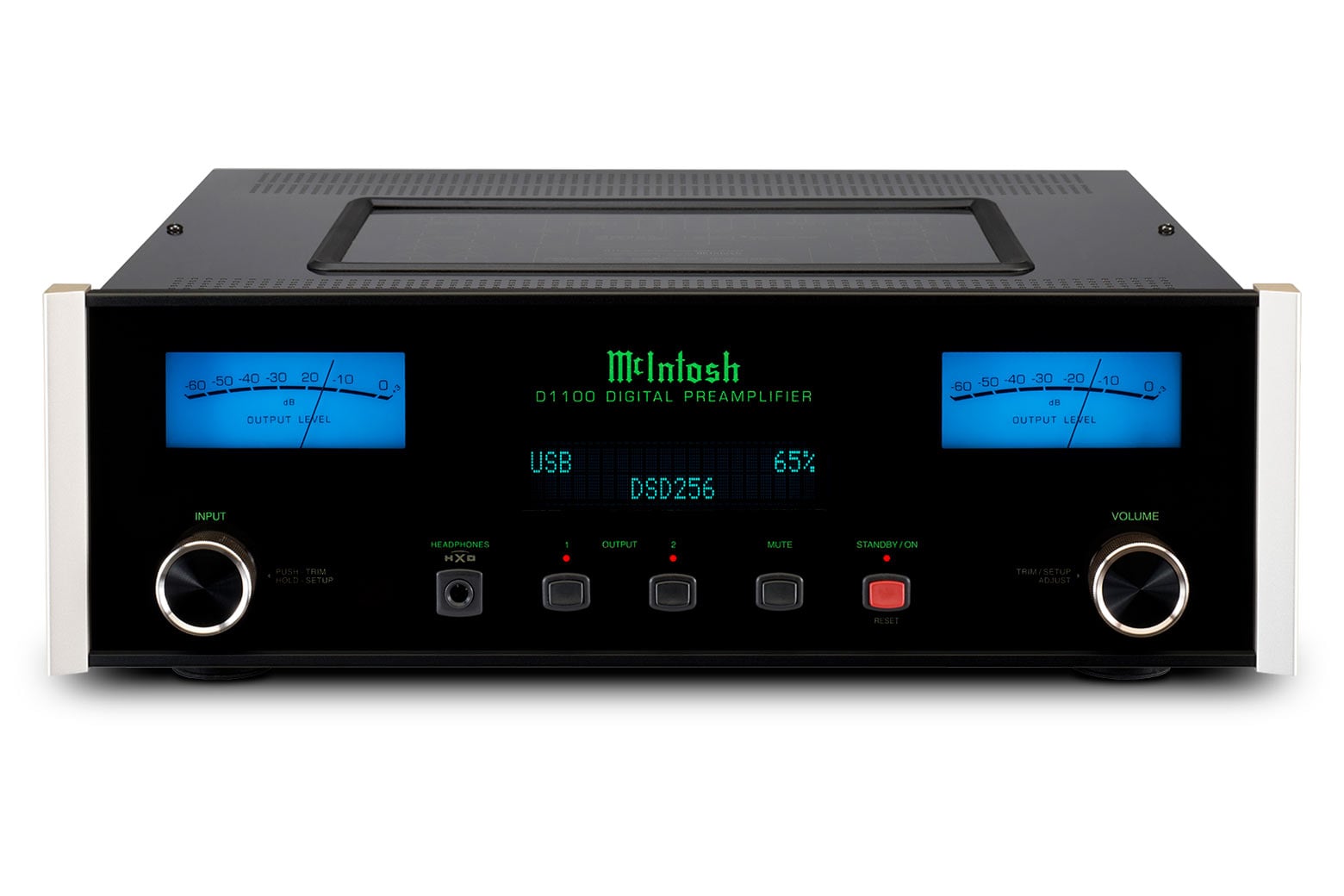
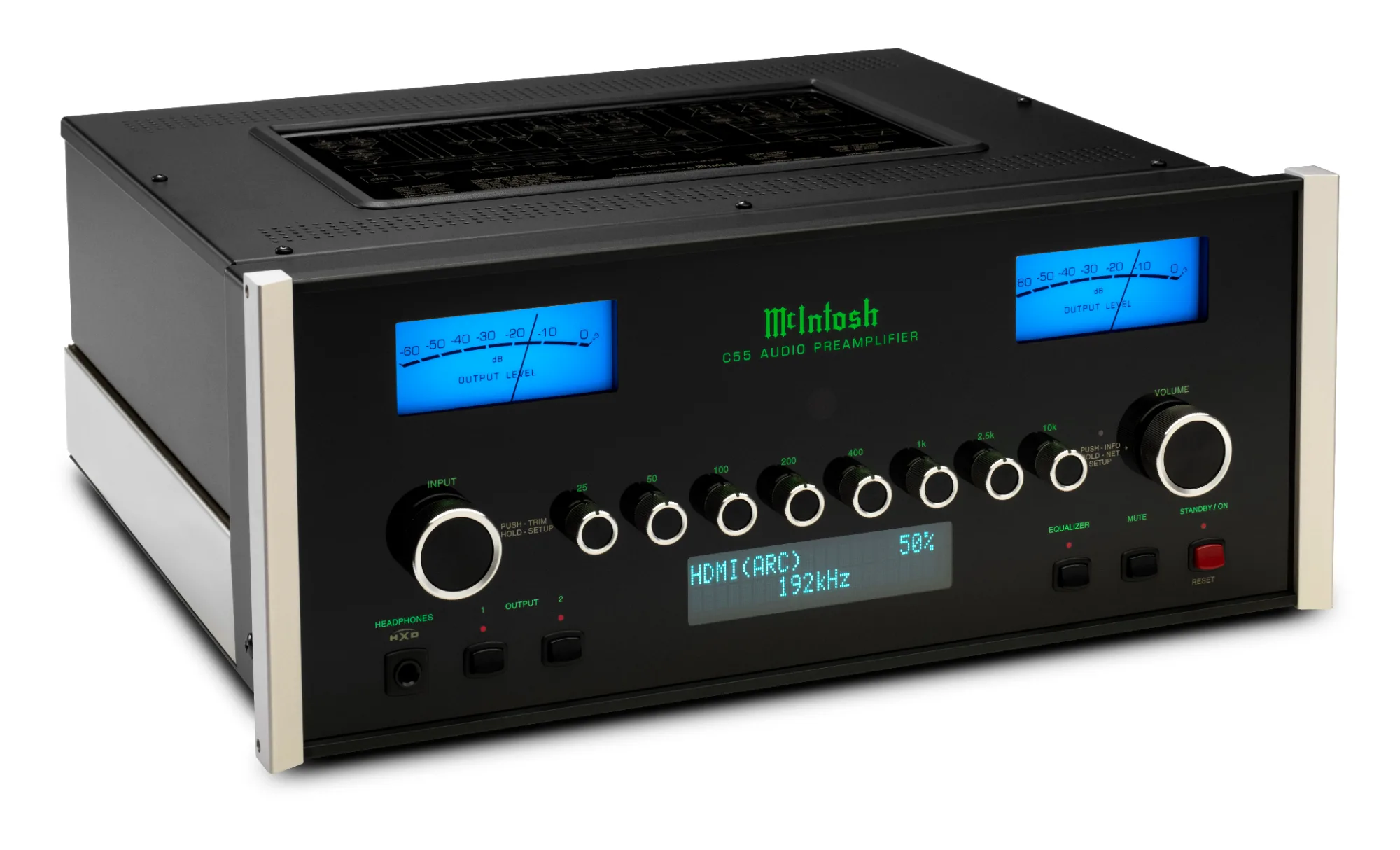
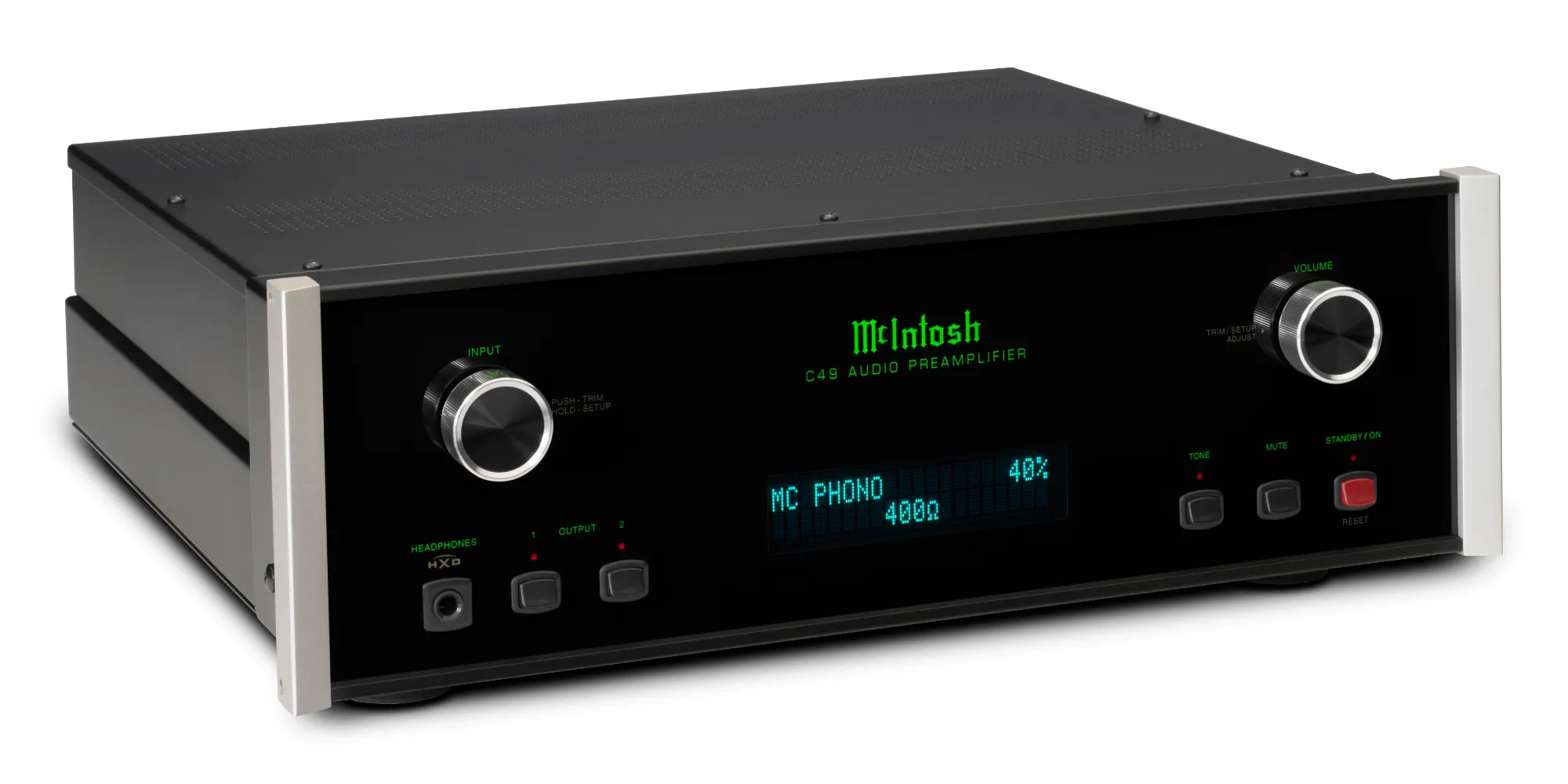
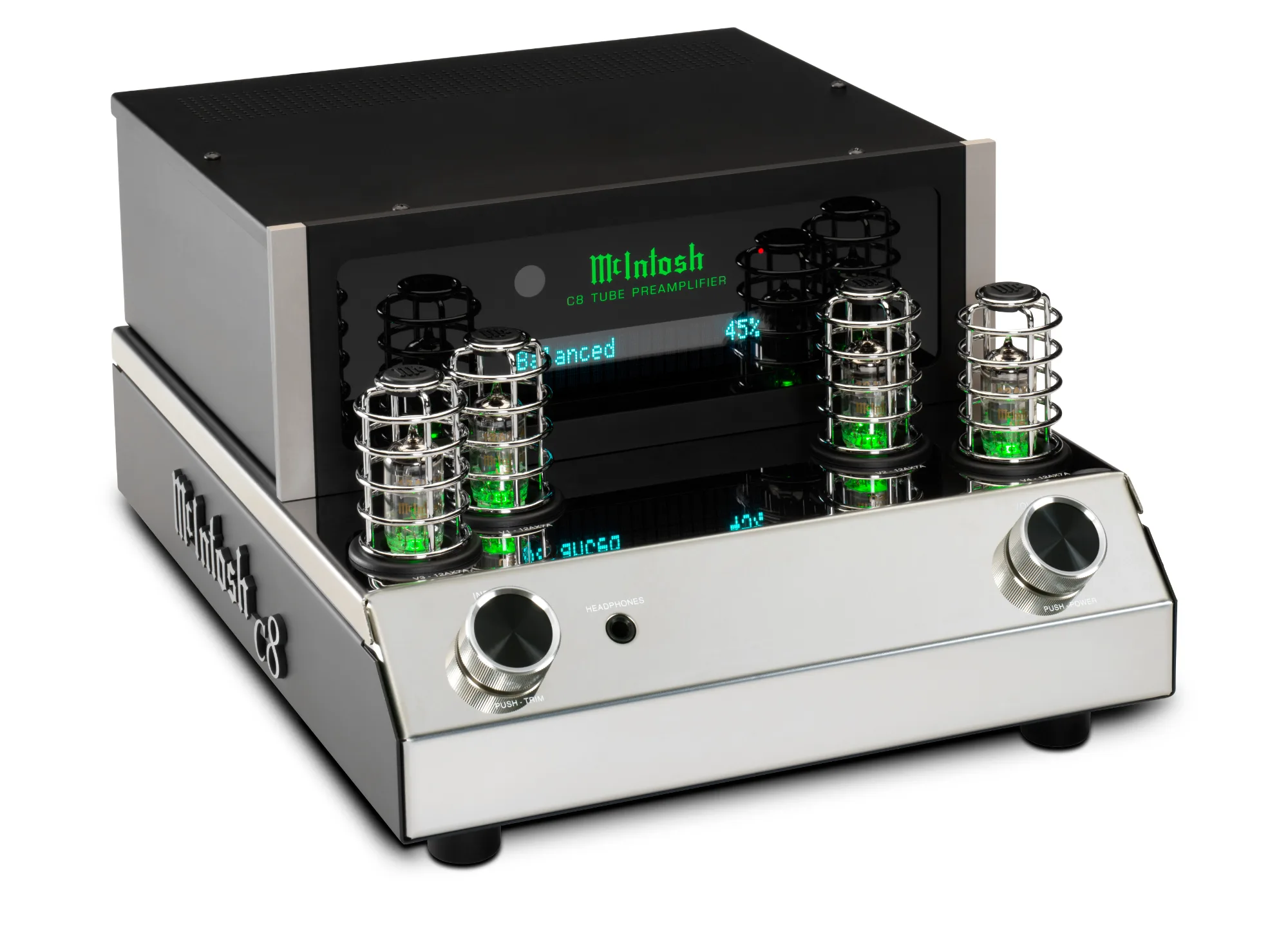
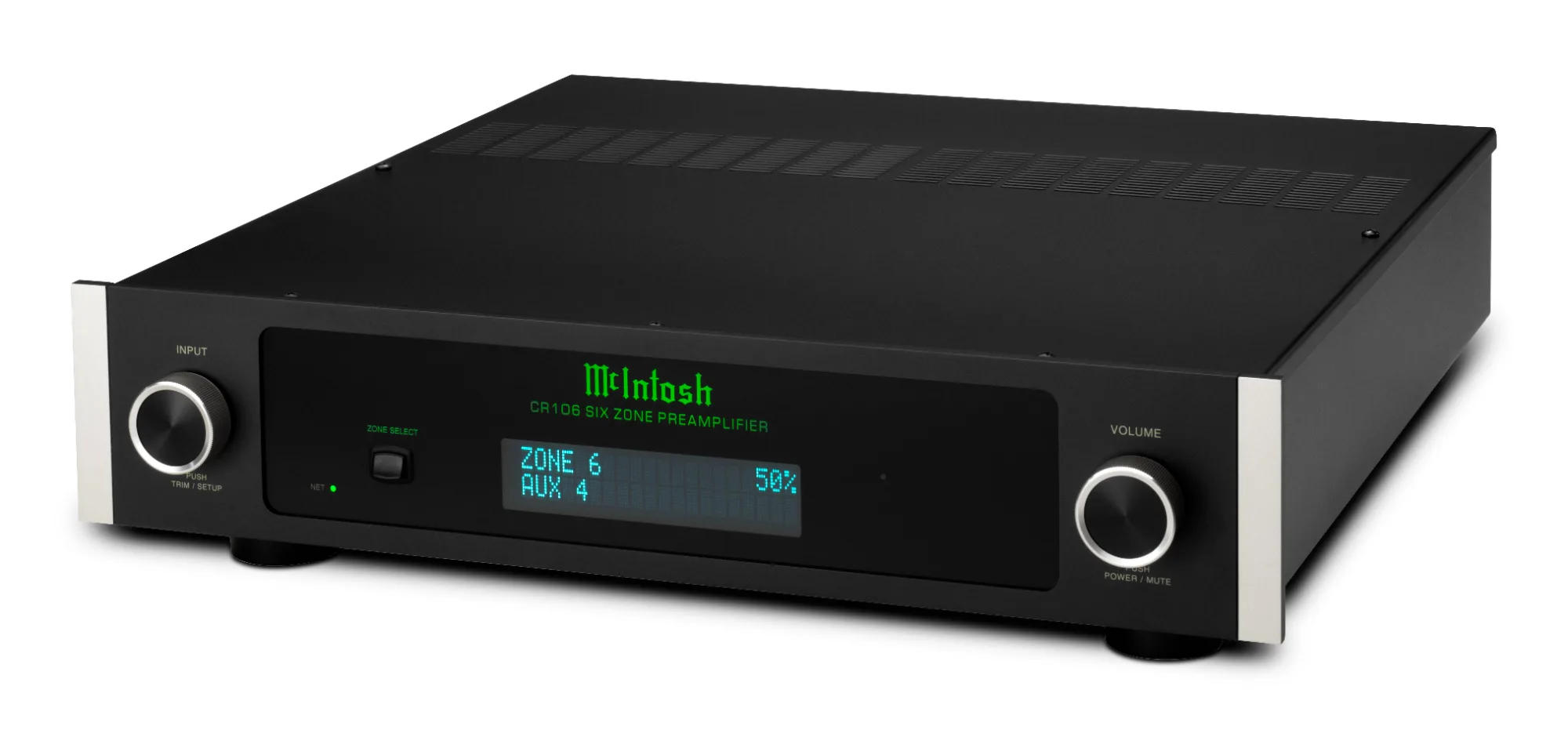
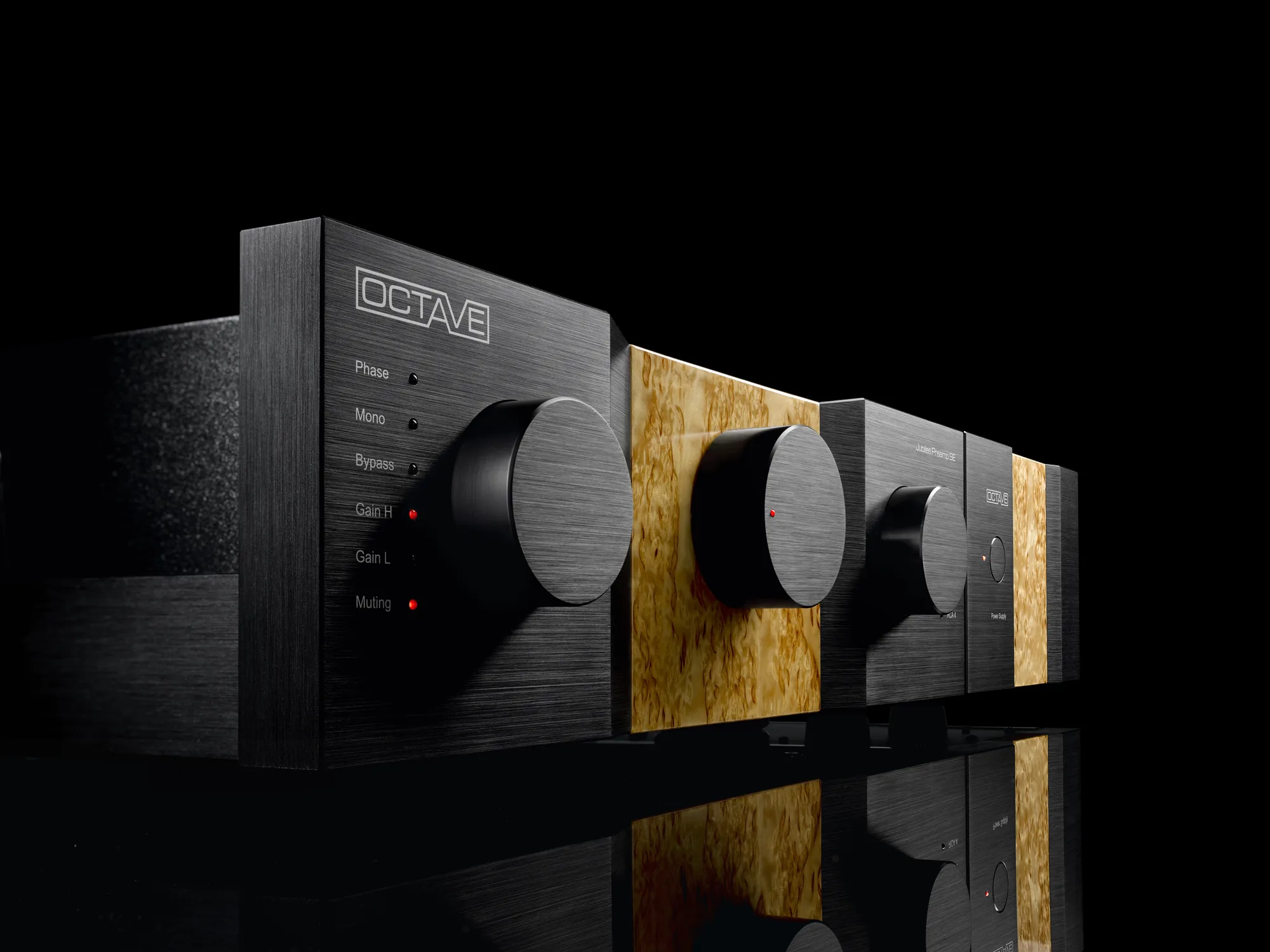
McIntosh, Dan D'Agostino, Octave, Burmester and MBL — tube and solid state, on demonstration.
The preamplifier does the least obvious work in a system and sets more of its character than anything else.
It selects a source, controls level, and hands the signal to the power amplifier. Almost nothing, described that way. But the volume control is in the signal path at every listening level, the gain stage sets the noise floor for everything downstream, and the output stage has to drive whatever cable and amplifier it meets without complaint.
This is where the tube and solid-state question is decided, more than at the power amplifier. A tube preamplifier ahead of solid-state amplification is one of the oldest and most durable answers in high-end audio, and both approaches are set up here to be compared directly.
The component you notice least is the one setting the character of the whole system.
How to choose a preamplifier
The volume control is in the signal path at every listening level, so how it attenuates matters more than the spec sheet implies — particularly if you listen quietly. And check output impedance against your amplifier's input impedance before committing, especially with tubes. A mismatch there thins the bass permanently.
More on choosing a preamplifier ↓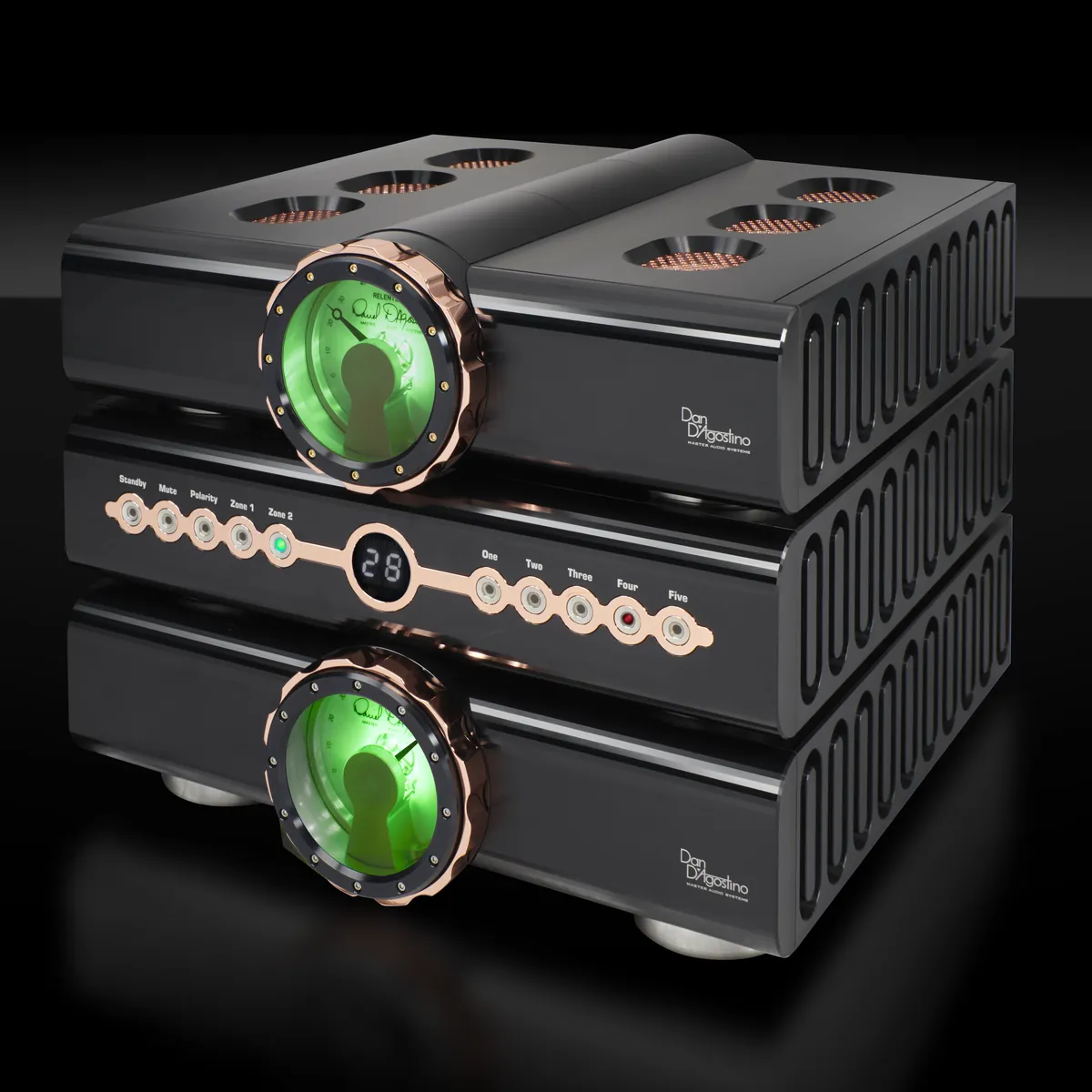
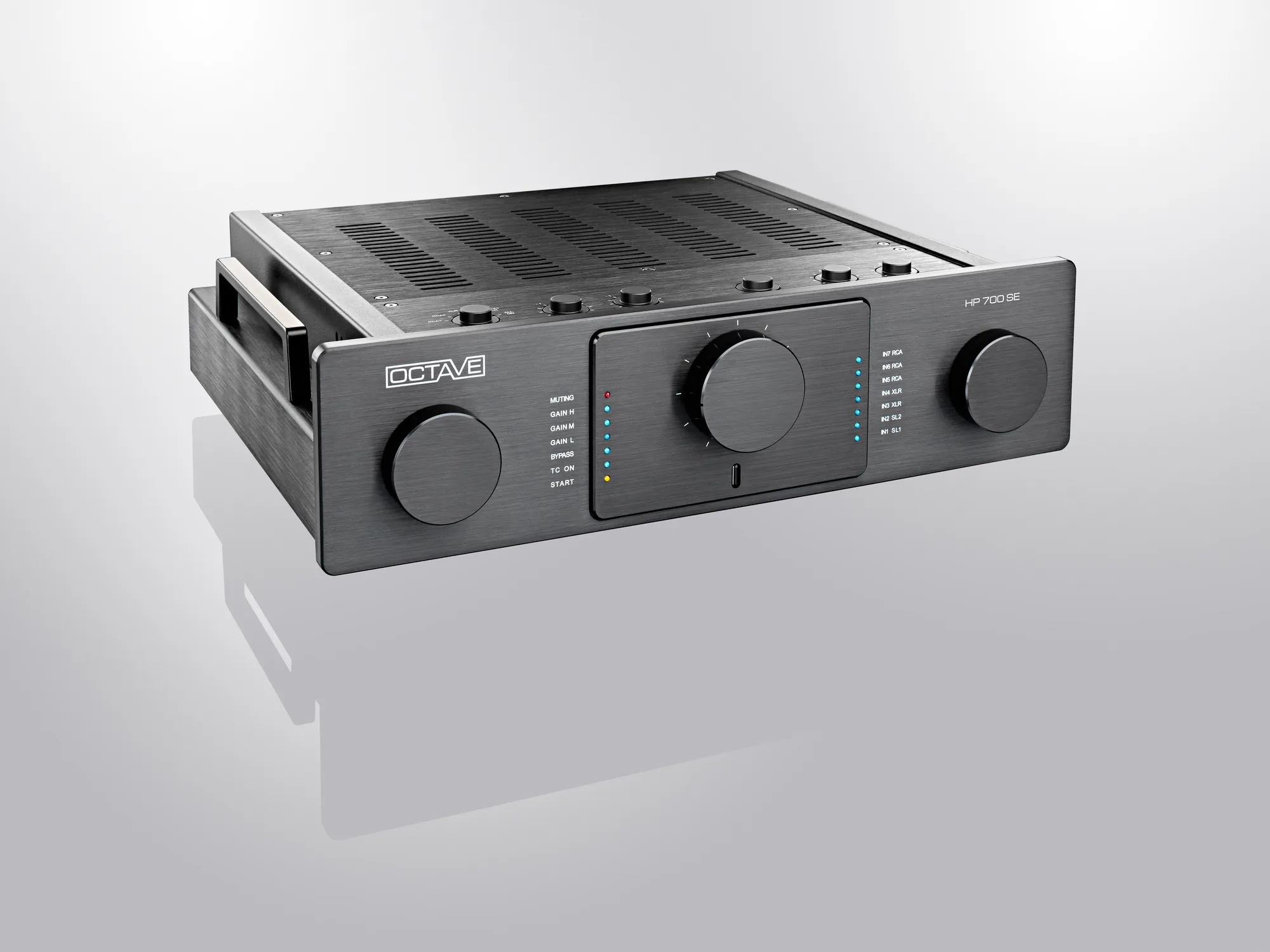
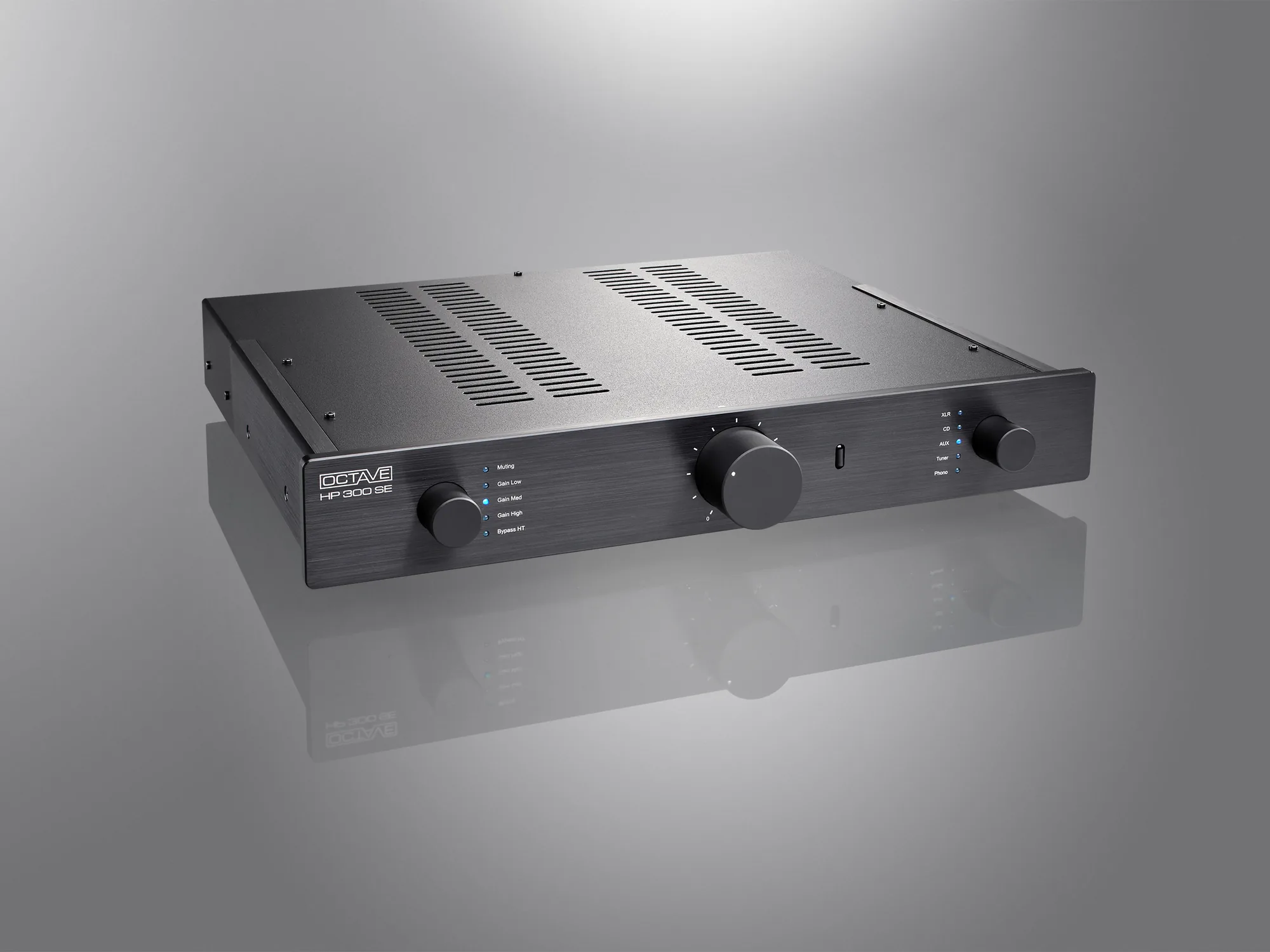
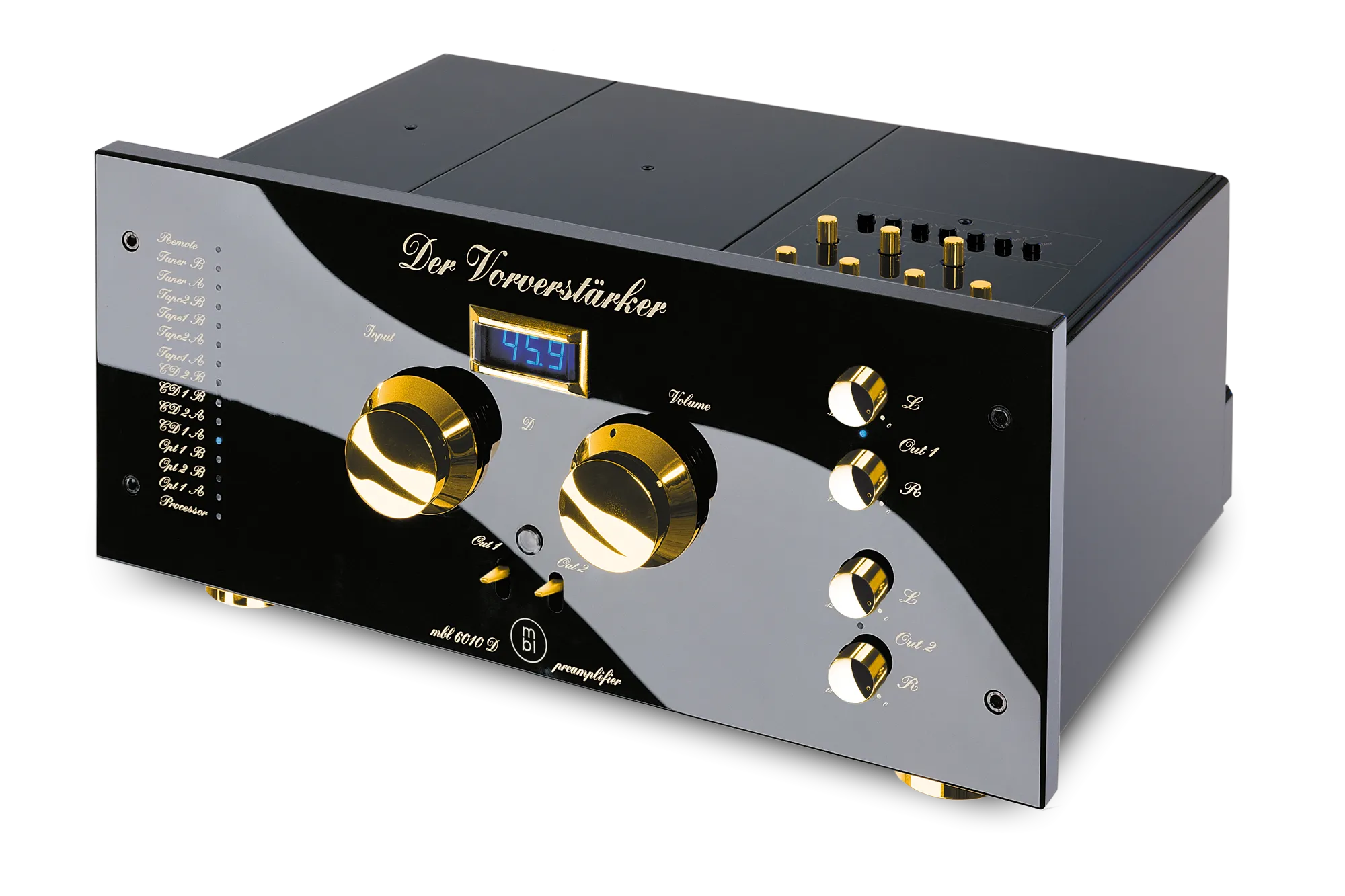
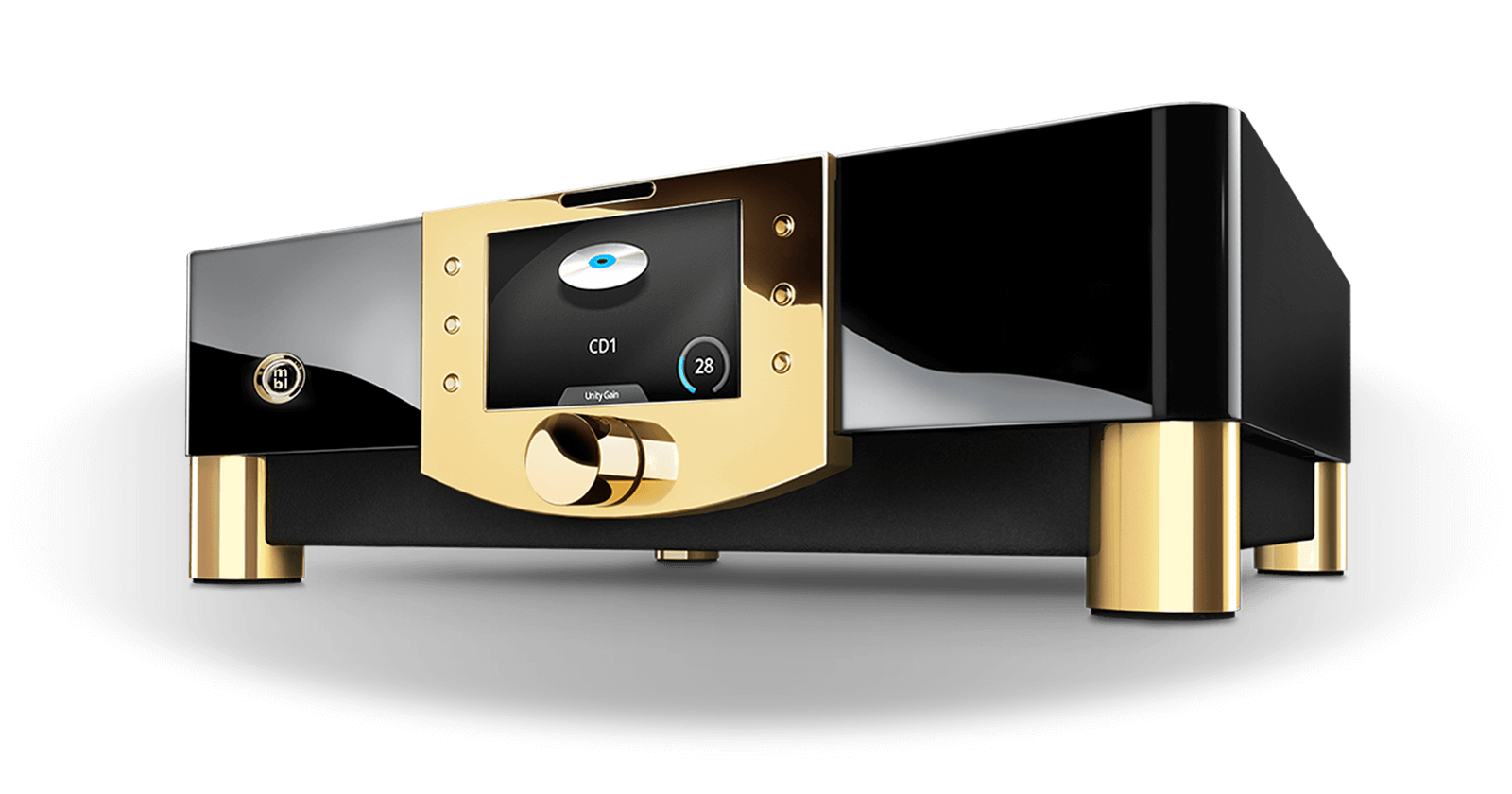
Choosing a preamplifier, in detail
The preamplifier does the least obvious work in a system and sets more of its character than anything else. It selects a source, controls level, and hands the signal to the power amplifier. Almost nothing, described that way — but the volume control sits in the signal path at every listening level, the gain stage sets the noise floor for everything downstream, and the output stage has to drive whatever cable and amplifier it meets without complaint.
Attenuation method matters more than the specification sheet suggests. A stepped resistor ladder or a transformer-based attenuator behaves differently from a conventional potentiometer, particularly at low listening levels where many systems actually live. If you mostly listen quietly, this is worth asking about specifically.
This is also where the tube and solid-state question is genuinely decided, more than at the power amplifier. A valve preamplifier ahead of solid-state amplification is one of the oldest and most durable answers in high-end audio. Check output impedance against your amplifier's input impedance before committing — a high-output-impedance tube stage into a low-impedance input will thin the bass, and no amount of listening will fix it.
Hear these in Scottsdale and Tempe
Preamplifiers reward careful comparison because the differences are small until they are not. We keep tube and solid-state designs from McIntosh, Dan D'Agostino, Octave and Burmester on the floor and can swap one into an otherwise unchanged system — which is the only way to hear what a preamplifier is actually contributing.