Vibration Control
Racks & Isolation
HRS — vibration control engineered against measured targets, handbuilt in Buffalo, New York.
A great many rack manufacturers acknowledge vibration. Very few measure it.
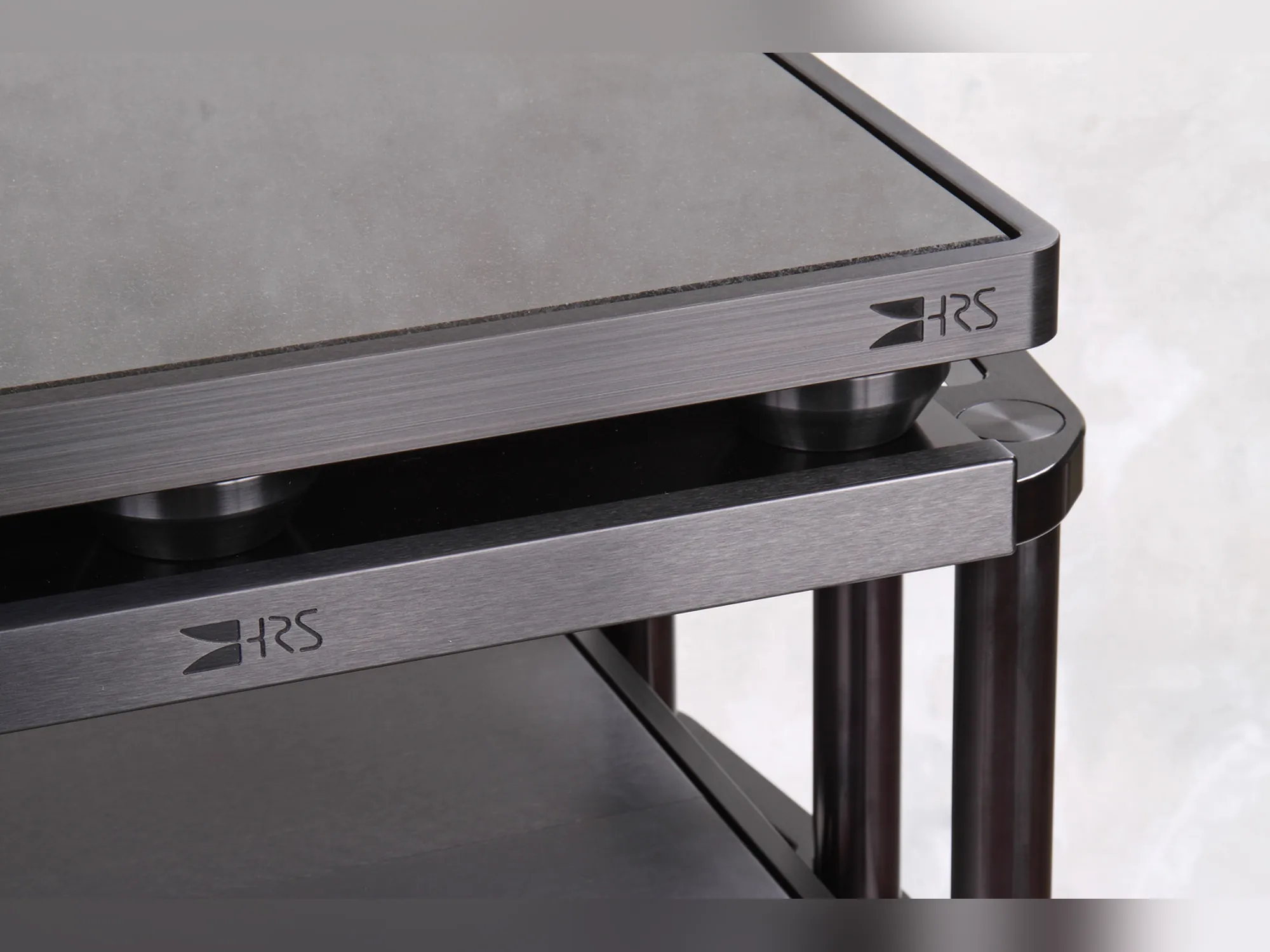
HRS designs against measured performance first and listening second. Products are characterised with accelerometers and a seismic exciter to establish transmissibility — whether a given frequency band actually amplifies energy arriving through the floor — and the structure and materials are revised until the numbers are right.
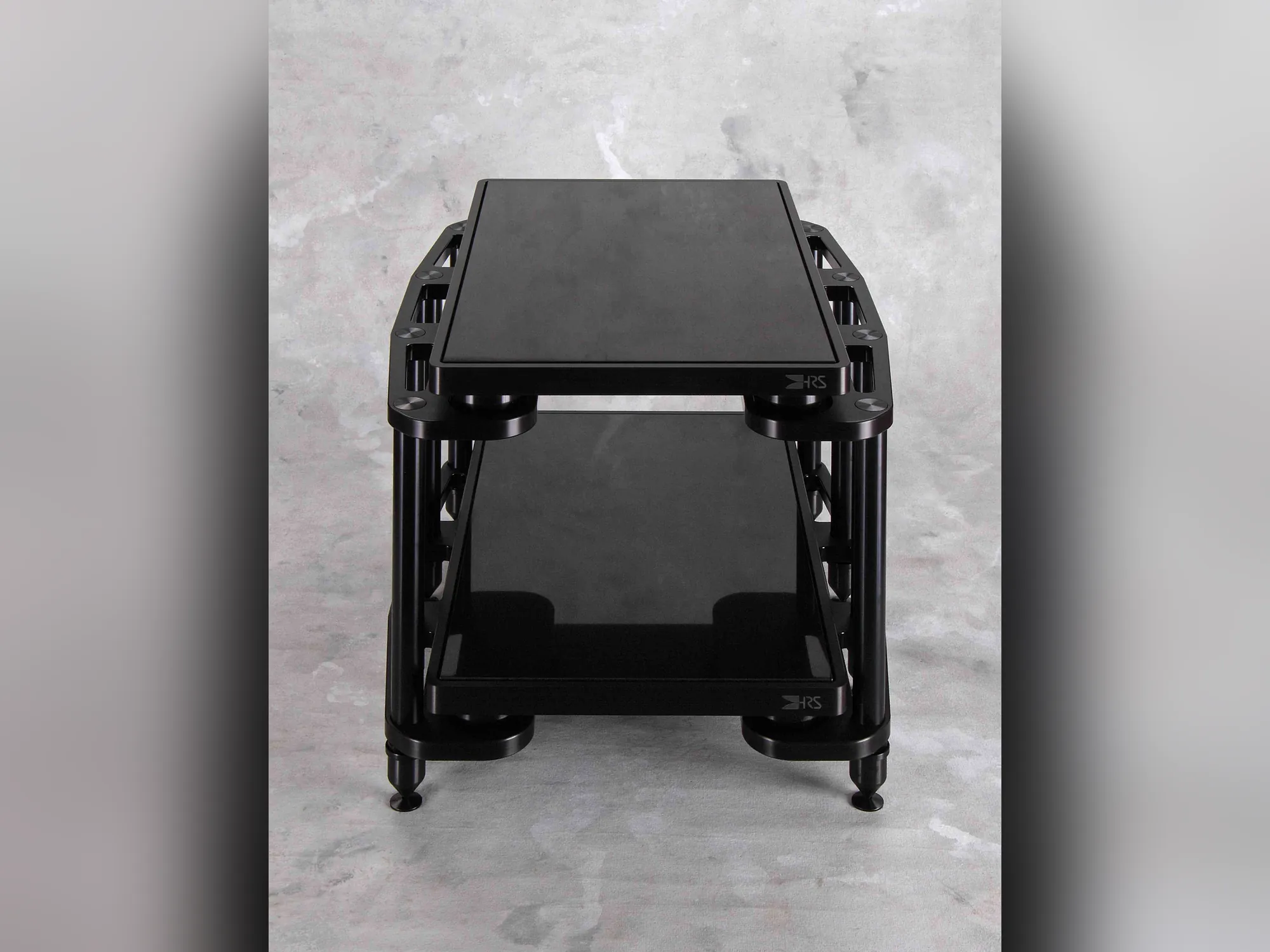
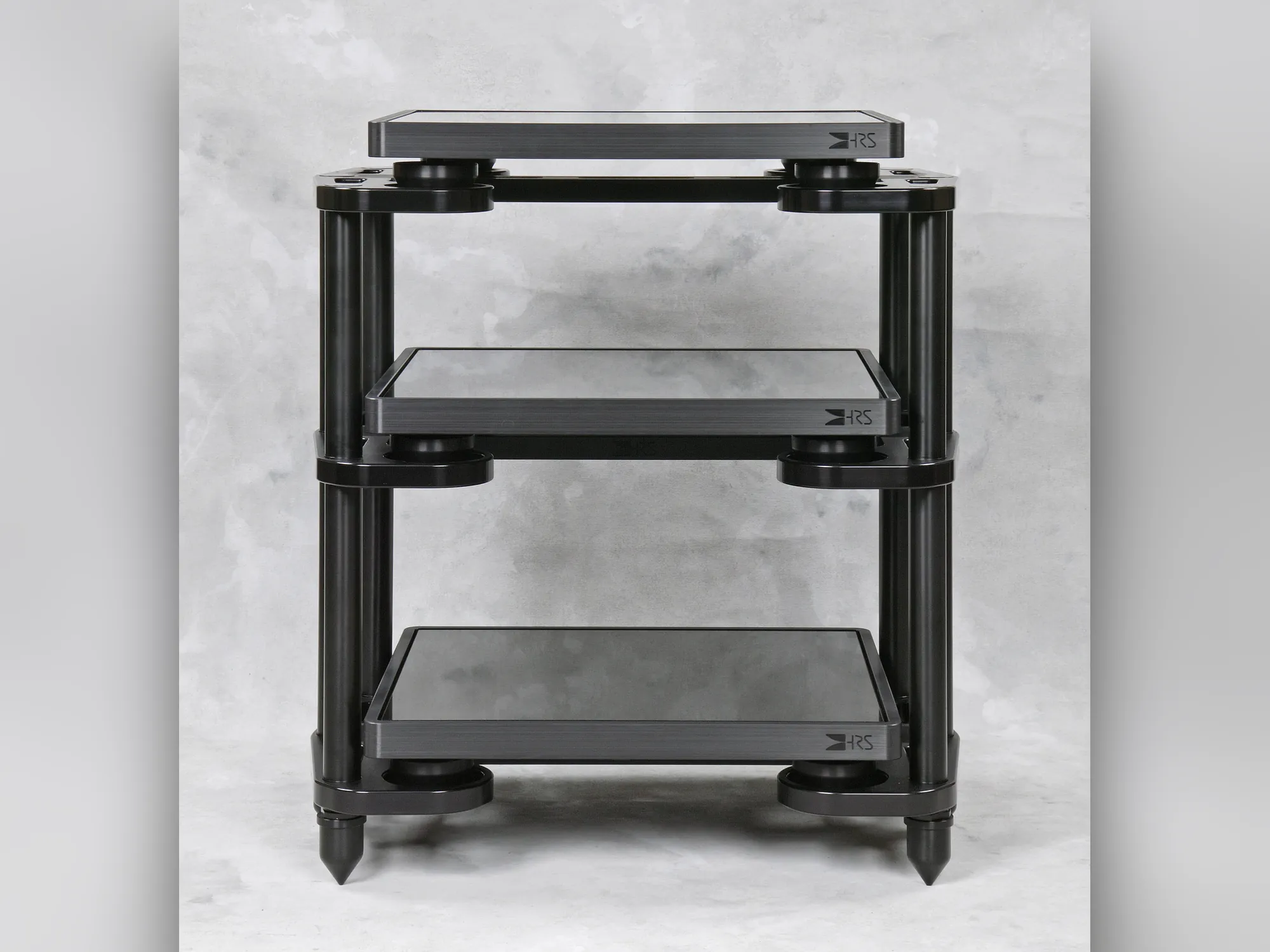
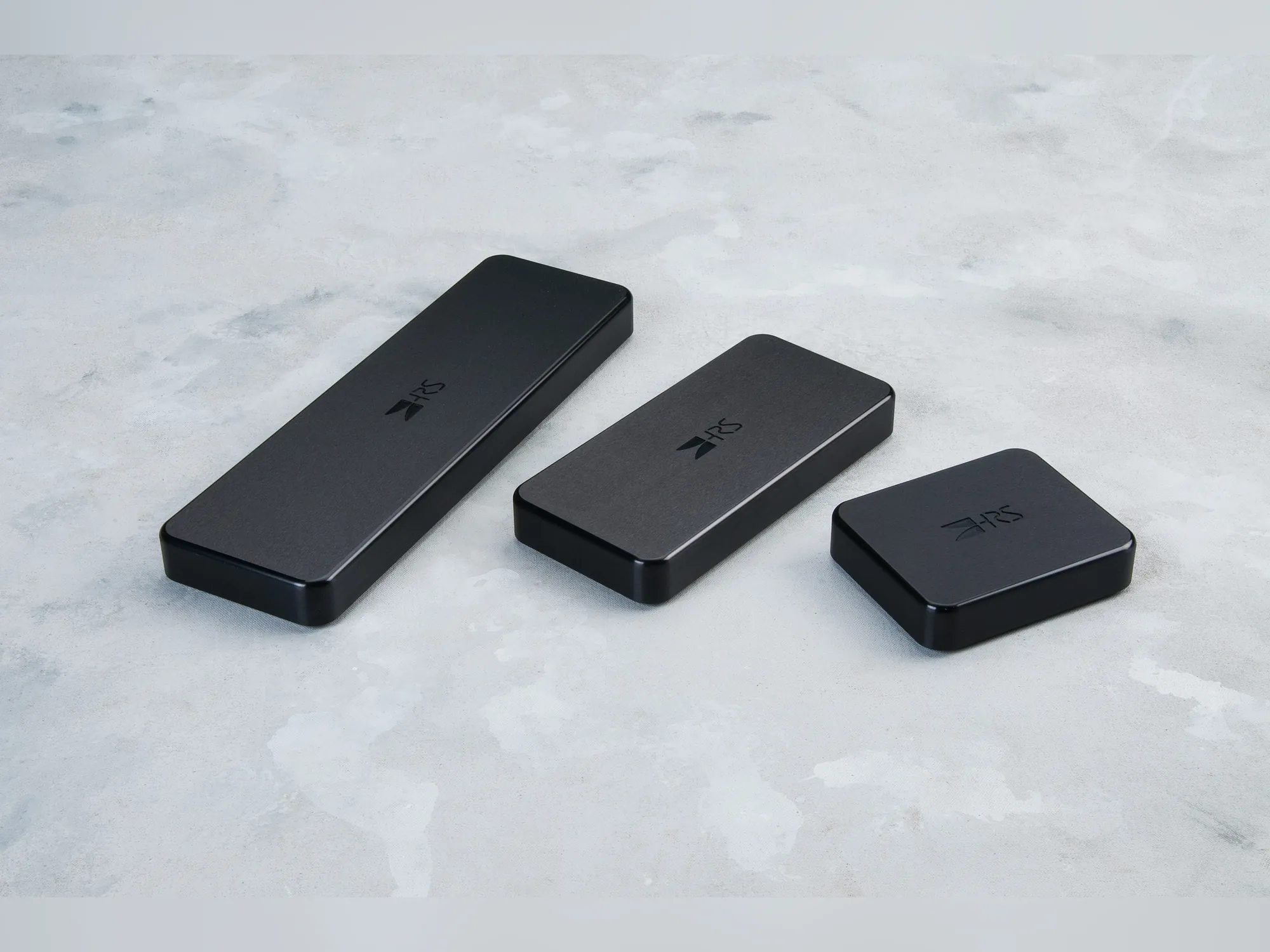
The catalogue divides three ways. Audio stands address the structural path up through the floor and cabinet, isolation bases interrupt energy at the component boundary, and the chassis products control airborne vibration at the component itself. Every base loads into every stand, so the upgrade path is additive rather than replacing what you already own.
A turntable is a seismograph that happens to play music.
How to choose a rack
Racks handle vibration coming up from the floor; isolation bases handle energy arriving through the air, and they work under a good rack rather than instead of one. Turntables benefit most by a wide margin, then valve equipment. Check weight capacity, shelf spacing and ventilation before falling for a design.
More on choosing a rack ↓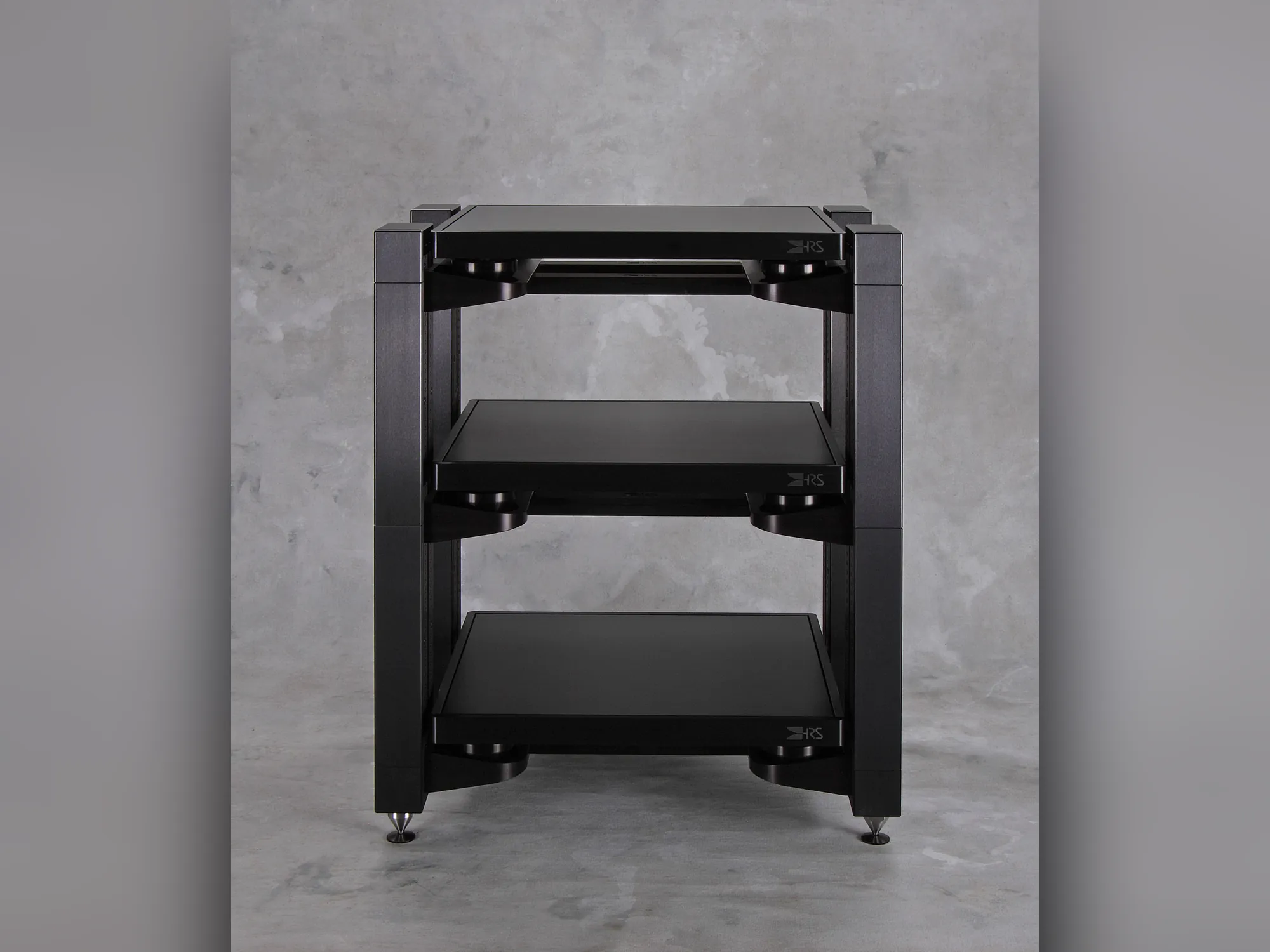
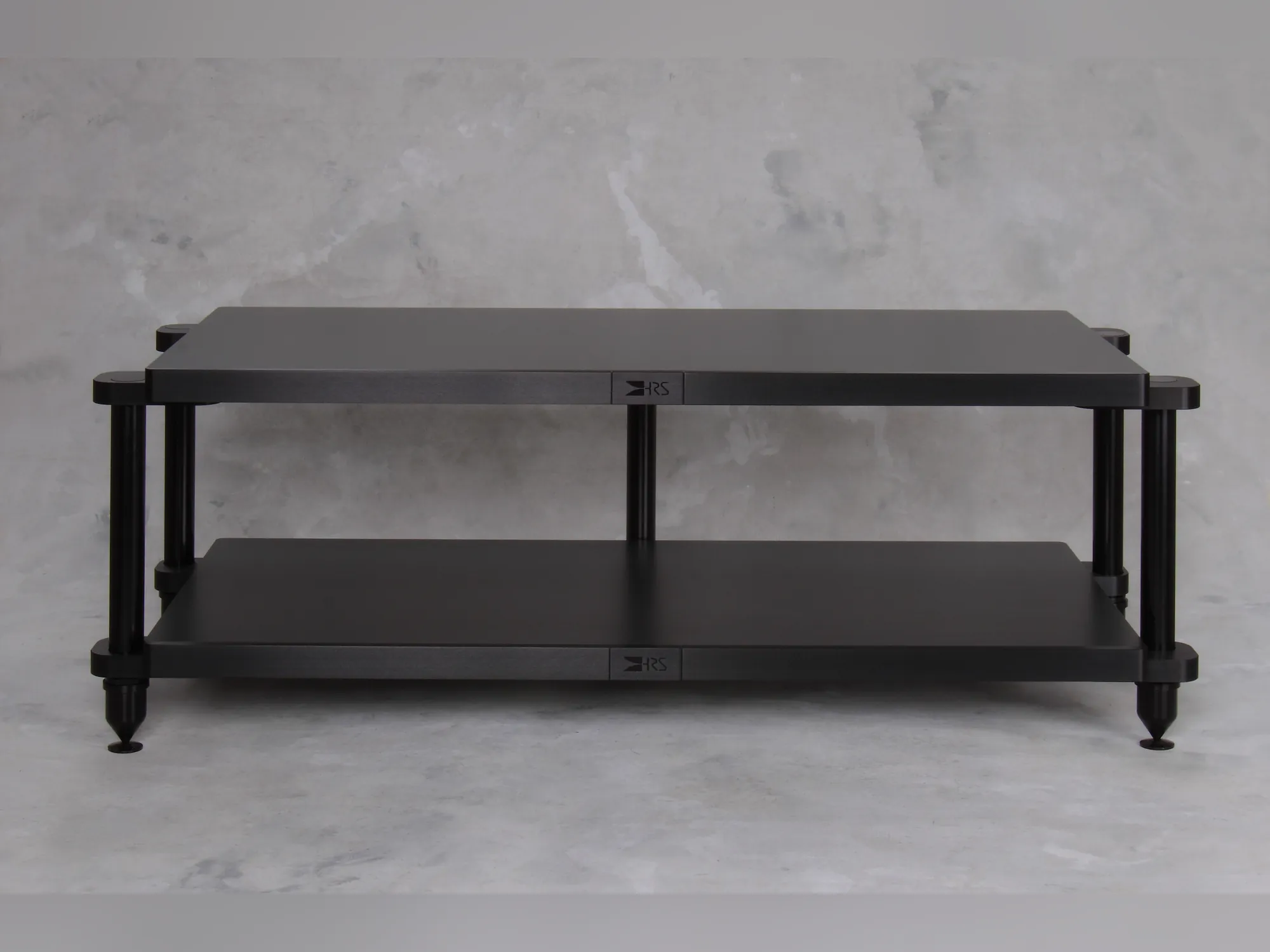
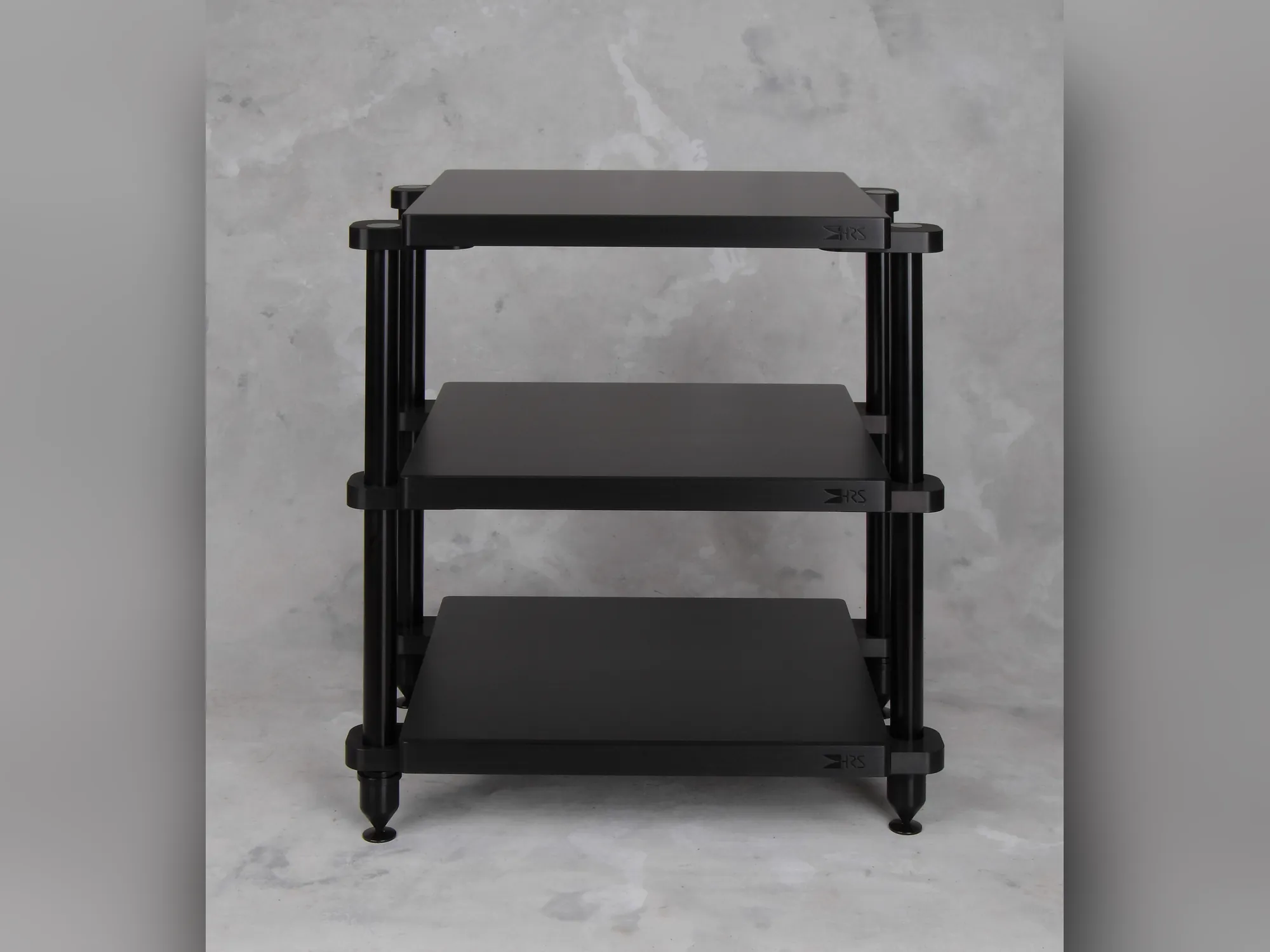
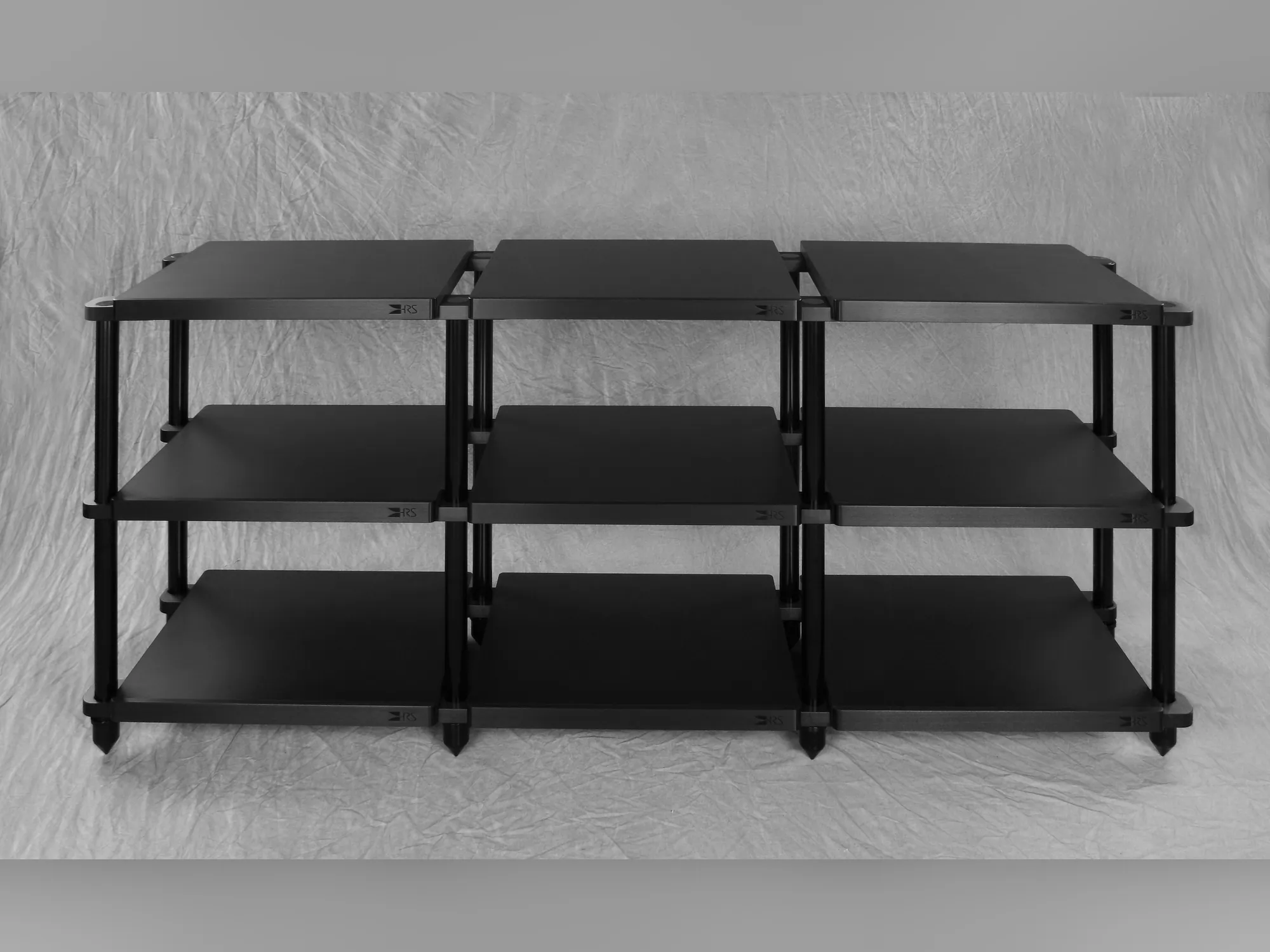
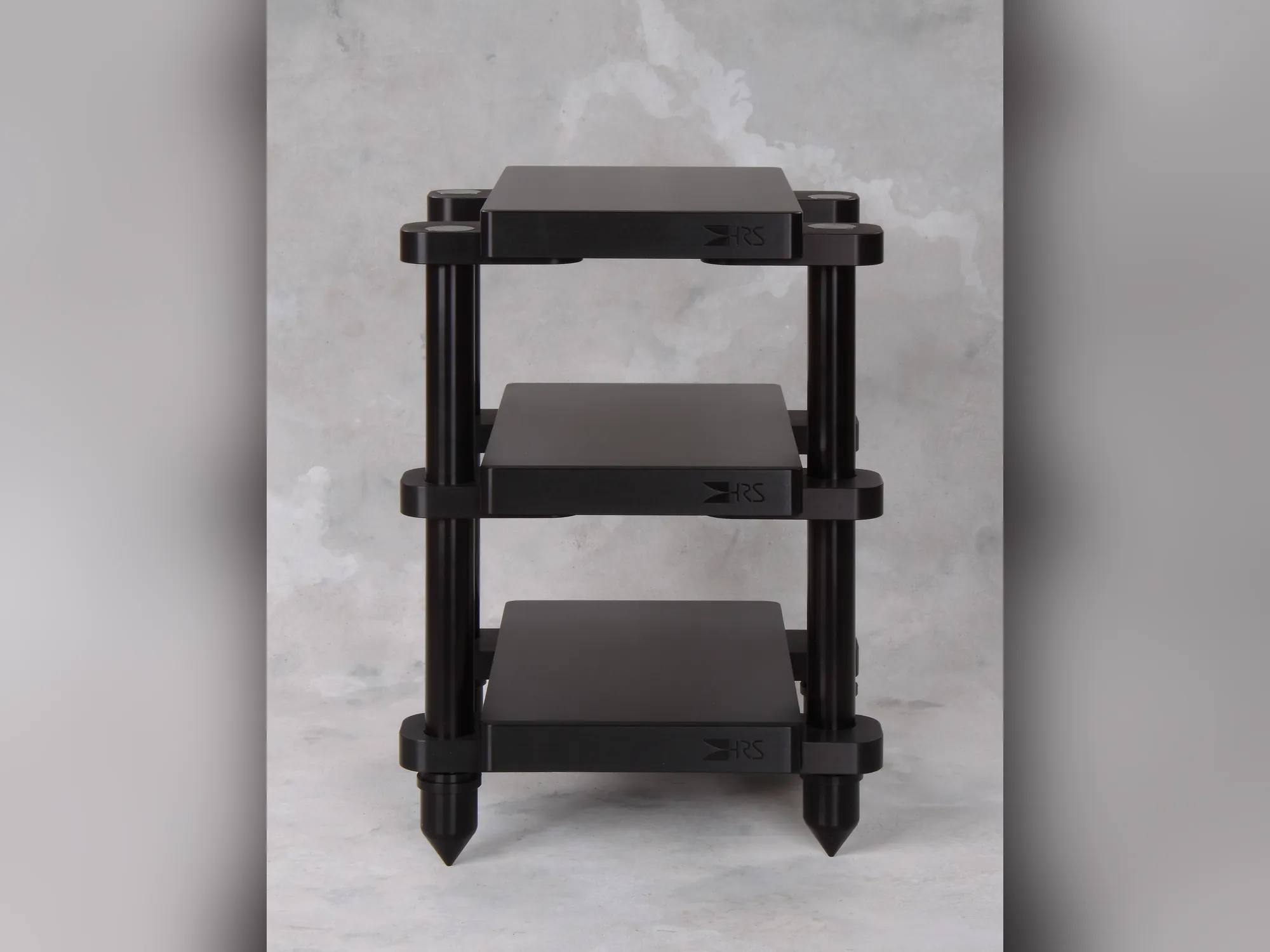
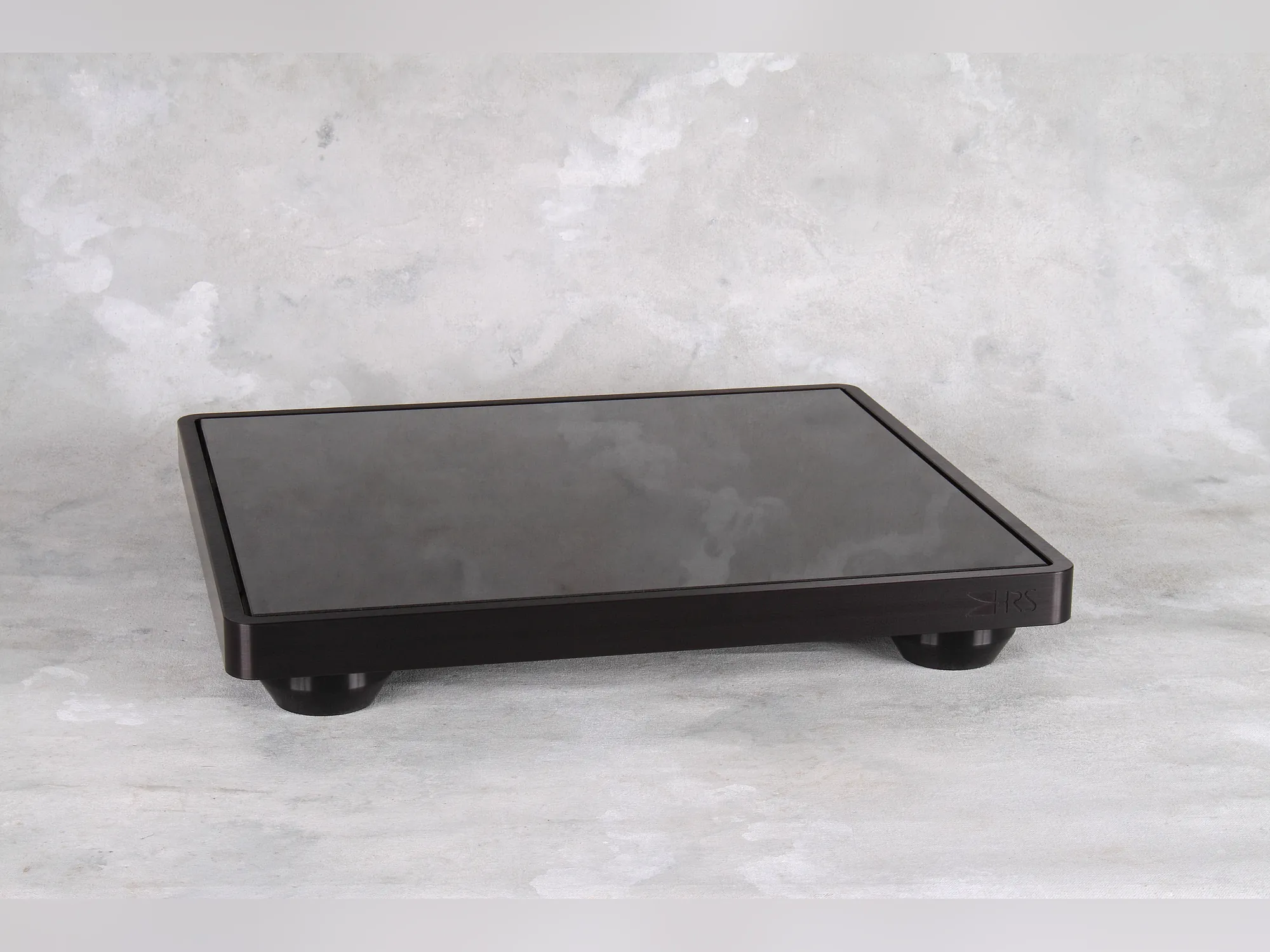
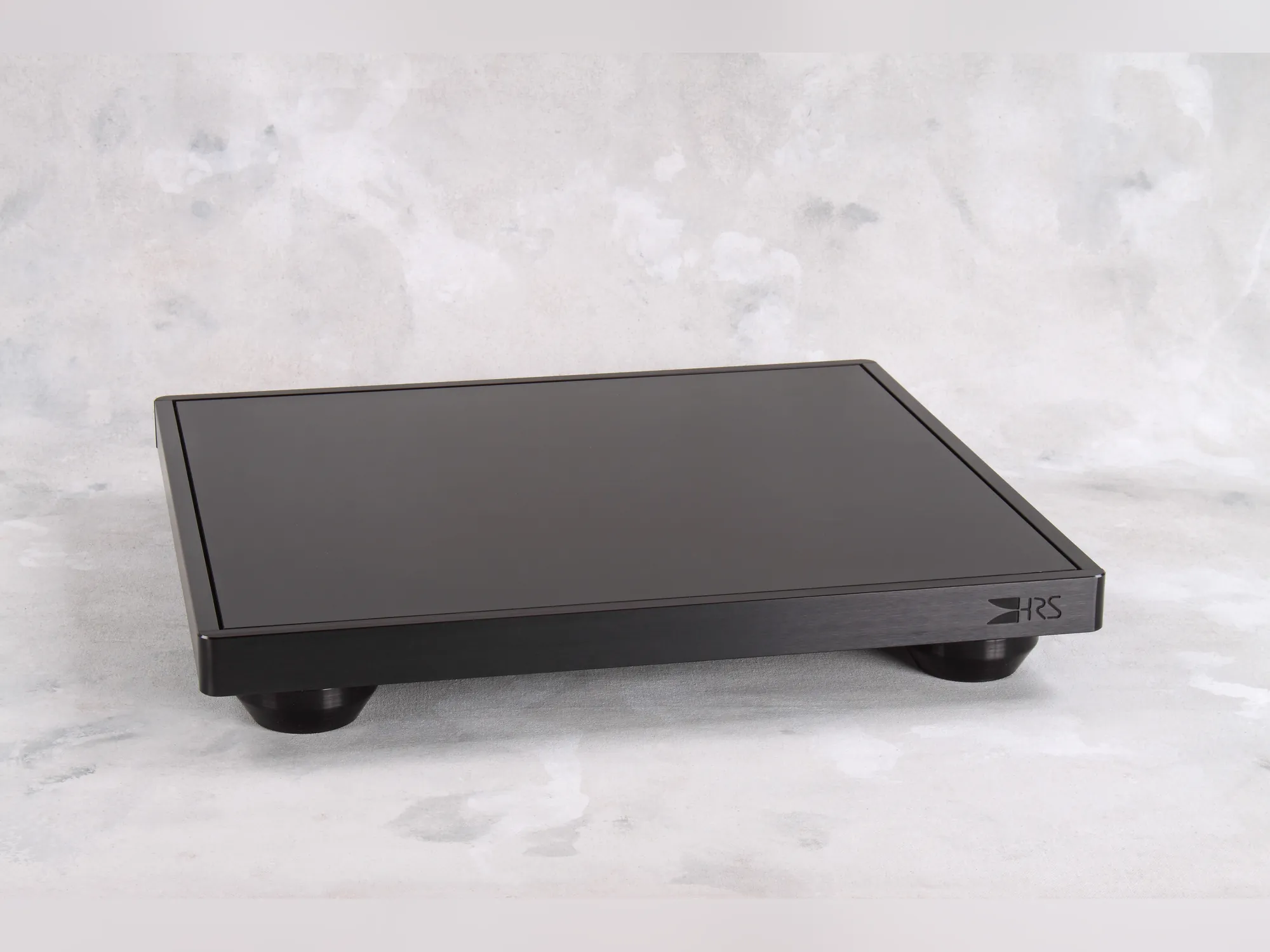
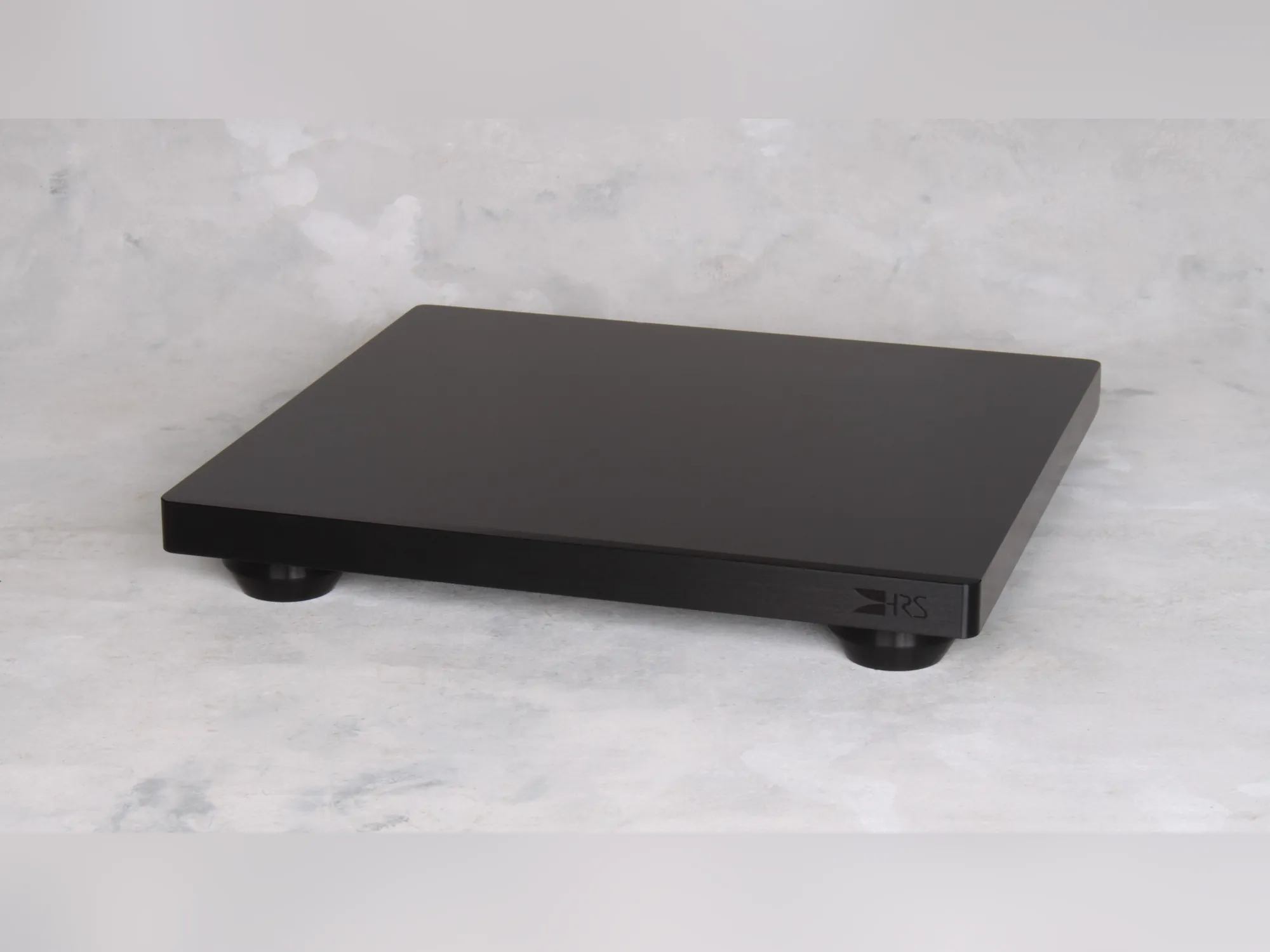
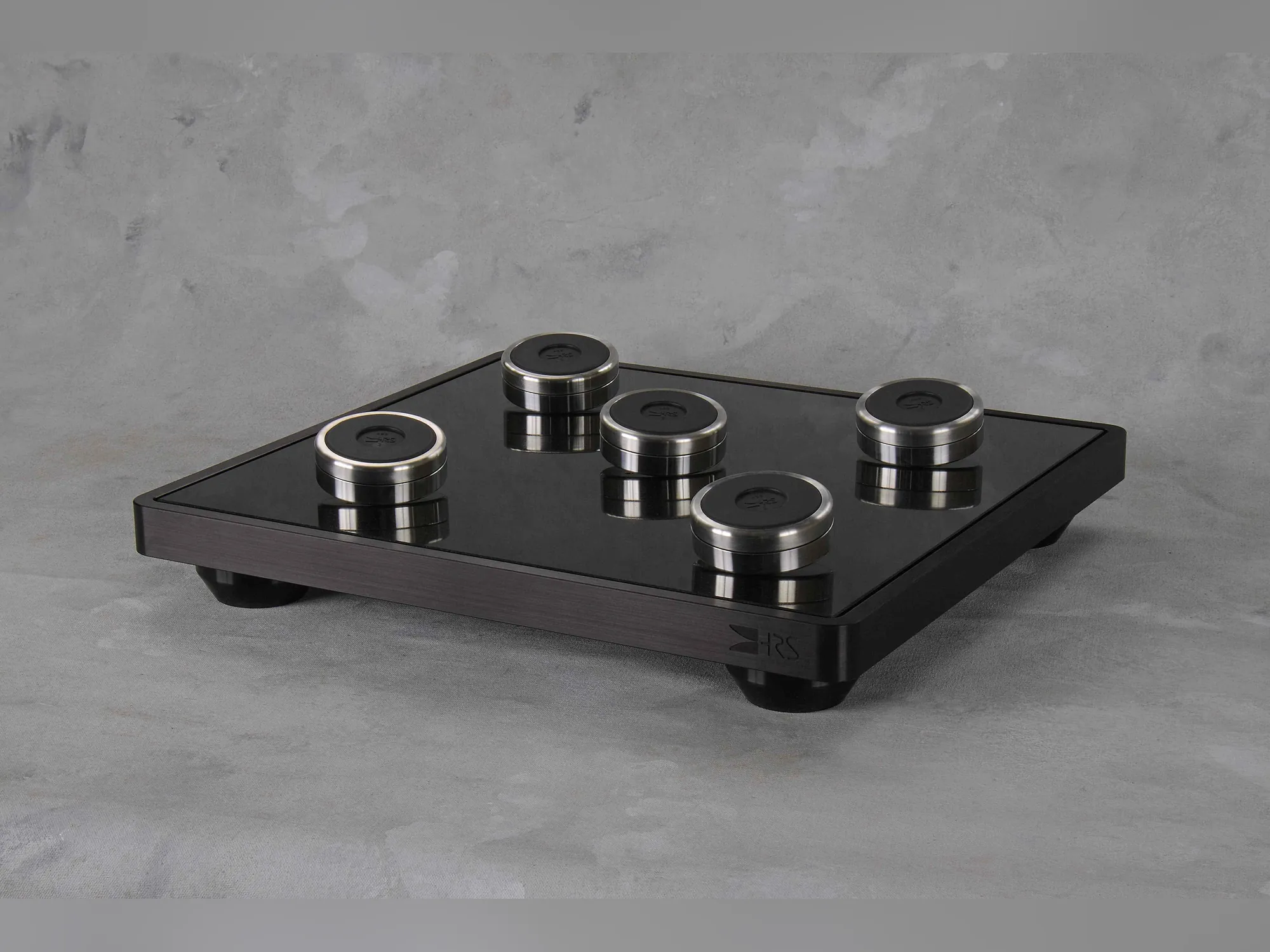

Choosing a rack, in detail
Two different problems get solved by this category and they are worth separating. Structure-borne vibration travels up from the floor into the rack and into the chassis. Airborne energy comes off the loudspeakers and excites the components directly. A rack addresses the first. Isolation bases address the second, and they work underneath a good rack rather than instead of one.
The components that care most are the ones with moving parts or very small signals: turntables first by a wide margin, then valve equipment, then disc transports. A solid-state power amplifier sitting on the floor is rarely where the audible gain is. If budget is limited, put the isolation under the analog front end and work outward from there.
Take the practical constraints seriously before falling for a design. Weight capacity per shelf, shelf spacing against the tallest component, ventilation clearance for amplifiers that run hot, and whether the rack can be levelled on the floor you actually have. A beautiful rack that will not take a monoblock is an expensive mistake.
Hear these in Scottsdale and Tempe
Isolation is the easiest thing in audio to demonstrate and the hardest to believe without hearing — put a turntable on an isolation base, take it off, and the difference is not subtle. We keep HRS set up so you can do exactly that. Bring the dimensions and weights of your components and we can specify properly rather than approximately.