Film Sources
Movie Servers
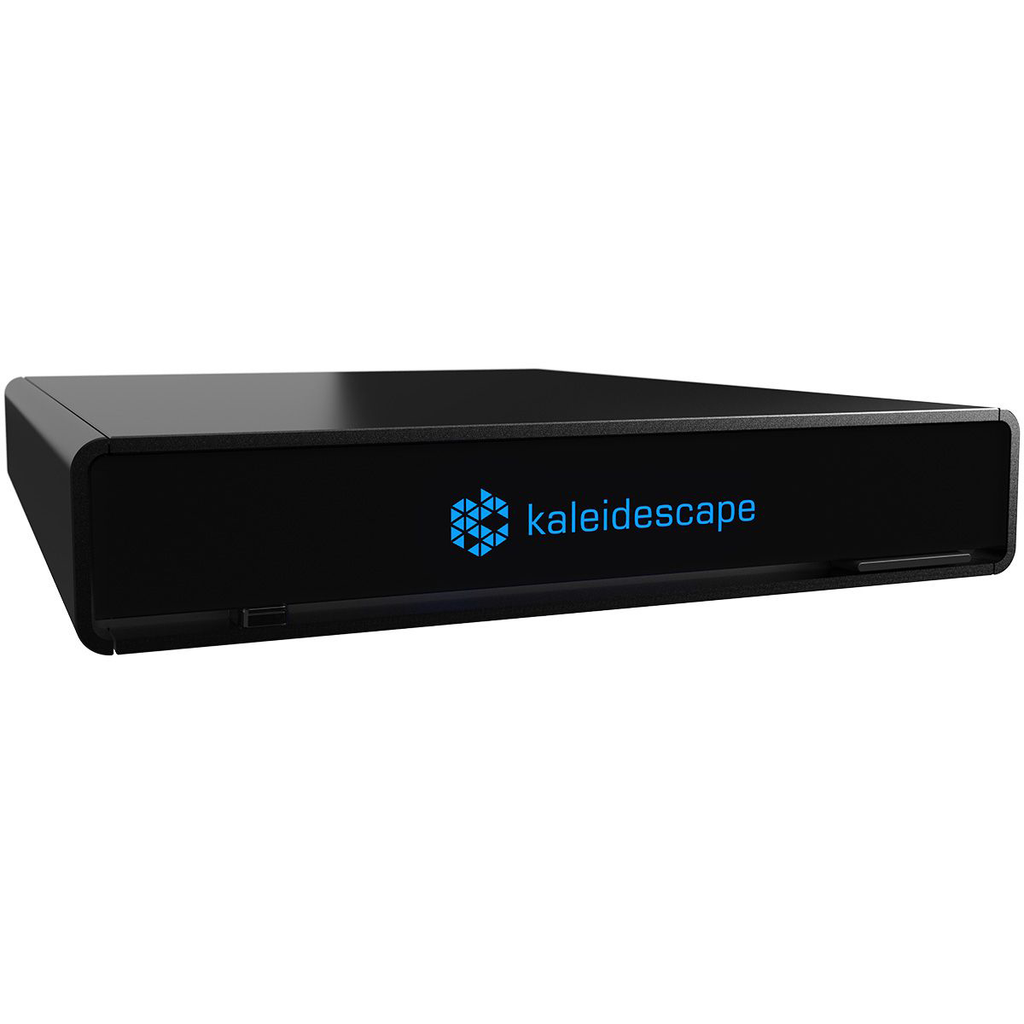
Kaleidescape — reference-quality film downloaded rather than streamed, with the audio left intact.
A streaming service delivers a film at roughly six to eight megabits per second. A Blu-ray manages around fifty.
Kaleidescape delivers sixty-five and upward, and the flagship Strato K averages around a hundred and ten. The company works directly with the studios and does its own compression, keeping the bitrate as high as the master will support rather than as low as a network will tolerate. Audio stays lossless throughout, so Dolby Atmos arrives as TrueHD rather than the compressed Digital Plus a stream sends.
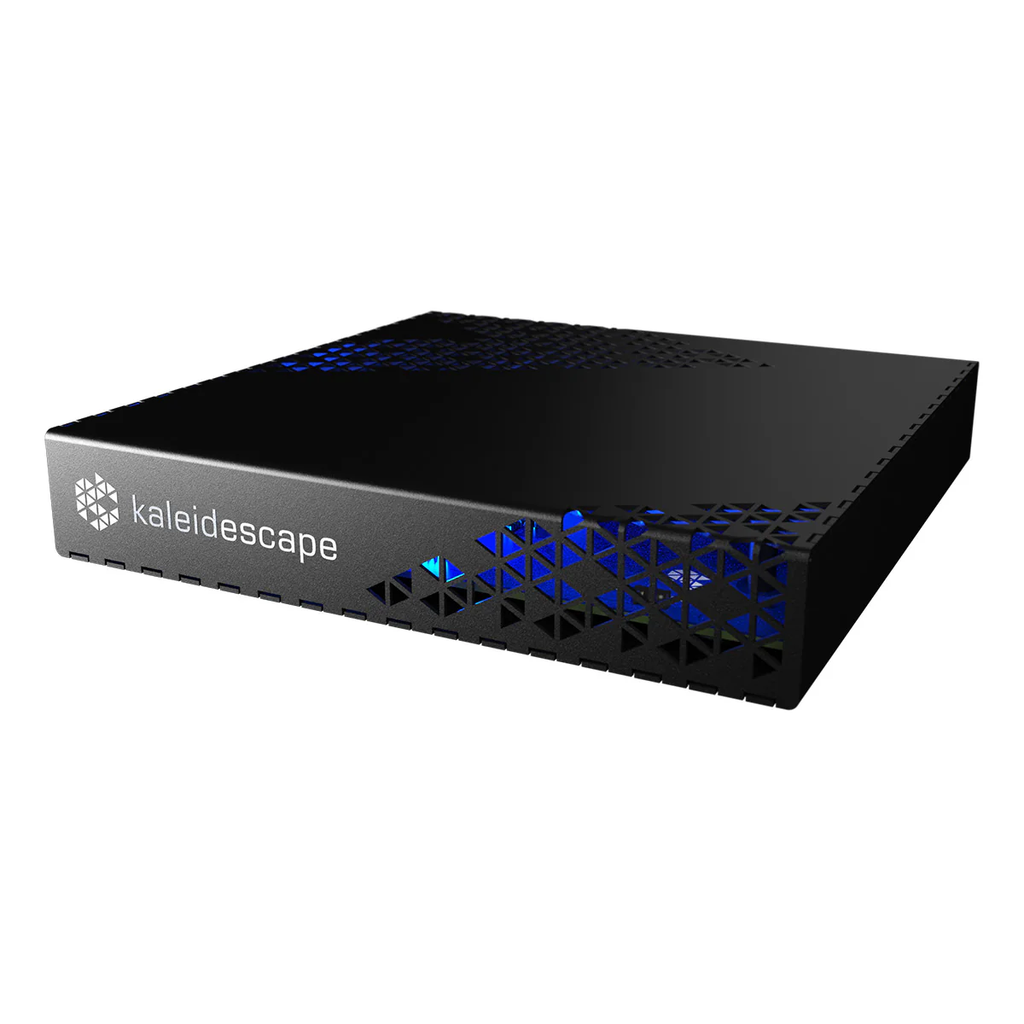
The architecture is a player plus local storage. Films are bought or rented and downloaded before they are watched, which is the whole point — nothing is buffering, nothing is adapting to network conditions at eight o'clock on a Friday, and nothing has been discarded to fit down a pipe. Terra Prime servers hold up to 120 terabytes and distribute to ten simultaneous streams.
Streaming compresses the film. A server delivers what the studio actually mastered.
How to choose a movie server
The case is bandwidth. Streaming compresses to survive a variable connection, and shadow detail, grain and the lossless audio track go first. A server downloads the full-bitrate file and plays it locally. The audio gain is usually the bigger one — a compressed soundtrack undoes much of what the processor and speakers were bought for.
More on choosing a movie server ↓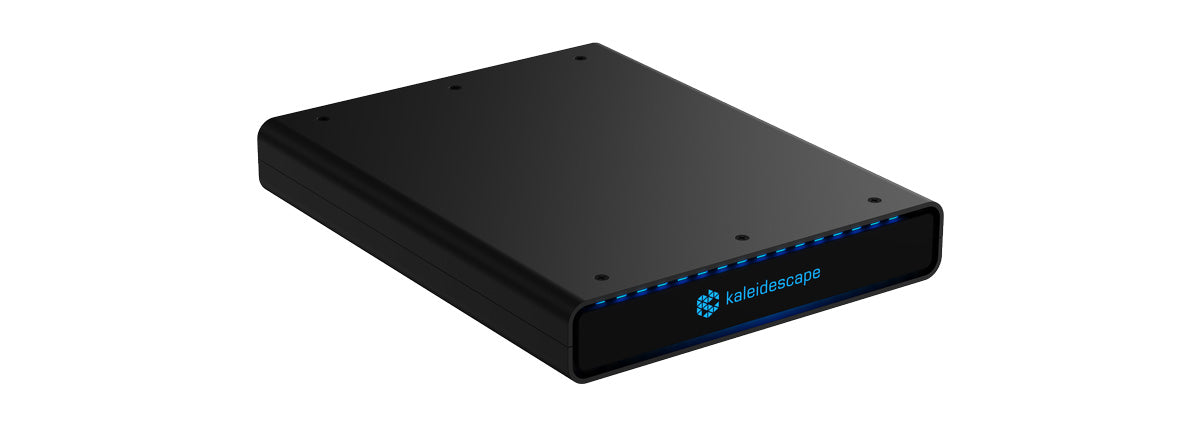
Choosing a movie server, in detail
The case for a server is bandwidth. Streaming services compress heavily to survive a variable internet connection, and the first casualties are shadow detail, film grain and the lossless audio track. A server downloads the full-bitrate file in advance and plays it locally, so nothing is being decided in real time by your network. On a reference system in a dark room, the difference is not marginal.
Audio is usually the larger part of the gain. Lossless object-based soundtracks are what a properly built cinema is designed around, and they are the first thing a streaming service discards. If you have invested in the processor, the amplification and the speakers, feeding them a compressed audio track undoes a great deal of that work.
Plan storage against how you actually watch. A library of favourites you return to is a different requirement from keeping everything ever purchased, and expansion is easier to specify at installation than to retrofit. Worth deciding before rather than after.
Hear these in Scottsdale and Tempe
The demonstration that settles this is the same scene from a streaming service and from a server, back to back on the same system — ideally something with a dark, quiet passage where compression has nowhere to hide. Ask and we will set it up. Integration with the rest of the room is part of what we do at installation.