Disc Replay
CD & SACD Players
McIntosh, Burmester, MBL and dCS — for the library that already exists.
A disc collection built over thirty years did not stop being worth playing because streaming arrived.
There is a practical argument alongside the sentimental one. A CD carries around 1.4 megabits per second of uncompressed data that nobody can revoke, quietly remaster, or pull from a catalogue in a licensing dispute. What is on the disc stays on the disc.
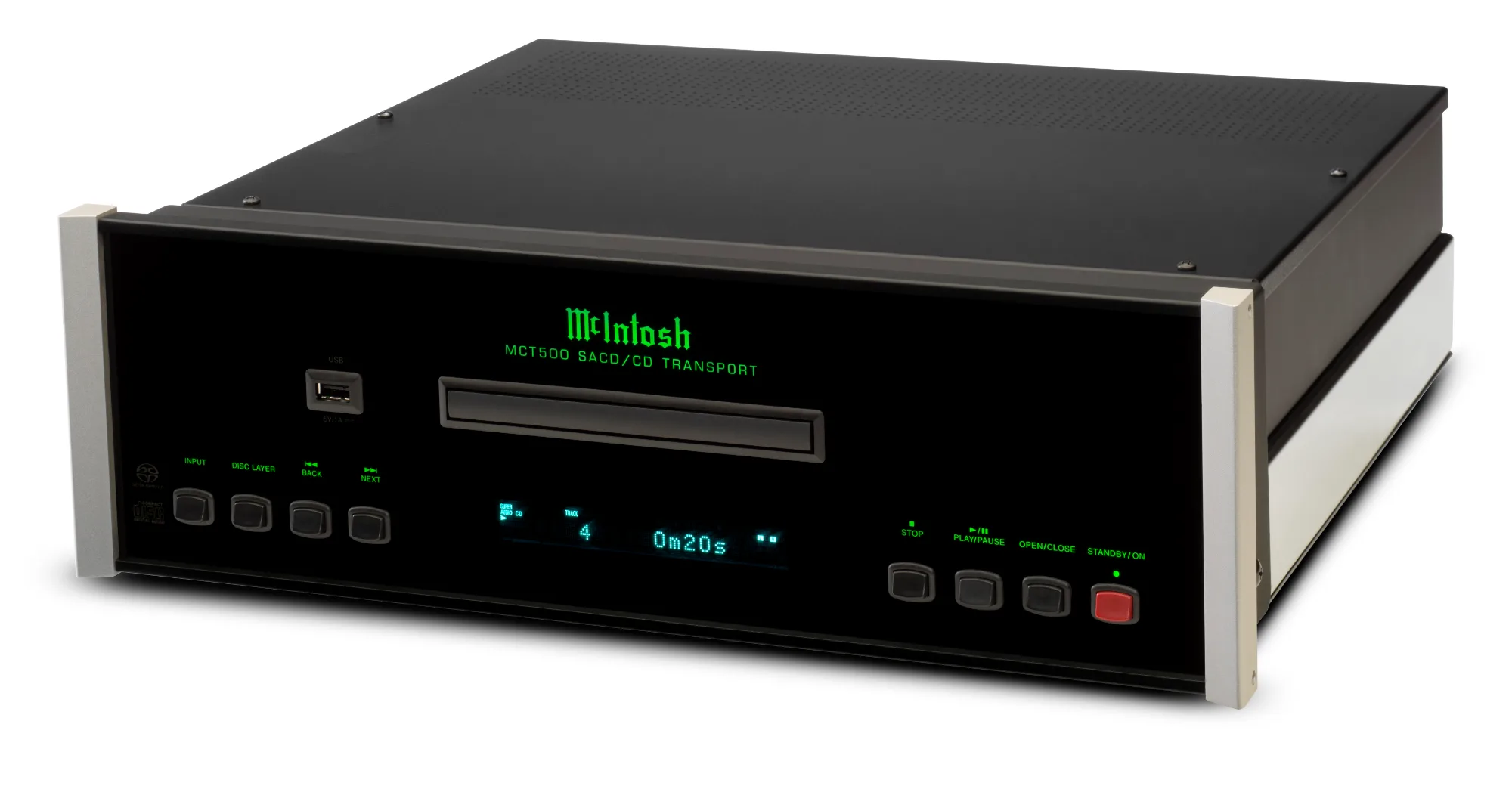
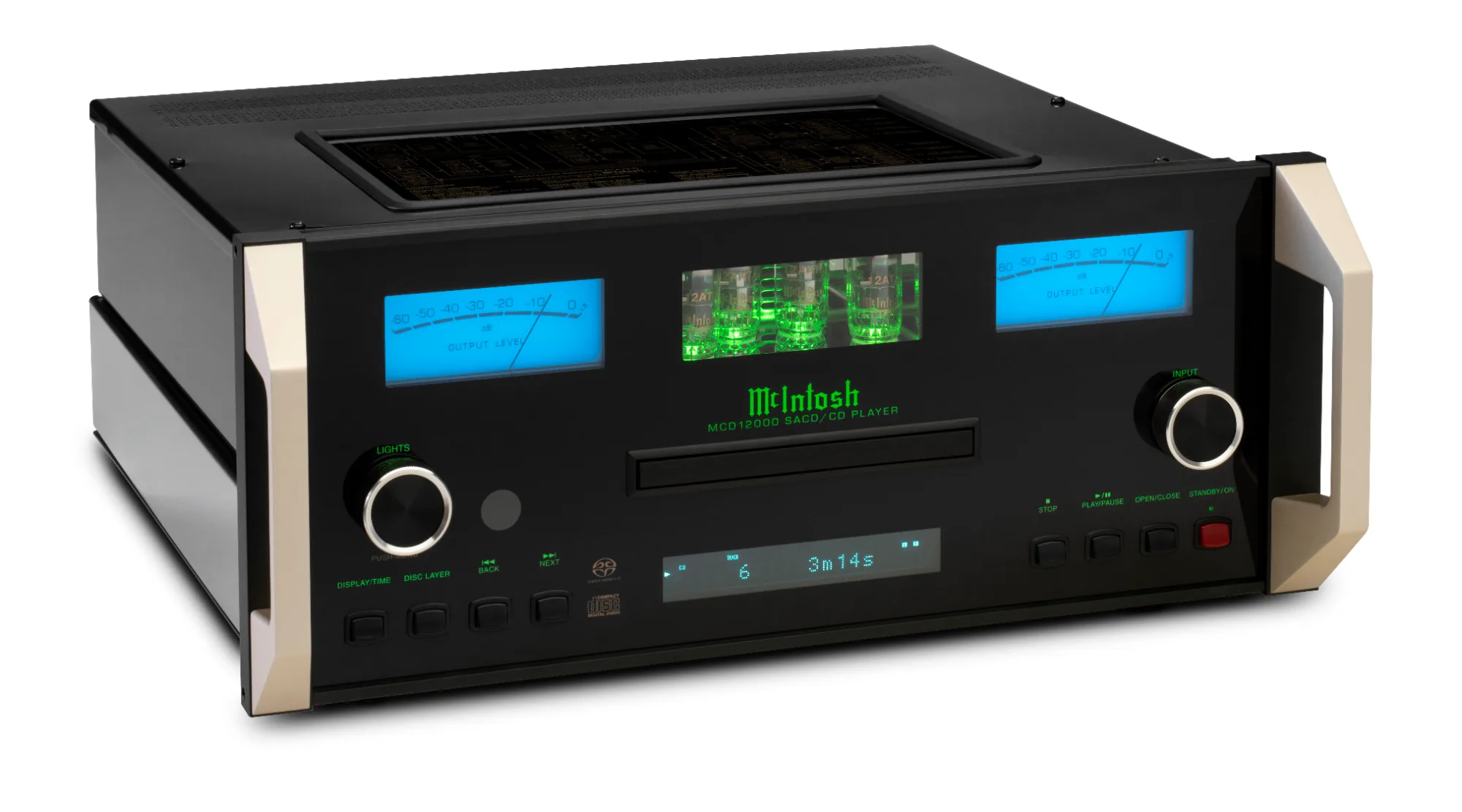
SACD carries considerably more, and the players here read both. McIntosh's MCD12000 runs separate solid-state and vacuum tube output stages from dual 32-bit converters and doubles as a reference DAC with seven digital inputs. Burmester's 069 remains one of the most seriously engineered transports ever built.
Nobody can take a record off your shelf overnight.
How to choose a disc player
One box or two comes first — if you already own a converter you like, a transport is usually the better buy. Be honest about whether you actually own SACDs. And ask about the transport mechanism: it is the only part with moving parts, and mechanism availability decides whether the player is repairable in fifteen years.
More on choosing a disc player ↓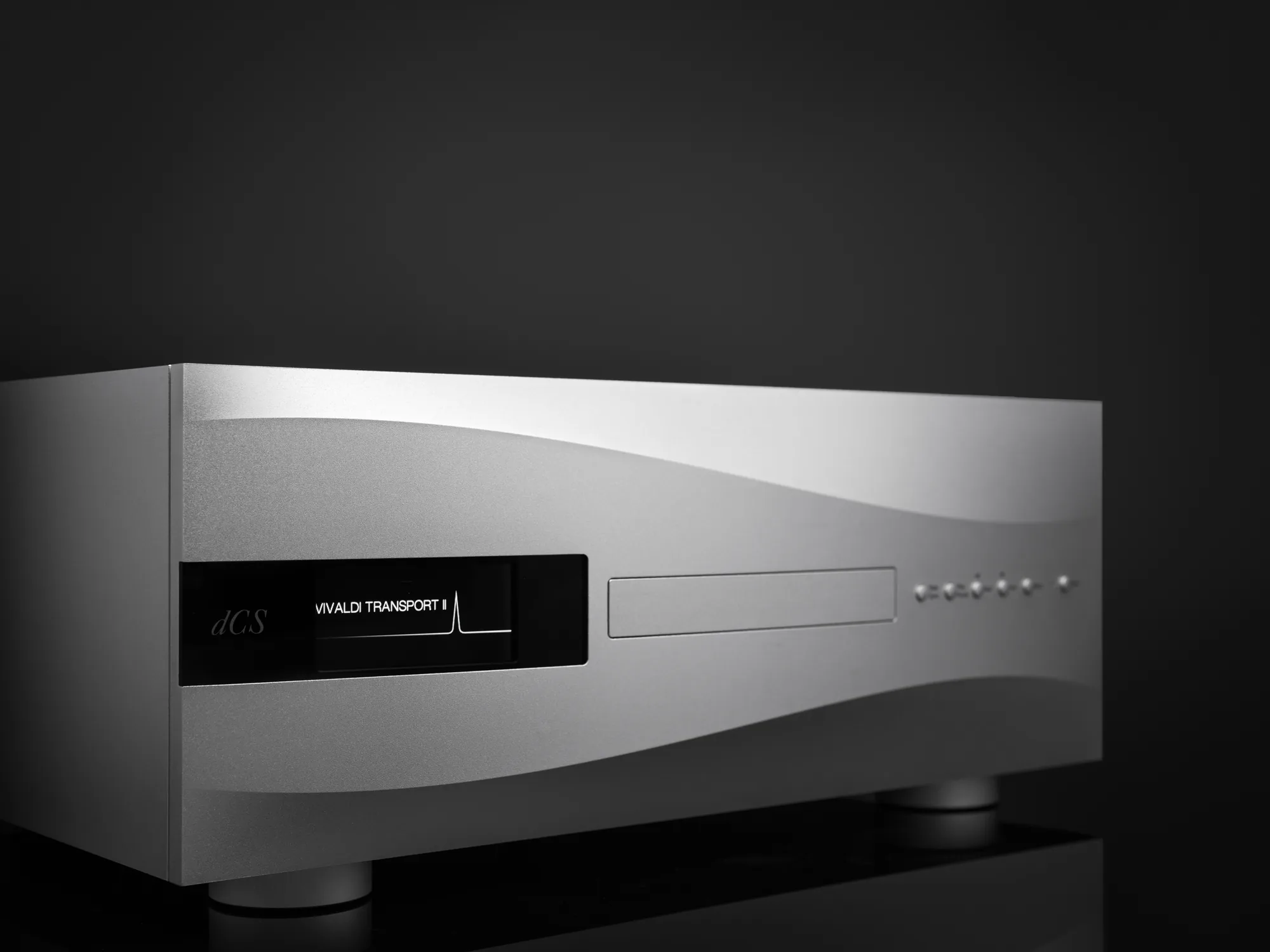
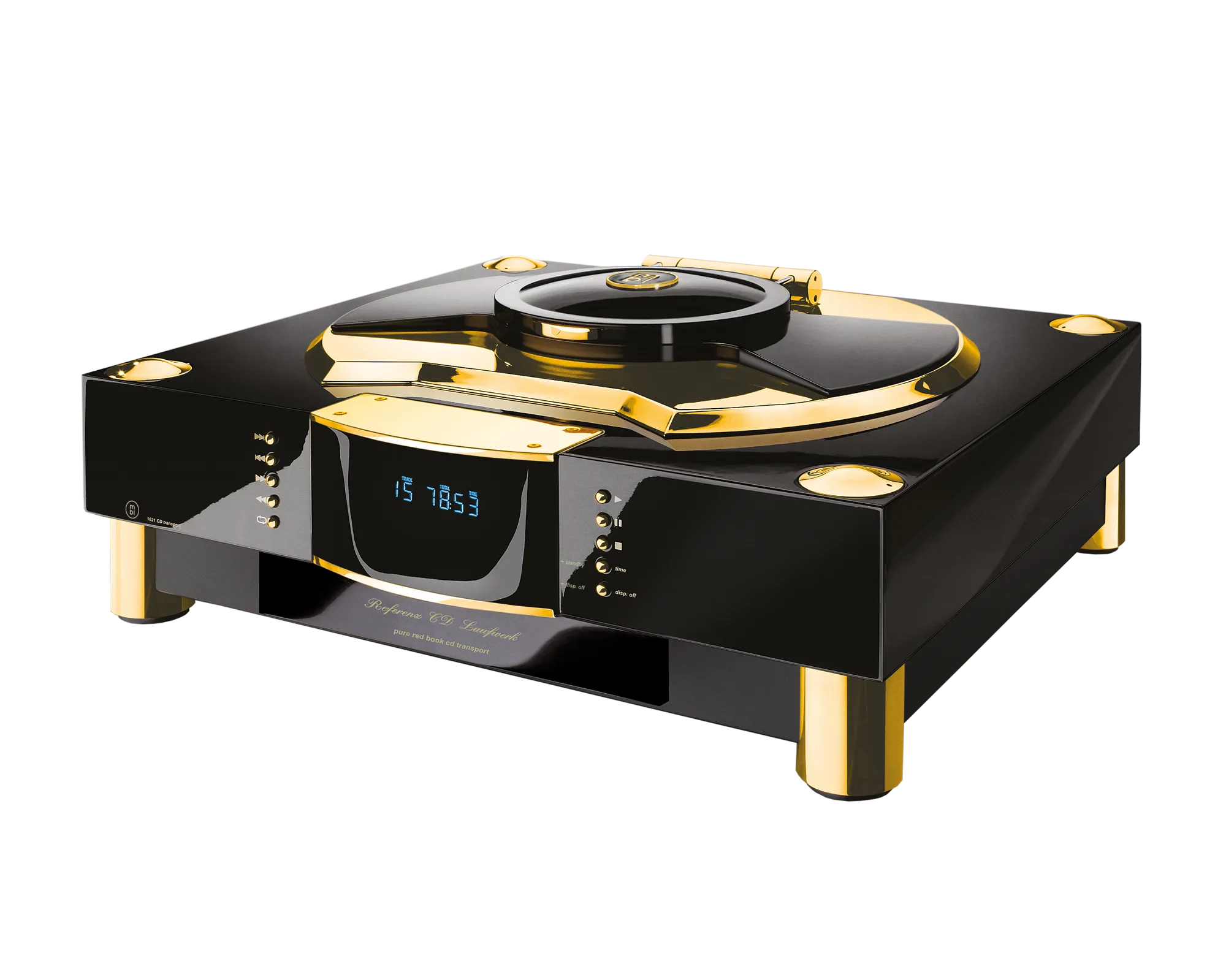
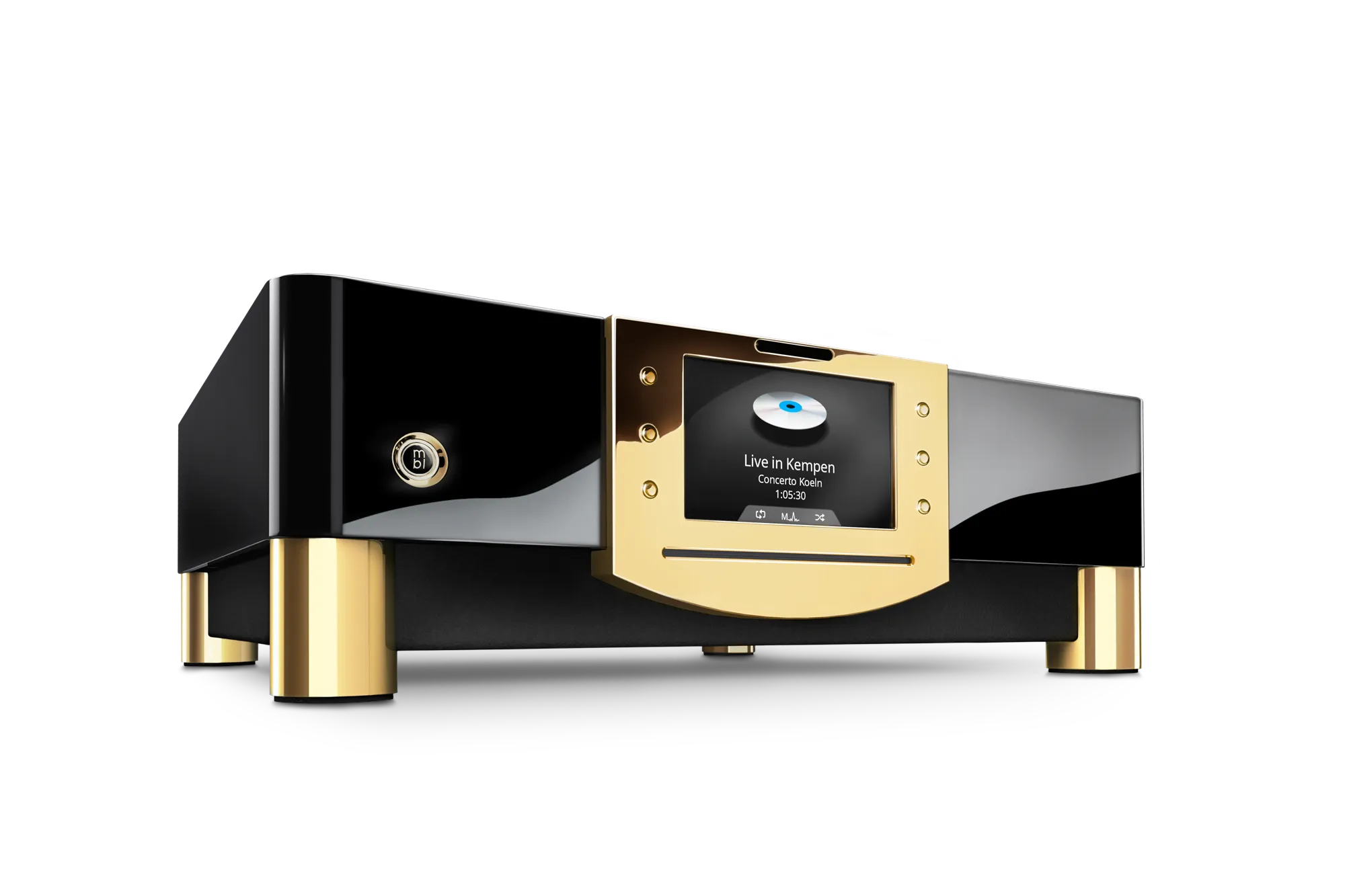
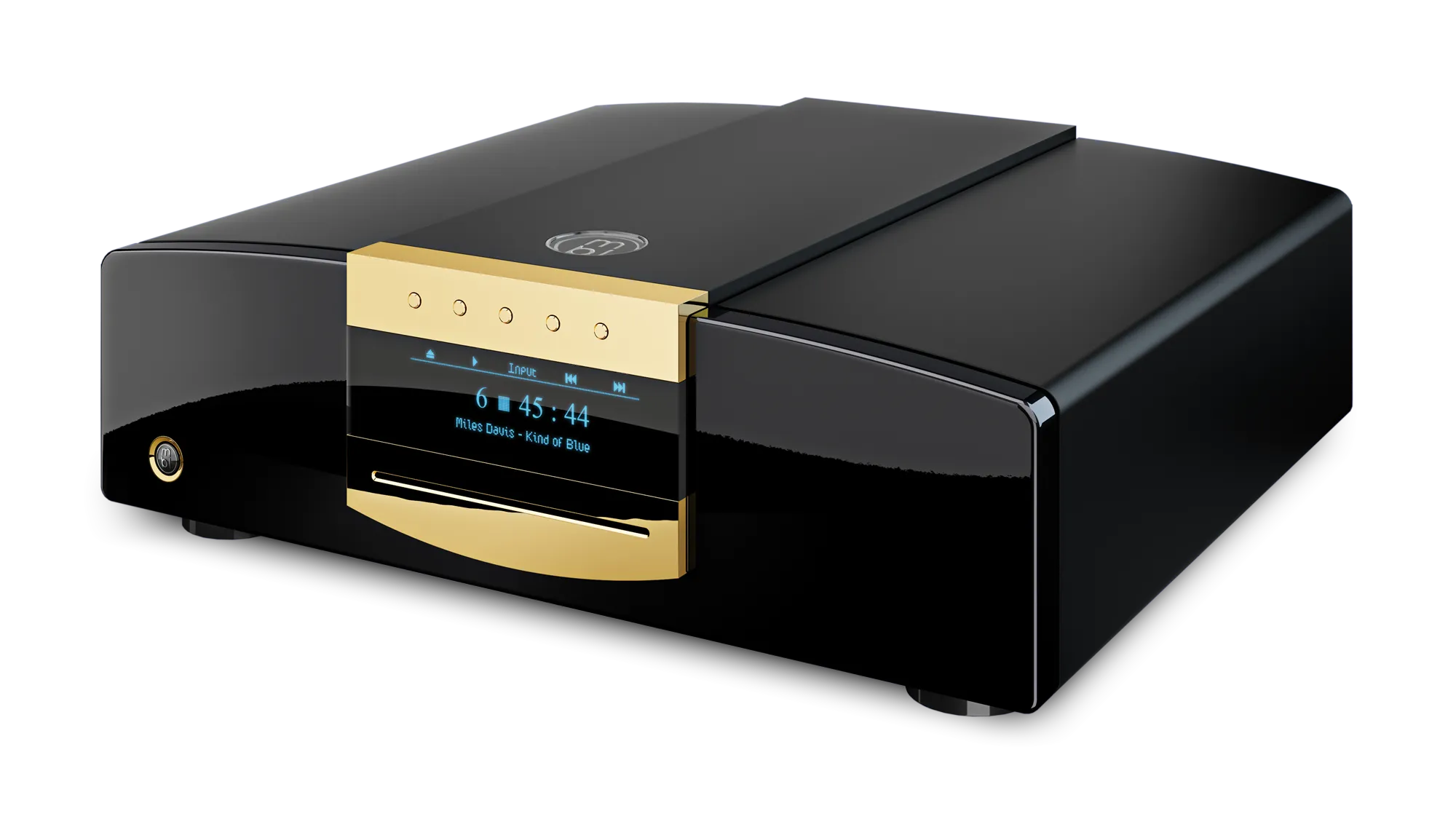
Choosing a disc player, in detail
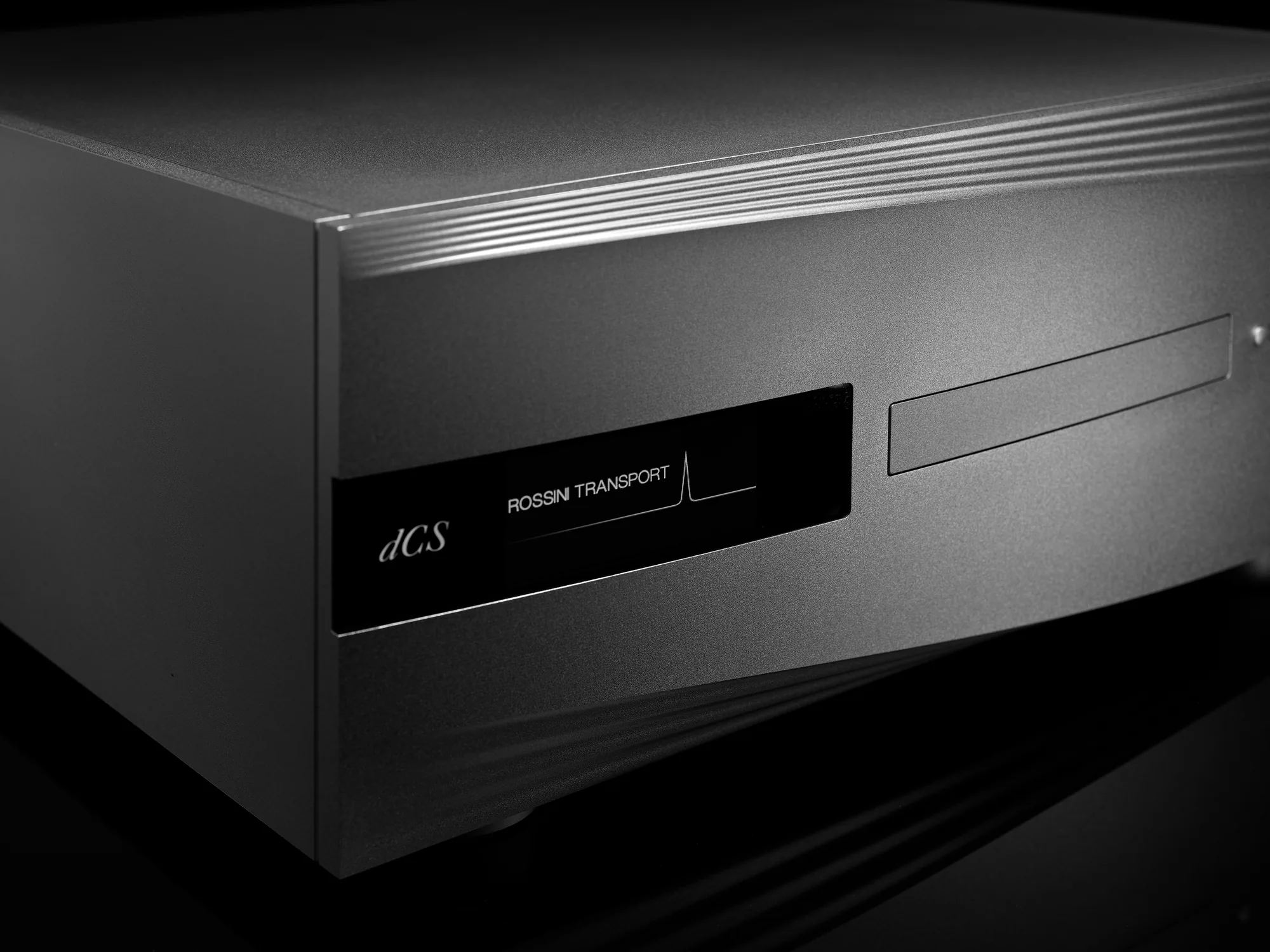
The first decision is one box or two. A one-box player is simpler and removes a digital interconnect. A separate transport and converter let you upgrade either half and choose a DAC on its merits rather than accepting whatever the player's designer picked. If you already own a converter you are happy with, a transport is often the better purchase.
SACD support is worth thinking about honestly. If you have a shelf of hybrid discs it matters; if you do not, it adds cost for a format you will rarely play. What is worth more to most people is a player that also functions as a standalone DAC, so the disc mechanism is not the only thing you paid for once your listening moves toward streaming.
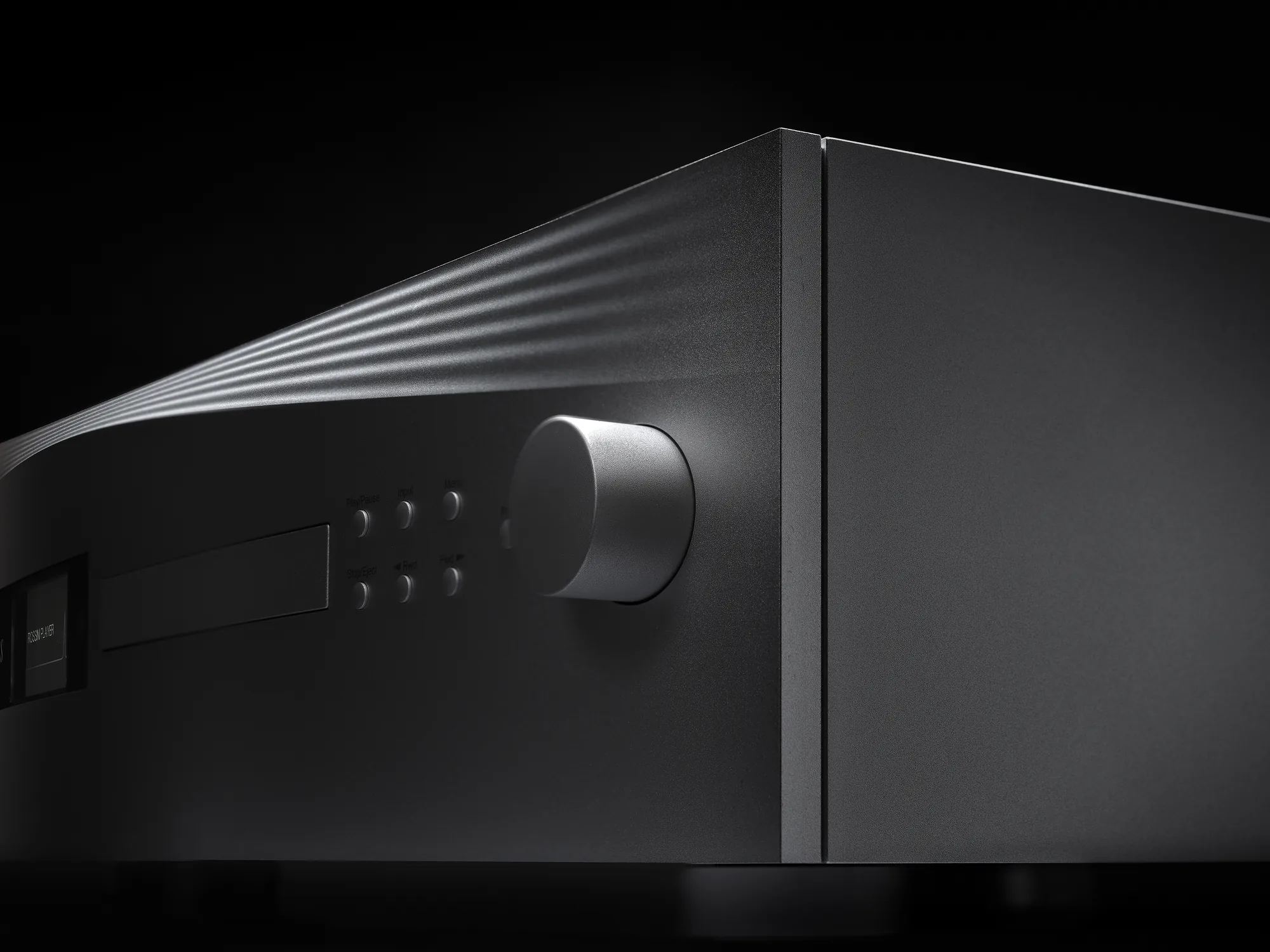
Then ask about the transport mechanism specifically. Optical drives are the one part of a disc player with moving parts and a finite life, and mechanism availability is what determines whether a player can be repaired in fifteen years. Manufacturers vary enormously in how seriously they take this, and it is a fair question to ask before spending.
Hear these in Scottsdale and Tempe
Bring discs you have owned for years — familiar pressings are the only way to judge this category, and early CDs in particular separate players quickly. We can also run the same disc through a one-box player and through a transport into a reference converter, which usually answers the one-box question faster than discussing it.