Phono Stages
Phono Preamps
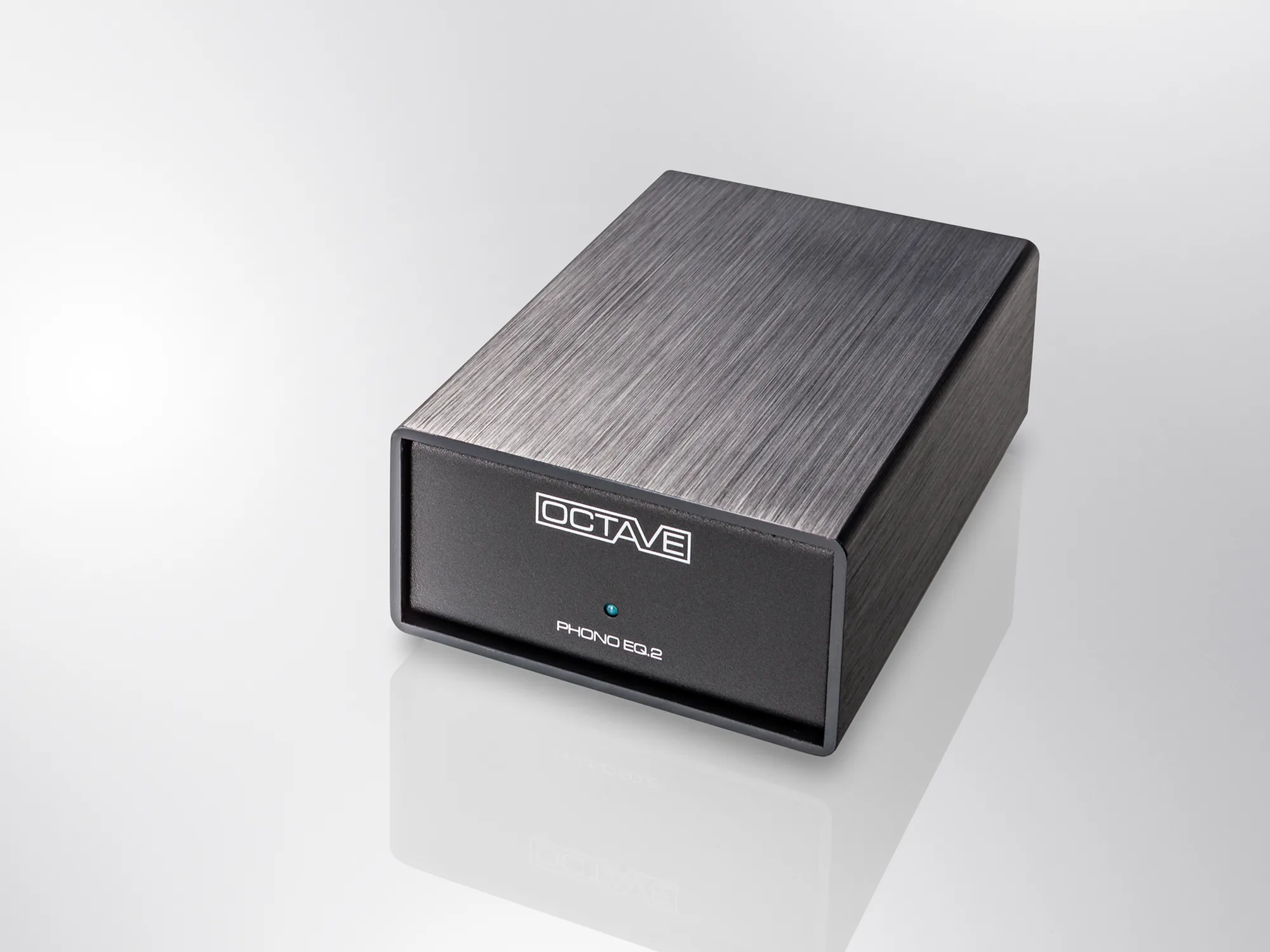
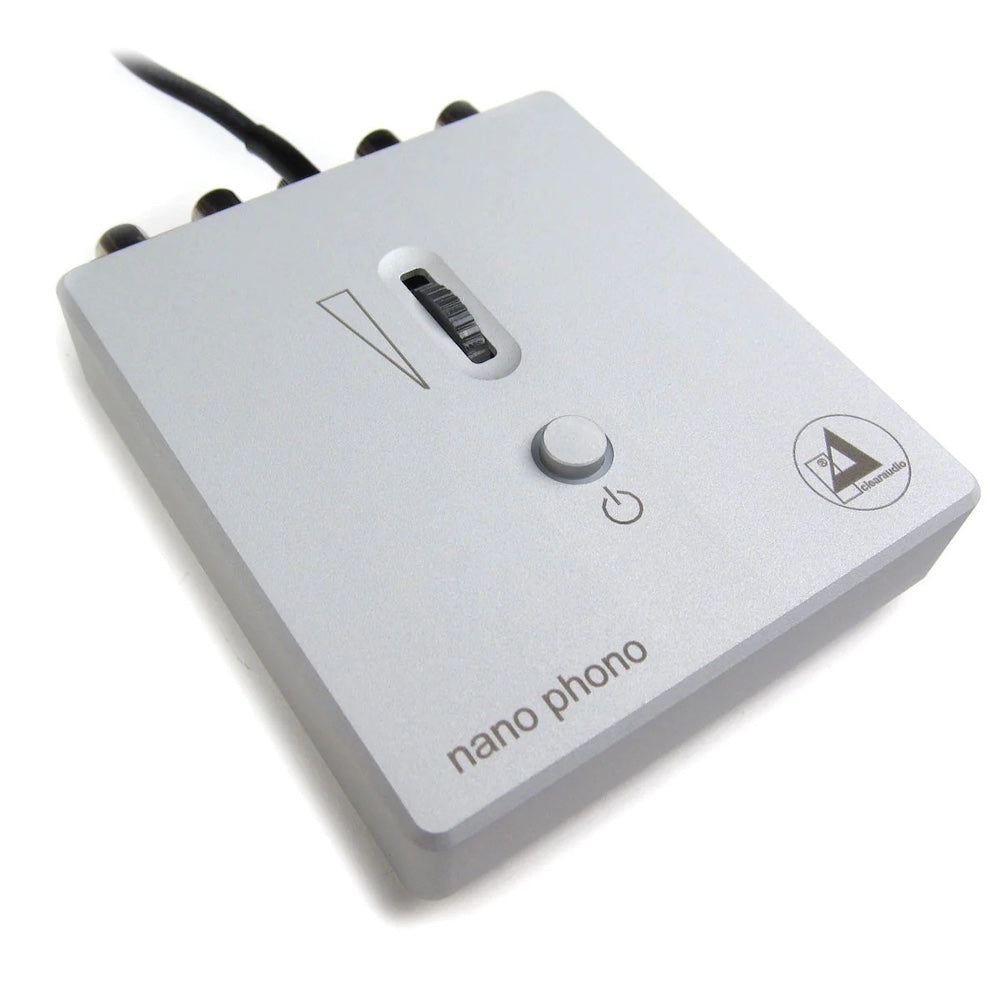
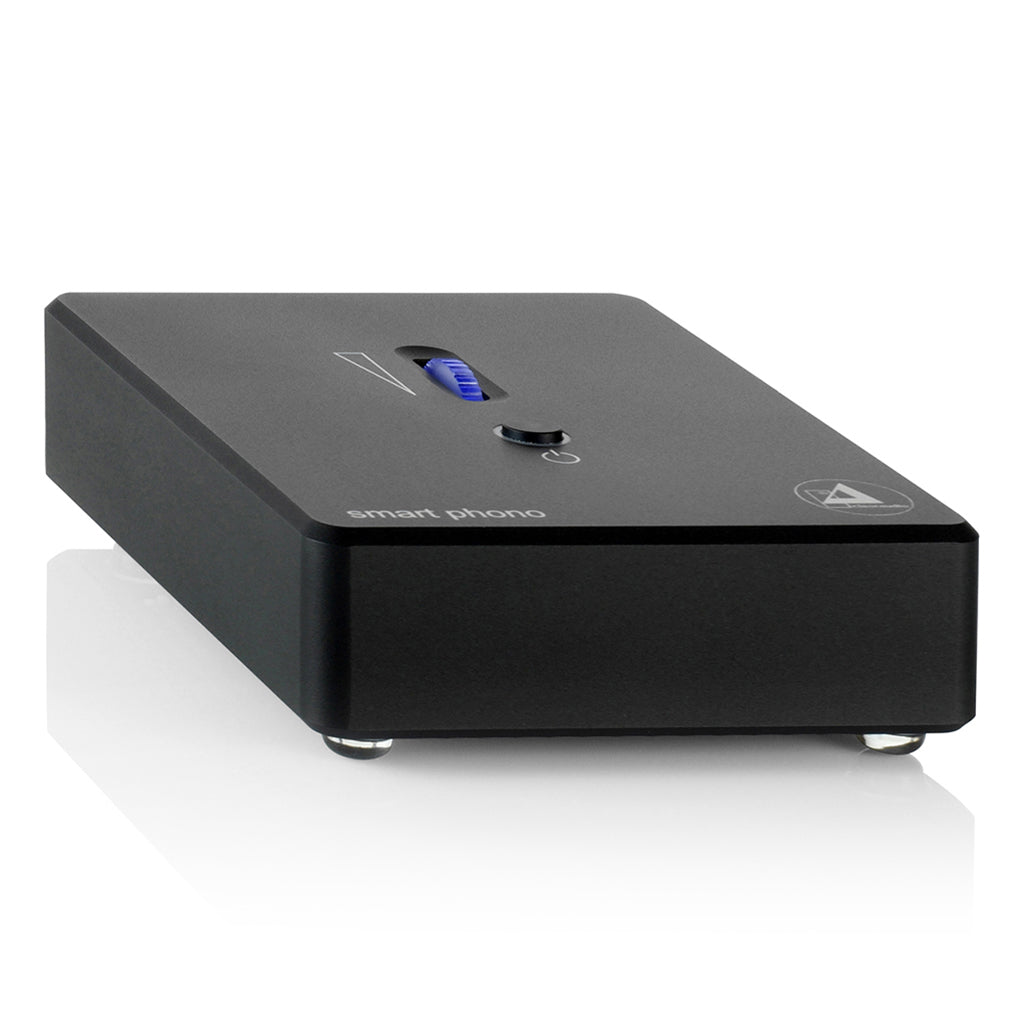
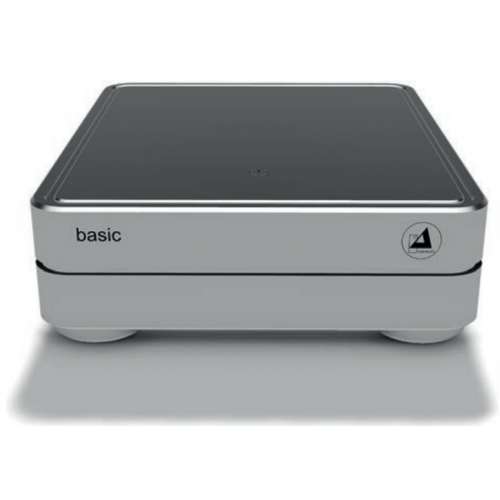
Clearaudio, Octave, McIntosh and Linn — the stage that decides what your cartridge is actually capable of.
A cartridge produces a signal roughly a thousand times smaller than a line source. Everything after that is amplification of a whisper.
Which is why the phono stage matters more than its position in the signal chain suggests. It has to raise a few hundred microvolts to line level without adding noise of its own, and apply RIAA equalisation accurately across the audible band. Small errors here are not recoverable further downstream.
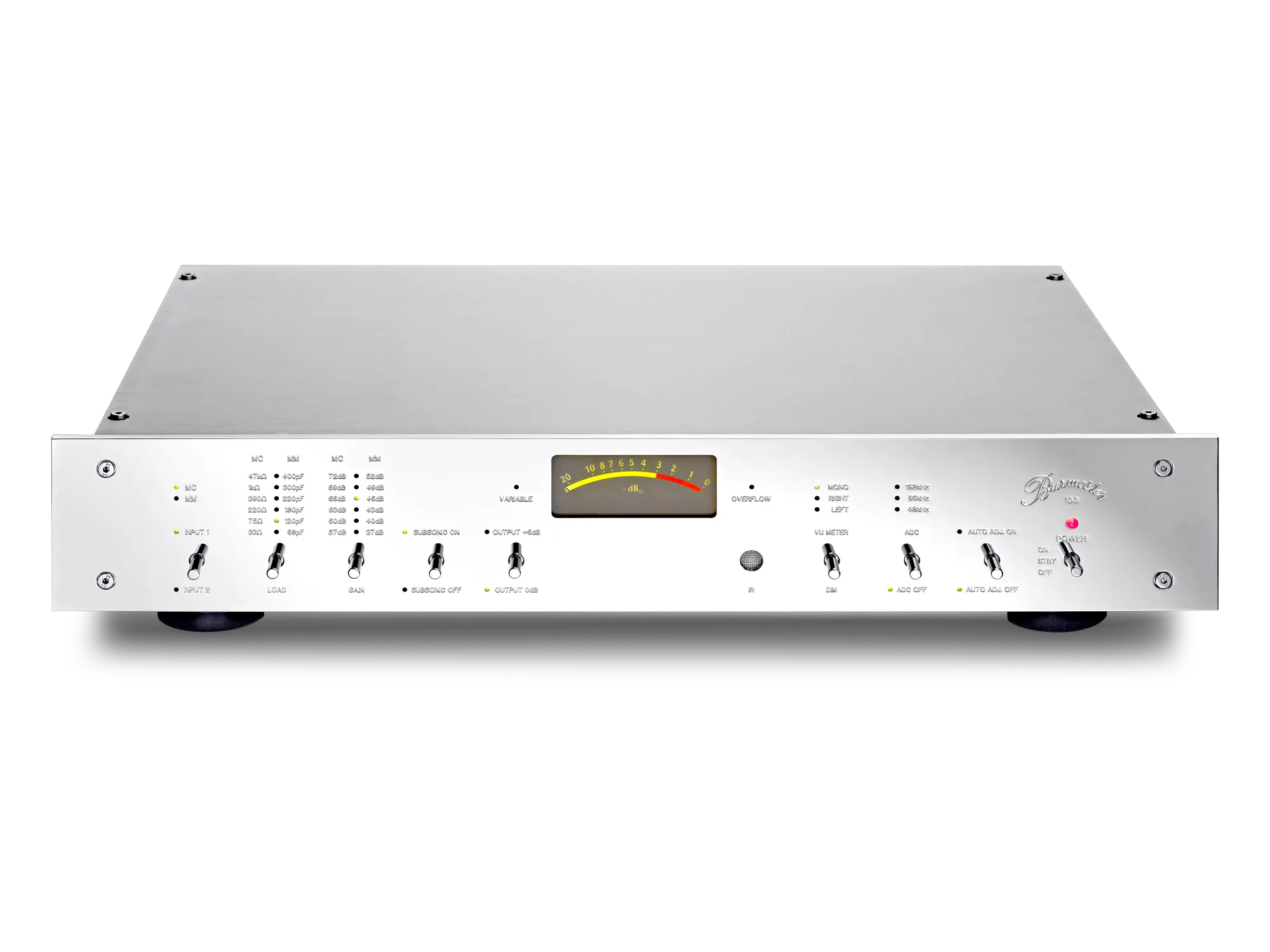
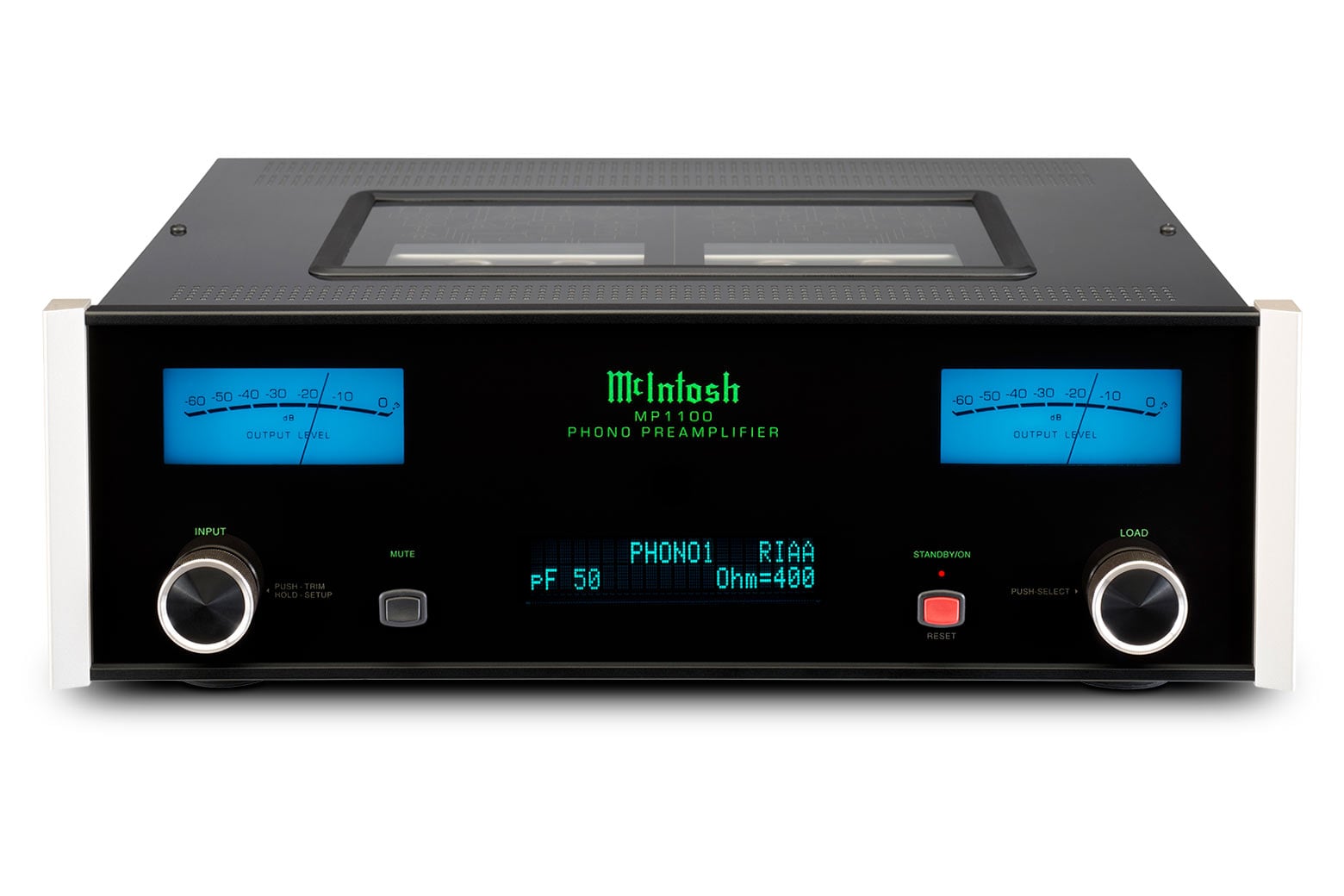
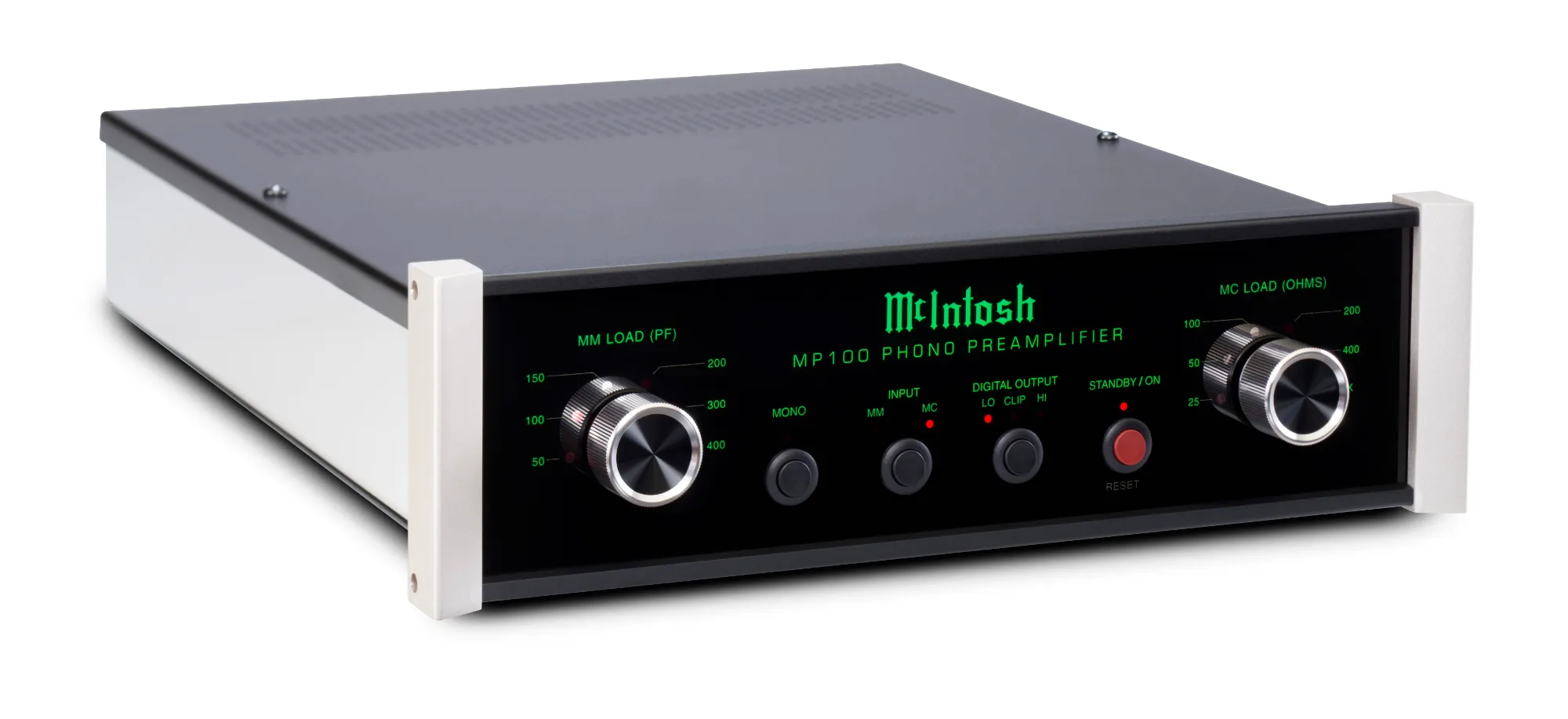
Loading is the other half. A moving coil cartridge behaves differently into 100 ohms than into 1,000, and the right value depends on the cartridge, the tonearm cable and the room. Adjustable loading is not a luxury feature — it is how the cartridge gets to sound like itself.
The smallest signal in the system deserves the most care.
How to choose a phono stage
Match it to the cartridge, not to the rest of the system. Moving magnet wants modest gain and 47k loading; a low-output moving coil needs far more gain and a loading value chosen for that specific cartridge. Get it wrong and it sounds thin and bright or dull and closed — and nothing downstream will fix it.
More on choosing a phono stage ↓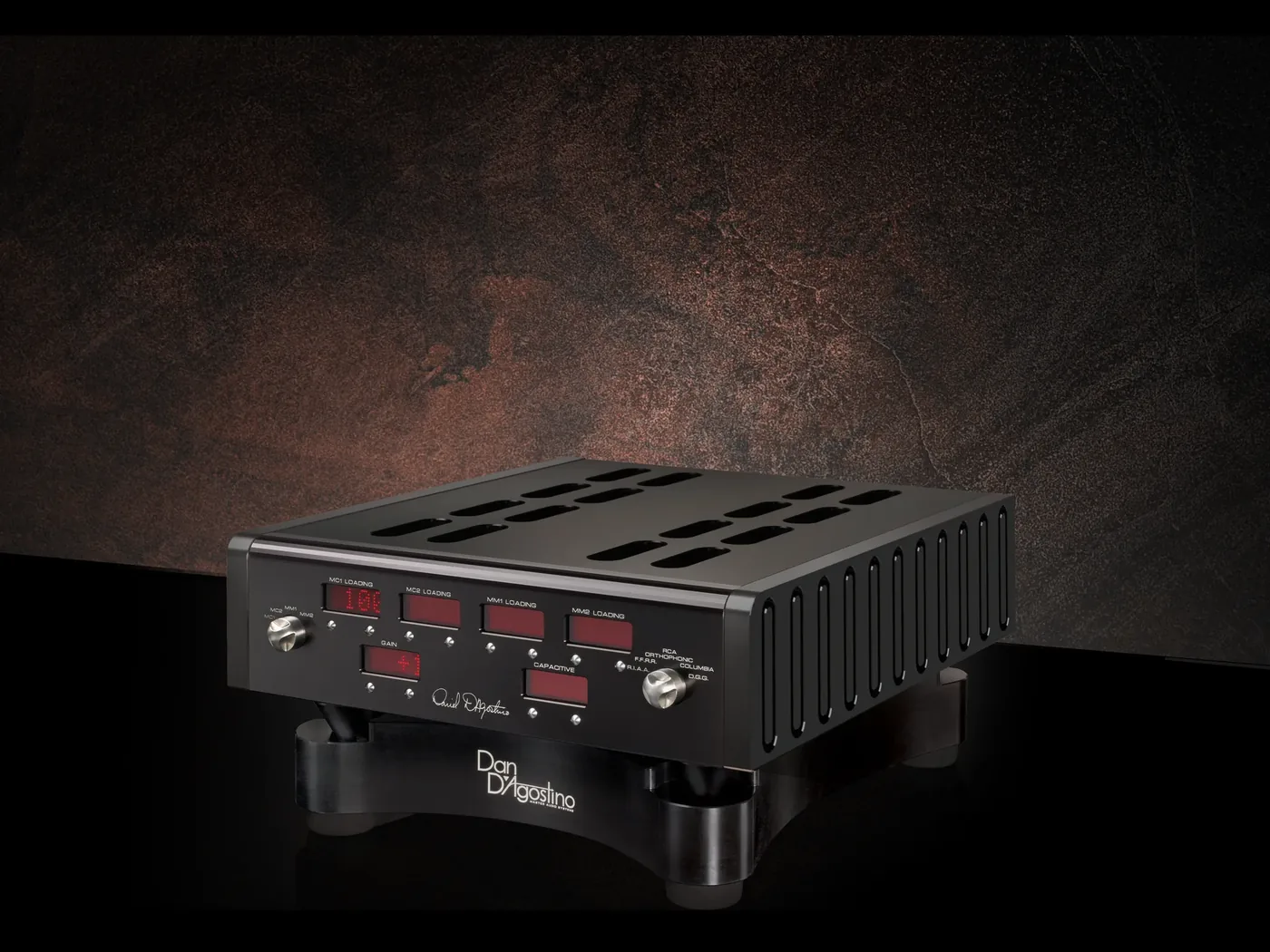
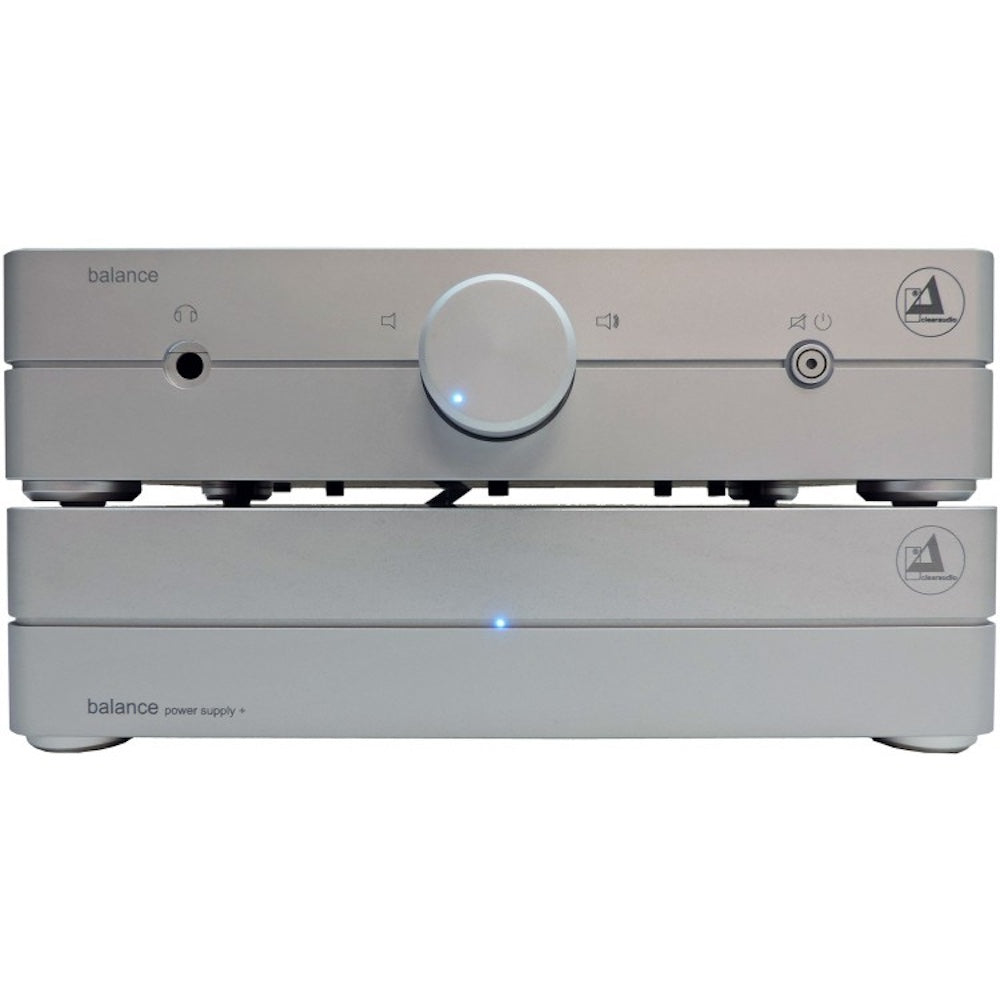
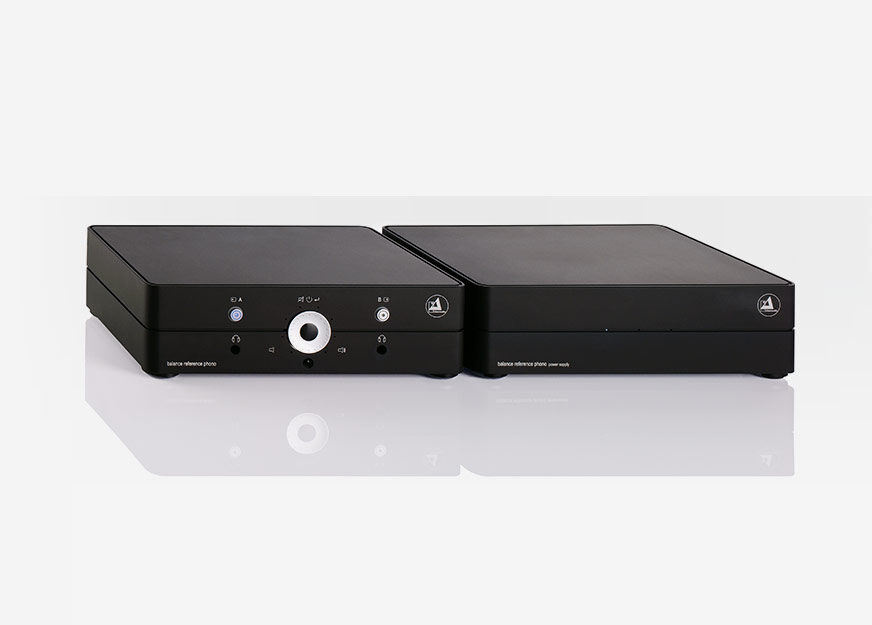
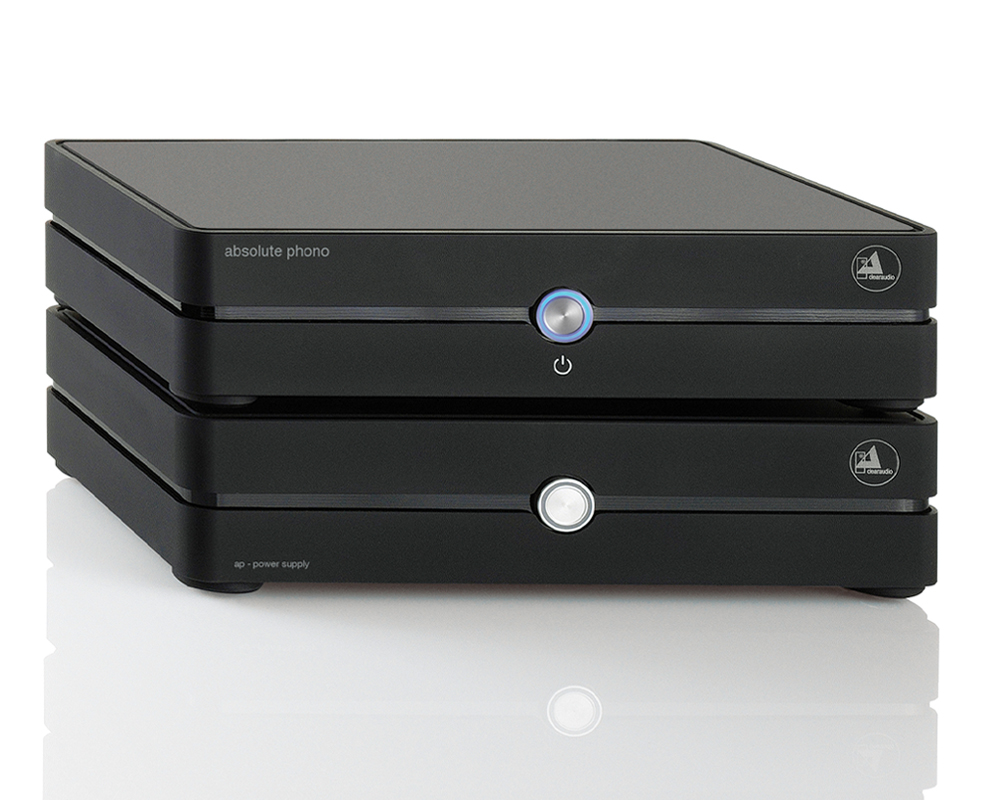
Choosing a phono stage, in detail
A phono stage does two things at once: it applies enormous gain to a very small signal, and it reverses the RIAA equalisation curve applied when the record was cut. Both have to be done accurately and quietly, which is why a phono stage is far harder to build well than a line stage and why the good ones cost what they do.
Match it to the cartridge, not to the rest of the system. A moving-magnet cartridge outputs a few millivolts and wants 47k ohms of loading. A low-output moving coil may produce a fraction of a millivolt and needs both far more gain and a loading value chosen to suit that particular cartridge. Get this wrong and the symptoms are obvious — thin and bright, or dull and closed-in — and no amount of upgrading elsewhere will correct it.
Adjustable loading is worth paying for if you expect to change cartridges. Fixed-value stages can sound superb with the right partner and mediocre with the wrong one, and cartridges wear out on a timescale that makes at least one change likely.
Hear these in Scottsdale and Tempe
Bring your cartridge details when you come in — output voltage and recommended loading — and we can set the comparison up properly rather than guessing. We can also demonstrate what changing loading alone does to a single cartridge, which tends to settle the question of whether adjustability is worth the money.