Standmount Loudspeakers
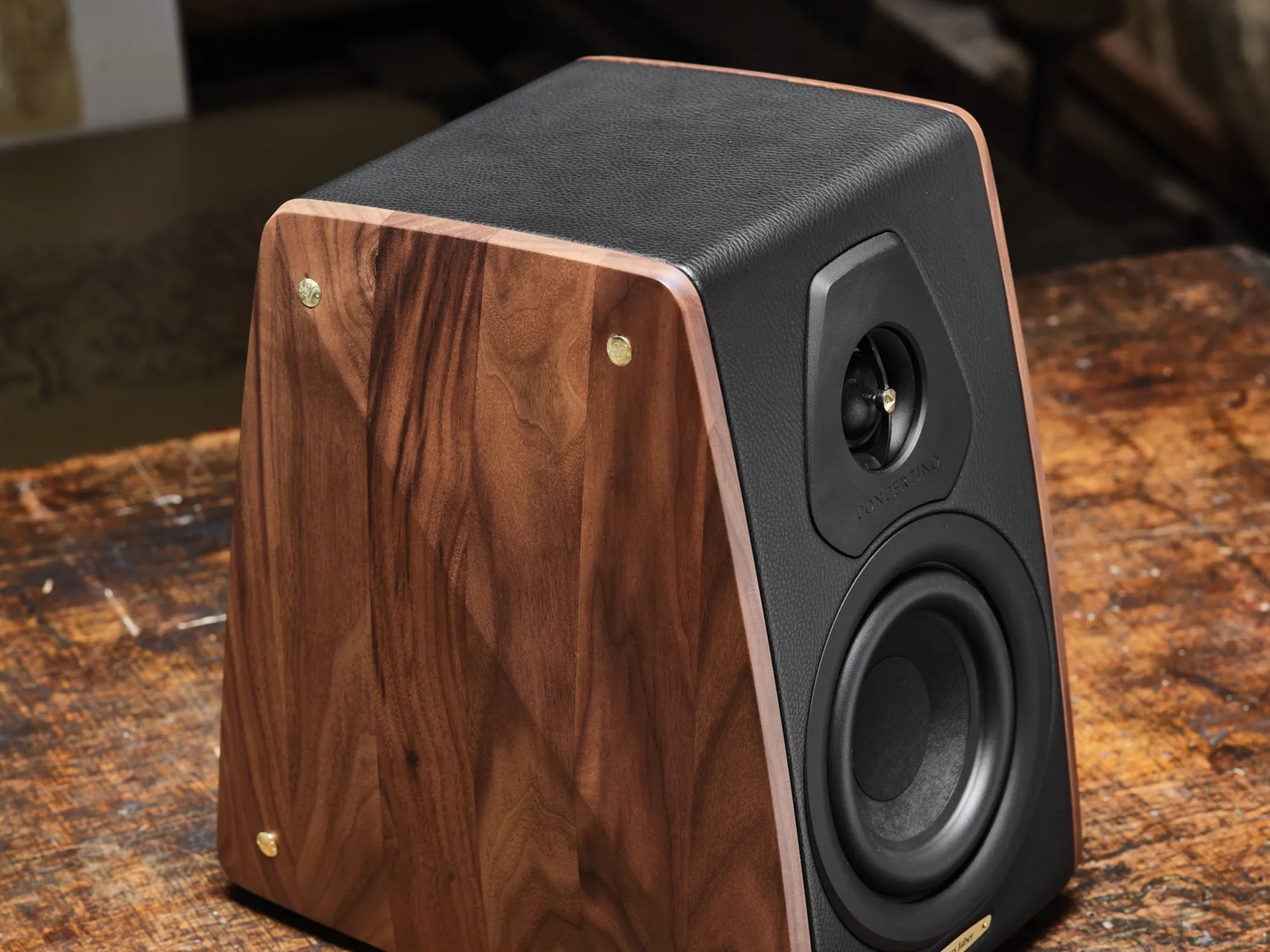
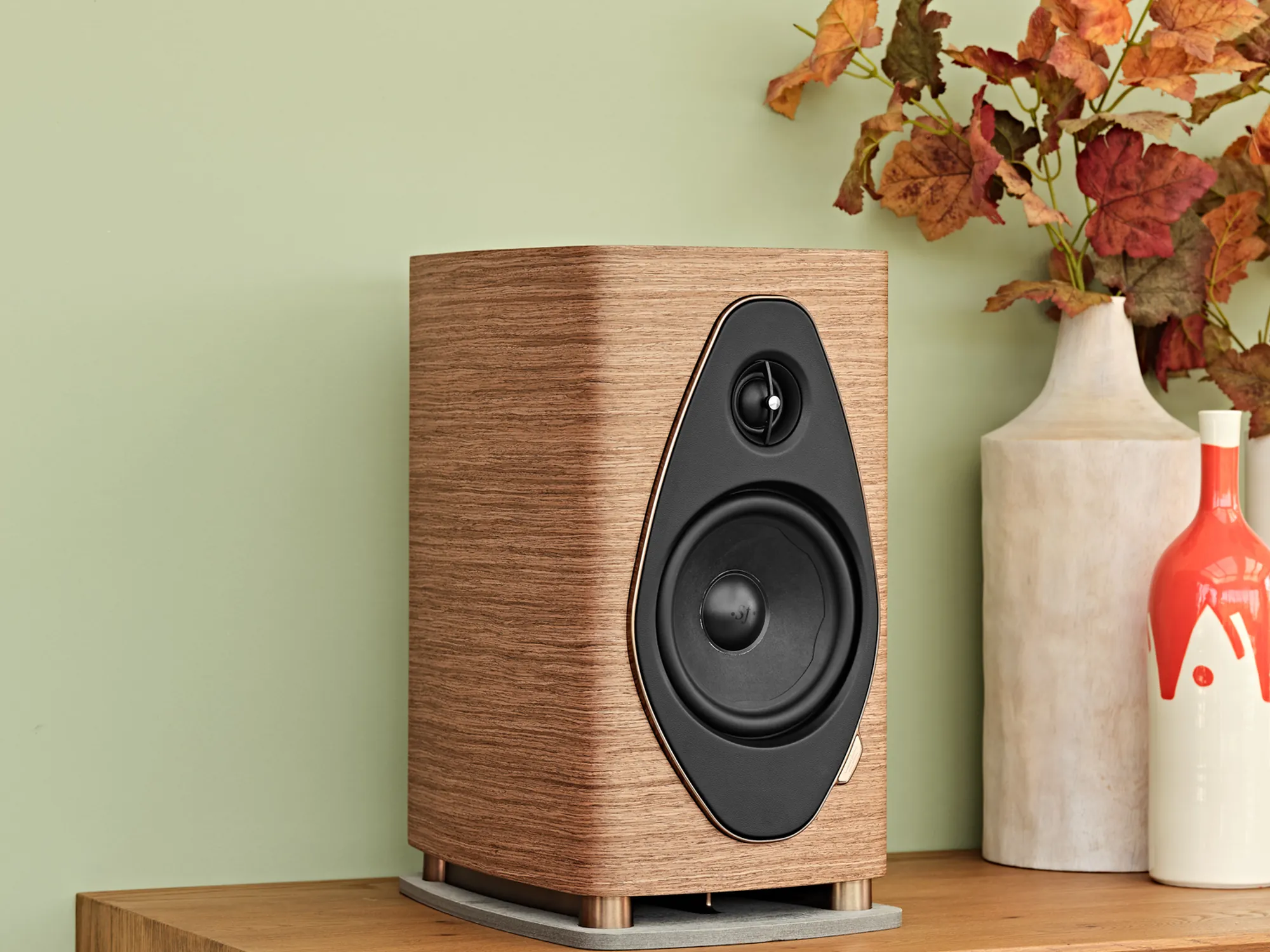
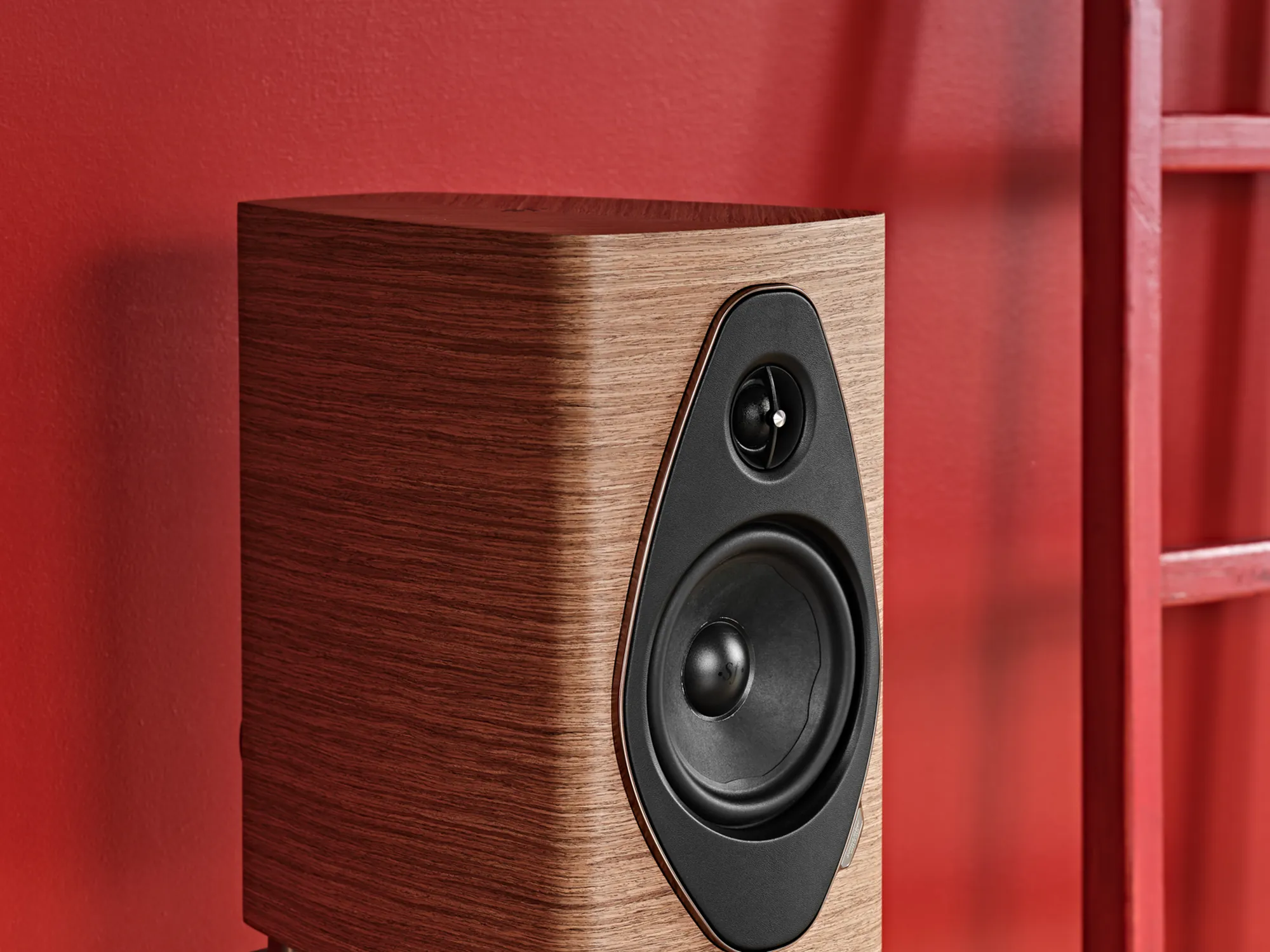
Bookshelf Speakers
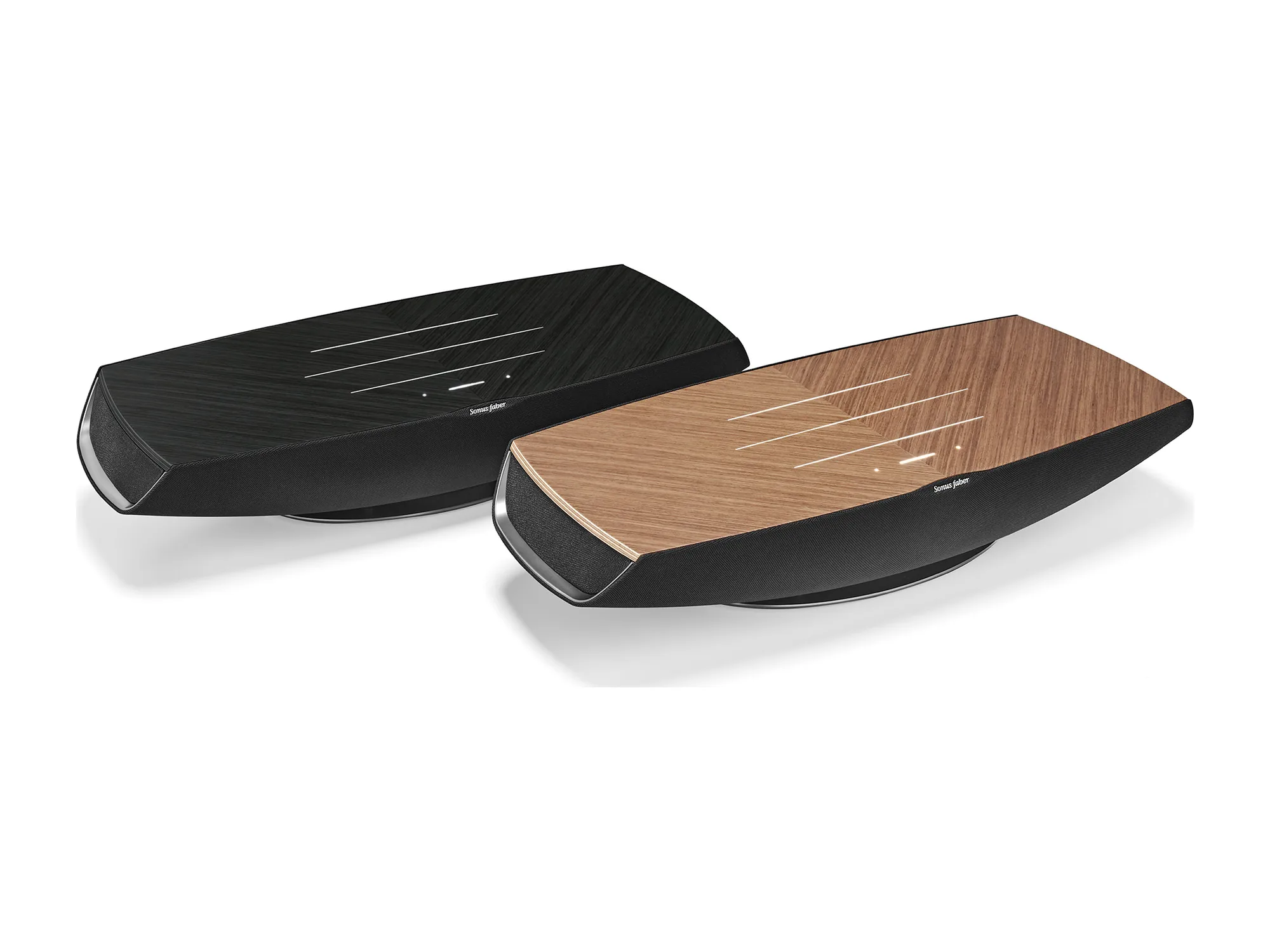
Sonus faber, Wilson Audio and McIntosh — full-range thinking in a cabinet that fits the room.
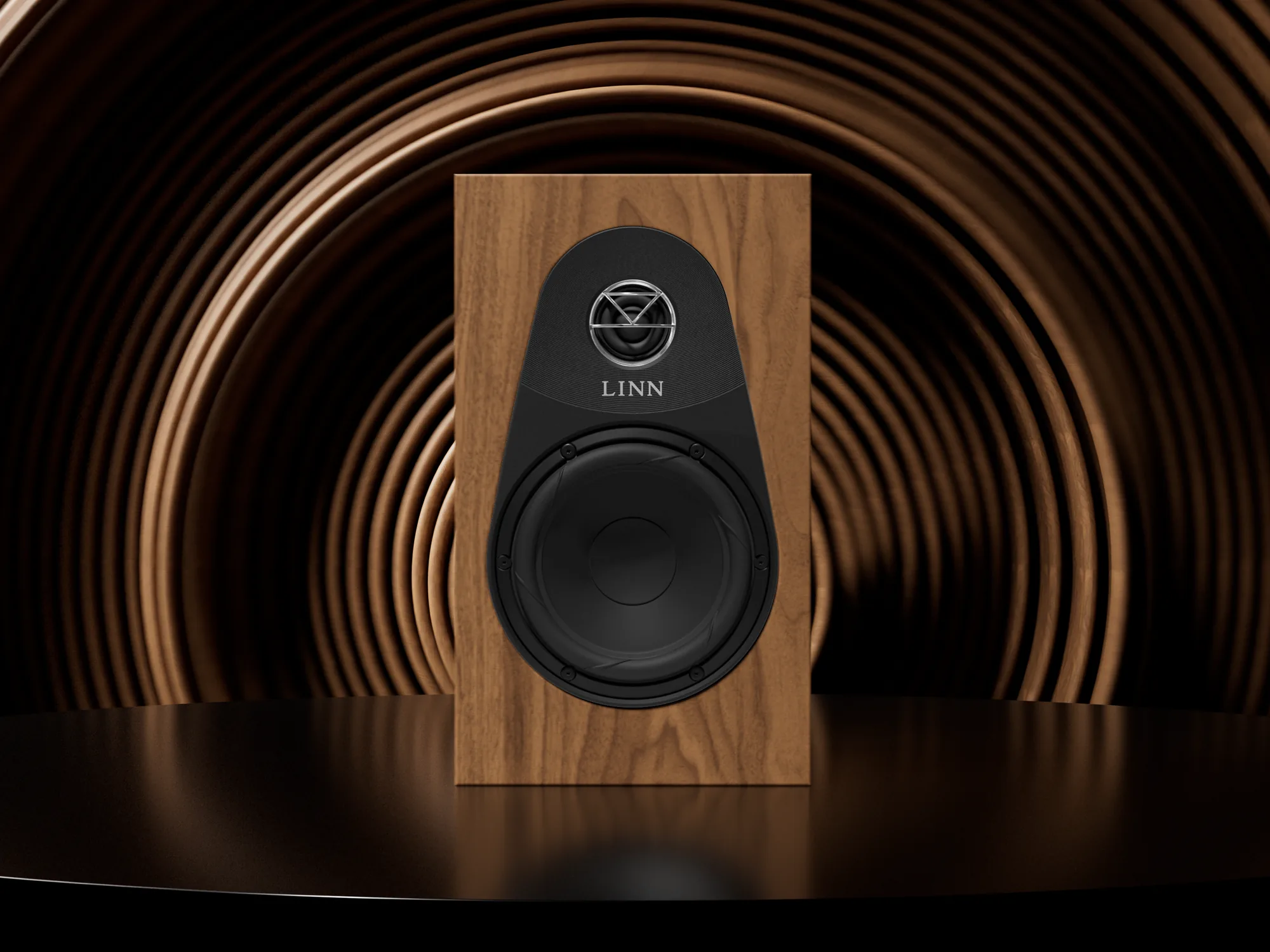
A smaller cabinet is a constraint rather than a compromise, and some of the finest loudspeakers ever made accept it deliberately.
A two-way standmount gives up deep bass and maximum level. What it gets in return is a narrow baffle, a single crossover point and a cabinet small enough to be genuinely rigid — which is why the imaging from a good one can embarrass a floorstander several times its size.
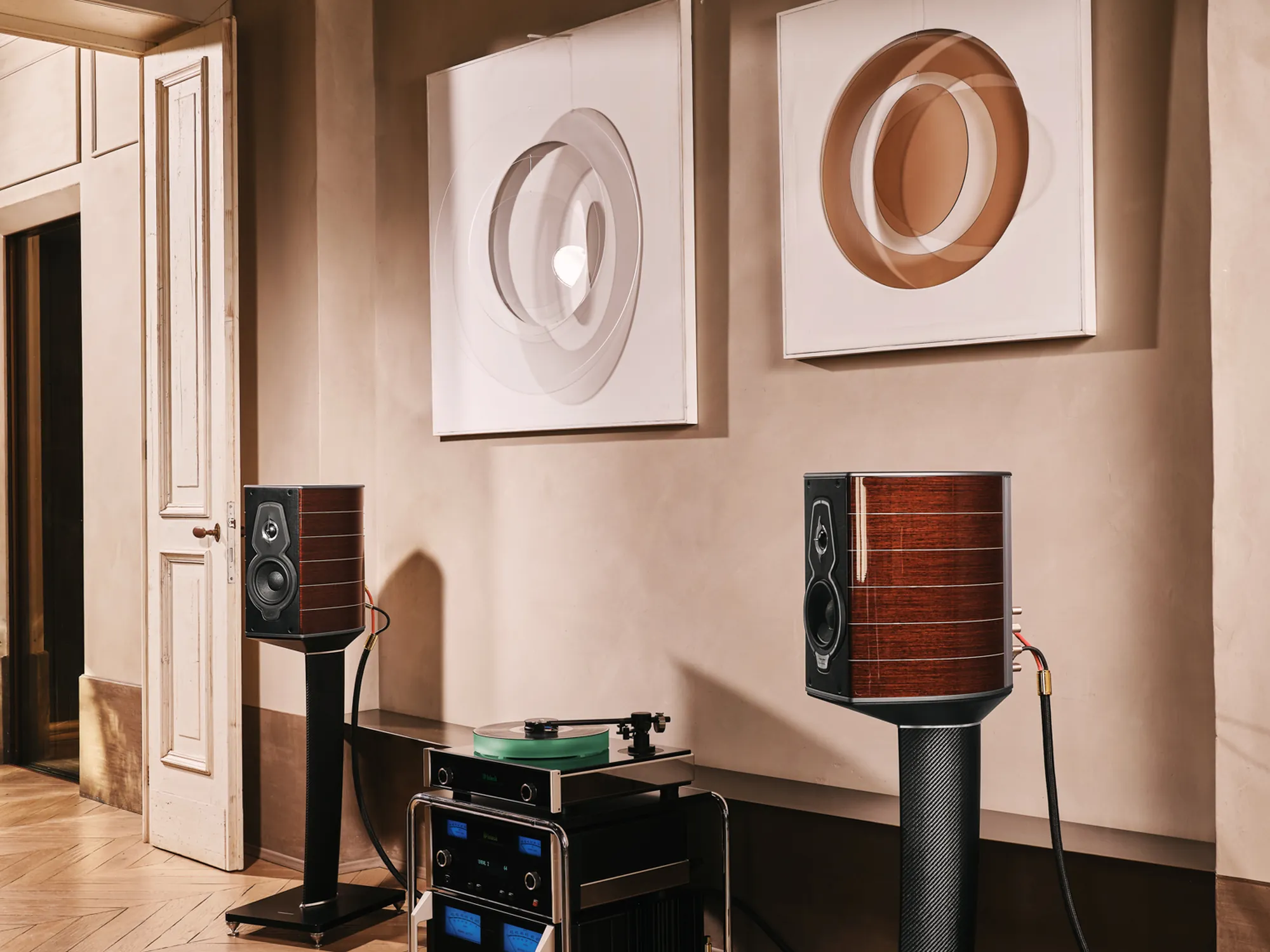
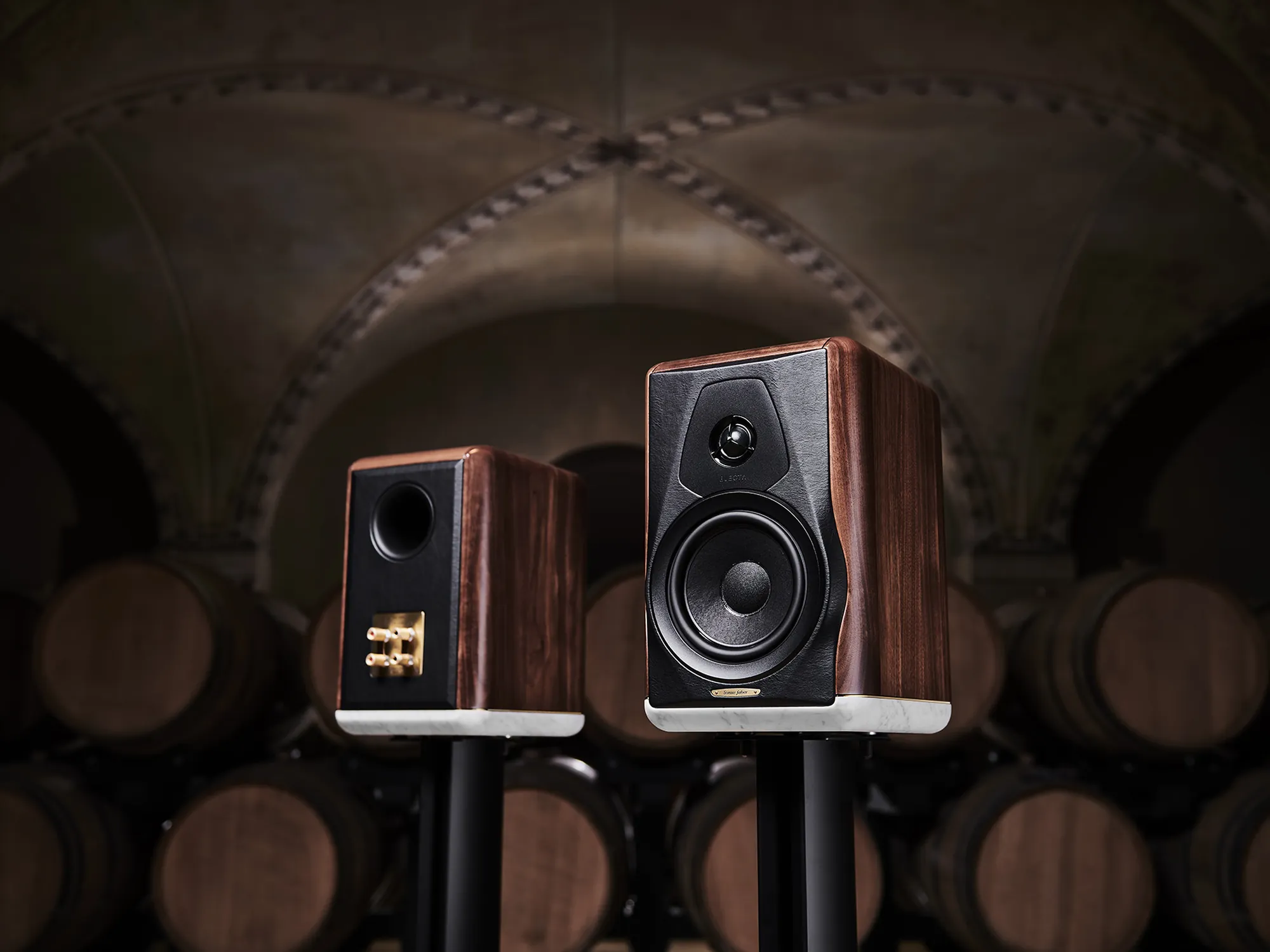
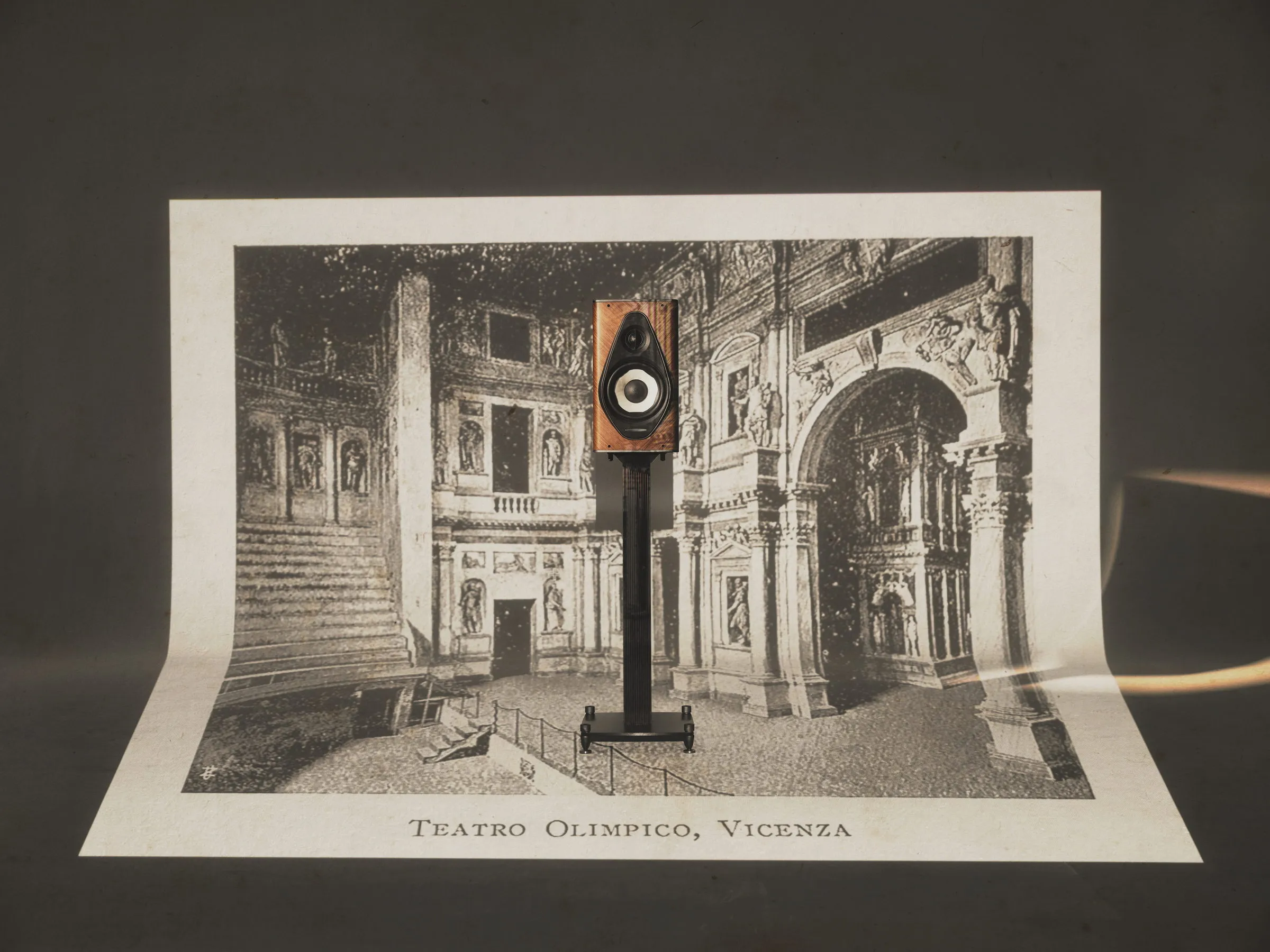
Sonus faber's Electa Amator and Minima Amator carry the Homage cabinetwork in miniature. Wilson's TuneTot was engineered for the desk, the shelf and the second room, and voiced to the same standard as everything above it. Add a subwoofer and most of the bandwidth argument disappears.
Here, placement matters more than money does.
How to choose a standmount
Two questions settle most of it. The stand is part of the speaker — budget for a mass-loadable one that puts the tweeter at seated ear height. And decide what you are asking of the bass: a good standmount is honest to roughly 40Hz in a real room, so either accept the roll-off or plan on a subwoofer crossed over low.
More on choosing a standmount ↓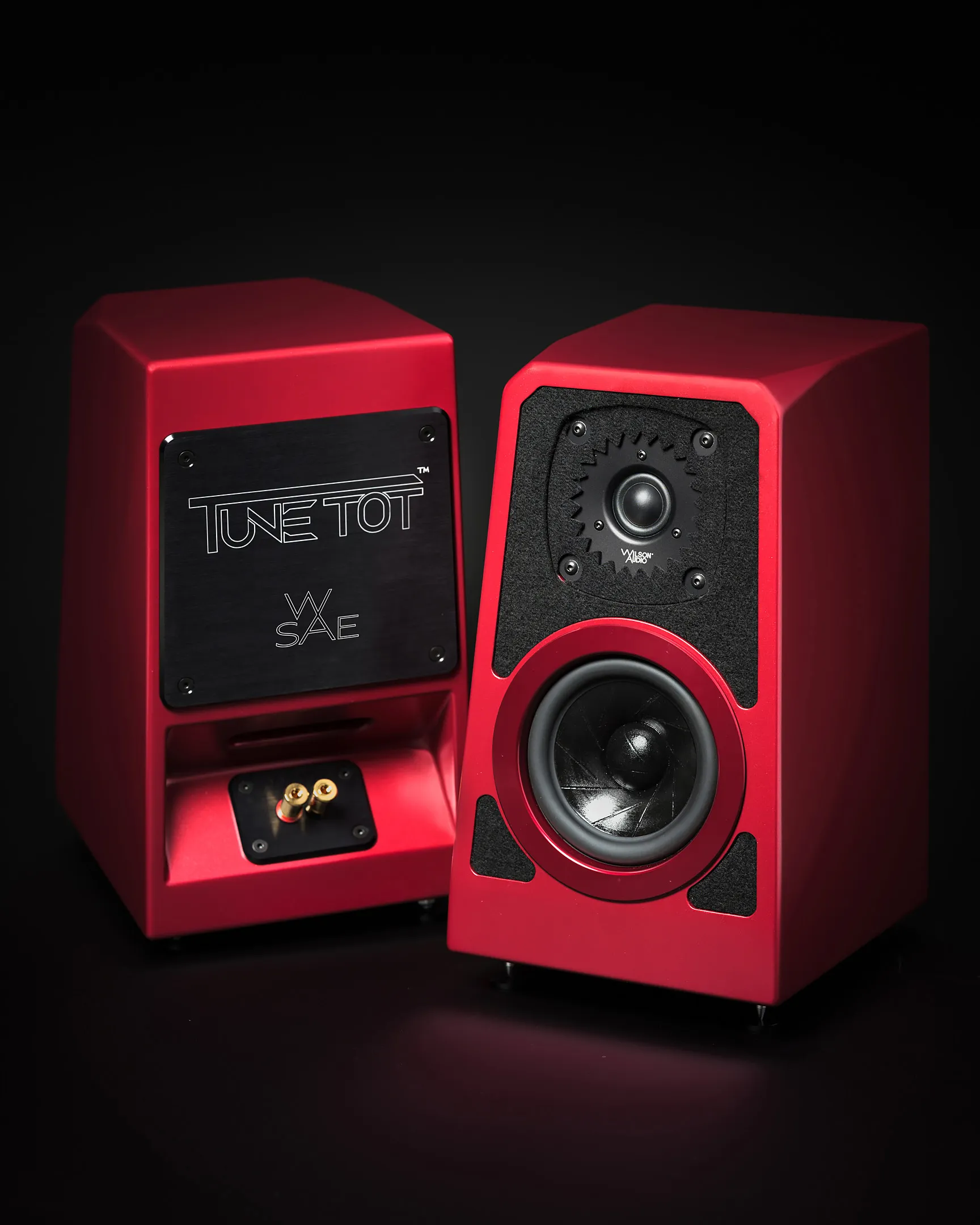
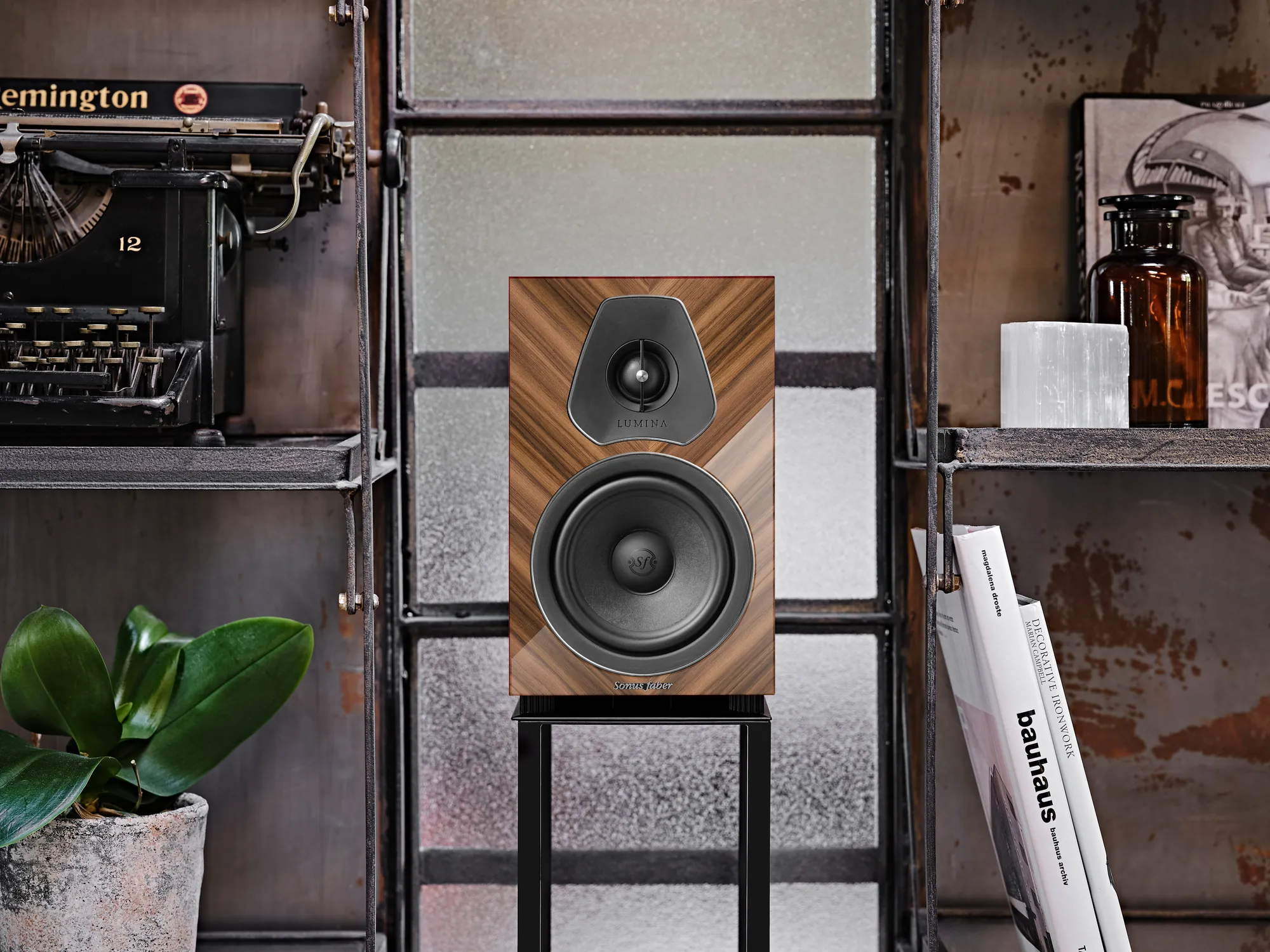
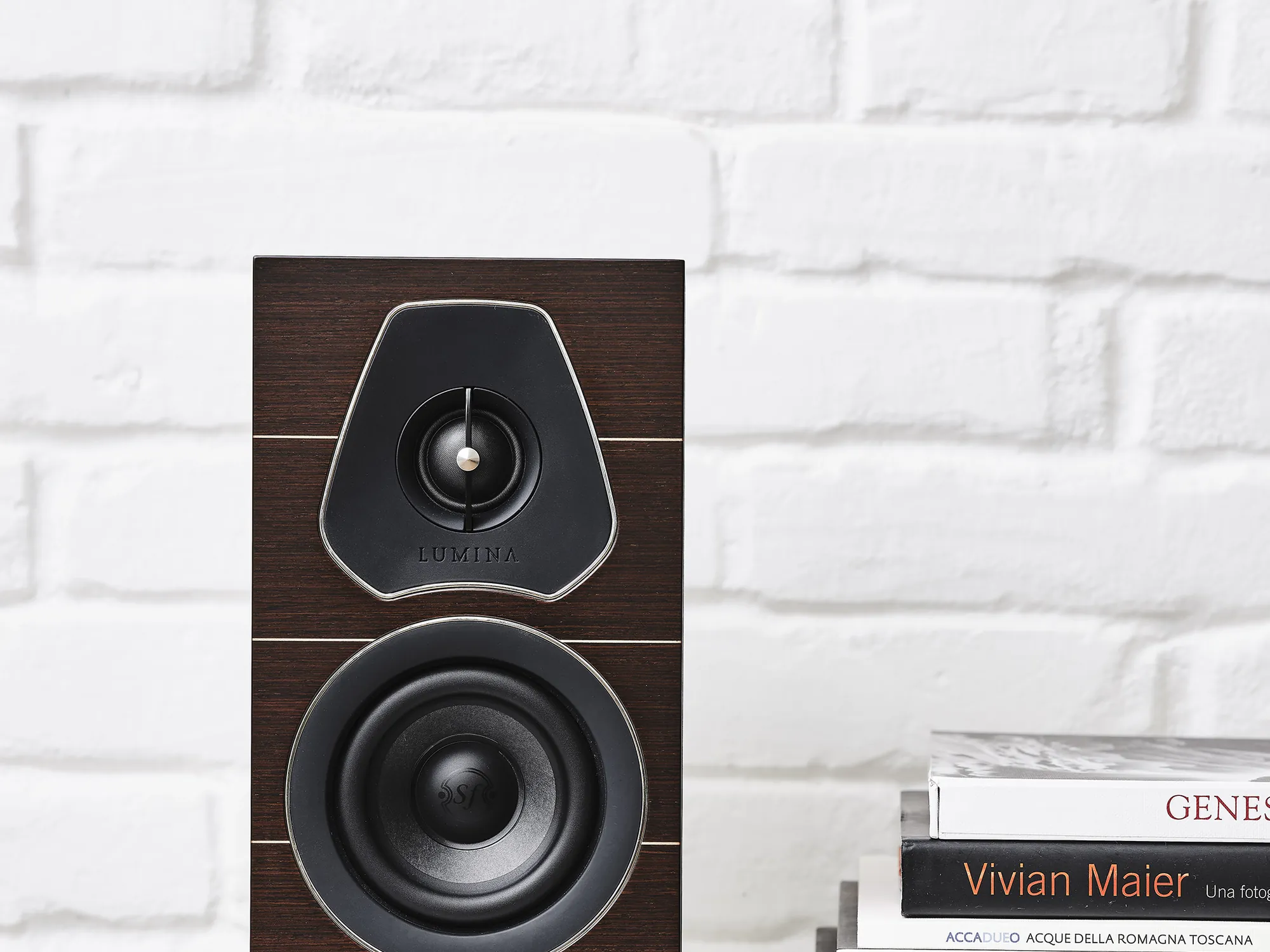
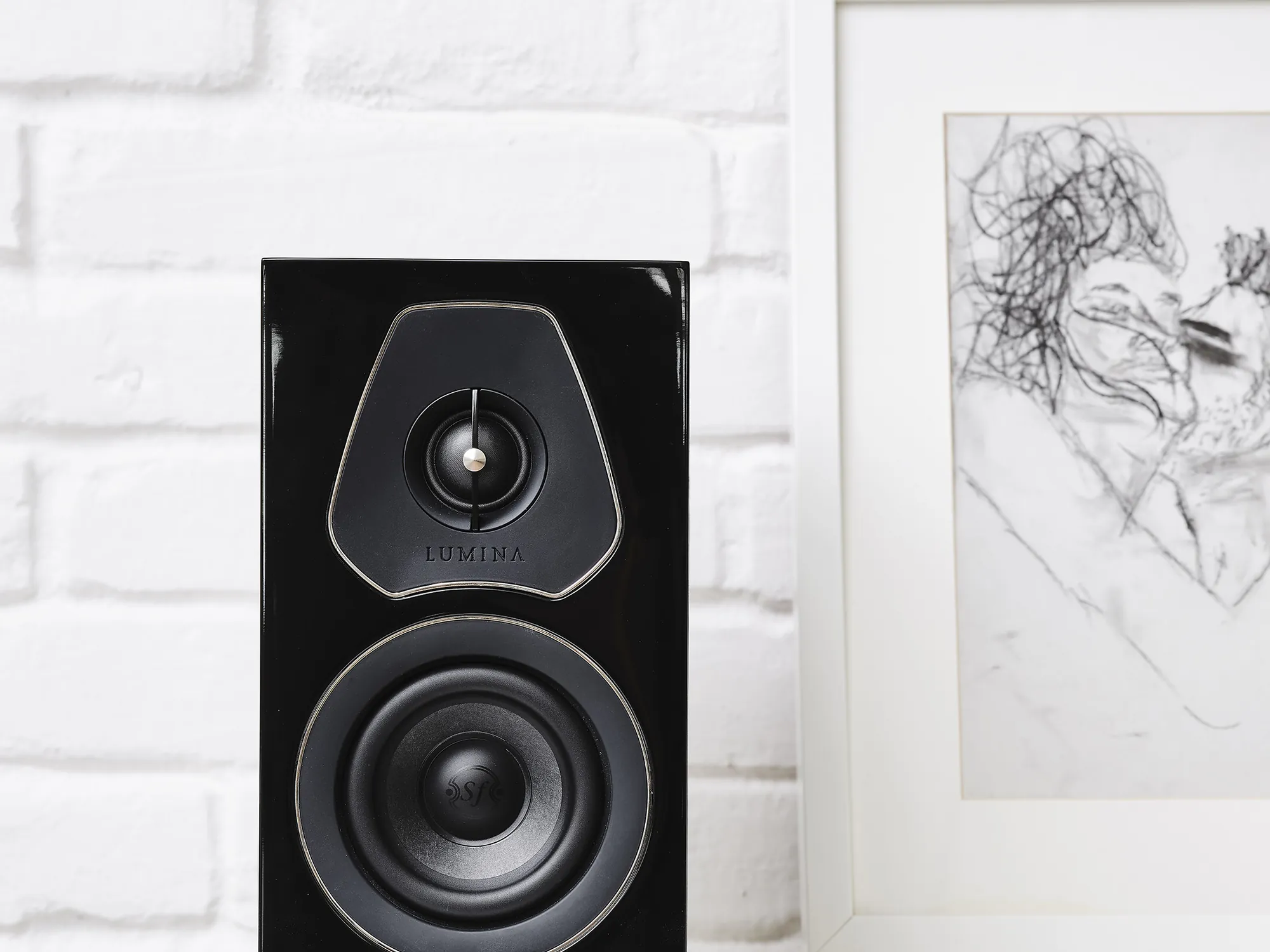
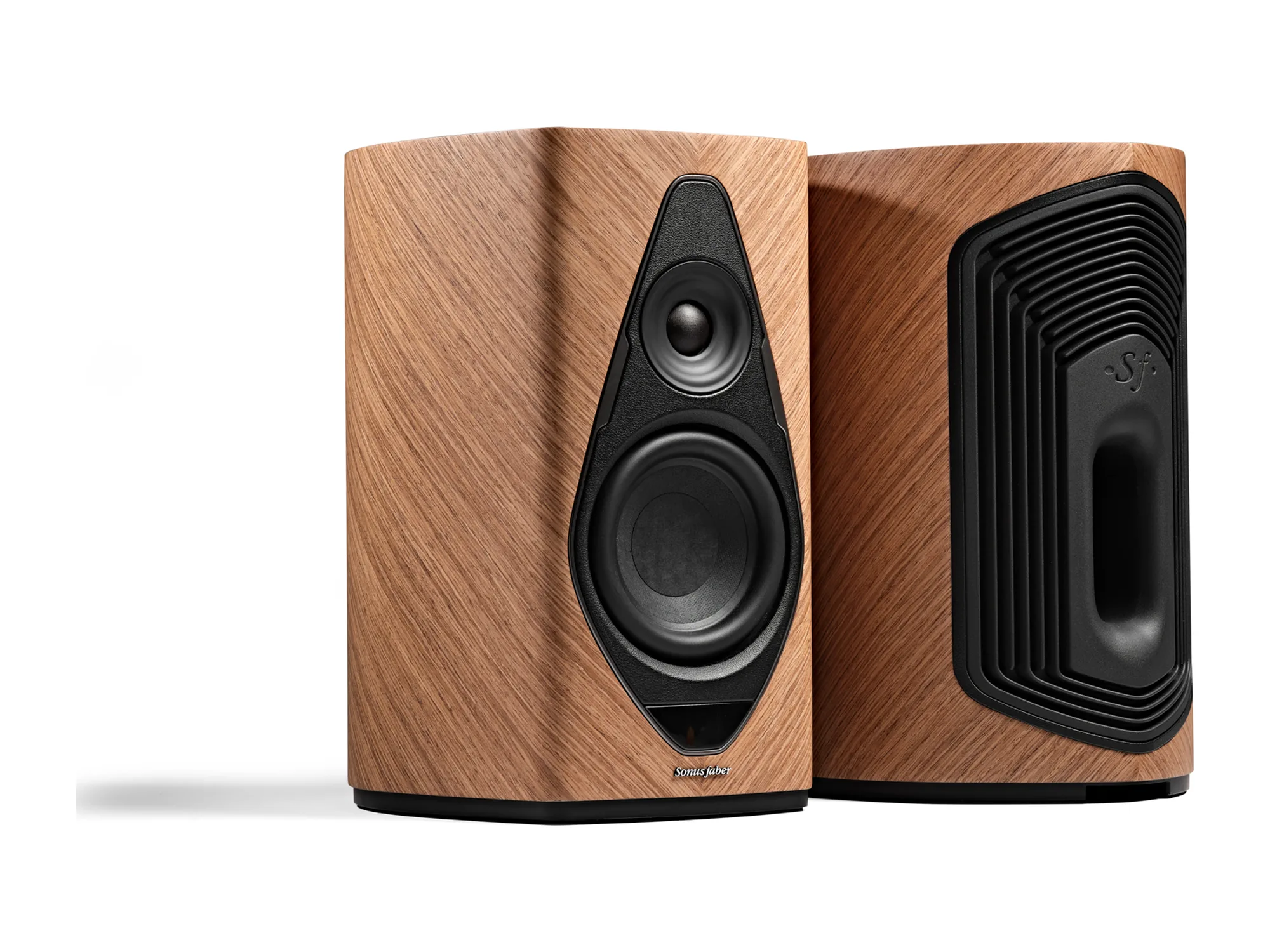
Choosing a standmount, in detail
The first question is the stand, not the speaker. A standmount is a two-part system, and a compliant or lightweight stand will undo the cabinet work you paid for. Budget for mass-loadable stands that put the tweeter at seated ear height, and treat that as part of the purchase rather than an accessory.
The second is what you are actually asking of the bass. A well-designed standmount will give you honest output to somewhere around 40Hz in a real room, which covers most acoustic music and a great deal of everything else. Below that you have a decision: accept the roll-off, or add a subwoofer and cross it over low. Adding one good subwoofer to a fine standmount usually beats moving up to a mediocre floorstander.
Room size matters less than people expect, and boundary distance matters more. A rear-ported design close to a wall will sound thick regardless of quality. If placement is constrained, say so early — it narrows the sensible options faster than any budget figure.
Hear these in Scottsdale and Tempe
Standmounts are the easiest category to audition honestly, because we can set two pairs on identical stands in the same position and switch between them in seconds. Bring the recordings you know. If you are weighing a standmount against a floorstander at the same price, ask us to set that comparison up — it is the more useful question and it usually surprises people.