DEDICATED CENTER CHANNELS
Center Channel Speakers
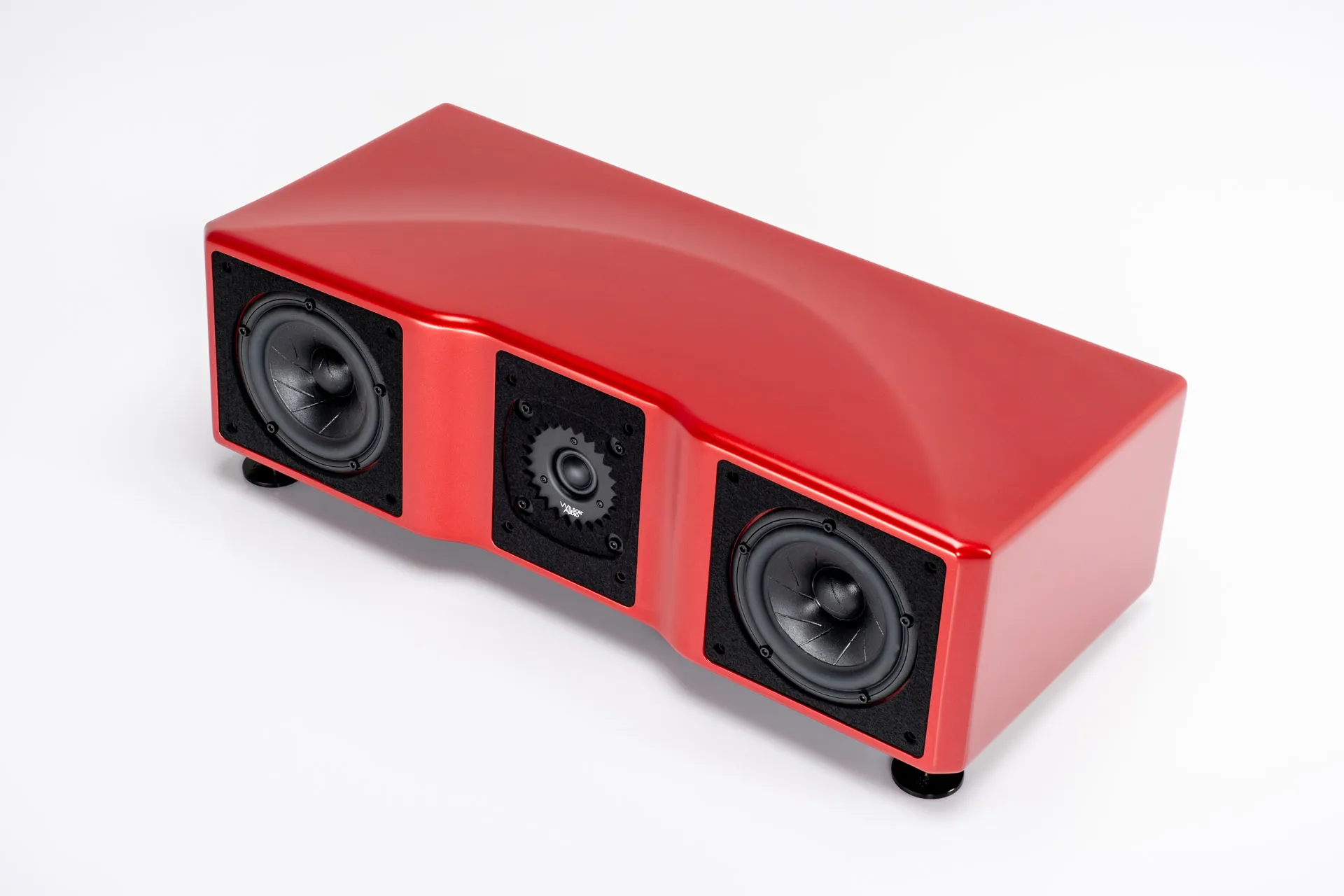
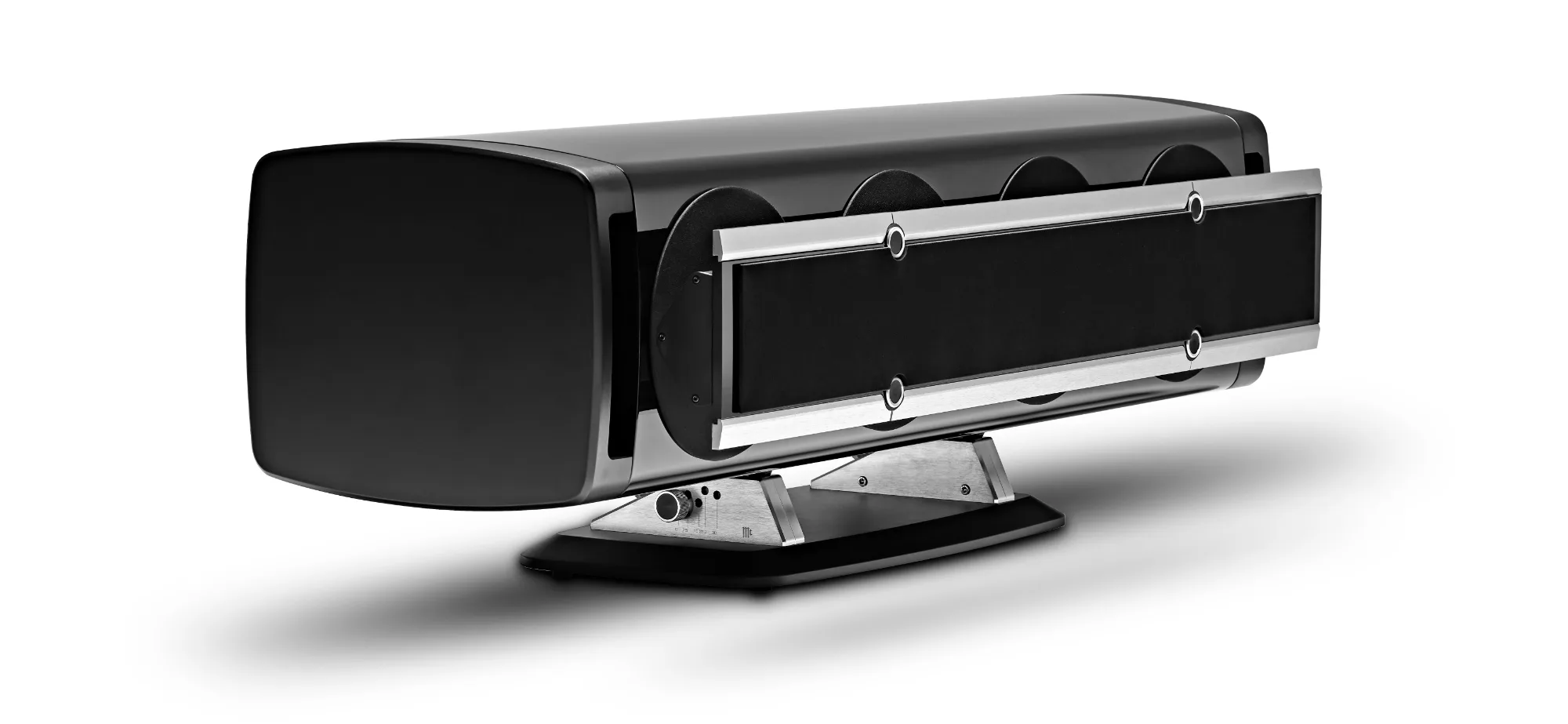
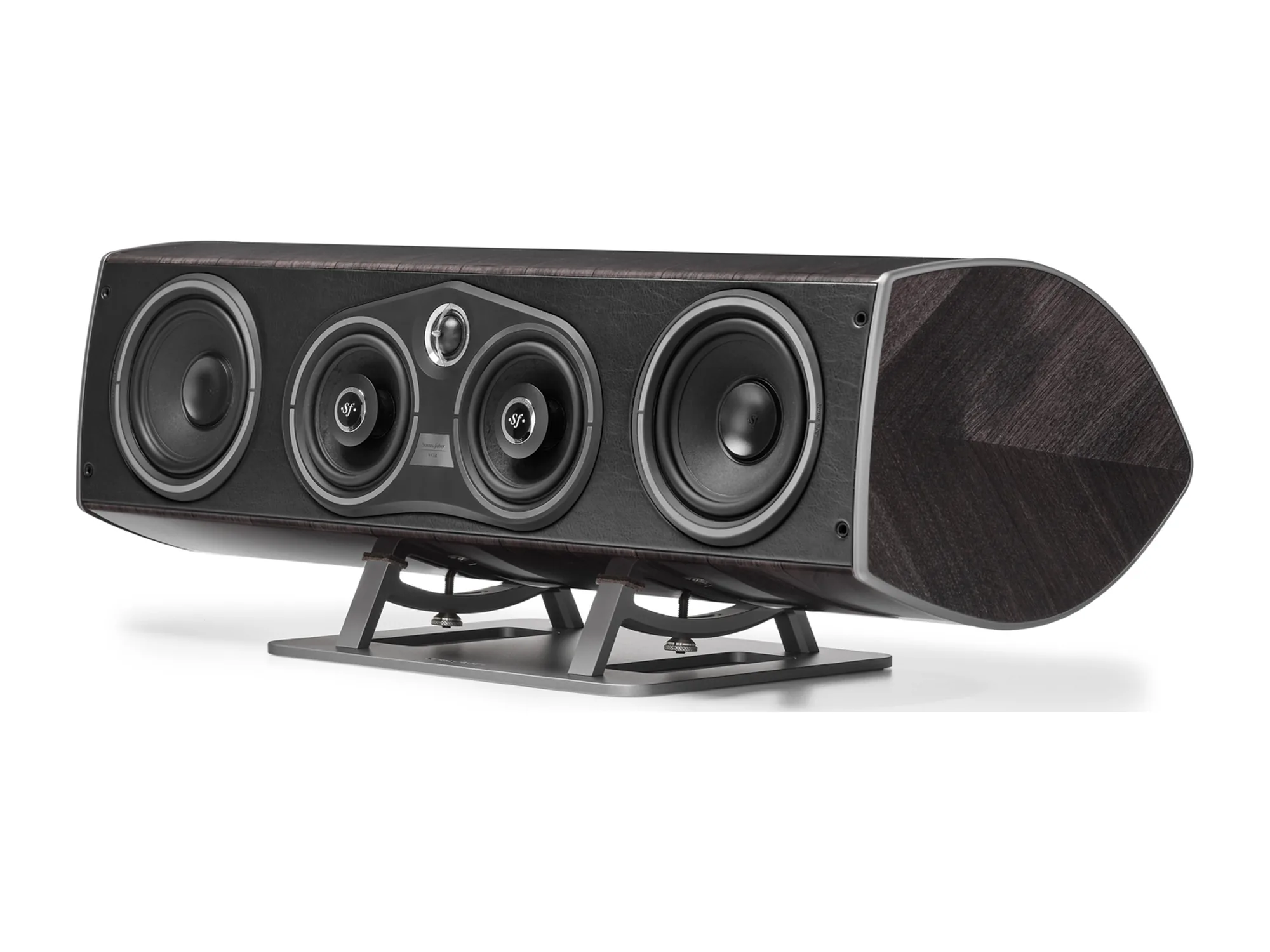
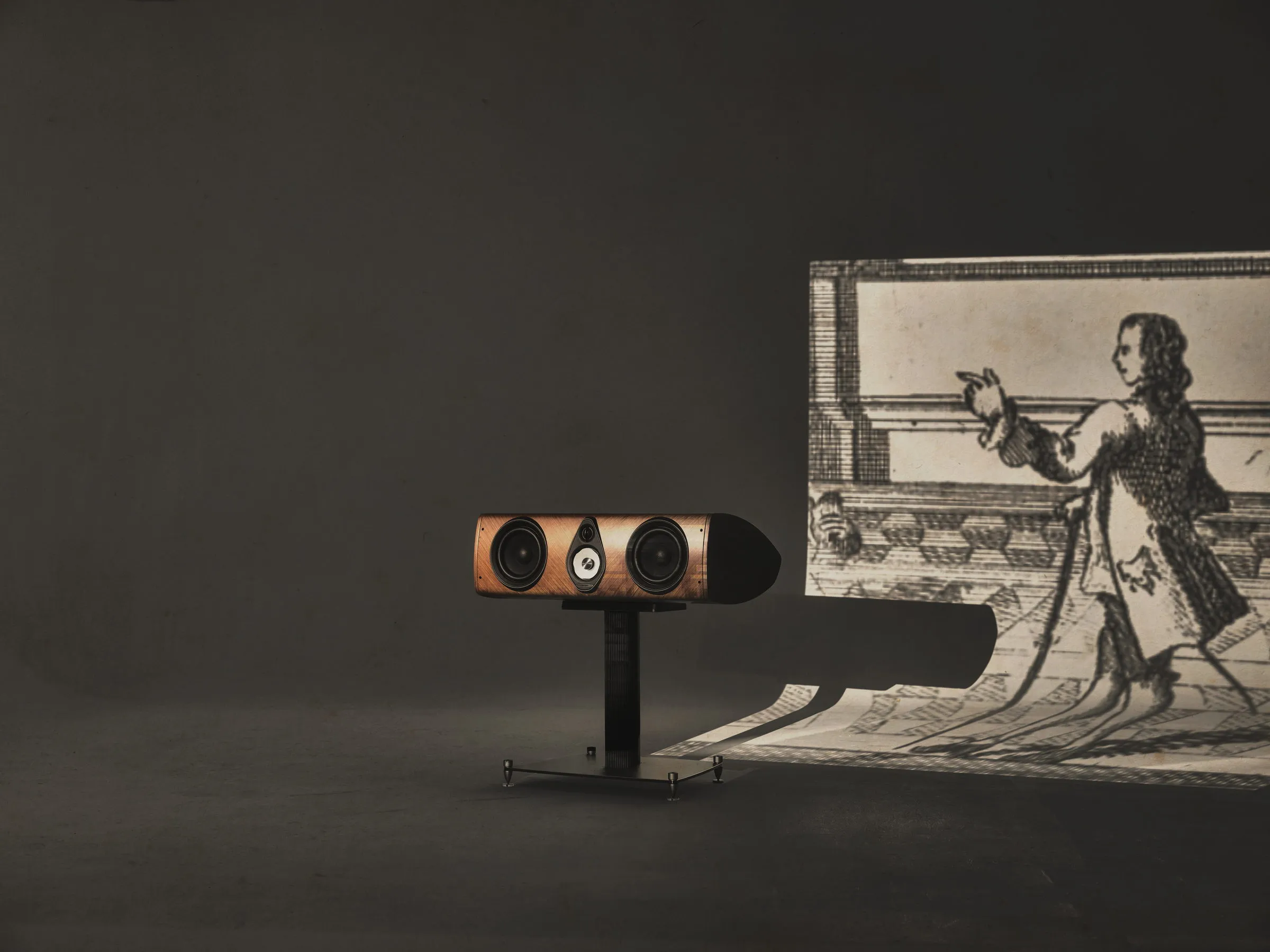
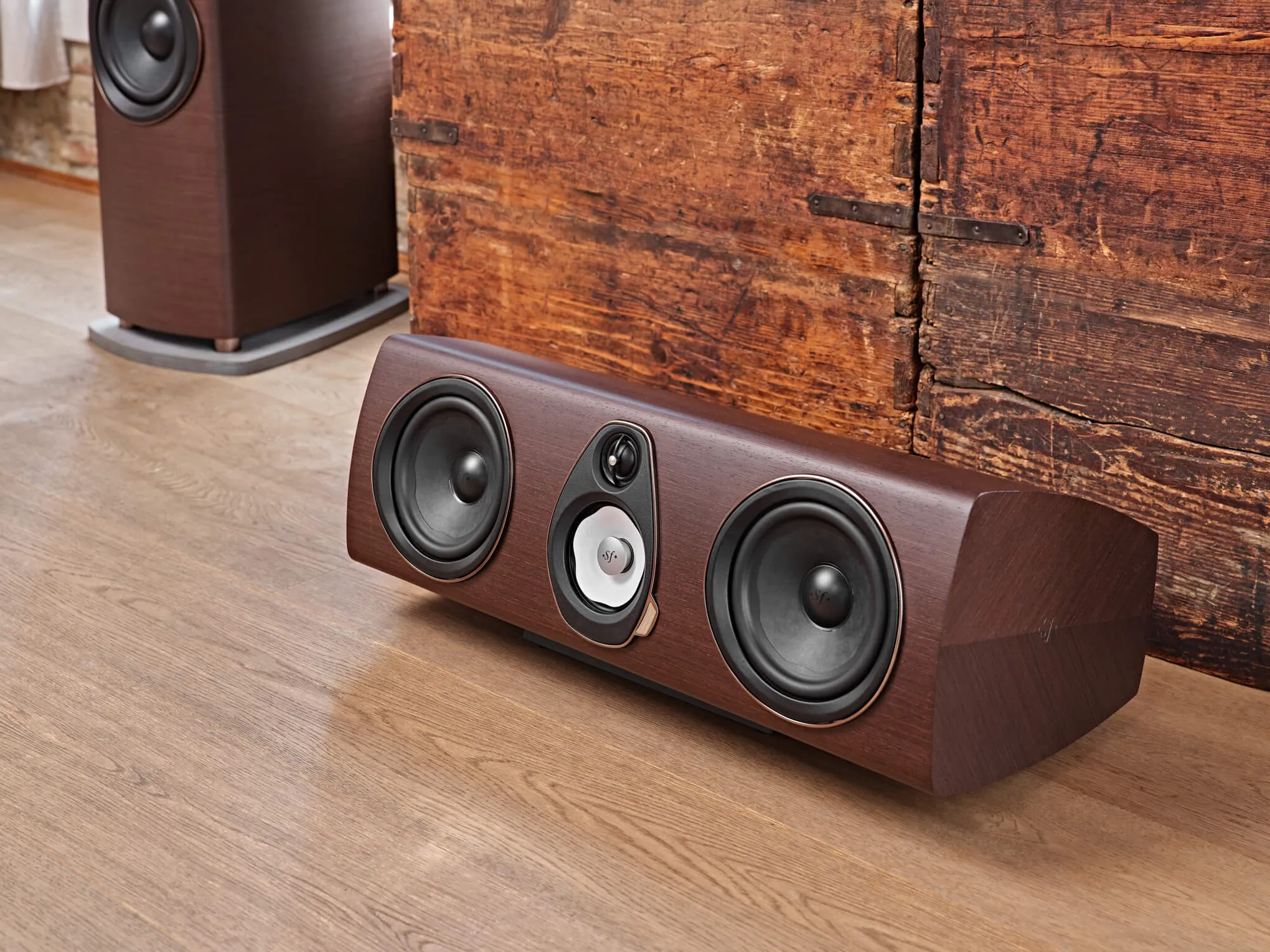
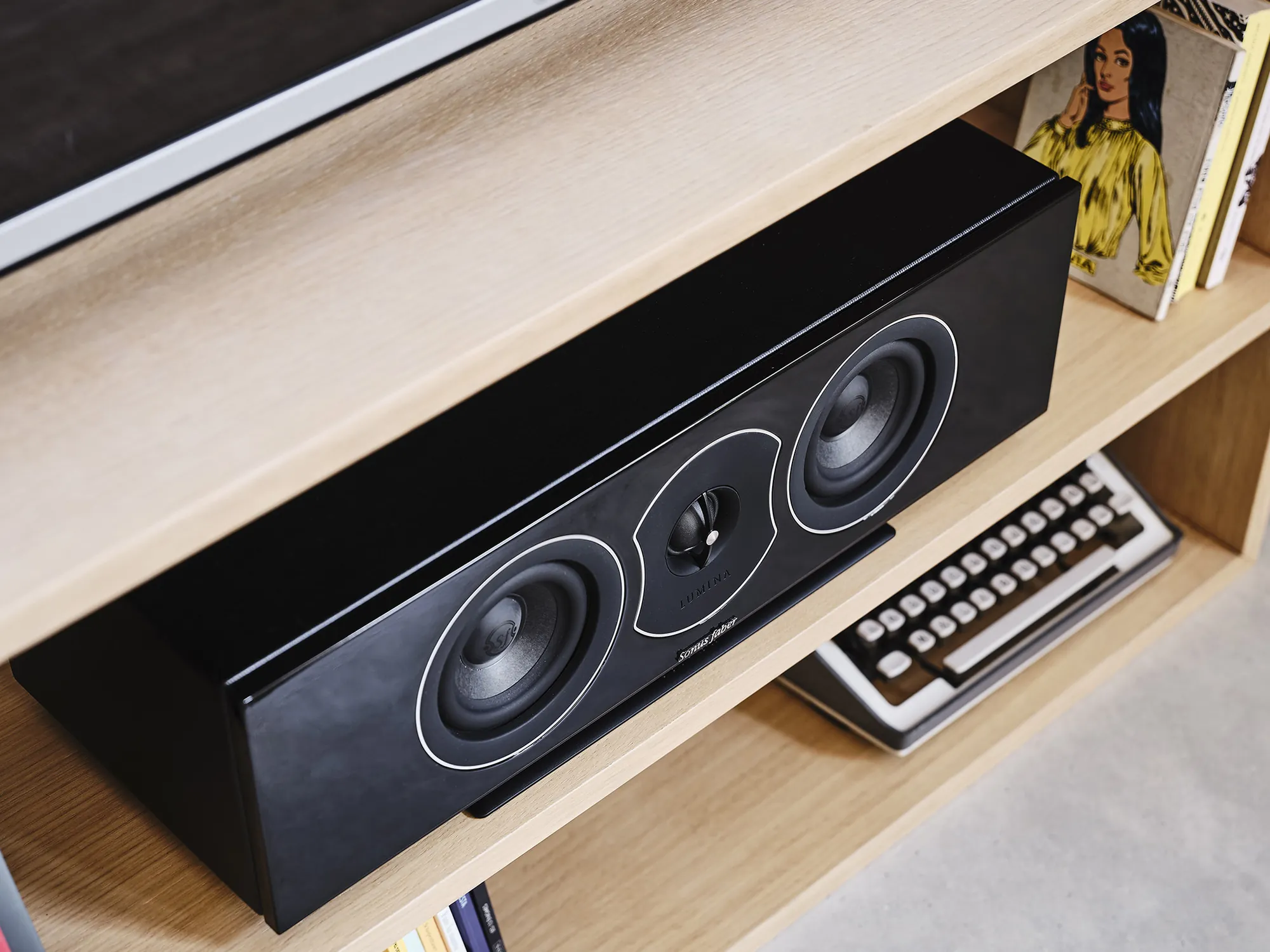
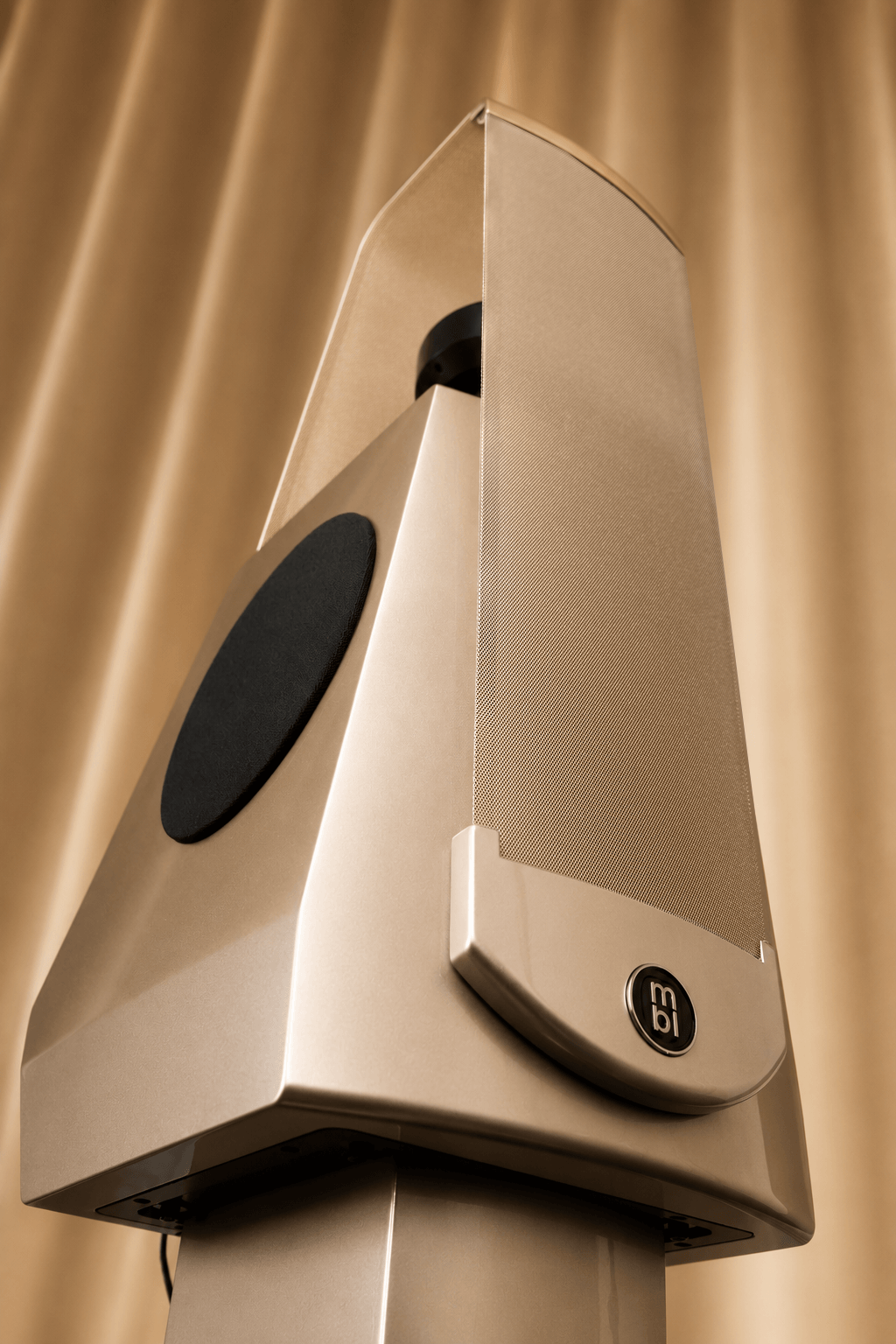
Wilson Audio, Sonus faber, MBL and McIntosh — dedicated centres that voice-match the mains.
In a reference cinema, the center channel does more real work than any other speaker in the room — because everything the audience listens to lives there.
Roughly two-thirds of a film’s dialogue mix and most of its music score arrive through the center. That is what makes a purpose-built, voice-matched center channel different from a small centre pulled from a stereo pair: it is engineered to hold up under the sustained dynamic load a lead vocal or a sustained score puts on the LCR array, and to time-align to the visual reference — the actor’s mouth on screen.
Every dedicated center we represent is built by a loudspeaker company that also builds its own left and right models. Wilson Audio, Sonus faber, McIntosh, and MBL each carry center channels drawn from the same driver families and voicing philosophy as their flagship floorstanders. That family-match is why a properly integrated center disappears into the screen instead of shouting from it.
The best center channel is the one you notice least, because it lets the movie speak.
How to specify a center for your room
Two questions settle most of it. First, voice-matching: the center should share a driver family and crossover architecture with your left and right speakers. Second, placement: on-axis, at ear height, time-aligned with the screen plane. Get those two right and the room does the rest.
More on specifying a center channel ↓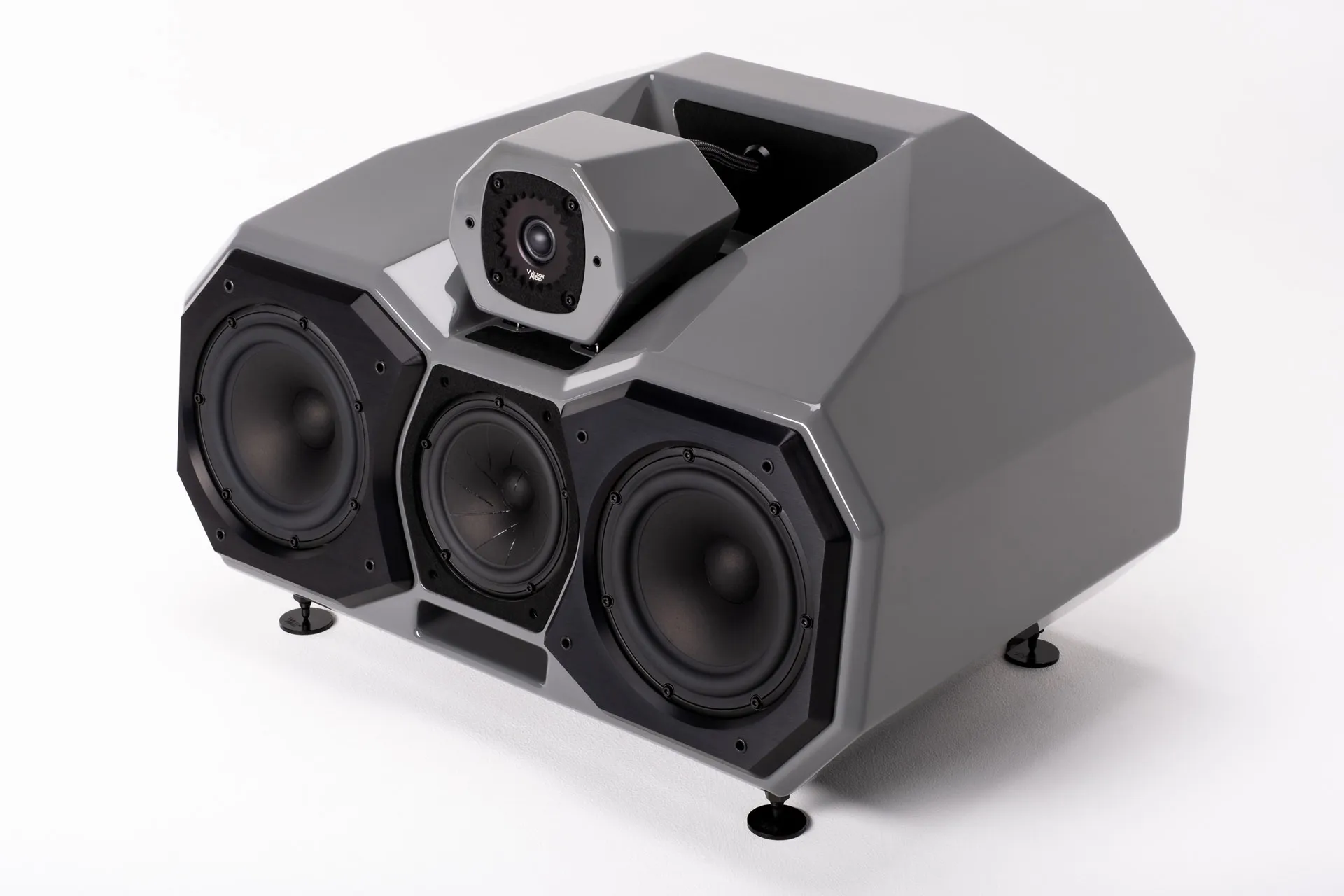
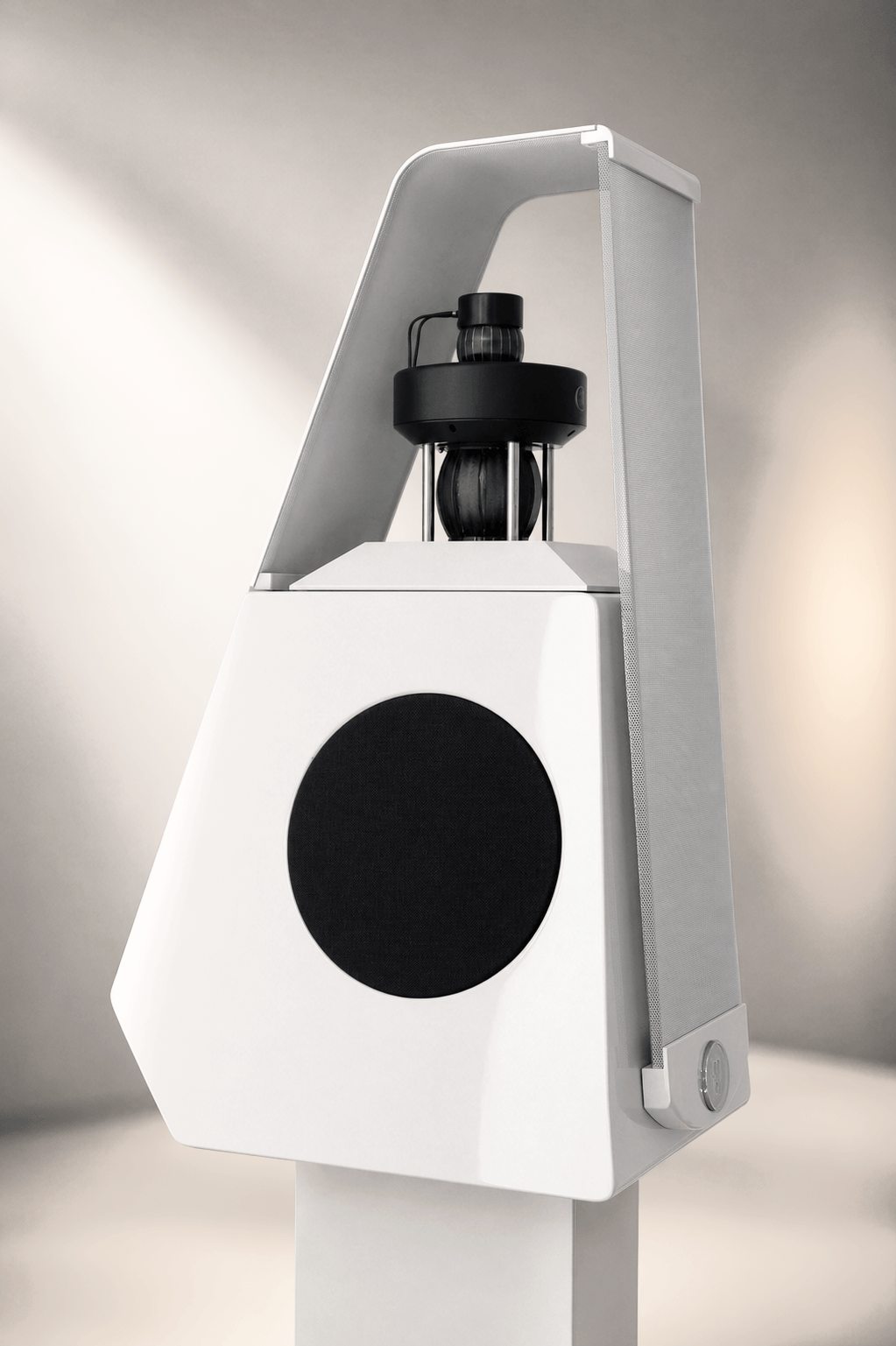
The two decisions that matter
Voice-matching comes first. The center should share a driver family and crossover architecture with your left and right speakers. Mixing brands or families across the LCR is the most common cause of a dialogue image that shifts as it pans between speakers, and no amount of room correction can fully undo it.
Placement comes second. On-axis to the listening position, at ear height, and time-aligned with the screen plane are the ideal — which is why cinema-grade centers are often designed to sit behind an acoustically transparent screen rather than in front of the display. Where the screen is a television, the choices narrow: above or below, tilted toward the listener, close enough to the screen plane that the video and audio events arrive at your ears within a few milliseconds of each other.
For a dedicated cinema, plan the acoustic treatment around the center the way you would around any full-range speaker — it will do most of the sustained work in the room, and it will show any placement compromise most clearly. Room correction can straighten the frequency response after the fact; it cannot re-align a center that is off-axis or off-height.
Hear these in a real cinema room
LMC’s Scottsdale Cinema Suite, Grand Cinema Suite, and the Tempe Theater are working reference cinemas — not showroom mockups — with voice-matched center channels installed in front of Trinnov processors, Barco projection, and full acoustic treatment. Bring the film you use to judge dialogue and the score you know best. If you are trying to decide between an integrated center and a matched-driver in-wall solution for a specific room, ask us to set that comparison up.