Phono Cartridges
Phono Cartridges
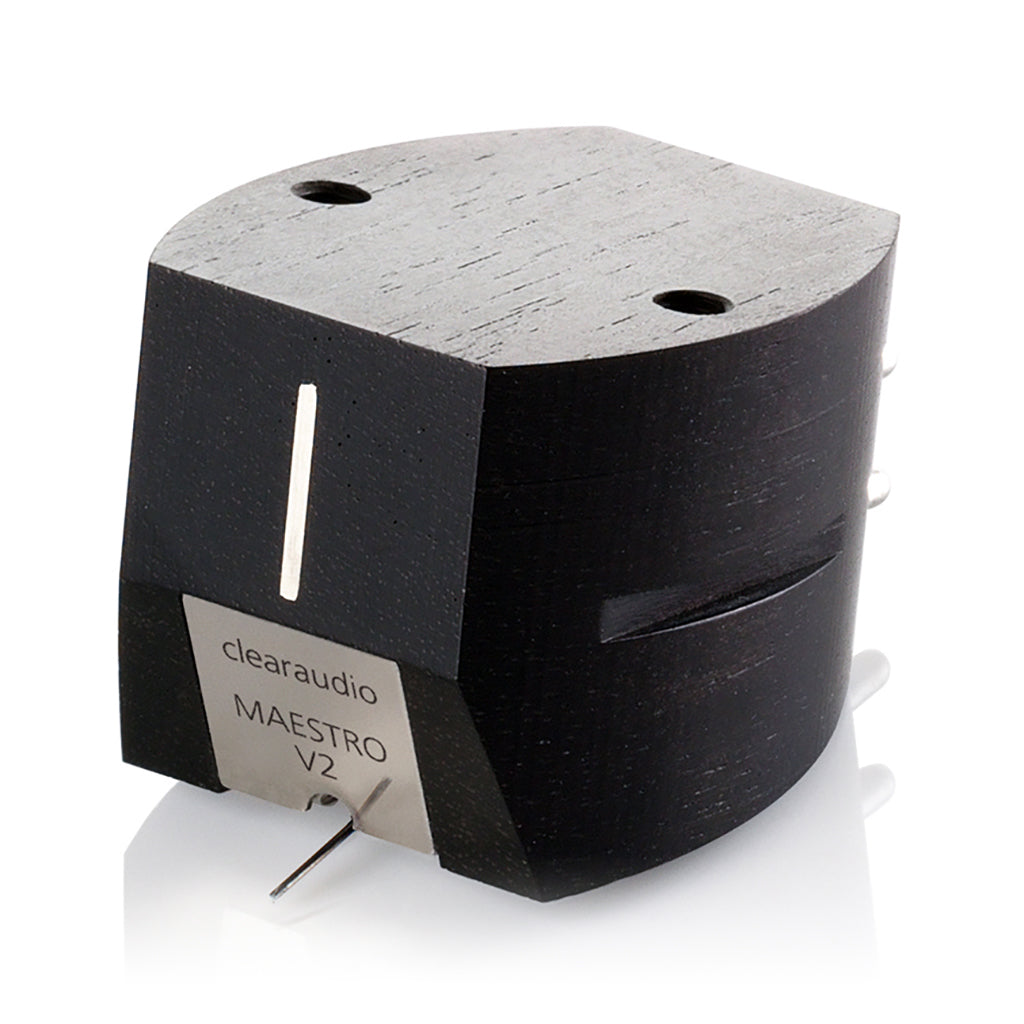
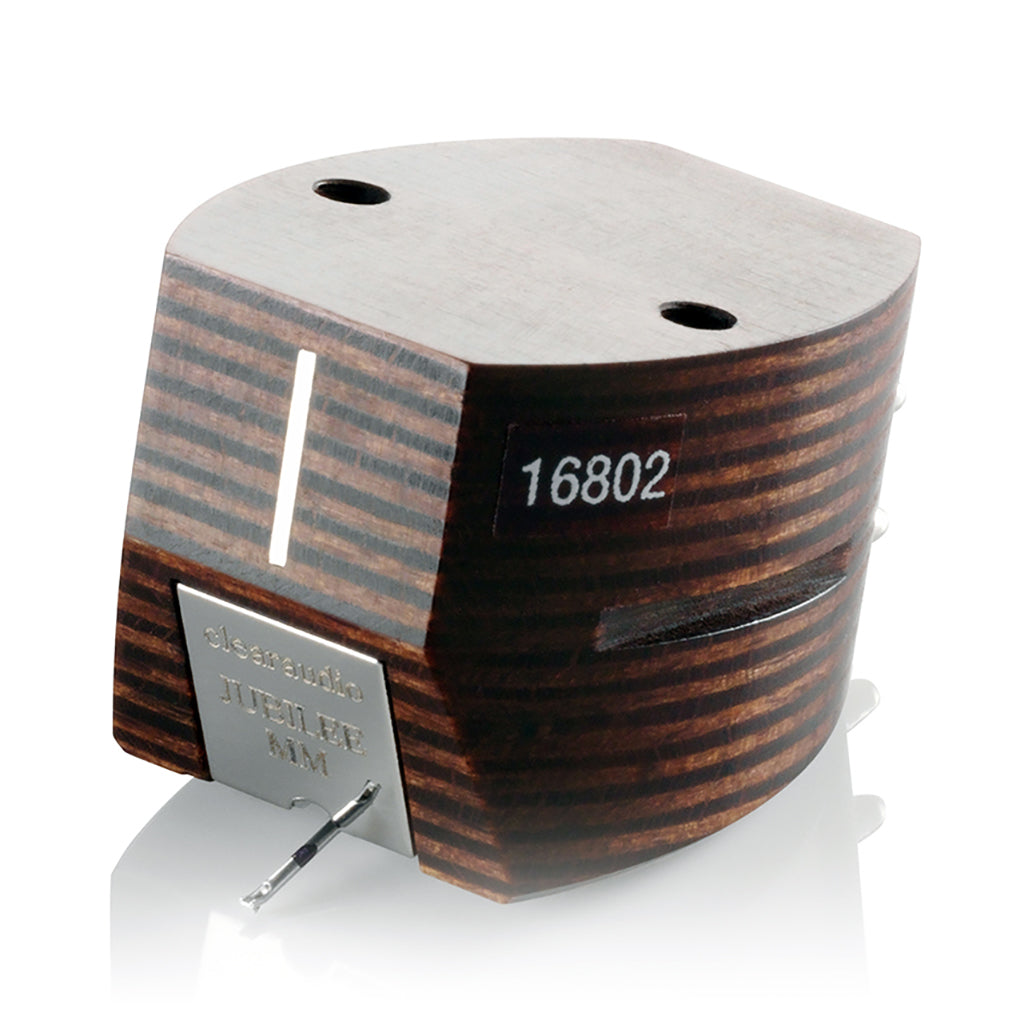
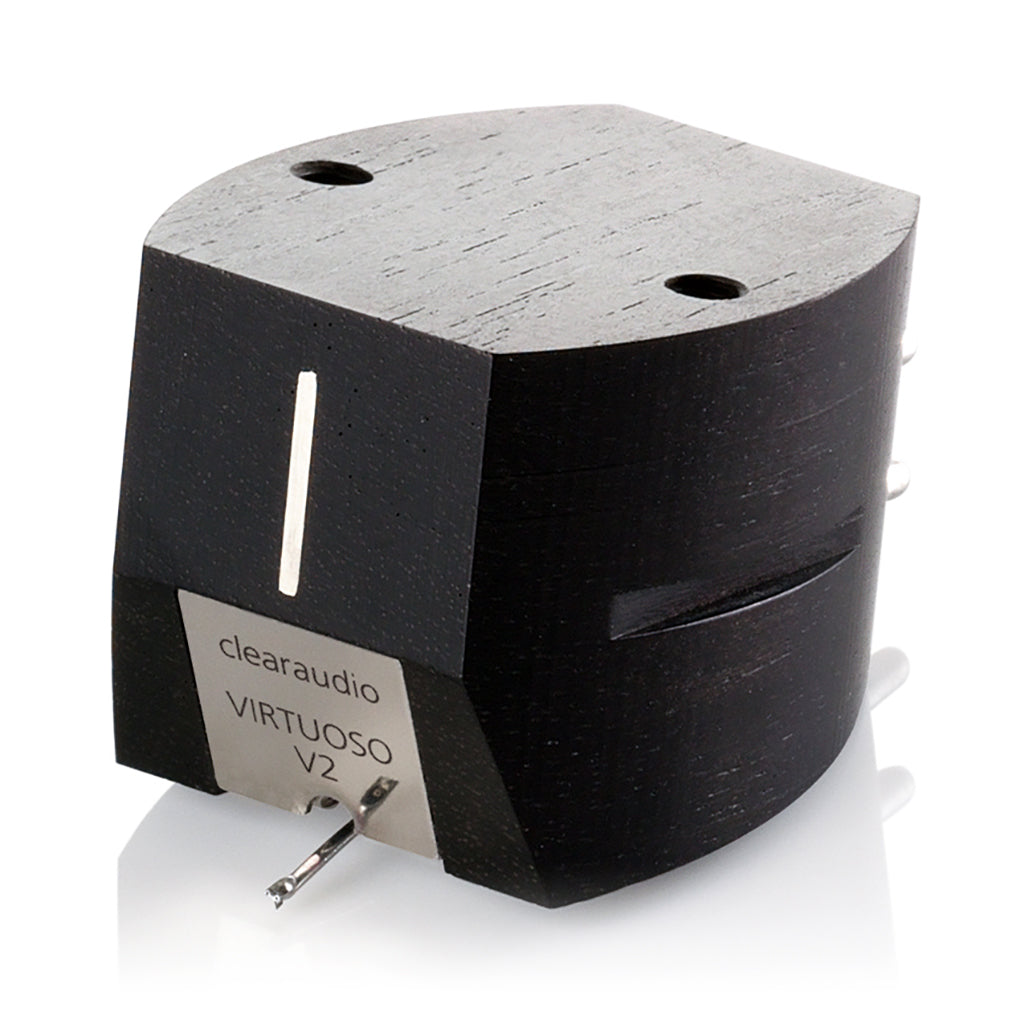
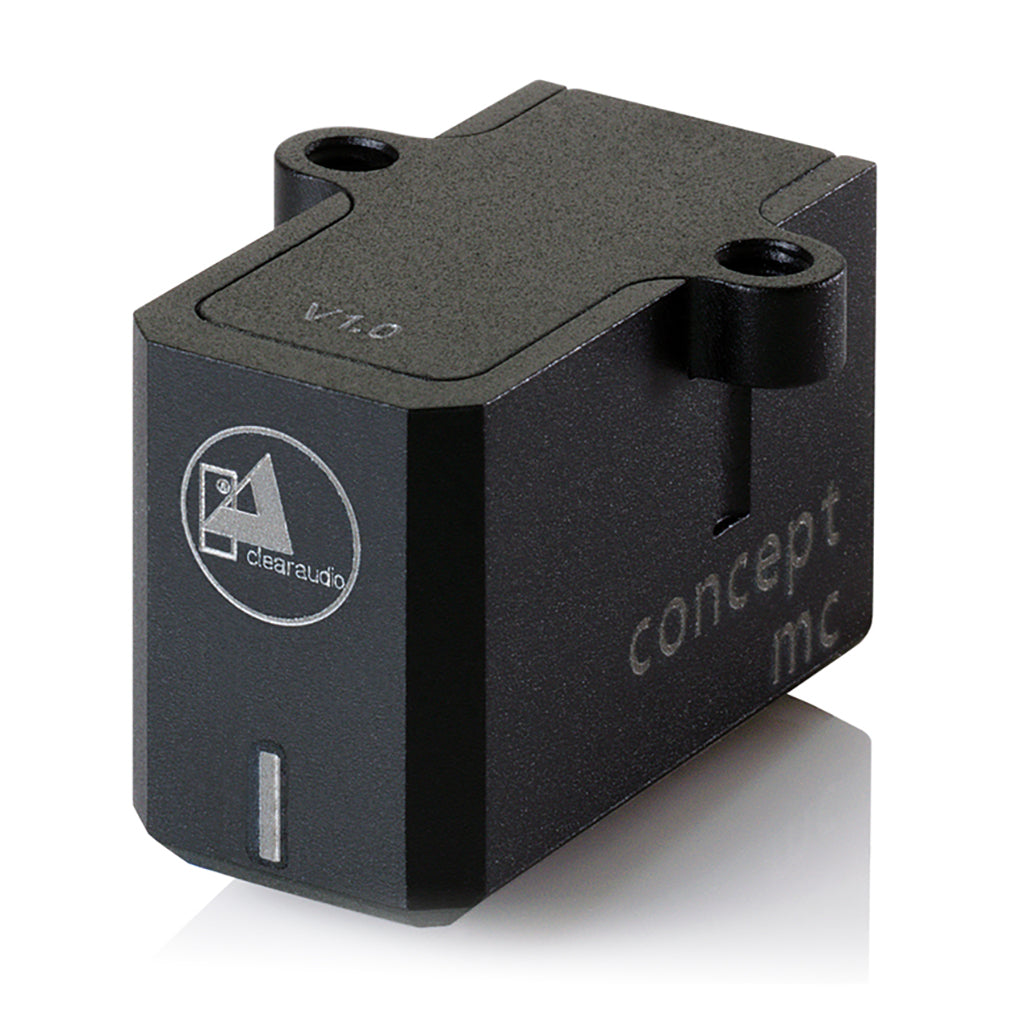
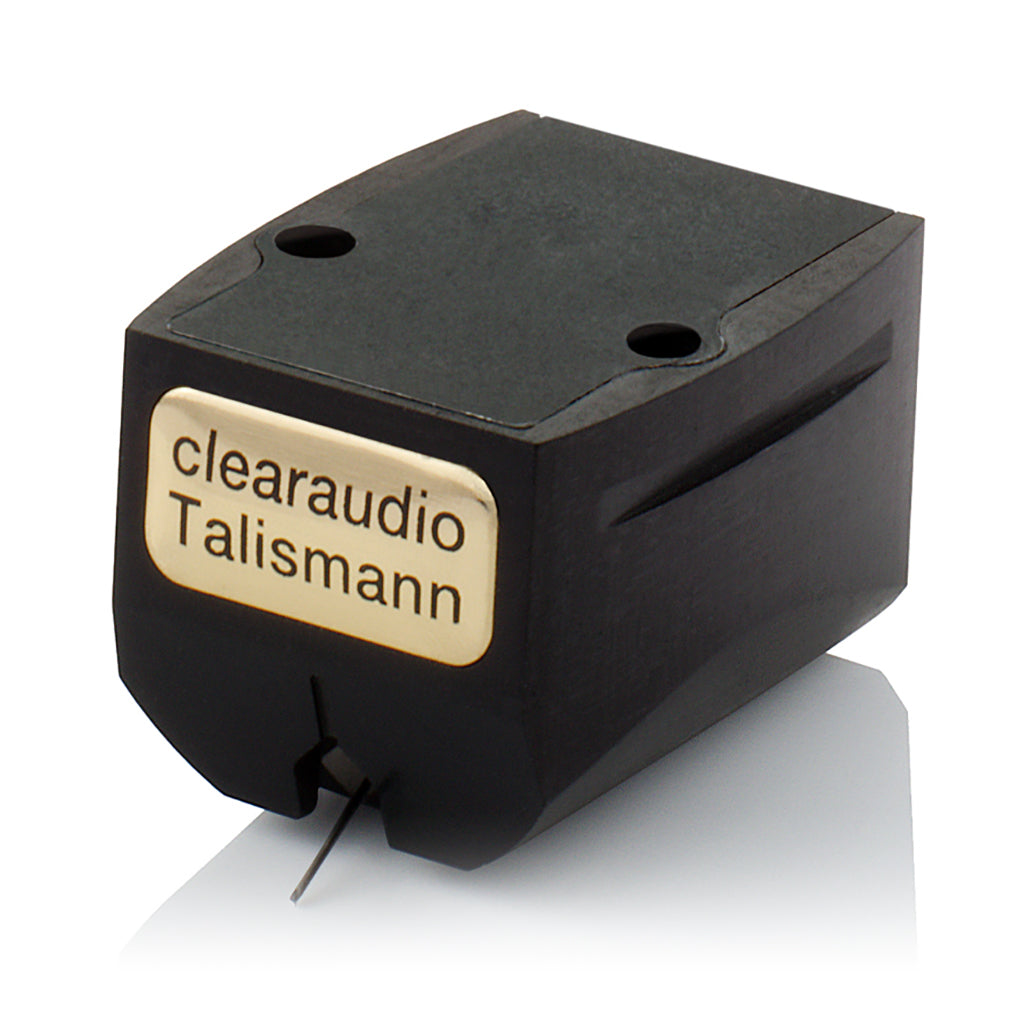
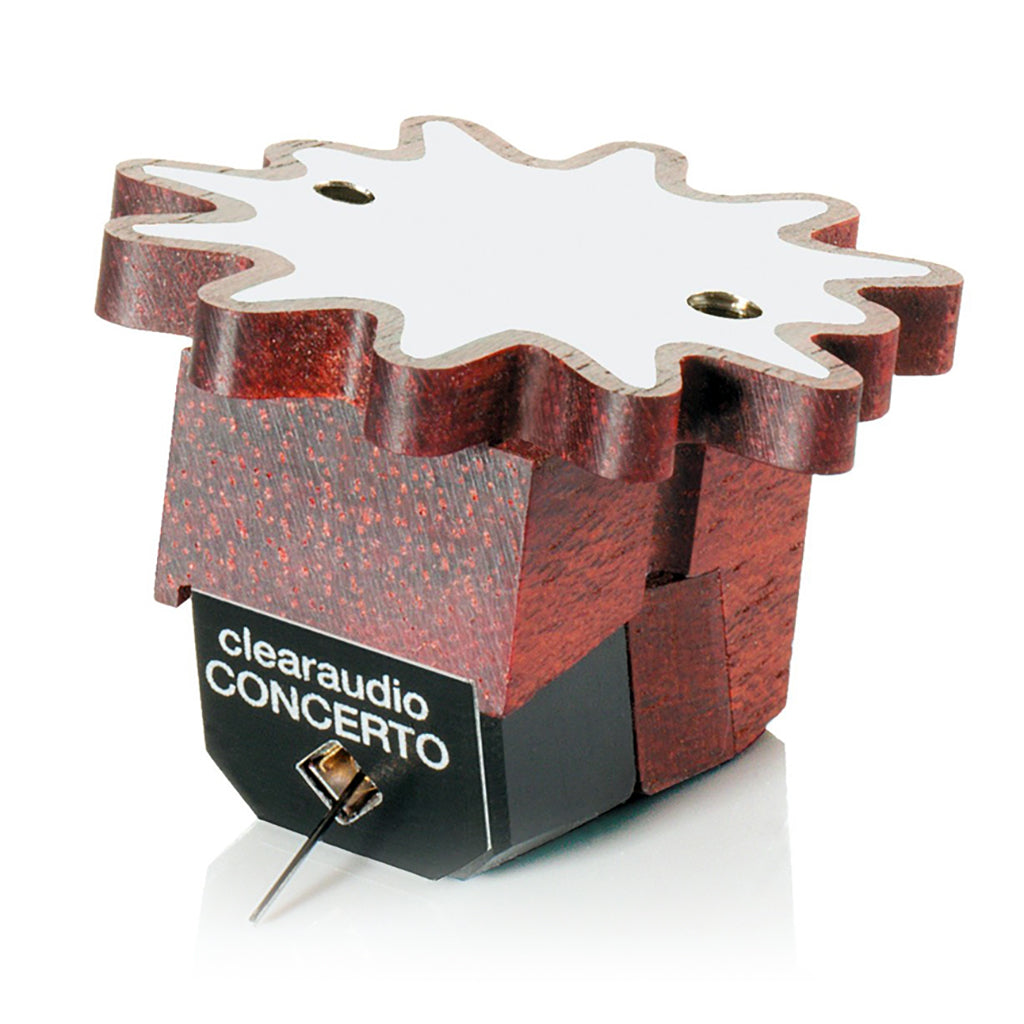
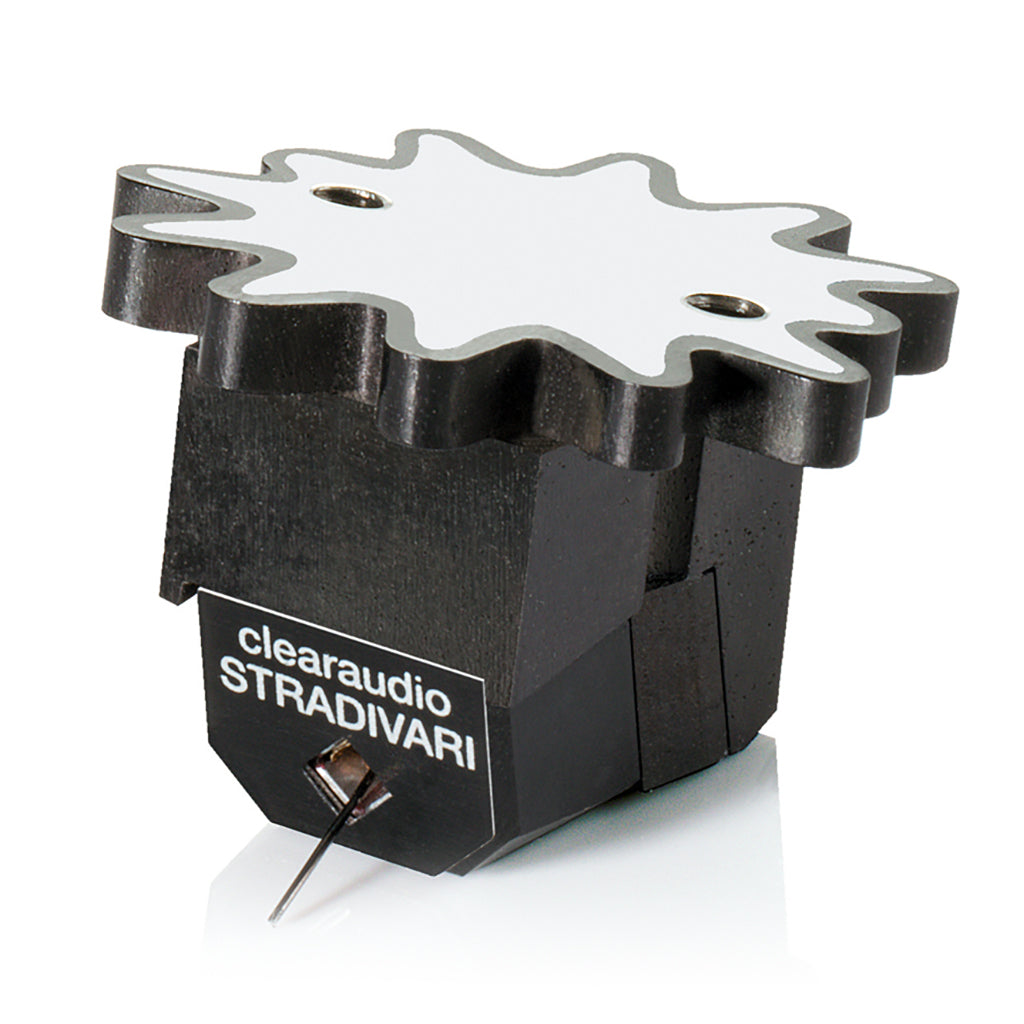
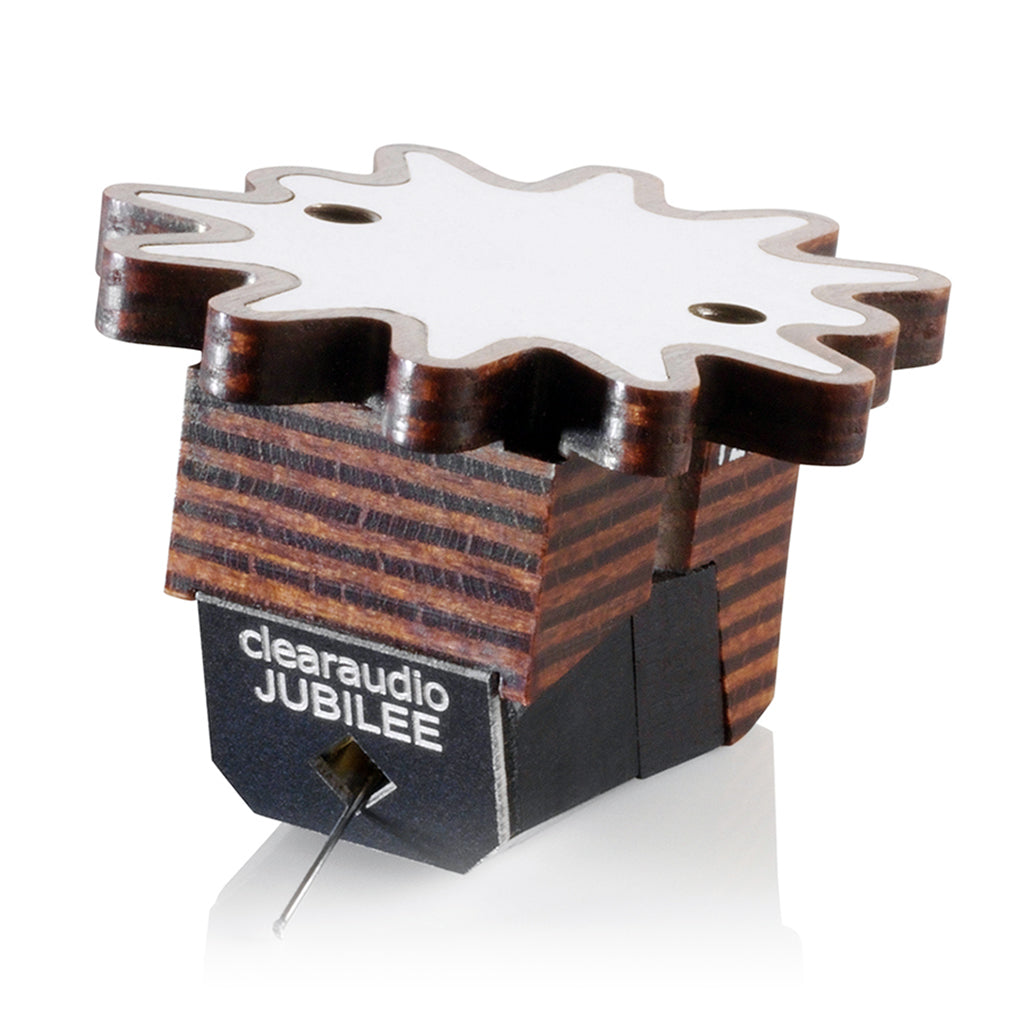
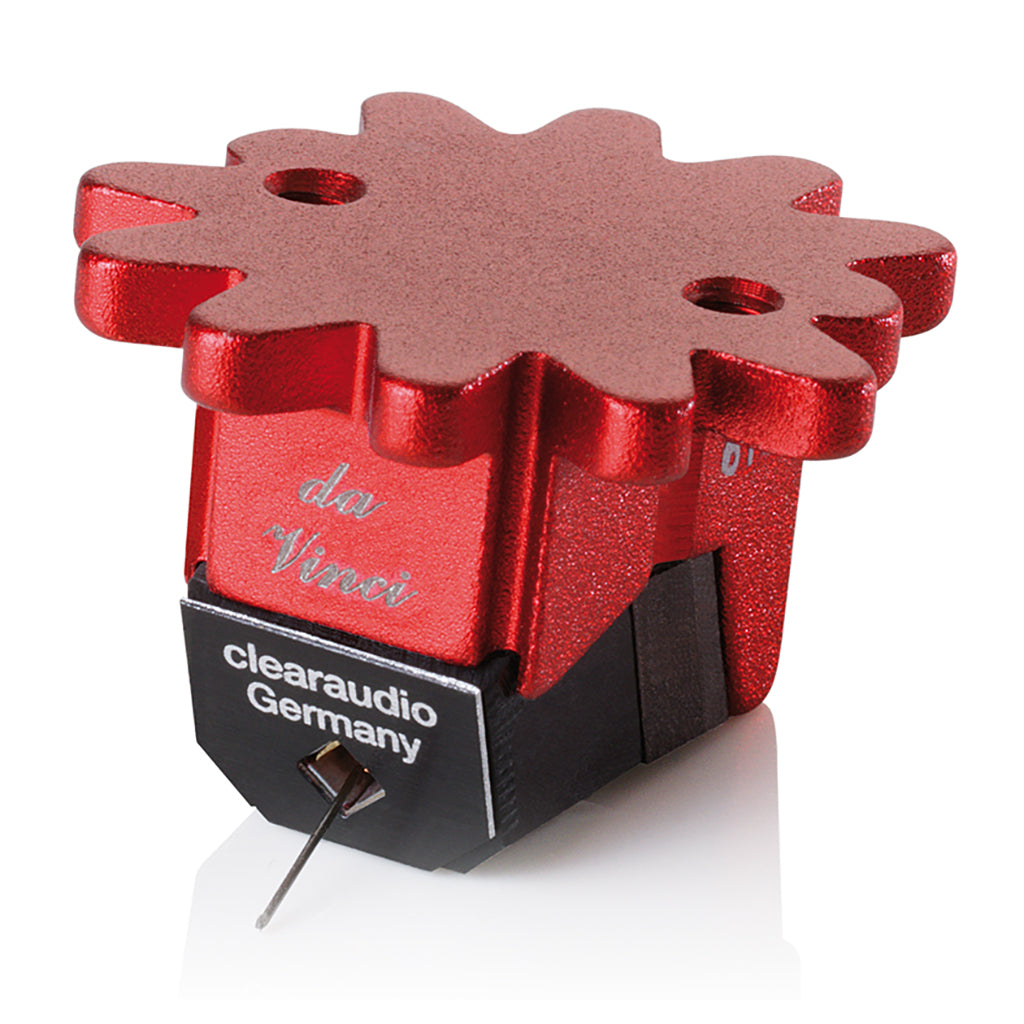
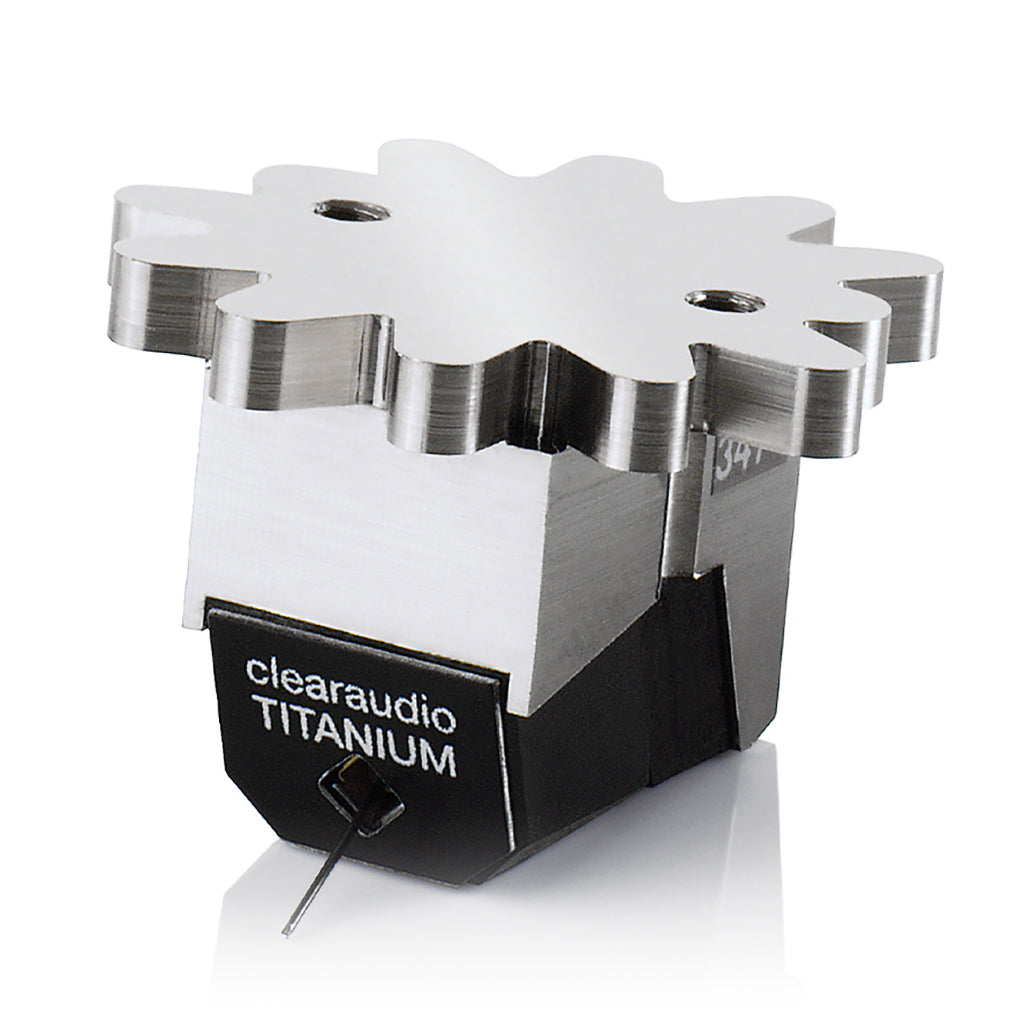
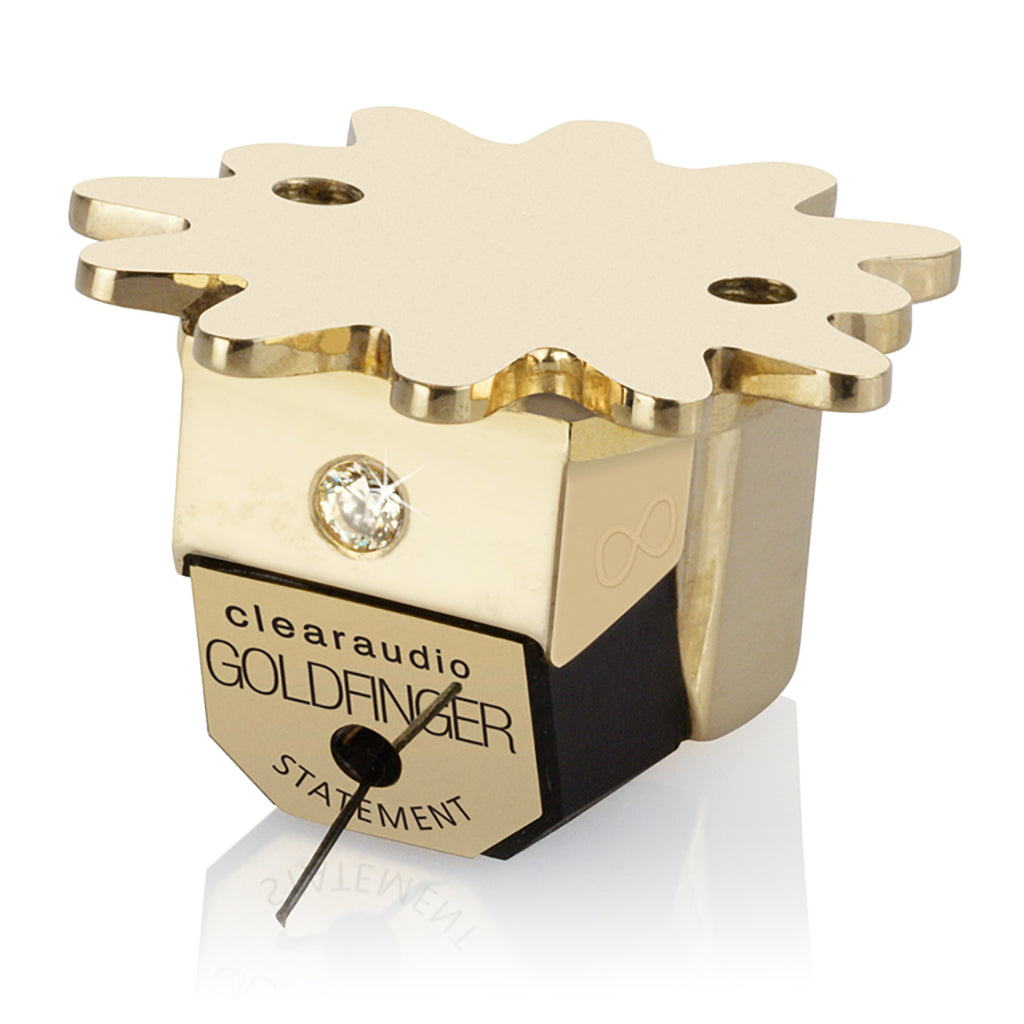
Clearaudio moving coil and moving magnet — the first component in the chain, and the only one that wears out.
Everything downstream is amplification of whatever the stylus recovers from the groove. Nothing later in the chain adds back what is missed here.
A cartridge is a generator. The stylus traces a groove wall modulated up to twenty thousand times a second, the cantilever carries that movement to a coil or a magnet, and a few hundred microvolts come out the other end. Tracking force is set in fractions of a gram and alignment errors are measured in micrometres, which is why cartridge design sits closer to instrument making than to electronics.
Moving coil designs move the coil inside a fixed magnetic field and output very little — Clearaudio's Diamond Jubilee MC produces 0.8 mV — so they need a phono stage with real gain and correct loading behind them. Moving magnet designs put out roughly ten times more and are easier to partner. That is not a ranking, it is a decision about the rest of the system and about how often you want to replace a stylus.
The only component in the system that physically wears out. Specify it accordingly.
How to choose a cartridge
Compliance has to suit the tonearm — the arm-and-cartridge resonance wants to land between roughly eight and twelve hertz, and that constraint rules options out fast. Remember it is a consumable: a stylus has a few hundred hours in it, and a worn one damages records. Budget for the retip, not just the purchase.
More on choosing a cartridge ↓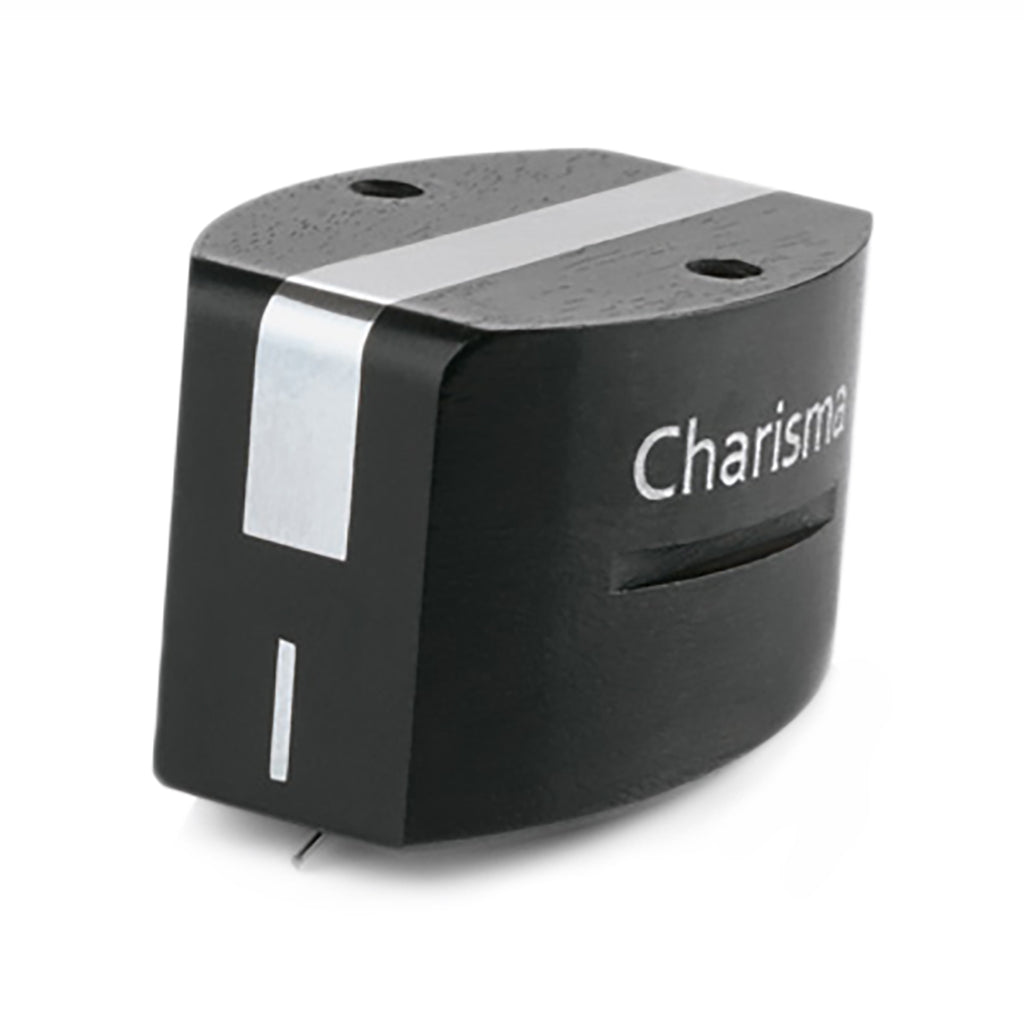

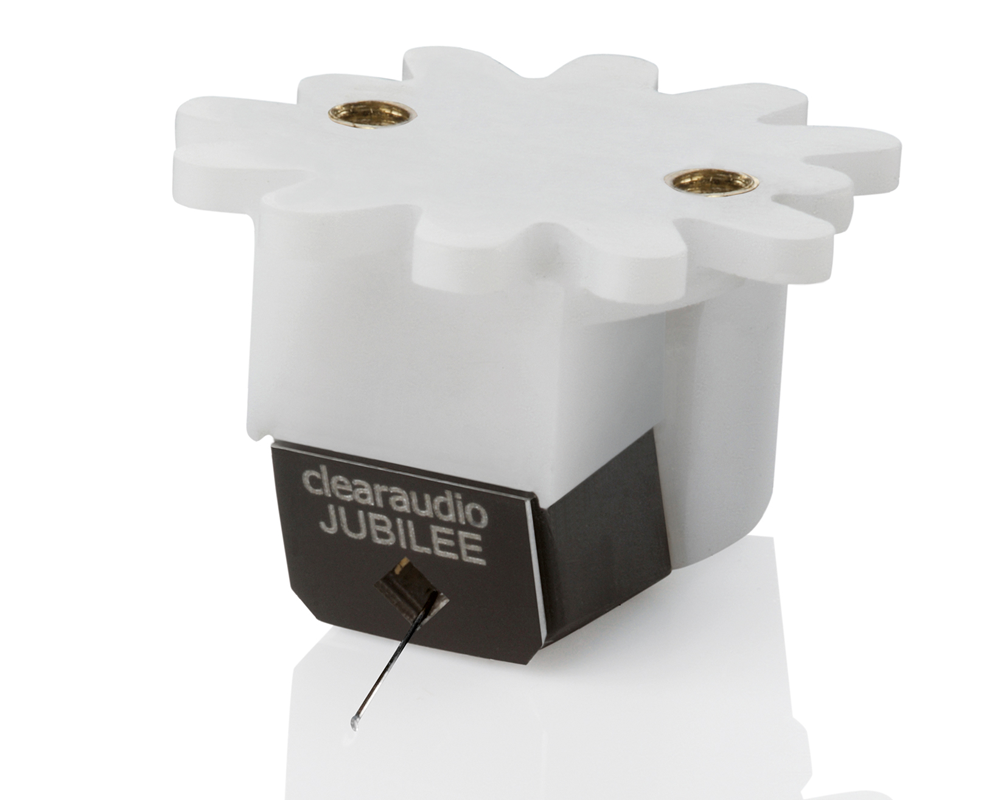
Choosing a cartridge, in detail
The cartridge is the only part of the system in physical contact with the recording, and it is a consumable. A stylus has a service life measured in hundreds of hours, after which it stops tracking accurately and starts doing damage. Budgeting for a cartridge means budgeting for its eventual replacement or retip, not just the purchase.
Compliance has to suit the tonearm. A high-compliance cartridge in a heavy arm, or a stiff one in a light arm, puts the resonant frequency of the arm-and-cartridge system in the wrong place — ideally it sits between about eight and twelve hertz, above record warp frequencies and below the audible band. This is a genuine compatibility constraint, not a preference, and it eliminates options quickly.
Stylus profile is where a lot of the performance sits. More sophisticated profiles trace more of the groove and last longer, but demand more precise alignment to deliver on it. If the deck is not going to be set up properly, a simpler profile is the more honest choice.
Hear these in Scottsdale and Tempe
We fit and align cartridges properly, by measurement, and we will check an existing setup for you whether or not the cartridge came from us. If you are unsure how much life is left in a stylus, bring the deck in — that is a five-minute answer under magnification and worth knowing before it costs you records.