Cables & Interconnects
Cables & Interconnects
Transparent Audio and Kimber Kable — the last variable in a system that is otherwise finished.
Cable is the least glamorous line item in a reference system and the one most often left to chance.
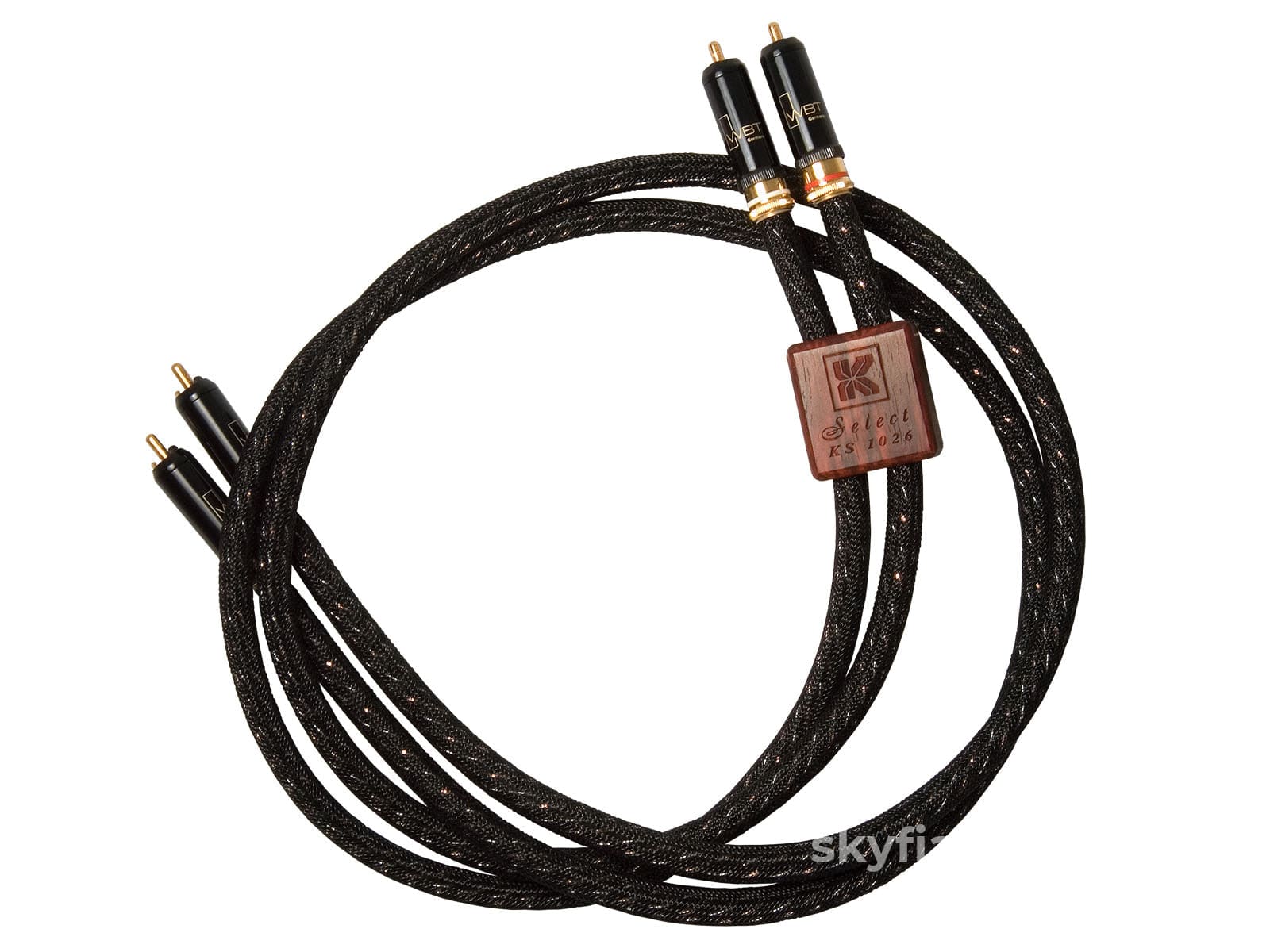
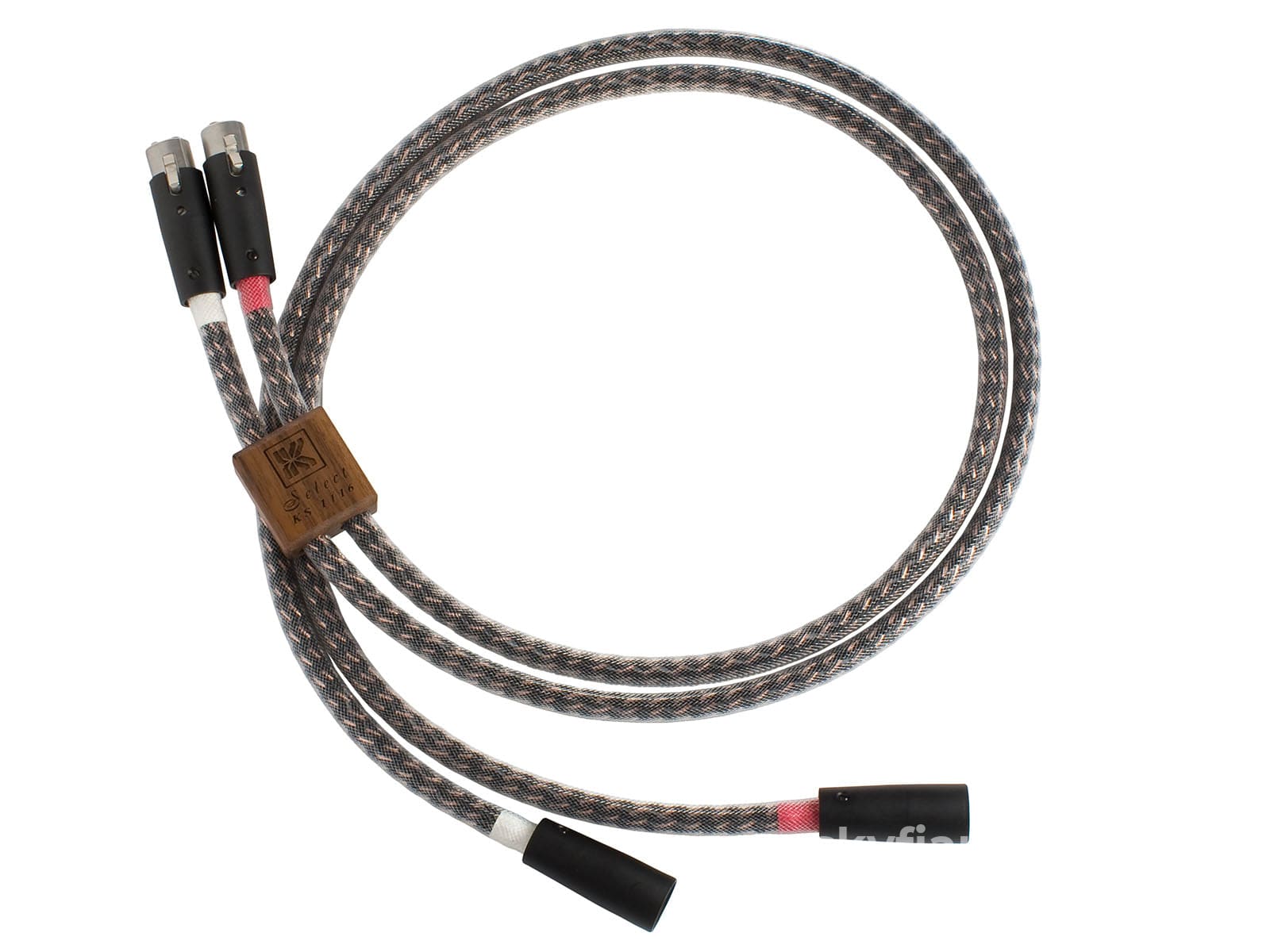
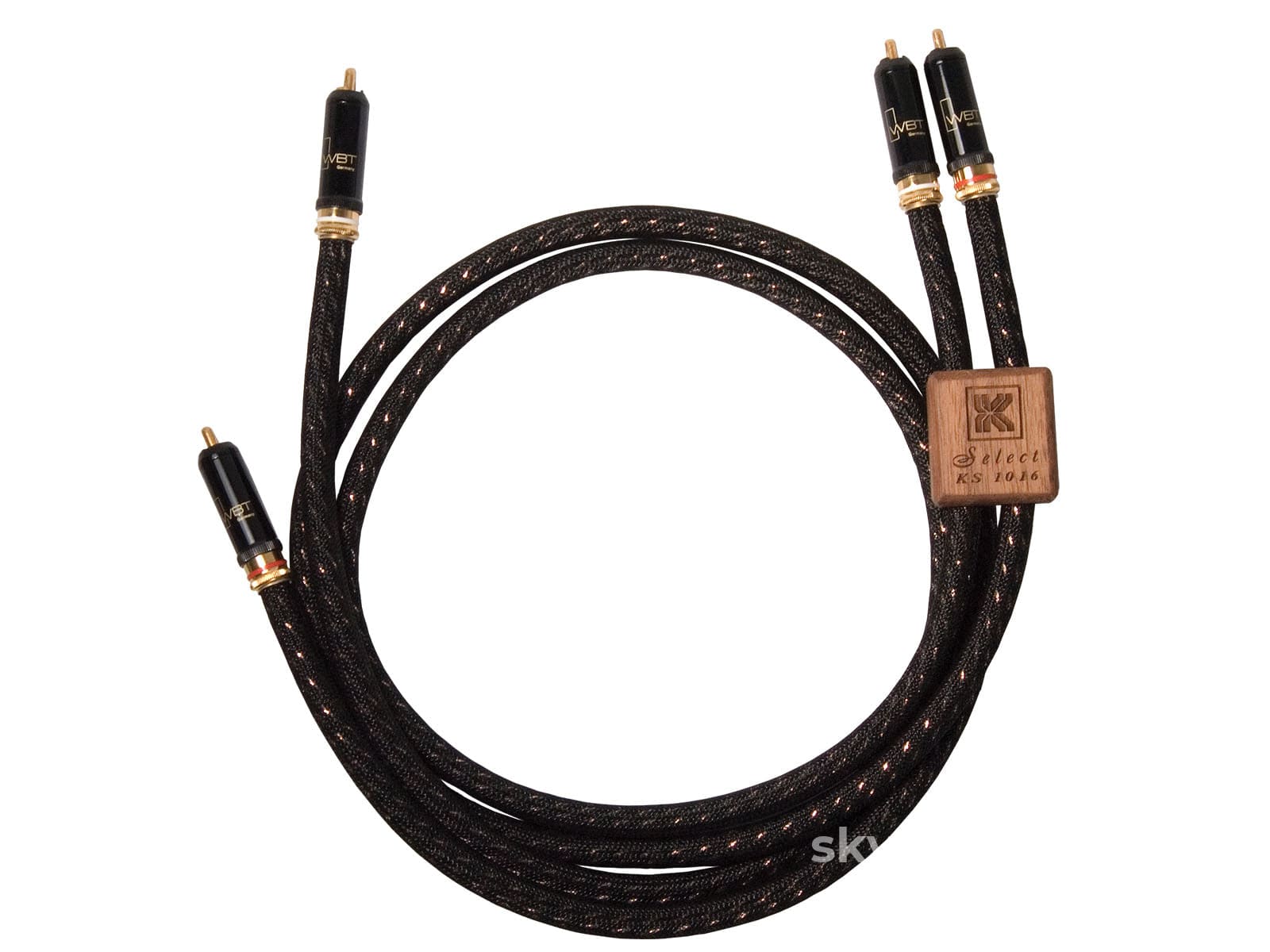
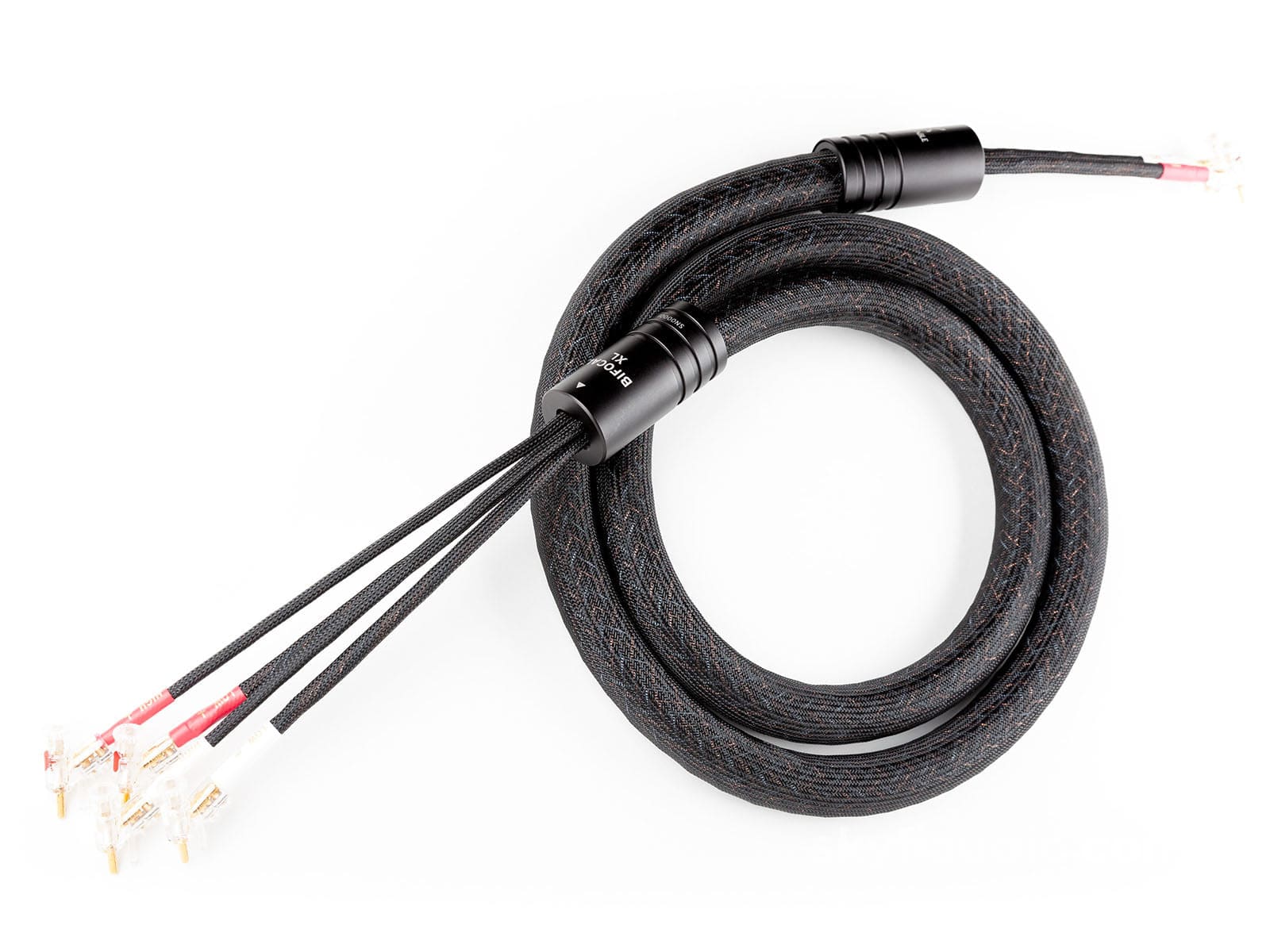
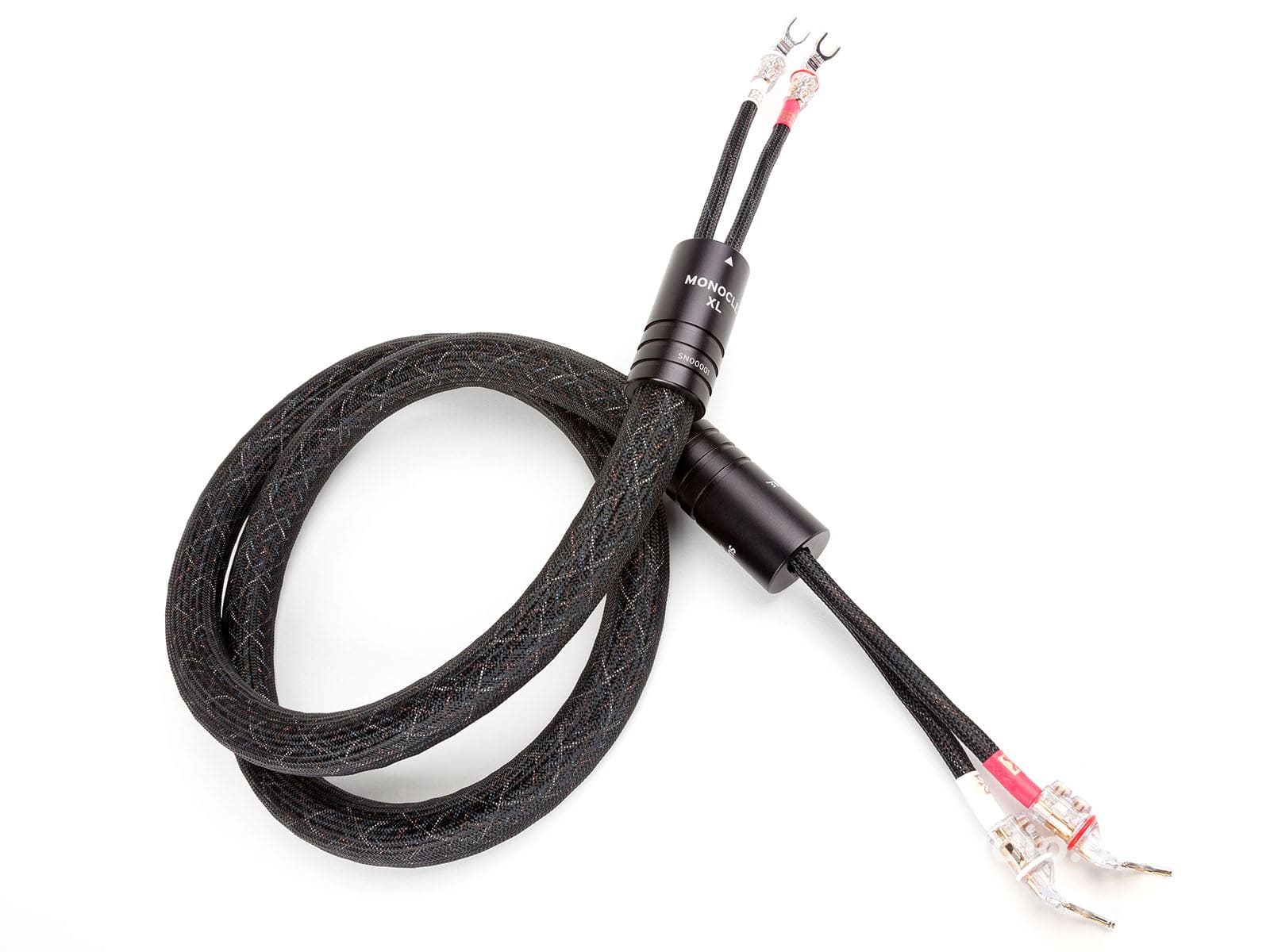
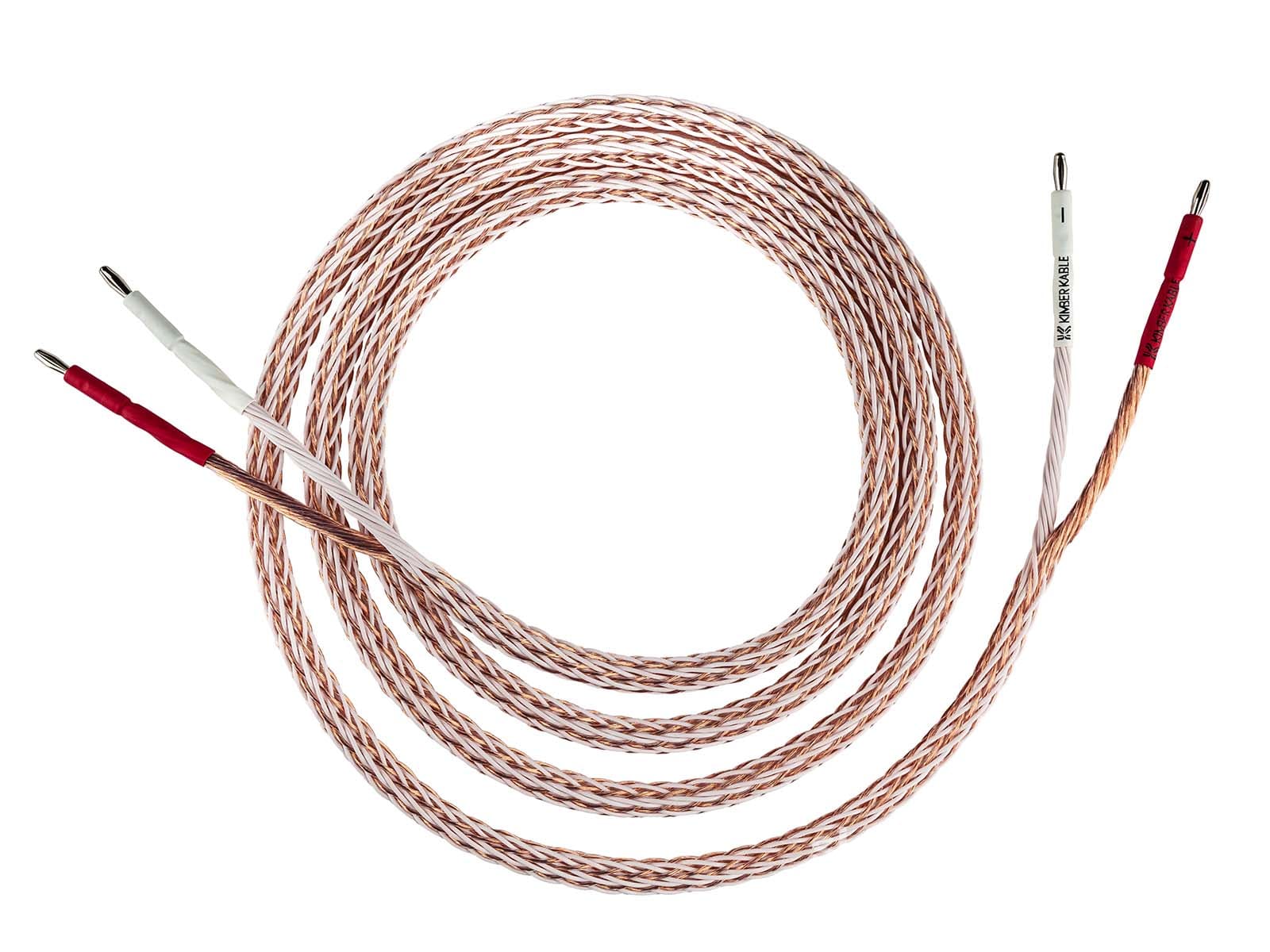
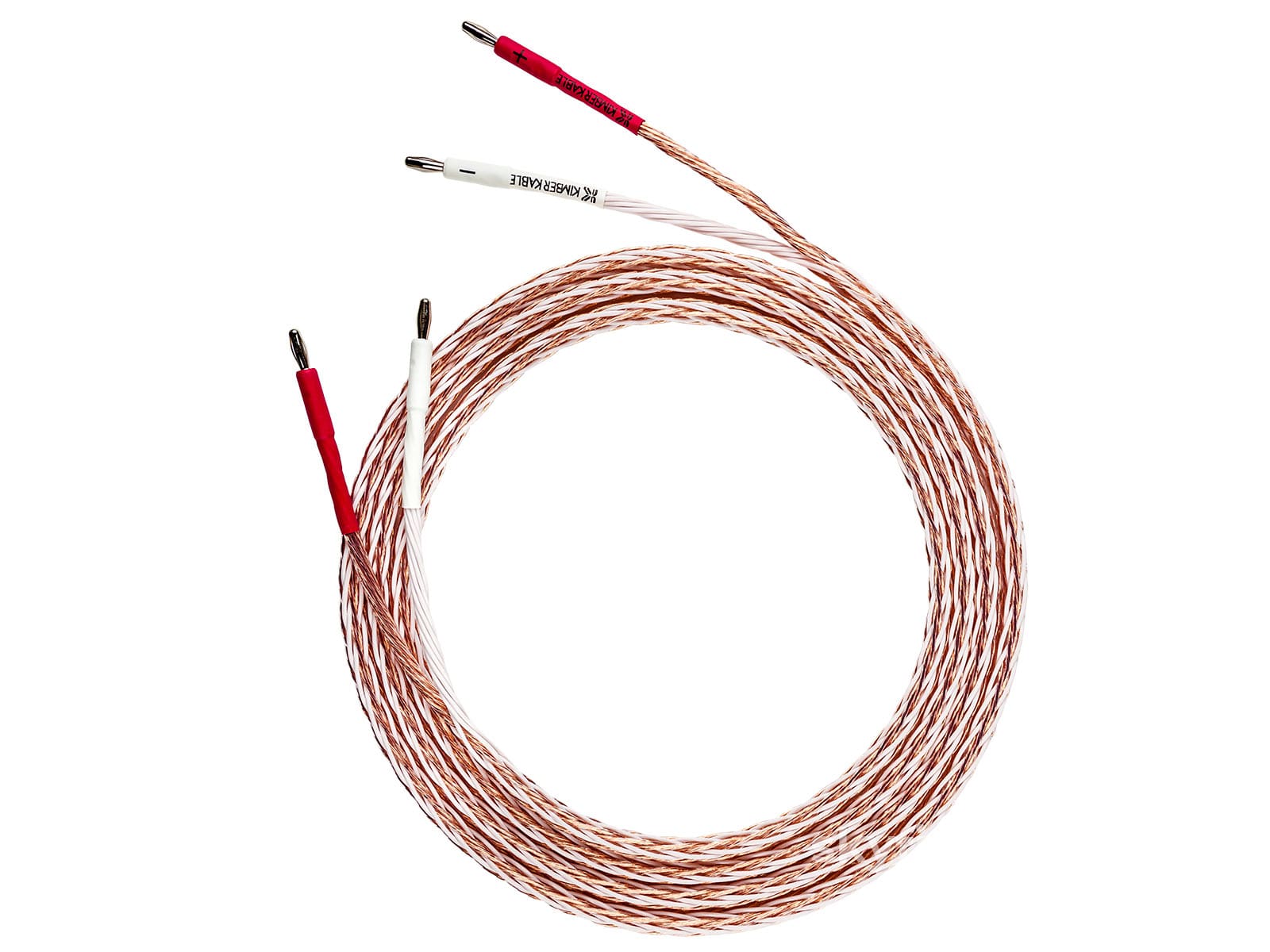
Two approaches are represented here, and they disagree productively. Kimber's is geometric: braid the conductors so that each one's position relative to its neighbours is constantly changing, and the induced noise fields largely cancel. It has been the same argument in Ogden, Utah since 1979.
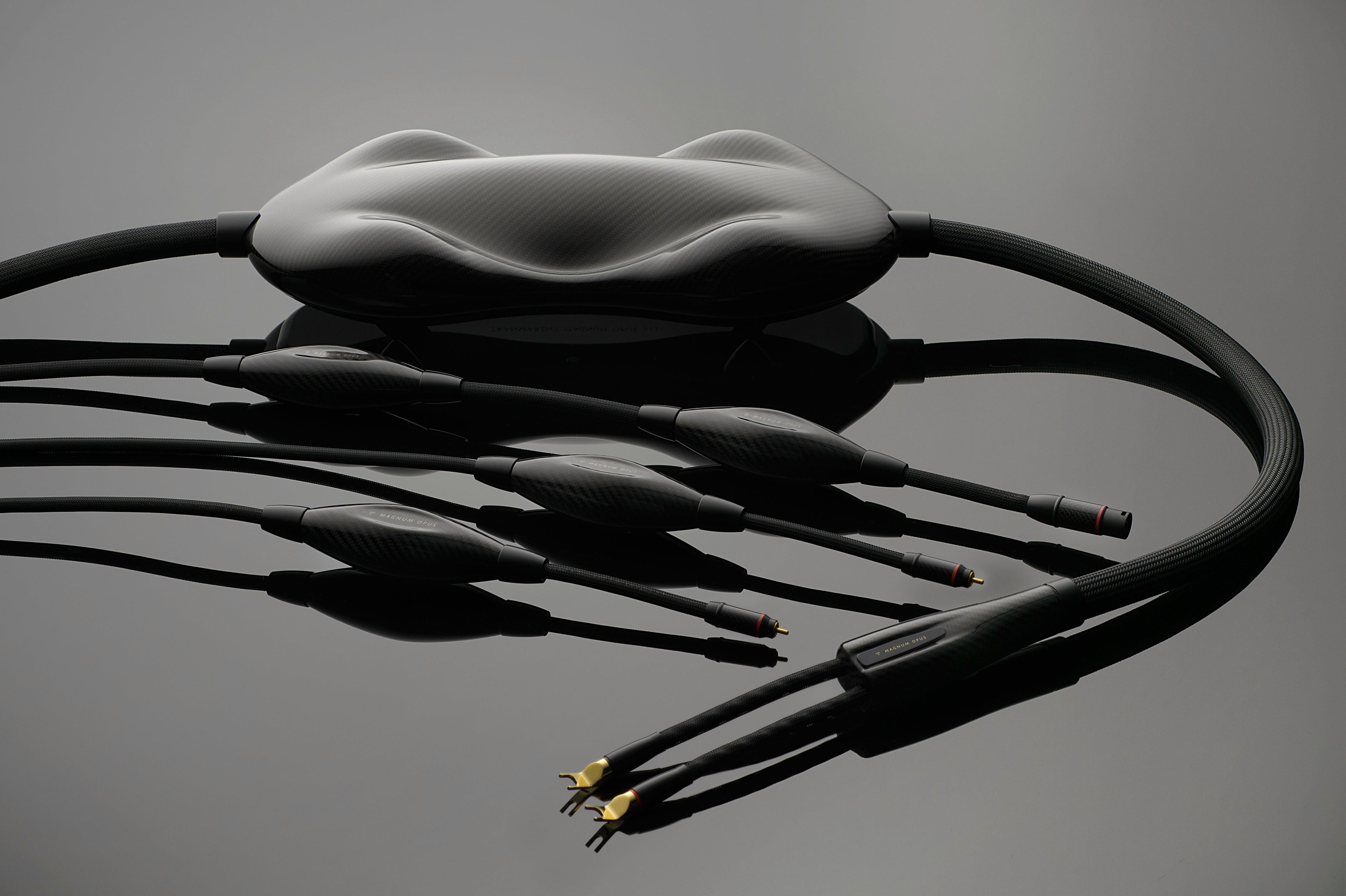
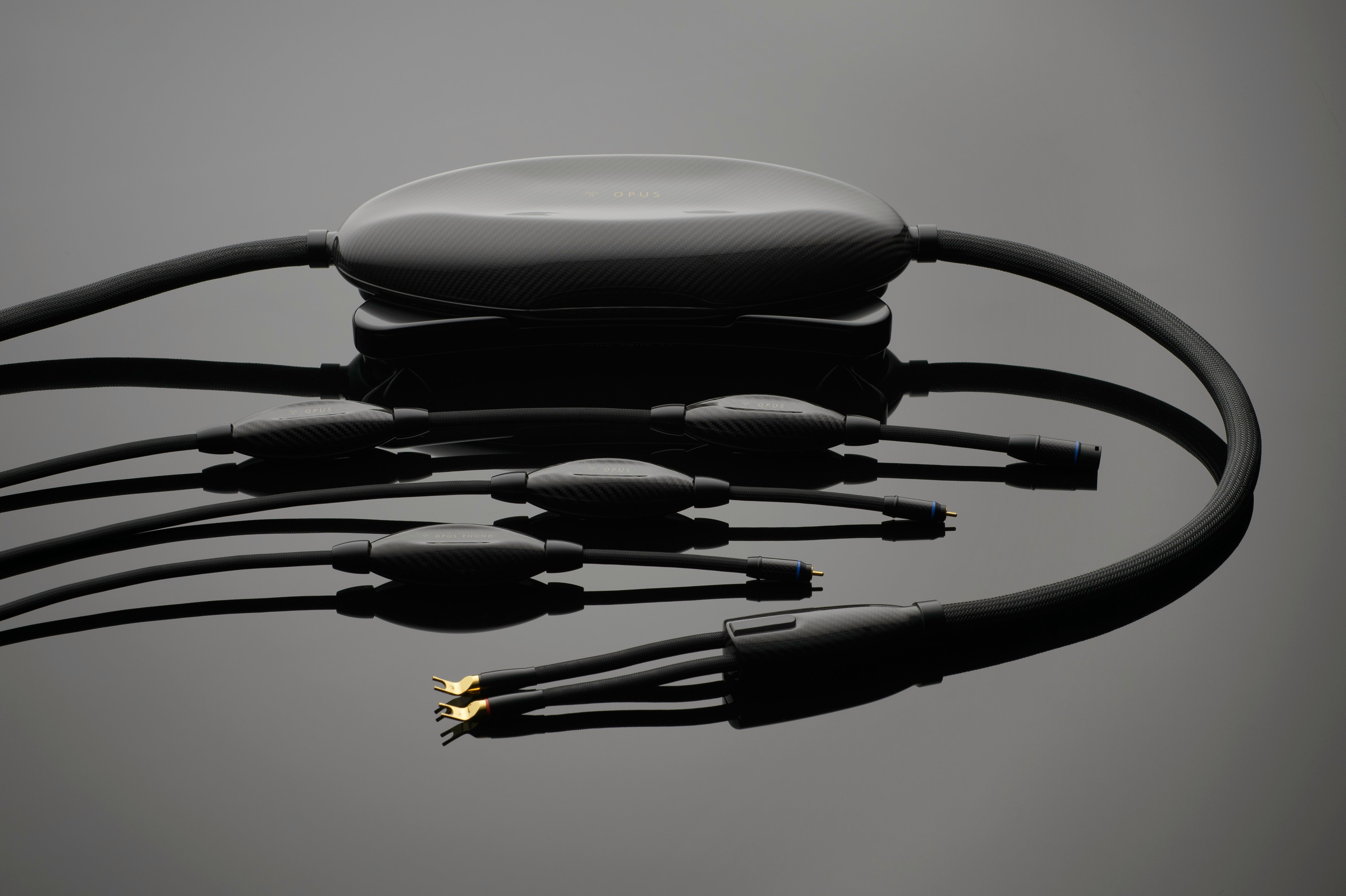
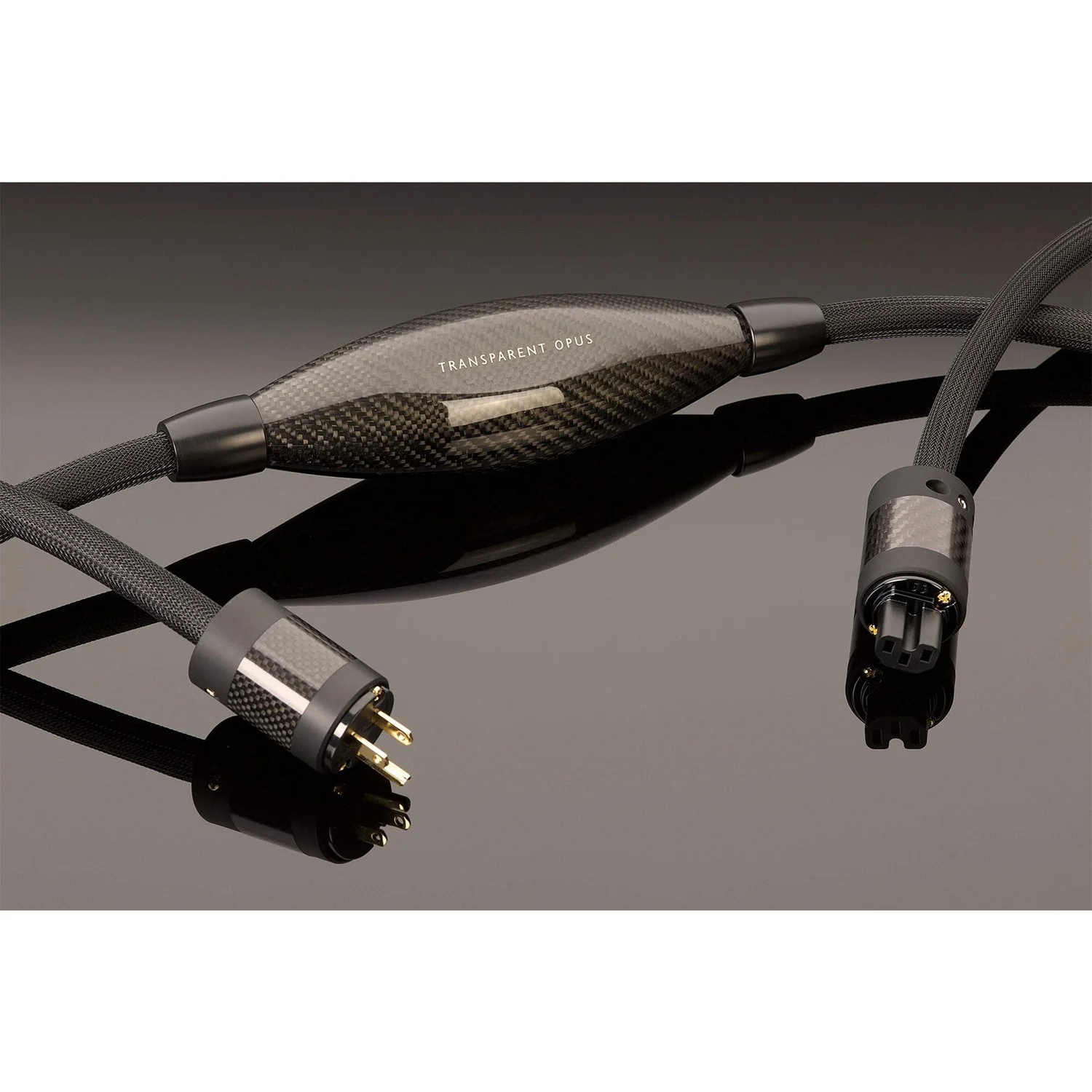
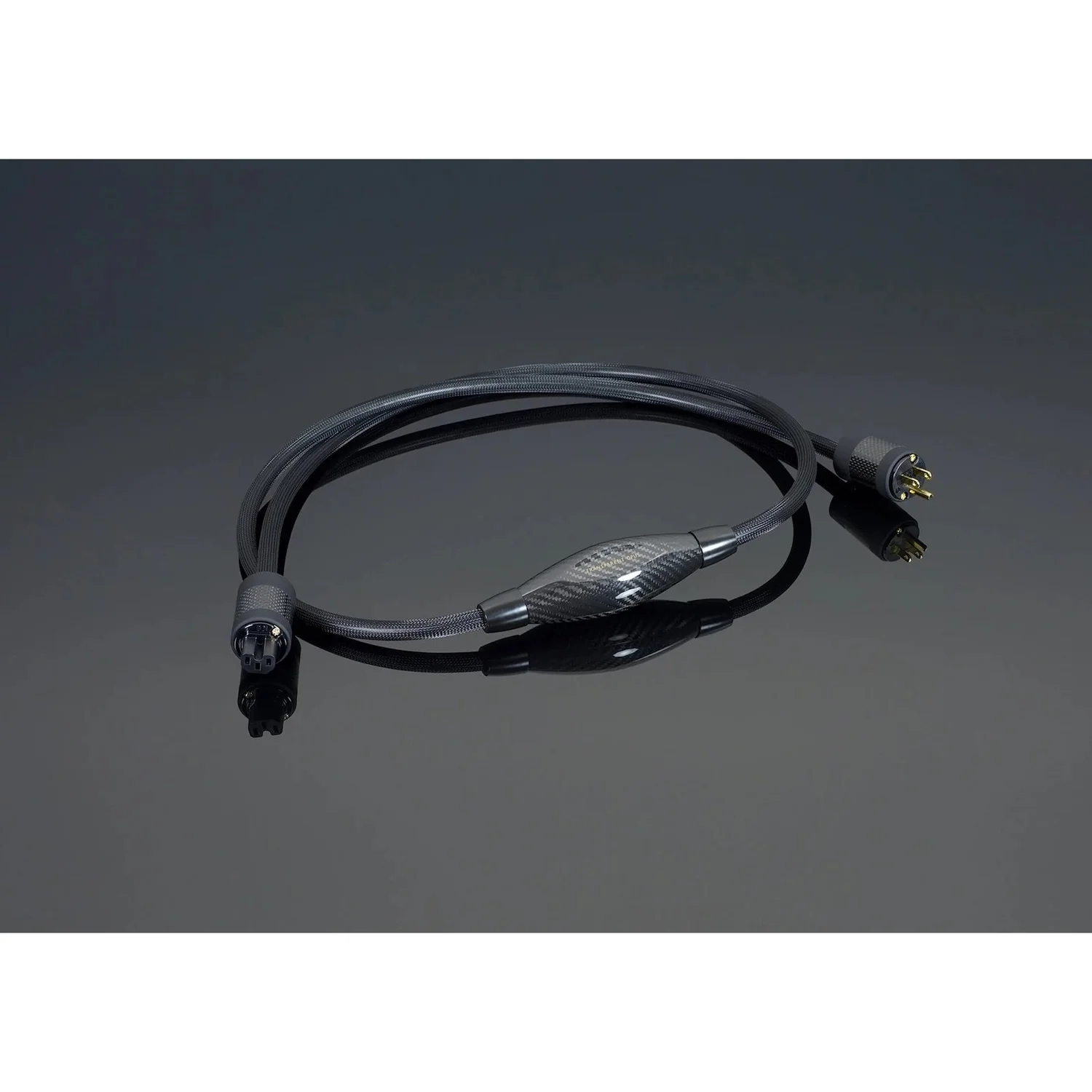
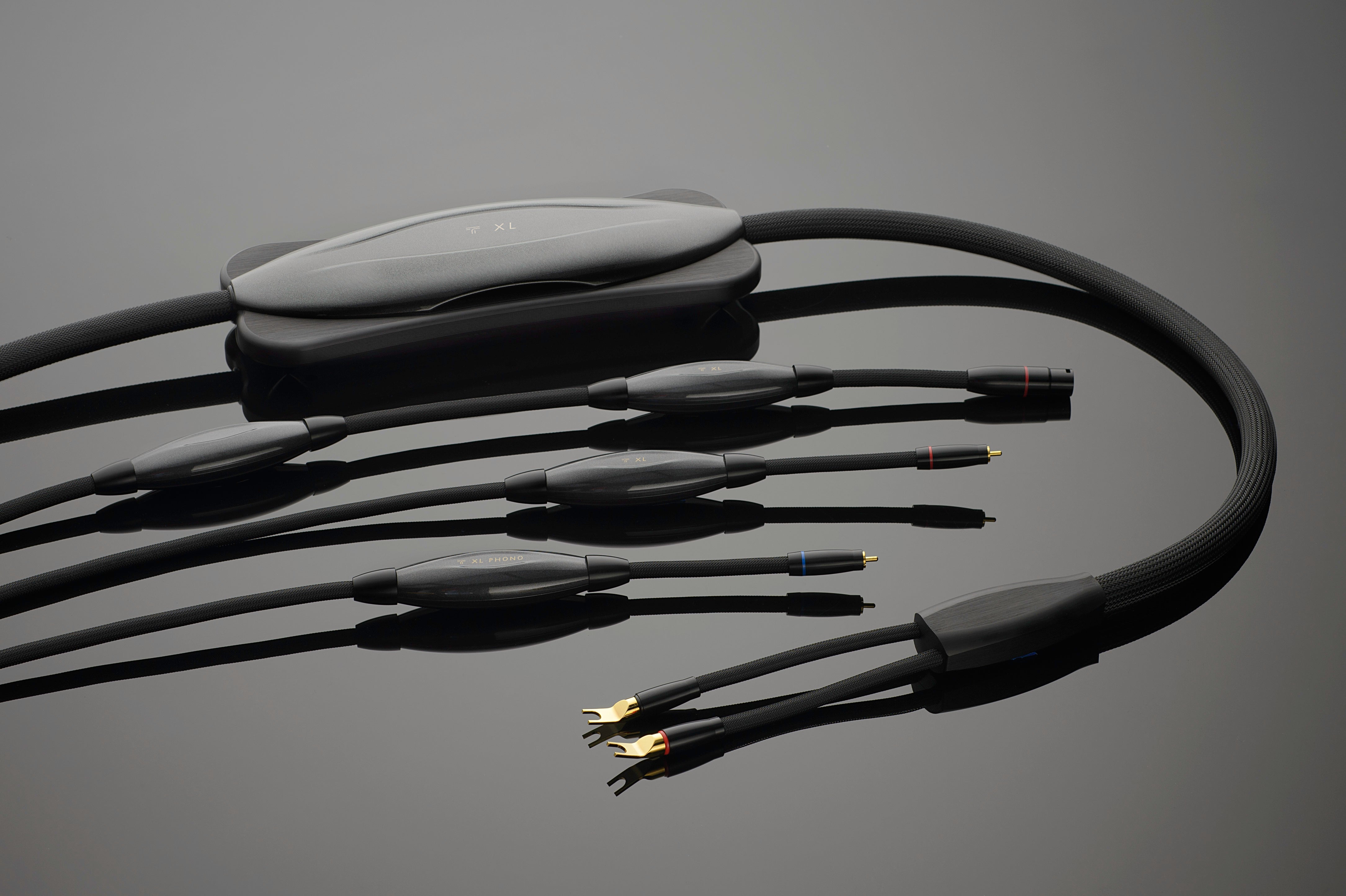
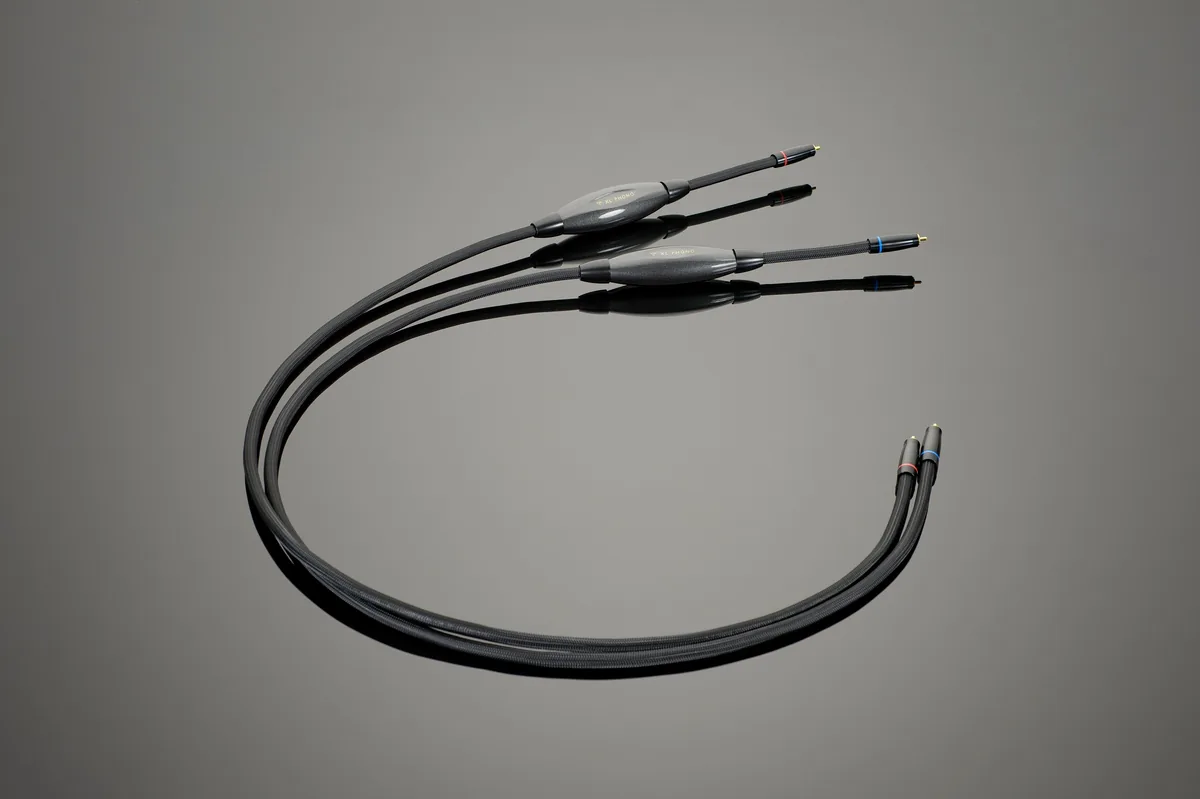
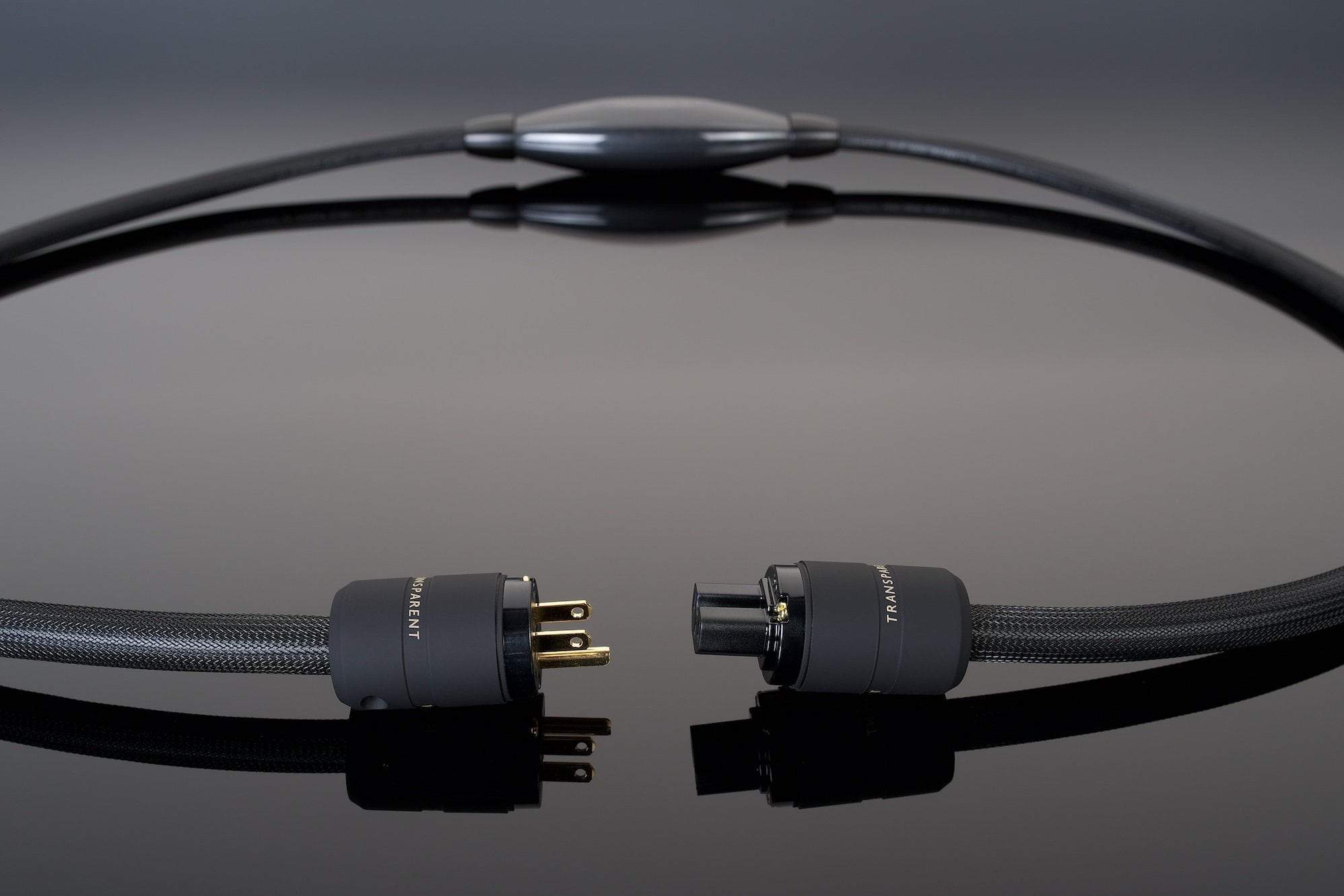
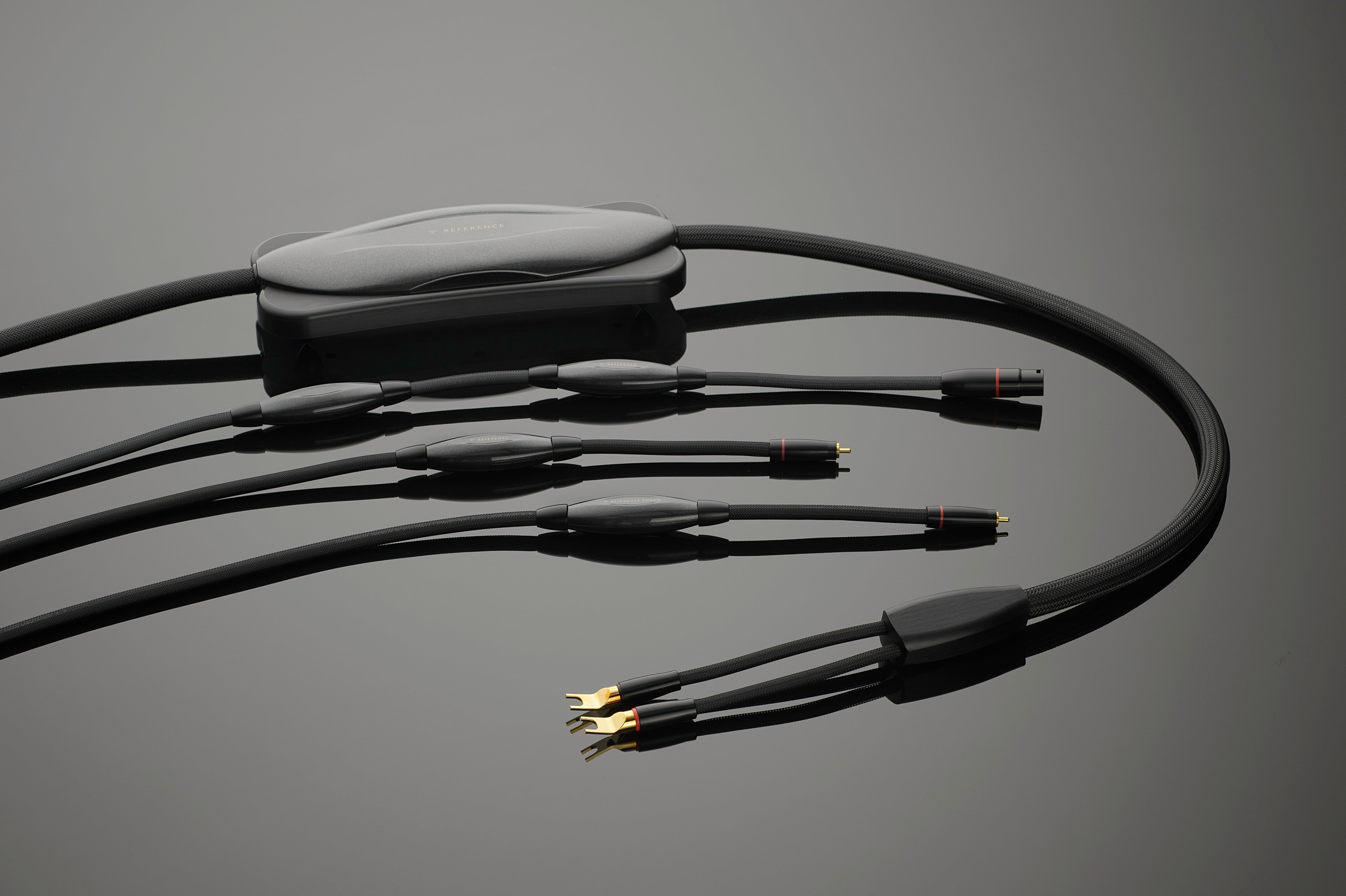
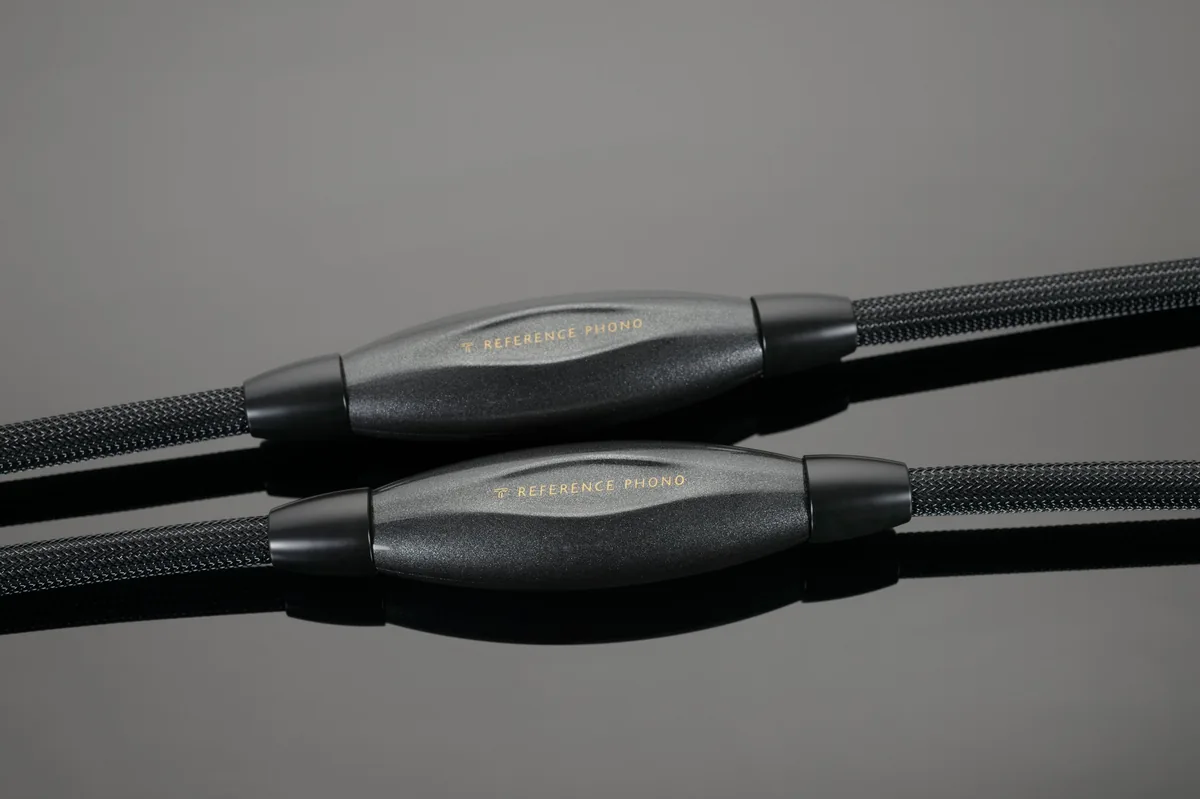
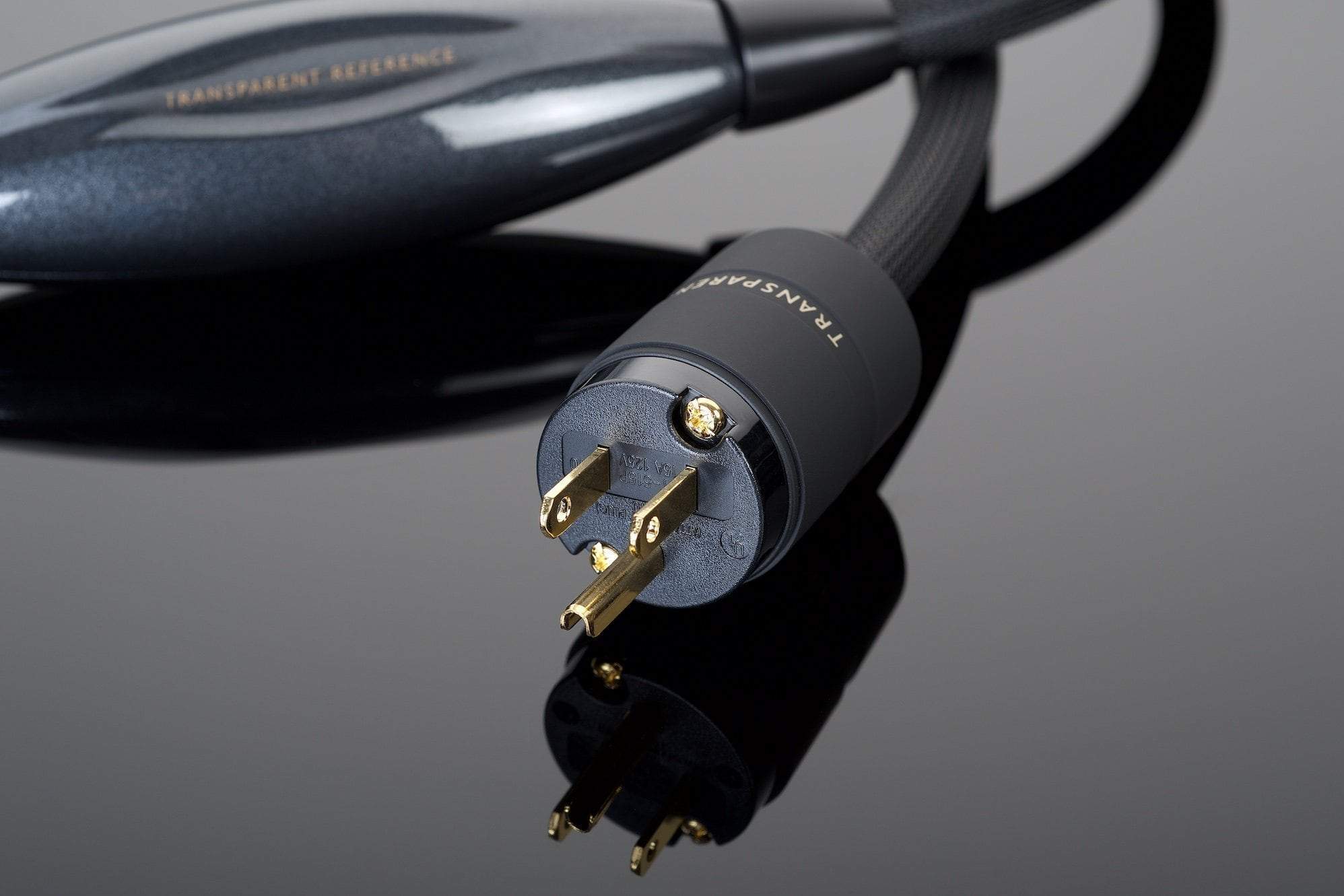
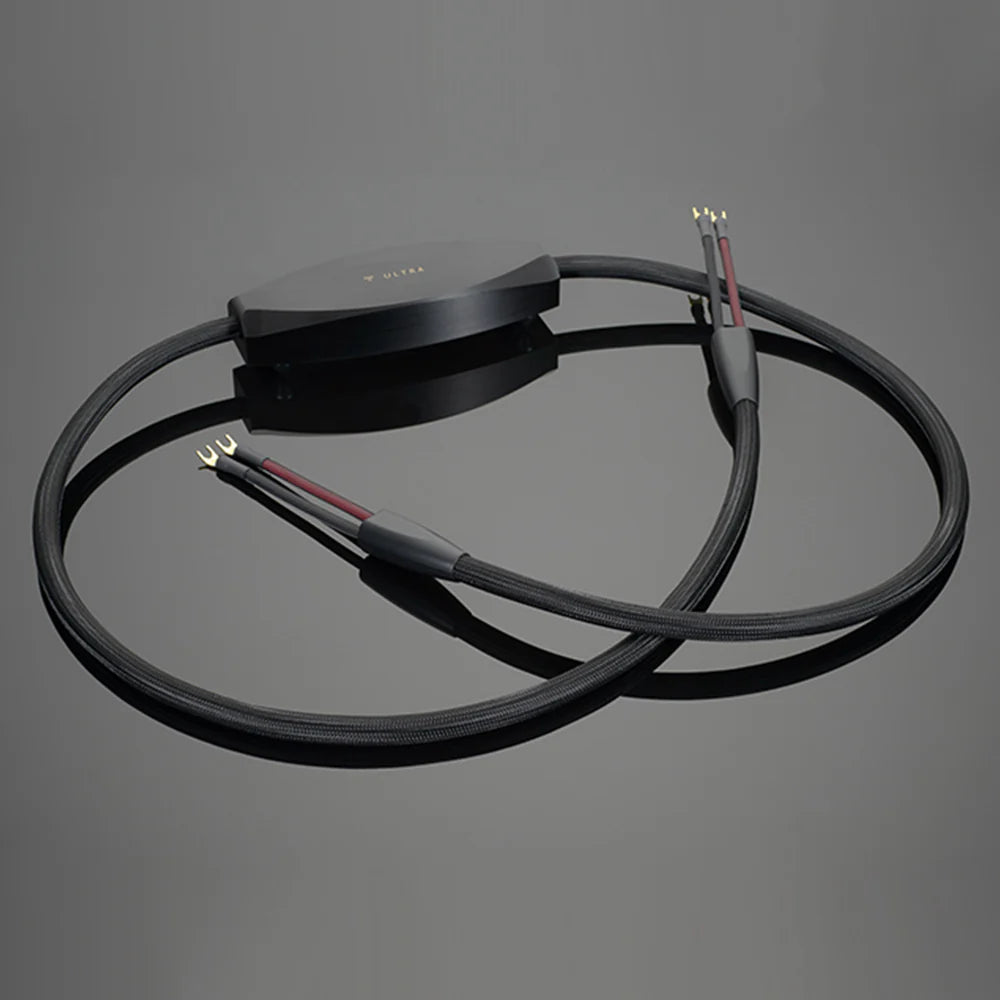
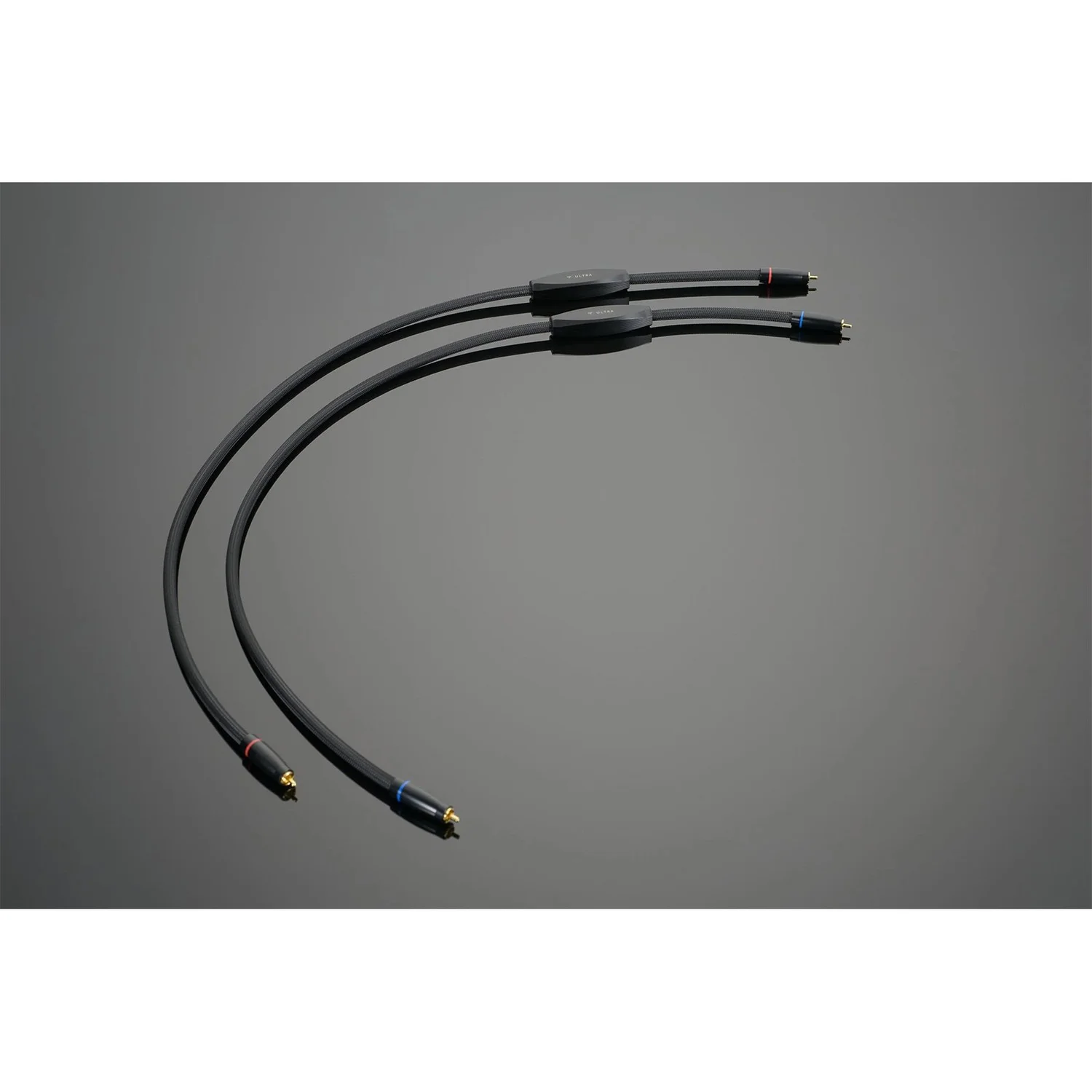
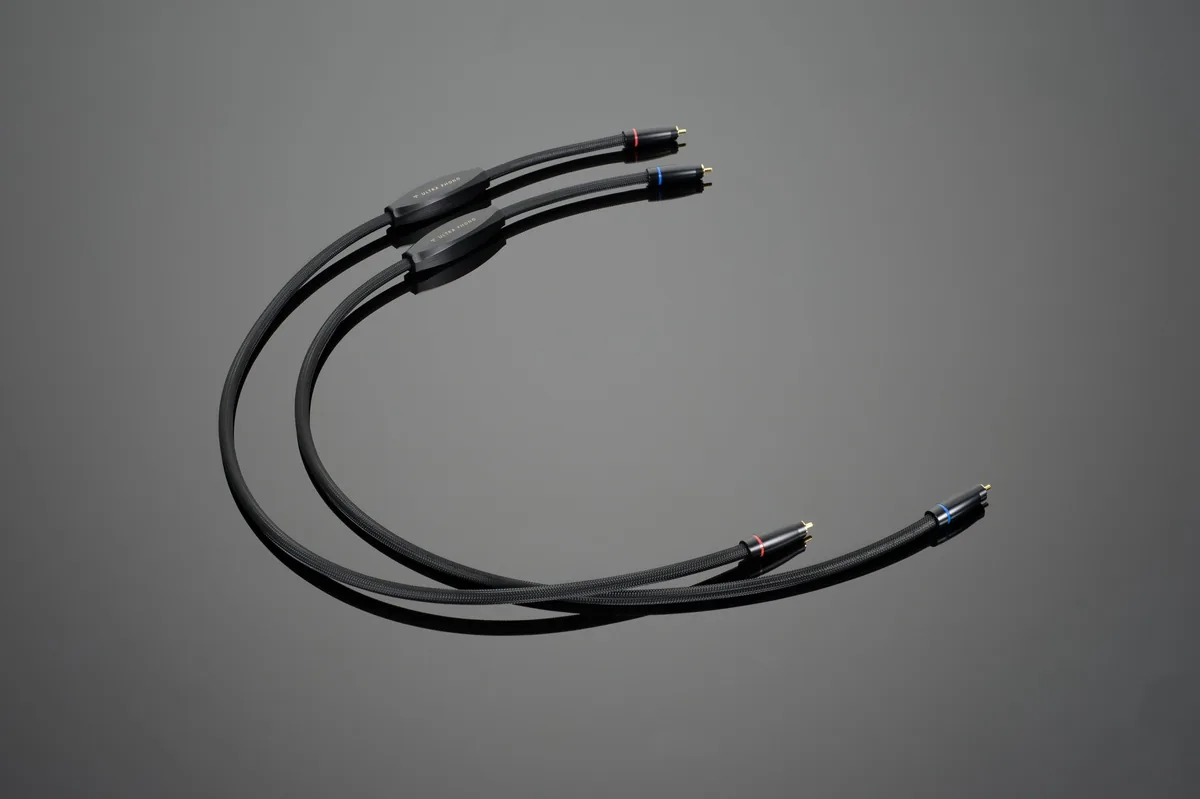
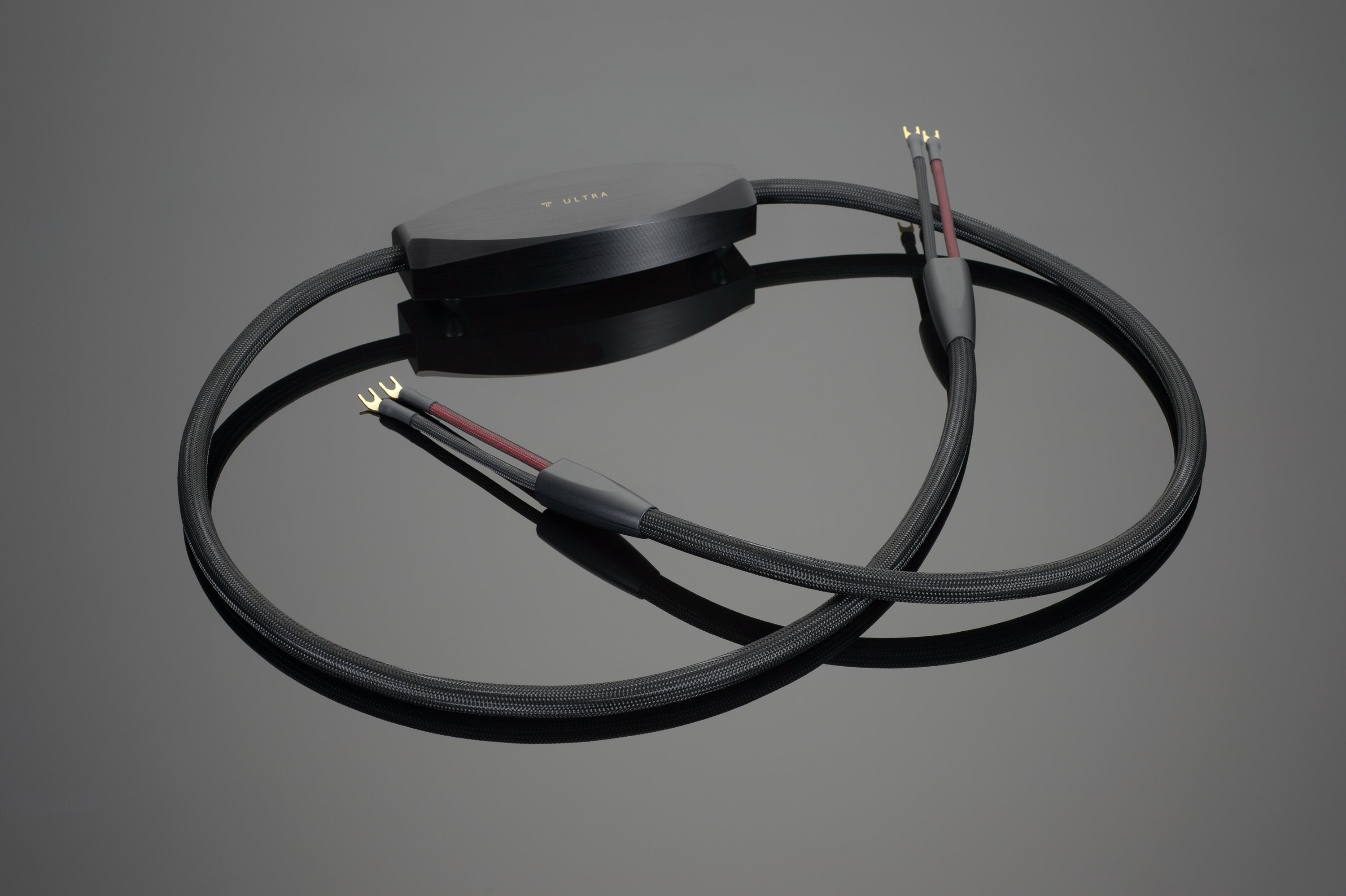
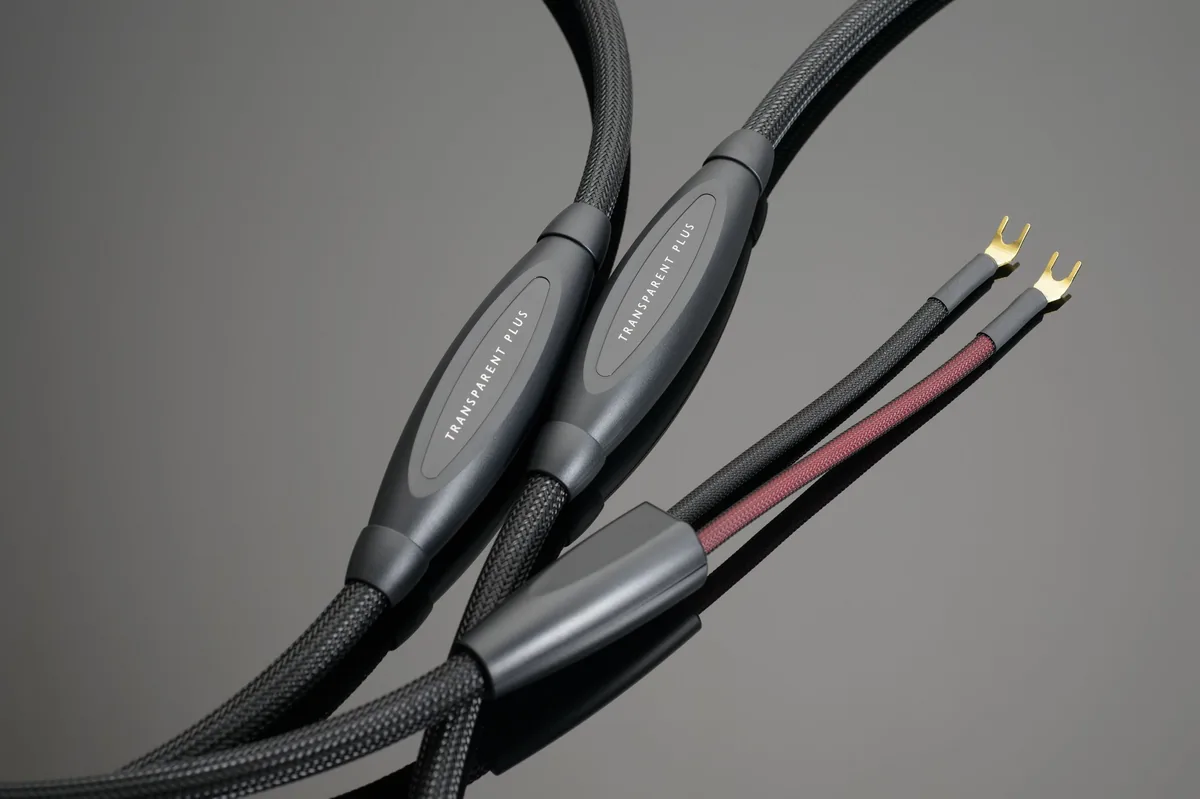
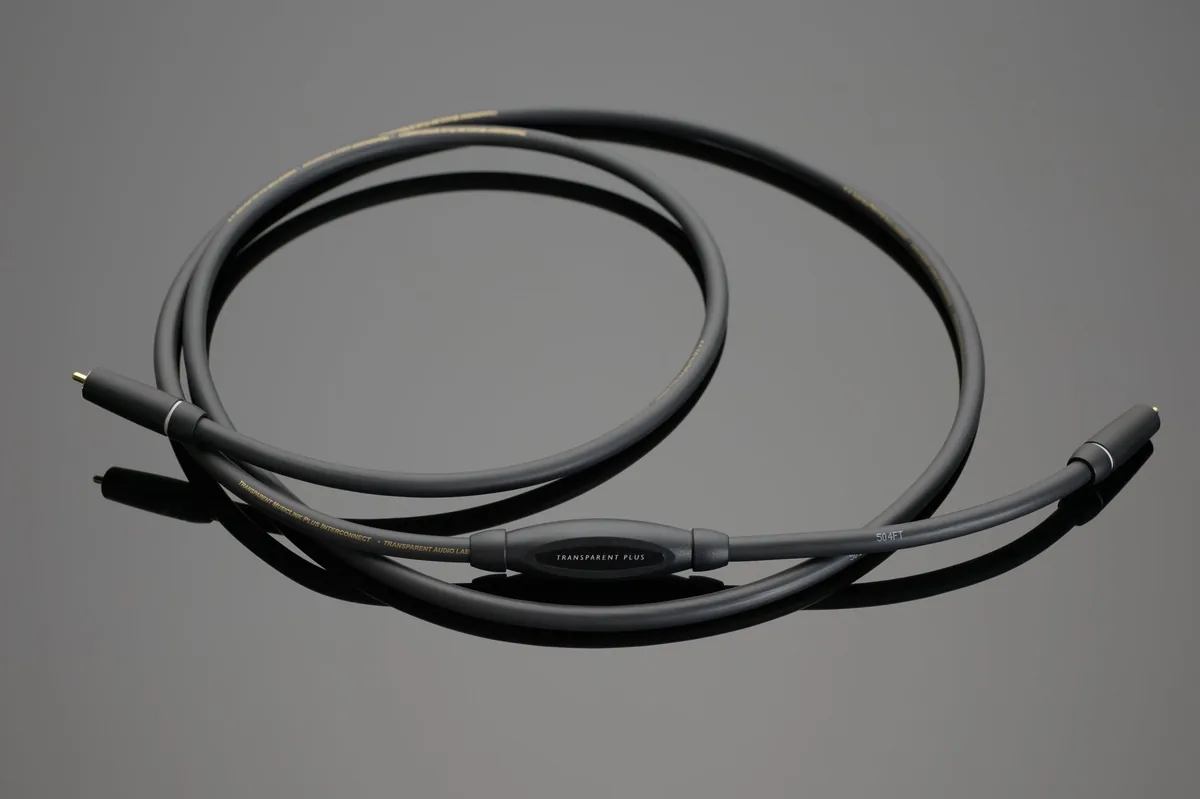
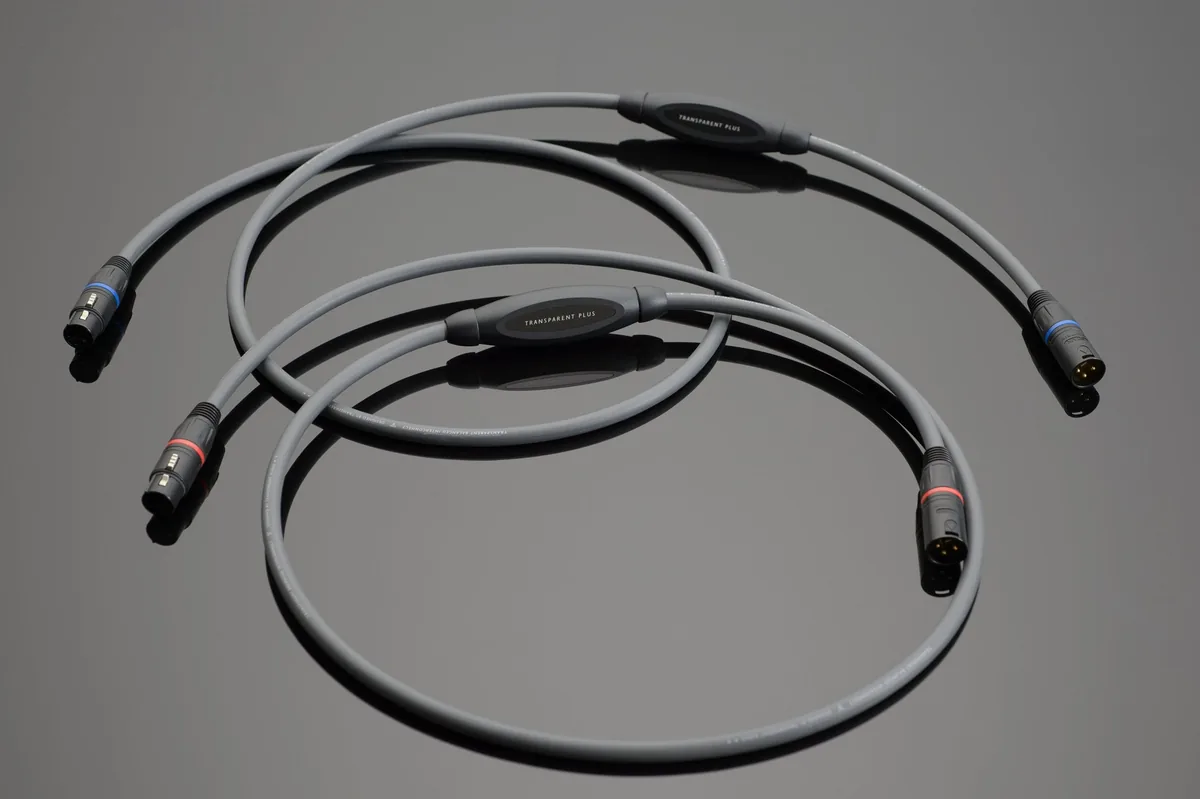
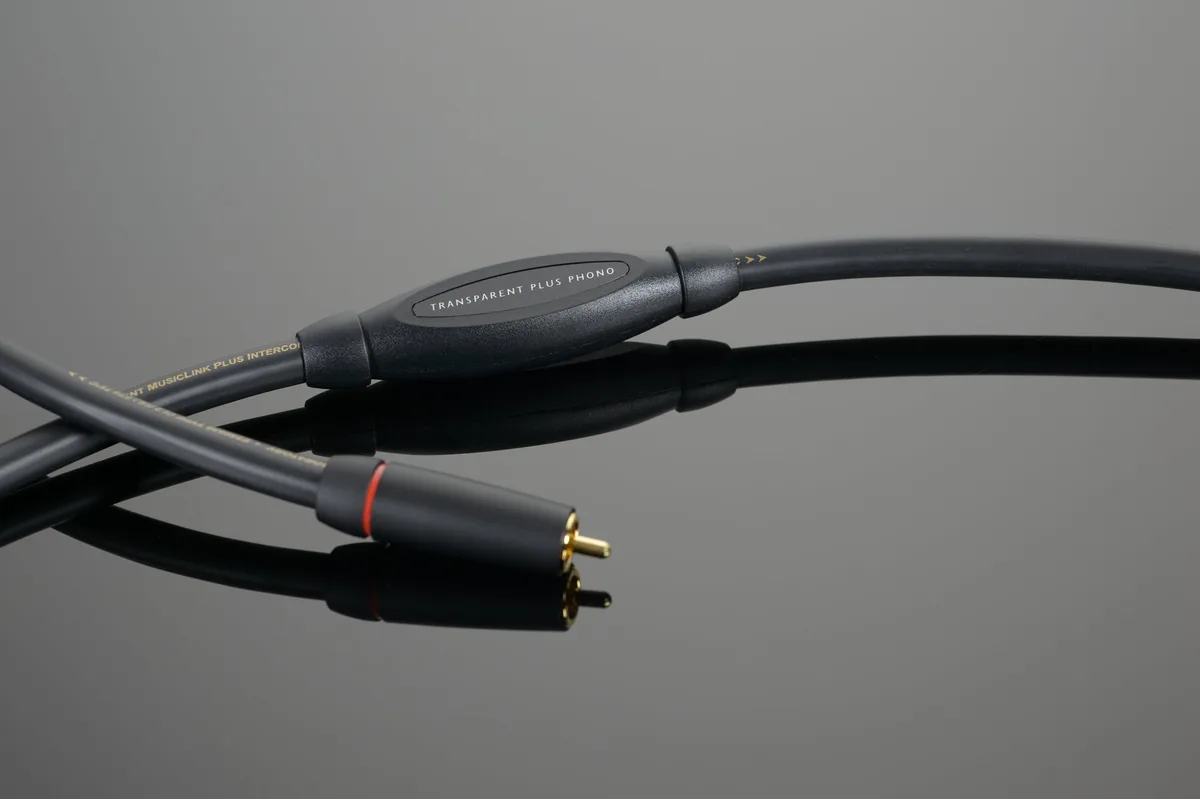
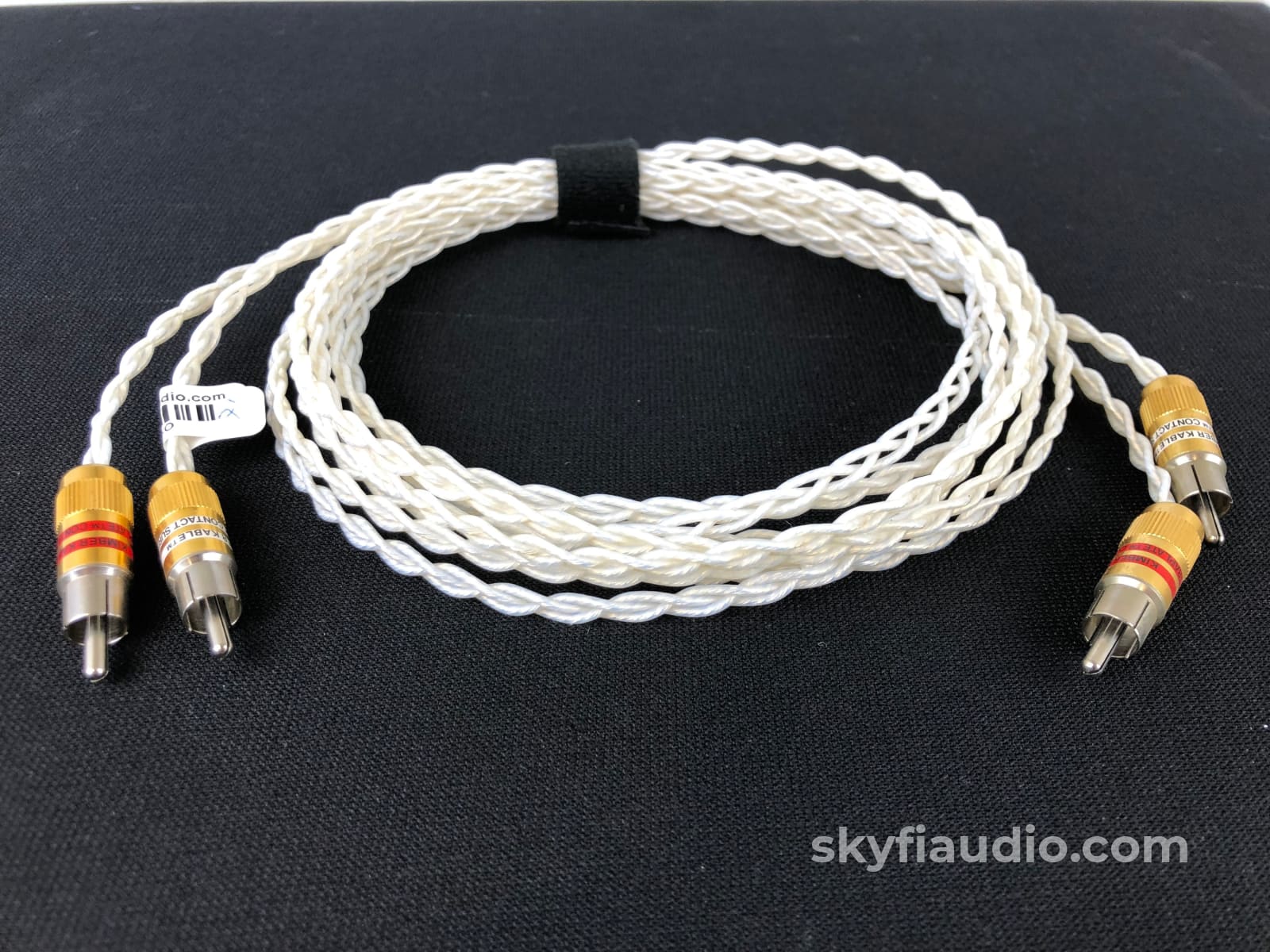
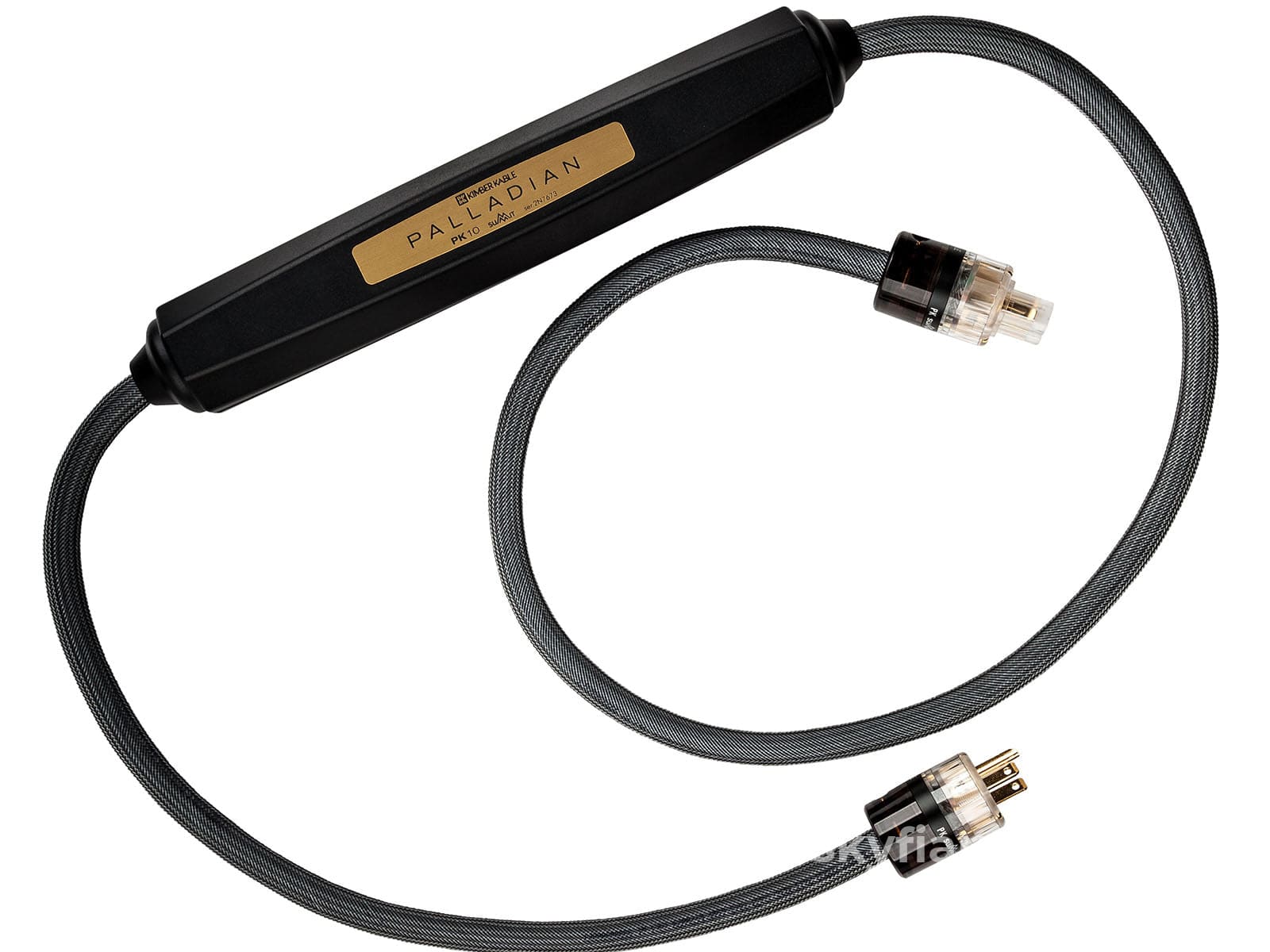
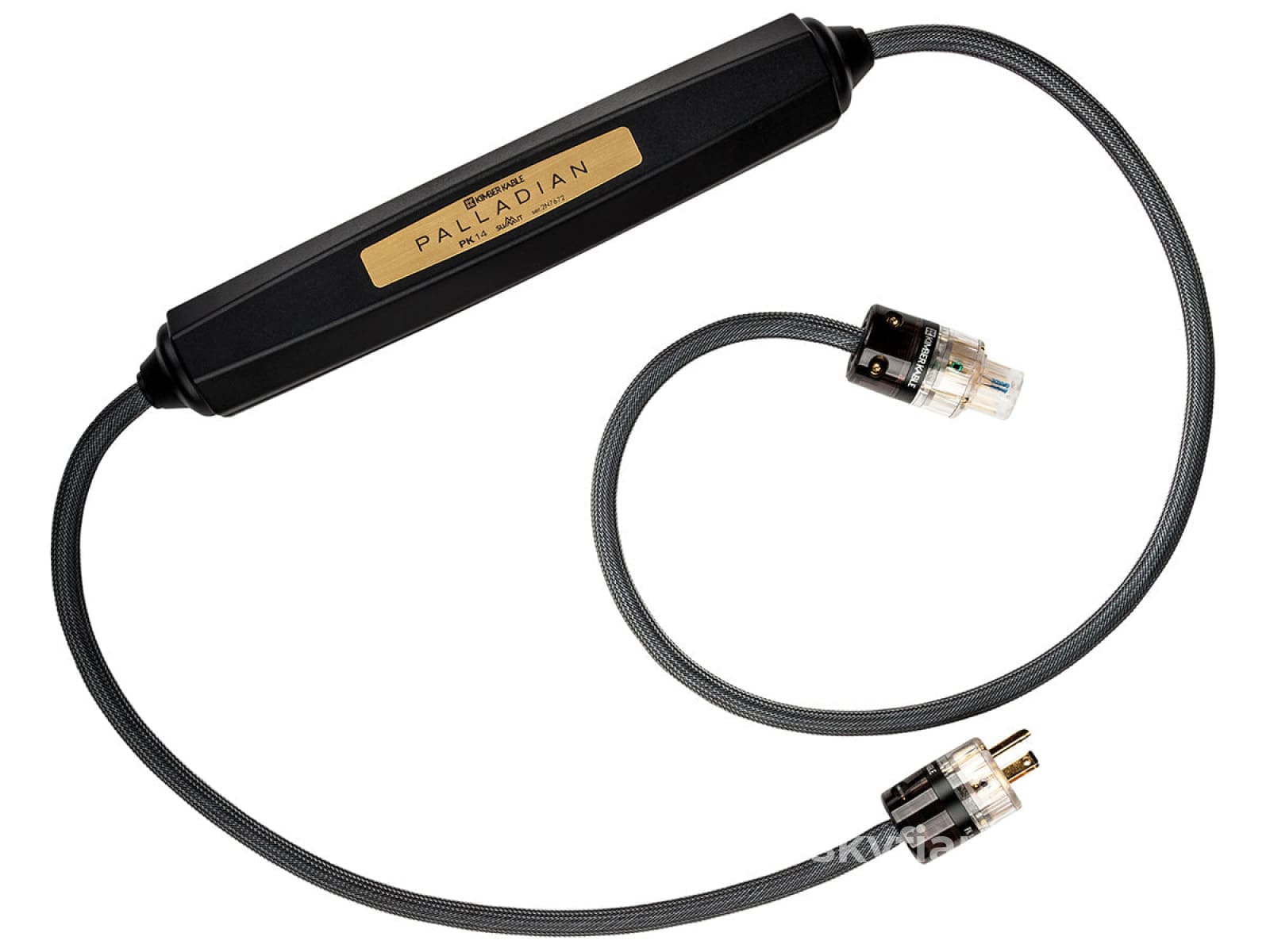
Transparent's is a network filter calibrated to the specific components at either end, built in Saco, Maine, and sold with an upgrade programme that preserves what has already been spent. Neither is a tweak. Both are engineering positions, and both can be demonstrated side by side.
The right cable is the one that takes nothing away.
How to choose cables
Cables are the last thing to change, not the first — if a system is not doing what you want, the room, placement or a component mismatch is almost always the reason. Capacitance and inductance interact with the impedances either side of them, so this is a matching exercise rather than a ladder. Buy the length you need and no more.
More on choosing cables ↓
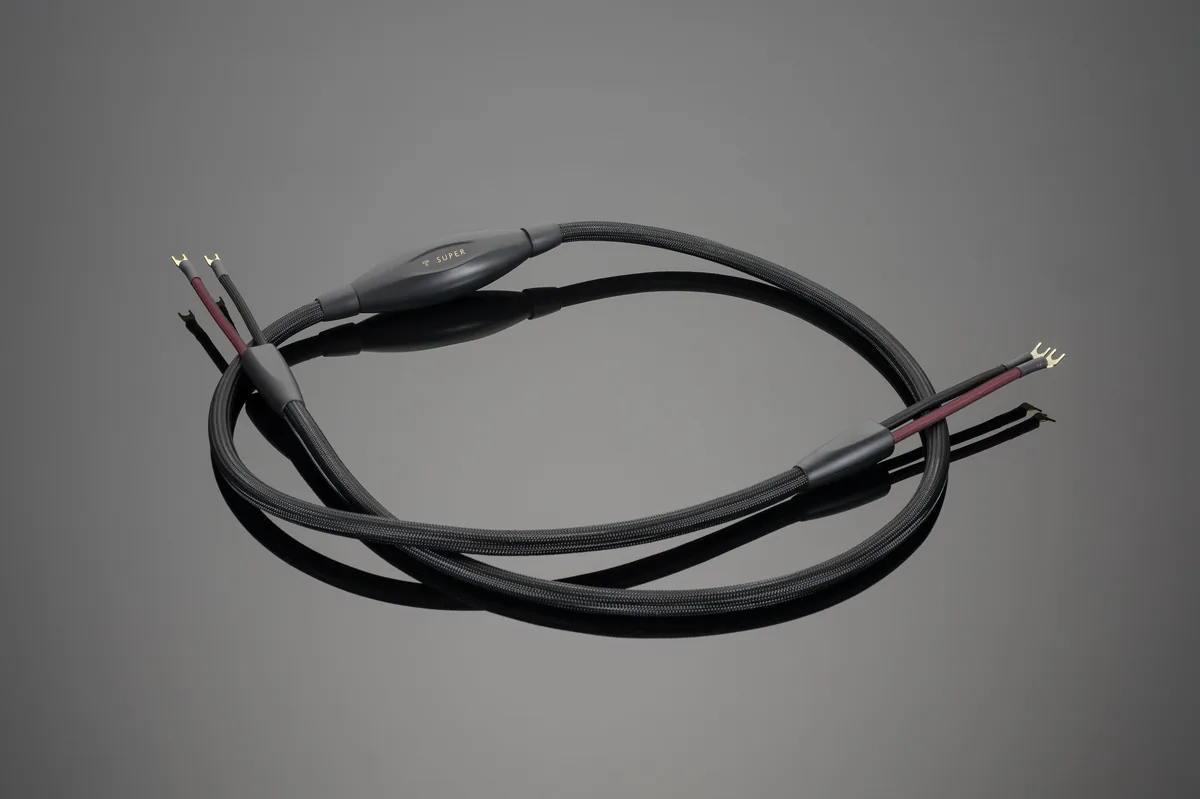
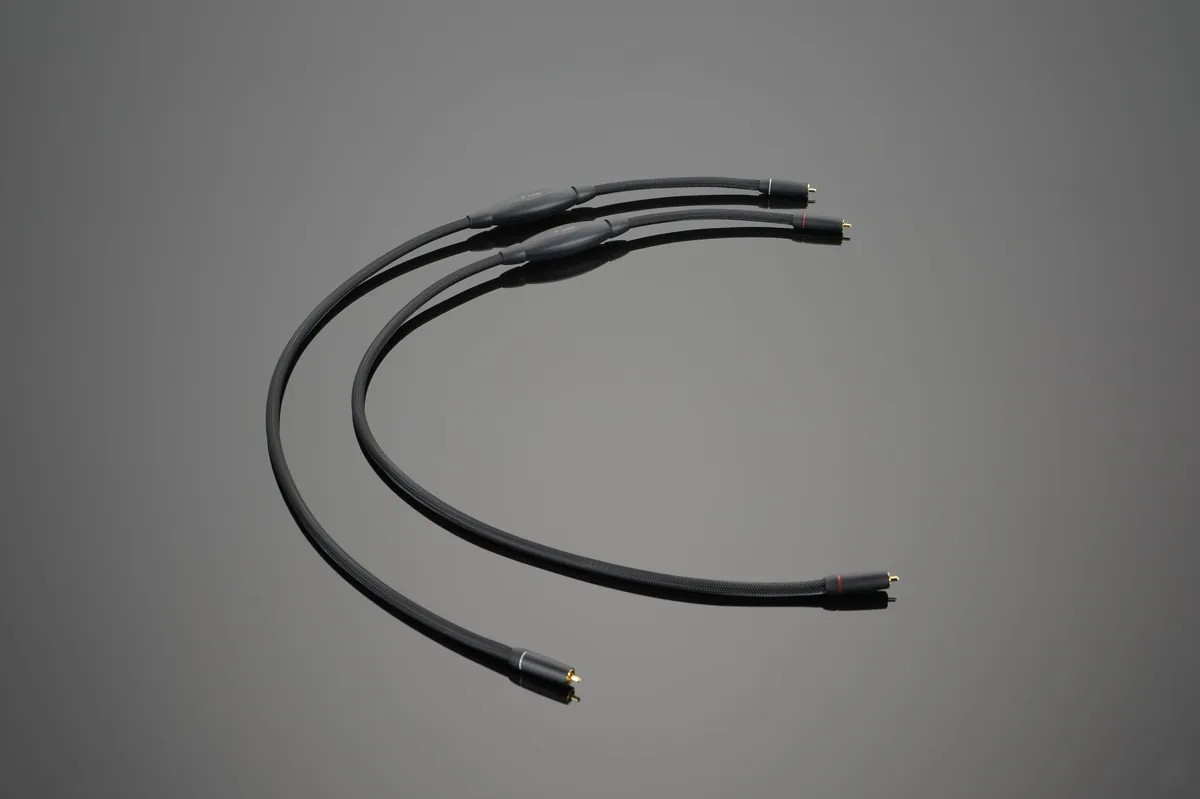
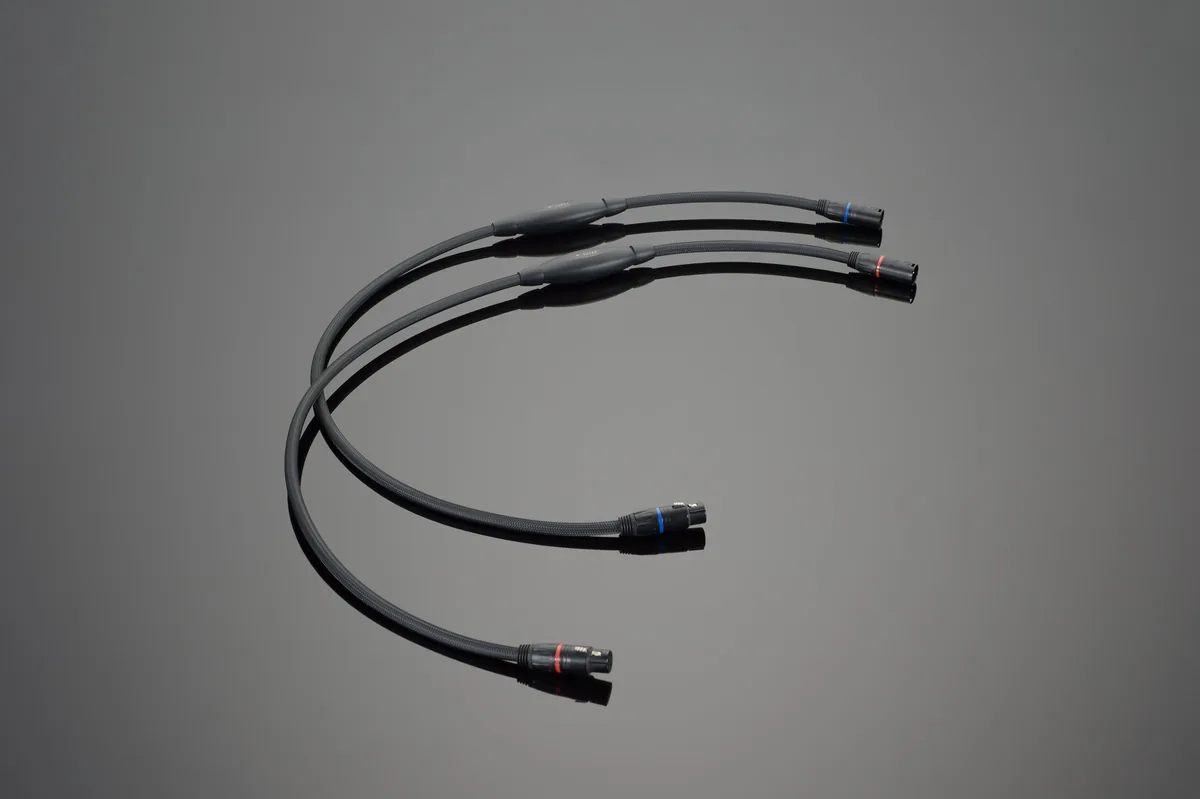
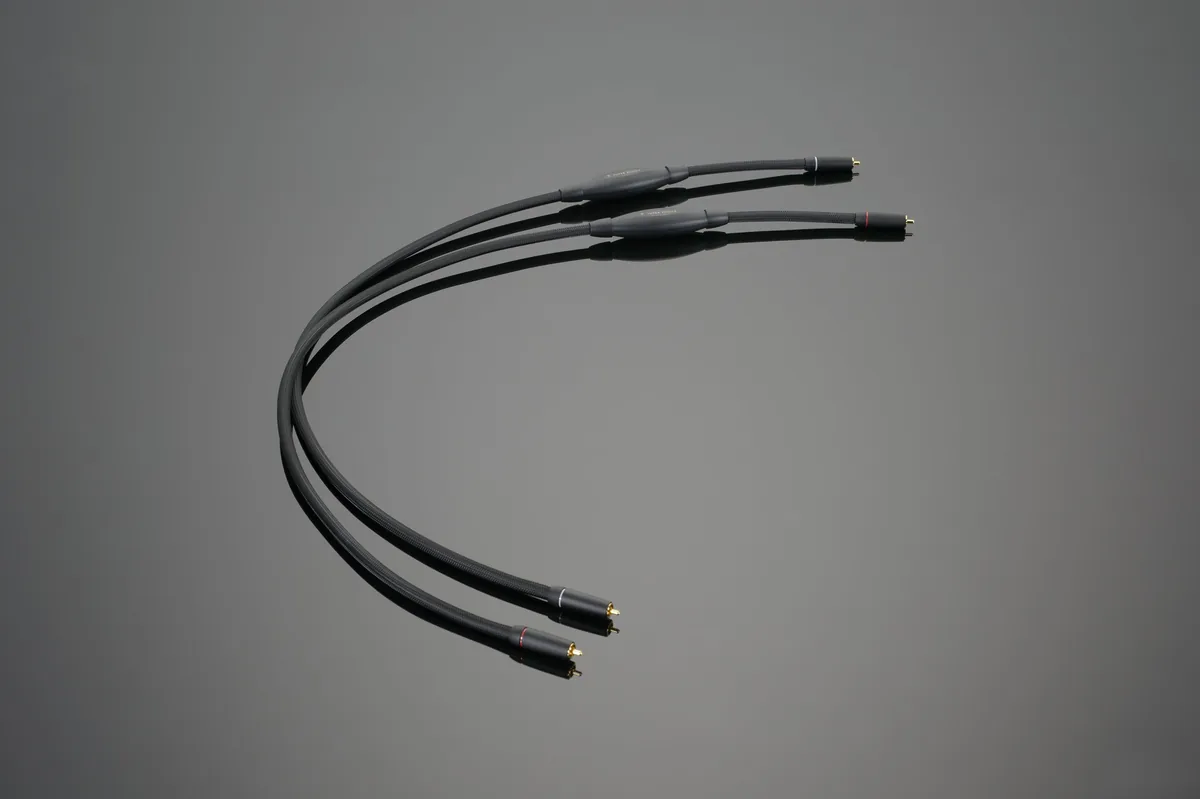

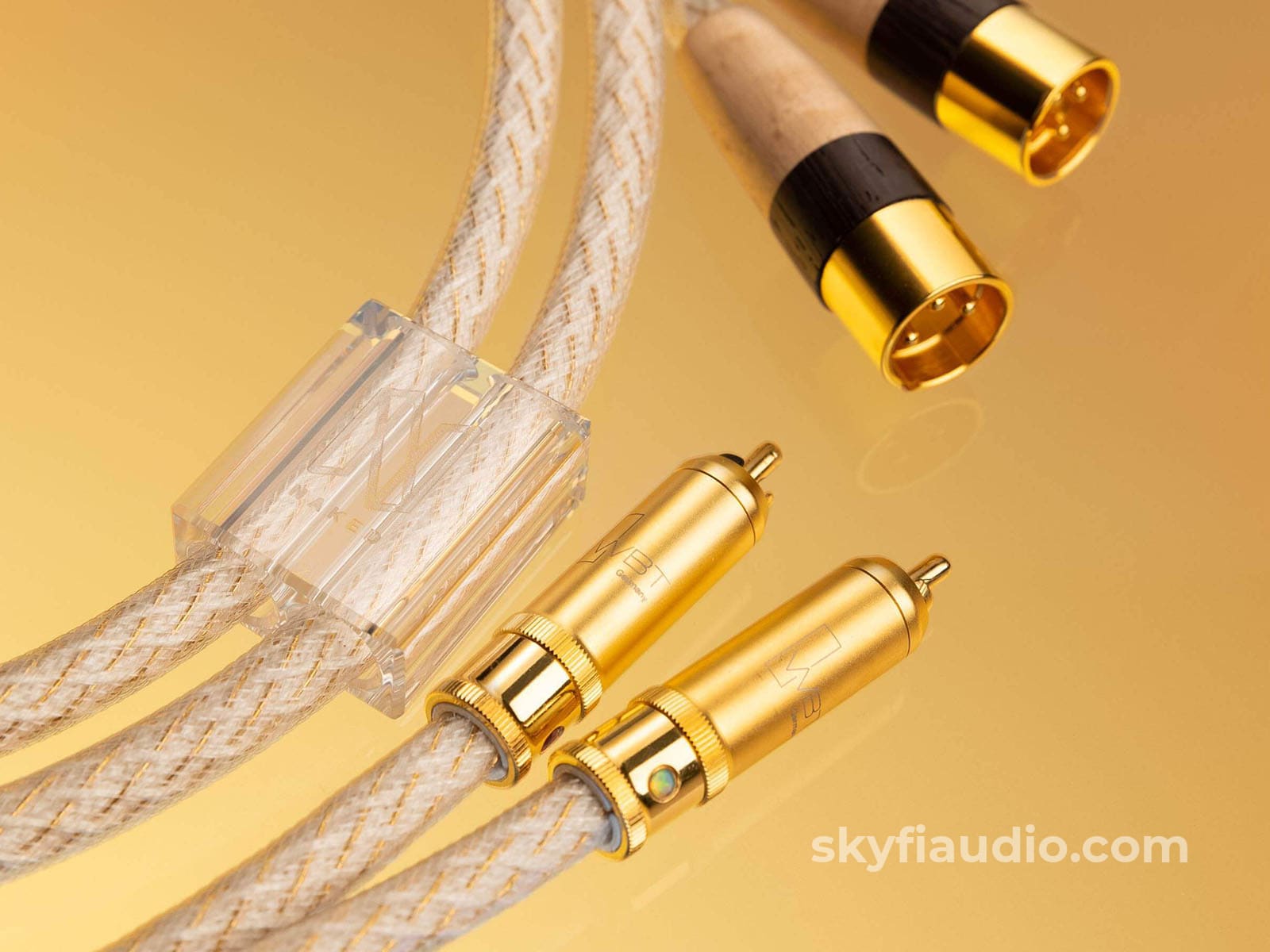
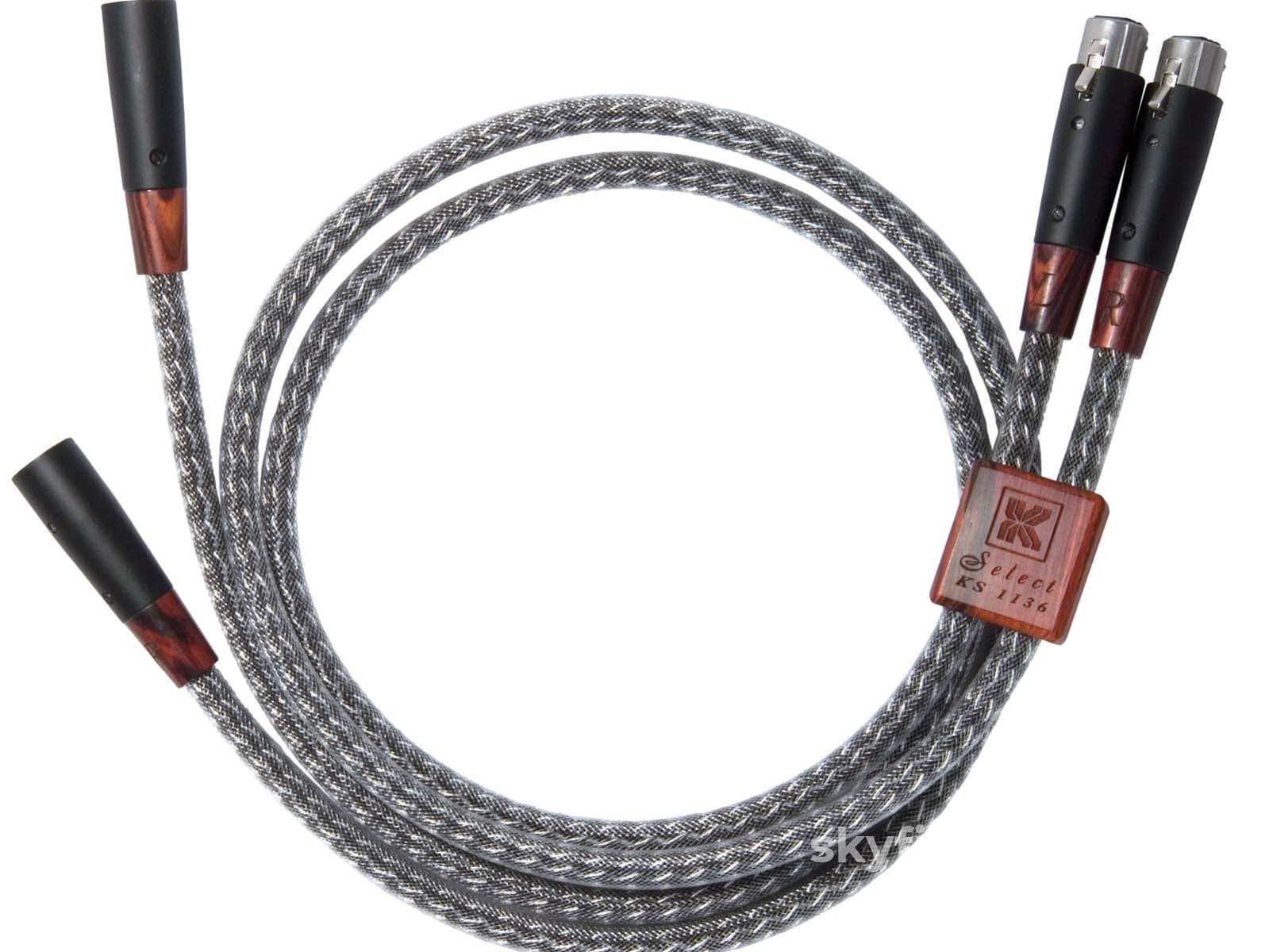
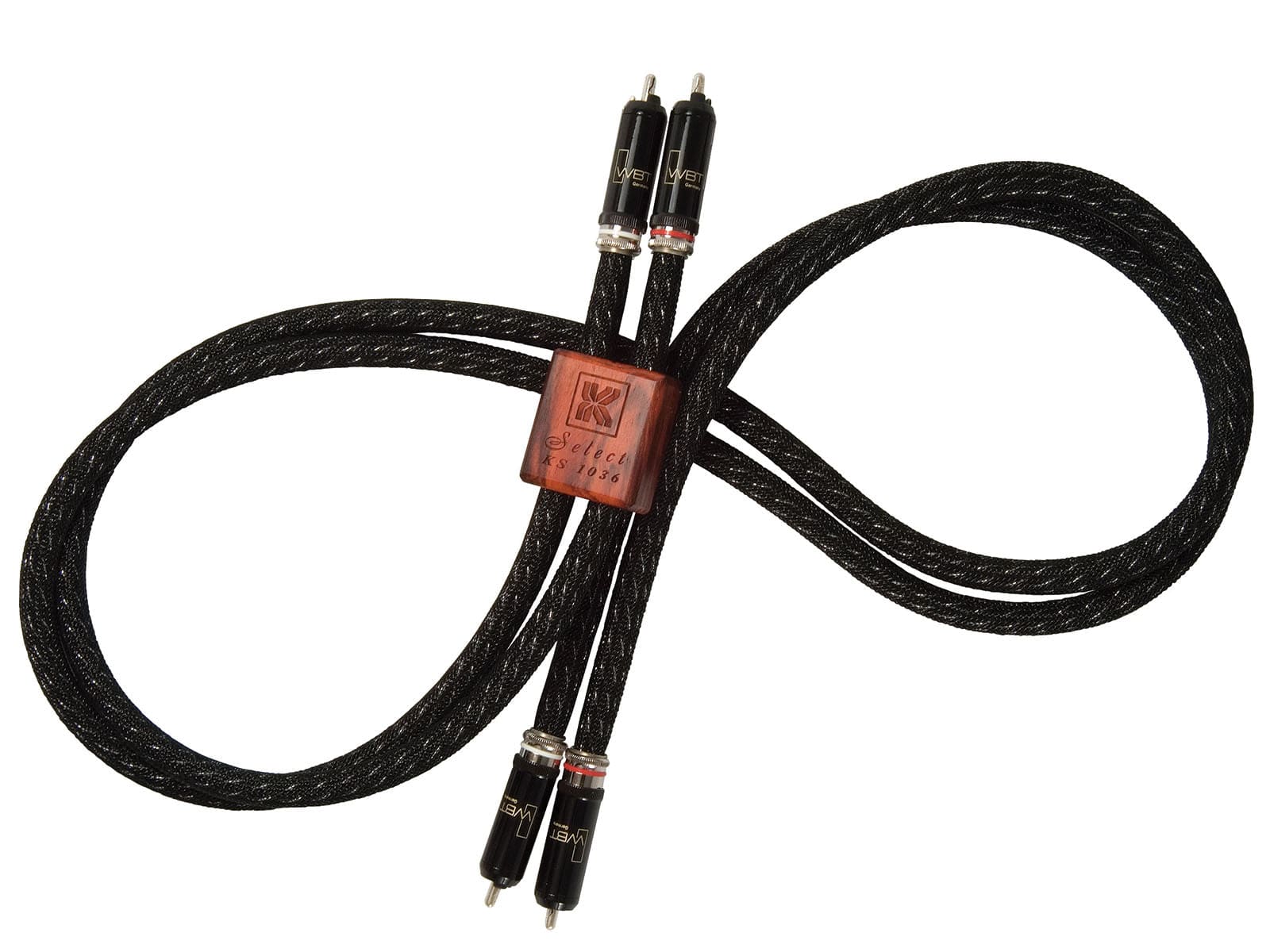
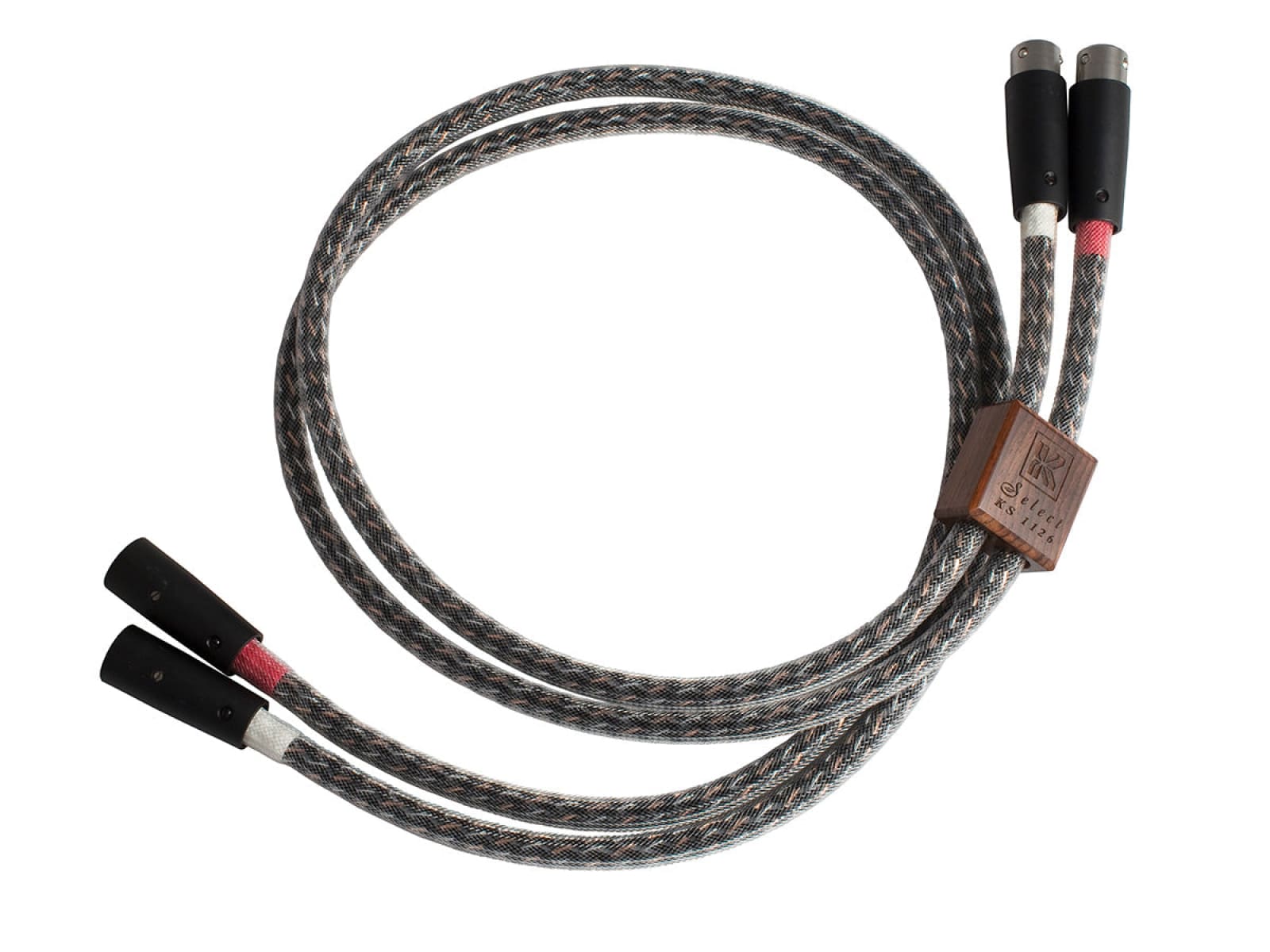
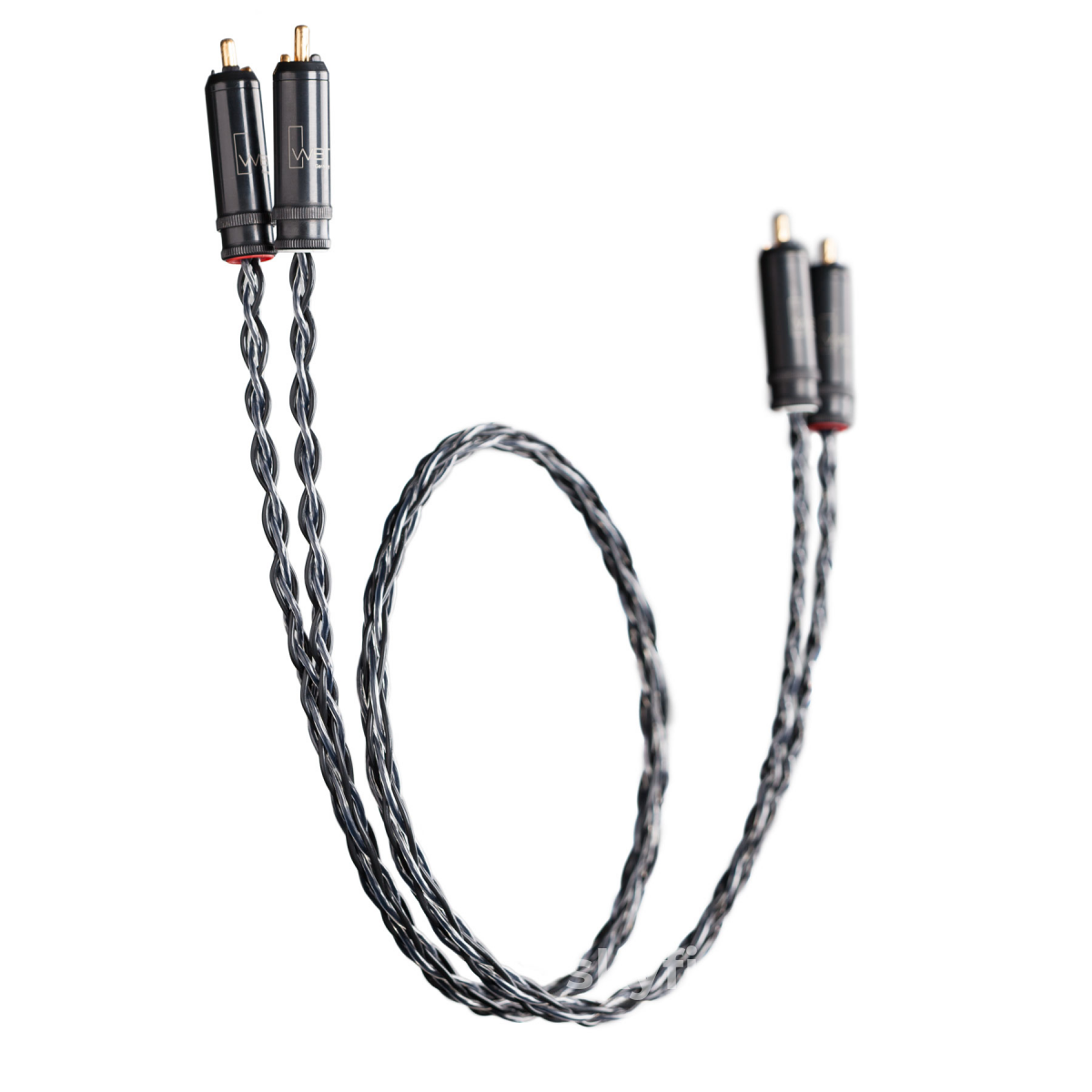
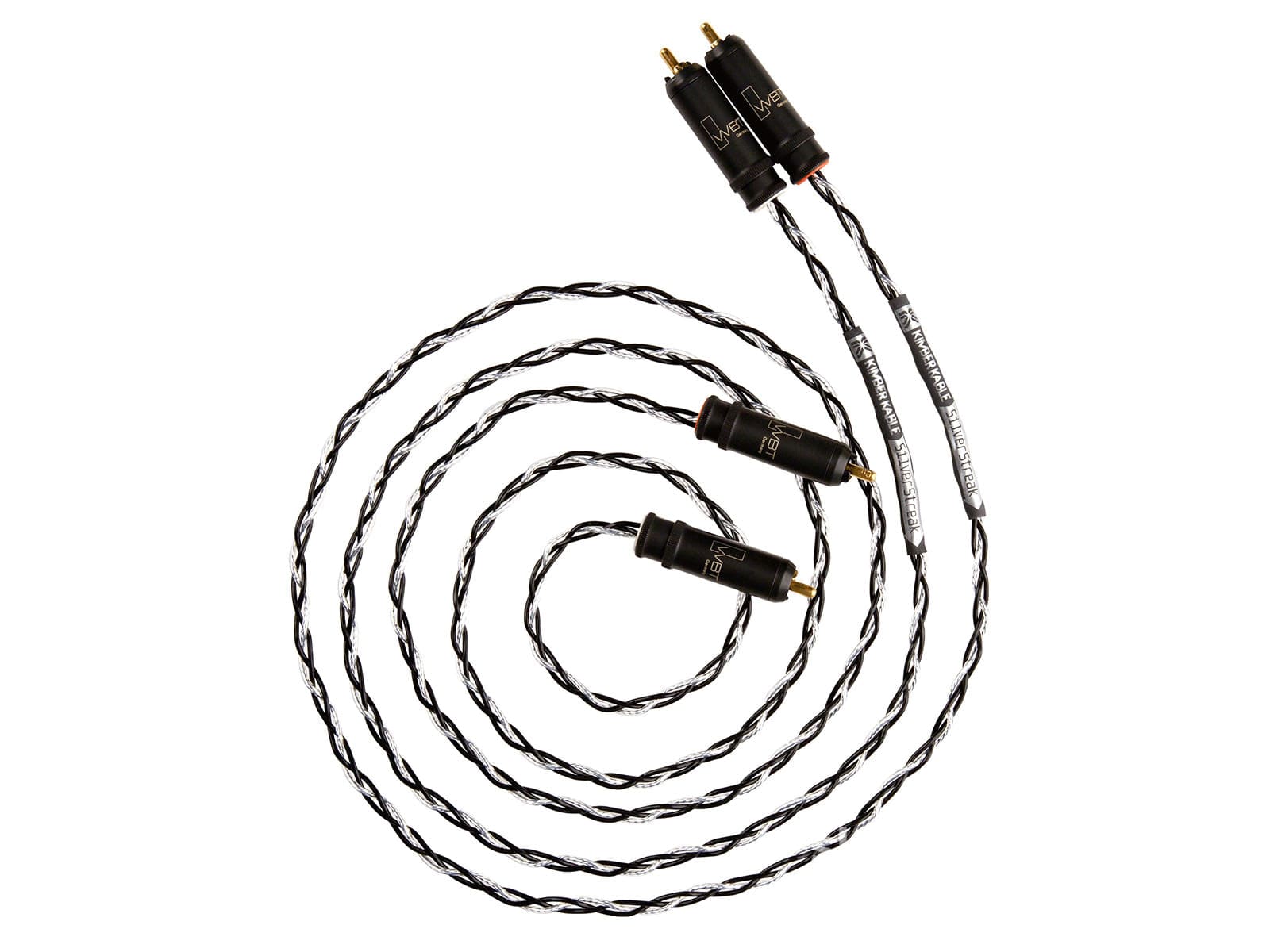
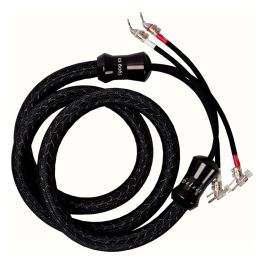
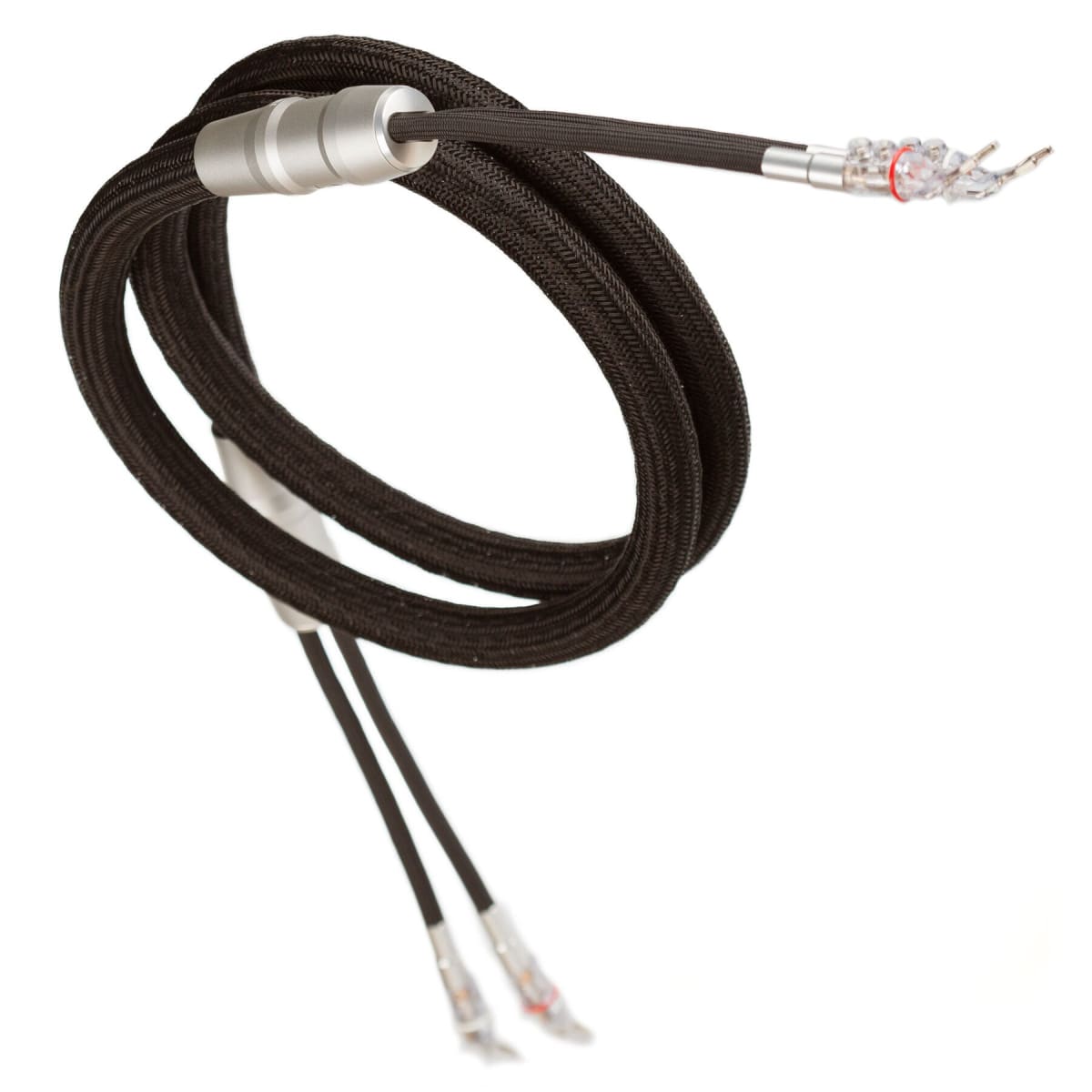
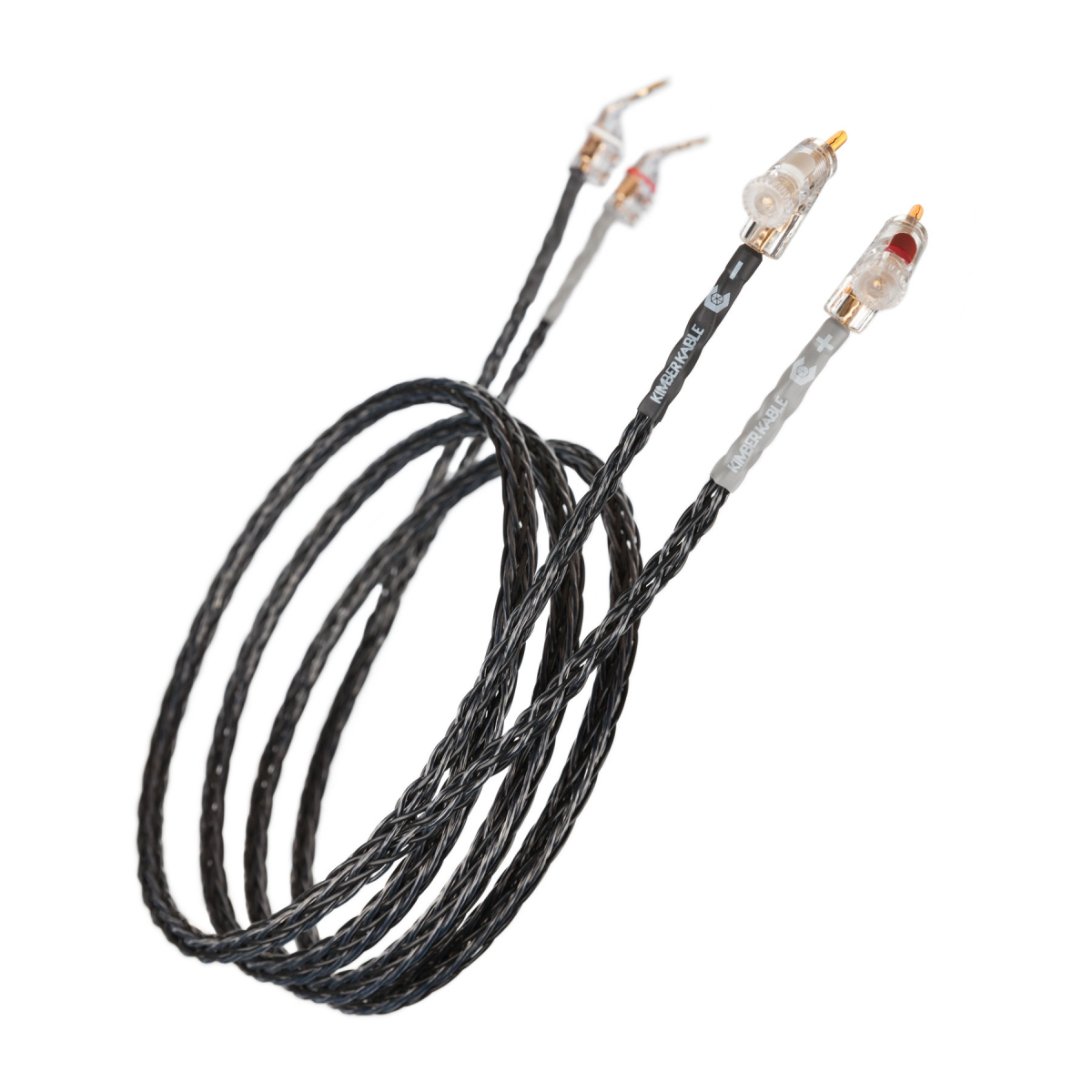
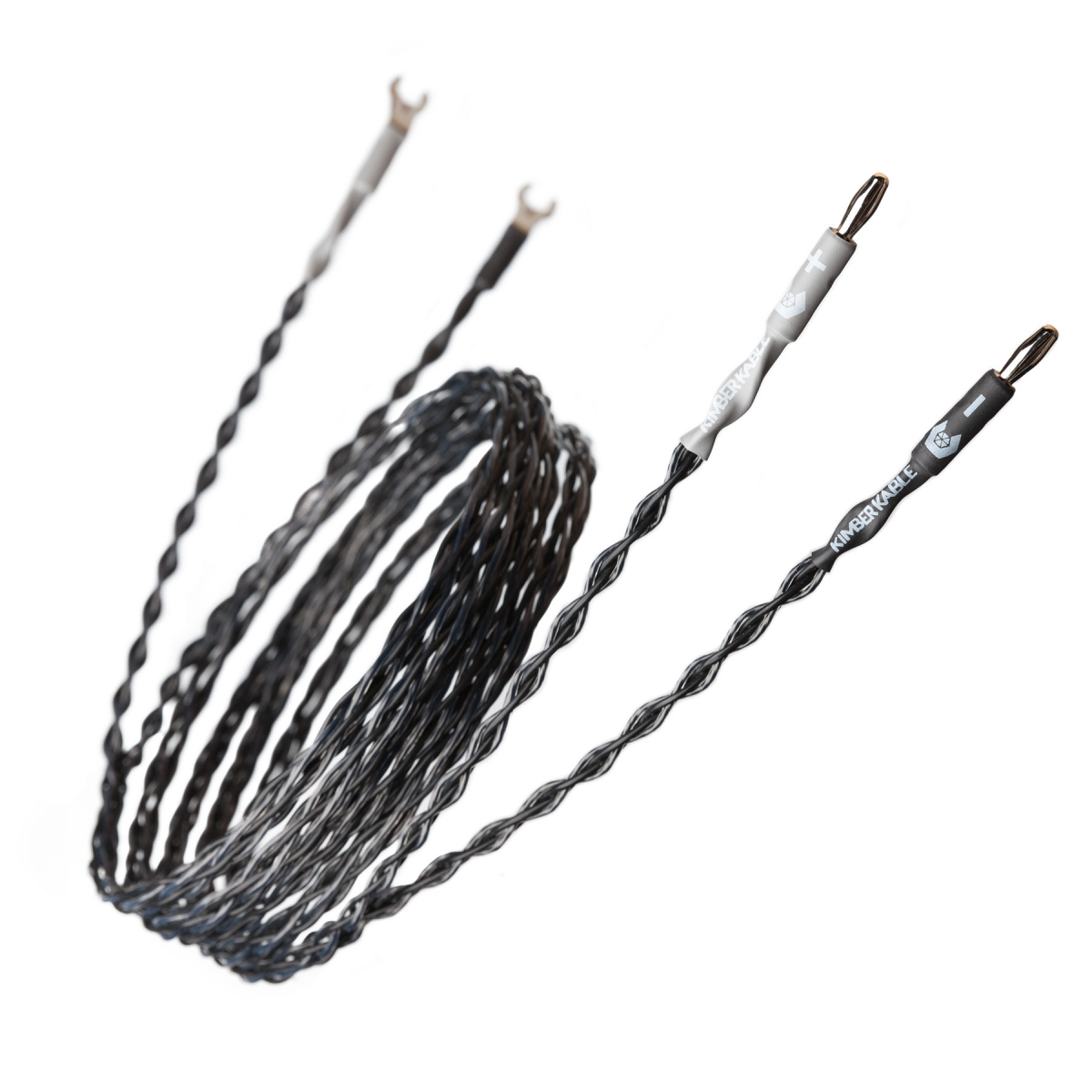
Choosing cables, in detail
Cables are the last thing to change, not the first. If a system is not doing what you want, the cause is almost always the room, the loudspeaker placement or a component mismatch — and no cable will fix any of those. Get the system right, then treat cables as the final adjustment.
What a cable is doing is measurable and unglamorous. It has capacitance, inductance and resistance, and those values interact with the output impedance driving them and the input impedance receiving them. A long interconnect with high capacitance from a high-output-impedance tube stage will roll off the top end. That is not a subtle effect and it is the sort of thing worth getting right before considering anything more exotic.
Buy the length you actually need and no more, keep power and signal separated where they run parallel, and use balanced connections for long runs where both ends support them properly. Beyond that, cables are a matching exercise rather than a ladder — the most expensive option in a range is not automatically the right one for your system.
Hear these in Scottsdale and Tempe
This is a category where opinion runs ahead of evidence, so we would rather you heard the difference than took anyone's word for it. Transparent and Kimber can be compared directly on the same system in the showroom, and Transparent's upgrade programme means a cable bought now retains its value against a later step up. Tell us what the cables have to connect and how far apart it all sits, and we will specify rather than guess.