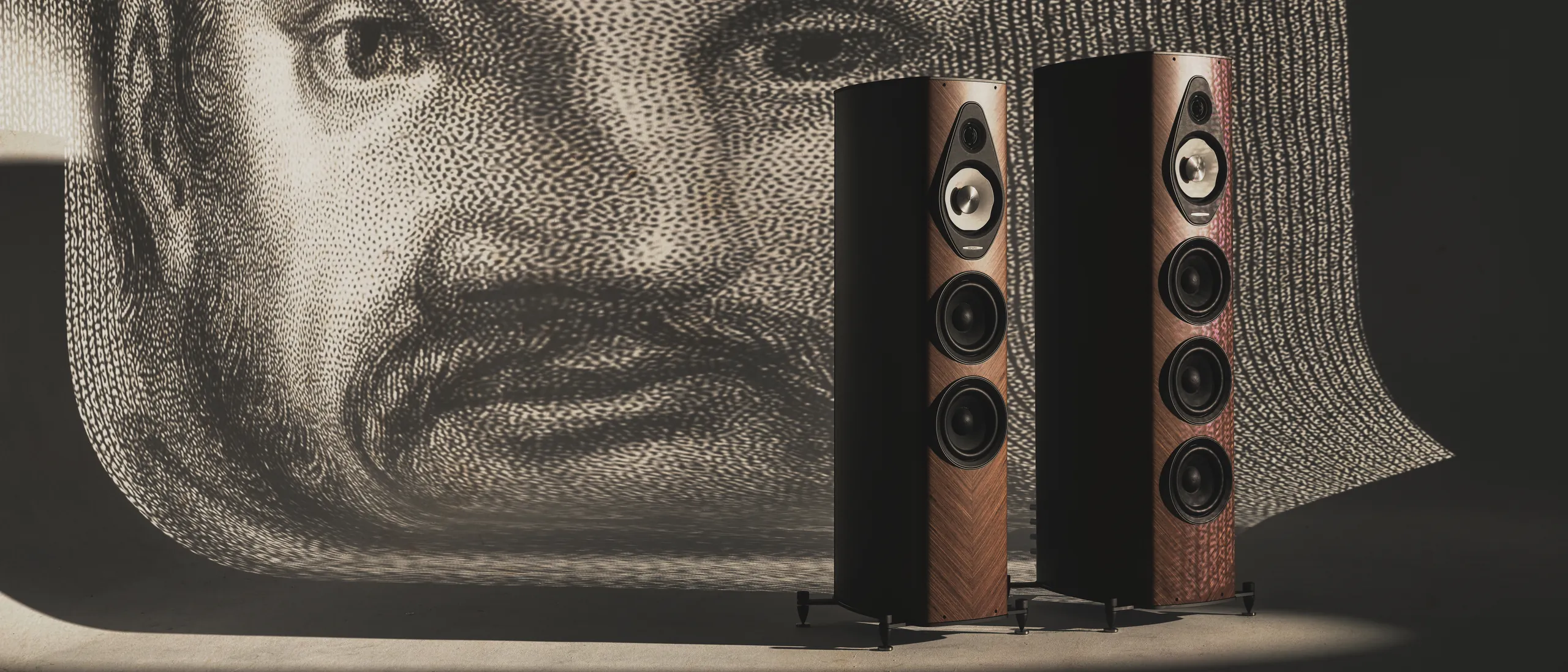
Speakers
High-End Speakers
The finest selection of high-end speakers on display in Scottsdale and Tempe — Wilson Audio, Sonus faber, MBL, Linn, McIntosh and Burmester, each set up properly by our team for your listening pleasure.
A loudspeaker is the only component you hear directly. Everything else is upstream of it.
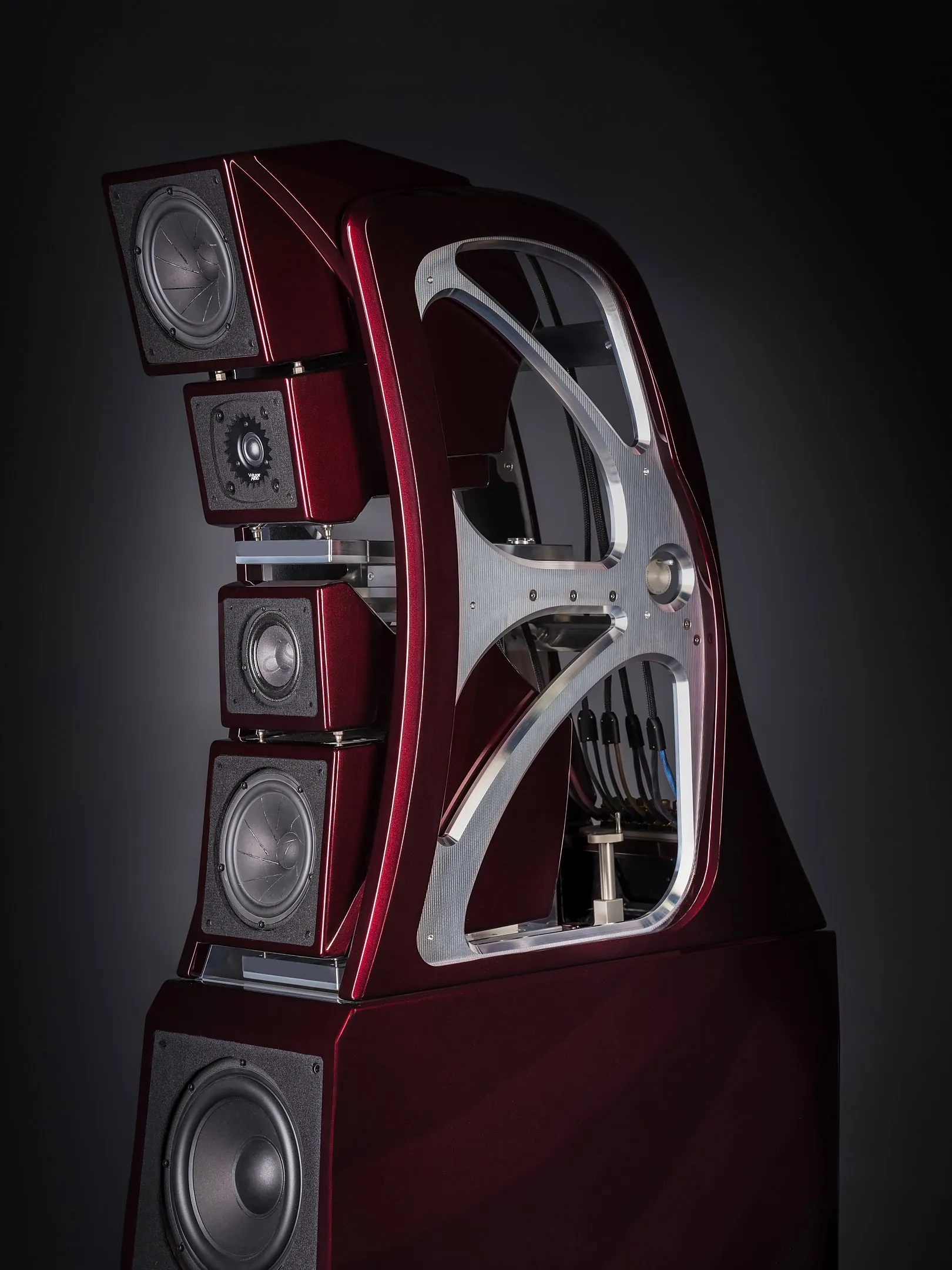
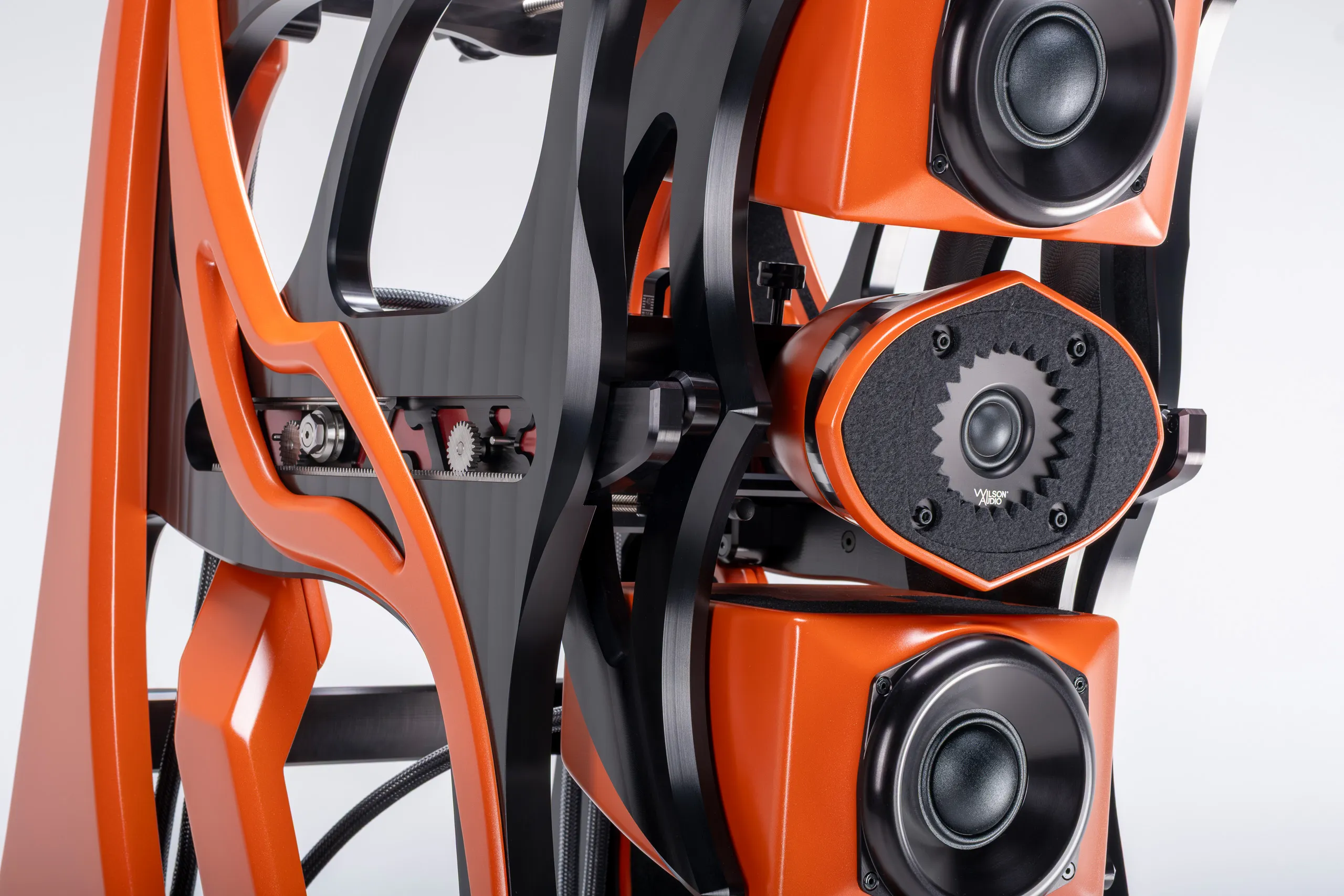
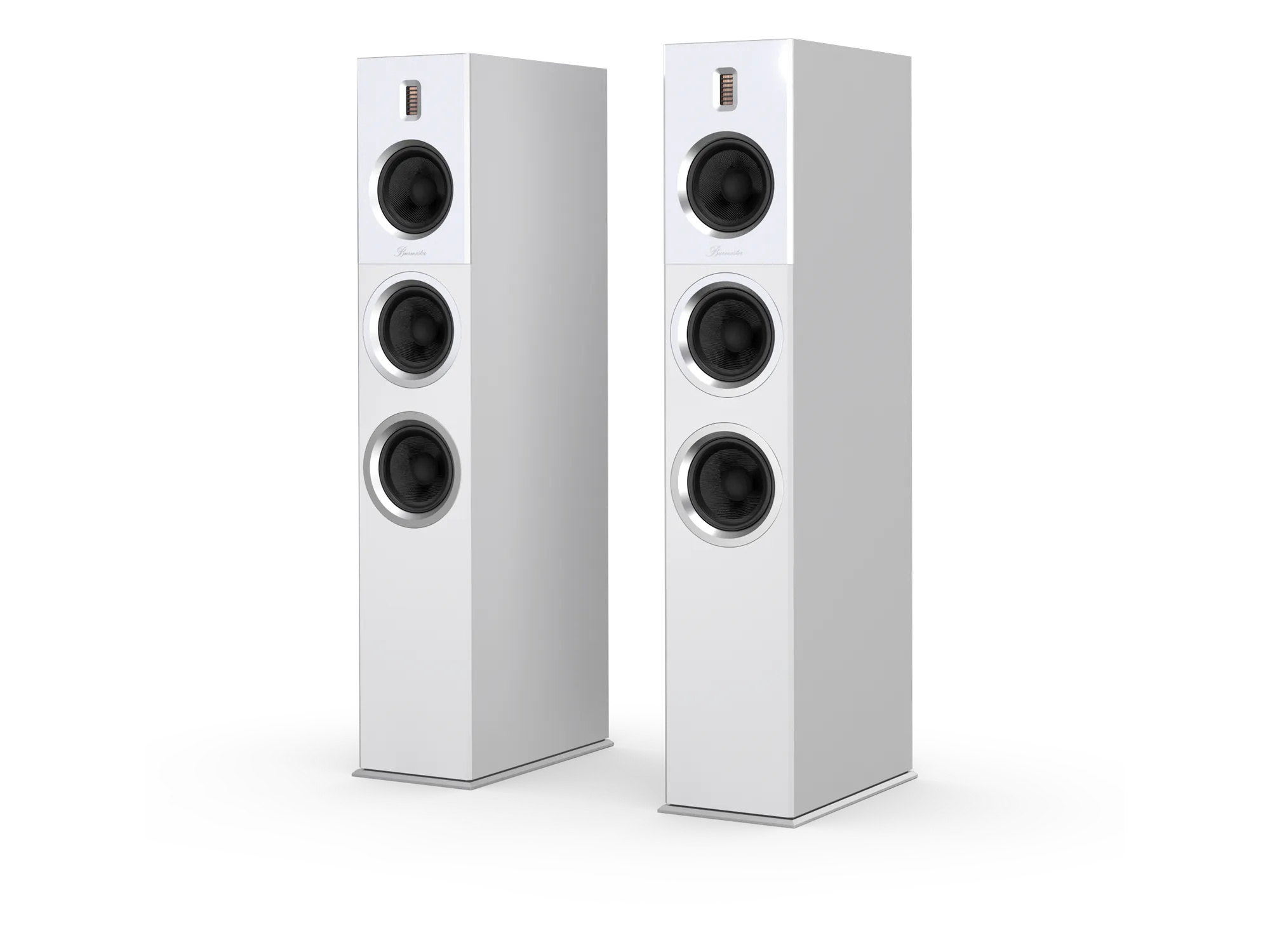
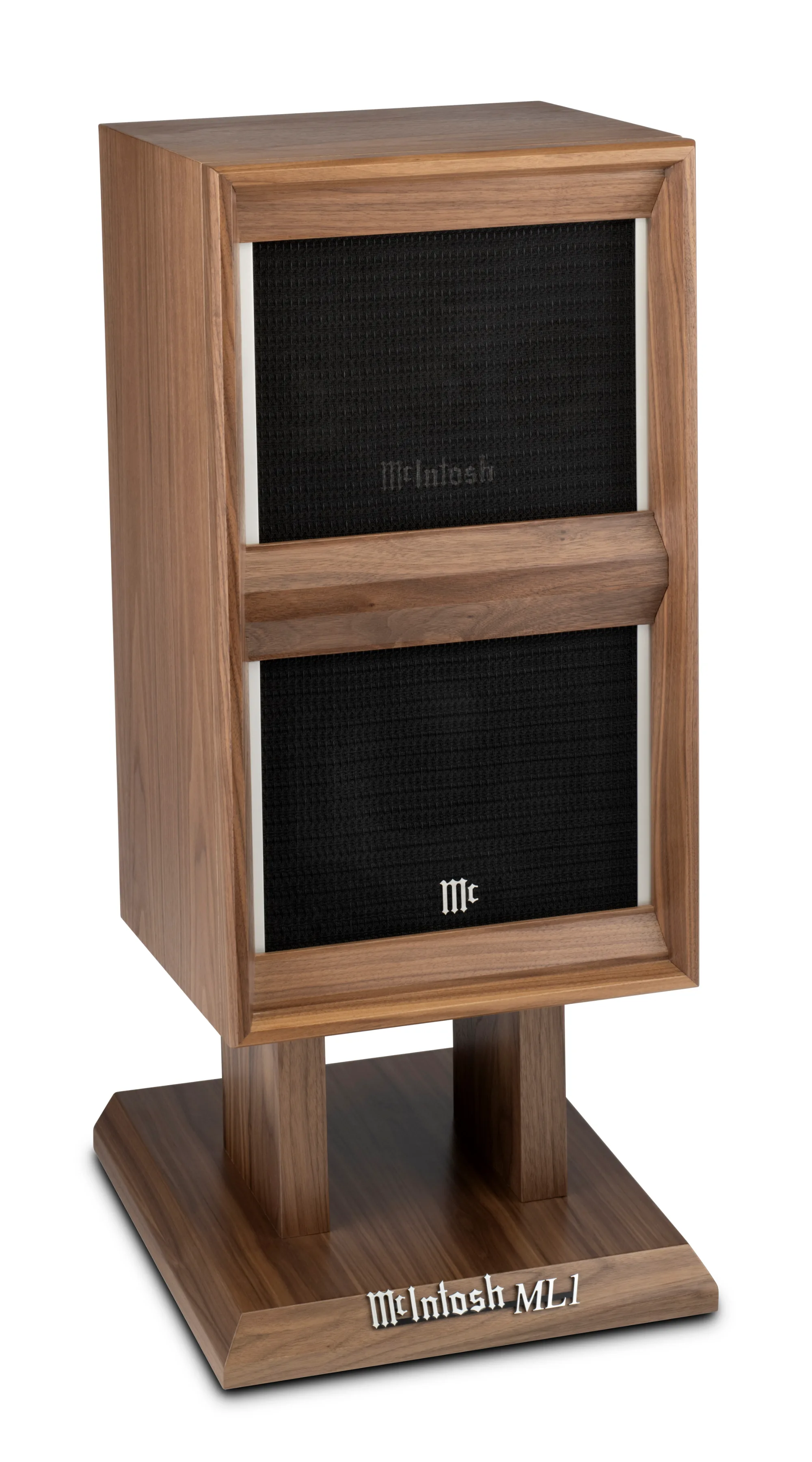
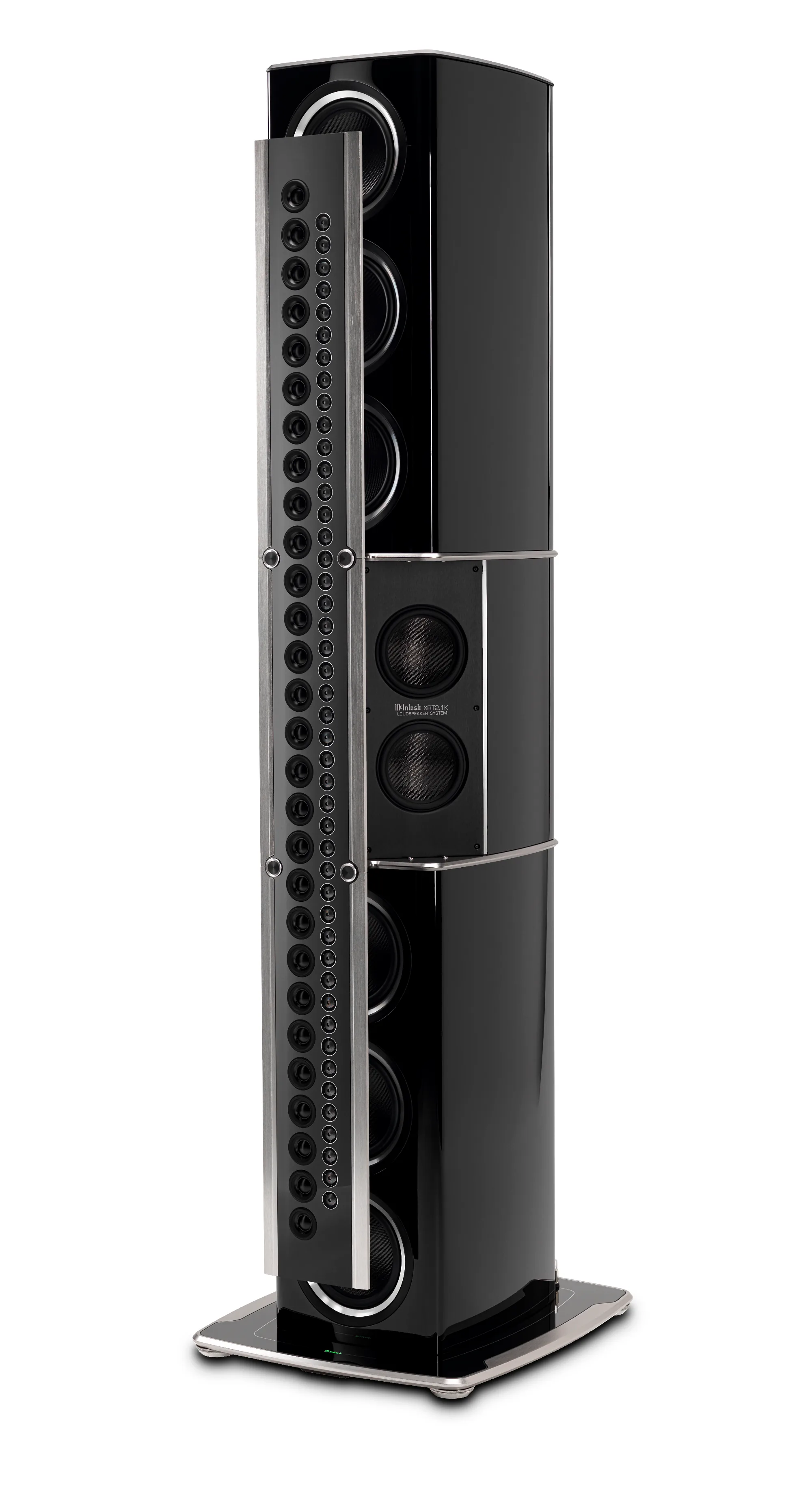
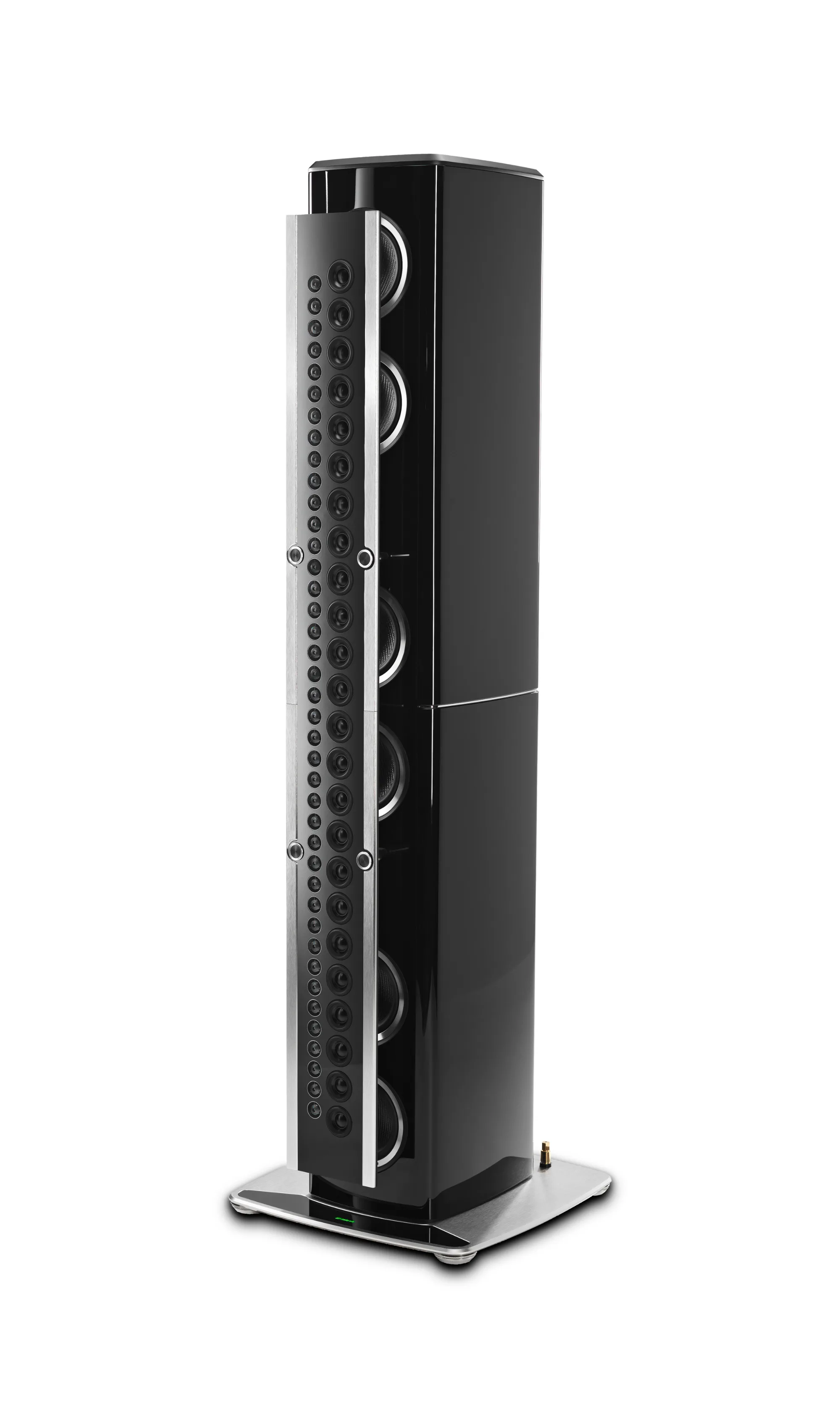
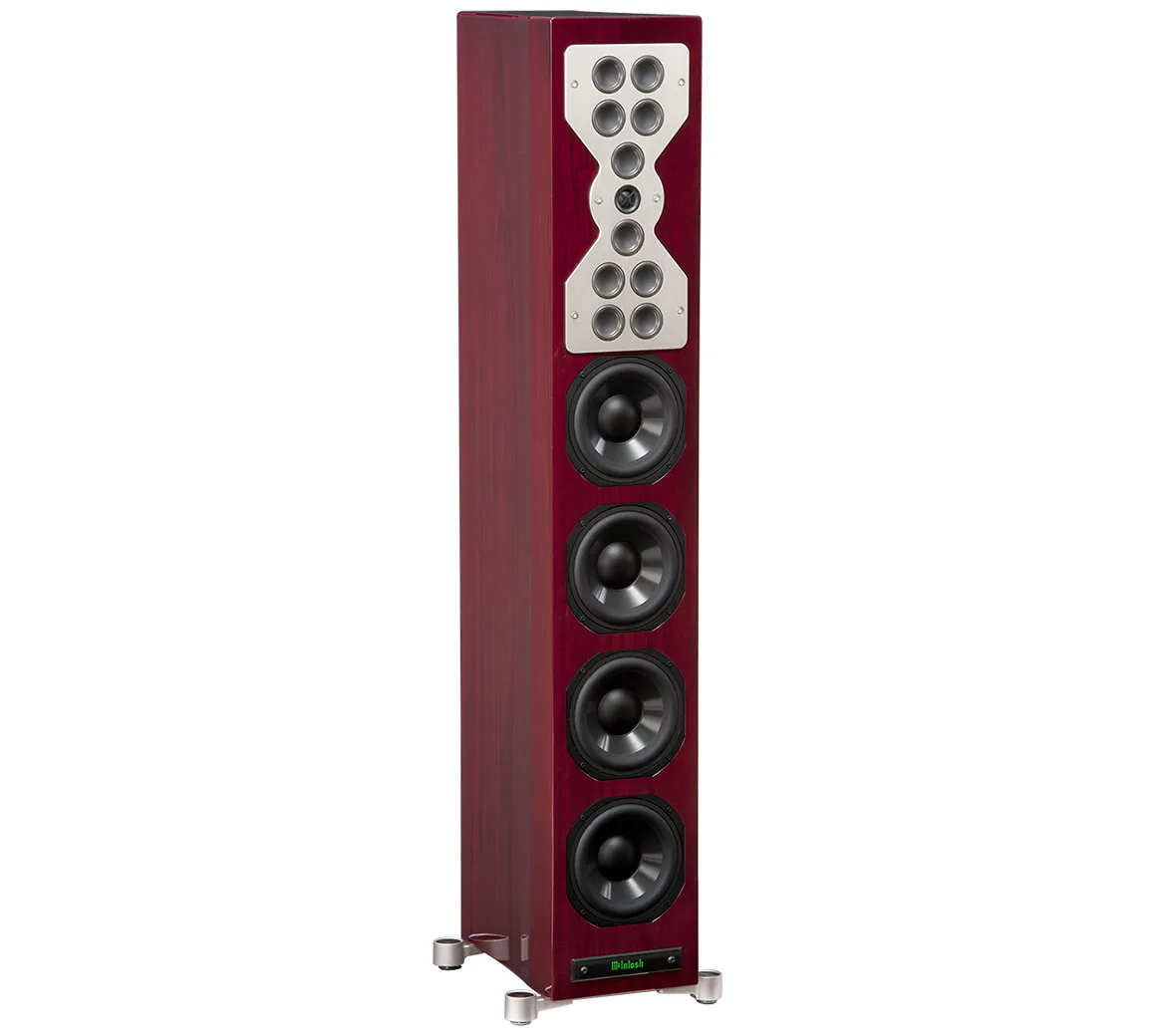
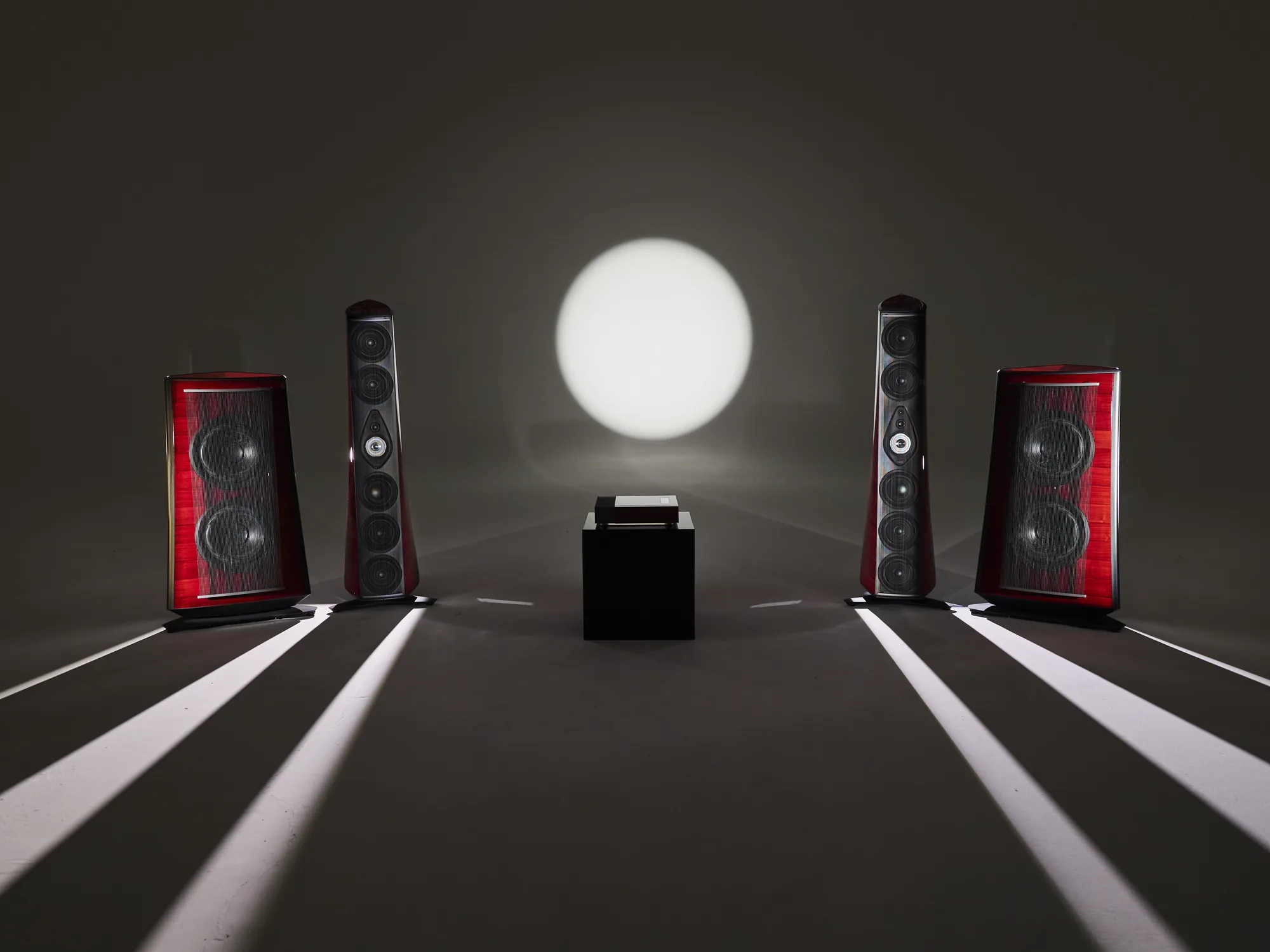
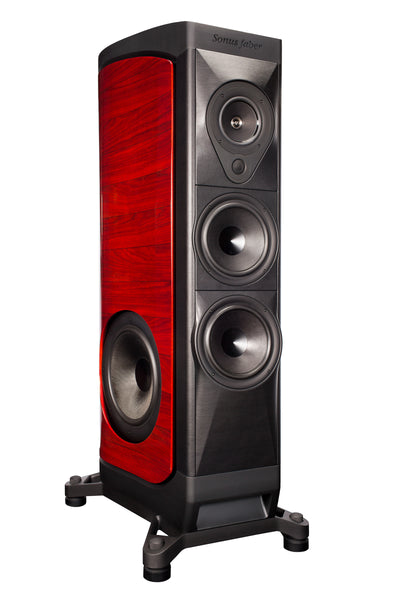
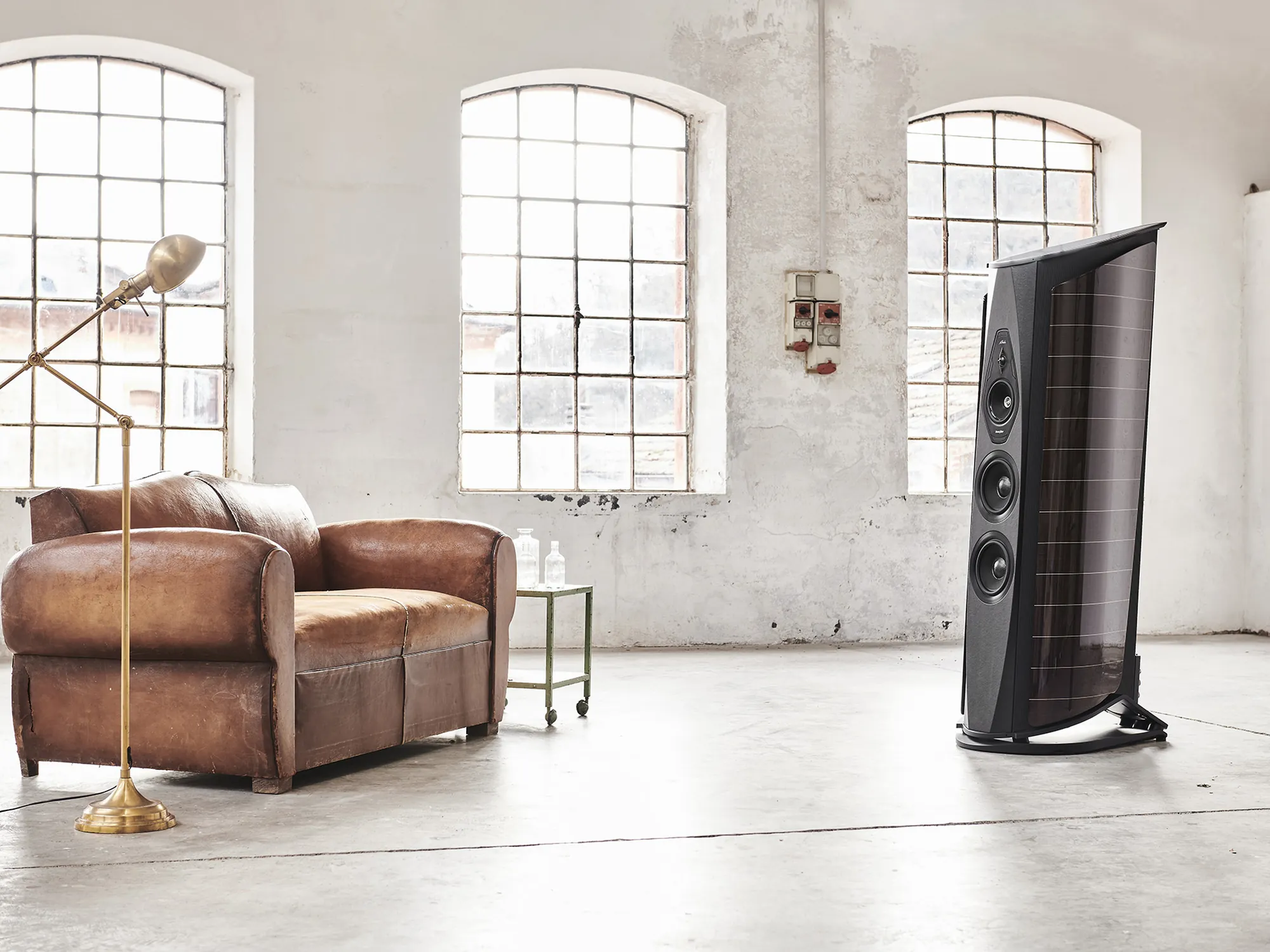
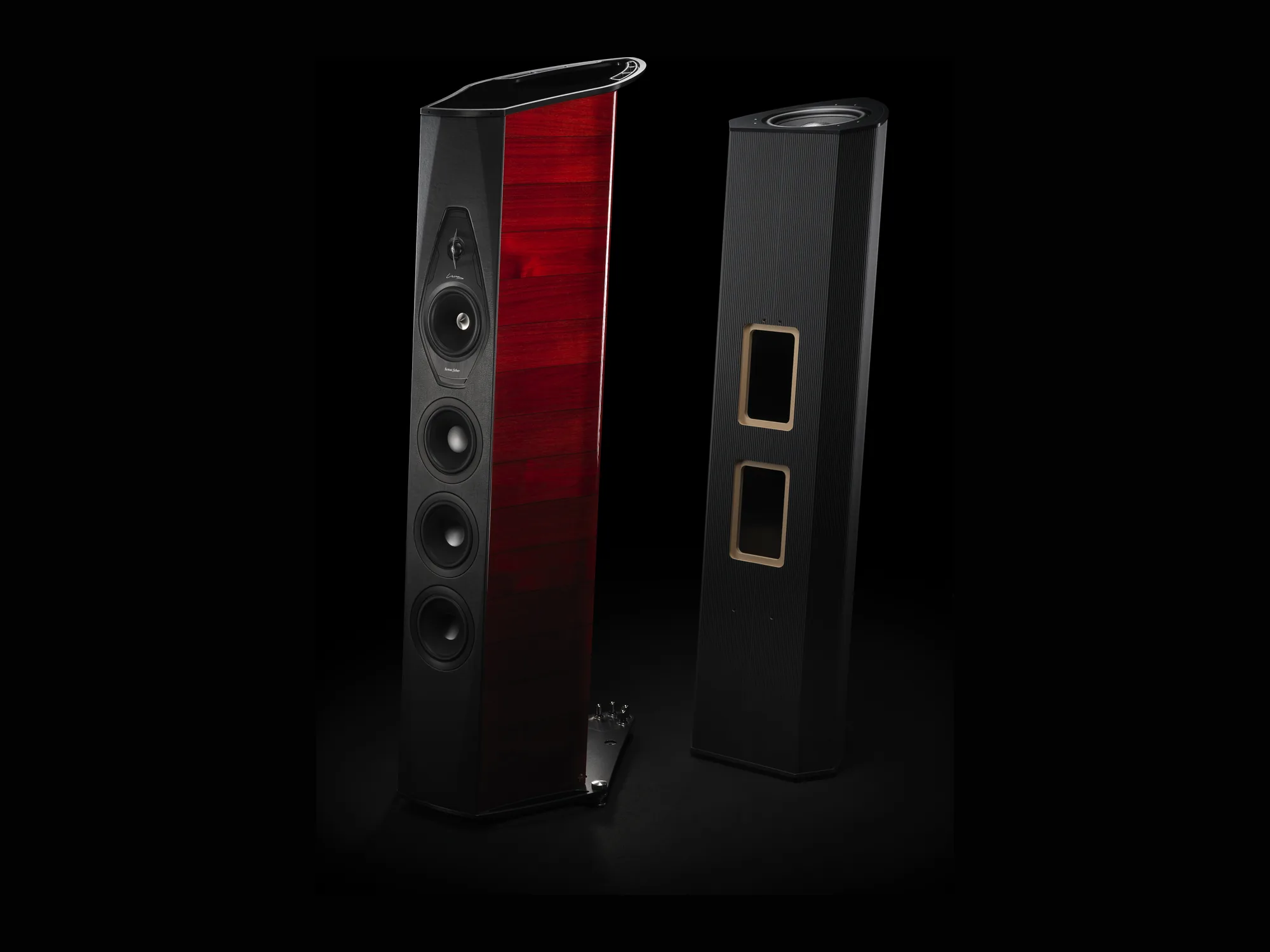
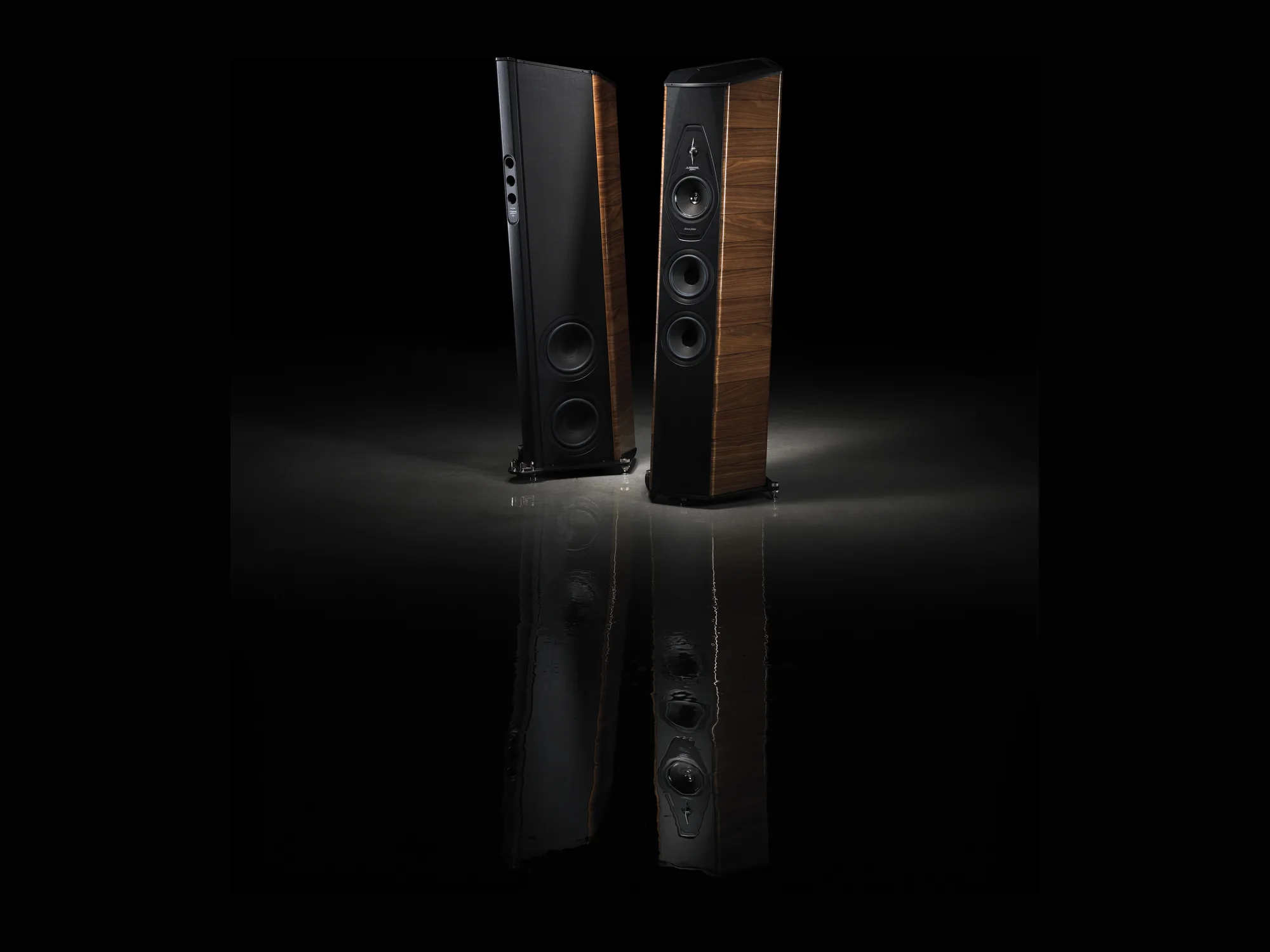
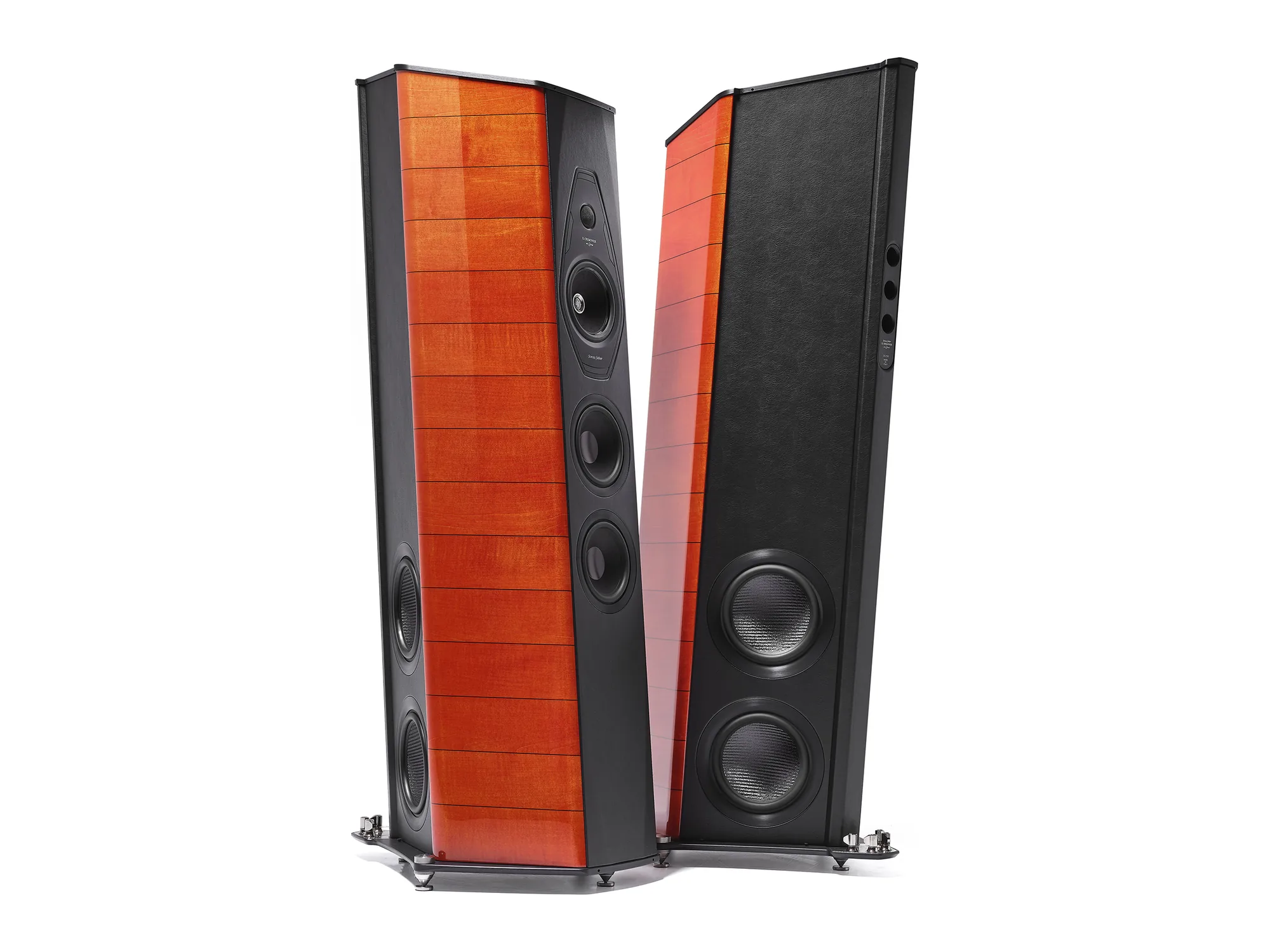
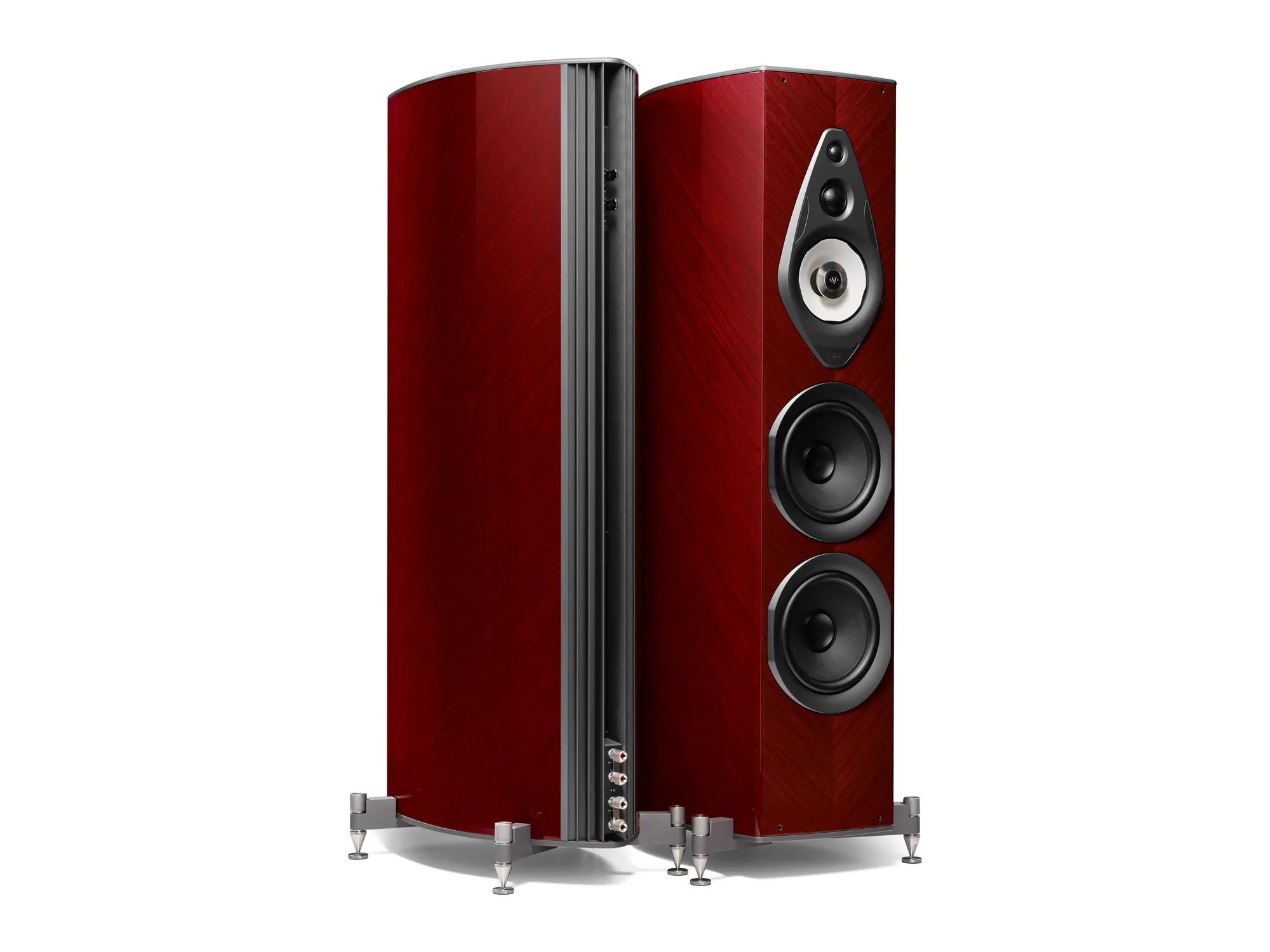
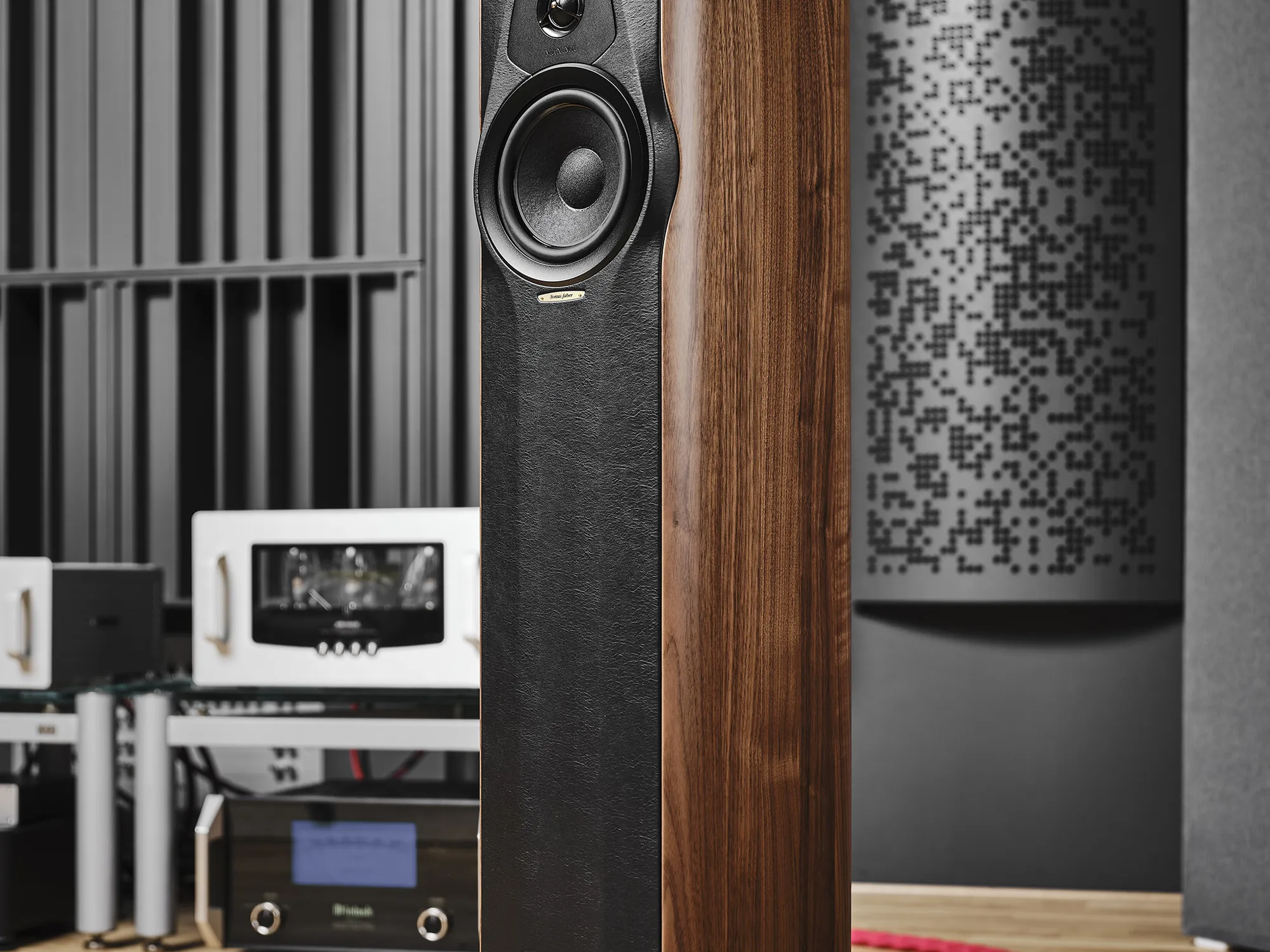
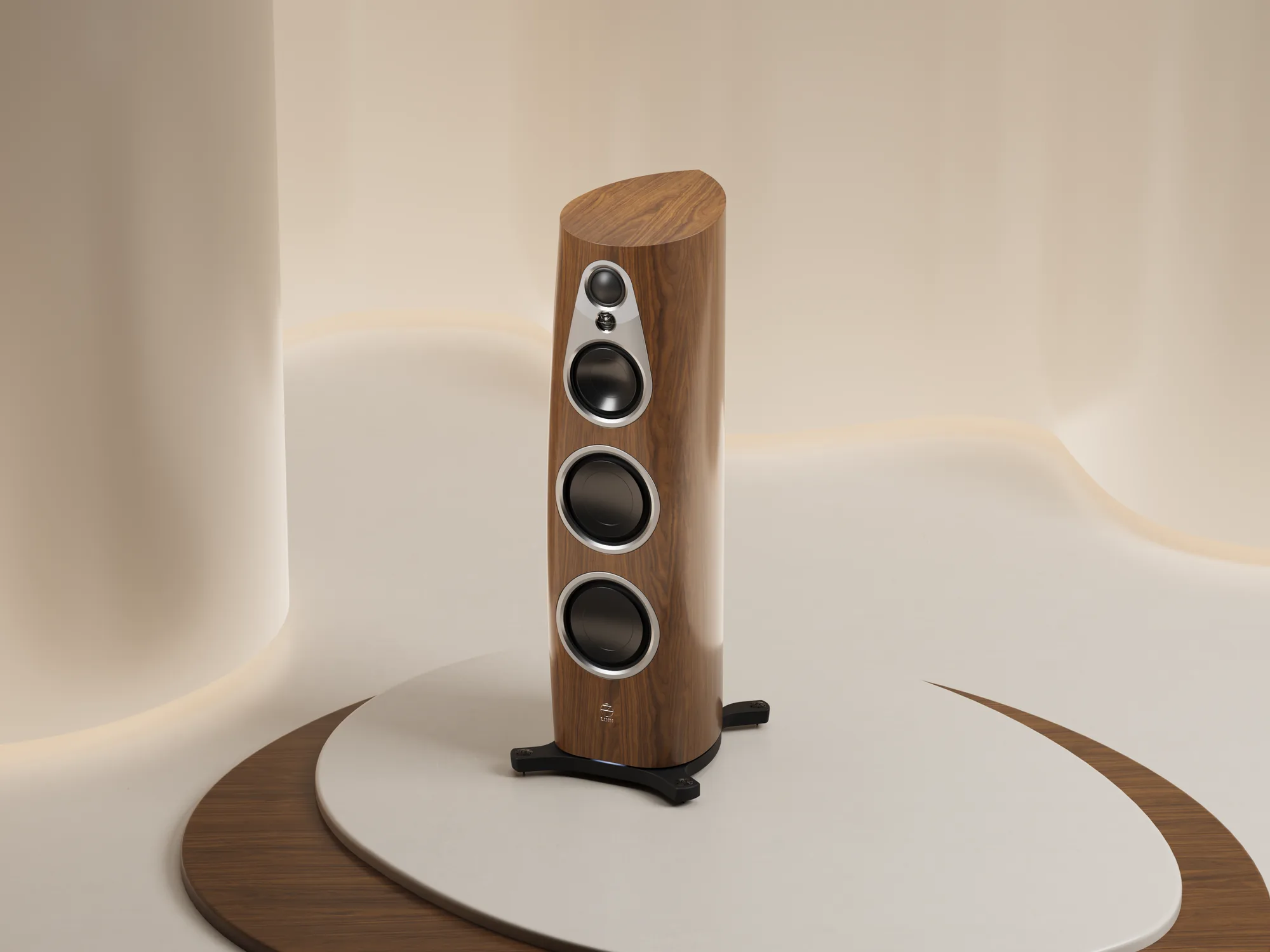
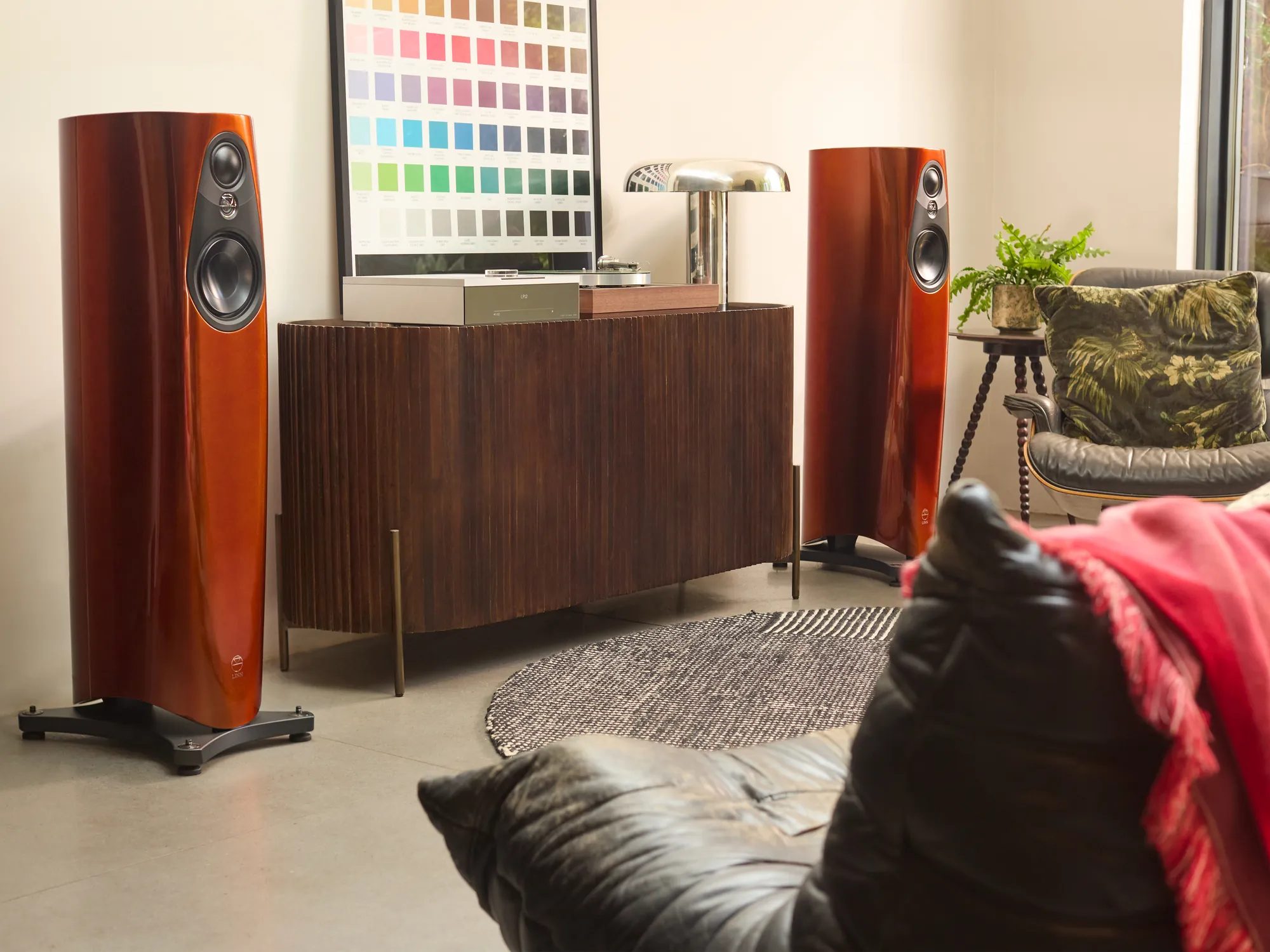
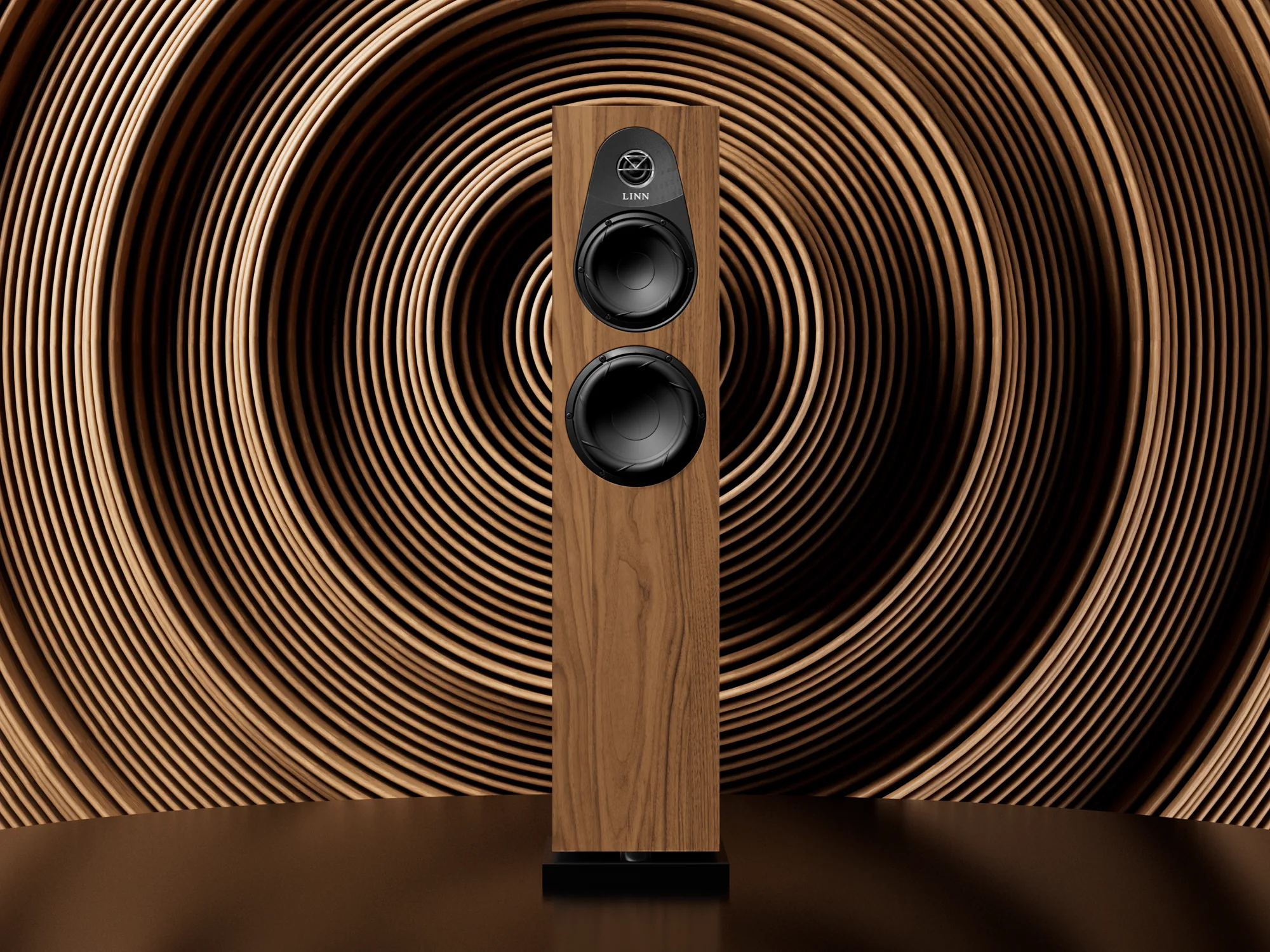
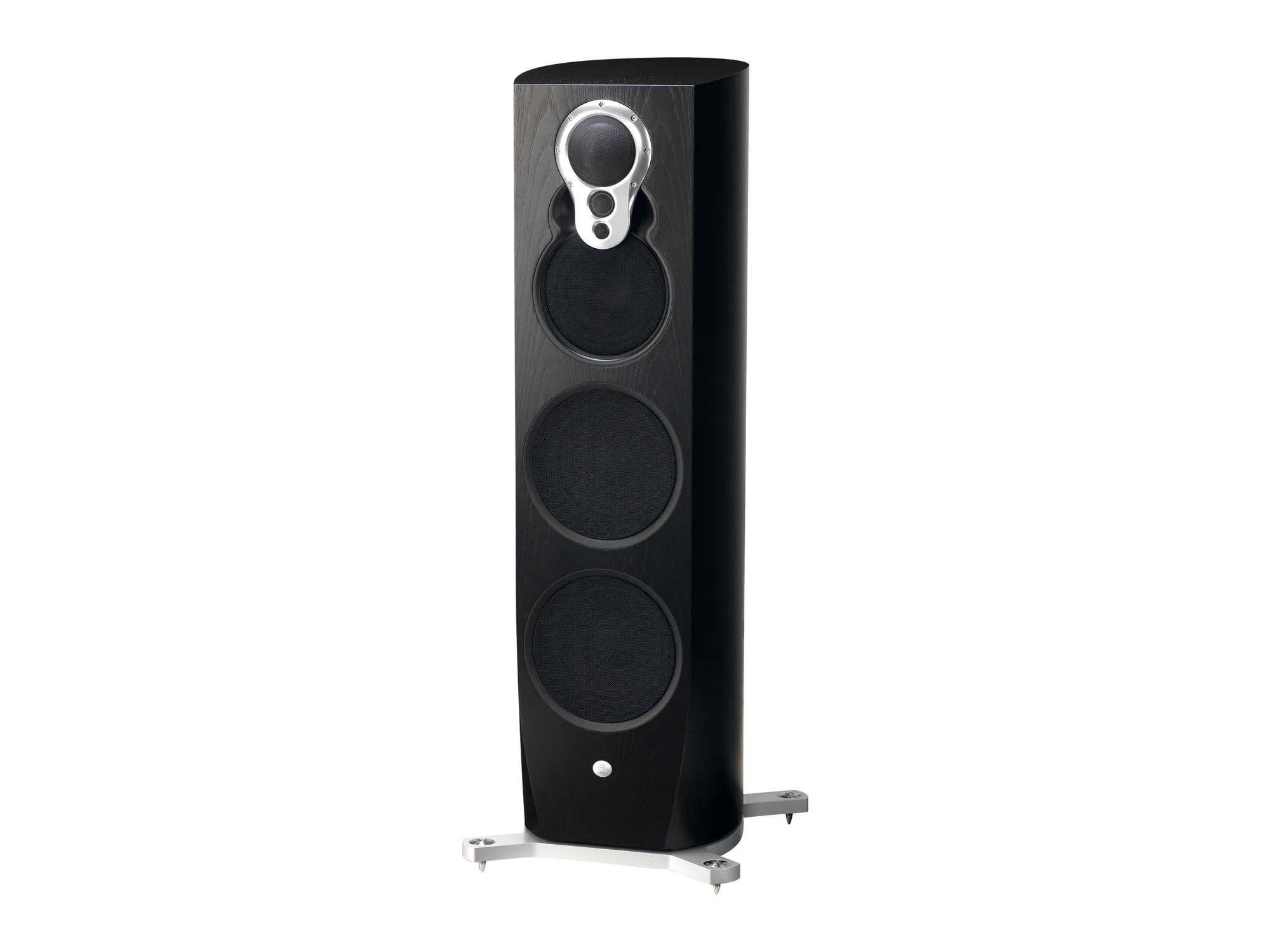
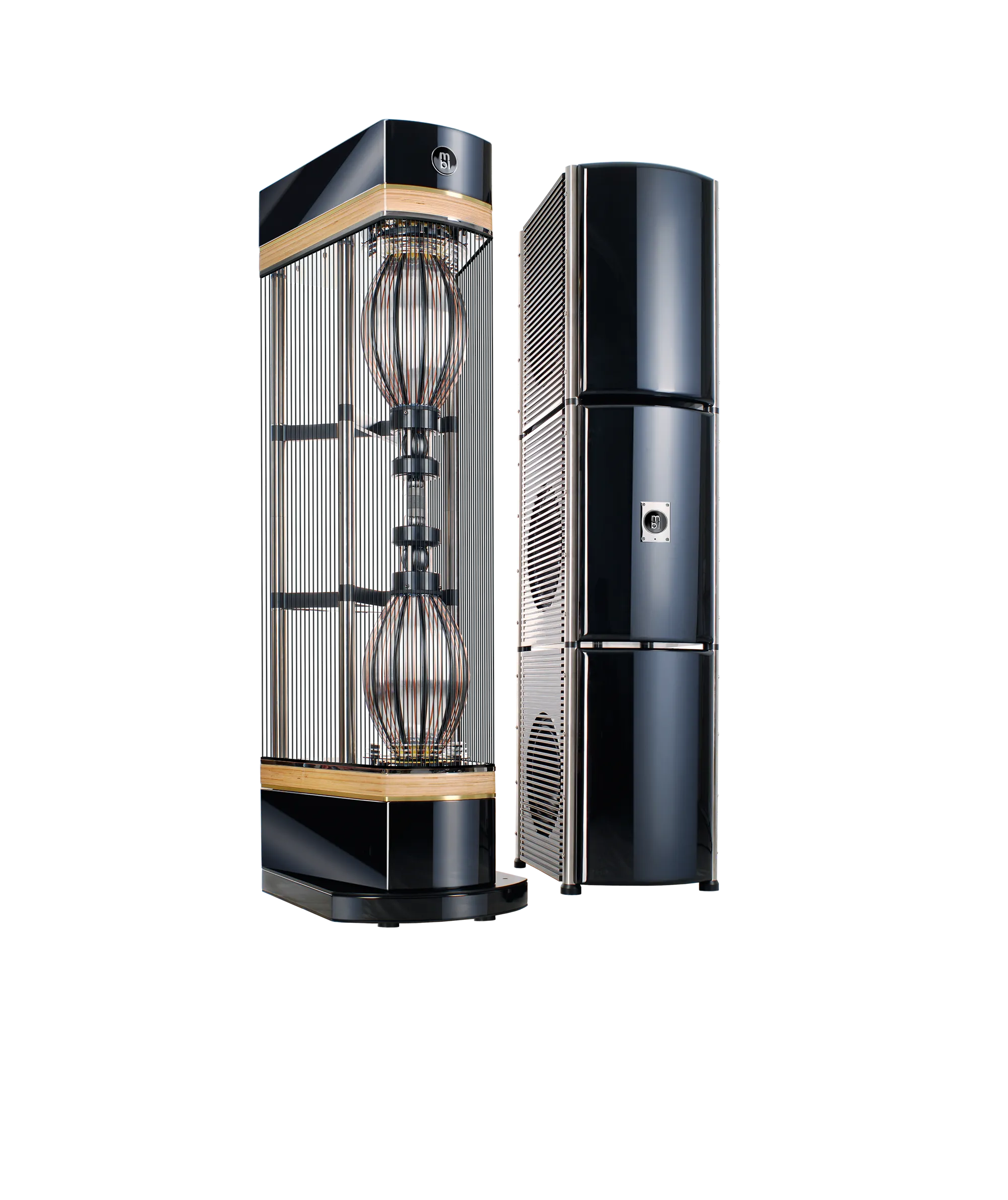
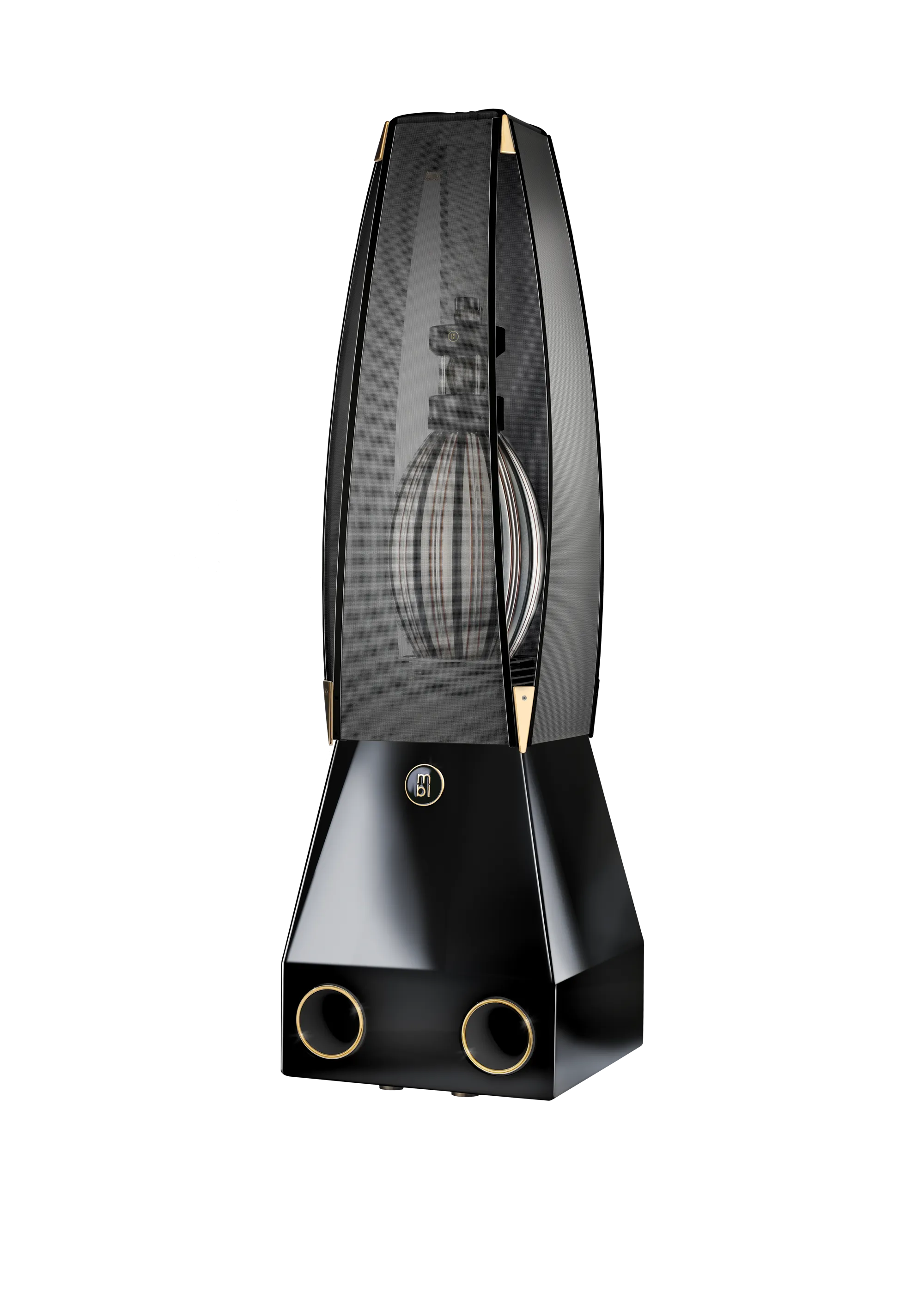
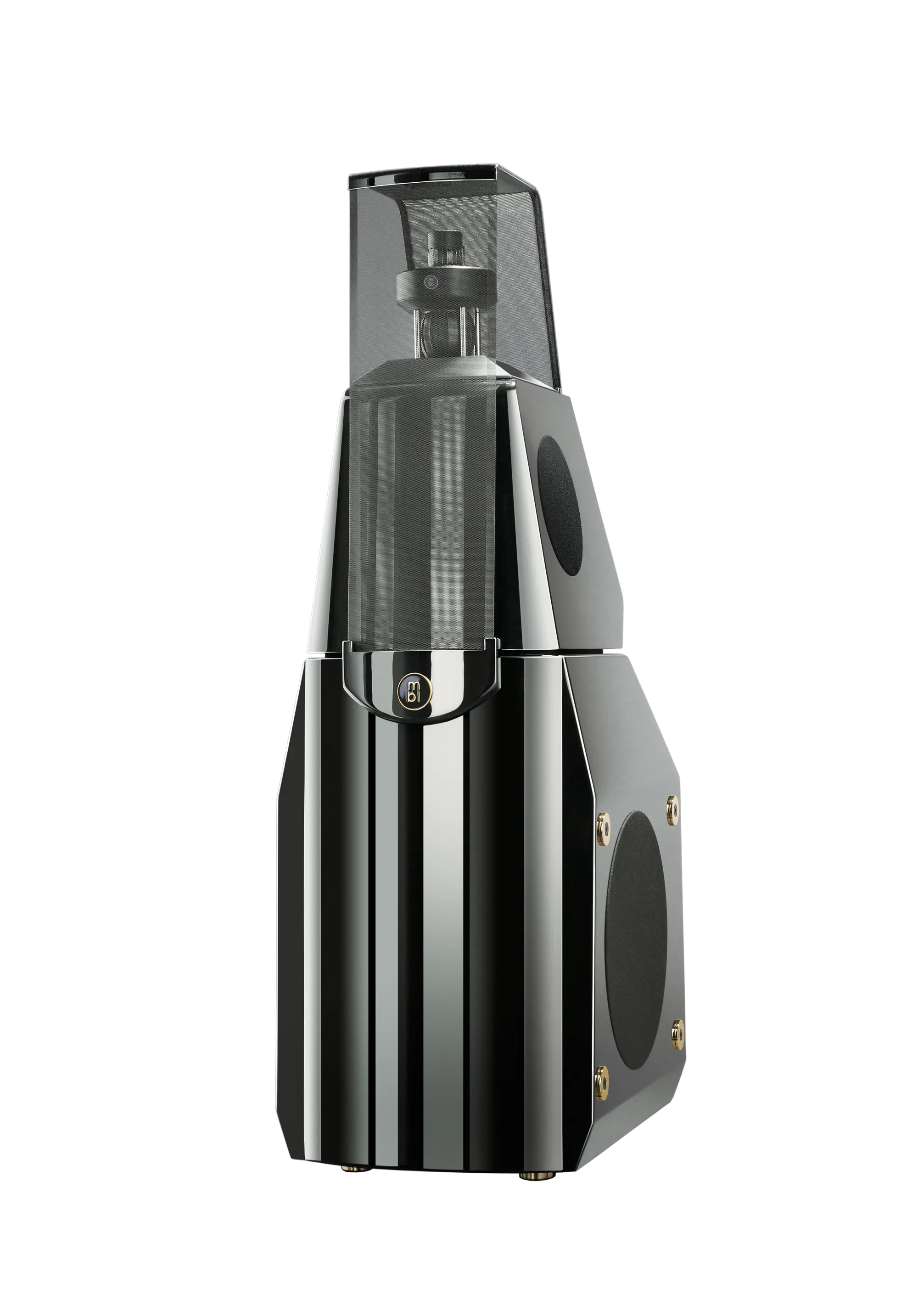
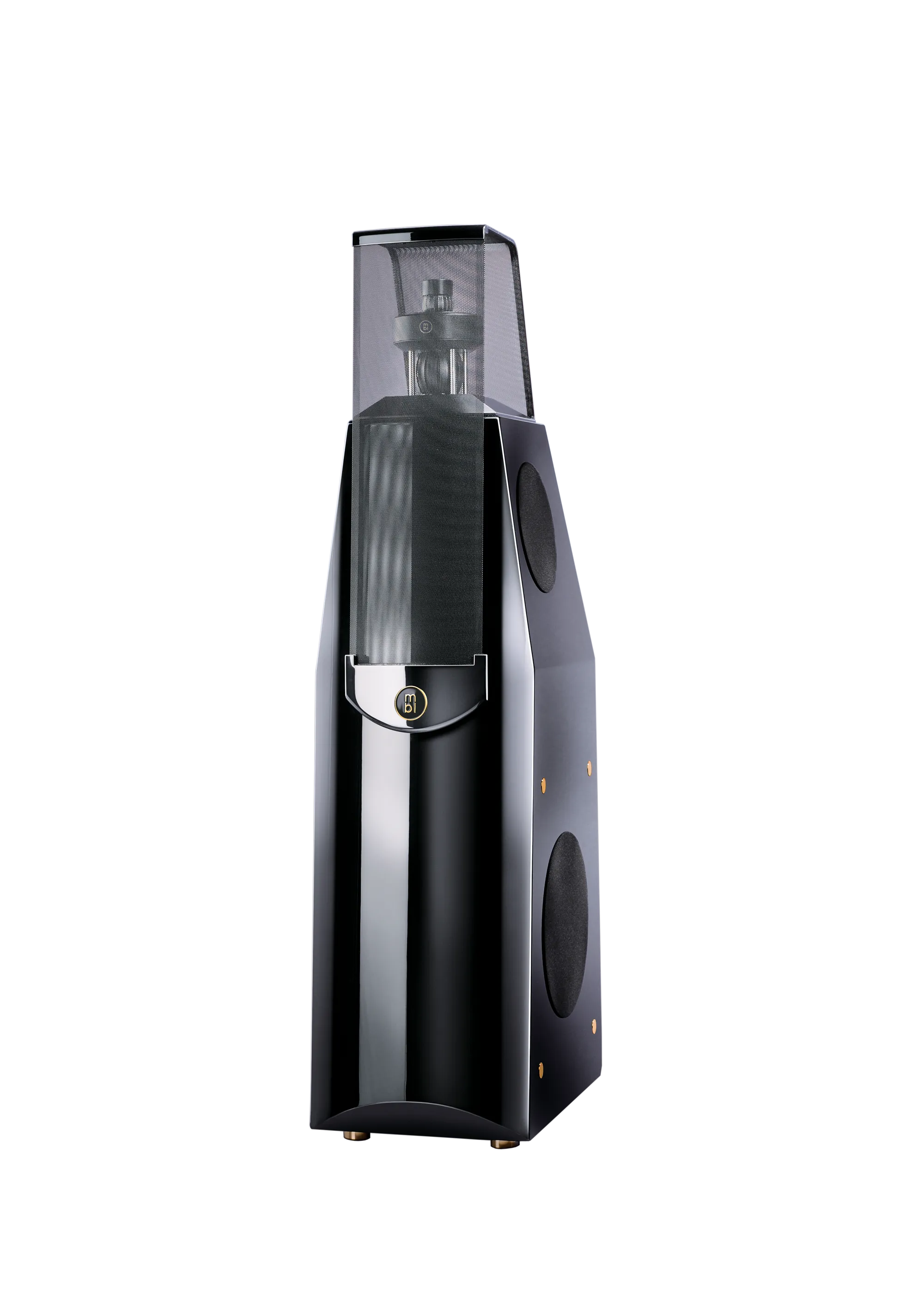
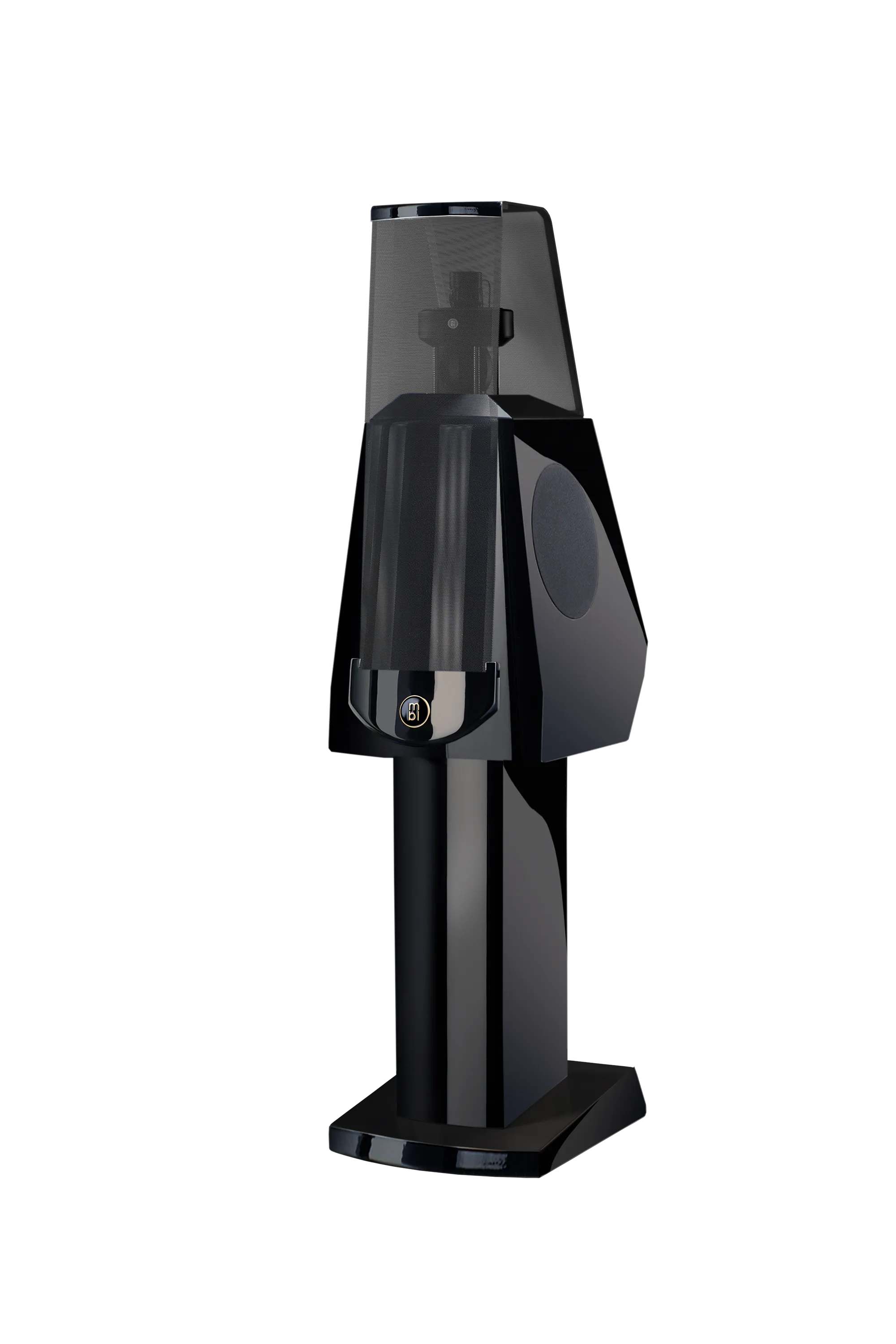
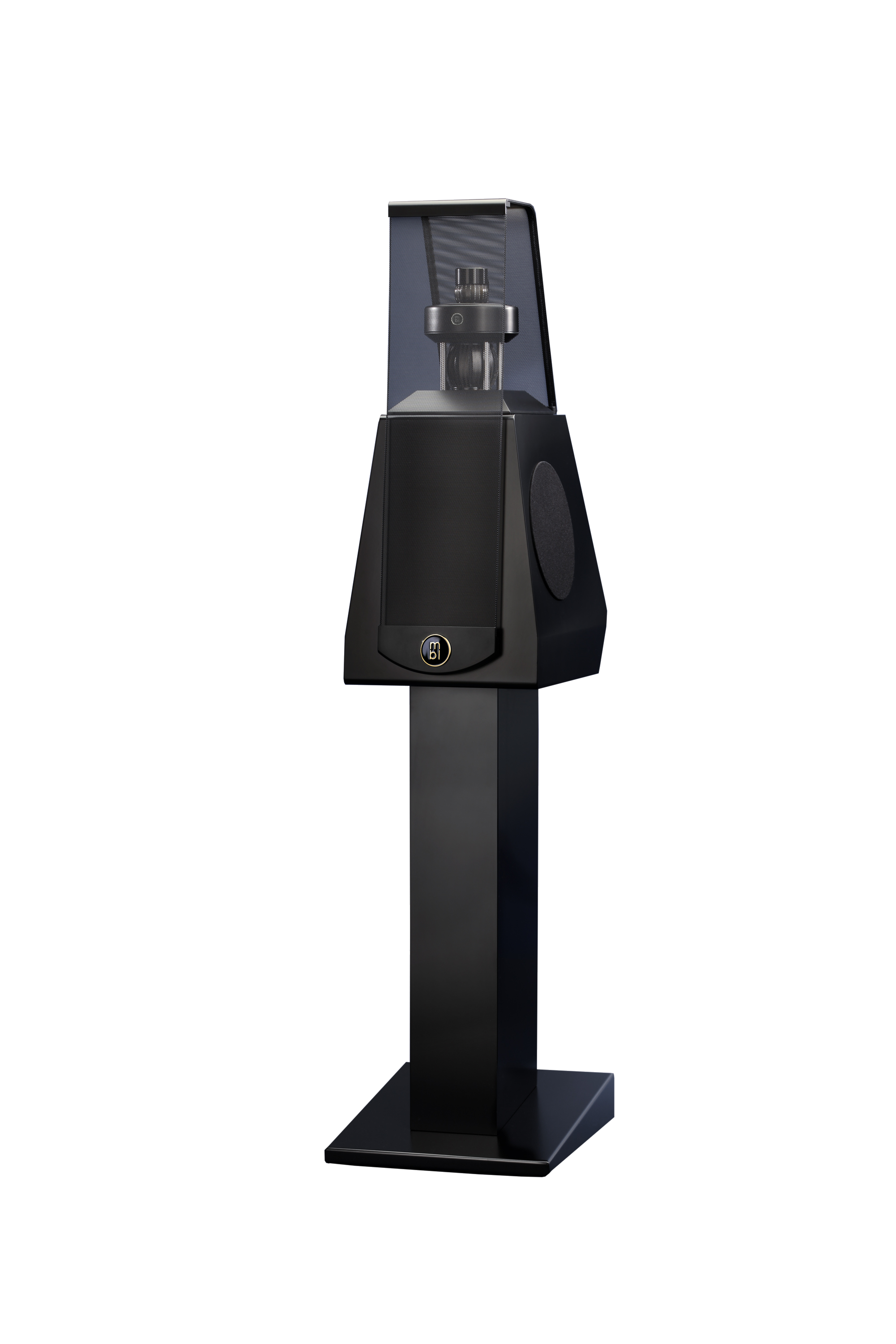
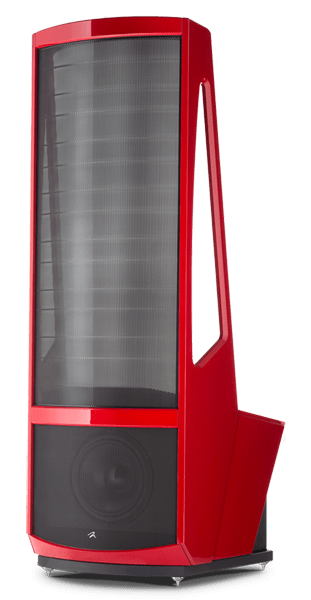
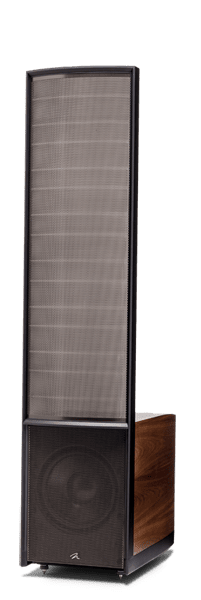
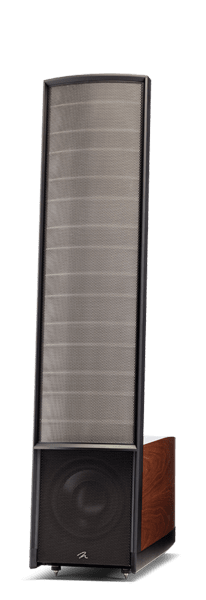
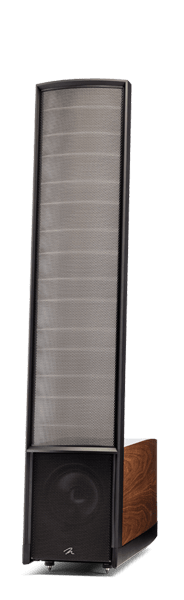
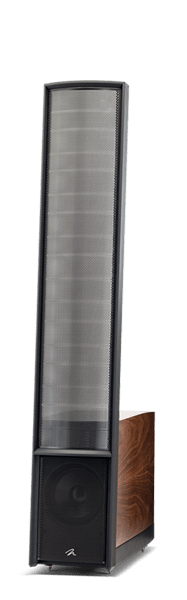
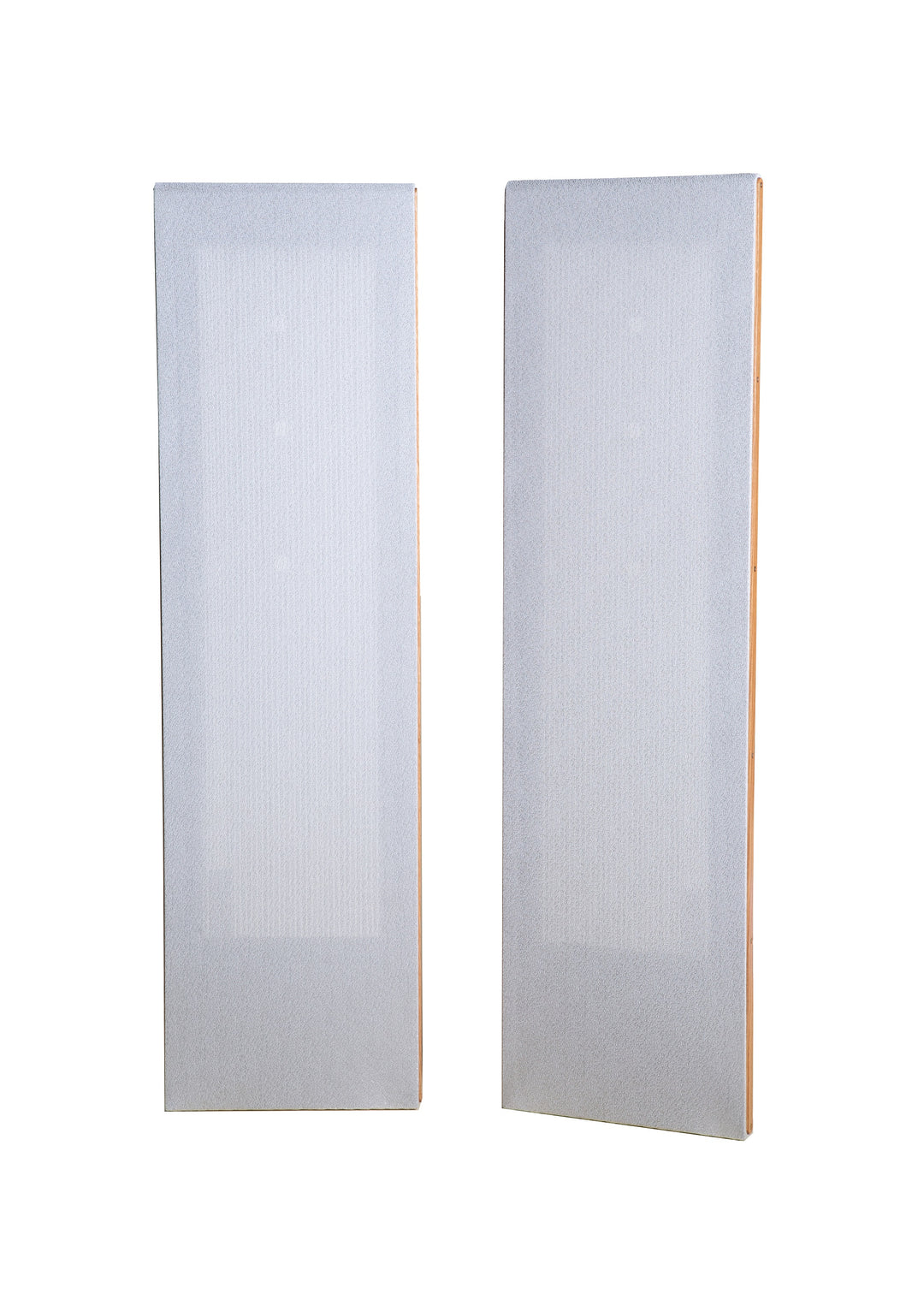
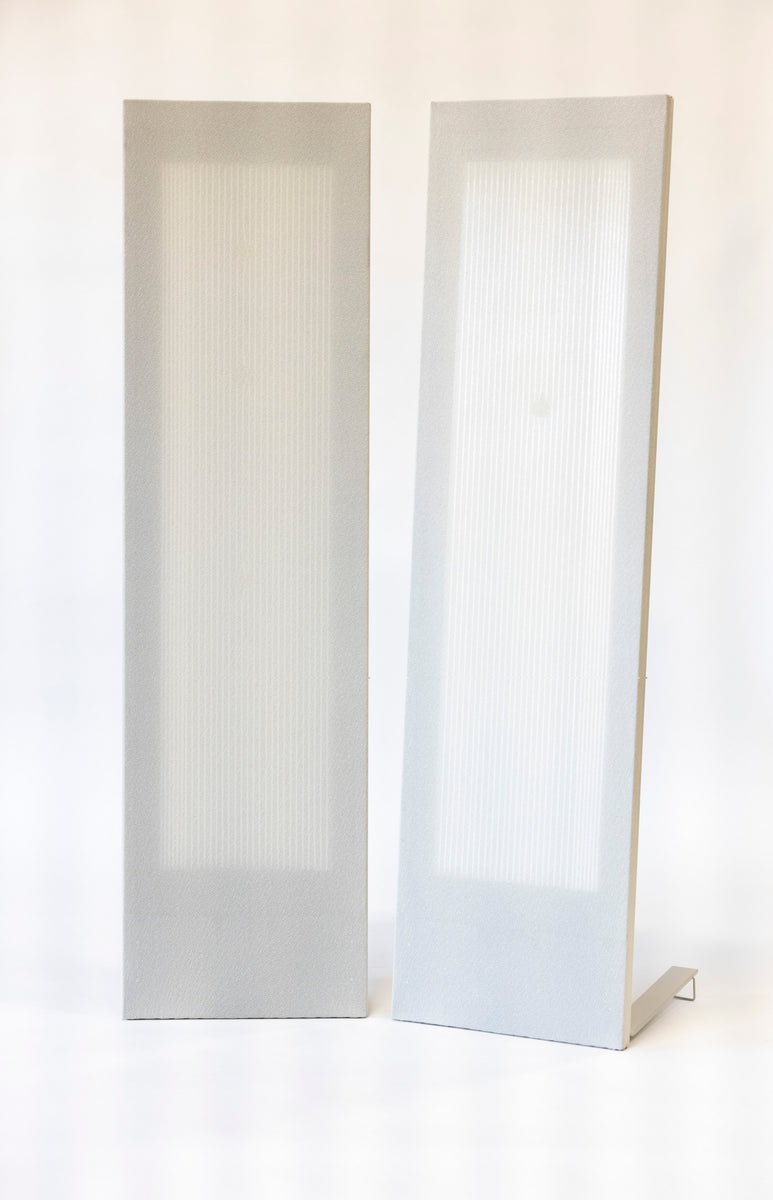
The speakers below span approaches that rarely sit in one showroom: Wilson’s precision enclosures, Sonus faber’s Italian cabinetry and voicing, Linn’s fully active systems, McIntosh’s line-source reference towers, Burmester’s Berlin-built loudspeakers, and MBL’s omnidirectional Radialstrahler. They represent different technologies, but they share one thing in common — they are best in class.
Specifications alone tell an incomplete story. Which loudspeaker is better is a matter of taste — every room is different, and every one of us hears differently. Placement is room-dependent and there are no absolutes; the guidelines are only guidelines, and getting the most from a loudspeaker takes a well-trained ear. That is where the talented team at LMC comes in. Auditioning is mandatory for this component: hear a variety of loudspeakers, on a variety of amplification, and let your own ears decide. Unlike dealers who show a catalog and say “trust me,” LMC has speakers on display from under $3,000 a pair to over $1 million — every one of them available to experience before you decide. Come experience the finest selection of high-end speakers in North America.
The right loudspeaker is the one that brings music to life for you — not the one that measures best in someone else’s room.
How to choose a floorstander
Two questions come before the shortlist. How far can the speakers come off the front wall — three feet opens up most of the range, less than that narrows it sharply. And can your amplifier hold the load: minimum impedance and phase angle decide that, not the wattage figure.
More on choosing a floorstander ↓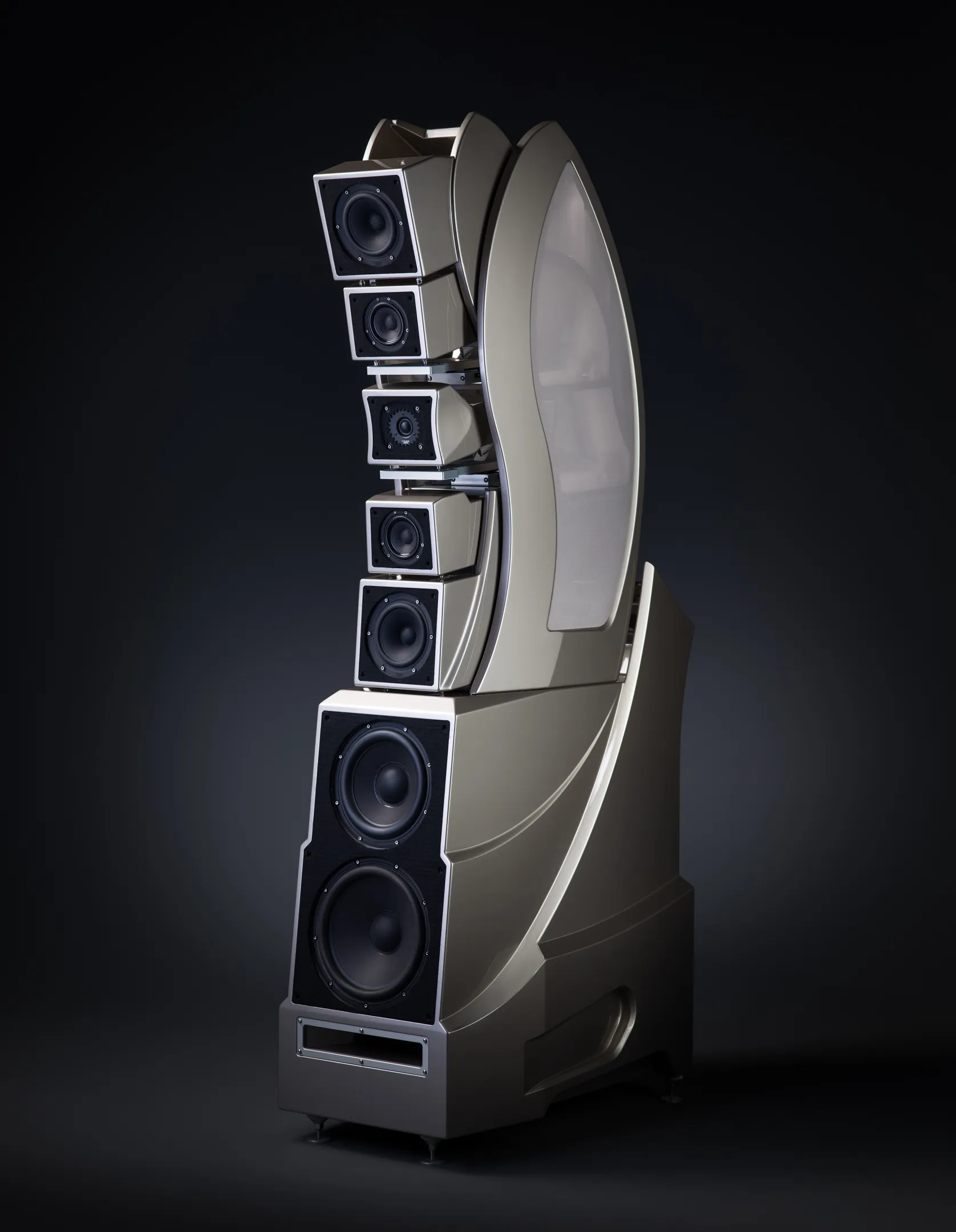
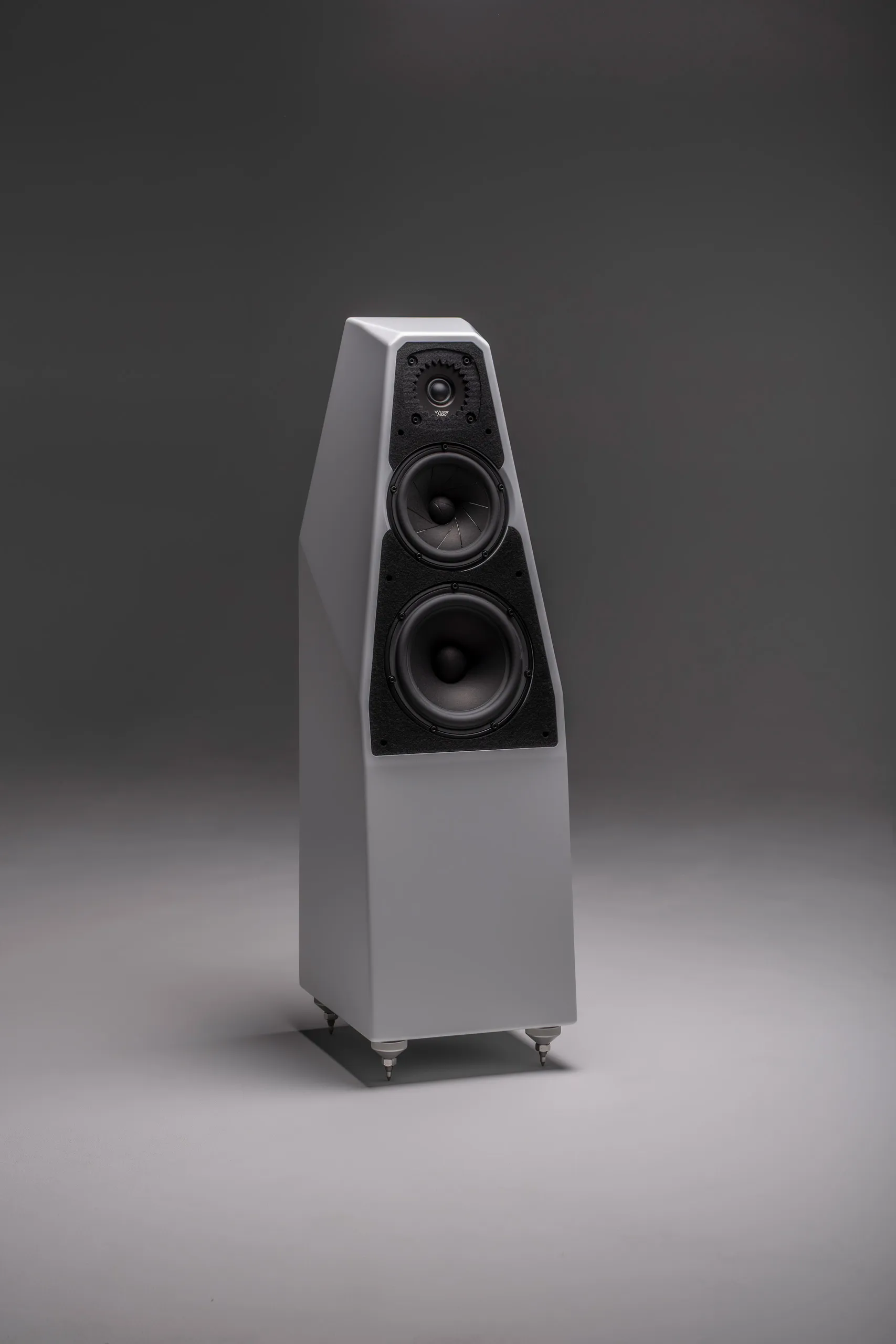
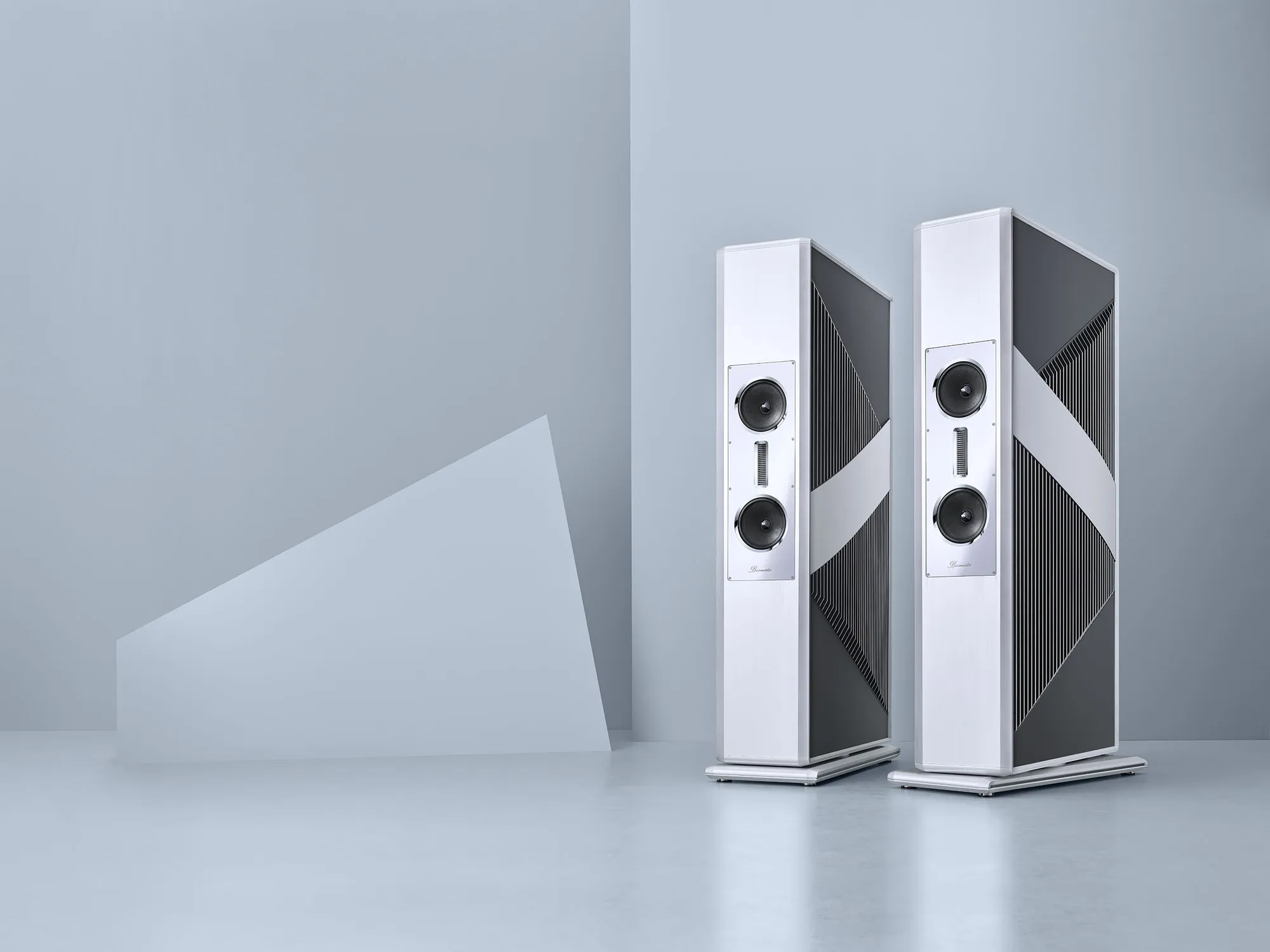
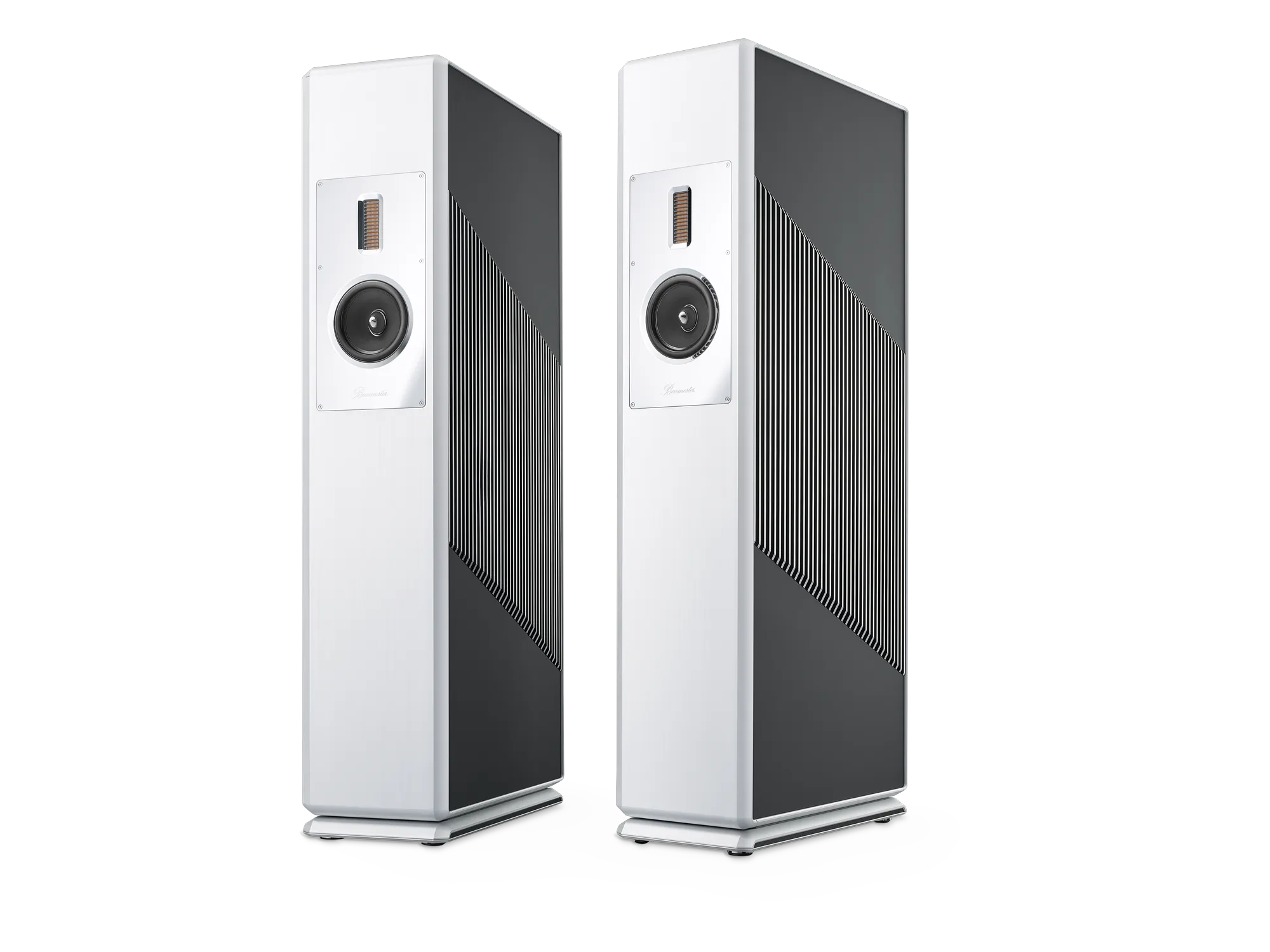
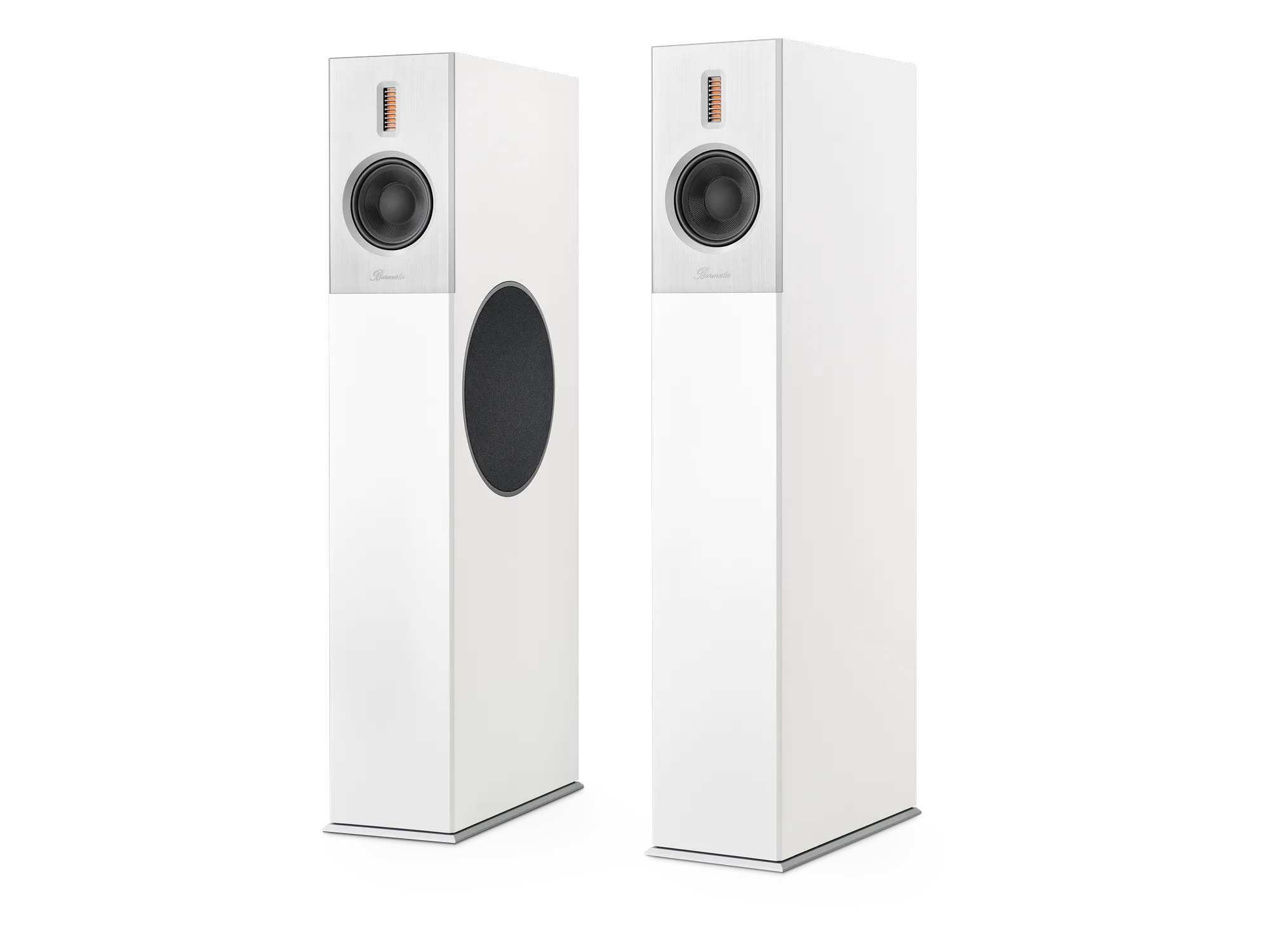
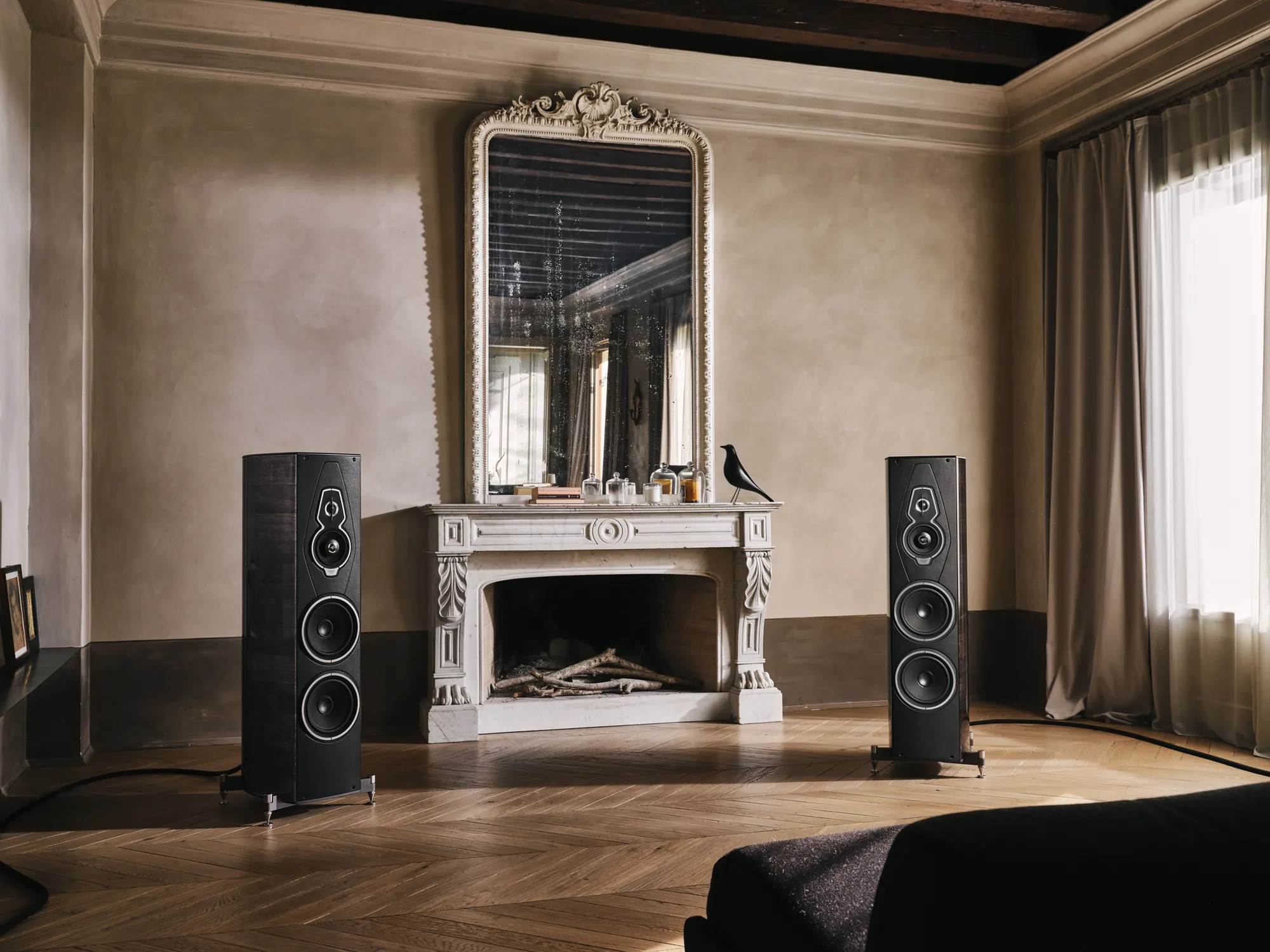
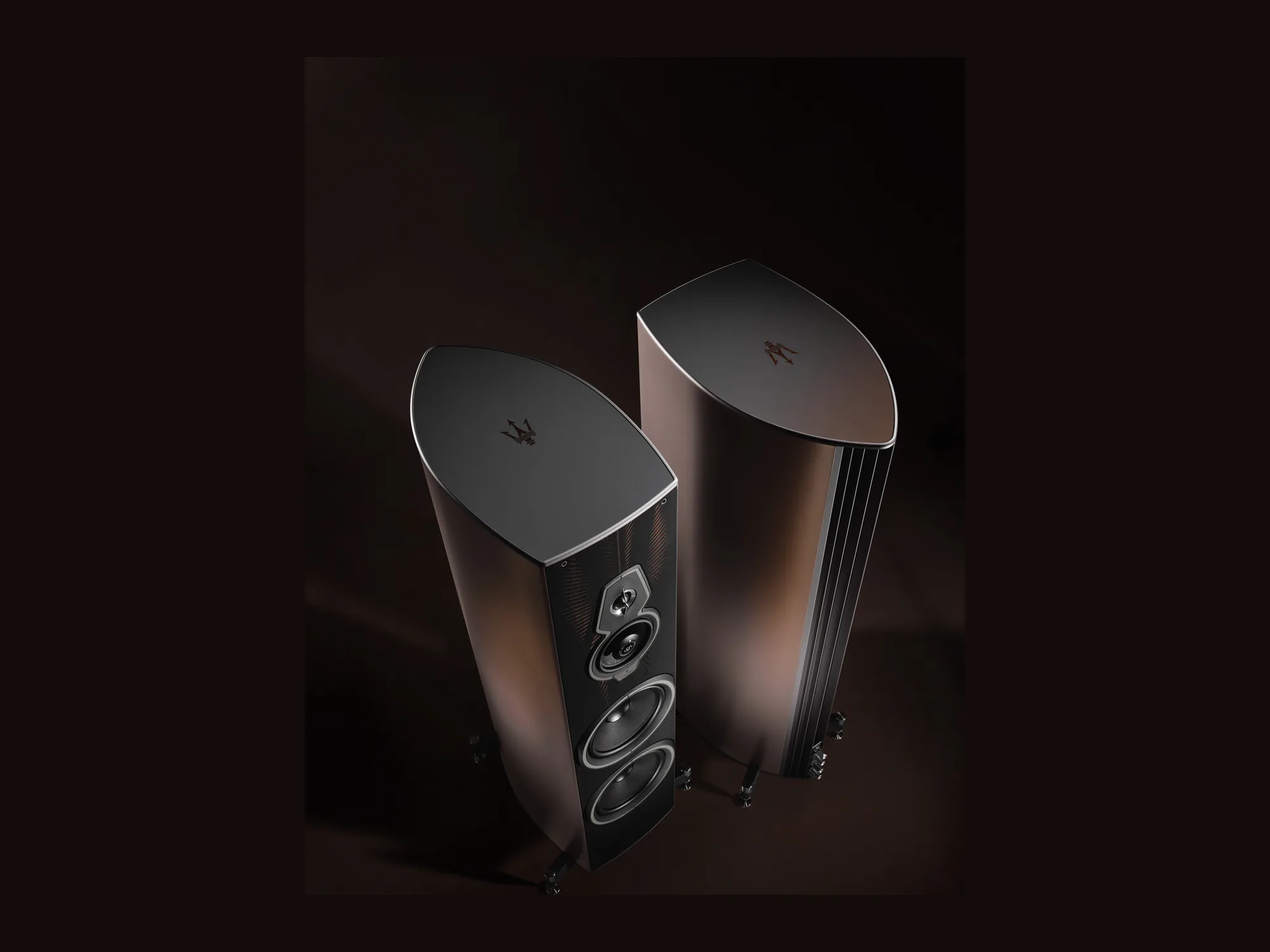
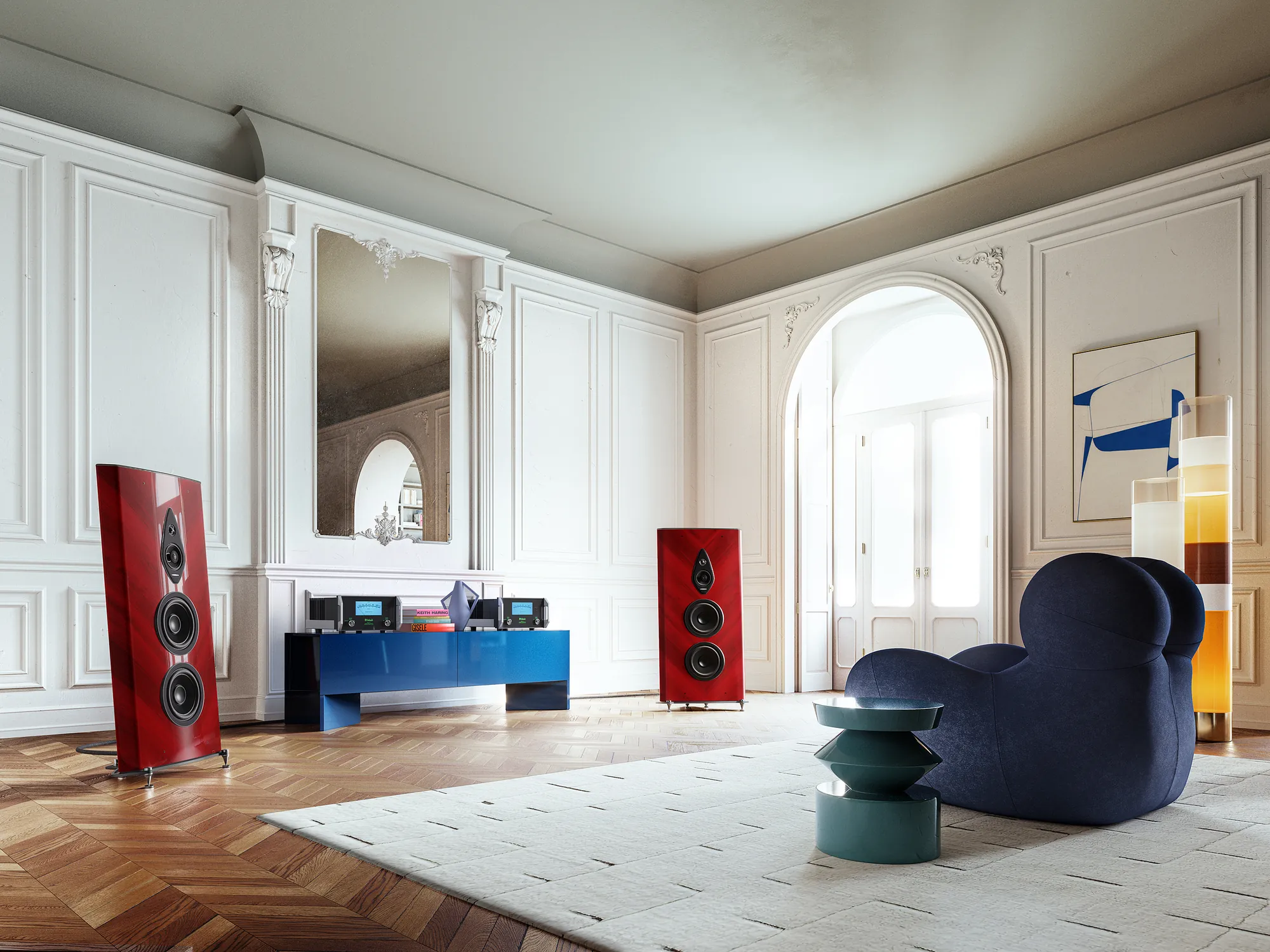
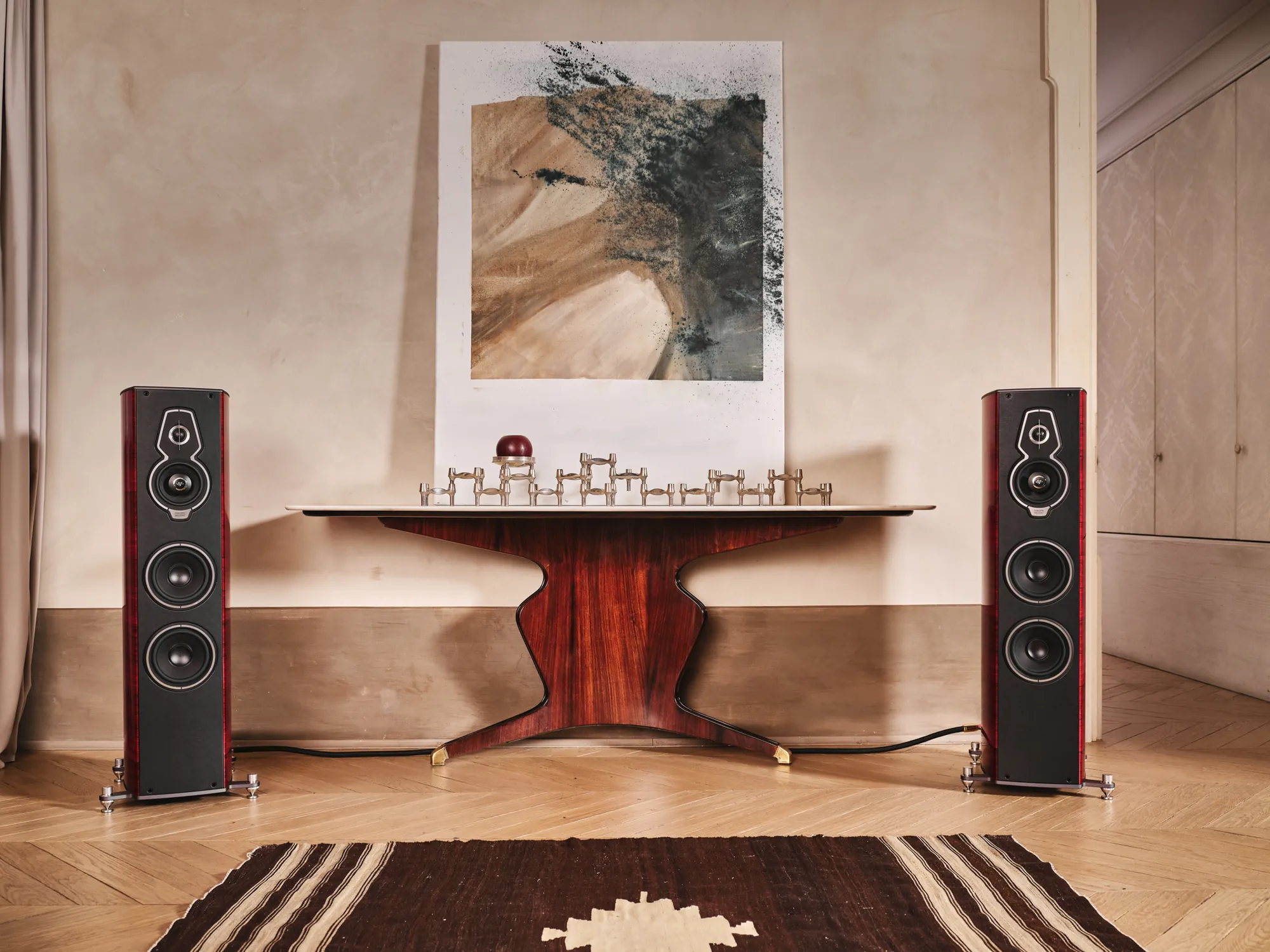

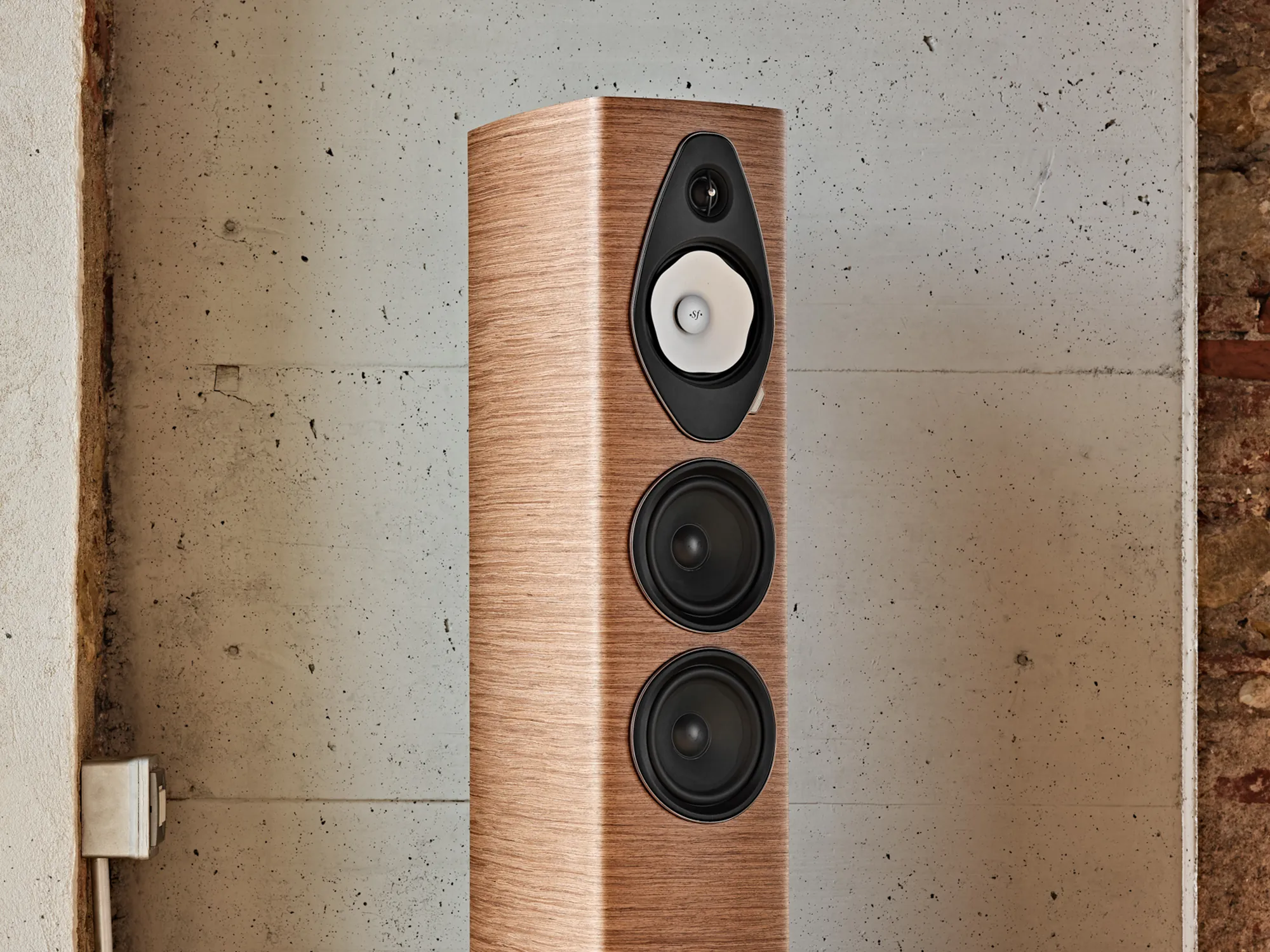
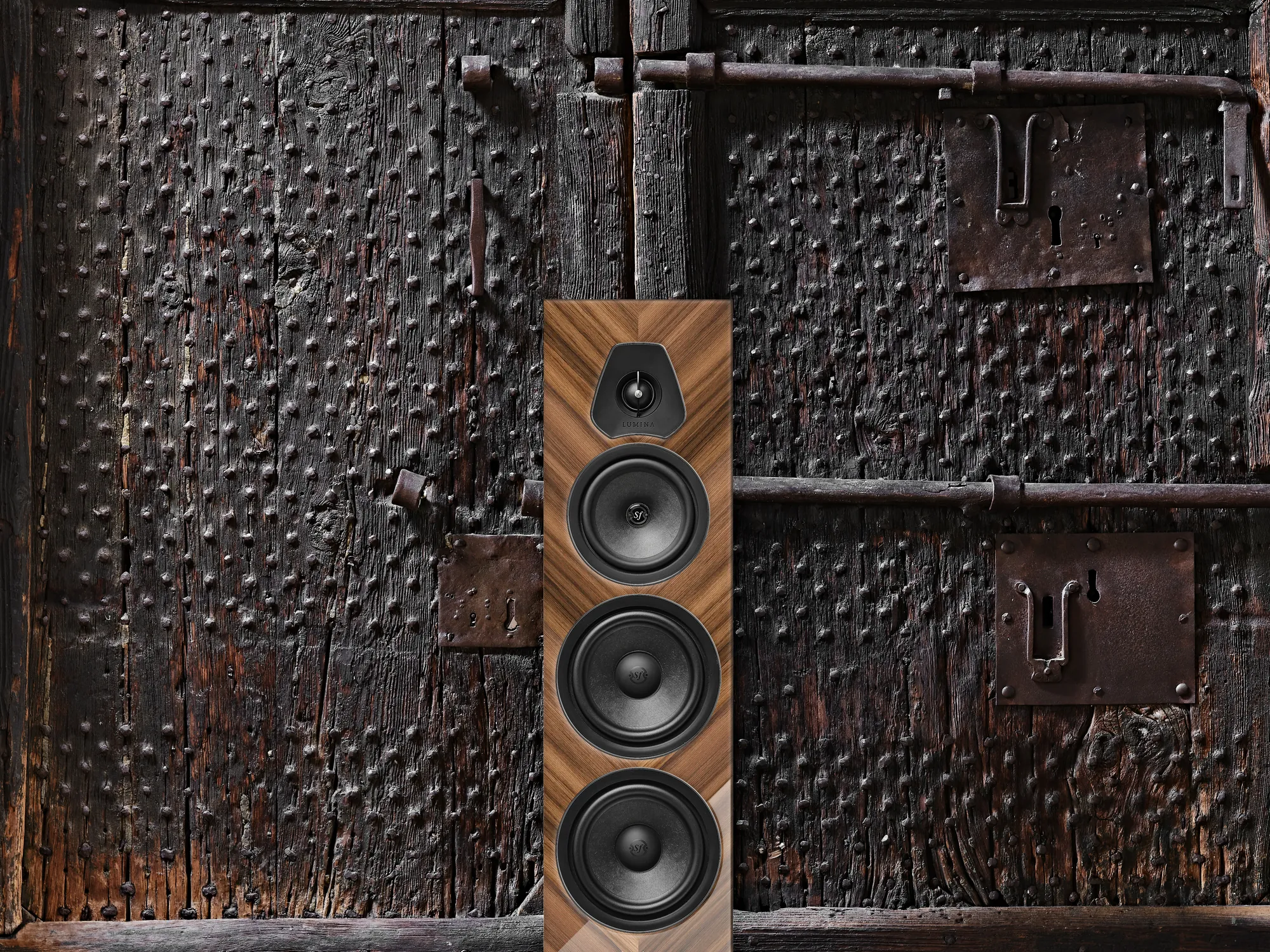
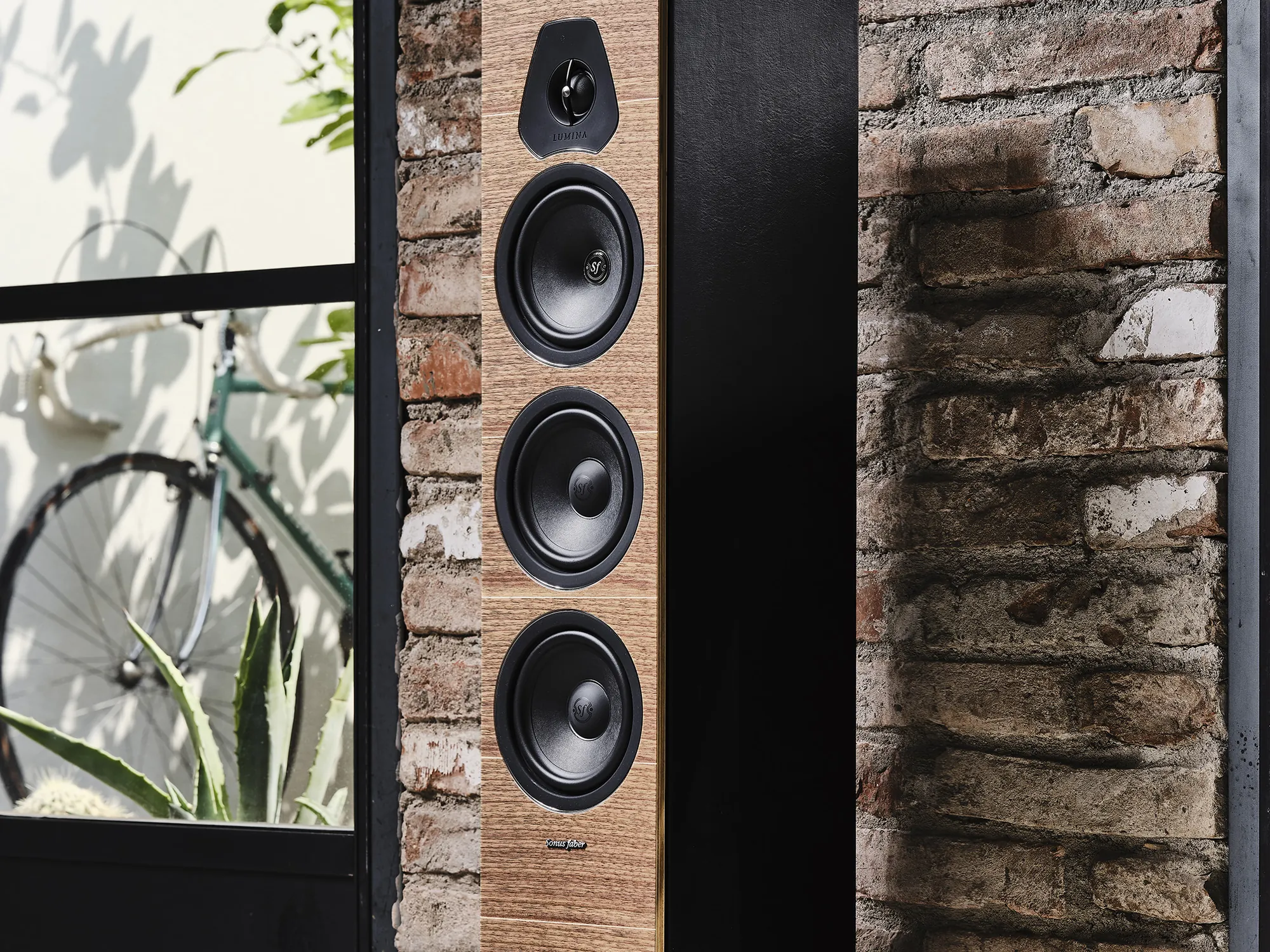
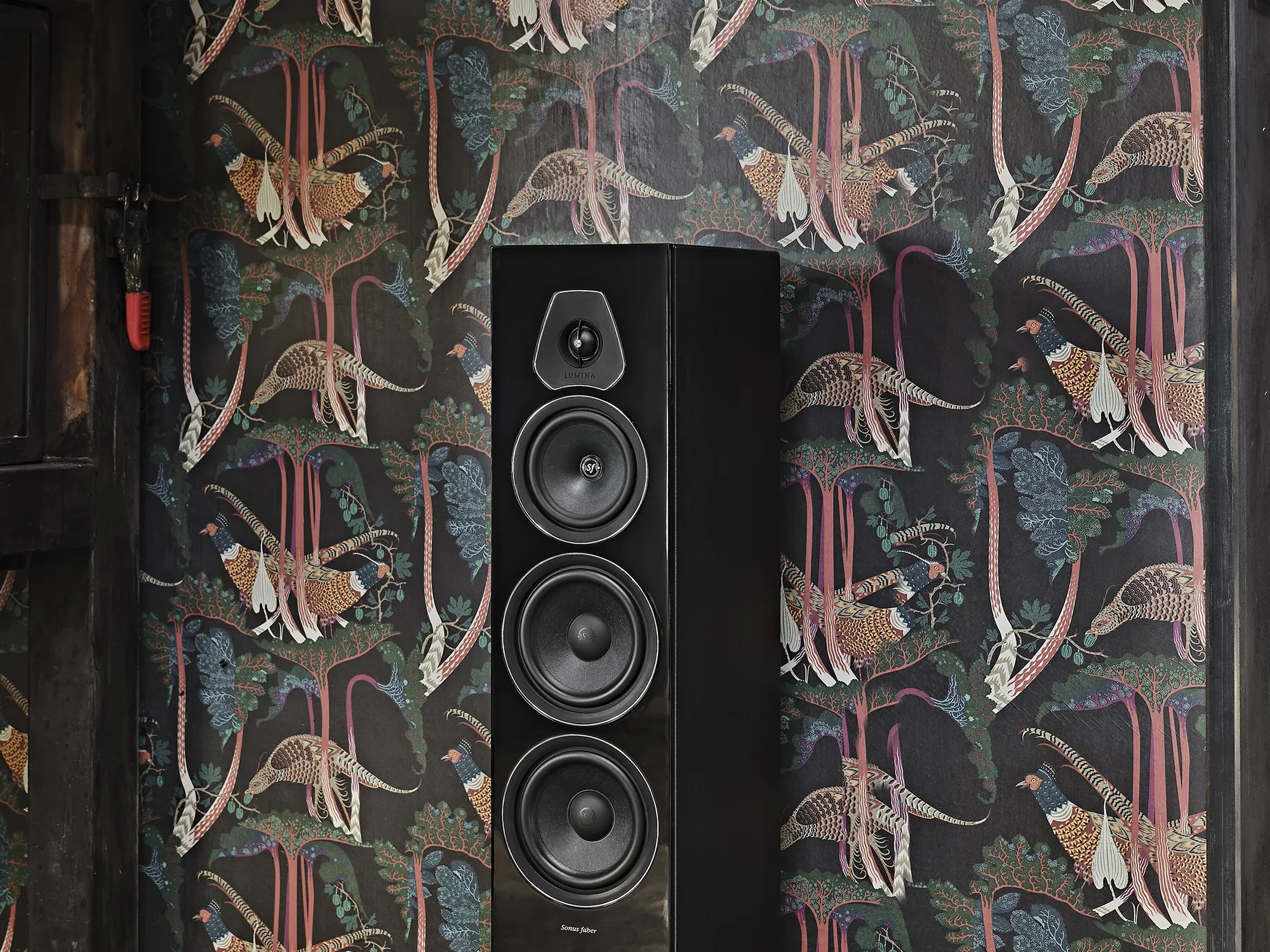
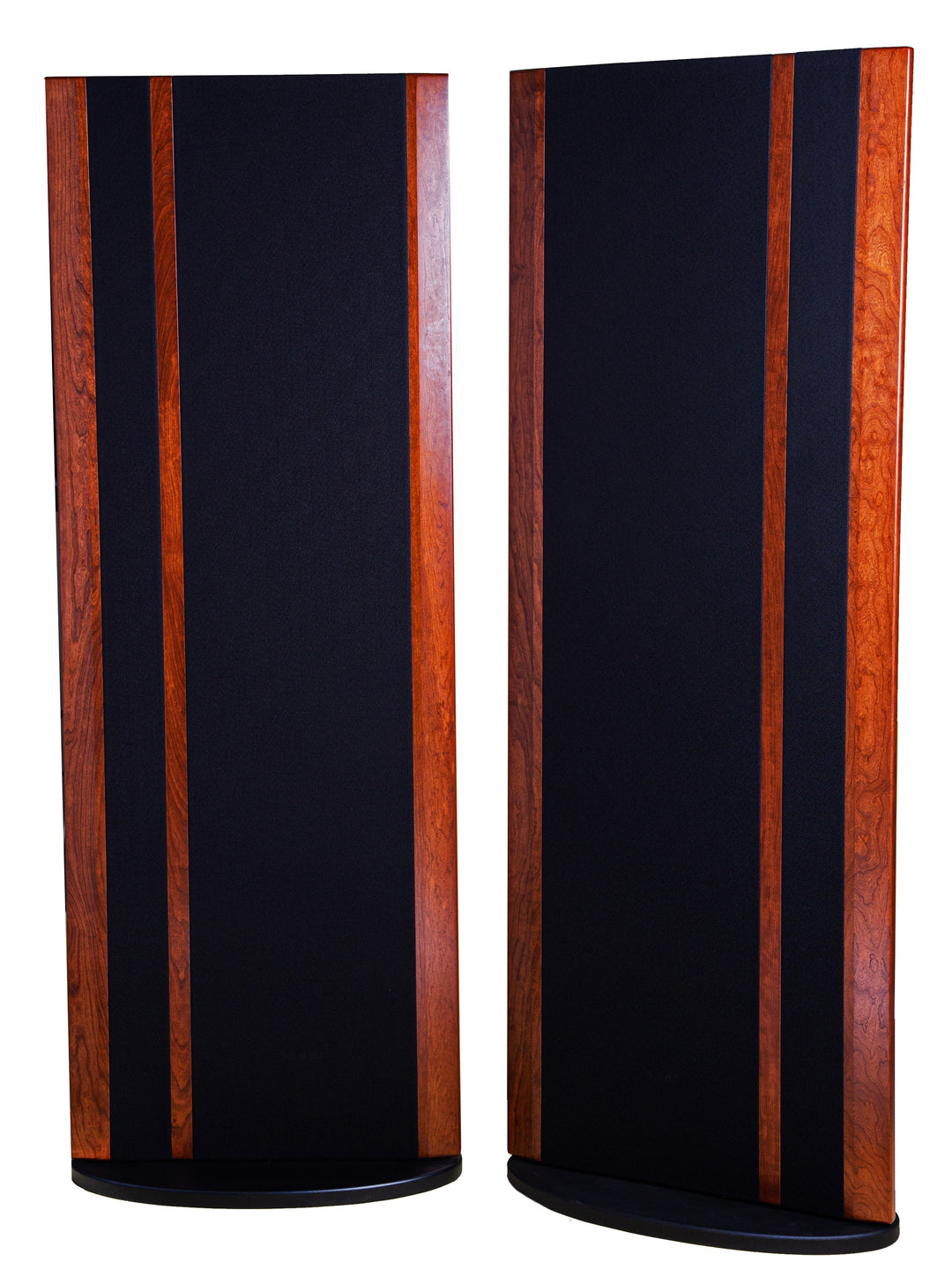
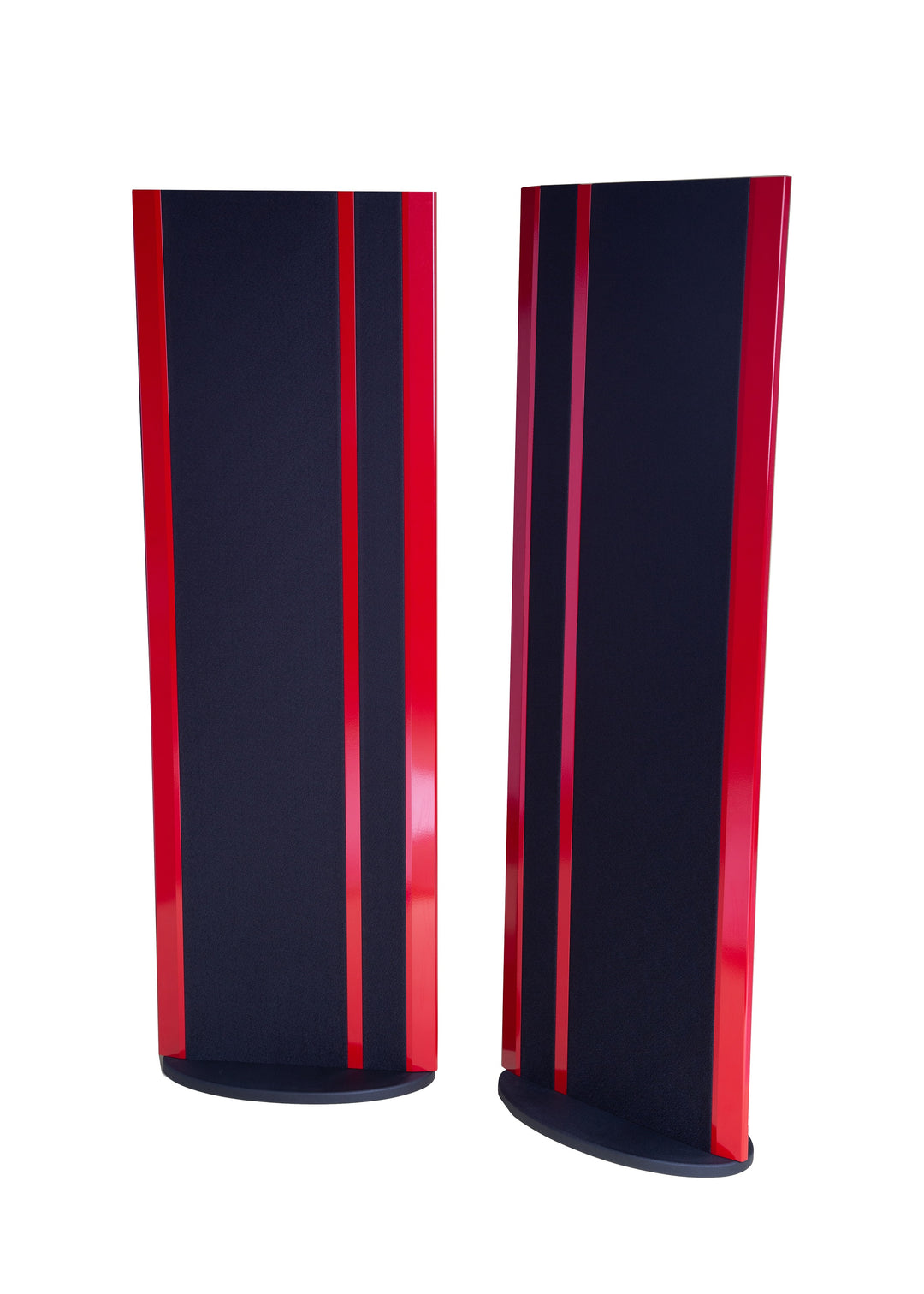
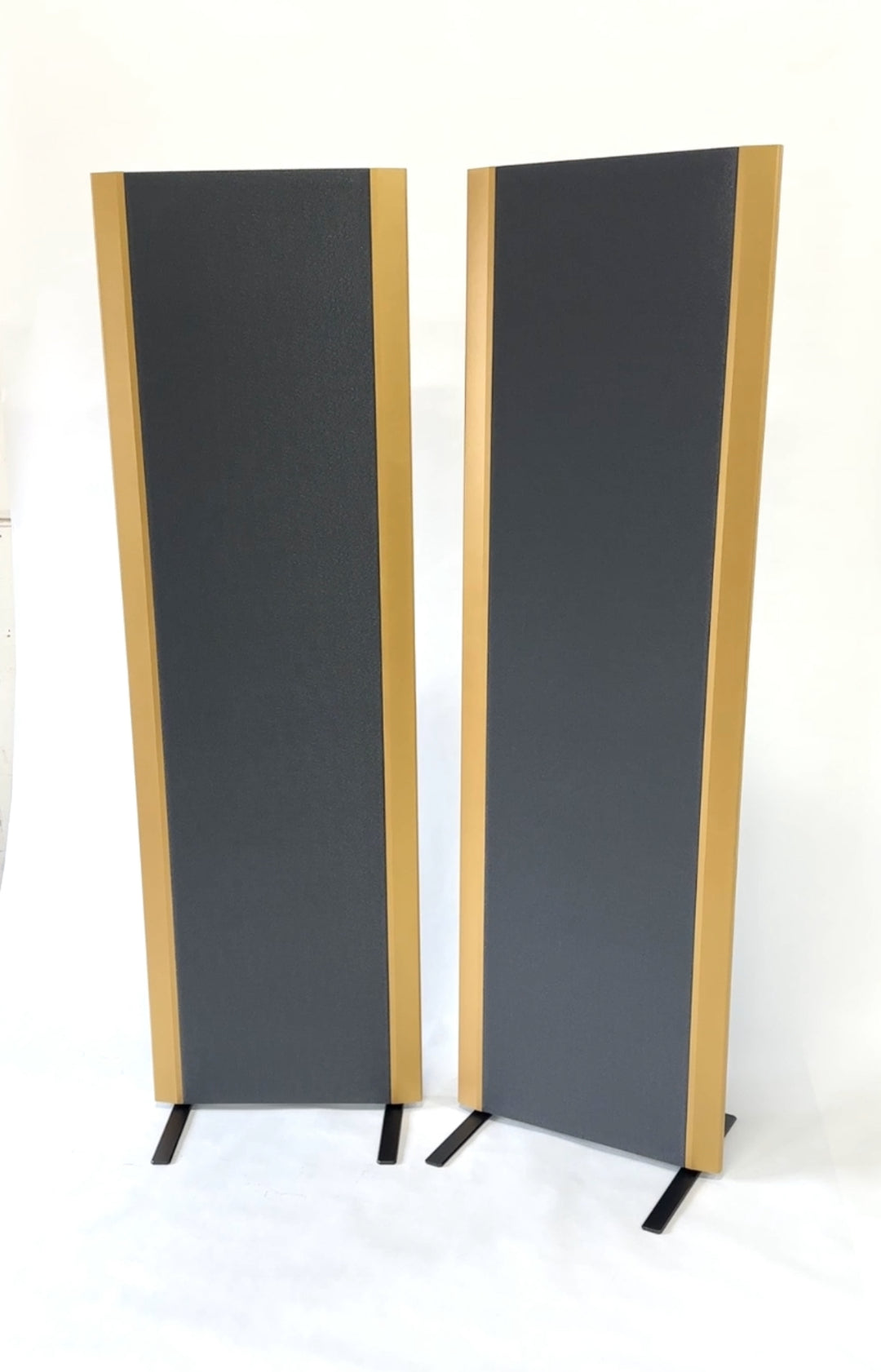
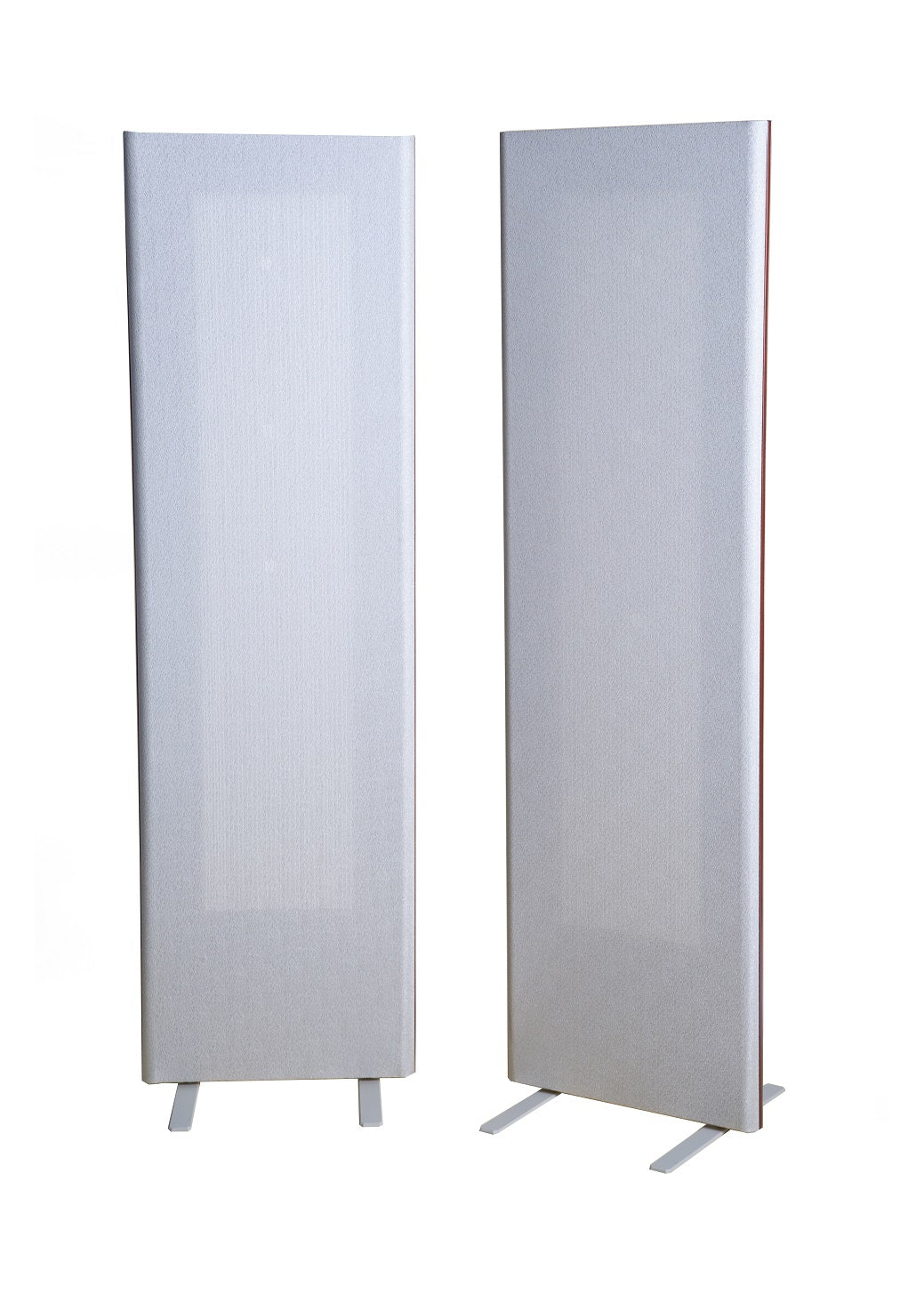
Choosing a floorstander, in detail
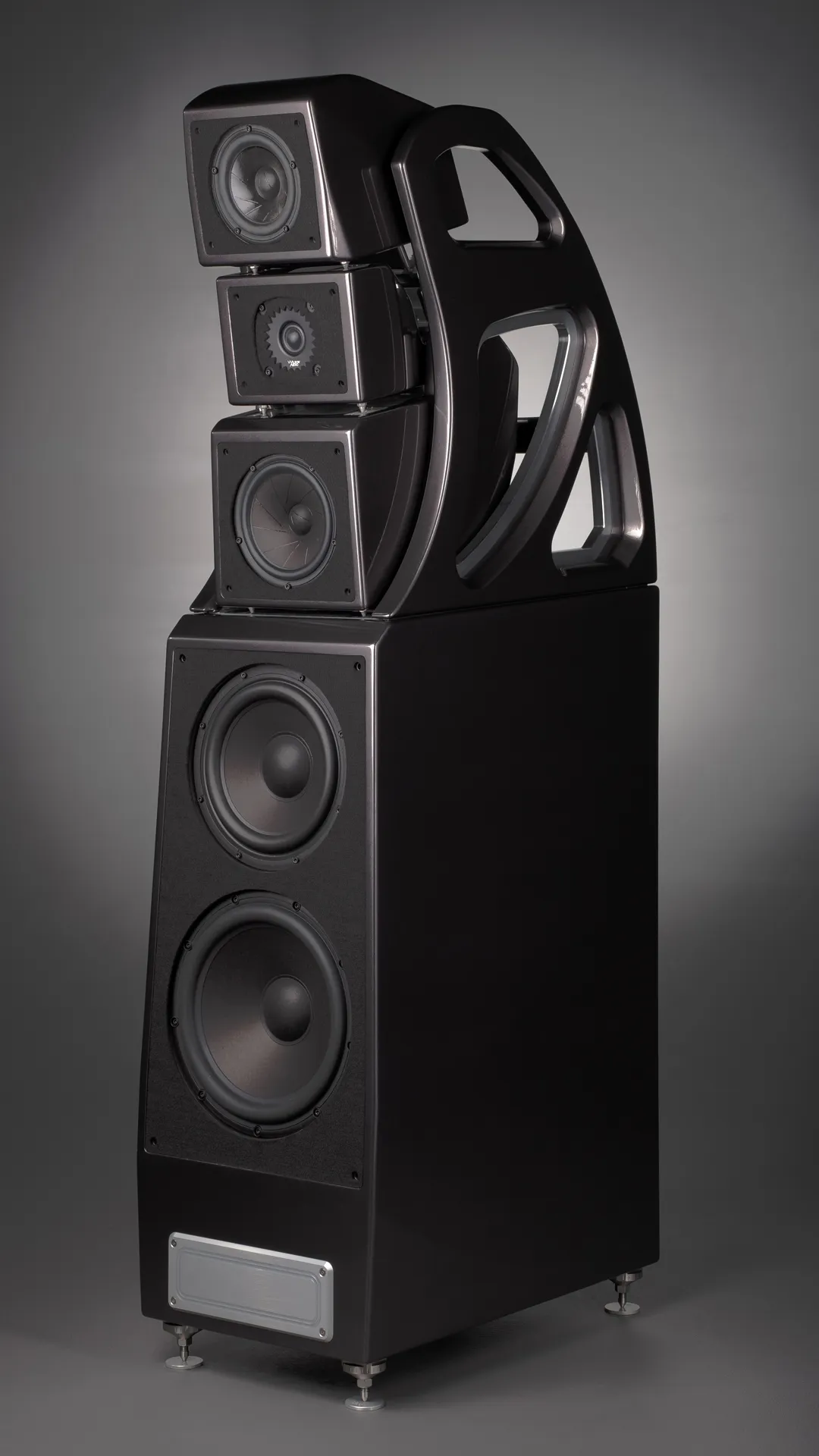
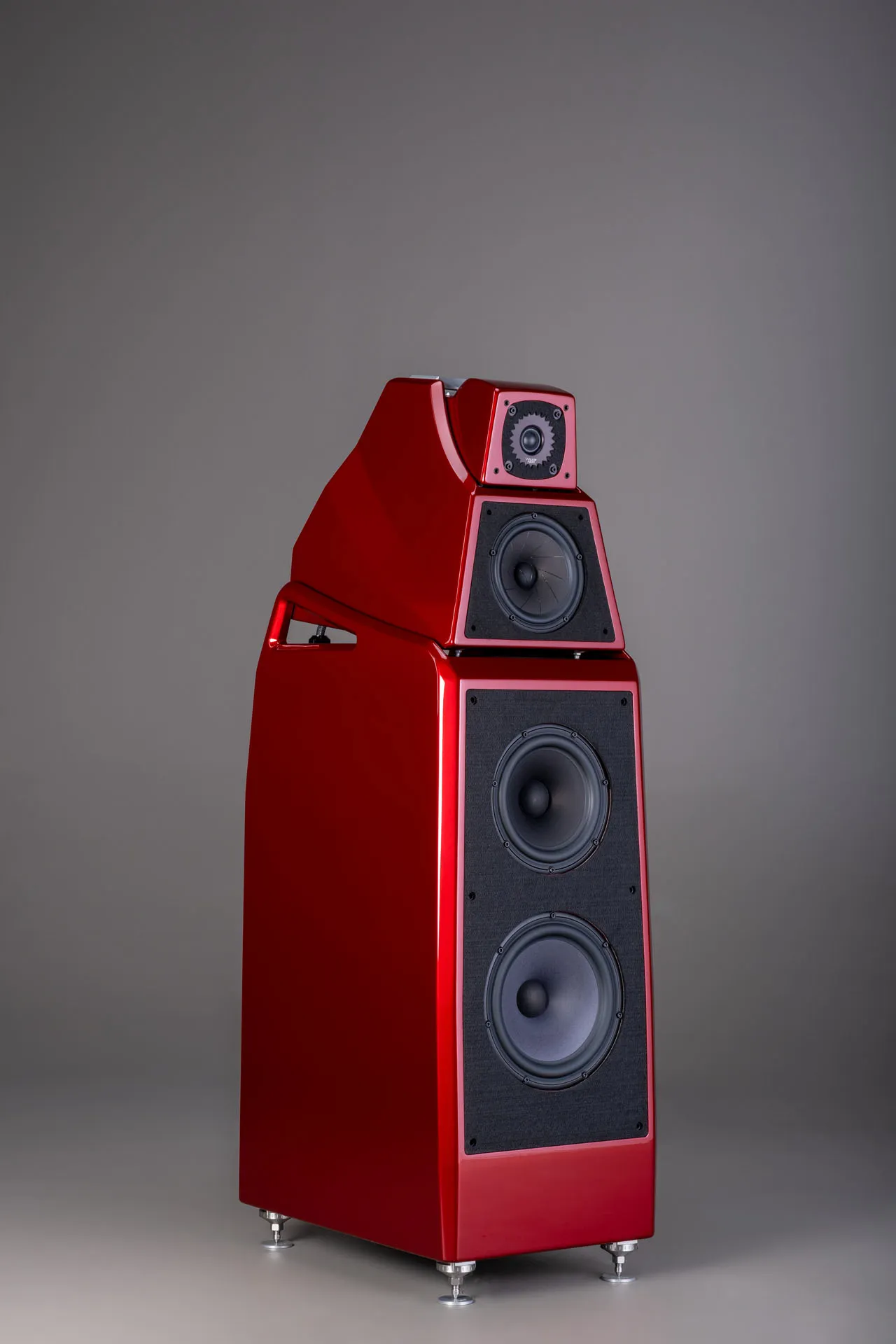
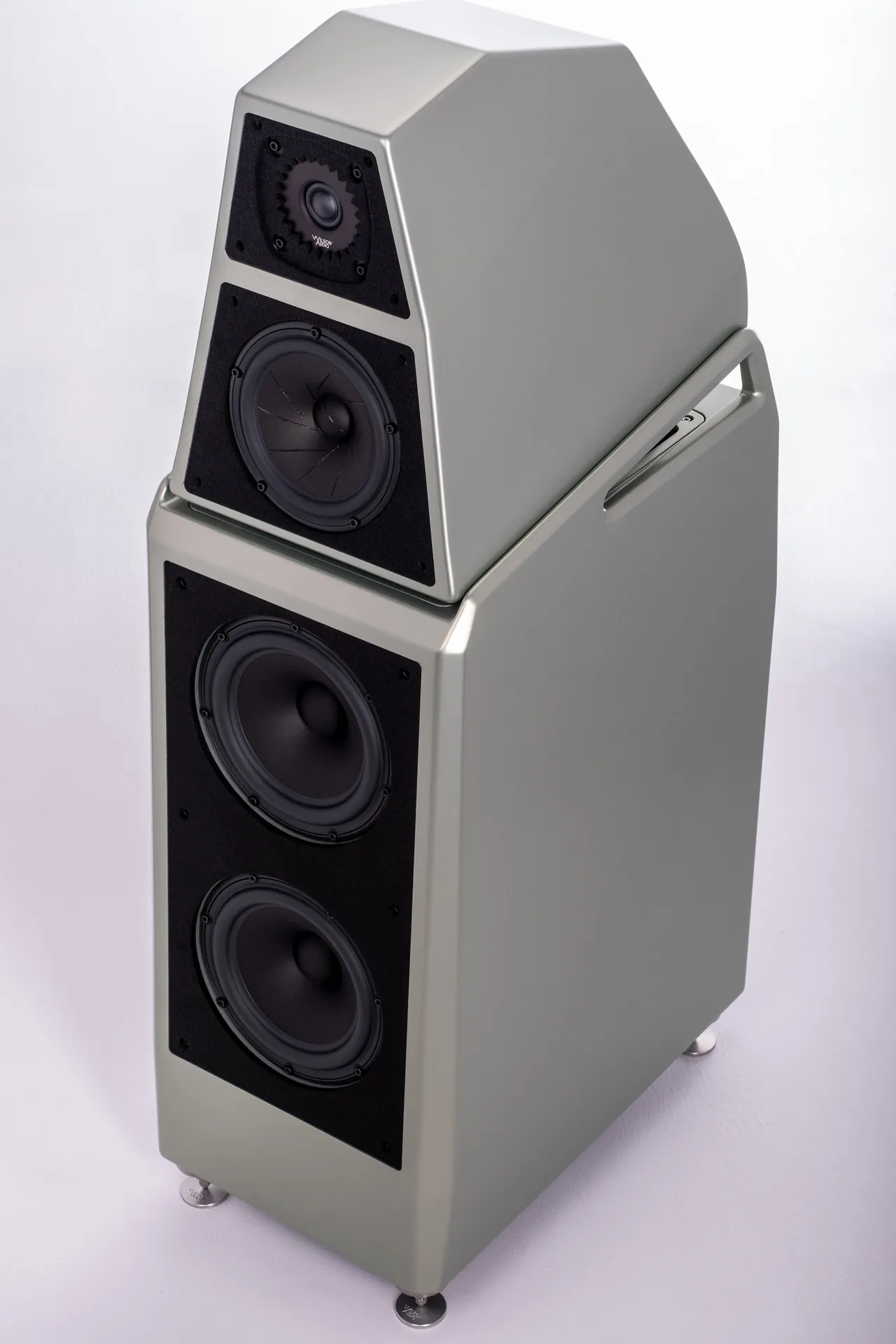
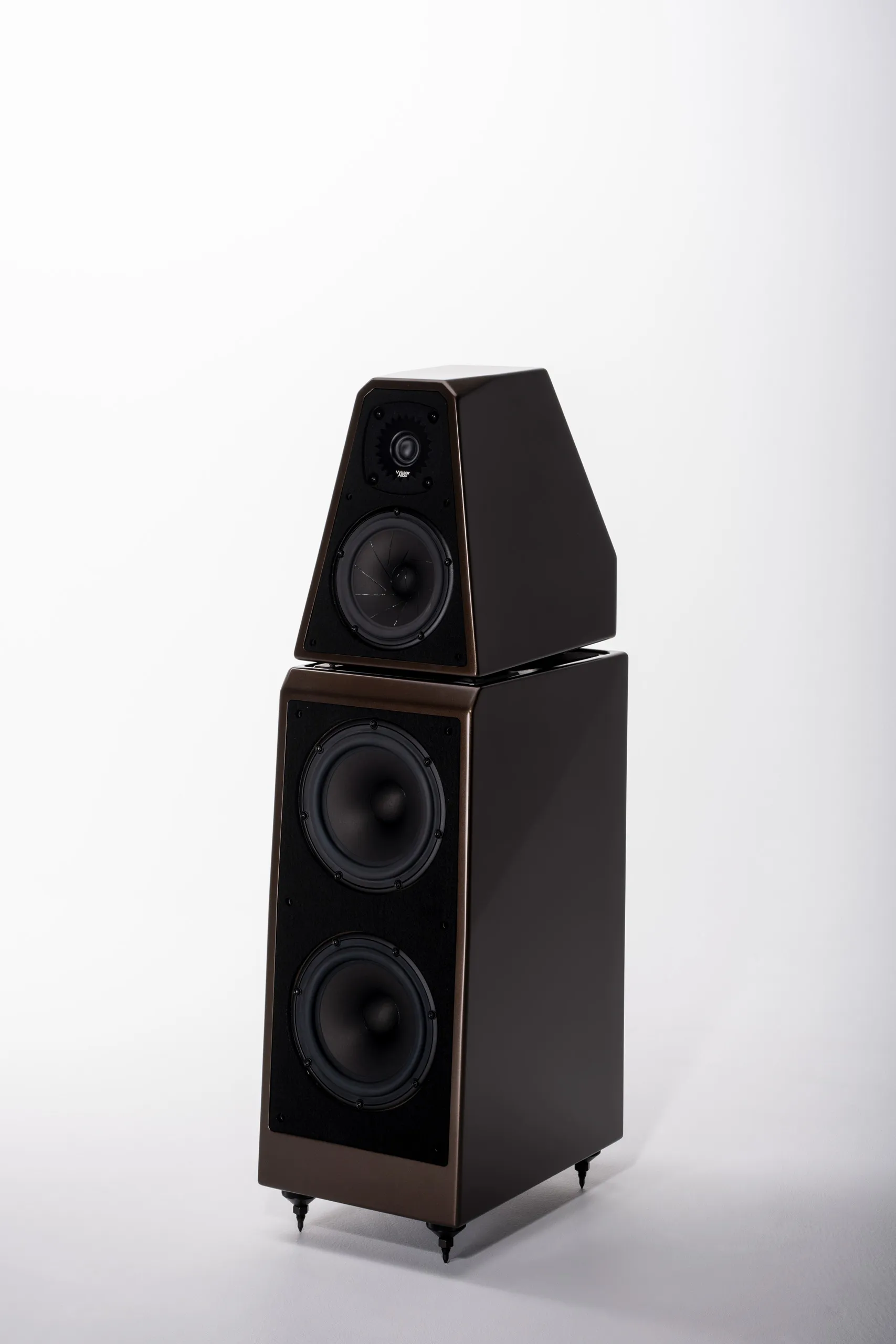
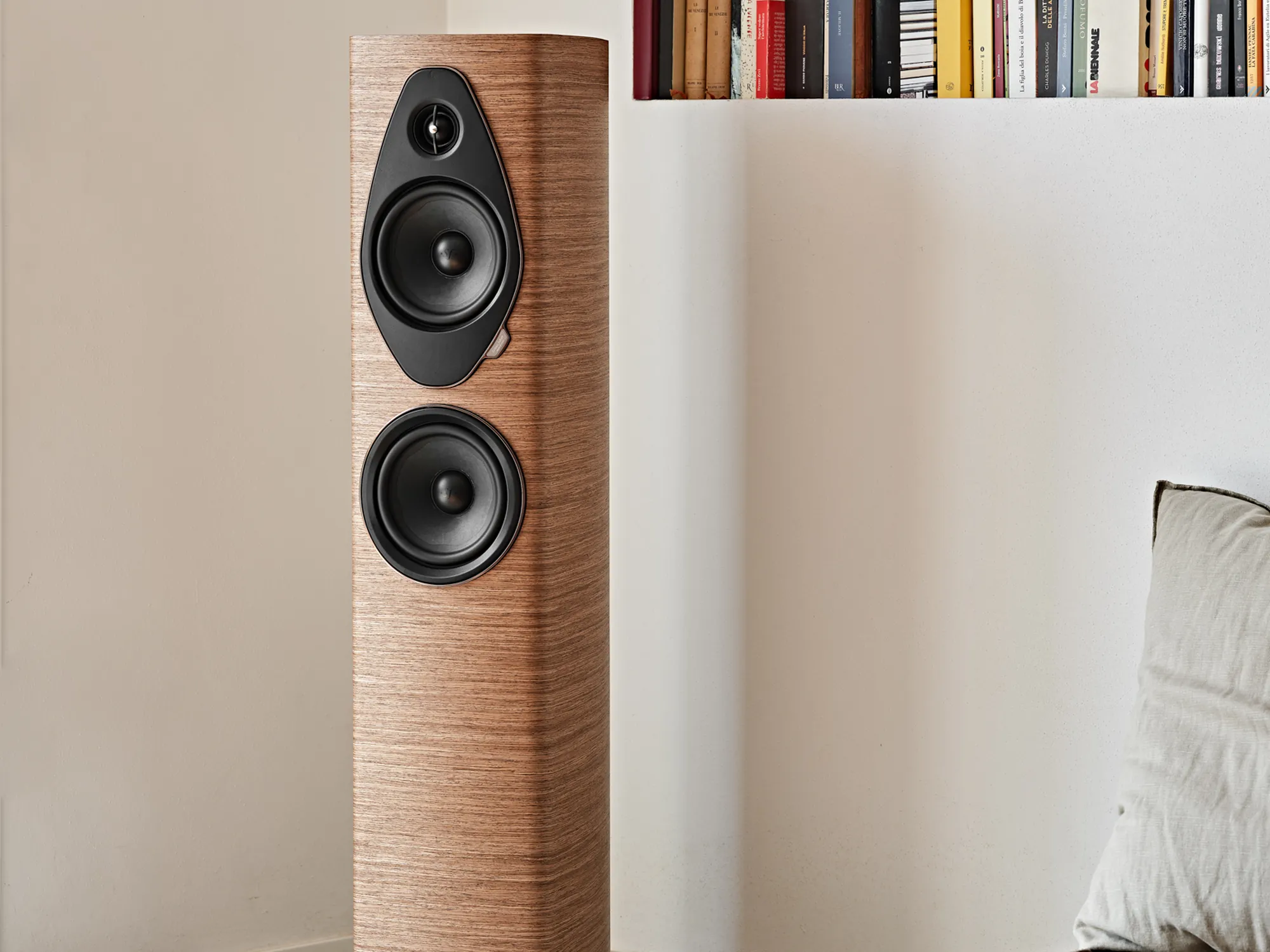
Start with the room, not the shortlist. A large floorstander in a small room, pushed near a wall because there is nowhere else for it to go, will sound worse than a smaller model given space to breathe. If the speakers can come three feet off the front wall you have real options. If they cannot, that constraint should shape the list before price does.
Then look at the load rather than the wattage. Sensitivity tells you how much output a speaker gives for a given input, and nominal impedance tells you how hard it is to drive — but the number that matters is the minimum impedance and how far the phase angle swings with it. A nominal eight-ohm speaker that dips to three ohms in the bass will humble an amplifier that looked adequate on paper. This is the single most common mismatch we correct.
Finally, be honest about how you listen. A speaker voiced for low-level detail rewards late-night listening at conversational volume. One voiced for scale and dynamics wants to be driven. Both are legitimate; they are different instruments. Telling us which you are saves a great deal of time.
Hear these in Scottsdale and Tempe
Loudspeakers are the component where auditioning matters most and where showroom conditions mislead most easily. We set pairs up in a treated room, positioned properly, on amplification that suits them — and we will happily run the same pair on two very different amplifiers so you can hear how much of the character belongs to which. Bring your own recordings and allow an hour.