Home Cinema Projection
Projectors
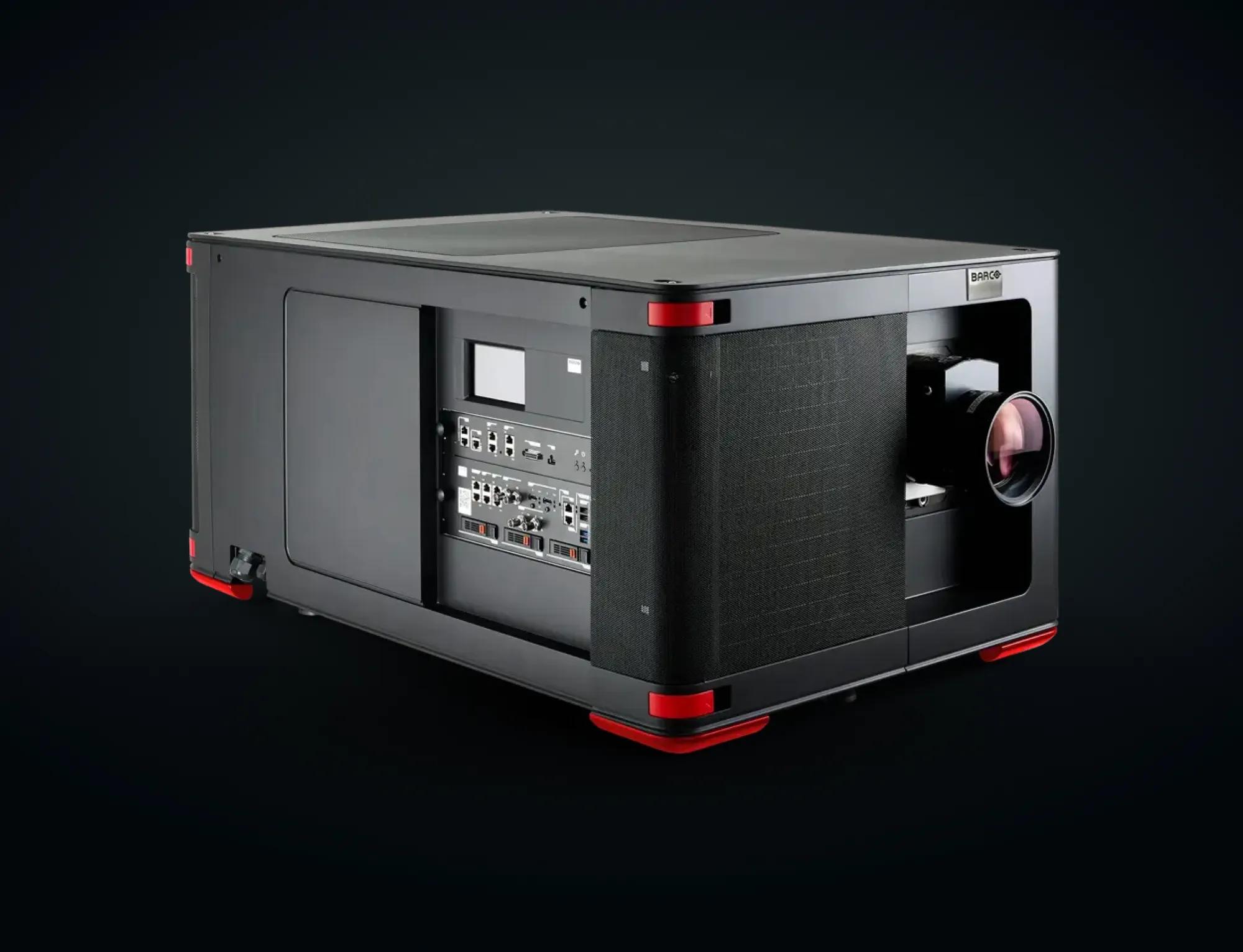
Barco and Sony — cinema projection from the companies that build for commercial theatres.
The difference between a large television and a cinema is not size. It is where the light comes from.
Projected light reaches the eye by reflection off a screen rather than by emission from a panel, and over a two-hour film that difference is felt more than it is seen. It is also the only practical way to fill the field of view. Beyond about a hundred inches, projection stops competing with displays and starts competing with the cinema down the road.
Both brands here come from the professional side. Barco's Series 4 platform sits in commercial theatres worldwide, and the Cinema at Home range is built on it rather than beside it. Sony's three-chip SXRD imaging descends directly from its professional cinema projectors, and the GTZ380 resolves full DCI 4K at 4,096 x 2,160 rather than the 3,840 x 2,160 of consumer 4K.
Lumens are the easy part. The room decides which projector belongs in it.
How to choose a projector
Specify the room first — screen size, throw distance and light control narrow the field faster than any feature list. Brightness is a relationship rather than a number, and an over-bright image in a dark room raises the black floor and costs you contrast. Judge black level over resolution, and calibrate after install.
More on choosing a projector ↓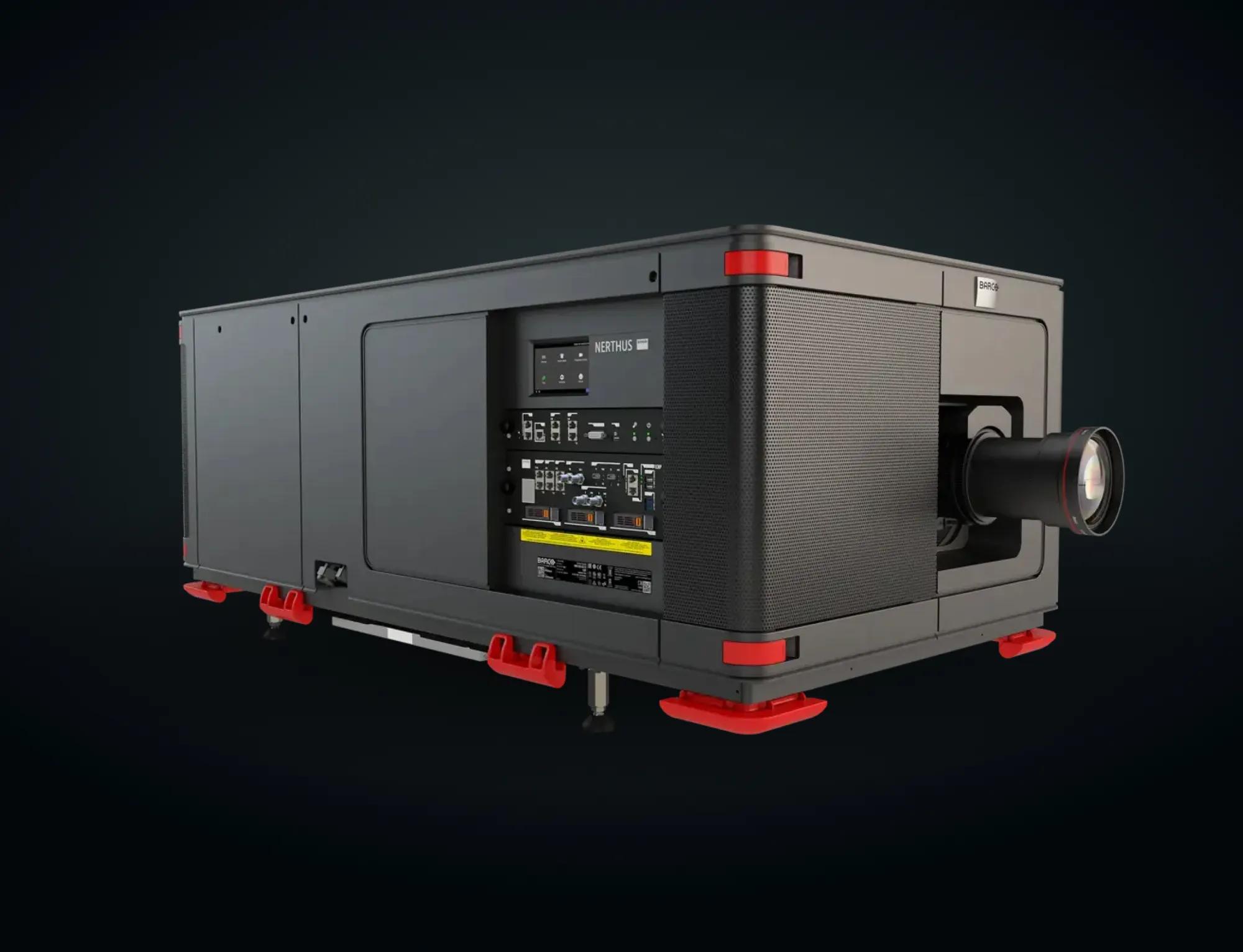
Choosing a projector, in detail
Specify the room before the projector. Screen size, throw distance, ceiling height and how much control you have over ambient light determine what will work, and they narrow the field faster than any feature list. A projector chosen first and fitted to the room afterwards is how people end up with an image that is too dim, too bright, or geometrically compromised by a lens shift that was never going to reach.
Brightness is a relationship, not a number. The figure that matters is light on the screen for its particular size and gain, and more is not automatically better — an over-bright image in a properly darkened room raises the black floor and costs you the contrast you paid for. This is why the projector and screen have to be specified together rather than bought separately.
Laser light sources have largely settled the ownership question. No lamp to replace on a schedule, consistent output over thousands of hours, and no colour drift as a bulb ages. Beyond that, judge contrast and black level rather than resolution — the difference between a good projector and a great one shows in dark scenes, which is most of serious cinema.
Hear these in Scottsdale and Tempe
Projector selection is a design conversation. Bring room dimensions, seating distances and any plans you have, and we will work out throw, screen size and light output together rather than in isolation. Every projector we install is calibrated in the room after commissioning — an uncalibrated projector is guesswork no matter what it cost.