Subwoofers
High-End Subwoofers
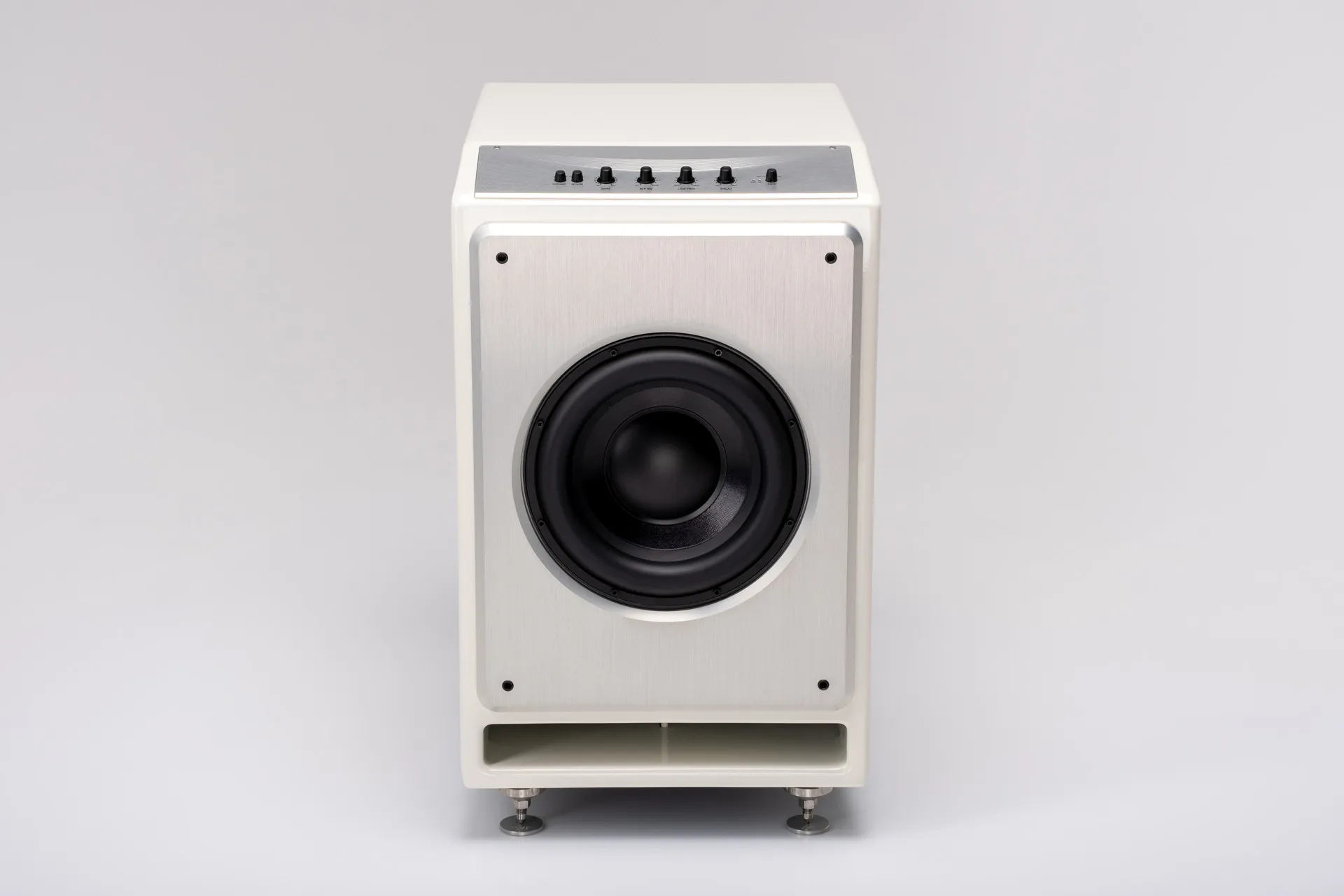
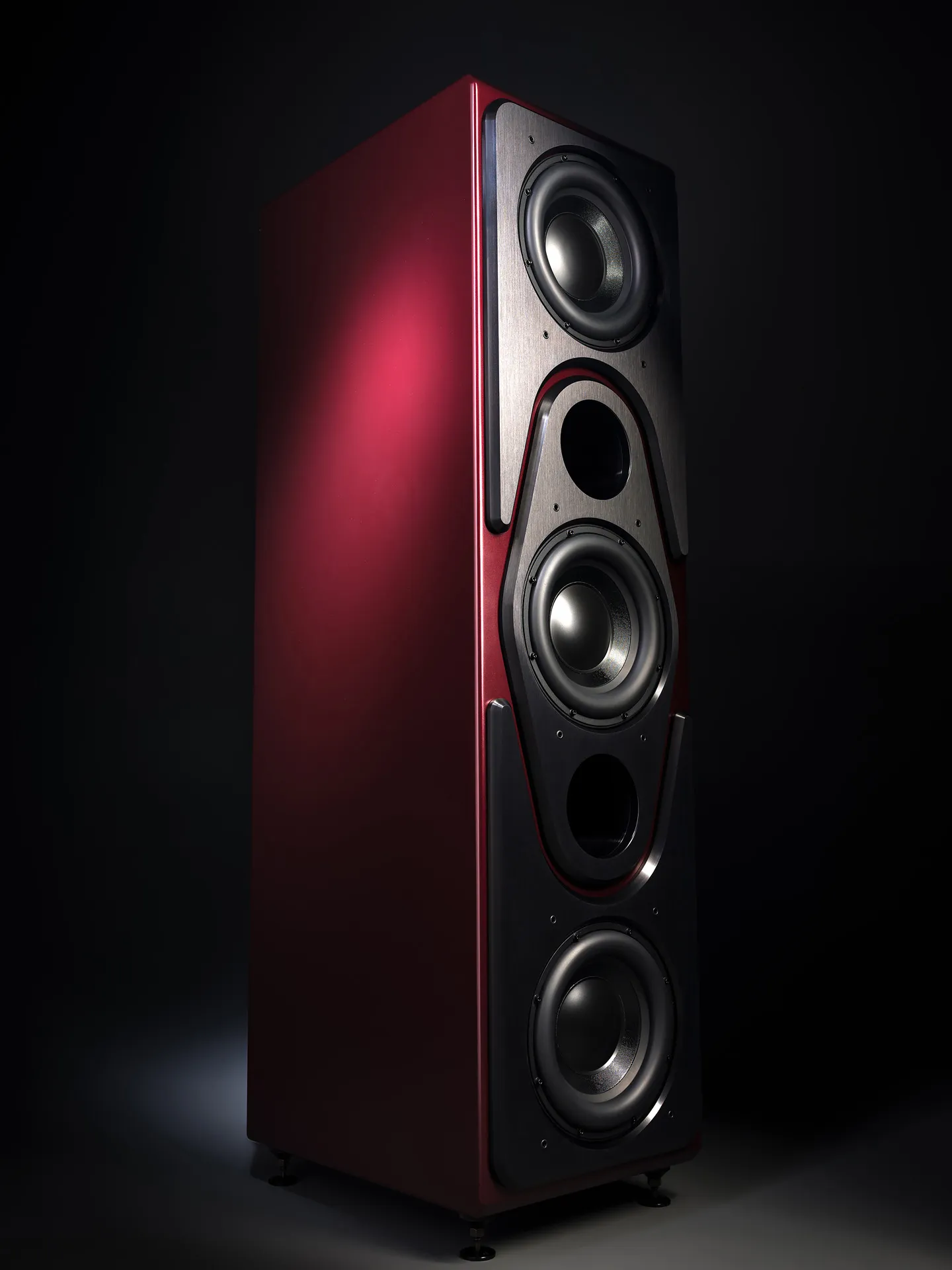
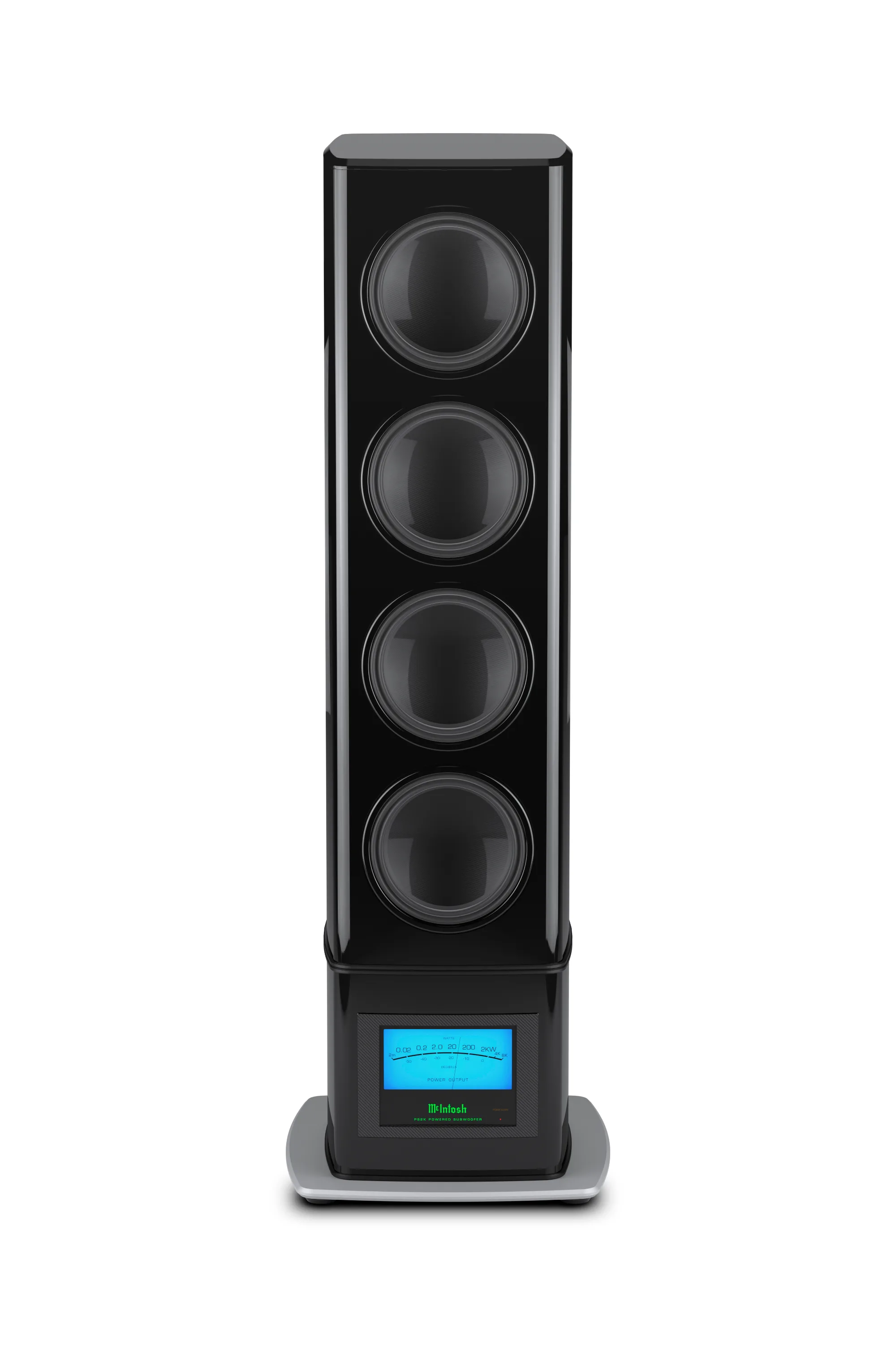
REL, Wilson Audio and McIntosh — bass that supports the music rather than announcing itself.
A subwoofer is not there to add bass. It is there to finish the loudspeaker.
Most full-range loudspeakers roll off somewhere in the thirties, and the last octave carries more than low notes — it carries the size of the room the recording was made in. A properly integrated subwoofer restores that. A badly integrated one draws attention to itself, which is why so many people are convinced they do not want one.
REL's argument, unchanged since 1990, is that a subwoofer should take its signal from the amplifier's speaker outputs rather than a summed LFE feed, so it hears exactly what the main loudspeakers hear. Wilson voices its subwoofers to its own designs. Either way the integration is the work, not the box.
Done properly you never hear the subwoofer. You hear the room the recording was made in.
How to choose a subwoofer
Two smaller subwoofers almost always beat one large one, because a second bass source lets you work against room modes rather than accept them. And integration decides everything: crossed low, level matched by measurement, placement found by moving it. A subwoofer you can hear working is set up wrong.
More on choosing a subwoofer ↓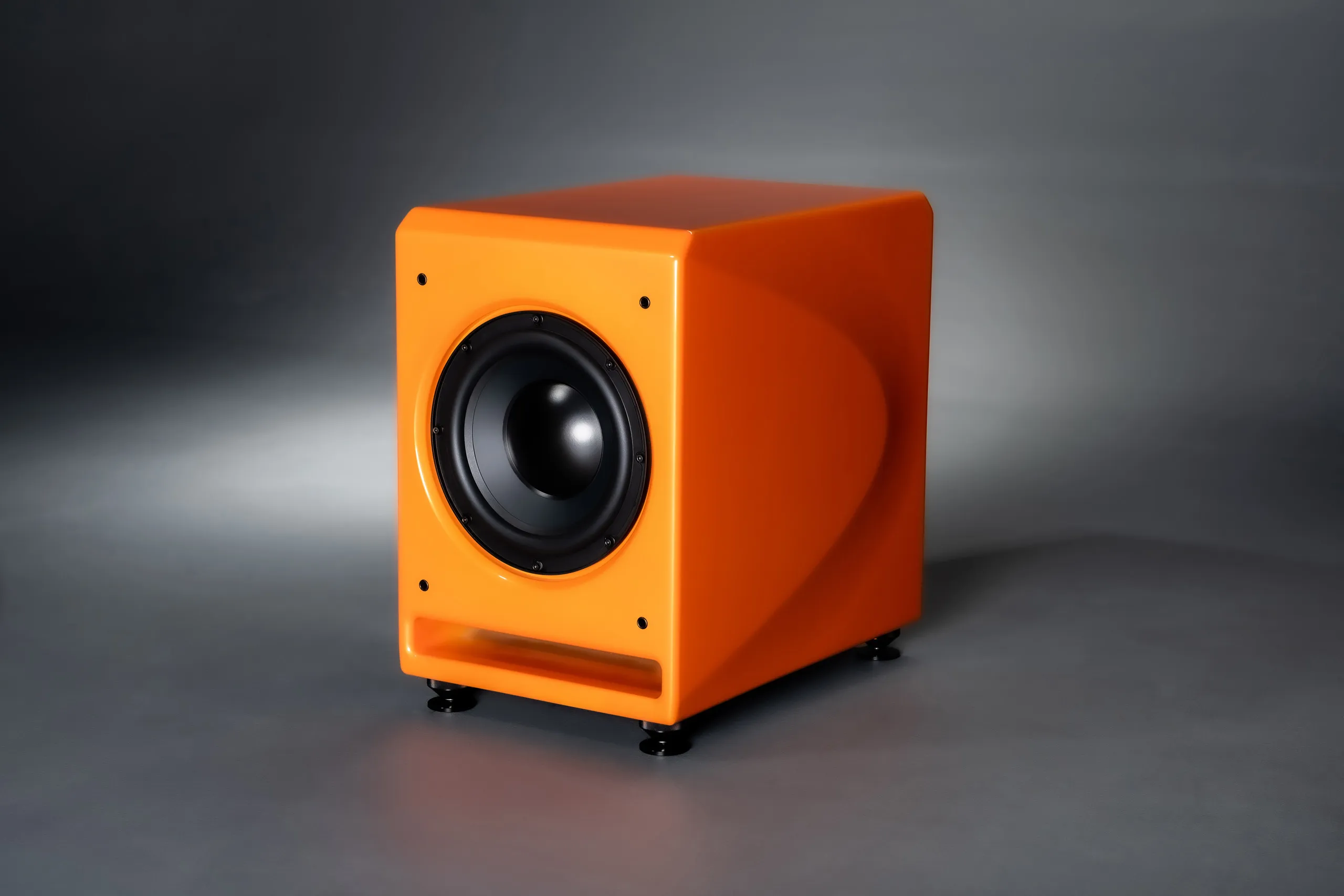

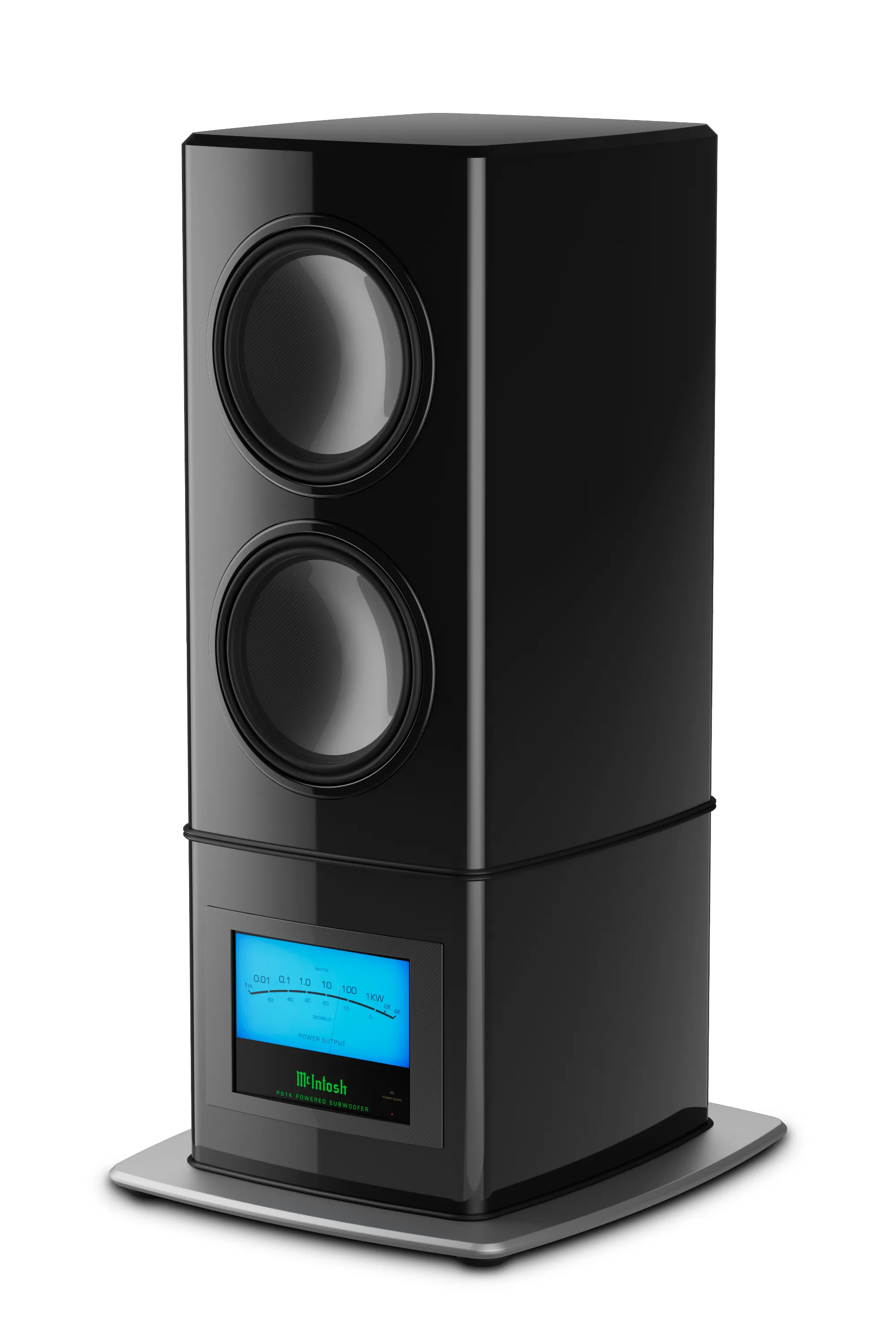
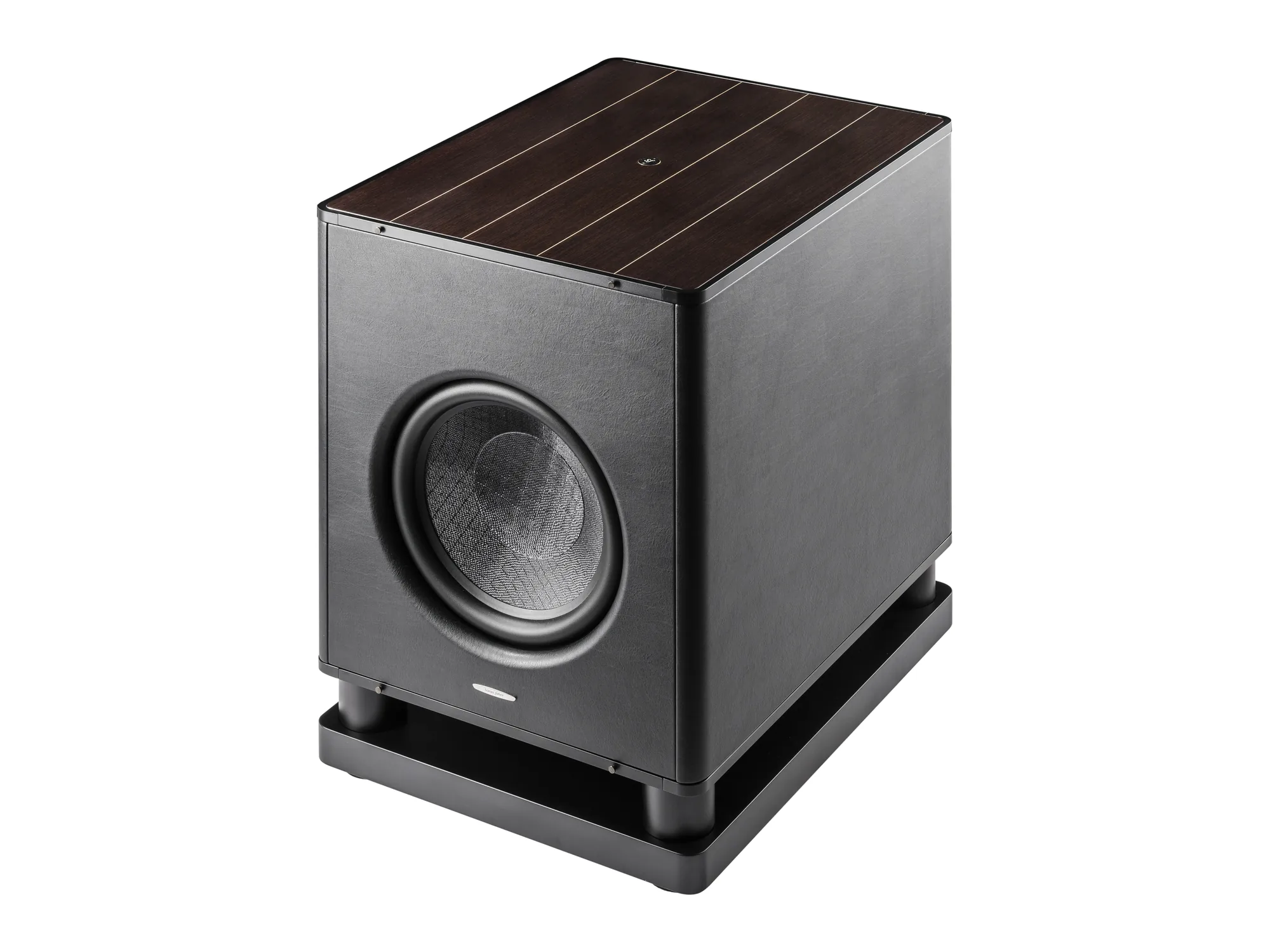
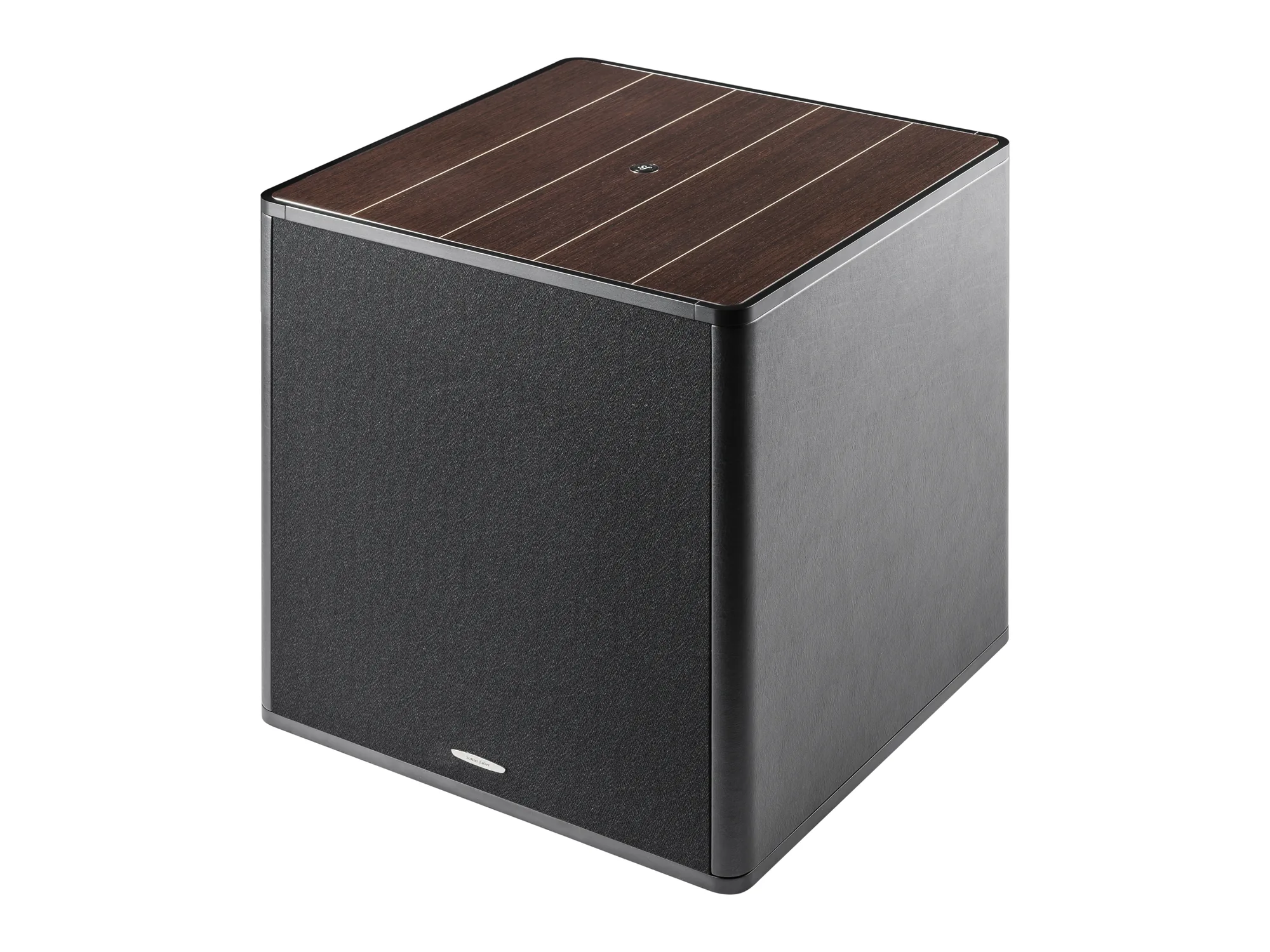
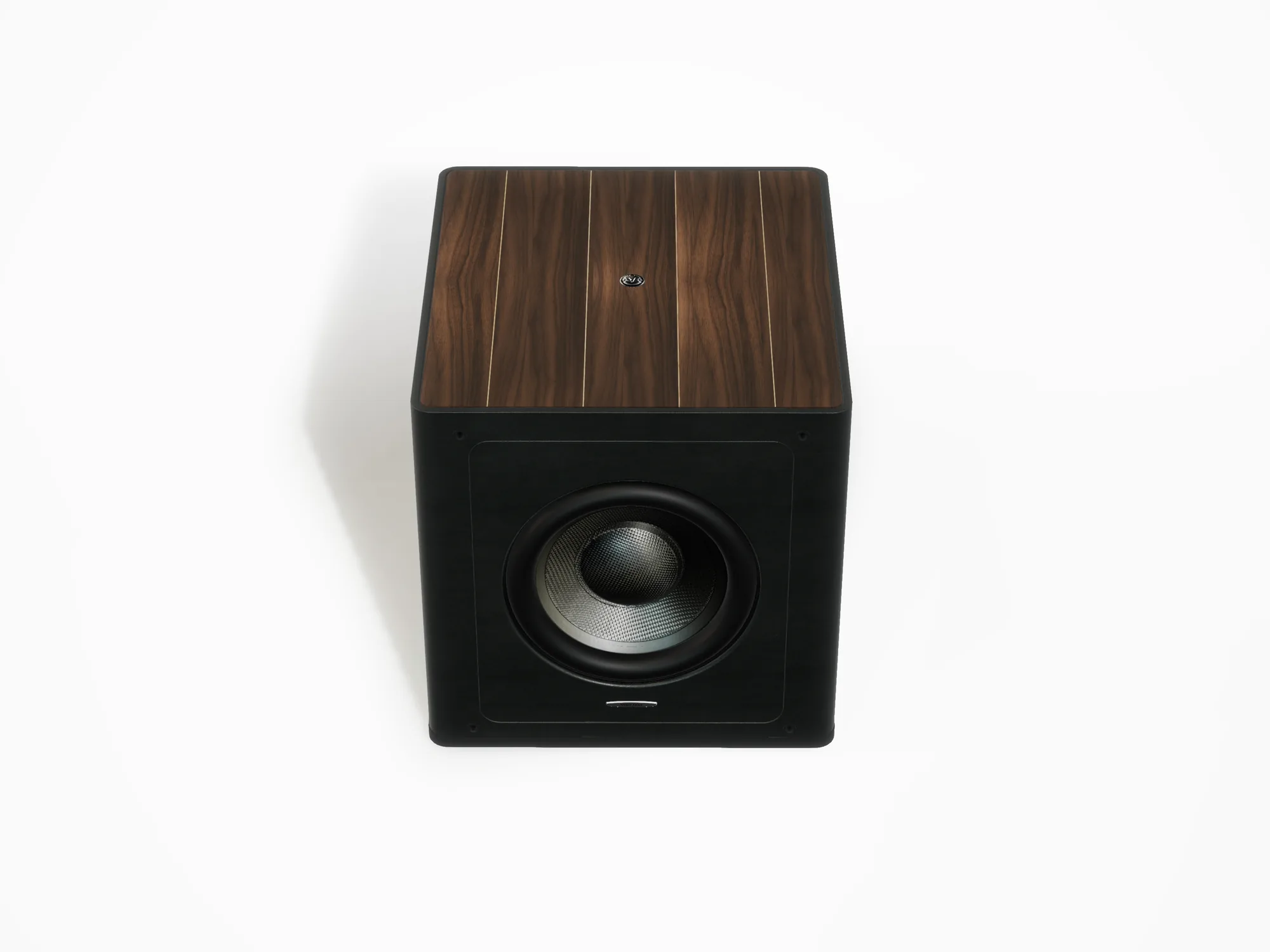
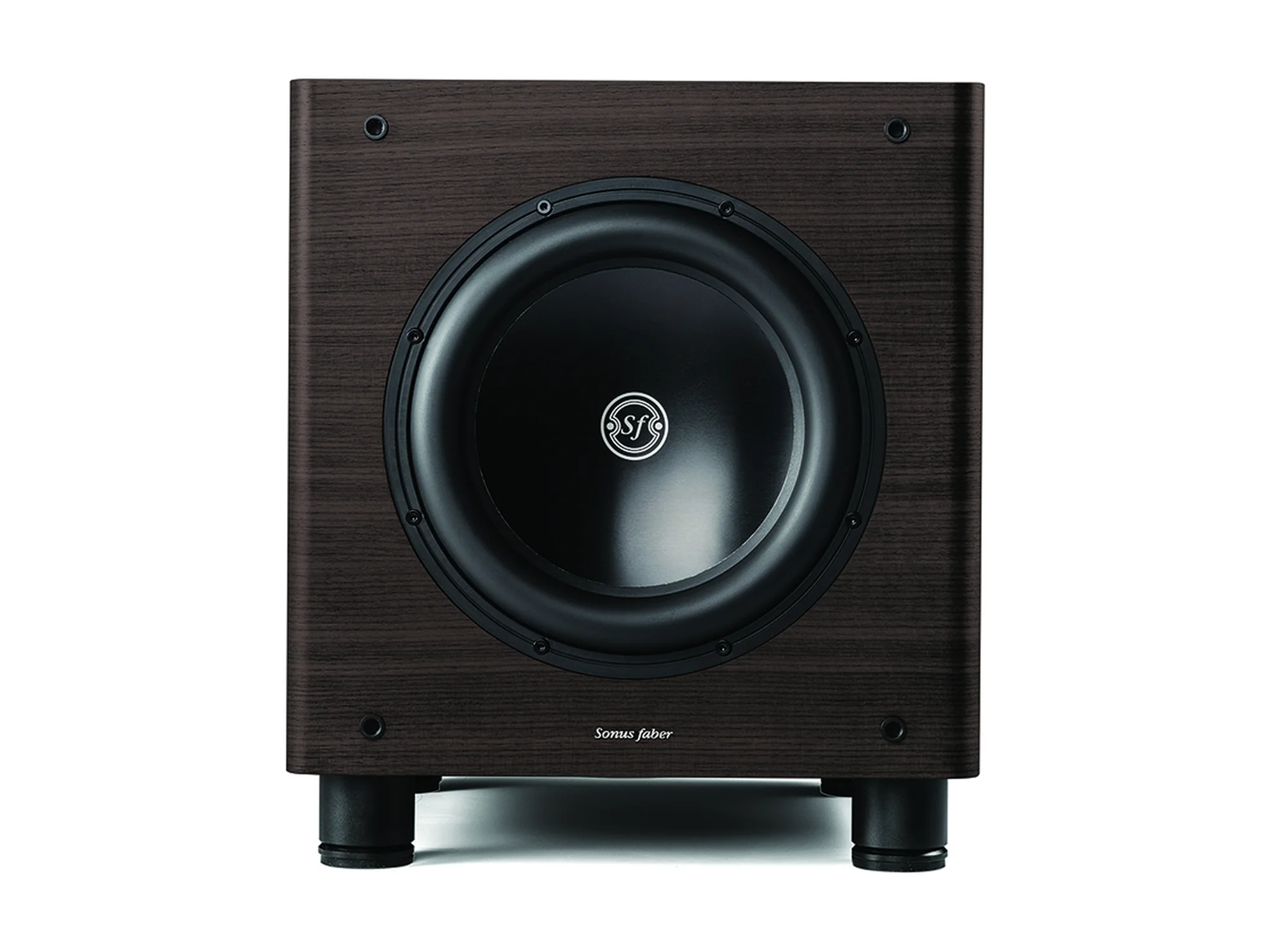
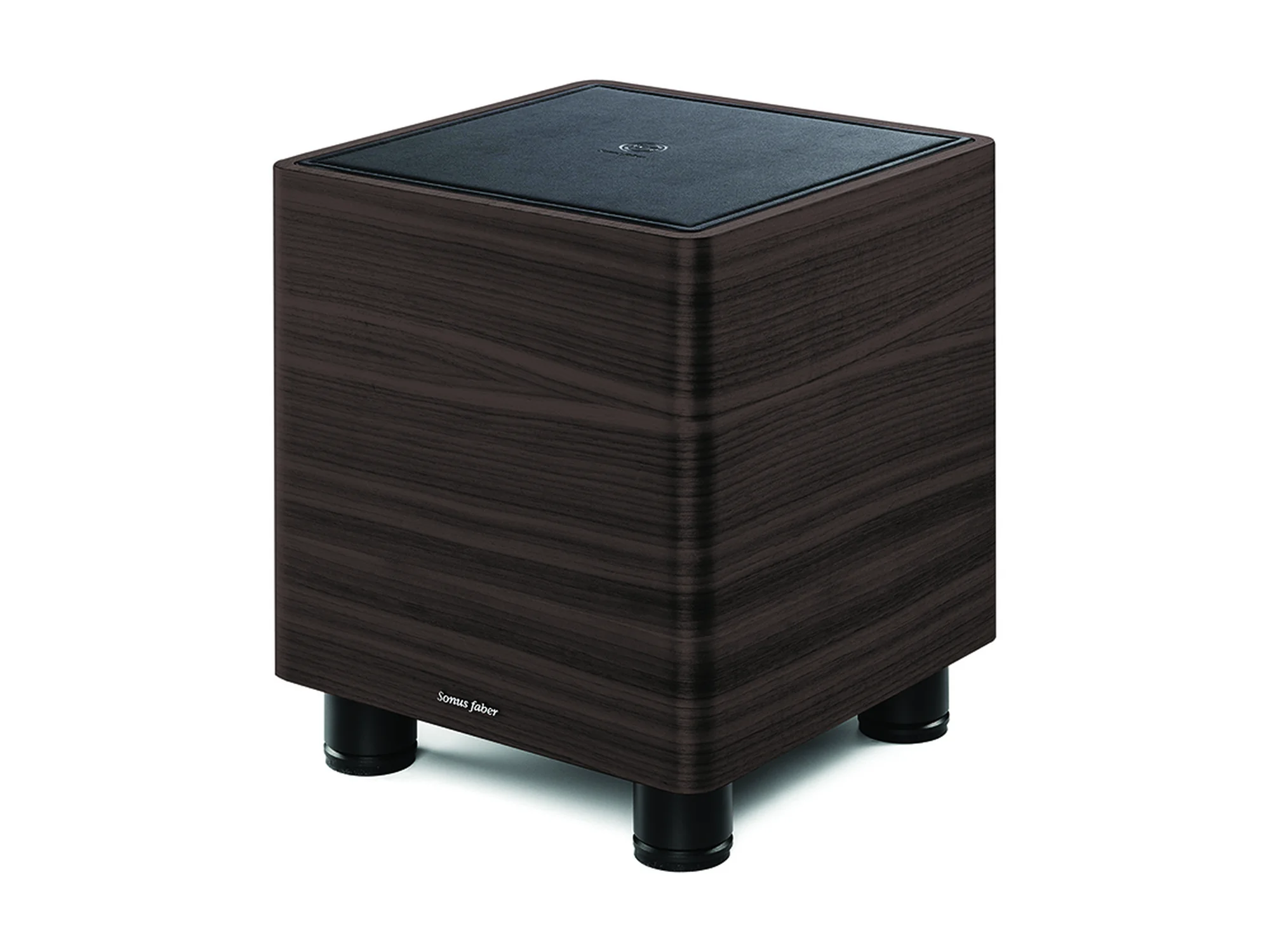
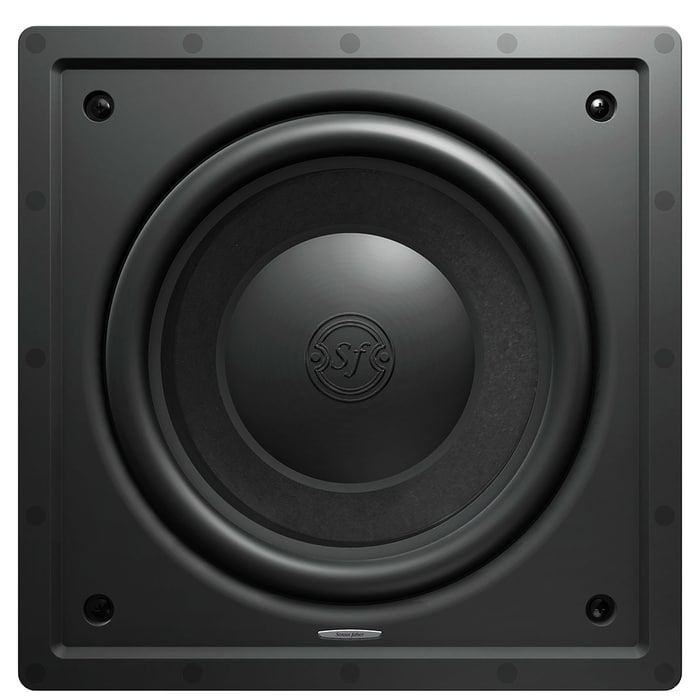
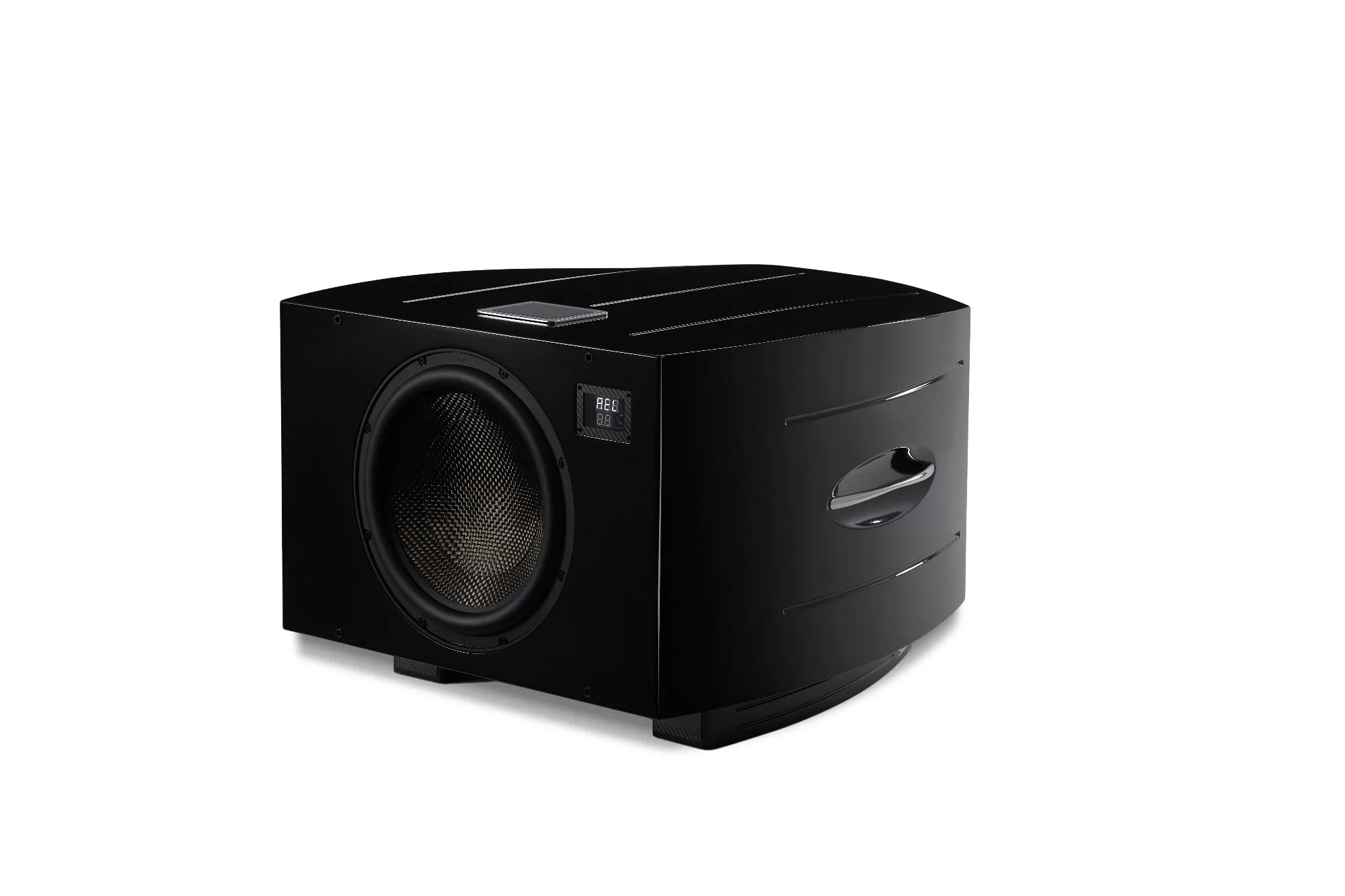
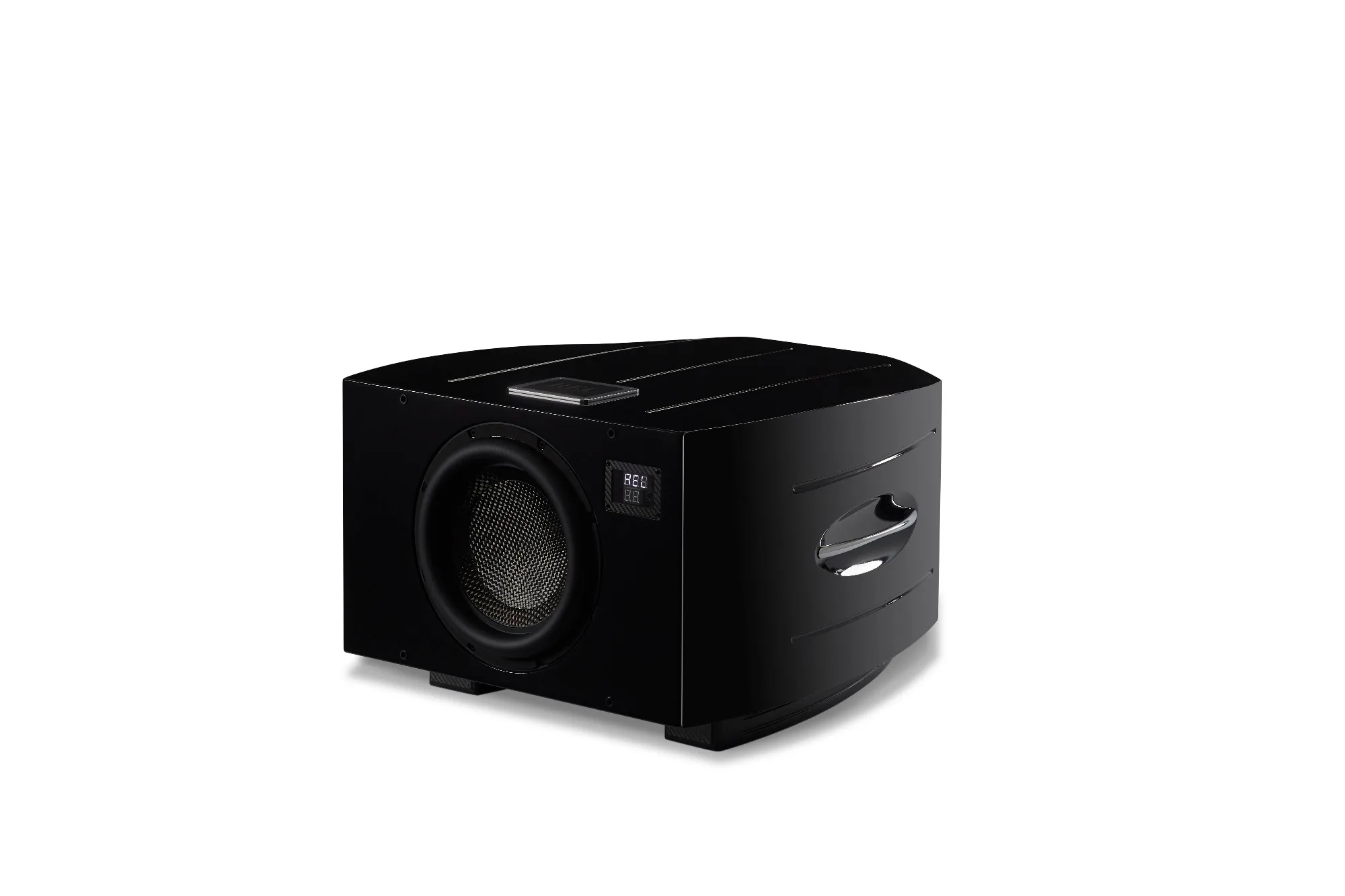
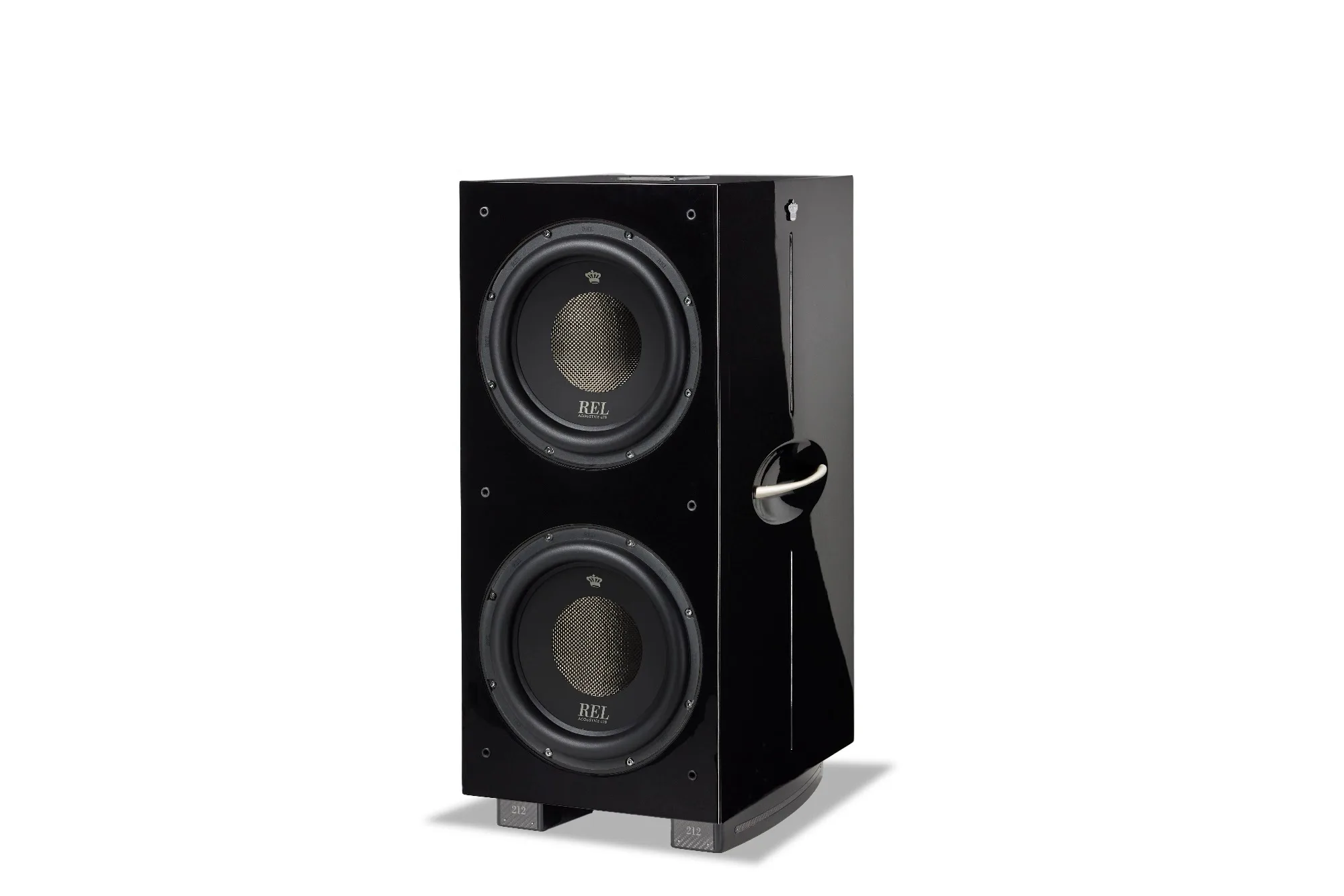

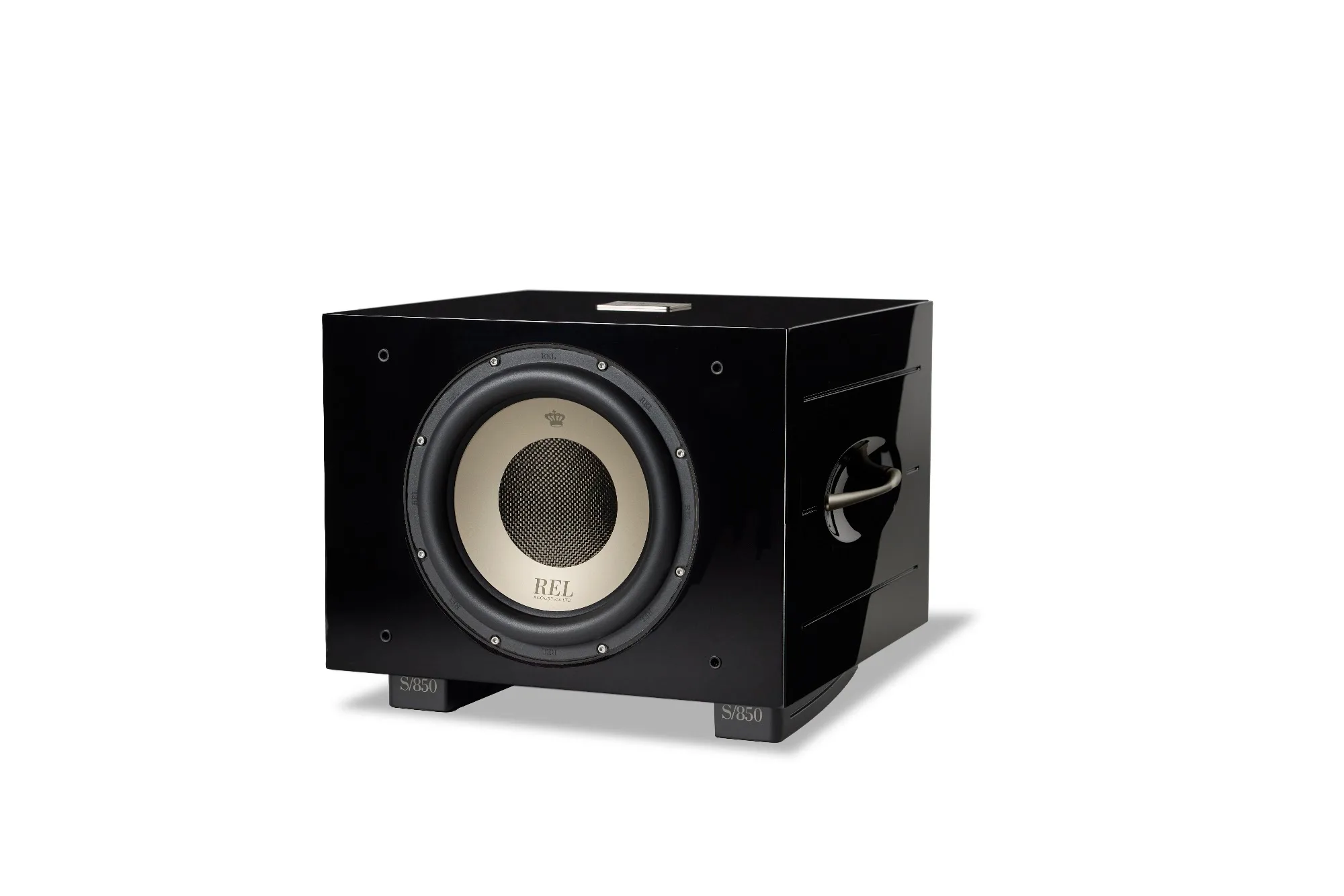
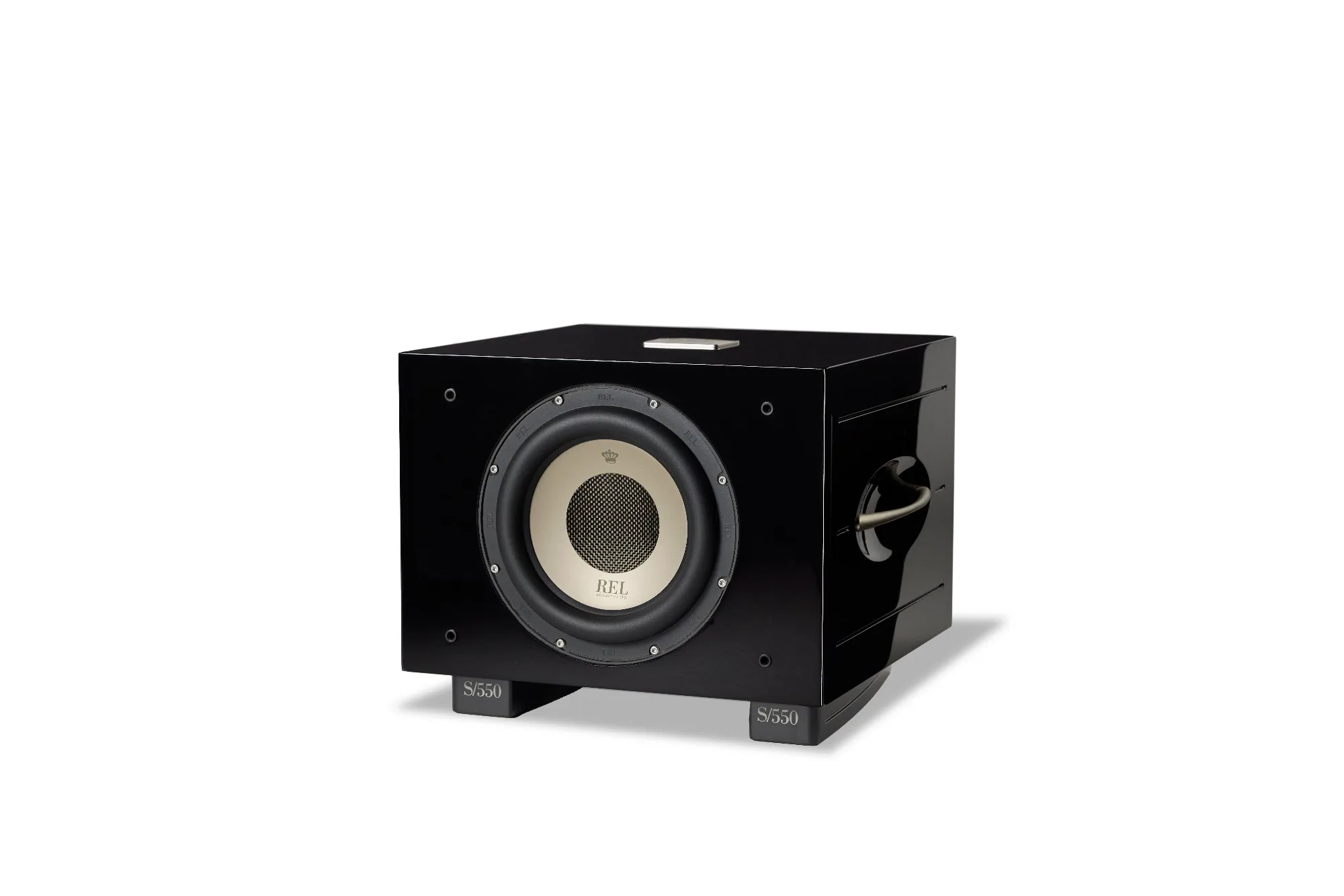
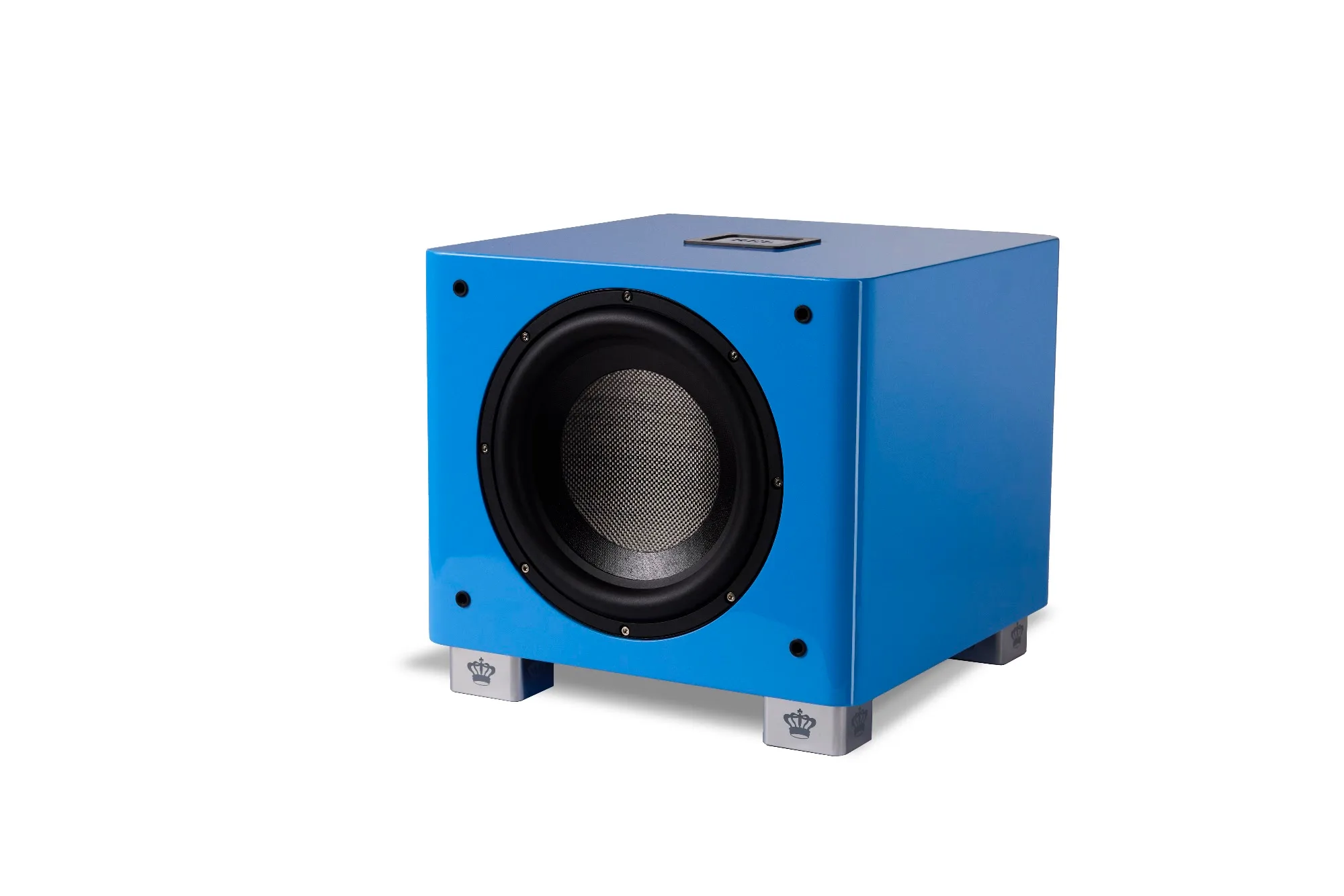
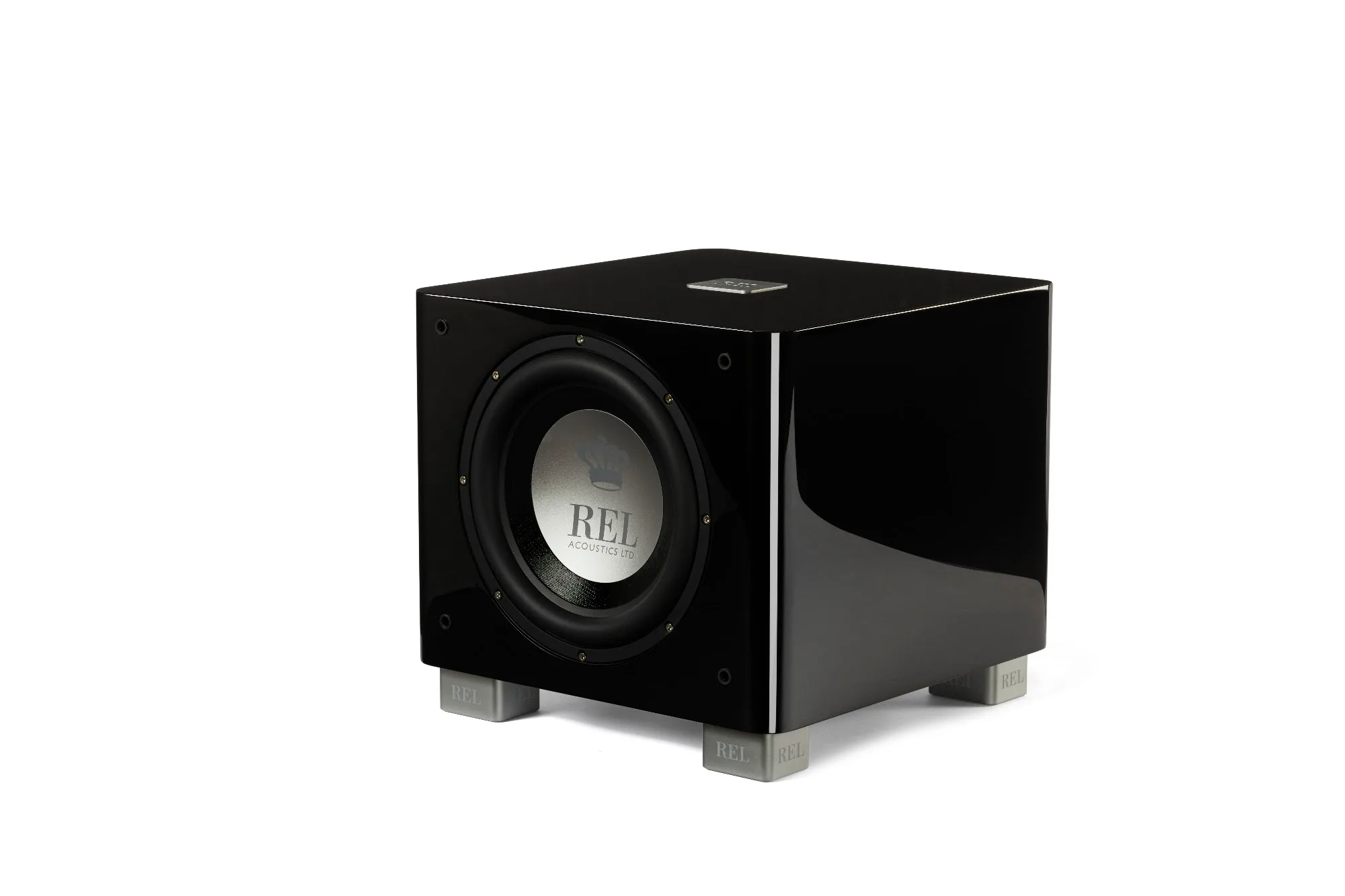
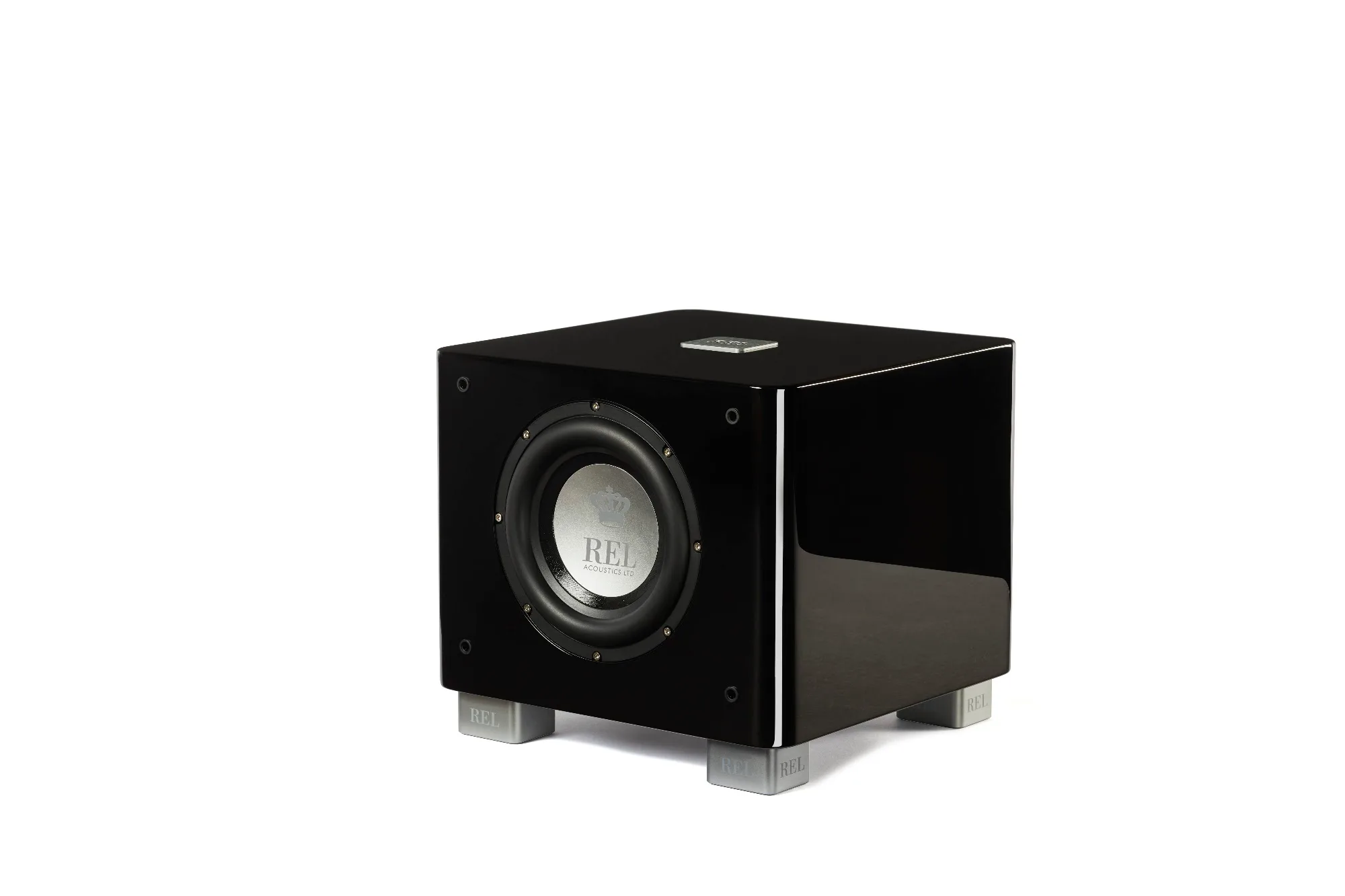
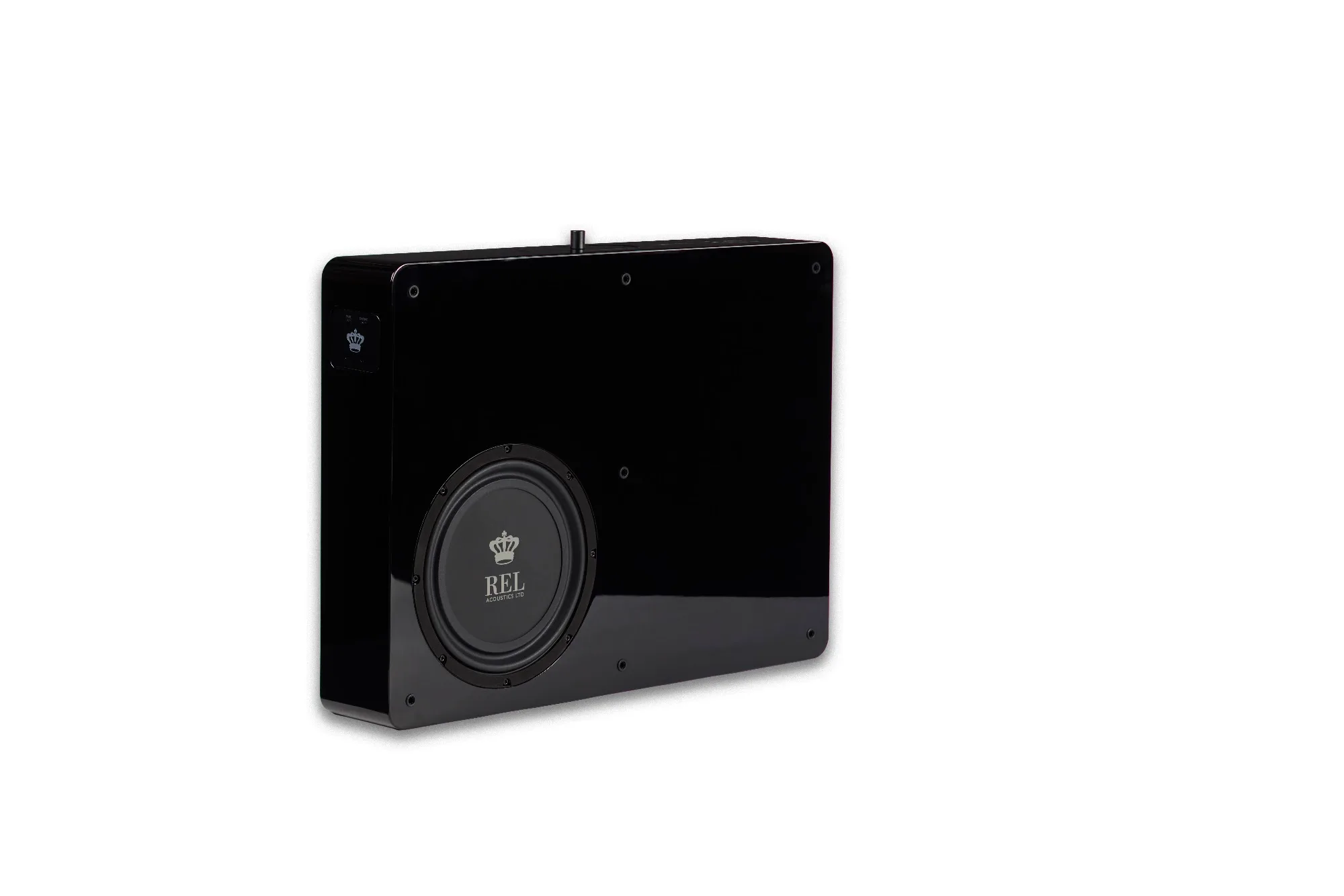
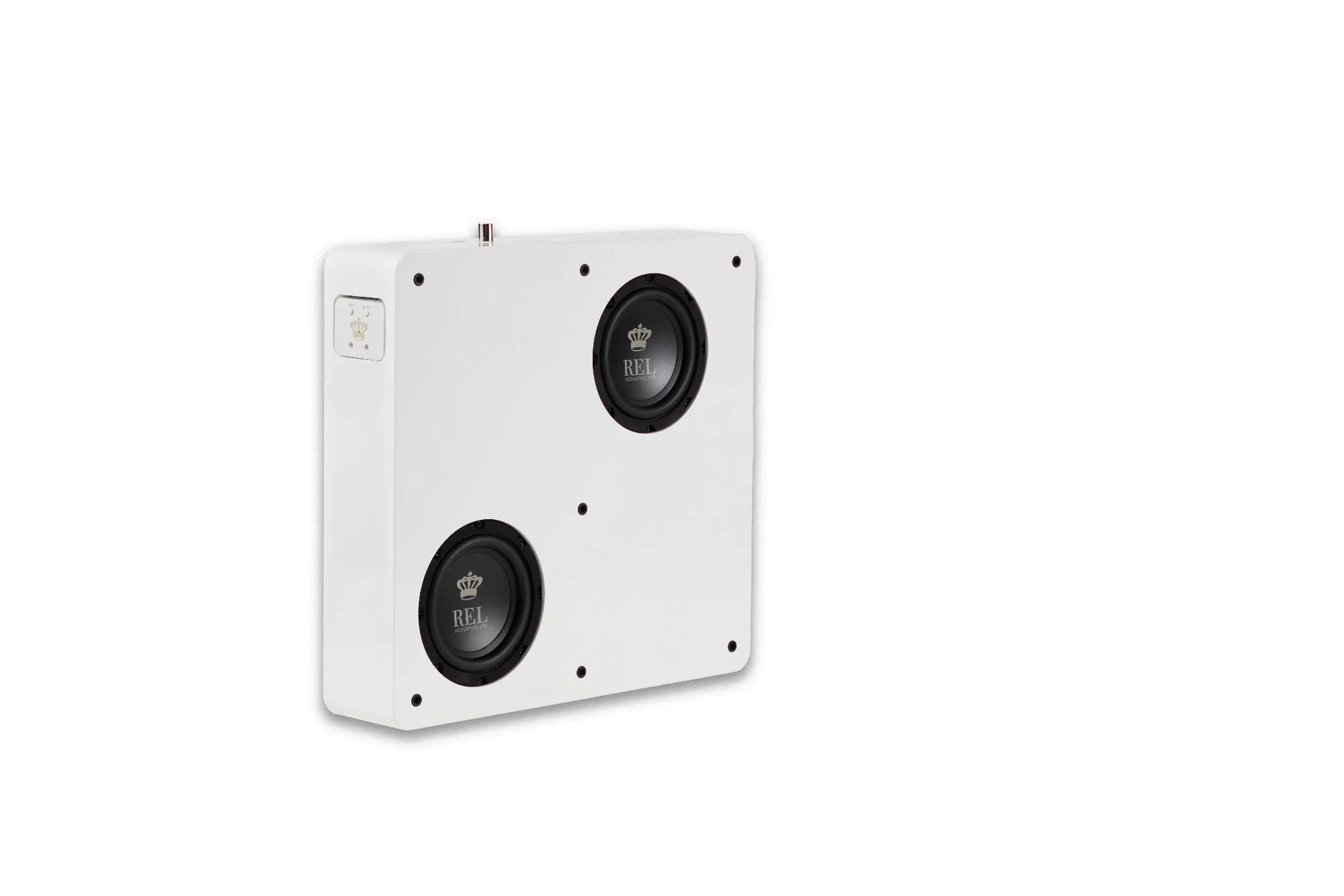
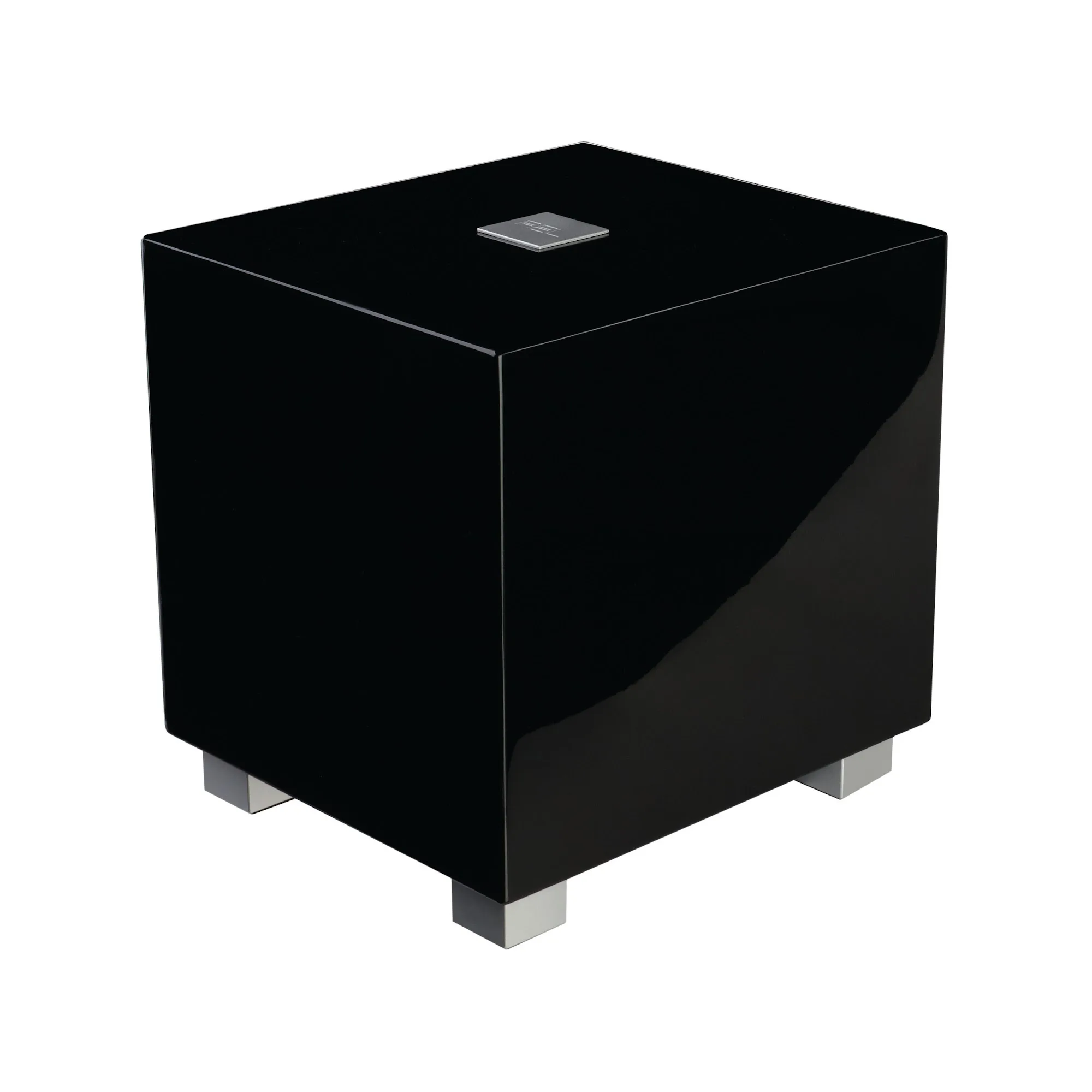
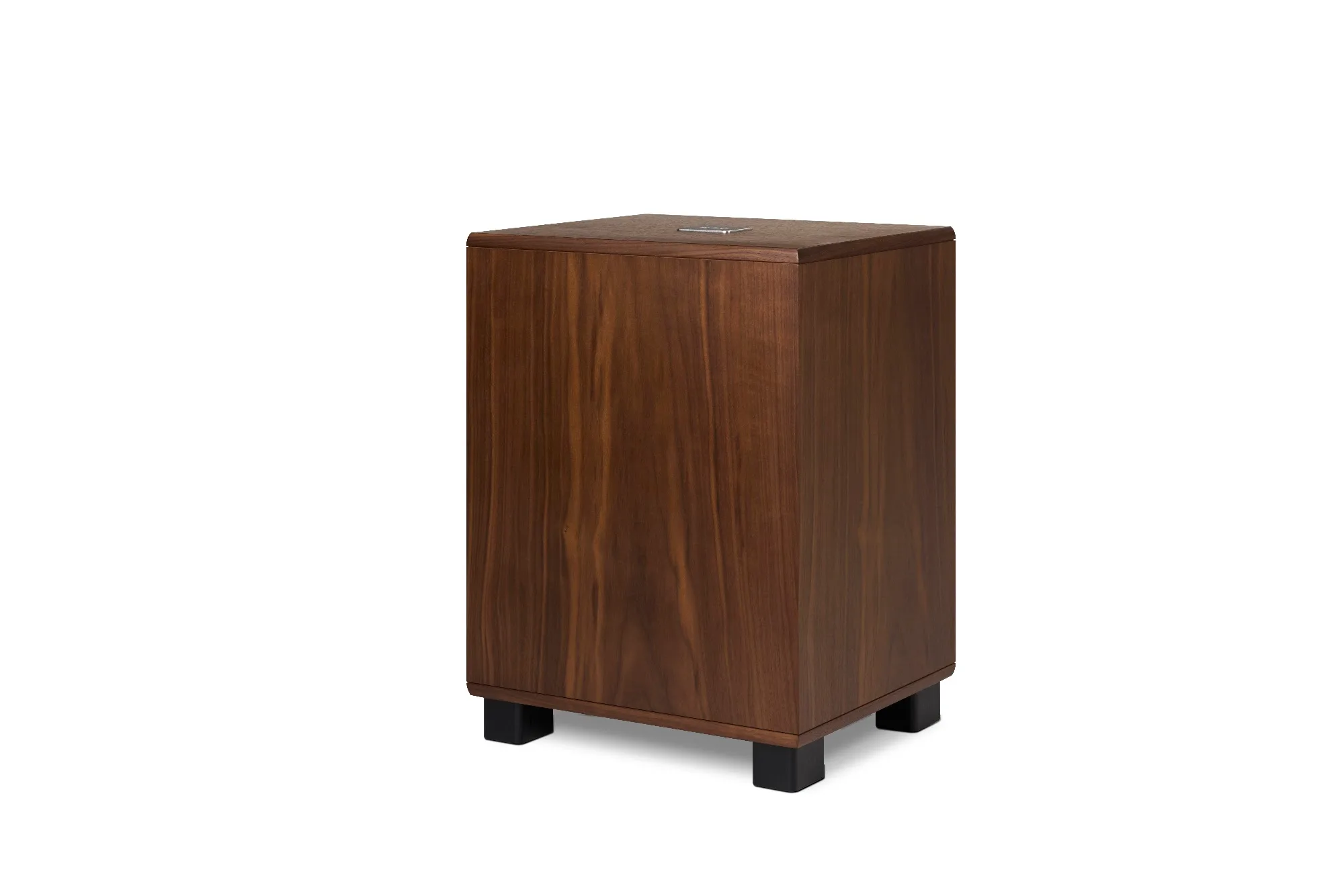
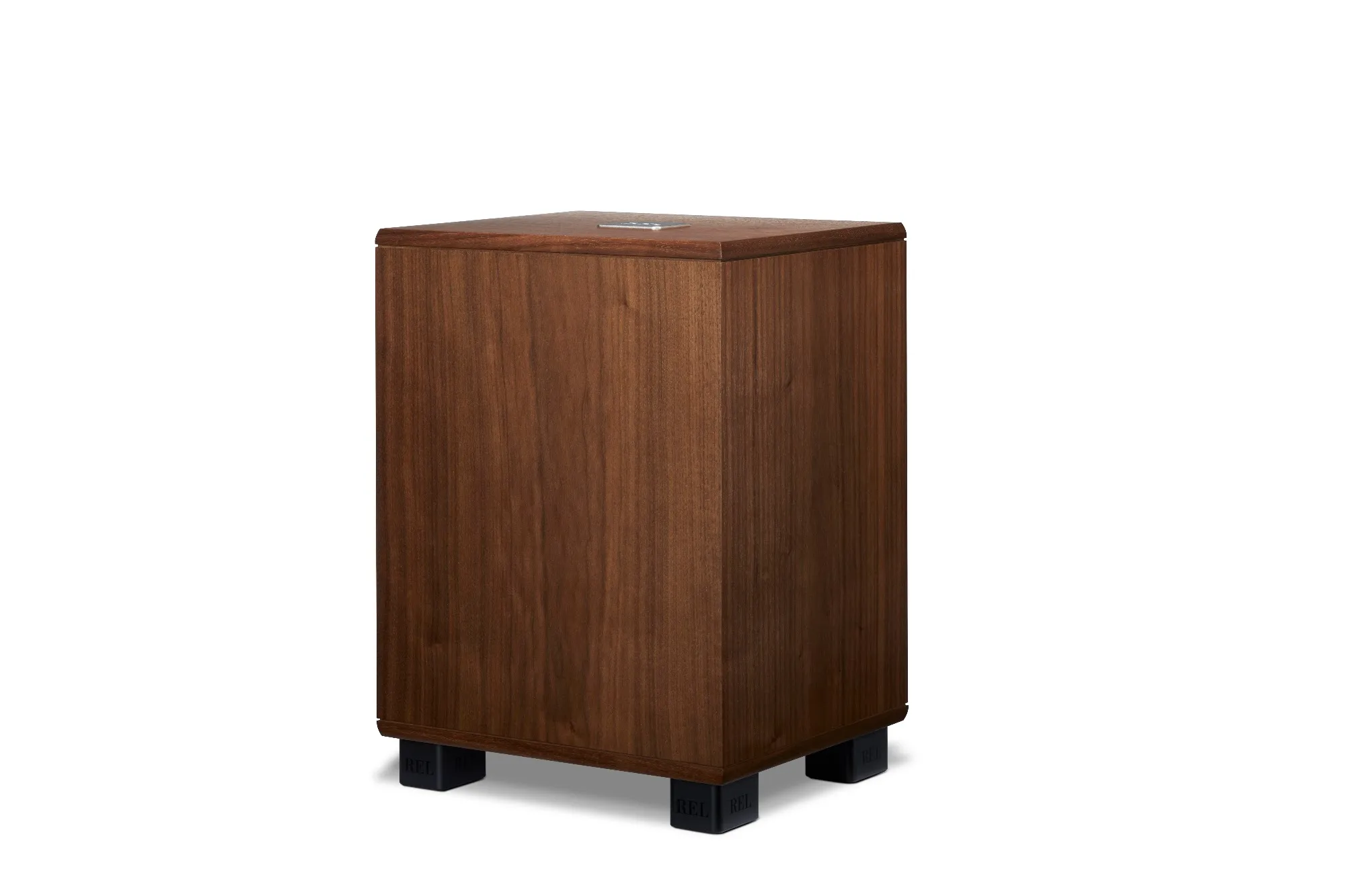
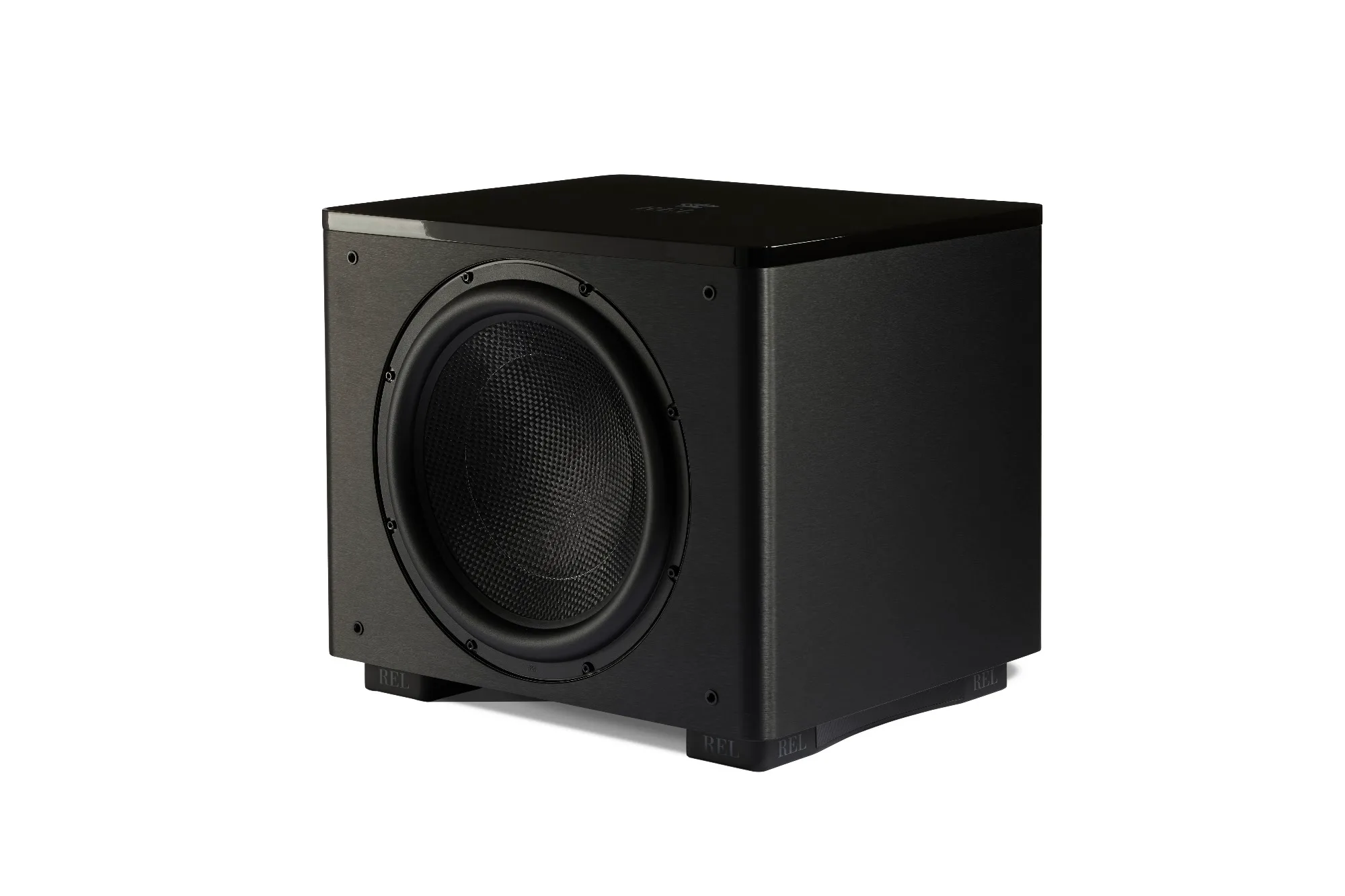

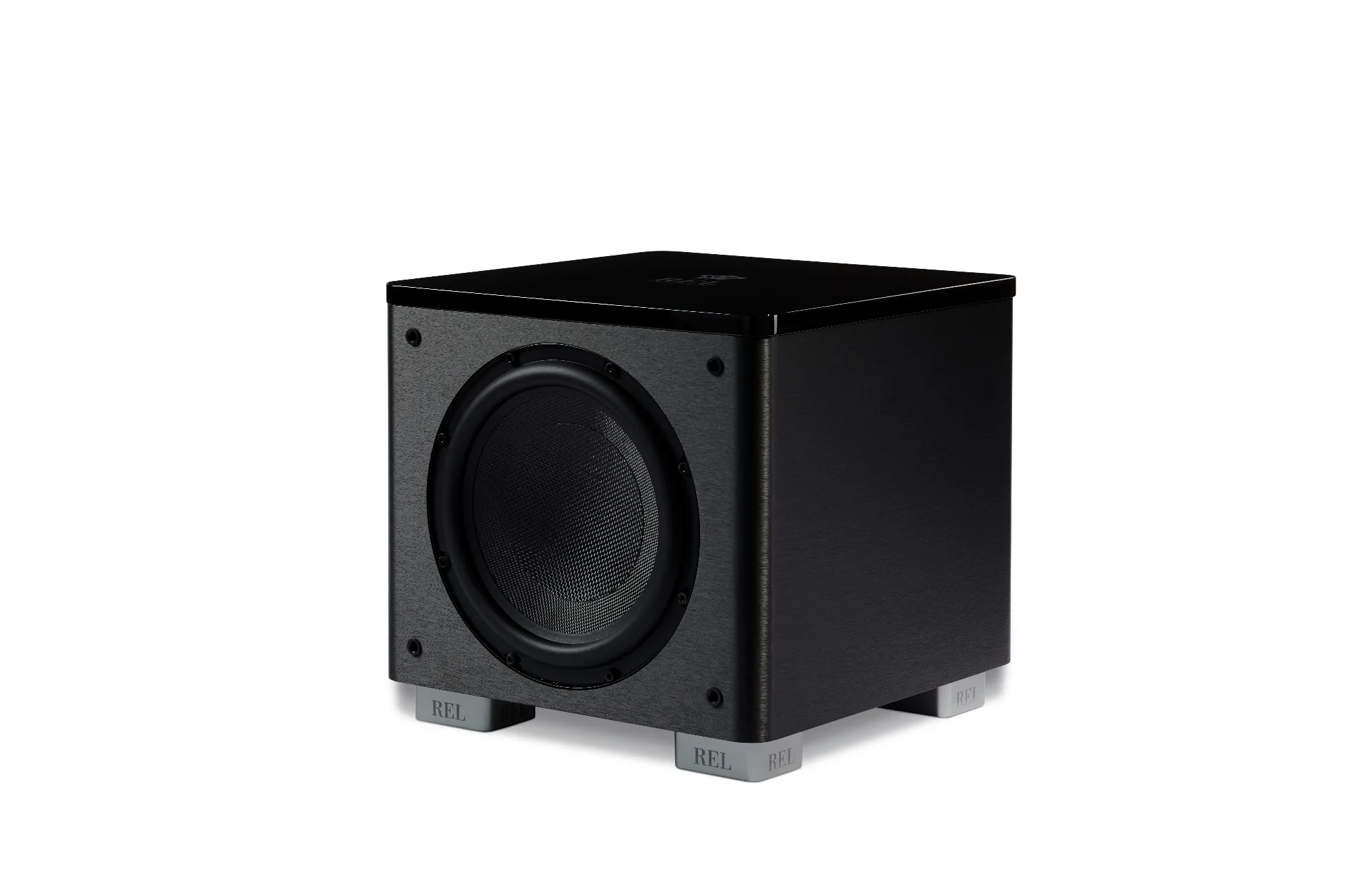
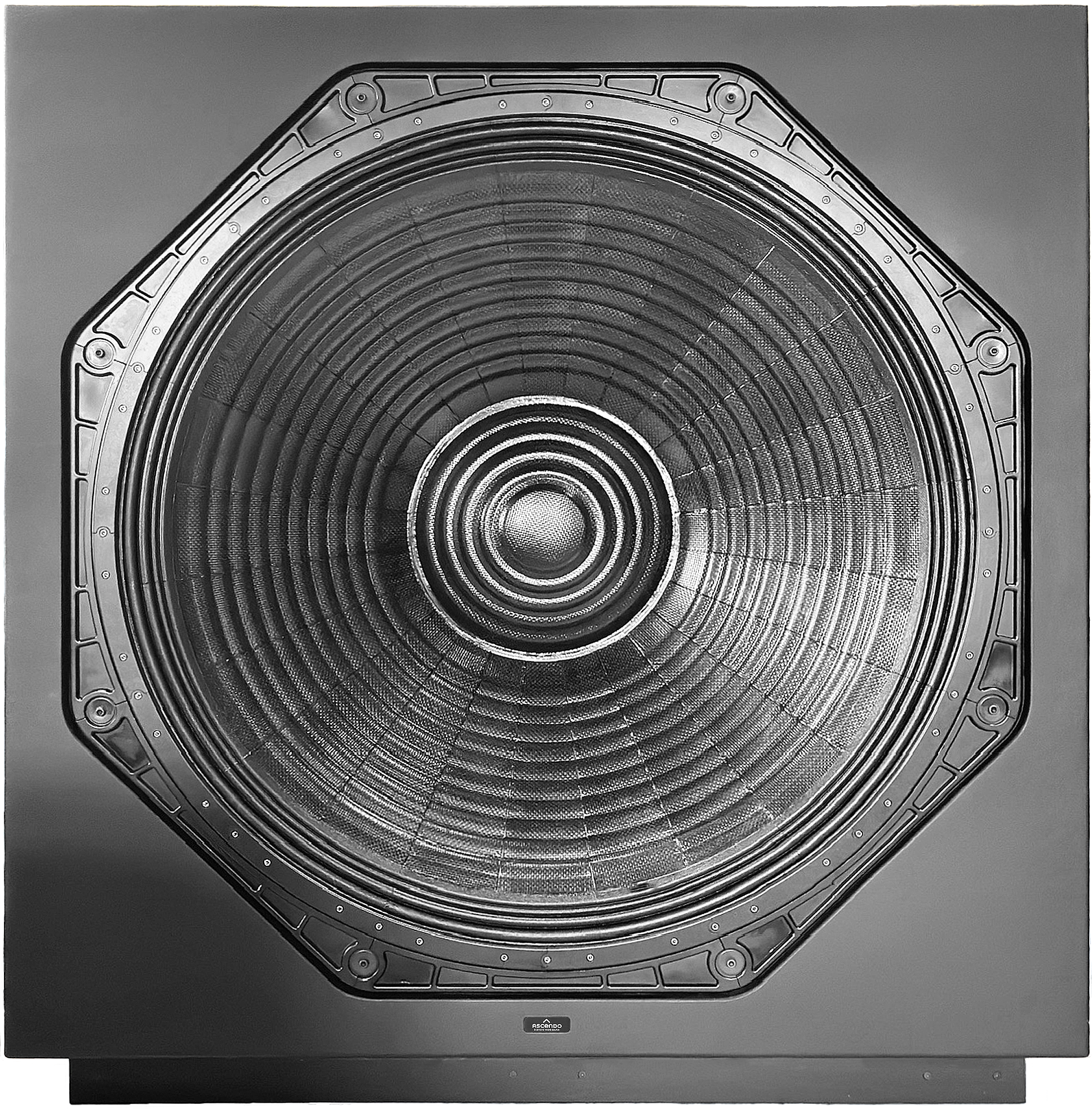
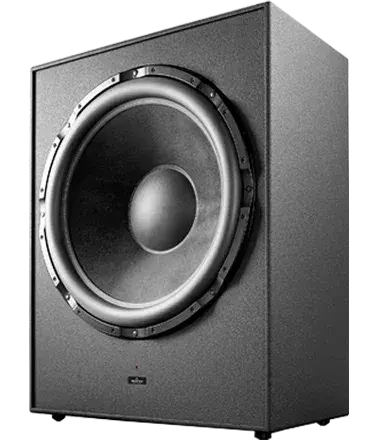
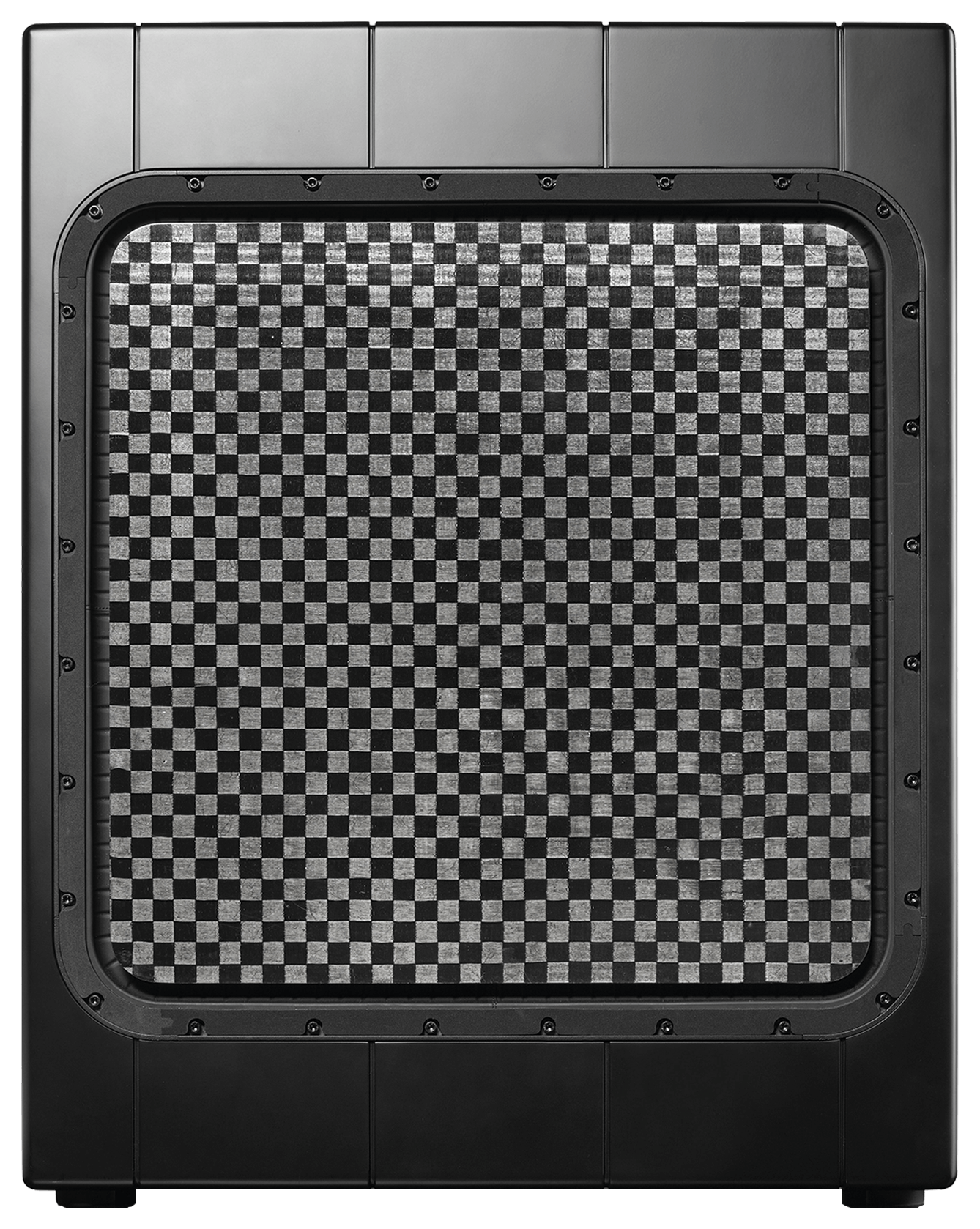
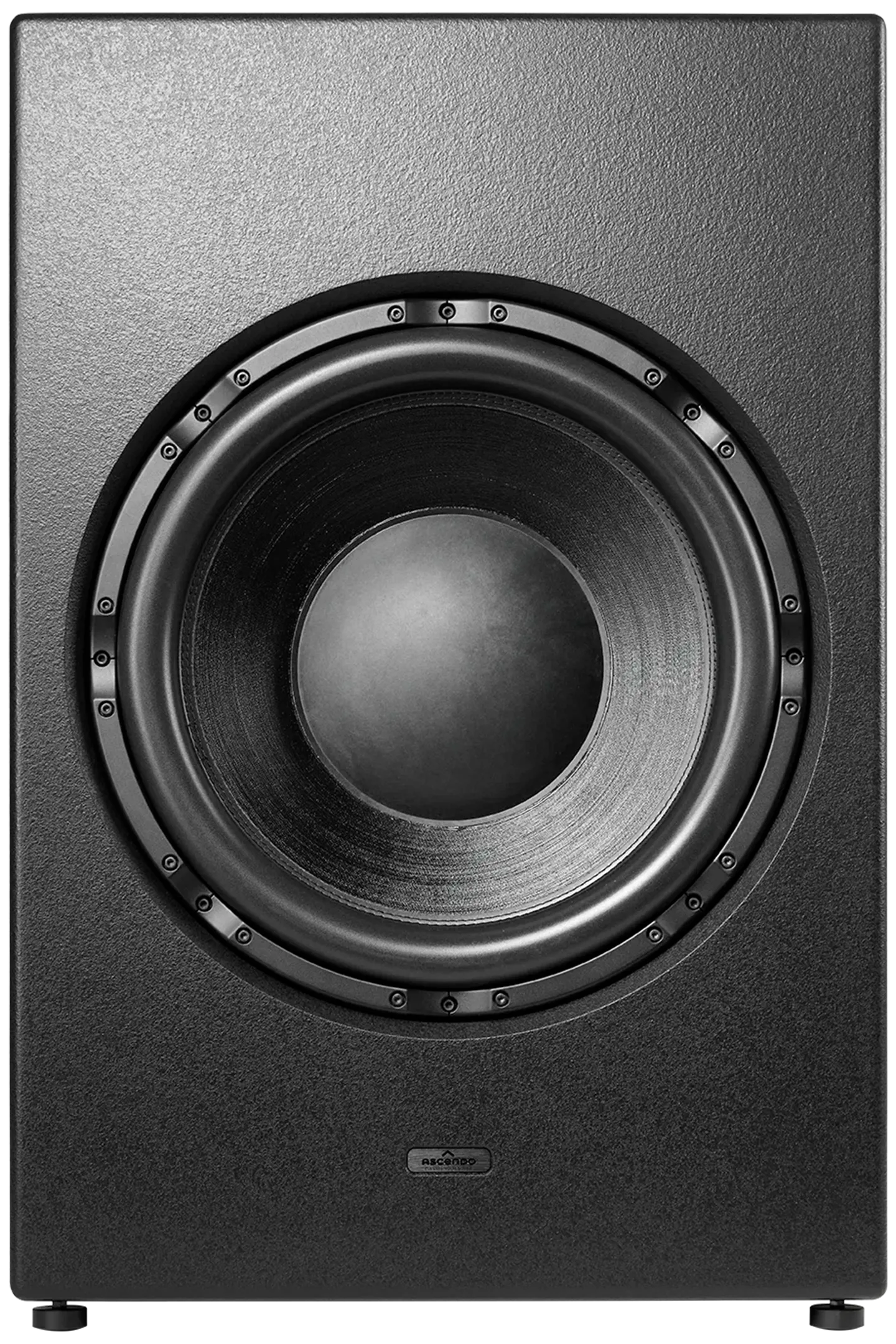
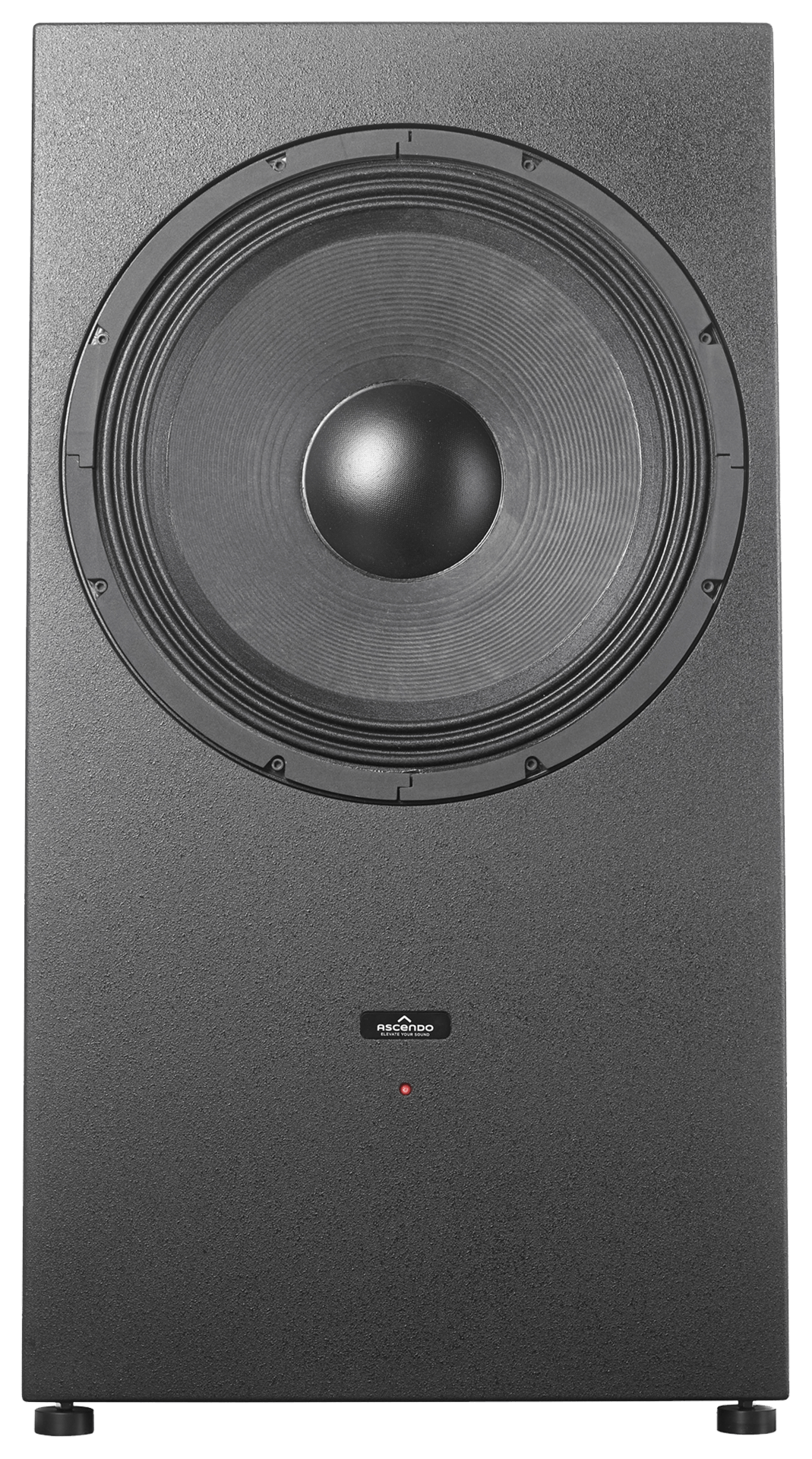
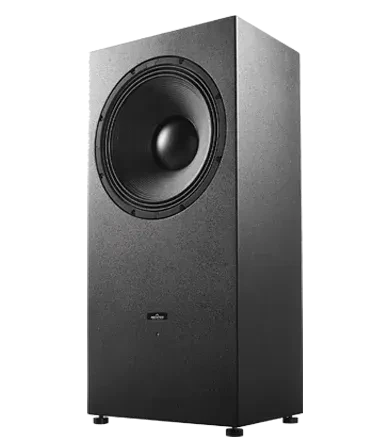
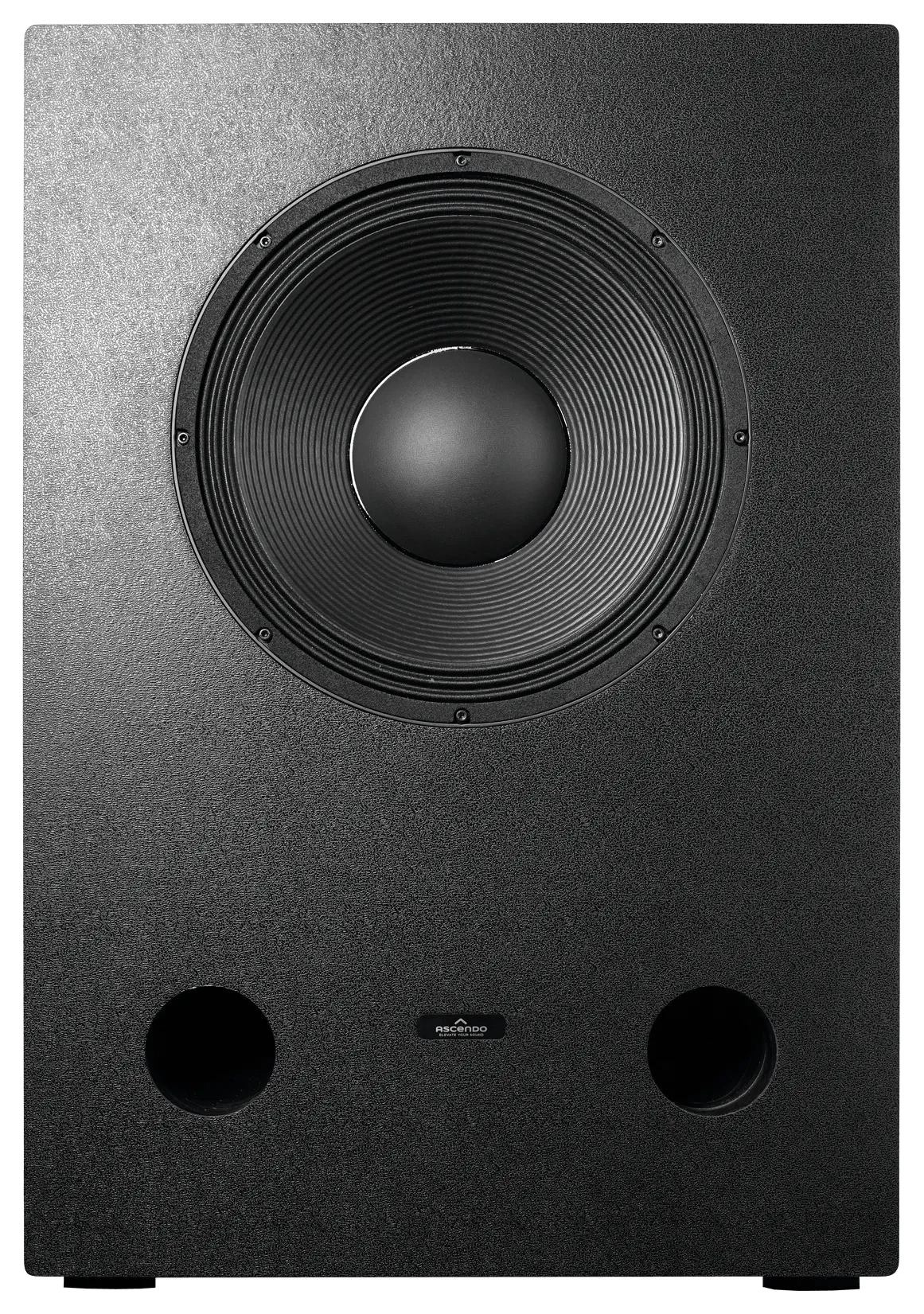

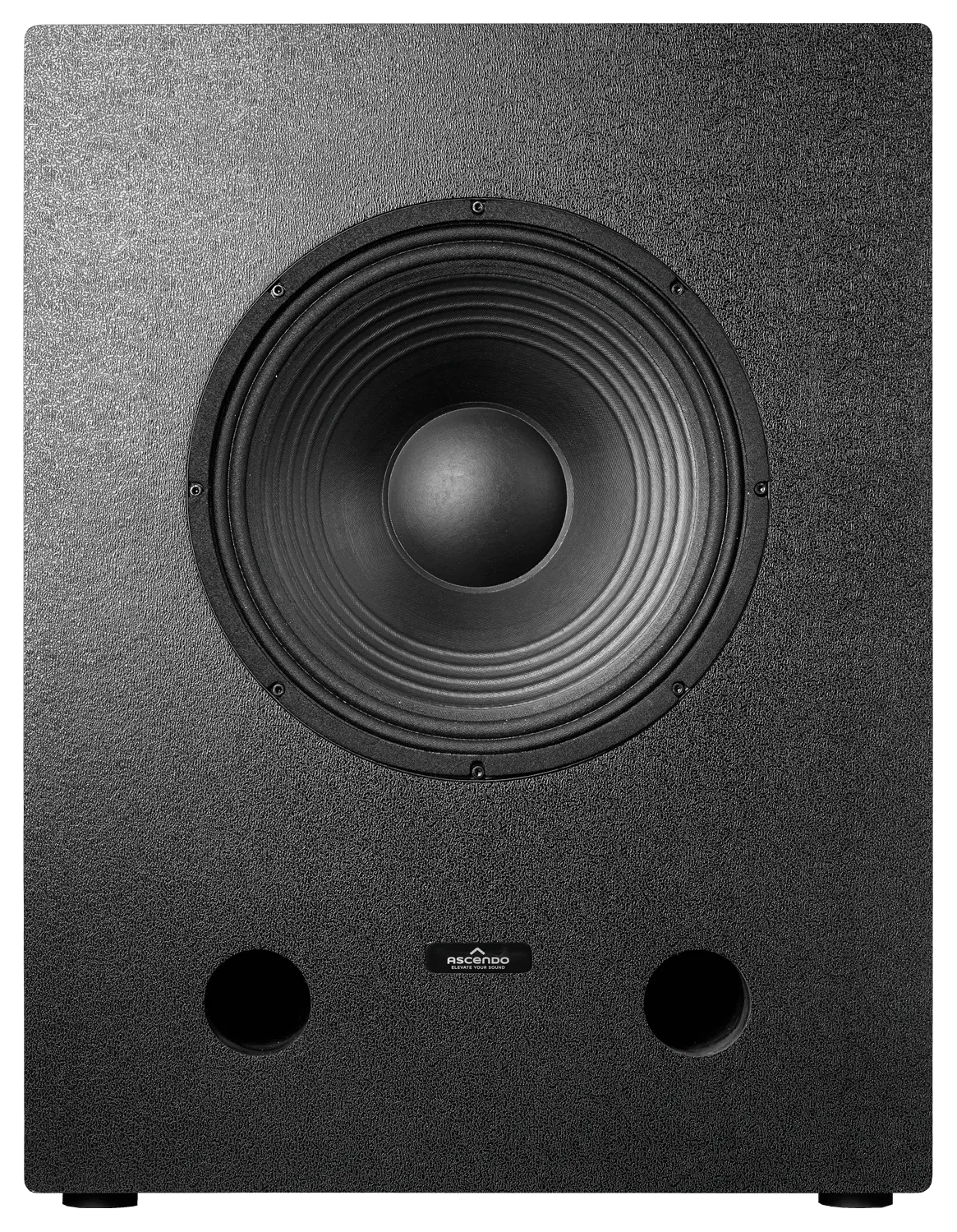
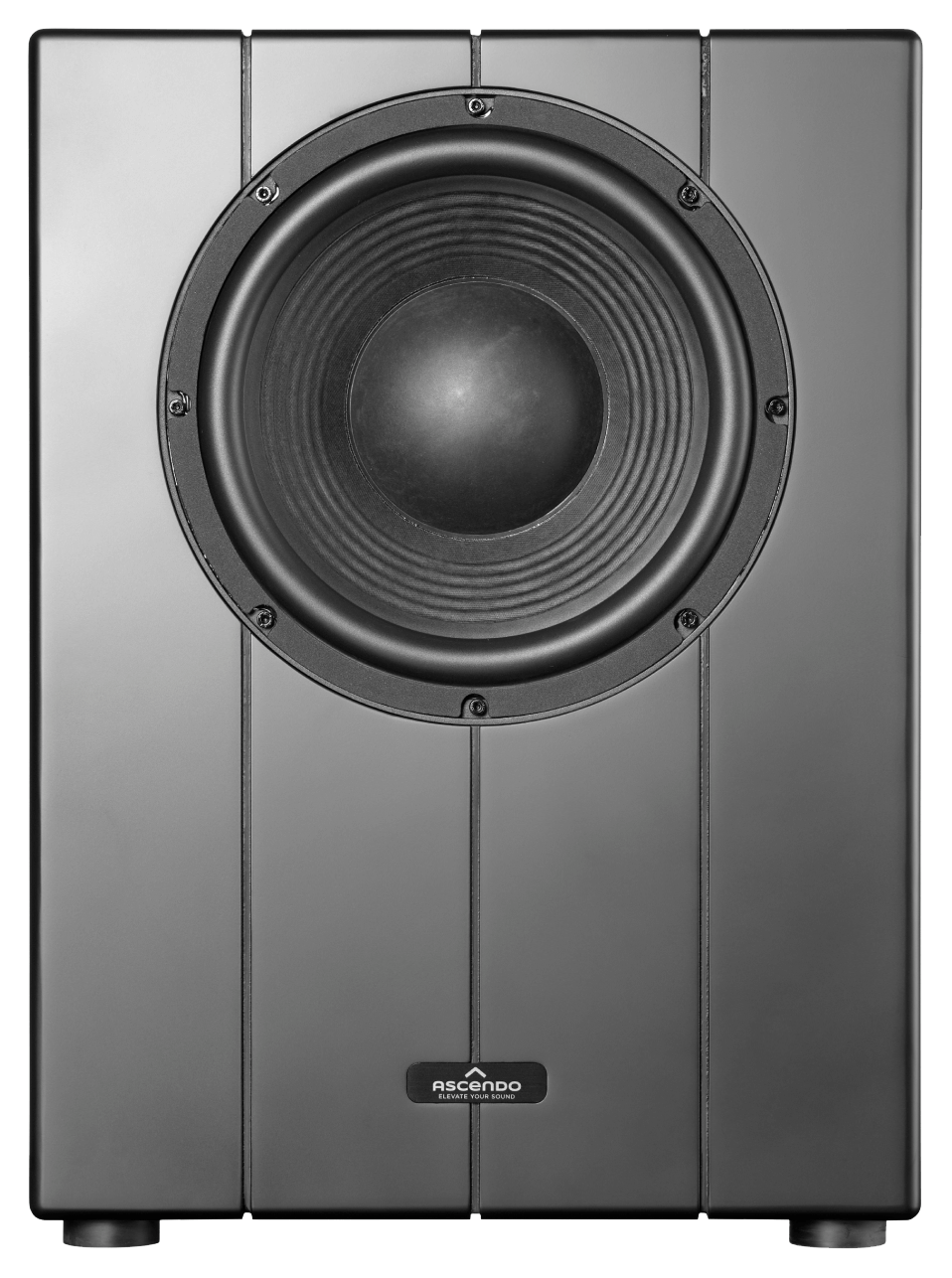
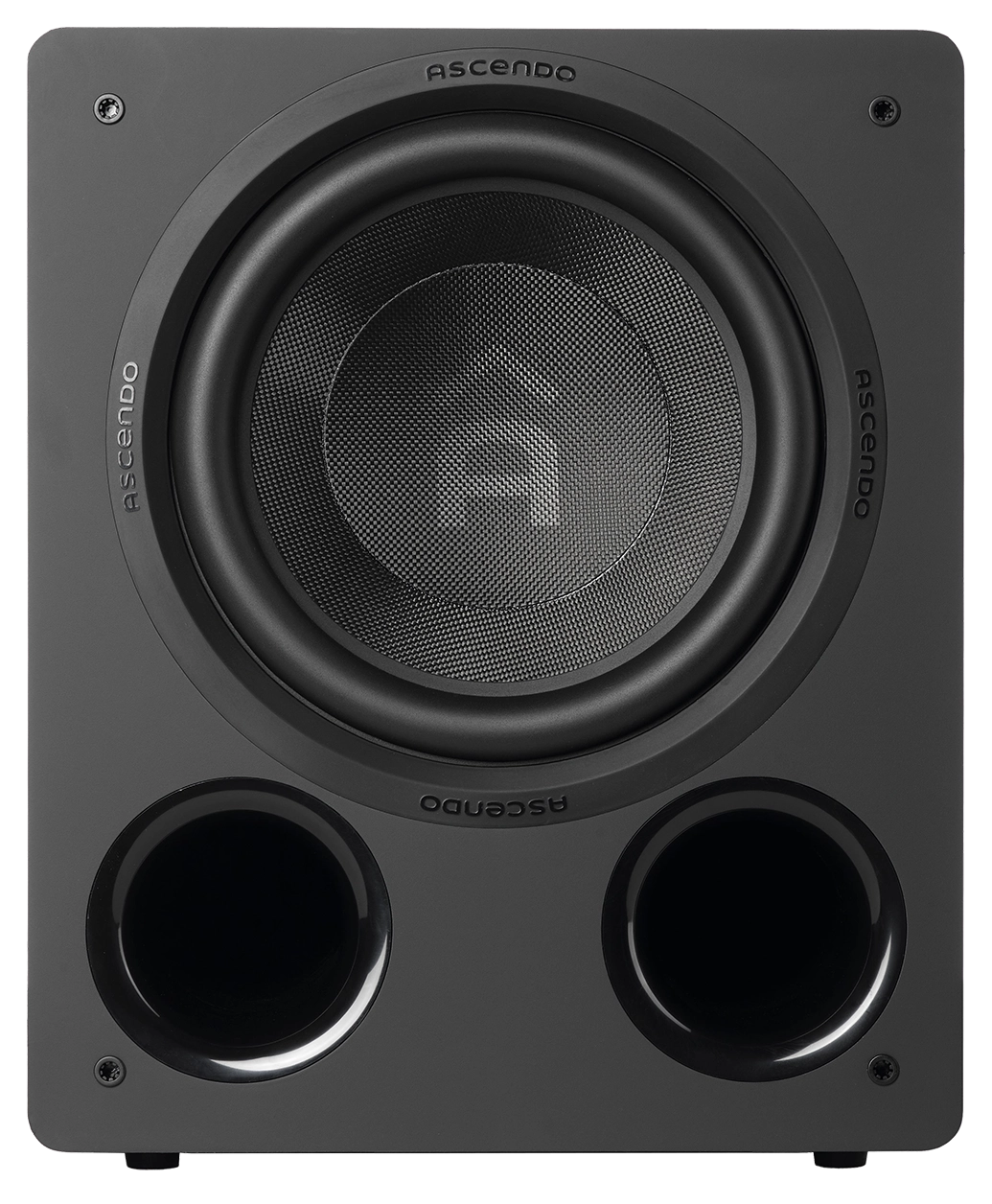
Choosing a subwoofer, in detail
A subwoofer in a two-channel system is doing a different job than one in a cinema. It is not there to add bass. It is there to extend the bottom octave and, more importantly, to give you a second bass source so that room modes can be worked against rather than accepted. That is why two modest subwoofers usually outperform one large one in the same room.
Integration is the whole game. A subwoofer crossed too high or set too loud announces itself, and the usual reaction is to turn it down until it does nothing. The better approach is a low crossover, level matched by measurement rather than ear, and placement found by moving the sub before committing to a corner. REL's high-level connection exists precisely so the subwoofer sees the same signal the main amplifier does, which makes it easier to blend.
For cinema the priorities invert: output and headroom matter more than the last degree of blend, and sealed designs give tighter transient behaviour where ported designs give more output for the money. Which matters depends on whether the room is mostly music or mostly film.
Hear these in Scottsdale and Tempe
Subwoofers are the hardest component to judge in an unfamiliar room, because most of what you hear is the room rather than the box. We can demonstrate the difference integration makes — the same subwoofer set up carelessly and set up properly — which is usually more persuasive than comparing two models. Installation and calibration in your own room is part of what we do.