Loudspeakers
Cinema & Architectural Speakers
Built into the wall, the ceiling, or the fabric of the room — without surrendering what the room was built for.
Speakers that answer to the room and the architecture
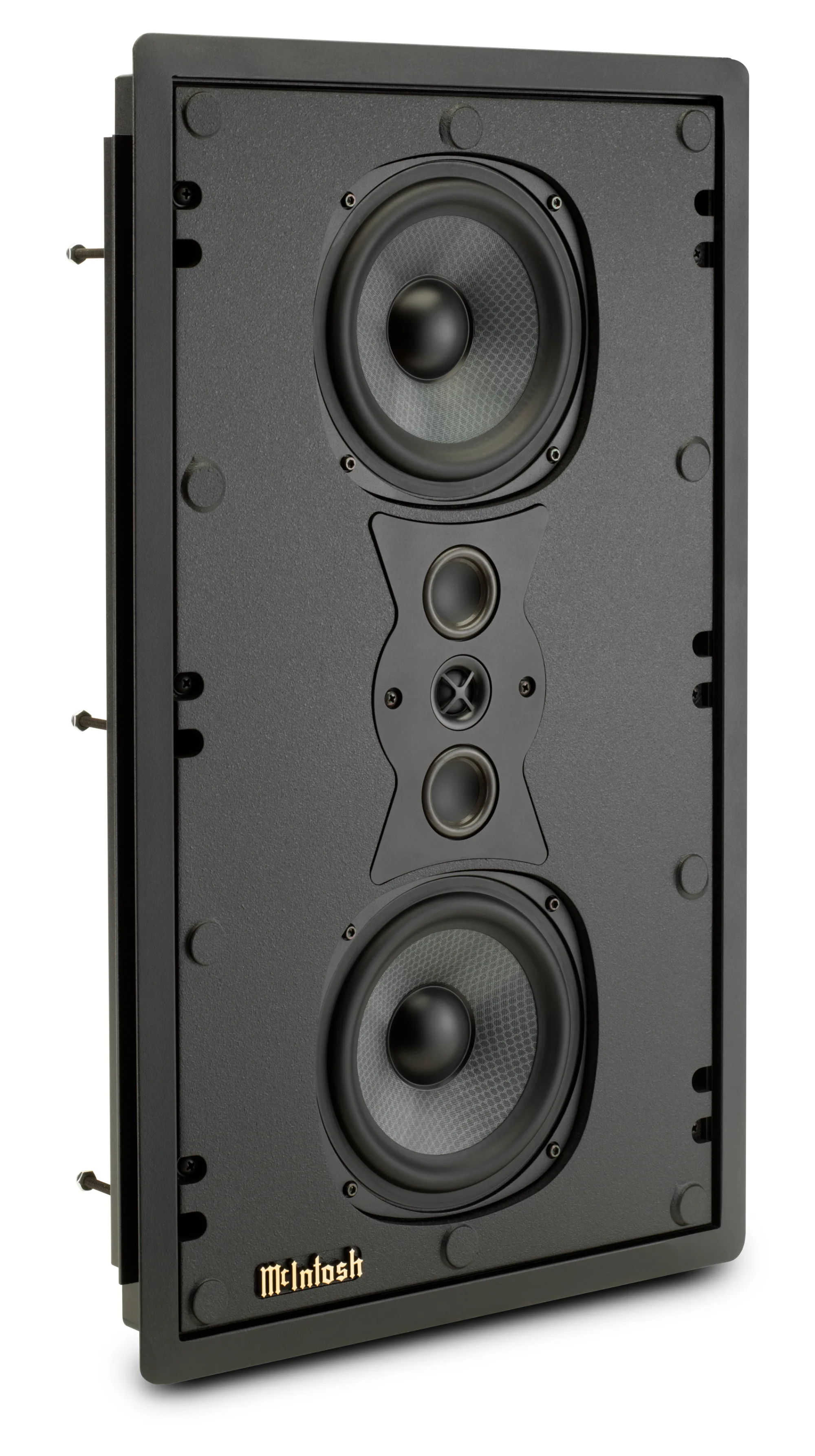
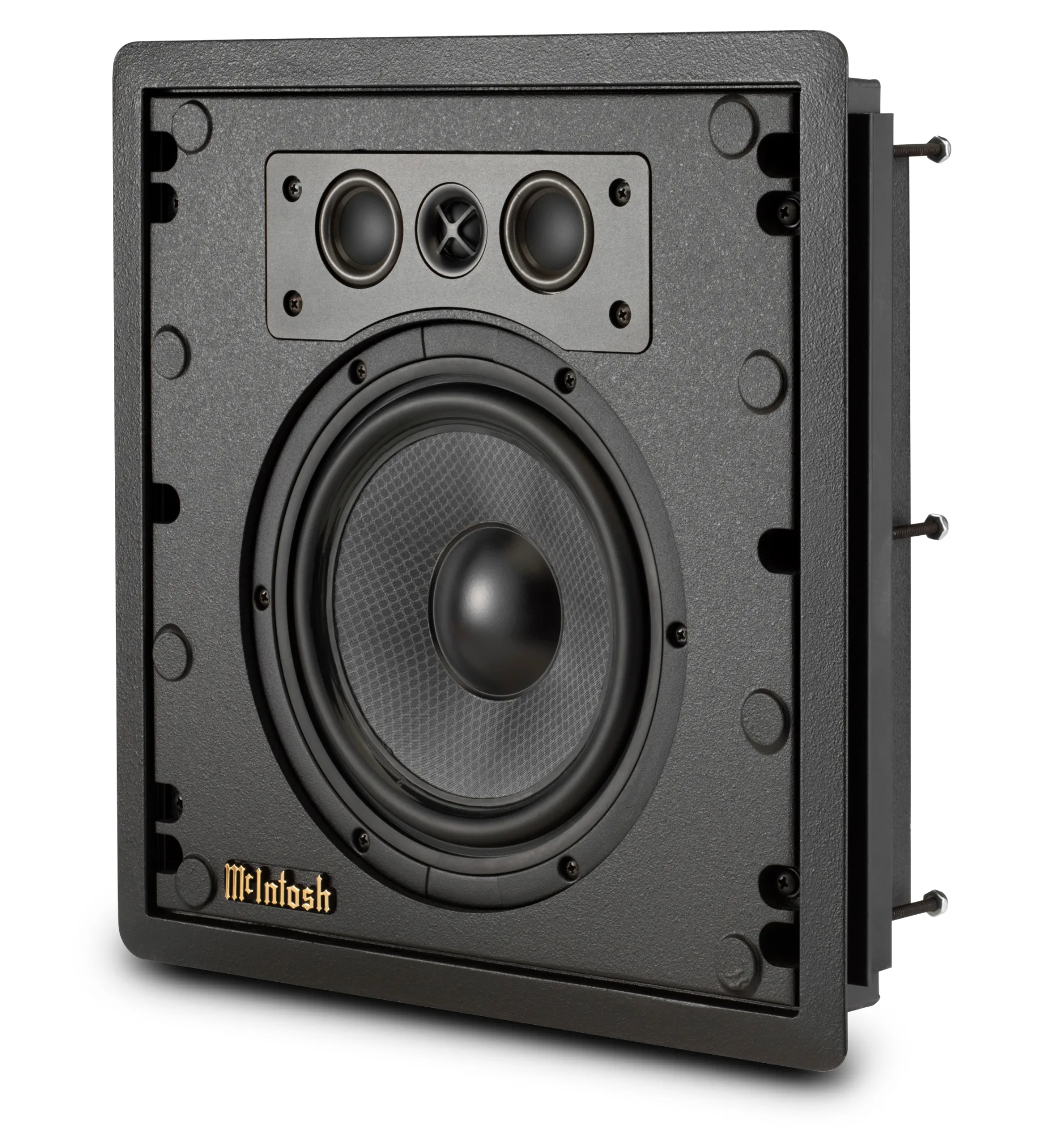
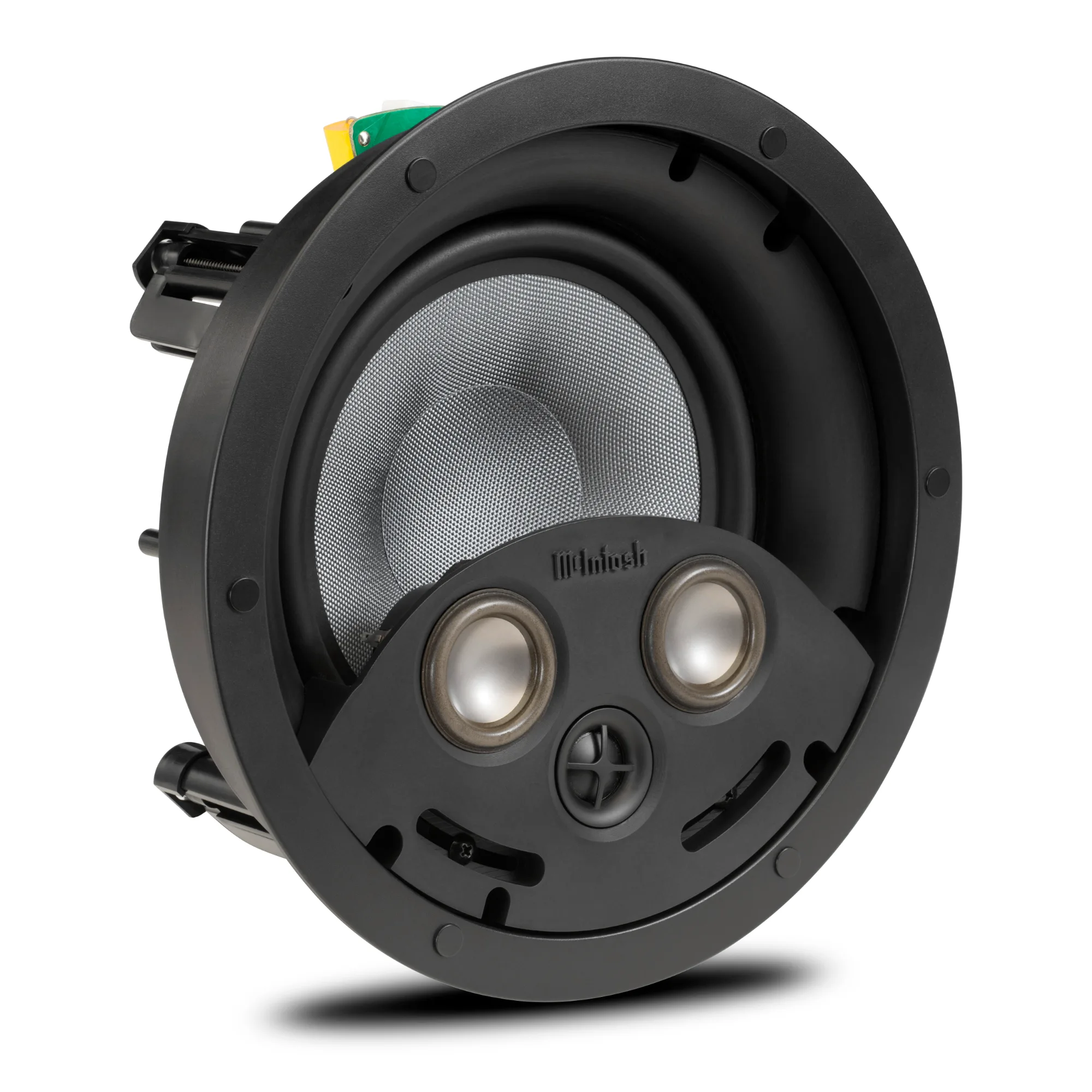
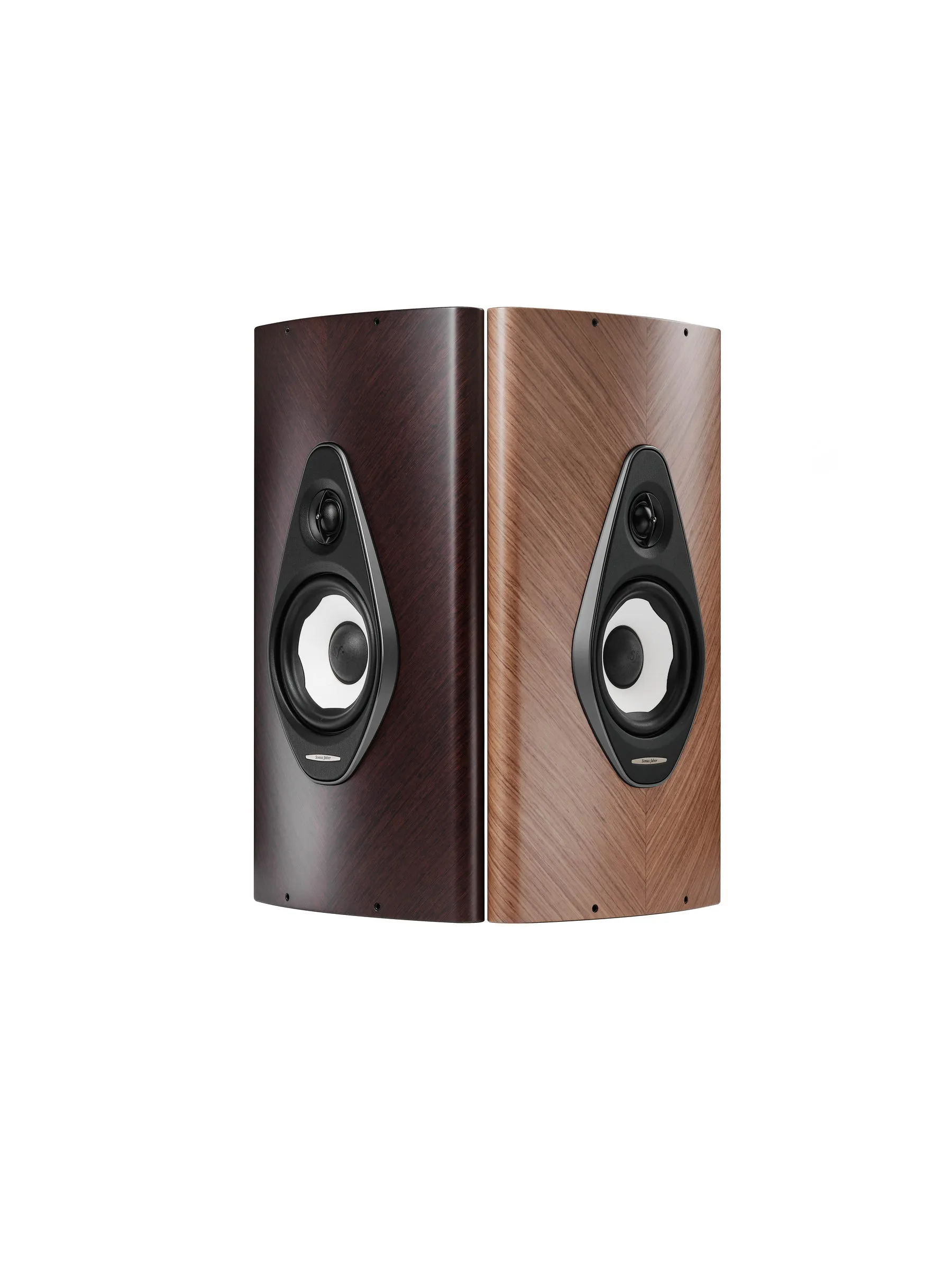
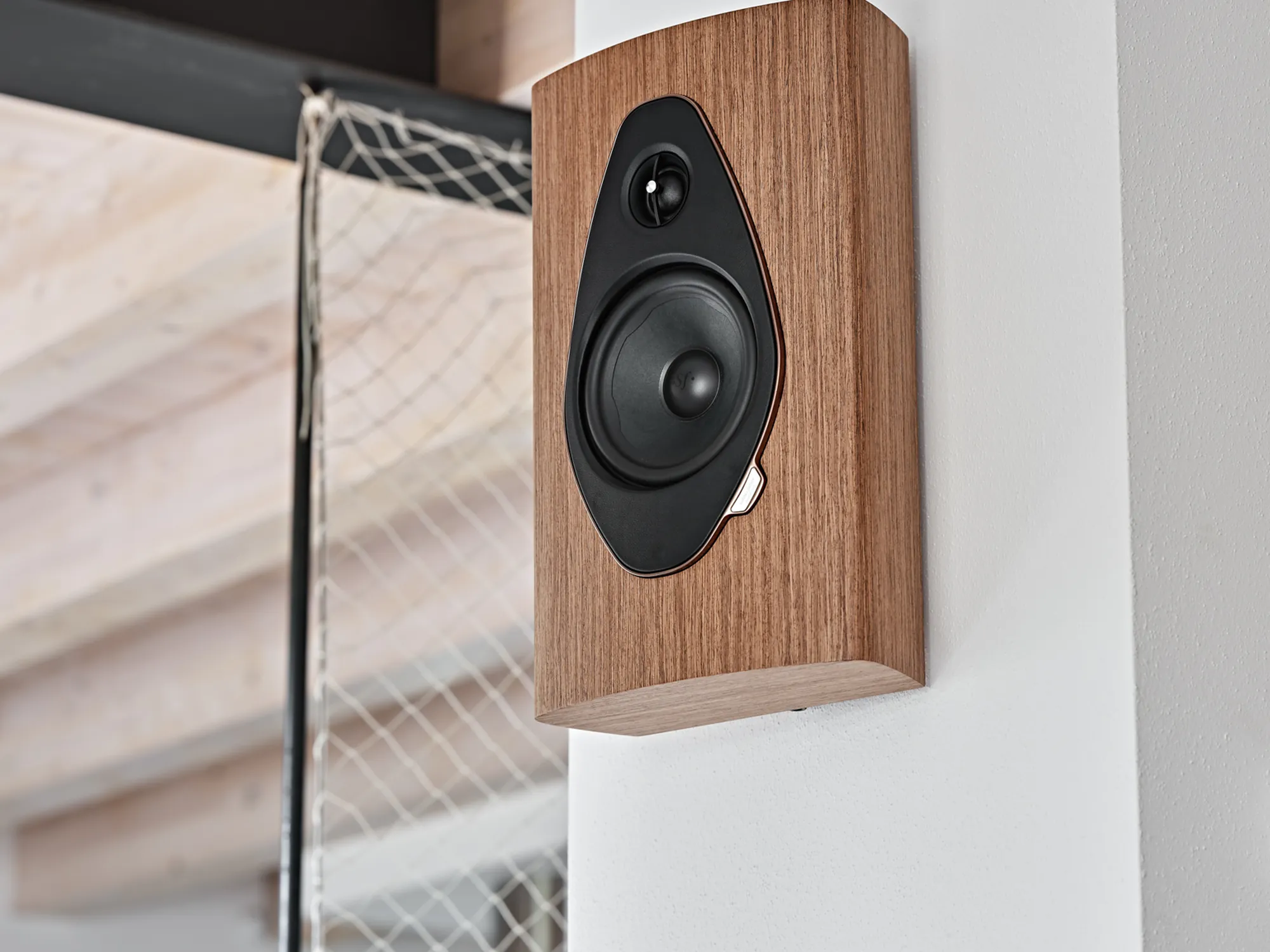
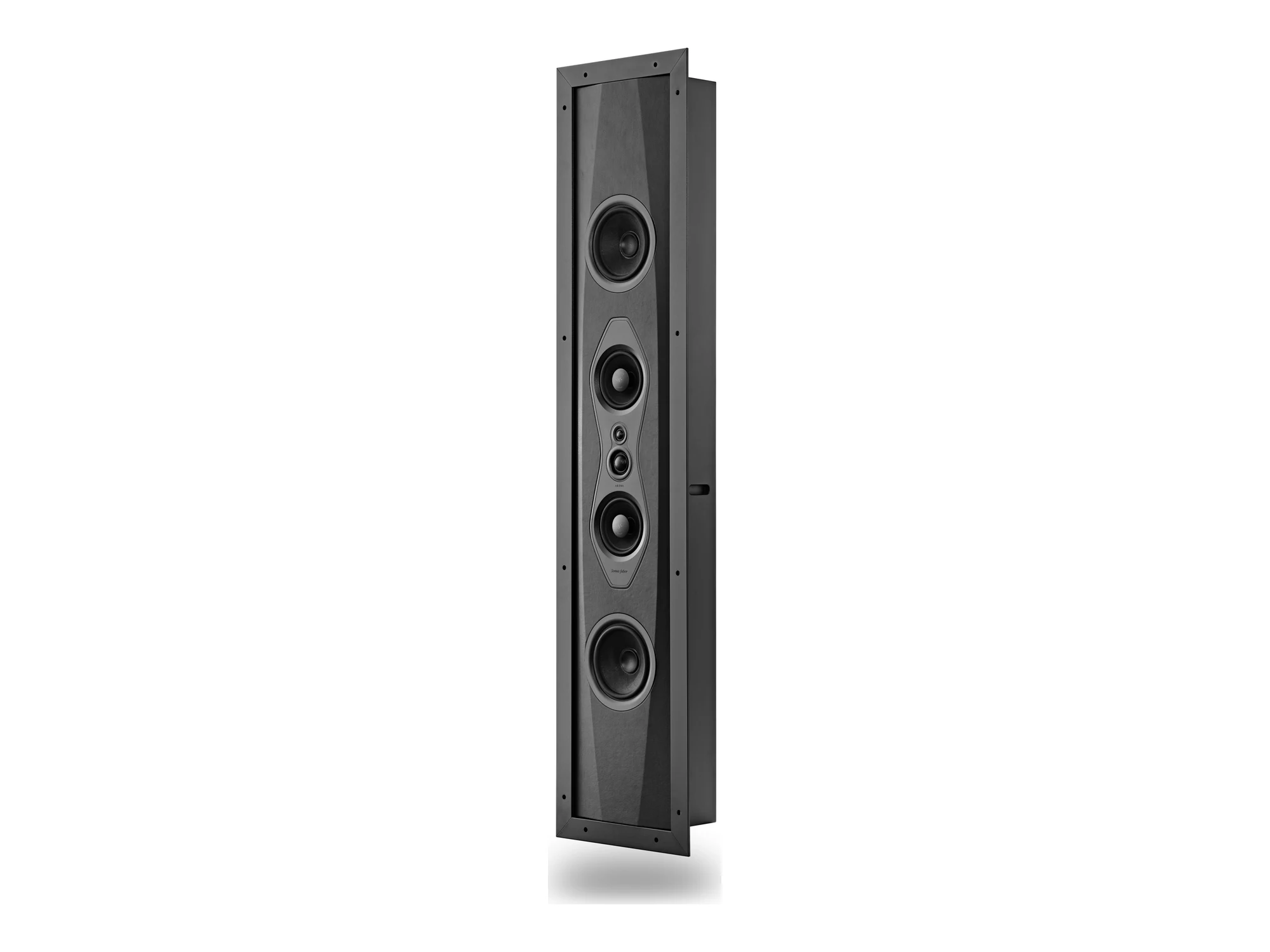
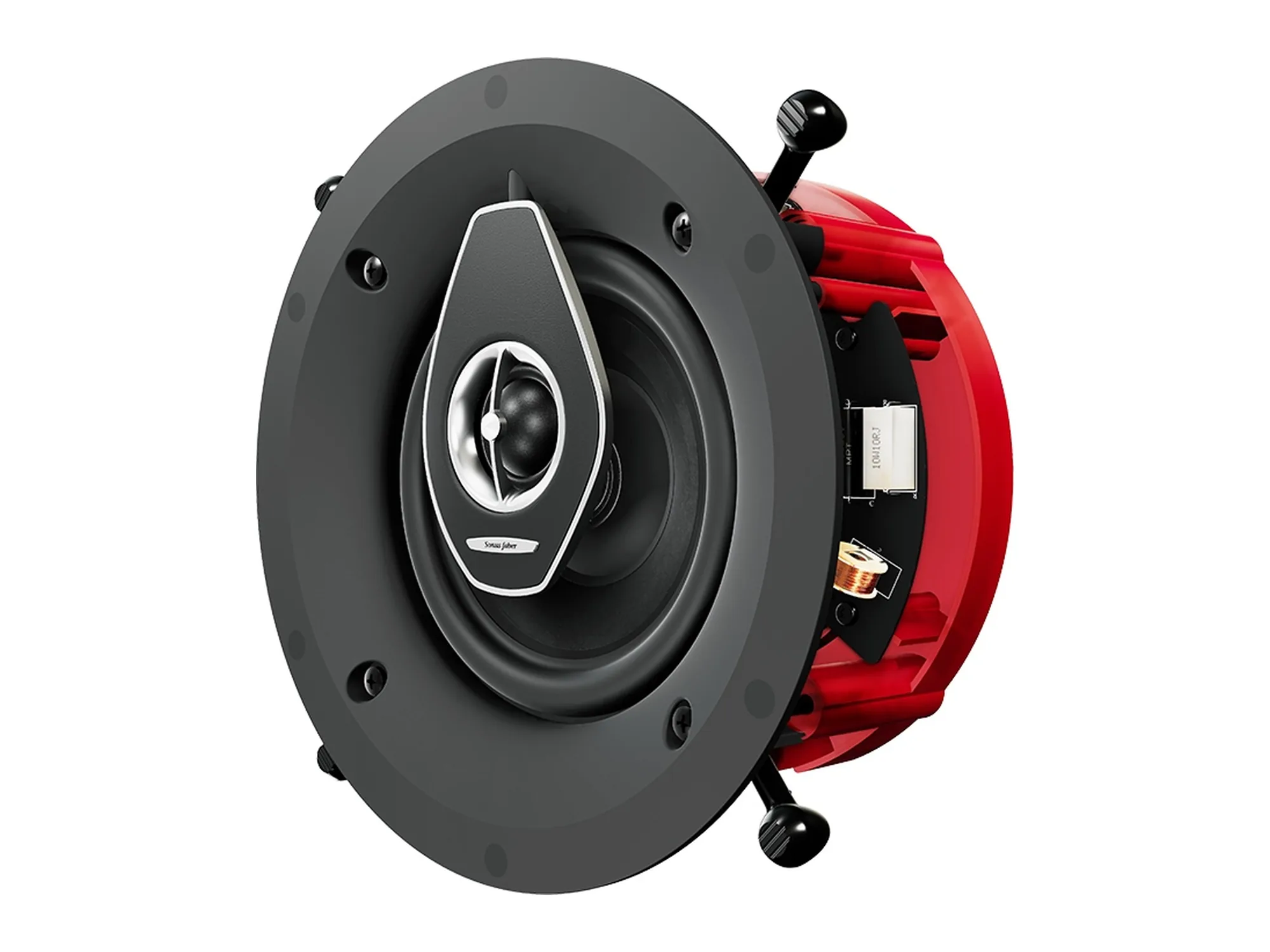
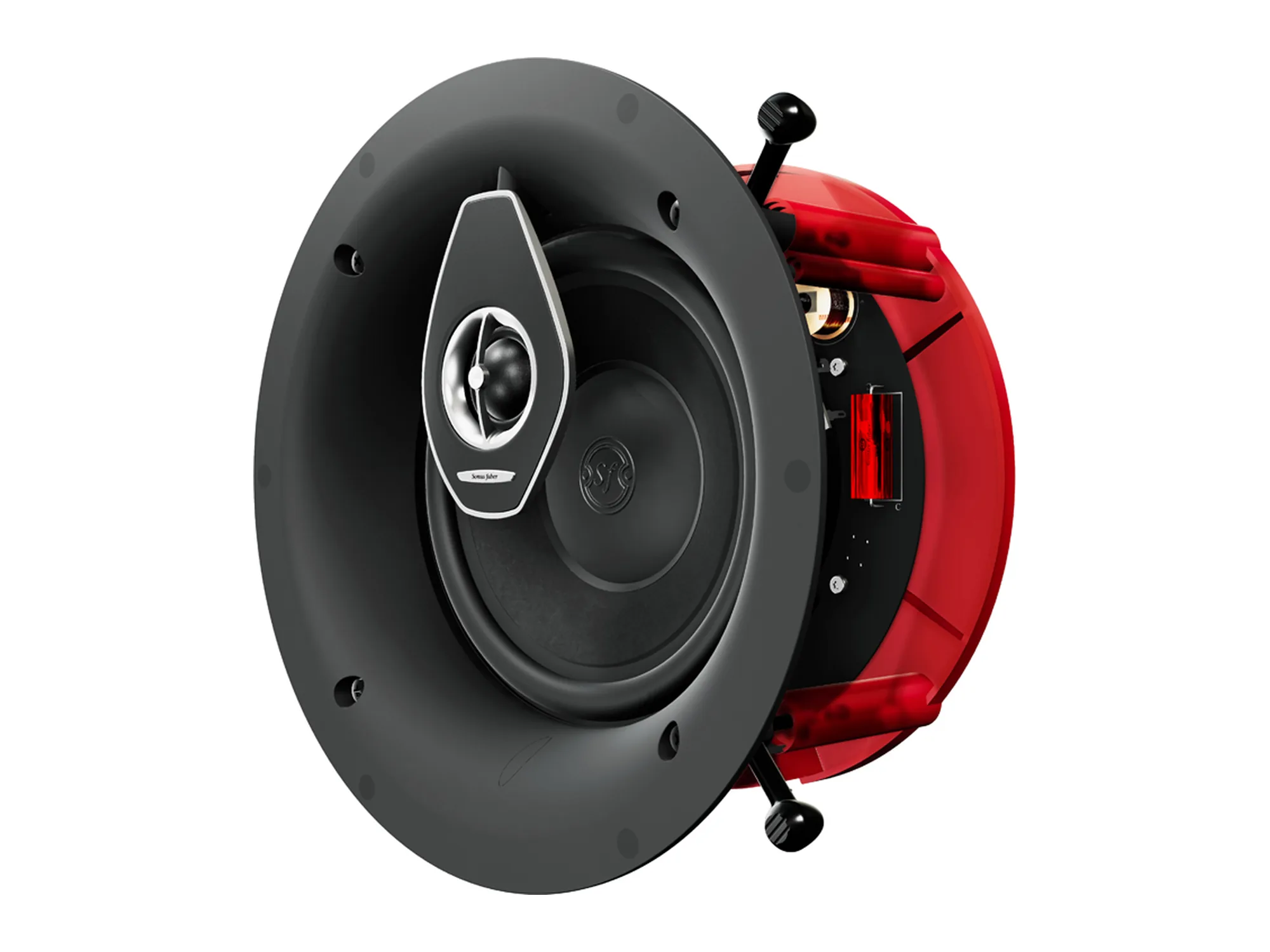
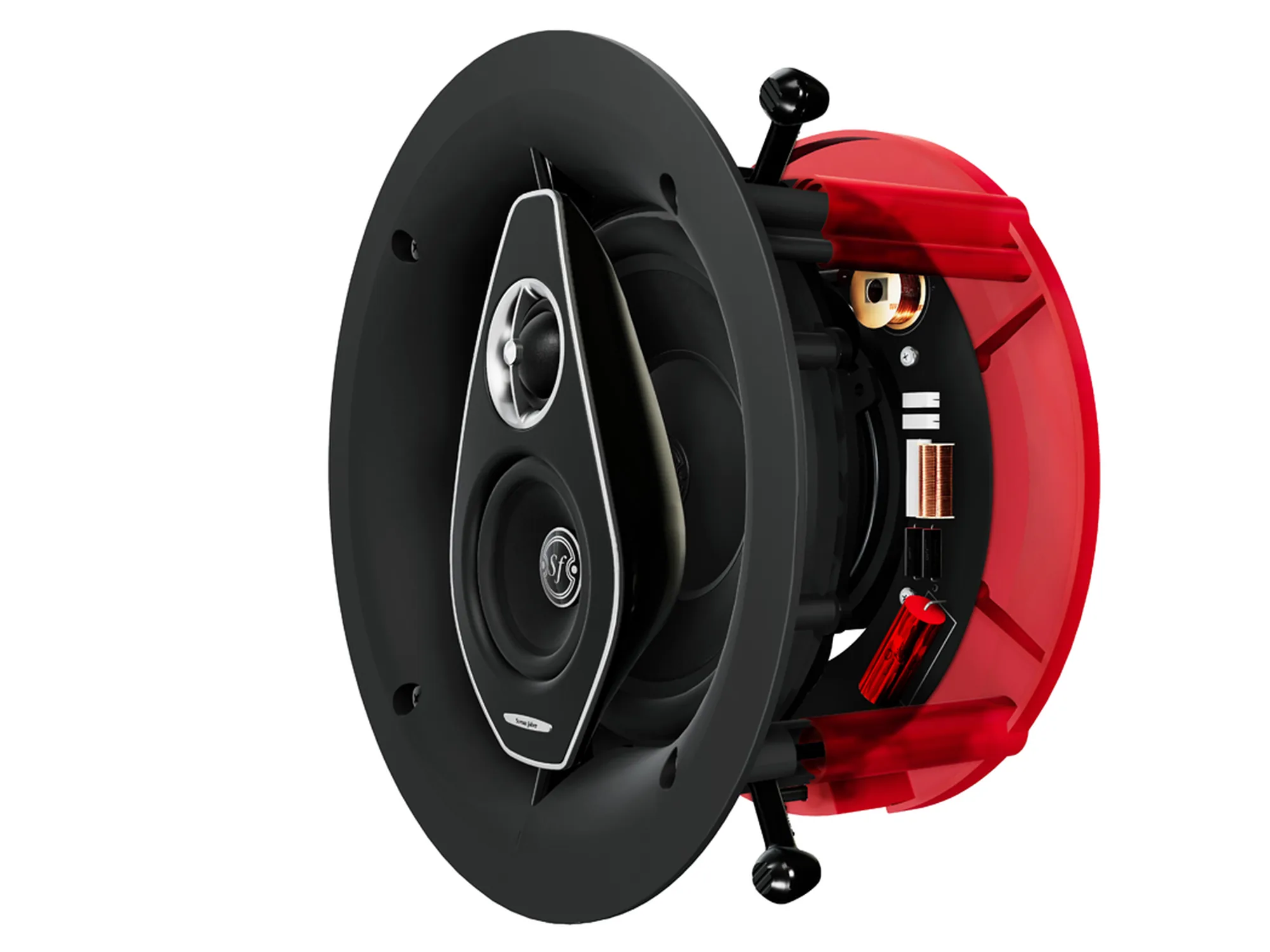
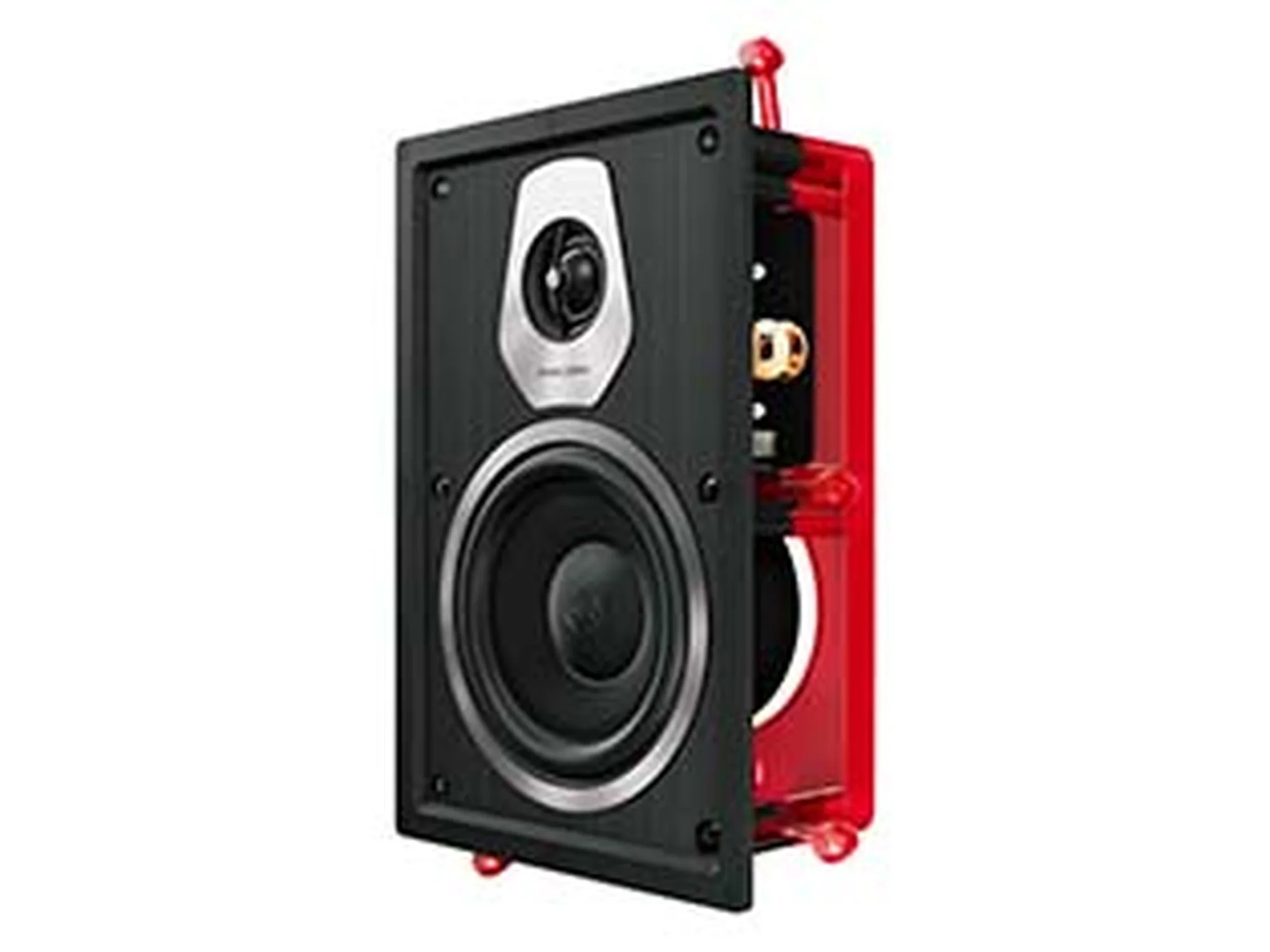
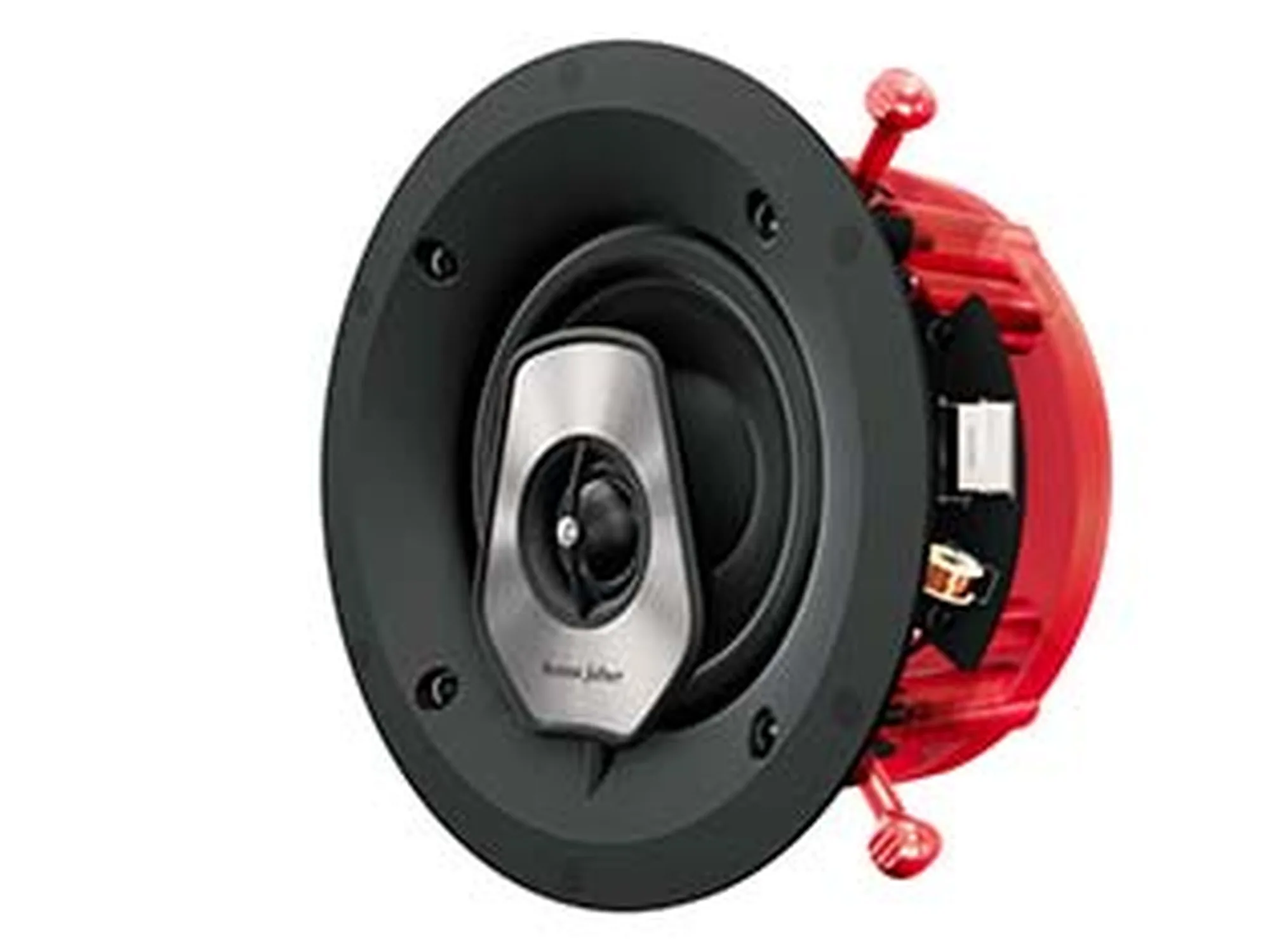
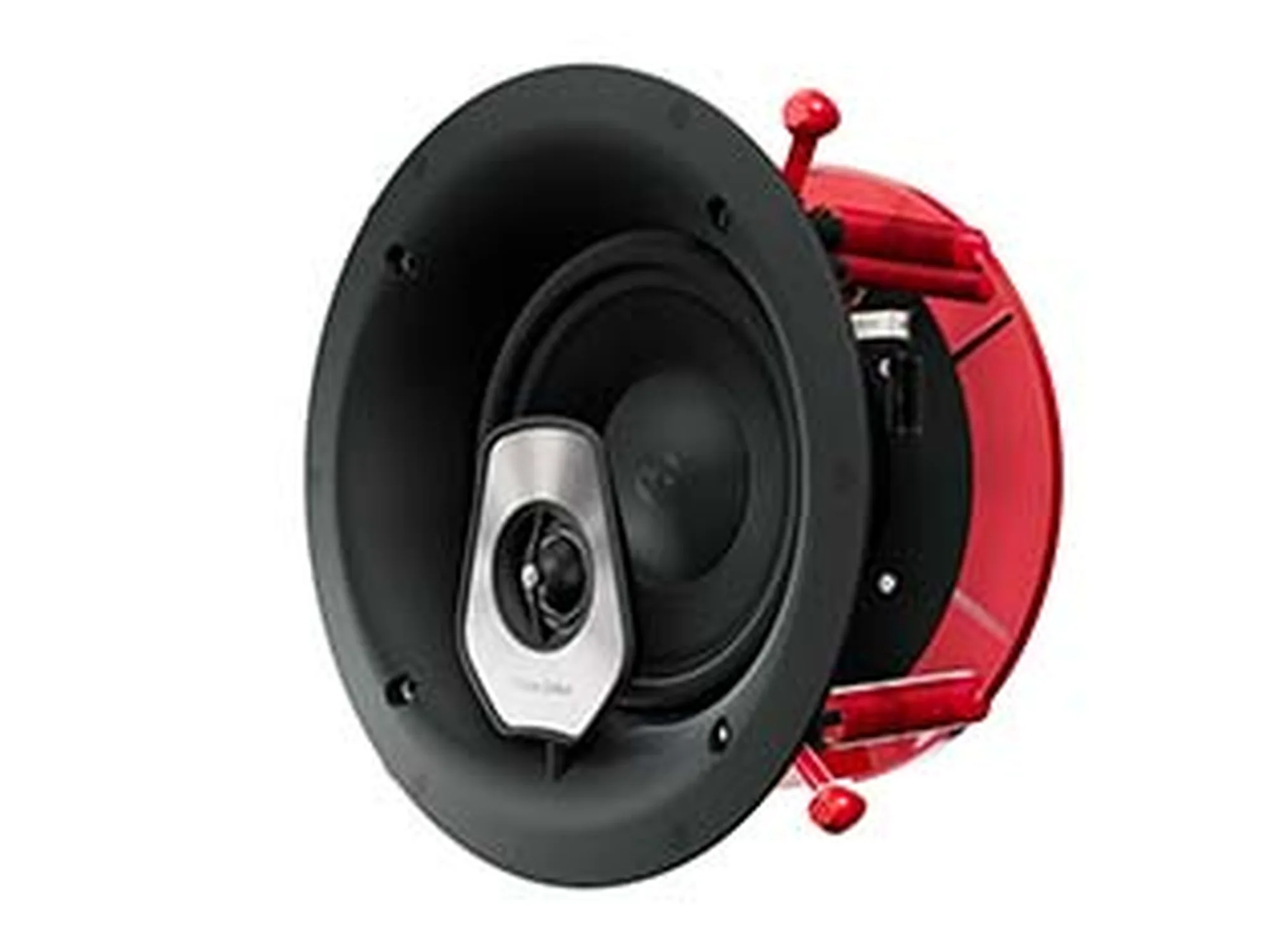
An architectural speaker is one built into the structure of the room rather than placed in it — in-wall, on-wall, in-ceiling, or angled into a soffit. For years that meant a trade: a clean room in exchange for diminished performance. At the level these manufacturers work, that trade is no longer necessary.
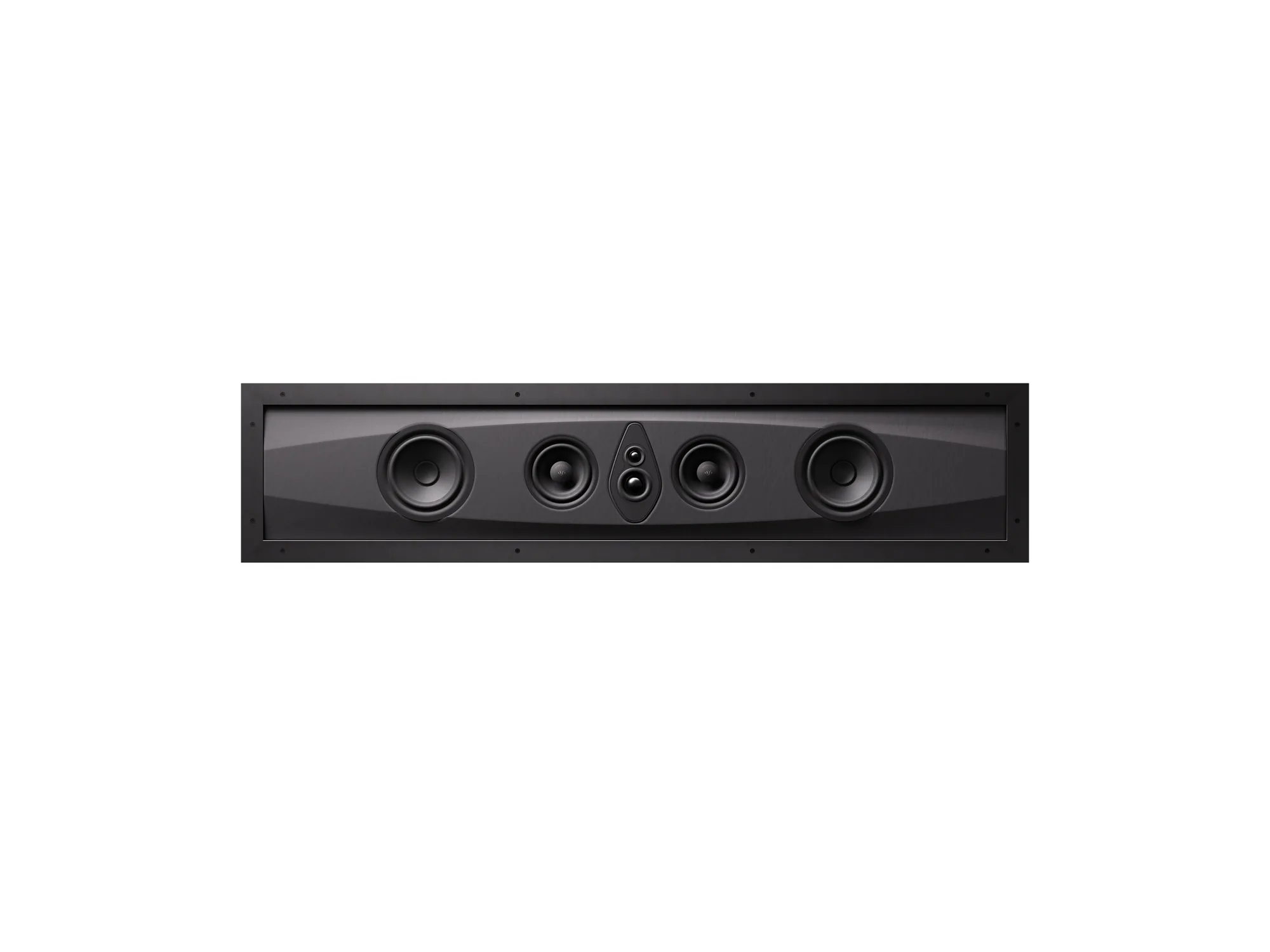
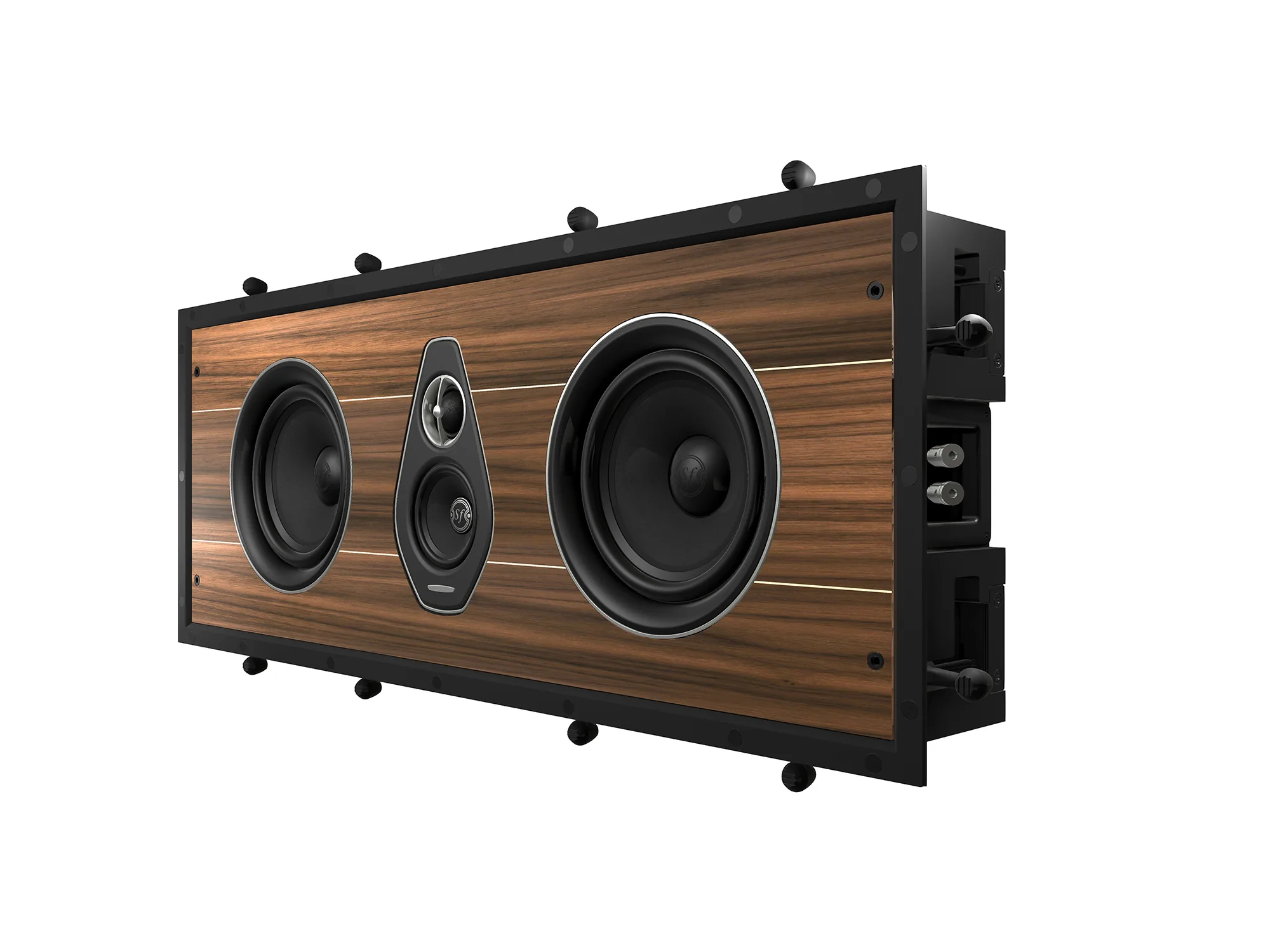
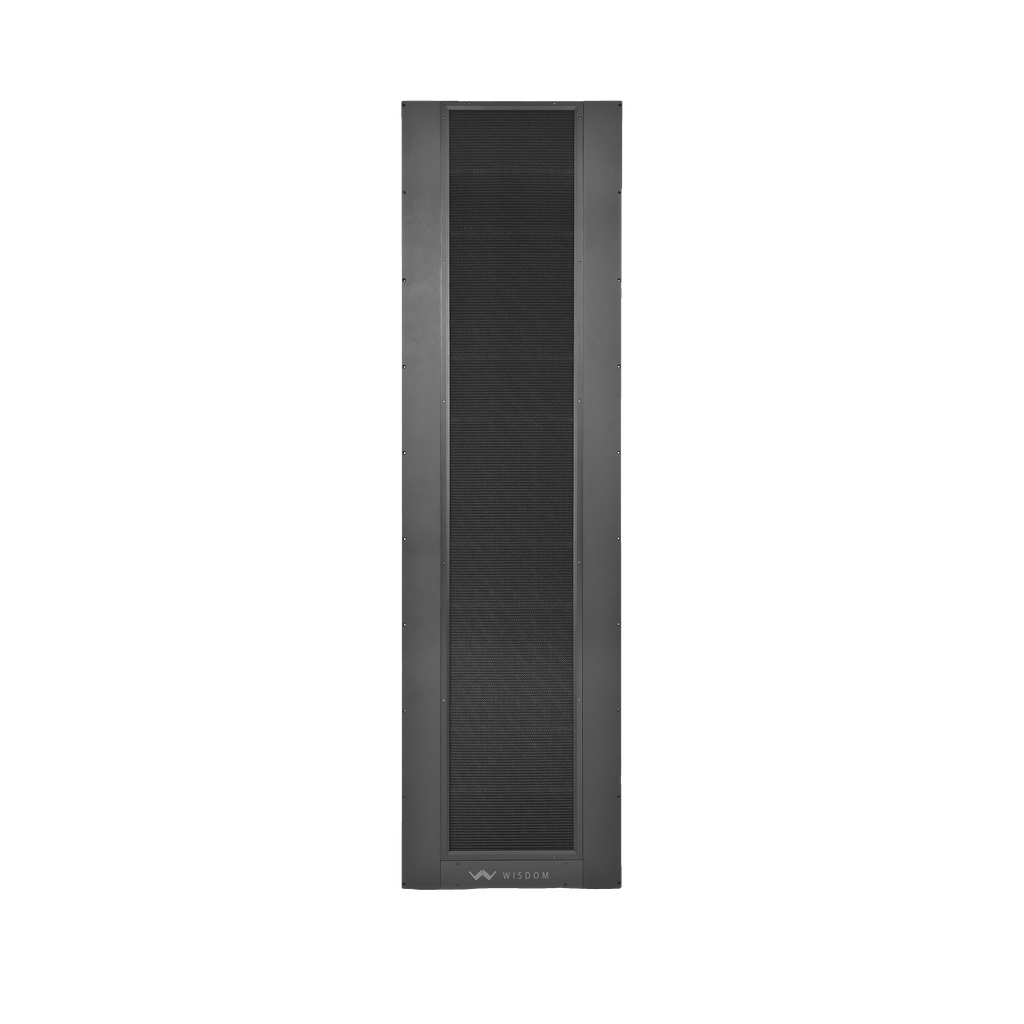
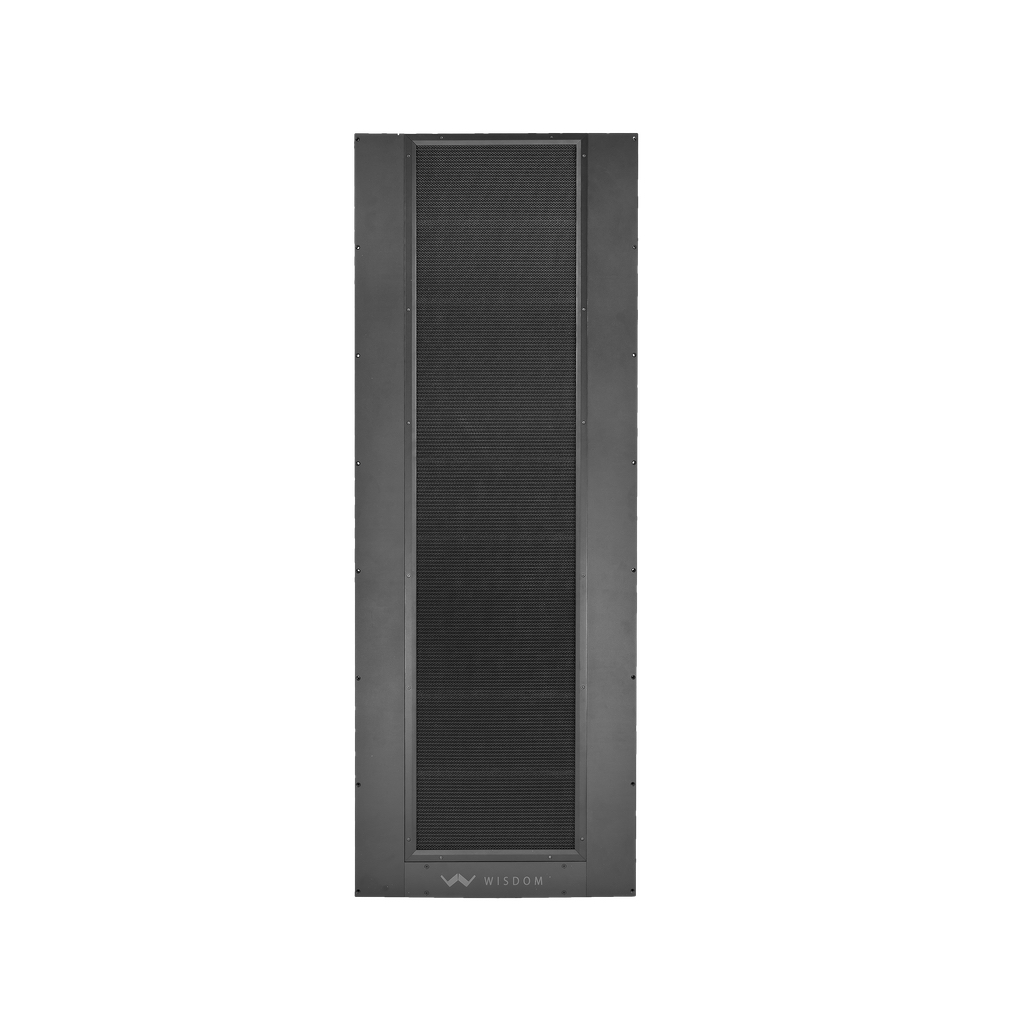
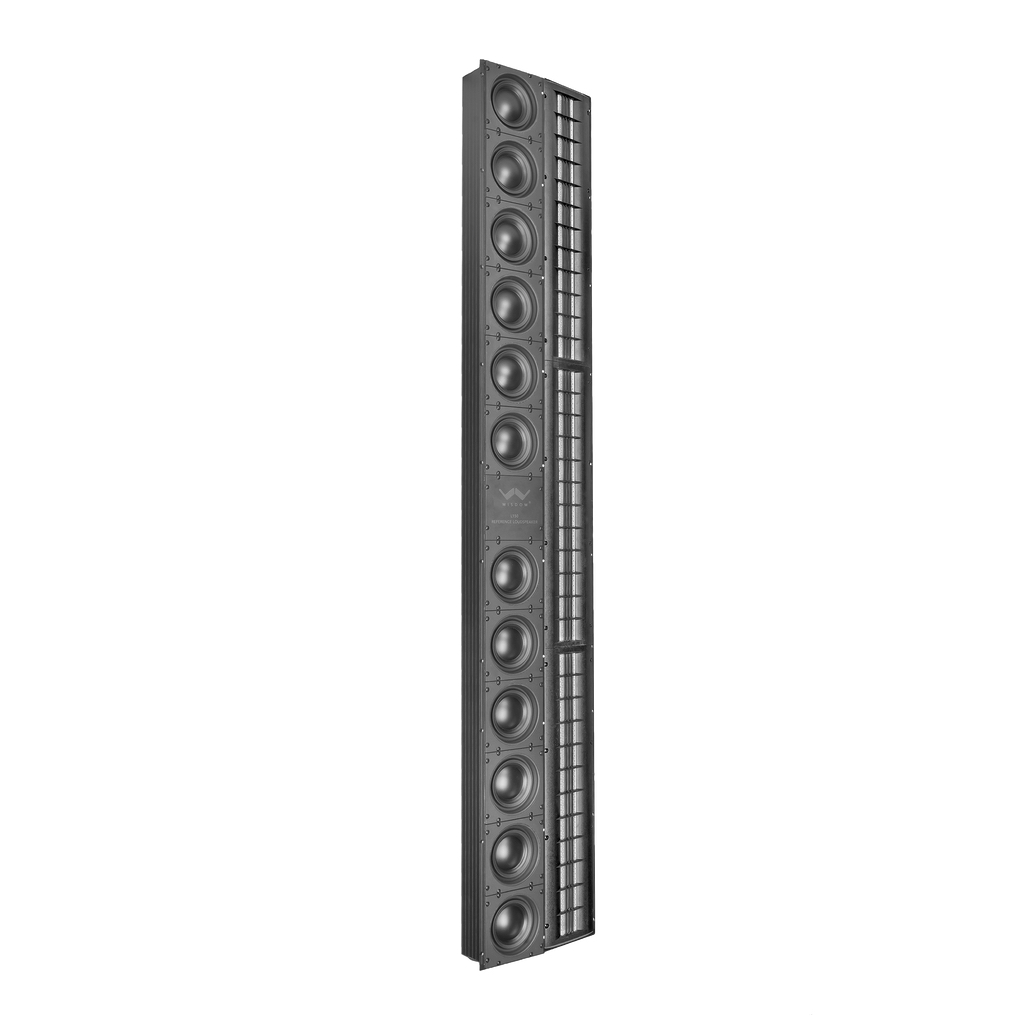
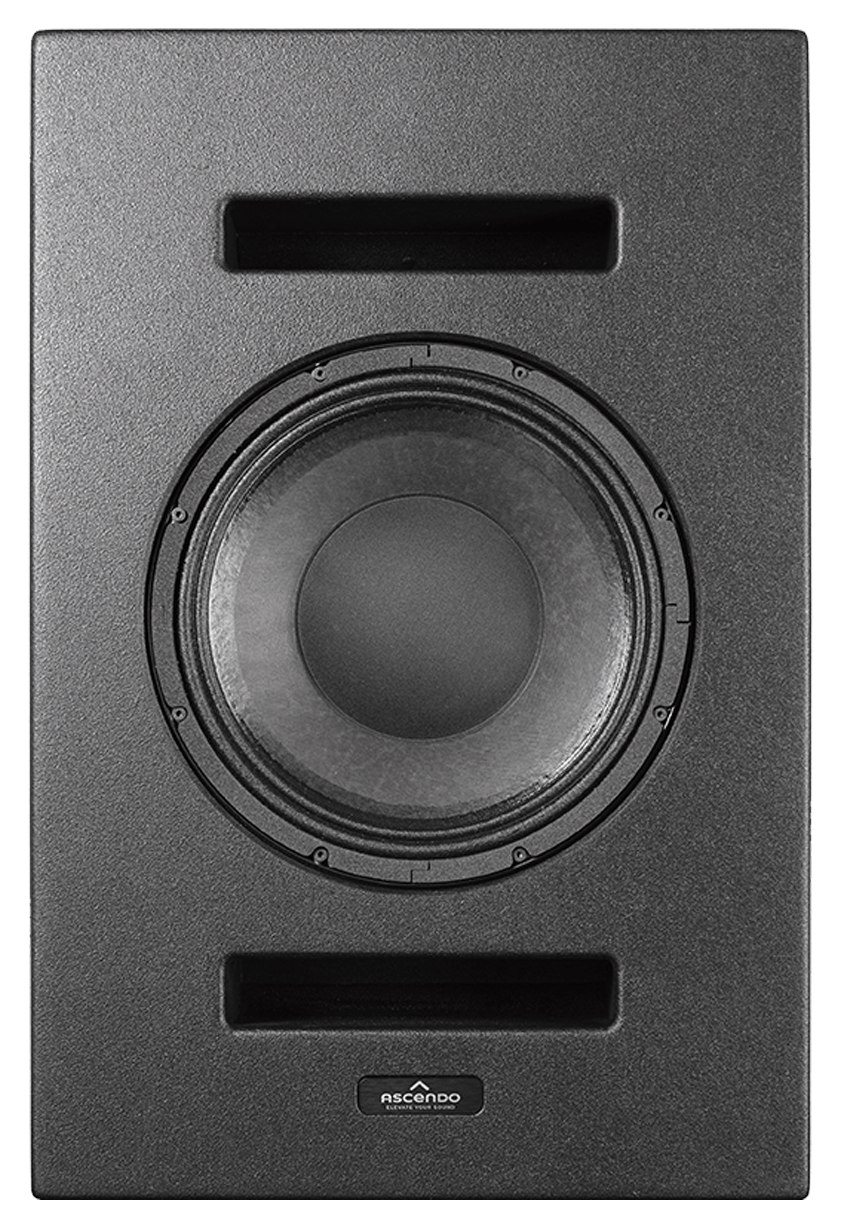
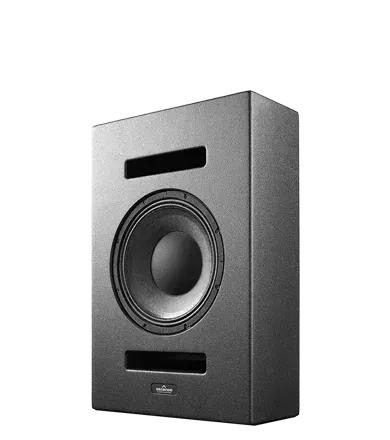
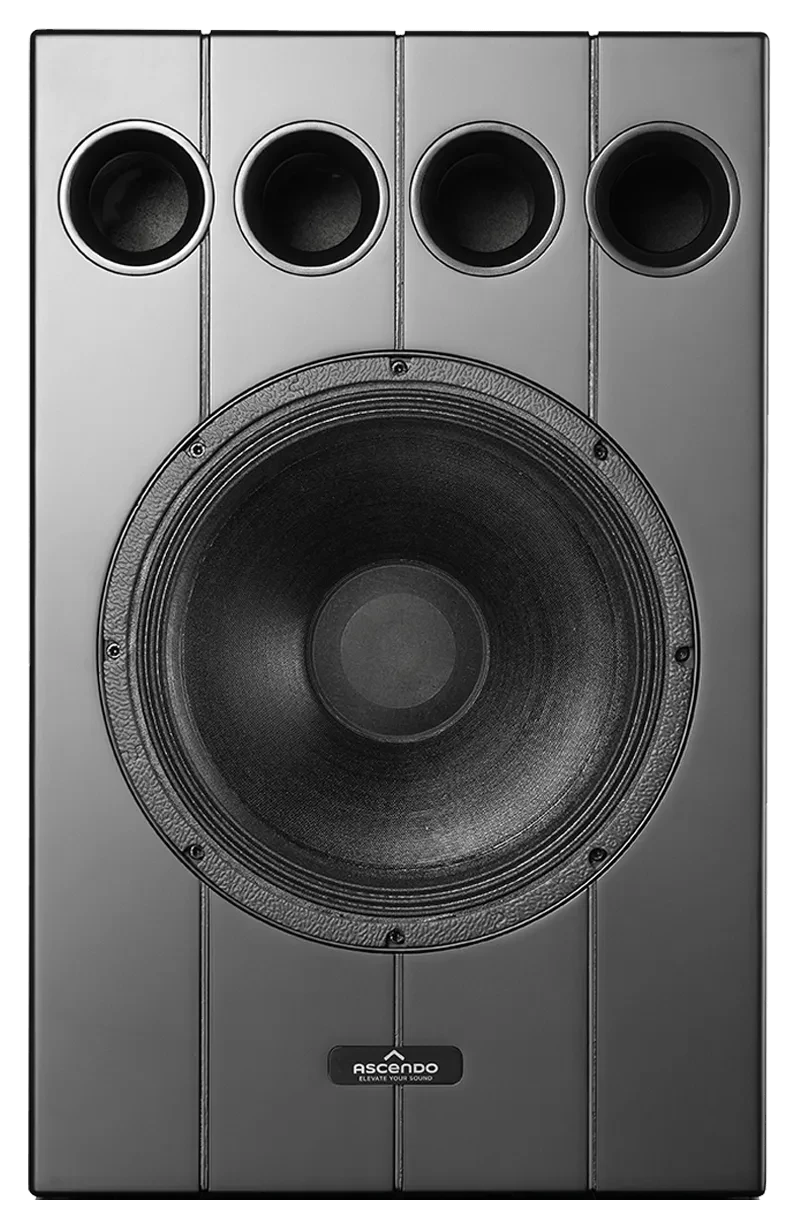
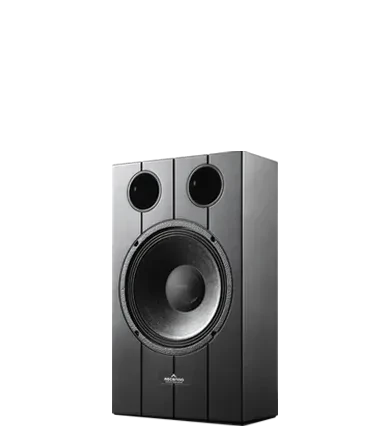
Wisdom Audio builds planar magnetic line sources thin enough to disappear behind a wall and tall enough to load a room the way a full-range floorstander does. Ascendo designs point-source coaxial loudspeakers specifically for the private cinema, in on-wall, ceiling, narrow and wedge form factors, including a dedicated speaker for rooms fronted by a direct-view LED wall. Both start from the room and work backwards.
The best architectural speaker is the one you stop noticing the moment the lights go down.
How to choose architectural speakers
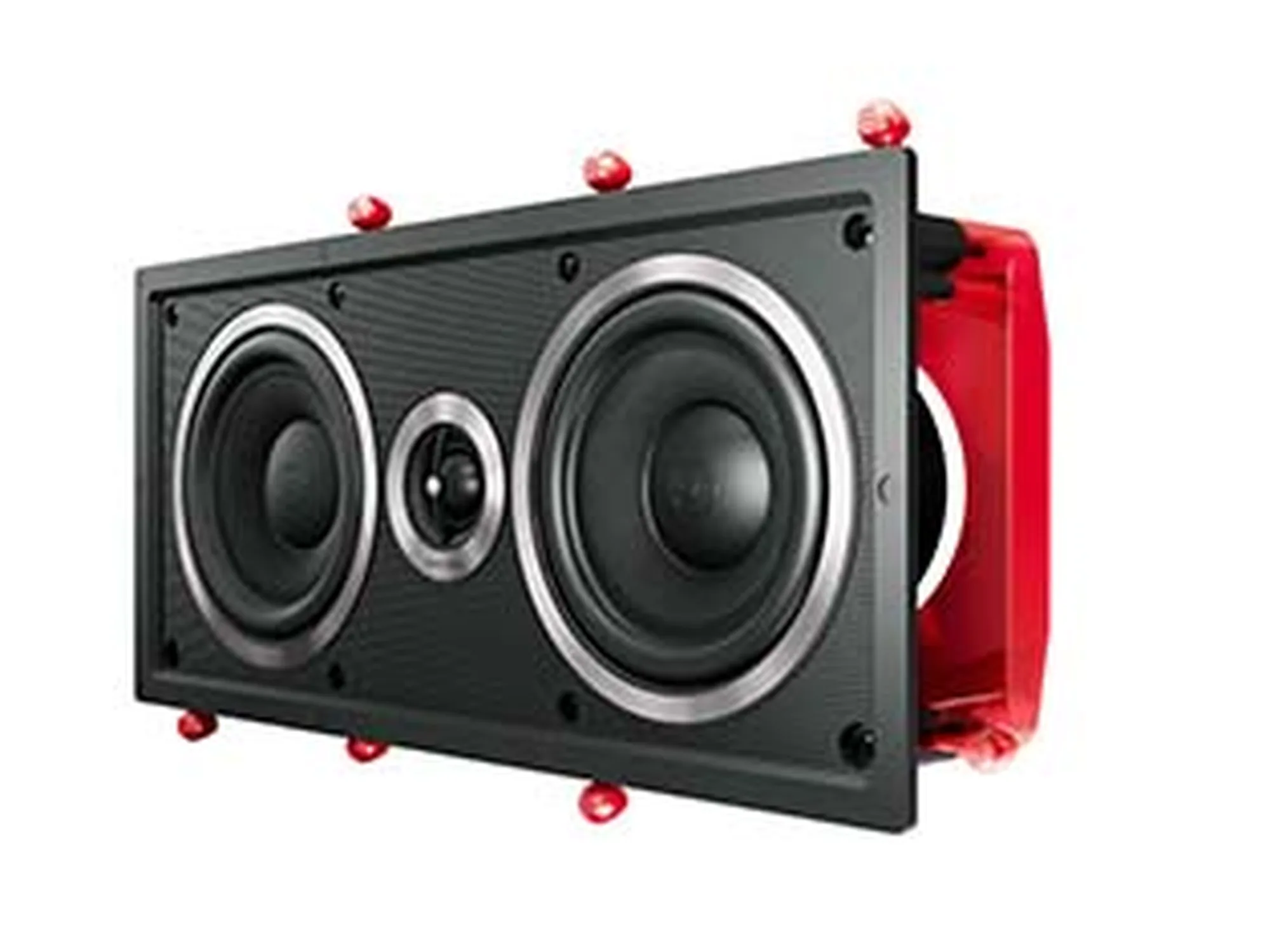
Choose these before the walls close, not after — the cavity behind an in-wall becomes part of its enclosure, and back-boxes have to be framed in. In a cinema, an acoustically transparent screen lets the front three sit at ear height behind it, which is the difference between dialogue coming from the actor and from above them.
More on choosing architectural speakers ↓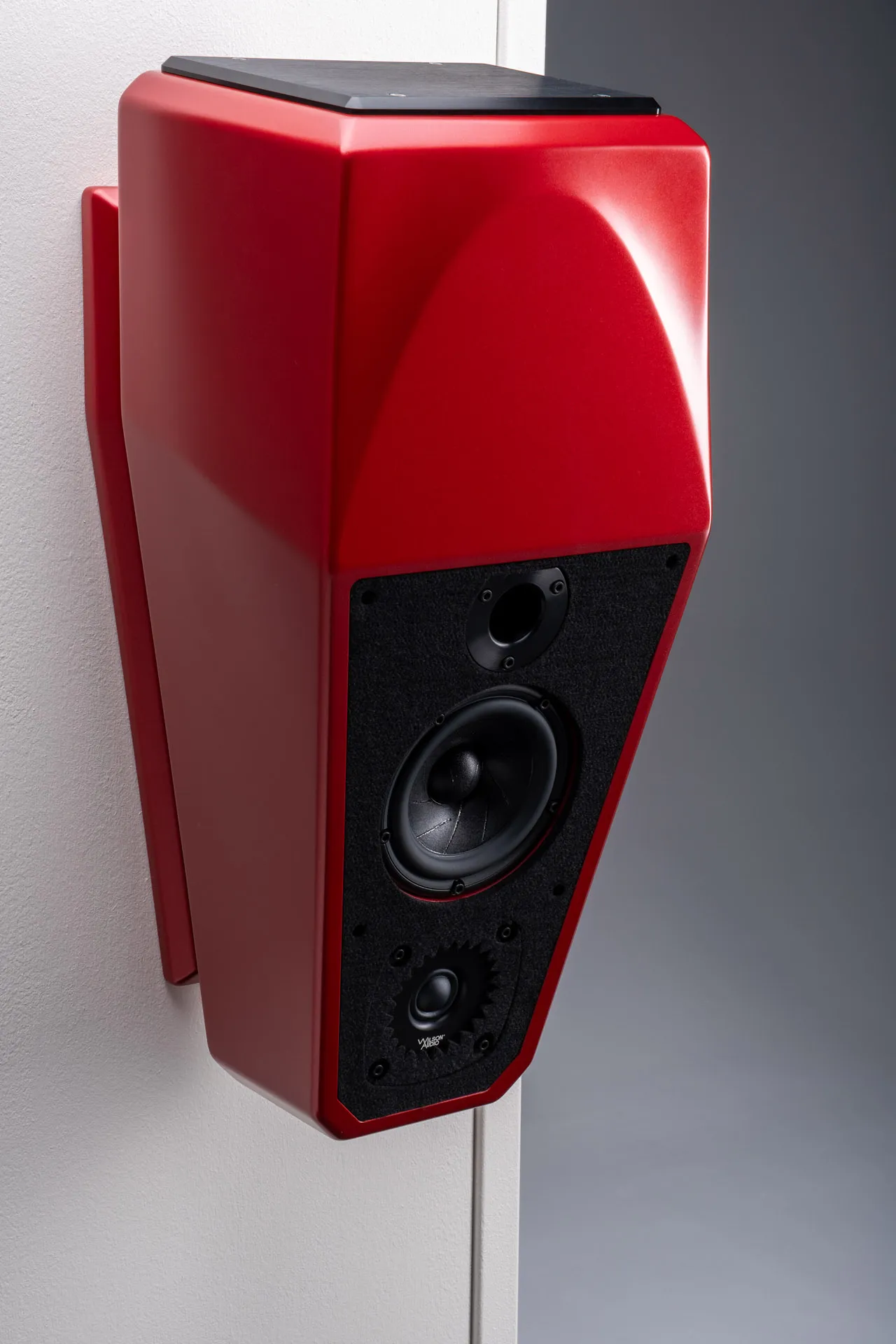
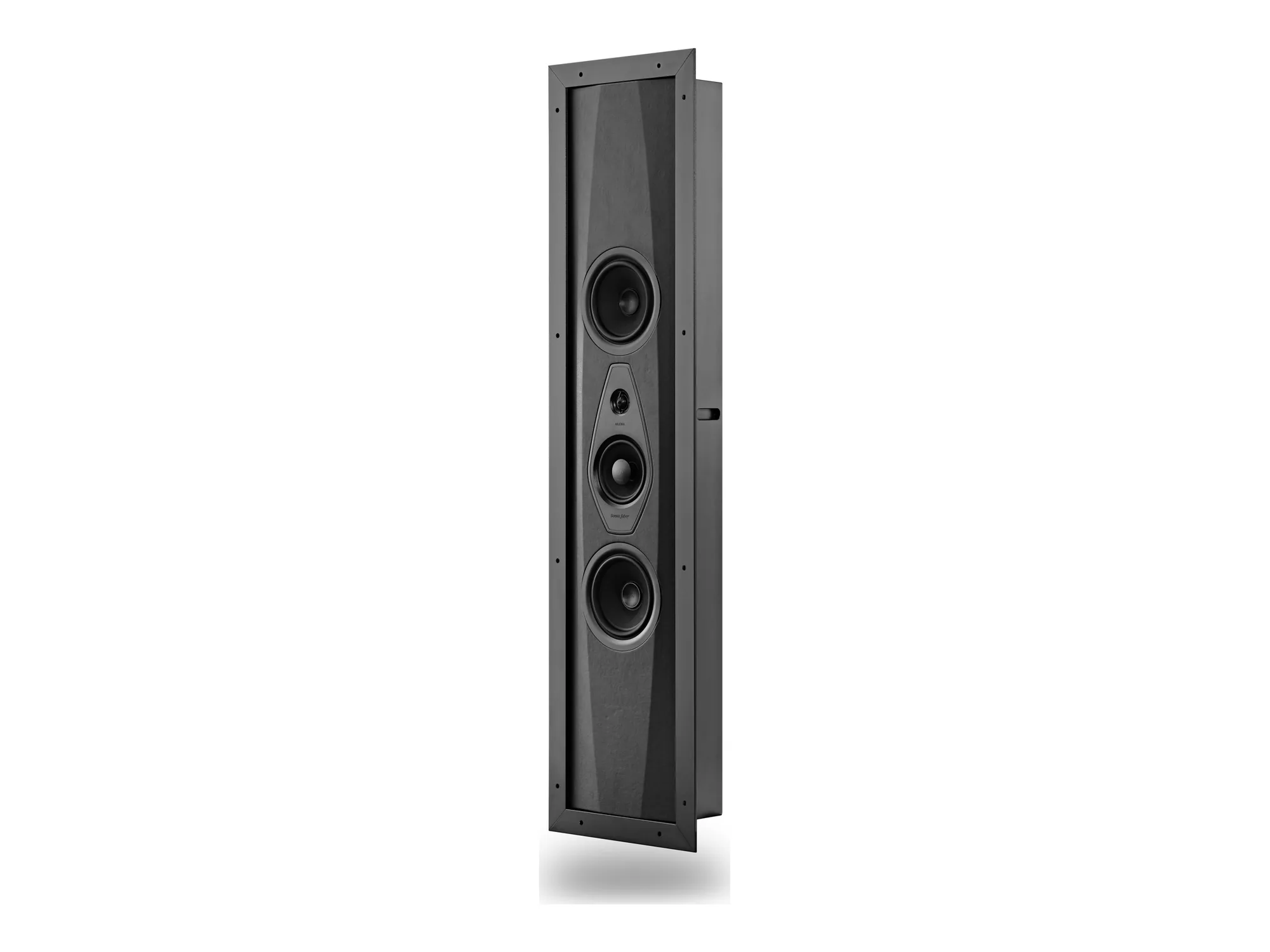
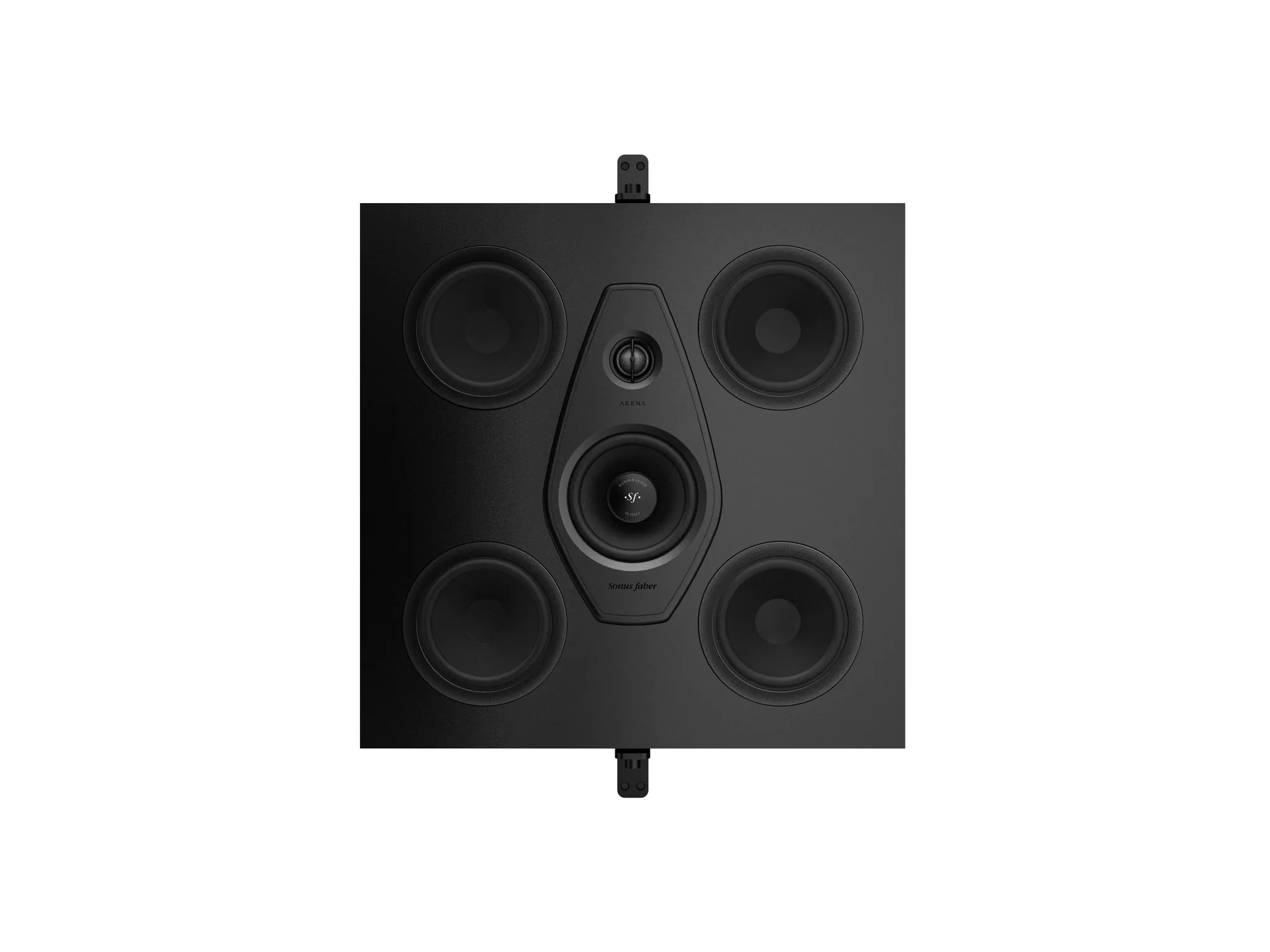
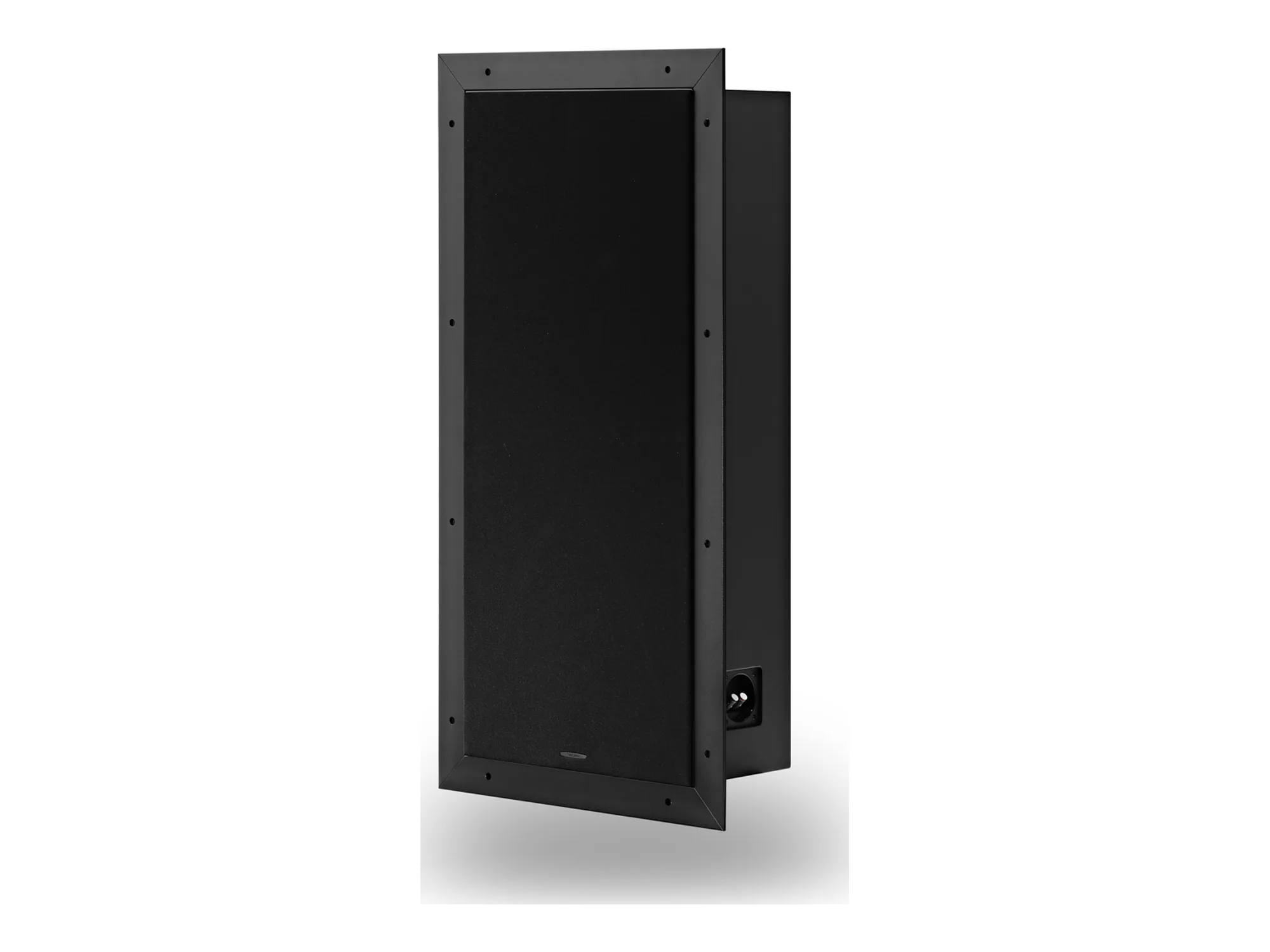
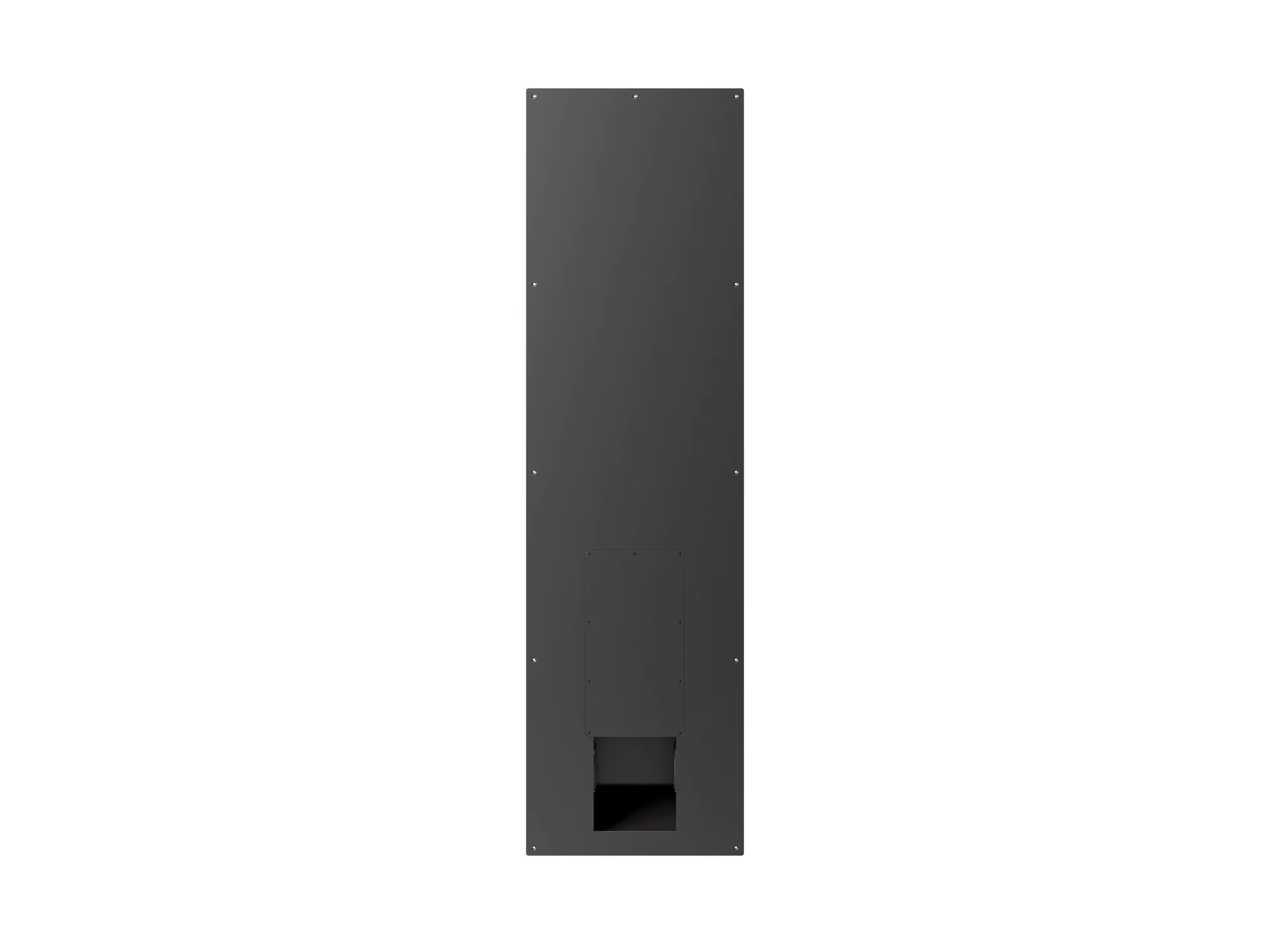
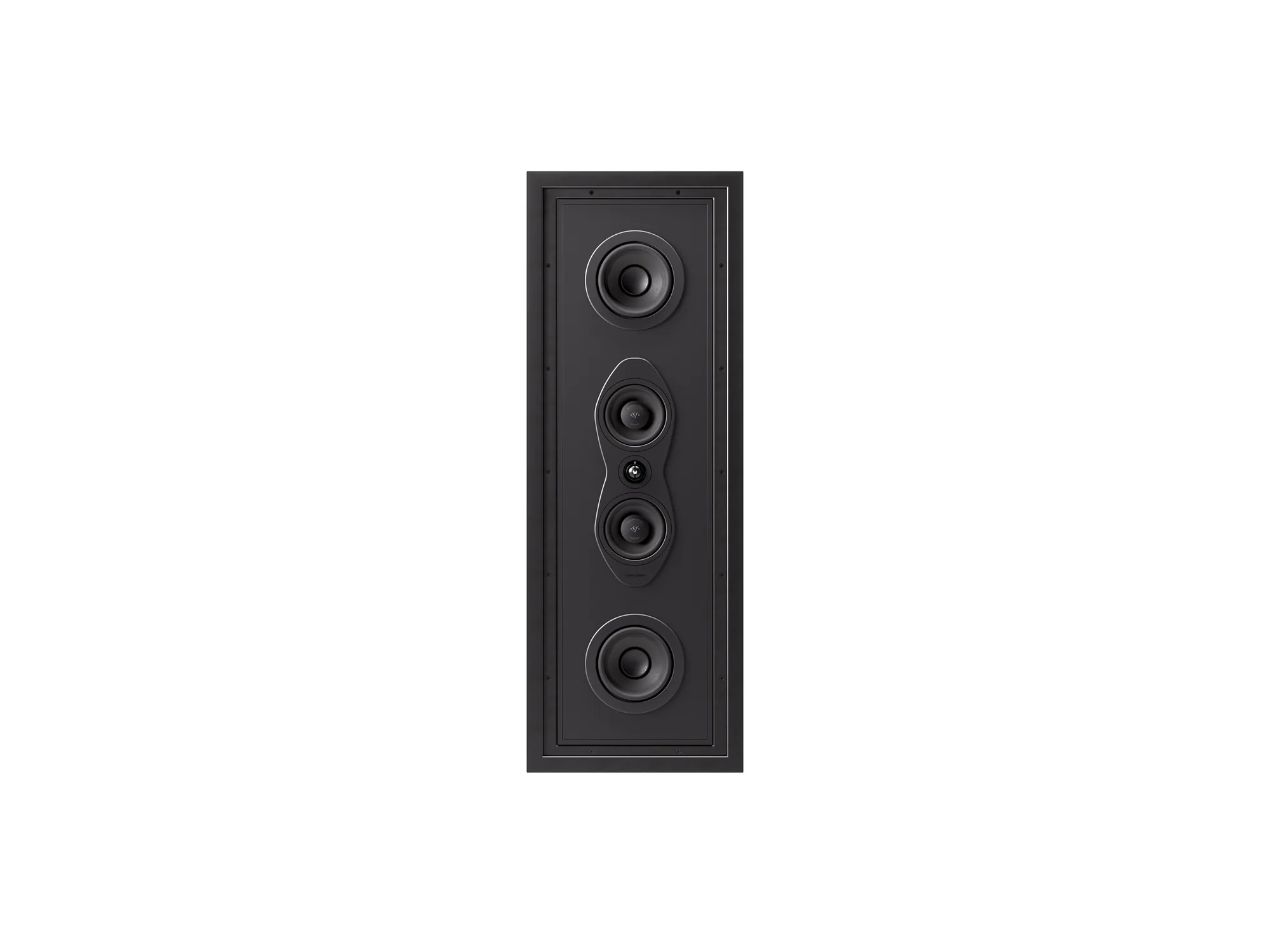
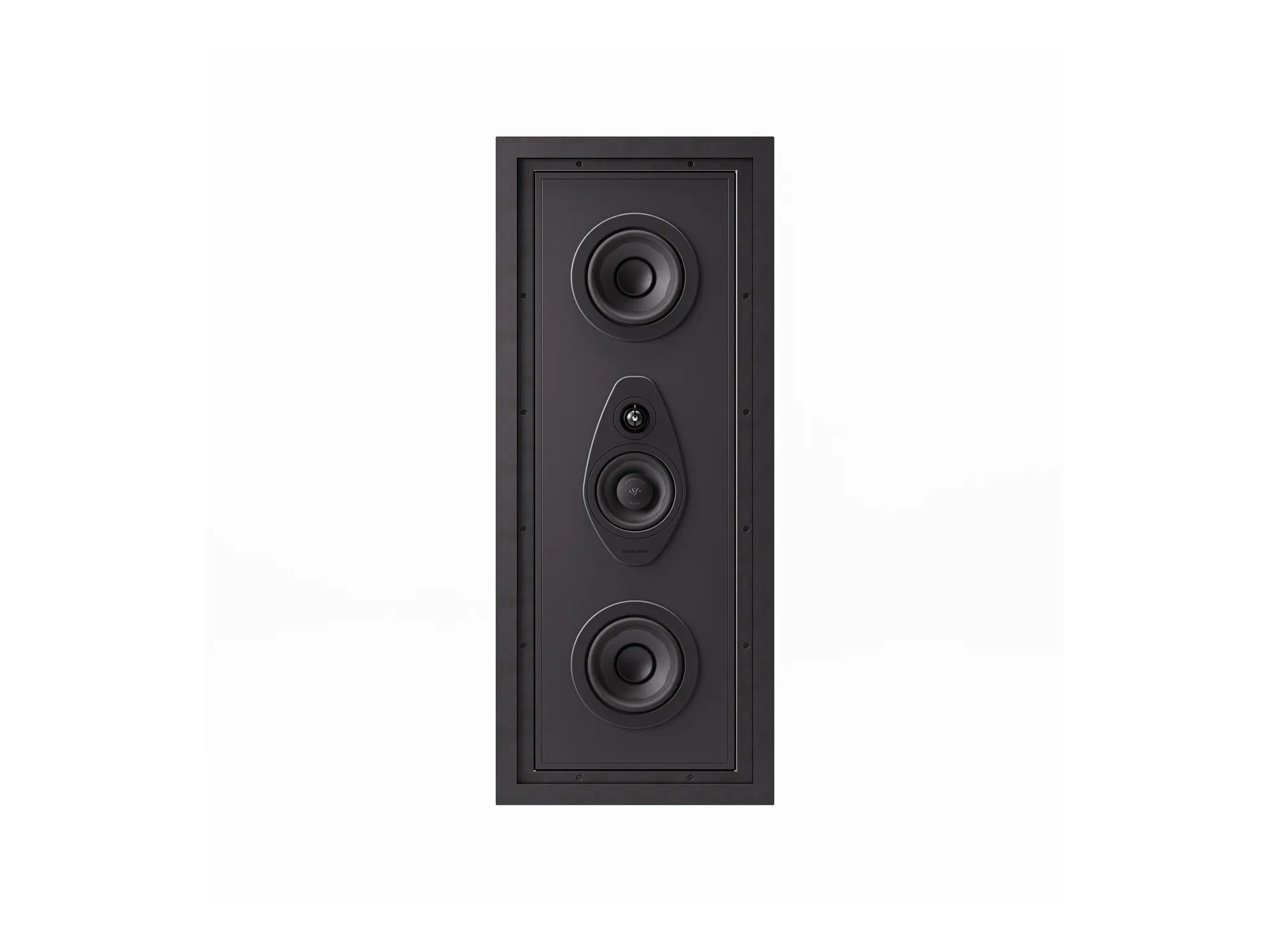
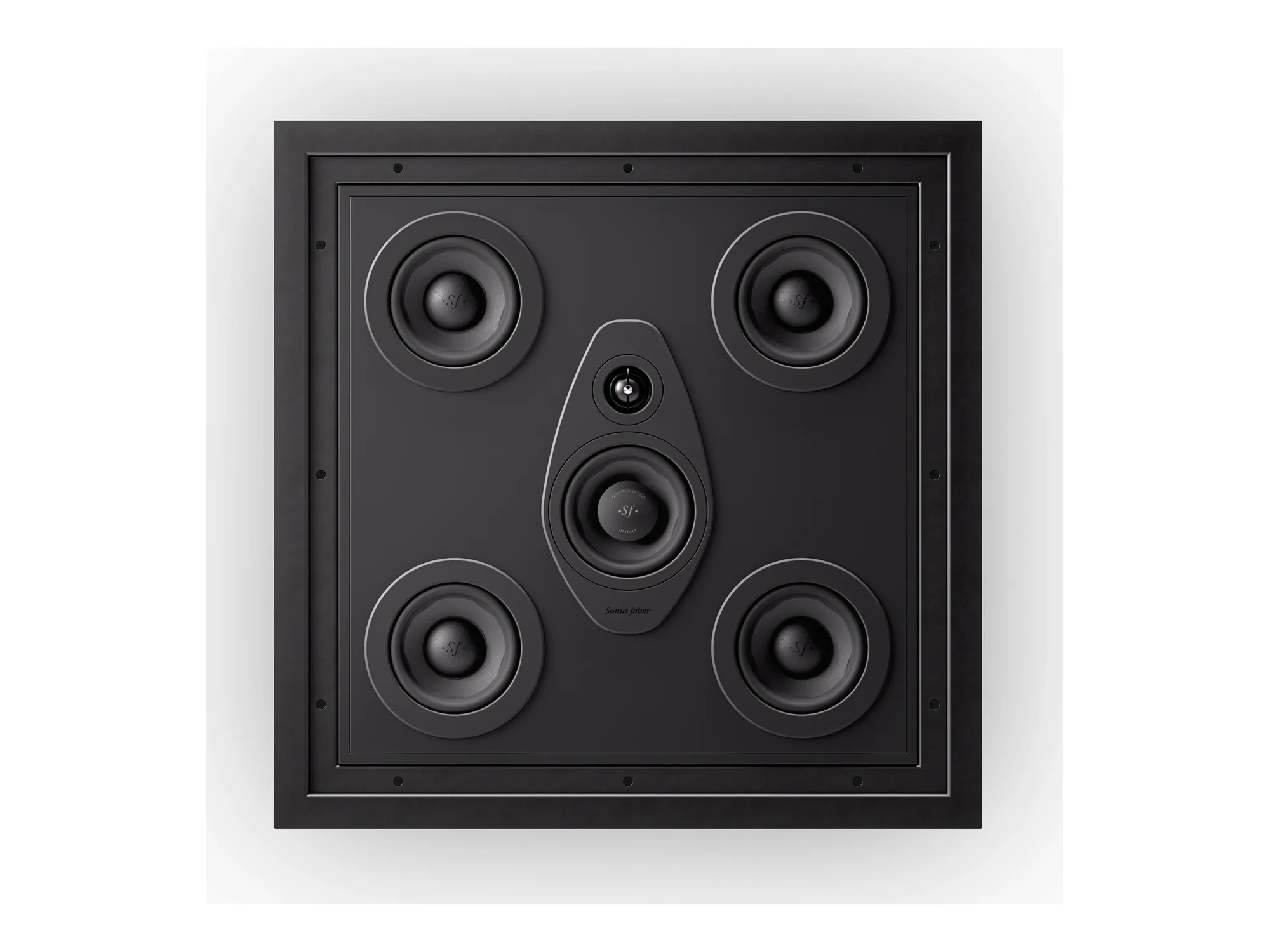
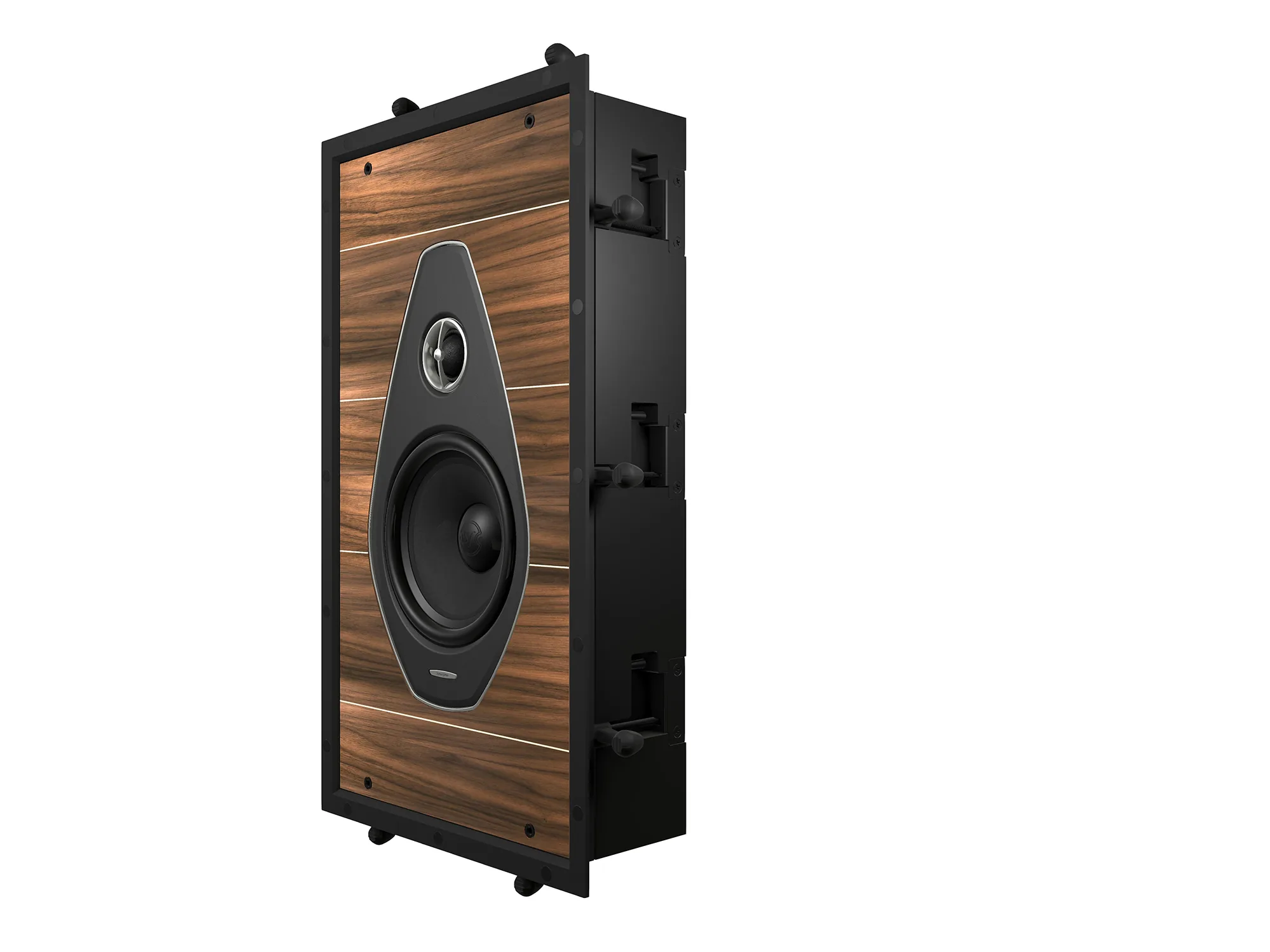
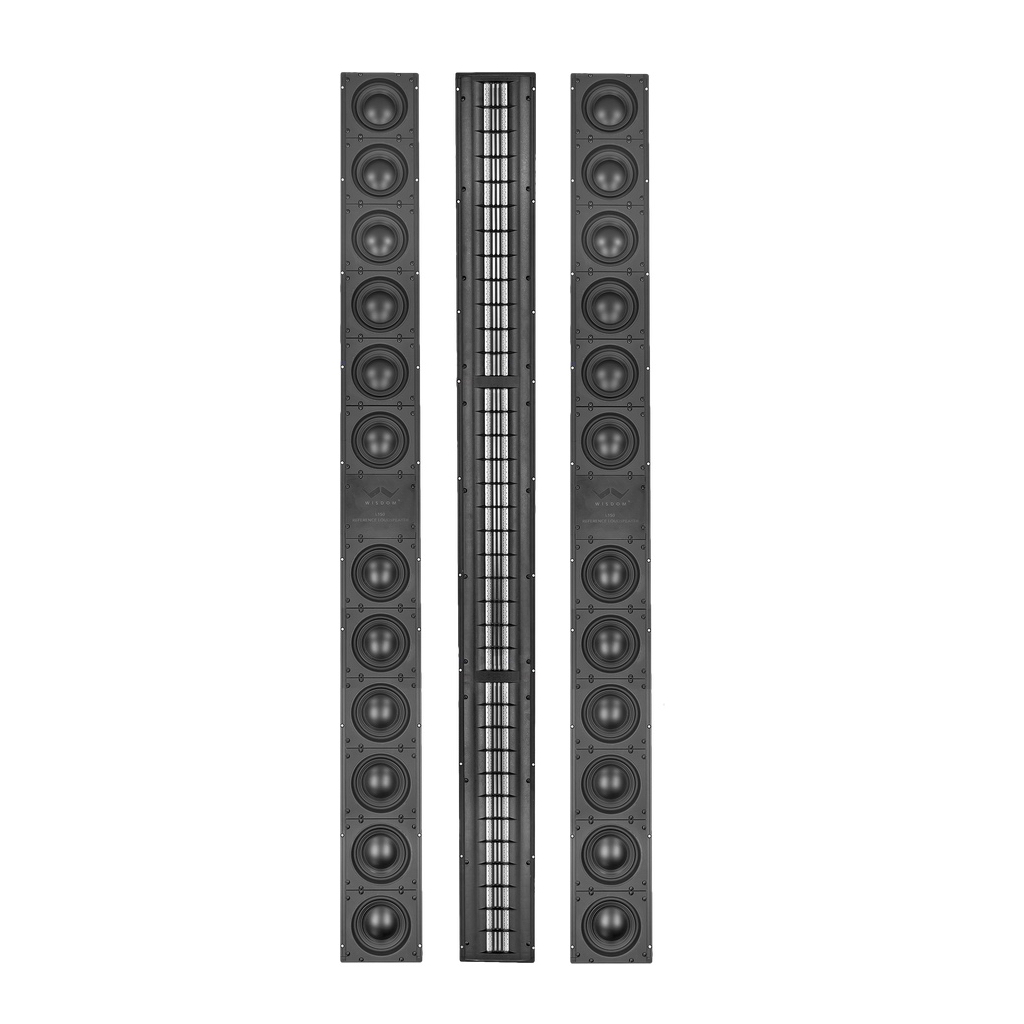
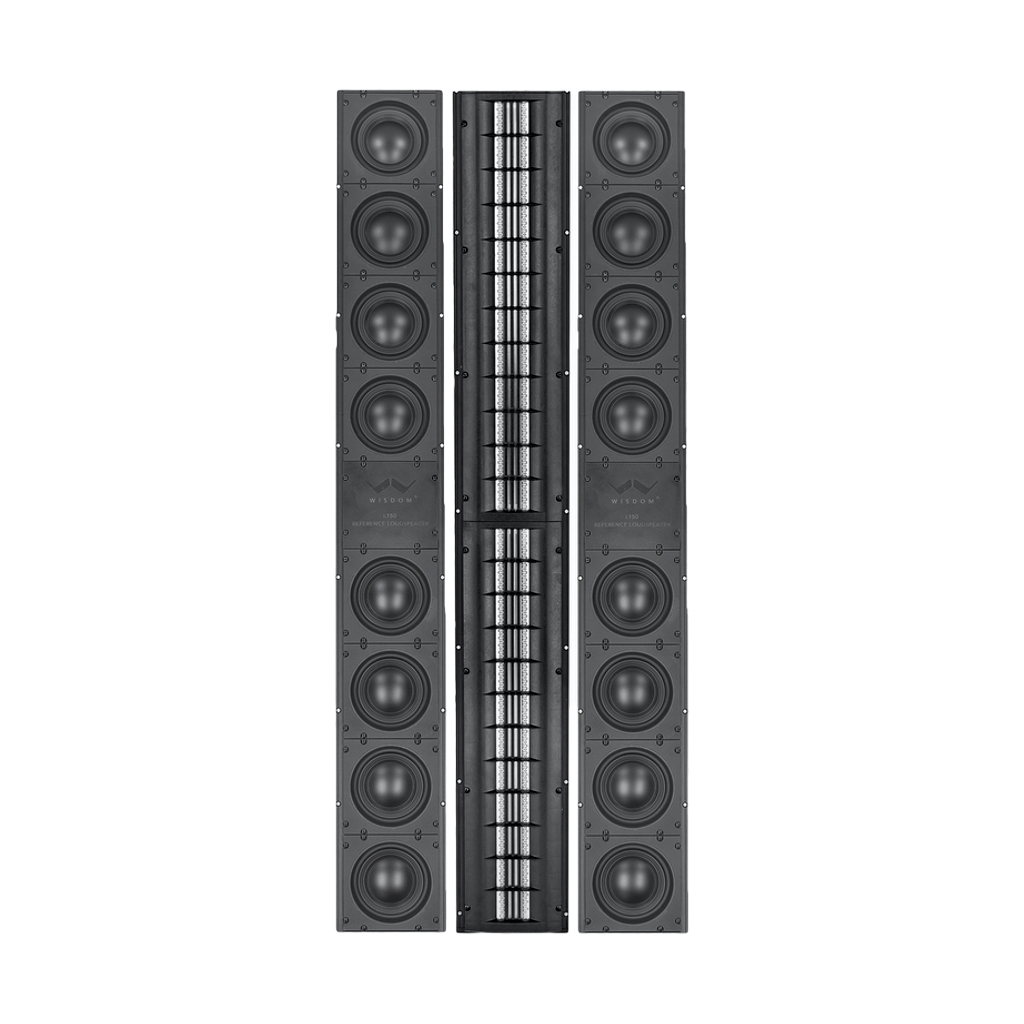
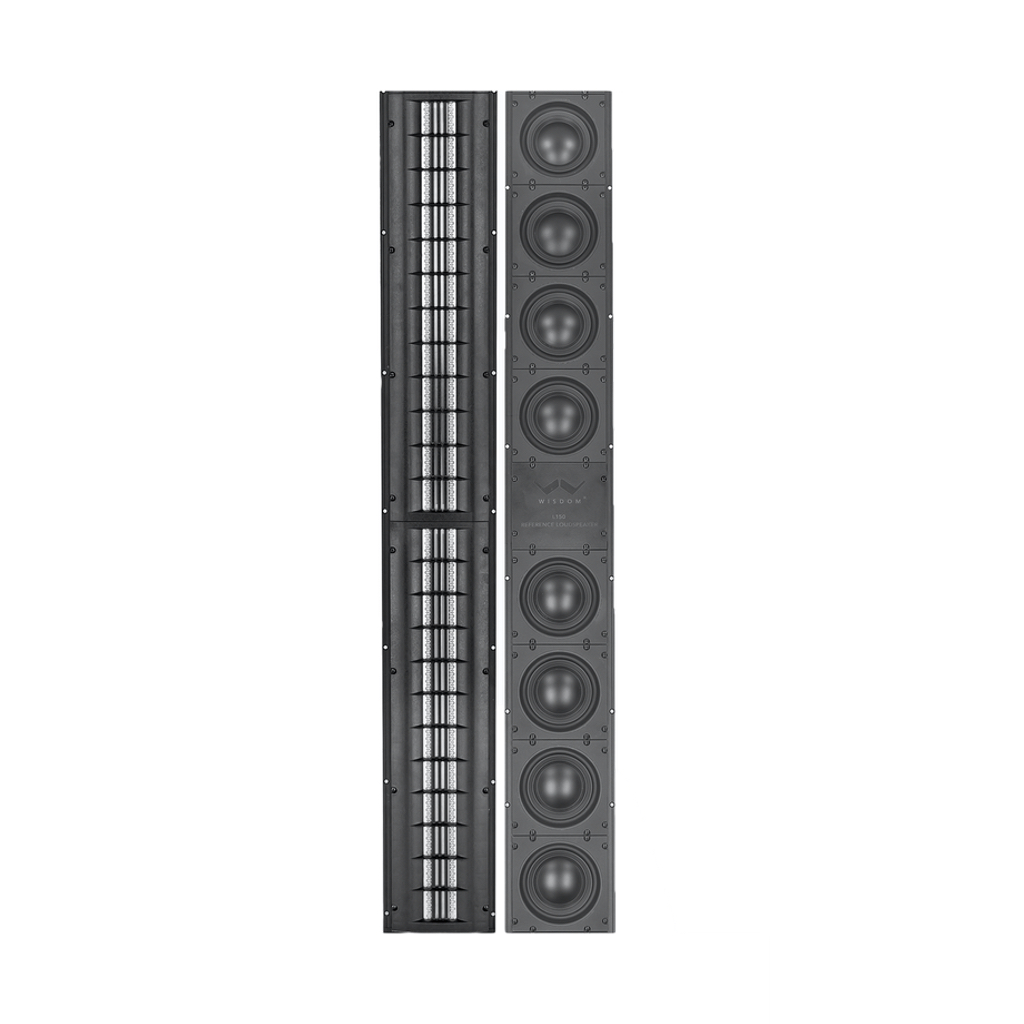
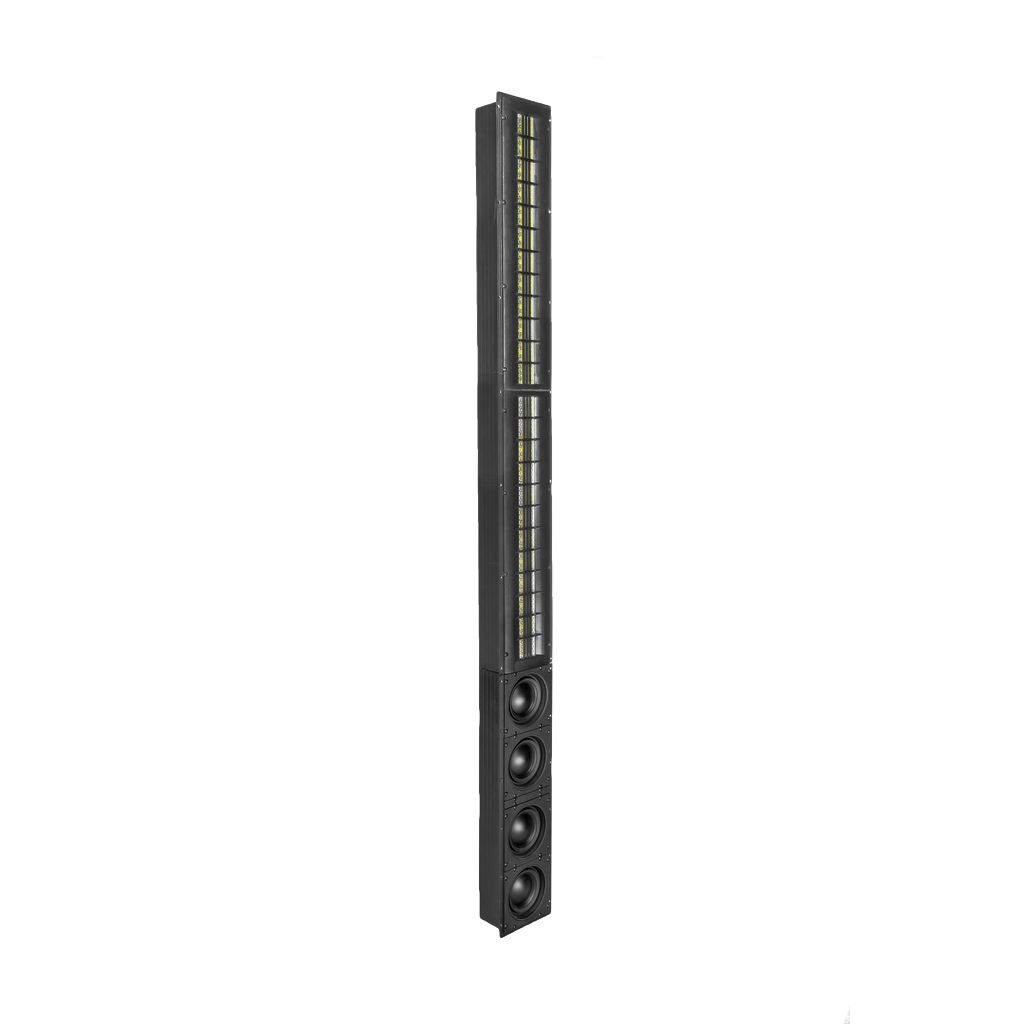
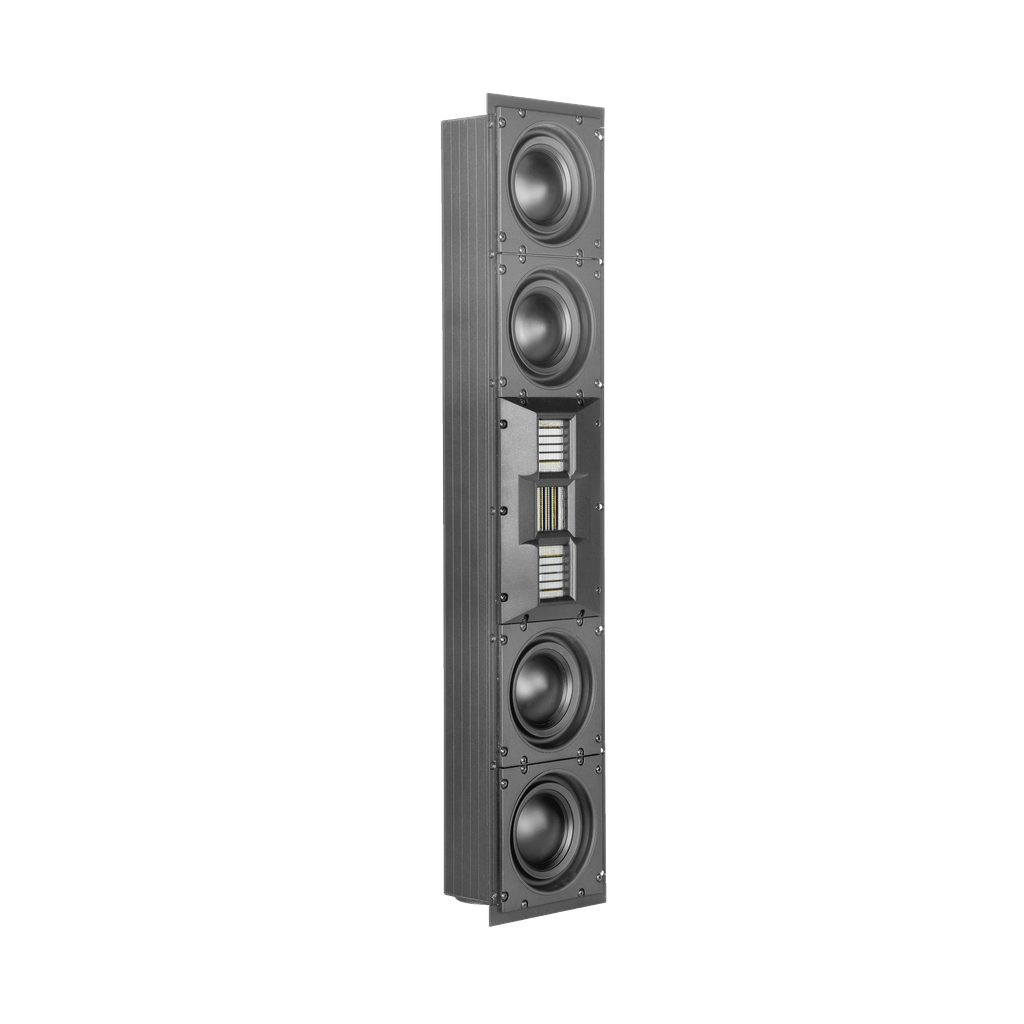
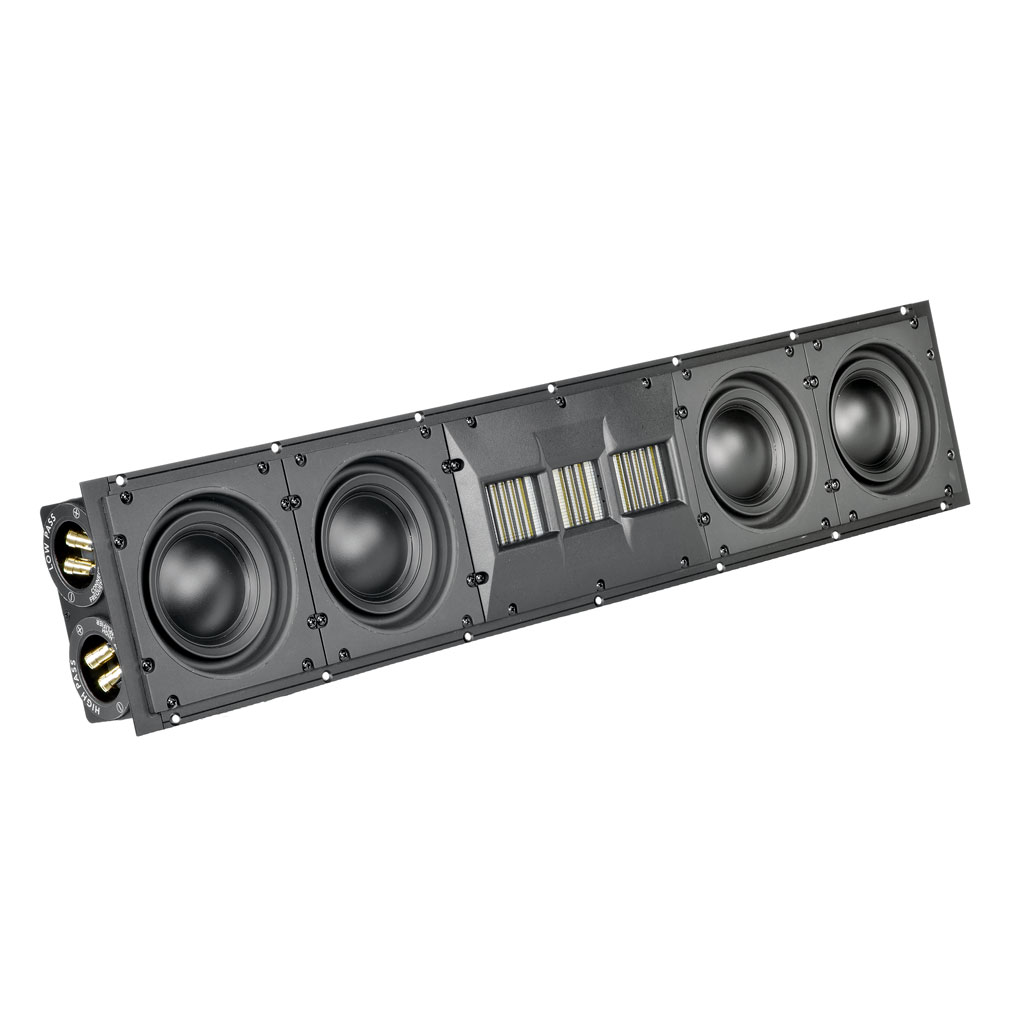
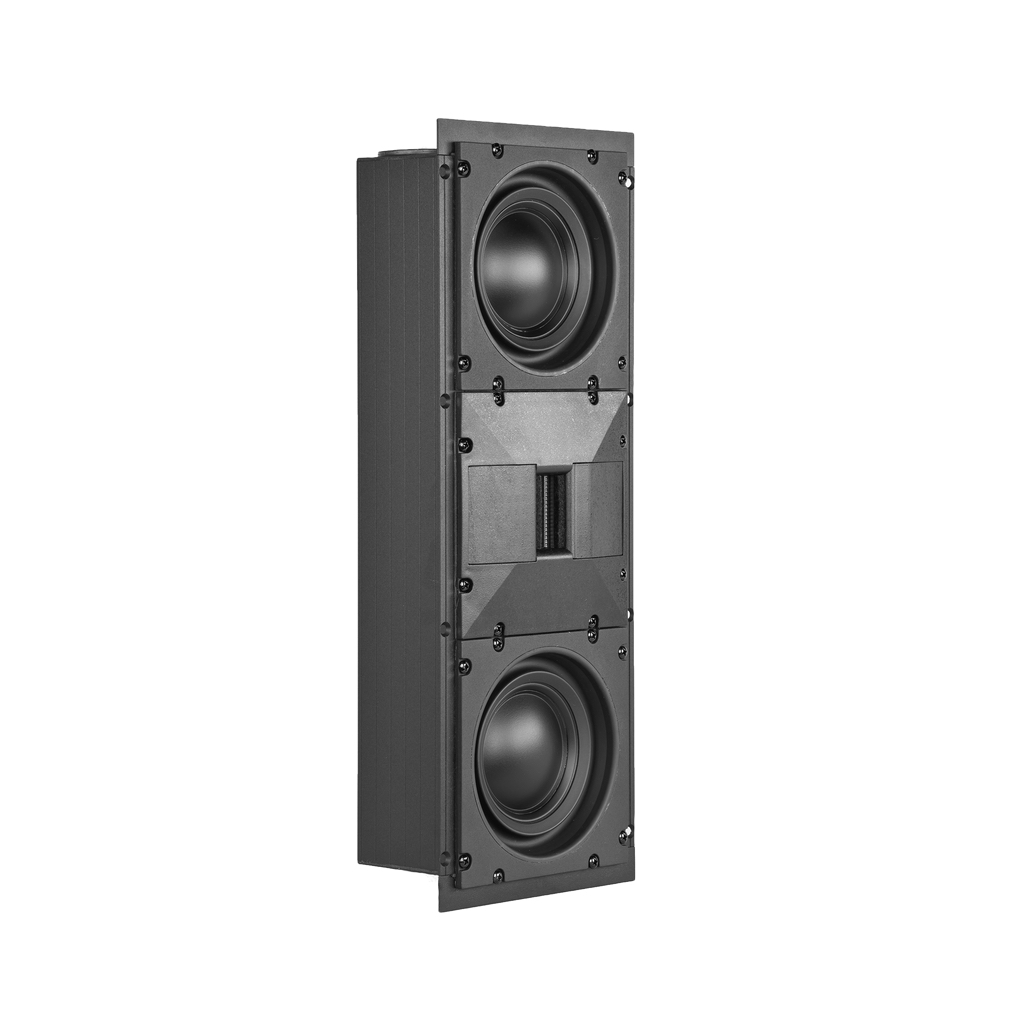
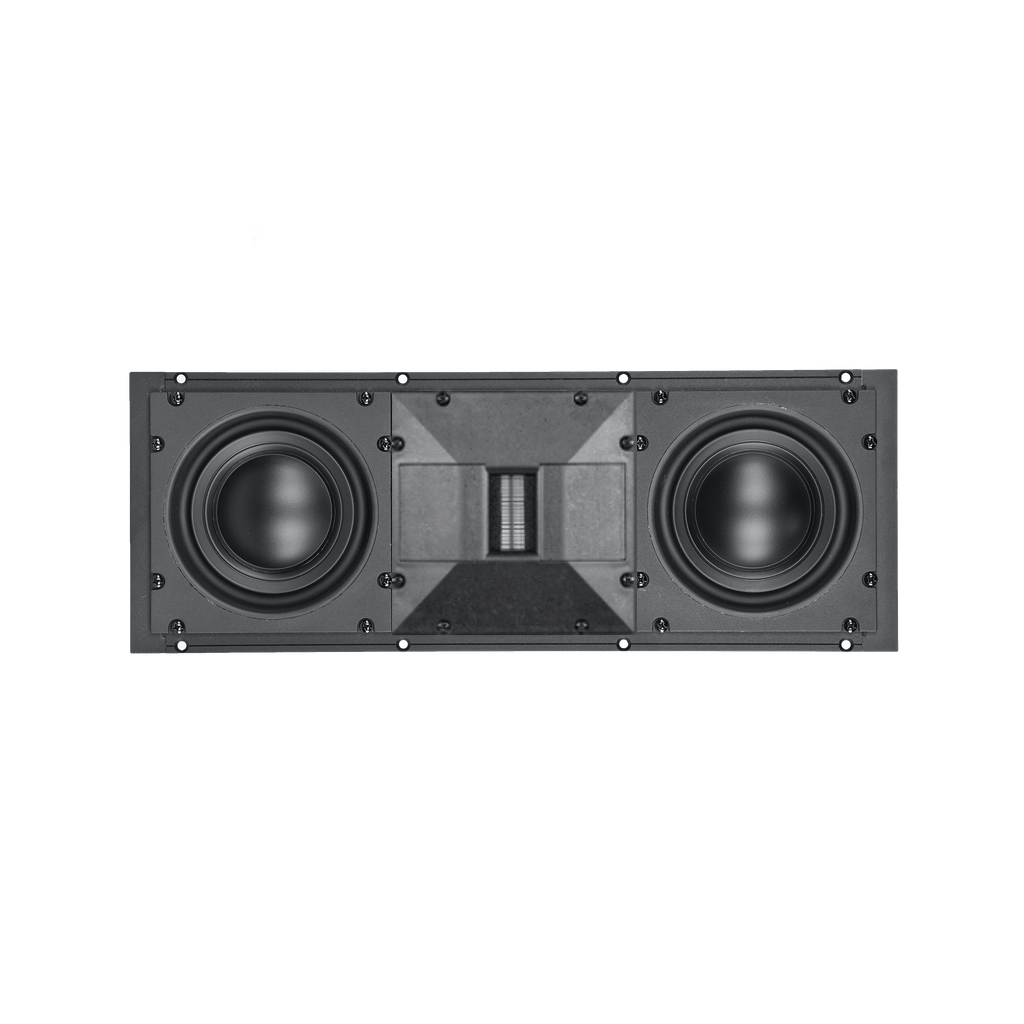
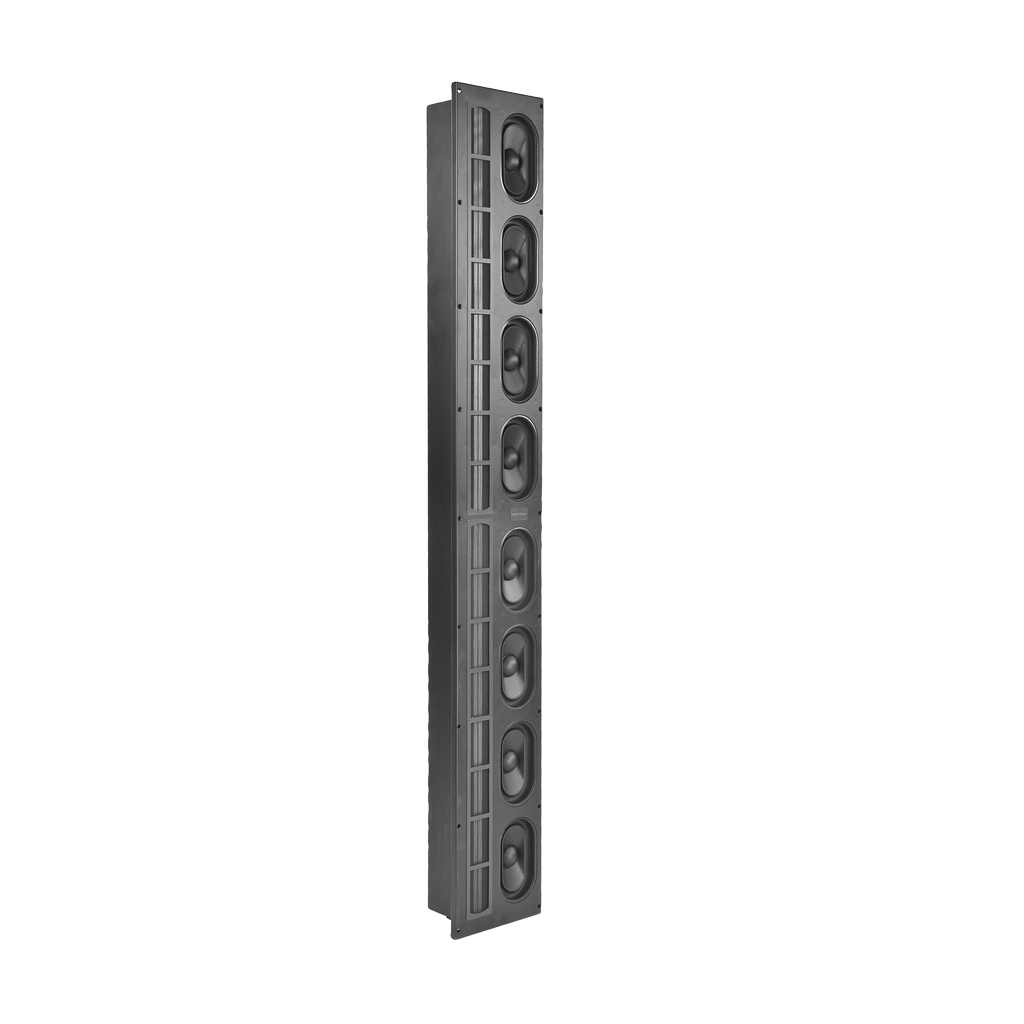
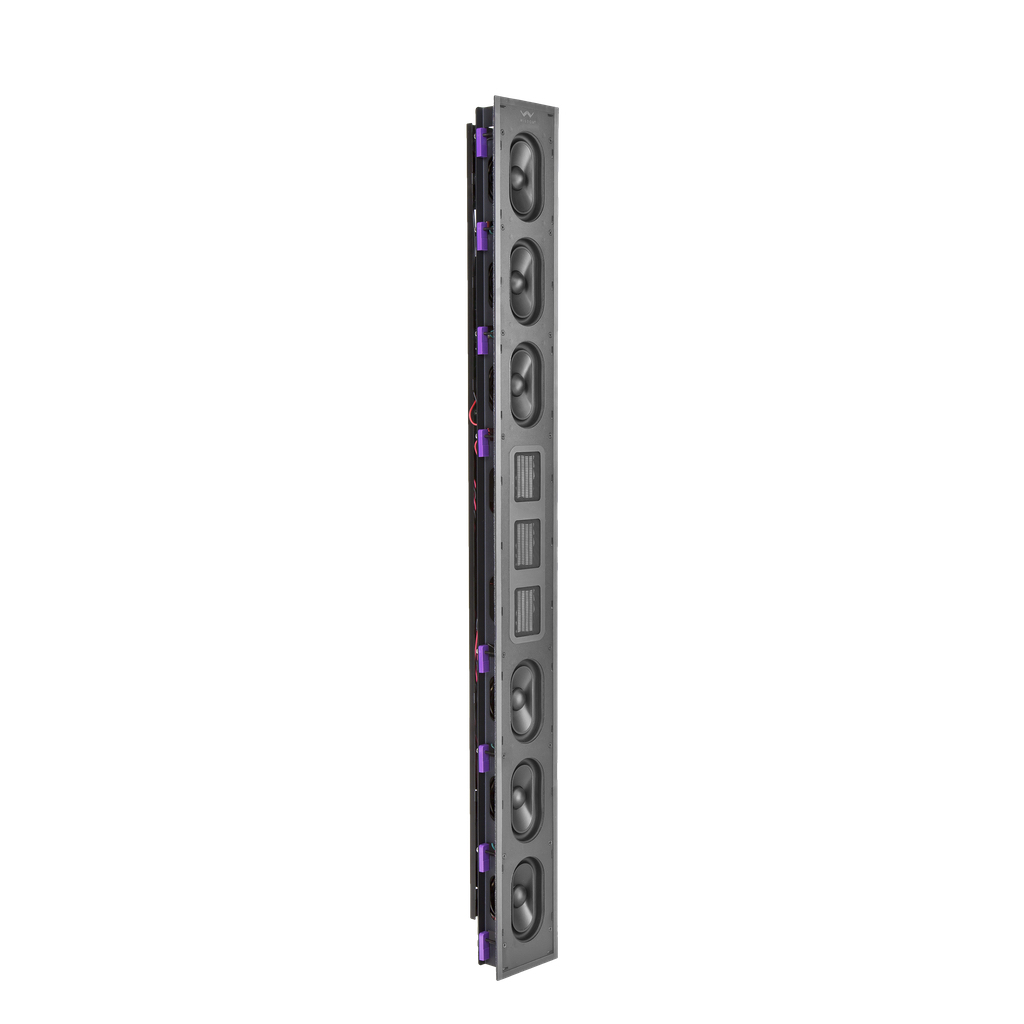
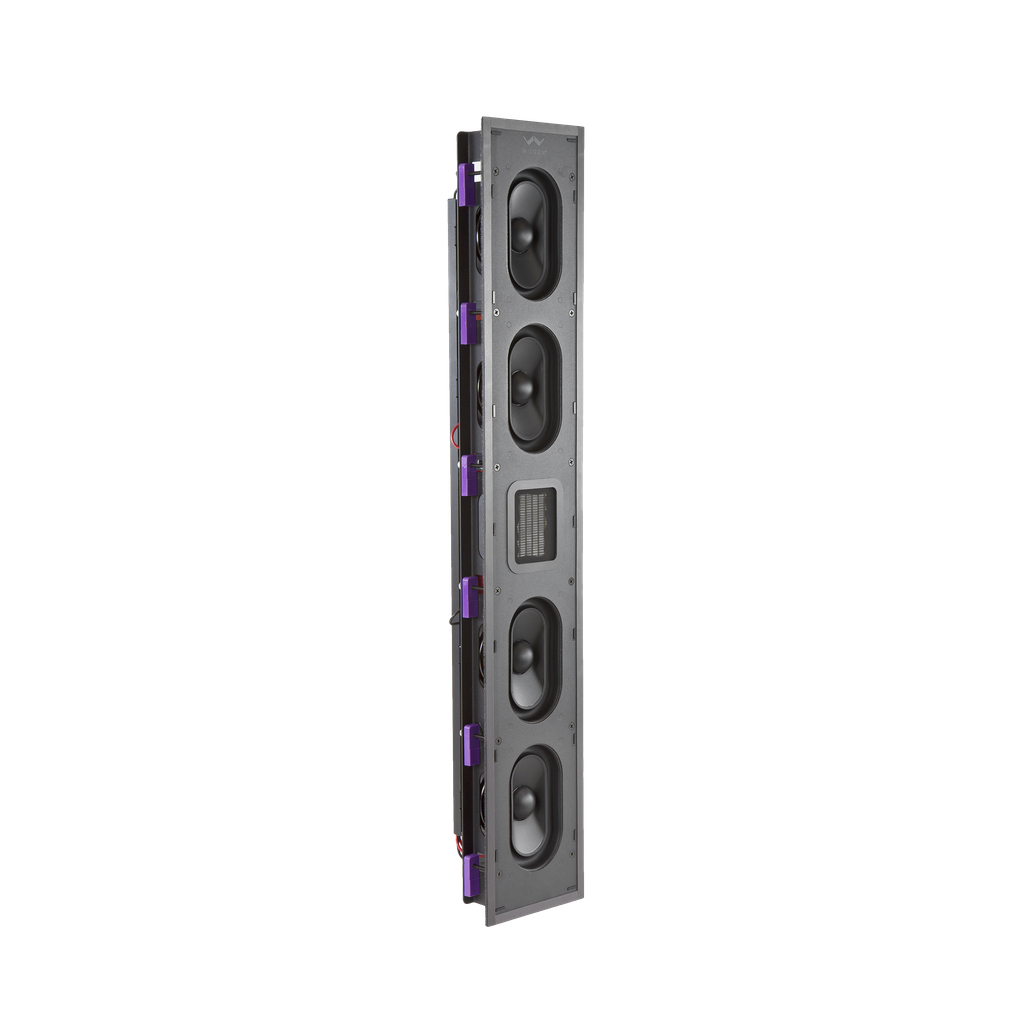
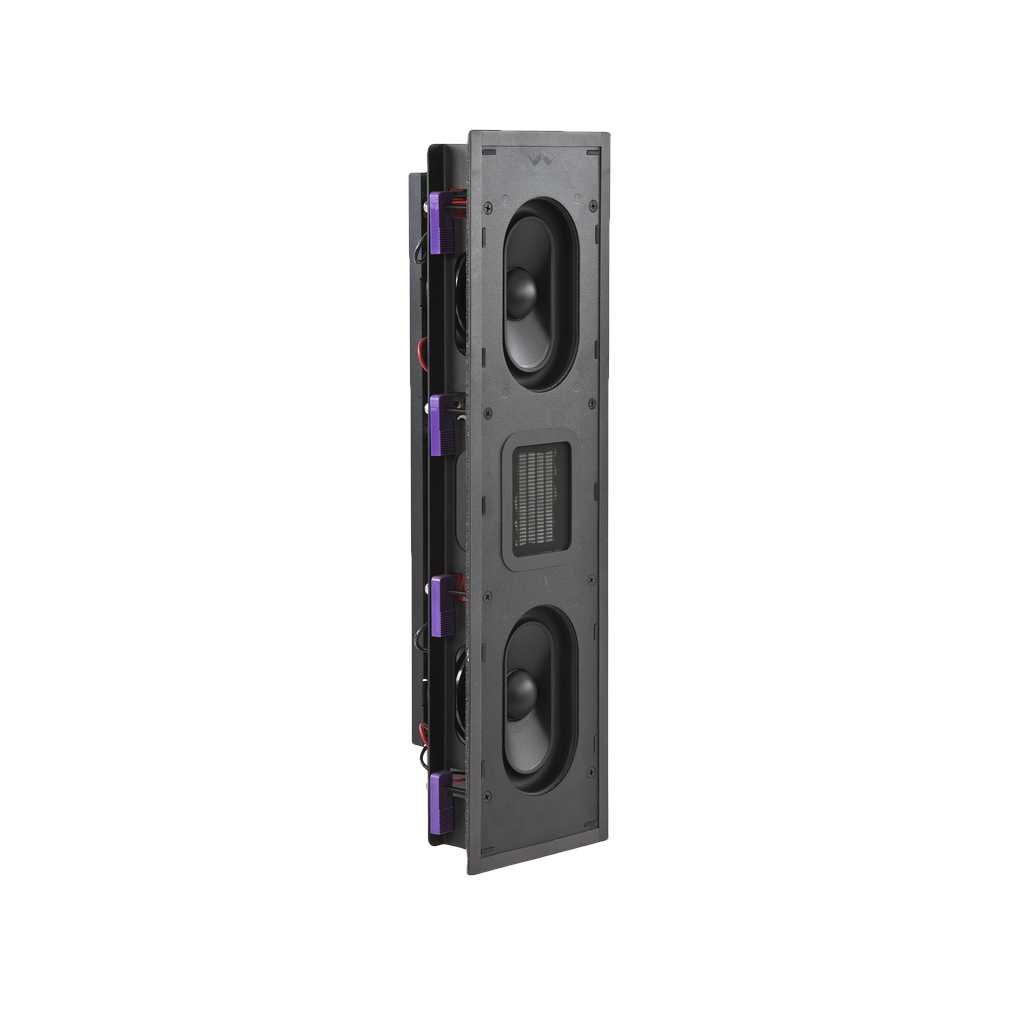
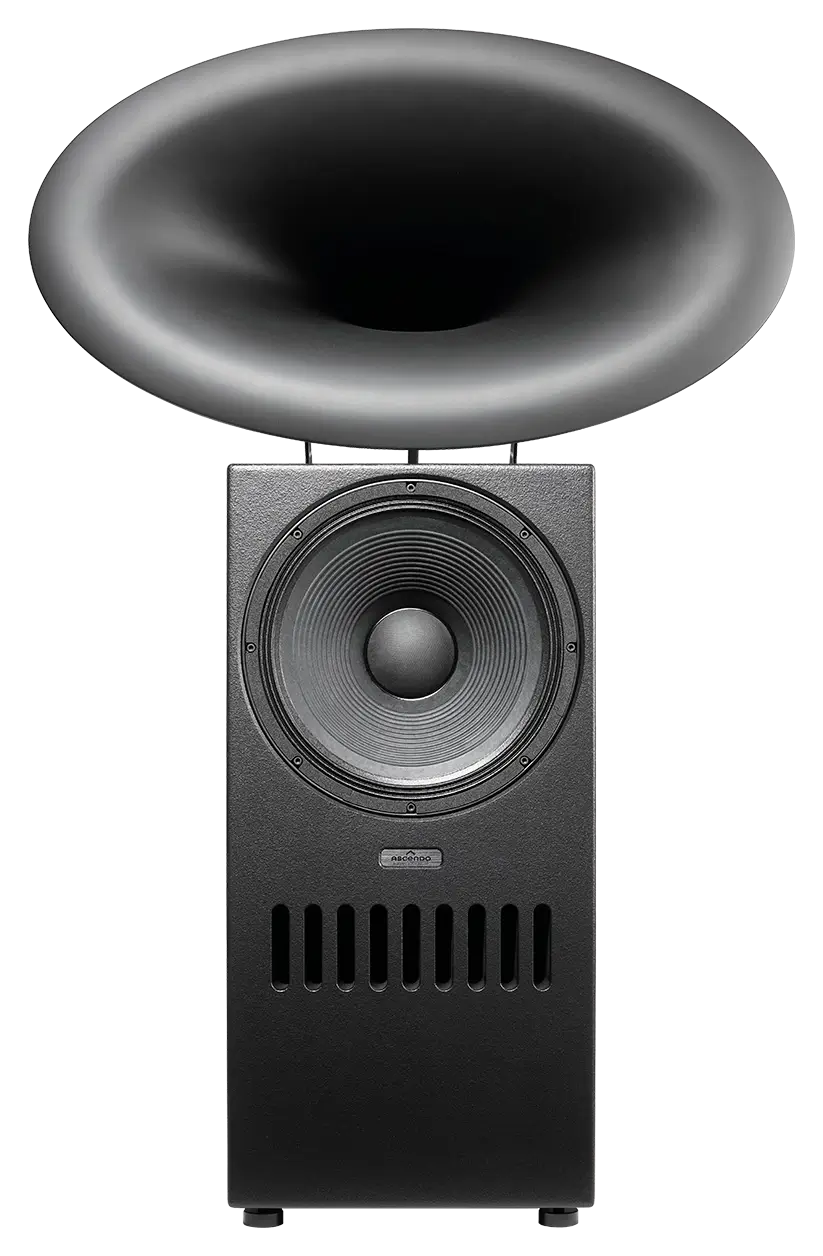
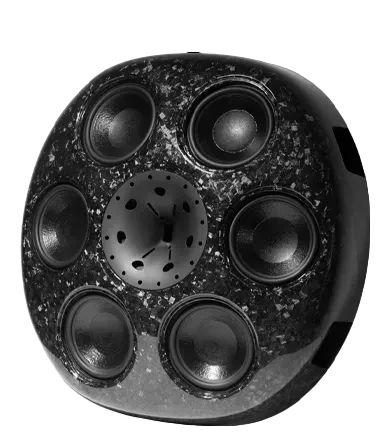
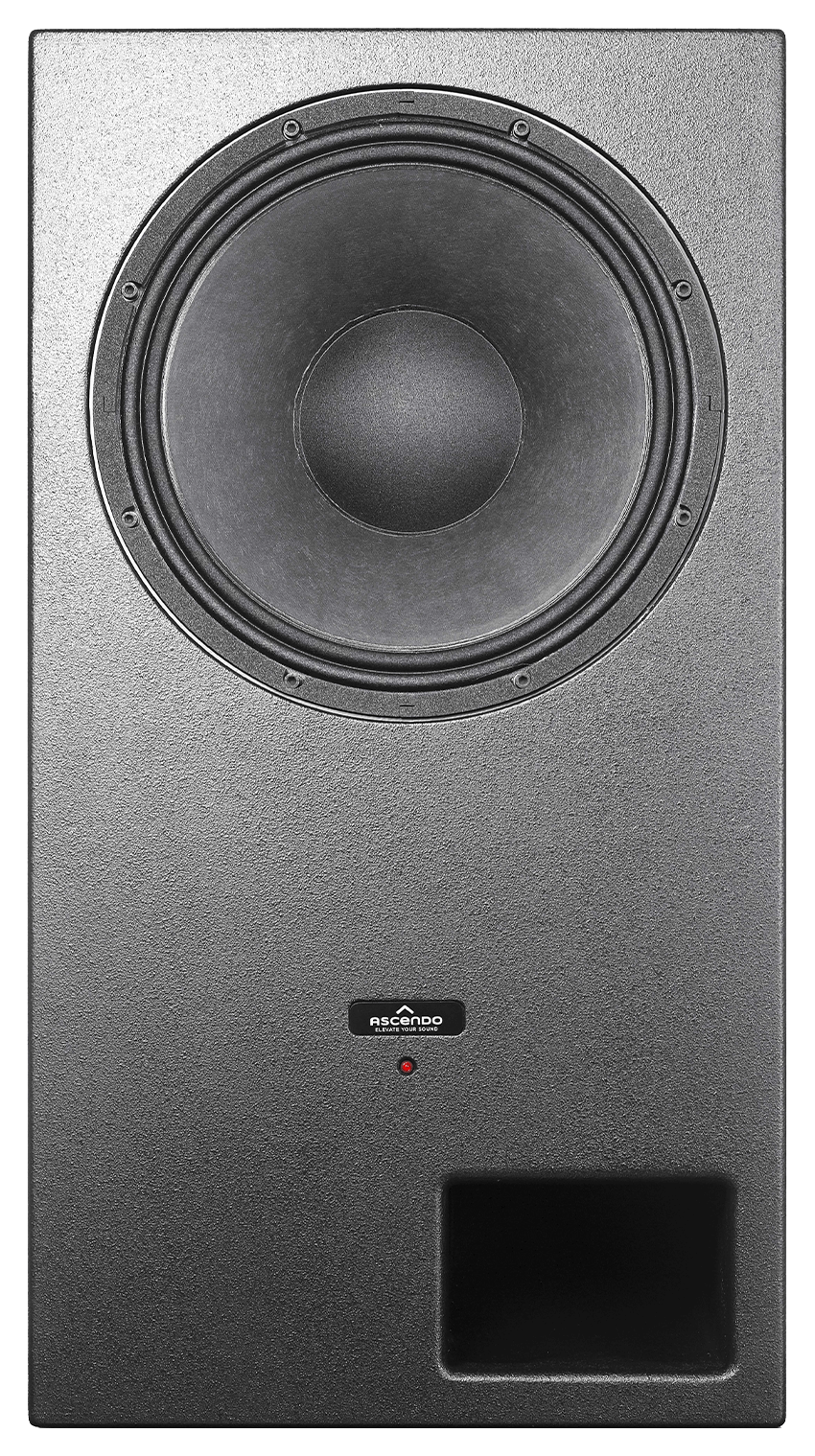
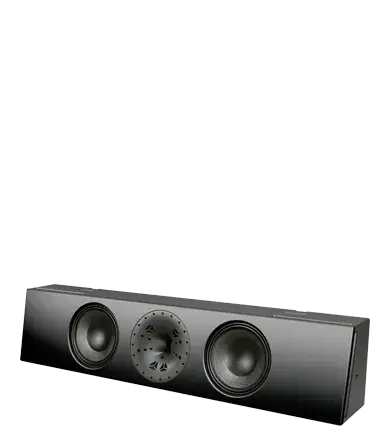
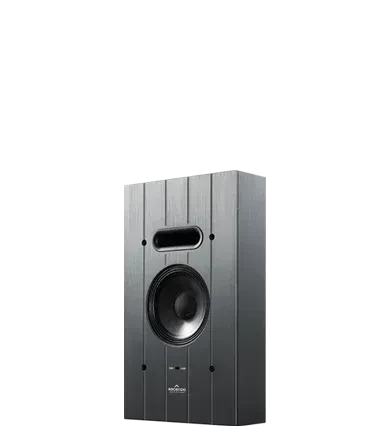
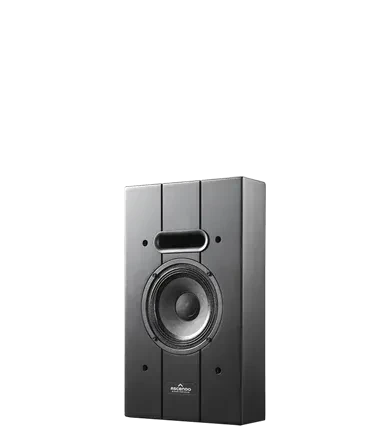
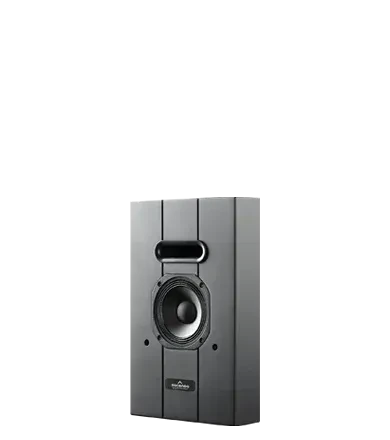
Choosing architectural speakers, in detail
In-wall and in-ceiling loudspeakers are usually chosen late, after the room is designed, and that is the wrong order. The cavity behind the speaker becomes part of the enclosure, so a design that assumes a sealed back-box will behave very differently in an open stud bay. Decide the speakers before the walls close, and specify back-boxes where the manufacturer offers them.
For a dedicated cinema the screen decides the front three. If the screen is acoustically transparent, the left, centre and right sit behind it at ear height and the imaging is correct — which is how commercial cinemas do it and why it is worth the extra cost. If the screen is not perforated, the centre channel has to go above or below, and dialogue will always come from slightly the wrong place.
Timbre matching across the front stage matters more than absolute quality on any one channel. A pan from left to centre should not change tone. That usually means all three from the same family, and it is the single most common shortcut taken in installs that later sound wrong without anyone being able to say why.
Hear these in Scottsdale and Tempe
Architectural work is a design conversation before it is a purchase. Bring plans or elevations if you have them — seating positions, screen size and ceiling height determine most of the answer, and we would rather look at those than guess. We work alongside builders, architects and integrators regularly and can specify at the framing stage.