Power Conditioners
Audio Power Conditioners
Transparent Audio and Burmester — clean AC without restricting current, from a single shelf to a dedicated circuit per component.
Everything a system reproduces arrives first as alternating current from the wall.
The AC feeding a listening room is shared with everything else on the circuit — dimmers, compressors, switching supplies, the solar inverter on the roof. That noise rides into every power supply in the rack and sets a floor underneath which nothing can be heard. A conditioner's job is to take it out and then get out of the way.
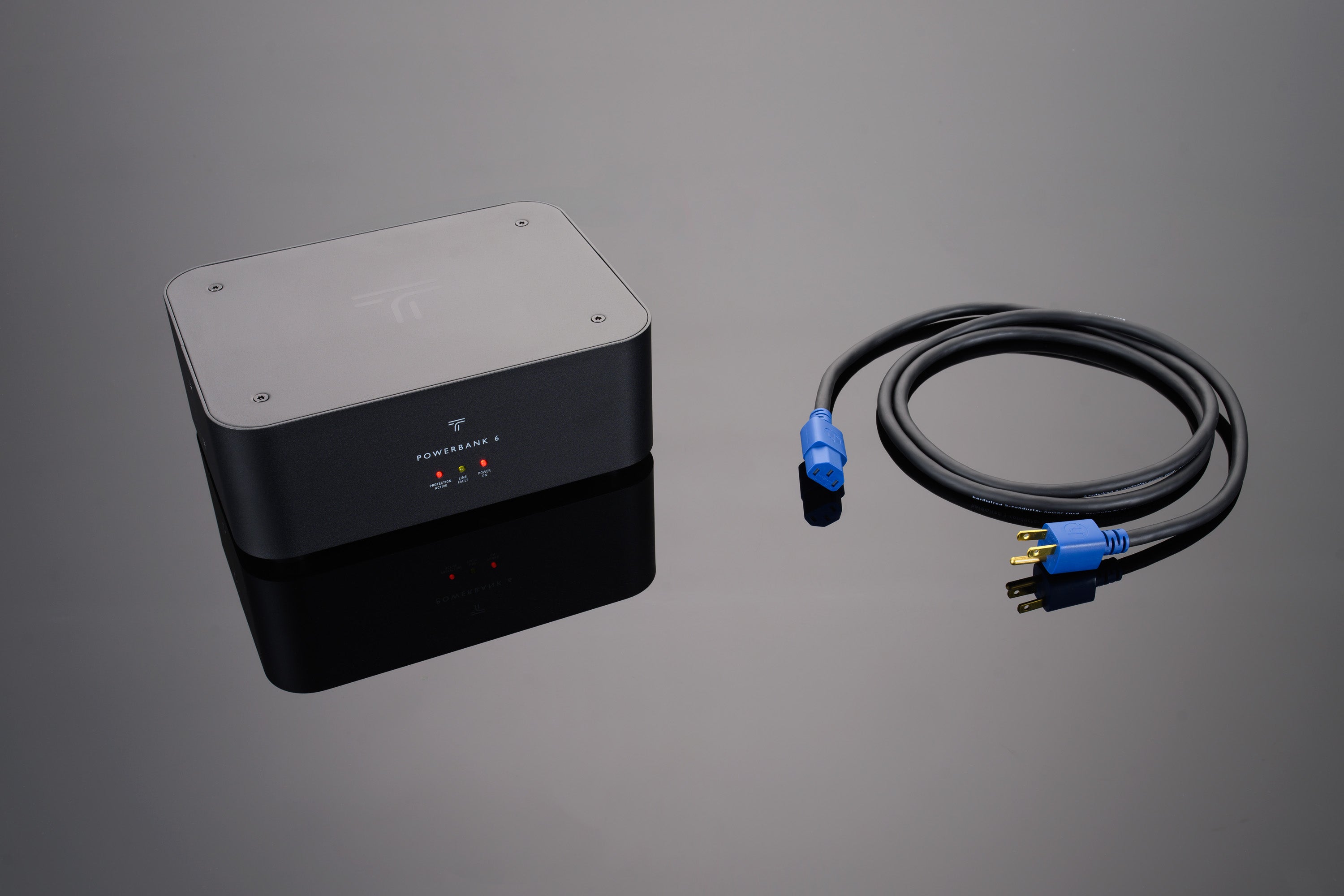
The trap is that most conditioners buy quiet by restricting current or shifting phase, and an amplifier starved on transients sounds worse than one fed dirty power. Transparent's parallel filter circuits and Burmester's per-outlet active filtering both take the harder route. The range here starts at a six-outlet PowerBank under one system and ends at a single OPUS PowerIsolator feeding one component on its own dedicated circuit.
Conditioning the power adds nothing. It stops the grid taking things away.
How to choose a power conditioner
Decide whether the amplifier goes through it at all — a conditioner that restricts current will flatten dynamics and make things worse. Sources and preamps benefit most reliably. And a dedicated circuit from the panel often does more for less than any conditioner, so start there if the system shares a line.
More on choosing a power conditioner ↓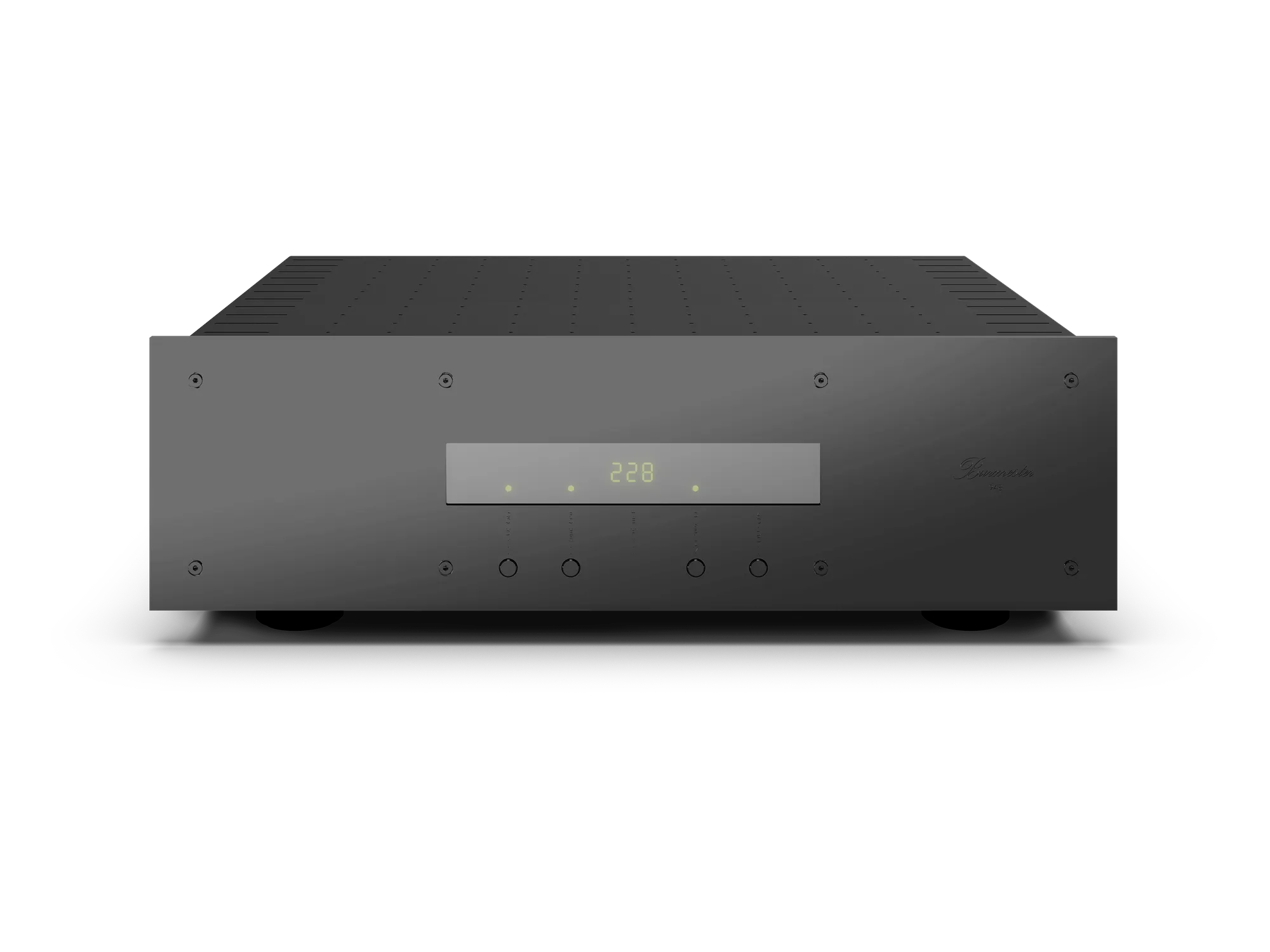
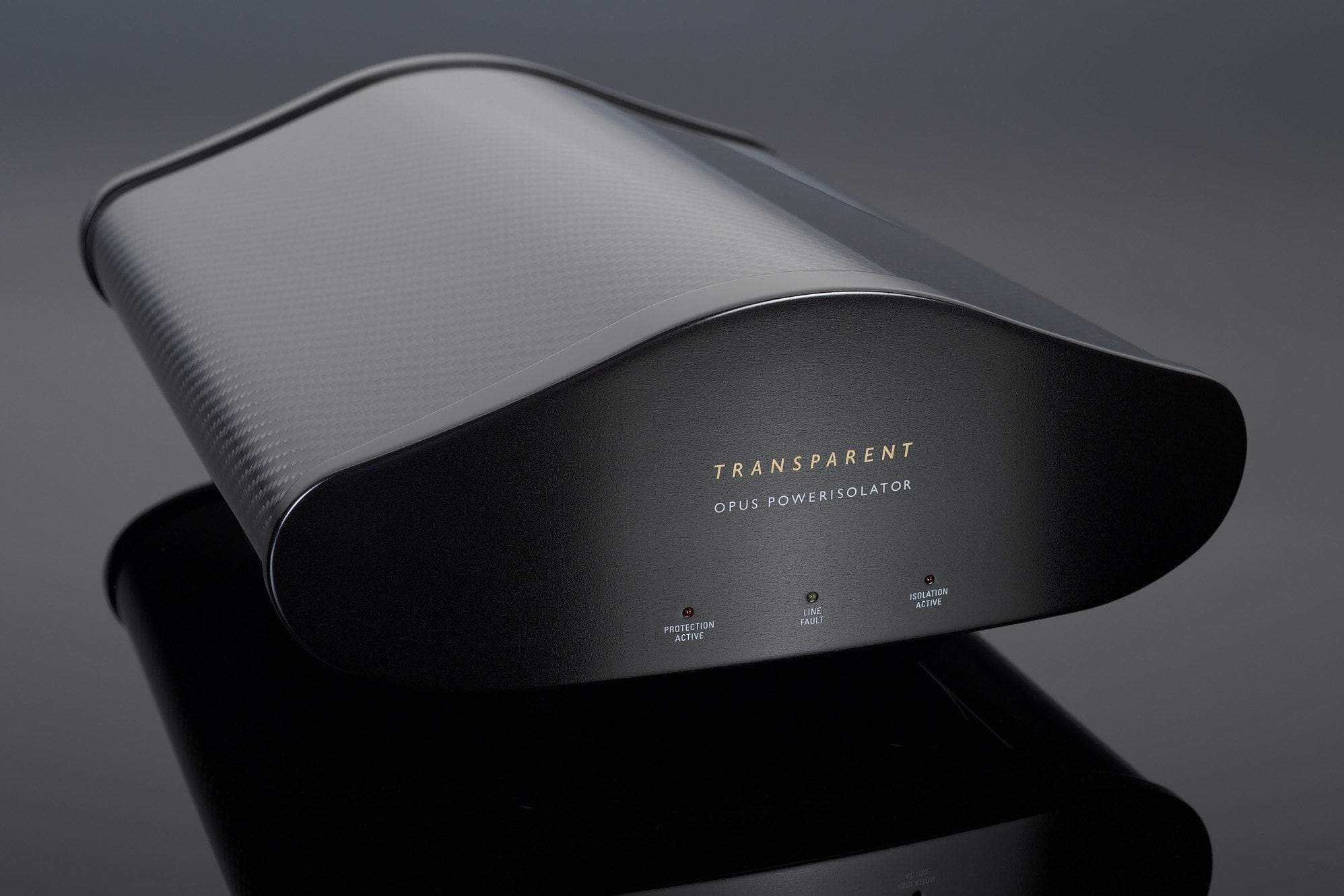
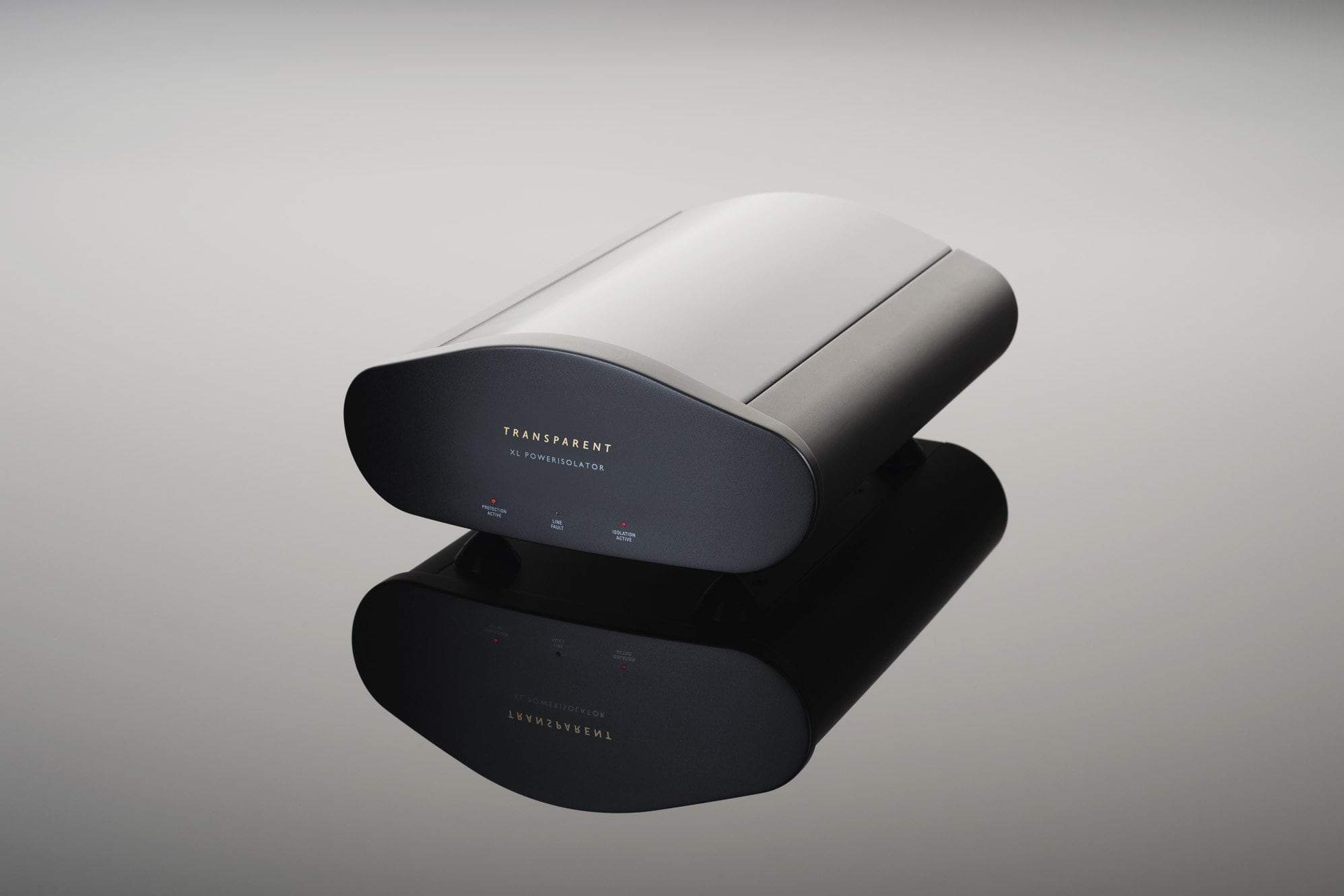
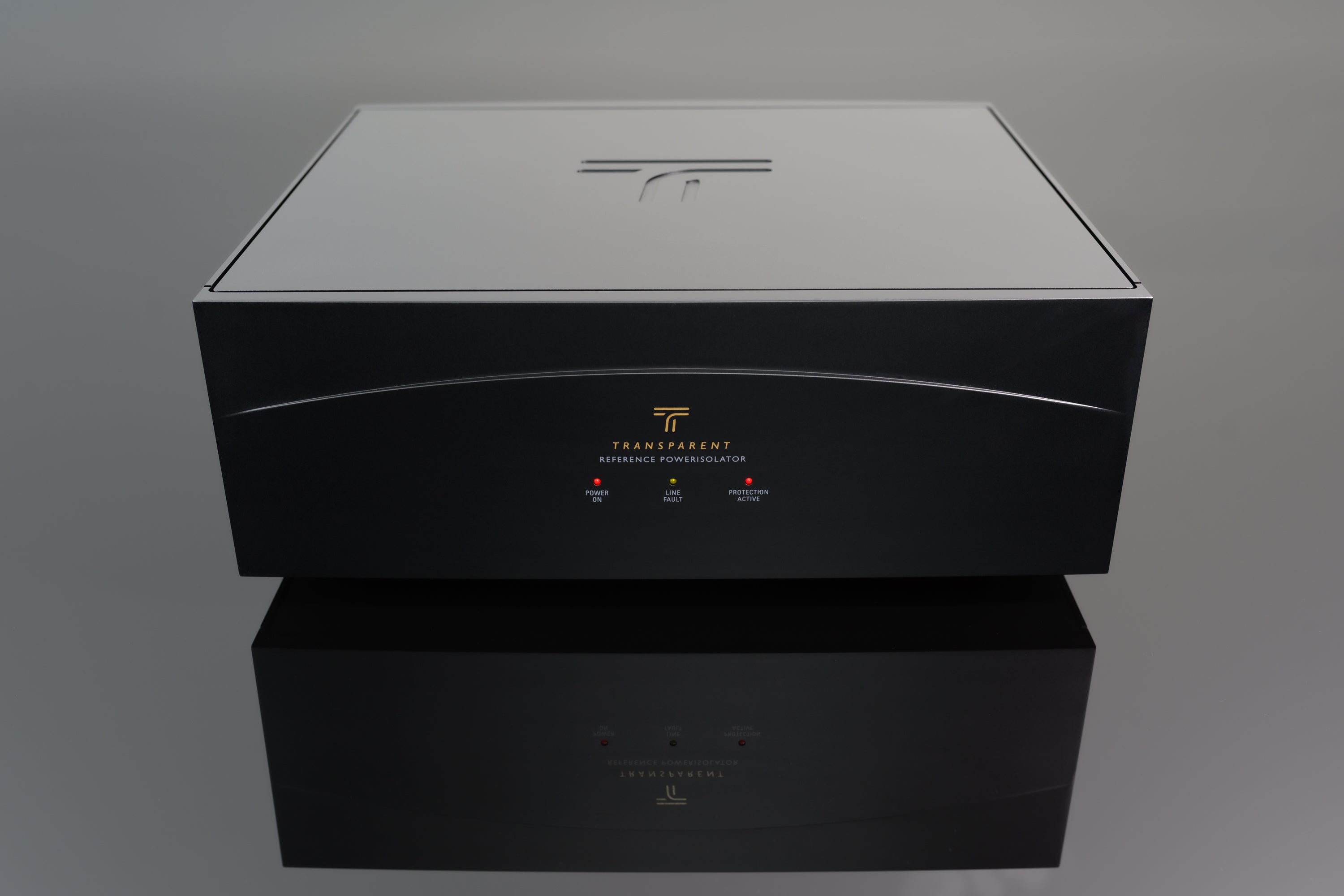
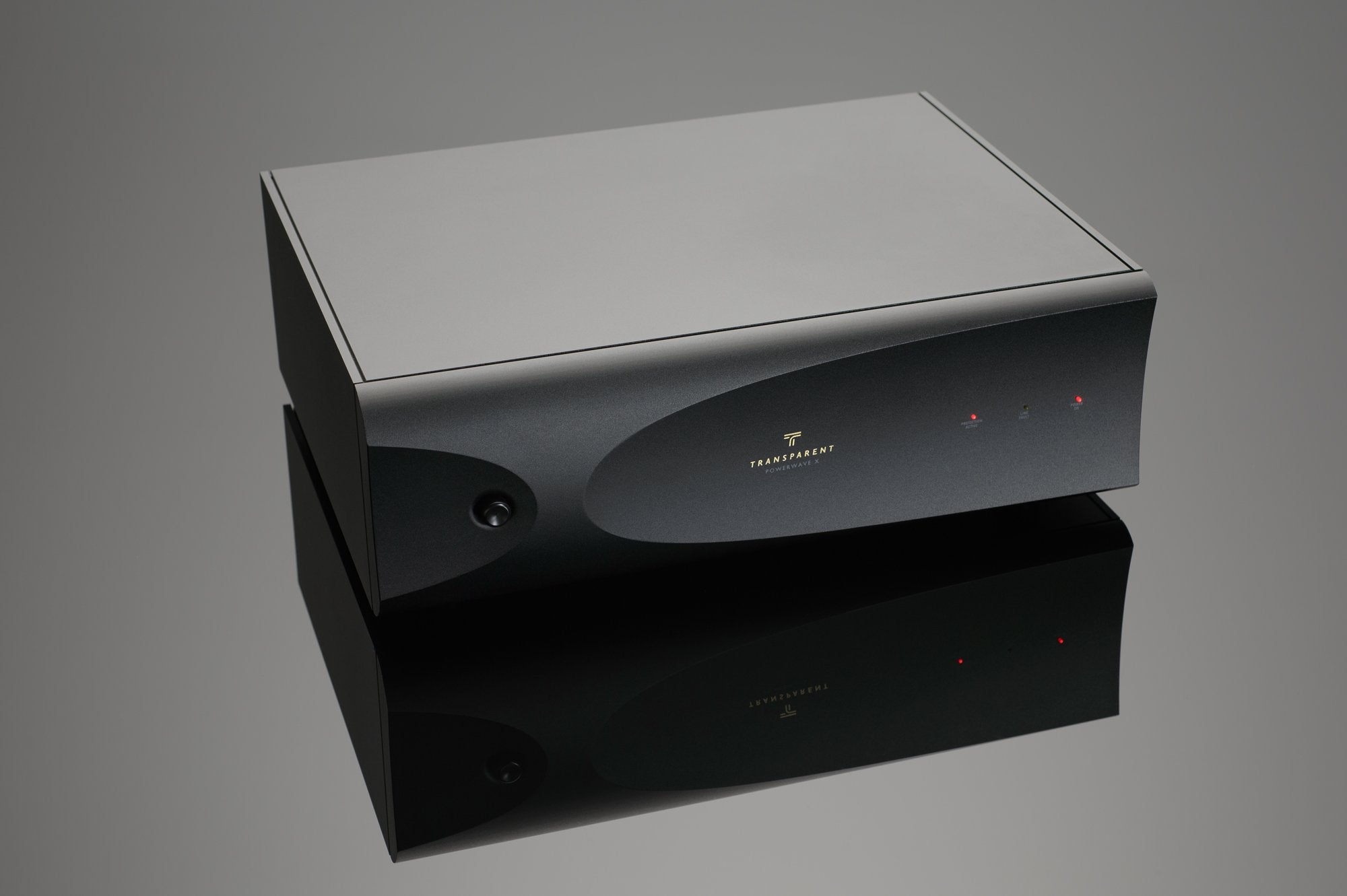

Choosing a power conditioner, in detail
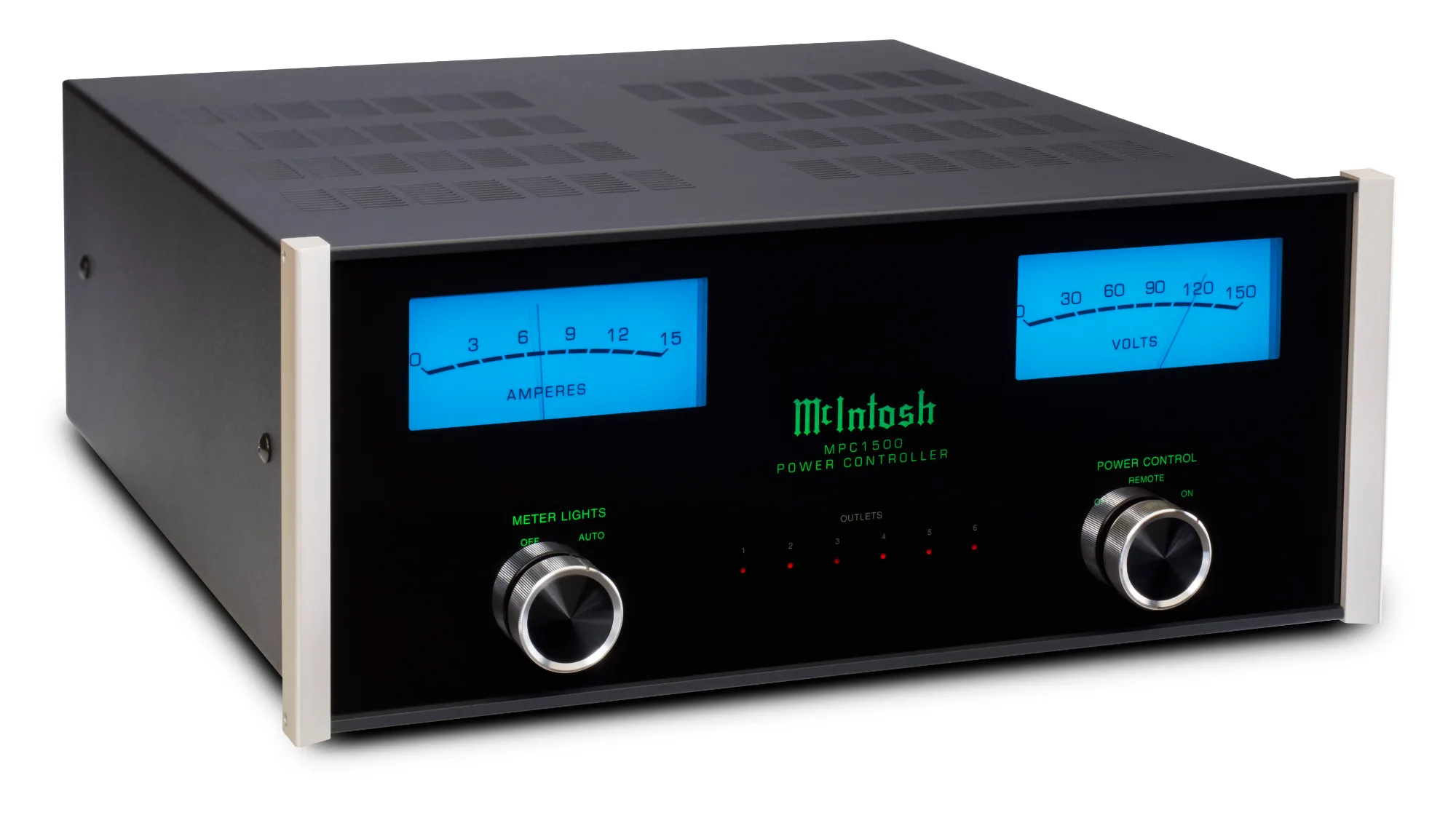
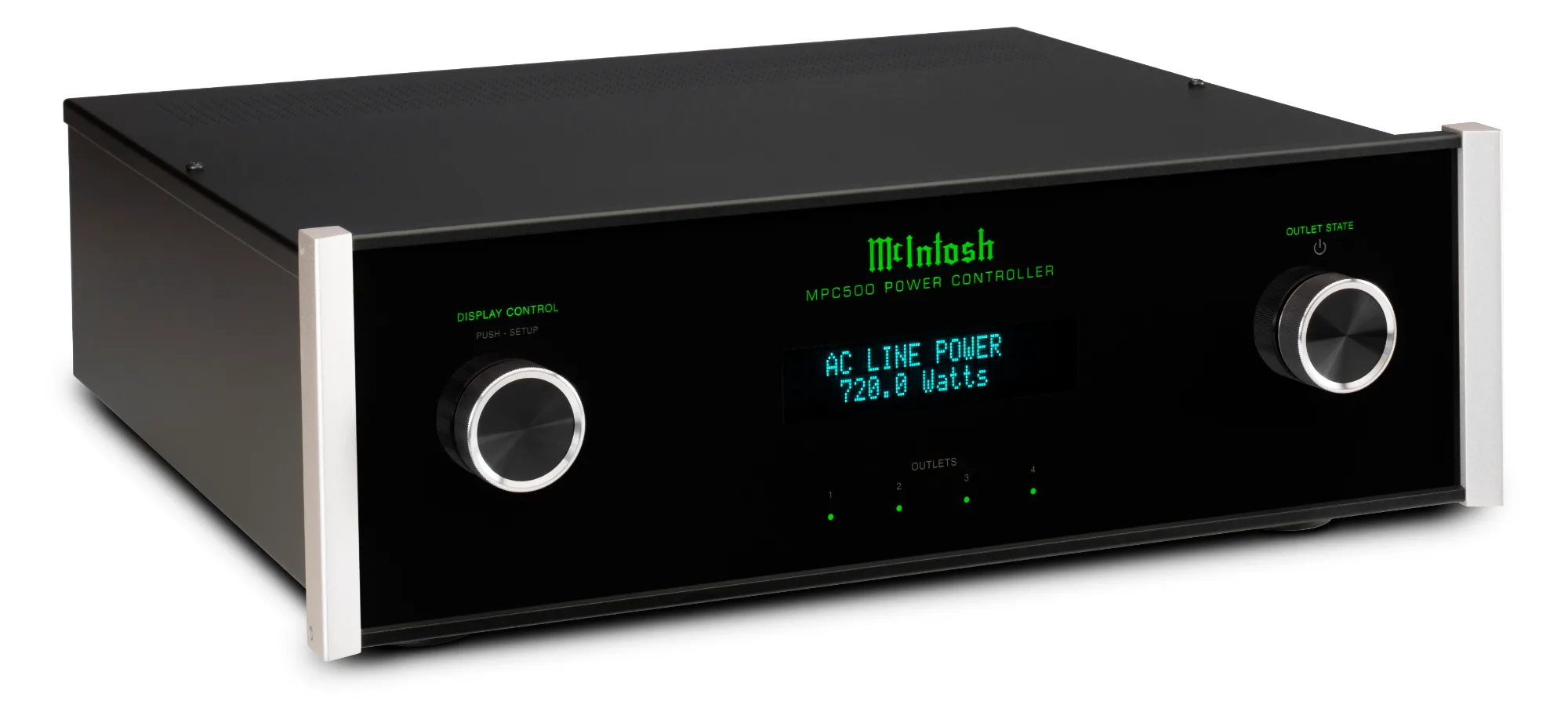
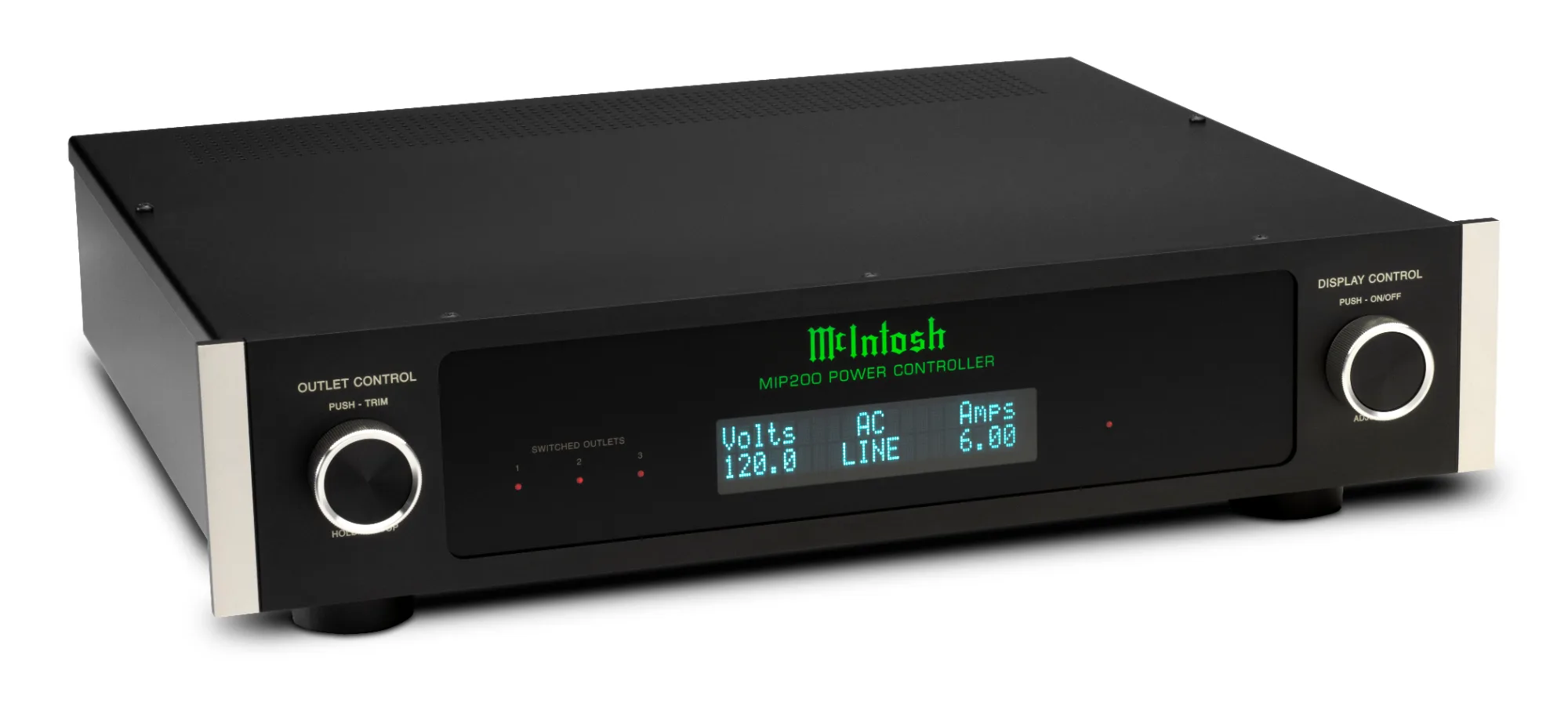
The first question is whether an amplifier should go through the conditioner at all. Power amplifiers draw large current on transients, and a conditioner that restricts that supply will make the system sound worse, not better — flatter dynamics, softer leading edges. Source components and preamplifiers benefit most reliably. Amplifiers need a design that filters without limiting current, and not every product does.
Distinguish filtering from regeneration and from surge protection. Filtering removes high-frequency noise riding on the mains. Regeneration synthesises a new waveform entirely. Surge protection guards against events rather than improving anything day to day. They are different jobs at different prices, and plenty of products marketed together do only one of them well.
A dedicated circuit is often the better first spend. Running a separate line from the panel to the listening room does more, for less, than most conditioners — and it makes whatever conditioner you then add work better. If the system shares a circuit with a kitchen or an air handler, start there.
Hear these in Scottsdale and Tempe
Mains quality varies enormously between houses and even between times of day, so this is a category where a home trial tells you far more than a showroom does. Ask us about evaluating one in your own room. We can also advise on dedicated circuits before you spend anything at all on conditioning.