Digital Conversion
High-End DACs
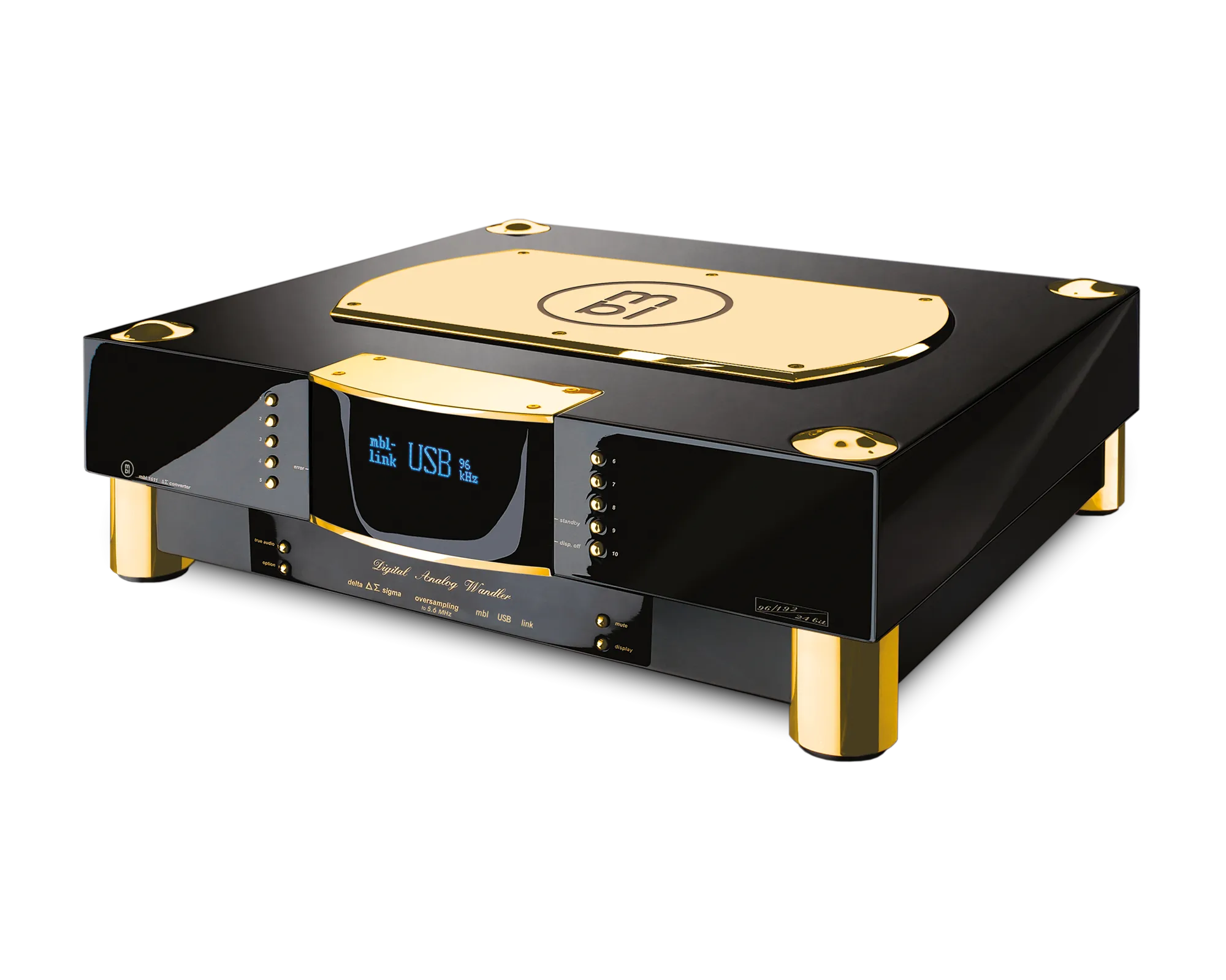
dCS, McIntosh, MBL and Linn — where a digital file stops being data and becomes music.
Every digital source in the house eventually arrives at one component, and that component decides what you hear.
A converter turns numbers into a voltage. What separates one at this level from the chip already inside a streamer is everything surrounding that step — clocking accuracy, the analog output stage, power supply isolation, and how the filter handles what sits above the audible band.
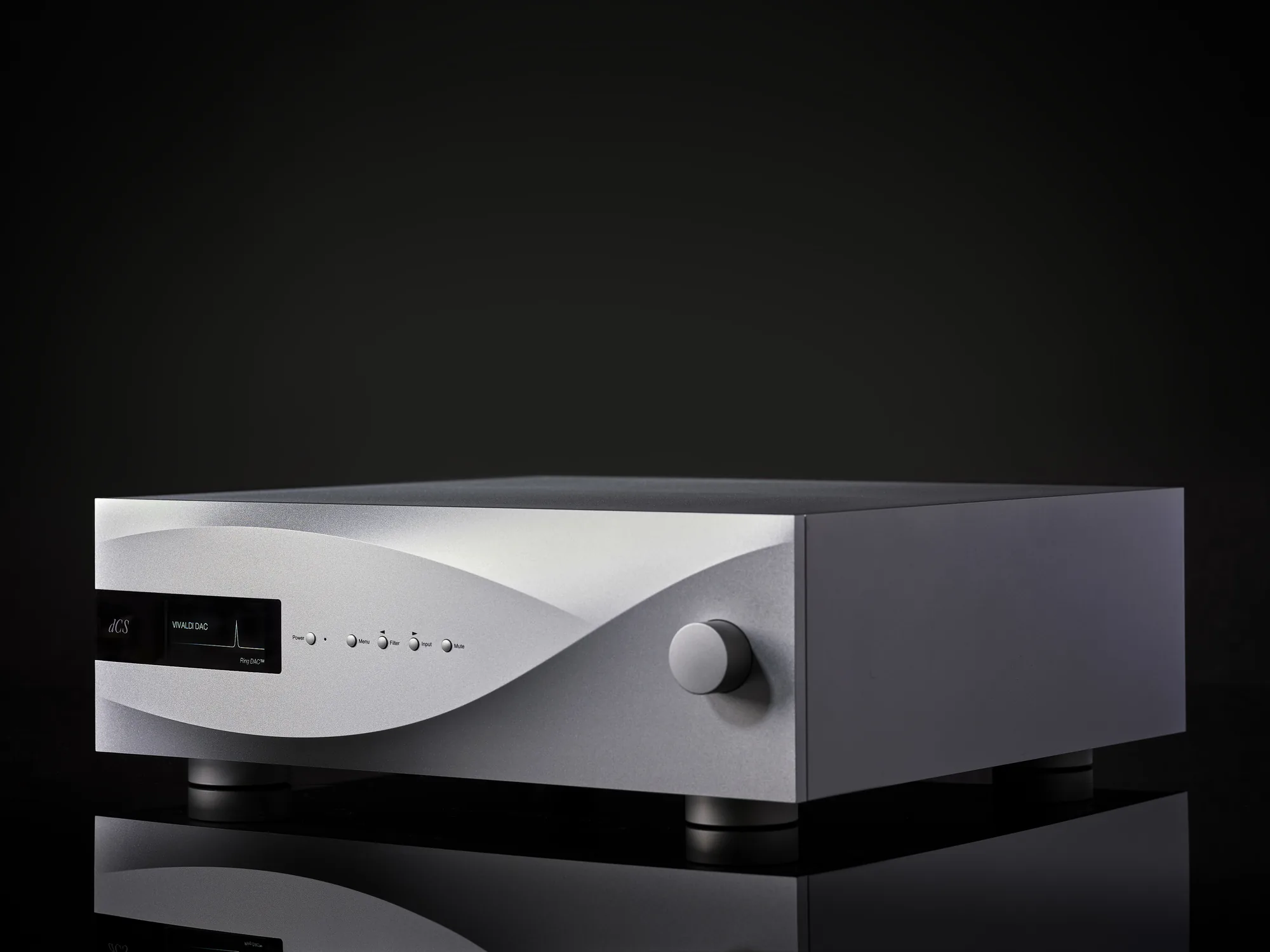
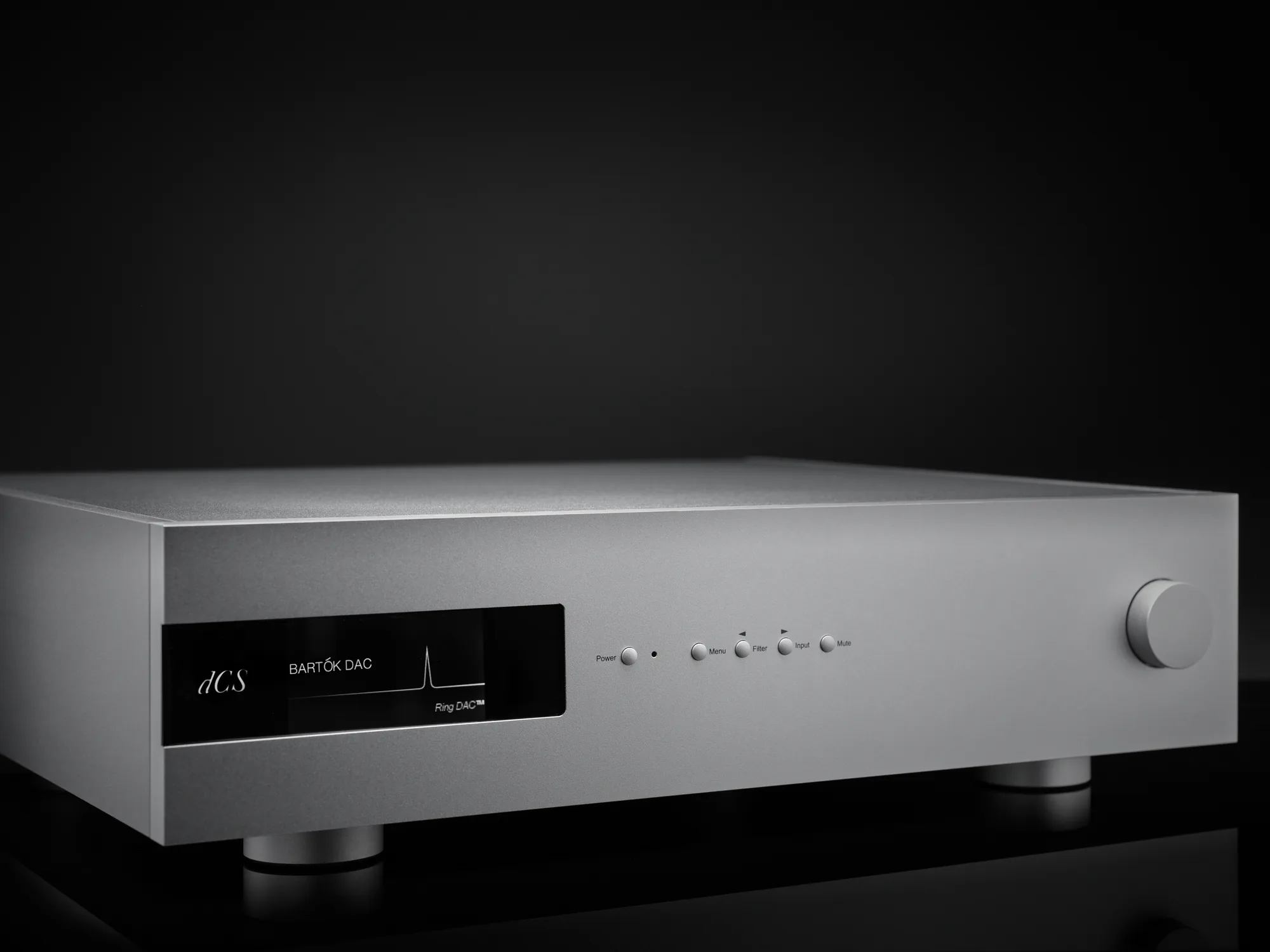
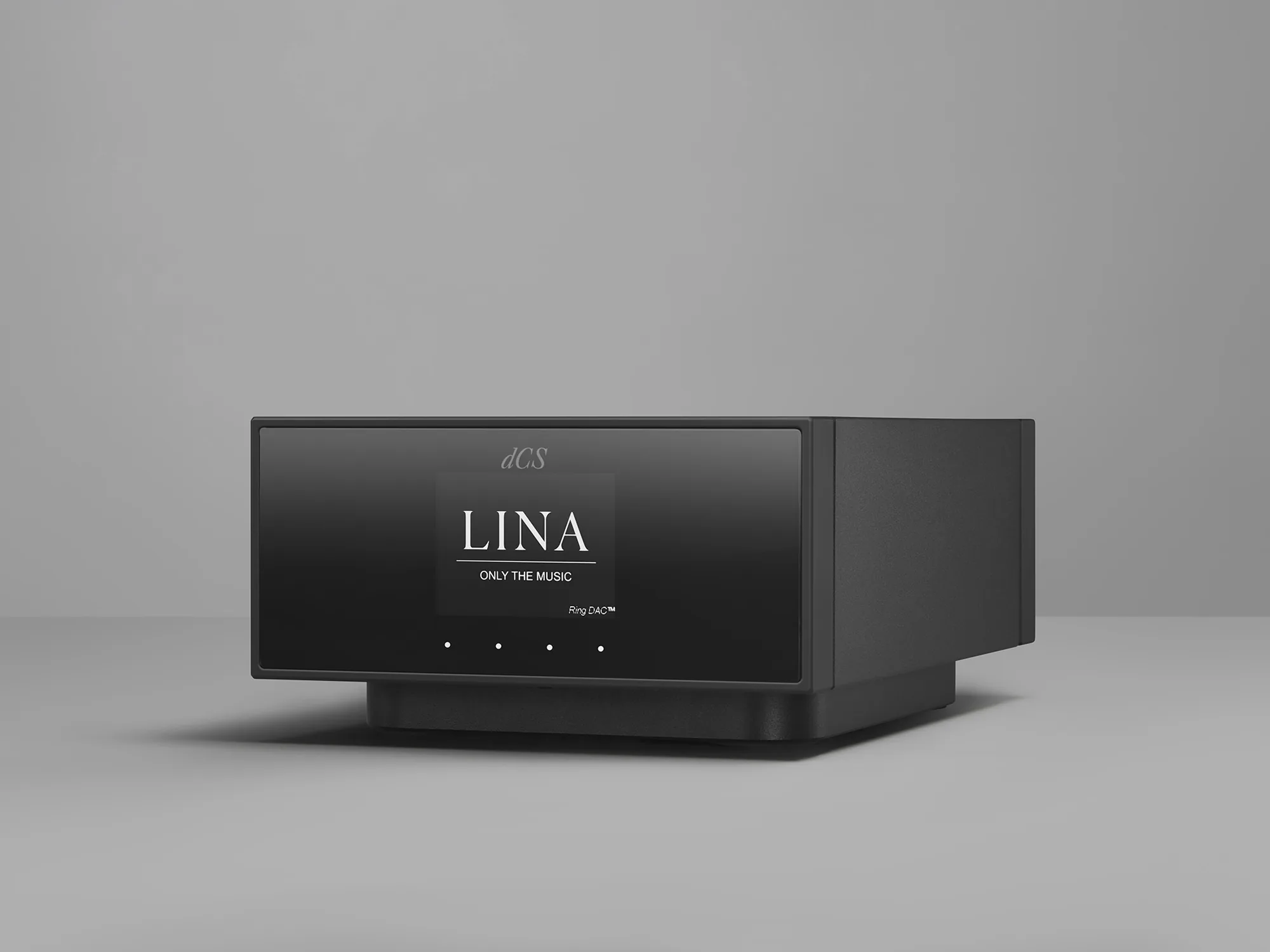
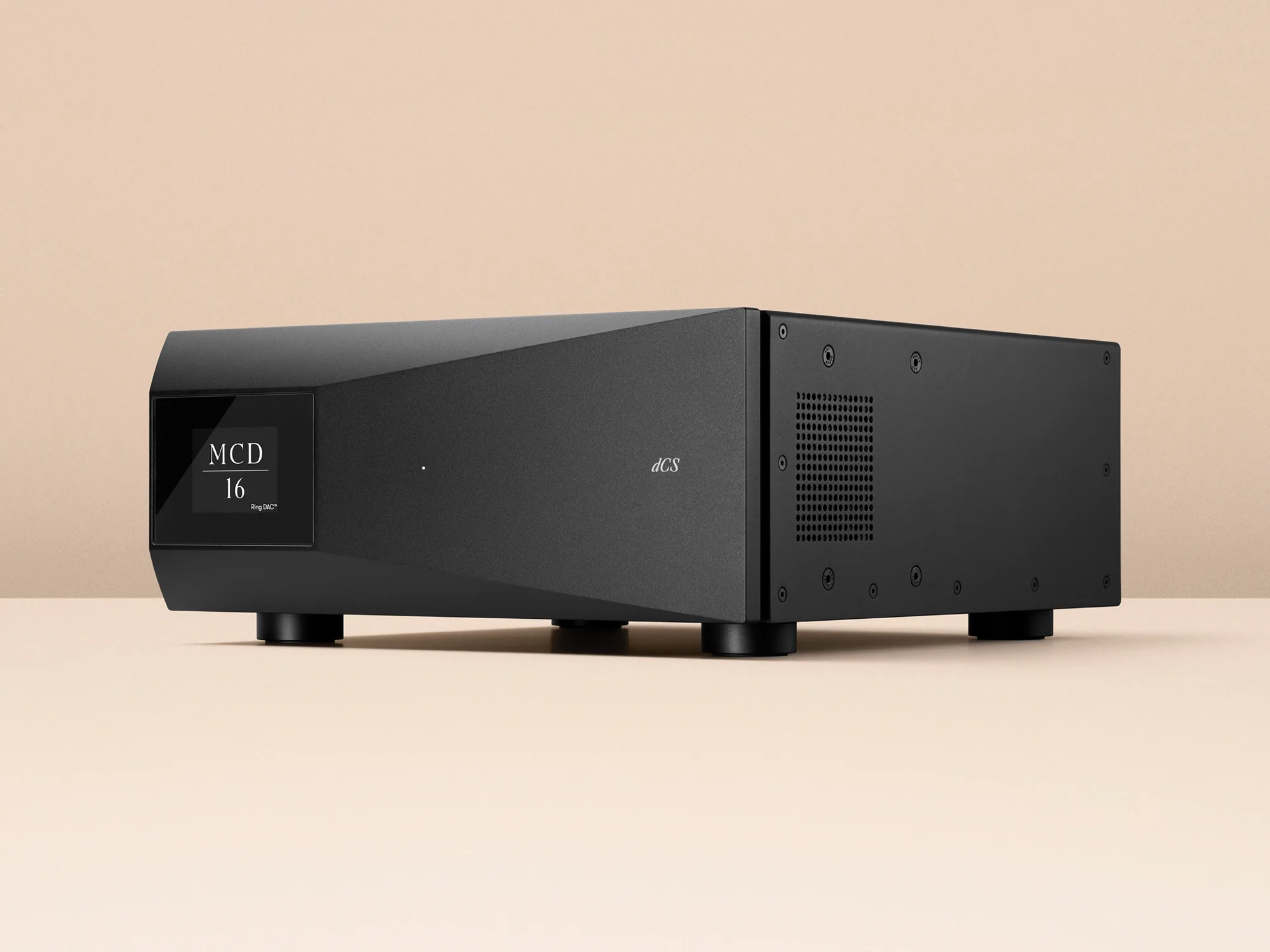
dCS has designed its own conversion in Cambridge for over thirty years. Linn's Organik is the first all-Linn converter, designed and built in Glasgow. They are the same argument reached independently: that conversion matters too much to buy off a shelf.
The file is identical everywhere. What you hear is the conversion.
How to choose a DAC
This is the category where specifications discriminate least — everything current measures well, and the differences live in clocking, the analog output stage and power supply isolation. Decide whether you want a converter or a system, and weight redbook performance over exotic format support. Most of what you play is 44.1.
More on choosing a DAC ↓

Choosing a DAC, in detail
Converters are the component where specifications correlate worst with what you hear. Every current DAC measures well enough that measurement stops discriminating, and the audible differences come from things the datasheet does not report — clocking, the analog output stage, power supply isolation, and how the filter behaves in the time domain rather than the frequency domain.
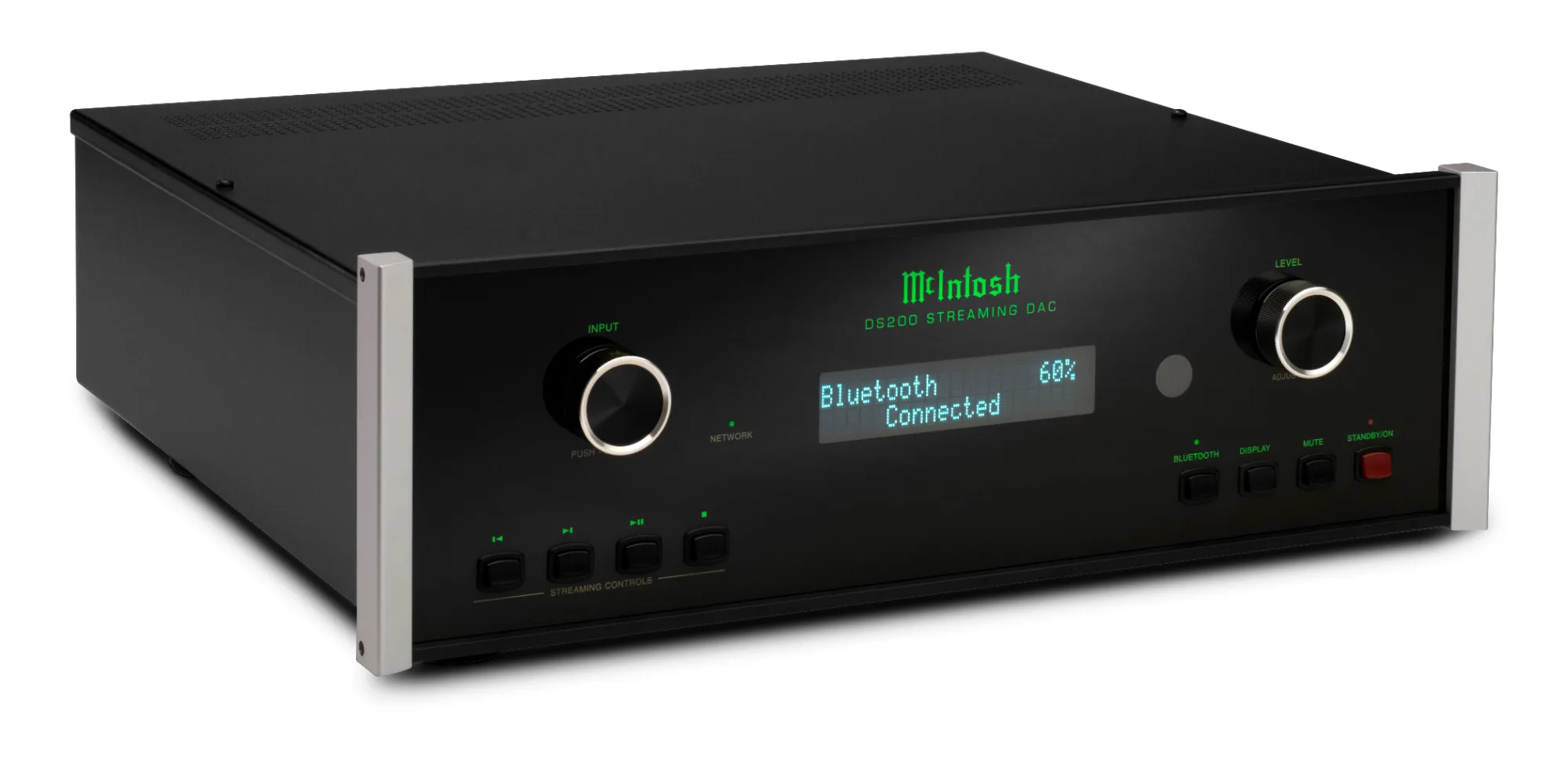
Decide first whether you want a converter or a system. A standalone DAC fed by a separate streamer gives you the freedom to upgrade either half and to keep network noise away from the conversion. An integrated streaming DAC removes an interface and a cable. Both approaches are represented at the top of the market, which tells you neither is simply correct.
Format support matters less than people expect. Native DSD and very high sample rates make for good marketing, but the overwhelming majority of what you will actually play is 44.1 and 48kHz PCM. A converter that is exceptional with redbook and merely good with DSD is the better buy for almost everyone.
Hear these in Scottsdale and Tempe
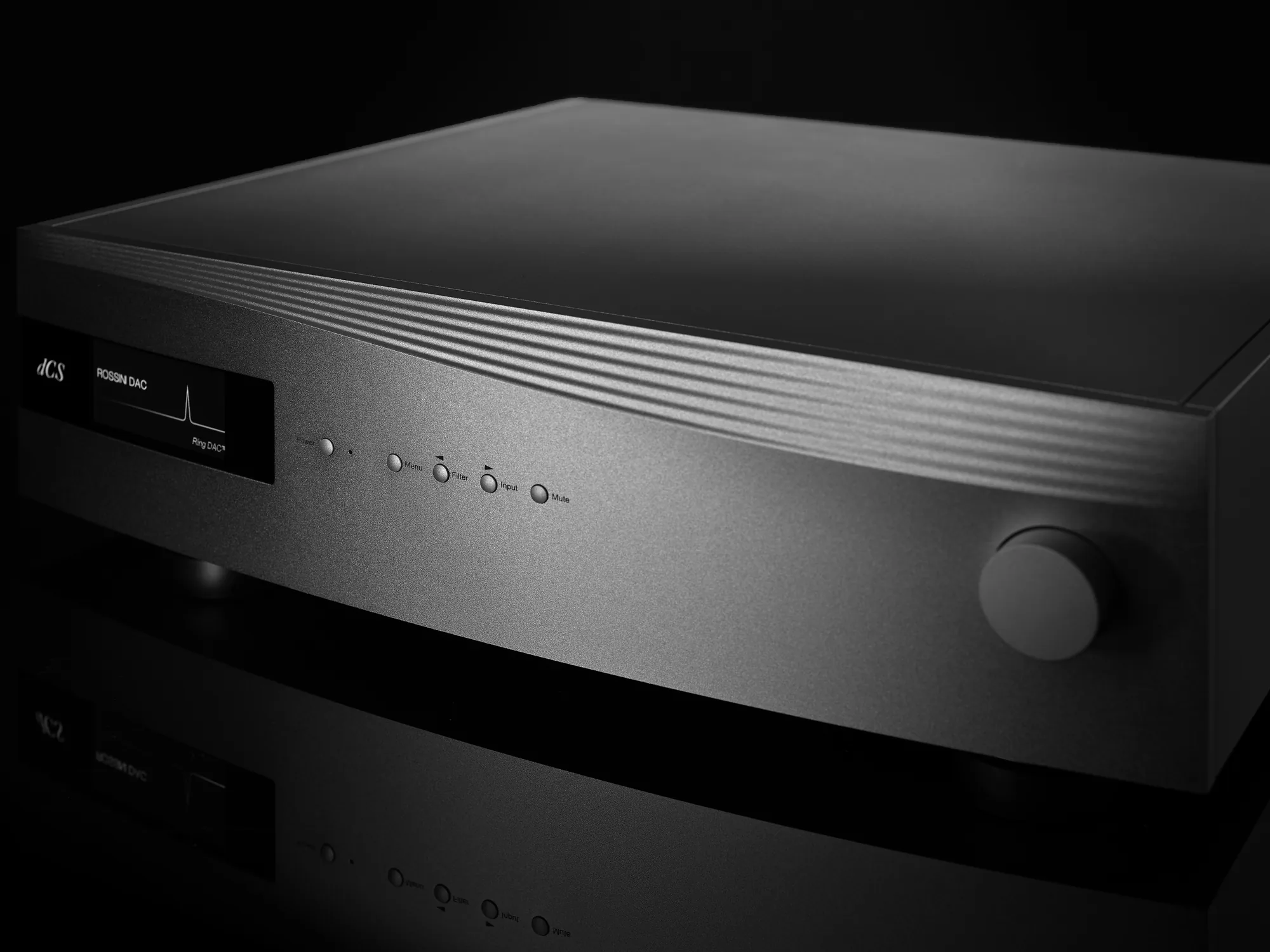
Digital front ends need an unhurried hour and familiar material — the differences are not the kind that announce themselves in two minutes. The comparison we set up most often is dCS Varèse against Rossini in the same room on the same system, which is the fastest way to hear what the money buys. Ask and we will arrange it.