Brand
MBL
Omnidirectional sound. The Radialstrahler philosophy.
Authorized Dealer — Scottsdale & Tempe, Arizona
Trade-in credit toward new purchases · Full installation and calibration · Walk in during business hours or book ahead
See what's on demonstration now ↓MBL Akustikgeräte was founded in Berlin in 1979 by Wolfgang Meletzky and his partners Bienecke and Lehnhardt — the M, B, and L in the company name. Meletzky, a lifelong Gustav Mahler enthusiast, had been unable to reproduce the raw dynamic scale and enveloping ambience of a Berlin Philharmonic concert on any home hi-fi system he tried. His response was to abandon the entire premise of a forward-firing loudspeaker and design a driver that would radiate in every horizontal direction at once — the way, he argued, an instrument in a real room actually does. That driver, the Radialstrahler, and the original model built around it (the MBL 100), were publicly introduced at the IFA Berlin trade show in 1979 as one of the most visually and sonically distinctive loudspeakers the industry had ever seen.
The MBL Radialstrahler as it exists today owes as much to the second engineer as to the founders. Jürgen Reis, a young electroacoustics student and musician, saw the original prototype at a hi-fi show in Berlin, was fascinated by the omnidirectional concept, and joined the company shortly after graduating. In 1984 he redesigned the radial drivers from first principles — nothing remains from the original 1979 design — and Meletzky was impressed enough with the result to promote Reis to Chief Engineer. Reis has now held that role for over forty years, and every current MBL loudspeaker and electronics component is designed and hand-assembled at MBL's Berlin manufactory under his direction.
The Radialstrahler premise
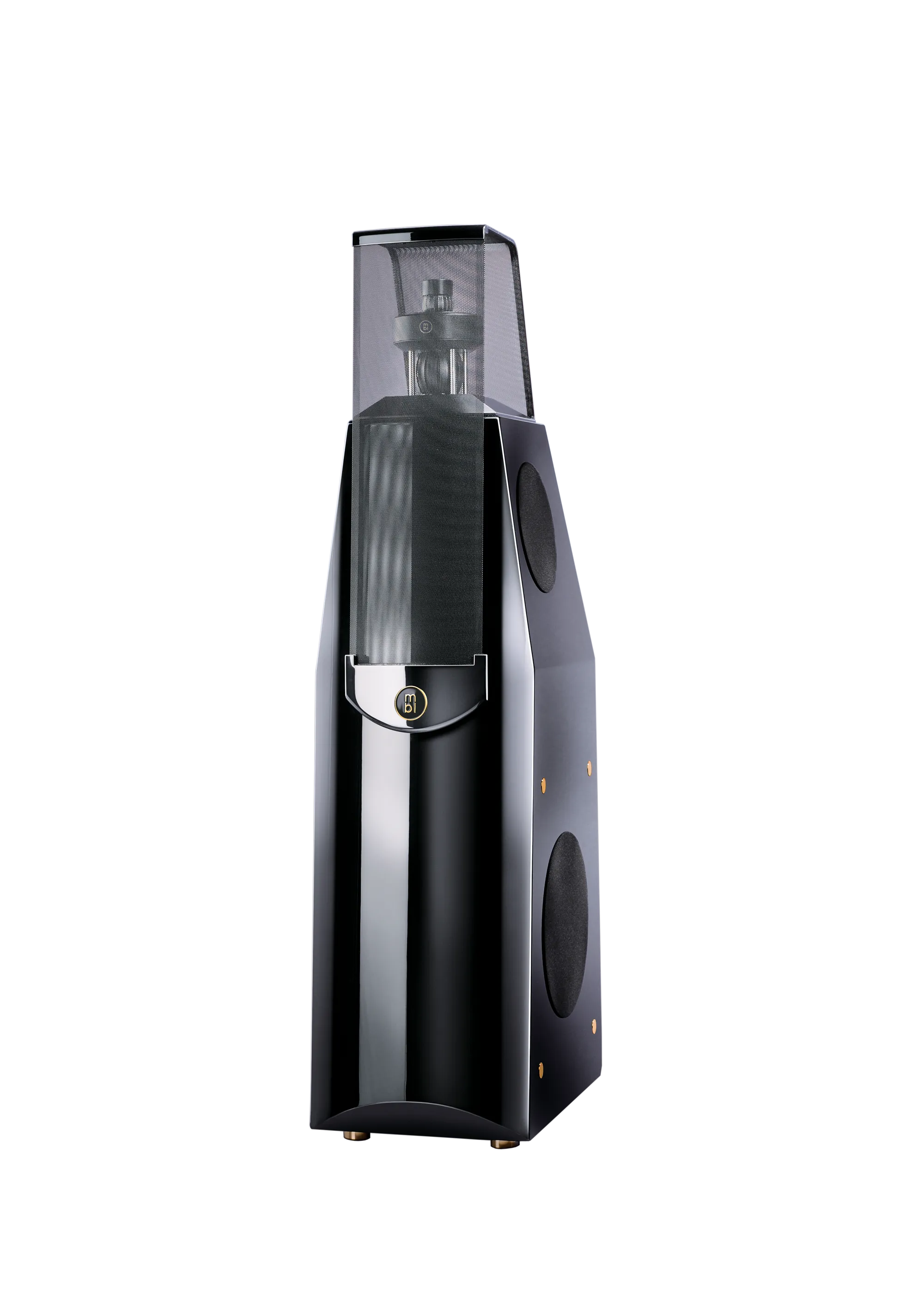
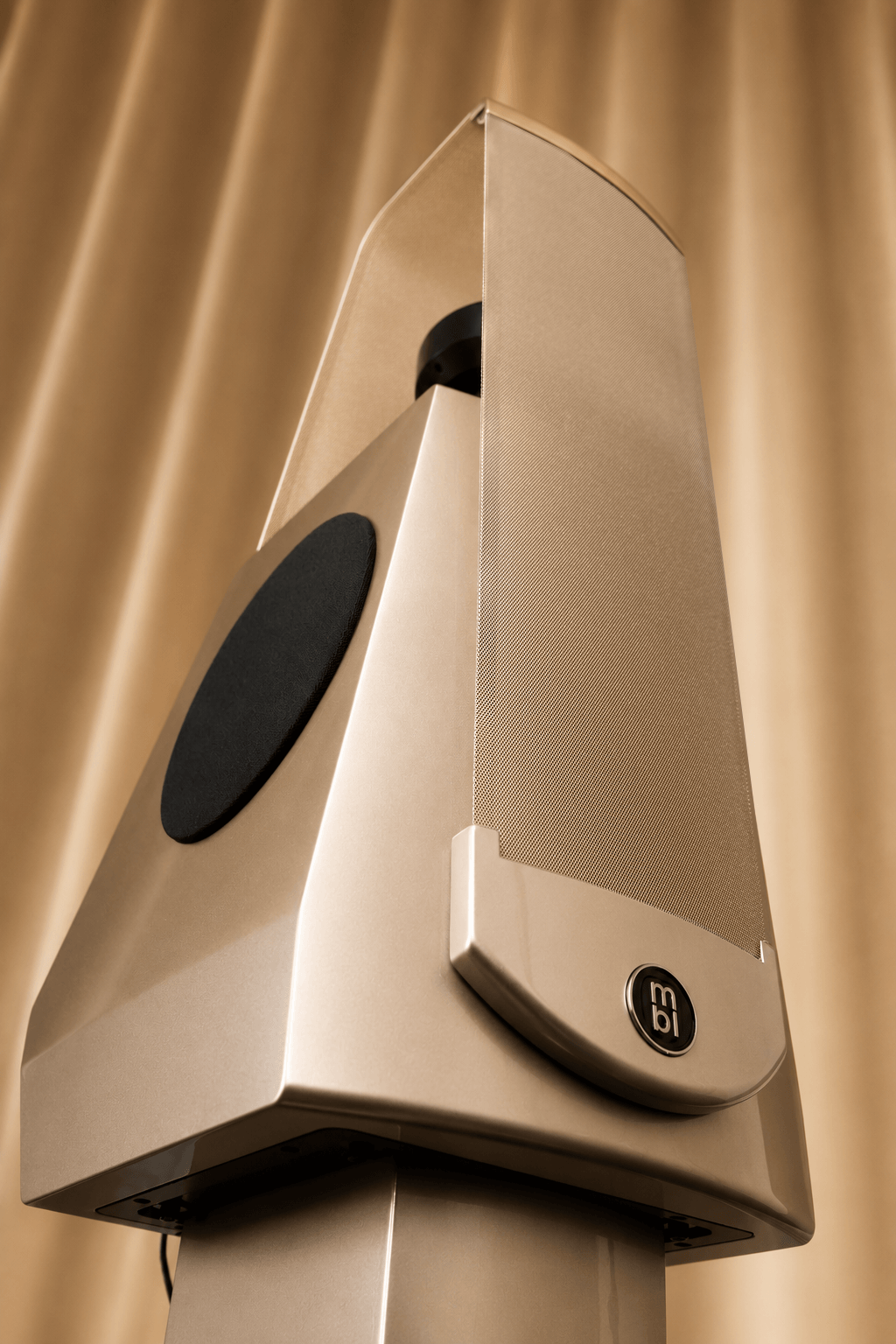
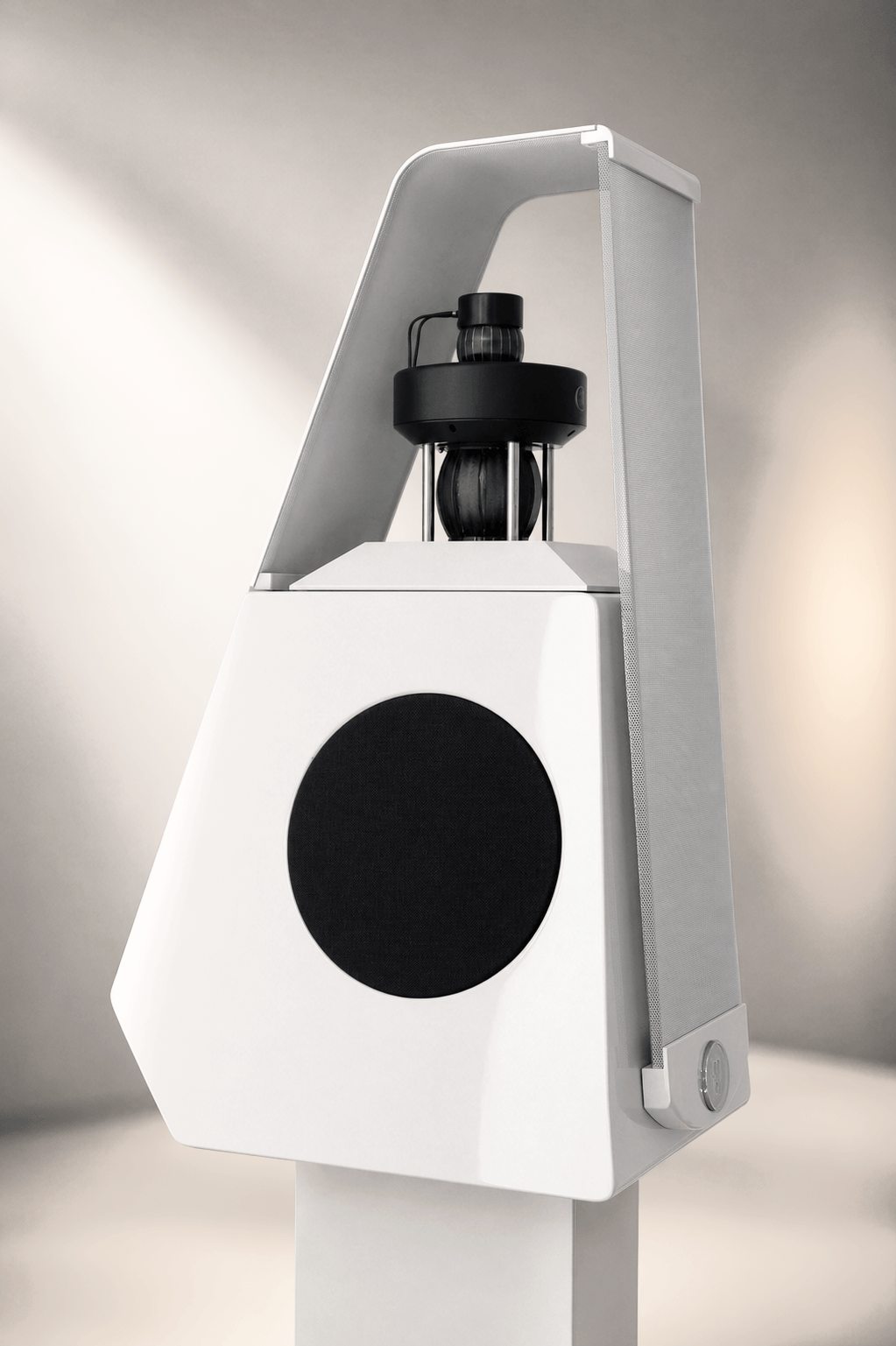
A conventional loudspeaker aims sound in one direction — forward, toward the listener. The Radialstrahler does something structurally different. Each driver is built from an array of curved aluminium (bass), magnesium (midrange) or carbon-fibre (tweeter) petals arranged vertically around a central axis, driven at their base by a voice coil that flexes the entire array in and out uniformly. The result is a 360-degree horizontal wave launch — sound expanding outward from the driver in every horizontal direction simultaneously, and the trade-off is exactly what would be expected: a much wider useful listening zone (the "sweet spot" essentially disappears), a room-filling ambience that most conventional designs cannot deliver, and — because the loudspeaker is now interacting with the room in every direction rather than firing at absorbers behind the listener — a much greater sensitivity to room placement and treatment. Radialstrahlers divide opinion for real engineering reasons, and they are worth hearing rather than reading about.
The MBL line at LMC
LMC carries the full current MBL line — every current Radialstrahler loudspeaker and the full three-tier electronics range.
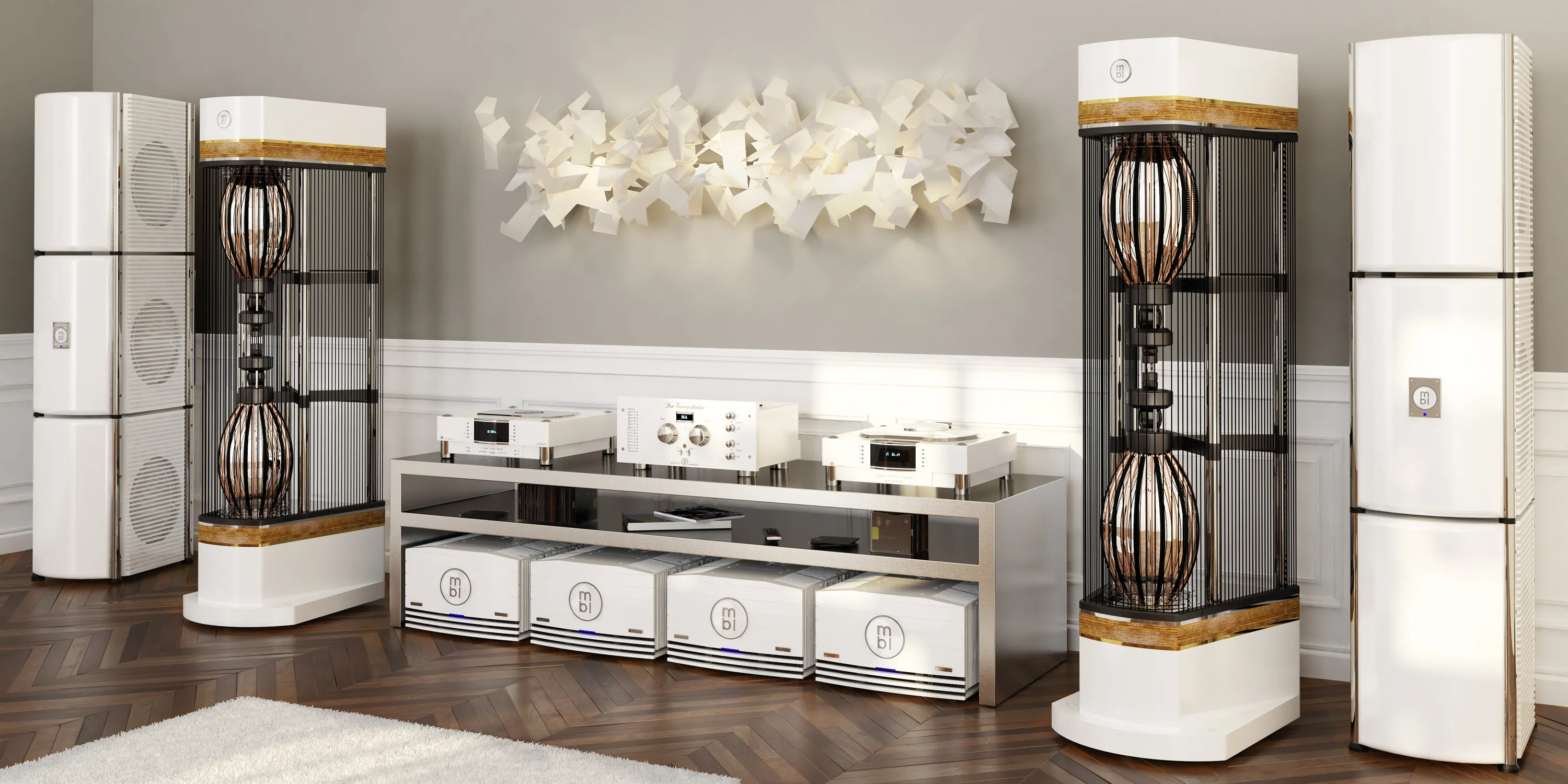
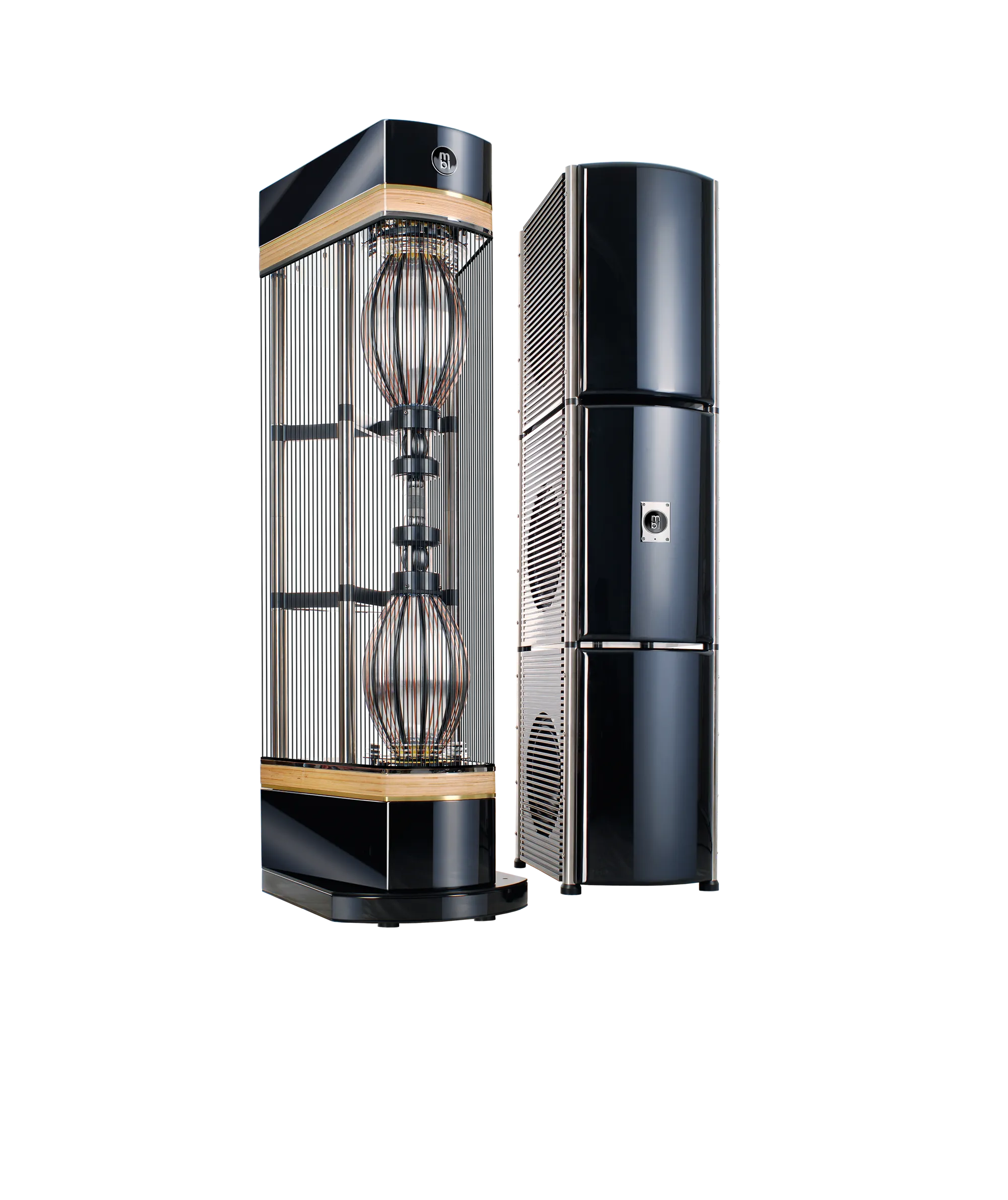
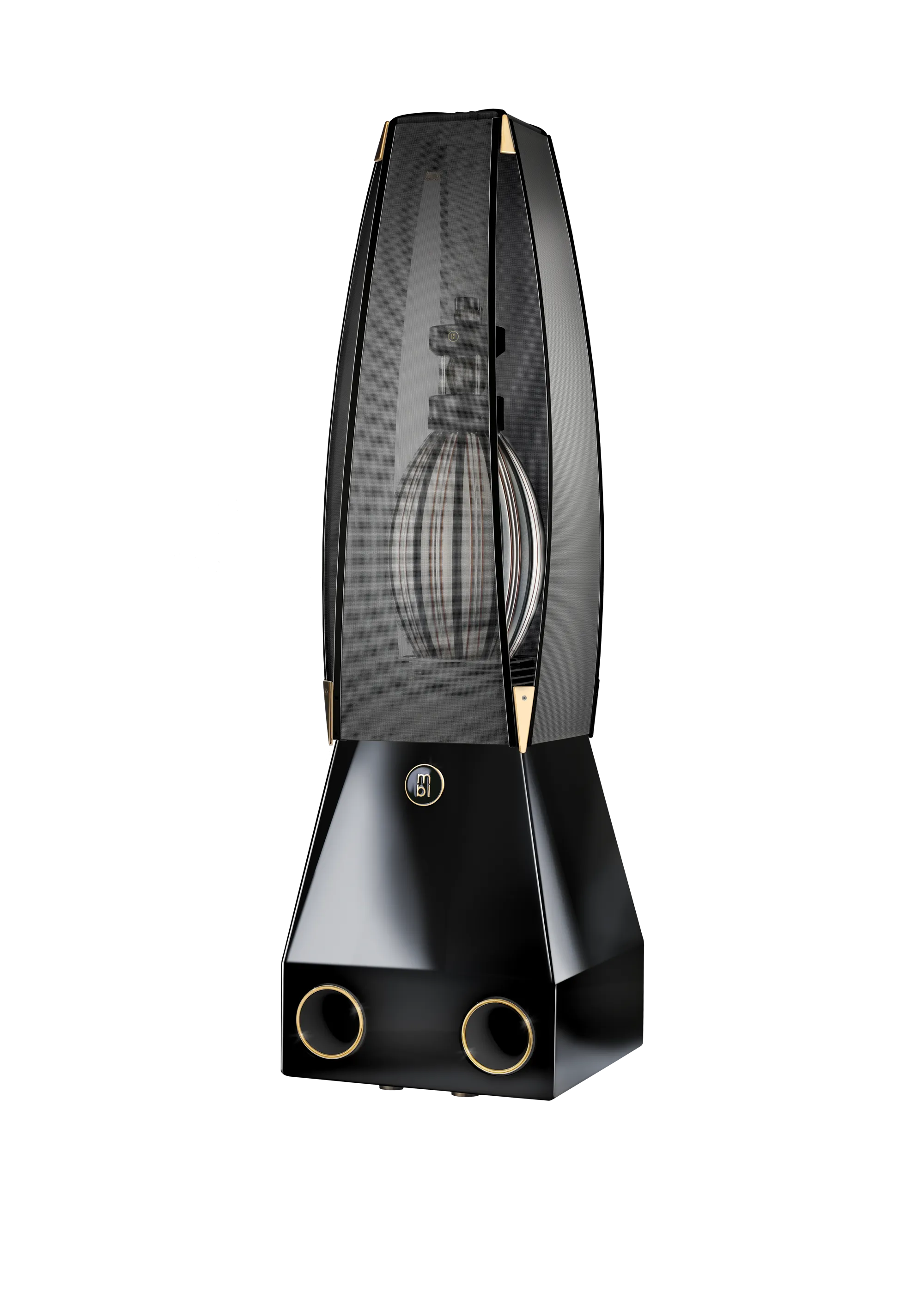
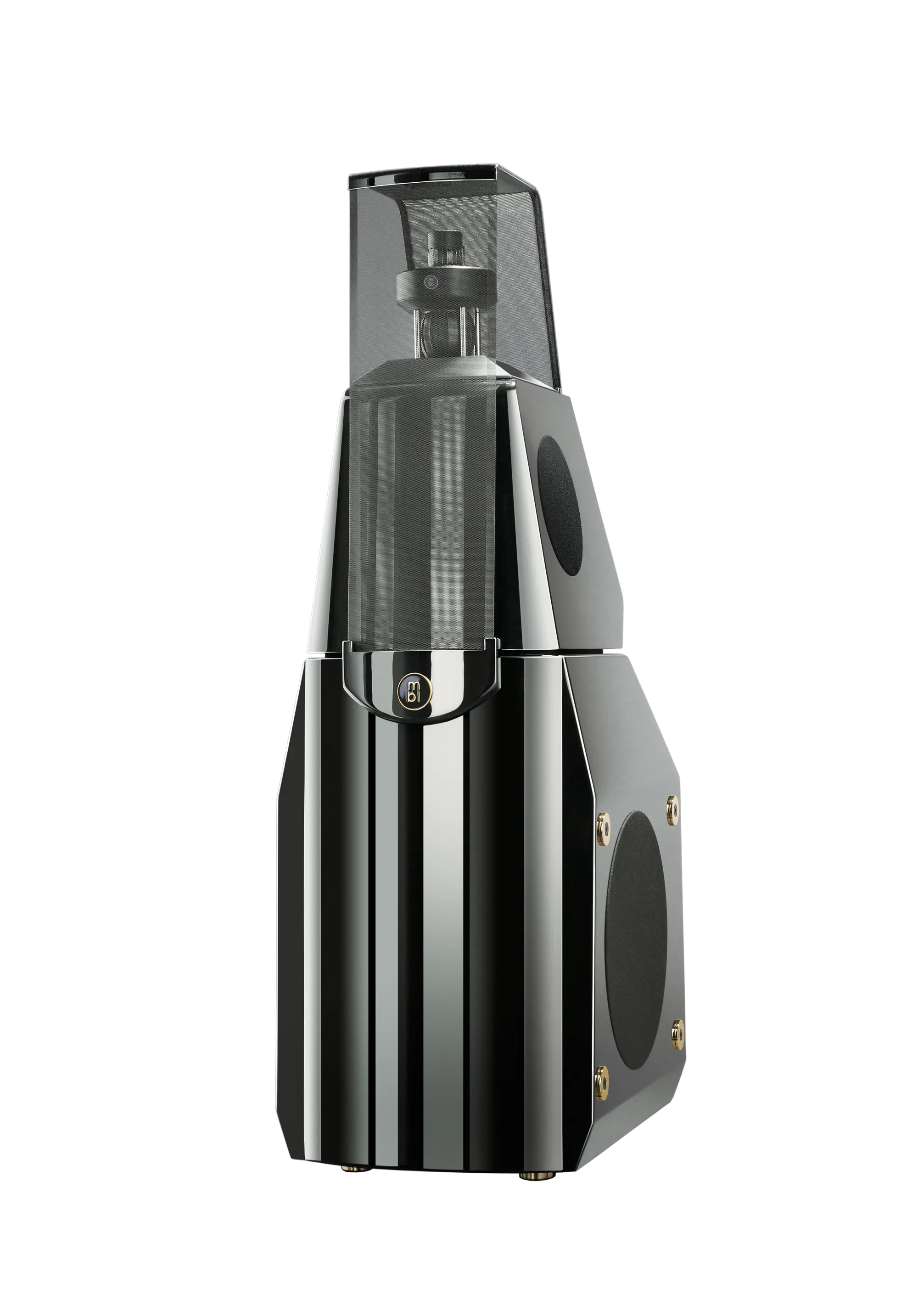
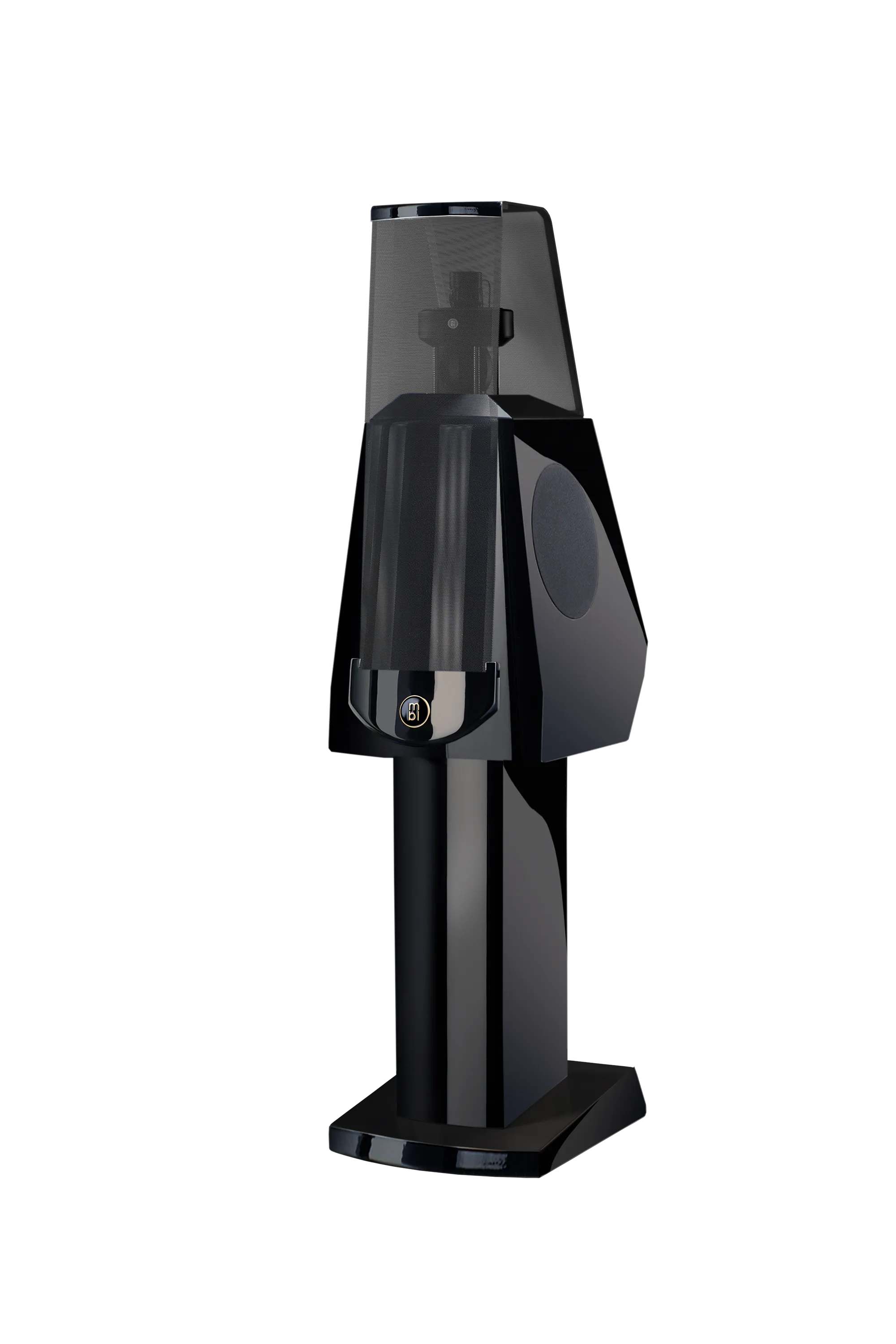
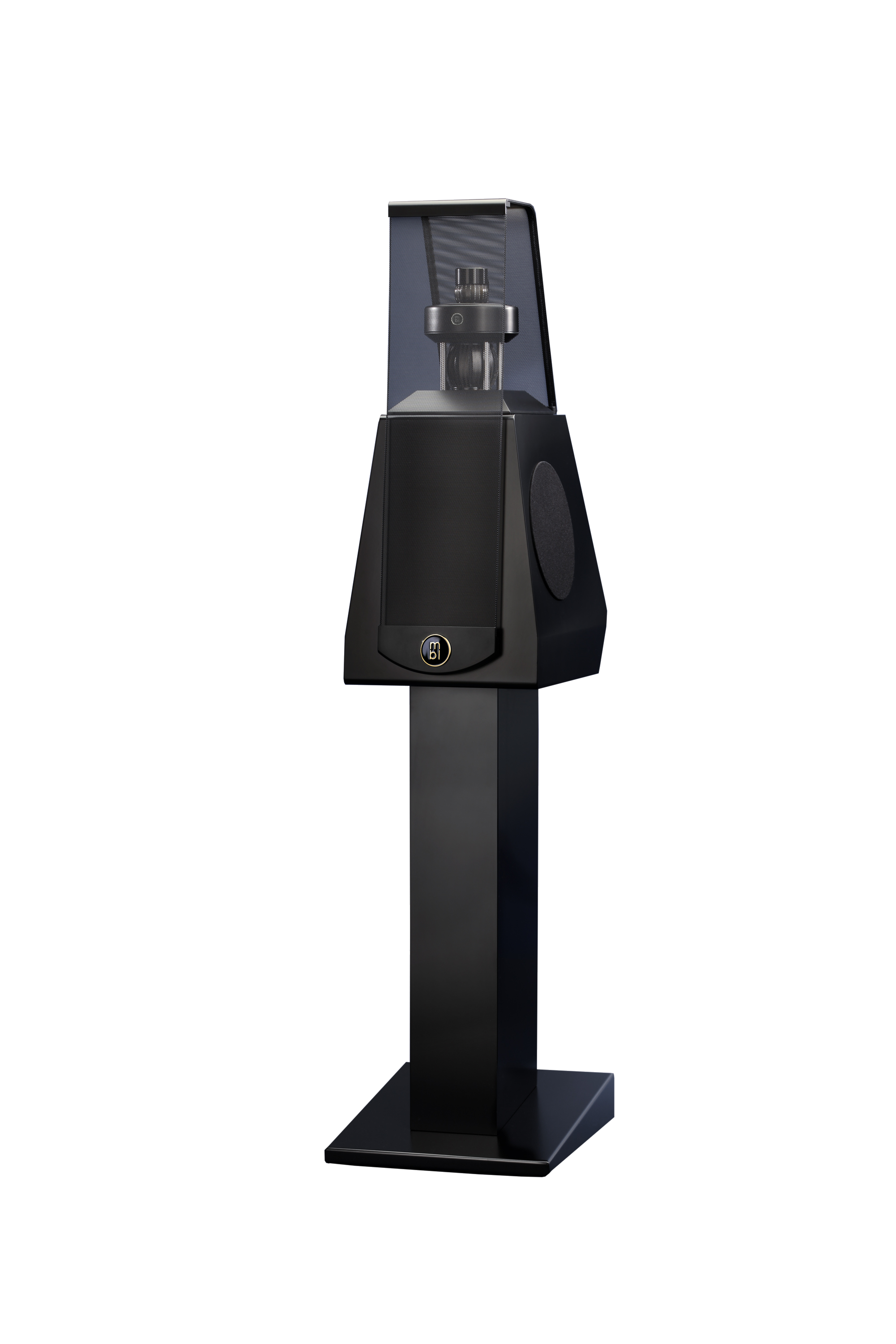
At the top of the loudspeaker range is the 101 X-Treme MKIII, MBL's four-tower flagship. Each channel consists of a six-foot Radialstrahler tower with two full Radialstrahler driver arrays arranged in a vertical D'Appolito mirror configuration, flanked by a dedicated six-foot subwoofer tower housing six 12-inch aluminium-cone drivers in a push-push arrangement. Full system weight exceeds one metric ton per pair. Below the X-Treme, the 101 E MKII is the single-tower Radialstrahler that established MBL's reputation and remains the reference-tier tower for rooms that cannot accommodate the four-tower flagship. The 111 F and 116 F floorstanders carry the Radialstrahler tweeter and midrange in more compact cabinets, and the 120 MKII and 126 MKII stand-mounts extend the Radialstrahler signature into smaller rooms — MBL designed the 126 specifically to voice with its Noble and Cadenza Line electronics.
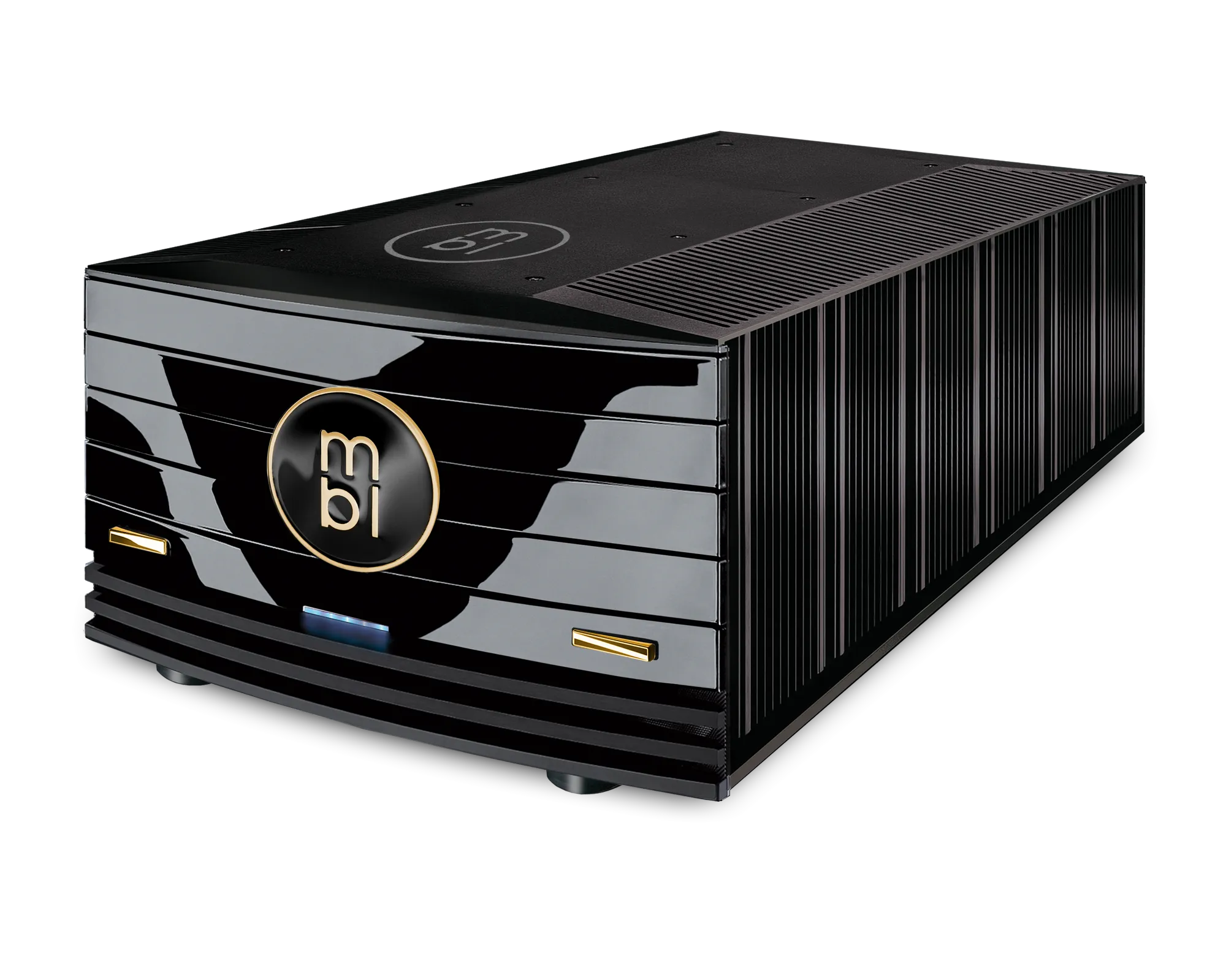
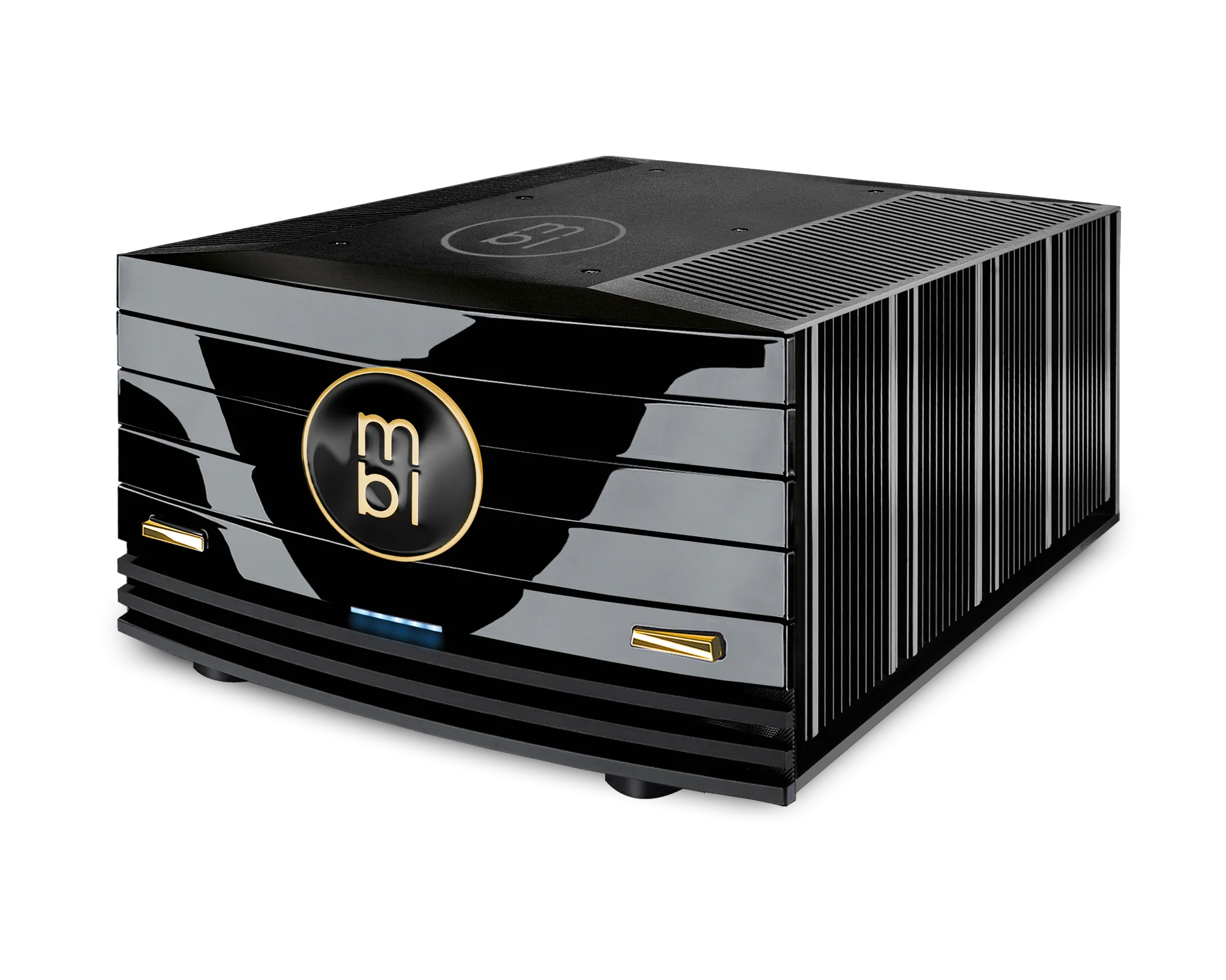
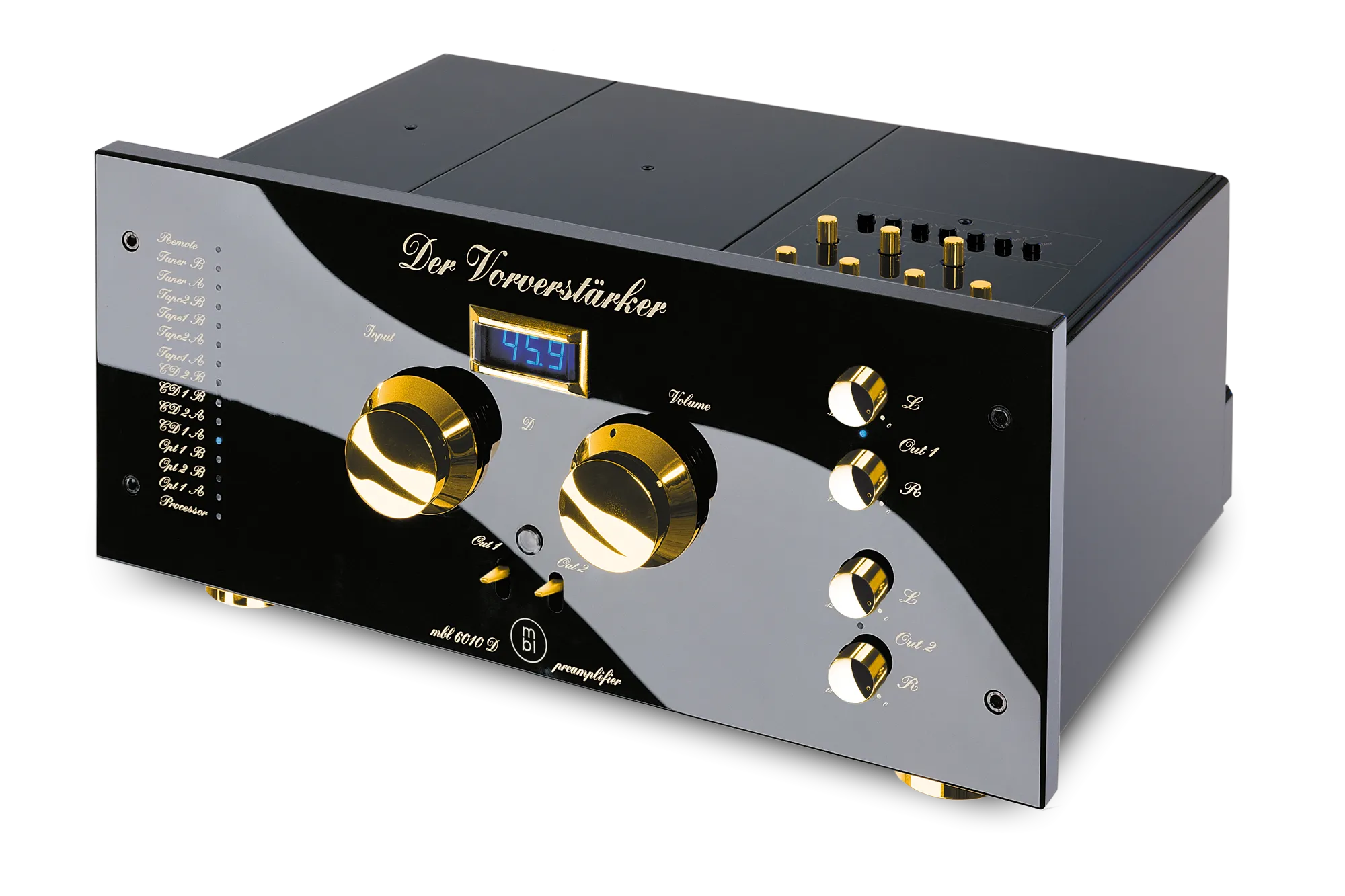
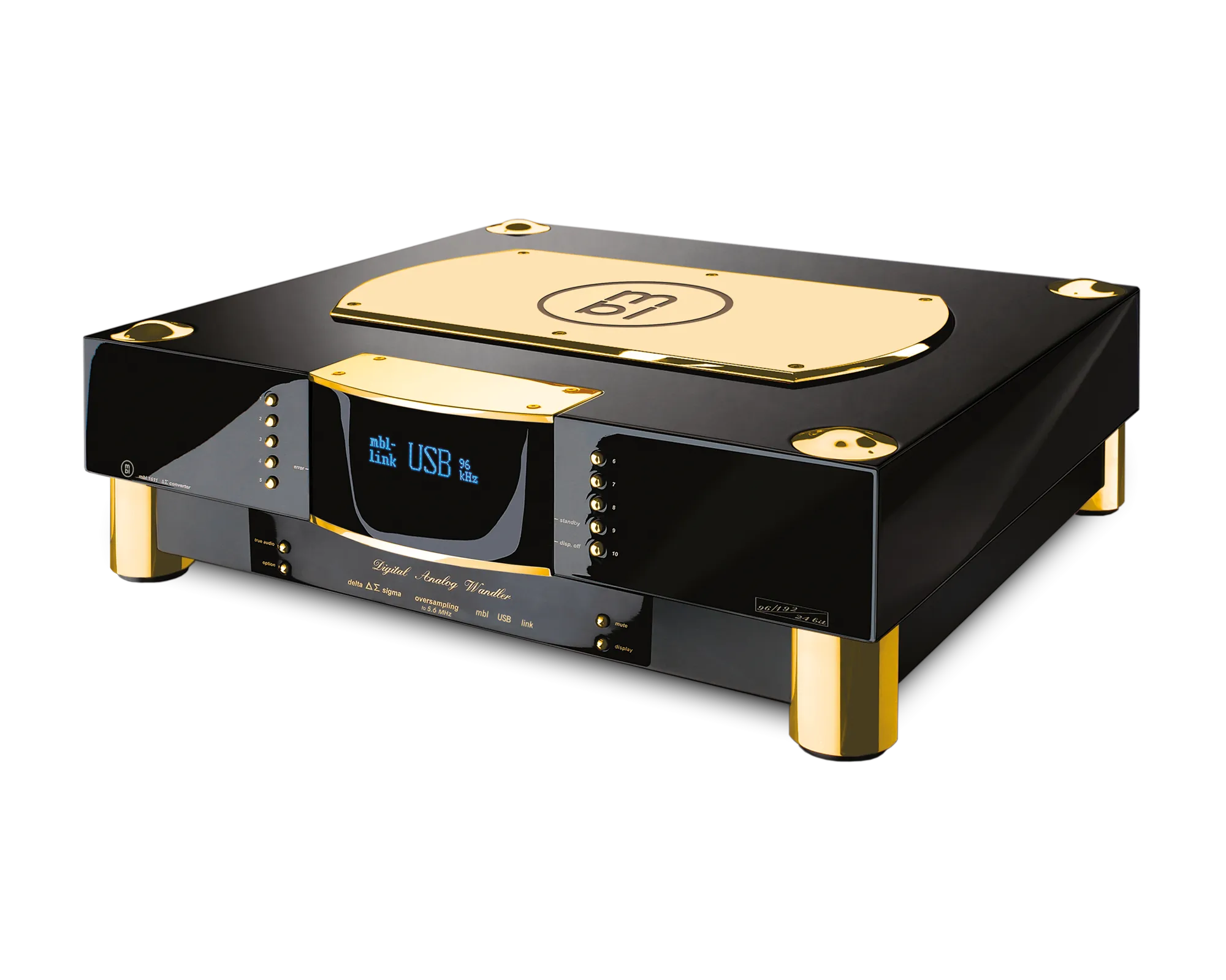
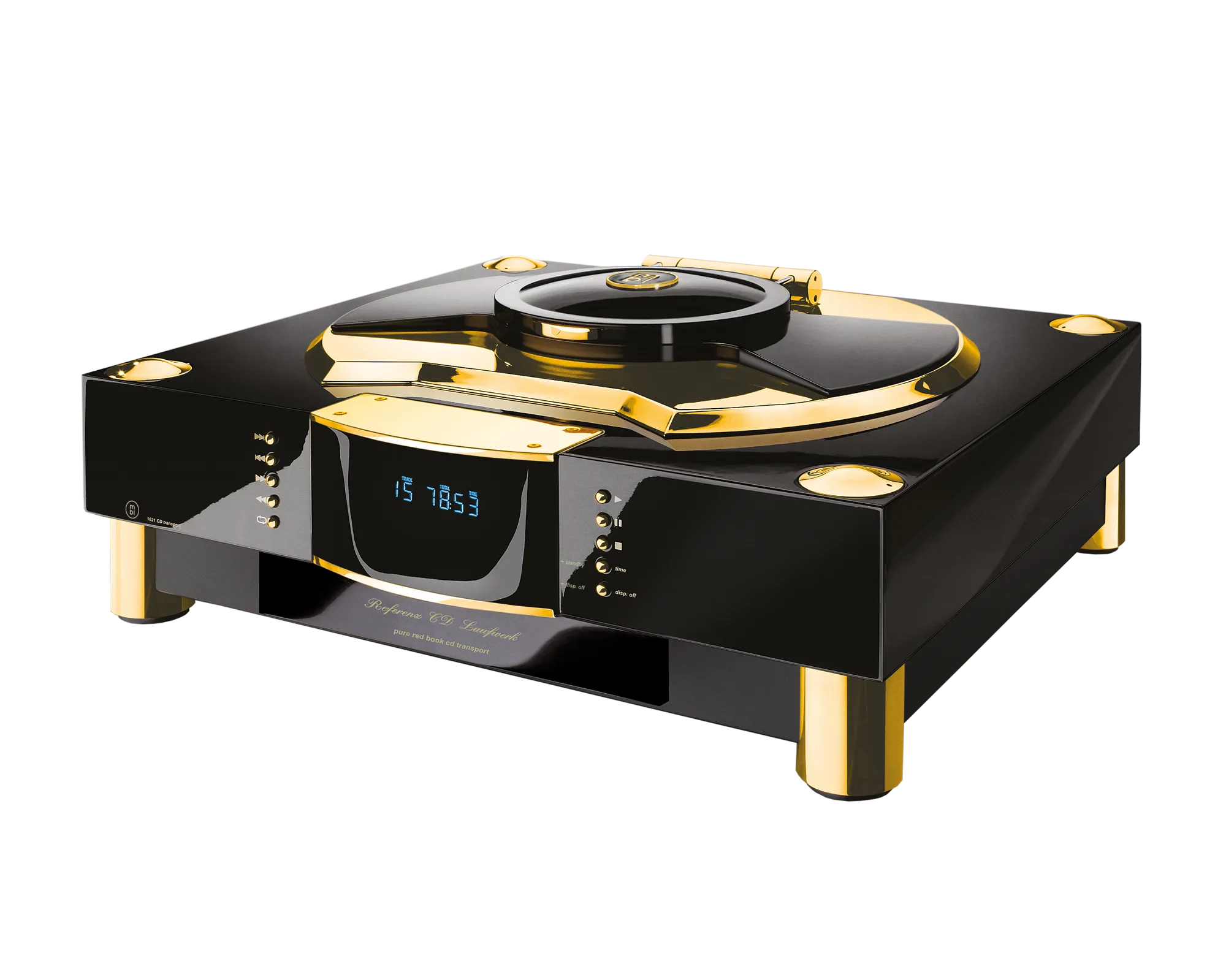
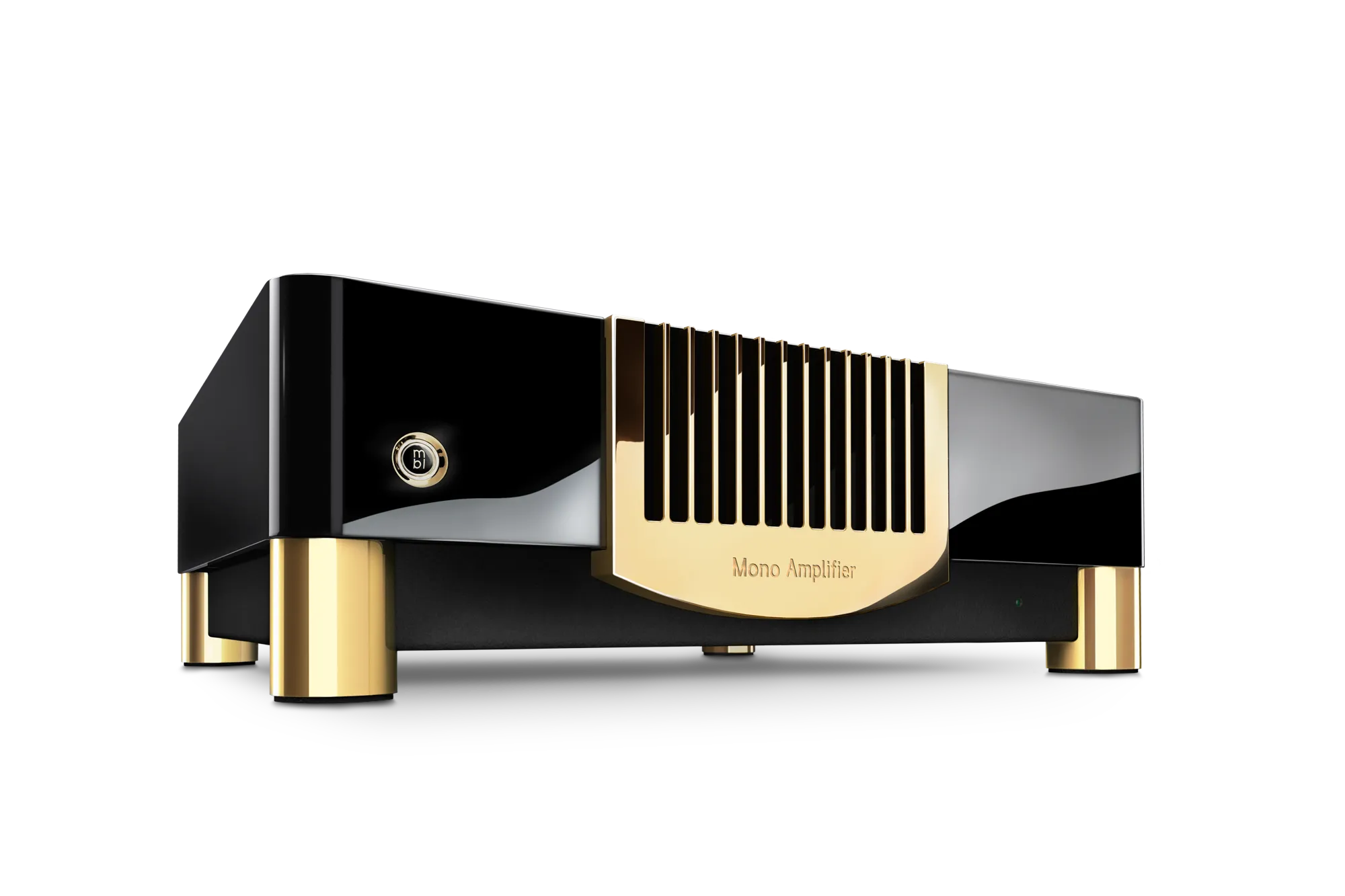
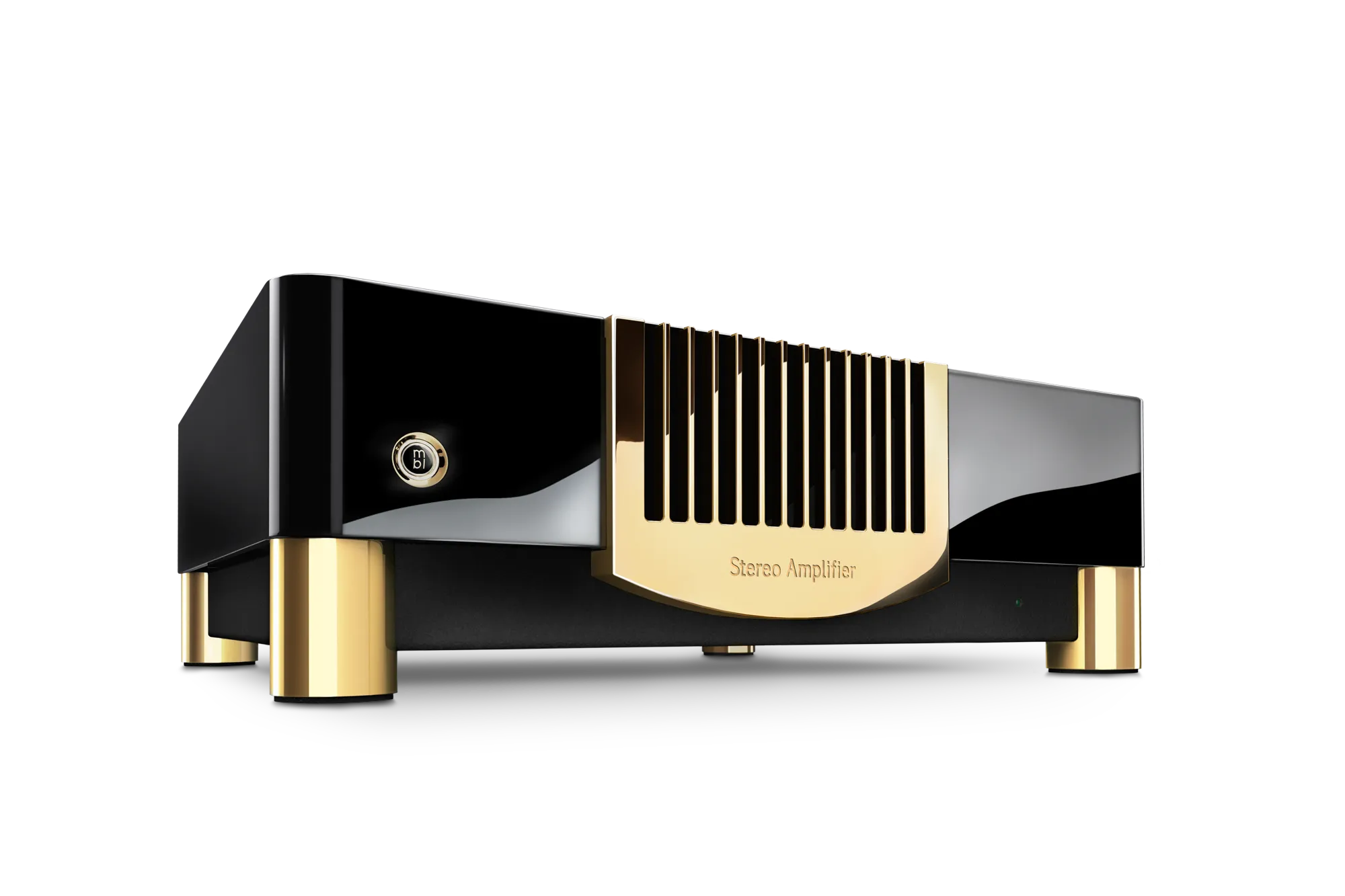
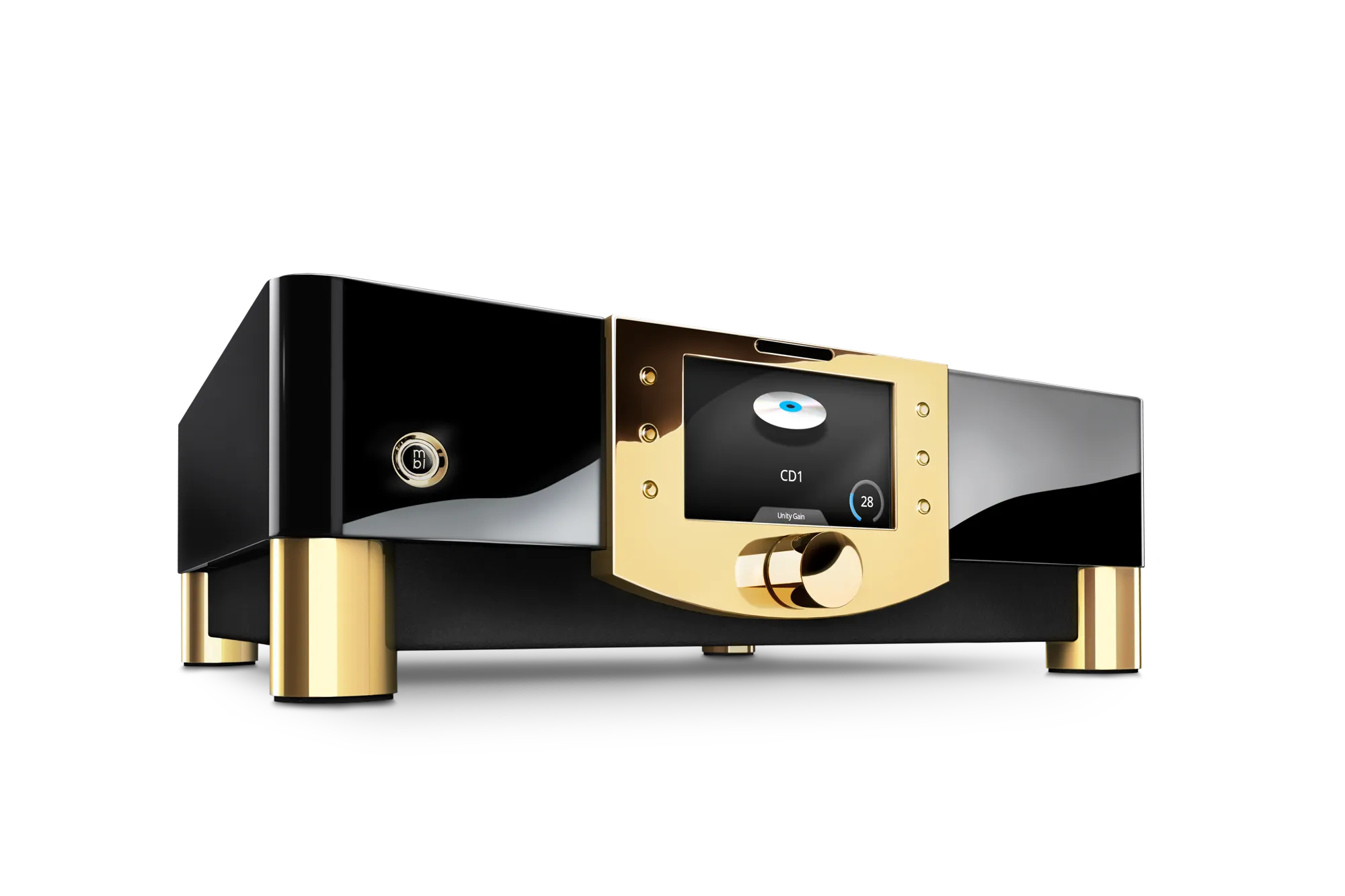
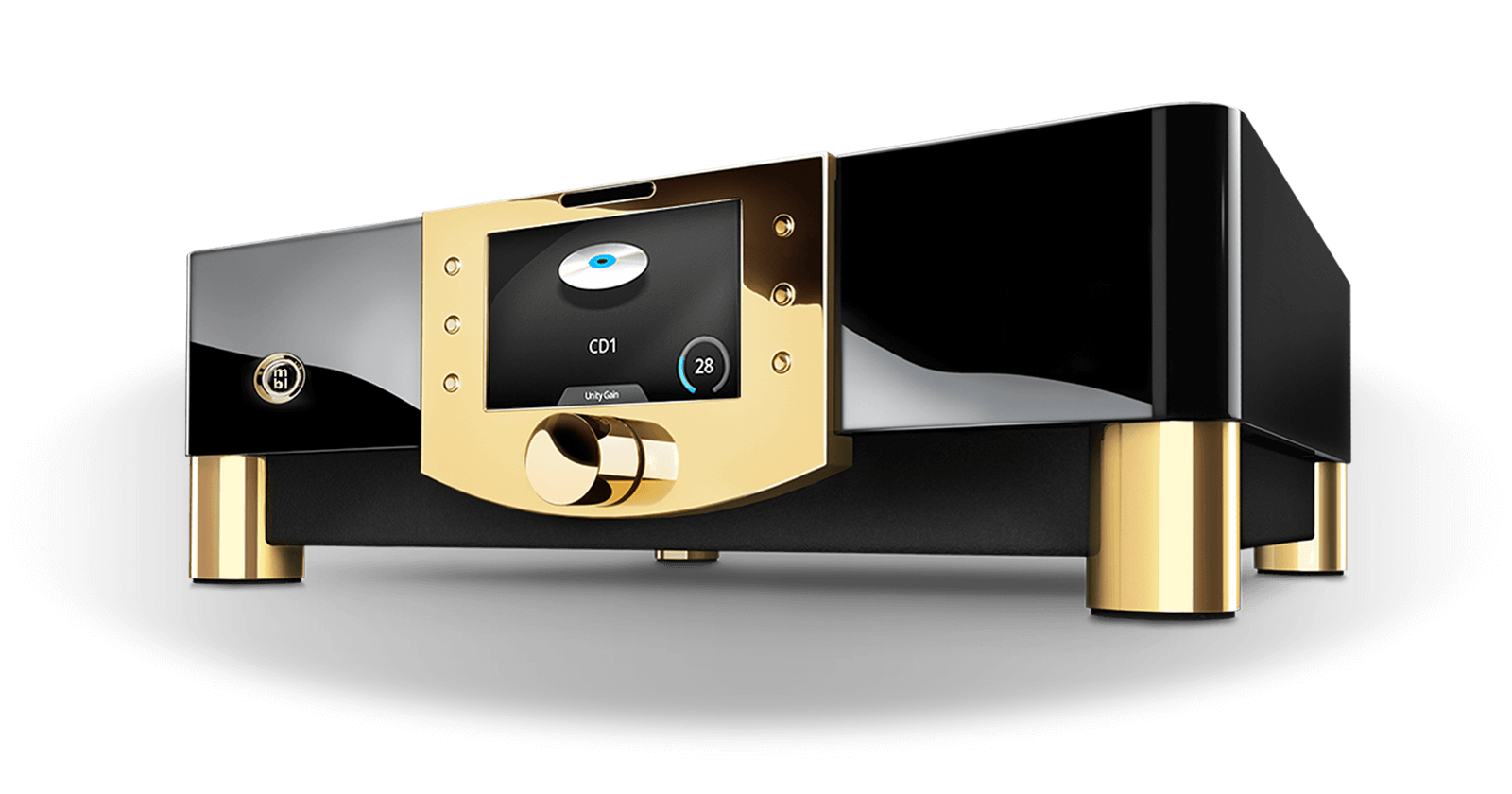
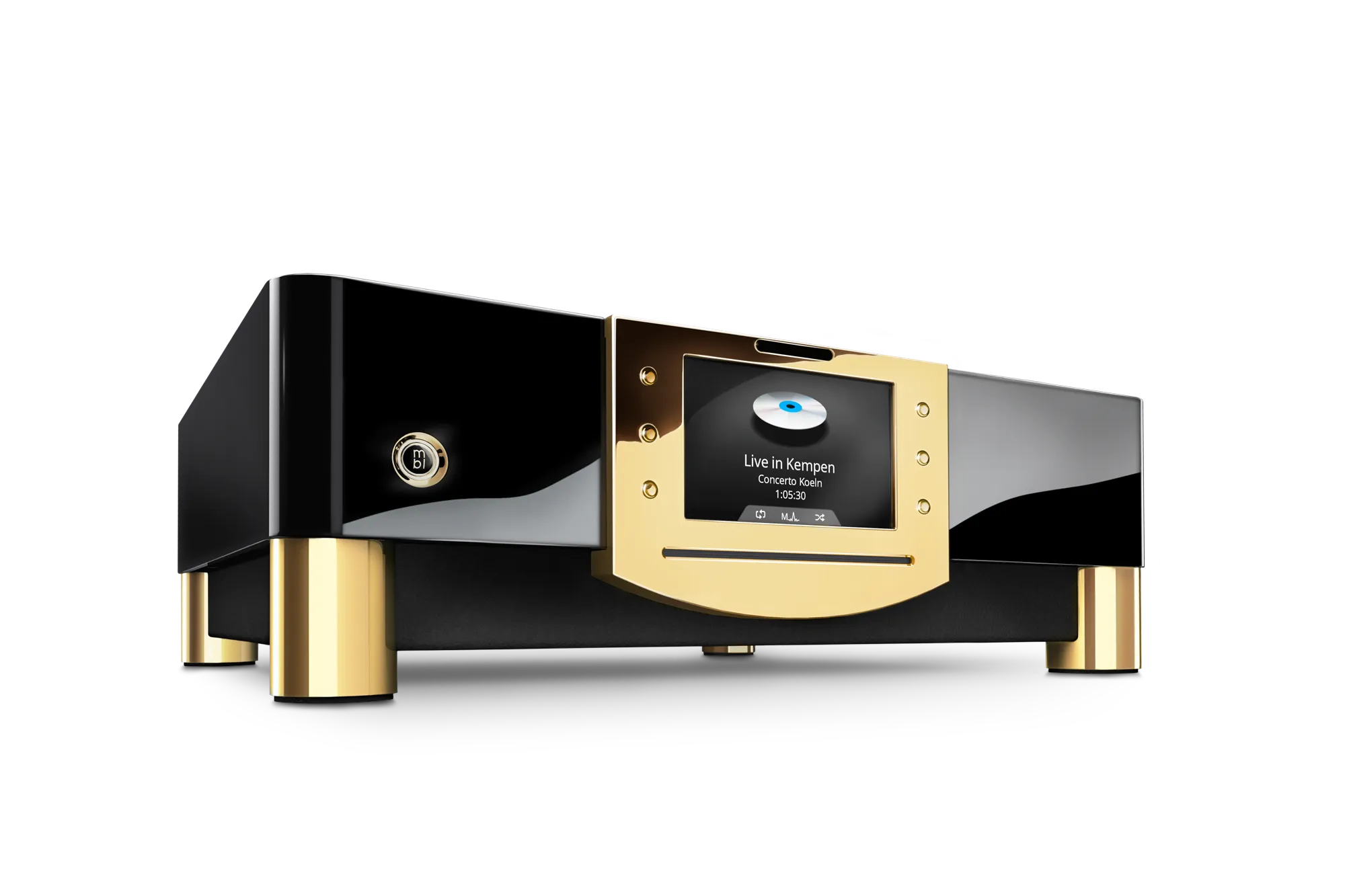
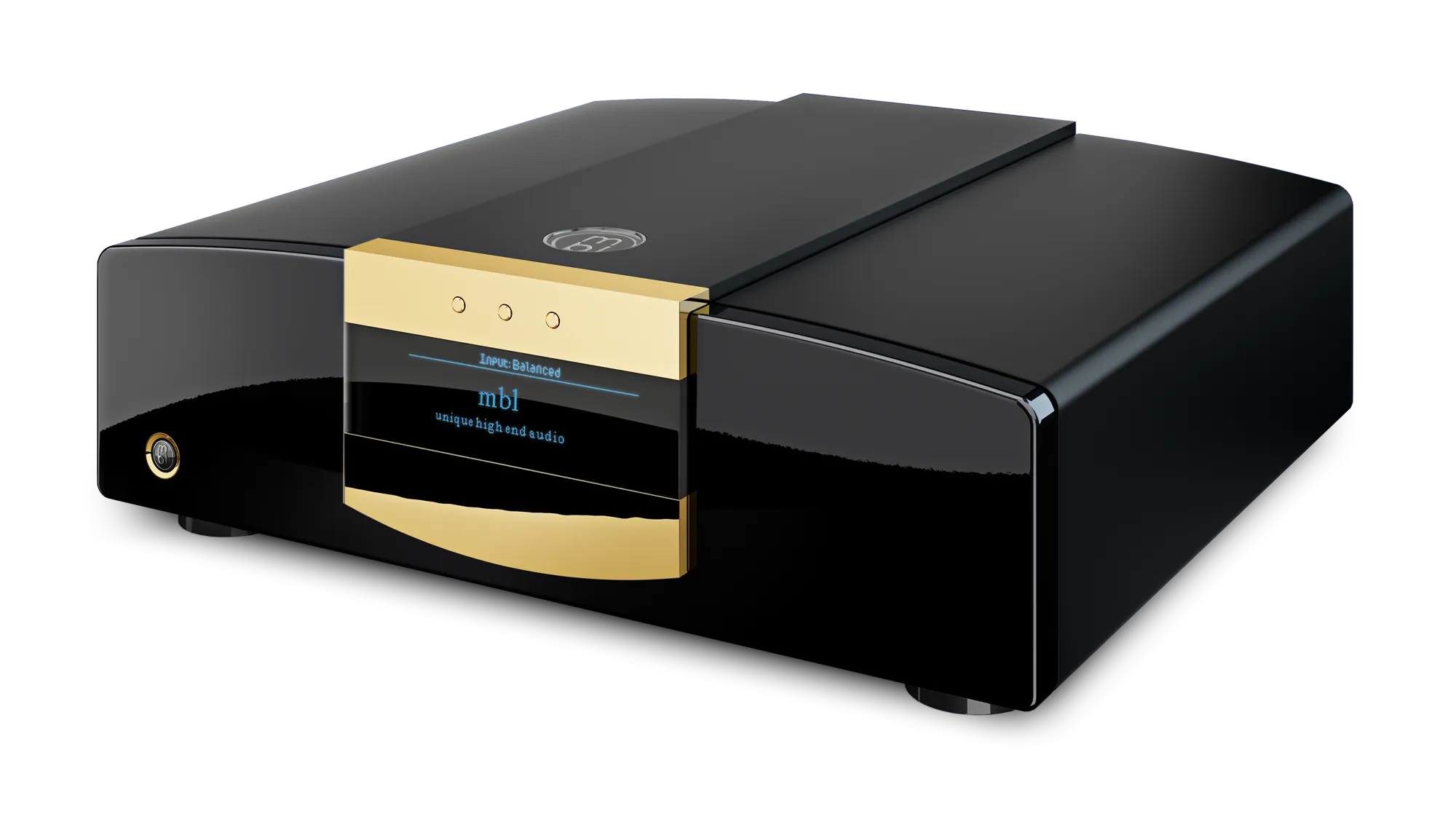
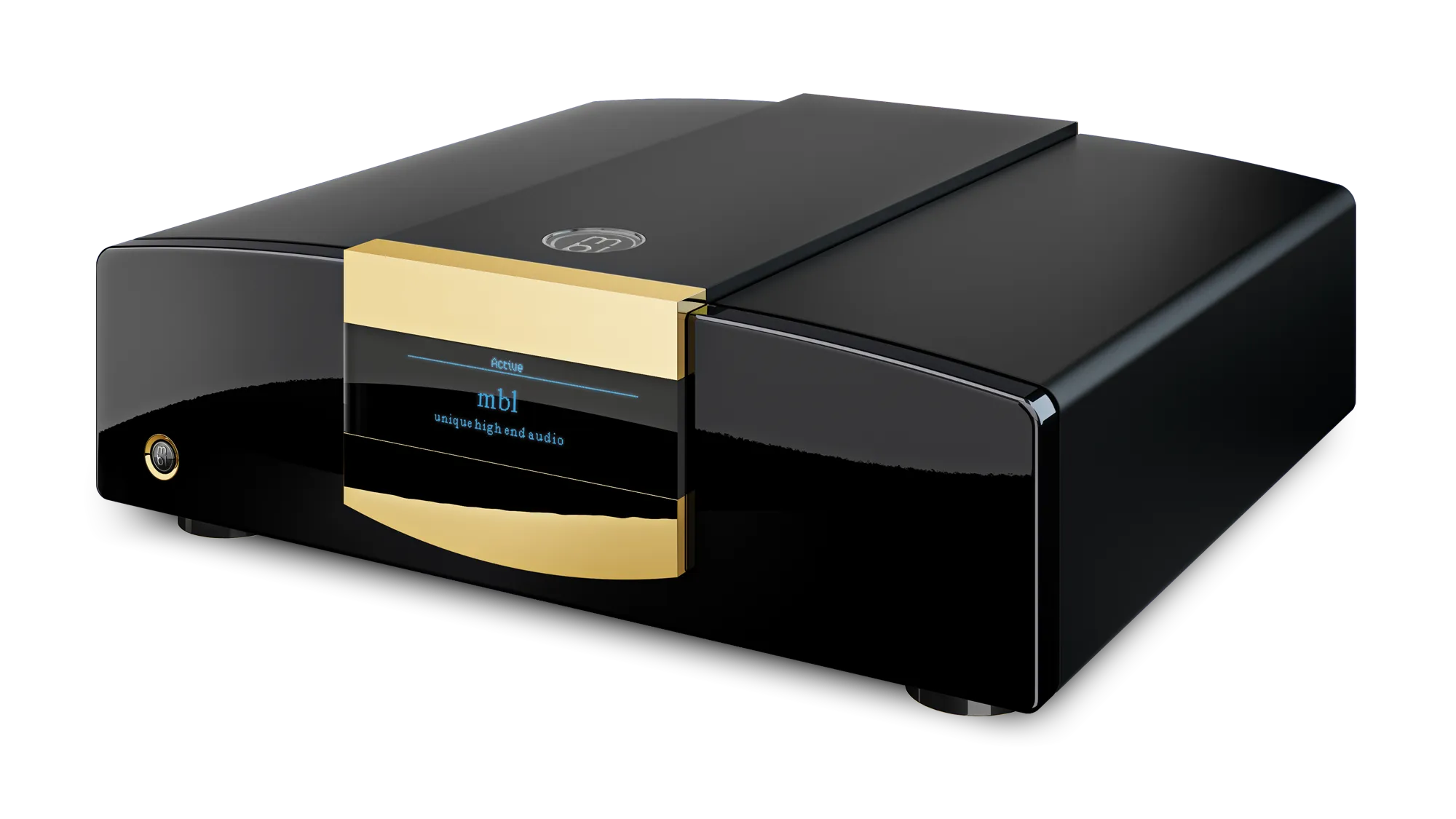
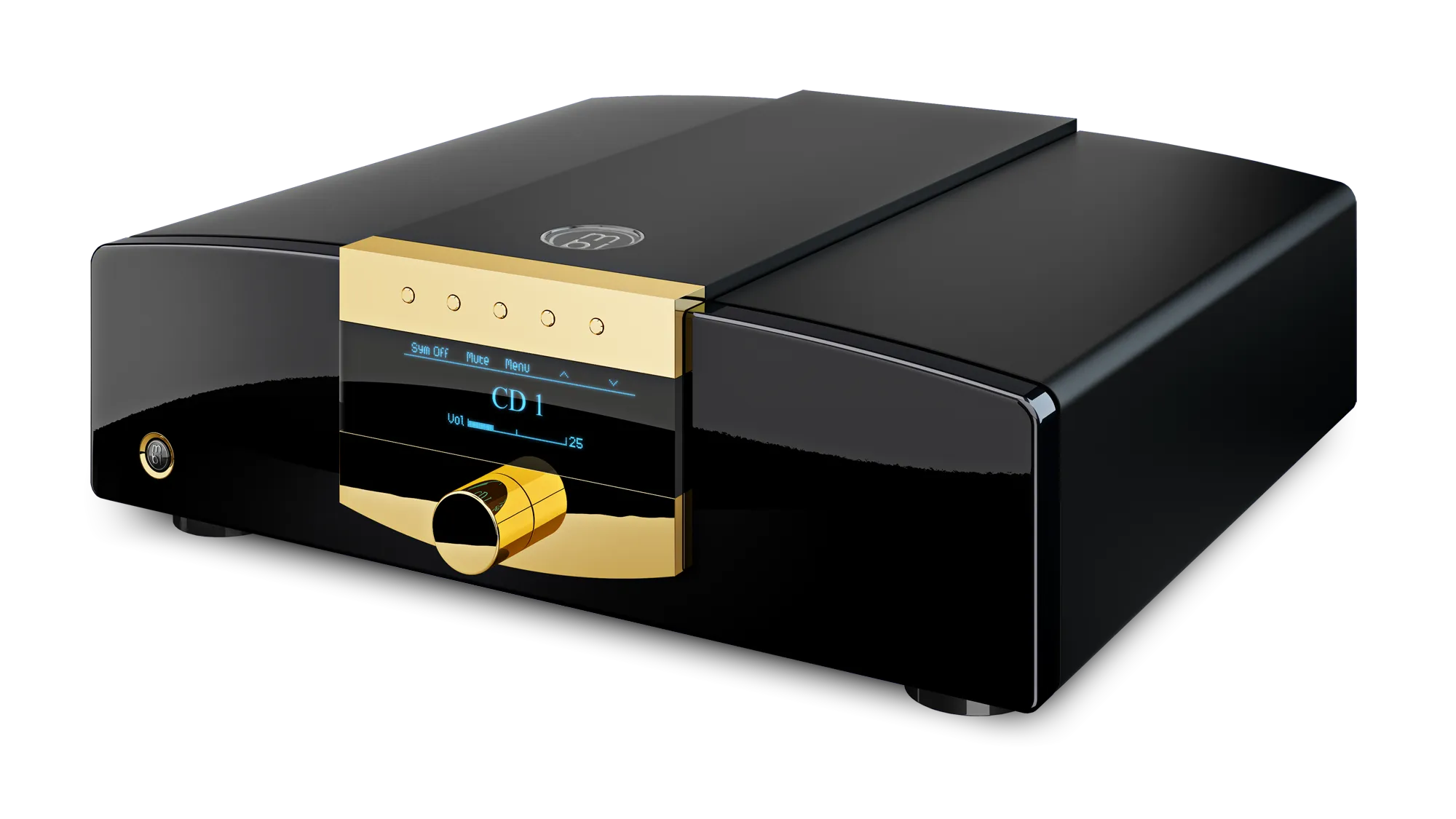
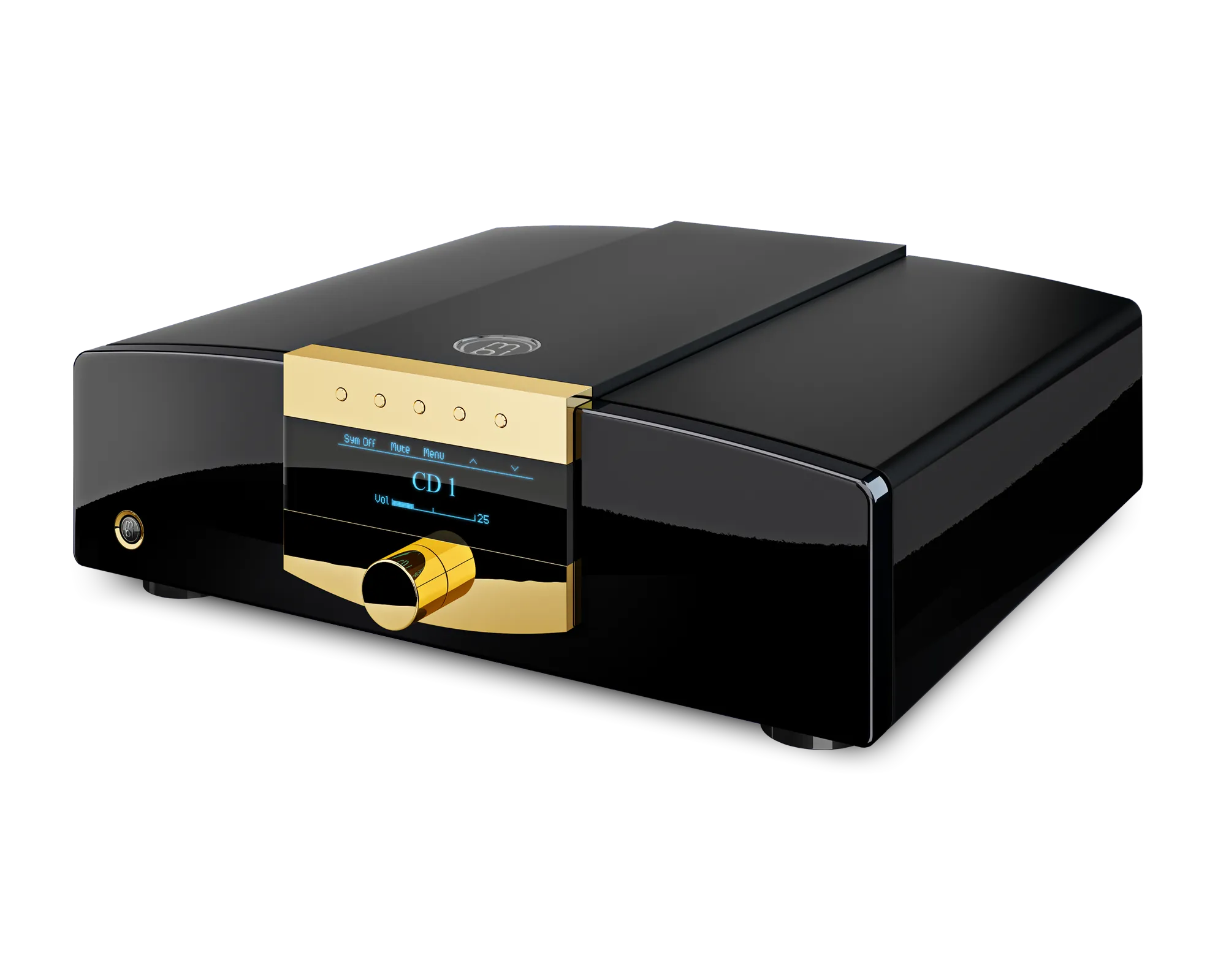
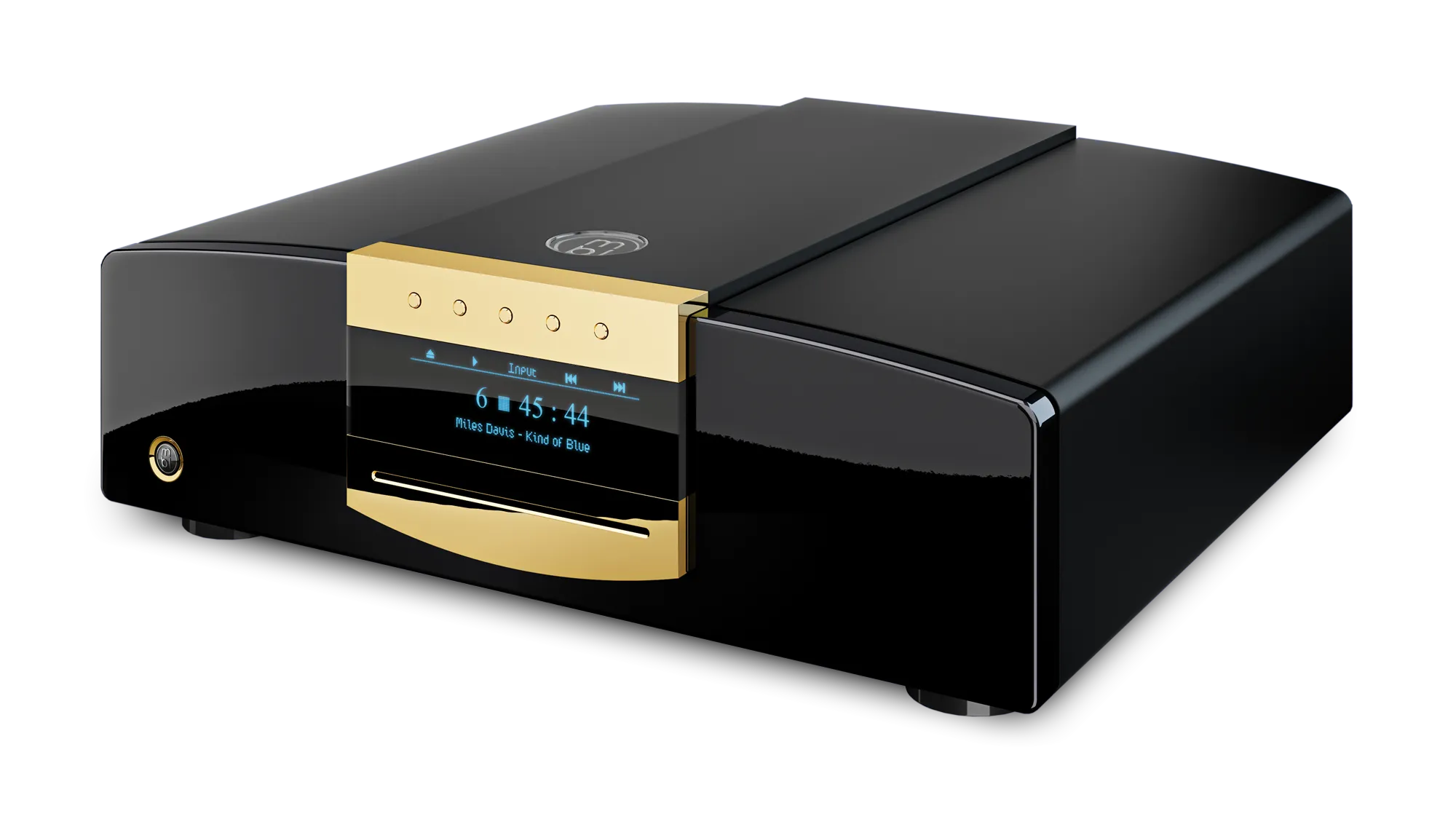
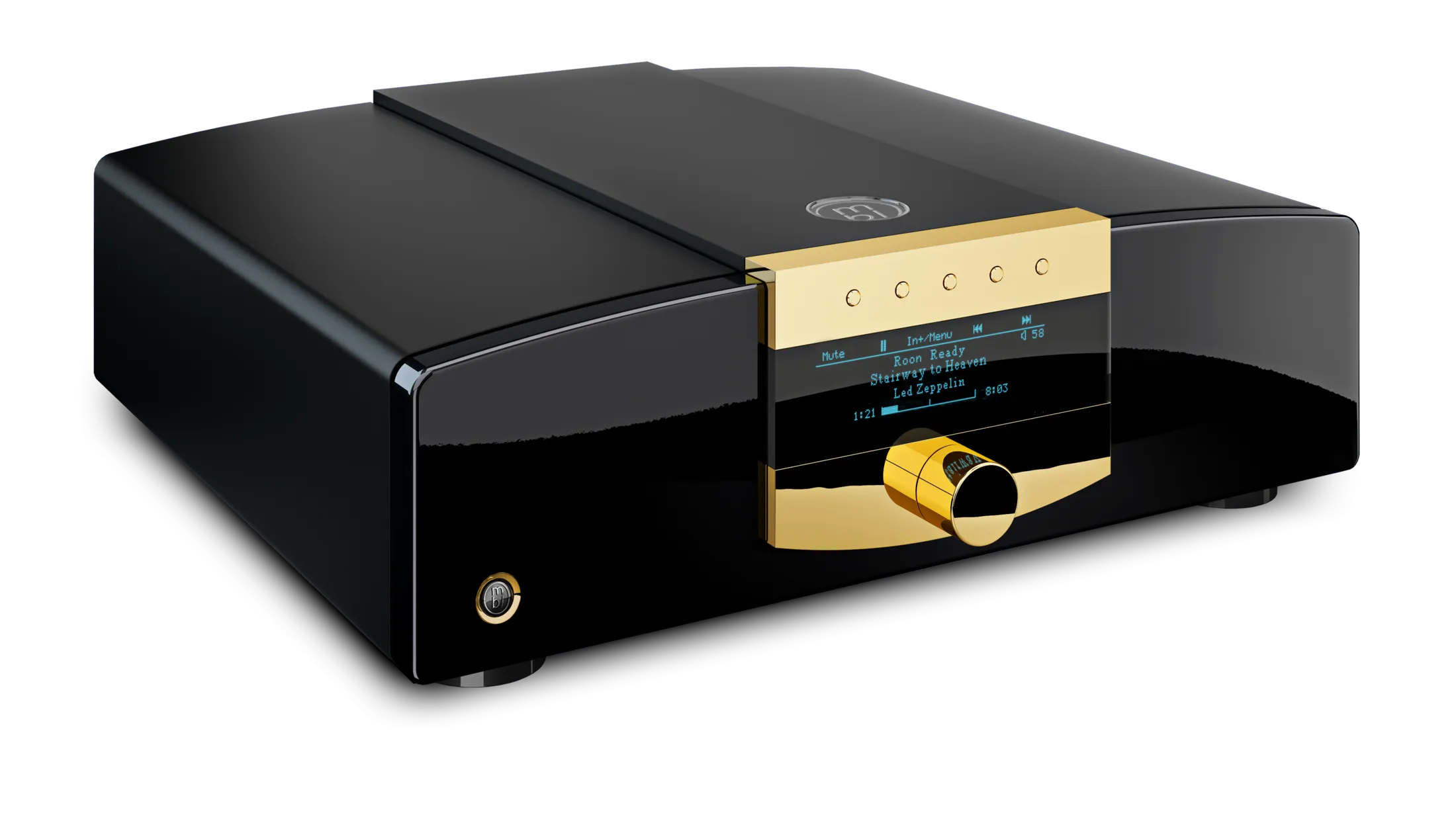
The electronics line runs across three tiers. The Reference Line is the top: the 9011 mono/stereo power amplifier (95 kg per chassis, 50 A peak current, 5 kW pulse output into 2 Ohm), the 9008 A power amplifier, the 6010 D preamplifier, the 1611 F digital-to-analogue converter, and the 1621 A CD transport — the components used to drive the 101 X-Treme MKIII in a full reference configuration. The Noble Line extends MBL's Linear Analogue Switching Amplifier (LASA 2.0) technology into the middle tier, with the N51 MKII integrated, the N41 network player, the N31 CD-DAC, and the N15 monoblocks. The Cadenza Line covers the accessible entry tier — the C51 integrated, C41 network player, C31 CD player, C21 stereo amplifier and C15 monoblocks — with the same engineering DNA scaled down.
The MBL Room at LMC — a brand-new build for 2024
MBL is one of the very few high-end audio marques whose current flagship demands a room built specifically for it, and LMC completed exactly that room as part of its 25th-anniversary showroom expansion in the autumn of 2024. The all-new MBL Room at LMC's Scottsdale showroom was constructed specifically to demonstrate the 101 X-Treme MKIII — the first (and to our knowledge only) purpose-built MKIII demonstration room in the western United States.
The room runs the full 101 X-Treme MKIII four-tower system on MBL Reference Line electronics — the 6010 D preamplifier feeding the 9008 A power amplifiers — with digital source and turntable duties handled by Linn's Selekt DSM streamer and Selekt LP12 turntable. This is not an MBL system pieced together from what happened to be on the floor. It is a room voiced specifically for the Radialstrahler's omnidirectional radiation pattern, with a signal chain assembled to Jürgen Reis's own reference-configuration recommendations, and it is the only place in Arizona and one of very few places in the country where the current MKIII can be heard properly set up. LMC has been an MBL dealer since 2010, but the MBL Room is what a decade and a half of relationship with the brand looks like when the room finally gets built.
Where to start
For a first serious Radialstrahler audition, the 101 E MKII is the honest entry point at reference-tier — the single-tower Radialstrahler that most listening rooms can physically and acoustically accommodate, and that carries the same driver technology as the X-Treme MKIII in a form factor and price bracket a real reference-tier system can actually reach. For a lifestyle-first system where the Radialstrahler ambience matters but the cabinet size cannot, the 111 F or 116 F floorstanders or the 126 MKII stand-mount — voiced specifically for Cadenza and Noble Line partnering — cover most rooms convincingly without compromising the omnidirectional signature. For the buyer building an unambiguous statement system where the room already exists or will be built for it, the 101 X-Treme MKIII in the MBL Room is exactly what it appears to be: the current top of the Radialstrahler idea, in the setup it was designed to be heard in.
What to listen for
Two things are worth testing deliberately in a Radialstrahler audition, and neither of them requires audiophile-reference recordings. First: image stability outside the sweet spot. Stand up during playback and walk around the room. On a conventional forward-firing loudspeaker the stereo image collapses as soon as the listener leaves the geometric centre; on a Radialstrahler it remains intelligible from almost anywhere in the room, and how a listener feels about that — whether the wider useful zone is a benefit or a departure from what stereo is "supposed" to do — is the first honest measure of whether MBL is right for that listener's system. Second: the sense of acoustic space on live-recorded material. On unamplified acoustic recordings made in a real venue — chamber ensemble, small jazz group, unaccompanied vocal — the Radialstrahler's 360-degree radiation tends to render the ambience of the original room with an unusual completeness, because the loudspeaker is exciting the listening room in a pattern much closer to how the original instruments excited theirs. That is where the Radialstrahler premise makes its strongest case, and where the difference from a conventional loudspeaker is most immediately audible.
Walk in during business hours to hear the MBL Room in Scottsdale. Book ahead if the audition needs the 101 X-Treme MKIII warmed up and configured against your own recordings — the system takes time to reach full performance from cold, and having it on for a couple of hours before the audition changes what you hear.
Frequently asked questions
What is MBL, and what makes their Radialstrahler loudspeakers different?
MBL Akustikgeräte was founded in Berlin in 1979 by Wolfgang Meletzky, Bienecke and Lehnhardt — the M, B and L in the company name. Meletzky, a lifelong Gustav Mahler enthusiast, had been unable to reproduce the raw dynamic scale and enveloping ambience of a Berlin Philharmonic concert on any home hi-fi system, and his response was to abandon the entire premise of a forward-firing loudspeaker. The Radialstrahler that resulted — introduced publicly at IFA Berlin 1979 — uses arrays of curved aluminium (bass), magnesium (midrange) and carbon-fibre (tweeter) petals arranged vertically around a central axis, driven at their base by a voice coil that flexes the entire array in and out uniformly. The result is a 360-degree horizontal wave launch — sound expanding outward in every horizontal direction simultaneously — which produces a much wider useful listening zone and a room-filling ambience that conventional forward-firing designs cannot deliver. Every current MBL loudspeaker and electronics component is designed and hand-assembled at MBL's Berlin manufactory under Chief Engineer Jürgen Reis, who has held that role for over forty years.
What is the 101 X-Treme MKIII, and can I hear it at LMC?
The 101 X-Treme MKIII is MBL's four-tower flagship loudspeaker. Each channel consists of a six-foot Radialstrahler tower with two full Radialstrahler driver arrays arranged in a vertical D'Appolito mirror configuration, flanked by a dedicated six-foot subwoofer tower housing six 12-inch aluminium-cone drivers in a push-push arrangement. Full system weight exceeds one metric ton per pair. LMC has the 101 X-Treme MKIII on active demonstration in the dedicated MBL Room at the Scottsdale showroom — a room built specifically for the MKIII as part of LMC's 25th-anniversary showroom expansion in autumn 2024, and to our knowledge the only purpose-built MKIII demonstration room in the western United States. The system runs on MBL Reference Line electronics (6010 D preamplifier feeding 9008 A power amplifiers) with digital and analogue source handled by Linn Selekt DSM streamer and Selekt LP12 turntable. Walk in during business hours to hear it, or book ahead if the audition needs the system warmed up against your own recordings — the MKIII takes time to reach full performance from cold.
Which MBL loudspeaker is right for my room?
The MBL Radialstrahler range spans compact stand-mounts through the one-ton four-tower flagship, and the right choice starts with the room. The 120 MKII and 126 MKII stand-mounts extend the Radialstrahler signature into smaller rooms — MBL designed the 126 specifically to voice with its Noble and Cadenza Line electronics. The 111 F and 116 F floorstanders carry the Radialstrahler tweeter and midrange in more compact floor-standing cabinets suited to medium rooms. The 101 E MKII is the single-tower Radialstrahler that established MBL's reputation and remains the reference-tier tower for rooms that cannot accommodate the four-tower flagship. The 101 X-Treme MKIII is a purpose-built statement system that wants a room built for it — which is what the LMC MBL Room is. Radialstrahlers are more sensitive to placement and room treatment than conventional designs (that is the trade-off for the omnidirectional radiation), so share your room's dimensions with the LMC team and we'll shortlist the right model before you commit.
Can I use MBL loudspeakers with non-MBL electronics?
Yes — the Radialstrahler is a passive loudspeaker and works with any high-quality amplification. That said, MBL's own electronics were designed by Jürgen Reis specifically to drive the Radialstrahler's demanding impedance curve and to voice with its omnidirectional radiation pattern, so an all-MBL system tends to sound the way MBL's engineering team intended more directly than a mixed-brand system will. The 9011 mono/stereo power amplifier at the top of the Reference Line delivers 50 amps peak current and 5 kW pulse output into a 2-Ohm load specifically because the Radialstrahler's impedance behaviour rewards that kind of headroom. At the same time, Radialstrahlers are regularly paired with reference-tier tube and solid-state electronics from other manufacturers where the amplification is up to the load. The best way to answer the question for your specific system is to hear it in the room — LMC can configure comparisons on demand.
What does an MBL system sound like compared to conventional forward-firing loudspeakers?
Two things are worth testing deliberately in a Radialstrahler audition, and neither requires audiophile-reference recordings. First: image stability outside the sweet spot. Stand up during playback and walk around the room. On a conventional forward-firing loudspeaker the stereo image collapses as soon as the listener leaves the geometric centre; on a Radialstrahler it remains intelligible from almost anywhere in the room. How a listener feels about that — whether the wider useful zone is a benefit or a departure from what stereo is “supposed” to do — is the first honest measure of whether MBL is the right direction. Second: the sense of acoustic space on live-recorded material. On unamplified acoustic recordings made in a real venue — chamber ensemble, small jazz group, unaccompanied vocal — the Radialstrahler's 360-degree radiation renders the ambience of the original room with an unusual completeness, because the loudspeaker is exciting the listening room in a pattern much closer to how the original instruments excited theirs. That is where the Radialstrahler premise makes its strongest case, and where the difference from a conventional loudspeaker is most immediately audible.
What are the three MBL electronics tiers — Reference, Noble, and Cadenza?
MBL's electronics range spans three tiers, all designed by Jürgen Reis at the Berlin manufactory and sharing the same underlying engineering philosophy. The Reference Line is the top: the 9011 mono/stereo power amplifier (95 kg per chassis, 50 A peak current, 5 kW pulse output into 2 Ohm), the 9008 A power amplifier, the 6010 D preamplifier, the 1611 F digital-to-analogue converter, and the 1621 A CD transport — the components used to drive the 101 X-Treme MKIII in a full reference configuration. The Noble Line extends MBL's Linear Analogue Switching Amplifier (LASA 2.0) technology into the middle tier, with the N51 MKII integrated, the N41 network player, the N31 CD-DAC, and the N15 monoblocks — designed to voice with the 101 E MKII, 111 F and 116 F loudspeakers. The Cadenza Line covers the accessible entry tier — the C51 integrated, C41 network player, C31 CD player, C21 stereo amplifier and C15 monoblocks — with the same engineering DNA scaled down and specifically voiced with the 120 MKII and 126 MKII stand-mount Radialstrahlers.
The Lineup
Explore the Range
Experience The Brand