Brand
Burmester
Berlin-based engineering. Uncompromising execution.
Authorized Dealer — Scottsdale & Tempe, Arizona
Trade-in credit toward new purchases · Full installation and calibration · Walk in during business hours or book ahead
See what's on demonstration now ↓Burmester Audiosysteme was founded in 1977 in Berlin by Dieter Burmester (1946–2015), an Austrian-born musician and engineer who built his first preamplifier — the Burmester 777 — from the parts of medical measuring instruments in his own engineering office. The company was fully established as Burmester Audiosysteme GmbH by 1978 and has remained in Berlin-Schöneberg ever since, family-owned and hand-assembled at its Wilhelm-Kabus-Straße facility. Andreas Henke and Marianne Burmester run the company today as co-CEOs. Burmester is a founding member of the Initiative Deutsche Manufakturen — the German “Handmade in Germany” association — and the chrome-and-silver aesthetic Dieter introduced in 1978 has been part of the Museum of Modern Art's design collection in New York since the early 1980s.
The Burmester engineering premise
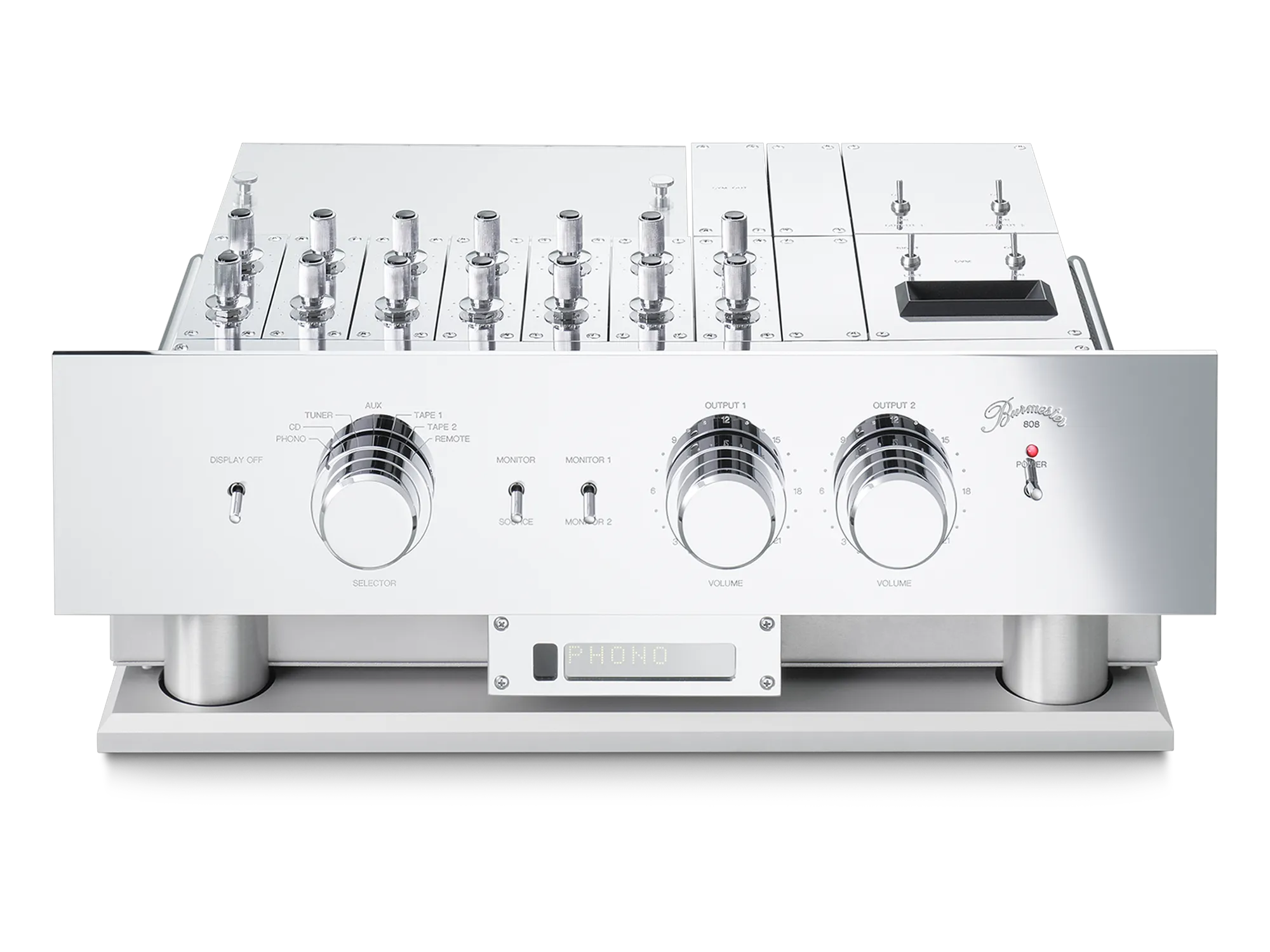
Two engineering commitments have run through everything Burmester has built since the beginning. Signal paths are fully balanced and symmetrical from input to output — a topology Burmester pioneered in hi-fi in the late 1970s, when almost no one else in the consumer high-end was building this way. And from 1983 onward, Burmester has built fully DC-coupled signal paths from the cartridge through to the loudspeaker terminals — no coupling capacitors in the signal path, which removes a class of phase and low-frequency behaviour that many other designs live with. The 1980 introduction of the world's first modular preamplifier, the Burmester 808, was the third foundational moment; the 808 remains in current production in its fifth iteration (808 MK5) and has been in the range for more than thirty years, which is unusual in an industry where the average flagship life is closer to a decade.
Every current Burmester component is designed, built, tested and voiced in Berlin. The build character of a Burmester — the chrome faceplate, the machined-aluminium casework, the meticulously silver-wired internals, the mechanical damping of every chassis and every board — is not a styling choice. It is the physical expression of the engineering premise, and it is the reason a Burmester component sounds recognisably like one whether it is the entry-tier Classic Line or the top-tier Signature Line.
The Burmester line at LMC
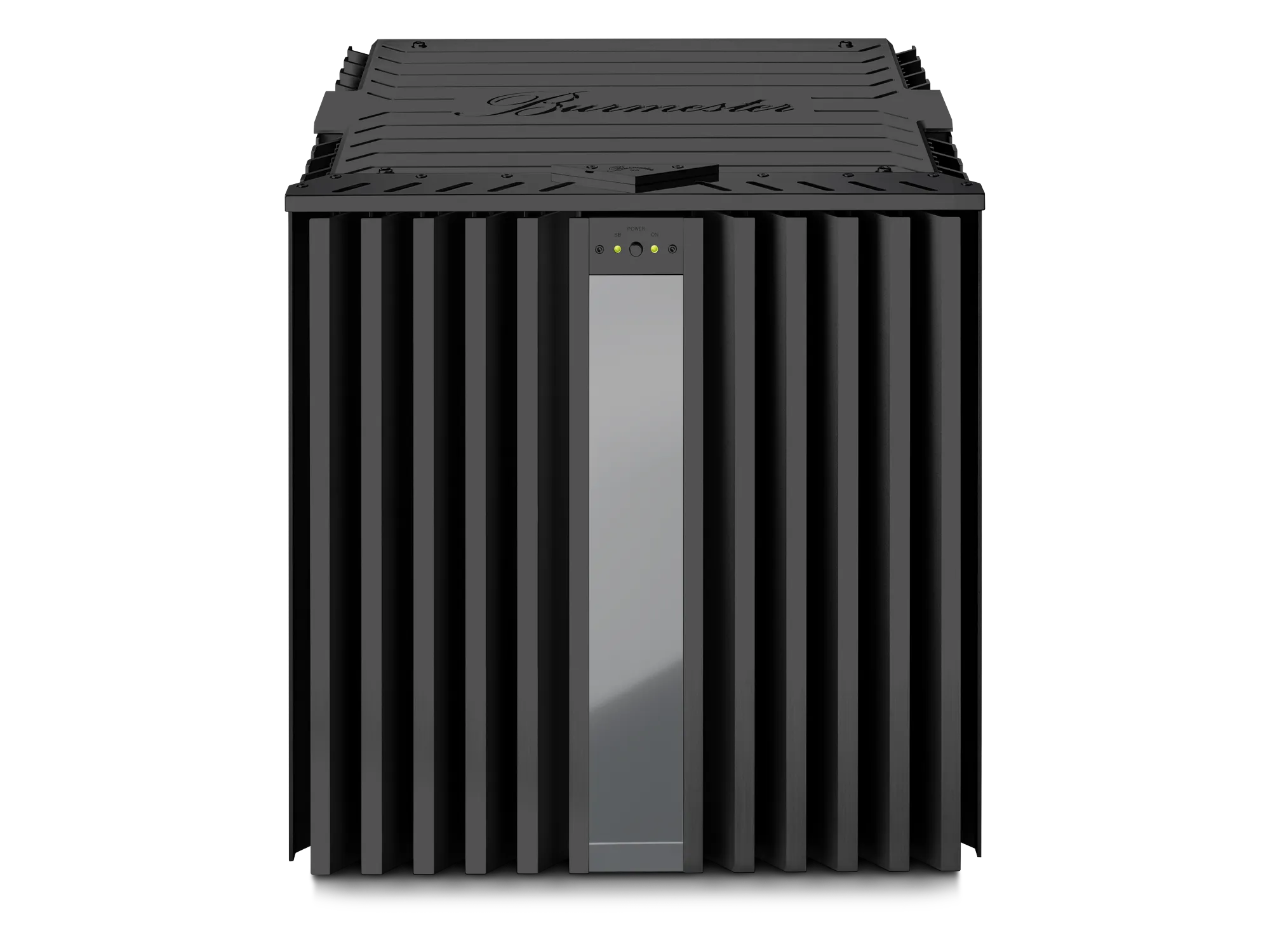
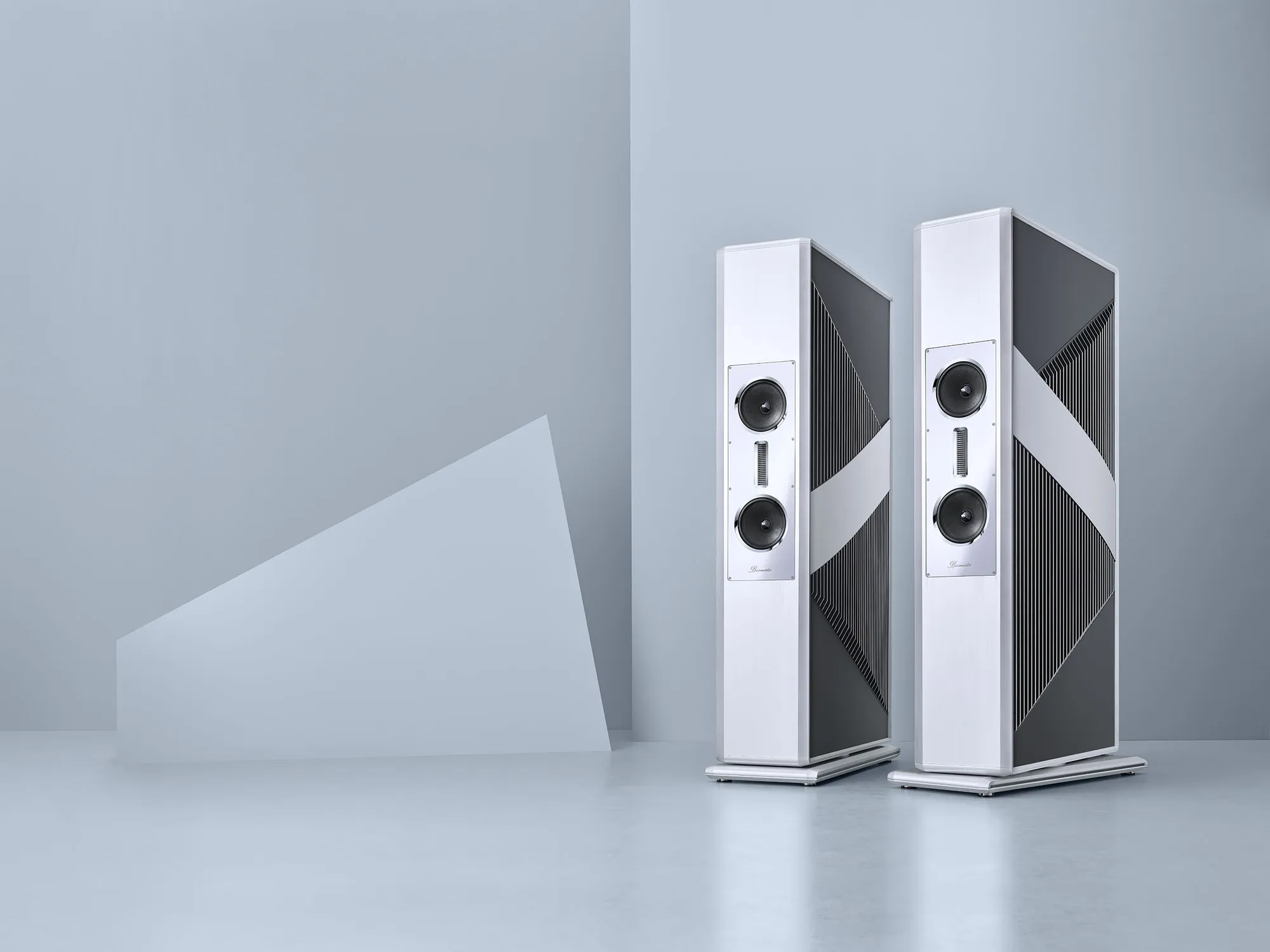
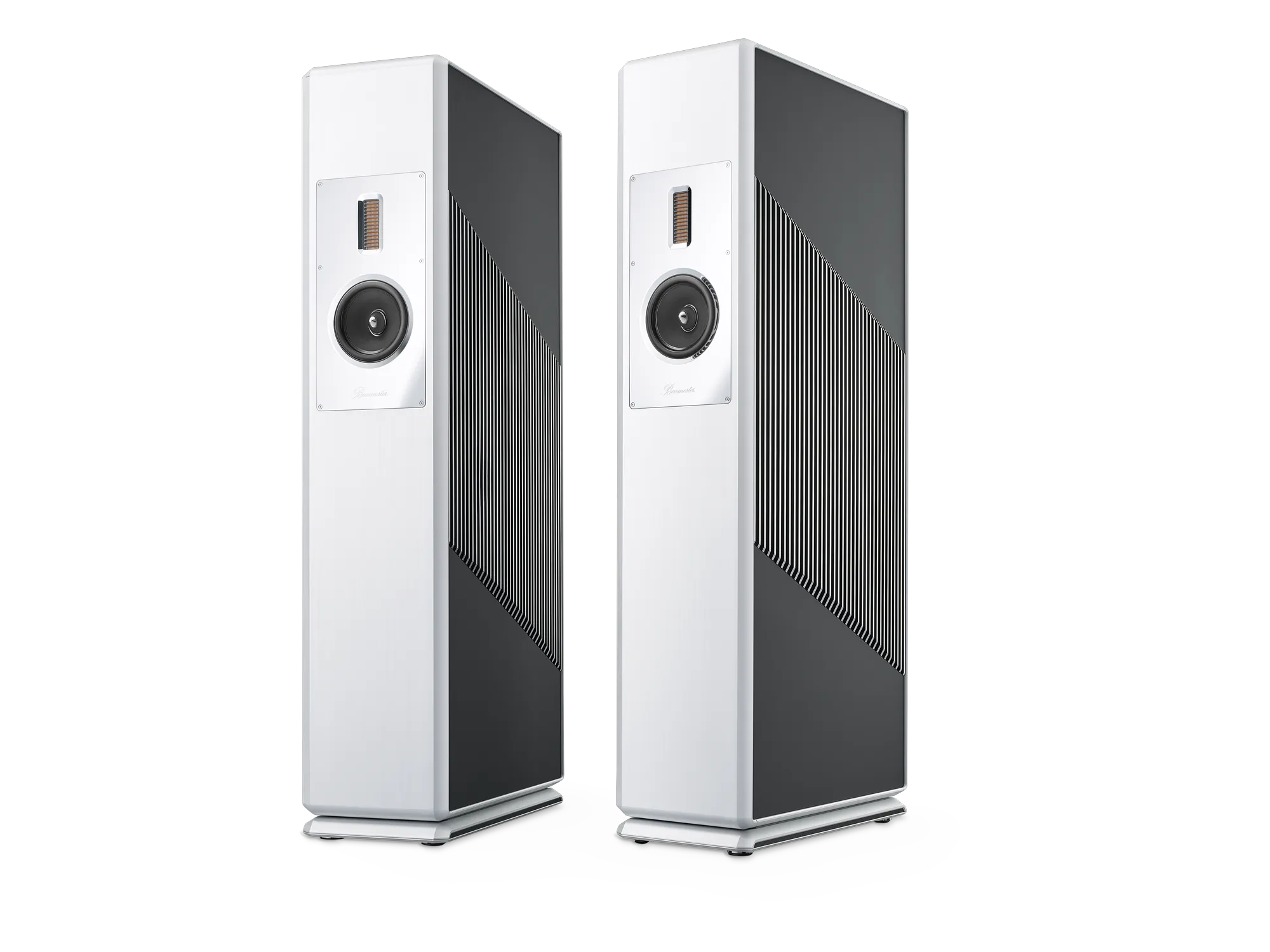
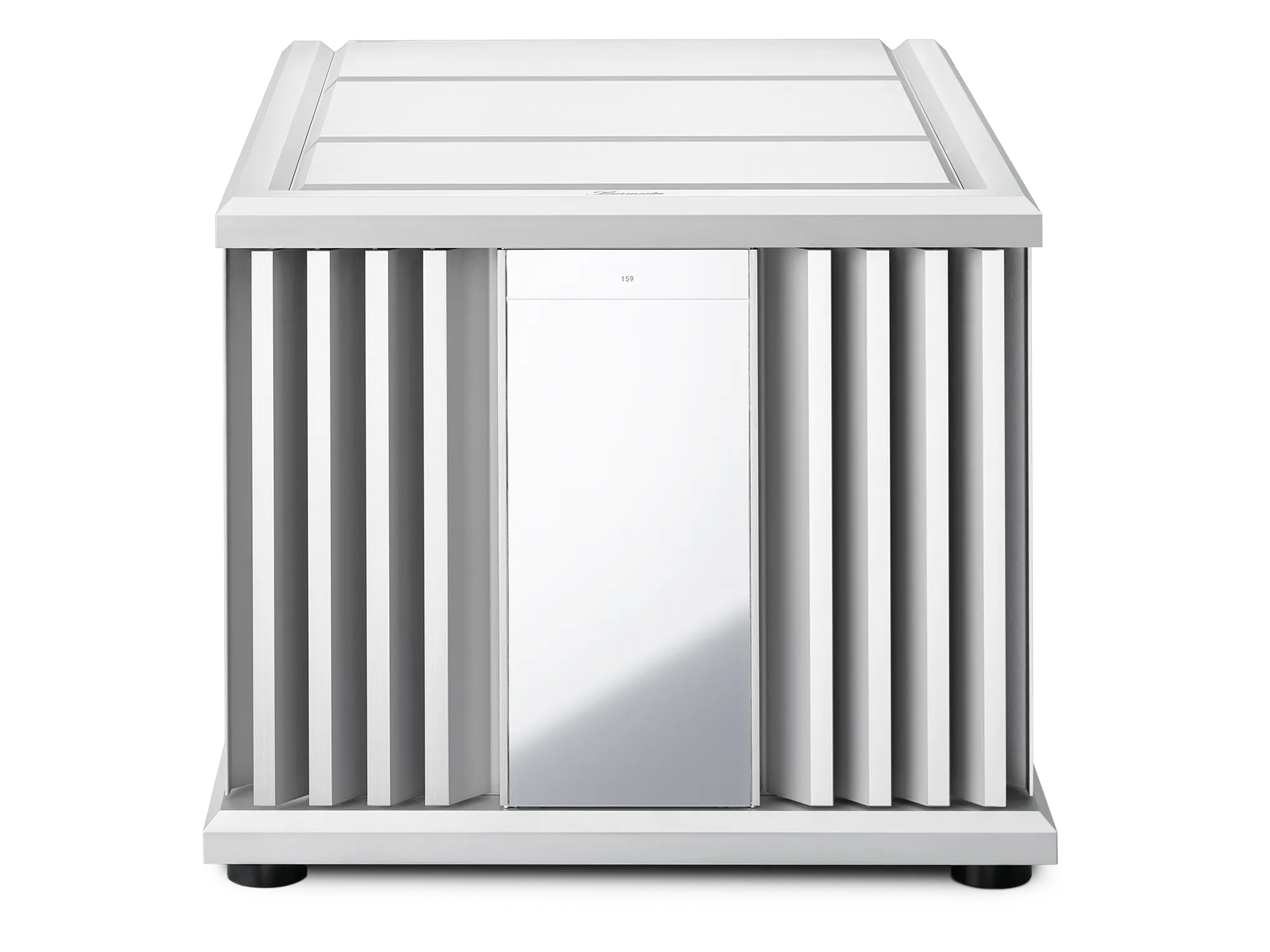
The catalog is organised across four tiers. The Signature Line sits at the top and currently comprises the 159 Mono Power Amplifier (introduced 2018 after seven years of development, 350kg per monoblock, 4,000 individual components, 1,200 watts per channel), the BC350 loudspeaker (introduced 2018 alongside the 159), and the BX100 floorstanding loudspeaker (introduced at High End Munich 2024).
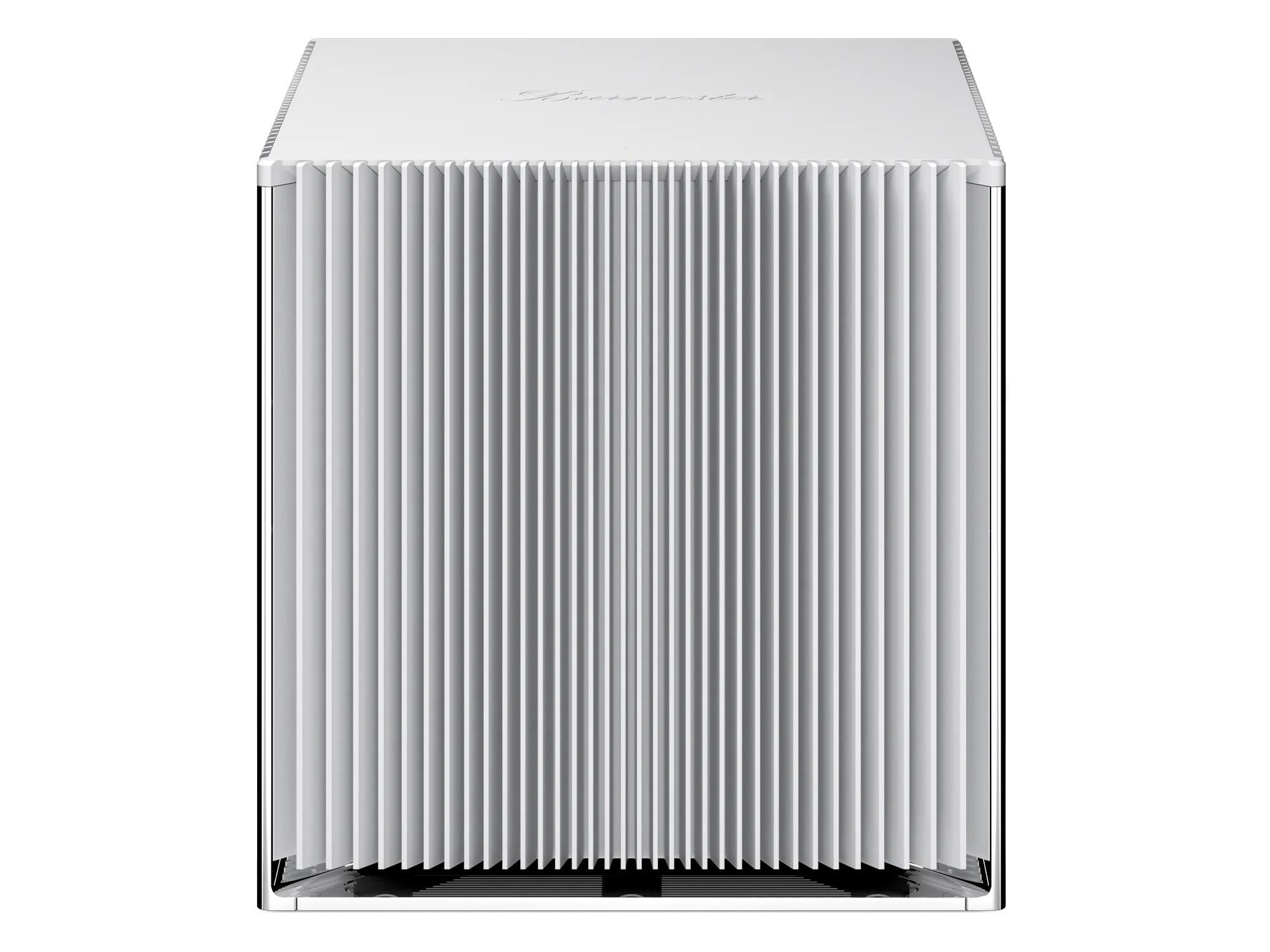
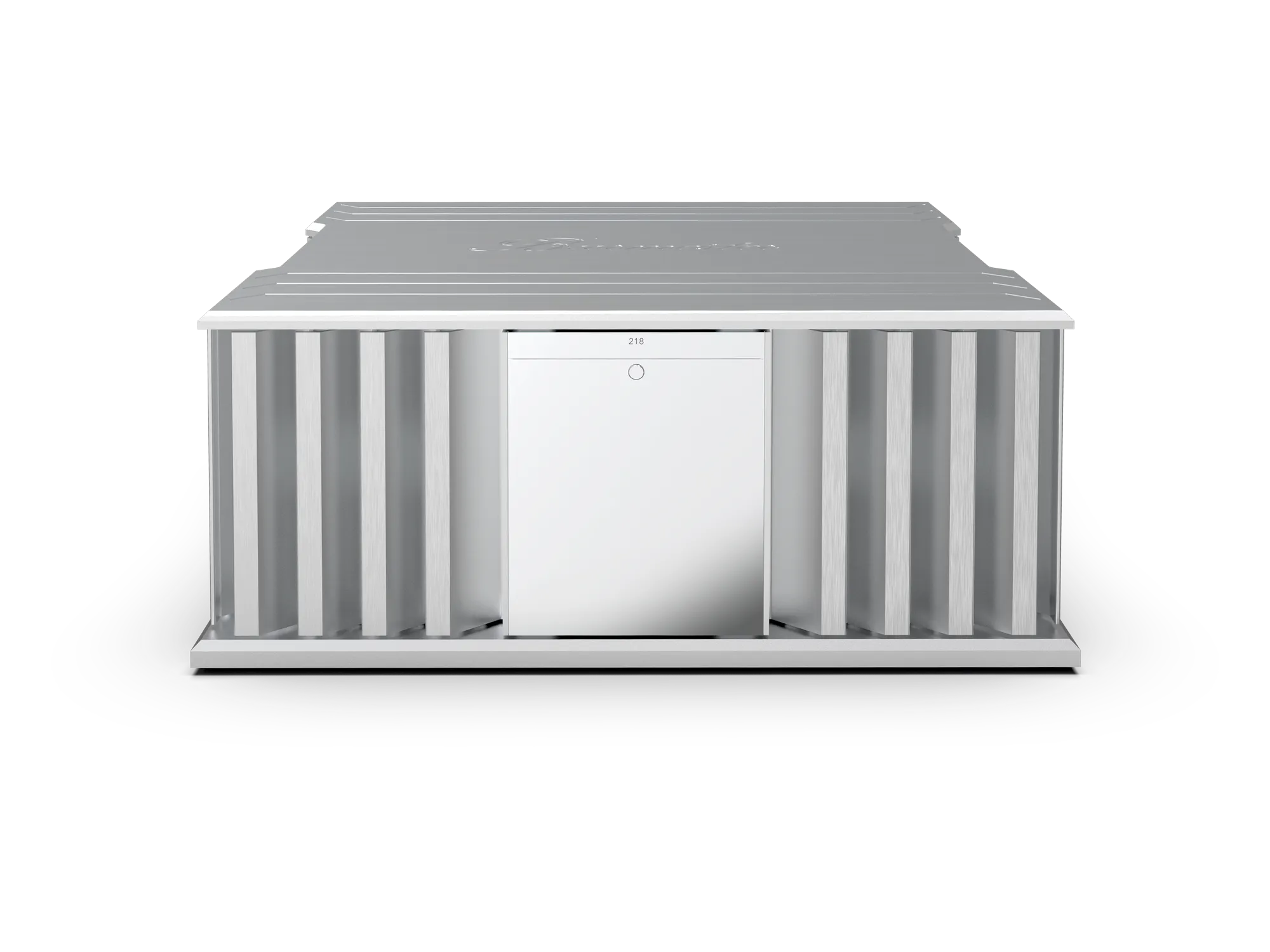
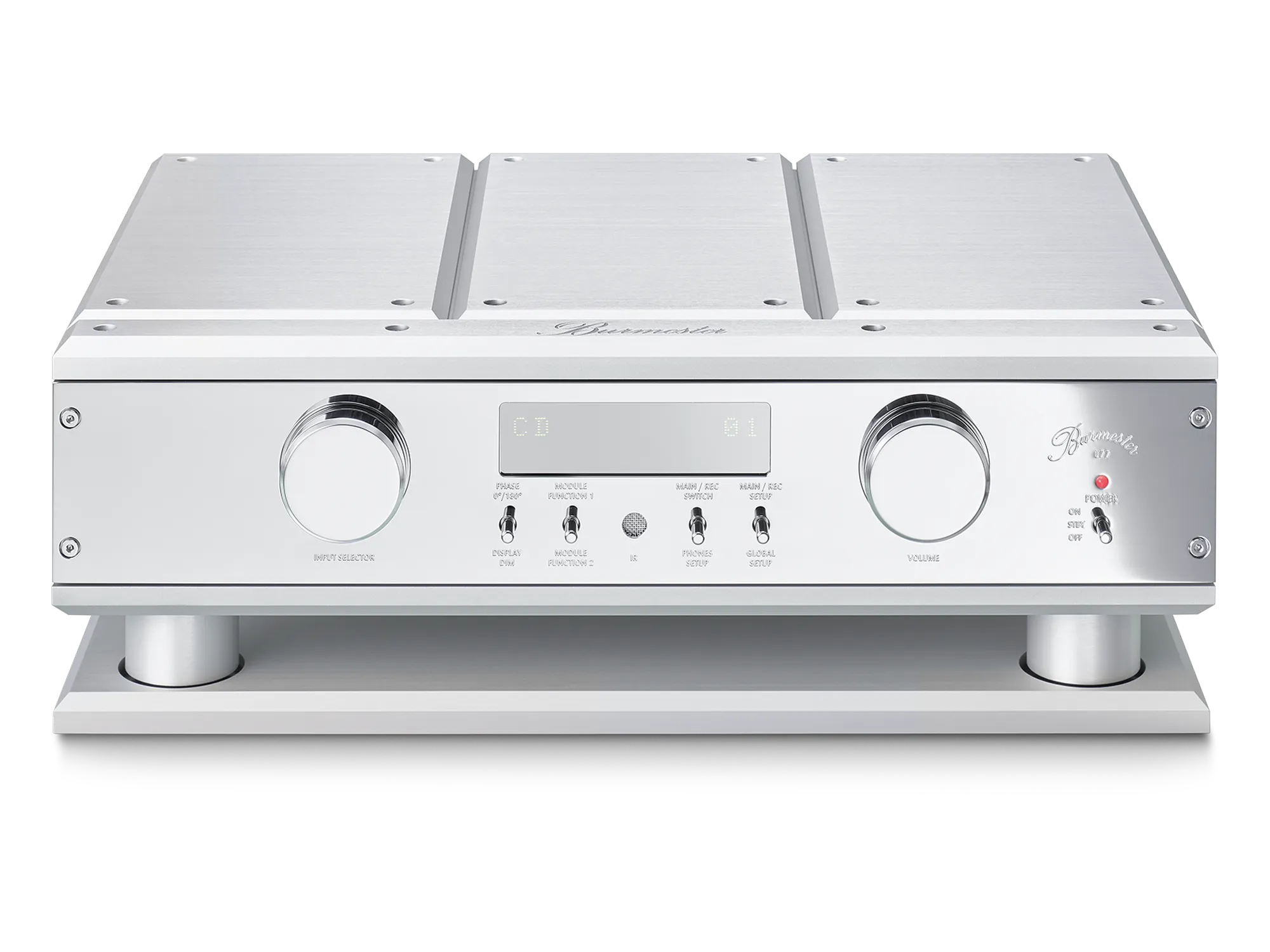
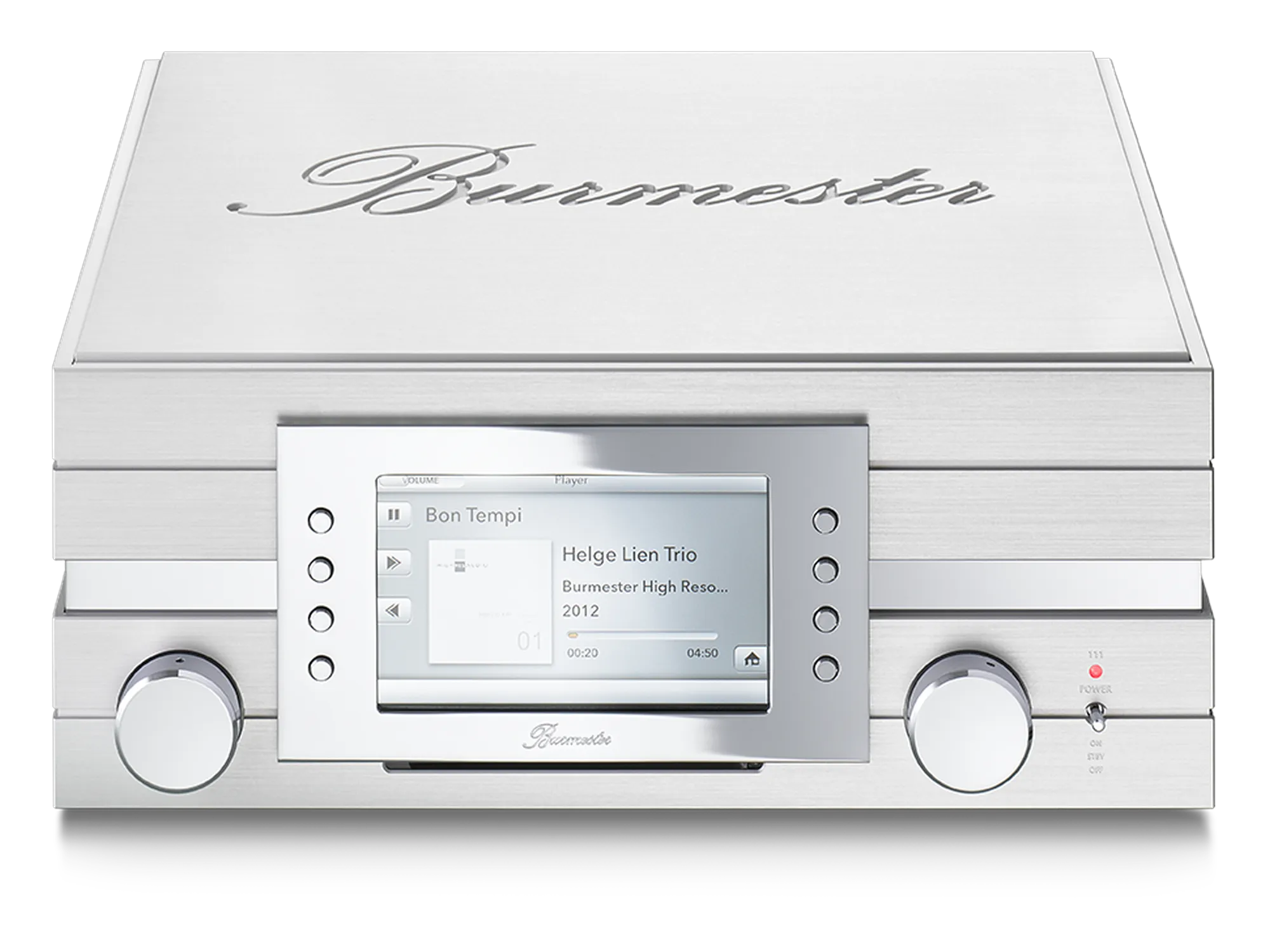
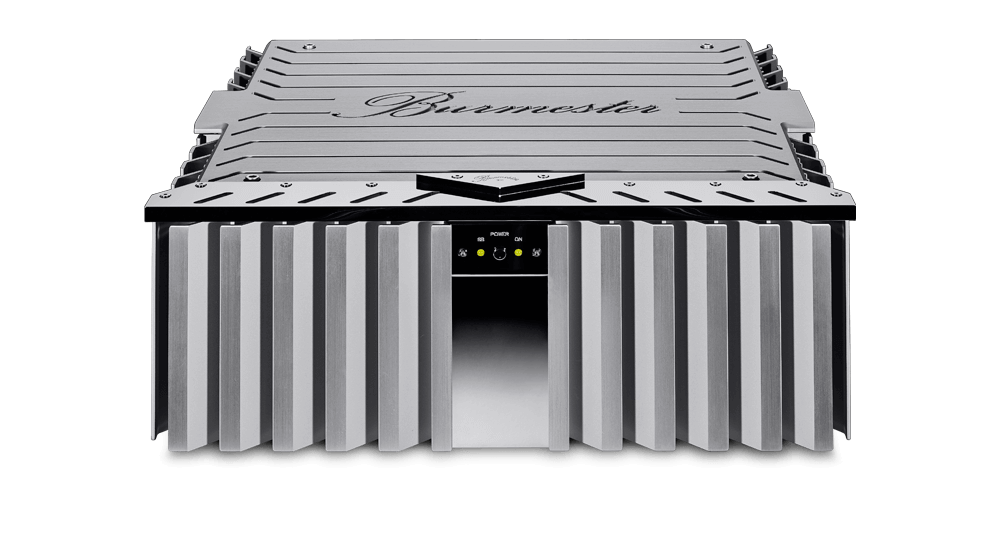
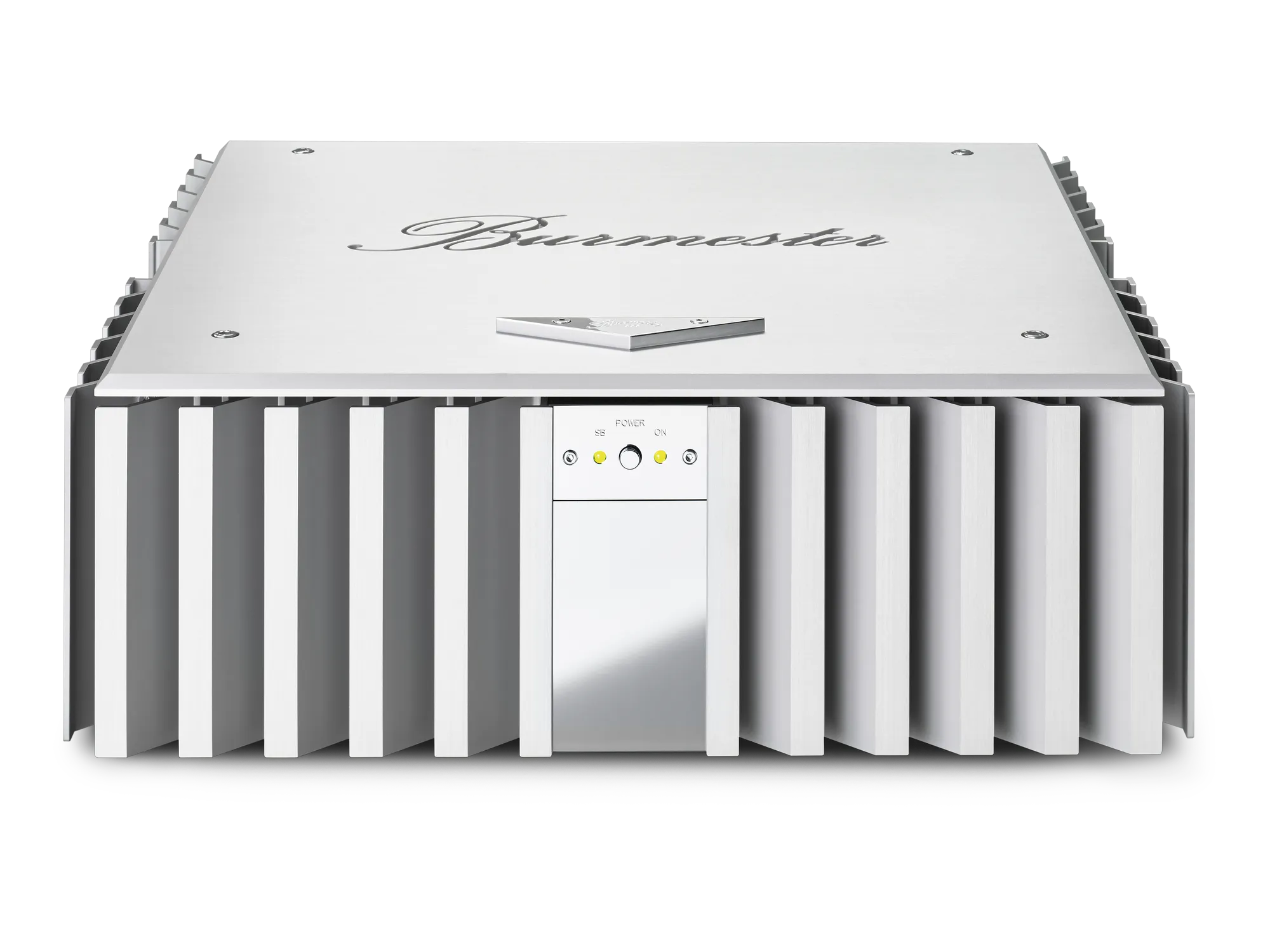
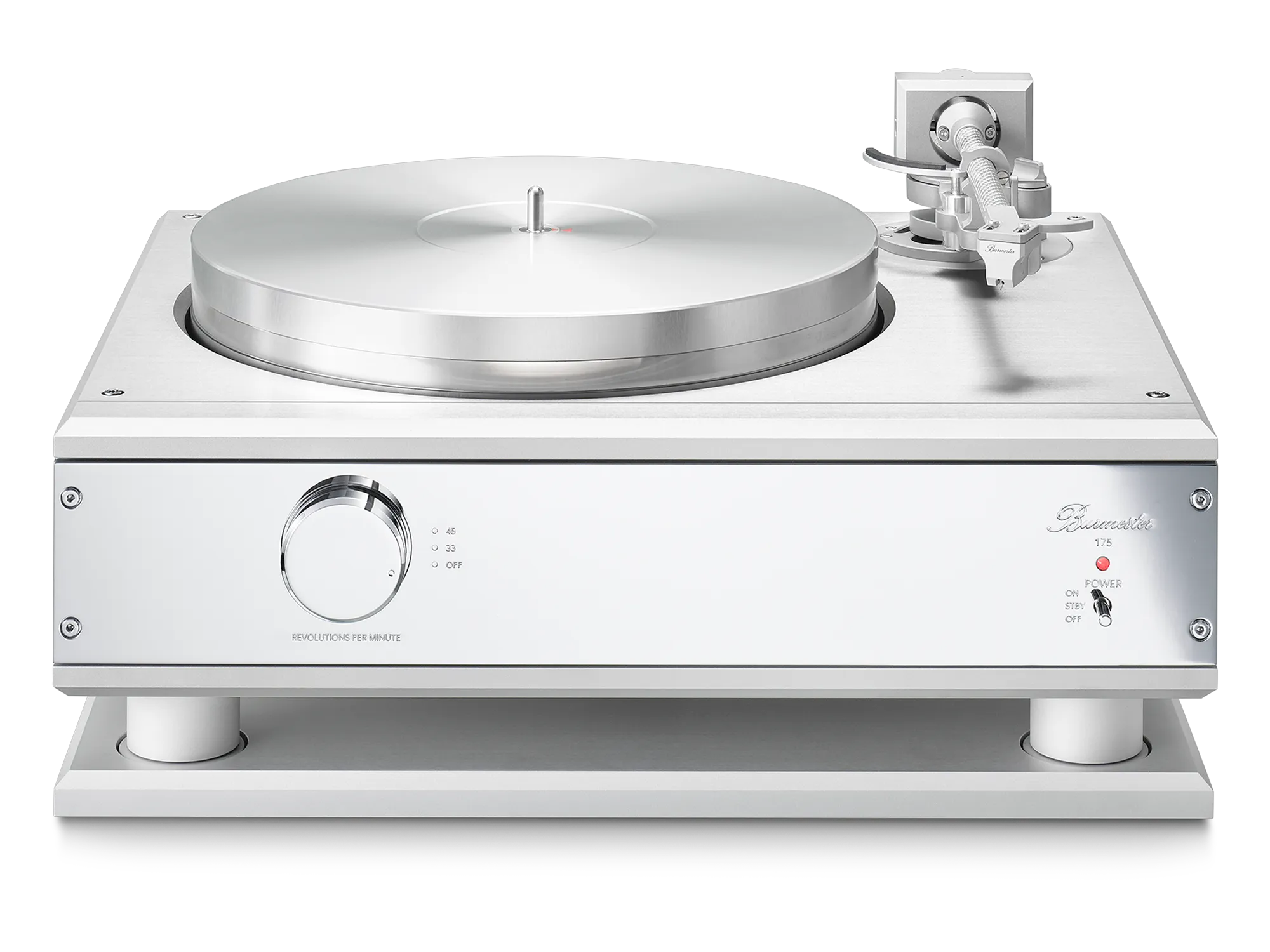
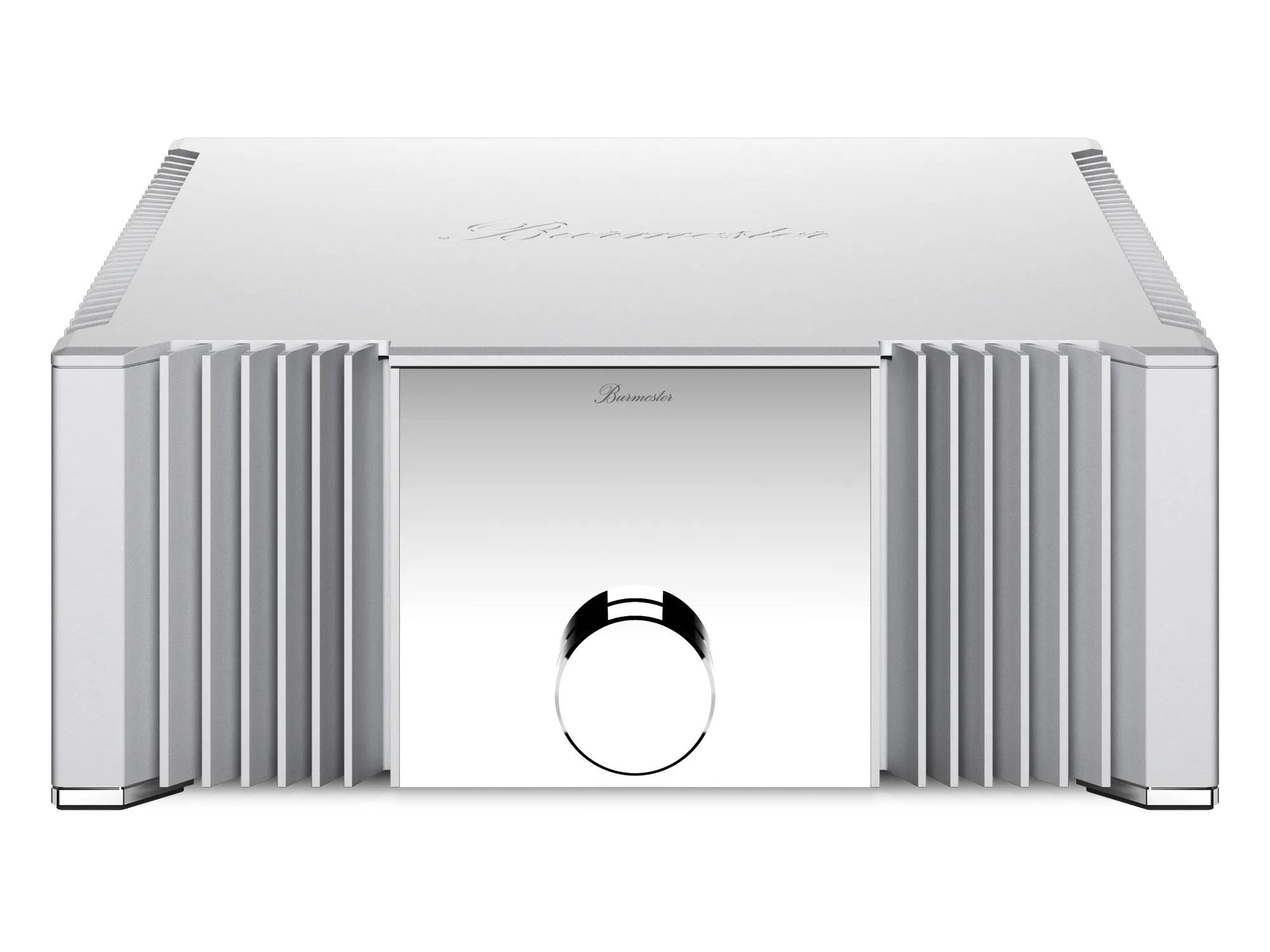
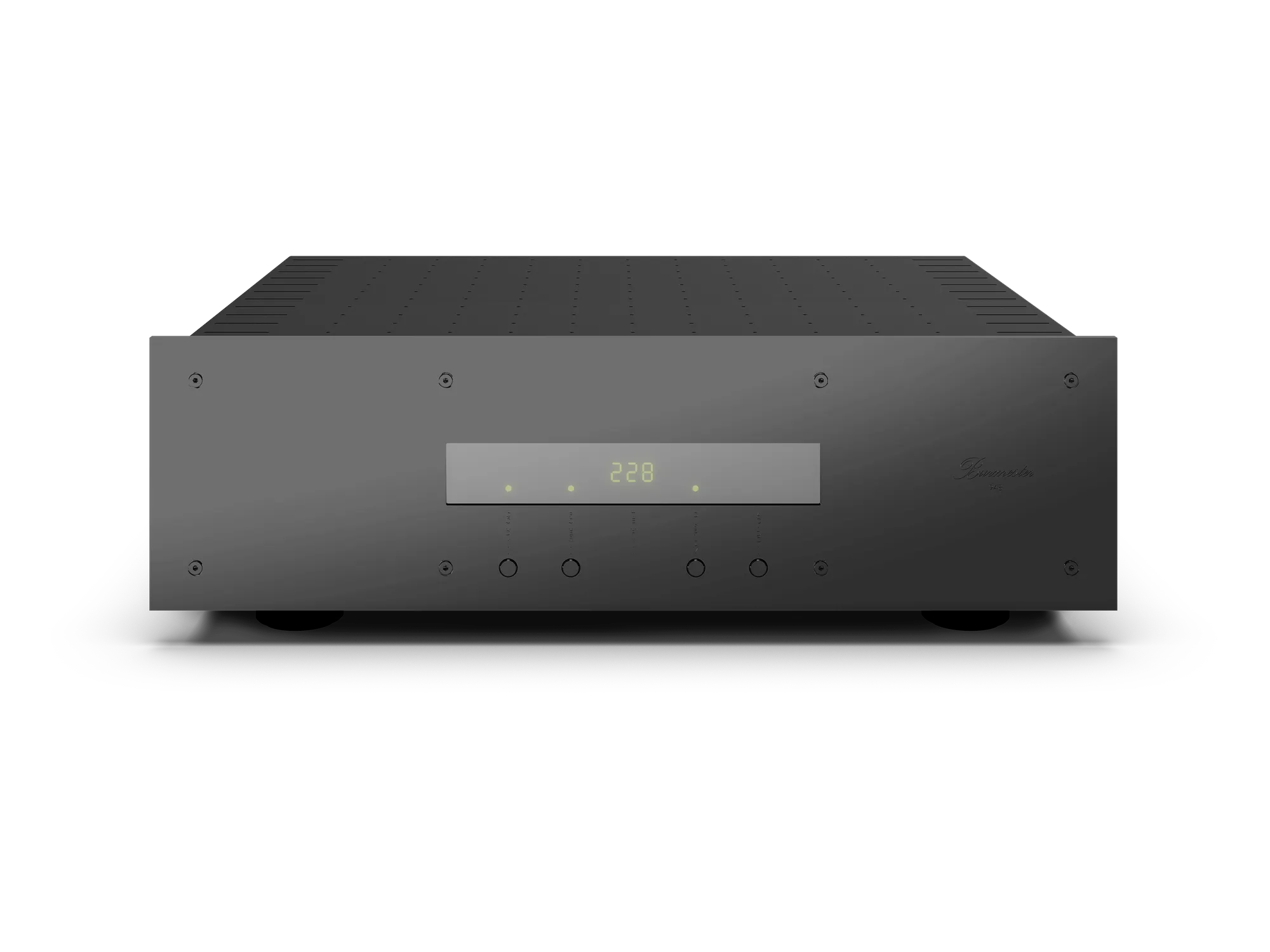
The Reference Line was renewed at High End Munich 2025 with three new-generation products designed from scratch — the 249 Preamplifier, 259 Power Amplifier and 257 Turntable — sitting alongside long-standing Reference-Line products including the 069 CD player, 111 Music Center, 077 preamplifier, 808 MK5 preamplifier, 909 MK5 power amplifier and 218 power amplifier. The 249 Preamplifier is a fully balanced, three-stage analogue circuit using Burmester's latest X-AMP 3 amplification topology, with optional DAC, streaming and phono modules. The 259 Power Amplifier is fully balanced with passive cooling — no fans, which lowers the acoustic and mechanical noise floor — and delivers 500 watts per channel into four ohms in stereo, or 1,500 watts as a monoblock. The 257 Turntable is a belt-drive design with two 12-volt DC motors, two flywheels, magnetic bearing with polished ceramic axle and sintered bronze liner, and optical speed control.
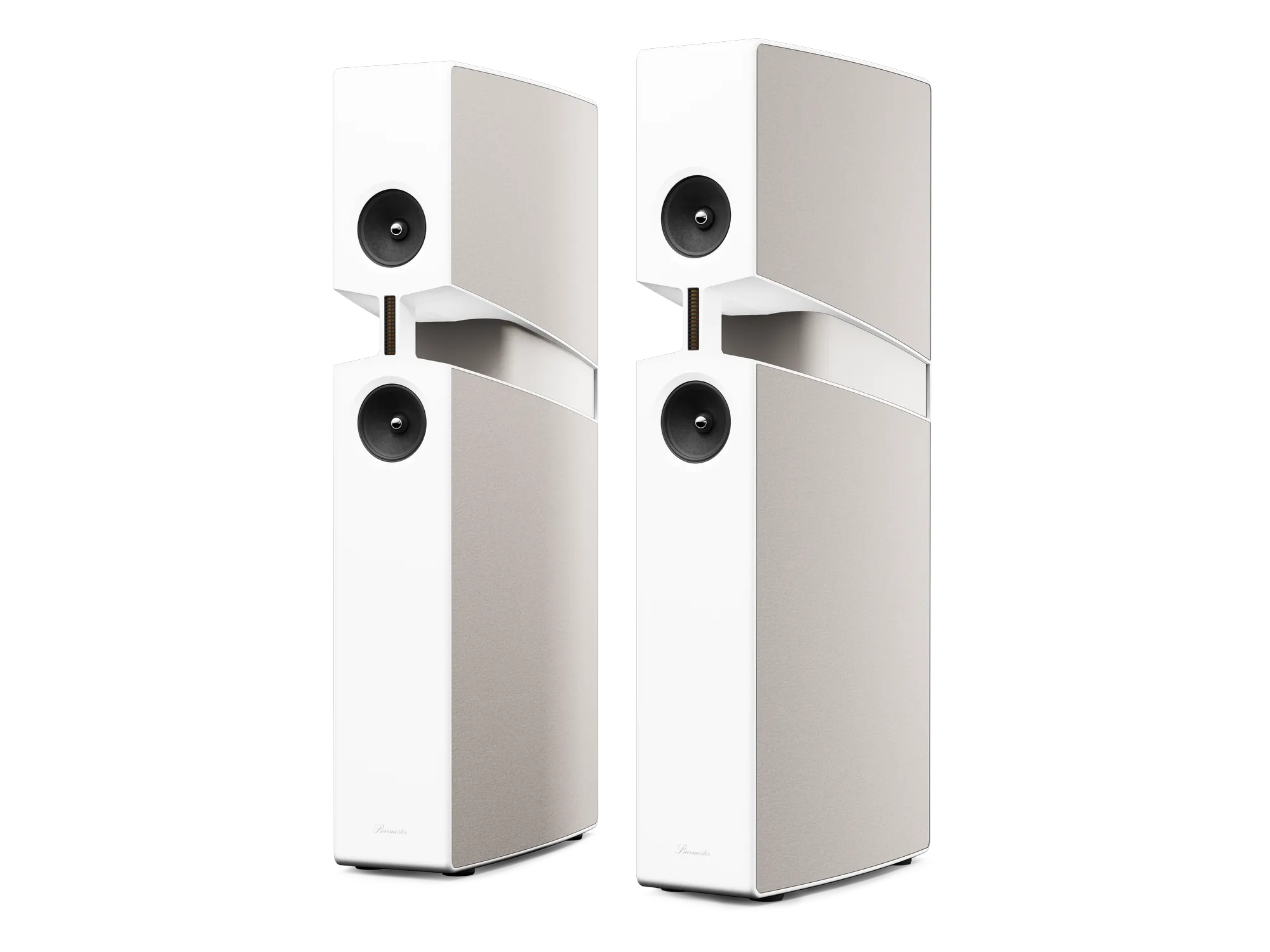
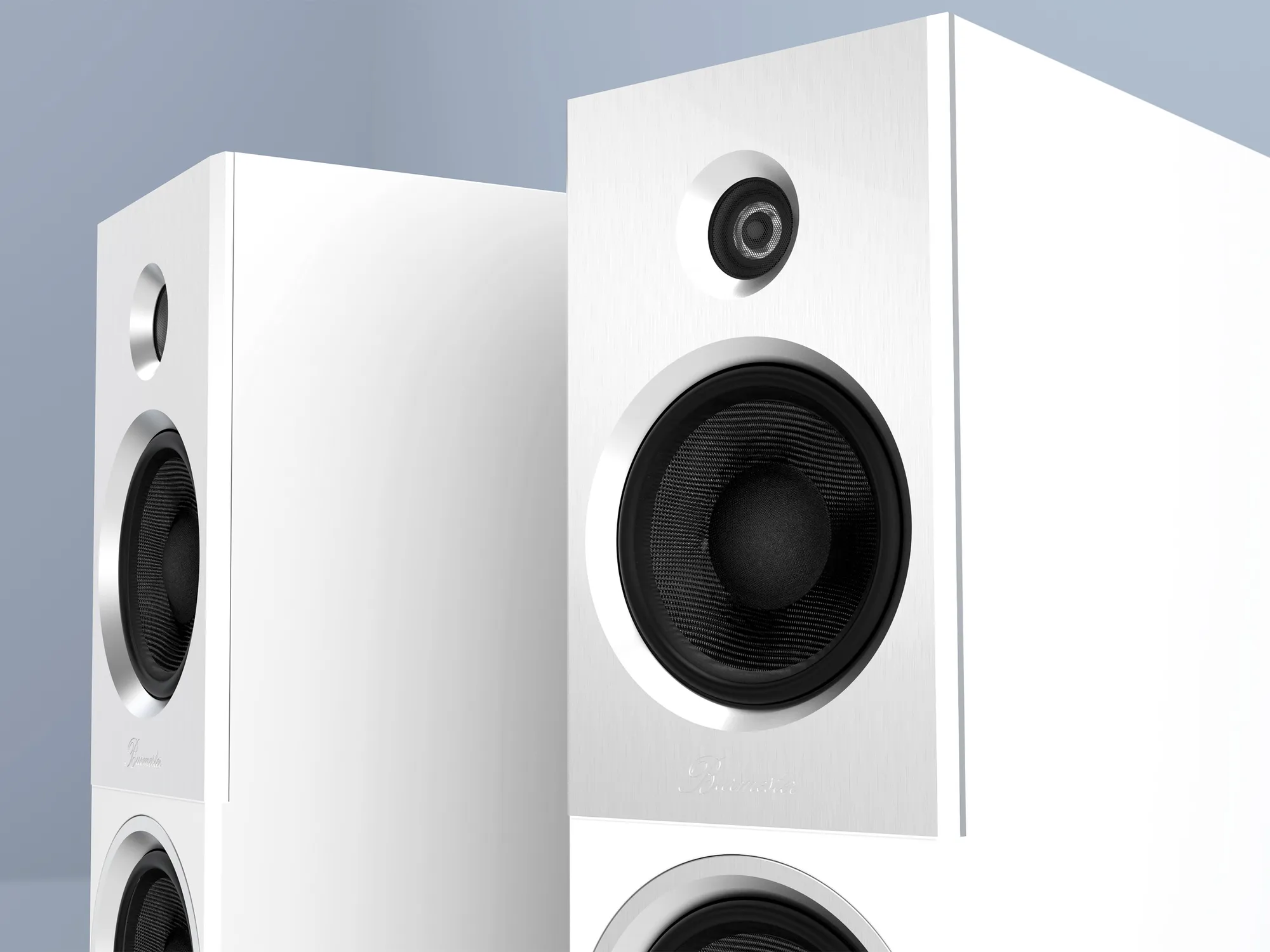
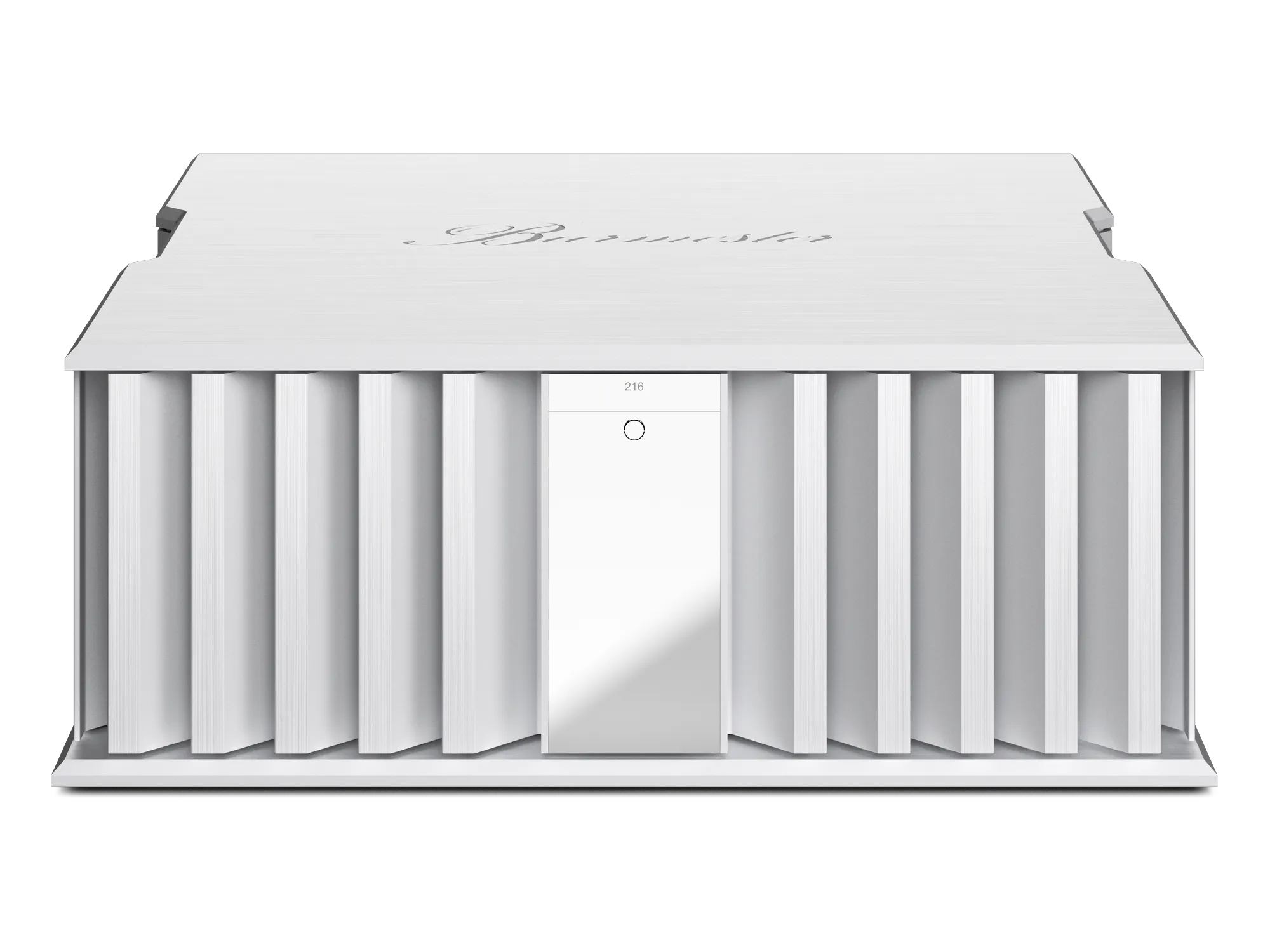
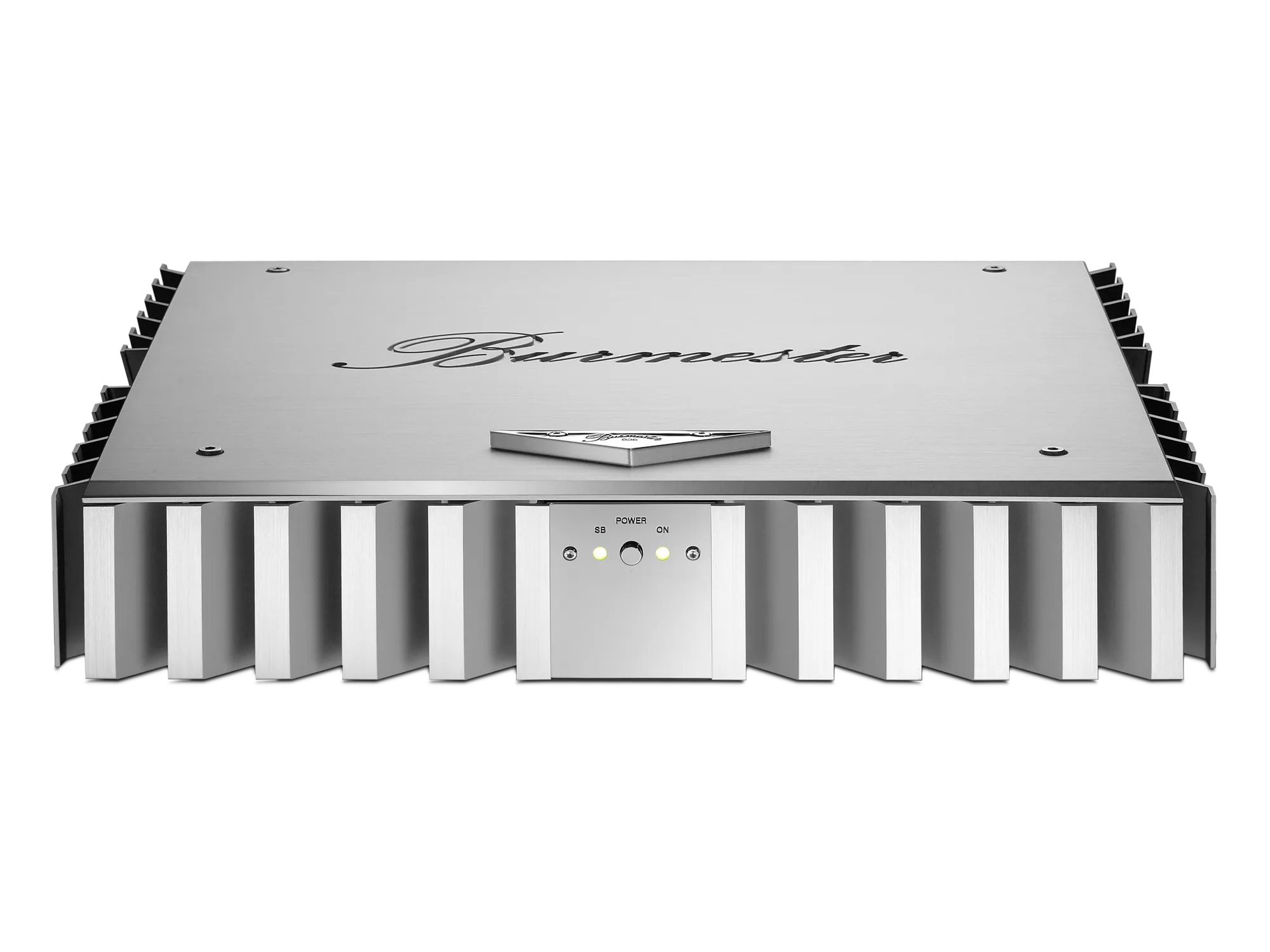
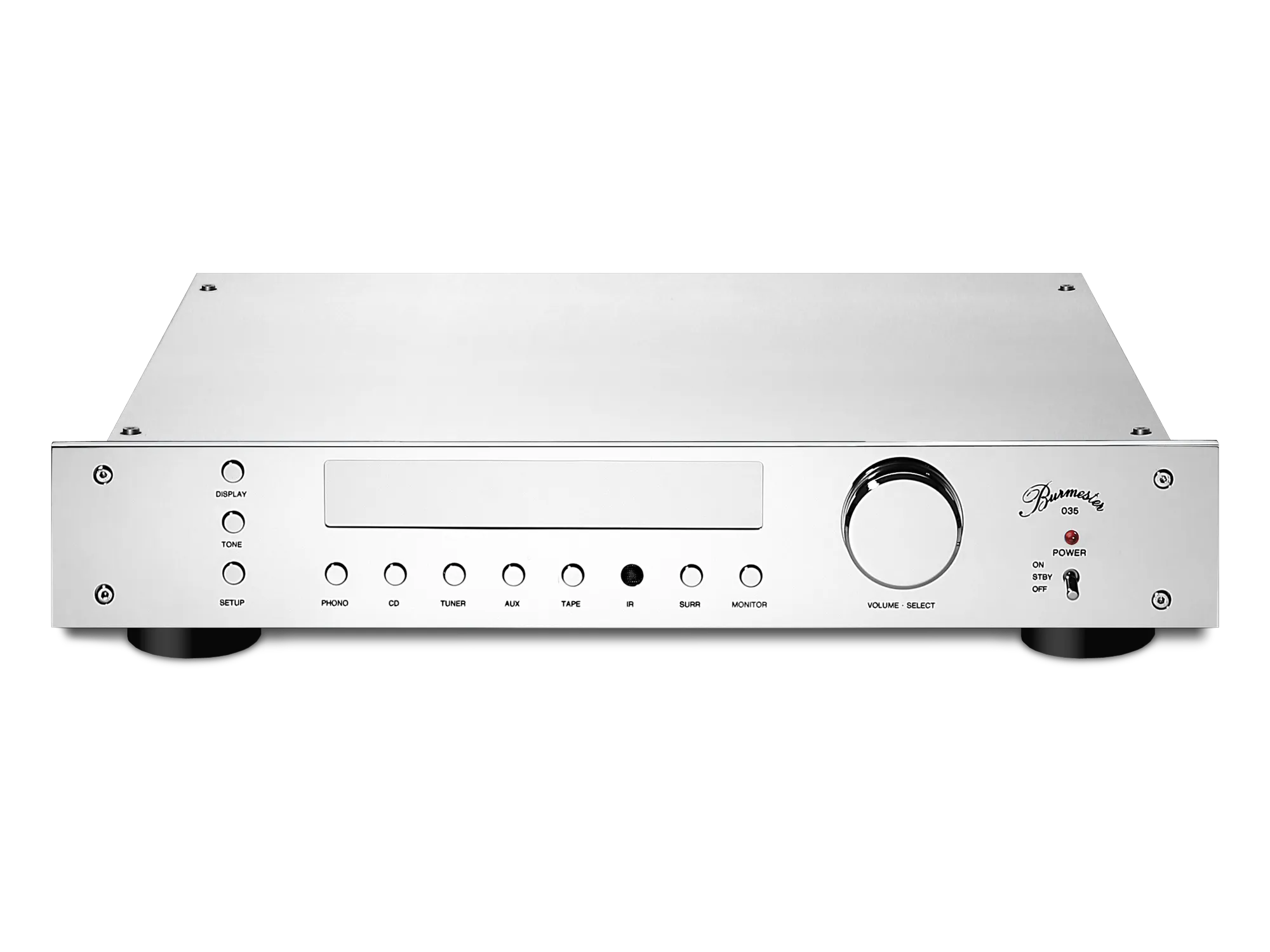
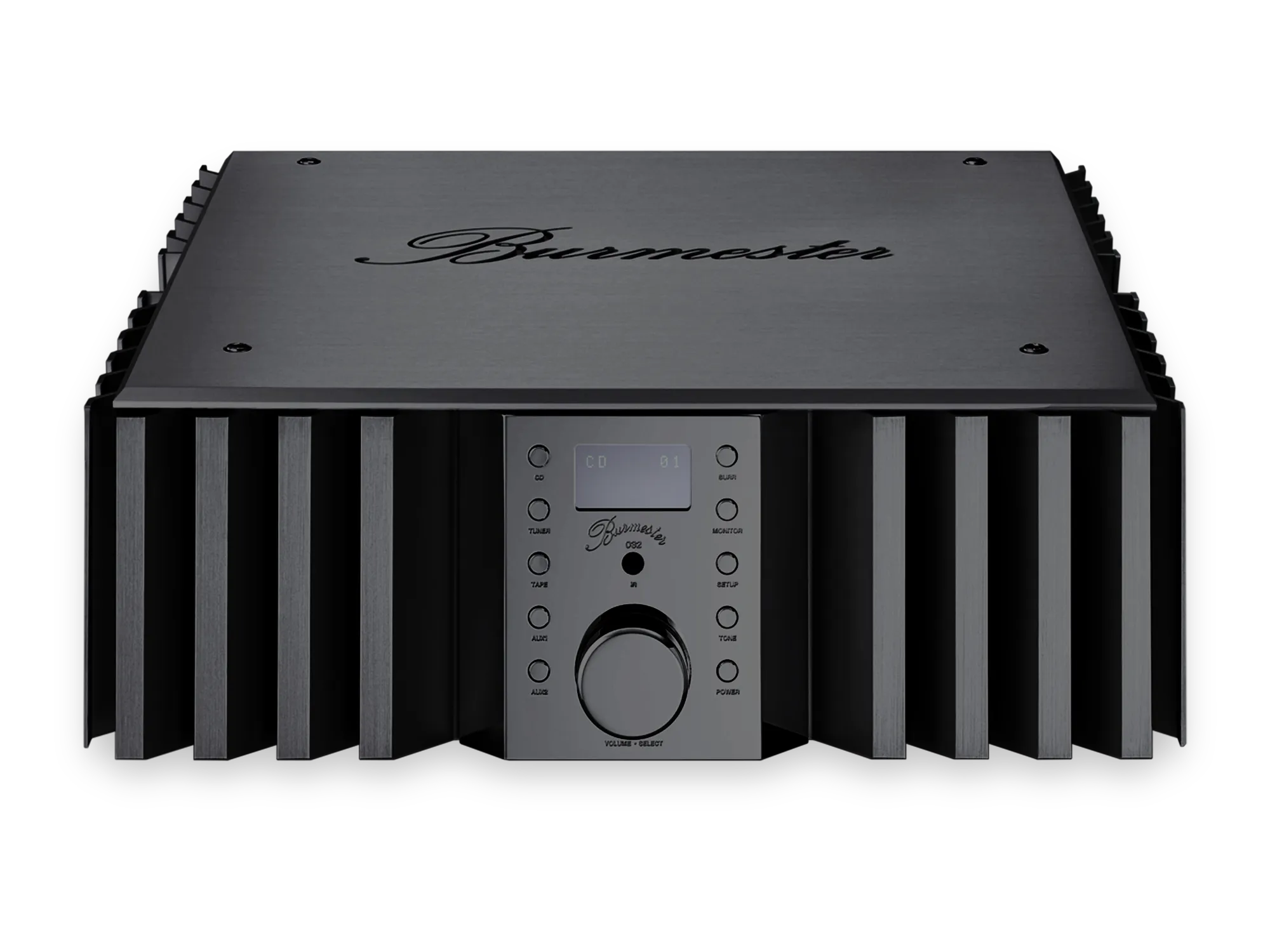
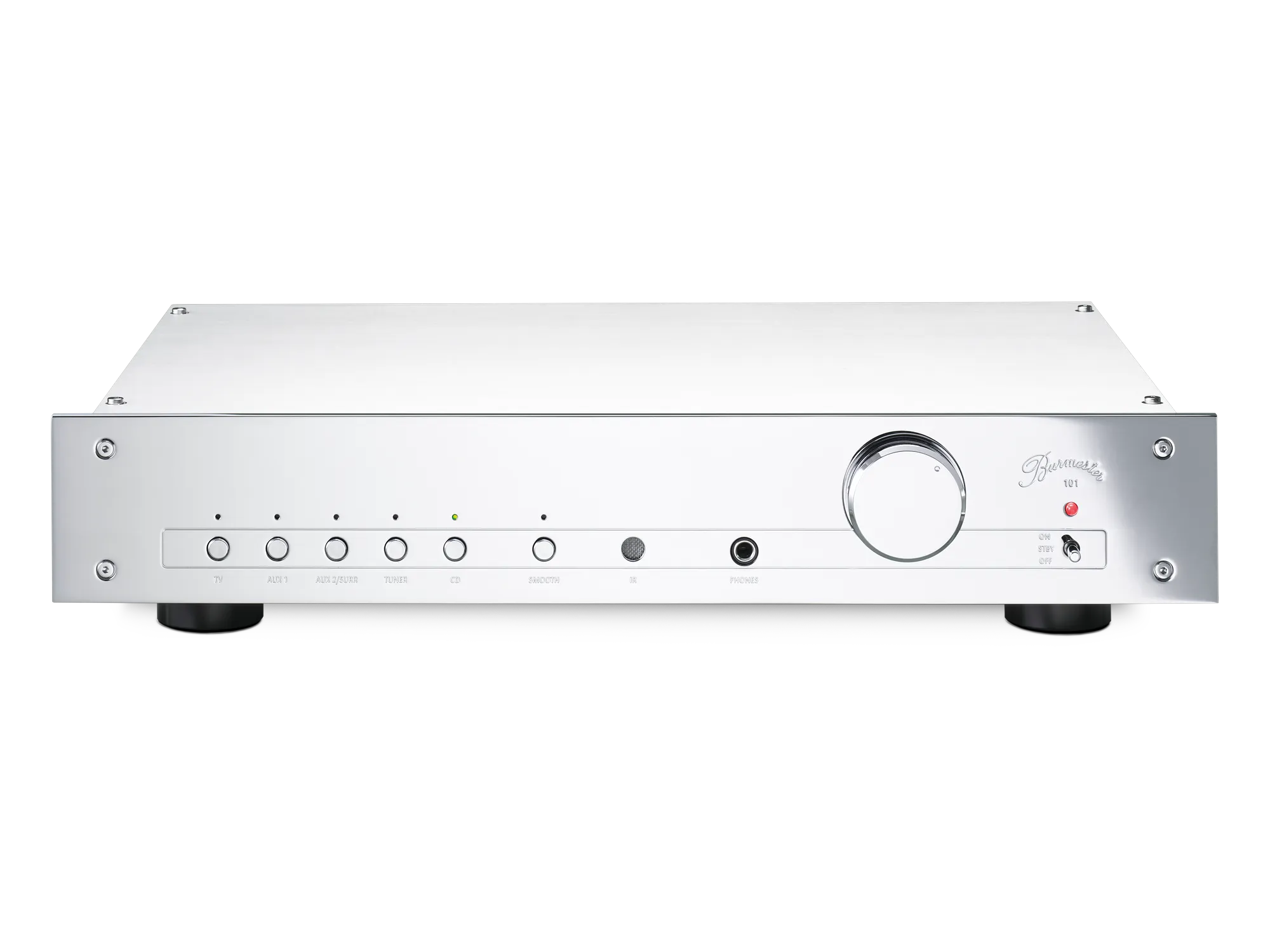
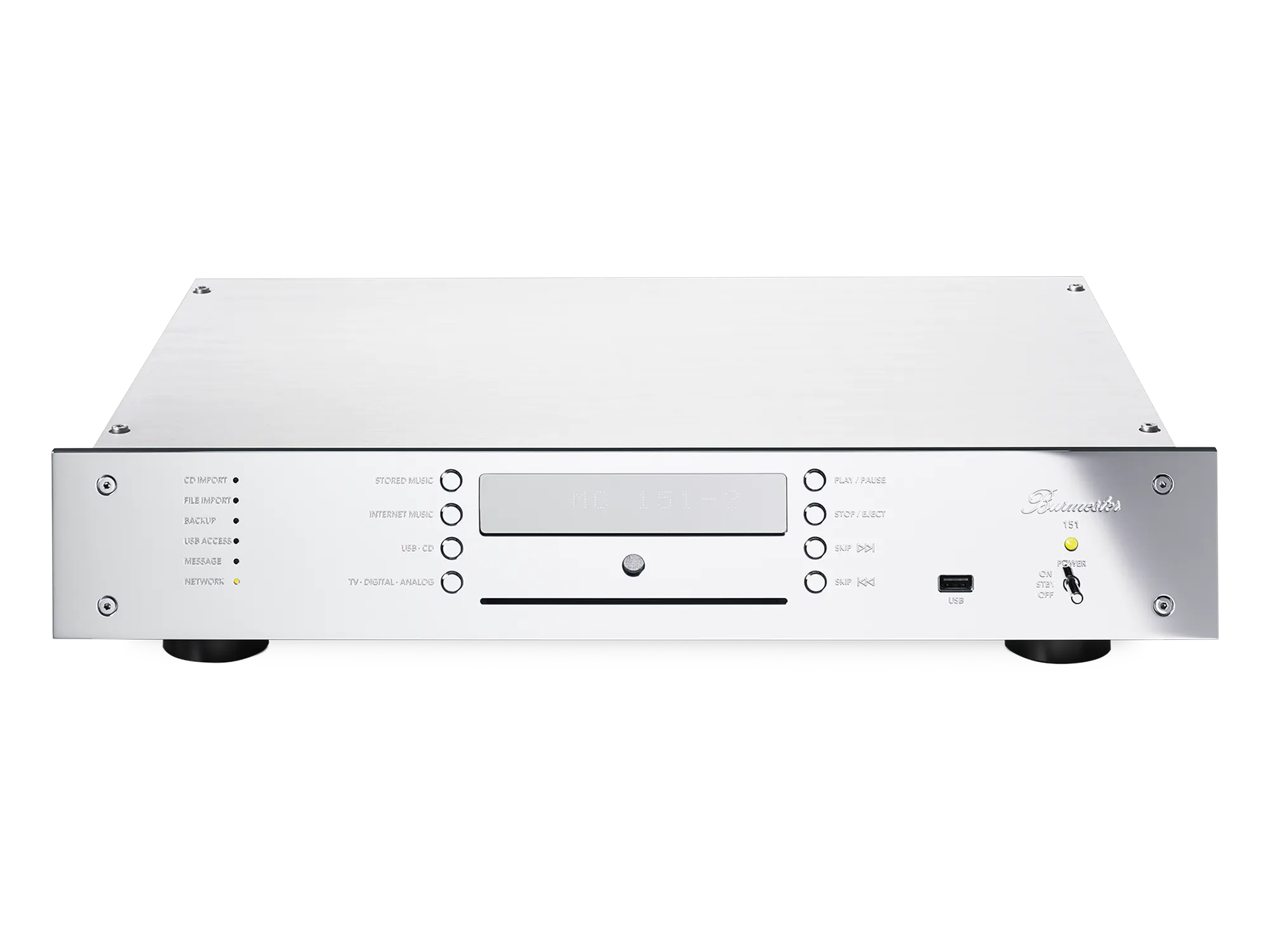
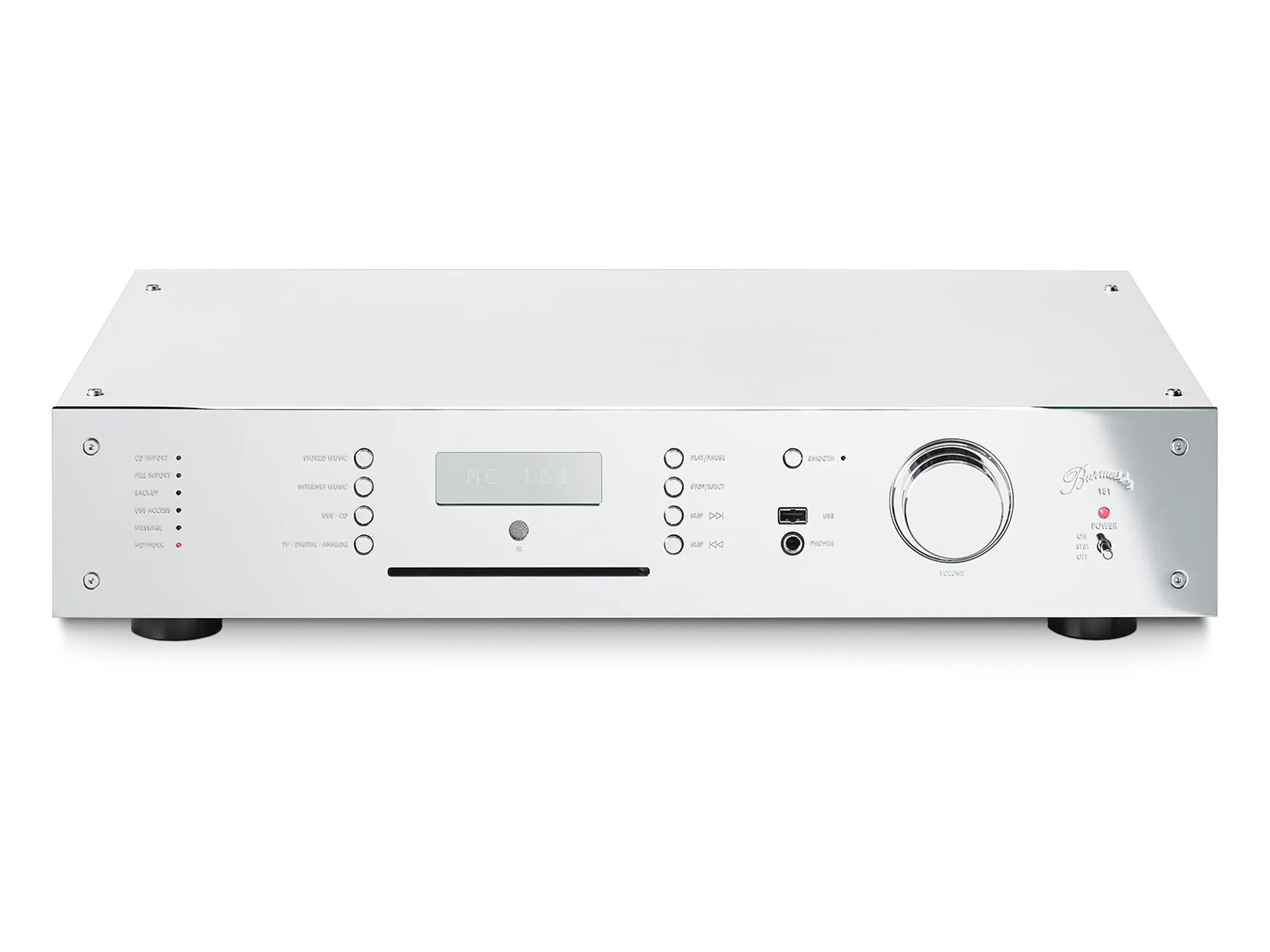
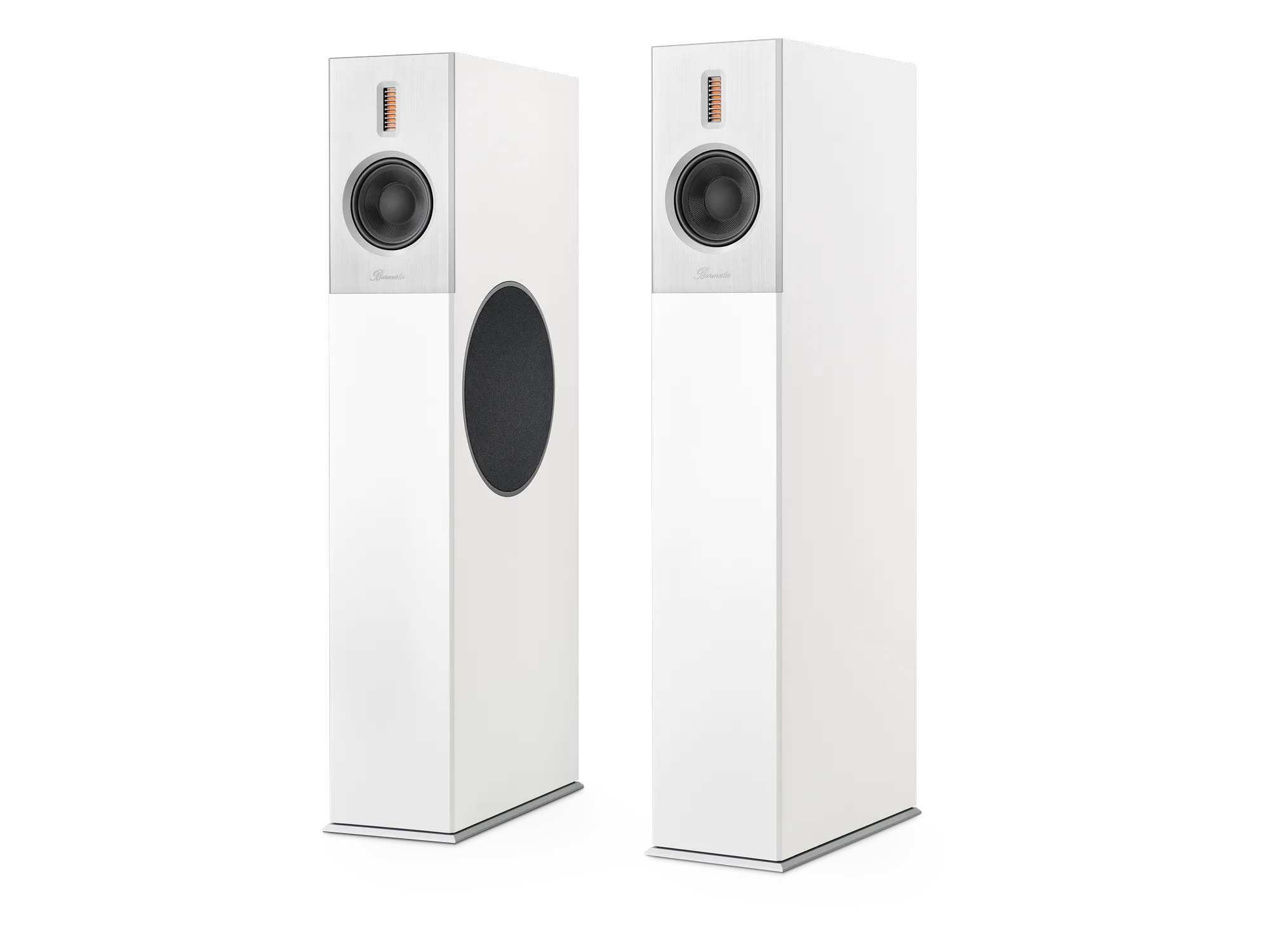
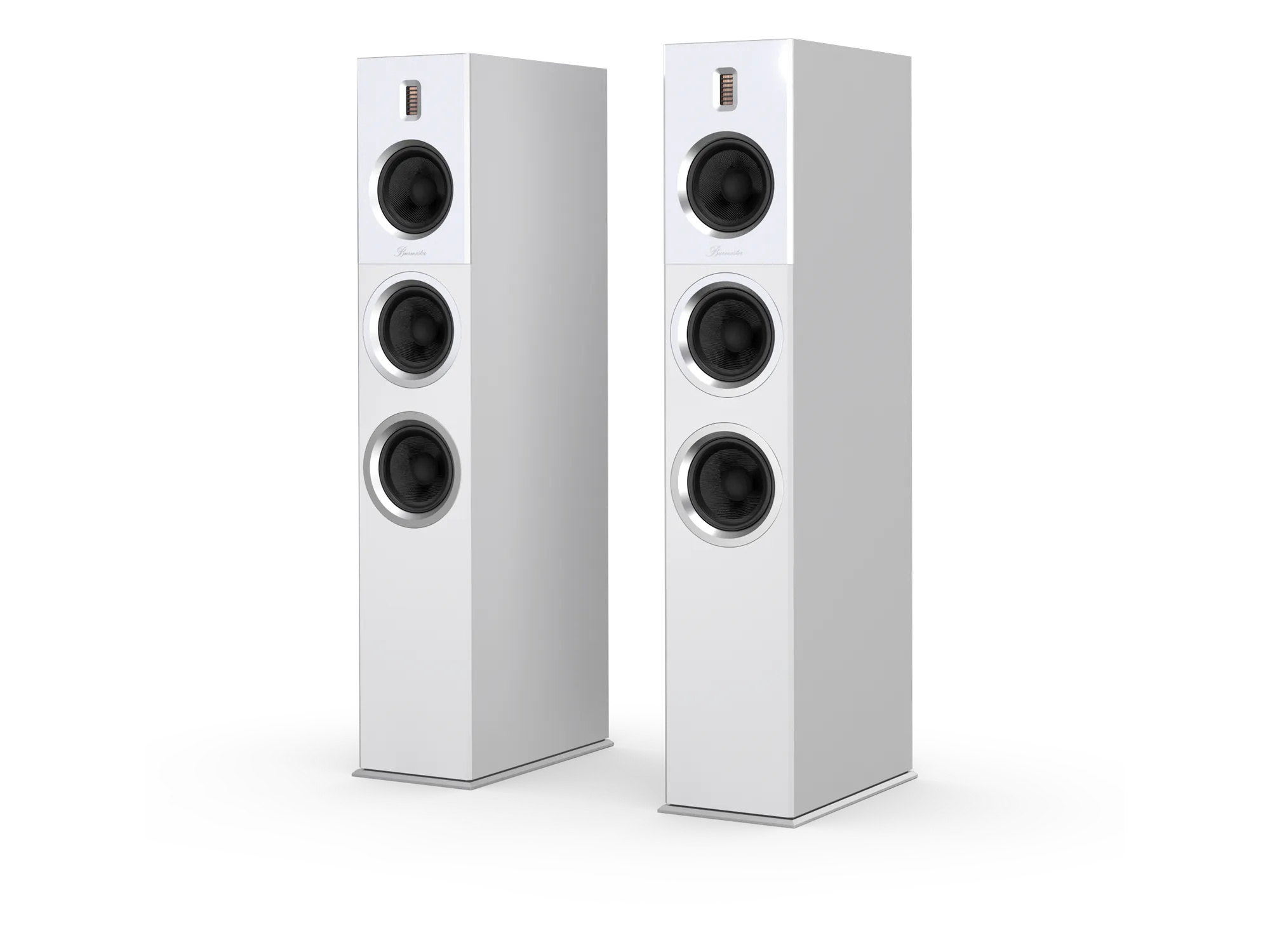
The Top Line 216 stereo amplifier and the Classic Line (956 MK2, 036, 035, 032, 101, 232) cover the lower tiers, and Burmester's digital sources — the 111 Musiccenter, the 151 MK2, the 161 all-in-one and the 069 CD player — cover streaming and disc playback across the range. Burmester also builds loudspeakers at multiple price points — BC350, BC150, BX100, B38, B28, B18.
The 259, direct from Berlin
The 259 Power Amplifier came to the Scottsdale showroom direct from Berlin as one of the first units in the country and remains on demonstration. That kind of shipment does not happen automatically; Burmester chooses which dealers get early Reference-Line product, and the criteria are the same as every serious manufacturer's — trust in the room, the setup, and the way the product will be represented to buyers. LMC's About page notes the same pattern for previous Reference-Line arrivals. Manufacturers who ship product direct from the factory to a specific dealer do so because they want that dealer's room to be where a new listener hears it first.
In the Scottsdale reference room
The BC350 loudspeaker is available for demonstration at the Scottsdale showroom. When The Absolute Sound's senior editor Robert Harley reviewed the BC350 for his published November 2023 review, he auditioned it at LMC in Scottsdale, driven by a pair of Burmester 159 amplifiers with a Linn Klimax DSM as the digital source. Comparing LMC against the many high-end showrooms he had visited worldwide, Harley wrote that LMC was “the most impressive in its size, number and quality of listening rooms”, and singled out the variety of high-end products on active display, the elegance of the environment, and the knowledge and commitment of the owner (Mike Ware) and his staff. The scottsdale.org profile of LMC's twenty-fifth anniversary independently notes that LMC is often “Dealer of the Year” for Burmester along with D'Agostino, Linn, McIntosh, Sonus Faber and Wilson Audio.
Walk in during business hours to hear a Burmester component in the room where TAS conducted a published Reference-Line audition. Book ahead if the audition is for the BC350 or the current Reference-Line electronics specifically — those setups can be warmed up and configured against your own recordings if we know you are coming.
A full Burmester system
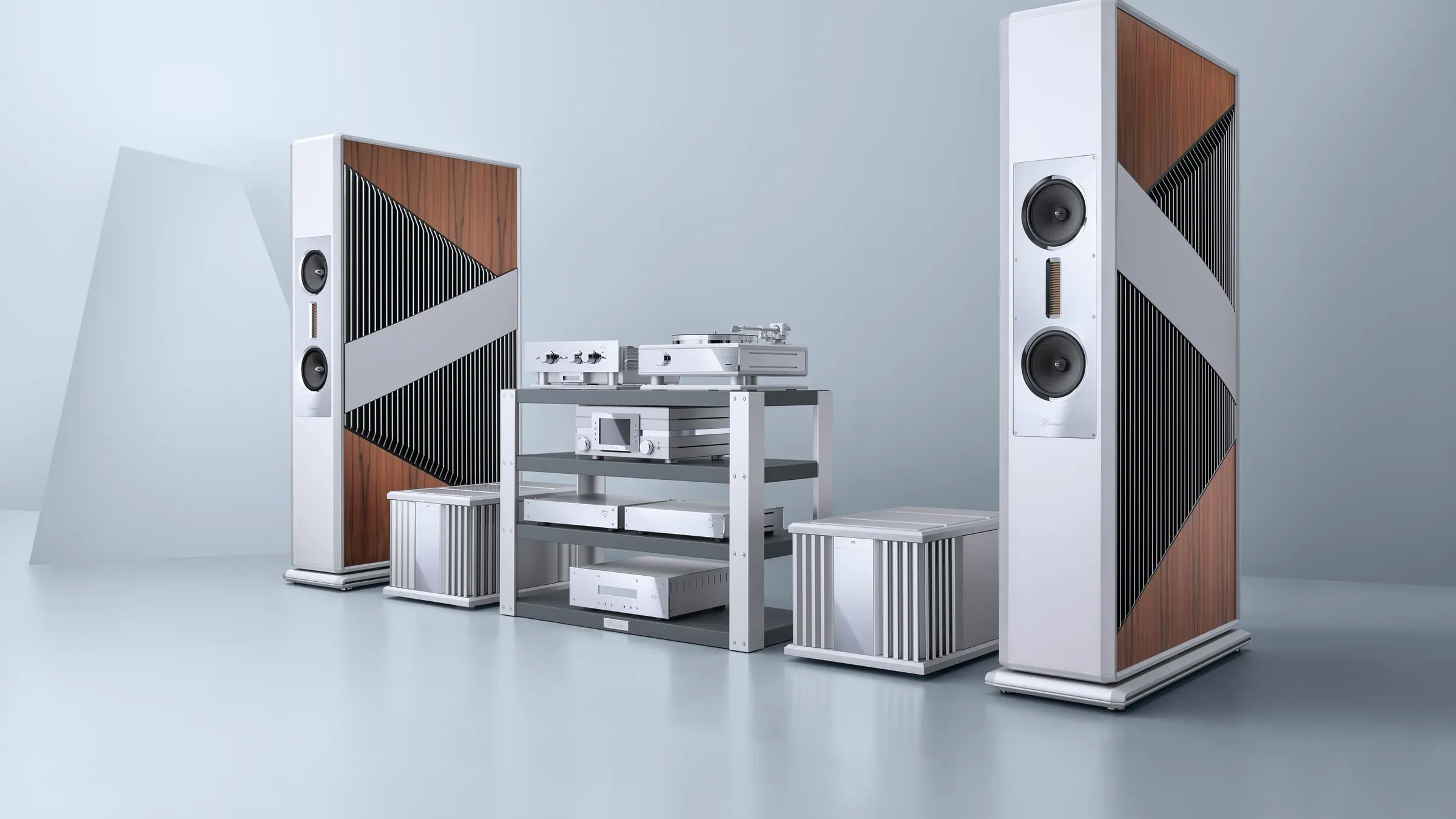
Very few high-end manufacturers build every link in the signal path — source, preamplifier, power amplifier, loudspeaker — under one roof, to one house voicing, developed against each other in the same building. Burmester is one of the few that does. A fully Burmester system — 069 CD or 111 Music Center source, 077 or 808 MK5 preamplifier, 259 or 909 MK5 power amplifier, BC150 or BC350 loudspeakers — is a coherent design whose components have been engineered against each other from the start rather than assembled after the fact. That coherence is audible on the right music. Because most high-end systems are mixed across three or four manufacturers, hearing a fully single-house Burmester system is genuinely rare, and the difference is worth an unhurried audition.
What to listen for
Burmester rewards specific listening. Two tests are worth running deliberately on a Burmester system. On acoustic recordings with a lot of low-level ambient information — chamber music, unamplified vocals, jazz trios in small rooms — the DC-coupled signal path and the very low noise floor let you hear cues most systems fold into the background: the shape of the room the recording was made in, the recovery of a note as it fades, the placement of a solo instrument against its ensemble. On complex, dynamically demanding material — large-scale orchestral, dense rock, big-band brass — the fully balanced amplification and the high-headroom power supplies keep the presentation from congesting as the volume comes up. If you have a set of recordings that either kind of system has struggled to reproduce cleanly, bring them.
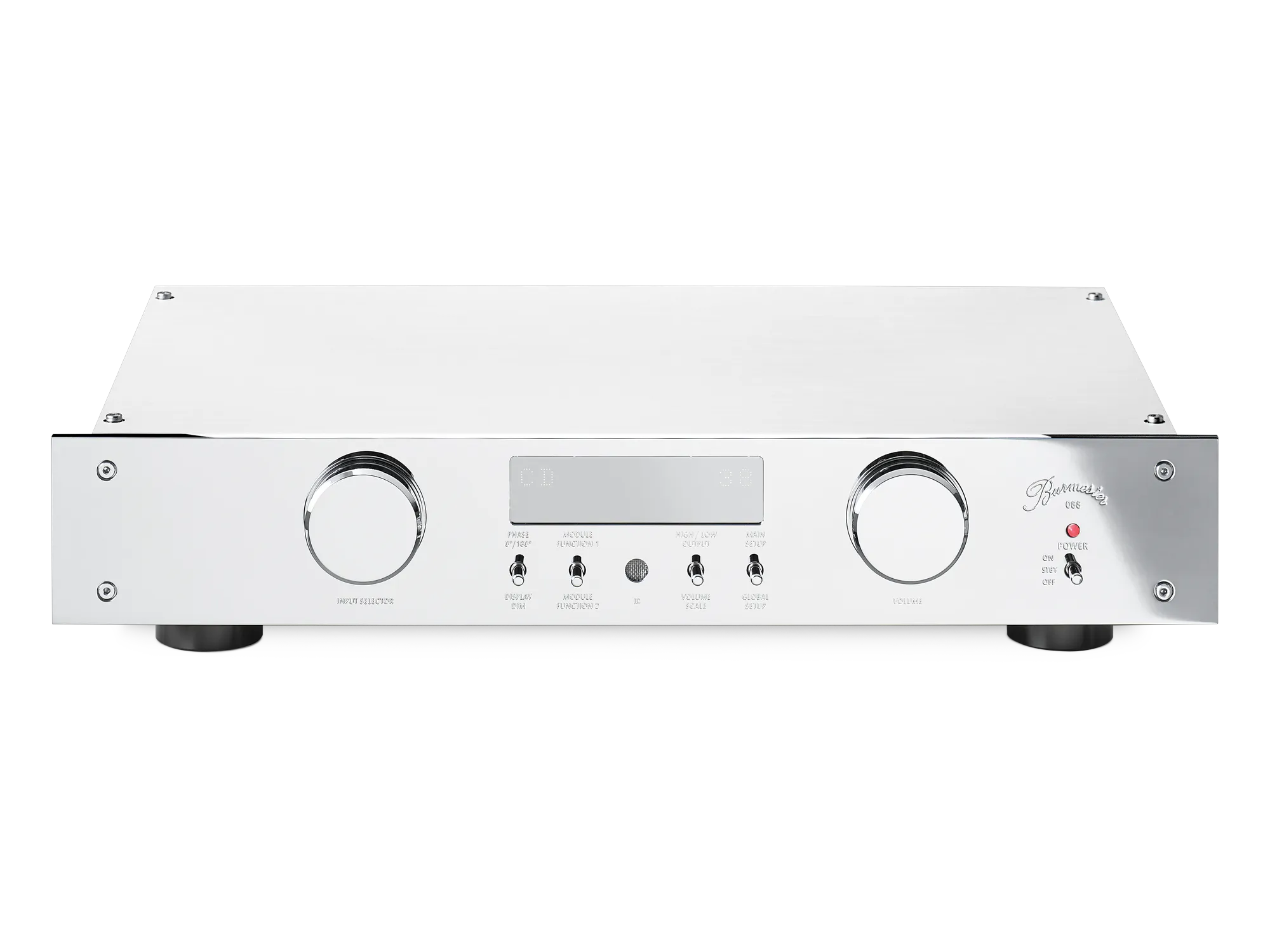
The best route into Burmester depends on what you already have. If the loudspeakers you own are keepers, start with the electronics — the 088 or 077 preamplifier partnered with the 218 or 259 power amplifier is the natural entry to Reference-Line performance. If you are re-building the whole system, hear a fully Burmester chain end-to-end at least once, on your own recordings, before you decide. The premise of the company for nearly five decades is that a system voiced across every stage of the signal path sounds different from one assembled from parts. The audition confirms it or it doesn't, but the audition is the only honest way to find out.
Frequently asked questions
What makes Burmester different from other high-end amplifiers?
Two engineering commitments have run through everything Burmester has built since Dieter Burmester founded the company in 1977: signal paths are fully balanced and symmetrical from input to output — a topology Burmester pioneered in hi-fi in the late 1970s, when almost no one else in the consumer high-end was building this way — and from 1983 onward, Burmester has built fully DC-coupled signal paths from the cartridge through to the loudspeaker terminals, with no coupling capacitors in the signal path. That removes a class of phase and low-frequency behaviour that many other designs live with. Every current Burmester component is designed, built, tested and voiced in Berlin-Schöneberg by a family-owned company that is a founding member of the Initiative Deutsche Manufakturen. The chrome-and-silver aesthetic Dieter Burmester introduced in 1978 has been part of the Museum of Modern Art's design collection in New York since the early 1980s — not as styling, but as the physical expression of the engineering premise.
What is the Burmester 259 Reference Line amplifier, and can I hear it at LMC?
The 259 Power Amplifier is one of three new-generation Reference Line products introduced at High End Munich 2025 — alongside the 249 Preamplifier and 257 Turntable — and it is a fully balanced design with passive cooling (no fans, which lowers the acoustic and mechanical noise floor) delivering 500 watts per channel into four ohms in stereo or 1,500 watts as a monoblock. The 259 came to LMC's Scottsdale showroom direct from Berlin as one of the first units in the country and remains on demonstration. That shipment did not happen automatically — Burmester chooses which dealers get early Reference Line product, and the criteria are trust in the room, the setup discipline, and the way the product will be represented to buyers. Walk in during business hours to hear it, or book ahead if you'd like the audition configured against your own recordings.
Which Burmester line is right for my system — Classic, Top, Reference, or Signature?
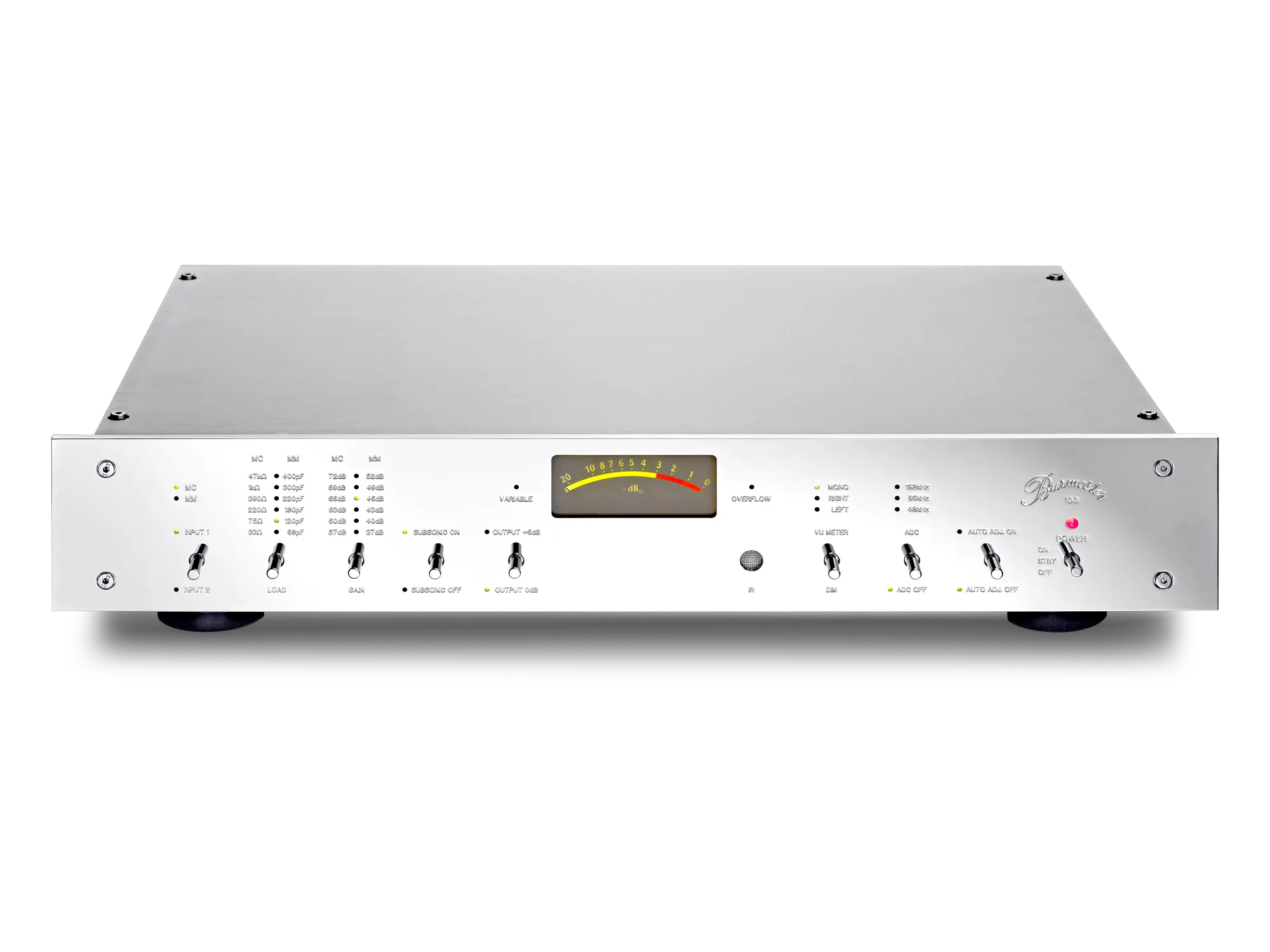
Burmester's catalog is organised across four tiers, and the right entry point depends on what the rest of your system is already doing. The Classic Line (956 MK2, 036, 035, 032, 101, 232) covers the accessible entry to the Burmester house sound. The Top Line (216, 911 MK3, 909 MK5, 948 power conditioner) brings meaningful Burmester engineering into working reference-tier systems. The Reference Line, refreshed in 2025 with the 249 preamp / 259 amp / 257 turntable alongside long-standing products like the 077 preamp, 808 MK5 preamp, 100 Reference Phono, 175 turntable and 218 power amp, is where most serious Burmester systems land. The Signature Line — currently the 159 Mono Power Amplifier (350kg per monoblock, 1,200 watts per channel), the BC350 loudspeaker, and the BX100 floorstander — sits at the top. If your loudspeakers are keepers, the natural entry to Reference Line performance is the 077 preamplifier paired with the 218 or 259 power amplifier. If you're rebuilding the whole system, hear a fully Burmester chain end-to-end at least once.
Does LMC carry Burmester loudspeakers?
Yes. Burmester builds loudspeakers at multiple price points — the BC350 and BC150 in the Signature/Reference tier, the BX100 floorstander introduced at High End Munich 2024, and the B38, B28 and B18 covering smaller cabinets. LMC has the BC350 on active demonstration at Scottsdale, driven in the room where The Absolute Sound's senior editor Robert Harley auditioned it for his November 2023 review — paired with two Burmester 159 amplifiers and a Linn Klimax DSM digital source. Very few high-end manufacturers build every link in the signal path (source, preamp, power amp, loudspeaker) under one roof to one house voicing; Burmester is one of the few that does, and a fully Burmester end-to-end system is worth hearing at least once to understand what that coherence sounds like.
What is the Burmester 808 preamp, and why has it been in production for over 40 years?
The 808, introduced in 1980, was the world's first modular preamplifier — a design in which each input, output and function is a physical card that can be reconfigured, replaced or upgraded without replacing the chassis itself. That modularity is the reason the 808 remains in current production in its fifth iteration (808 MK5) more than four decades later; an 808 bought in the 1980s can be brought up to current MK5 specification by upgrading the modules inside, rather than replaced. Very few high-end products can make that claim across four decades. The 808 MK5 sits alongside the newer 249 (Reference Line, 2025) and 077 preamplifiers in the current range — each with a distinct voicing character within the Burmester house sound.
Does LMC carry the new 257 turntable?
Yes. The 257 Turntable is part of Burmester's 2025 Reference Line refresh alongside the 249 preamp and 259 power amplifier, and LMC carries it. The 257 is a belt-drive design with two 12-volt DC motors, two flywheels, magnetic bearing with polished ceramic axle and sintered bronze liner, and optical speed control — engineering that reflects Burmester's fully-in-house approach to reference-tier analogue playback. For a Burmester-first analogue system, the 257 pairs naturally with the Burmester 100 Reference Phono preamplifier and the rest of the Reference Line chain.
The Lineup
Explore the Range
Experience The Brand