Brand
Transparent Audio
American cable engineering. Custom-calibrated in Maine.
Authorized Dealer — Scottsdale & Tempe, Arizona
Trade-in credit toward new purchases · Full installation and calibration · Walk in during business hours or book ahead
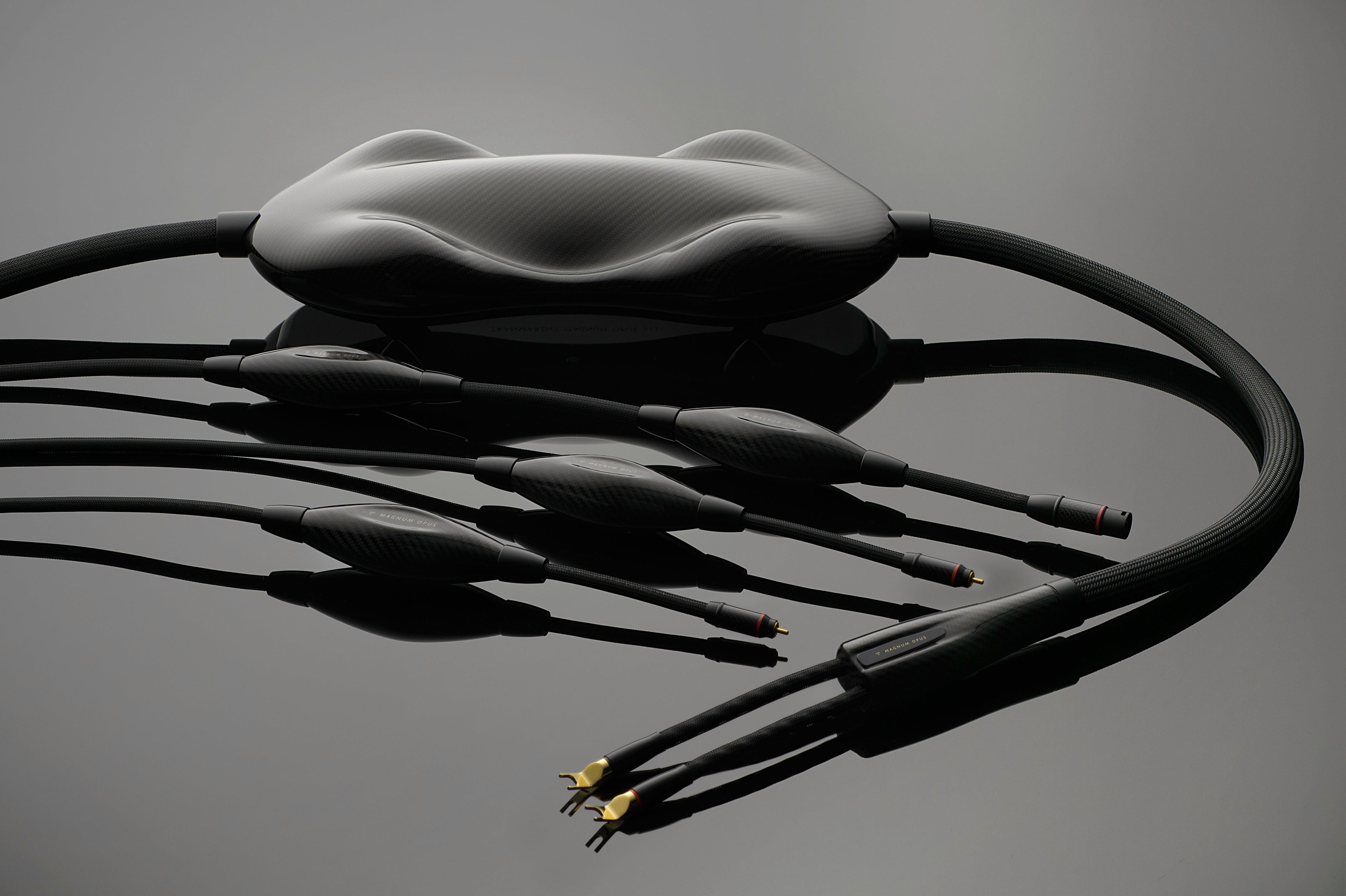
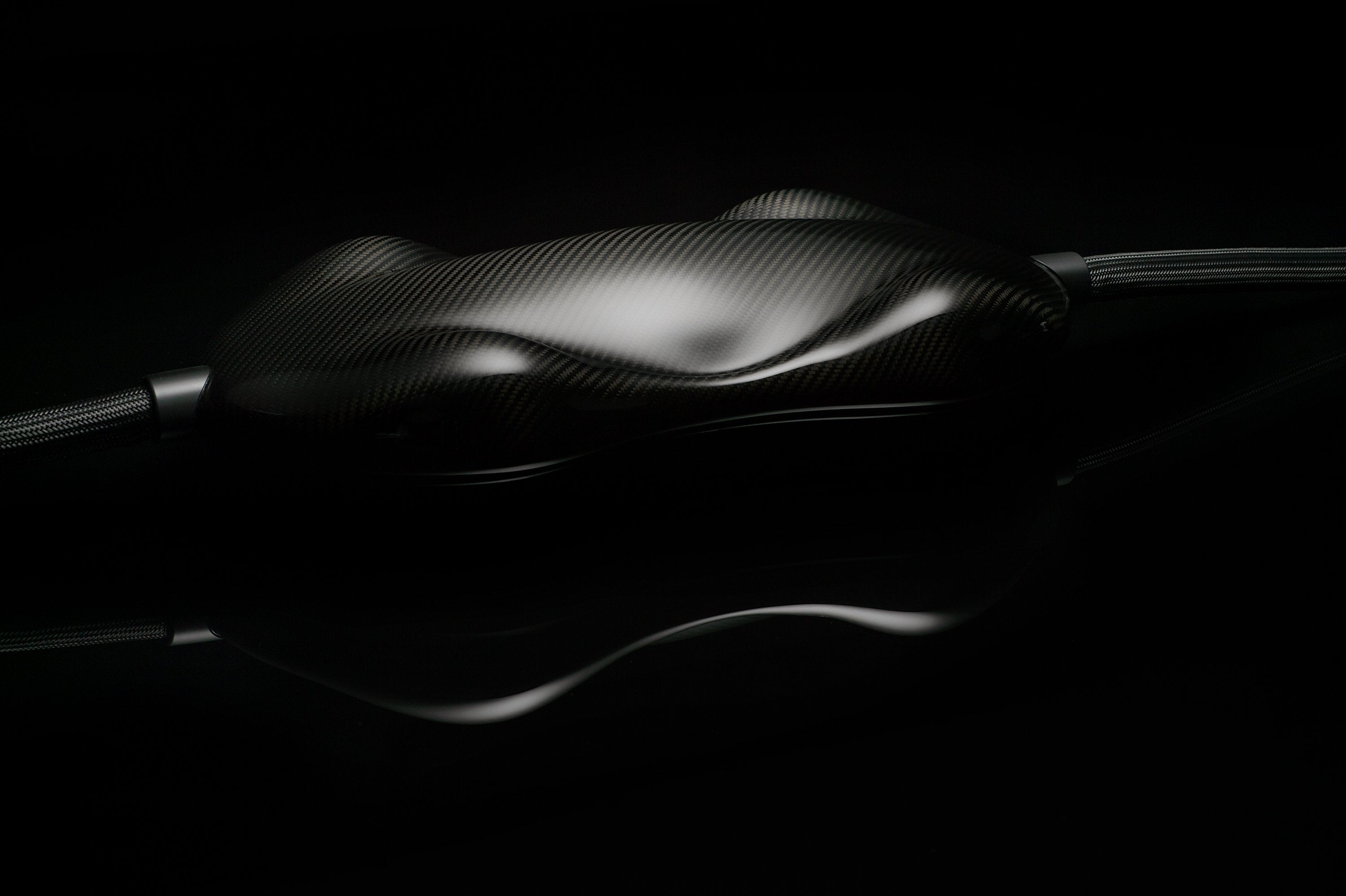
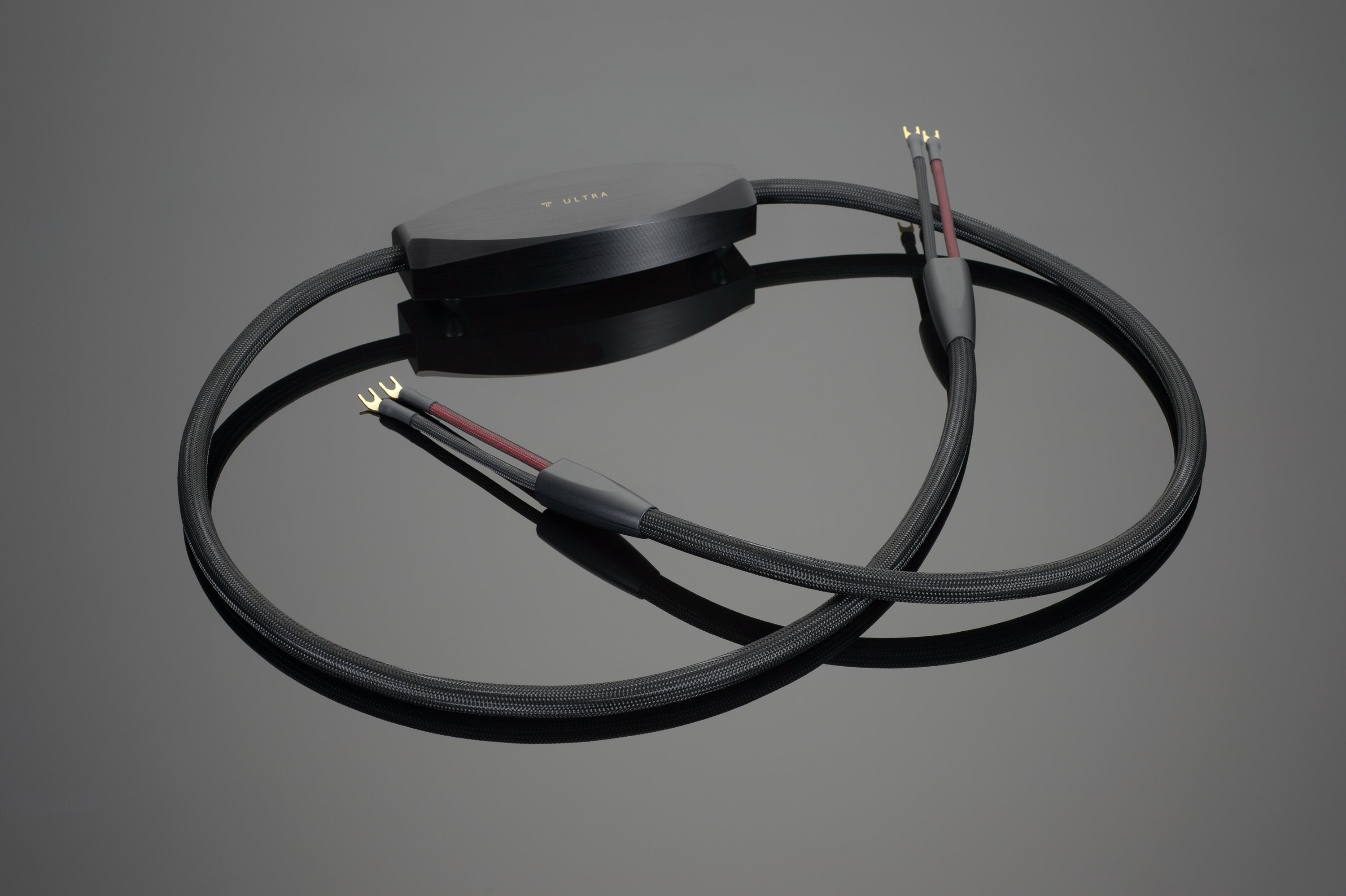
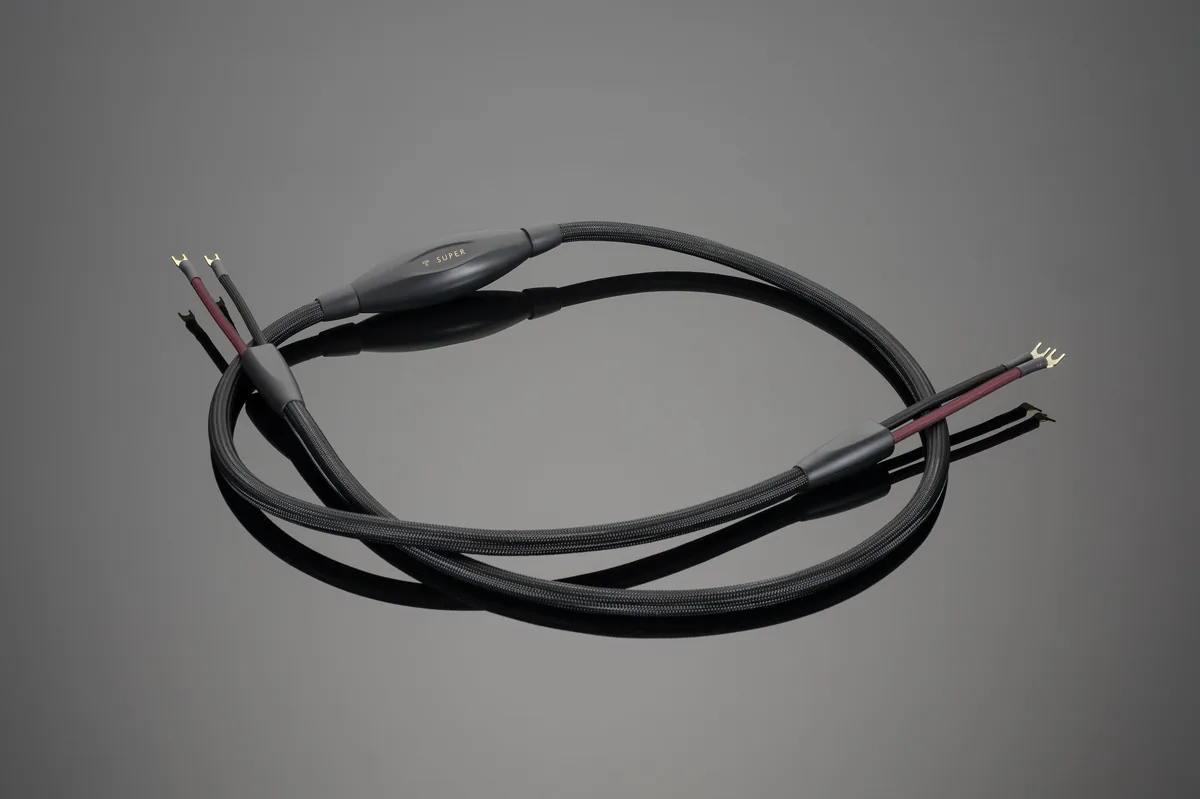
See what's on demonstration now ↓Transparent Audio has designed and manufactured every cable and power product in Saco, Maine since the mid-1980s, and one engineering decision has defined the company throughout: the outrigger Network. Where most cable manufacturers claim their materials sound a certain way, Transparent argues that the cable is only half the design. The other half is a small filter network mounted external to the cable, calibrated in production to the specific electrical characteristics of that cable at that length. It is a measured, per-unit intervention rather than a materials claim — and it is the reason Bob Ludwig, Roy Halee and generations of mastering engineers use Transparent to preserve source signal without adding coloration.
Everything is designed, calibrated, hand-terminated and tested at the Saco, Maine facility — not assembled from parts sourced elsewhere. That vertical integration is what allows the Network to be tuned to each cable at the specific length ordered, and it is one of the reasons Transparent has never moved to overseas manufacturing to hold its price positioning against much larger cable brands.
The Network premise
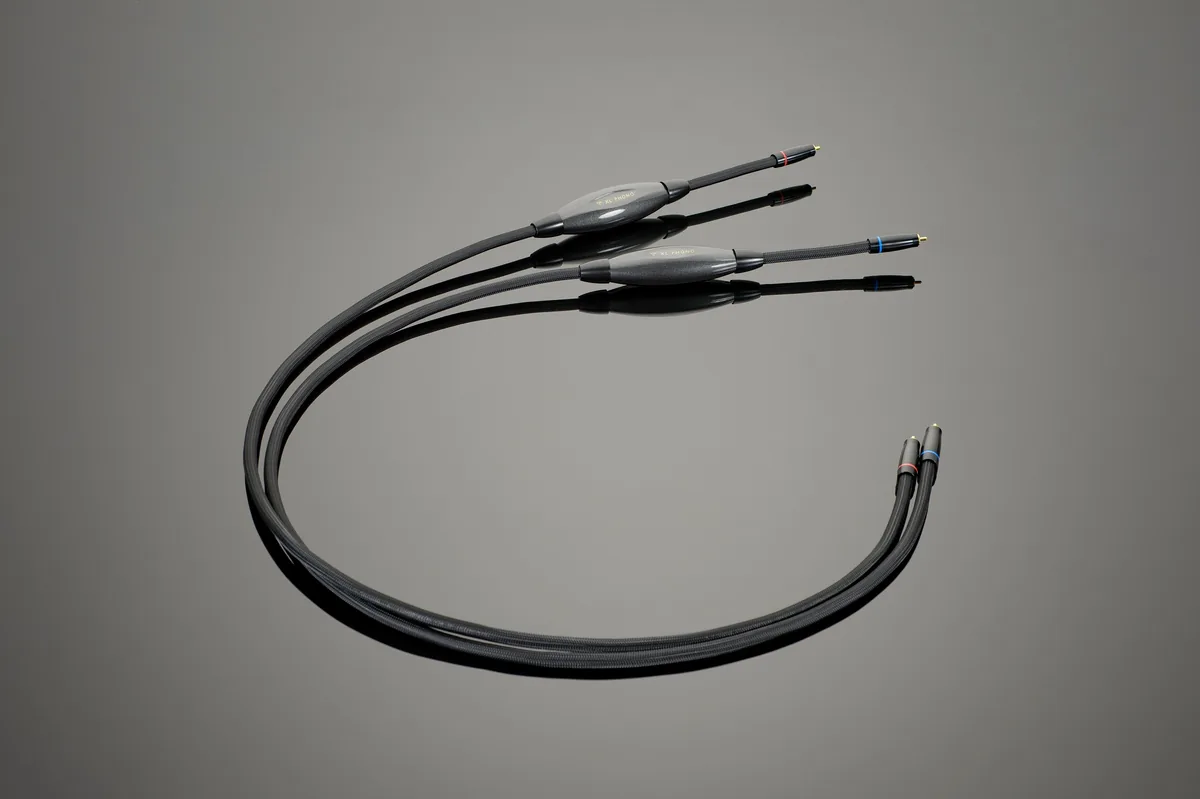
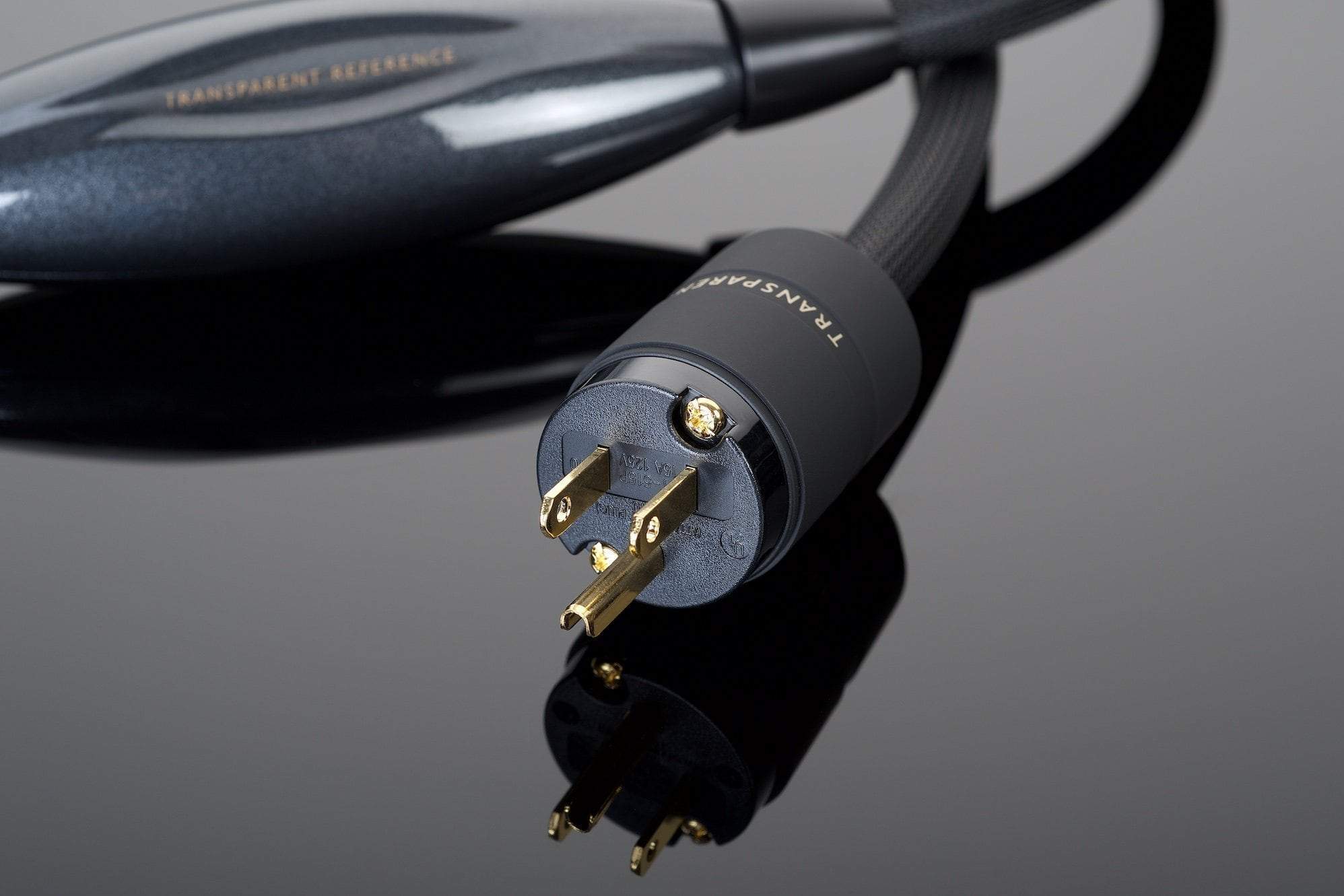
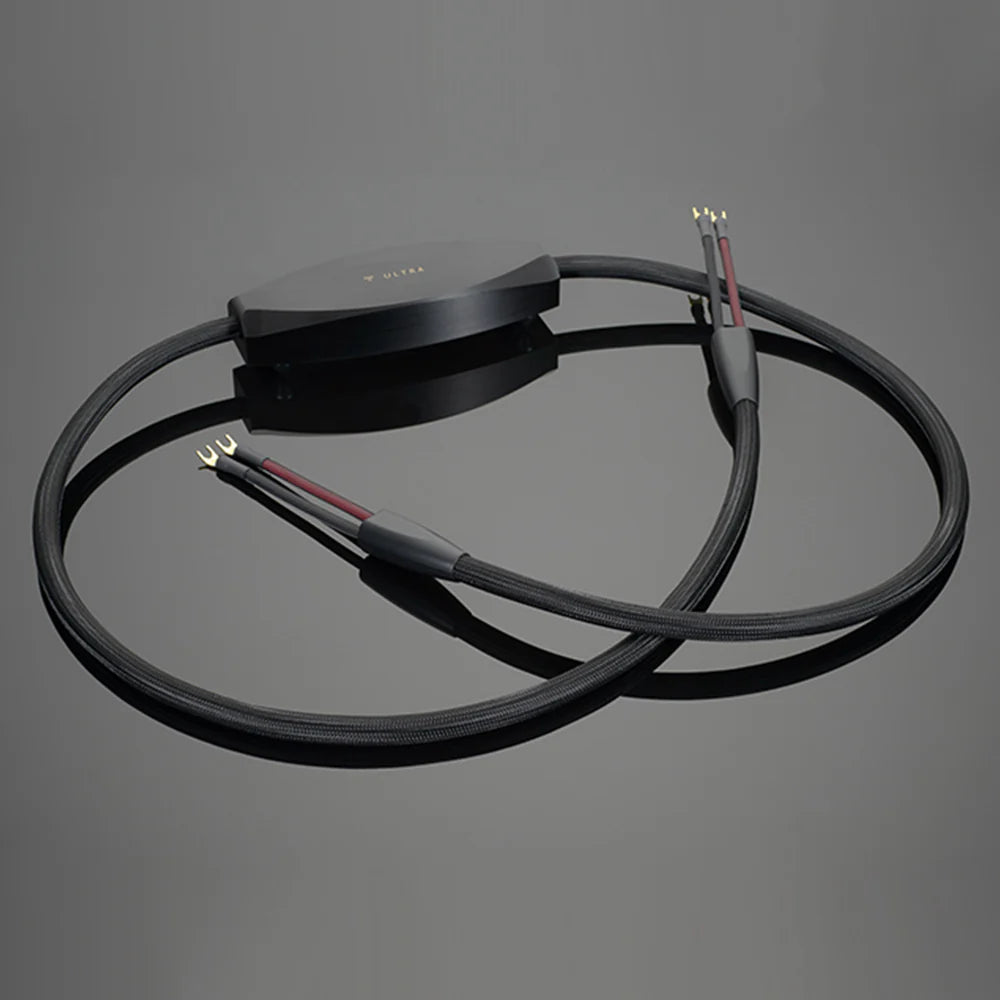
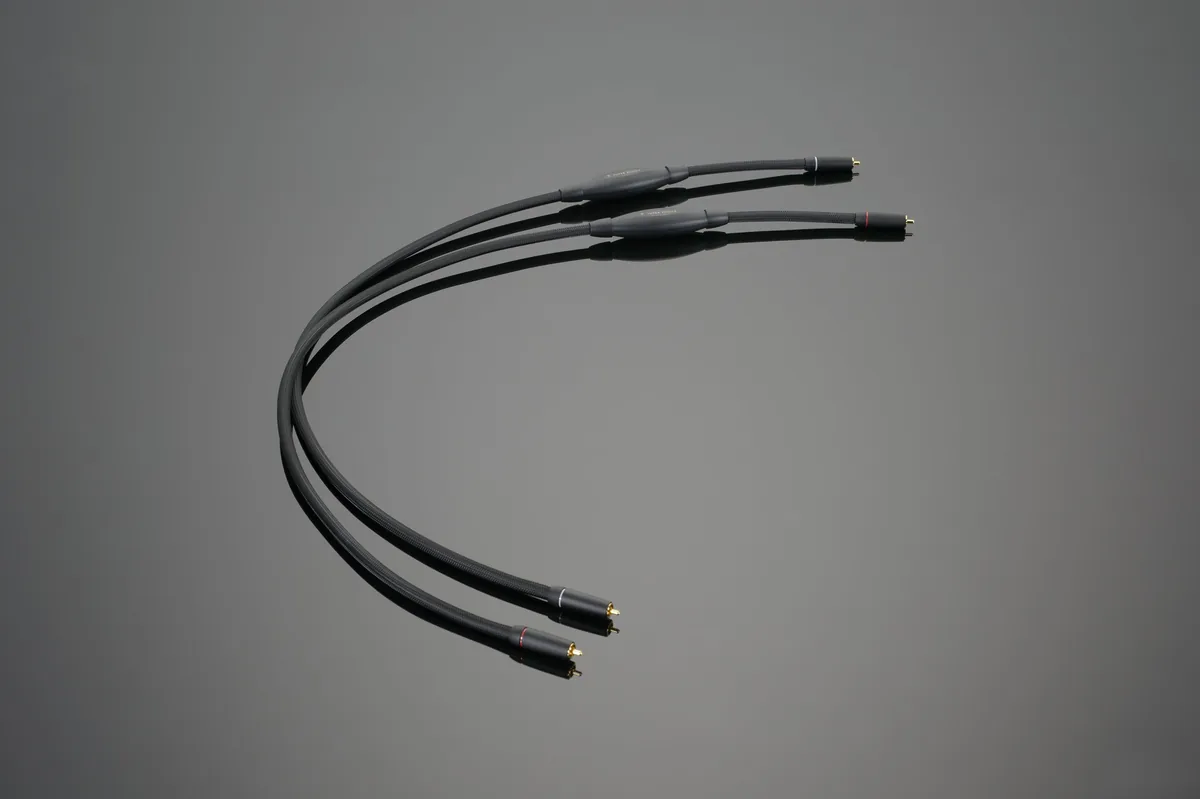
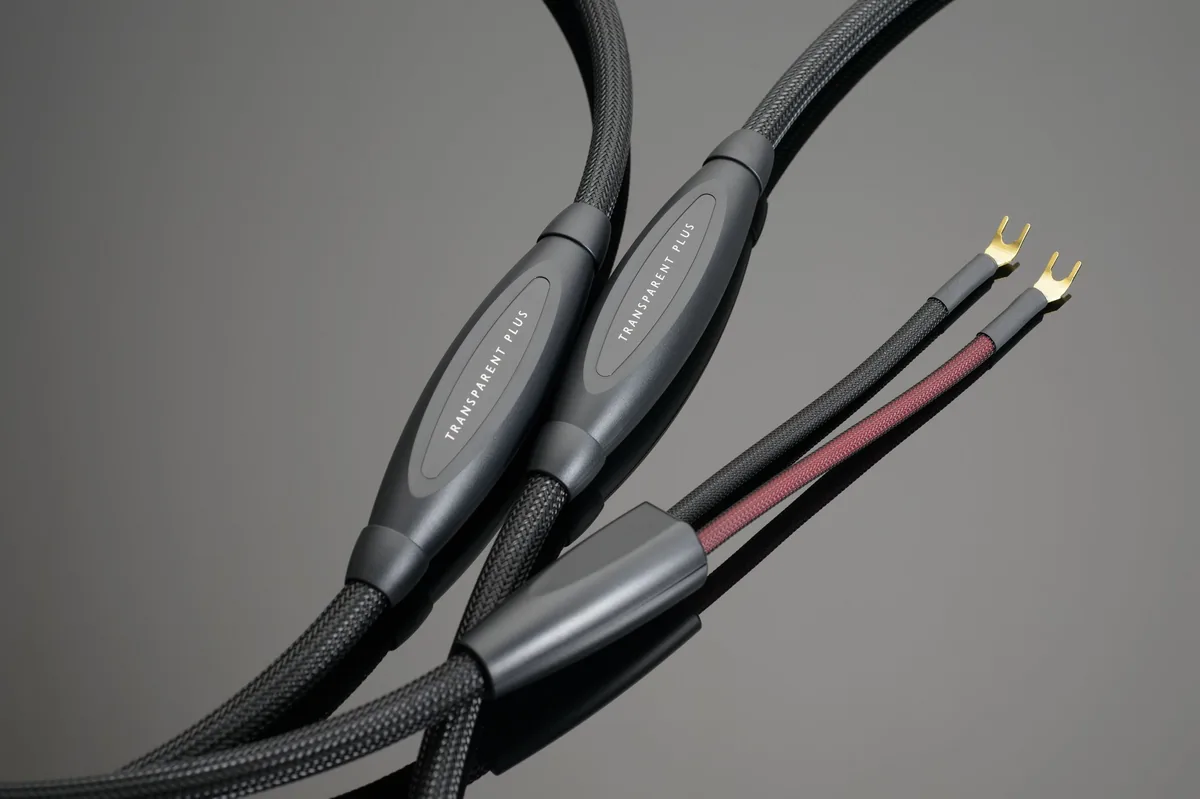
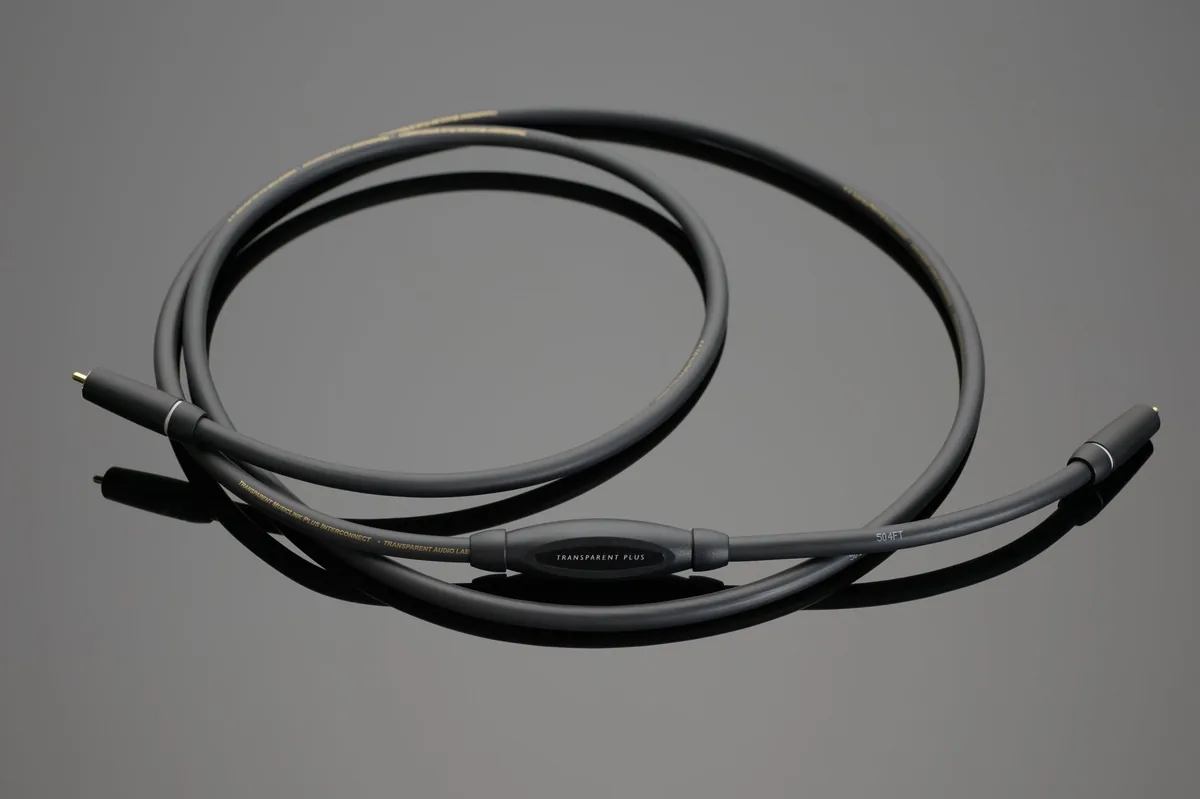
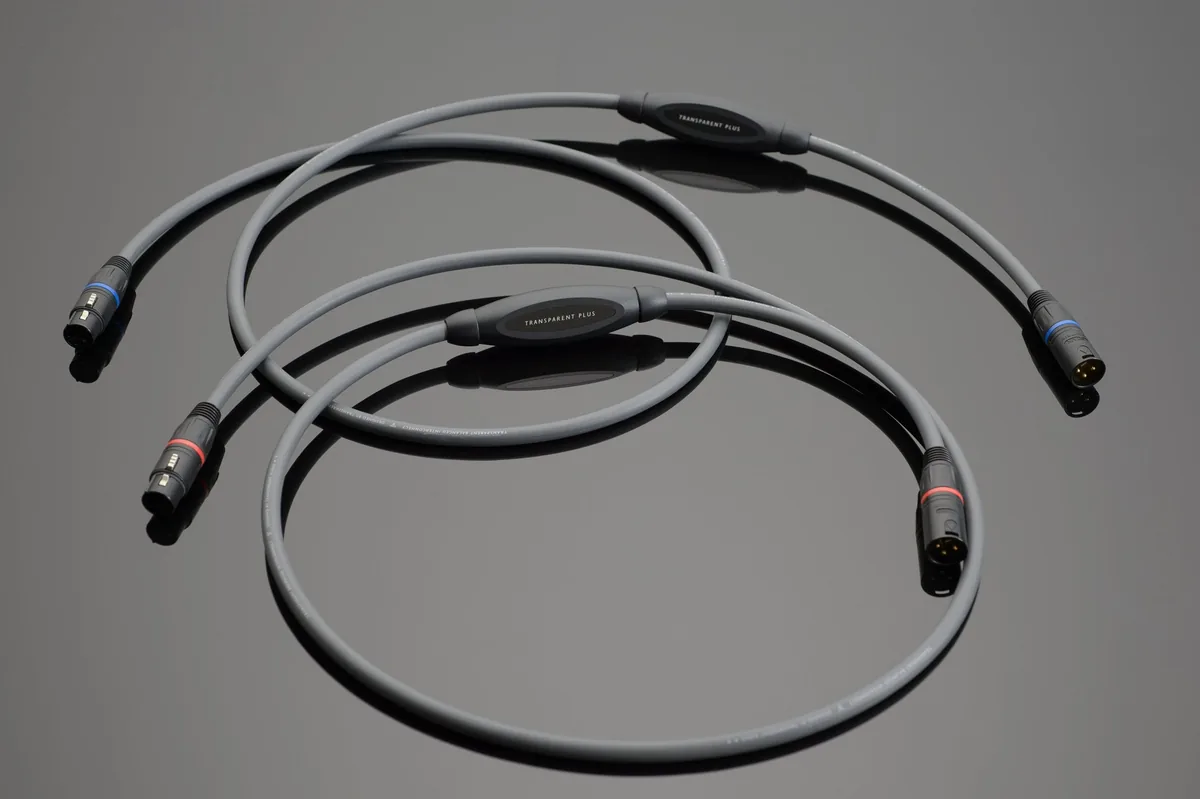
Every cable in a system — signal, speaker, or mains — is an antenna. The longer the run, the more of the surrounding electromagnetic environment it collects, and the more high-frequency noise it delivers to whatever the cable is connected to. Most manufacturers respond by shielding the conductor (a copper braid, a foil wrap, a drain wire) or by working at the conductor level (rare metallurgies, exotic geometries). Transparent responds by putting a filter network in a separate small enclosure mounted at one end of the cable, and calibrating that filter in production to the specific length and electrical behaviour of that specific cable.
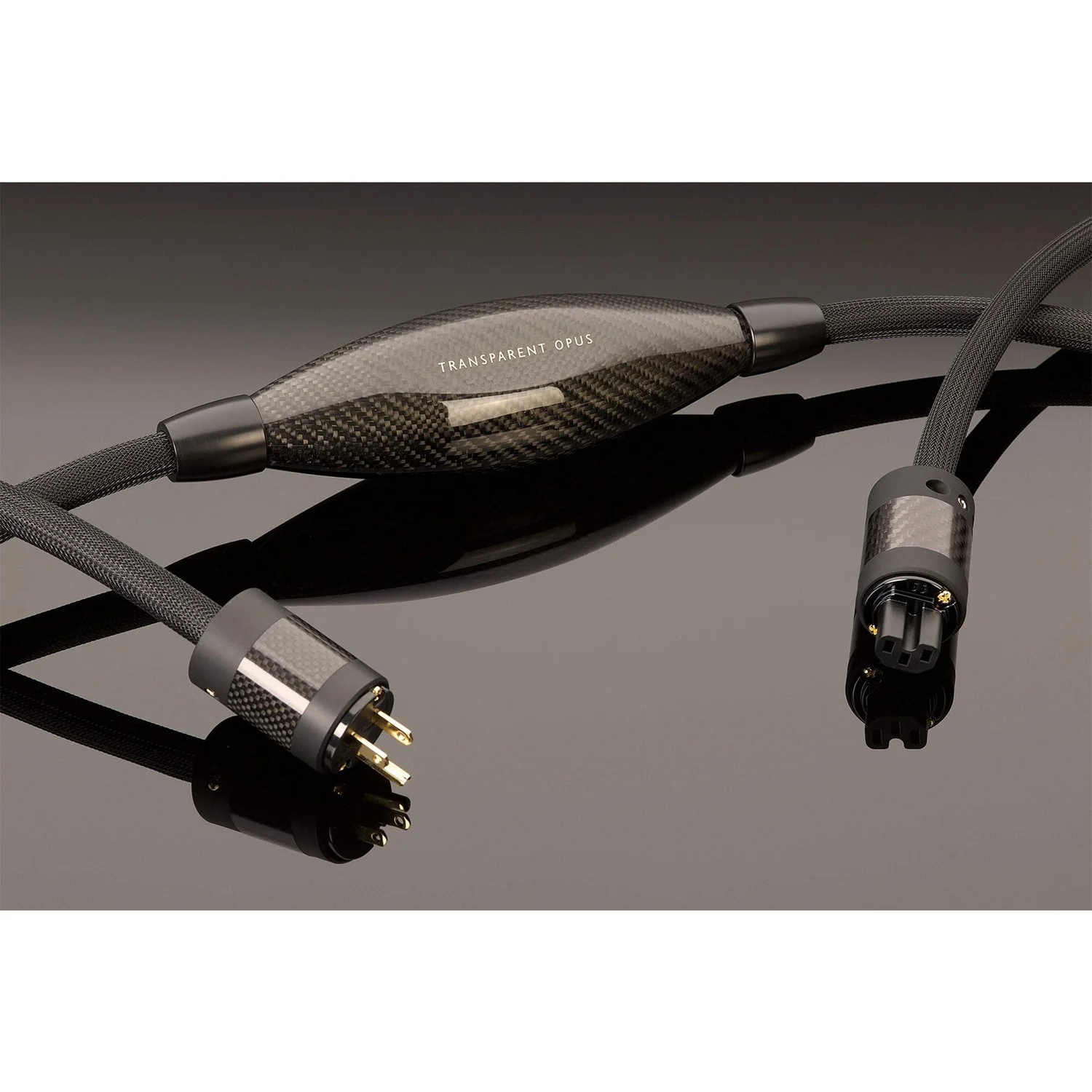
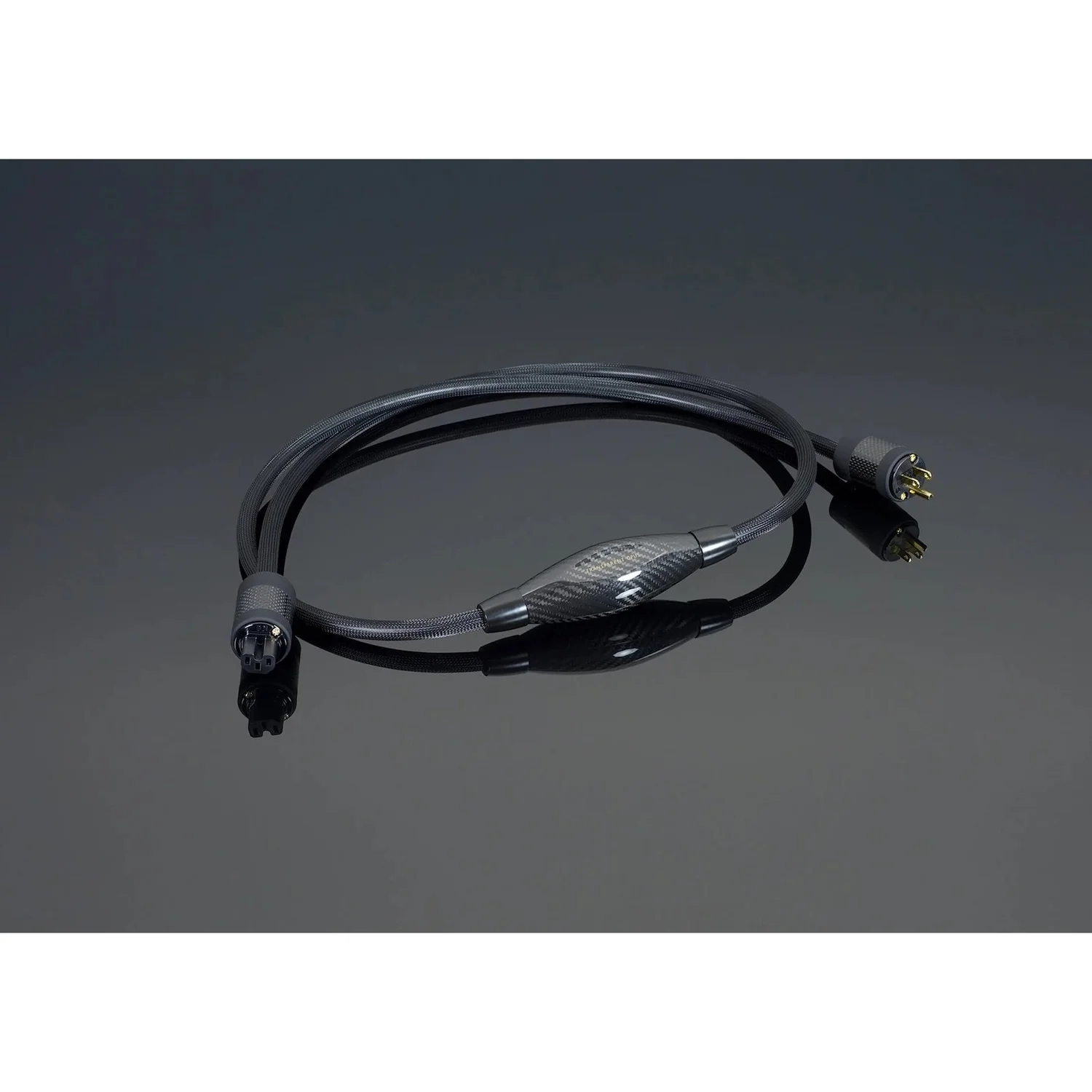
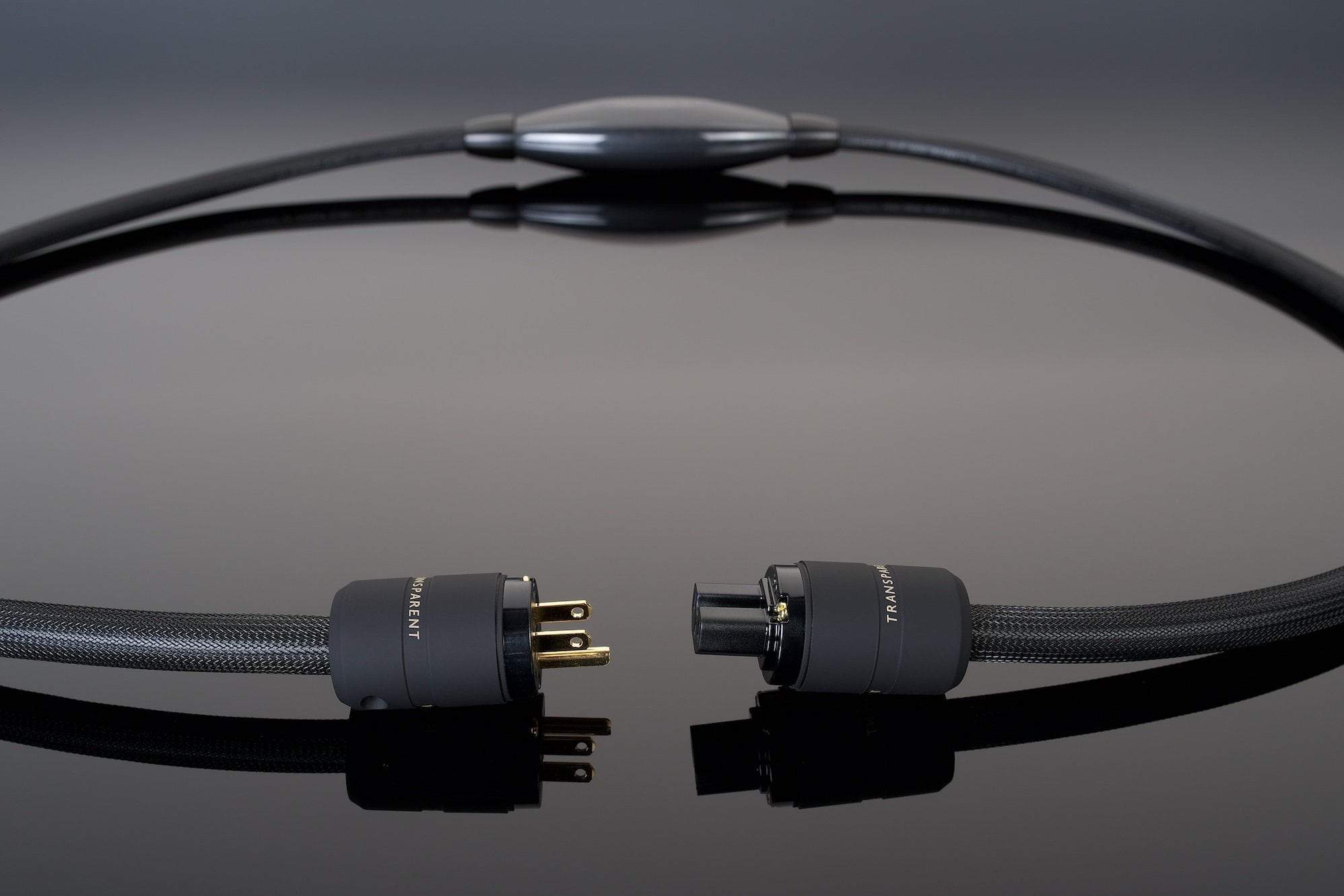
What that buys is a per-unit intervention. Two ten-foot XL interconnects made in the same week are calibrated to their measured electrical characteristics, not to a general specification, and the Network in each one is a slightly different measured piece. That is a manufacturing burden most cable makers would not accept, and it is why Transparent cables carry a serial number that records the specific calibration of that specific unit at the factory. It is also why the OPUS Power Cord and the OPUS PowerIsolator are calibrated as a set — the power cord’s Network and the PowerIsolator’s parallel filtering circuits are tuned against each other during production and against the local AC voltage and frequency the system will actually run on.
The engineering premise reads as measured and technical, and that is how mastering studios have used Transparent for decades. Bob Ludwig at Gateway Mastering, Roy Halee’s work across Columbia and afterwards, and a great many other reference mastering rooms have specified Transparent for exactly one reason: the cable preserves what arrives without adding character of its own. The same argument applies at the reference dealer end, and it is why LMC has been an authorised Transparent dealer since 2013.
The Collection hierarchy at LMC
LMC carries the full Transparent catalog across analog signal cables, loudspeaker cables, power cords, and power conditioning.
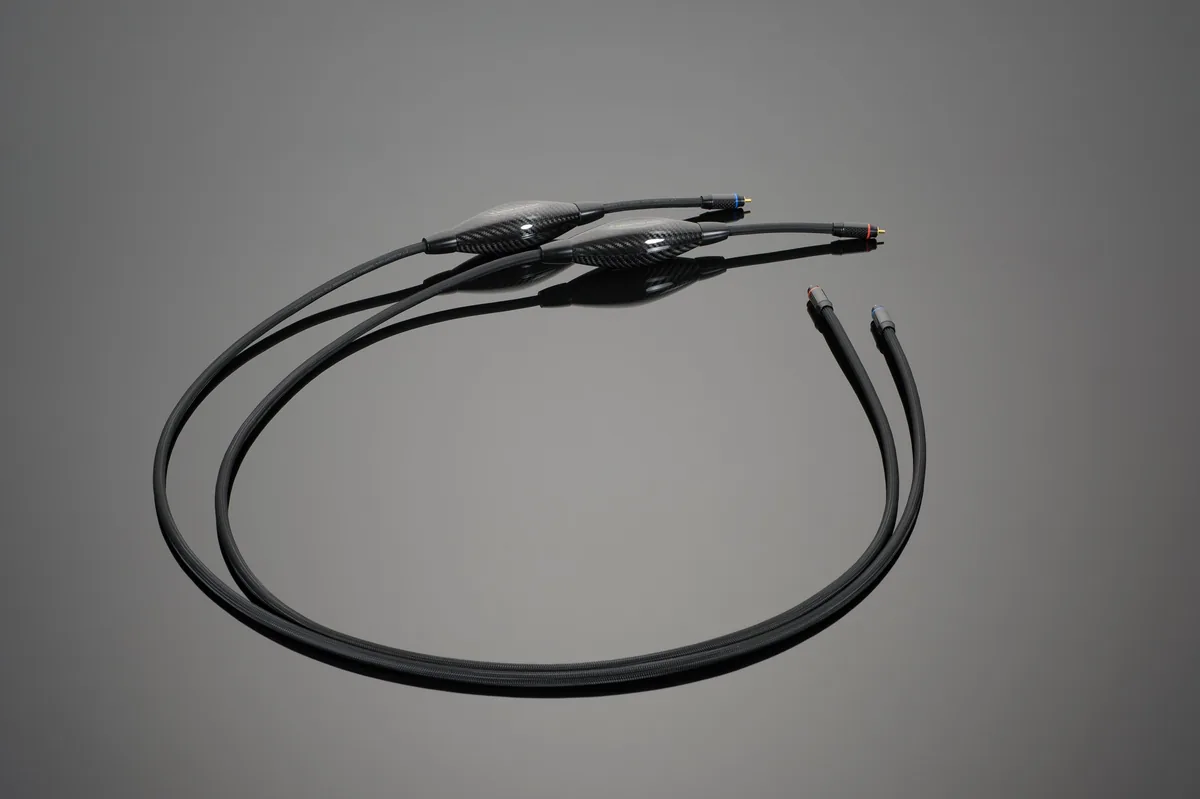
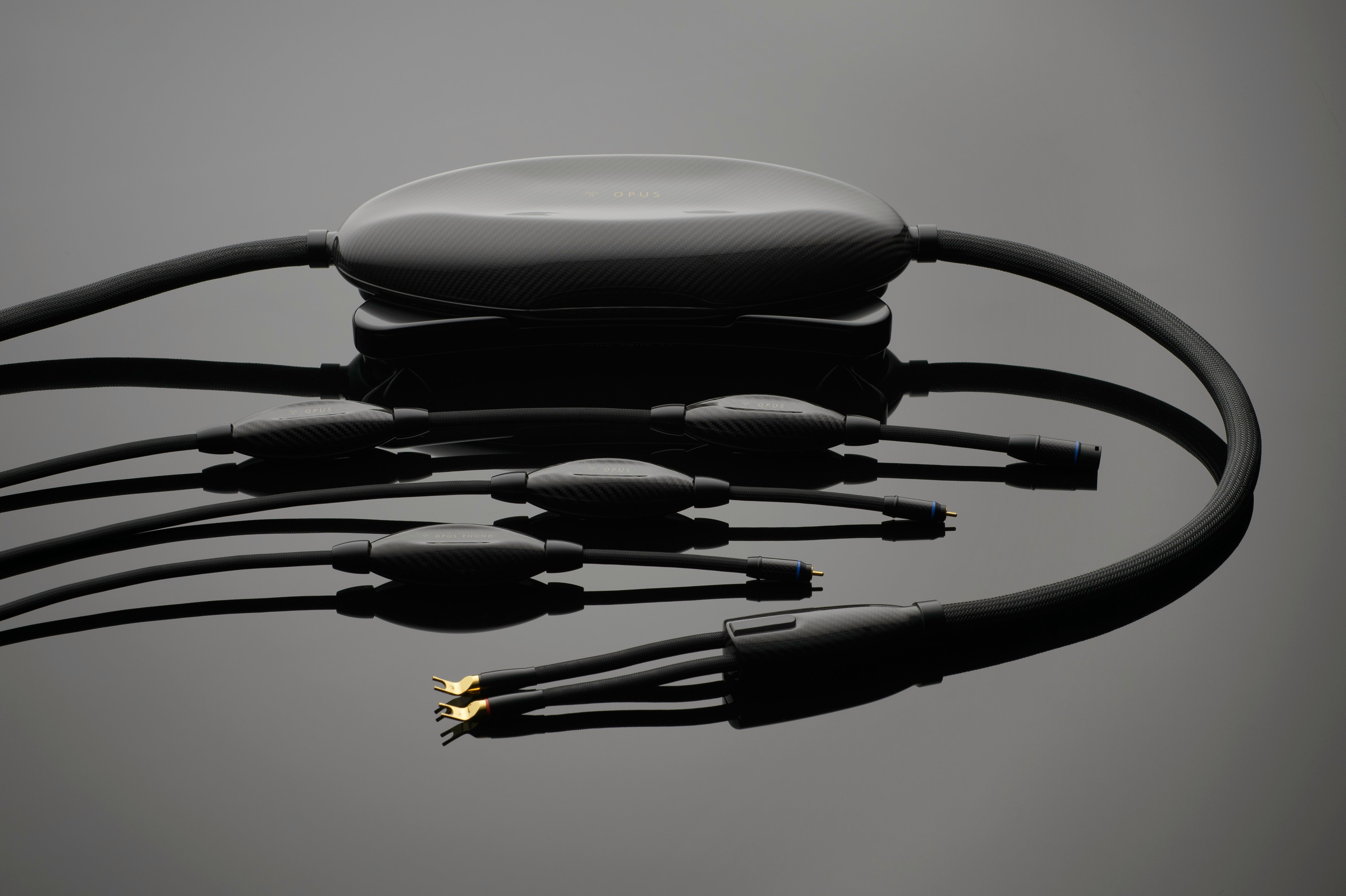
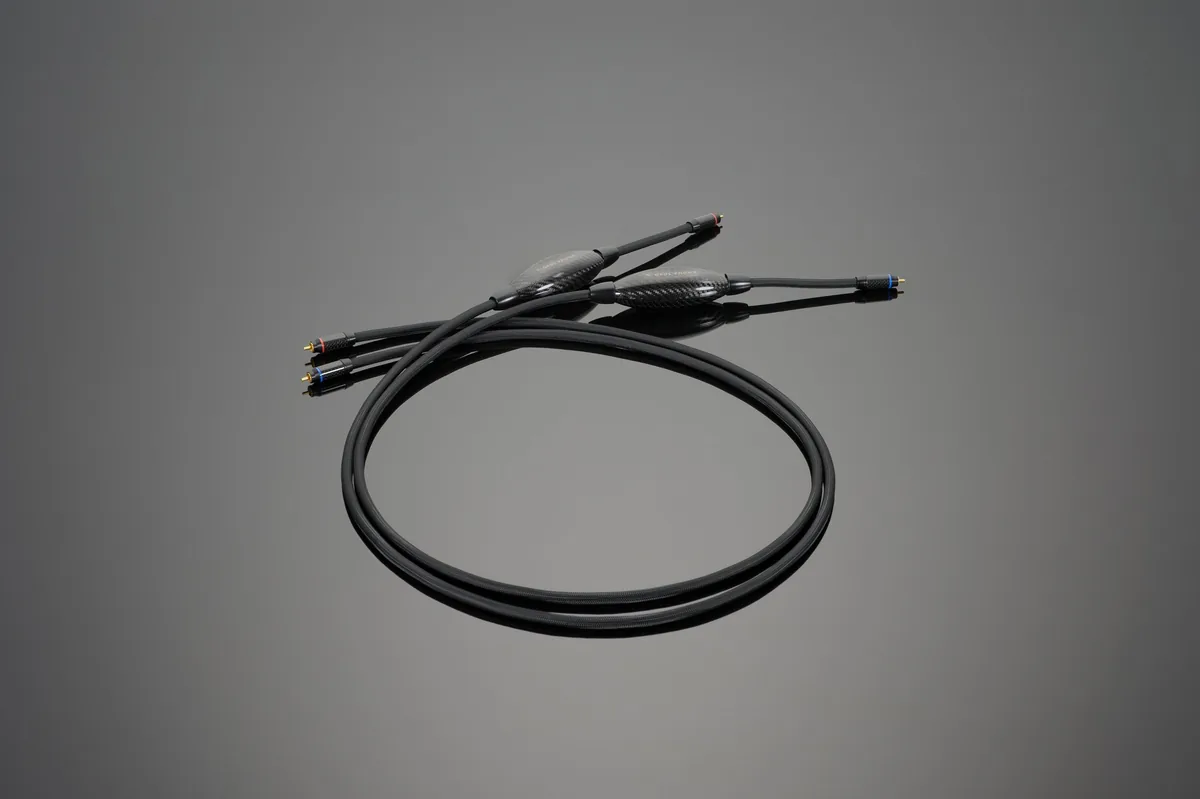
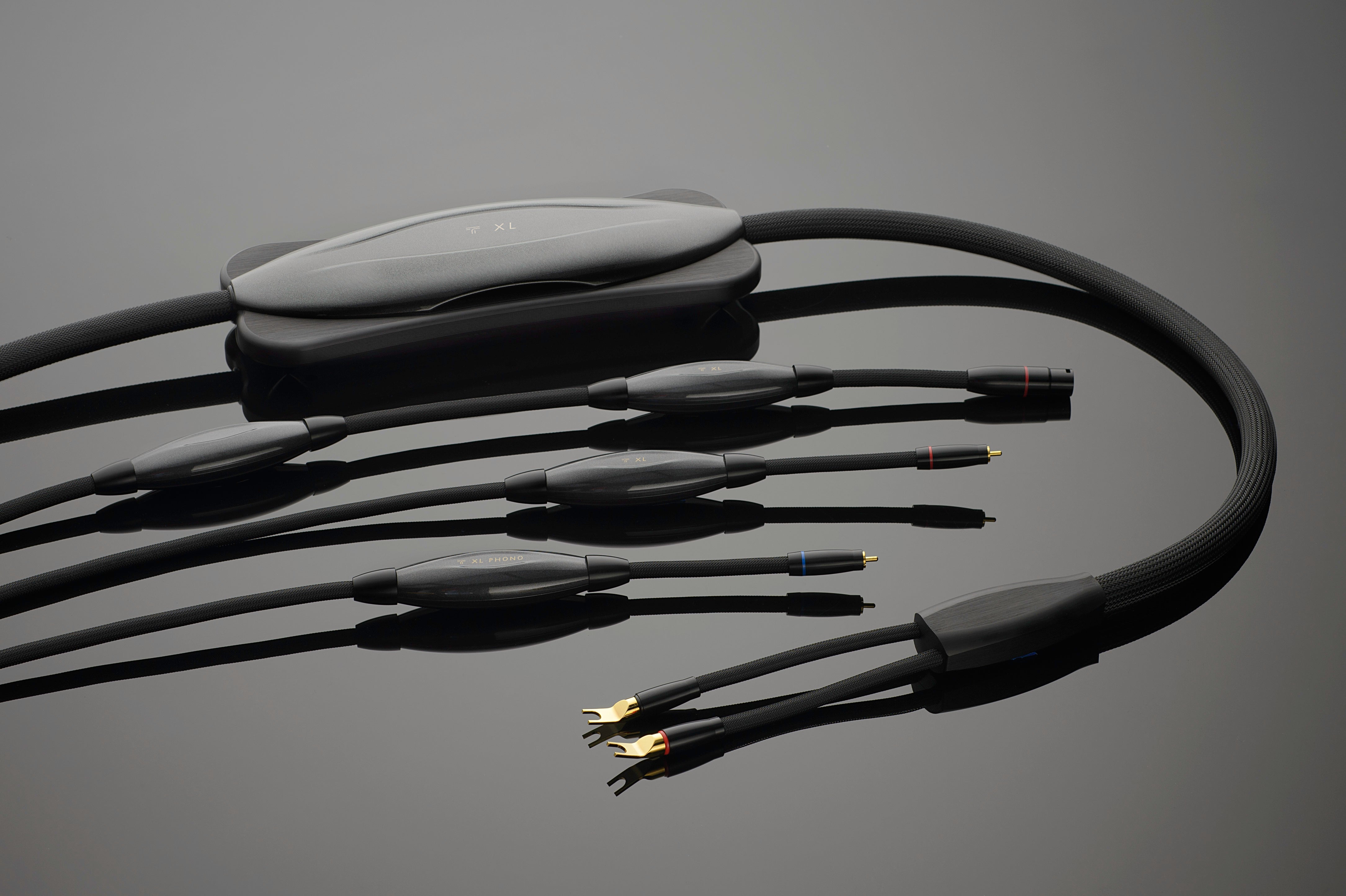
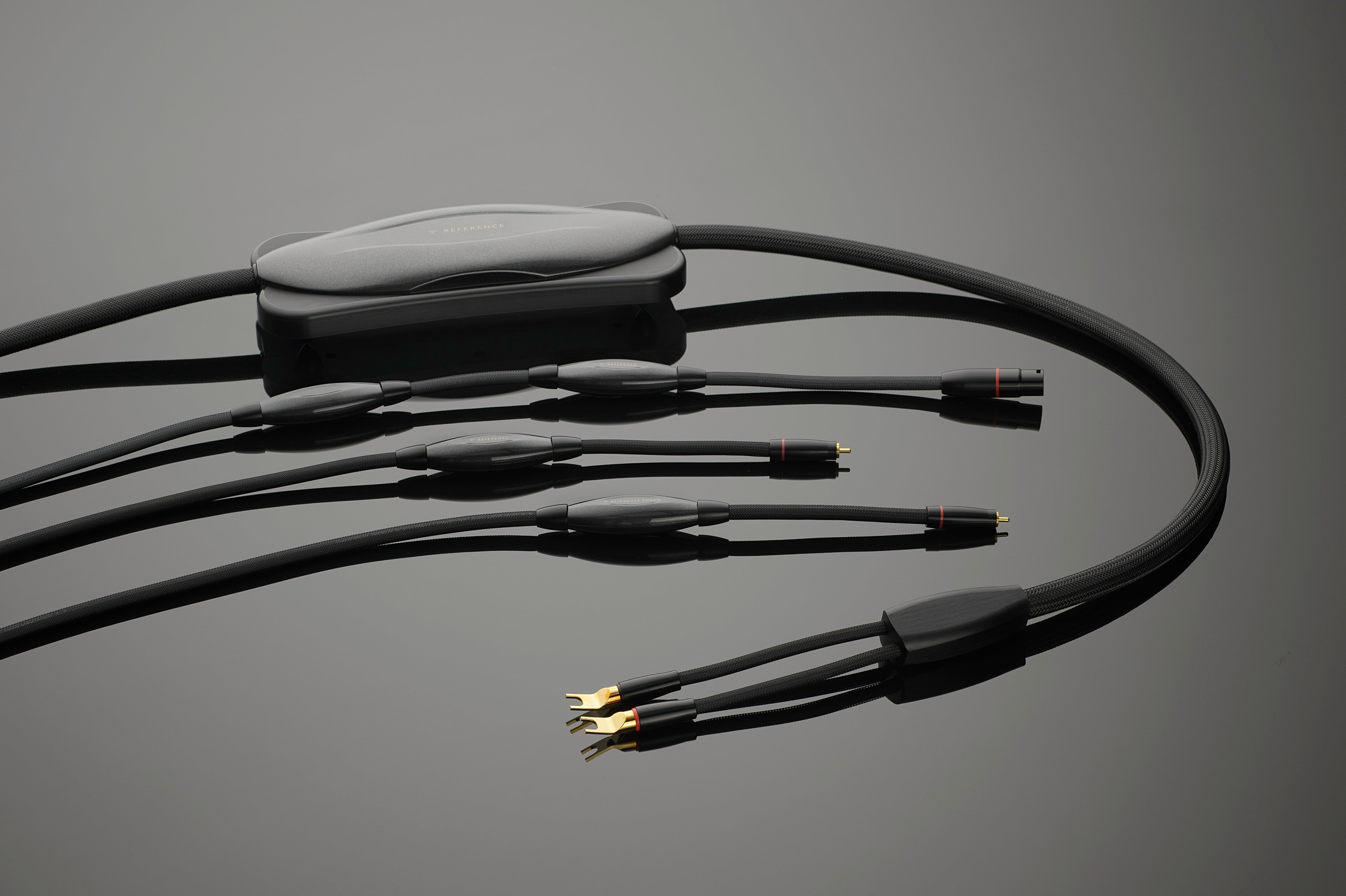
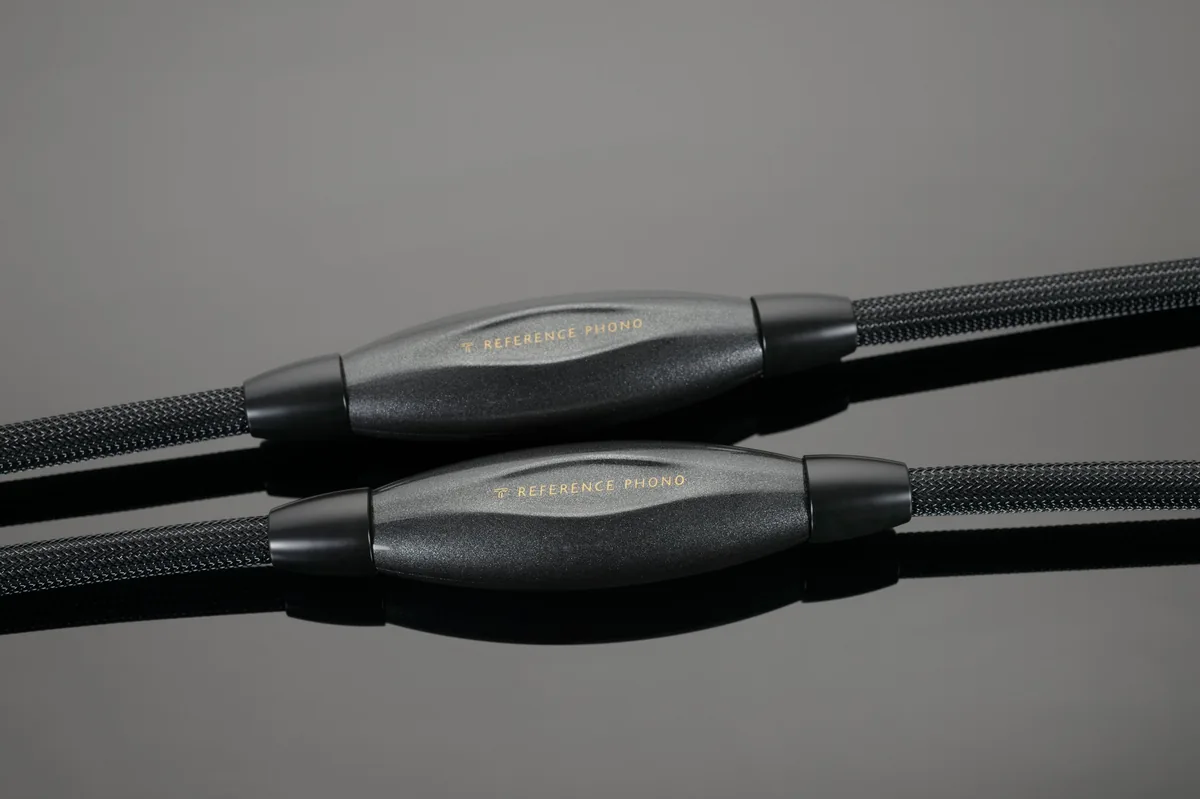
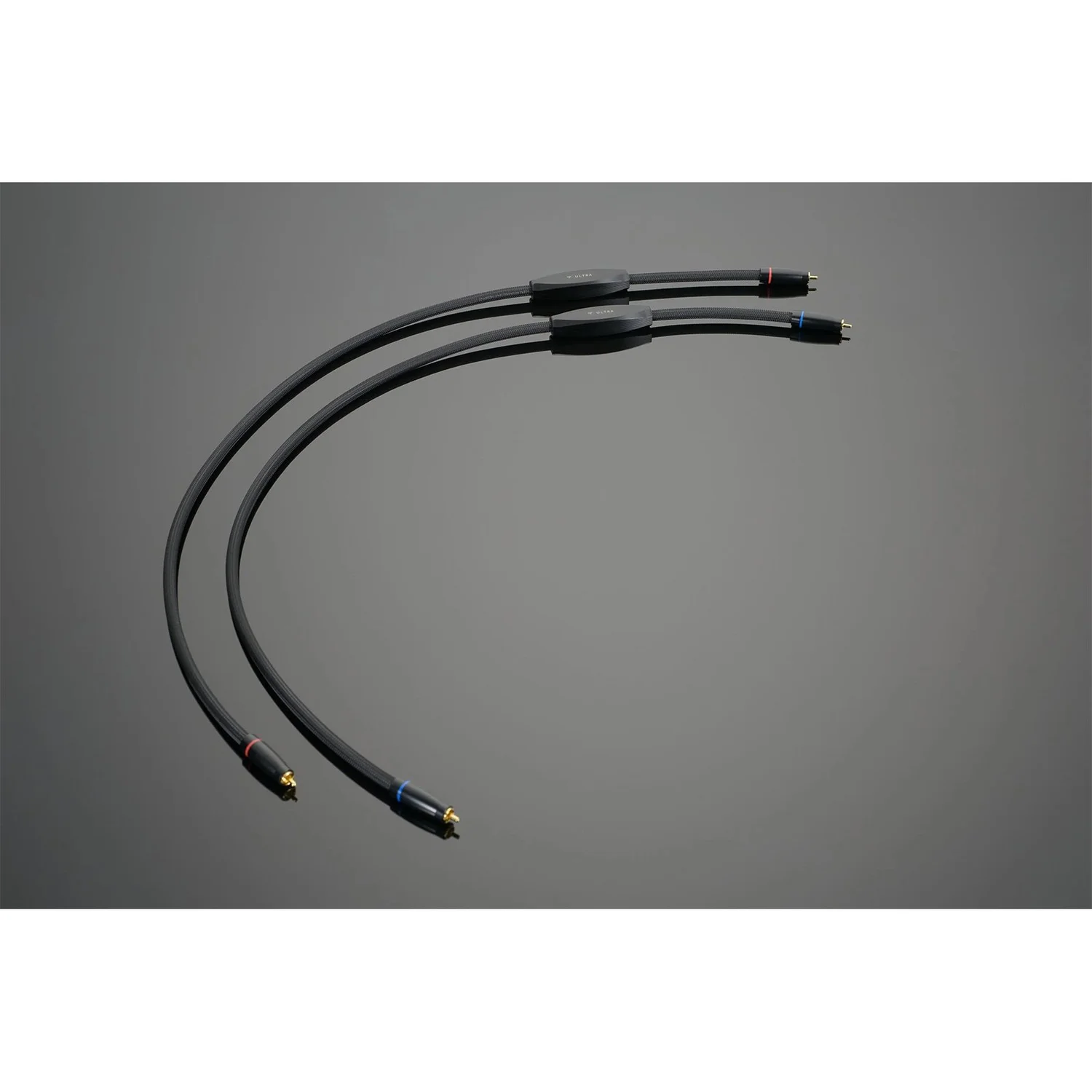
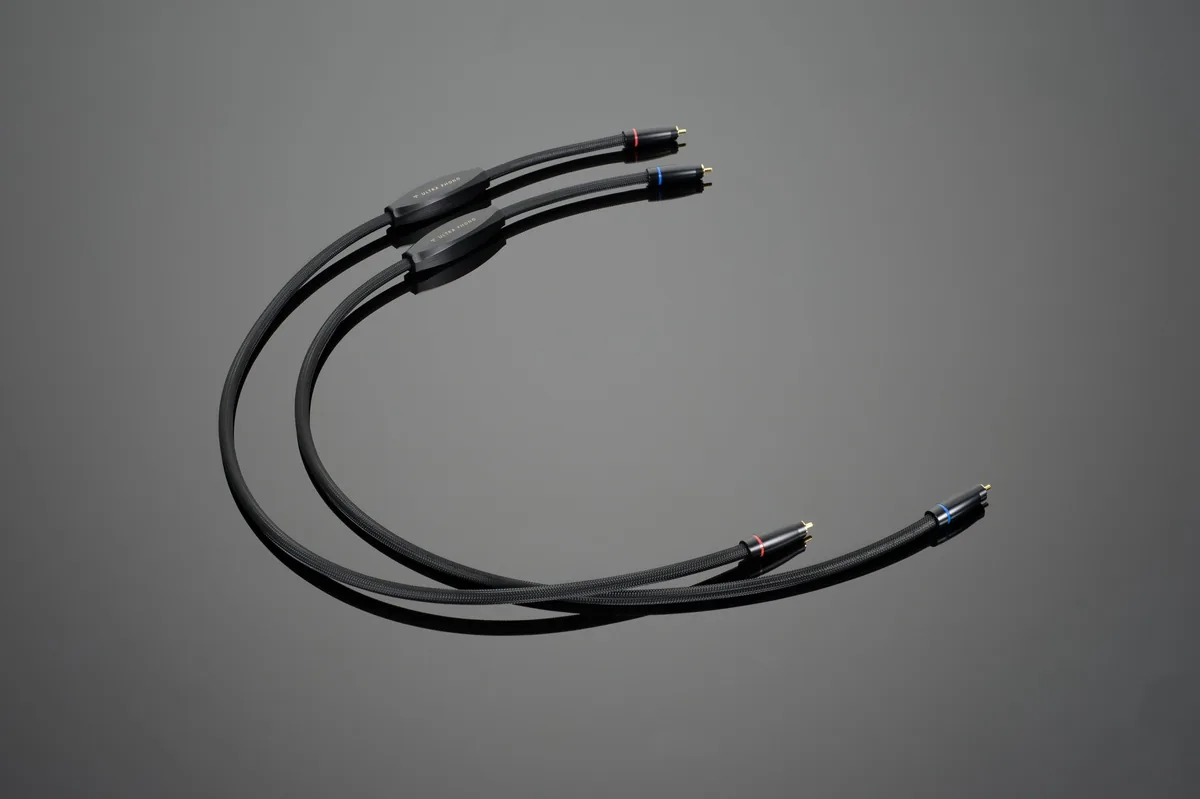
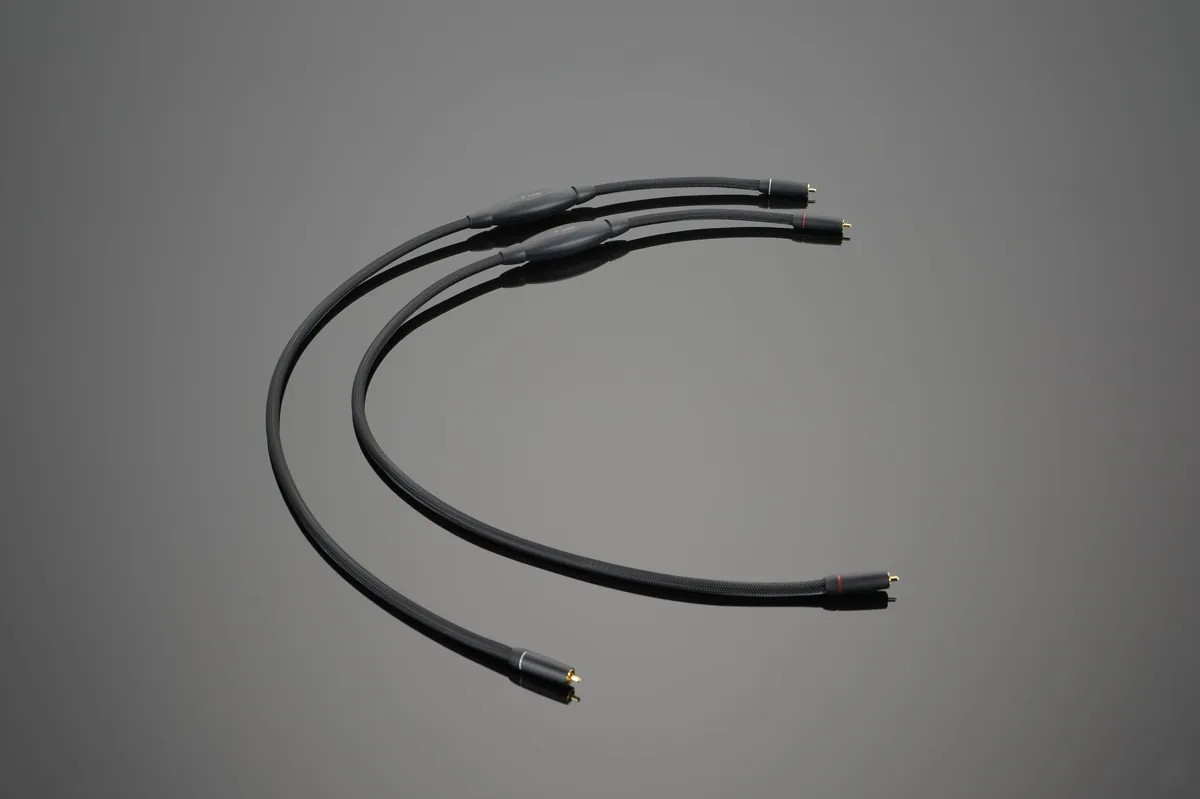
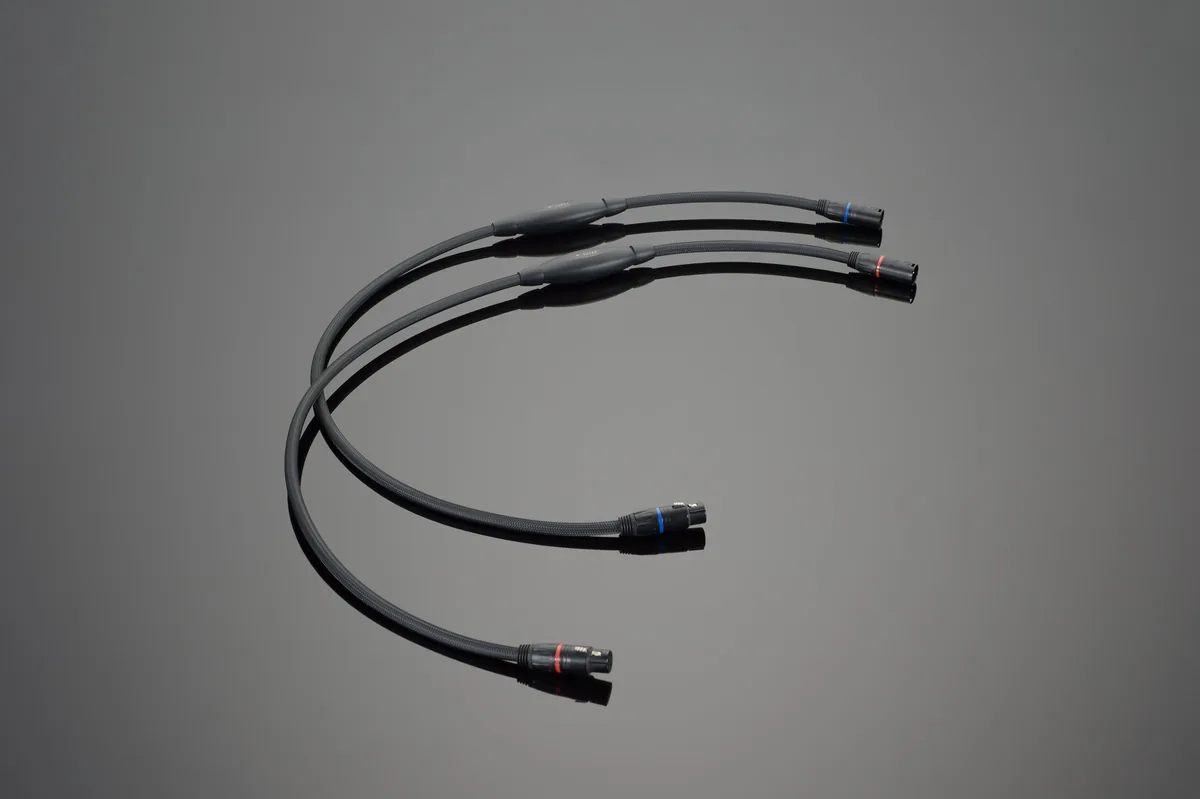
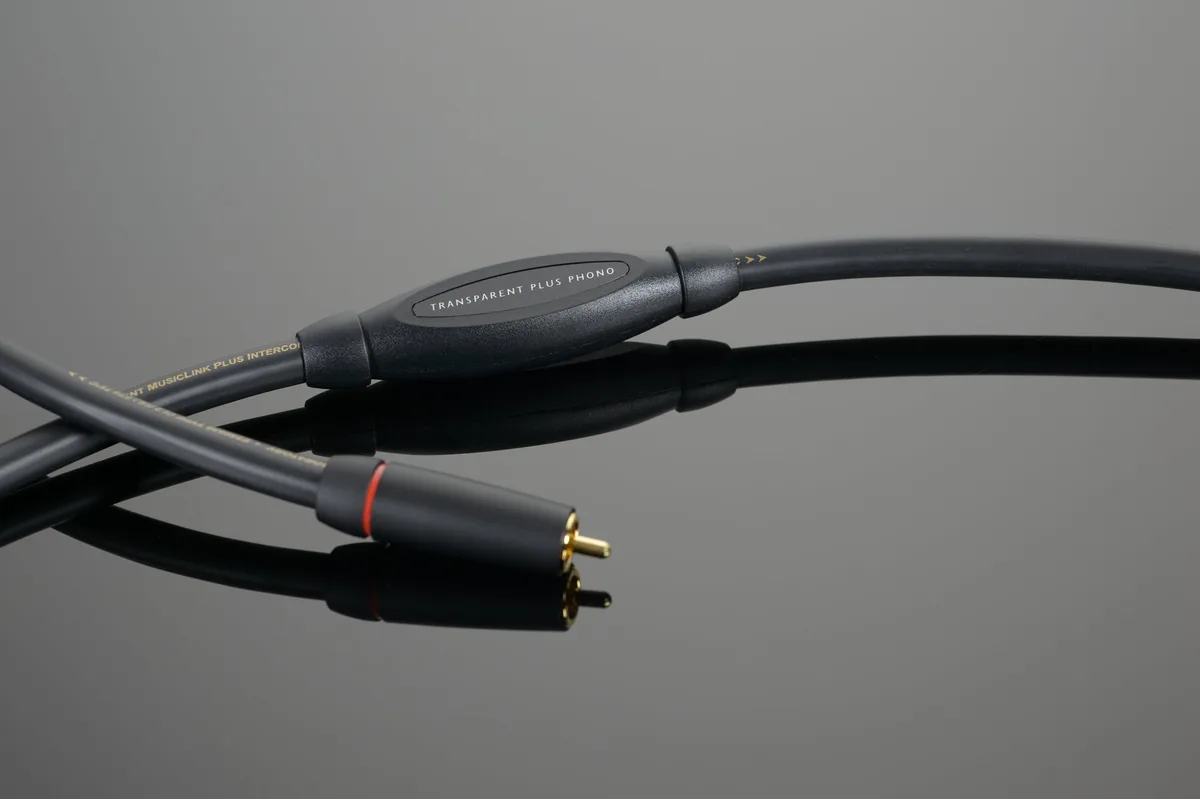
The signal cables run through Transparent’s tiered Collection hierarchy — four tiers in ascending order of what the Network can do and what the conductors carry. At the entry tier are the SATISFYING, ENGAGING and BELIEVABLE cables. Above them, at the aluminium-chassis Network tier, sit AUTHENTIC, REALISTIC and LIFELIKE. Above those, the XL, REFERENCE, OPUS and MAGNUM OPUS reference-tier cables carry the most sophisticated Network calibrations in the range. The same tier structure runs through speaker cables and Power Cords end to end, and through Phono variants (Phono, Magnum Opus Phono, Balanced Phono) for turntable systems.
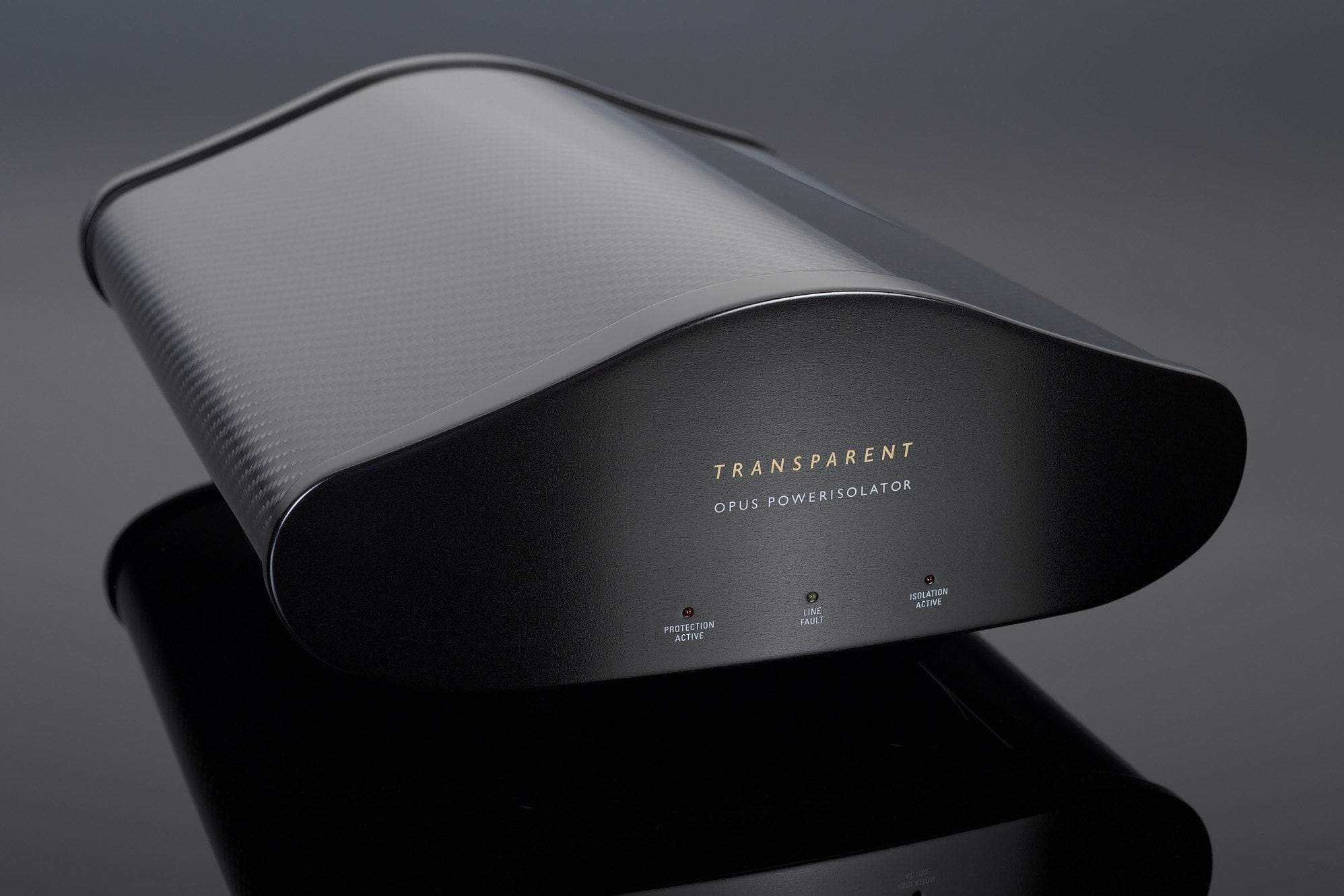
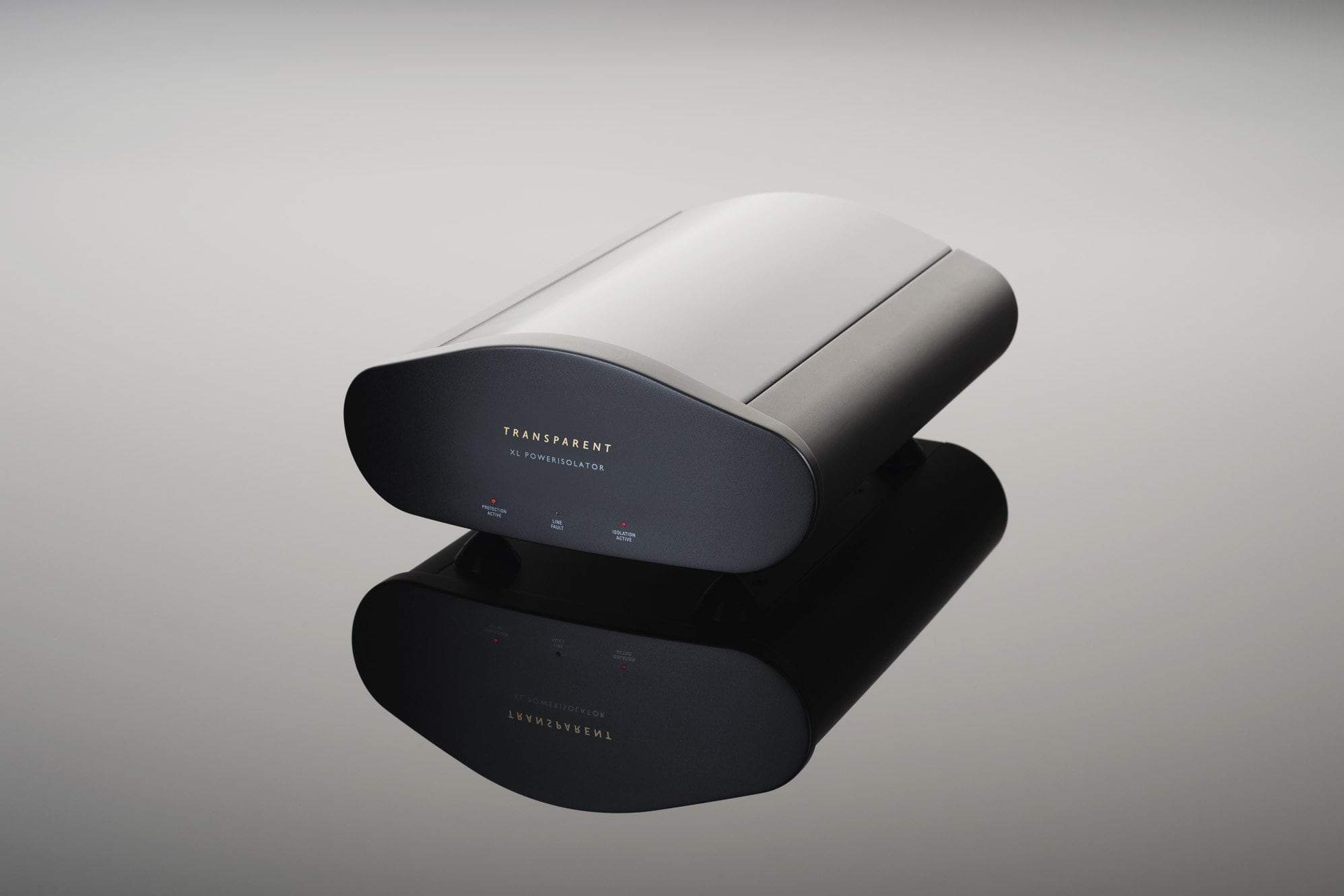
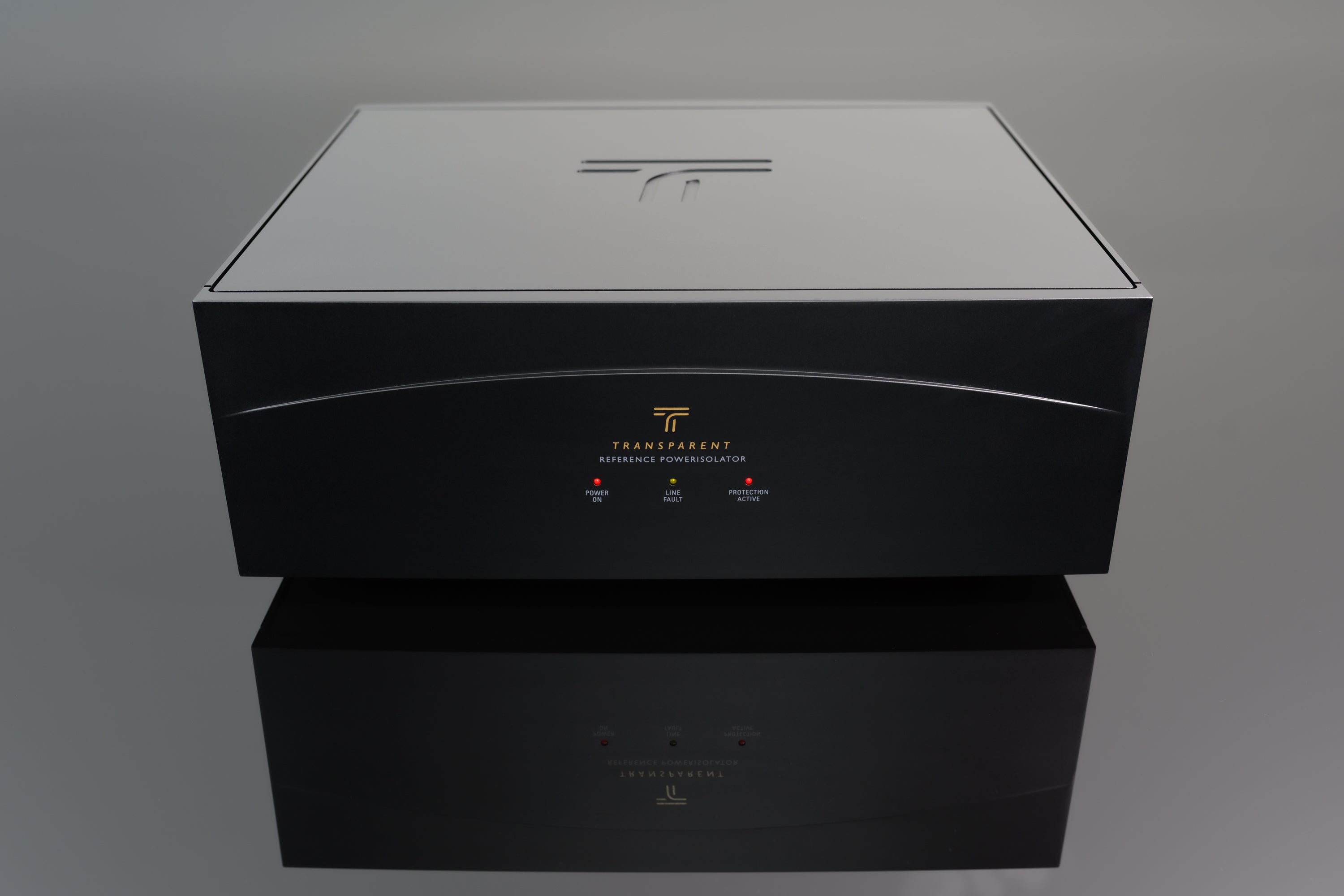
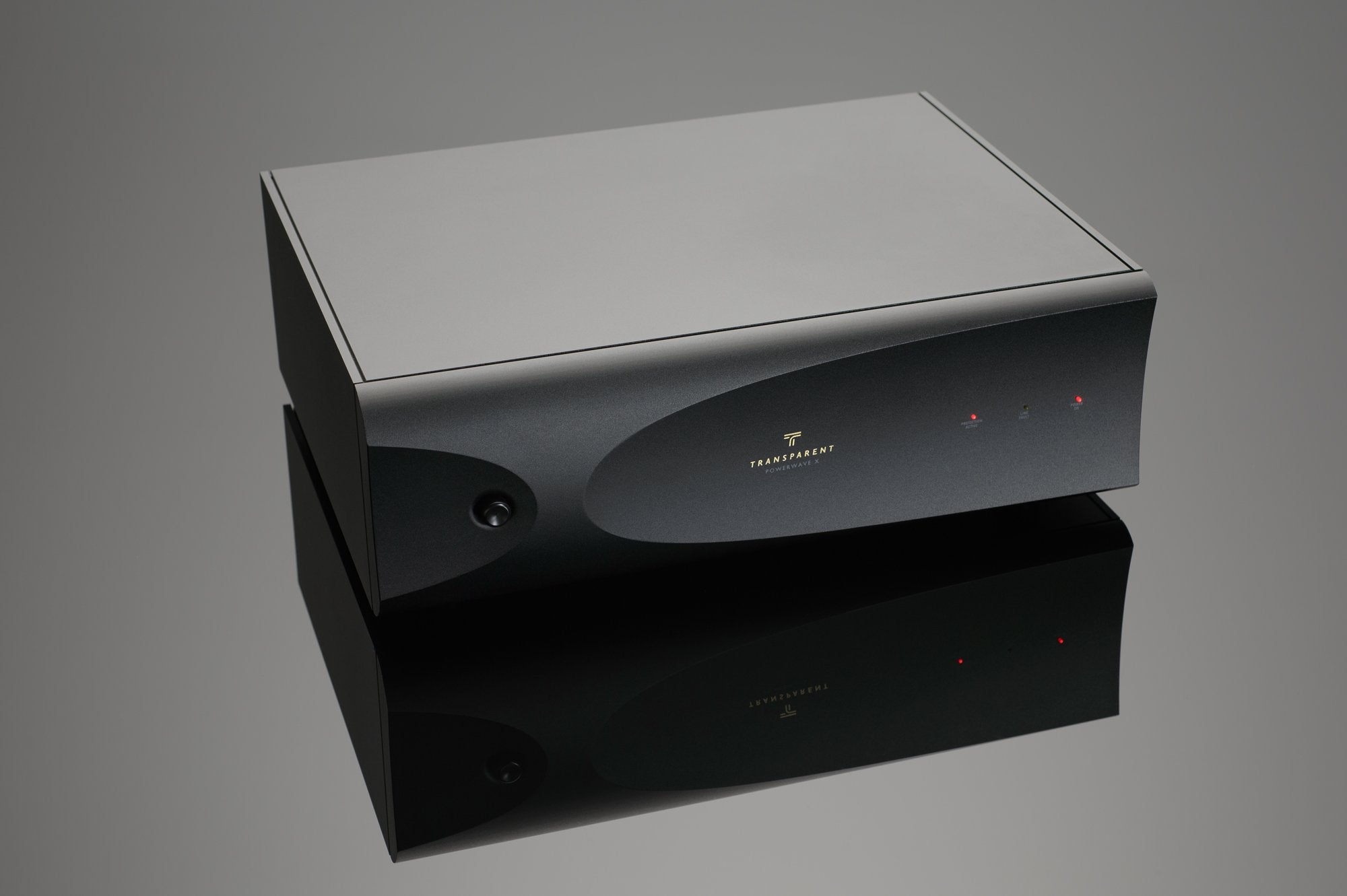
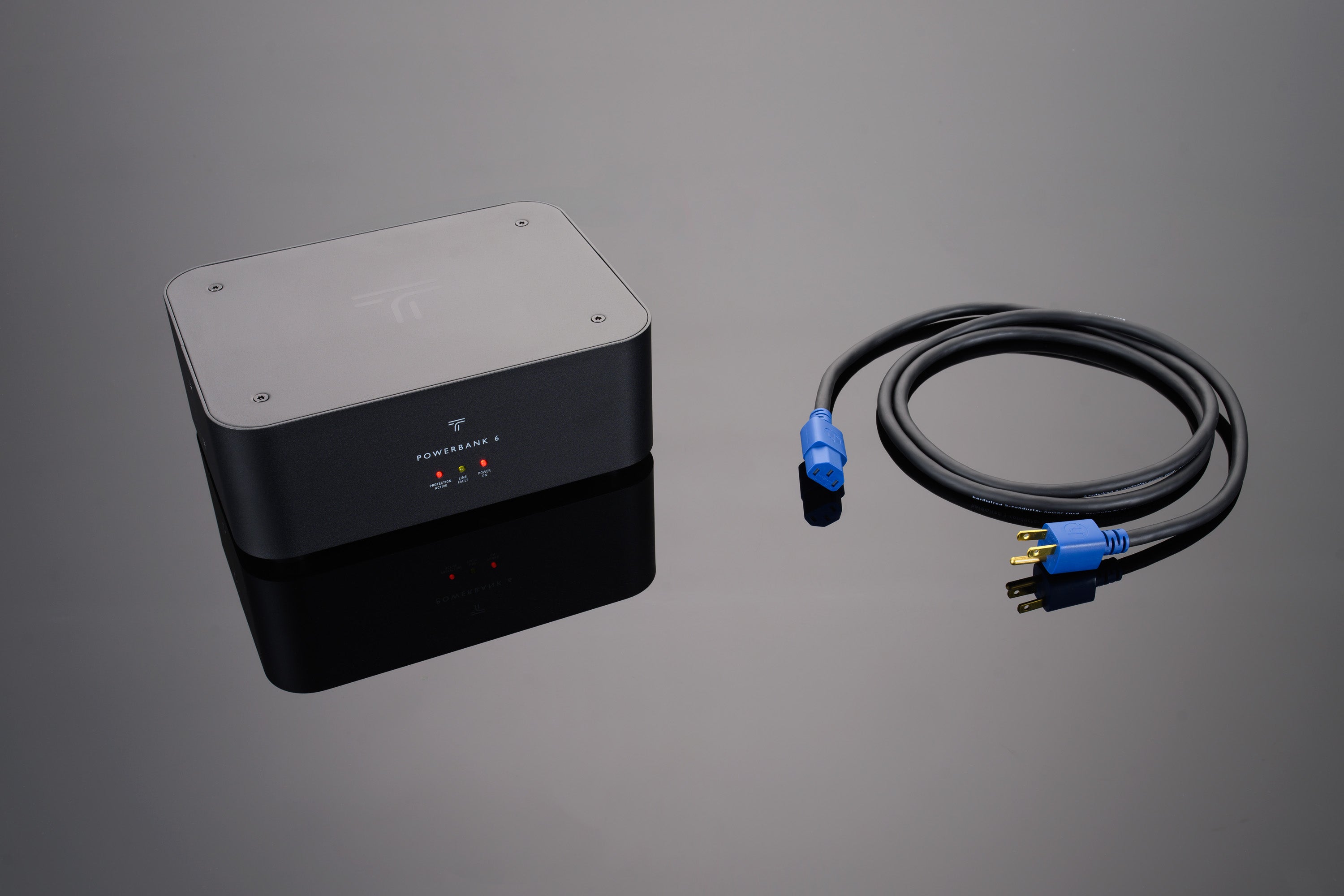
Power conditioning has its own family. The entry-tier PowerBank 6 handles six outlets in a single-bank configuration. The PowerWave (heavy machined-aluminium chassis, 14 pounds) and PowerWave X (extruded-aluminium, 32 pounds, ten outlets across five banks) sit between entry and reference. At the reference tier, the REFERENCE PowerIsolator (eight outlets, four banks, avalanche-diode surge on every outlet, star grounding, hydraulic-magnetic breaker), the XL PowerIsolator (four outlets, two banks, hybrid aluminium-polymer chassis) and the OPUS PowerIsolator (two outlets, non-magnetic epoxy-loaded fully-damped carbon-fibre carapace, Gen 5 parallel filtering) are twenty-three years of Transparent’s power conditioning research in current production.
Transparent in the Scottsdale reference rooms
Transparent runs through LMC’s Scottsdale reference floor at three different tiers, each chosen for the loudspeaker and electronics it connects. The WAMM Room uses Transparent Ultra Gen 6 throughout, connecting the D’Agostino Relentless 800 monoblocks to the Wilson WAMM Master Chronosonic, with a dCS Varèse Music System handling digital and a Clearaudio Statement V2 handling analog. The Reference Room’s Autobiography system — the new Wilson Autobiography on all-Burmester Reference Line electronics (077 preamplifier, 159 Reference Mono Amplifiers, 100 Reference Phono, 175 turntable) — is threaded together with a full Transparent Opus loom. The Suprema Room, running the Sonus faber Suprema (and separately the Sonus faber SE) on Burmester Signature Line and Reference Line electronics with dCS Vivaldi APEX and Linn Klimax digital, uses Transparent Reference Gen 6 throughout.
The reason this matters is that Network-calibrated cabling is not something that carries across systems the way a random pair of loudspeaker cables might. The Transparent loom in the Suprema Room is calibrated to the electrical chain in that room, and the Opus loom in the Autobiography system is calibrated to that one. Each is measured, tuned and terminated as a set. That is what “audition-in-place” actually means for Transparent, and it is why the LMC demonstration is a different proposition than hearing a Transparent cable pulled off a shelf and connected temporarily.
The Transparent Upgrade Program at LMC
The Transparent Upgrade Program preserves the client’s investment across the tier hierarchy. When a system moves up tiers — REFERENCE to XL, XL to OPUS, PowerWave to REFERENCE PowerIsolator — Transparent credits the earlier cable toward the higher-tier equivalent. The credit is a real, measured percentage of the original purchase, and it applies across signal, speaker, power and power-conditioning products. Transparent runs the program because they know Network-calibrated cabling is a per-length, per-system commitment, and they would rather have owners staircasing up the range across a decade than starting over each time.
LMC handles the upgrade path directly. When an existing Transparent owner moves up a tier, LMC coordinates the trade-in with Transparent, ensures the new cable is calibrated to the current electrical chain (which will have changed if the electronics upgraded too), and manages the swap-over. The PowerWave and PowerBank 6 are also on demonstration in the Tempe showroom for owners starting the Transparent conversation at the power side rather than the signal side.
Where to start
For a first serious Transparent audition, the honest starting point is a signal cable at the tier the rest of the system will actually reward — which for most reference-tier systems is REFERENCE or above. The tier below (LIFELIKE / REALISTIC / AUTHENTIC) is where a working reference-tier system that has been running on stock or entry cable typically starts, and where the improvement is largest per dollar spent. For a system where the electronics and loudspeakers are already at reference tier and the ceiling of the room has been reached everywhere else, OPUS or MAGNUM OPUS is where the Network calibration will do work no other cable can do, and it is worth hearing set up against the specific electronics it will connect.
On the power side, the natural entry is the PowerWave or PowerBank 6 — both on demonstration in Tempe, both with the machined-aluminium chassis and the Network-derived filtering that separates a Transparent power product from a general-purpose surge strip. At the reference tier, the REFERENCE PowerIsolator and above are the current statement of Transparent’s twenty-three years of power research.
What to listen for
Two tests are worth running deliberately in a Transparent audition. First, noise floor against silence: swap the same signal cable in and out of the same source-preamplifier pair, playing the quietest passage of a recording you know well. What sits under the note is where the Network calibration does its most obvious work — preserving low-level detail that a less-corrected cable smears into the background. Second, tonal balance under complex material: switch cables again with a dense orchestral or full-band recording playing at real listening volume. A well-calibrated Network cable holds tonal density steady as the dynamic range opens up, without the mid-range congestion or high-frequency edge that less-calibrated cables often introduce.
Walk in during business hours or book ahead if the audition needs a specific tier comparison set up on your electronics — the whole point of Transparent’s Network approach is that the filter is calibrated to your specific chain, and audition-in-place is not marketing language, it is how the product is specified.
The Lineup
Explore the Range

Experience The Brand