Brand
Wisdom Audio
Thin-film planar magnetic loudspeakers that disappear into architecture. Built in Nevada since 1996.
Authorized Dealer — Scottsdale & Tempe, Arizona
Trade-in credit toward new purchases · Full installation and calibration · Walk in during business hours or book ahead
See what's on demonstration now ↓Wisdom Audio has worked from Carson City, Nevada since 1996, solving a problem most loudspeaker companies avoid: how to build a reference loudspeaker that disappears into architecture. The answer has consistently been thin-film planar magnetic drivers, and the company holds multiple patents on pushing that technology past its historical limits. Everything is designed, engineered and manufactured in the United States, made to order, and available in custom sizes and finishes.
That last detail is not a luxury flourish. Wisdom works with custom integrators, architects and interior designers on rooms where the loudspeaker has to meet an architectural specification rather than the other way round — private cinemas, great rooms, superyachts. A loudspeaker that can be built to a specified length, in a specified colour, behind a specified surface, is solving a different problem from one that ships in two finishes and expects the room to accommodate it.
The thin-film planar premise
A conventional loudspeaker driver is a cone pushed from behind by a voice coil at its centre. The cone has mass, the motor acts on one small area of it, and the rest of the cone follows as best it can. A planar magnetic driver inverts that: a light film is suspended in a magnetic field and driven across its entire surface at once. There is no central point of application and very little moving mass, which removes a category of distortion rather than reducing it.
Wisdom uses rare-earth neodymium magnets, which produce a far stronger field from fewer and smaller magnets than older ferrite designs allowed. That buys two things simultaneously. High sensitivity, so the amplifier is not fighting the loudspeaker to reach realistic levels. And physical room for the diaphragm to move, so the panel plays lower and louder than a comparably sized electrostatic — the historical limitation that kept thin-film designs out of cinema work.
The line source designs take the principle further. A tall column of planar driver radiates uniformly across the width of a room and largely cancels floor and ceiling reflections, because the reflection arrives from a source that is also radiating at that height. The practical consequence is that the seat you happen to sit in matters far less than it does with a point source. In a cinema with three rows, that is the difference between one good row and three.
The Wisdom Audio line at LMC
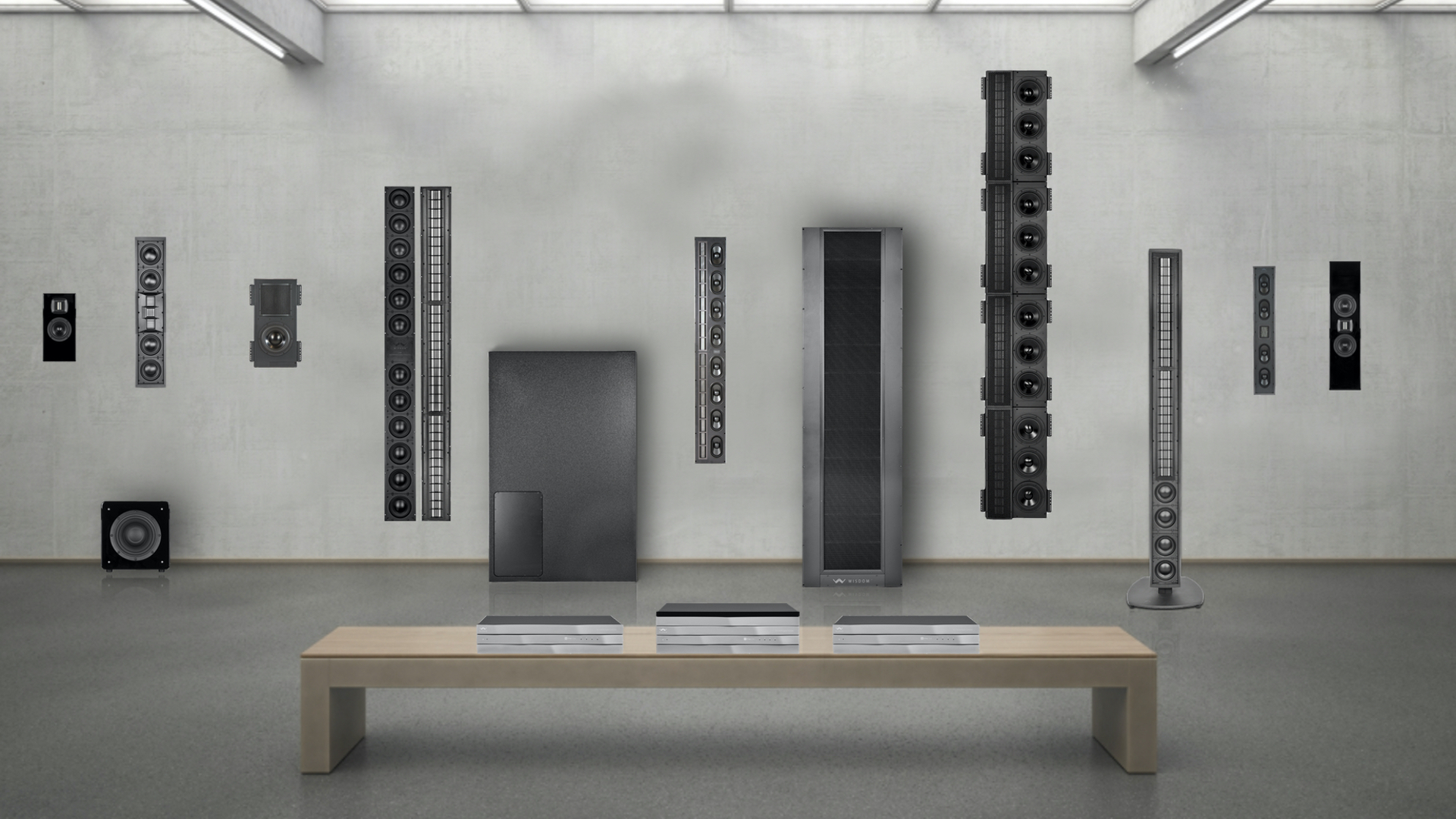
The current range divides into three families, and the division is by application rather than by price alone.
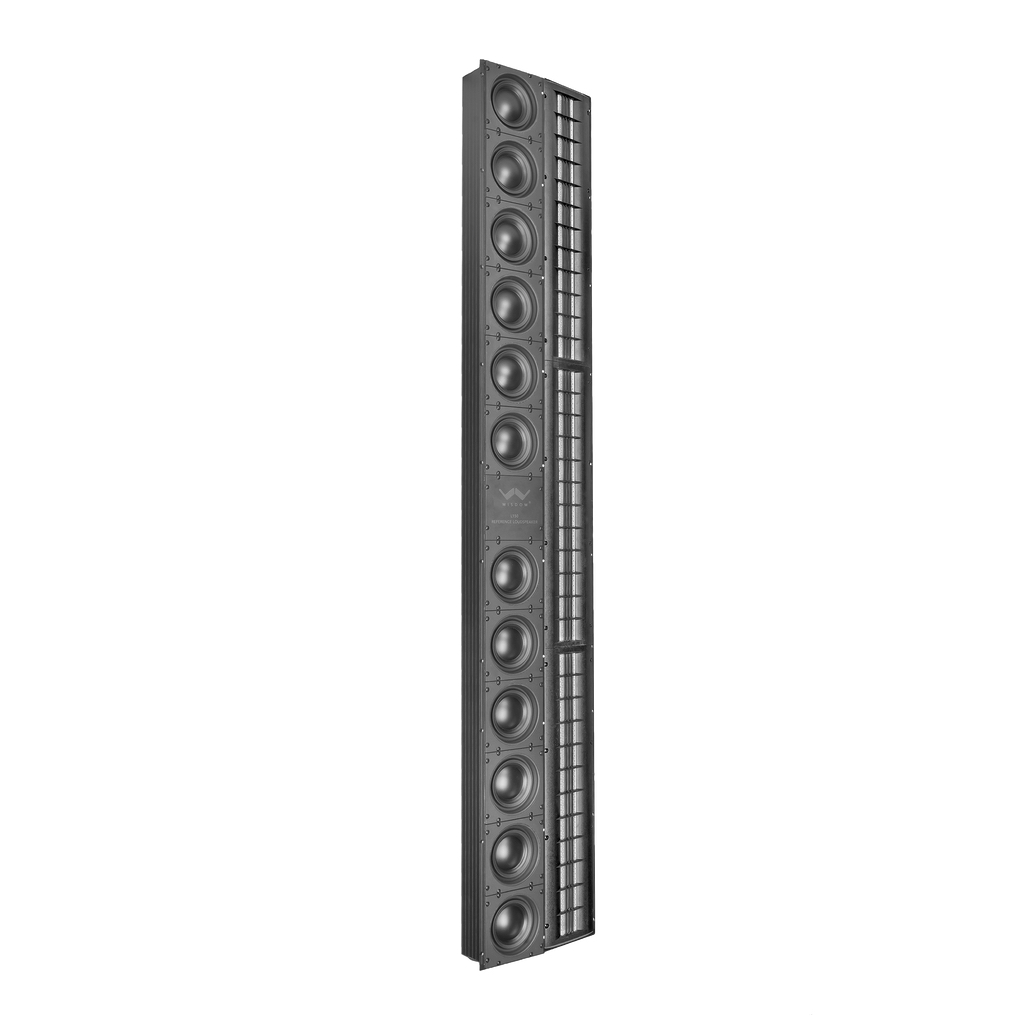
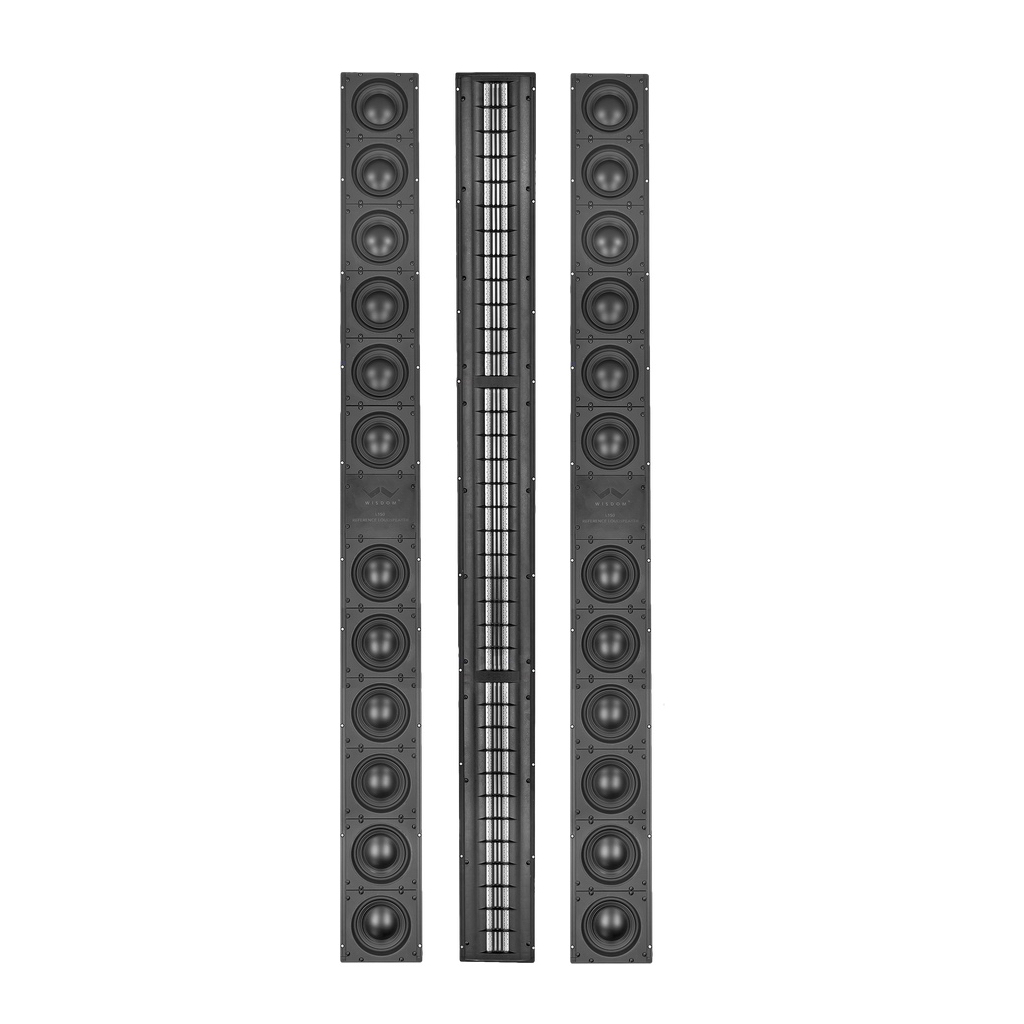
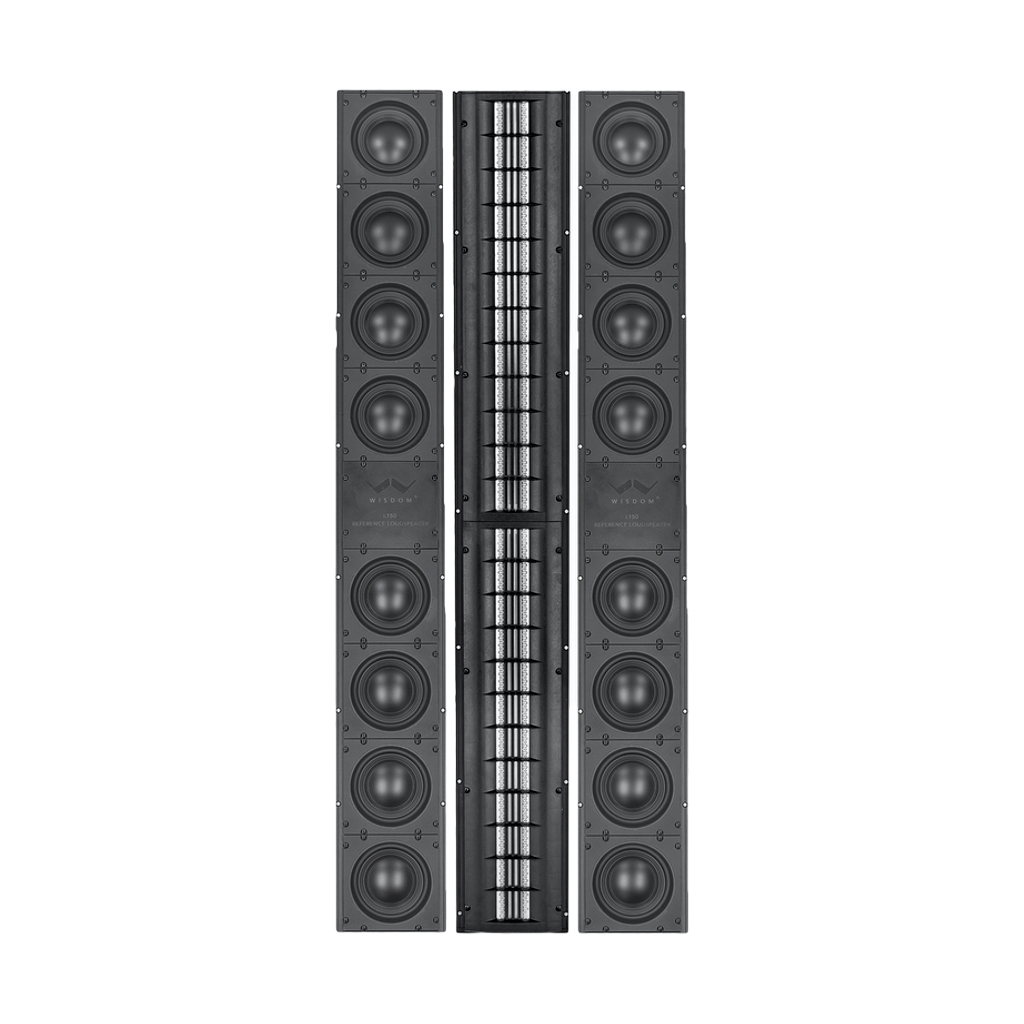
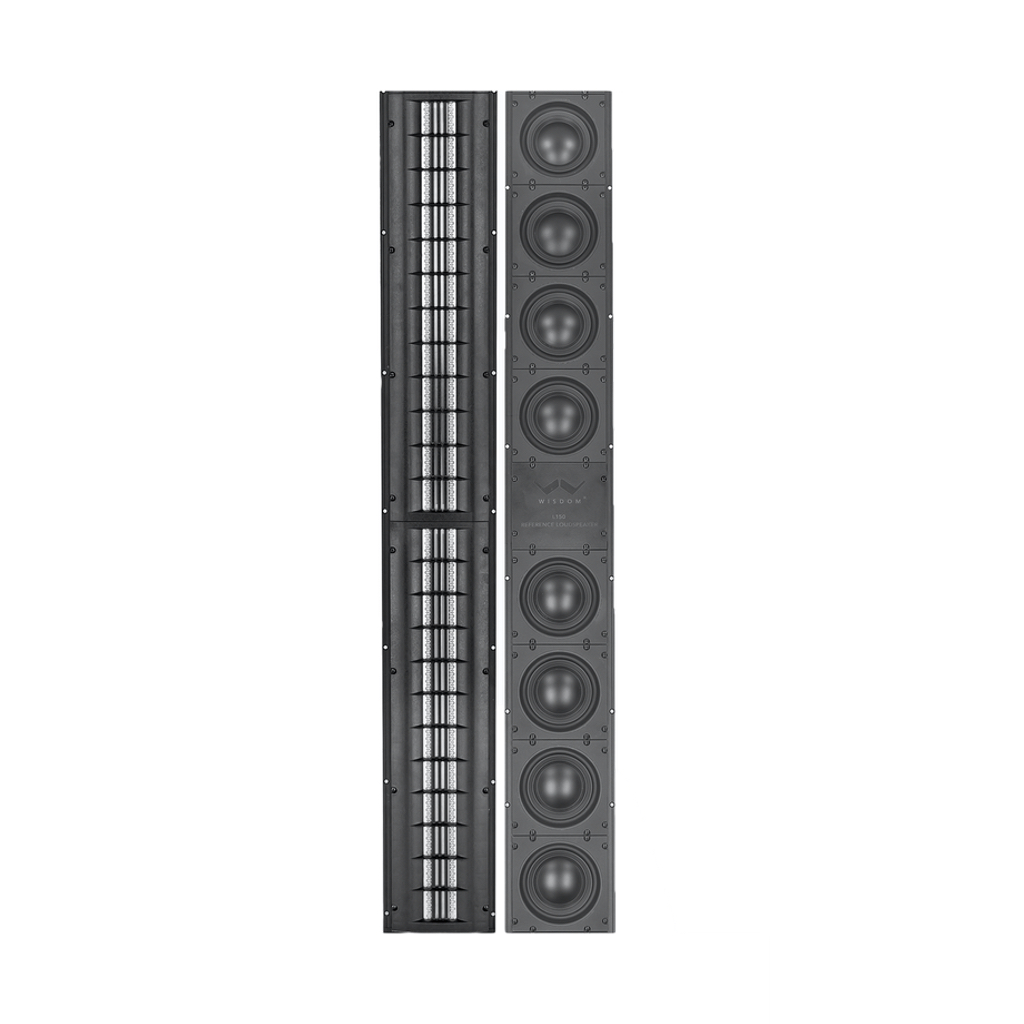
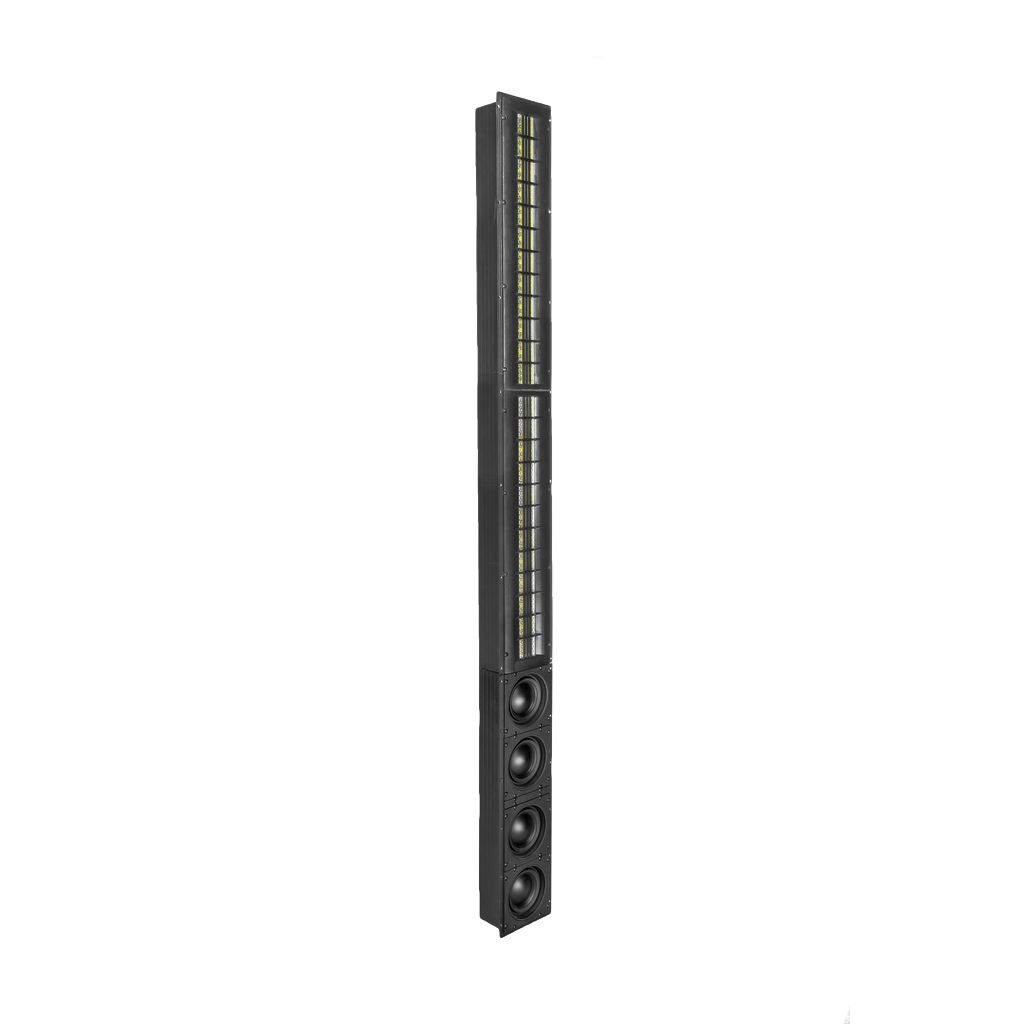
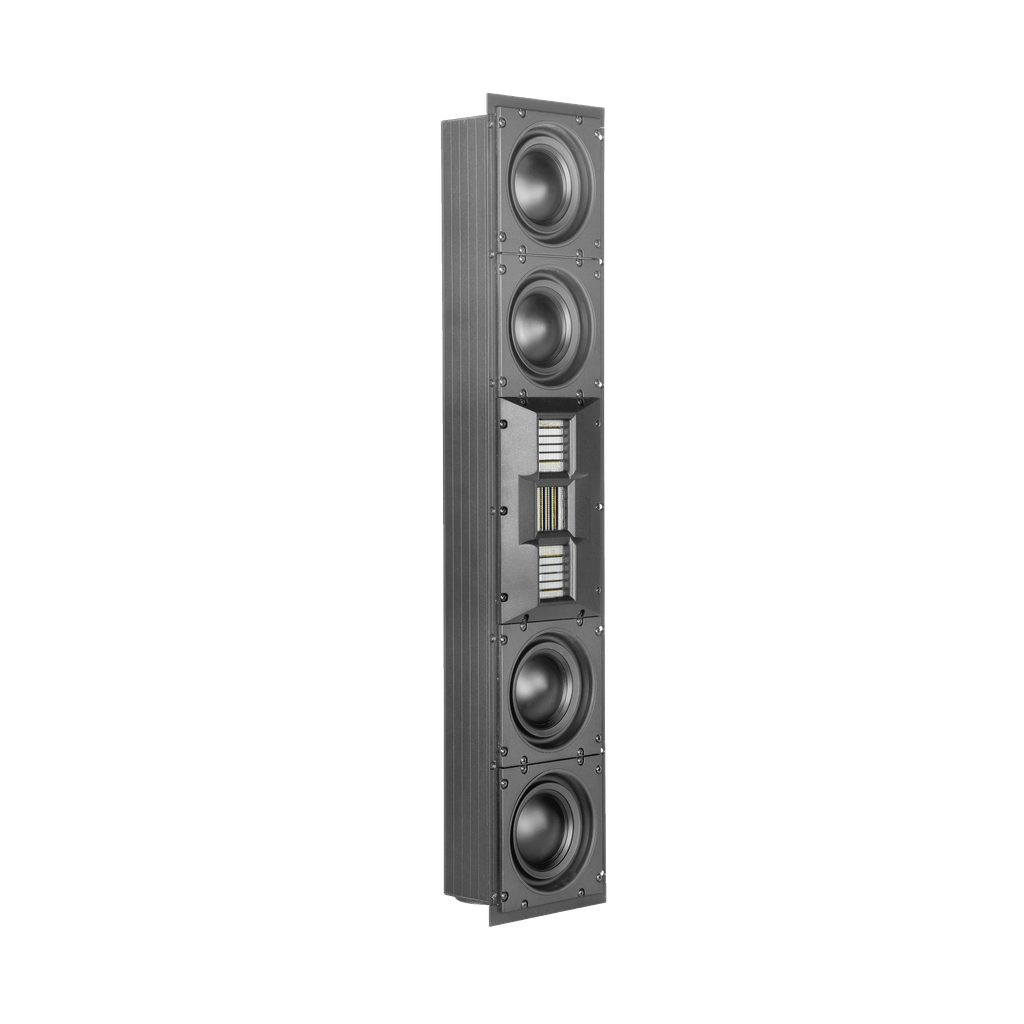
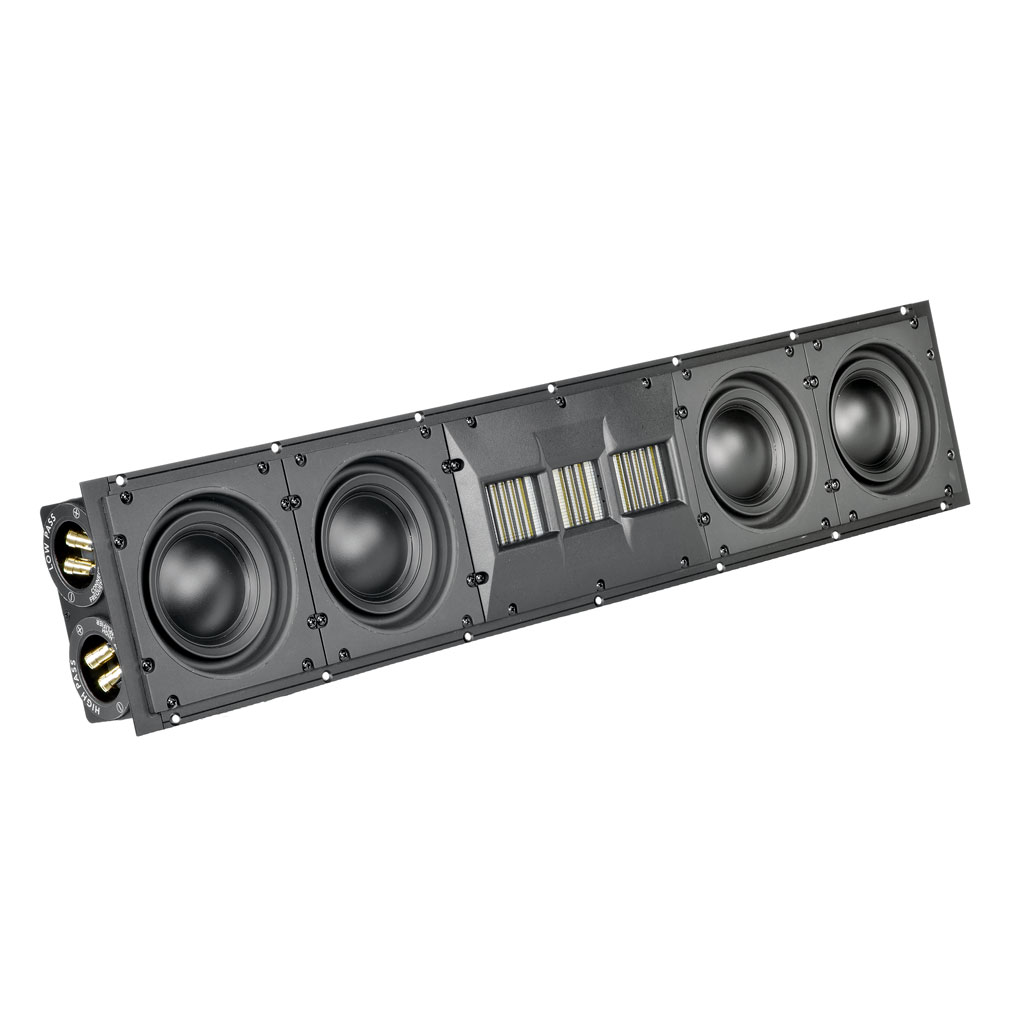
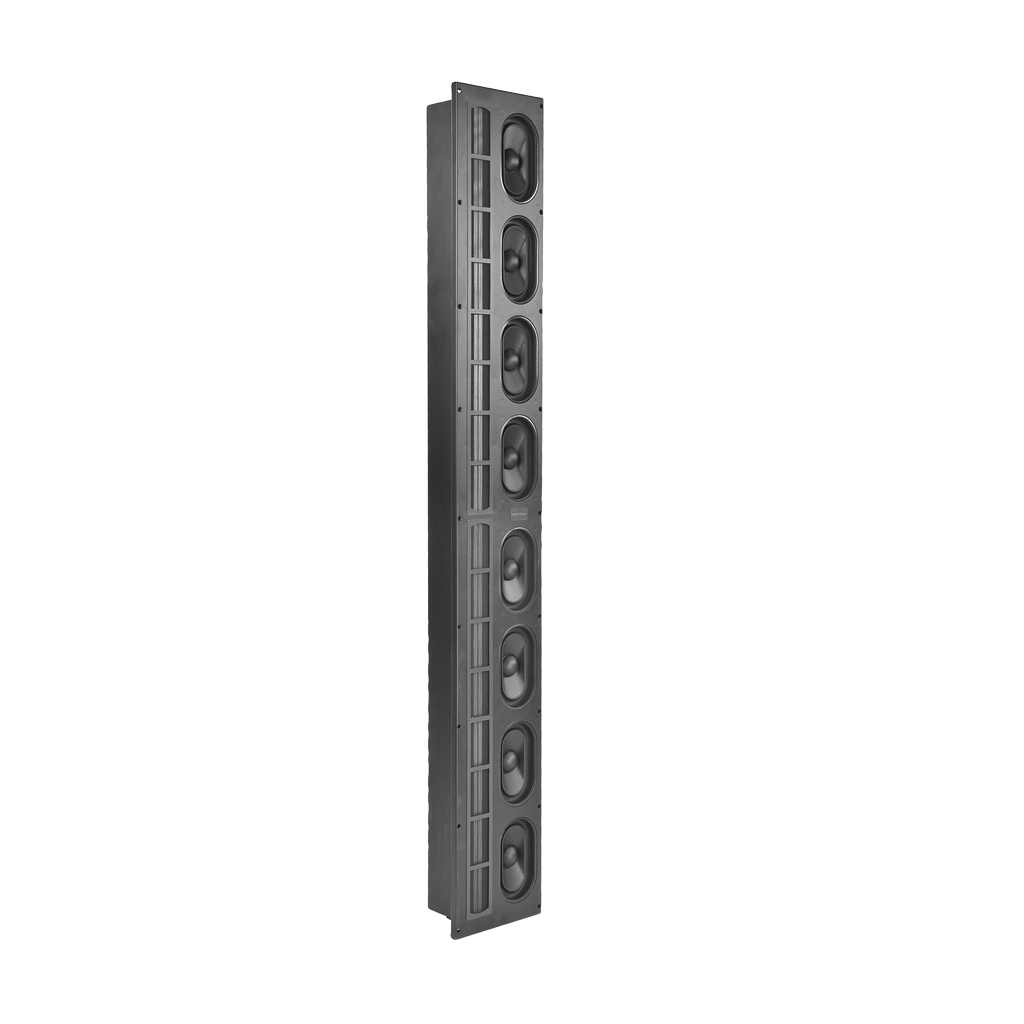
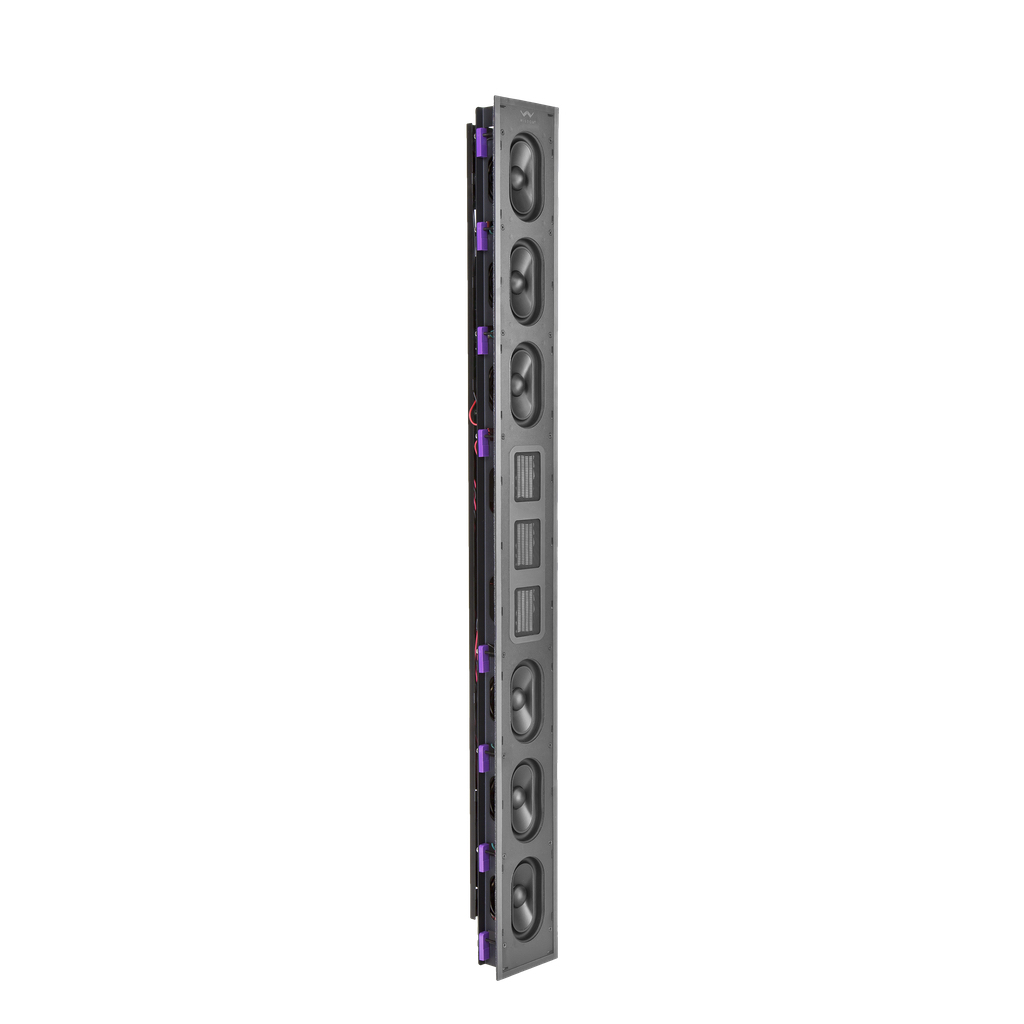
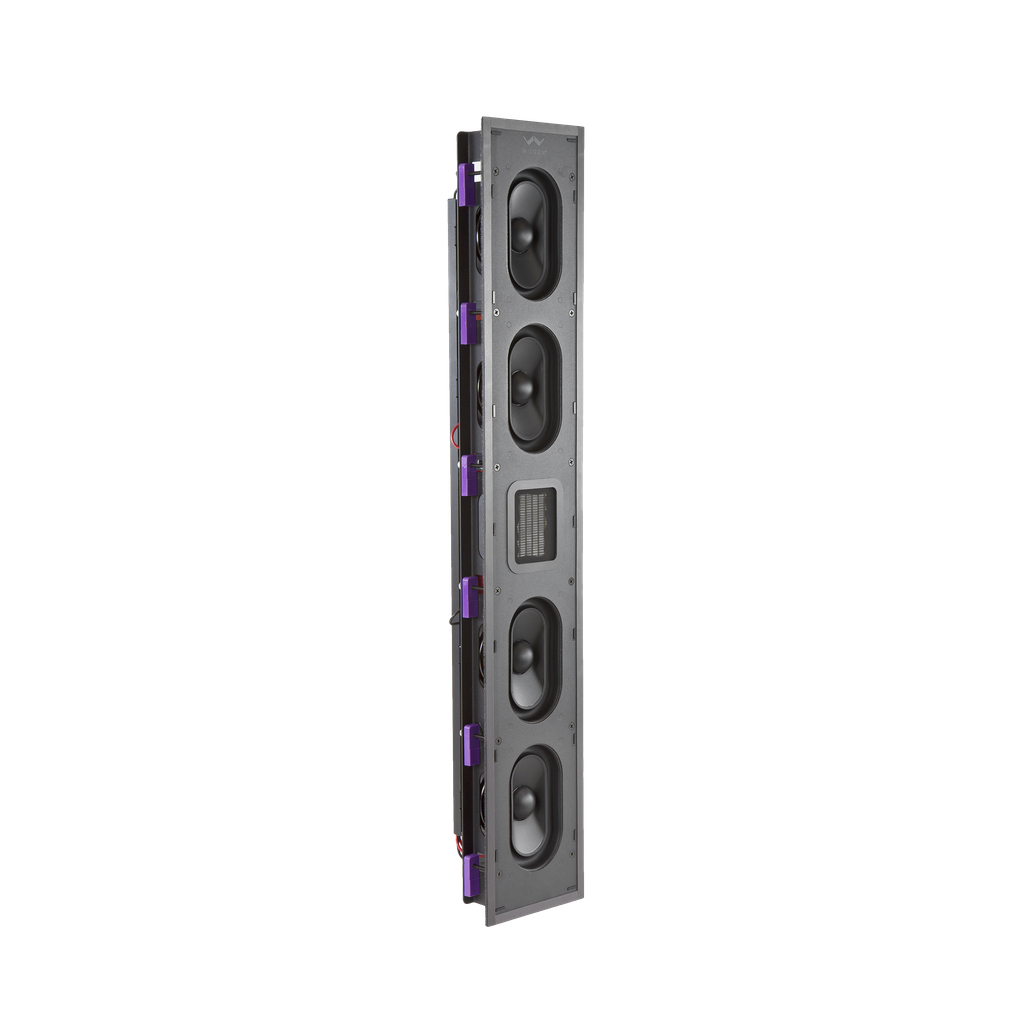
The Sage Series is the reference tier, spanning in-wall, in-ceiling, on-wall and free-standing designs in both point source and line source configurations. The L100i and L100m carry a 50-inch planar line source over a woofer array of eight high-operating-pressure drivers; the C150i and C150m use the same 50-inch line source over sixteen woofers, an array with roughly the output of a 15-inch driver, in a cabinet that hides in a wall. The larger L150 designs run to two 76-inch cabinets per channel. Sage Series drivers cover six octaves from around 350 Hz, with the Wisdom Series covering eight from 80 Hz.
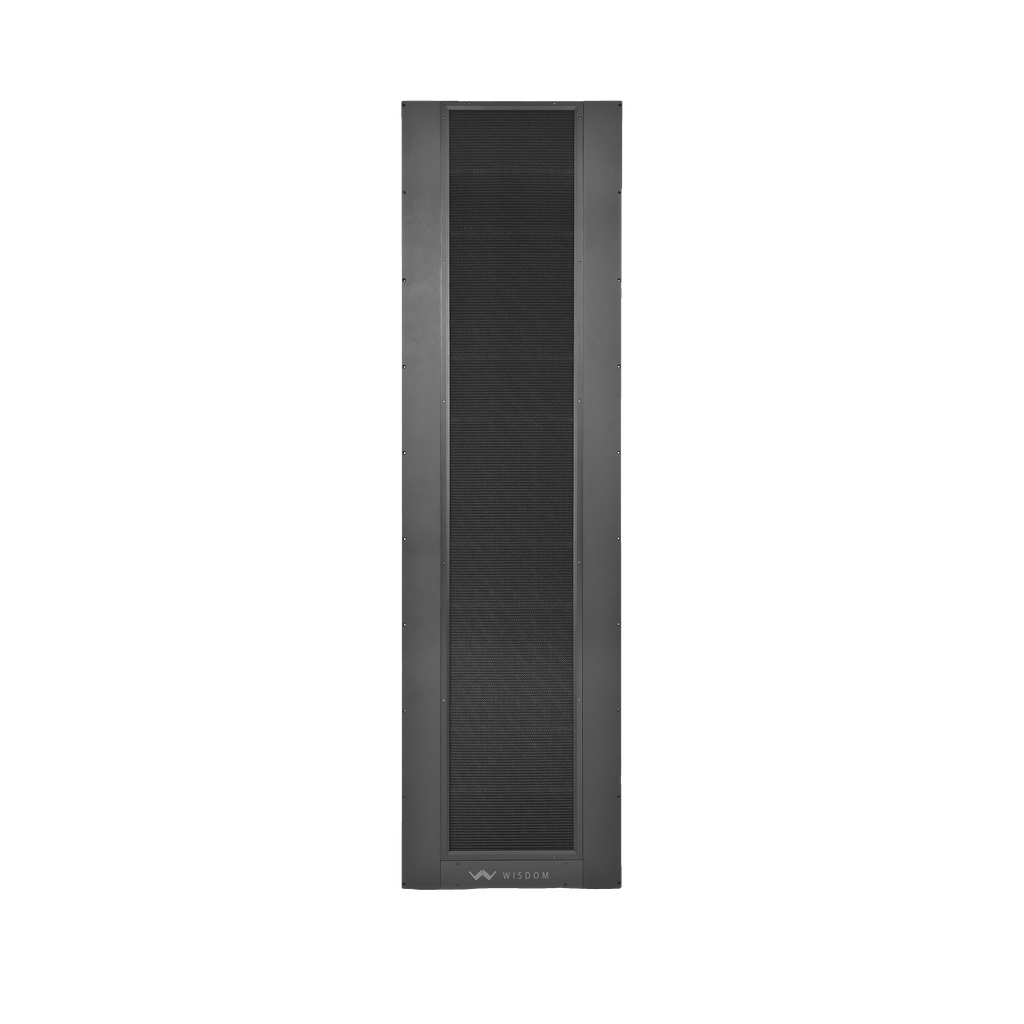
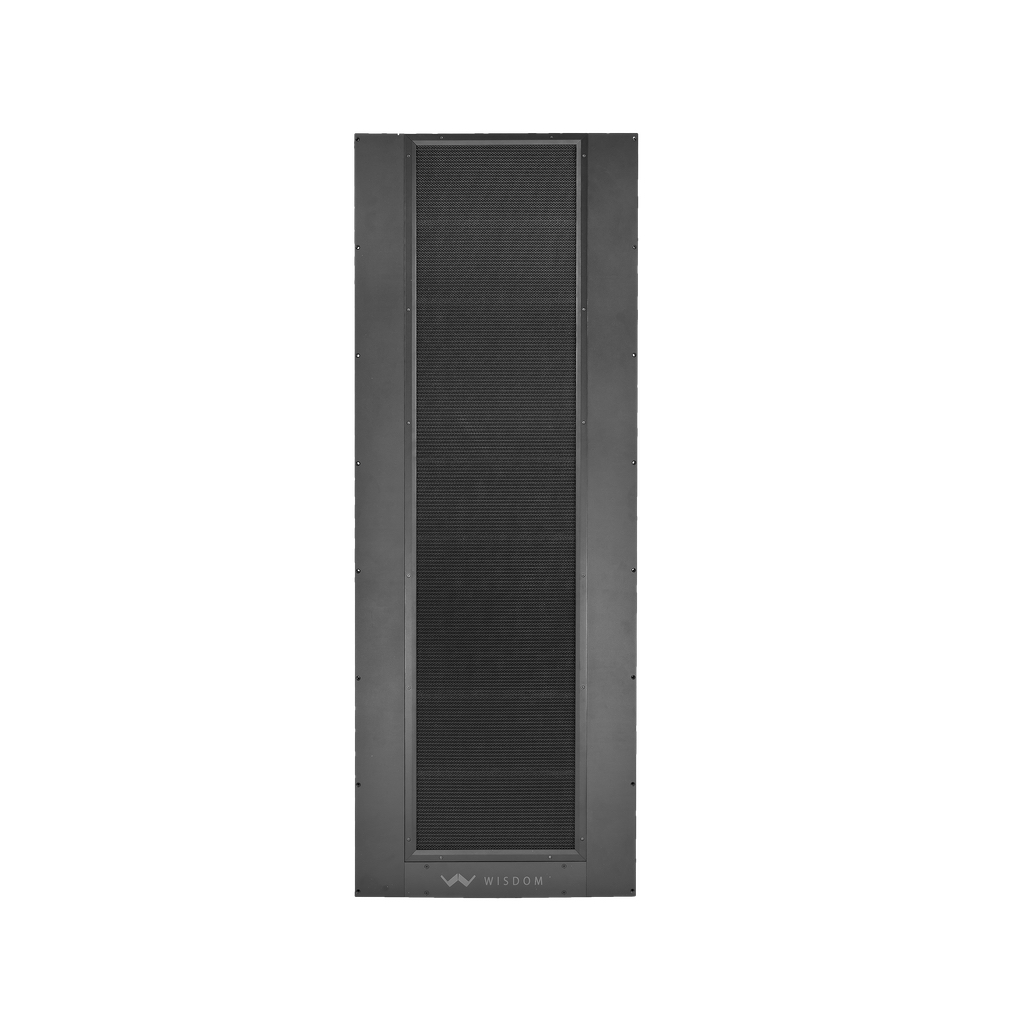
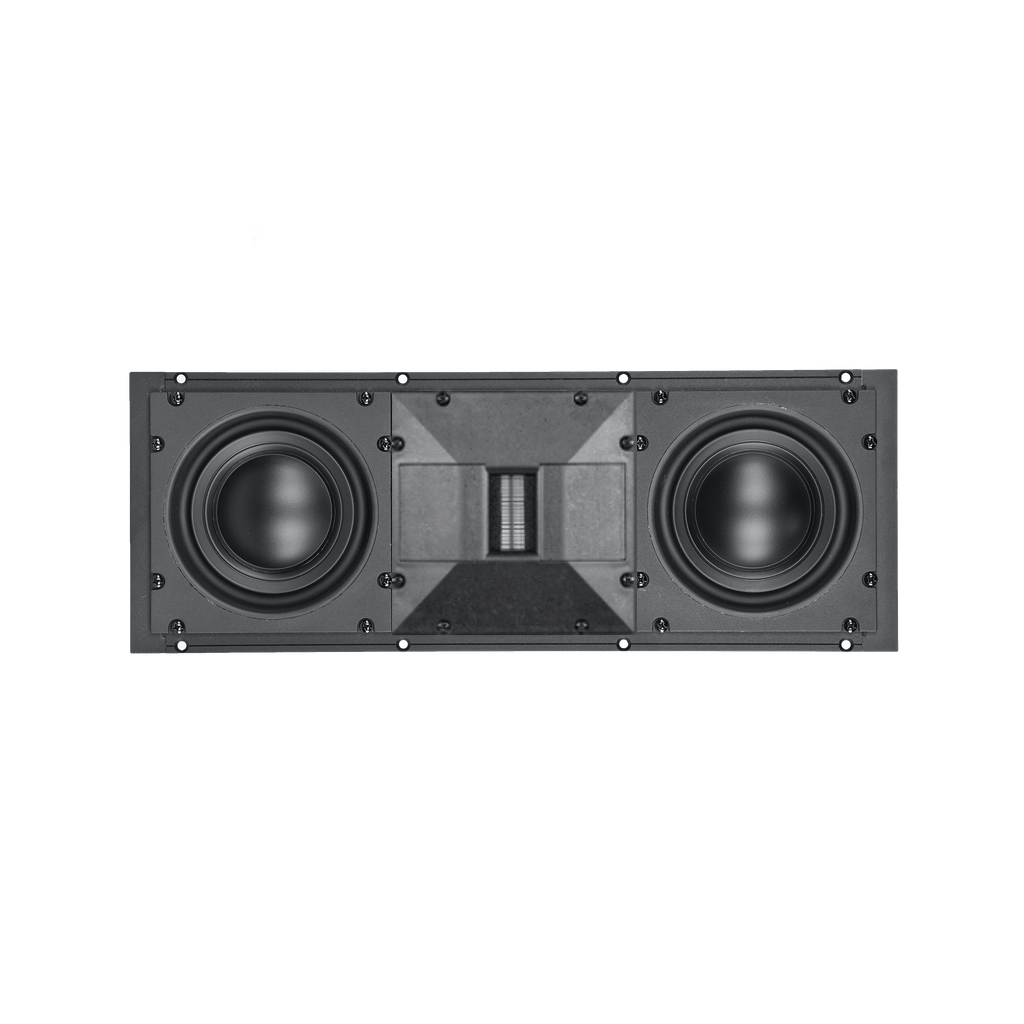
The Sage Cinema Series is built specifically for hidden installation behind projection screens and fabric walls. Line 2 pairs the 24-inch planar magnetic drivers with six long-excursion woofers; Line 4 takes the same drivers to nine. The Horizontal Hybrid Line Source adds an MTM planar driver between two 24-inch panels and introduces a patent-pending Heat Extraction Motor Assembly for thermal management under sustained cinema levels.
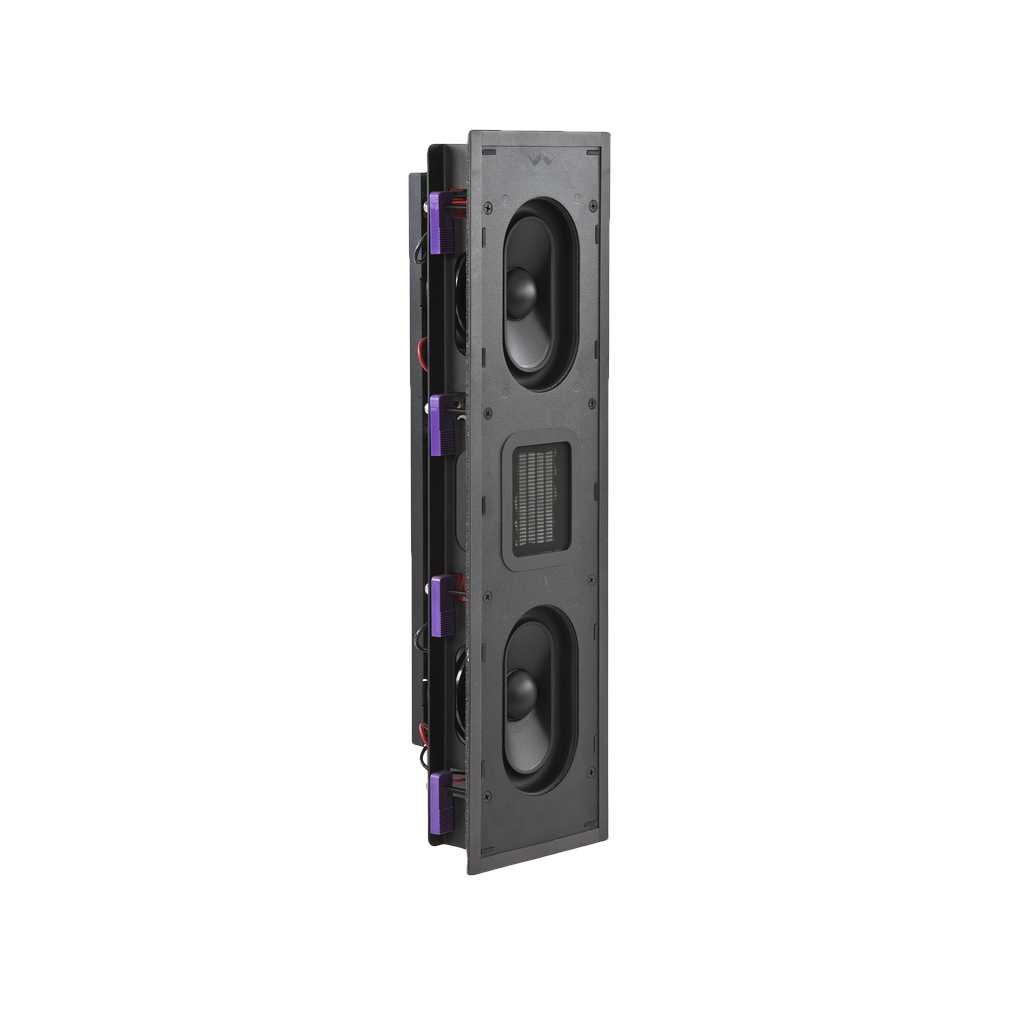
The Insight Series covers the same technology across in-wall, in-ceiling, on-wall, point source and line source formats at a more accessible tier. Wisdom's own SA-series amplification and outboard active crossovers complete the system — most of the range requires external DSP and multi-channel amplification by design, because the crossover work happens before the amplifier rather than inside the cabinet.
The range sits with LMC's architectural loudspeakers, and the amplification with the power amplifiers.
Wisdom Audio in the LMC cinema rooms
The Cinema Suite in Scottsdale is the room built around this technology. Wisdom planar magnetic loudspeakers sit behind an acoustically transparent Stewart Filmscreen, which is the configuration the drivers were designed for — the front stage is positioned by acoustics rather than by furniture, and dialogue comes from the mouth on the screen because the loudspeaker is physically behind it.
Amplification in that room is Wisdom's own SA-3: three channels at 500 watts each into four ohms with all three driven, in a 2U chassis running at roughly ninety per cent efficiency. Balanced XLR in, Cardas connectors out. The efficiency matters more than the specification sheet suggests — high efficiency means little waste heat, little waste heat means no cooling fans, and no fans means a room that is silent between the quiet passages. Processing is the Trinnov Altitude16, with Sony projection and a Kaleidescape server.
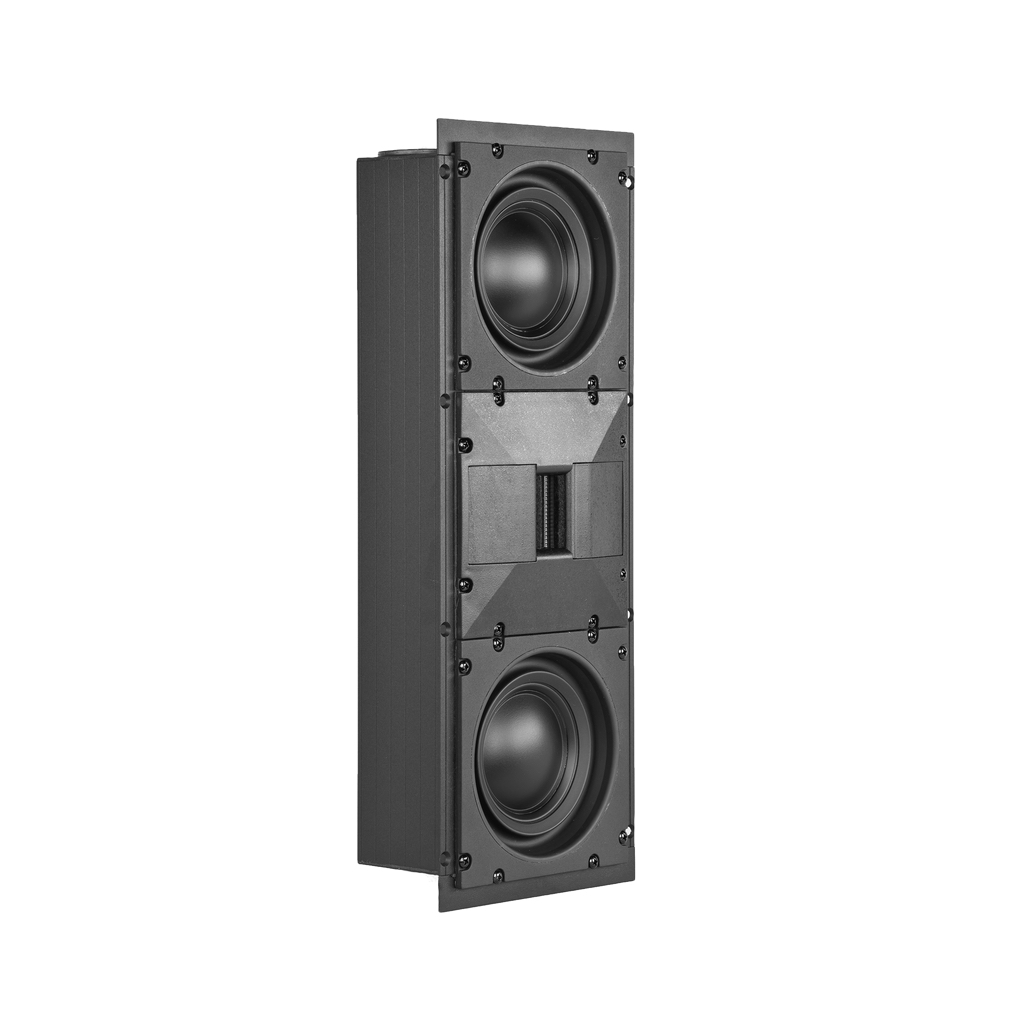
The Tempe Theater uses Wisdom differently and just as deliberately. There the front stage is Wilson Alexia V with a Mezzo CSC centre on McIntosh MC1.25KW monoblocks, and Wisdom 5C7a thin-film in-walls handle four of the surround and height channels alongside Focal in-walls, with six Ascendo subwoofers underneath and a Trinnov Altitude32 running the room. It is a useful demonstration of the same principle applied to the channels most cinemas treat as an afterthought: surrounds built to the standard of the front stage rather than to a budget.
LMC as a Wisdom Audio dealer since 2015
Wisdom is not a loudspeaker that can be sold from a catalogue page. Most of the range requires an outboard active crossover, DSP configuration and three or five channels of amplification per loudspeaker, and much of it is specified to custom lengths and finishes that have to be right before anything is manufactured. That specification work happens at the design stage, not at the point of purchase.
LMC has been a Wisdom dealer since 2015, and the relevant capability is the same one that makes the cinema design work possible: LMC's own team specifies the system, coordinates the wall construction and backer boxes with the general contractor, installs it, and calibrates it. A thin-film in-wall loudspeaker is only as good as the cavity it sits in, and the cavity is built by a trade that does not answer to the loudspeaker manufacturer. Getting that right is a coordination discipline rather than a product decision.
Where to start
Start in the Cinema Suite in Scottsdale, with the room doing what it was built to do. Ask to hear a film chapter with substantial dialogue over score — the combination that separates a coherent front stage from a loud one — and then ask for two-channel music through the same loudspeakers. A planar front stage that only works for film is a compromised planar front stage.
If the project is a great room or an open-plan space rather than a dedicated cinema, the more useful conversation is about the on-wall and free-standing Sage designs, where the line source's even coverage across a wide seating area matters more than concealment does. If the project is a dedicated room already under construction, the conversation should happen before the walls close.
What to listen for
First, move. Sit in the centre seat, listen to a passage with a stable central image, then move two seats sideways and listen again. With a conventional point source the image collapses toward the nearer loudspeaker and the tonal balance shifts. With a line source the image holds and the balance stays put across a much wider arc. That single test is the clearest demonstration of why the technology is specified in rooms with more than one row.
Second, listen for what is absent. Thin-film drivers have very little stored energy — there is no cone flexing, no cabinet panel resonating, no port. On sustained complex material such as massed strings or a full orchestral crescendo, listen for the moment the sound stops. A conventional loudspeaker adds a small tail of its own resonance to every note; a planar largely does not. Once heard, the difference is difficult to stop hearing.
Third, listen at low level. High sensitivity and low moving mass mean the loudspeaker resolves detail at volumes where most systems become thin and lifeless. A late-night film at a considerate level should still have dialogue intelligibility and low-frequency weight, without reaching for the centre-channel trim.
Walk in during business hours or book ahead if the audition needs the Cinema Suite or the Tempe Theater configured specifically for a Wisdom demonstration with the surround and height channels made part of the conversation.
The Lineup
Explore the Range
Experience The Brand