Brand
Ascendo
German cinema loudspeakers and subwoofers that work below 20 Hz. Built for the room, not adapted to it.
Authorized Dealer — Scottsdale & Tempe, Arizona
Trade-in credit toward new purchases · Full installation and calibration · Walk in during business hours or book ahead
See what's on demonstration now ↓ASCENDO began in Stuttgart in 1999, founded by three music enthusiasts — Norbert Heinz, Stefan Köpf and Jürgen Scheuring — as a technology company working on DSP, audio networking and audio measurement systems. In 2014 that lineage produced a spin-off: ASCENDO Immersive Audio GmbH (AIA), formed by Stefan Köpf and Geoffrey Heinzel as founding partners, dedicated to loudspeakers, subwoofers and electronics for the private cinema. The company operates today from Heilsbronn in Bavaria, where every product is designed, machined and hand-assembled.
The single sentence that explains the range is that these are not stereo loudspeakers adapted for cinema use. They were designed for cinema from the outset, which is why the catalogue is organised by form factor and mounting principle — on-wall, in-wall, ceiling, narrow, wedge, LED wall, behind-screen — rather than by cabinet style. Every driver is a coaxial time-coherent point source by design principle, and every model is engineered around a measurement-first culture unusual in this industry: Ascendo publishes full third-party Klippel data and Spinorama charts for its designs, so what a loudspeaker actually does is on paper rather than argued about.
The measurement-first premise
Most home theater brands come to the category from either the stereo world or the professional world, and both bring specific compromises. Stereo loudspeakers adapt reluctantly to the wall and to the ceiling; professional monitors deliver output but rarely the timing and coherence a full-range immersive room requires. Ascendo’s premise is that a home cinema loudspeaker is neither, and that the honest way to engineer one is to start from the physics of the room and work backward.
Two decisions run through everything. First, coaxial point-source drivers — the tweeter physically at the acoustic centre of the mid-woofer — so the loudspeaker radiates from one point rather than two, and pans and sound-object motion behave as continuous motion instead of a handoff. Second, tier organisation by materials and componentry rather than by cabinet: PERFORMANCE is the standard line, PRO upgrades the drivers and crossover parts (OFC copper air-core coils, silver capacitors, ultra-braced enclosures), and PRO Beryllium goes one step further by putting beryllium diaphragms in the compression tweeter. Sound moves through beryllium roughly two and a half times faster than through aluminium or titanium, which pushes the first cone breakup above the audible range entirely, taking with it the amplitude non-linearity and the stored, late-released energy that breakup produces.
Ascendo builds its own amplification (GaN-based Class D) and its own DSP (Audio-over-IP), so a complete cinema chain can be specified end-to-end on one platform, with the phase, timing and level relationships between screen channels, surrounds, heights and subwoofer arrays engineered as one system rather than assembled from four vendors.
The Ascendo line at LMC
LMC carries the full Ascendo catalogue — 25 items across screen channels and subwoofers, and one of the deepest single-brand cinema stacks any US dealer holds.
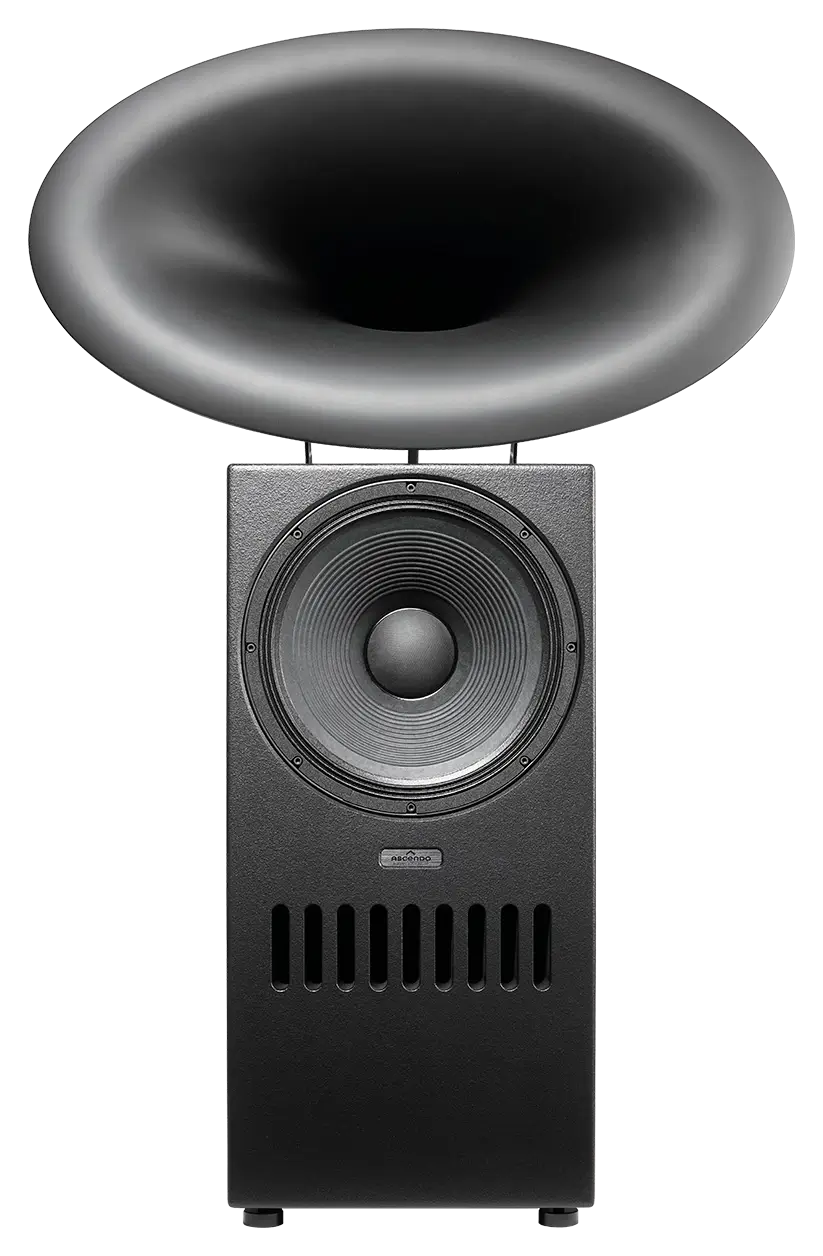
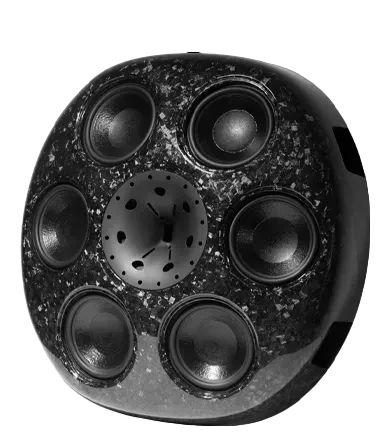
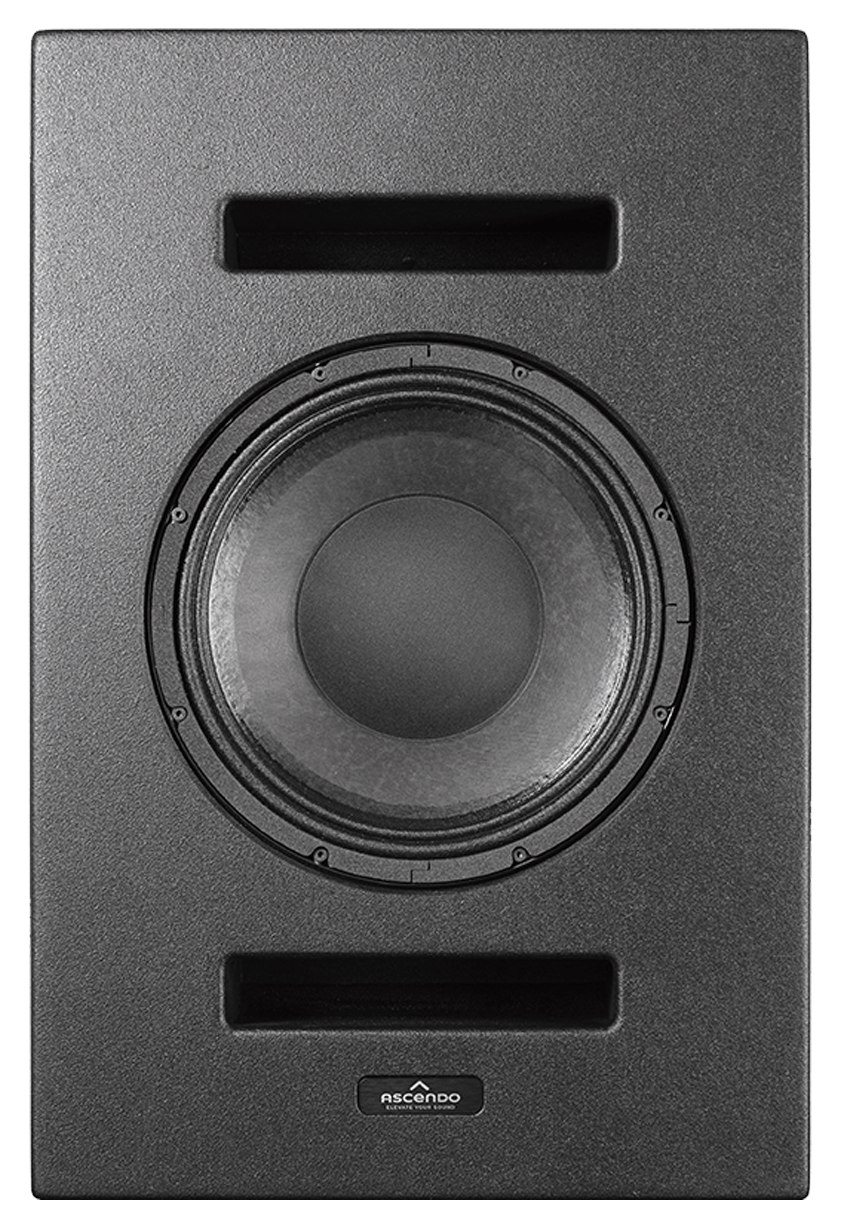
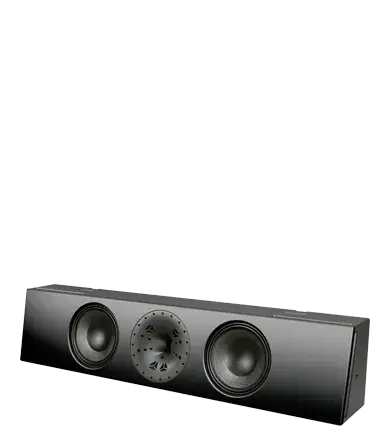
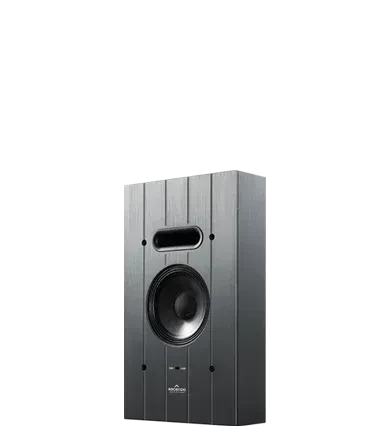
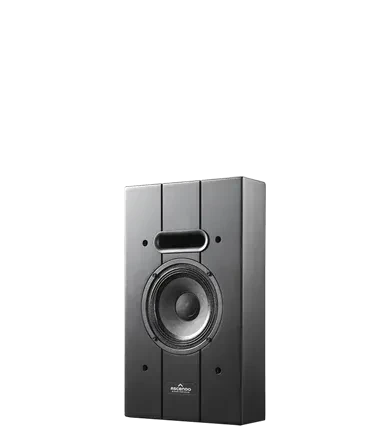
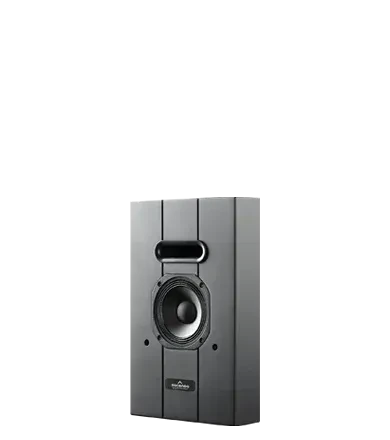
The loudspeakers run from The5 (a 5.25-inch coaxial derived from professional PA, 75 mm deep, sized for smaller immersive rooms and for surrounds in larger ones) through The6 and The6 PRO (6.5-inch coaxial, on-wall or in-ceiling), The8 PRO (a three-way LED-wall wedge for video walls the sound cannot go behind), The10 (10-inch coaxial with a pre-angled Wedge 30 variant meeting current CEDIA, Dolby and DTS specifications), The12, The12 PRO and The12 Be PRO (three tiers of the 12-inch coaxial in progressively upgraded materials), and The15 PRO and The15 Be PRO (the 15-inch behind-screen reference). At the top sit two reference screen channels: The Black Swan Be PRO — a 3-inch pure beryllium compression driver on a proprietary elliptical horn beside a custom 15-inch mid-woofer — and The Halo 10 PRO, a cardioid design derived from the Black Swan concept for rooms where baffle-wall depth is the binding constraint.
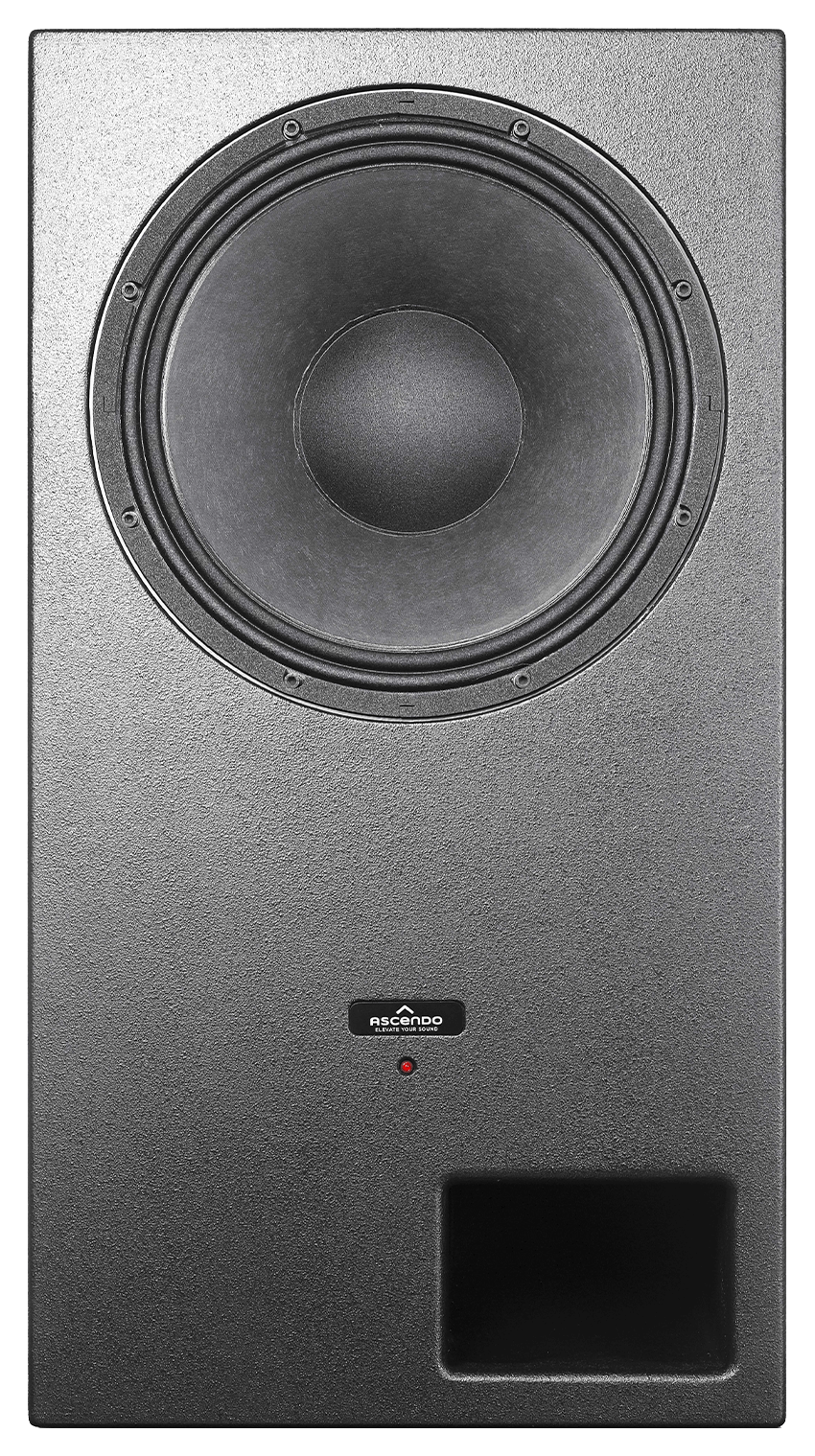
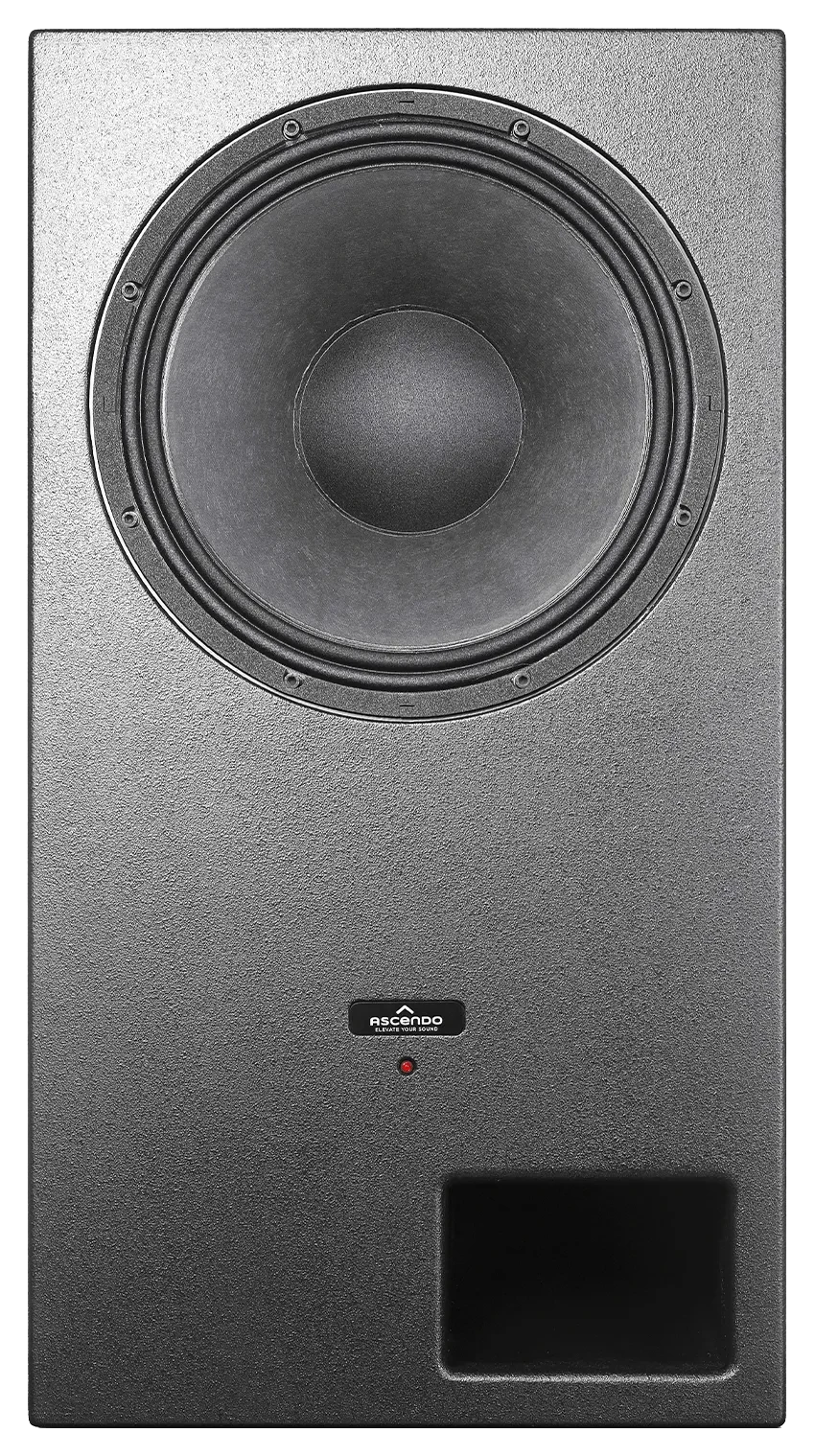
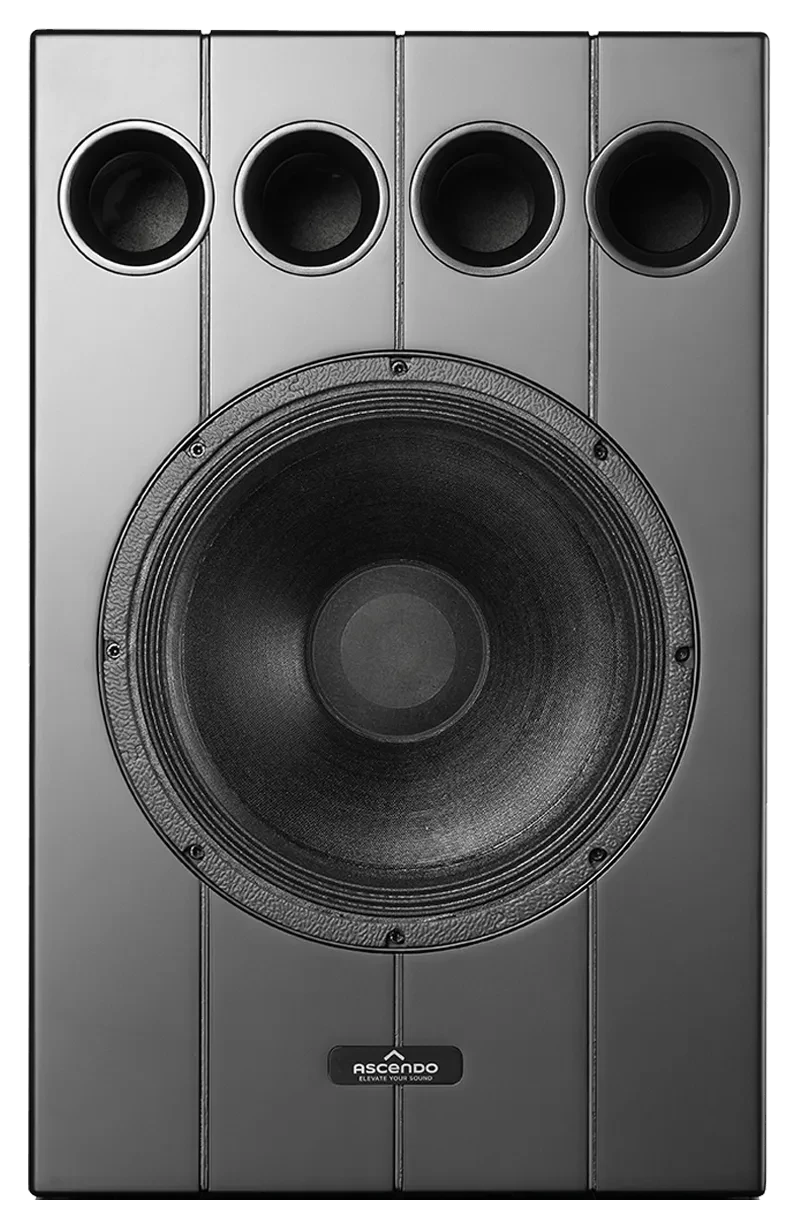
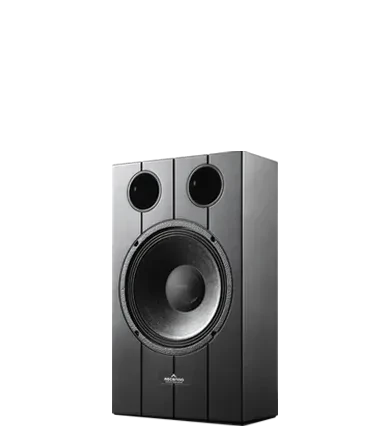
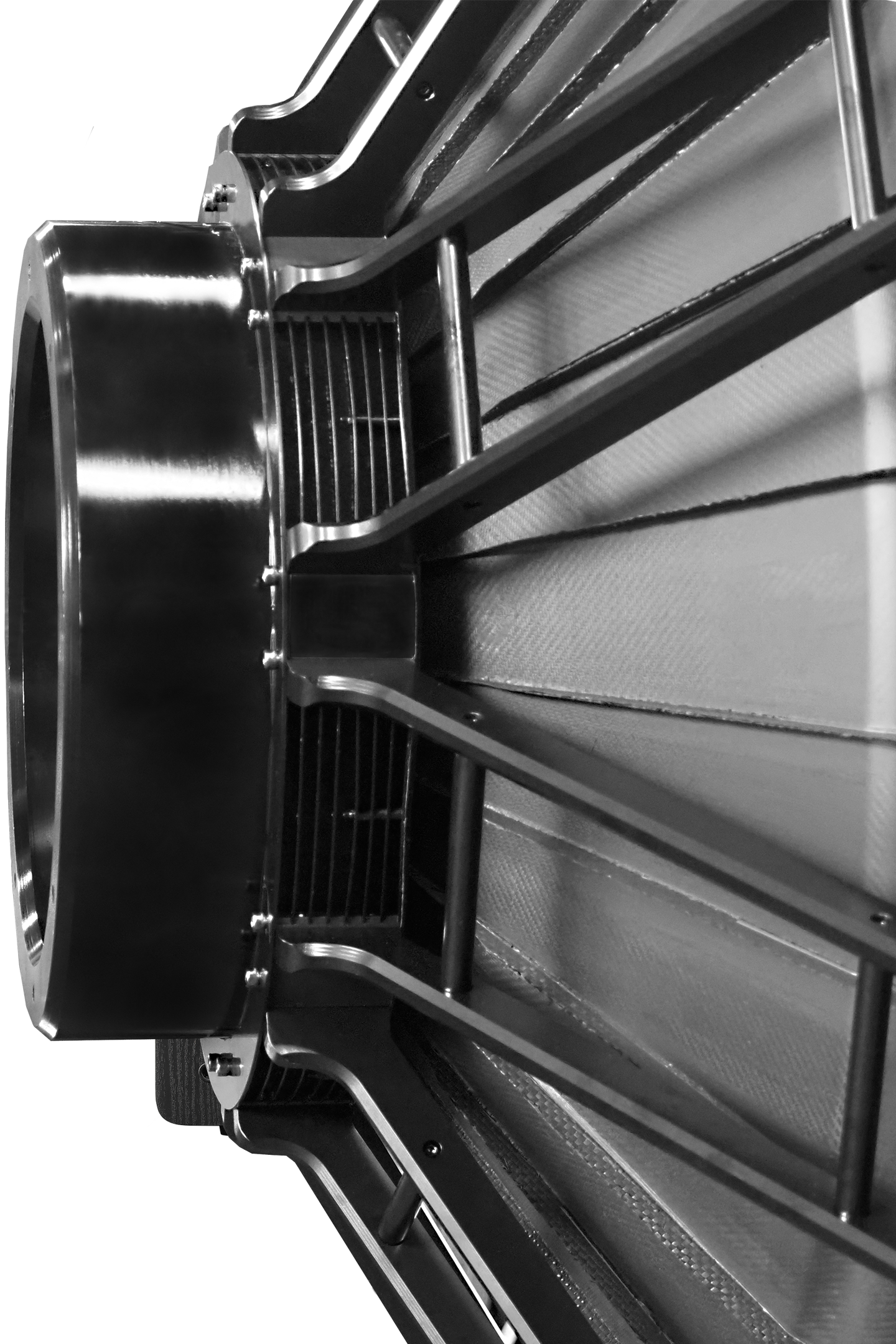
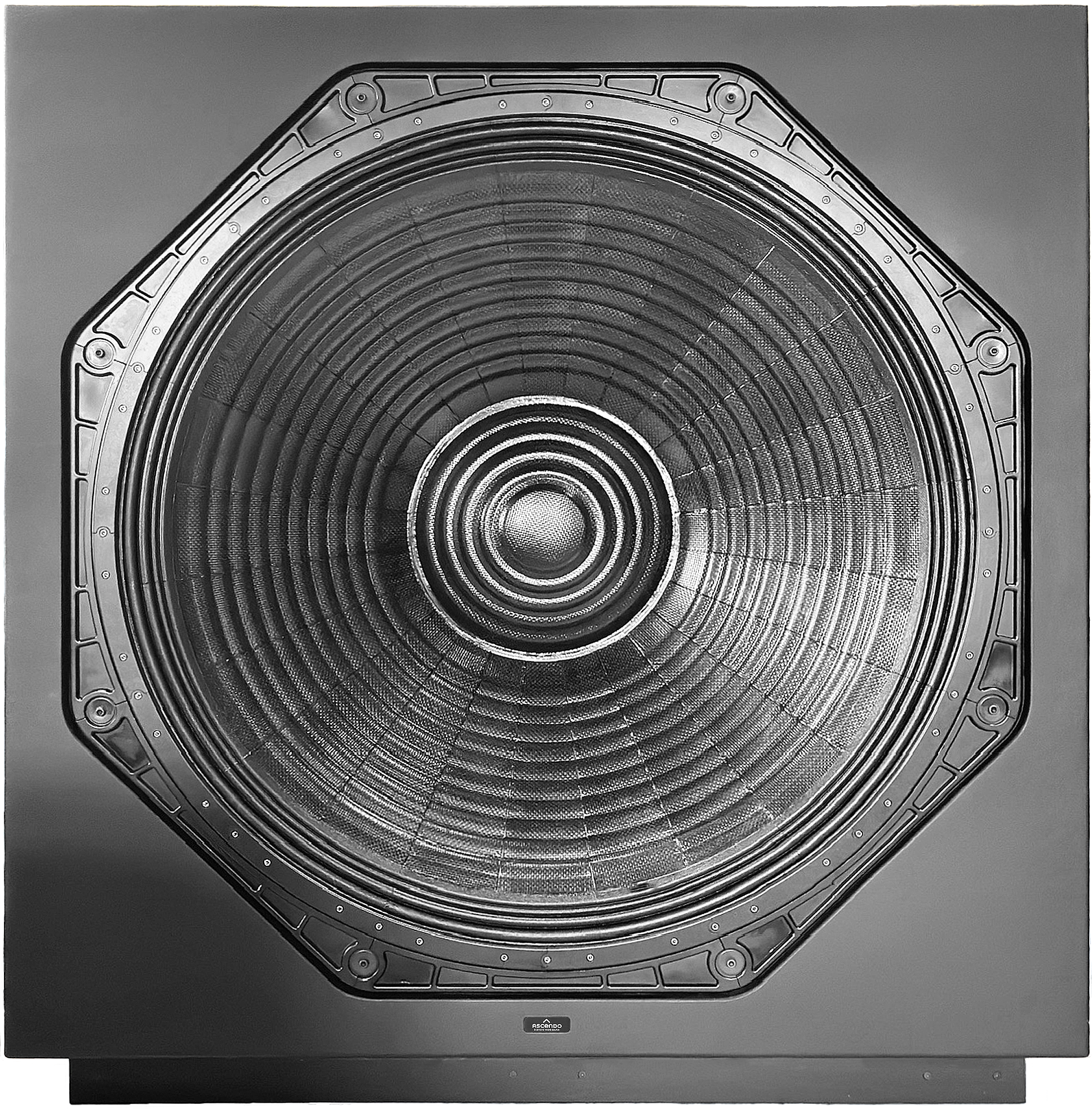
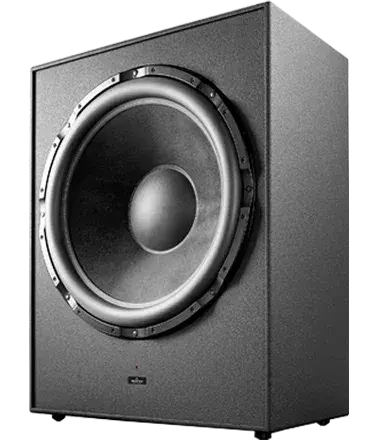
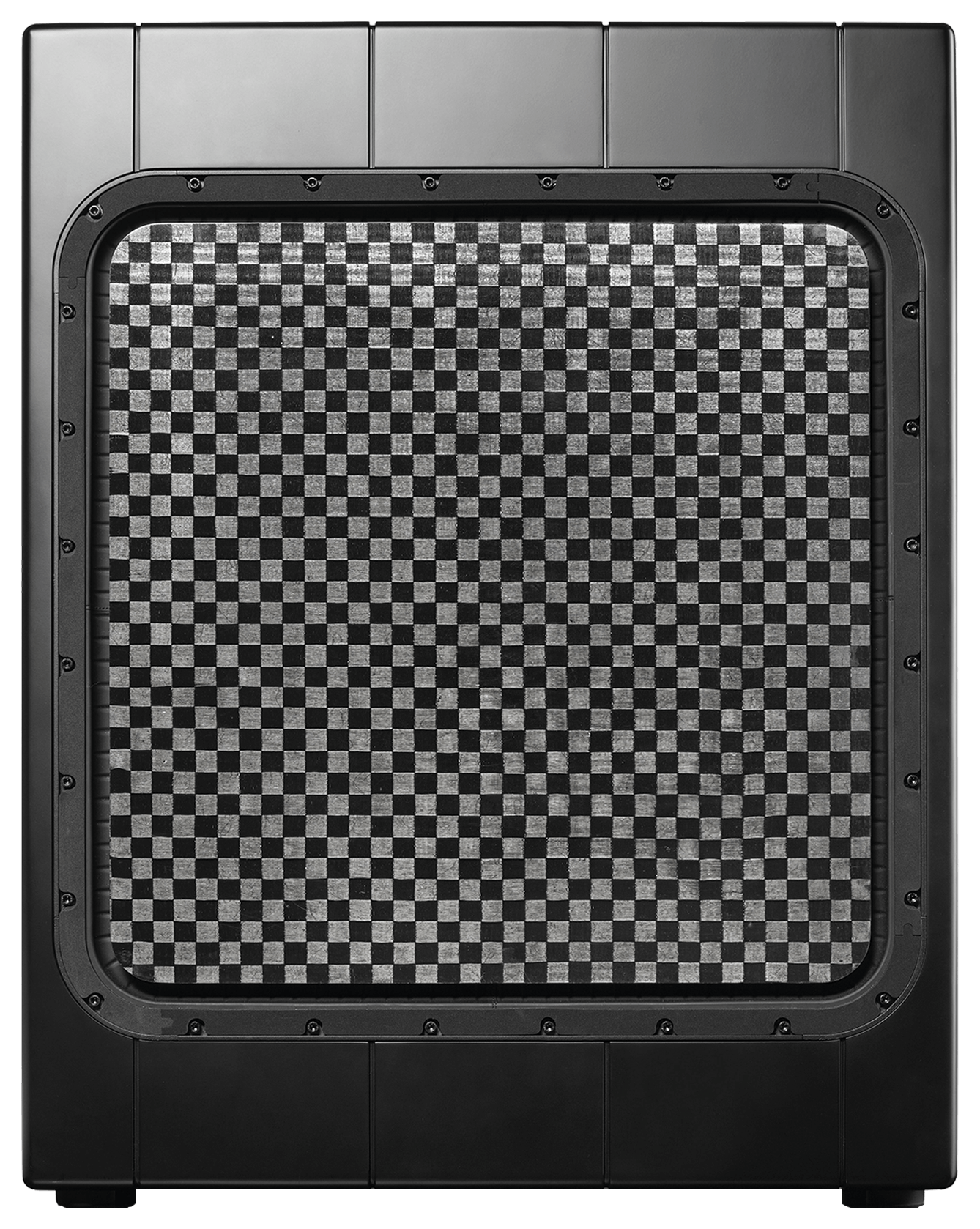
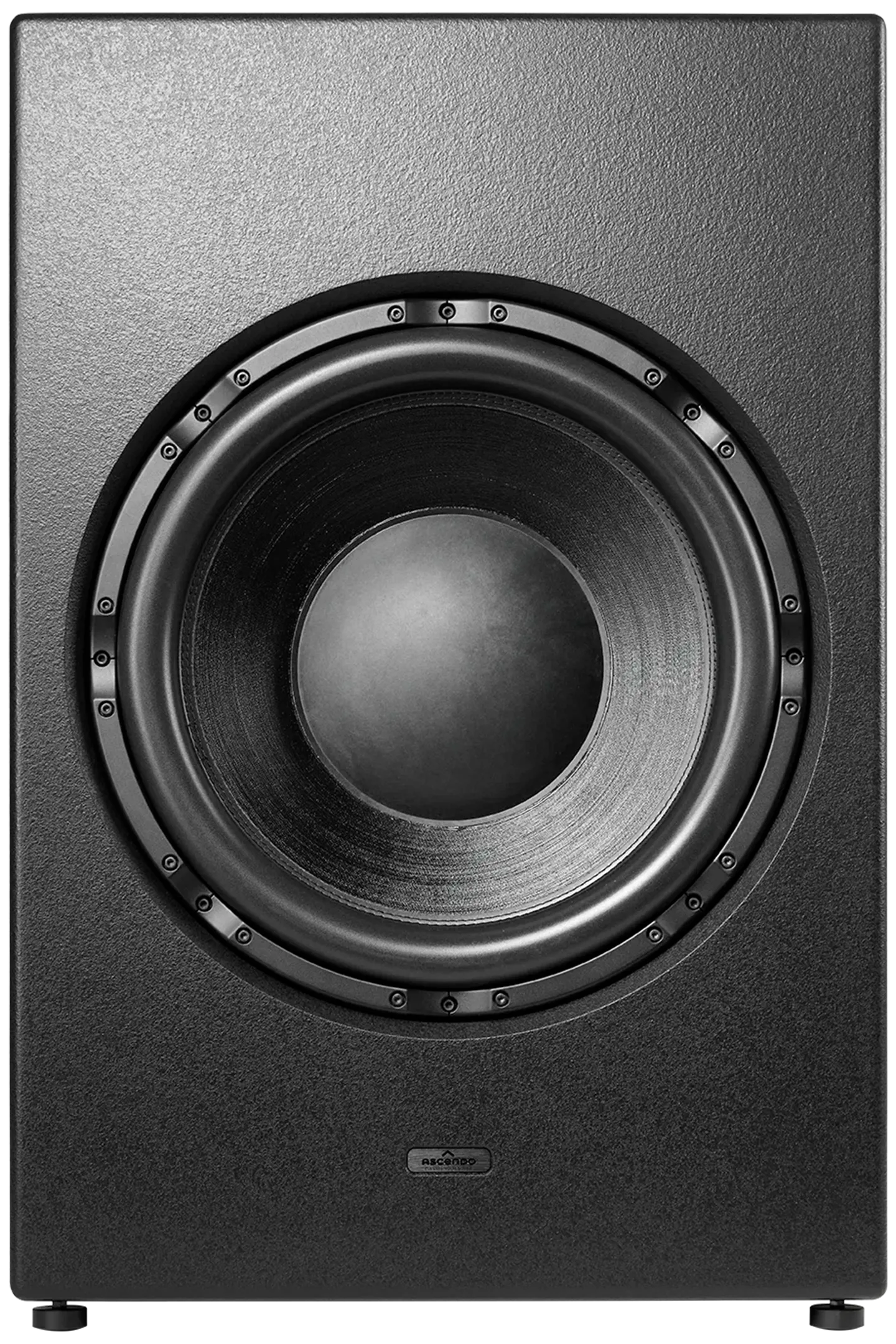
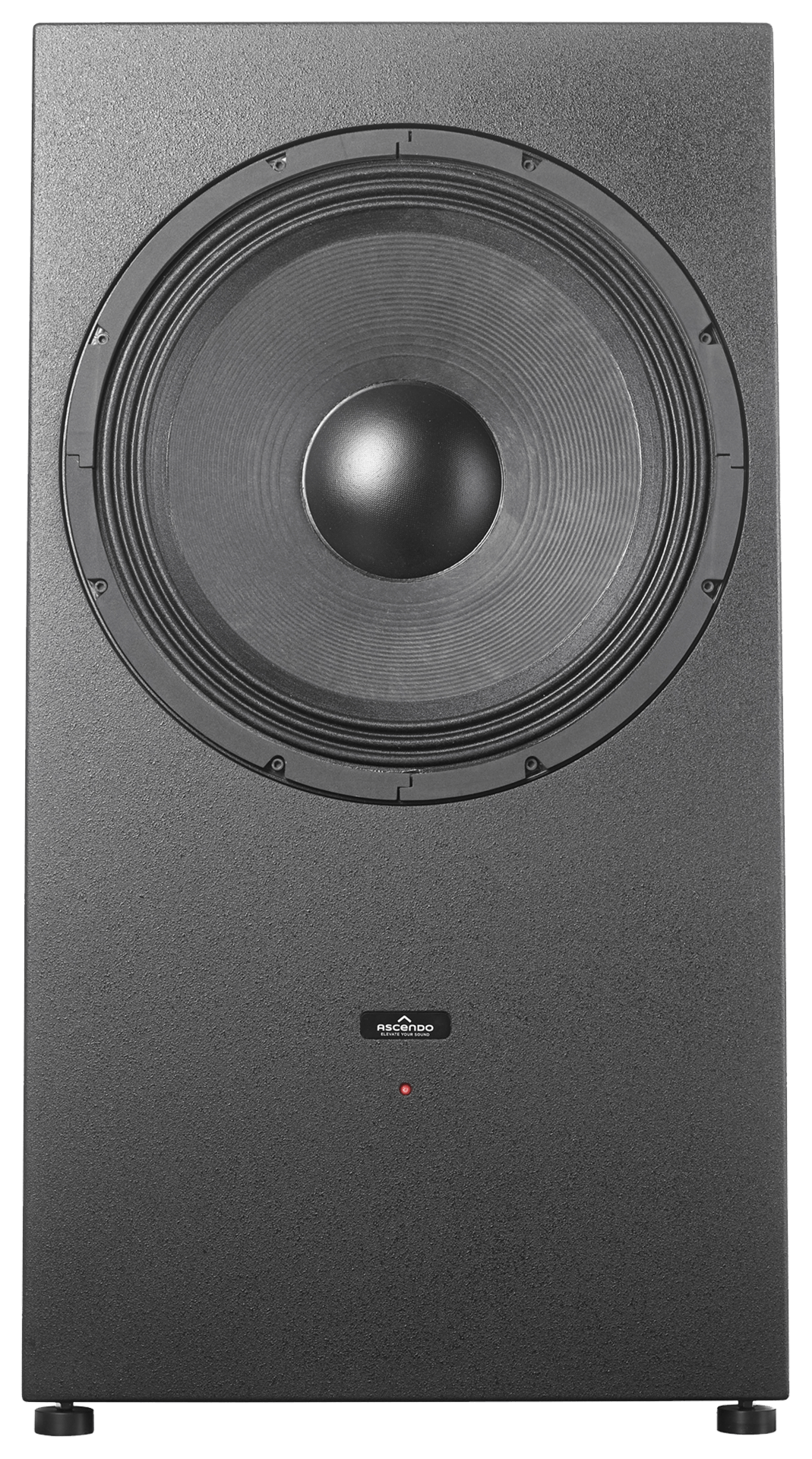
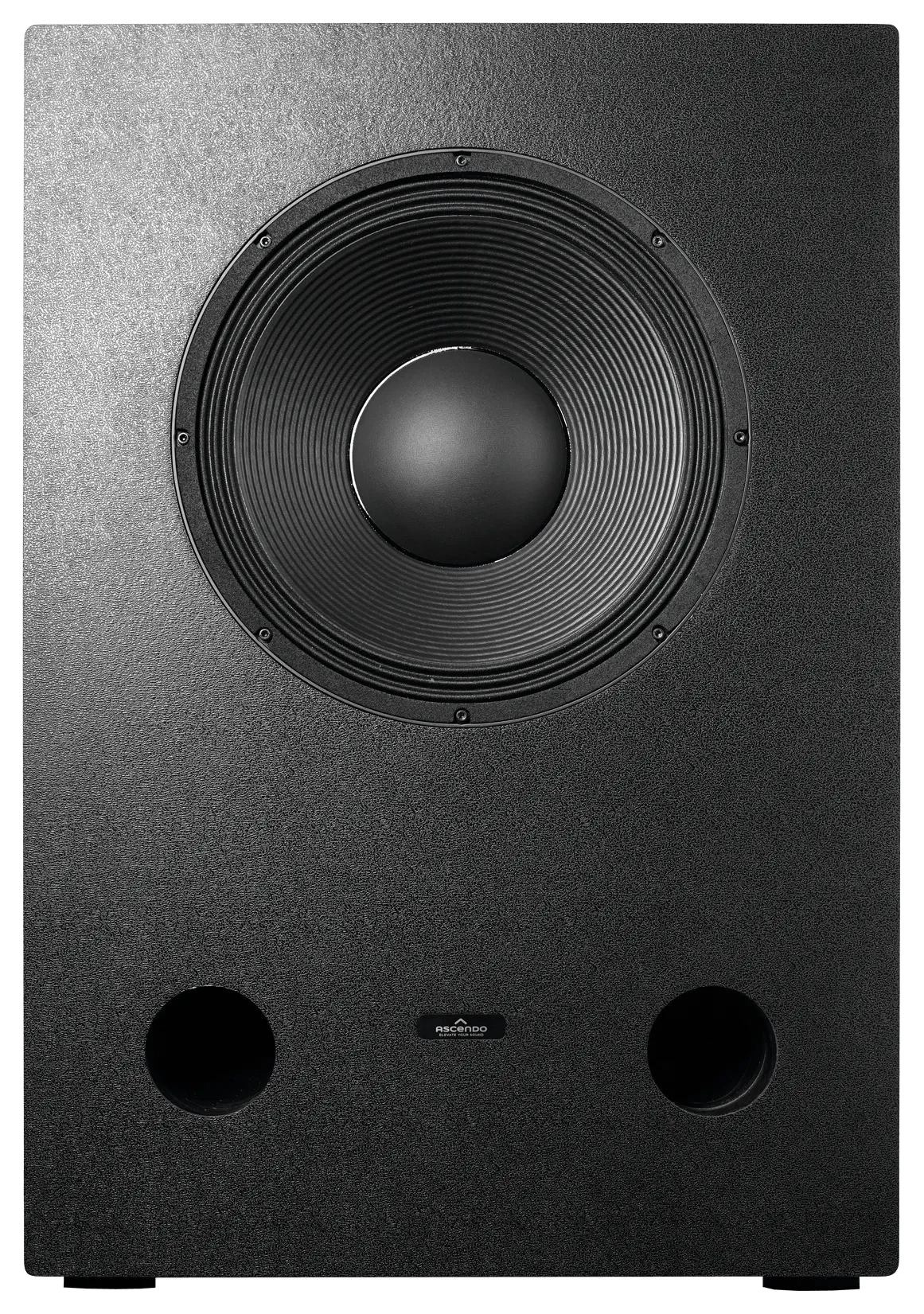
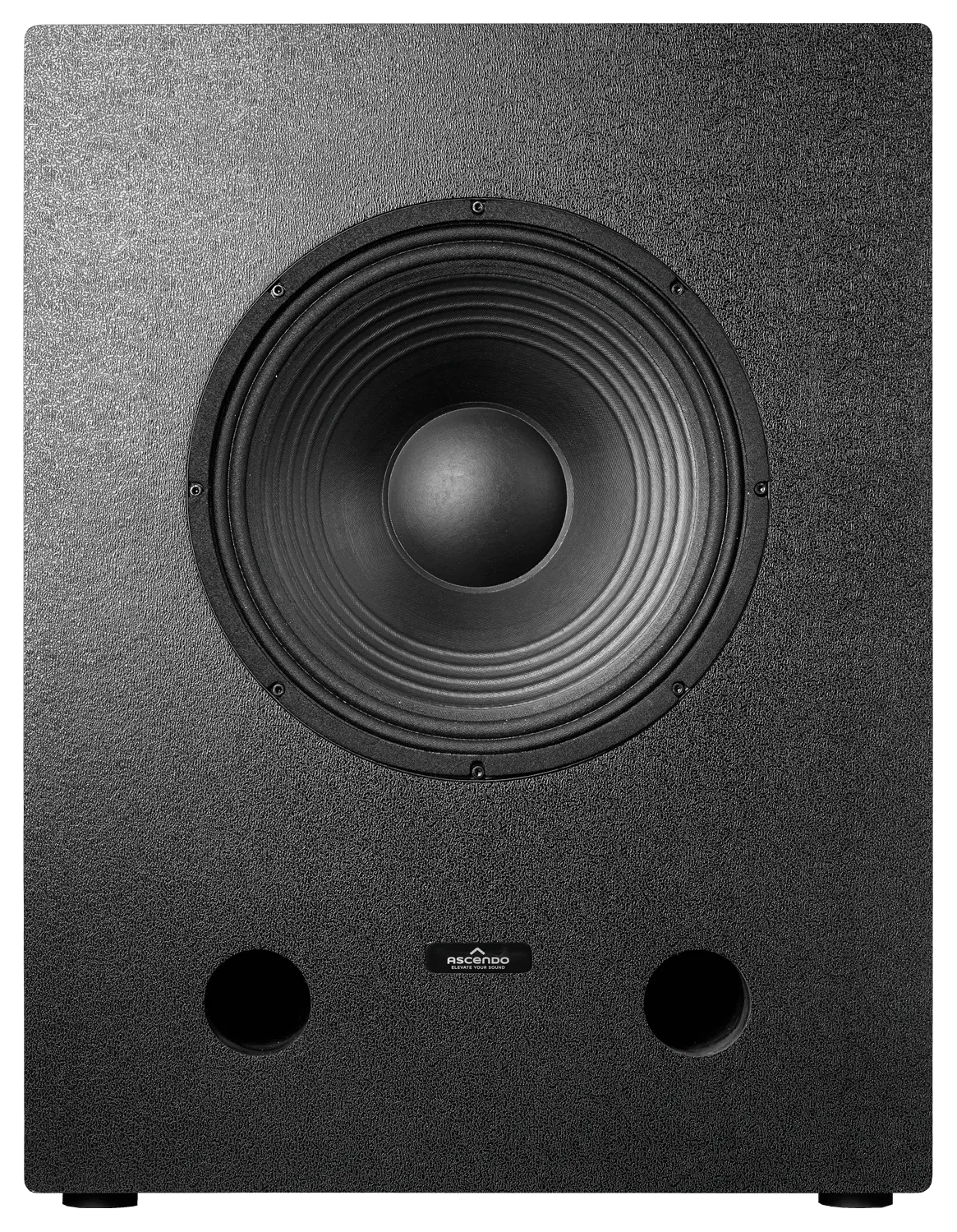
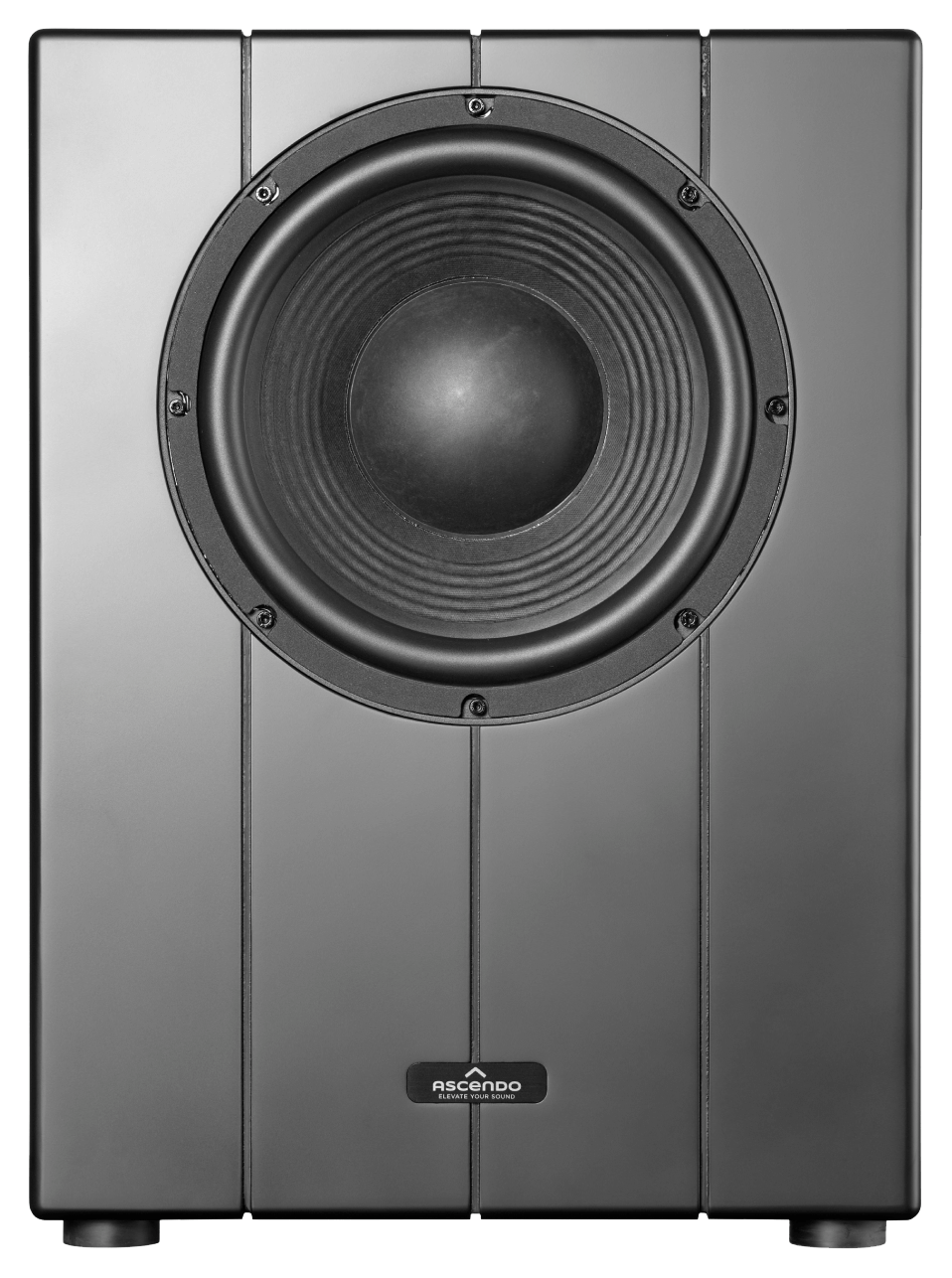
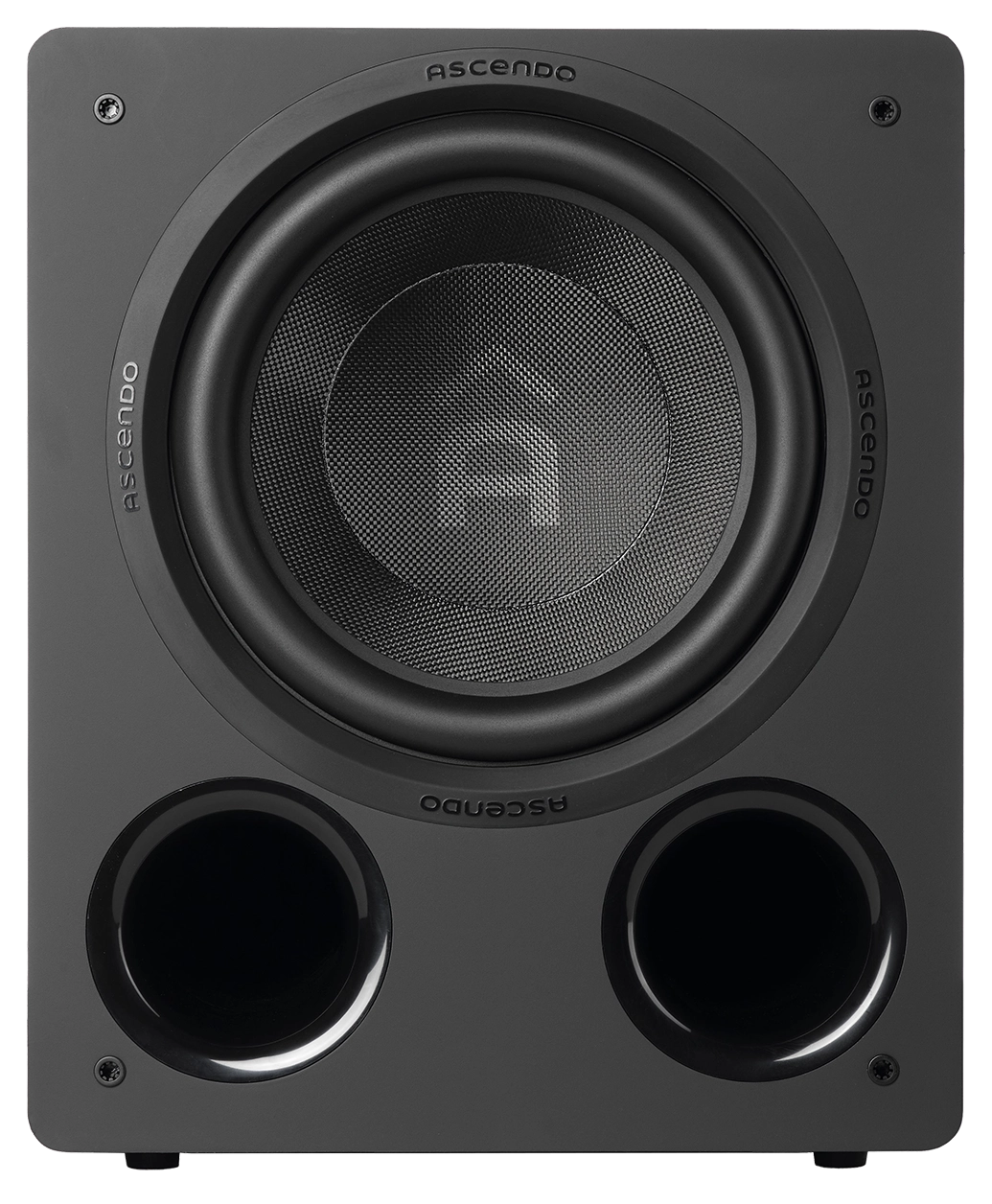
The subwoofer range is the reason Ascendo is best known in the industry. It runs from The12 SUB Active Vented (the only fully self-contained active model), The12 SUB PRO (a 210 mm shallow passive), The15 SUB PV, The16 SUB Active Sealed and The16 SUB PRO Passive Sealed Shallow, The18 SUB PV and The18 SUB PRO (48 inches high, 24 inches wide, 11 inches deep), The21 SUB PRO (the audible-range reference), The24 SUB PRO (a 24-inch driver with 90 mm of linear stroke), The28 SUB Squared PRO (a flat-panel square driver developed jointly with Trinnov for bass-array work), and The32 SUB PRO (a 32-inch custom driver displacing 16.6 litres of air per maximum stroke). Above them sit the two infrasonic models: The64 SUB PRO, which replaced The50 in July 2025, and The100 SUB PRO, which replaced The80. Both arrive as drivers rather than finished cabinets — the enclosure is designed per room and built on site, minimum 2 cubic metres for The64 and 10 for The100. Every one of the PRO subwoofers is engineered to stay in phase with the infrasonic models above it, which is the whole argument for buying a subwoofer chain from one company rather than assembling one from three.
Six Ascendo subs under the Tempe Theater
The Tempe Theater is the LMC room where Ascendo bass does the work, and the system it belongs to is not a home theater assembled from home theater parts. The front stage is Wilson Alexia V with the Mezzo CSC centre channel — loudspeakers chosen because they are among the best Wilson builds, not because they were designed for cinema — driven by McIntosh MC1.25KW monoblocks at 1,250 watts a side. Surround and height channels run on Wisdom Audio thin-film planar in-walls and Focal in-walls. Underneath the whole system, six Ascendo 2-19 subwoofers handle the bottom, tied together and calibrated by a Trinnov Altitude32 — the processor that renders Dolby Atmos Home at its full channel count and corrects the room with the Optimizer and patented Remapping rather than equalising a curve. Source is Kaleidescape, downloading films at bitrates well beyond Blu-ray with lossless audio intact.
The Ascendo and Trinnov pairing is worth understanding. The two companies collaborate on bass-array technology — Ascendo’s Geoffrey Heinzel and Trinnov’s Arnaud Laborie worked together on The28 Squared, which was engineered specifically to couple cleanly into Trinnov’s WaveForming, Dirac ART and single or double bass-array designs. What the six-sub Ascendo array plus Altitude32 delivers in the Tempe Theater is bass that arrives with the picture and leaves with it — the low frequencies most systems either miss or smear.
LMC Ascendo dealer since 2026
Ascendo is the most recent brand added to the LMC portfolio, and the reason for the pairing is a specific gap the rest of the portfolio did not close. LMC’s cinema stack was reference-tier at every position — Wilson and Sonus faber on the screen, McIntosh and Dan D’Agostino on amplification, Trinnov on processing, Kaleidescape on source, Barco and Sony on projection — but subwoofer capability at the same standard, especially below 20 Hz, required a specialist. Ascendo was the answer.
What Ascendo brings that a general-purpose subwoofer cannot is a chain that goes from a 12-inch sealed shallow (behind a riser) through a 32-inch sealed passive (in a room designed around it) to a custom-built 100-inch driver in an on-site enclosure — with the whole chain engineered to run in phase. LMC’s install partner network is what makes the custom-enclosure models specifiable at all in an Arizona cinema: a room that needs The64 or The100 begins with the architecture rather than the equipment rack, and the conversation starts on site rather than in the showroom.
Where to start
For a first serious Ascendo audition, the Tempe Theater is the honest place to begin. Bring a scene with real low-frequency information — an aircraft takeoff, a helicopter approach, a rocket ignition — and listen to the whole system before drawing conclusions about the subwoofer array specifically. The point of the demonstration is what an integrated Wilson plus McIntosh plus Trinnov plus Ascendo chain sounds like when every stage is doing its job.
For a screen-channel evaluation across the three Ascendo tiers, the conversation is best had in the showroom directly, with The12, The12 PRO and The12 Be PRO available for comparison and The Black Swan Be PRO as the reference above them. For an audition of an infrasonic model beyond what is on continuous demonstration, the discussion begins with the architecture of the intended room — LMC walks through The32, The64 and The100 in the context of the specific installation rather than in the abstract, because the enclosure and the room are the same design conversation.
What to listen for
Two tests are worth running deliberately on any Ascendo audition. First, group delay under the picture: play a scene with a sustained low-frequency event and listen to when the bass stops. Most systems get the arrival roughly right and get the release wrong — the low frequencies smear past the picture, which is what makes cinema bass sound slow no matter how much of it there is. The Ascendo array with Trinnov correction stops when the source stops, and the picture reads as tighter for it. Second, localisation at seats off-centre: sit two seats off the sweet spot and listen to a pan across the front stage. Most systems collapse toward the nearest loudspeaker; a coaxial point source with 85-degree by 85-degree axisymmetric dispersion holds the image further off-axis than most designs. That is the coaxial argument, and it is what makes an Ascendo screen channel work for a family in a real room rather than only for the person in the middle seat.
Walk in during business hours or book ahead if the audition needs the Tempe Theater specifically configured for a full Ascendo demonstration.
The Lineup
Explore the Range
Experience The Brand