Brand
Kimber Kable
Braided geometry that cancels noise rather than filtering it. Made in Ogden, Utah since 1979.
Authorized Dealer — Scottsdale & Tempe, Arizona
Trade-in credit toward new purchases · Full installation and calibration · Walk in during business hours or book ahead
See what's on demonstration now ↓Ray Kimber started braiding cable in his Ogden, Utah workshop in 1979, based on a simple engineering observation: parallel conductors carrying signal generate electromagnetic fields that induce noise into each other, and shielding them adds mass and damping without solving the fundamental problem. Braid the conductors so that each one’s position relative to its neighbours changes continuously along the run, and the geometry cancels the induced fields in the same way a shield would — without the shield. That was the insight. Kimber Kable has been building around it, in the same Ogden facility, for over four decades.
Everything Kimber makes is still designed, machined, hand-braided and terminated in Ogden. That includes signal cables, speaker cables, power cords, headphone cables (Axios), the WattGate connector line (which Kimber manufactures), and the IsoMike recording project — the same Kimber cable used in reference systems around the world is used to capture Kimber’s own recordings. The company is still privately-held, and the manufacturing has never moved offshore.
The braided-geometry engineering premise
The engineering problem cable manufacturers face is that a length of parallel conductors is a genuinely-terrible antenna — both radiating and receiving. It broadcasts a portion of the signal into the surrounding environment, and it collects electromagnetic noise from the surrounding environment and delivers it to whatever the cable is connected to. Most manufacturers treat this by shielding the conductor (a copper braid, an aluminium foil, a drain wire), which does reduce the noise but adds parallel capacitance the signal has to drive through, and introduces damping the signal has to overcome. It is a solution that trades one problem for a smaller version of the same problem.
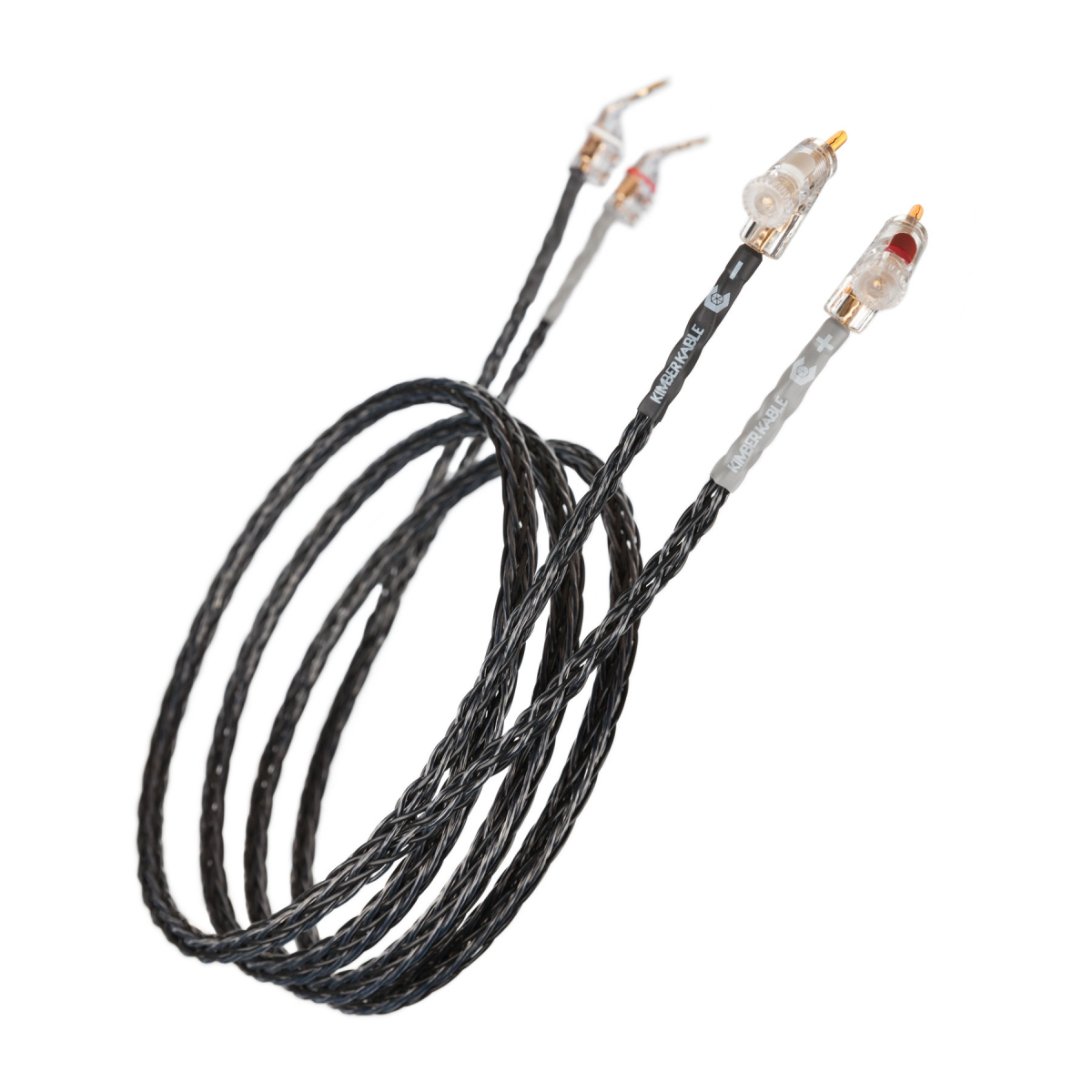
Kimber’s braid does something different. When conductors are woven around each other so that each conductor’s position relative to its neighbours changes continuously along the length of the cable, the fields those conductors induce in each other cancel out geometrically rather than being filtered by a shield. No foil, no drain wire, no parallel capacitance penalty. The cable achieves the same noise-rejection outcome by construction rather than by intervention. It is the reason a Kimber cable measures the way it does (low capacitance, moderate inductance, low DC loop resistance) and sounds the way it does (open, extended, with a very quiet noise floor and no shielded-cable congestion).
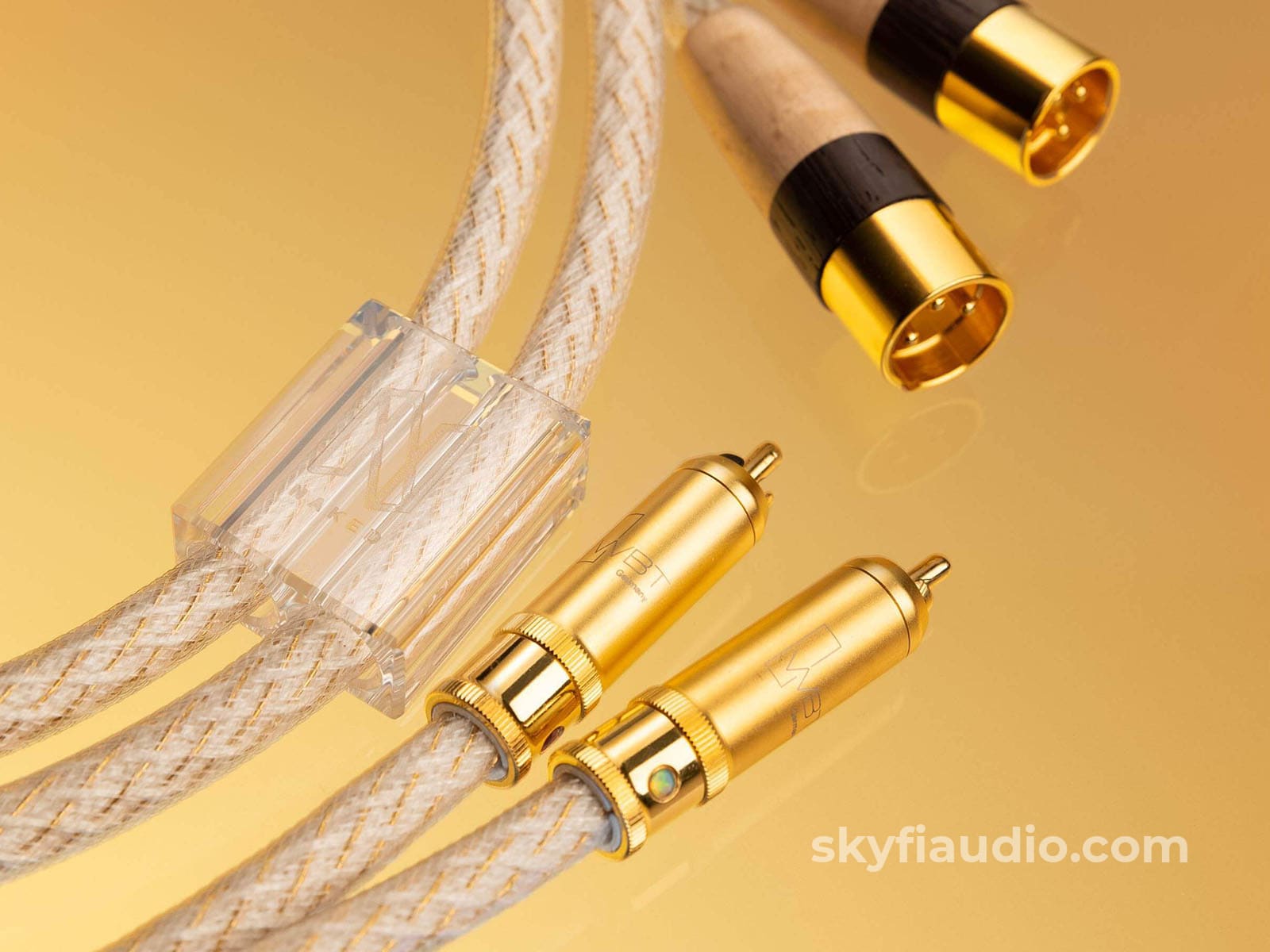
Everything Kimber has built since 1979 is an evolution of that braid. The classic tri-braid (Silver Streak, KCAG, KCTG) uses three or six conductors. The Ascent series (4TC, 8TC, 12TC) works the same geometry at higher conductor counts and larger cross-sections. The Summit series (Monocle XL, BiFocal XL) adds a stabilizing X38R core inside the braid. The Carbon series adds a carbon-infused polymer electrostatic screen around each conductor. The Select 6000 series braids around a proprietary X38R central core with a spaced-and-damped multi-layered matrix construction. Naked strips the polymer dielectric out entirely and suspends the conductors in air on cotton spacers, with palladium-under-gold plating handling corrosion. Neo, the first all-new interconnect family in more than twenty years, layers a solid-plus-stranded conductor mixture on top of the braided architecture. Every one of these is the same 1979 insight, refined.
The Kimber Kable line at LMC
LMC carries the full current Kimber range across signal cables, speaker cables, and power cords.
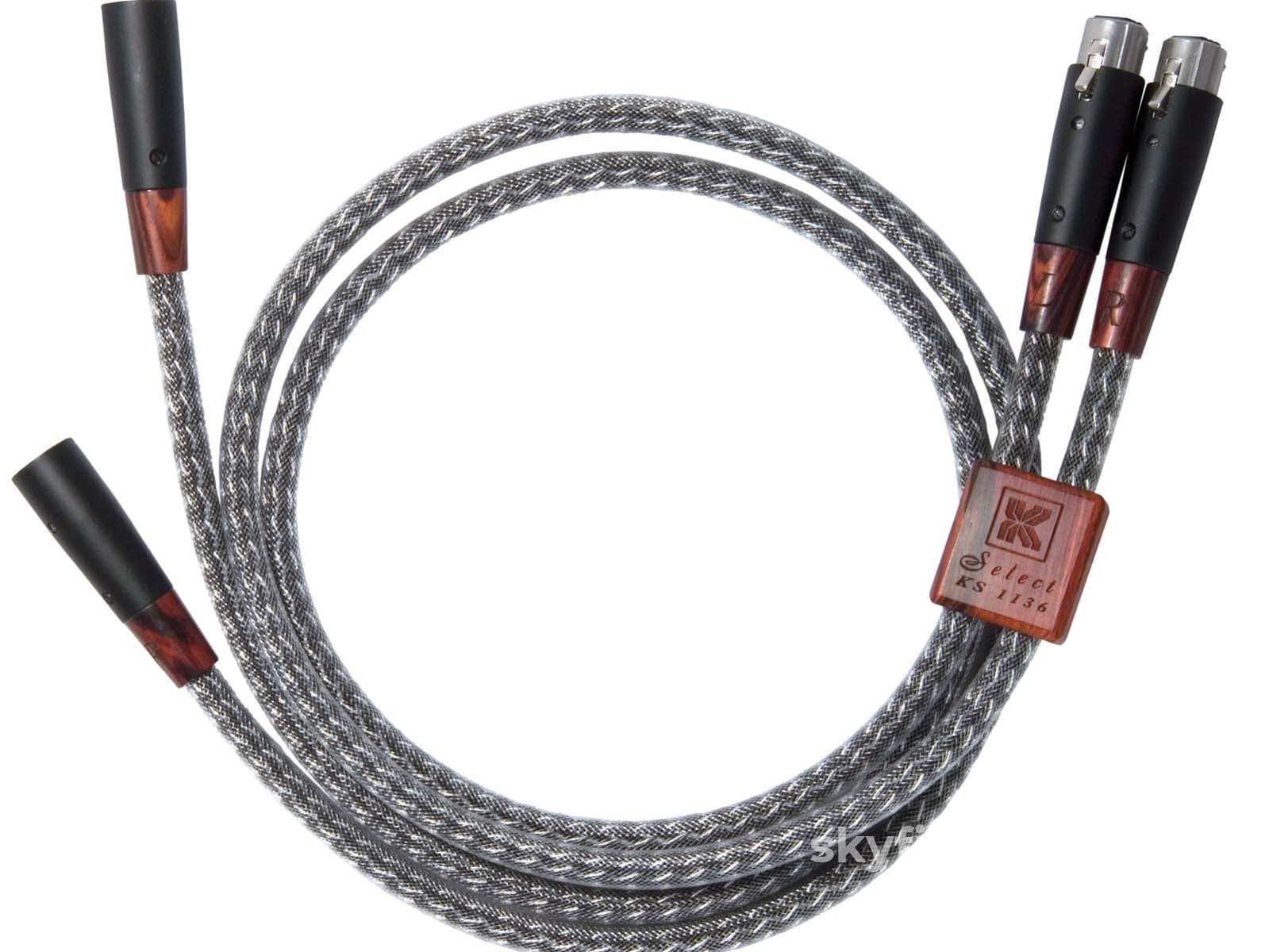
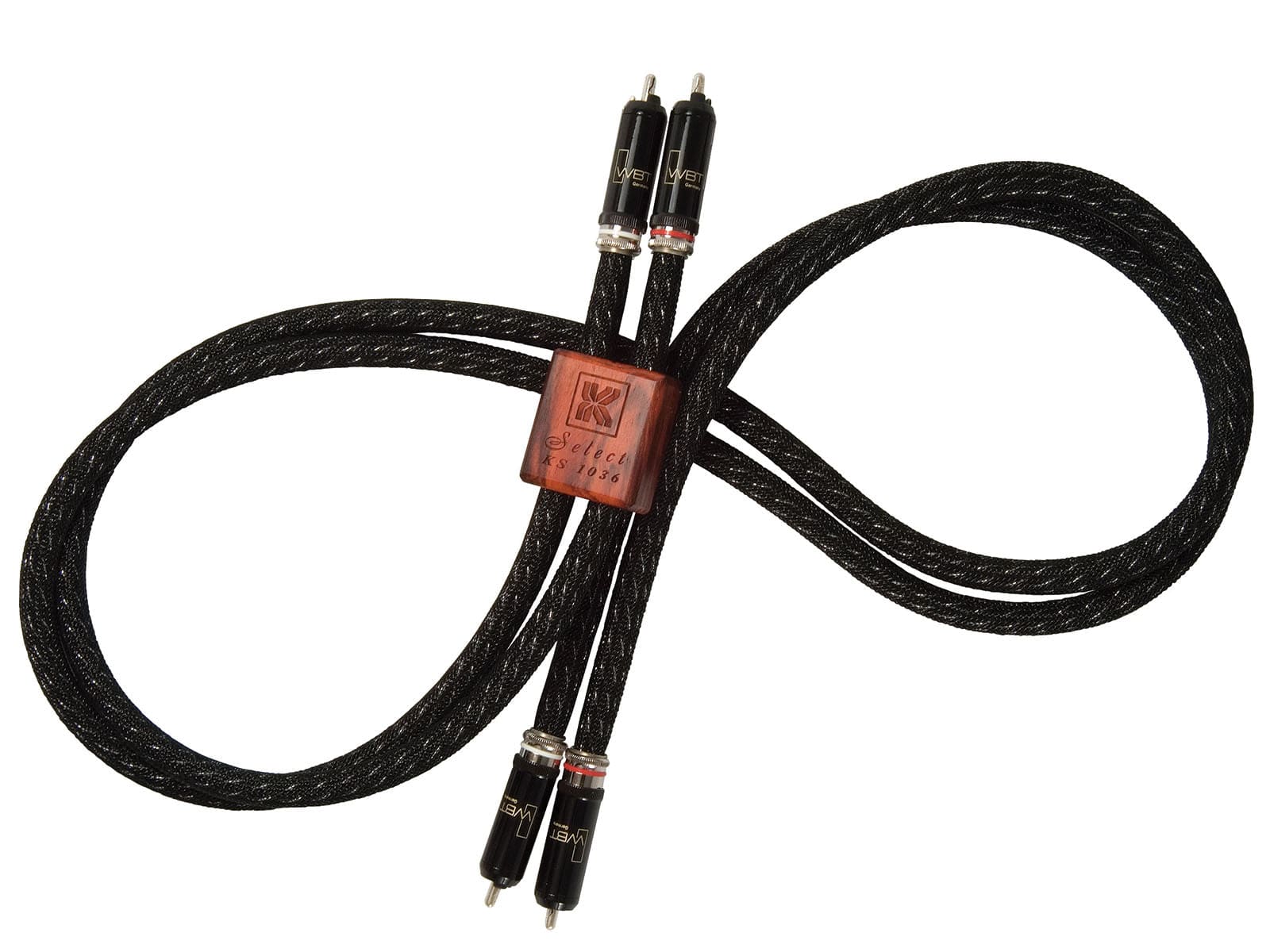
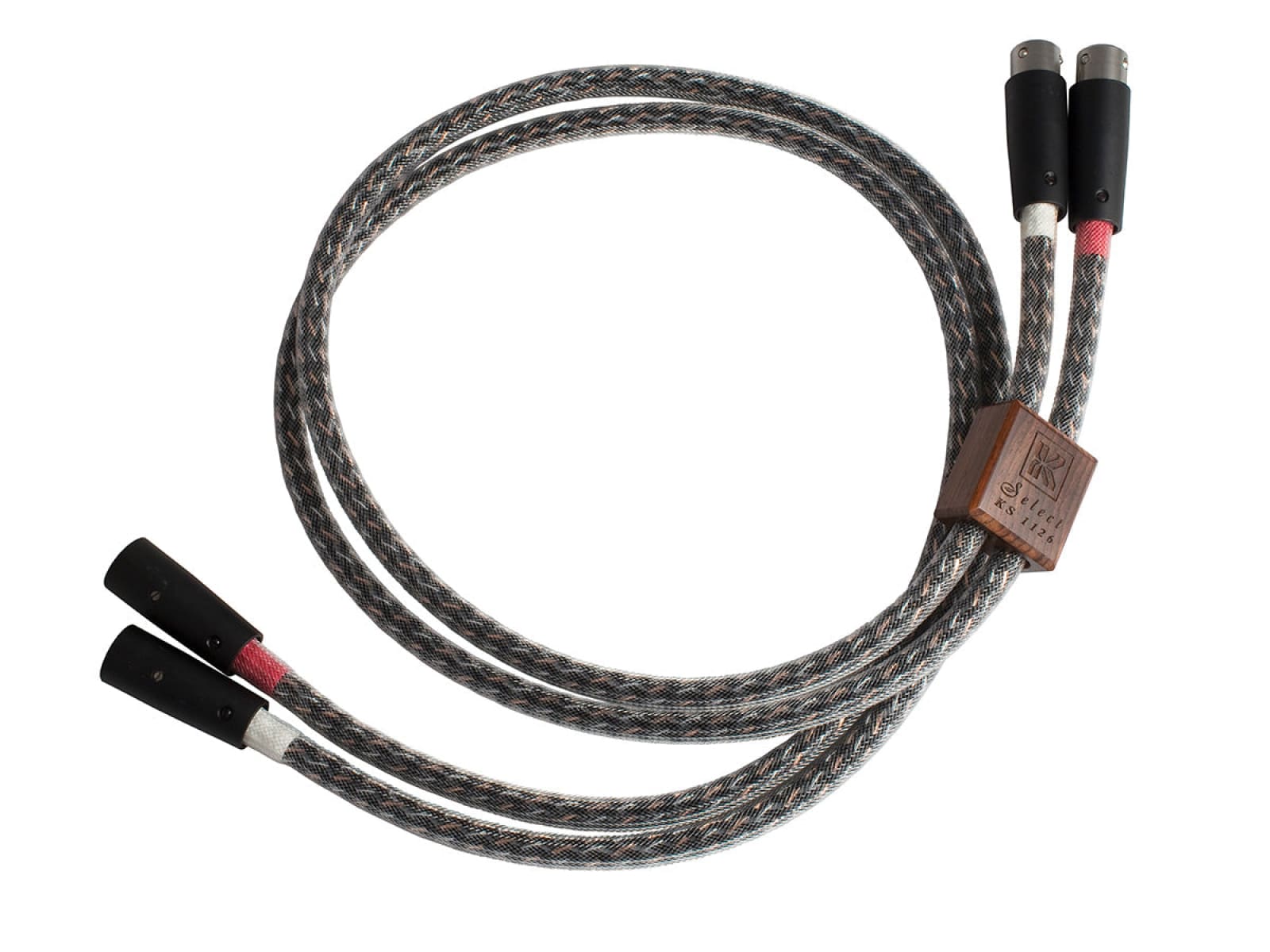
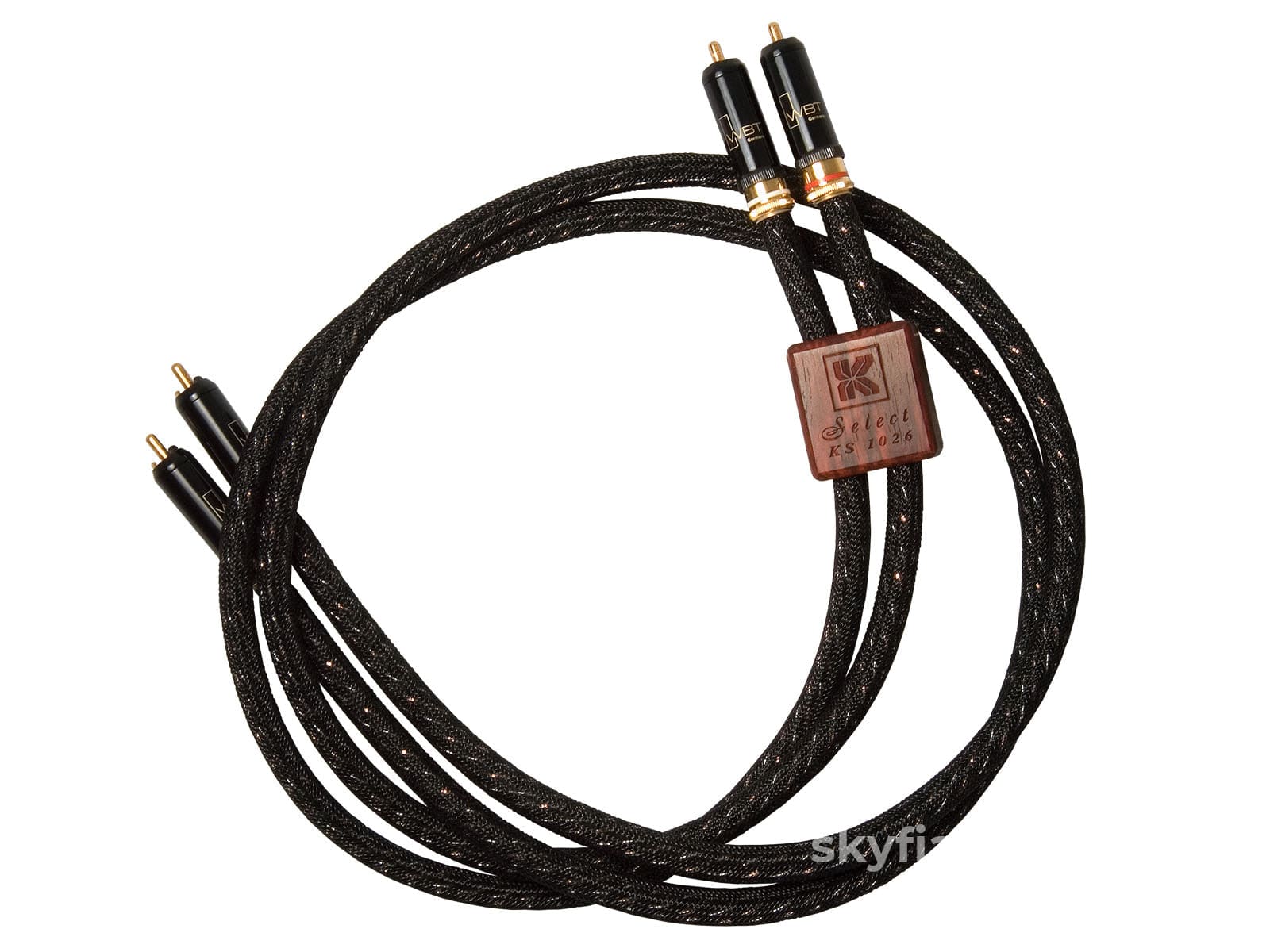
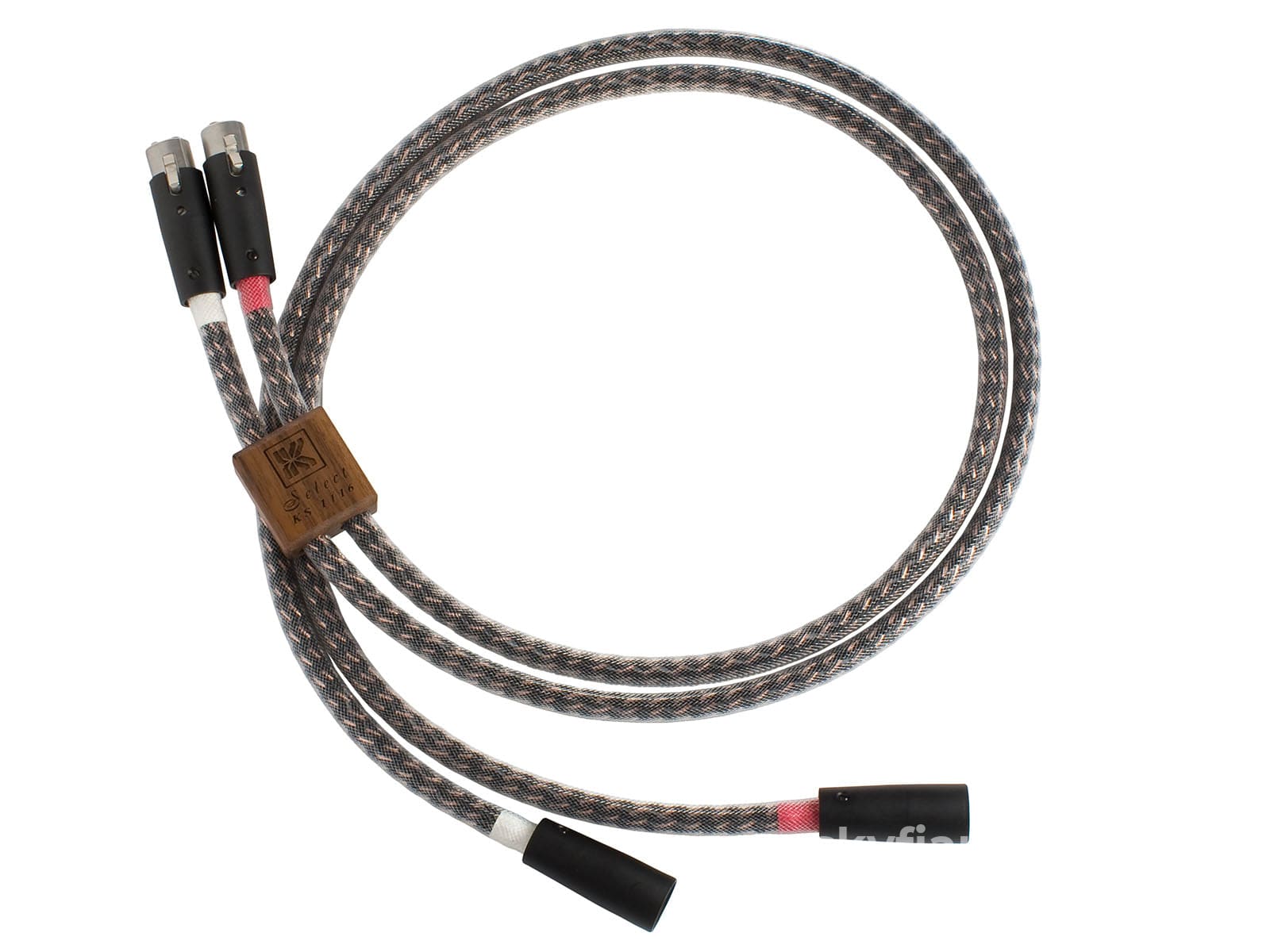
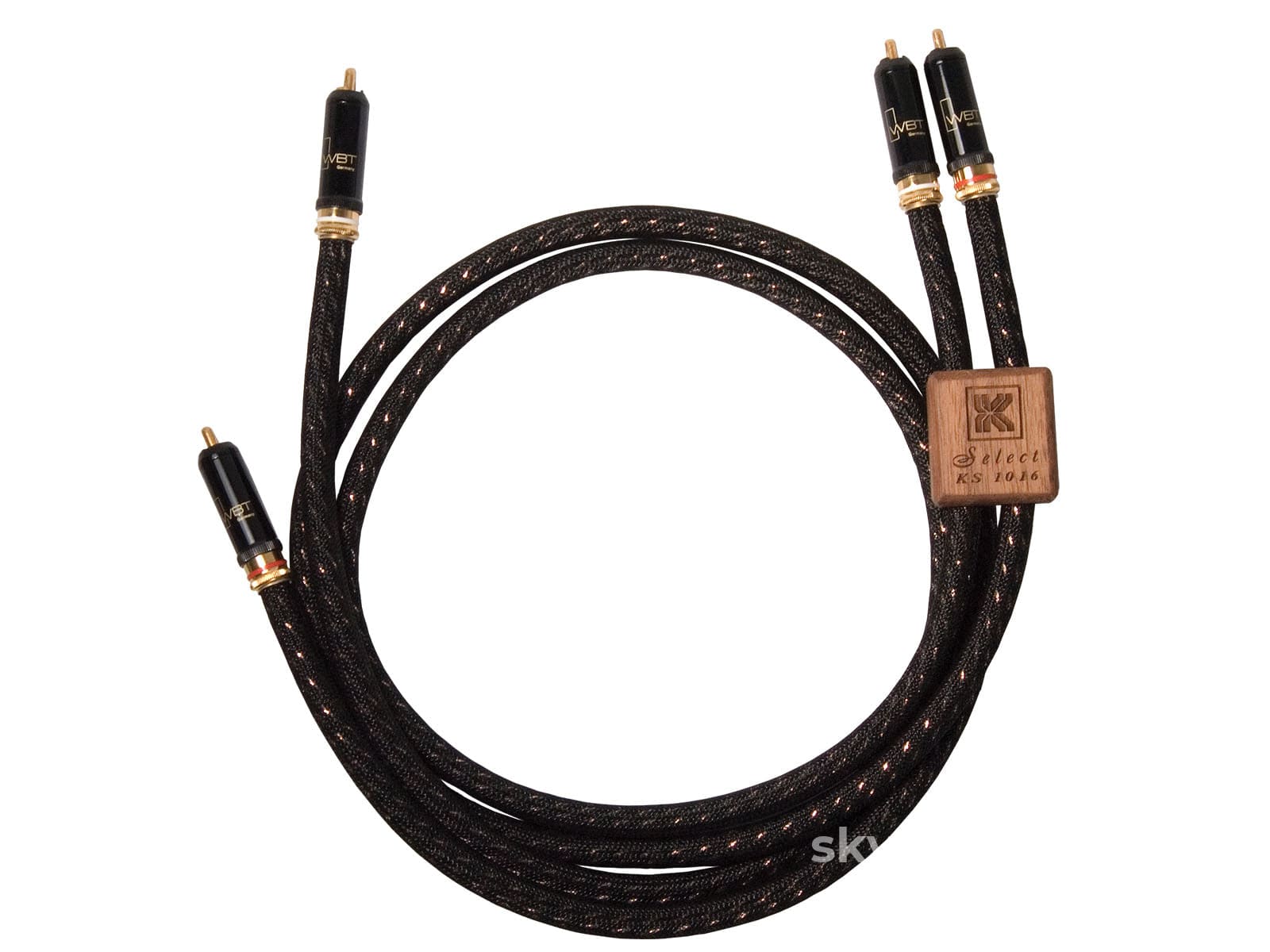
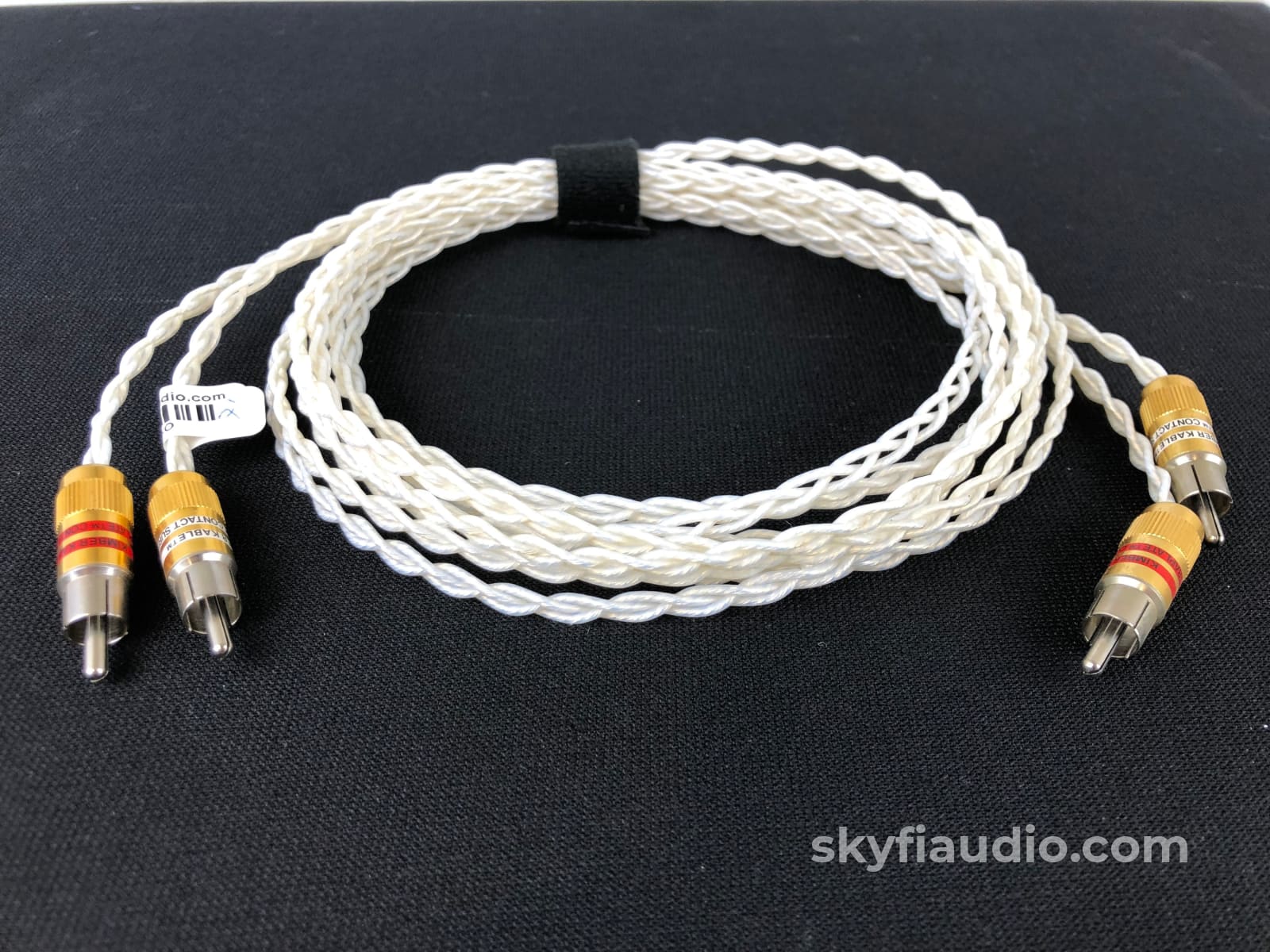
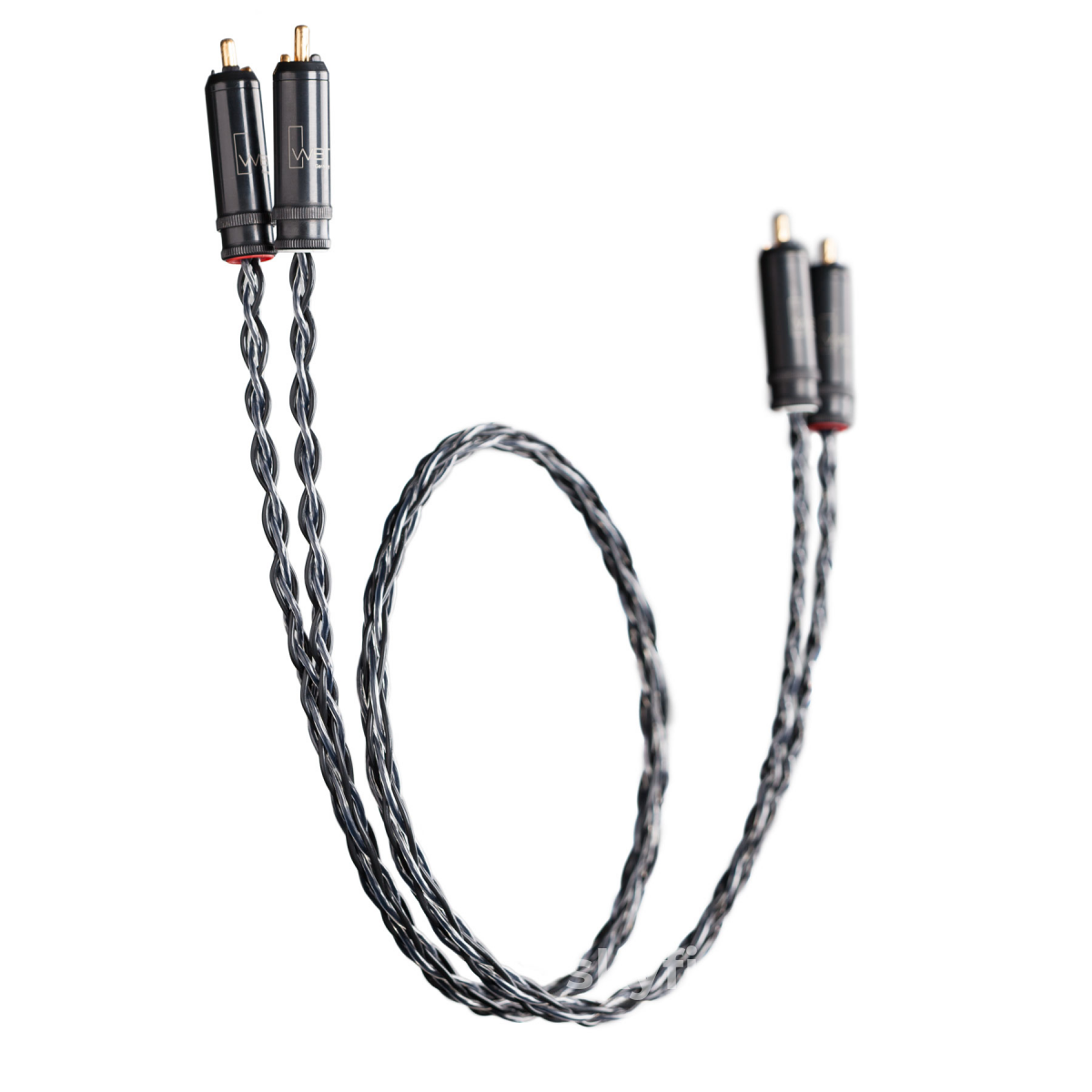
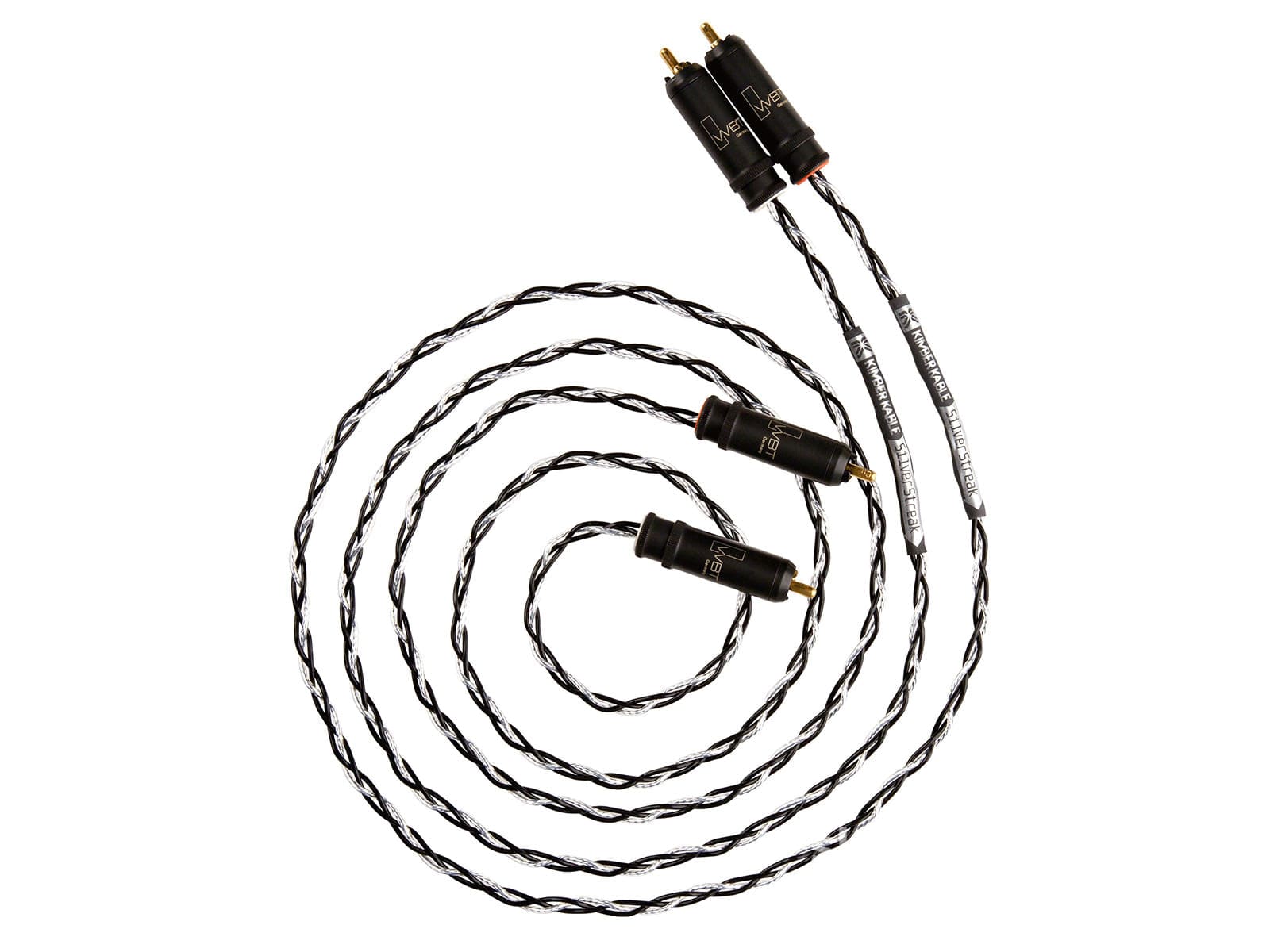
The interconnects run through Kimber’s tier hierarchy — the classic tri-braid at the Summit tier (Silver Streak, then KCAG at 3-wire silver, then KCTG at 6-wire silver), the Carbon tier above them (Carbon Interconnect), the Select 6000 reference tier at the top (KS 1016/1026/1036 RCA and KS 1116/1126/1136 balanced XLR interconnects, in copper / hybrid / silver metallurgy), and Naked and Neo sharing the top of the Kimber ladder — Naked strips the polymer dielectric out entirely and suspends the conductors in air on cotton spacers, while Neo (AG/HB/CU) is Kimber’s first all-new interconnect family in more than twenty years, layering solid-plus-stranded conductors on the braided architecture.
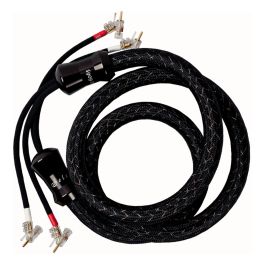
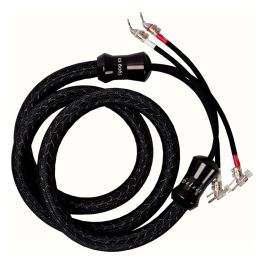
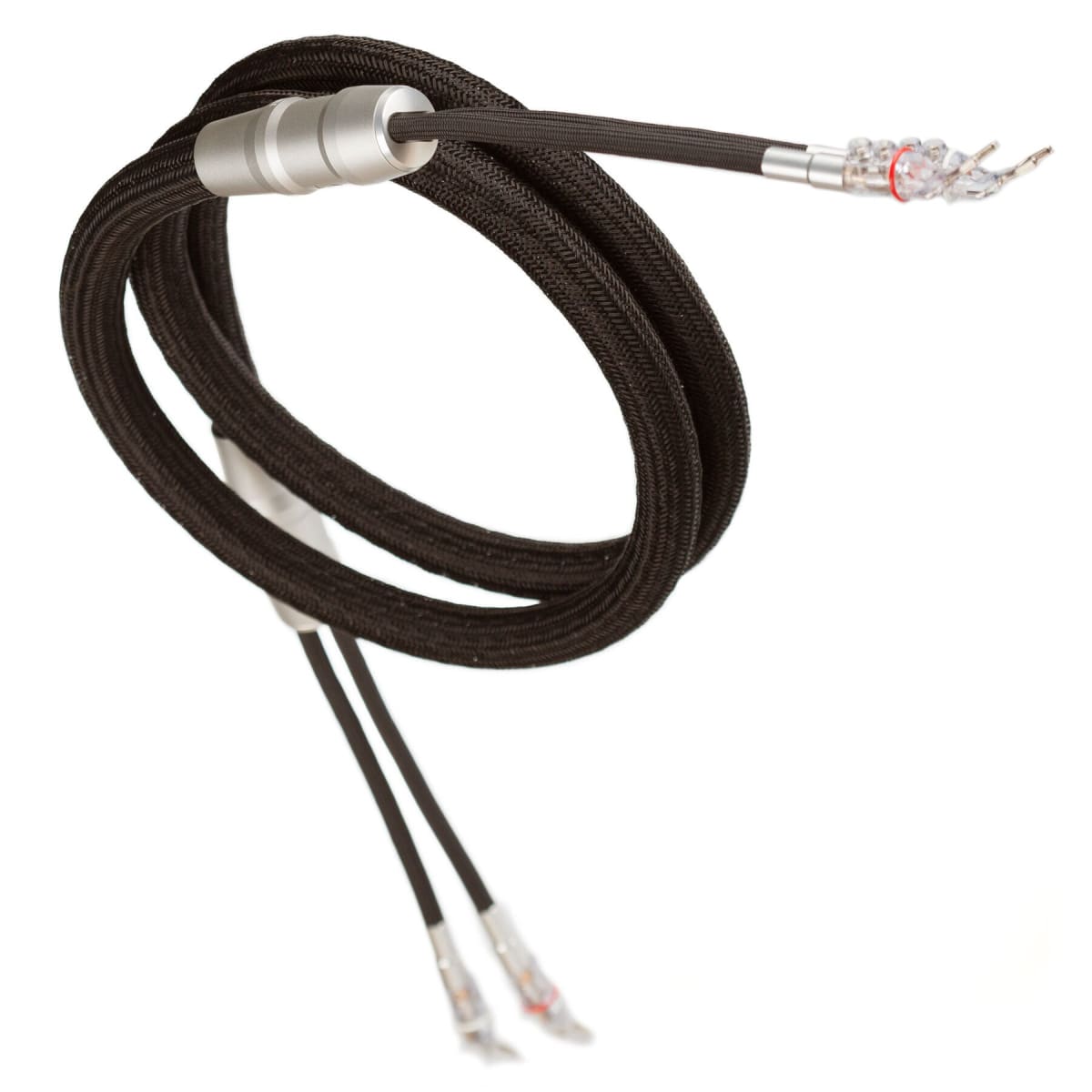
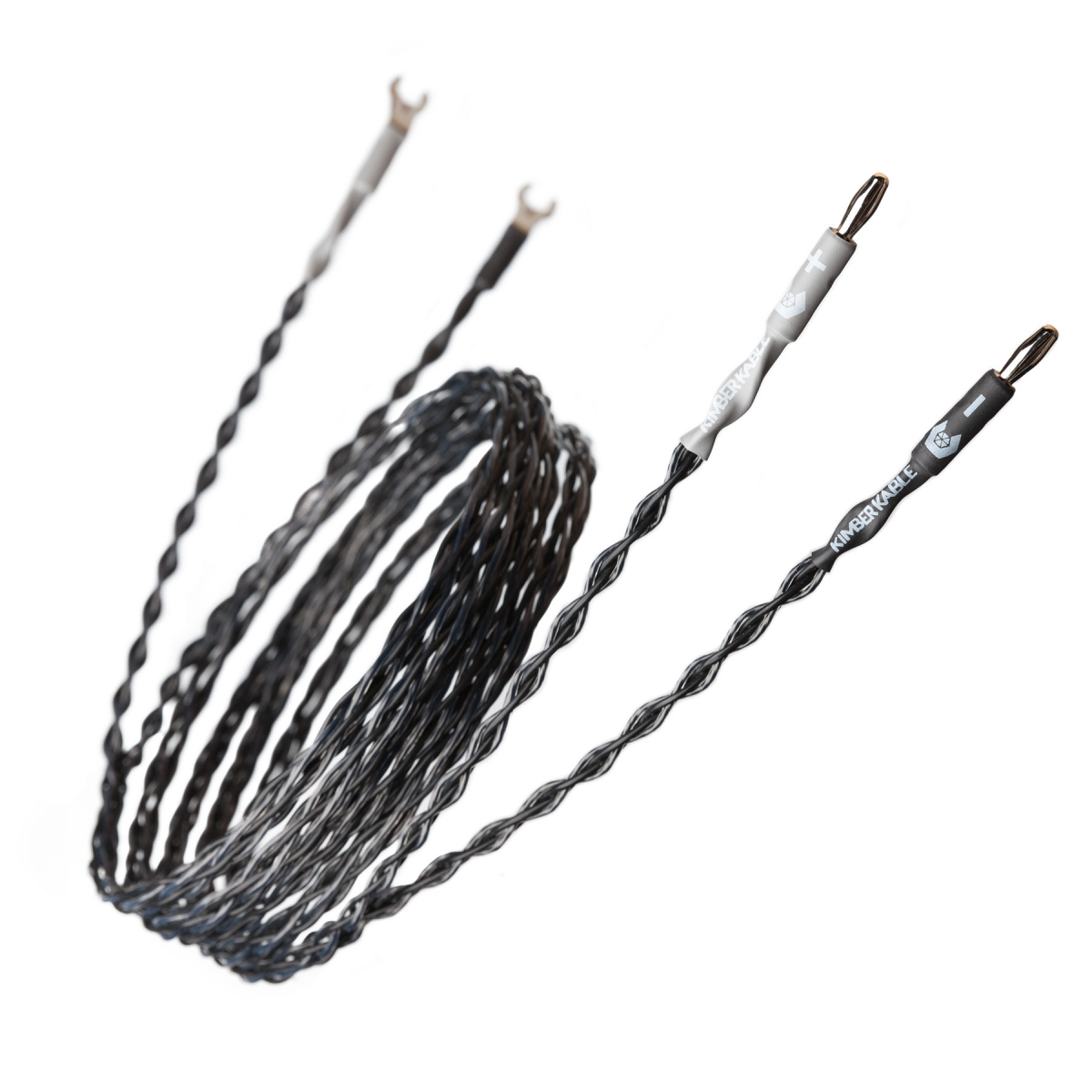
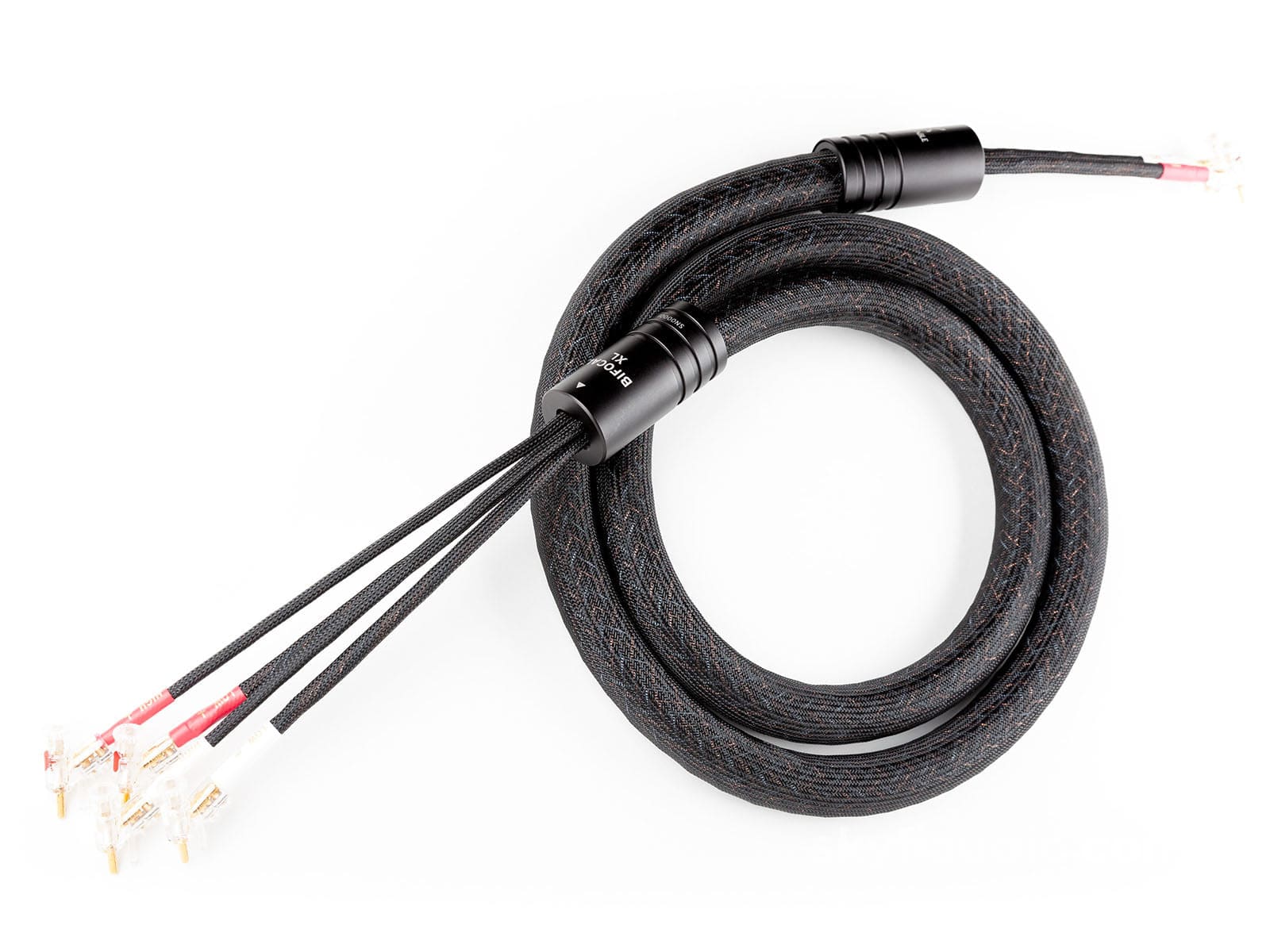
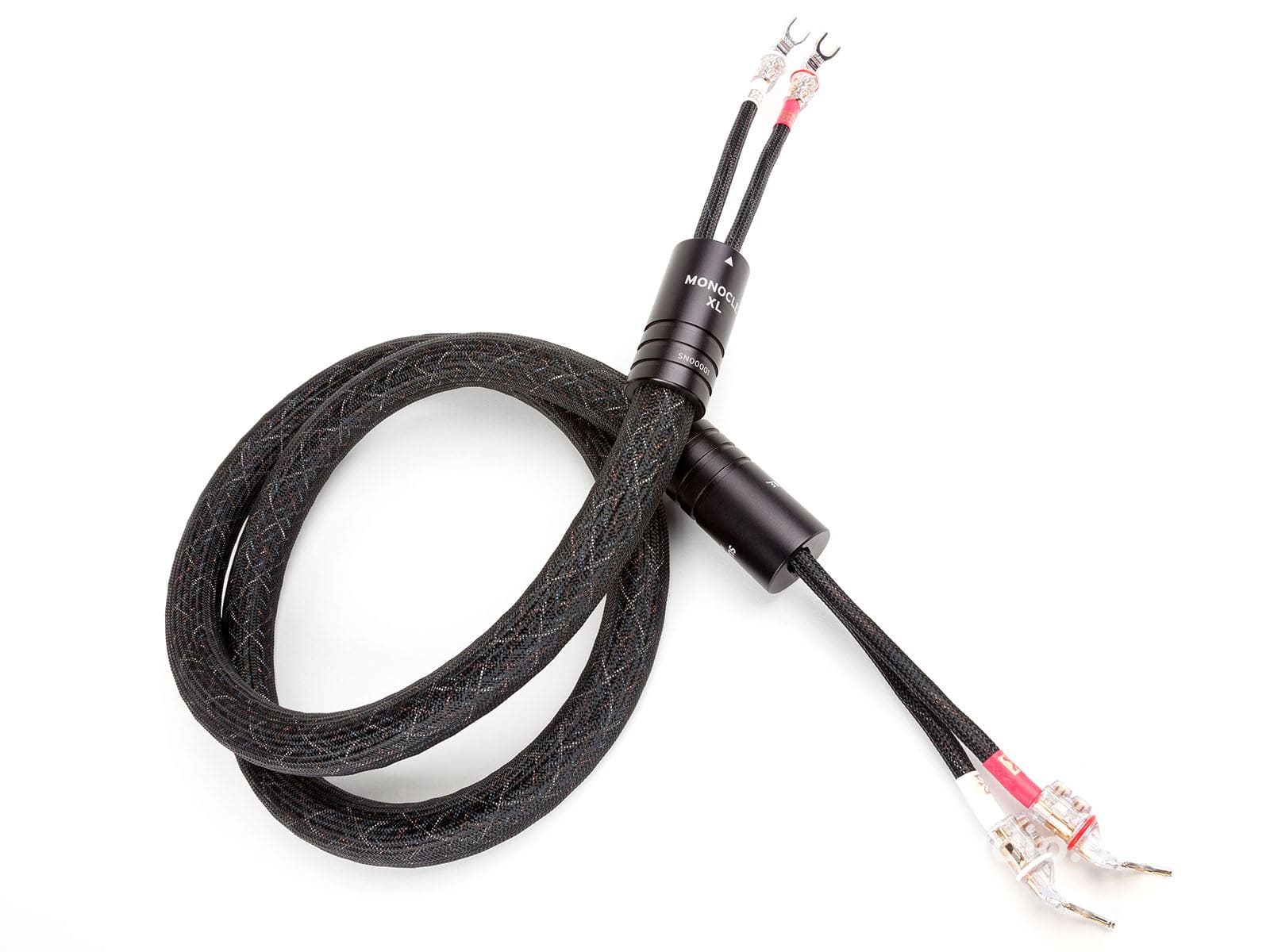
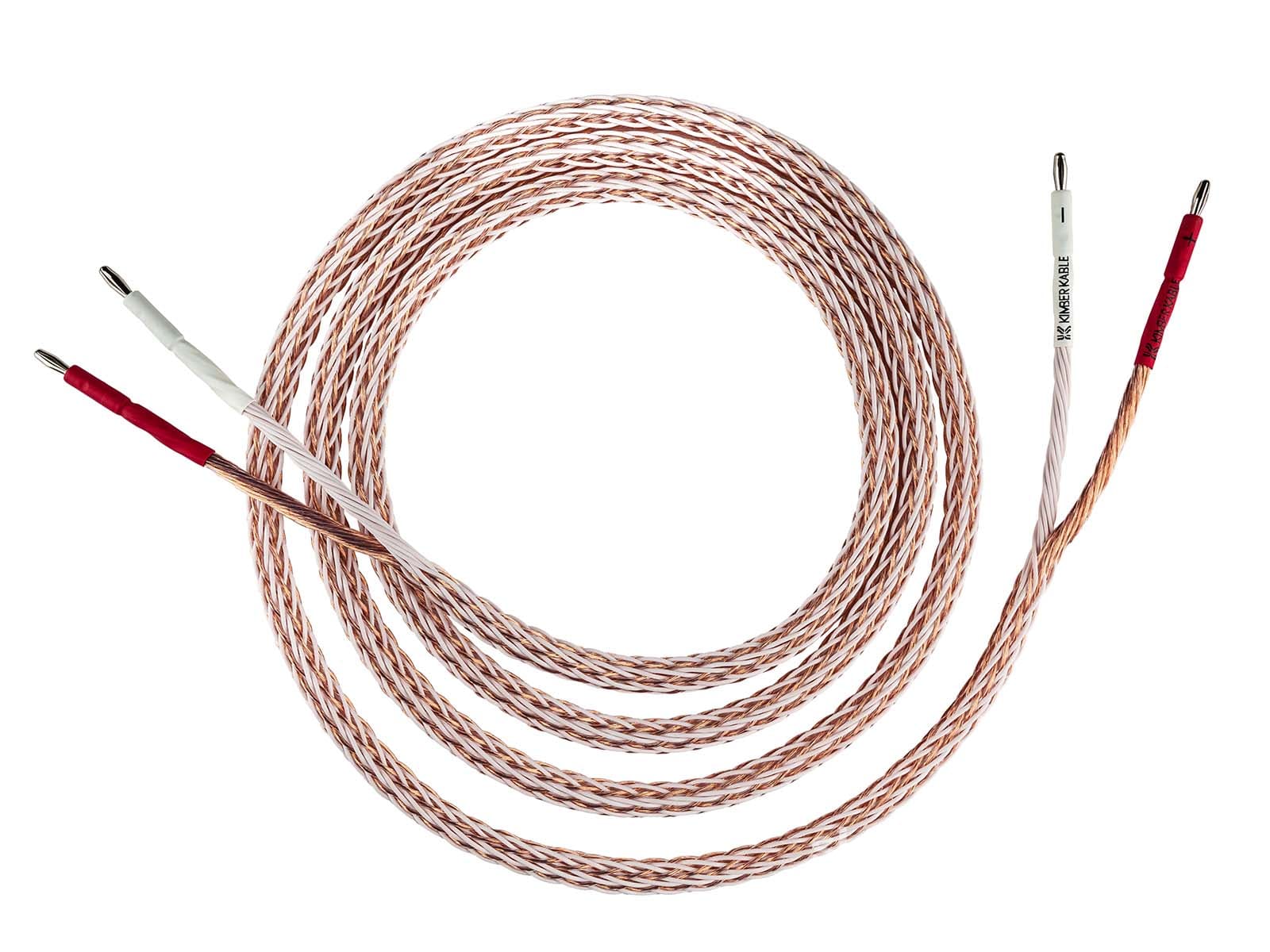
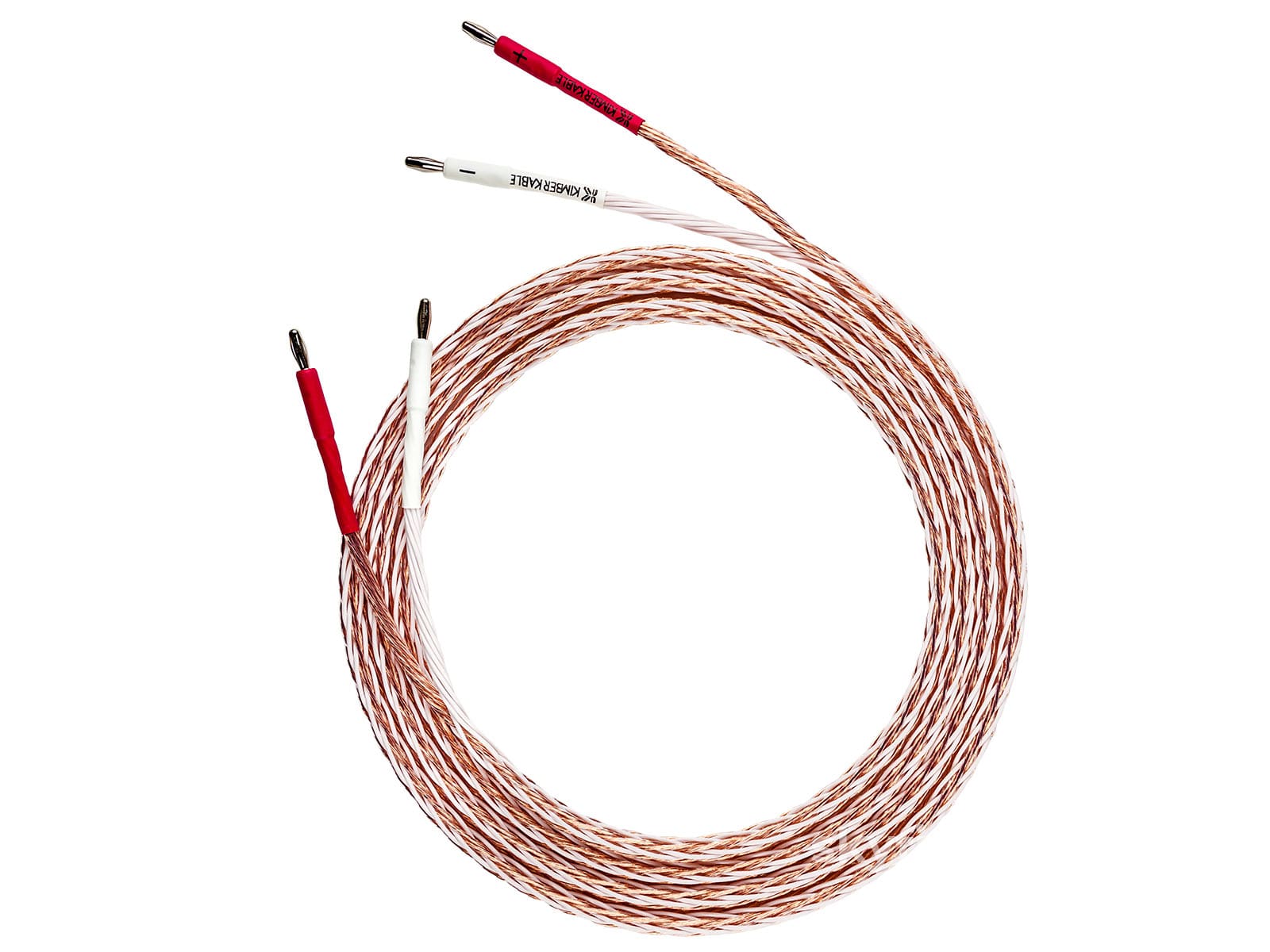
Speaker cables cover the same ground. The Ascent 4TC, 8TC and 12TC — the woven TC-series that has been in production for over four decades and made Kimber’s reputation — are the working reference cables that most Kimber-adjacent systems own. The Summit Monocle XL (single-wire) and BiFocal XL (true bi-wire) are the tier above; Carbon 8, 16 and 18 XL sit above those with the carbon-polymer screen; and the Select 6000 speaker cables (KS 6063 all-copper, KS 6065 hybrid, KS 6068 all-silver) sit at the reference tier, with the same architecture running from the copper 6063 to the silver 6068 — what changes is only the metallurgy, not the construction.
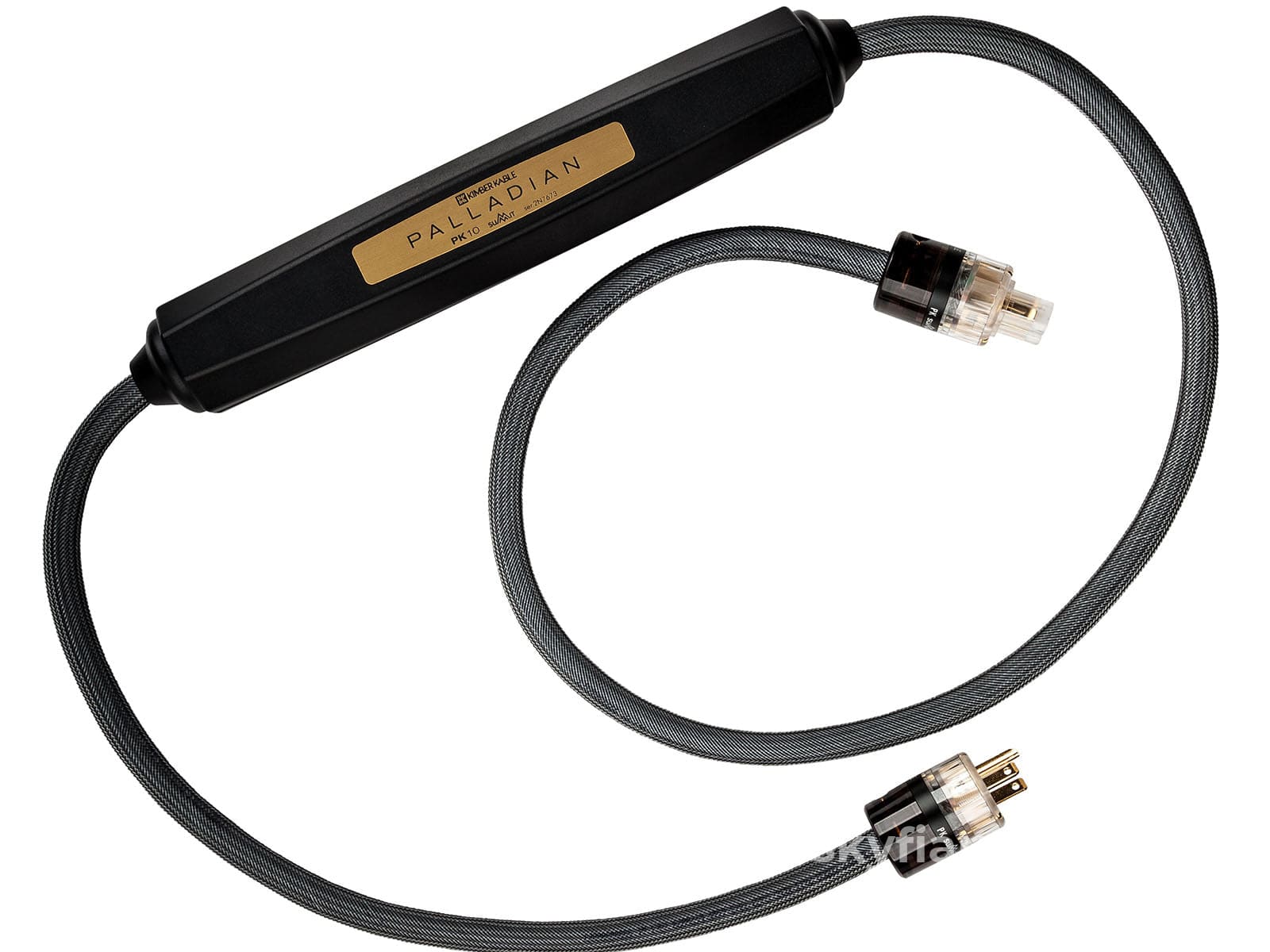
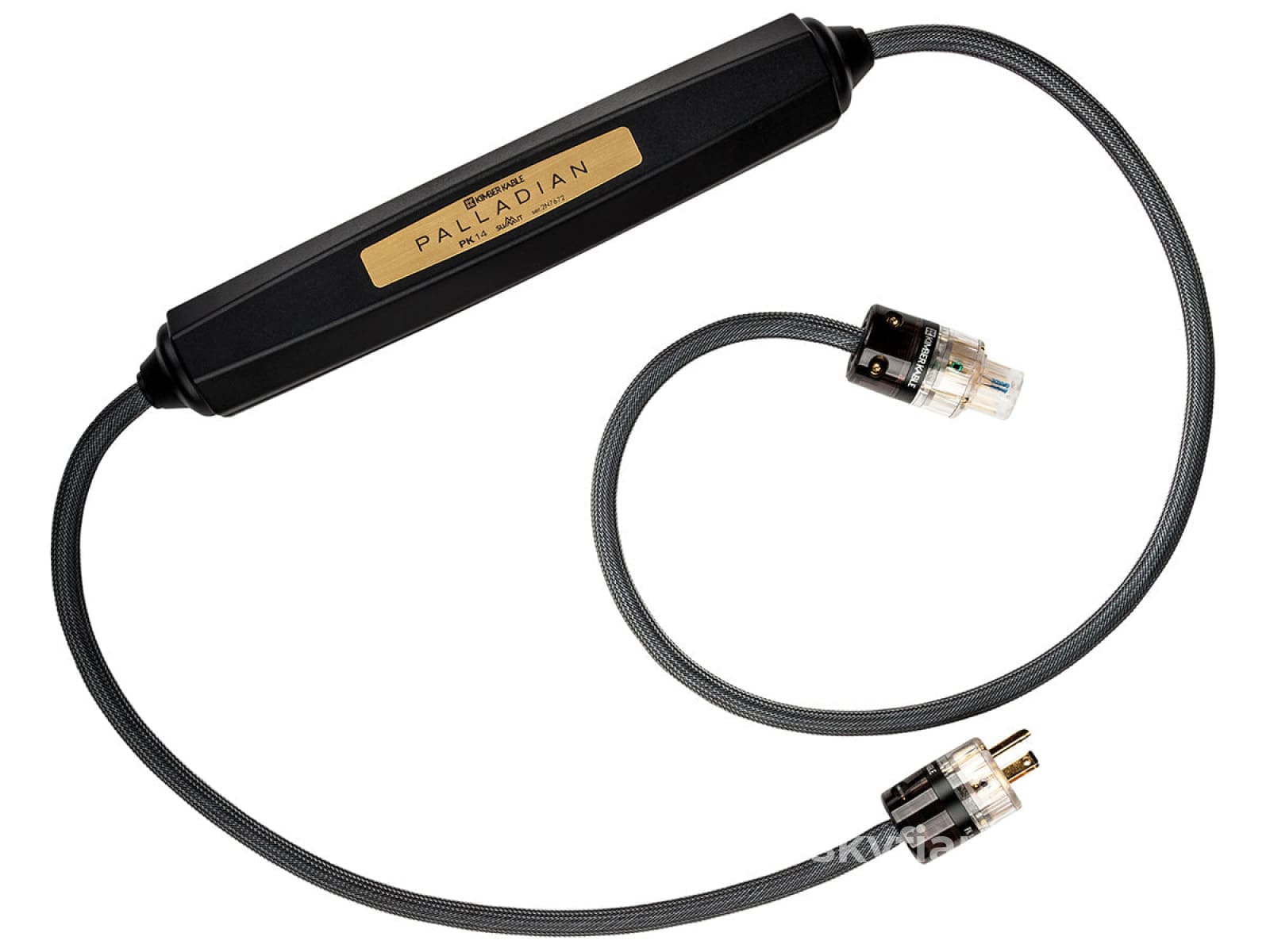
The Palladian PowerKord series (PK14 for source components, PK10 for power amplifiers) sits at the Summit tier for power cords, using Kimber’s in-house WattGate 330/350 AU EVO gold-plated connectors — the top of the WattGate range, two tiers above the connectors used on Kimber’s base PK series. The canonical Kimber two-cable power strategy pairs PK14 on the source components with PK10 on the amplifier, matching the gauge to the current demand at each end.
Kimber manufactures WattGate
Very few cable manufacturers own their connector supplier. Kimber manufactures the WattGate line — the industrial-mains connector family that a great many high-end cable brands specify — which means the connectors on a Kimber power cord are not sourced from a third party and integrated after the fact. They are designed, cryogenically-treated, and mass-loaded in the same Ogden facility as the cable that carries them, and the Palladian PowerKords are terminated with the top of that range because the geometry is engineered specifically for audio use rather than industrial mains connection.
The practical implication is that a Palladian PowerKord is a designed system rather than a cable with a connector attached. The 14-gauge conductors on the PK14, the 10-gauge conductors on the PK10, the neutral-colored virgin dielectric between them, and the WattGate 330/350 AU EVO gold-plated connectors are specified as a set. That kind of vertical integration is rare in the cable market, and it is why the Palladian is Kimber’s working reference power cord — not because it is expensive, but because every element has been designed against every other element in the same building.
LMC Kimber since 2015
LMC has been an authorised Kimber Kable dealer since 2015, carrying the range end to end. Palladian PowerKords are on demonstration in the Scottsdale showroom, tri-braid interconnects and Carbon speaker cables in Tempe, and the Select 6000 reference tier runs through the reference-tier systems in both locations.
Ogden manufacturing matters not for provenance-marketing reasons but for a practical one: Kimber’s cables are built to order in whatever length is specified, and the calibration of the braid geometry, the termination of the connectors, and the labelling of each unit is done by hand at the point of manufacture. A custom 2.5-meter pair of 8TC speaker cables from Ogden is a different-manufactured object than a stock length of speaker cable pulled from inventory.
That order-to-manufacture model also means the Kimber range is genuinely upgradeable across time. A Kimber owner who bought 8TC ten years ago and wants to move to Carbon 16 is stepping through the ladder by design rather than by accident — the geometry, the termination options and the operational character are consistent across tiers, so the move is an audible improvement in the same direction rather than a switch to a differently-voiced product. That continuity of design language is one of the reasons Kimber owners tend to stay with Kimber across decades of system upgrades.
Where to start
For a first serious Kimber audition, the honest entry is a Silver Streak interconnect and an 8TC or 12TC speaker cable pair — the Summit-and-Ascent combination that has been the working reference for Kimber-curious systems for decades, and the point in the range where the braid architecture starts making itself audible. For a reference-tier system where the electronics and loudspeakers are already at their level, Monocle XL or BiFocal XL at the speaker end and KCAG or KCTG at the interconnect end is where the classic silver braid reaches full expression, and where the Kimber character is at its most recognisable.
For systems where the argument for Select-tier reference cabling has been made and settled, the KS 6000 series (KS 6063 all-copper, KS 6065 hybrid, KS 6068 all-silver at the loudspeaker end; KS 1016/1116 all-copper, KS 1026/1126 hybrid, KS 1036/1136 all-silver at the interconnect end) is the working Kimber reference. The metallurgy choice — copper for tonal density, silver for spatial detail retrieval, hybrid for the balance — is a listening decision made in the room, not a specification decision made on paper. For the very top of the range, Neo (AG/HB/CU) sits alongside Naked, and either is worth hearing against Select before a final decision.
What to listen for
Two tests are worth running deliberately in a Kimber audition. First, noise floor and low-level detail: the braid geometry cancels induced fields rather than filtering them out, and the practical result is a background quiet enough that low-level ambient information (the shape of the recording room, the recovery of a note into its own decay, the placement of individual voices in a chorus) becomes audible in a way it is not with shielded cable. Play the quietest passage of a recording you know well, and listen for what sits under the note.
Second, tonal density under dynamic material: cable geometry shows itself most clearly on full-band, dynamically-demanding recordings, where a shielded cable often congests the mid-range as the volume comes up. A Kimber braid does not do that — the tonal density stays consistent as the dynamic range opens up, without the mid-range compression or high-frequency edge that many cable designs introduce at real listening volume.
Walk in during business hours or book ahead if the audition needs a specific tier comparison set up against your own electronics — the Silver Streak-to-KCAG-to-KS 6068 comparison, or the 8TC-to-12TC-to-Monocle XL-to-Carbon comparison, or the Palladian PowerKord heard against a stock power cord — the Kimber ladder is designed to be climbed against a working reference, and the audition is where the tier boundaries become obvious.
The Lineup
Explore the Range
Experience The Brand