Brand
Clearaudio
Analog, from motor to needle. Every part made in Erlangen.
Authorized Dealer — Scottsdale & Tempe, Arizona
Trade-in credit toward new purchases · Full installation and calibration · Walk in during business hours or book ahead
See what's on demonstration now ↓Clearaudio has designed, machined and hand-assembled every analog component in Erlangen, Germany since 1978, still family-run — Peter Suchy founded the company, and his sons Robert and Patrick carry it forward. What separates Clearaudio from most analog specialists is scope. Very few makers do the whole vinyl chain in-house. Clearaudio builds its own turntables, its own tonearms, its own cartridges, and its own phono stages, under one roof, with every part designed against every other one.
Peter Suchy’s founding patents established the company’s technical language in the late 1970s and 1980s: the fully-symmetrical moving-coil coil assembly, the magnetic-bearing tonearm, and the linear-tracking mechanical passive tonearm that eventually became the Statement TT1 (patent PA1020060529138). Robert Suchy leads the company today as CEO, and the engineering discipline that defined the first decade — every part designed against every other one, everything measured before it is voiced — has never left the building.
The one-roof engineering premise
Most analog specialists source the pieces they cannot build. A cartridge maker buys tonearm bearings; a turntable manufacturer specifies a partner cartridge; a phono stage designer voices against loudspeakers no one else in their chain has ever heard. Clearaudio’s engineering premise is that this is where a great many analog systems compromise before the record starts: the resonance behaviour of the turntable, the mechanical compliance of the tonearm, the effective mass of the arm’s counterweight, the coil impedance the cartridge presents, and the loading the phono stage delivers all interact acoustically, and unless every one is designed in reference to every other, the system is being assembled after the fact.
Because Clearaudio designs every piece against every other, an all-Clearaudio chain does something assembled-from-parts vinyl setups rarely manage: resonance modes, mass loading, arm-cartridge compliance and cartridge-preamp loading all sit inside one design envelope. That coherence is measurable, and it is what a properly set-up Clearaudio system sounds like relative to a system of the same tier assembled from four different manufacturers.
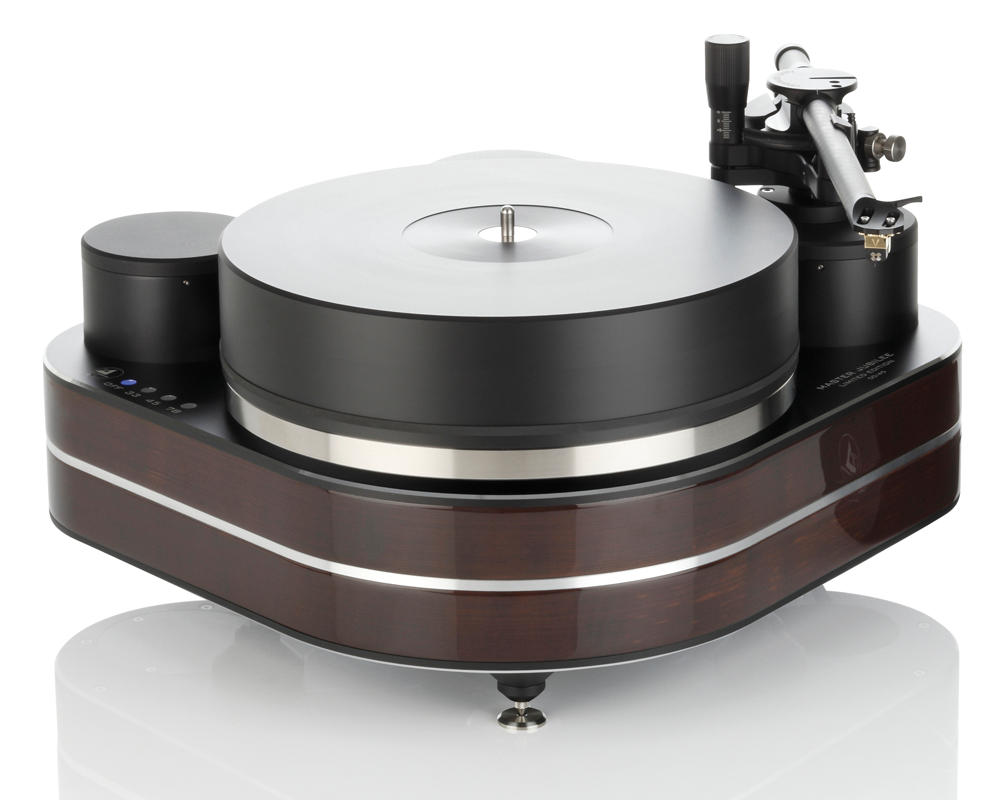
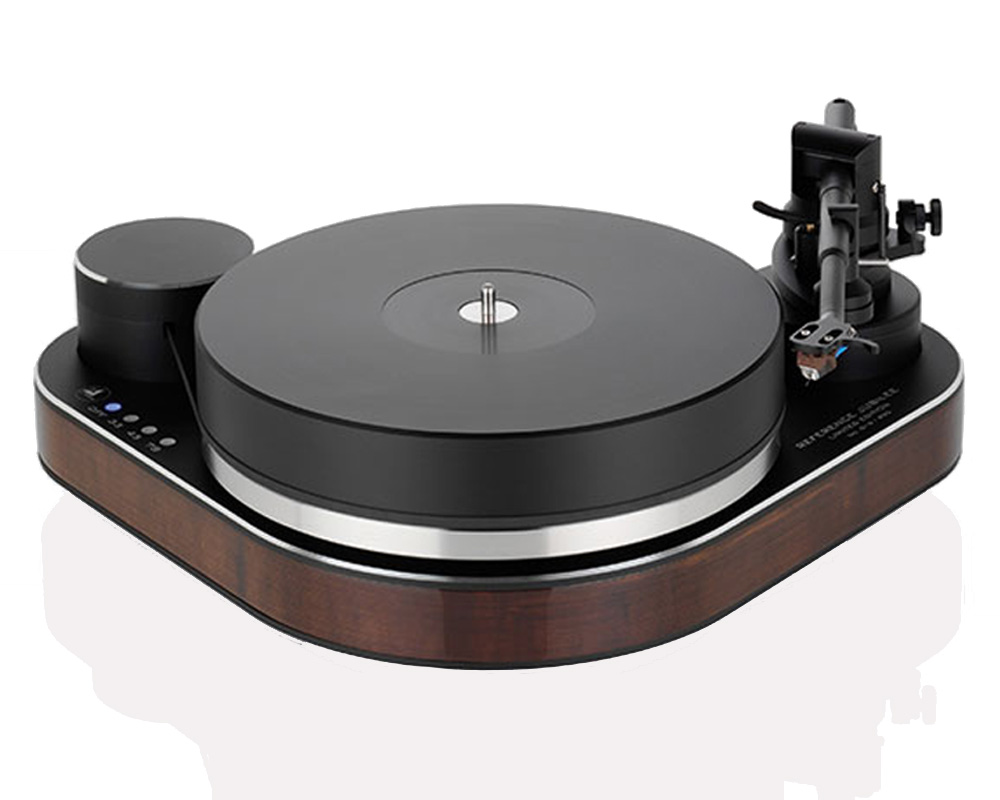
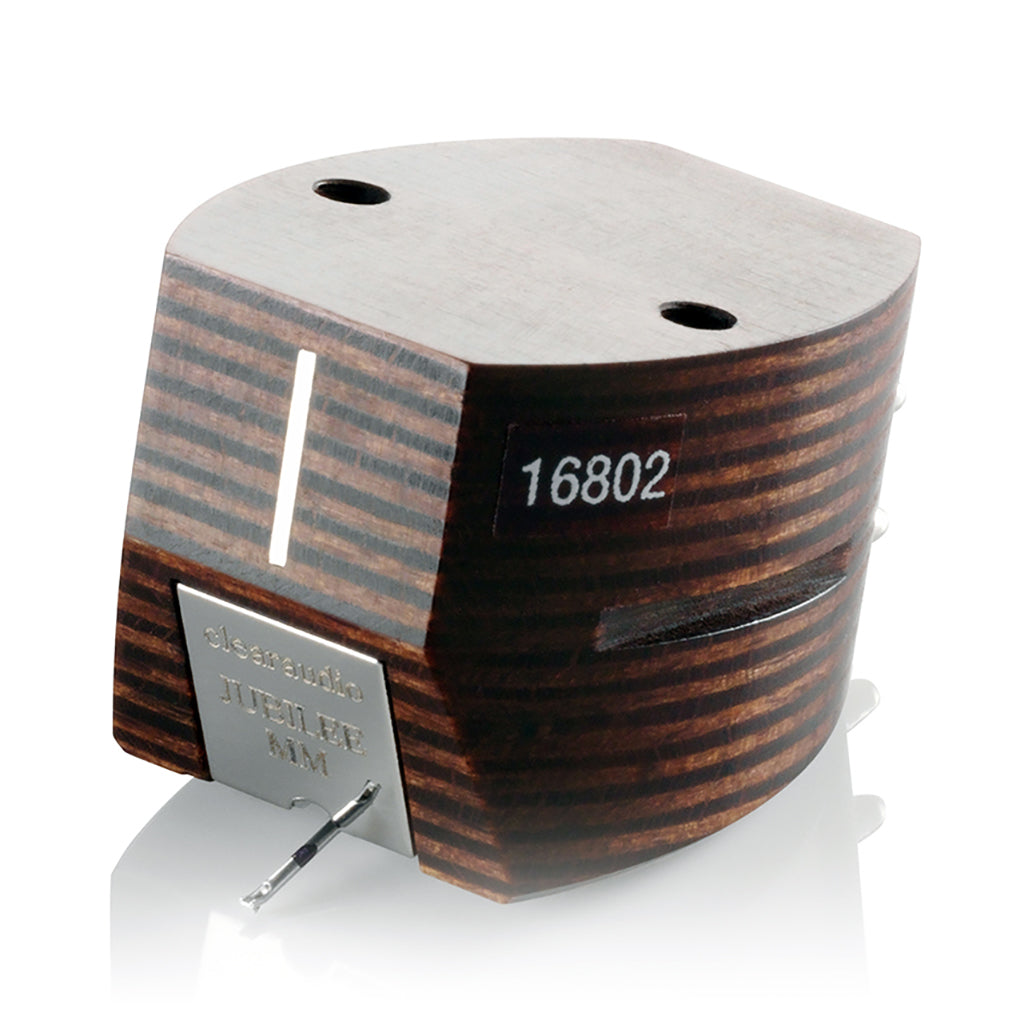
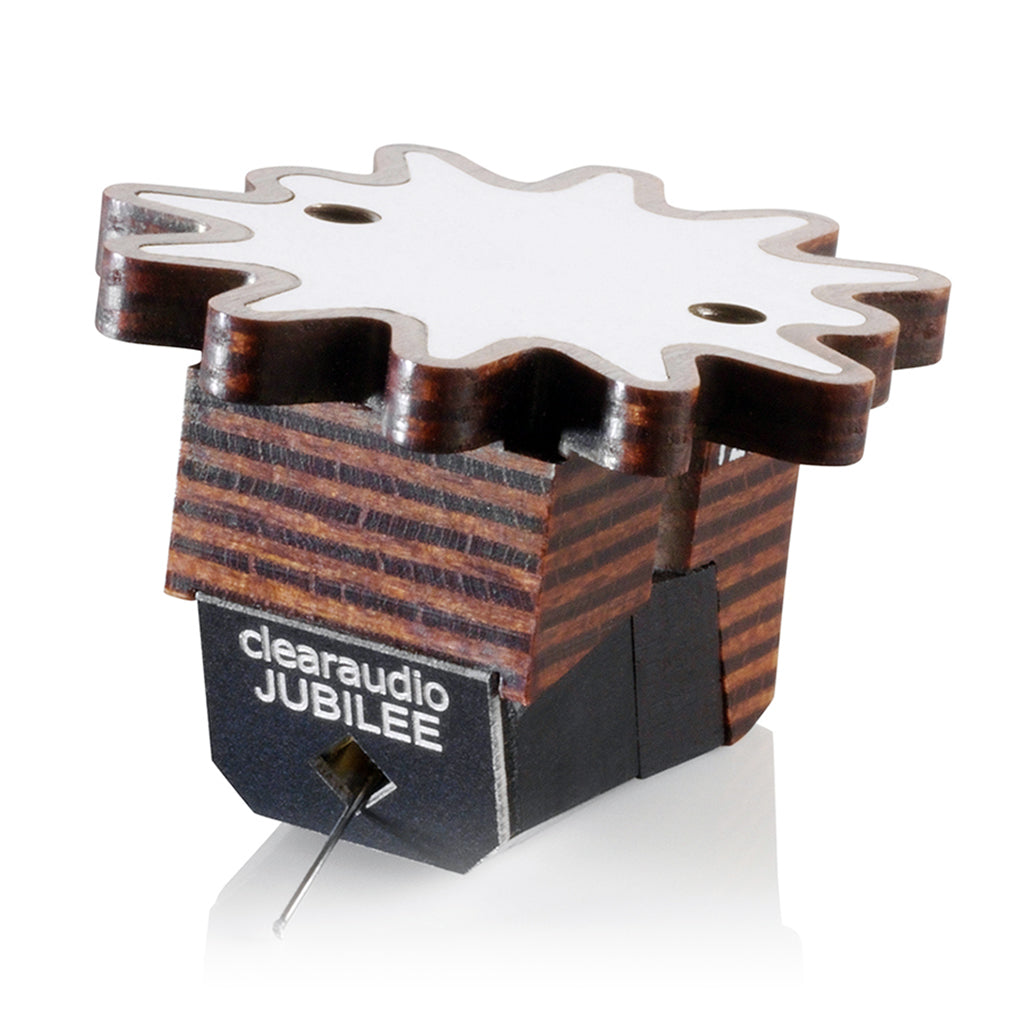
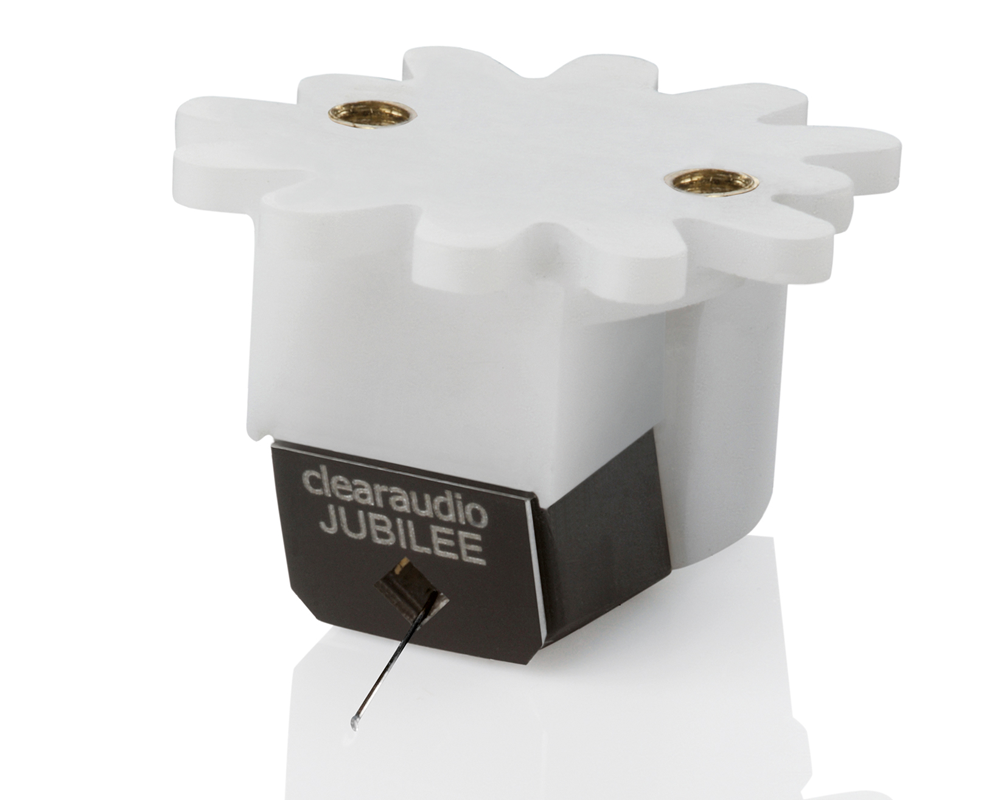
Panzerholz — multi-layer Baltic birch compressed under sixty tons of pressure with proprietary adhesives — appears in the plinths of the Master Reference, Master Jubilee and Master Innovation, and in the bodies of the Jubilee MC and Jubilee MM cartridges. The material’s density and internal damping behaviour make it acoustically dead in a way solid hardwoods and aluminium alloys are not, and it is a Clearaudio signature — one of the physical expressions of the design philosophy the company has held since 1978.
The Statement V2 in Scottsdale
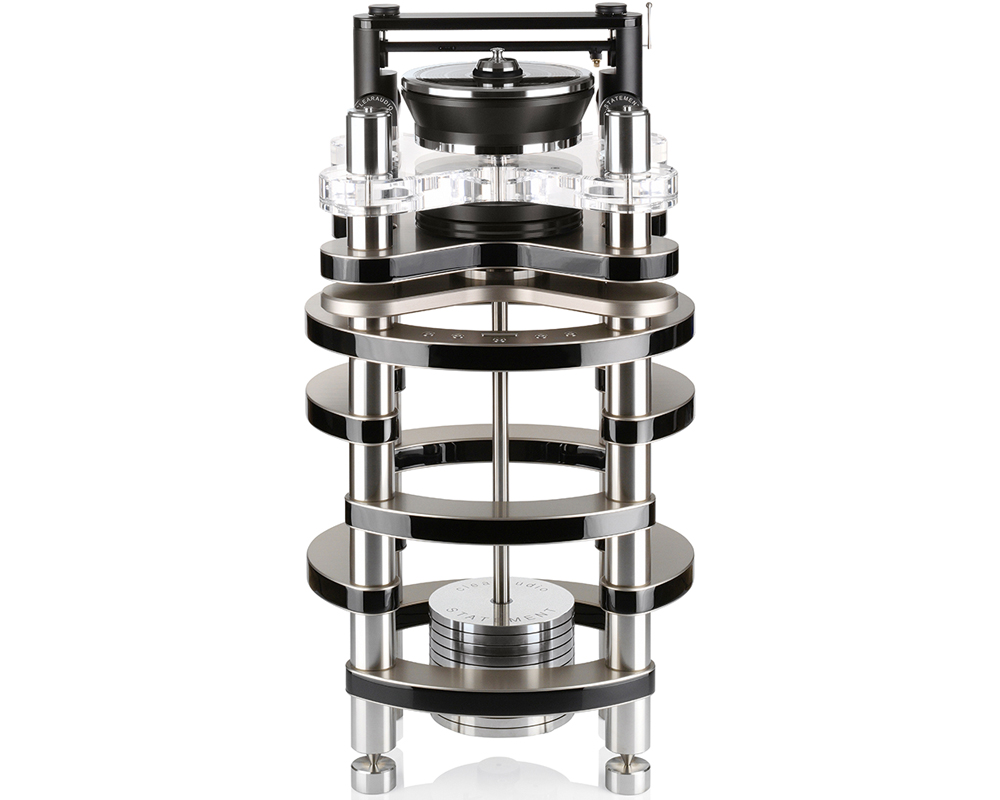
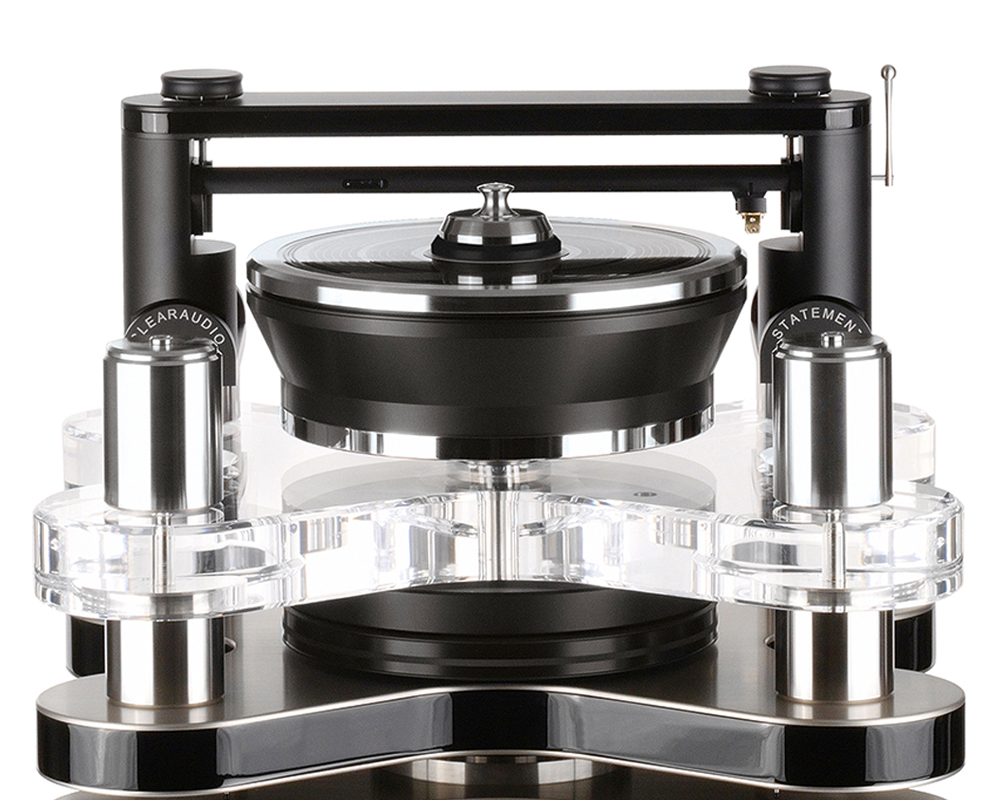
The Statement V2 is the 350-kilogram ceramic-magnetic-bearing turntable at the top of the Clearaudio range, and it is the physical expression of everything Peter and Robert Suchy have learned across nearly five decades of analog engineering. The bearing is the reason for the mass and the reason for the name: a ceramic axle rides in a magnetic field rather than in a mechanical journal bearing, so nothing physically touches the platter’s rotational axis. What that buys is a noise floor closer to silence than any mechanical bearing can approach, and a rotational stability the platter’s own inertia can be counted on to maintain.
LMC demonstrates the Statement V2 in the Scottsdale WAMM Room — the reference-tier system built around the Wilson WAMM Master Chronosonic and driven by Dan D’Agostino Relentless 800 monoblocks, with a dCS Varèse Music System handling digital and a D’Agostino Momentum Phonostage on the analog side. Very few dealers in the country carry a Statement V2 on active demonstration, and fewer still have it configured in a room where the loudspeaker, the amplification and the room itself will actually reveal what a Statement V2 does with a well-mastered record. This is one of them.
The Clearaudio line at LMC
LMC carries the full Clearaudio catalog across turntables, tonearms, cartridges and phono stages.
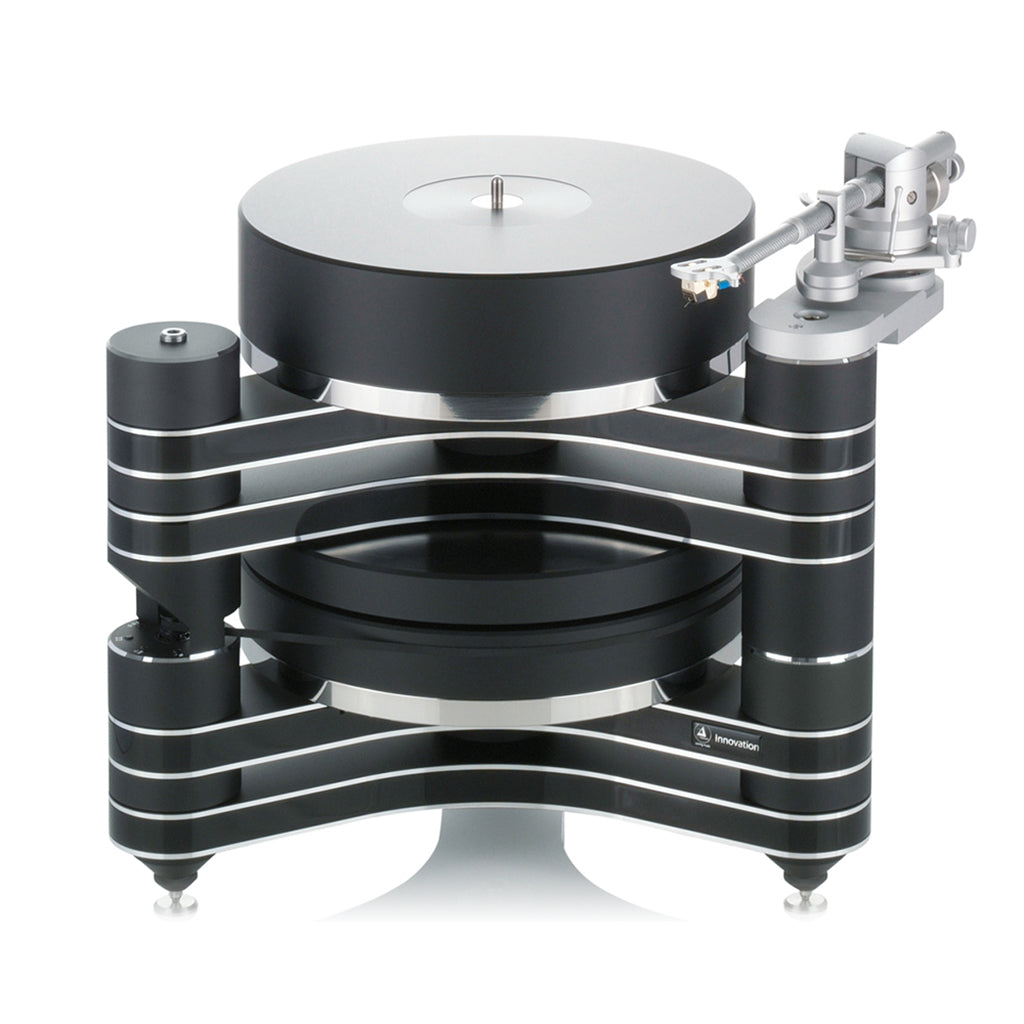
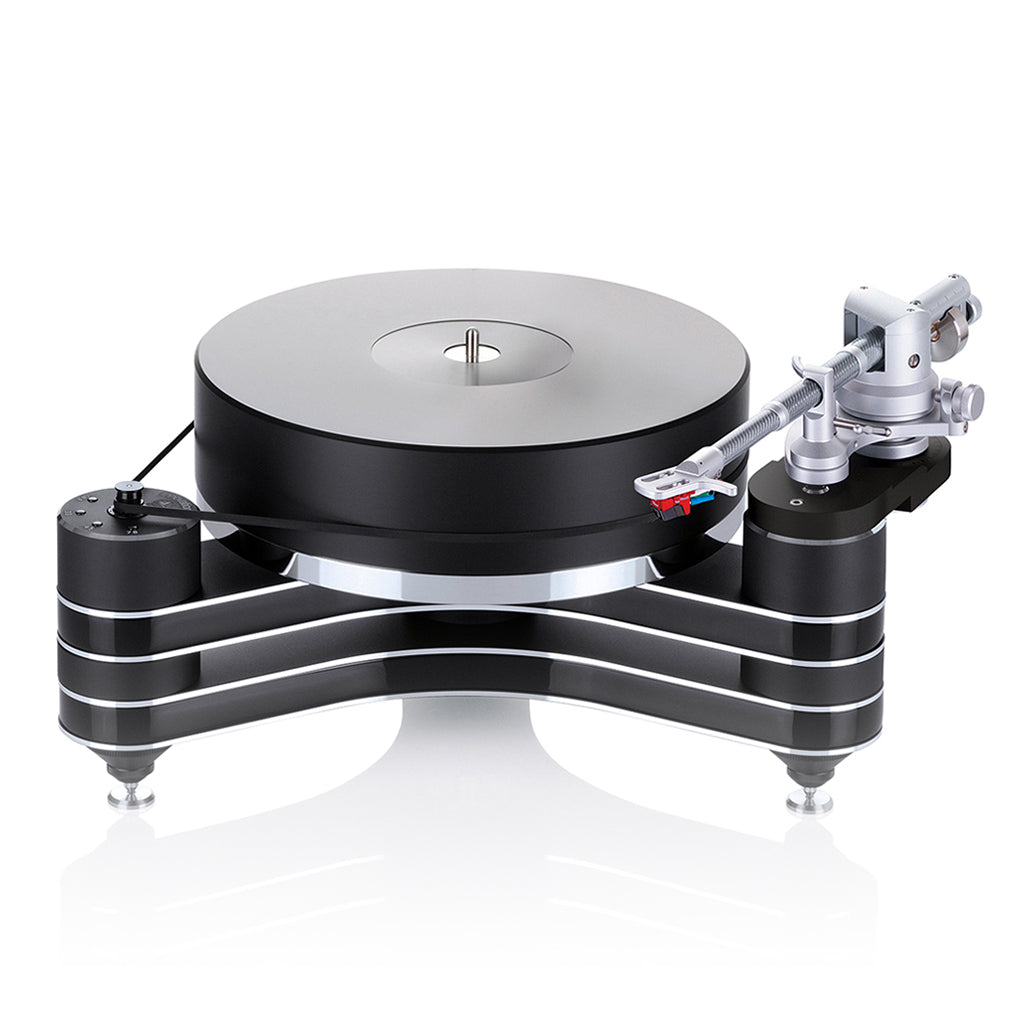
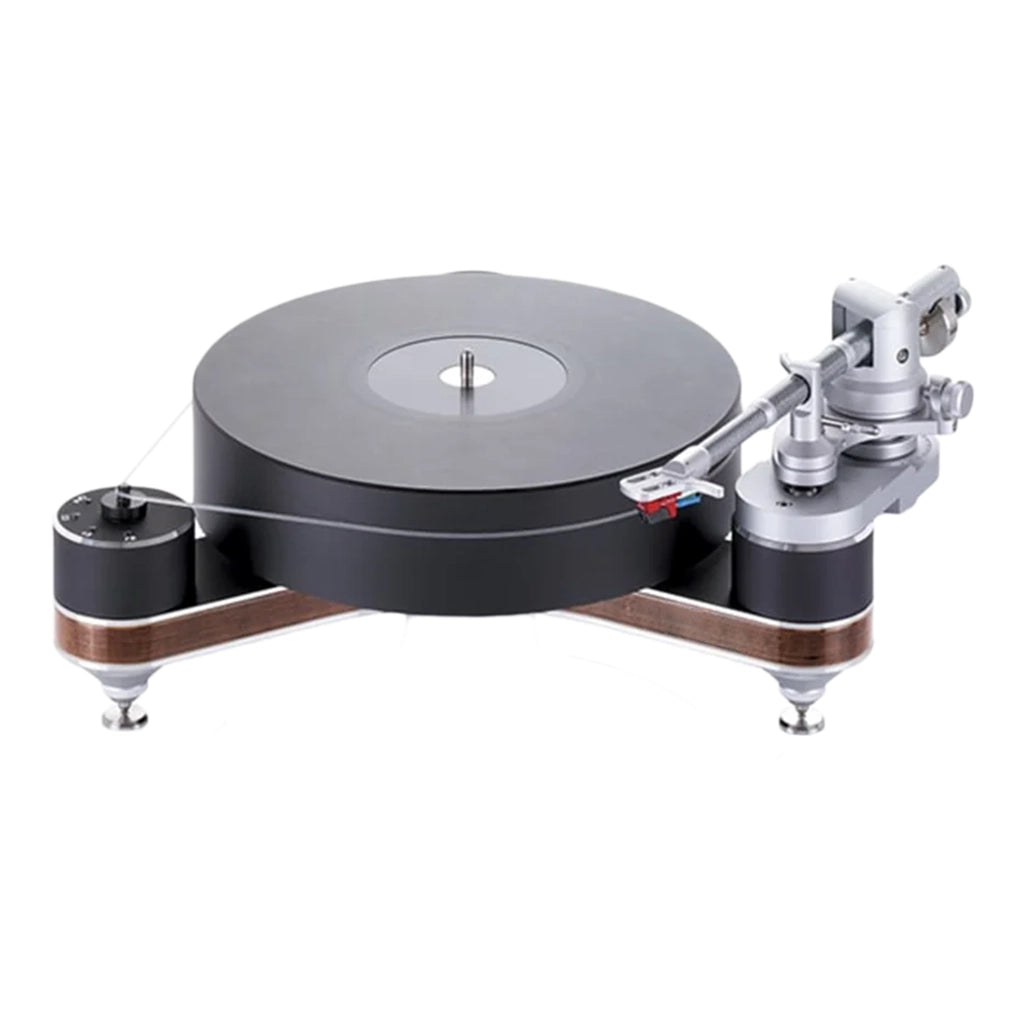
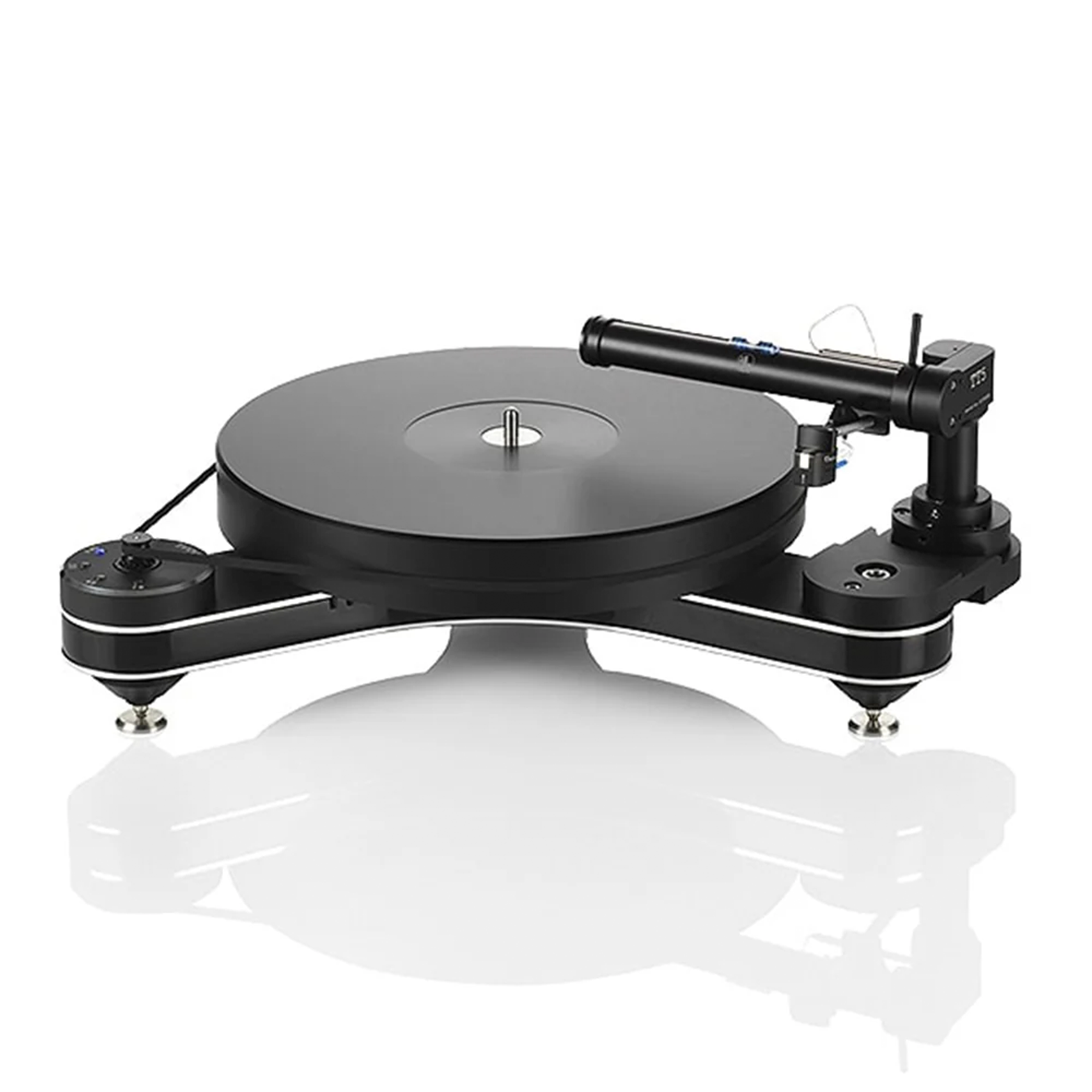
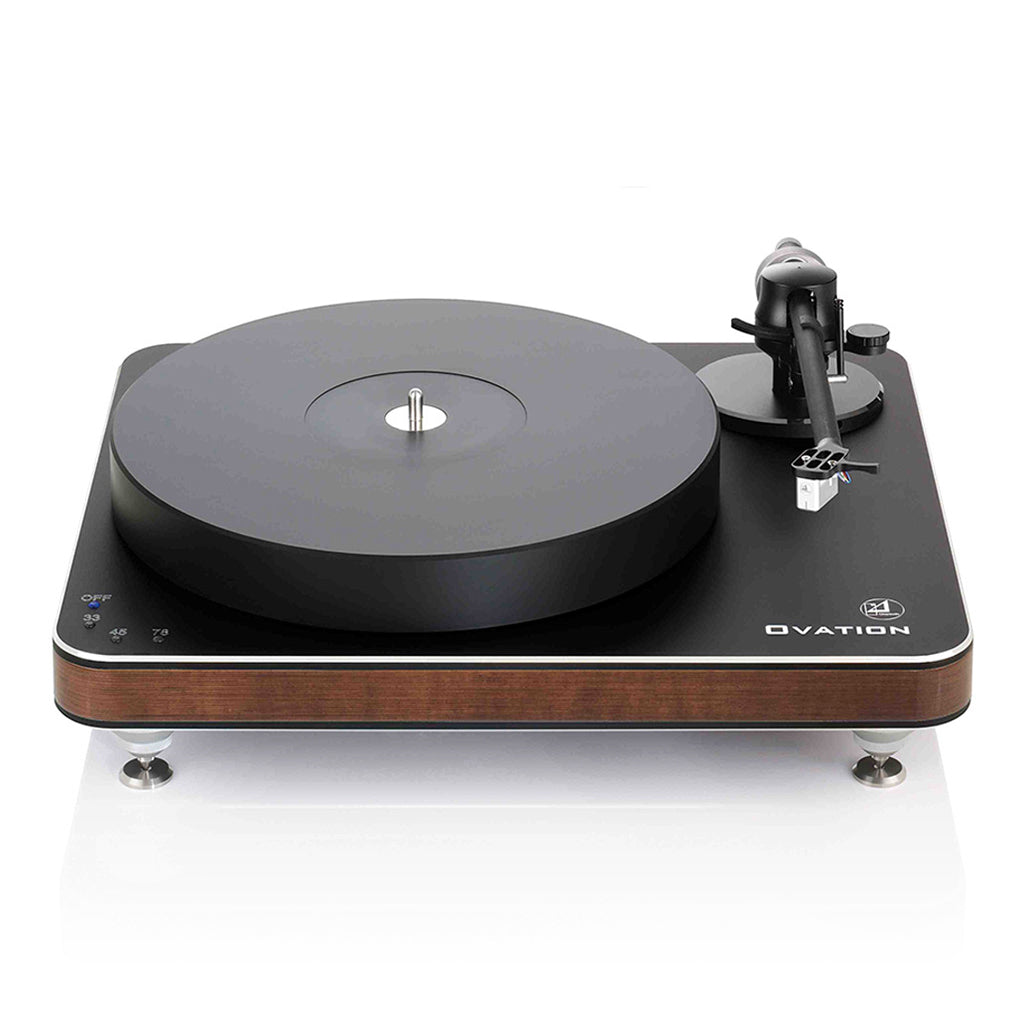
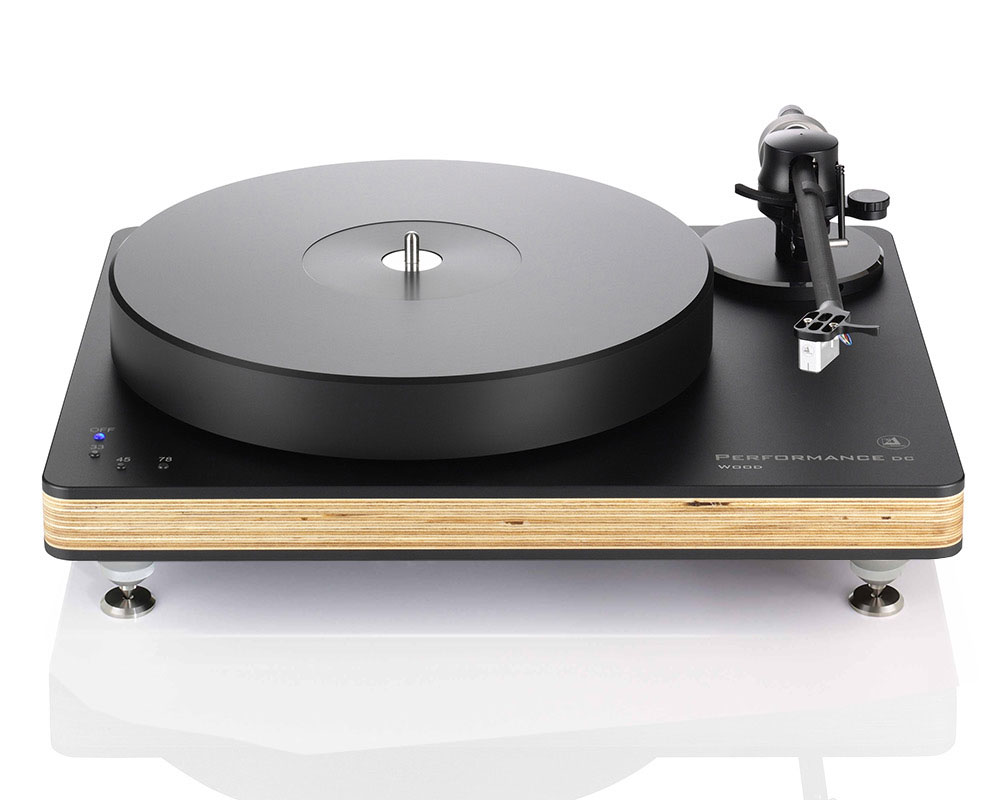
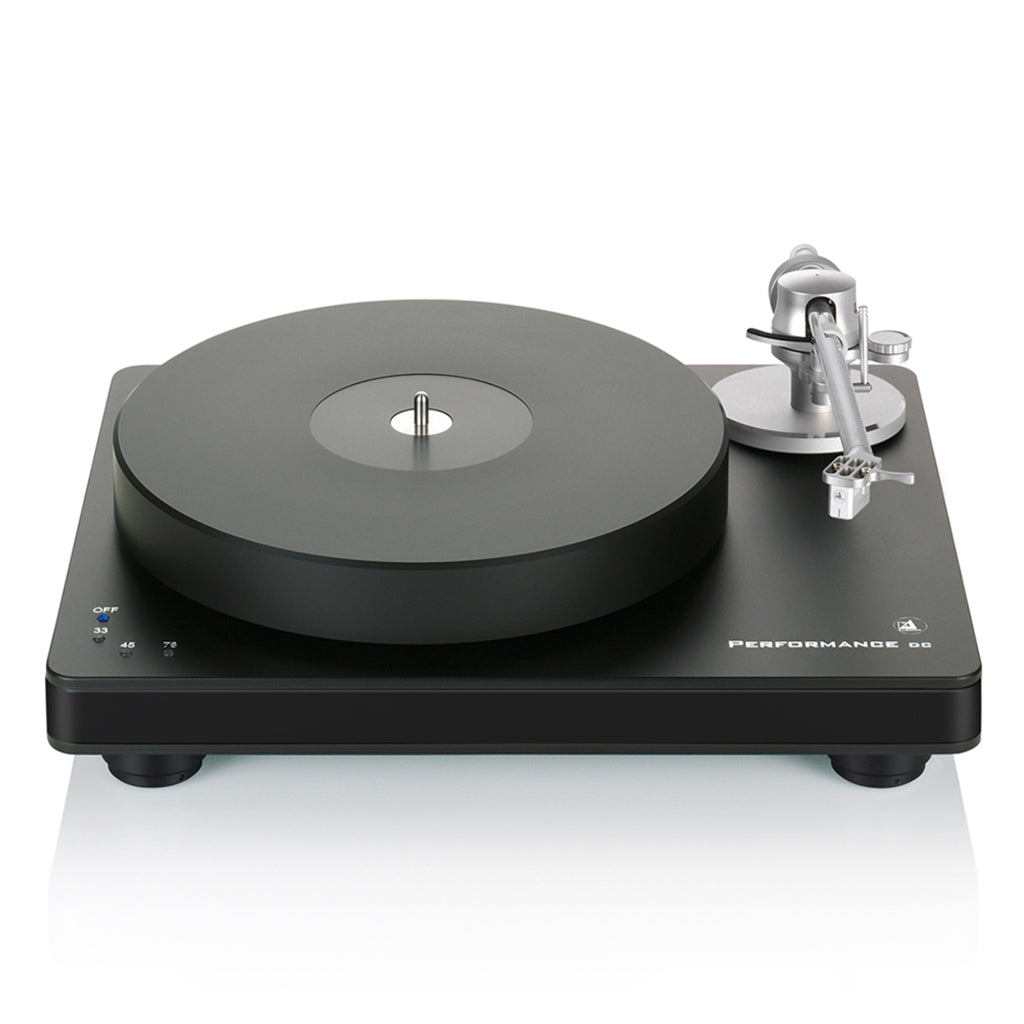
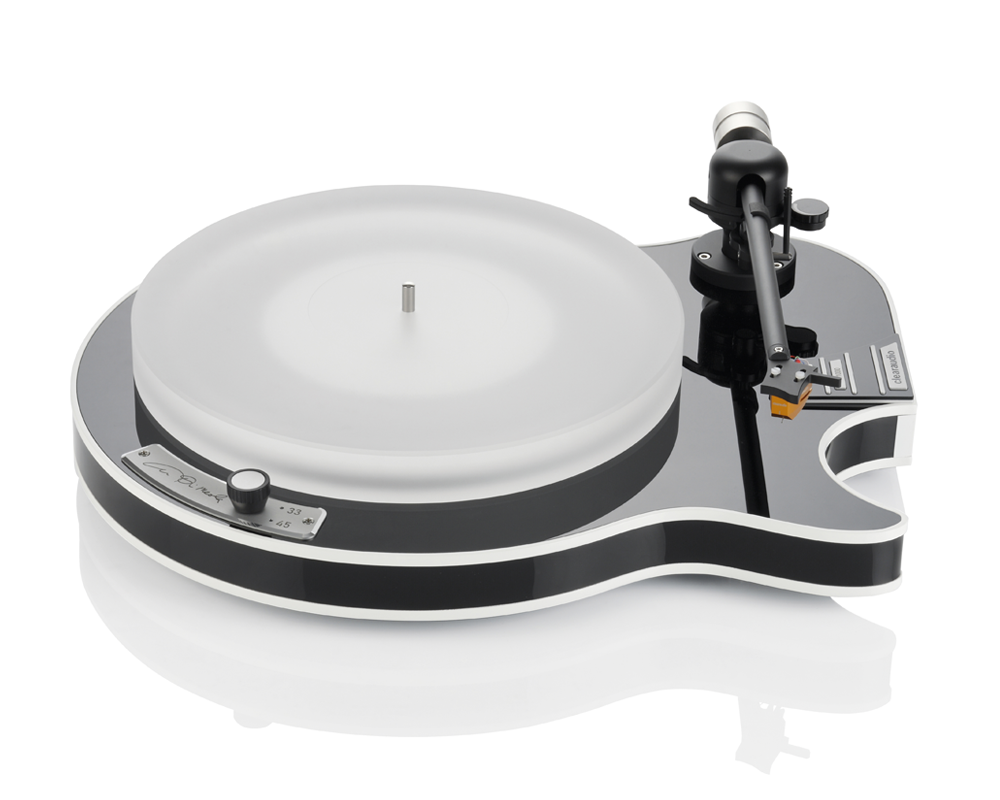
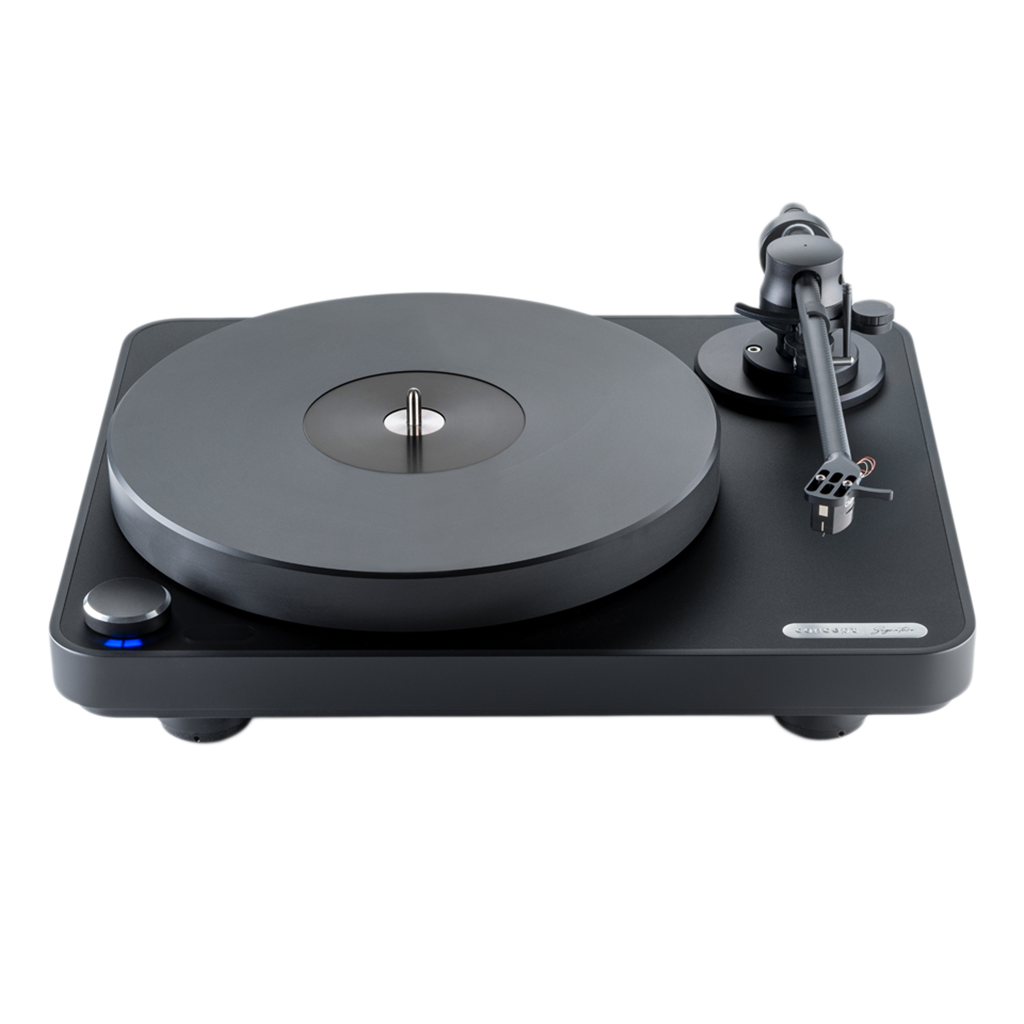
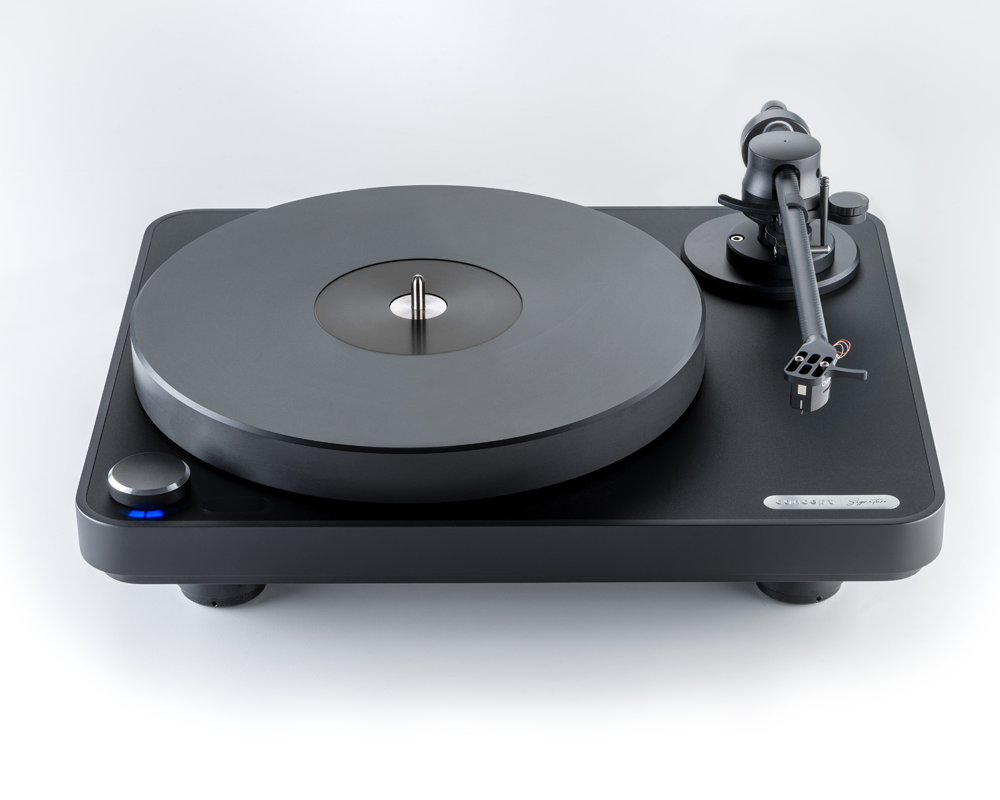
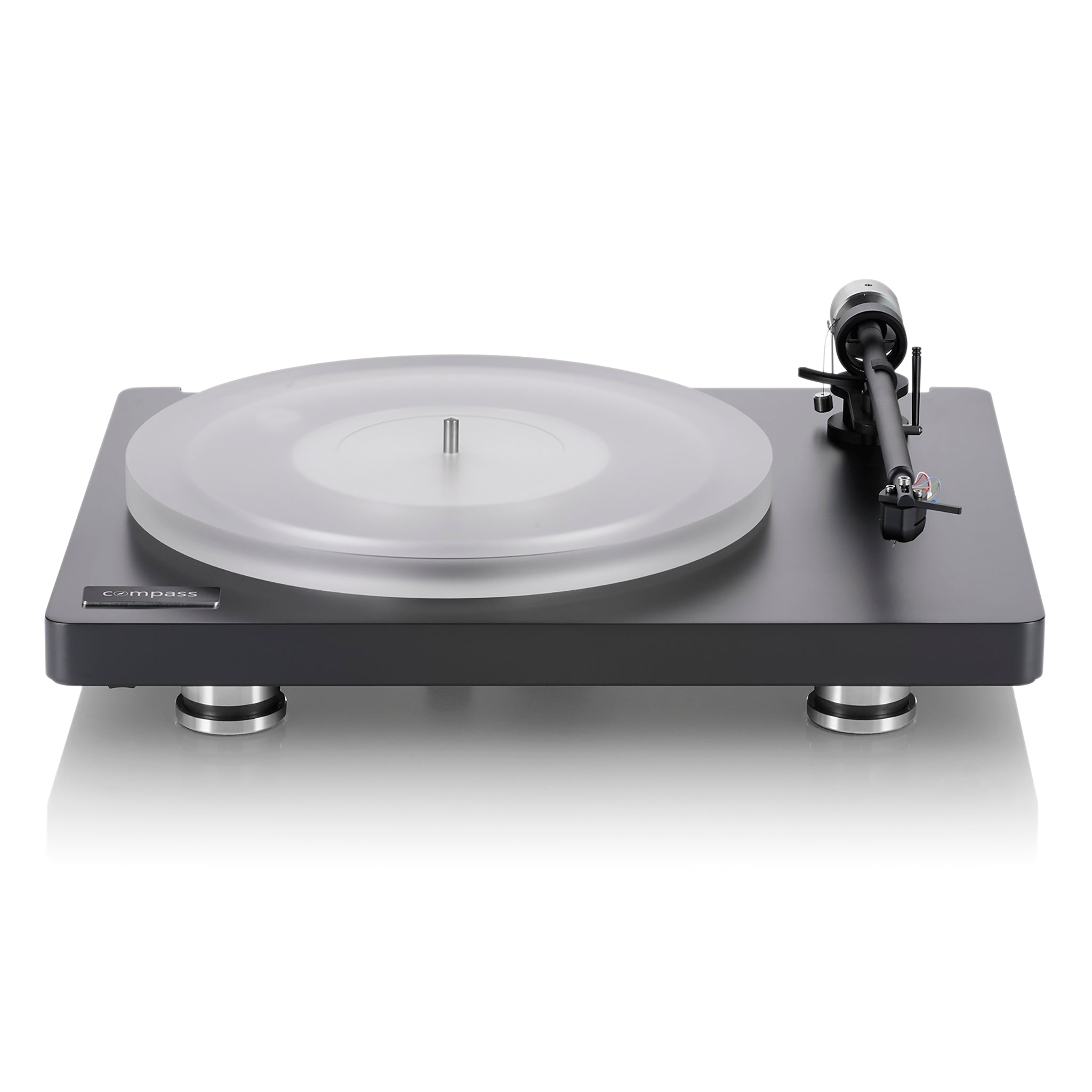
The turntables run from the entry Concept and Concept Signature through Performance DC and Performance DC Wood, then Innovation Compact and Innovation Wood to the reference-tier Master Innovation, Master Reference and Master Jubilee — the Panzerholz-plinth references — with the Statement V2 at the top of the range. The Master Innovation is the working reference-tier deck we set up most often, and one of the honest first Clearaudio decisions where the intent is a genuinely reference-tier vinyl system without stepping to the Statement.
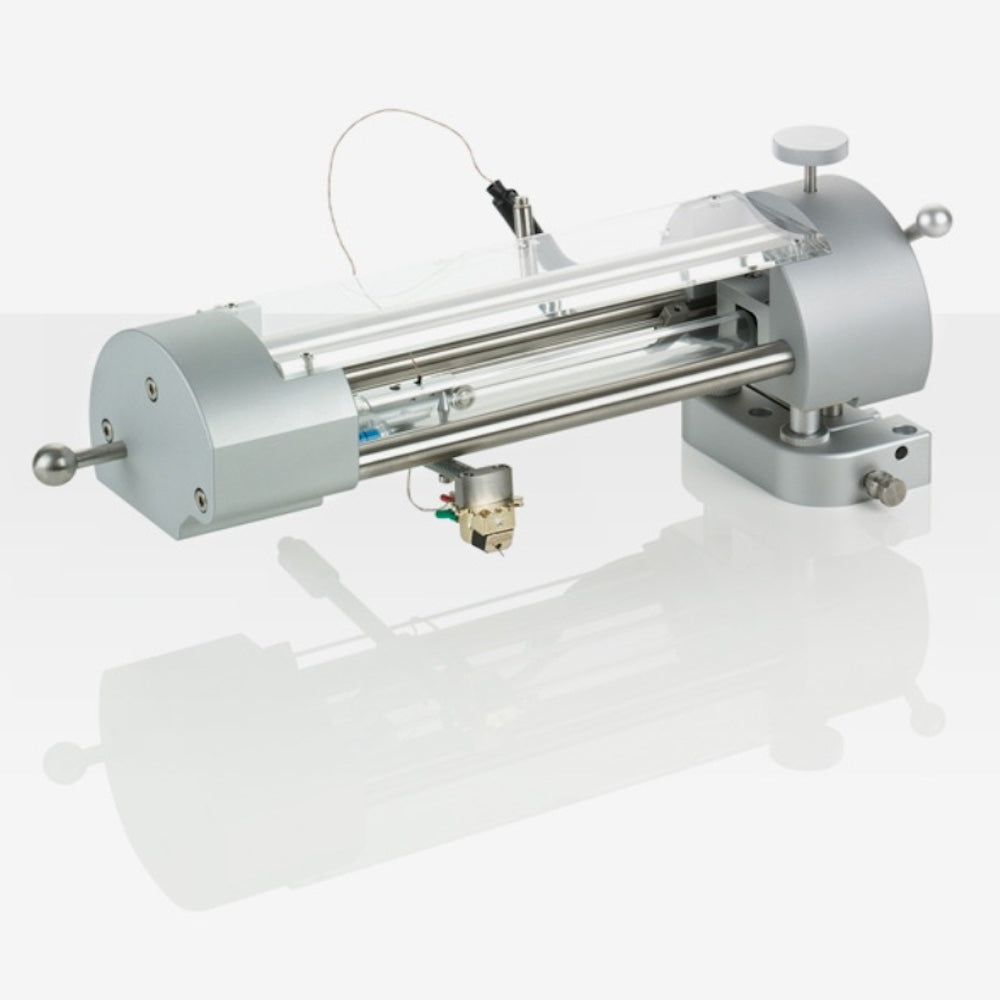
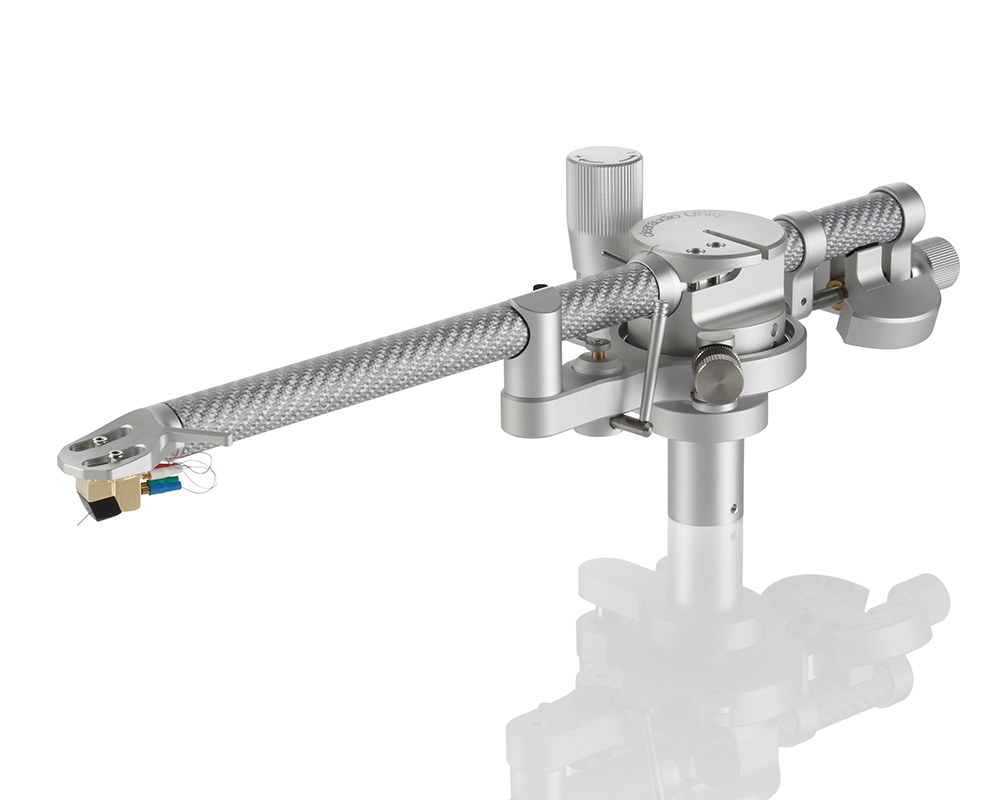
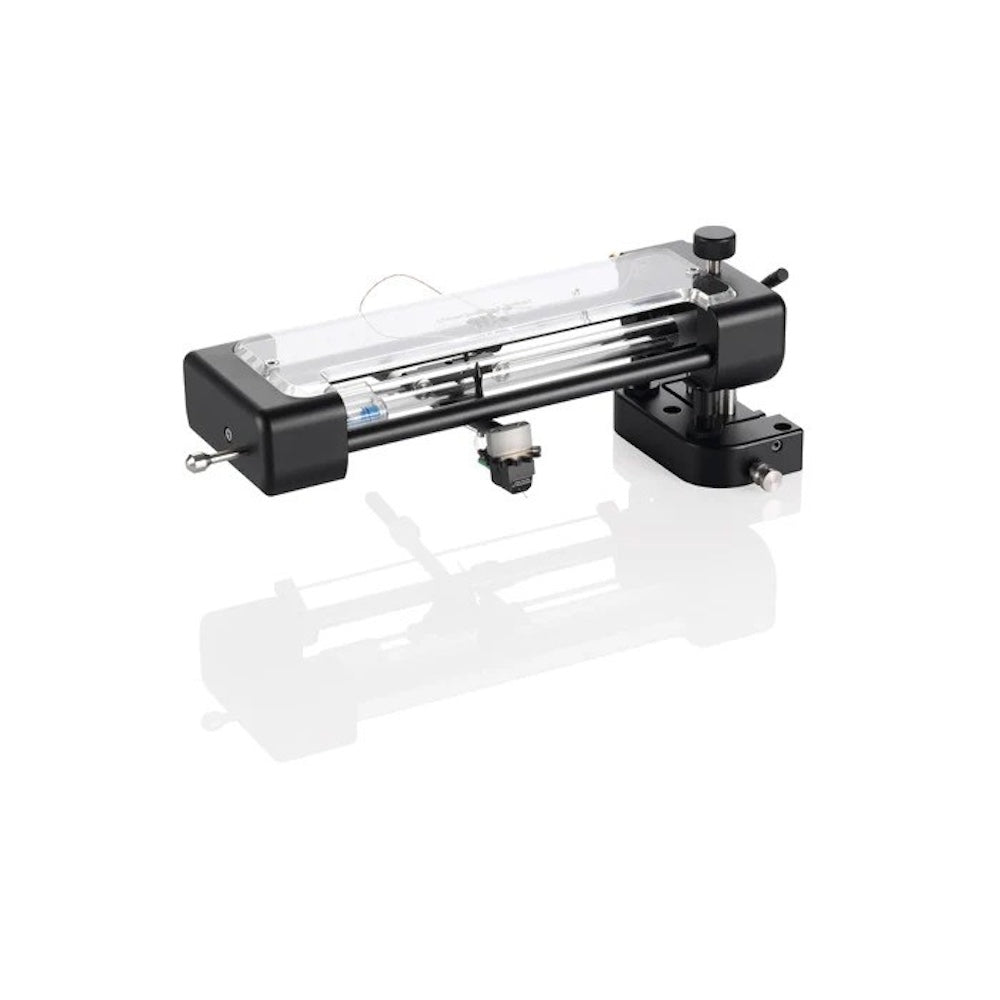
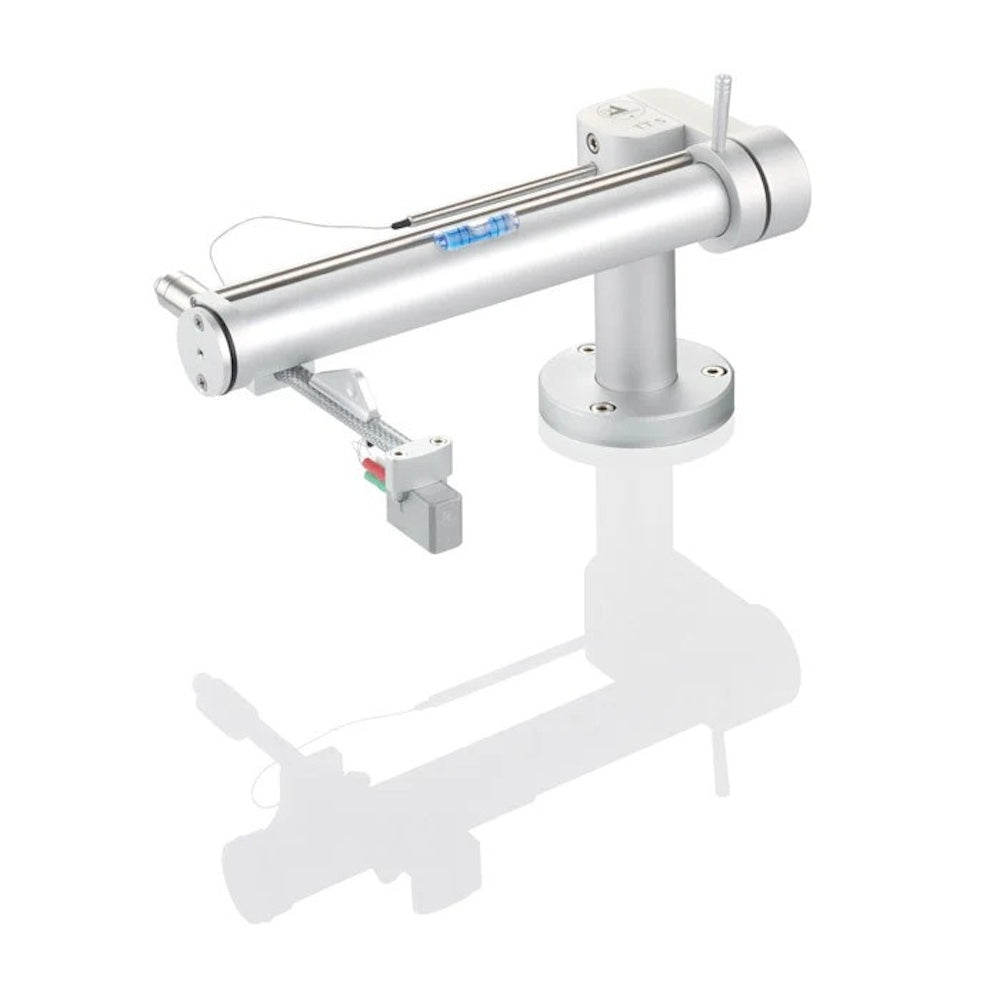
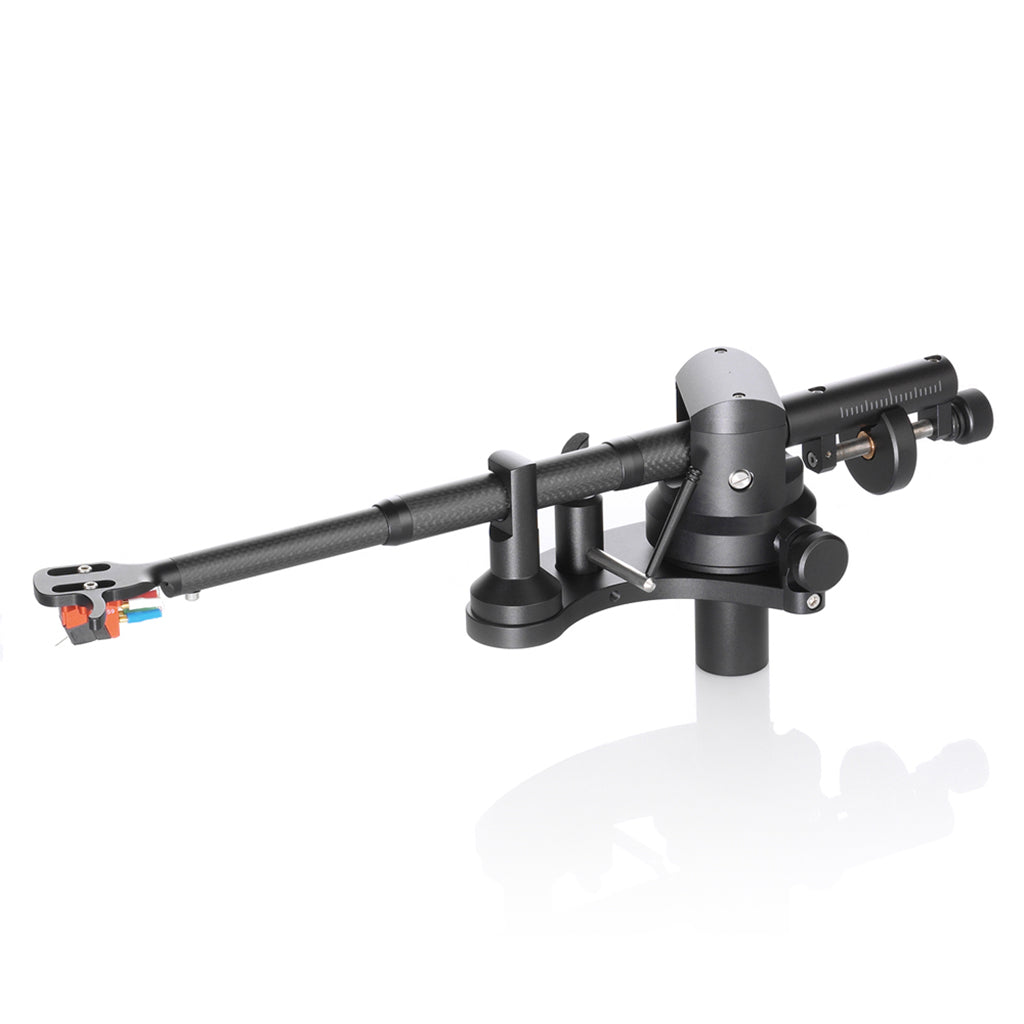
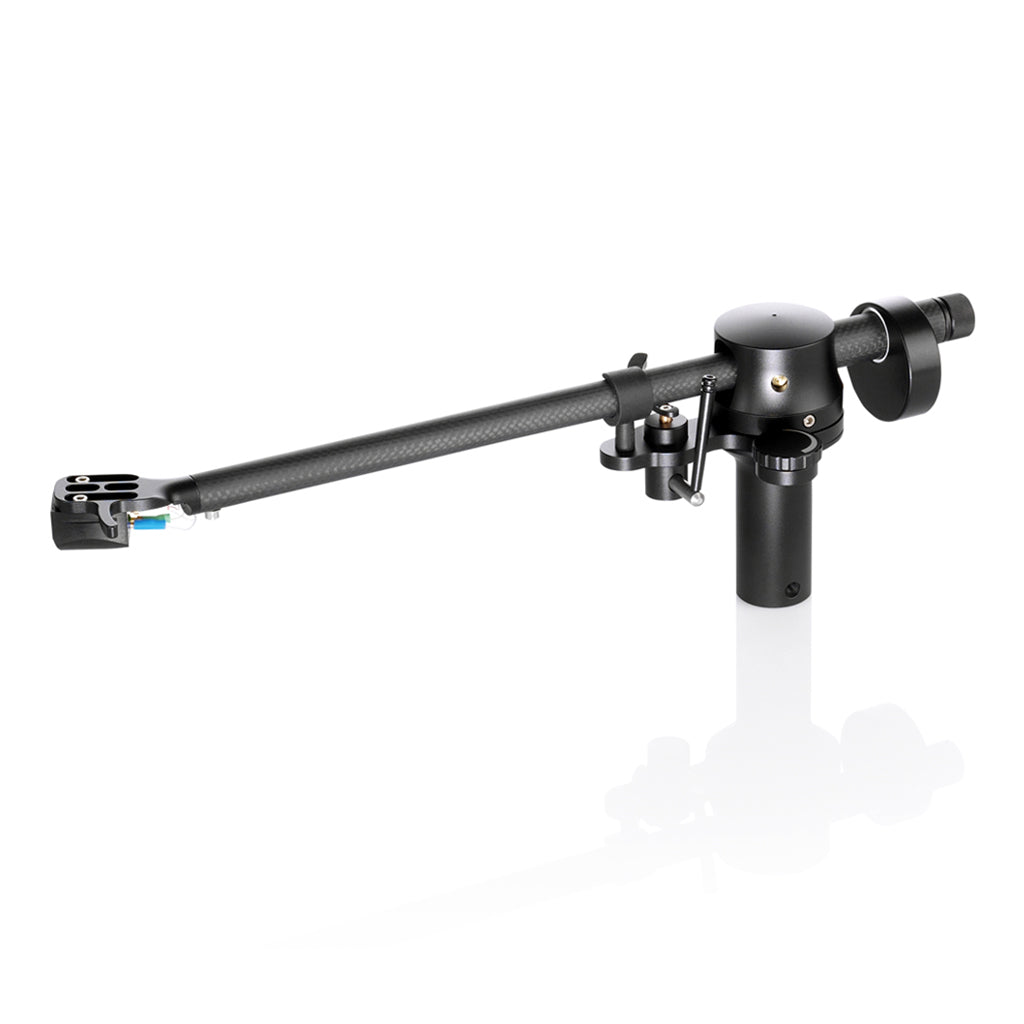
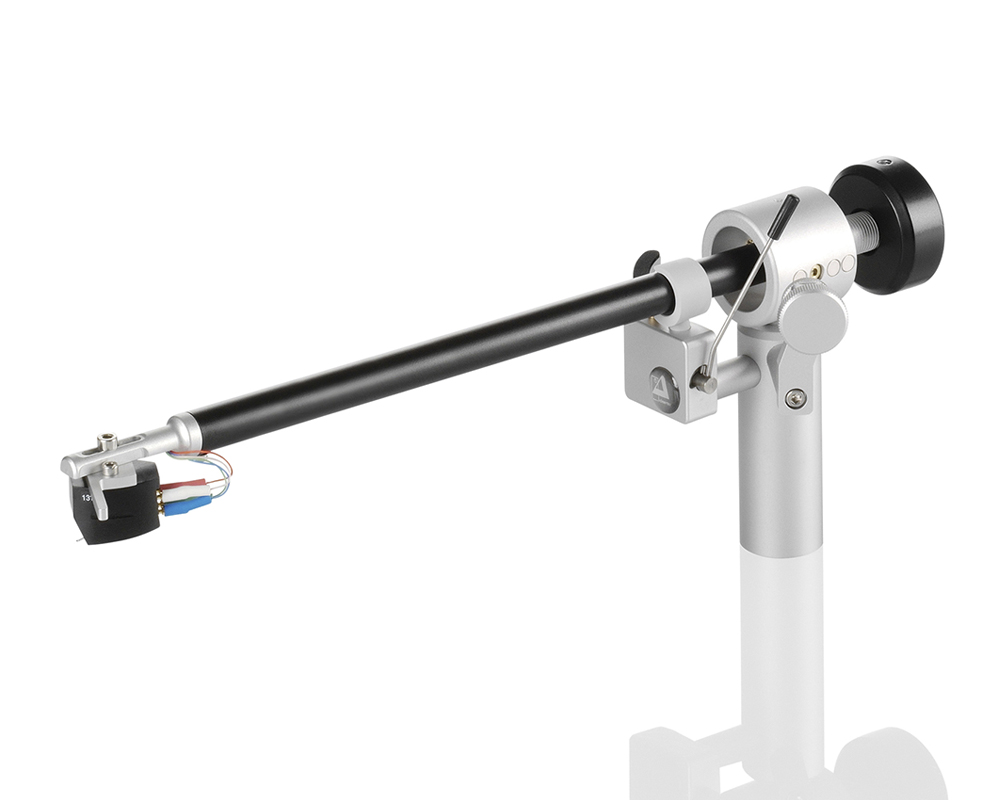
The tonearms cover both geometries. The Statement TT1 tangential tonearm — Peter Suchy’s mechanical-passive linear-tracker in a calibrated polished glass tube (no air pumps, no servos, no optical sensors) — is the tangential flagship. The Unity, new in 2025, is Clearaudio’s current pivoted flagship: a magnetically-stabilised single-point sapphire bearing that evolves the Naim Aro Mk II bearing Clearaudio originally designed for Naim’s Solstice. Below them, the Universal is a precision-machined vertical-and-lateral gimbal (ball-bearing, not magnetic), the Tracer uses jewelled tungsten-and-sapphire bearings, and the Satisfy Black and Satisfy Carbon Fibre are Swiss vertical-and-lateral bearing designs. The Verify is Clearaudio’s magnetic-bearing arm — the standard tonearm on Concept and Performance DC. Six current tonearms, five different bearing solutions, each engineered for its specific application.
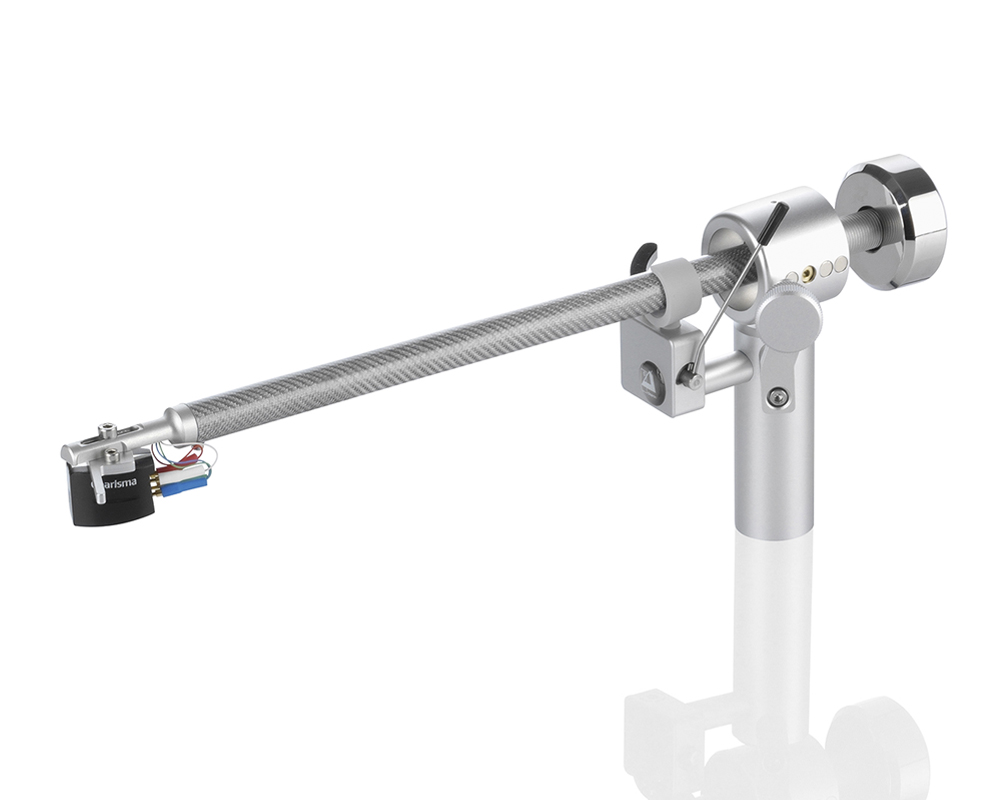
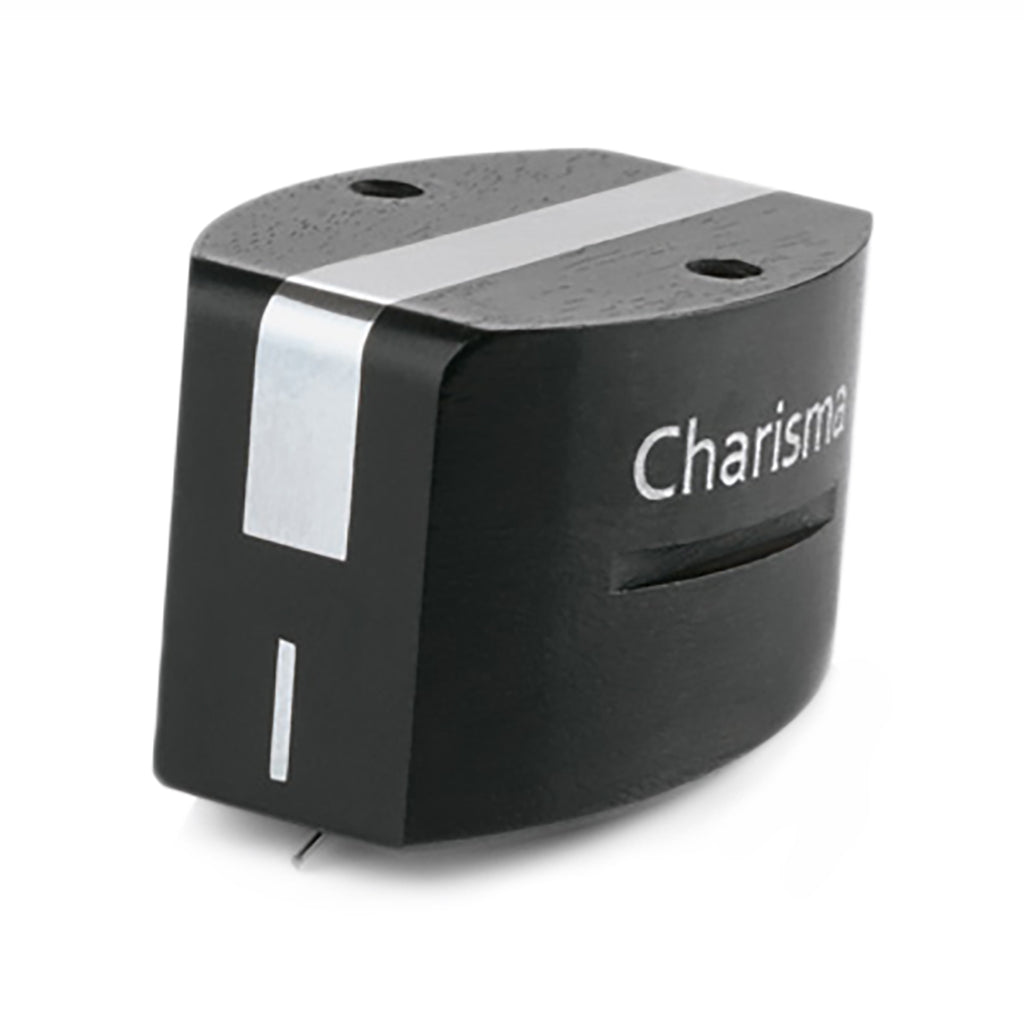
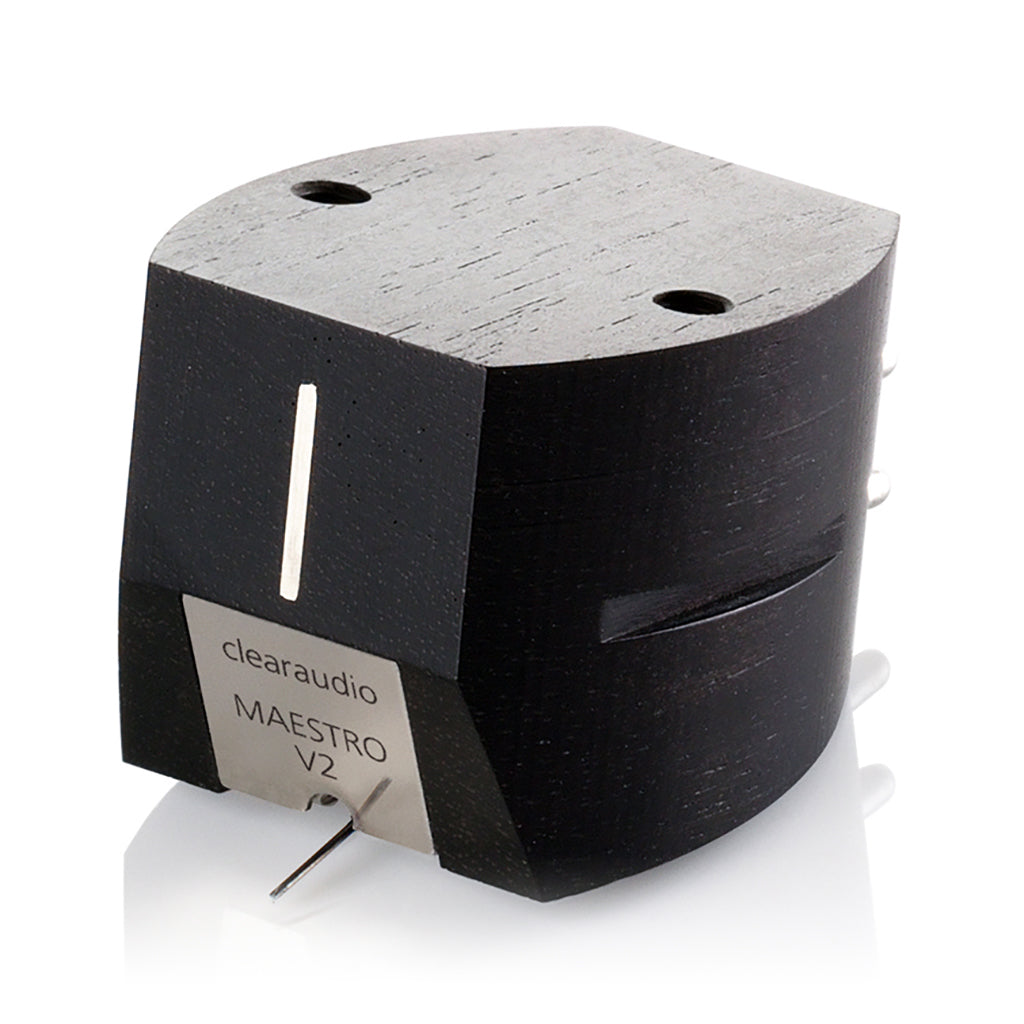
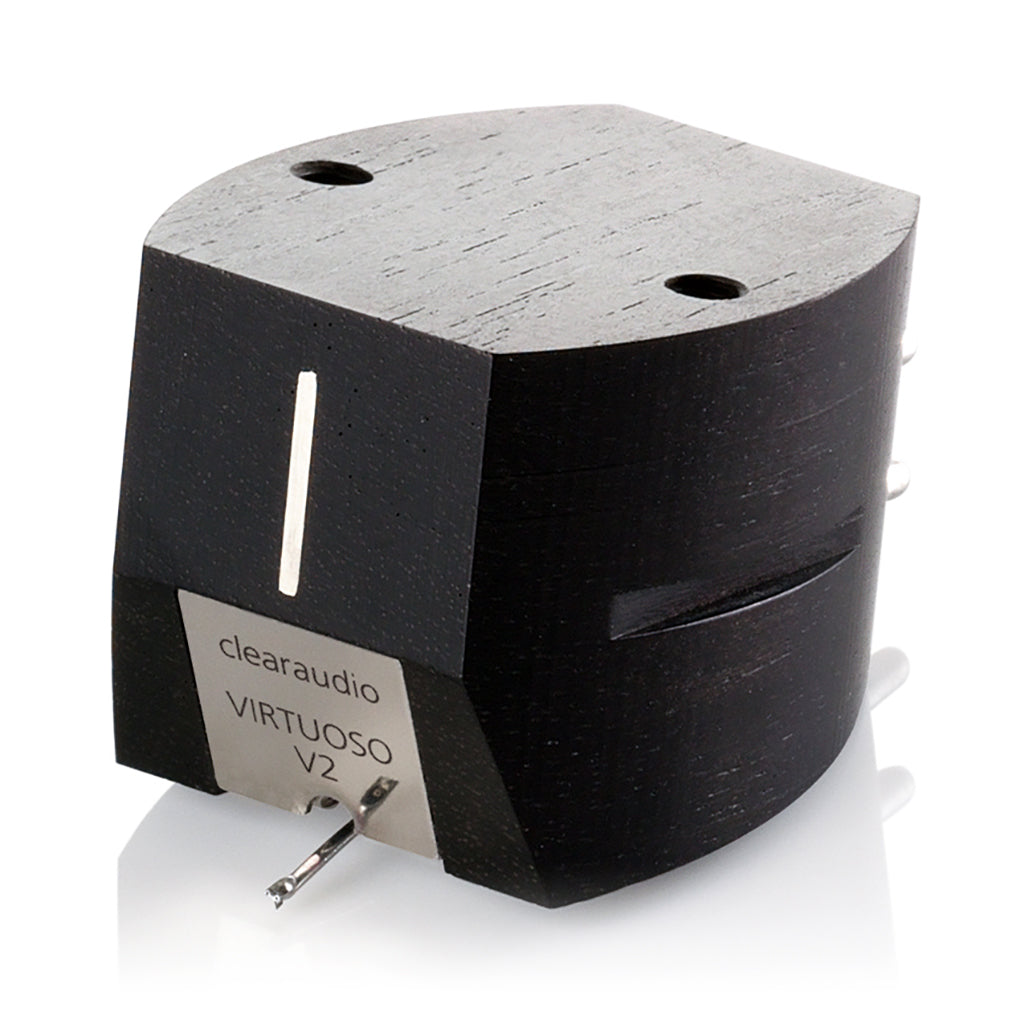
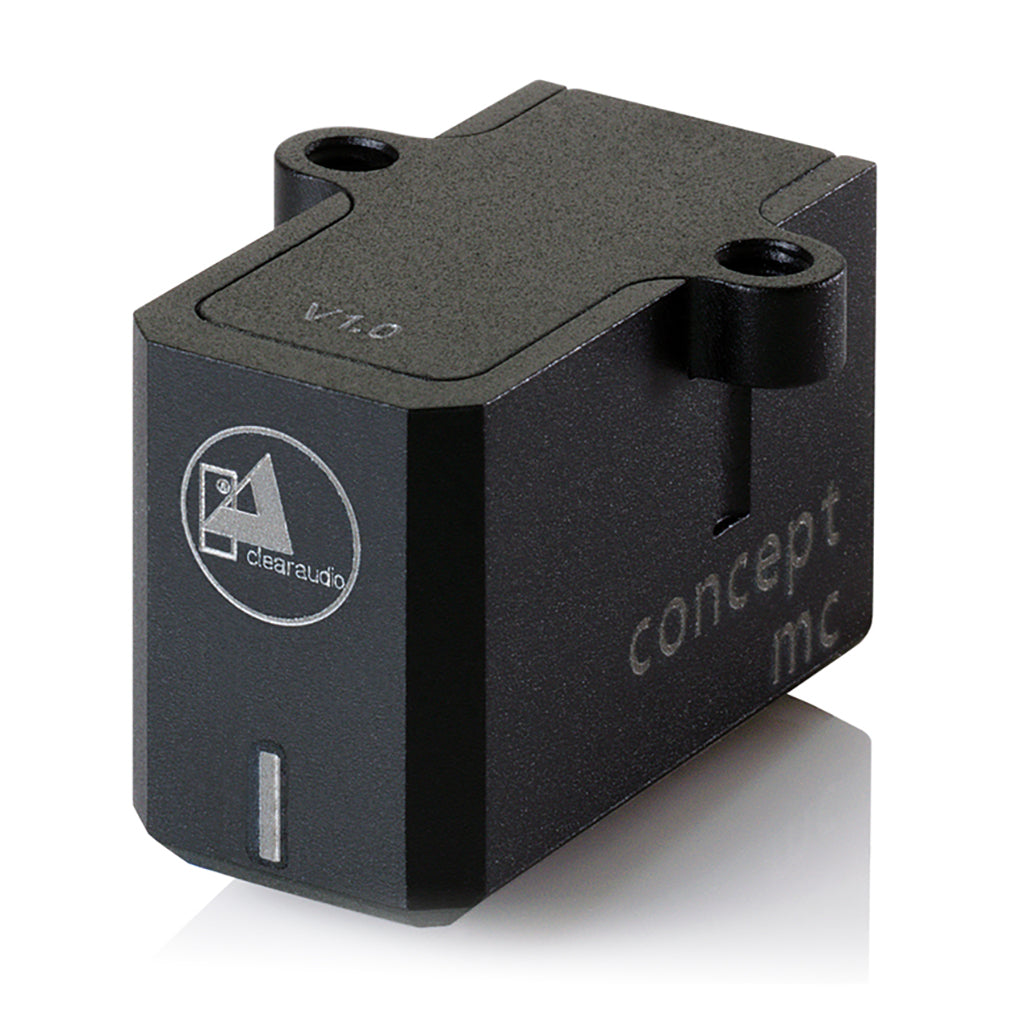
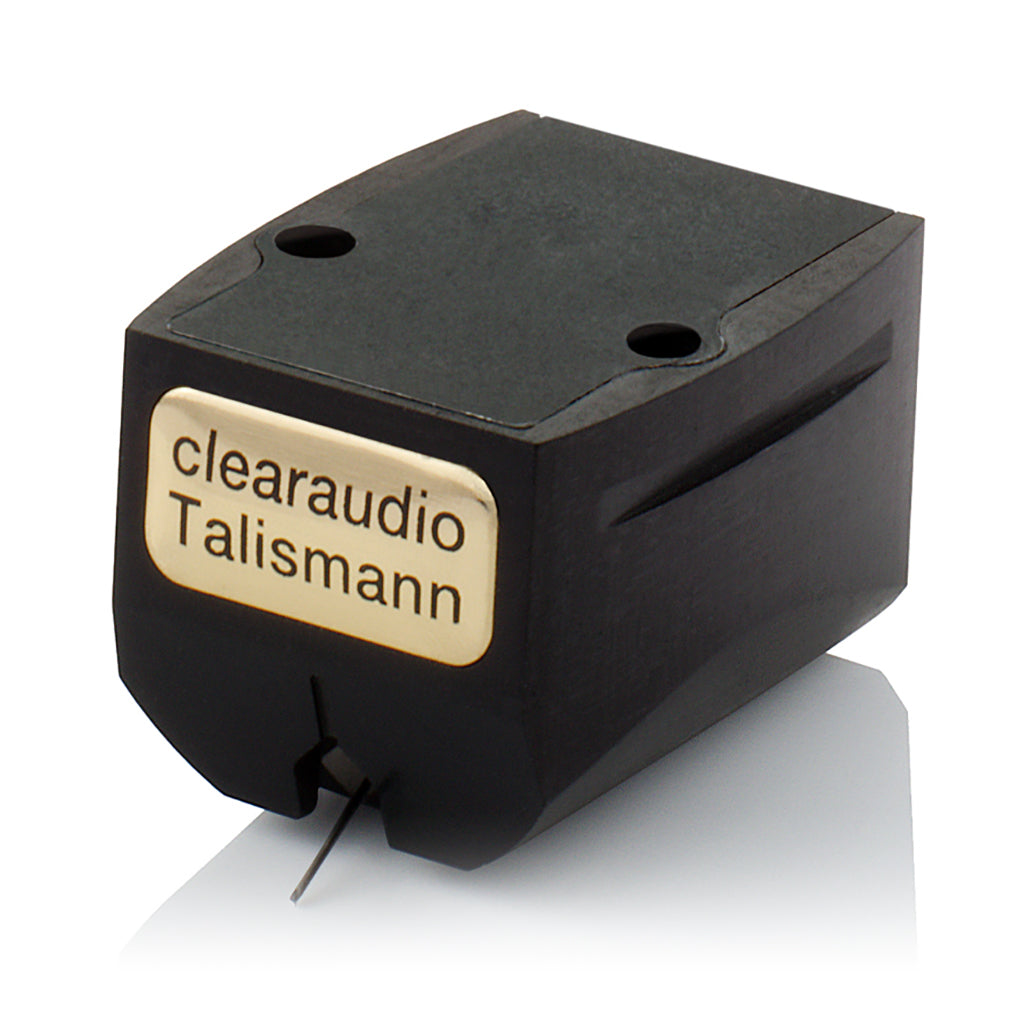
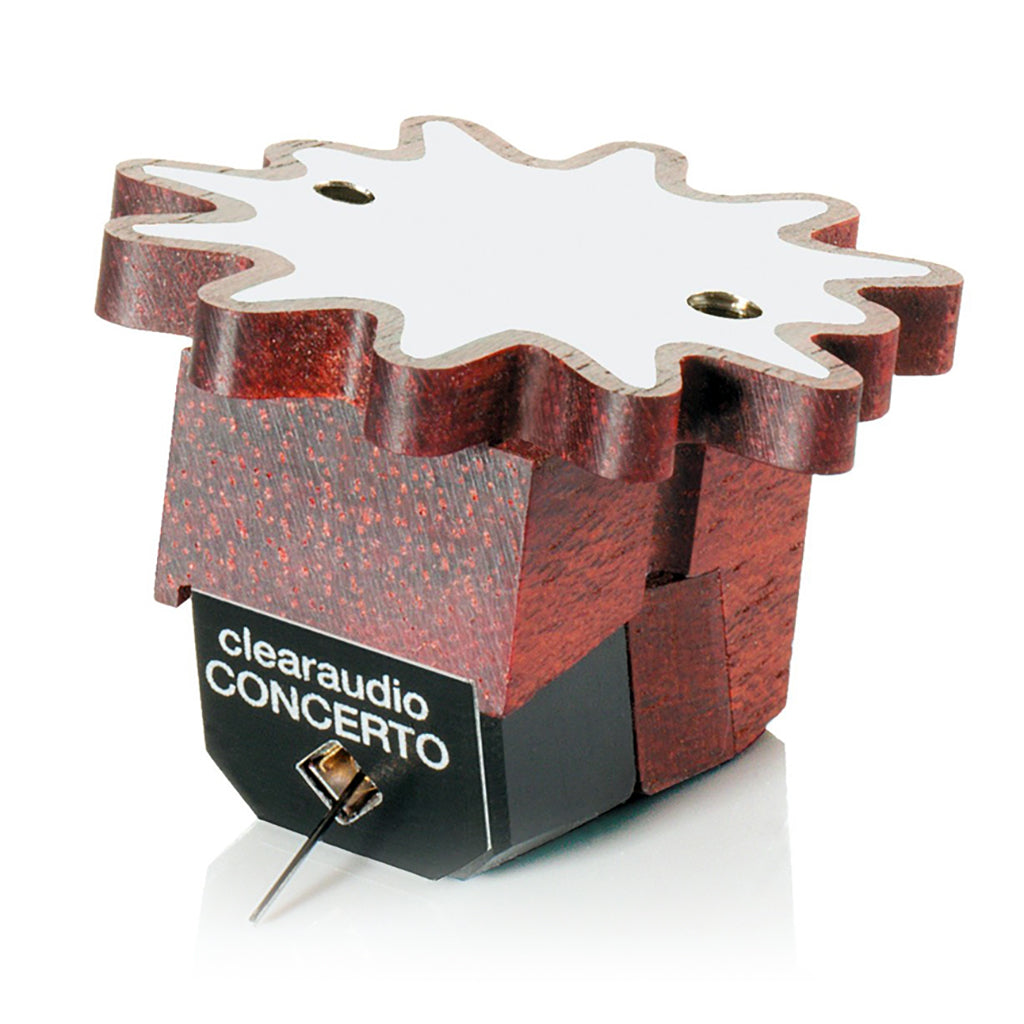
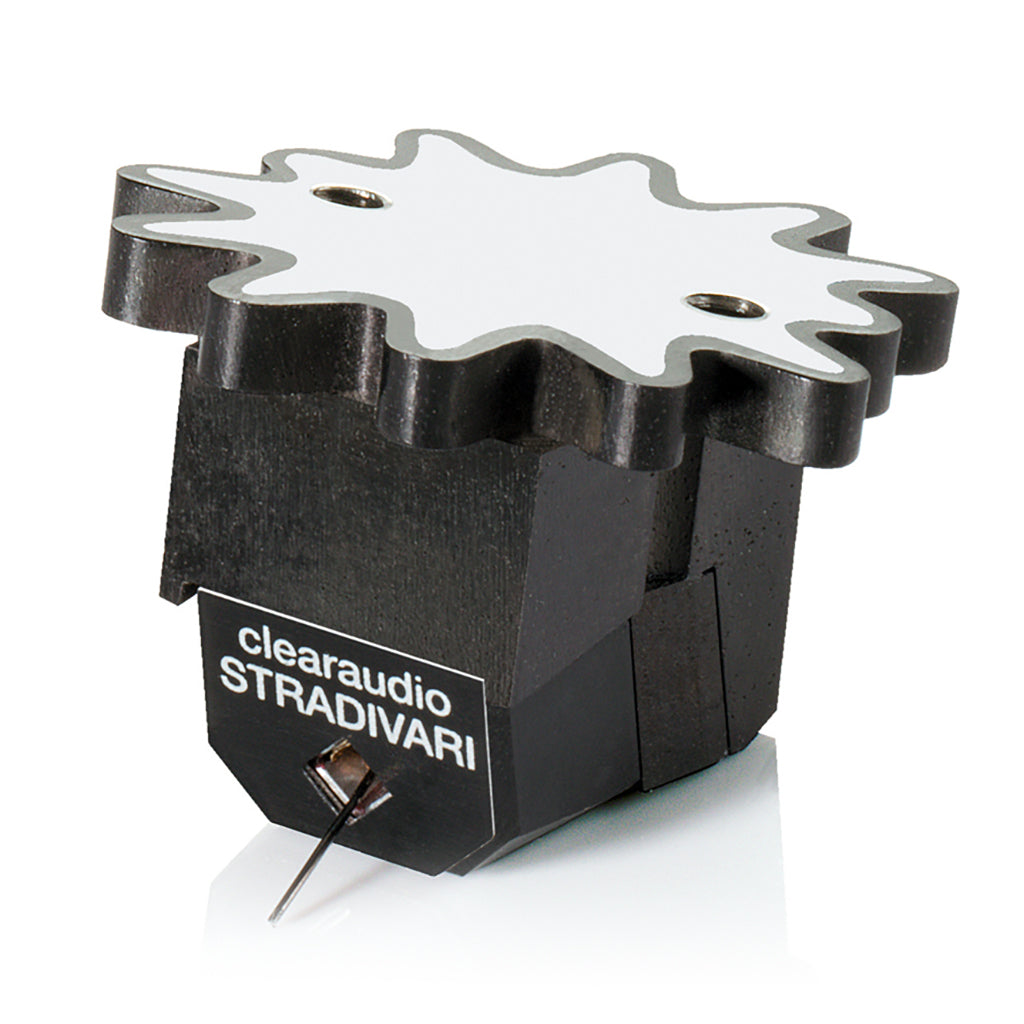
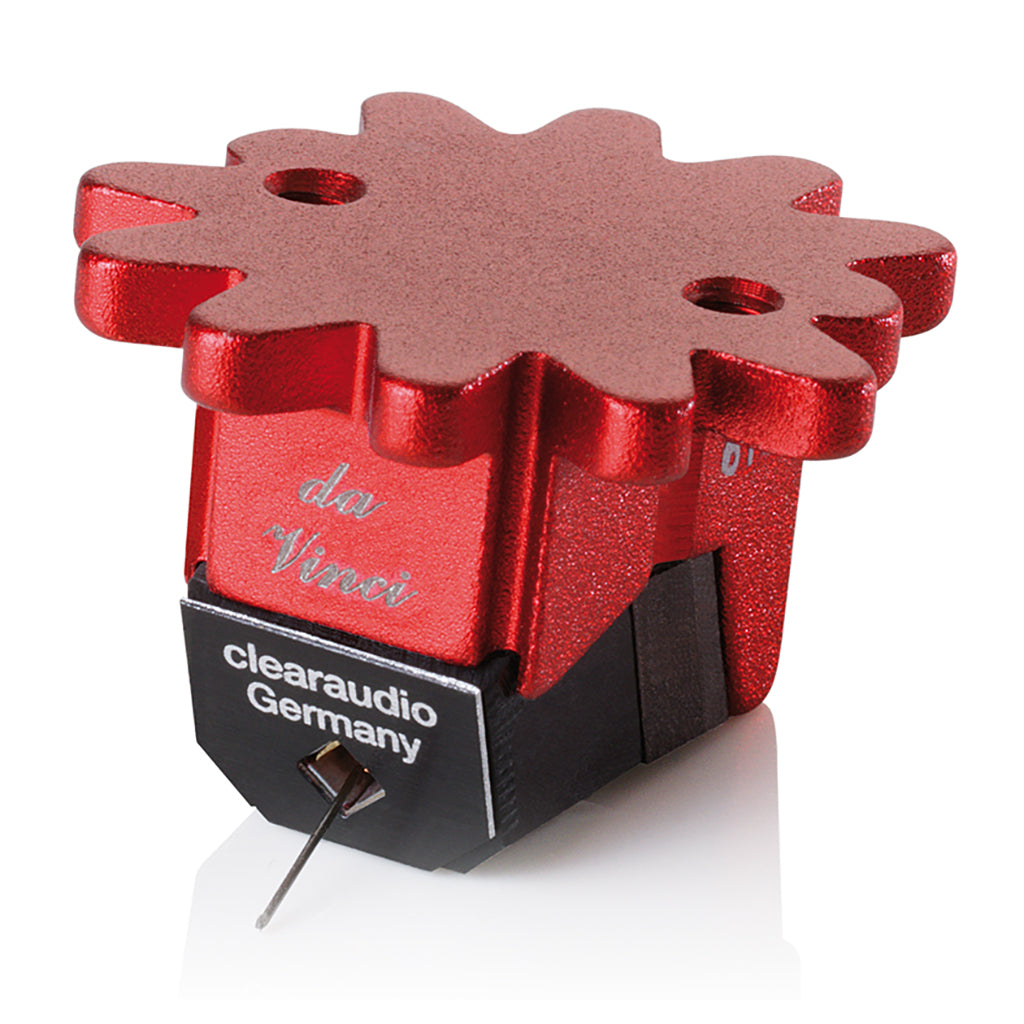
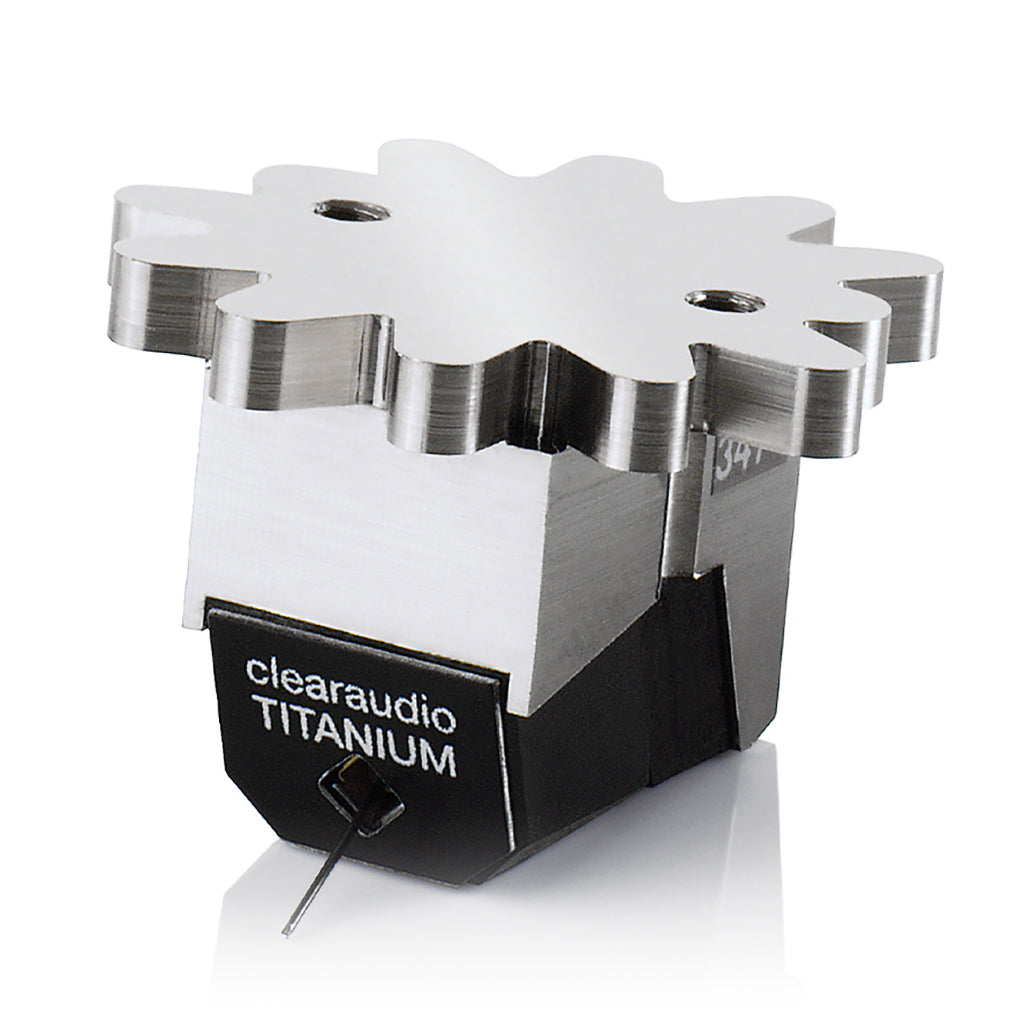
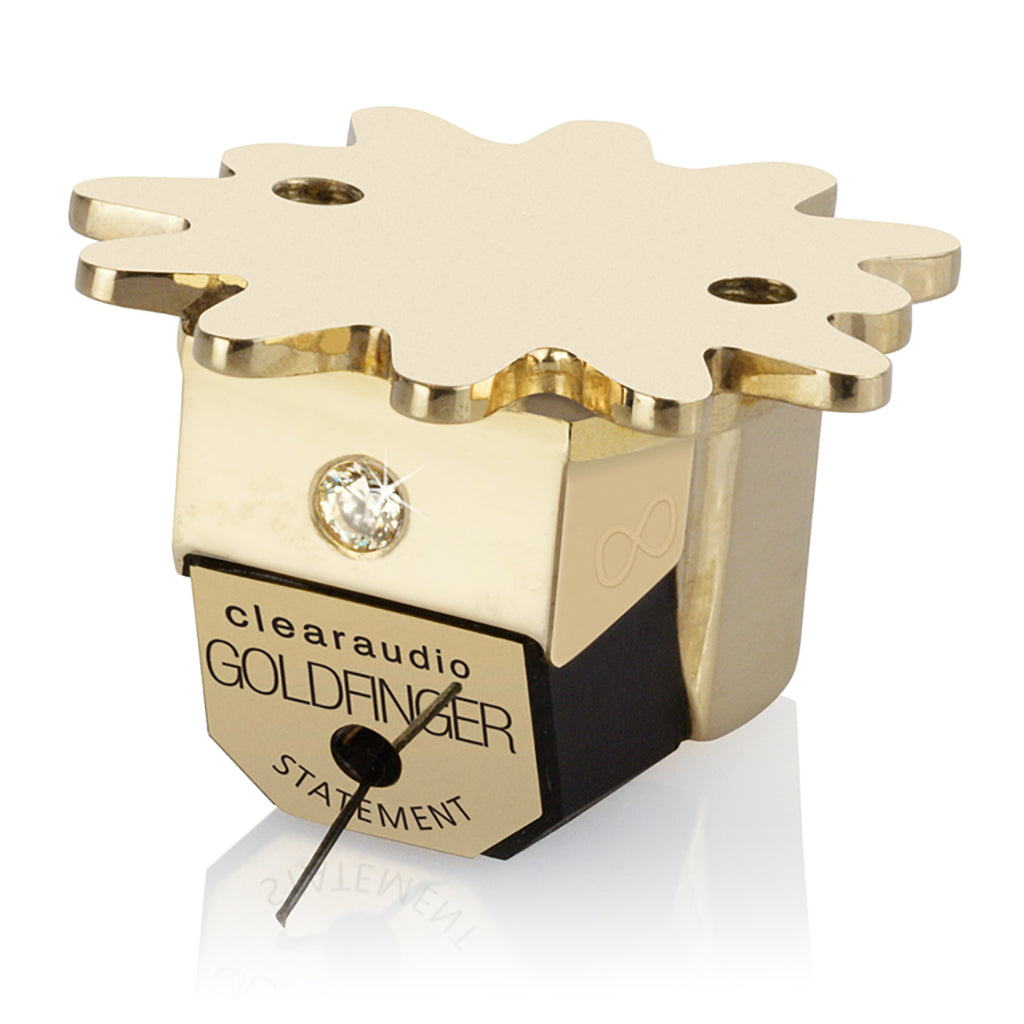
The moving-coil phono cartridges run top-down from the 45th-anniversary Diamond Jubilee — a limited-run 2025 release in a zirconium oxide body machined to 0.001mm tolerance — through the Goldfinger Statement V2.1, Titanium V2 and da Vinci V2 (all twelve-finger platform V2-generation designs), then the Jubilee MC, Stradivari V2 and Concerto V2, and the entry-tier Talisman V2 Gold and concept mc Signature. The moving-magnet line is anchored by the Charisma V2 flagship (diamond-coated boron cantilever, ebony body) and continues through Maestro V2, the Panzerholz-body Jubilee MM, and the Virtuoso V2. Twelve current MC designs, four current MM.
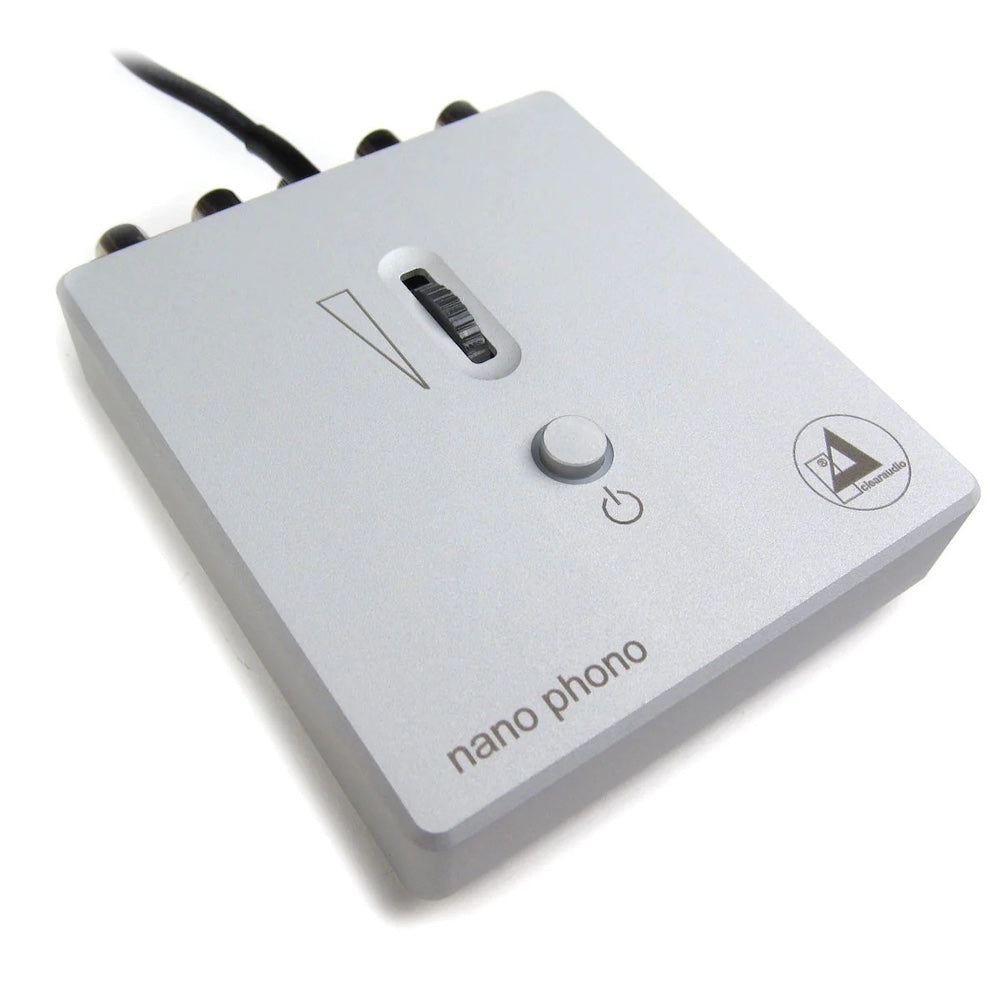
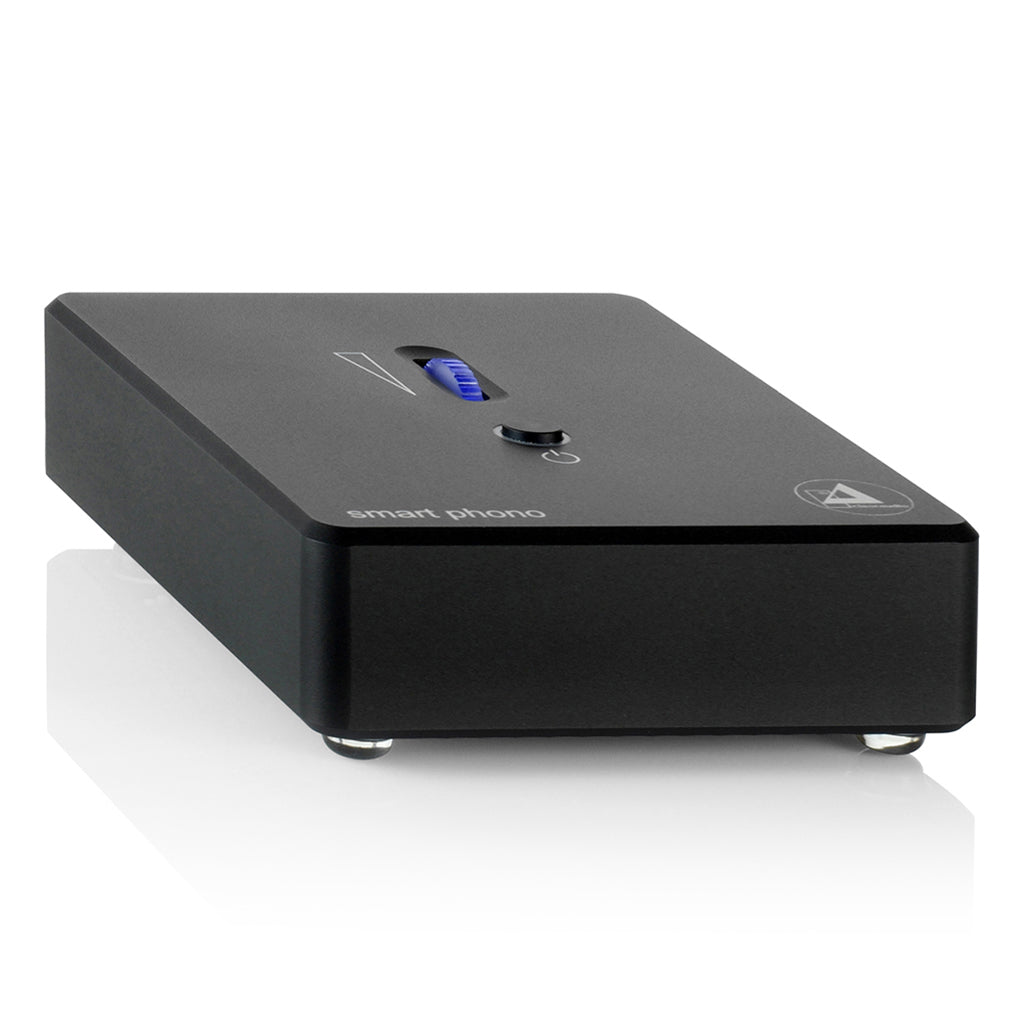
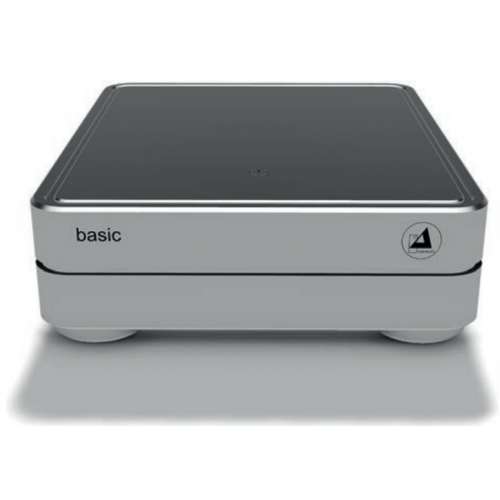
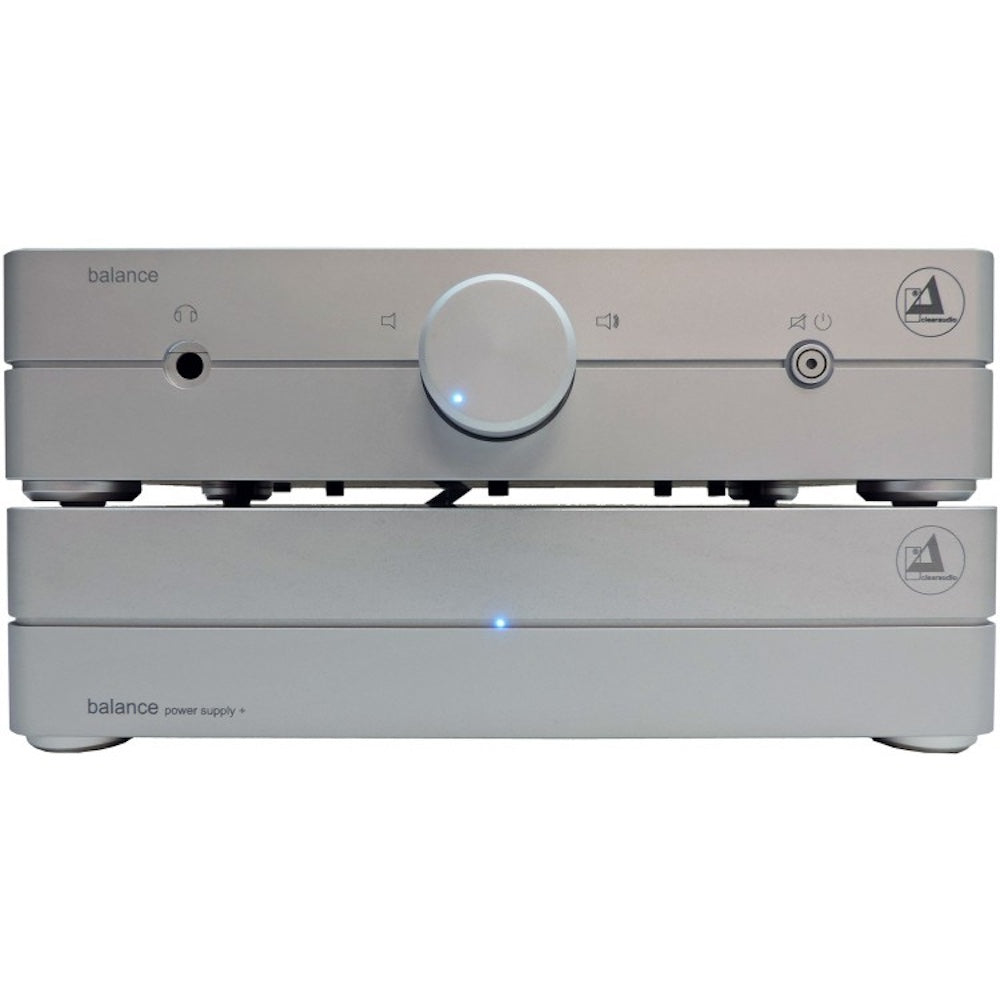
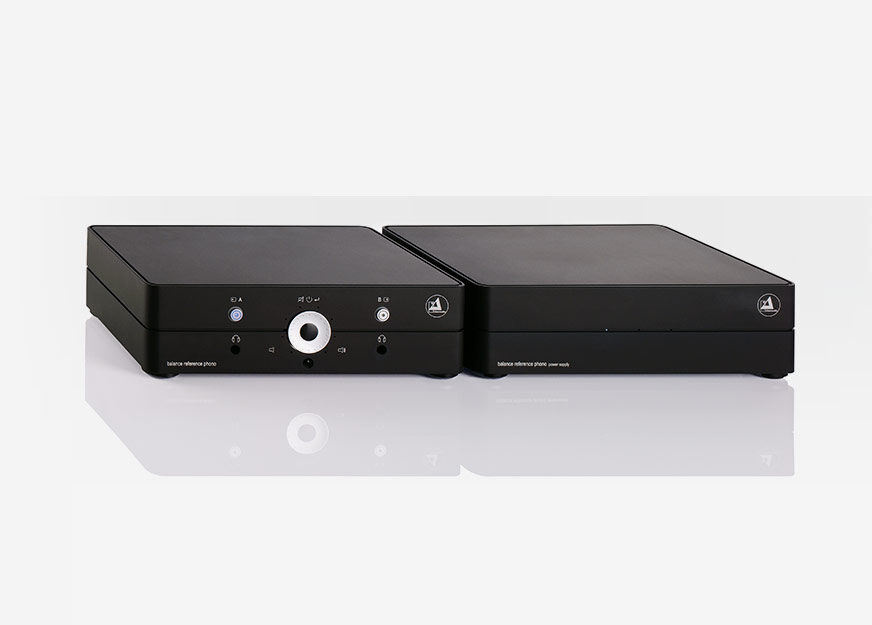
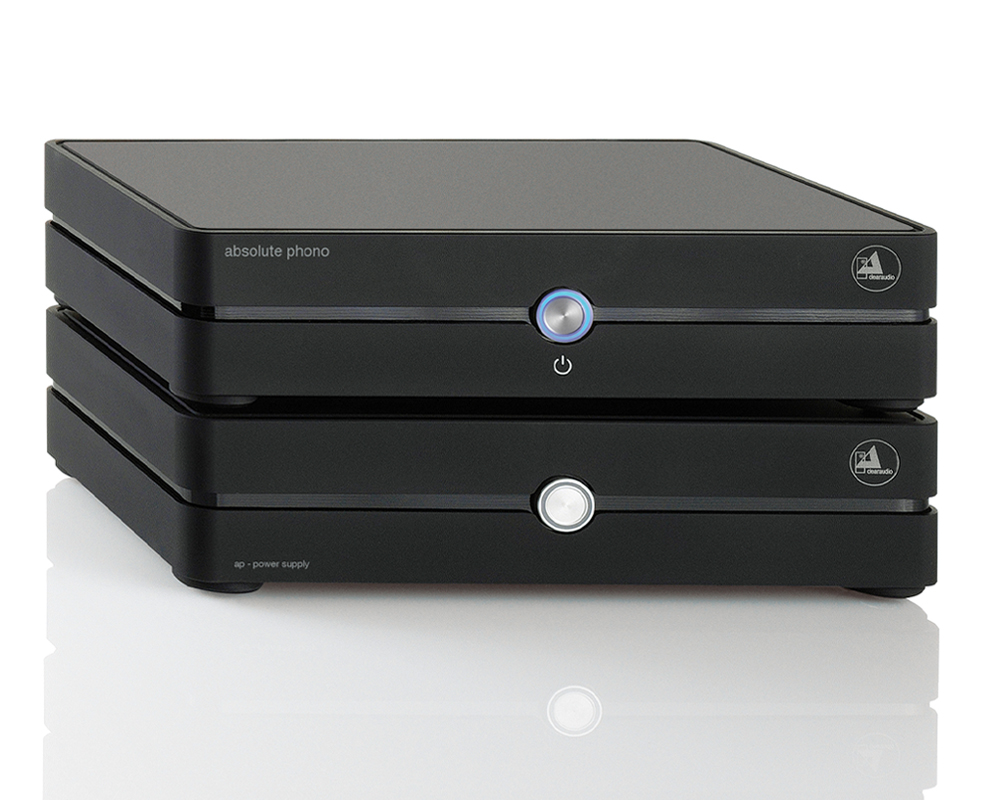
The Absolute Phono is Clearaudio’s reference phono preamp, sitting above Balance Reference Phono, Balance V2, Basic V2, and the compact Nano and Smart Phono V2 preamplifiers.
LMC Clearaudio setup discipline since 2015
A Sondek owner knows that an LP12 is only as good as its setup. Every well-engineered turntable is. LMC has been an authorised Clearaudio dealer since 2015 and has spent that decade setting up Clearaudio decks — from Concepts to Master Innovations, with every tonearm-cartridge combination Clearaudio has offered in that time. That accumulated setup discipline matters because Clearaudio’s roughly forty-hour hand-build at the factory has to be met at the dealer end.
Cartridge alignment to the specific arm’s null points, vertical tracking angle, azimuth, tracking force, anti-skate, load impedance at the phono stage — every one of those parameters interacts with every other one, and getting them all inside their tolerance band on a Clearaudio deck is a genuinely unhurried process. It is not a job to learn on a Master Innovation you have just paid for, and it does not travel well when the deck comes out of the packing case in someone else’s living room. This is one of the reasons a Clearaudio system bought from a dealer with a decade of setup experience is a different-sounding object than the same equipment set up on the first attempt.
Where to start
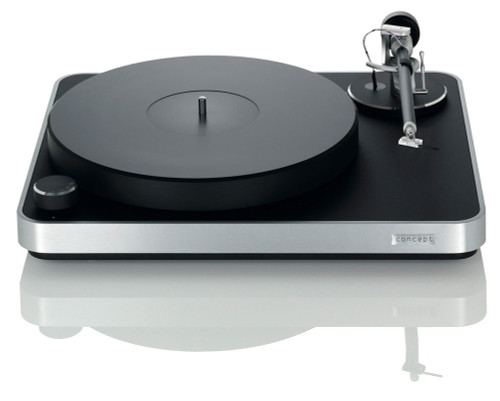
For a first serious Clearaudio audition, the Concept is the honest entry into the range — a plug-and-play deck (tonearm mounted and aligned, Concept MC cartridge factory-fitted, motor pre-tuned) that carries a serious amount of Clearaudio engineering in a form that suits a system moving from an entry-tier deck to a first genuinely-serious turntable. For a reference-tier system where the turntable will not be replaced for a decade or more, the Master Innovation with a Statement TT1 tonearm and a Goldfinger Statement V2.1 or Jubilee MC cartridge is the working LMC reference and the natural place to start a serious Clearaudio audition. For the buyer for whom the Statement V2 is the right answer, the demonstration is one of a very small number worldwide where the deck is set up in a reference-tier room and driven by reference-tier electronics.
What to listen for
Two tests are worth running deliberately in a Clearaudio audition. First, bearing quietness against silence: play the quietest passage of an acoustic recording you know well, and listen to what sits under the note. A ceramic-magnetic-bearing turntable has a noise floor so low that the recovery of a note into its own reverb tail is often audible in a way you have not heard before, because you have not previously heard it against a bearing this silent. The Statement V2 makes the case most obviously; the Master Innovation is close behind. Second, speed stability on piano and unaccompanied voice: sustained notes reveal a turntable’s pitch behaviour immediately, and Clearaudio’s motor engineering — DC-driven, magnetically decoupled from the plinth — is one of the reasons a Clearaudio deck reproduces sustained pitch information the way it does.
Walk in during business hours or book ahead if the audition needs a specific Clearaudio configuration set up against your own records — bring the vinyl you know best, and give the audition the time it deserves.
The Lineup
Explore the Range

Experience The Brand