Tempe
Tempe Room 4

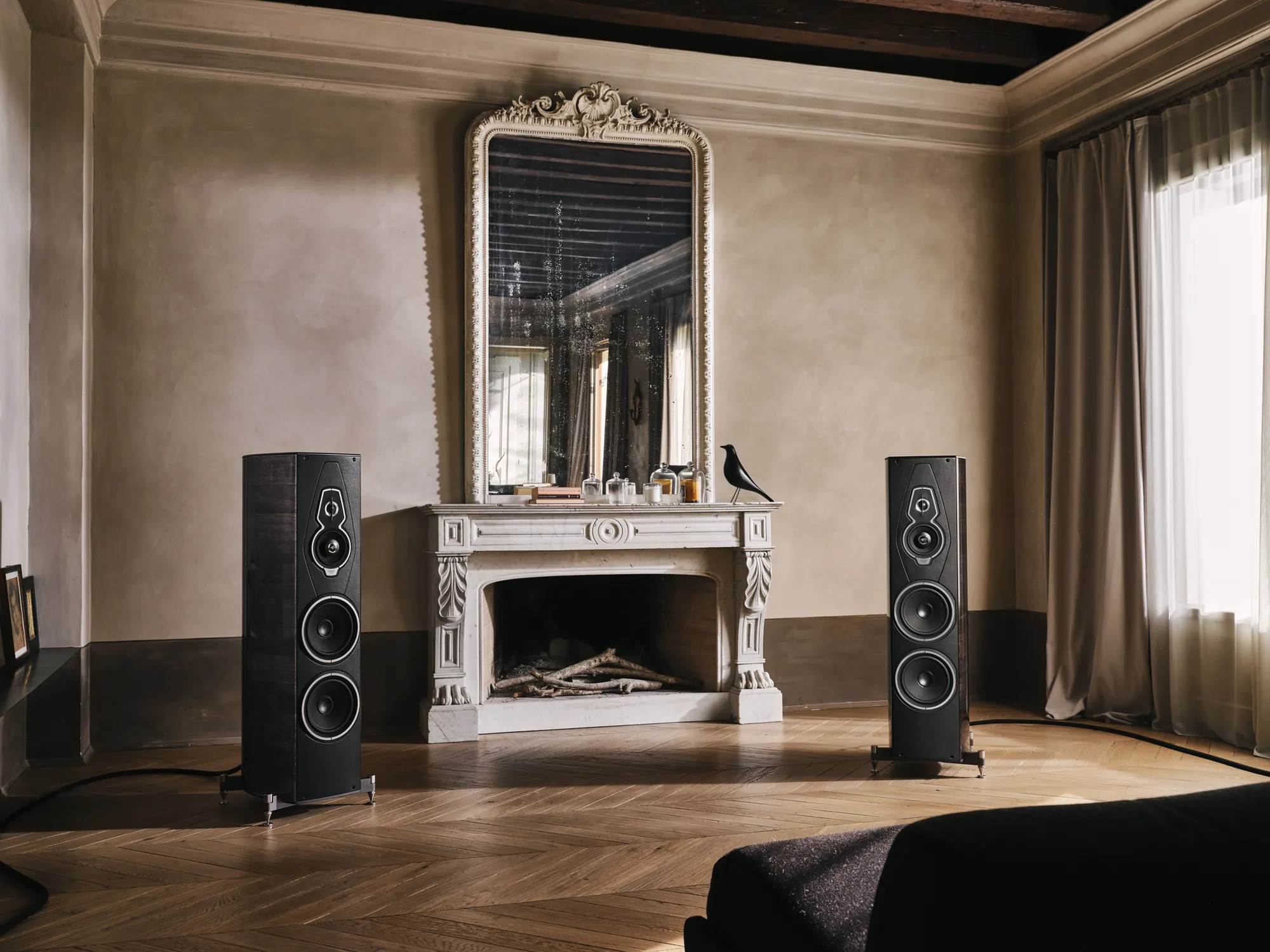
The Homage room — Amati G5, Serafino and Amati Supreme, each on deliberately different amplification.
The Homage room. All three systems here are anchored by Sonus faber’s Homage tradition — the Amati G5, the Serafino, and the limited-run Amati Supreme — and each is given a deliberately different kind of amplification. Three answers to the same question, and no obligation to prefer the most expensive one.
The room itself
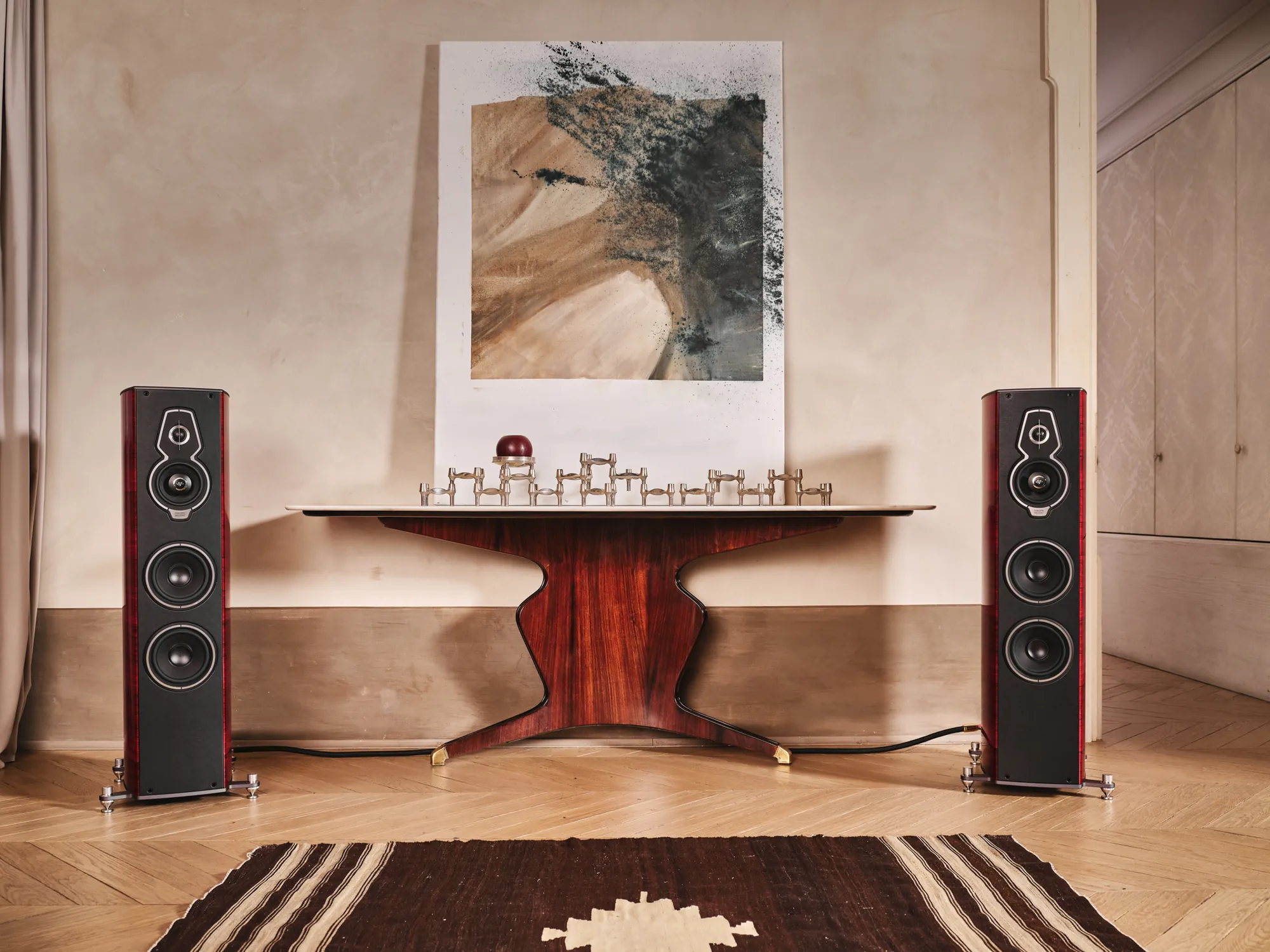
Room 4 is where Sonus faber’s flagship tradition is heard in depth. Homage is the range that carries the lute-shaped cabinet and hand-finished wood the company is known for, and the Amati is at the centre of it — a lineage that has run continuously since 1998. Putting three Homage loudspeakers in one room, on three different amplification philosophies, turns a brand demonstration into something more useful: a way to hear what the loudspeaker contributes and what the electronics contribute, separately.
System 1 — Amati G5 on McIntosh, tubes and solid state
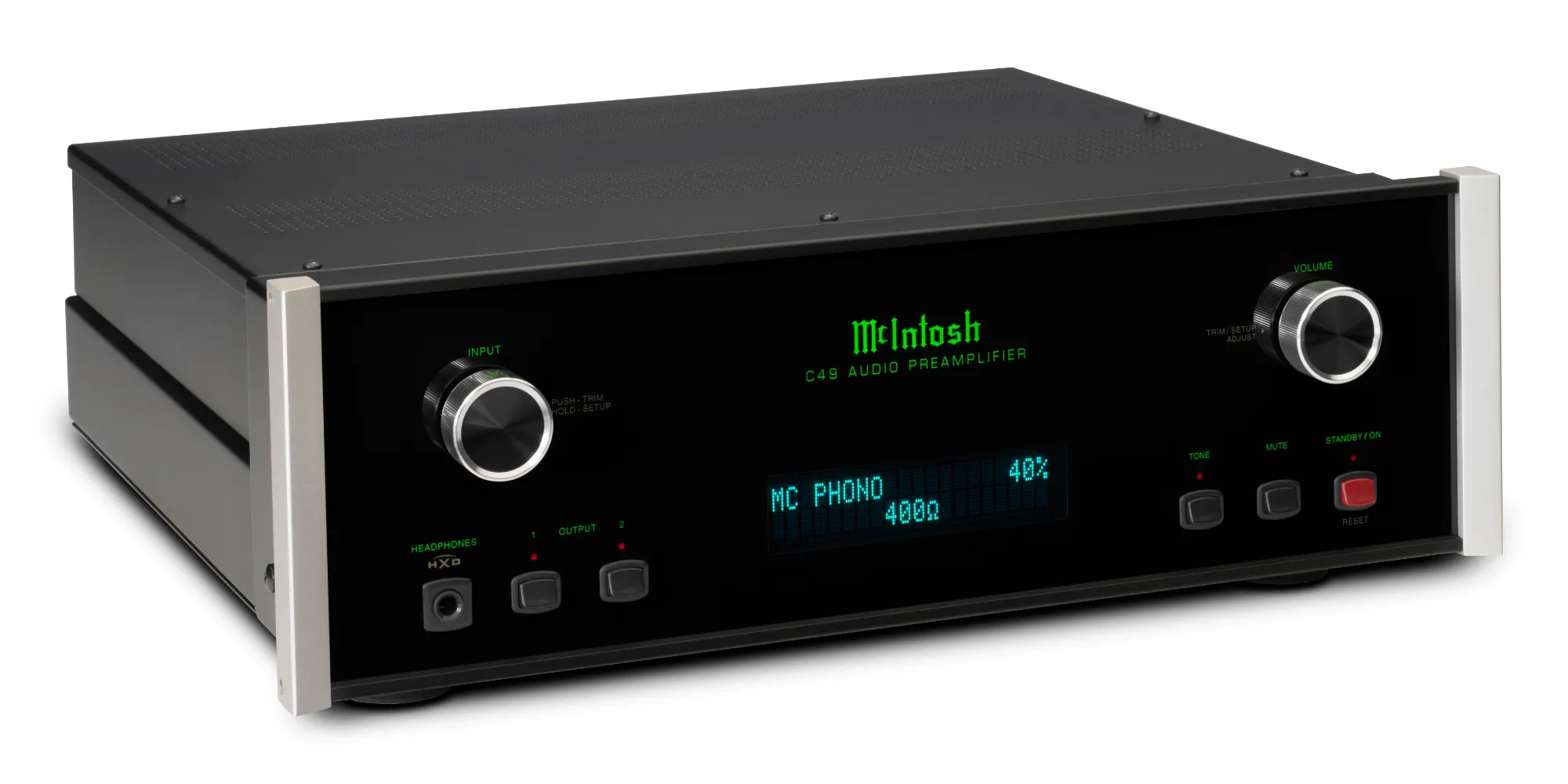
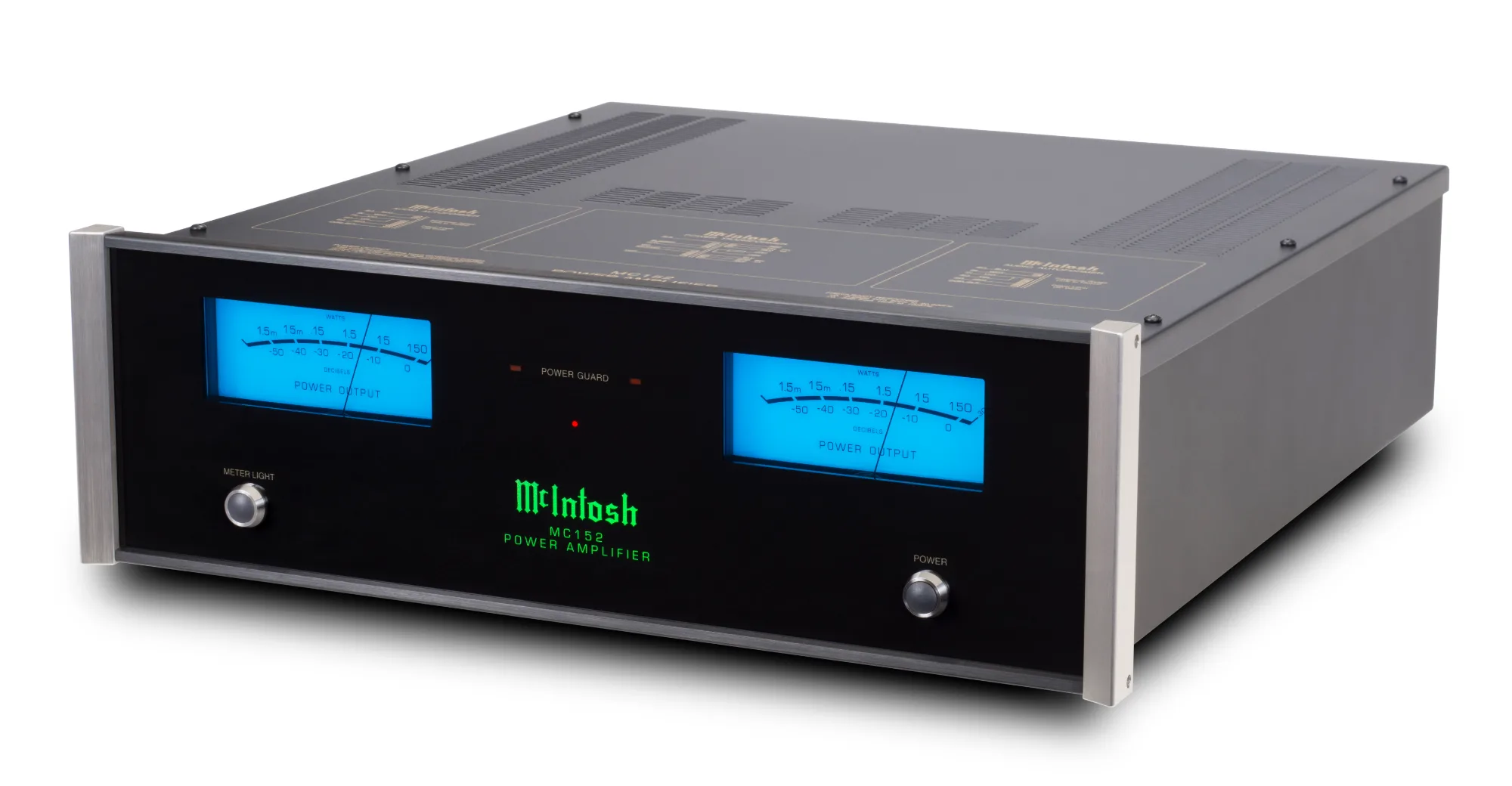
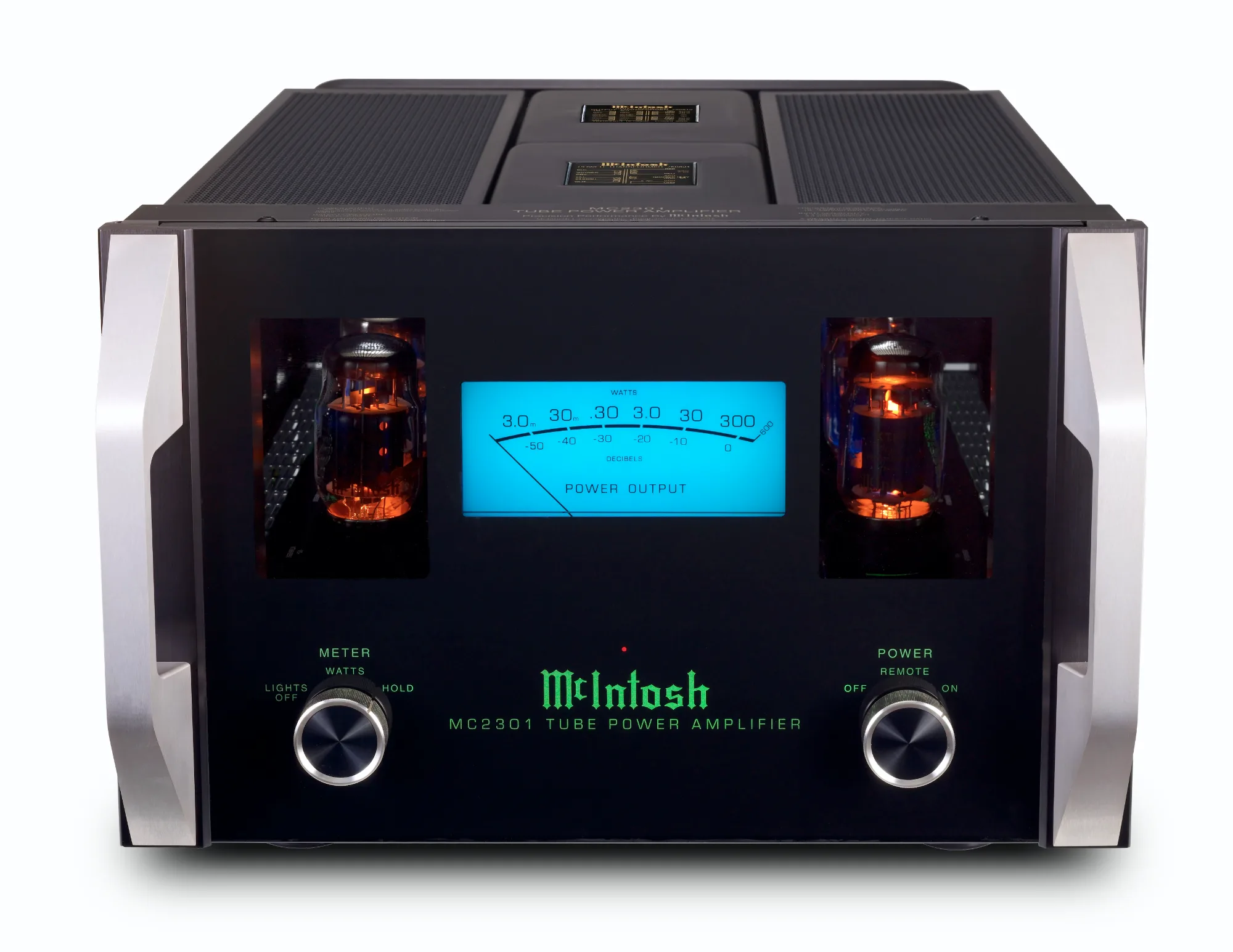
The Amati G5 is the fifth generation of the loudspeaker at the centre of the Homage tradition. What makes this system worth sitting down for is the amplification choice built into it. A McIntosh C49 preamplifier feeds both an MC152 solid-state stereo amplifier and a pair of MC2301 vacuum tube monoblocks, so the same loudspeakers can be heard on either topology in the same room, in the same session, without moving anything.
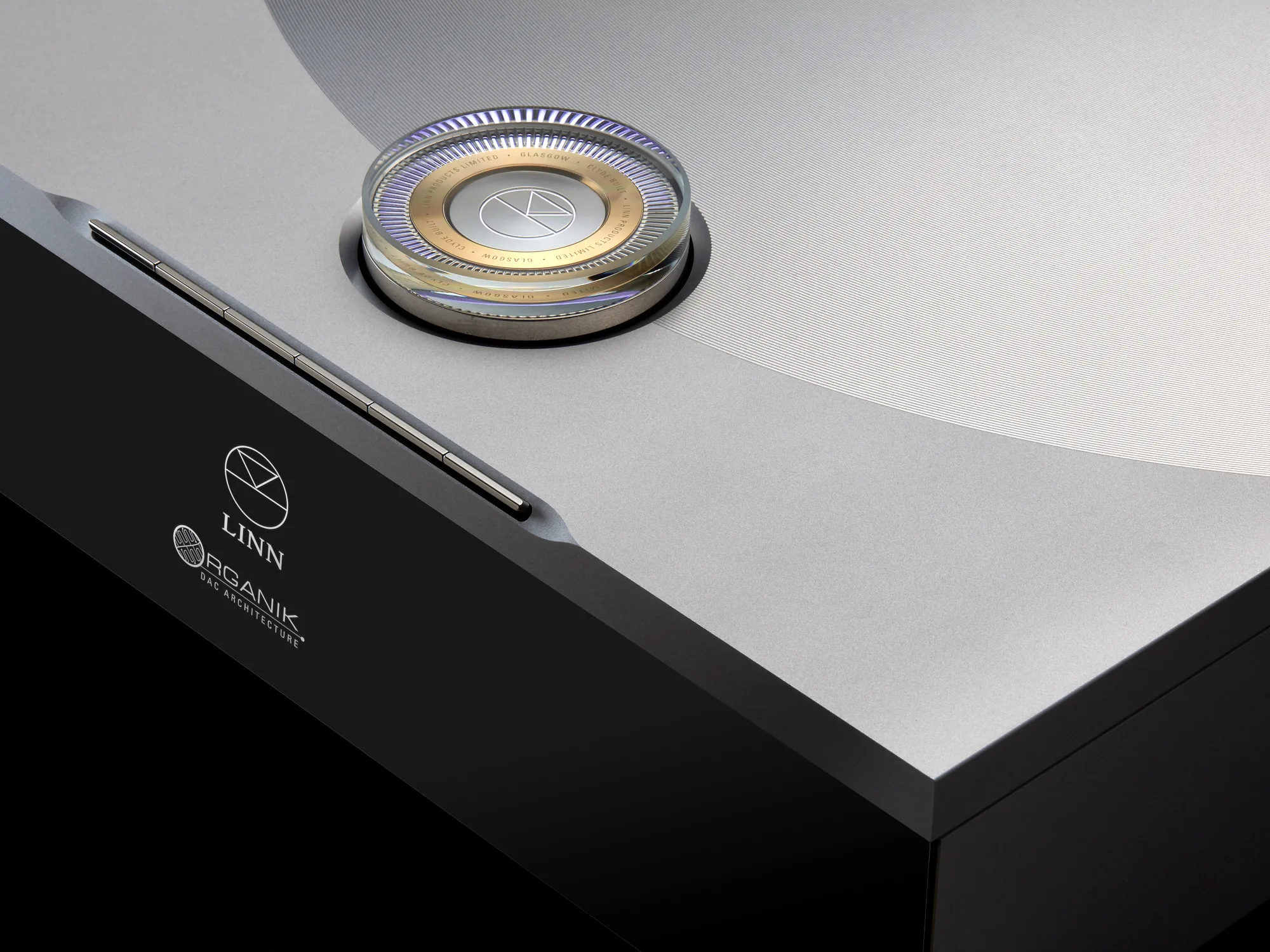
Analogue comes from a Vertere DG-1 Dynamic Groove turntable, digital from a Linn Klimax DS network player, and there is a McIntosh MR80 tuner for anyone who still listens to radio properly. Transparent Plus cabling runs throughout.
System 2 — Serafino on Linn Klimax Solo 500, with REL
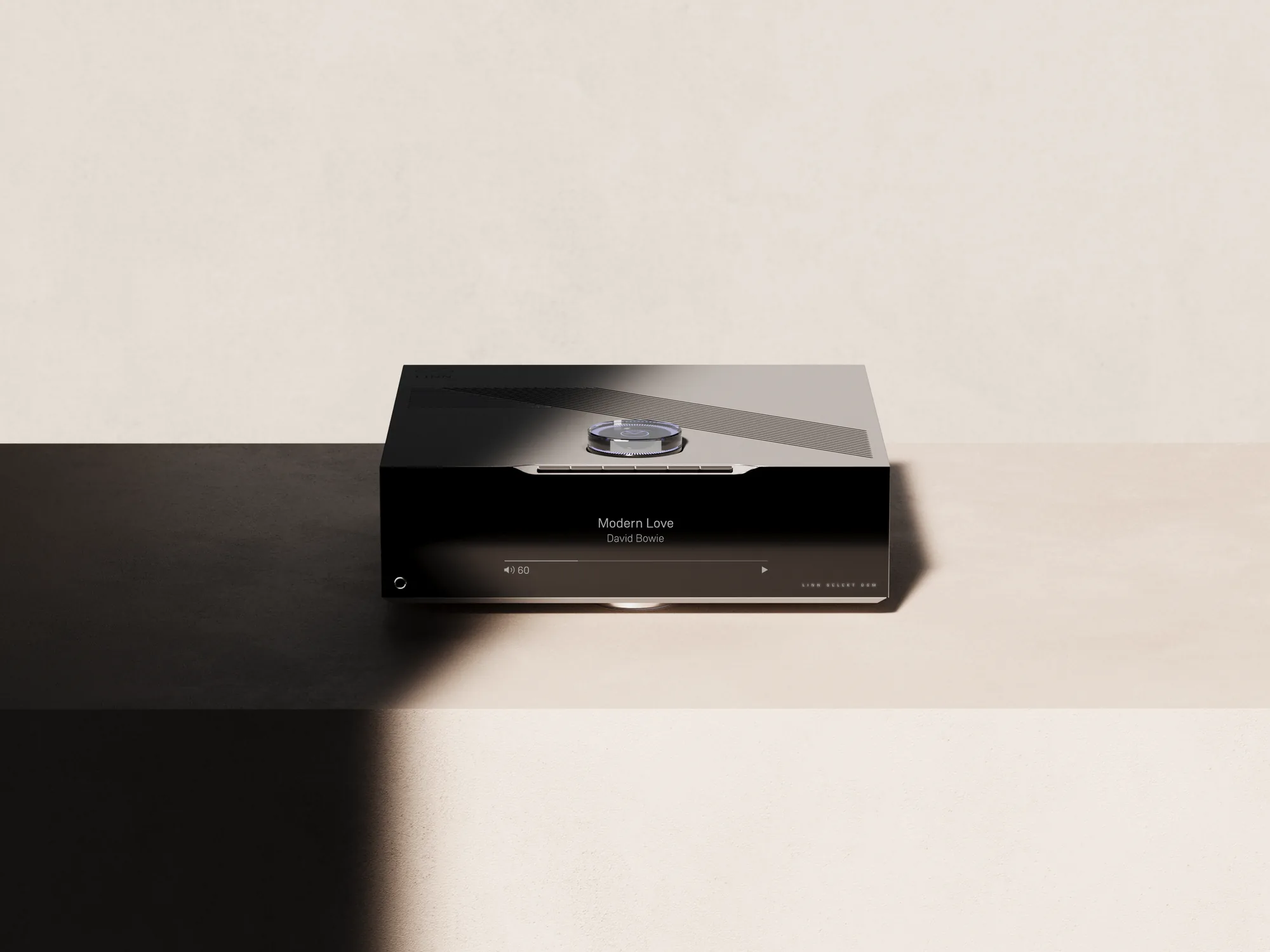
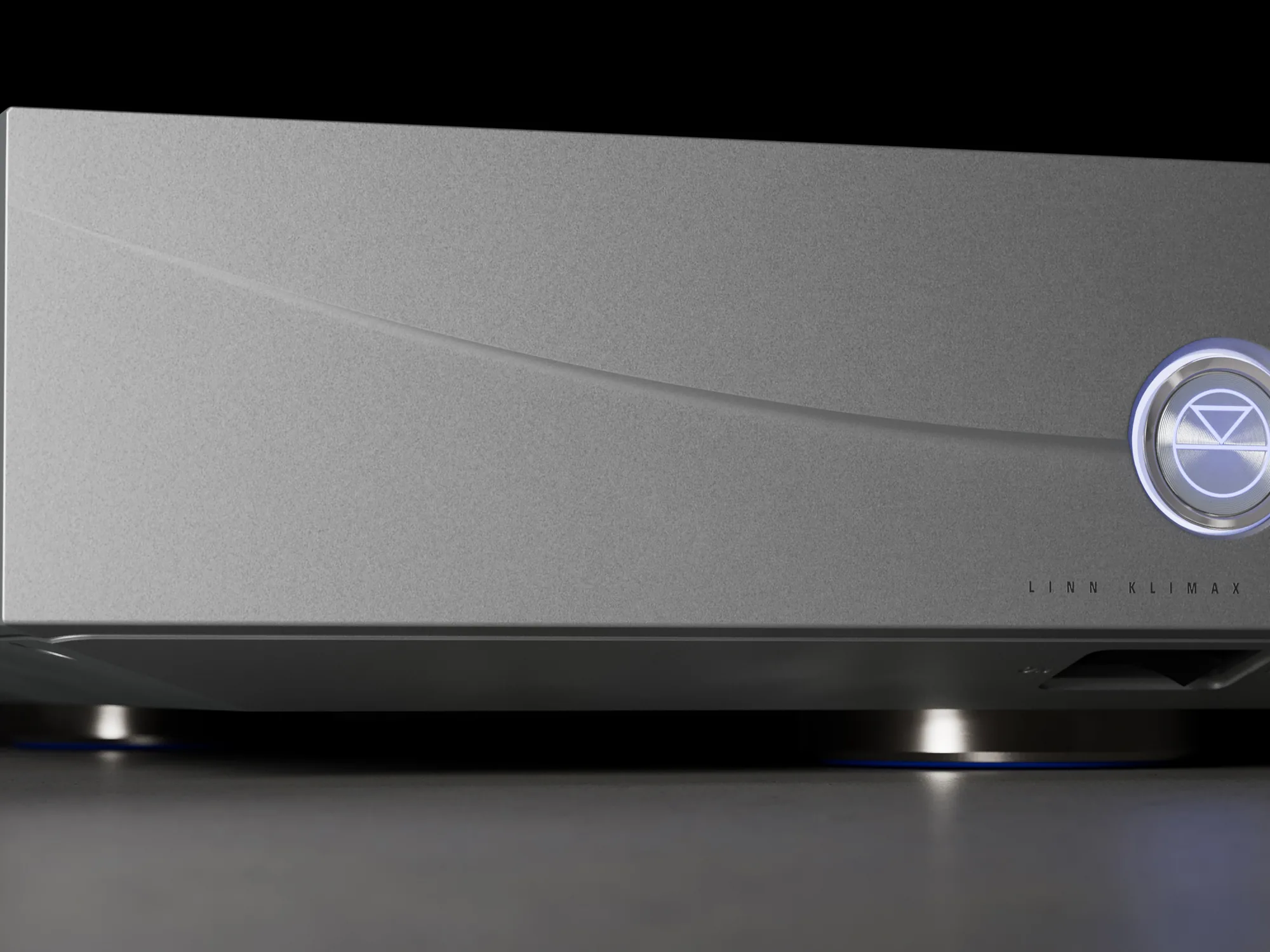
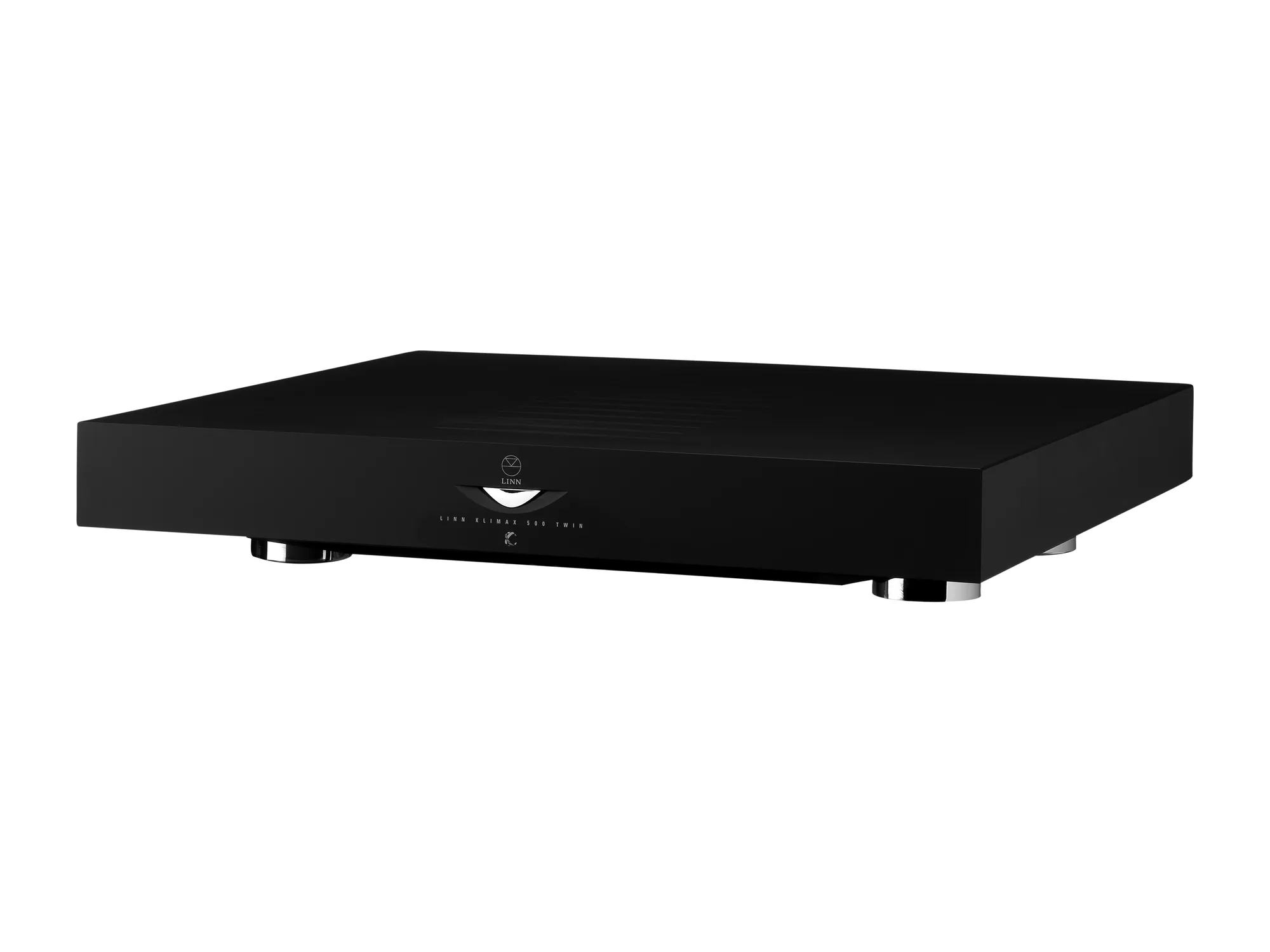
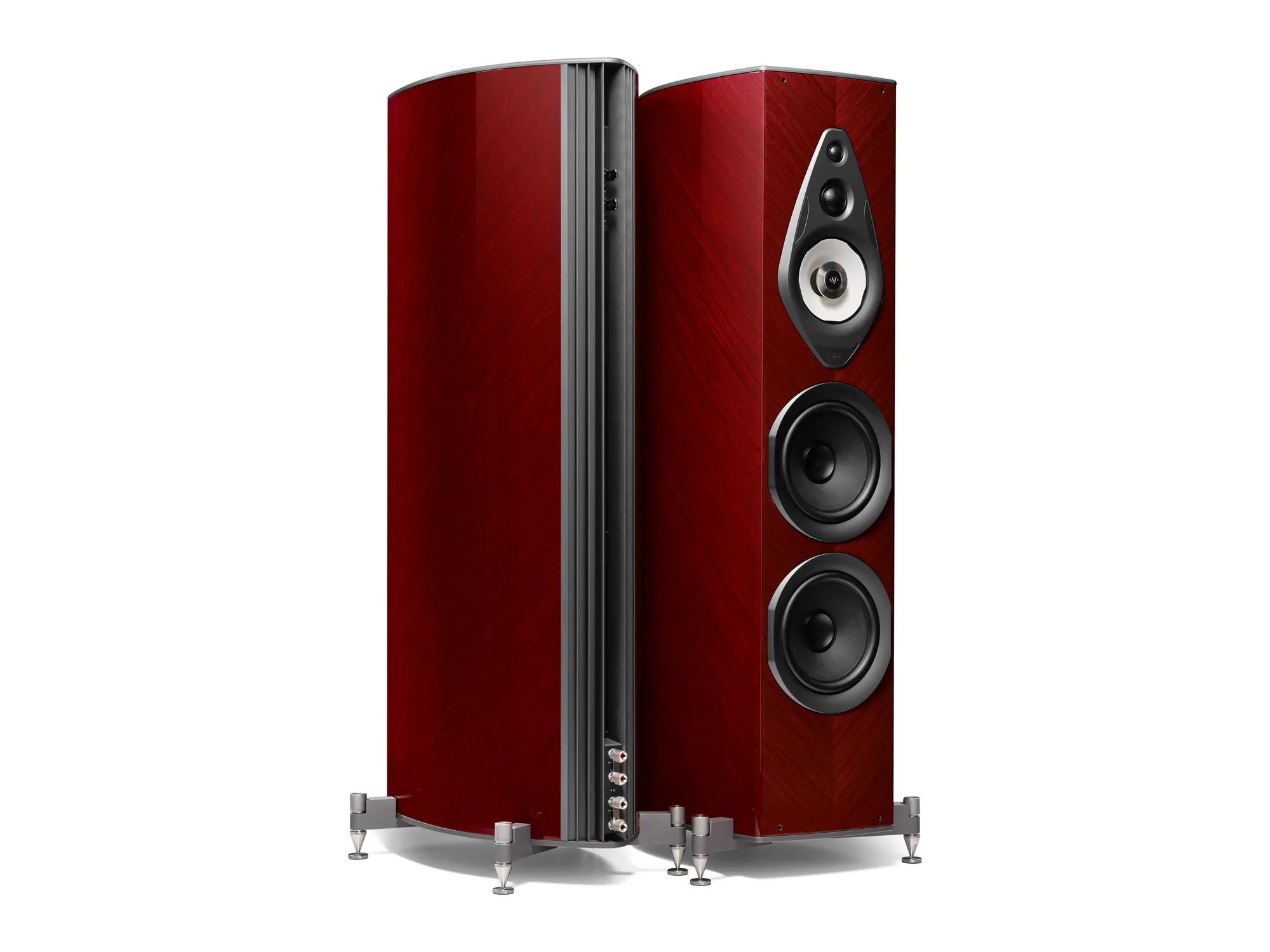
An all-Linn amplification chain on a Sonus faber Homage loudspeaker, which is a pairing that rewards attention. The Serafino sits below the Amati in the Homage tradition and is the more room-friendly of the two. Driving it are Linn Klimax Solo 500 monoblocks — a complete redesign of the original Klimax Solo — with a Klimax Twin alongside and a Selekt DSM handling source and control.
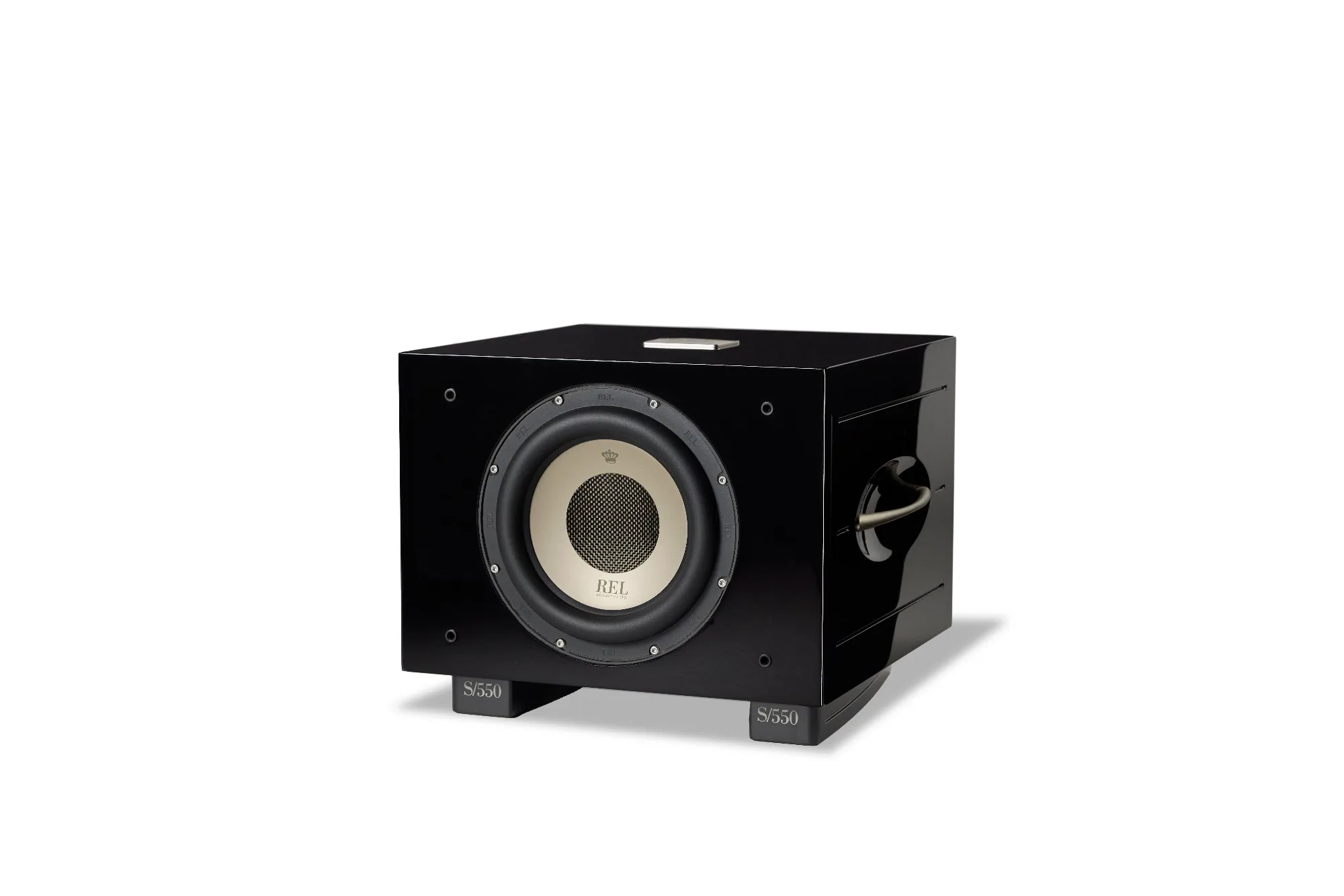
Two REL S/550 subwoofers extend the bottom end using REL’s high-level connection, taking their signal directly from the amplifier’s speaker outputs so the subwoofers hear exactly what the main loudspeakers hear. That is the detail that lets a REL disappear into a two-channel system rather than announce itself. A Pro-Ject 6 PerspeX SB with the 9cc Evolution tonearm covers vinyl, with Transparent Plus cabling.
System 3 — Amati Supreme, bi-amplified by McIntosh MC451
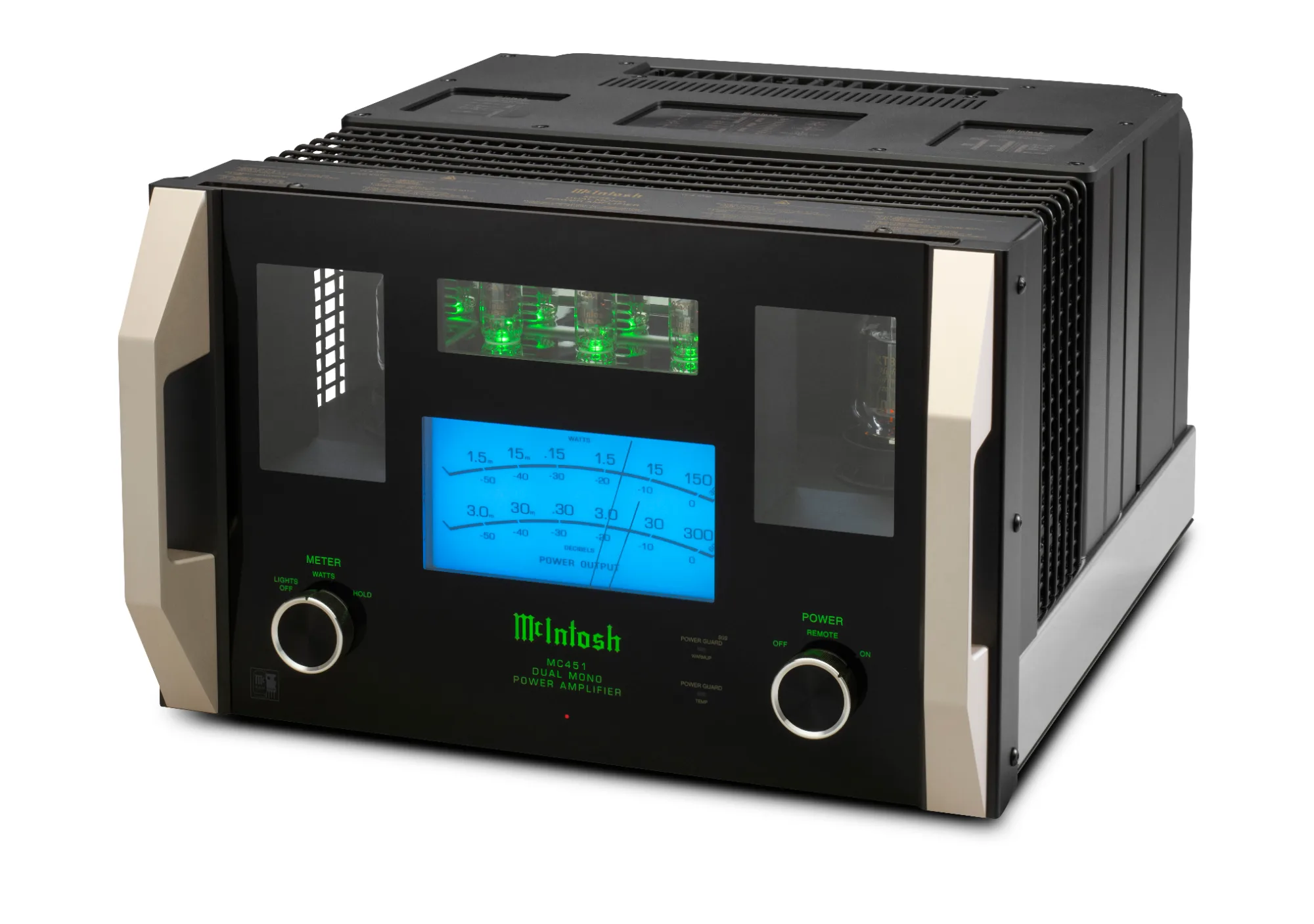
The Amati Supreme is the limited-run version of the Homage flagship, and this system is built to match it rather than merely to drive it. McIntosh MC451 dual mono amplifiers are the interesting choice: each chassis carries a 150-watt vacuum tube channel and a 300-watt solid-state channel, intended to bi-amplify a single loudspeaker with tubes on the treble and solid state on the bass.
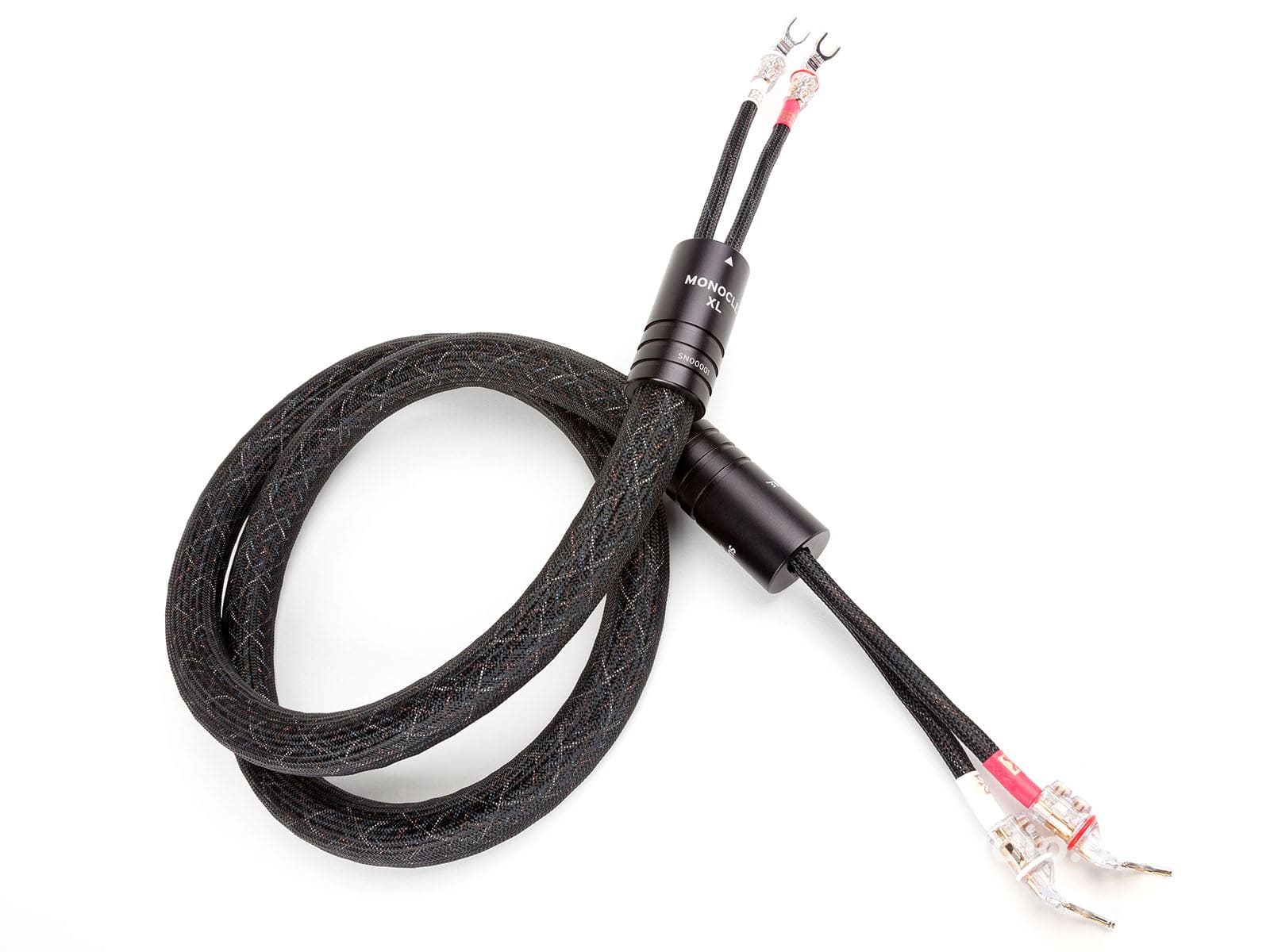
It is the most literal expression of McIntosh’s Hybrid Drive thinking — not a compromise between the two technologies but both of them, each doing the job it does best. Source is a Linn Sondek LP12 and a Selekt DSM. Loudspeaker cabling is Kimber Monocle XL, with Transparent Super elsewhere in the chain and a Transparent PowerWave conditioning the mains.
Three Homage loudspeakers, three amplification ideas
The design of this room is that the loudspeakers change less than the electronics do. Amati G5, Serafino and Amati Supreme are recognisably from the same hand. What differs is the argument being made in front of each: switchable tube or solid state on the G5, an all-Linn chain with REL reinforcement on the Serafino, and hybrid bi-amplification on the Supreme.
That lets a listener isolate the variable that matters to them. Someone who wants to know what tubes do can hear it on the G5 with a flick of the preamplifier. Someone who wants to know what a properly integrated subwoofer adds to a full-range loudspeaker can hear it on the Serafino. Someone who wants to know whether the Supreme justifies its position can hear it on amplification that gives it no excuses.
The systems in this room
- Sonus faber Amati G5 loudspeakers
- McIntosh C49 preamplifier, MC152 stereo amplifier and MC2301 vacuum tube monoblocks
- Vertere DG-1 turntable, Linn Klimax DS and McIntosh MR80 tuner
- Sonus faber Serafino loudspeakers and REL S/550 subwoofers
- Linn Klimax Solo 500 monoblocks, Klimax Twin and Selekt DSM
- Pro-Ject 6 PerspeX SB turntable
- Sonus faber Amati Supreme loudspeakers
- McIntosh MC451 dual mono amplifiers
- Linn Sondek LP12 turntable and Selekt DSM
- Kimber Monocle XL, Transparent Plus and Super cabling, Transparent PowerWave
Hearing it
Room 4 is the room for anyone deciding between the Amati and the Serafino, for anyone who wants to settle the tube-versus-solid-state question on a loudspeaker good enough to make it clear, and for anyone curious what a bi-amplified hybrid chain does that a single amplifier cannot. It follows naturally from Room 2, where the Olympica, Stradivari and Il Cremonese show the rest of the Sonus faber range.
Tempe Room 4 is in the Tempe showroom. Walk in during business hours and ask to hear it, or book ahead if you would like more than one of these systems set up and the time to move between them properly.
System

Tempe Room 4 — System 1
Sonus faber Amati G5 with a McIntosh C49 feeding both solid-state MC152 and MC2301 tube monoblocks — both topologies, one room.
Vertere DG-1 Dynamic Groove turntable · Linn Klimax DS network music player (current room configuration) · McIntosh MR80 tuner · Transparent Plus cabling
View this system →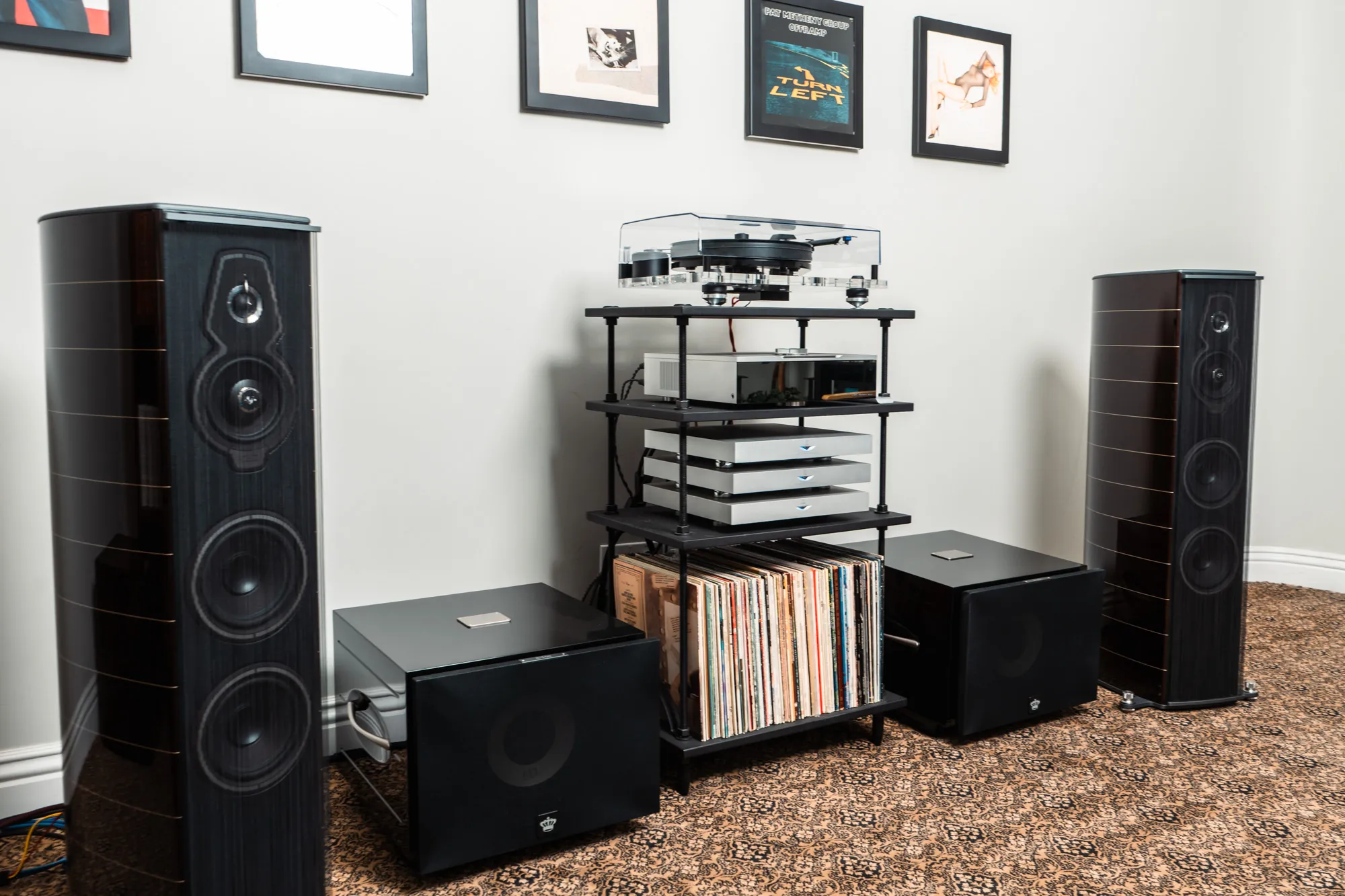
Tempe Room 4 — System 2
Sonus faber Serafino on Linn Klimax Solo 500 monoblocks, with a pair of REL S/550 subwoofers on high-level connection.
Sonus faber Serafino (current room configuration) · REL S/550 subwoofers × 2 · Pro-Ject 6 PerspeX SB turntable with 9cc Evolution tonearm · Transparent Plus cabling
View this system →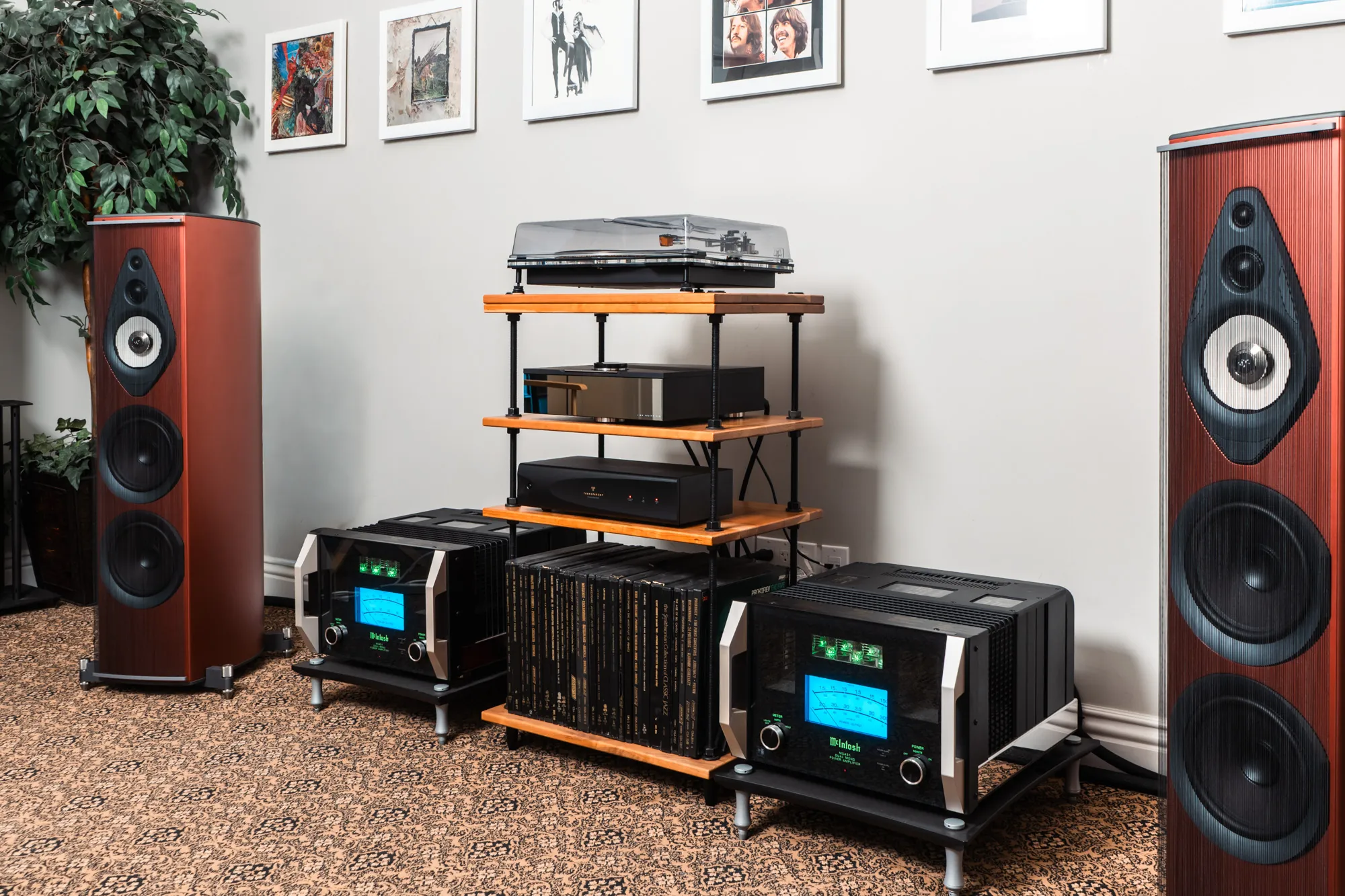
Tempe Room 4 — System 3
Sonus faber Amati Supreme bi-amplified by McIntosh MC451 dual mono — tubes on top, solid state below.
Linn Sondek LP12 turntable · Transparent Super cabling
View this system →