Scottsdale
The MBL Room
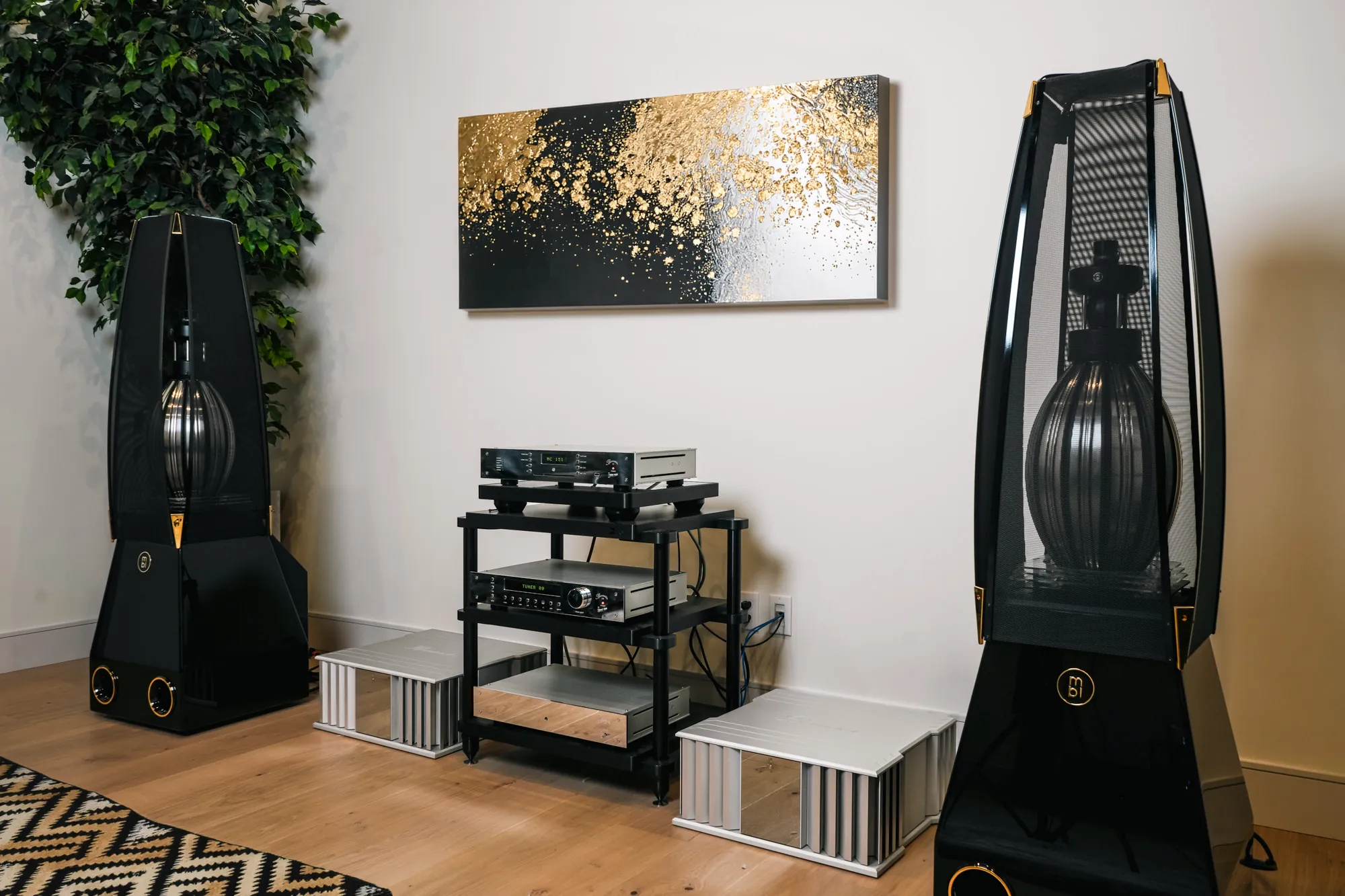
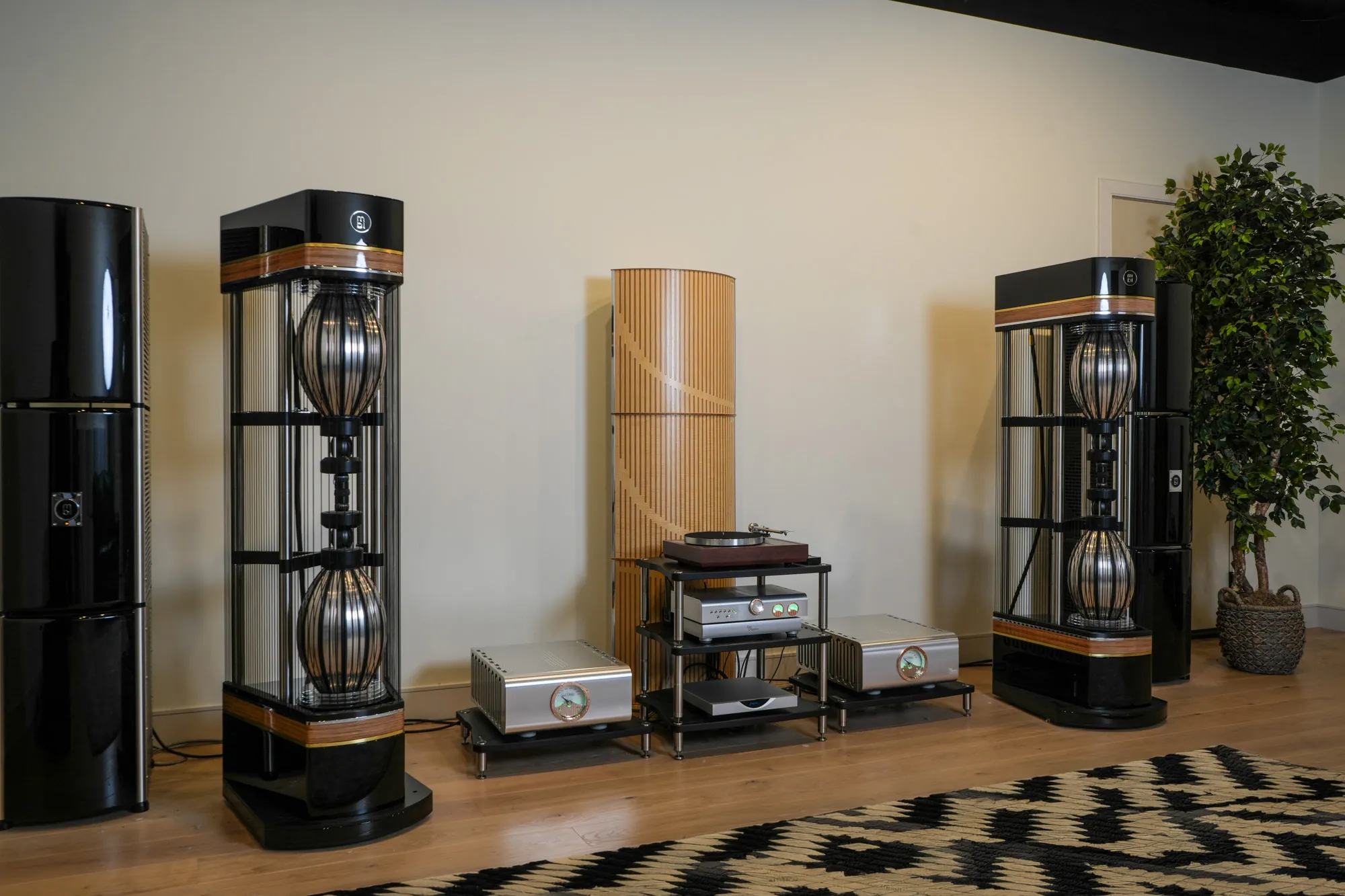
Three Radialstrahler systems in one room. The four-tower 101 X-Treme MKIII on Dan D'Agostino Progression, the 101 E MKII on Burmester, and the compact 120 MKII on MBL's own 9008 A monoblocks. Linn handles digital and vinyl throughout.
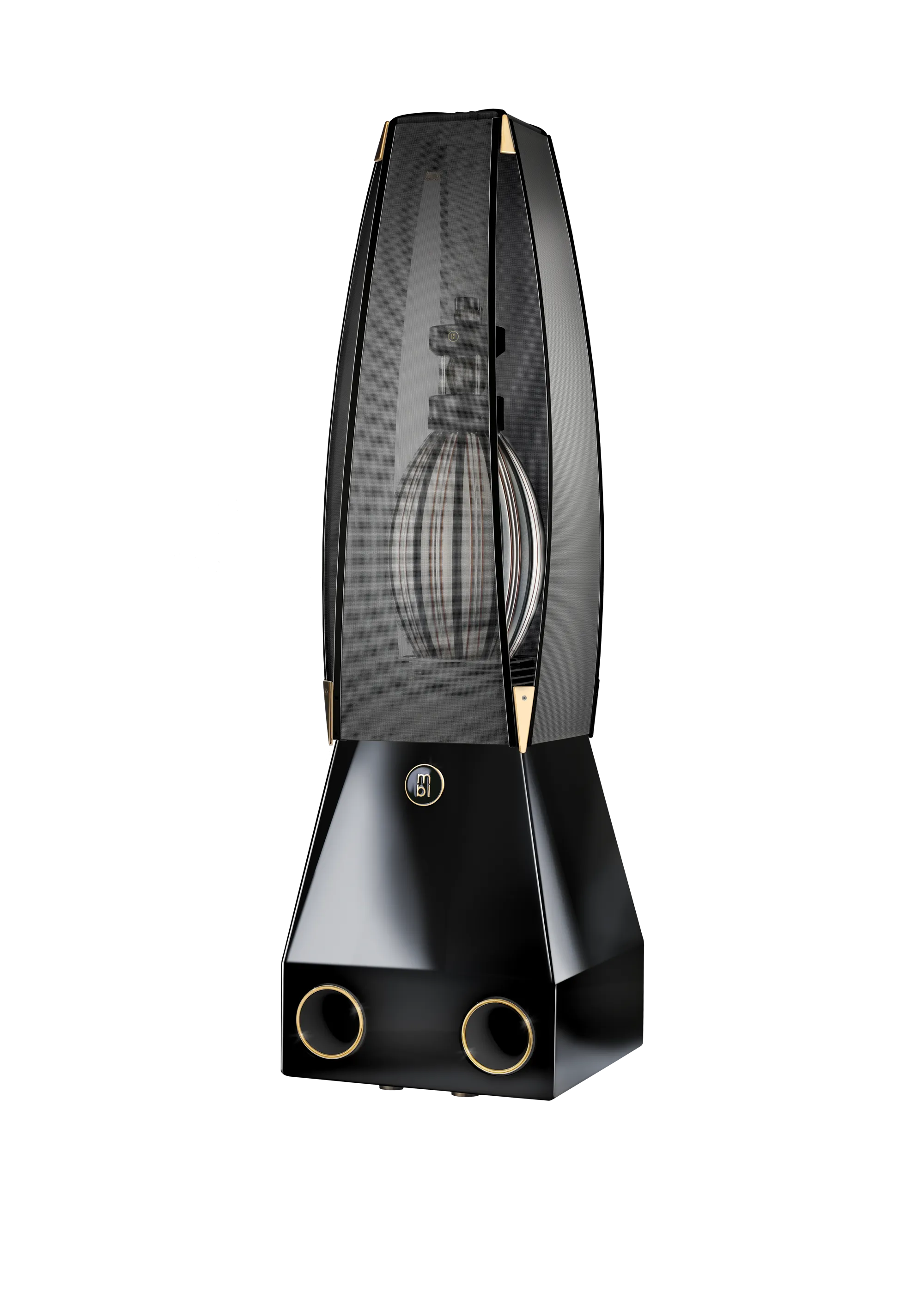
MBL’s Radialstrahler does not fire forward. Its aluminium petals are tensioned into a spherical geometry and flex outward, radiating in every horizontal direction at once. This room holds that principle at three scales, on three different amplifiers.
What omnidirectional radiation actually changes
A conventional loudspeaker projects a beam. It has a sweet spot because the sound is aimed, and moving out of that beam costs you the image. The Radialstrahler radiates a cylinder instead, so the stereo image occupies the room rather than a chair, and several people hear the same performance from different seats.
That is not a small convenience. It changes what a listening room is for. Most reference systems are built around one correct position and everybody else sits in the compromise; this one is built for a room with people in it.
Where the company started
The MBL 100 that became the 101 line was built in 1979, which makes the Radialstrahler one of the longest continuously developed loudspeaker designs in the industry. It has never been abandoned and restarted — every generation is a revision of the same idea. That is why a 120 MKII and a 101 X-Treme sound recognisably related despite the difference in scale, and it is why hearing the three together tells you something about the principle rather than only about three products.
The 101 X-Treme MKIII
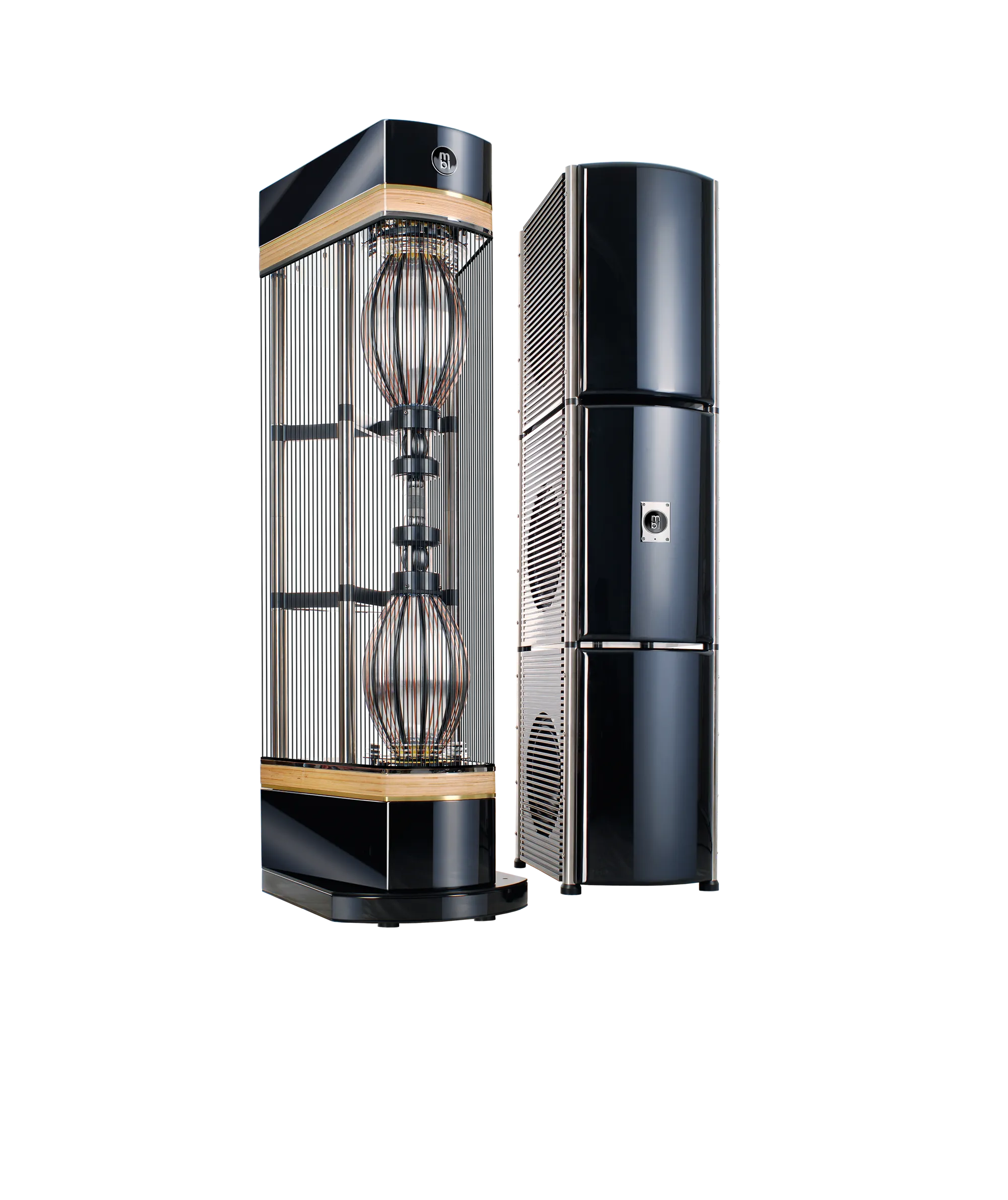
The statement. Four towers — a stereo pair of Radialstrahler arrays flanked by a stereo pair of subwoofer towers — totalling 984 kilograms and reaching down to 17 Hz.
That bottom octave is below the point most people perceive as pitch. It arrives as pressure rather than as a note, and the effect on a large-scale recording is less about hearing bass than about the room seeming to have the dimensions the recording was made in. Very few systems reach there at all, and fewer still do it without the subwoofer announcing itself as a separate device rather than as the bottom of the loudspeaker.
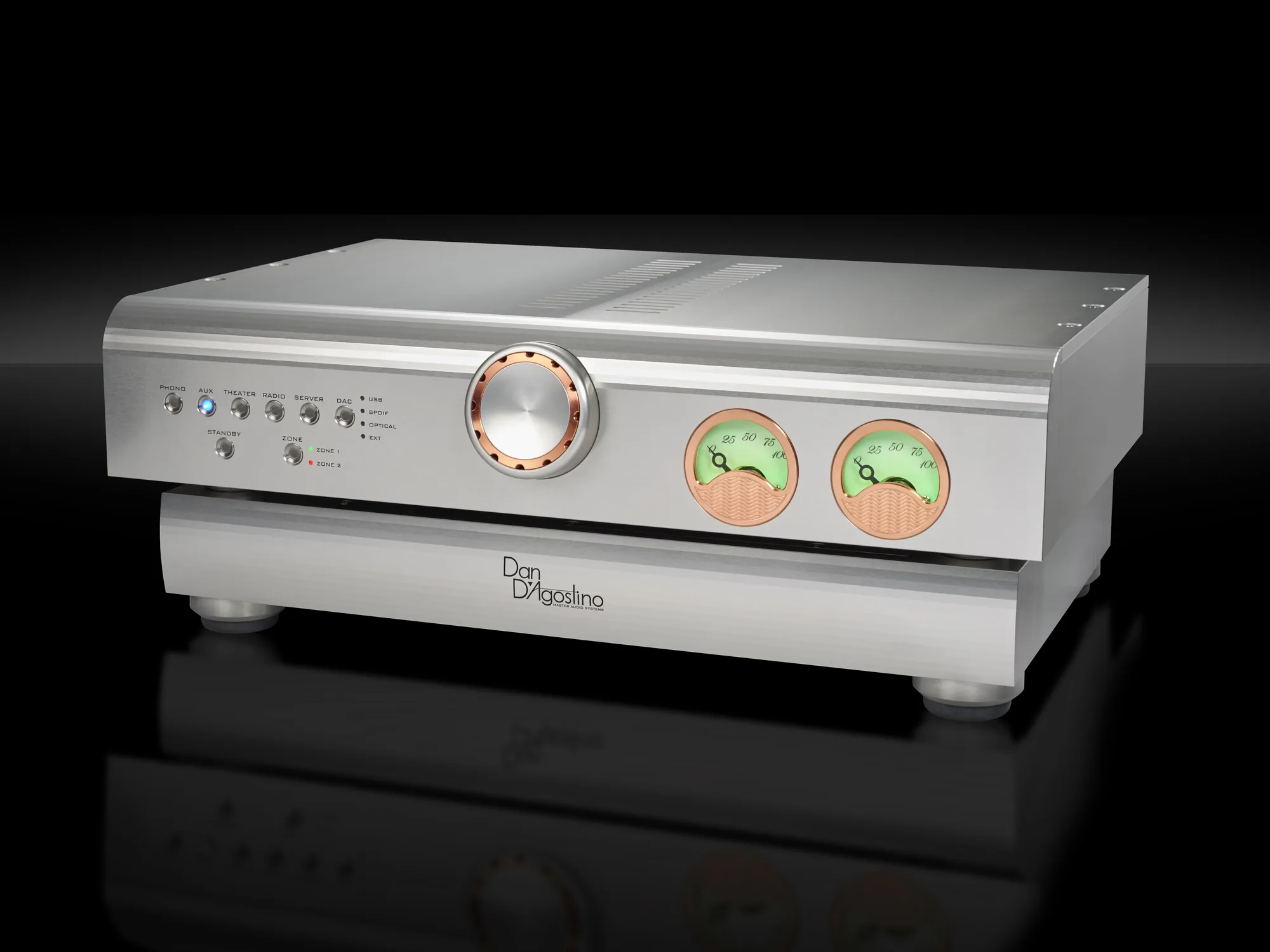
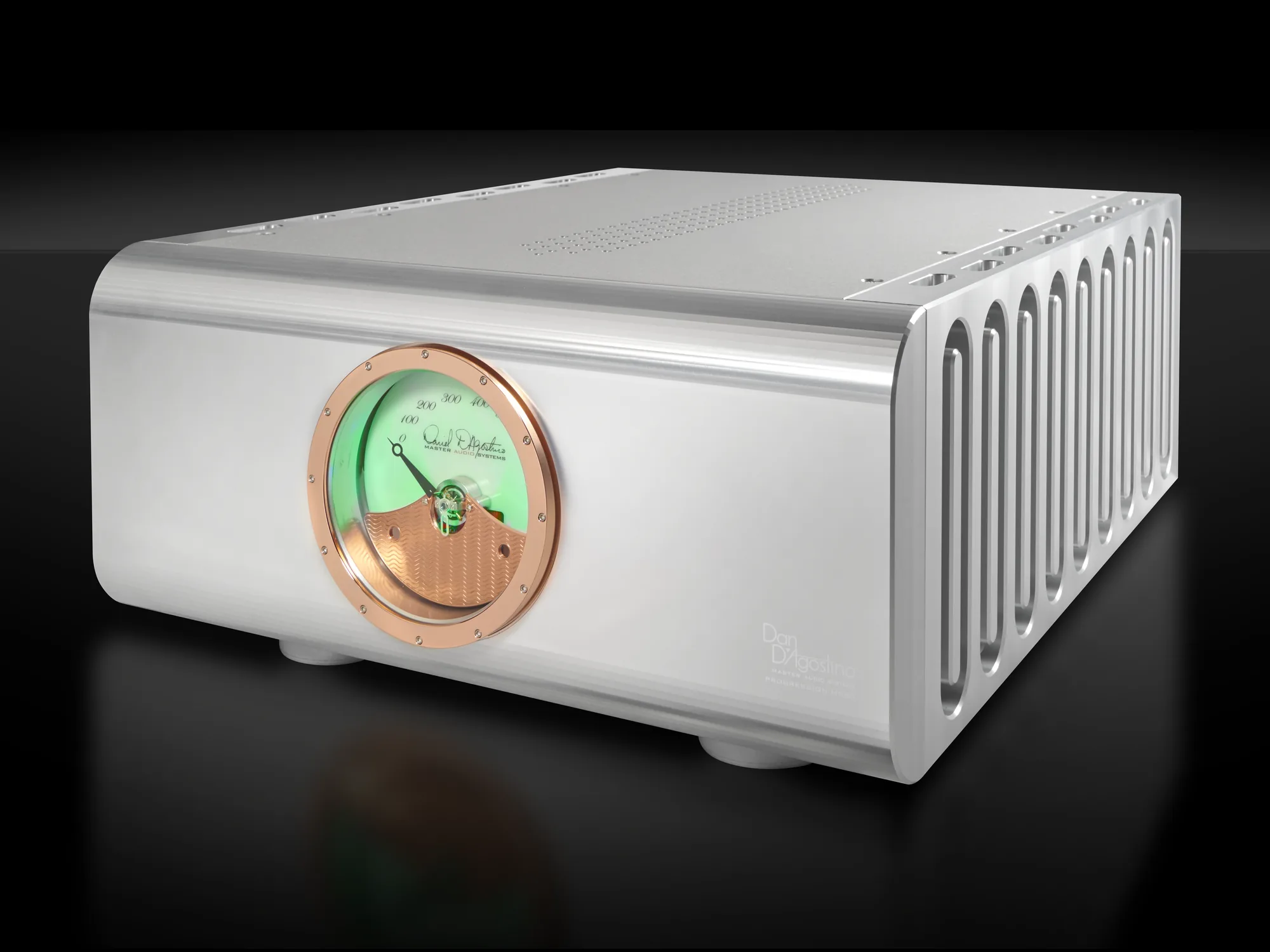
It runs Dan D’Agostino Progression: a pair of M550 monoblocks on the Progression Preamplifier.
The 101 E MKII
The same idea in a single pair of towers, and the direct descendant of the MBL 100 that started the company. This is the Radialstrahler as most people would actually own it.
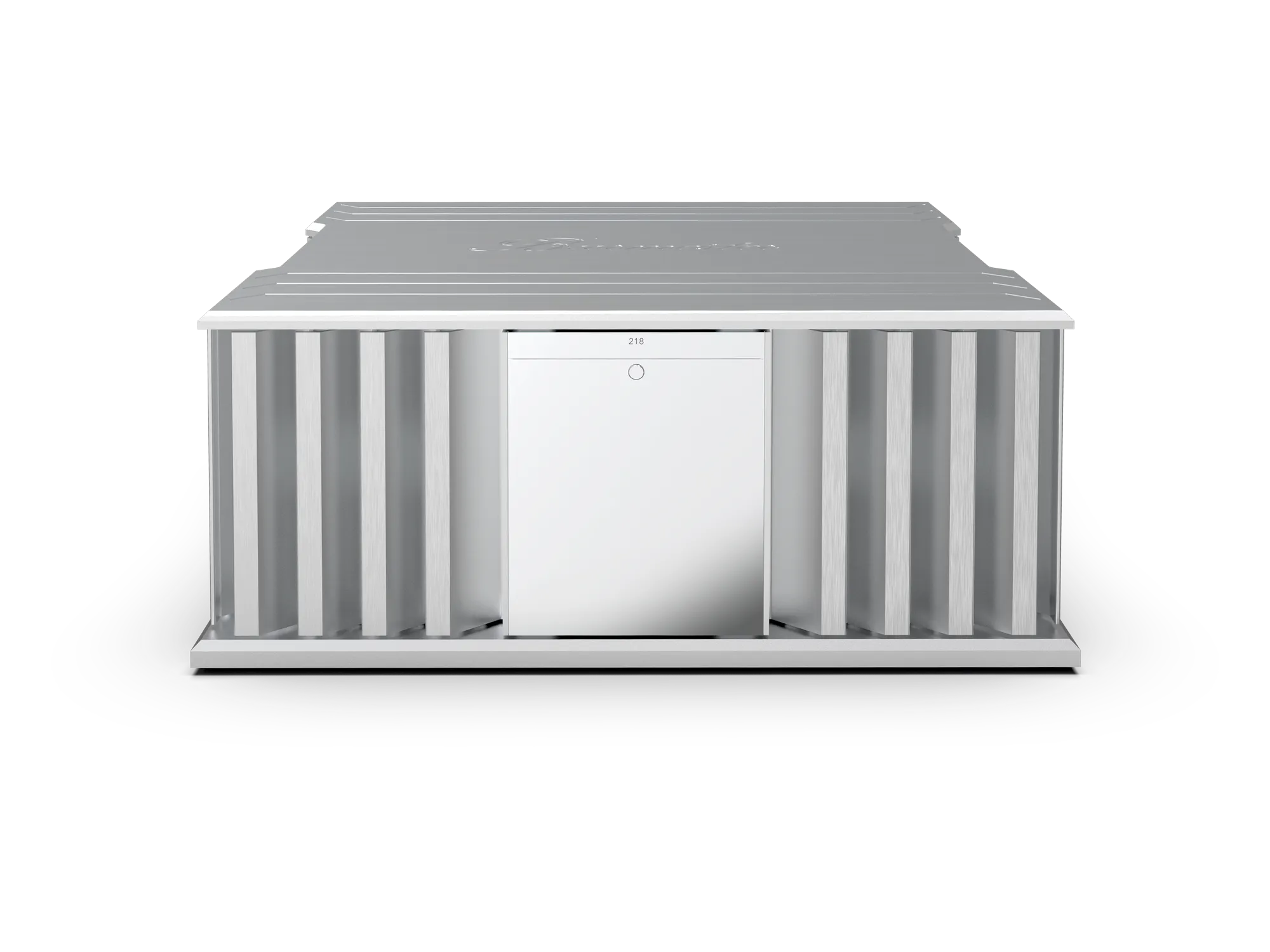
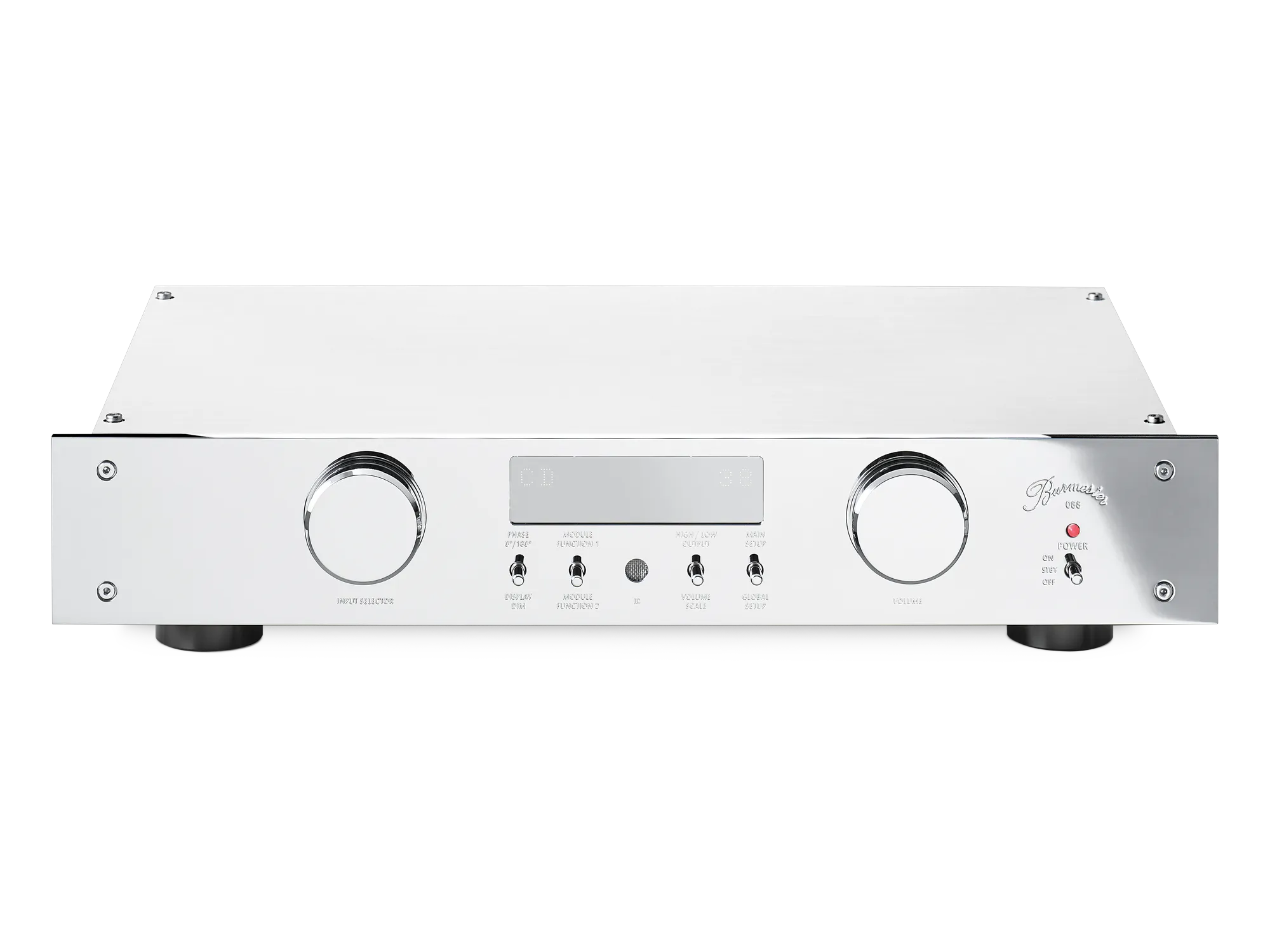
It runs Burmester — the 088 preamplifier and 218 power amplifier, both Berlin-built like the loudspeakers themselves. Pairing German electronics with German loudspeakers is not sentiment; the two companies have been in each other’s reference systems for decades.
The 120 MKII
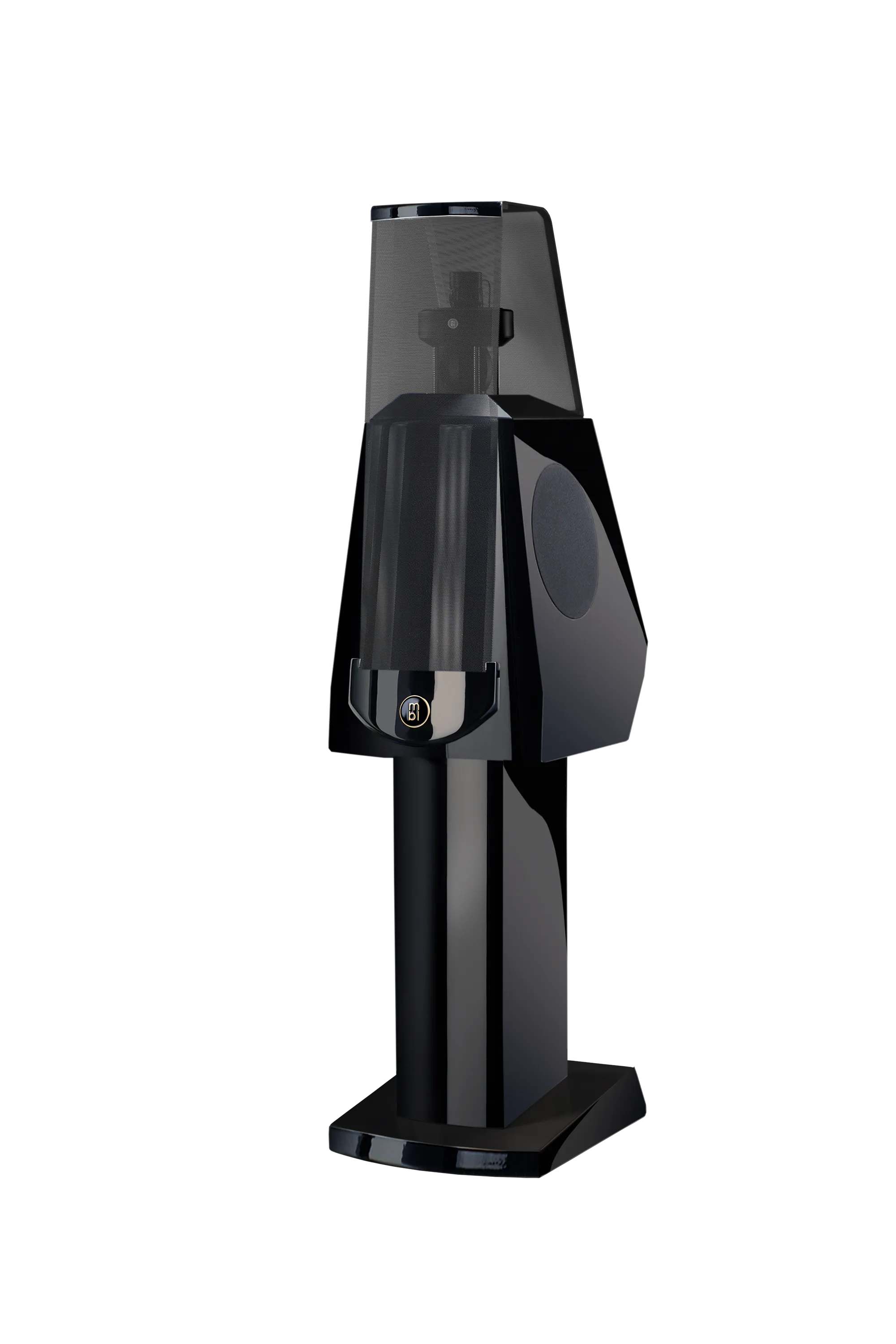
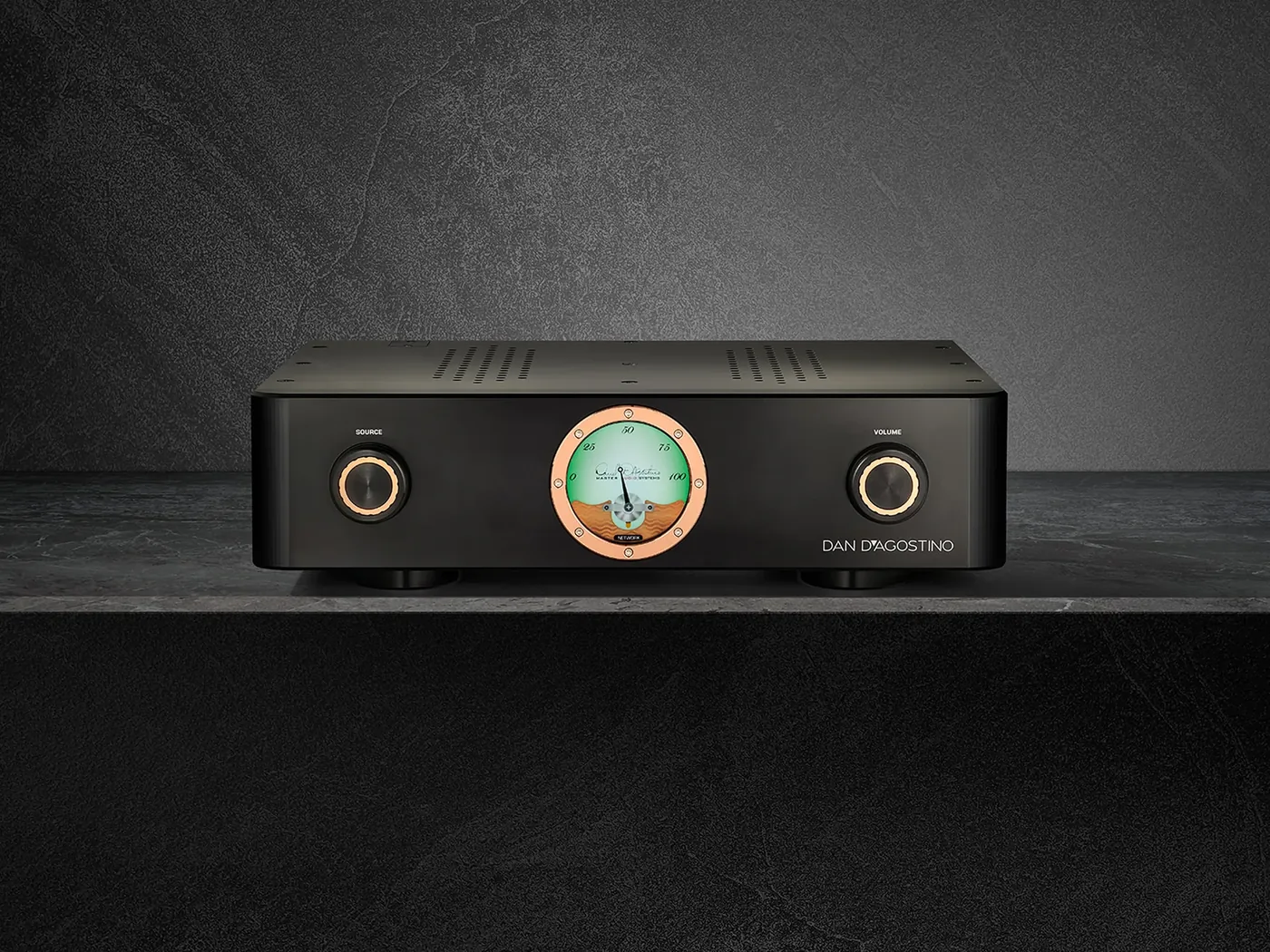
The compact three-way on a stand, sized for rooms up to roughly 35 square metres, driven by MBL’s own 9008 A monoblocks. A Dan D’Agostino Pendulum integrated amplifier sits in the same rack.
This is where the omnidirectional argument gets tested hardest, because a small room is where a radiating cylinder has the least space to develop. Hearing it work at this scale is more persuasive than hearing it work on four towers.
Three loudspeakers, three answers
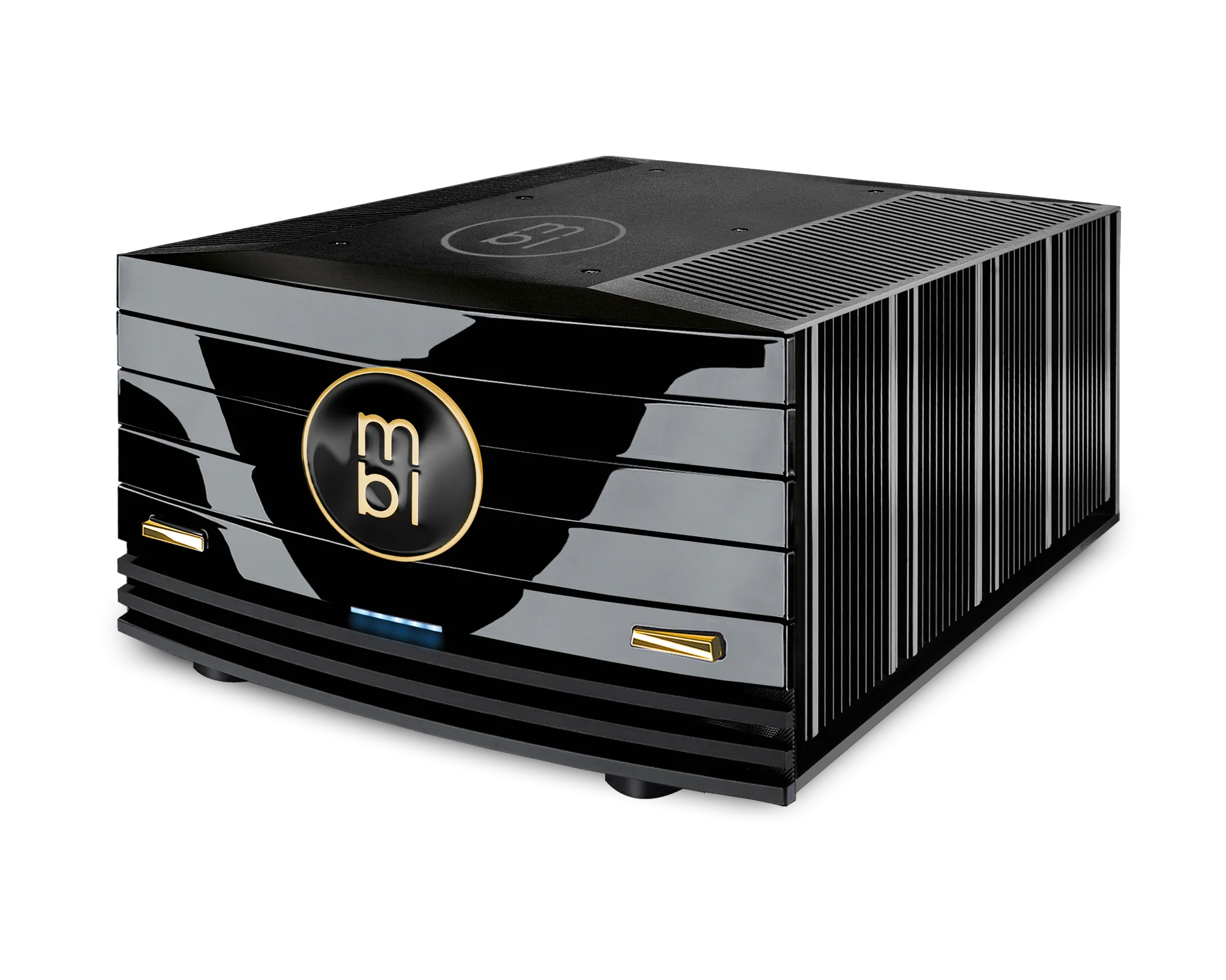
The electronics differ deliberately. D’Agostino on the X-Treme, Burmester on the 101 E, MBL’s own on the 120. Three loudspeakers from one house and three different answers to the question of what should drive them — including MBL’s own answer, which is worth hearing against the other two rather than assumed to be correct because it shares a badge.
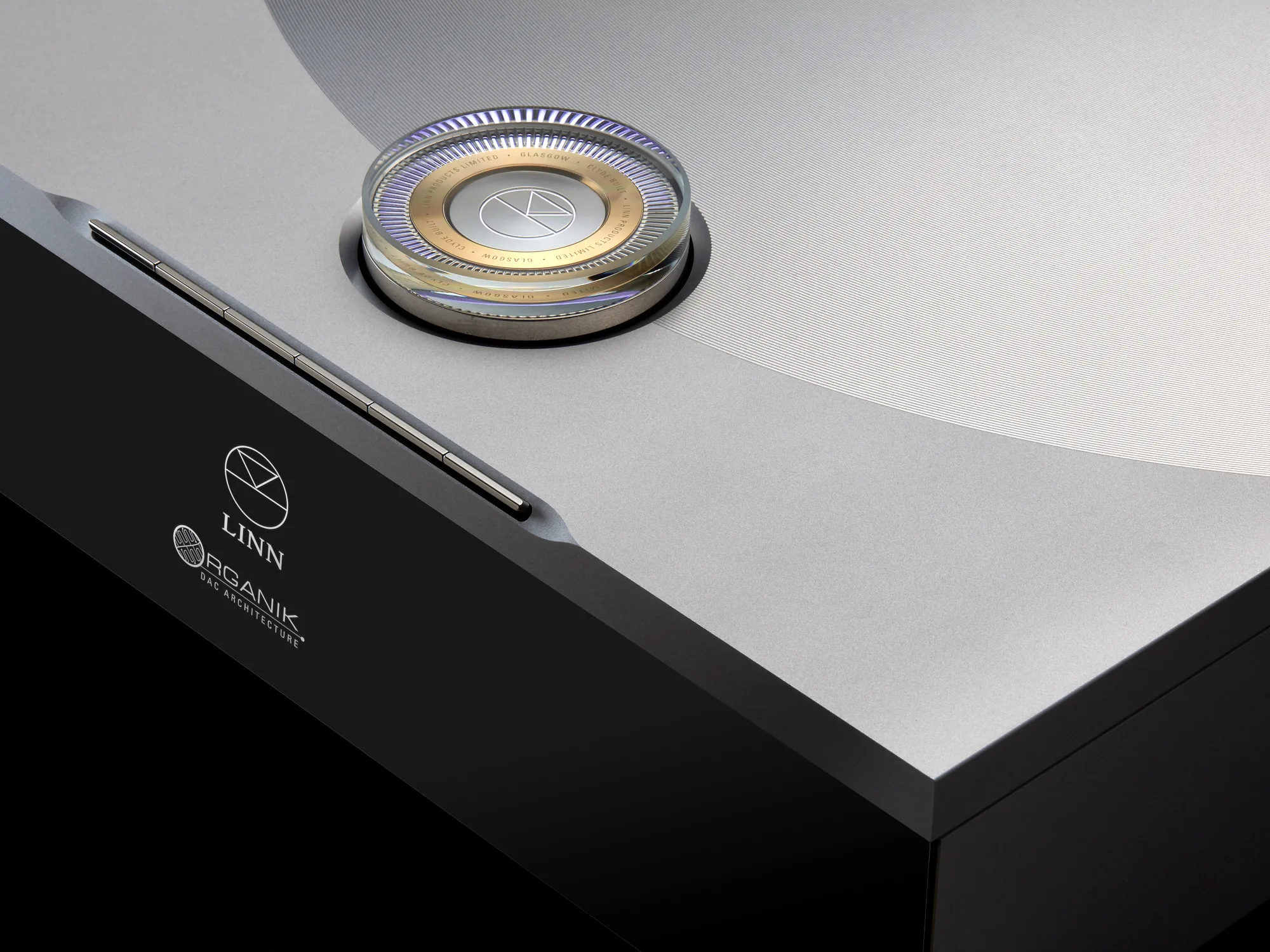
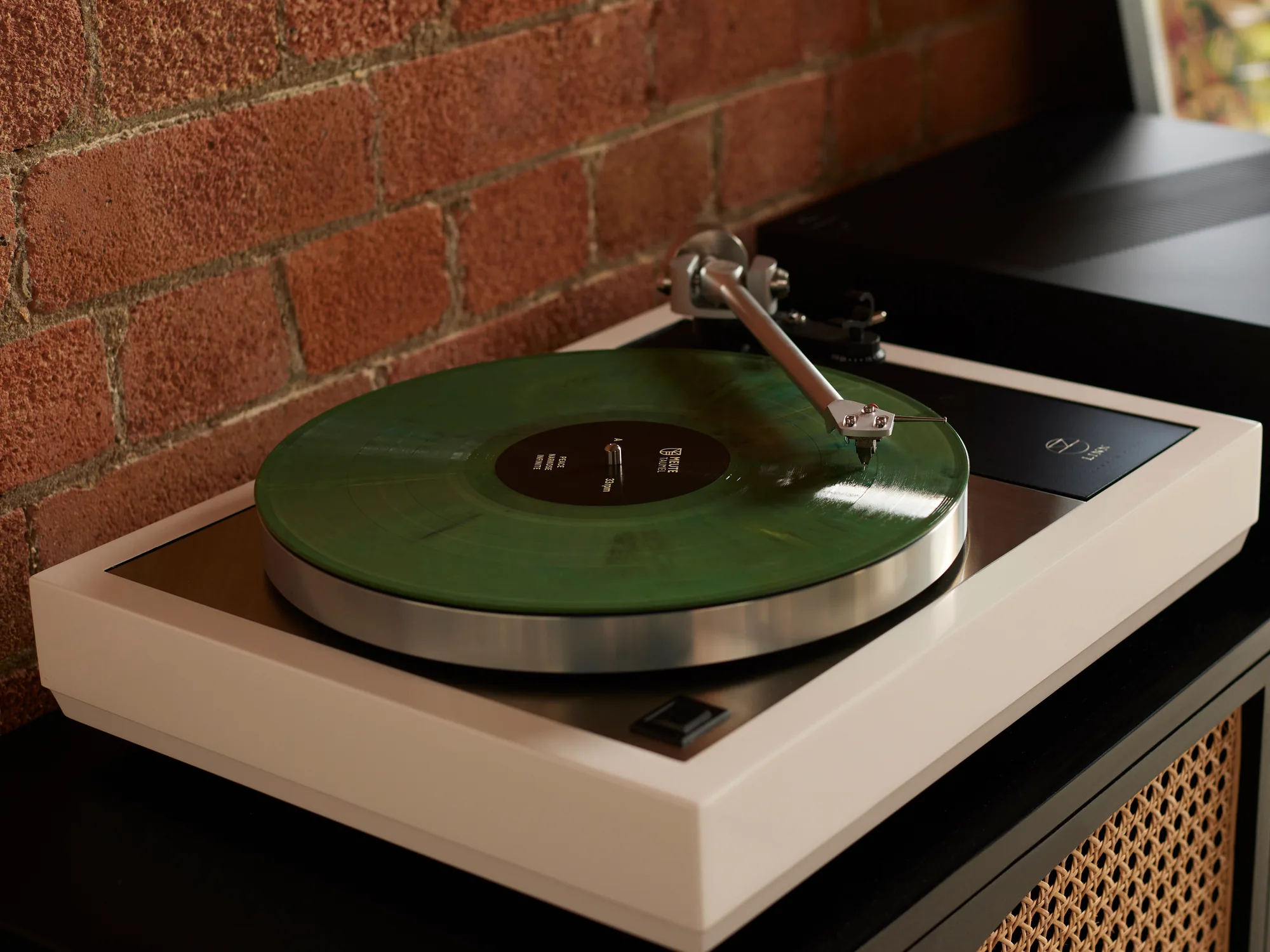
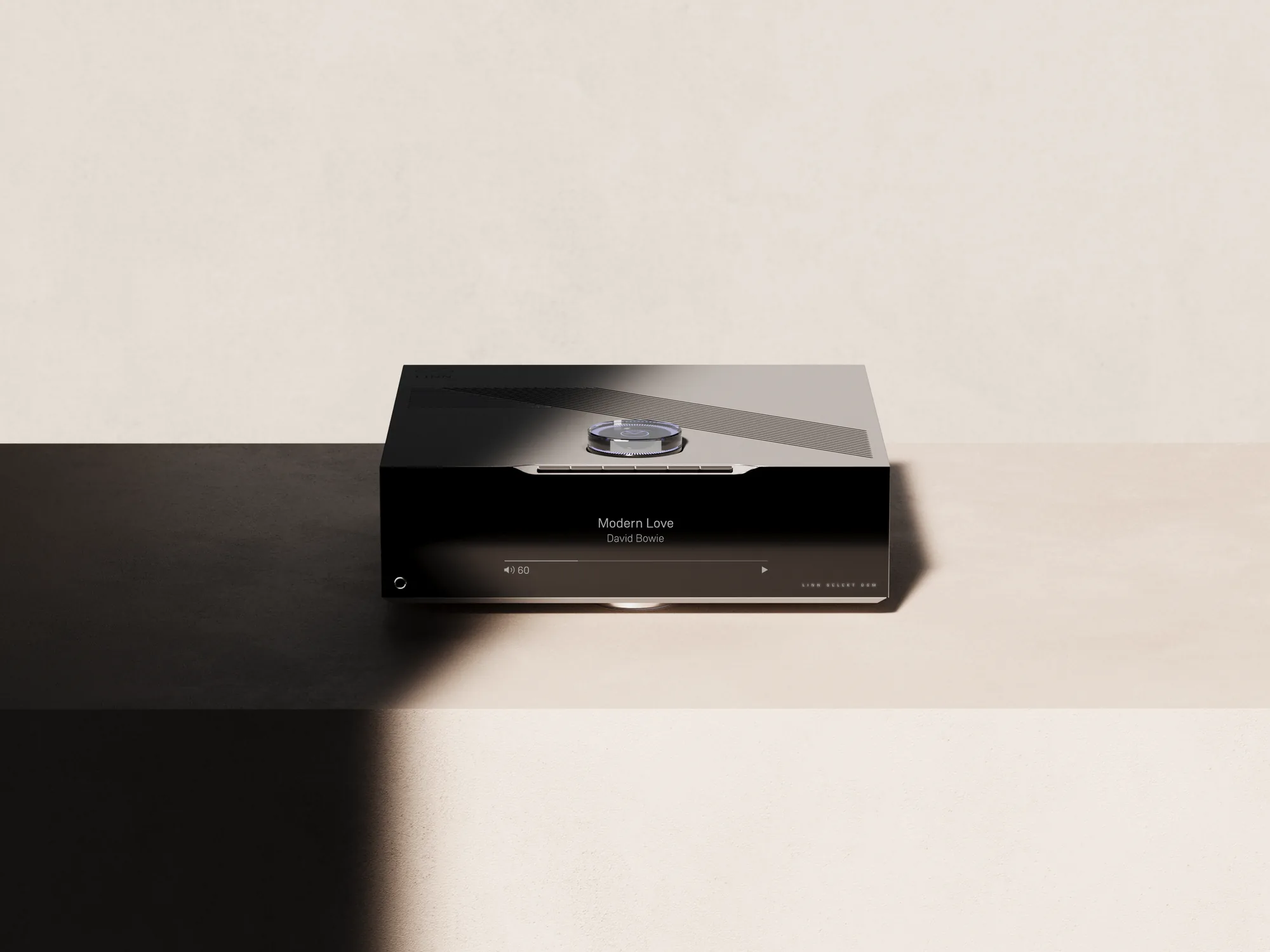
Linn handles digital and vinyl throughout.
The systems in this room
- MBL 101 X-Treme MKIII — four towers, 984 kg, to 17 Hz
- Dan D’Agostino Progression M550 monoblocks and Progression Preamplifier
- MBL 101 E MKII Radialstrahler loudspeakers
- Burmester 088 preamplifier and 218 Reference Line power amplifier
- MBL 120 MKII compact Radialstrahler loudspeakers
- MBL 9008 A monoblock amplifiers
- Dan D’Agostino Pendulum integrated amplifier
- Linn digital and vinyl sources
Hearing it
This is the room for anyone who has read about omnidirectional loudspeakers and never heard one, and for anyone whose listening room has a sofa rather than a chair. Hearing all three scales in one space is the clearest way to understand what the principle costs and what it returns.
The MBL Room is in the Scottsdale showroom. Walk in during business hours, or book ahead if you want more than one of these systems set up and the time to move between them.
Systems
The 101 X-Treme MKIII System
The four-tower 101 X-Treme MKIII Radialstrahler system on Dan D'Agostino Progression electronics — M550 monoblocks and the Progression Preamplifier — with Linn digital and vinyl.
View this system →The 101 E System
MBL’s 101 E MK II Radialstrahler driven by Burmester — the 088 preamplifier and 218 power amplifier, with Linn Selekt DSM.
View this system →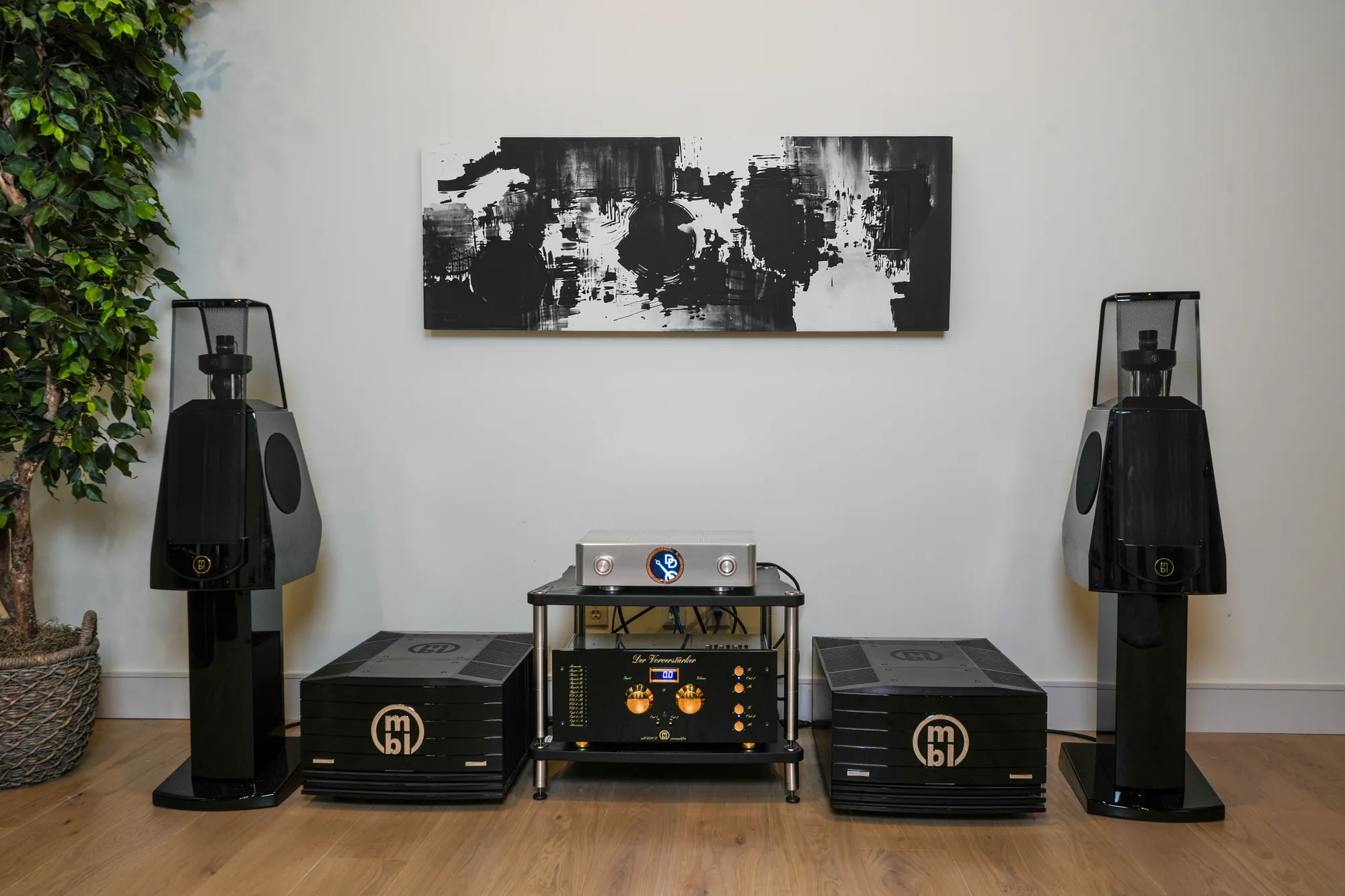
The 120 MKII System
MBL's compact 120 MKII Radialstrahler driven by 9008 A Reference Line monoblocks, with the Dan D'Agostino Pendulum integrated amplifier in the rack.
View this system →