The MBL Room
The 101 X-Treme MKIII System
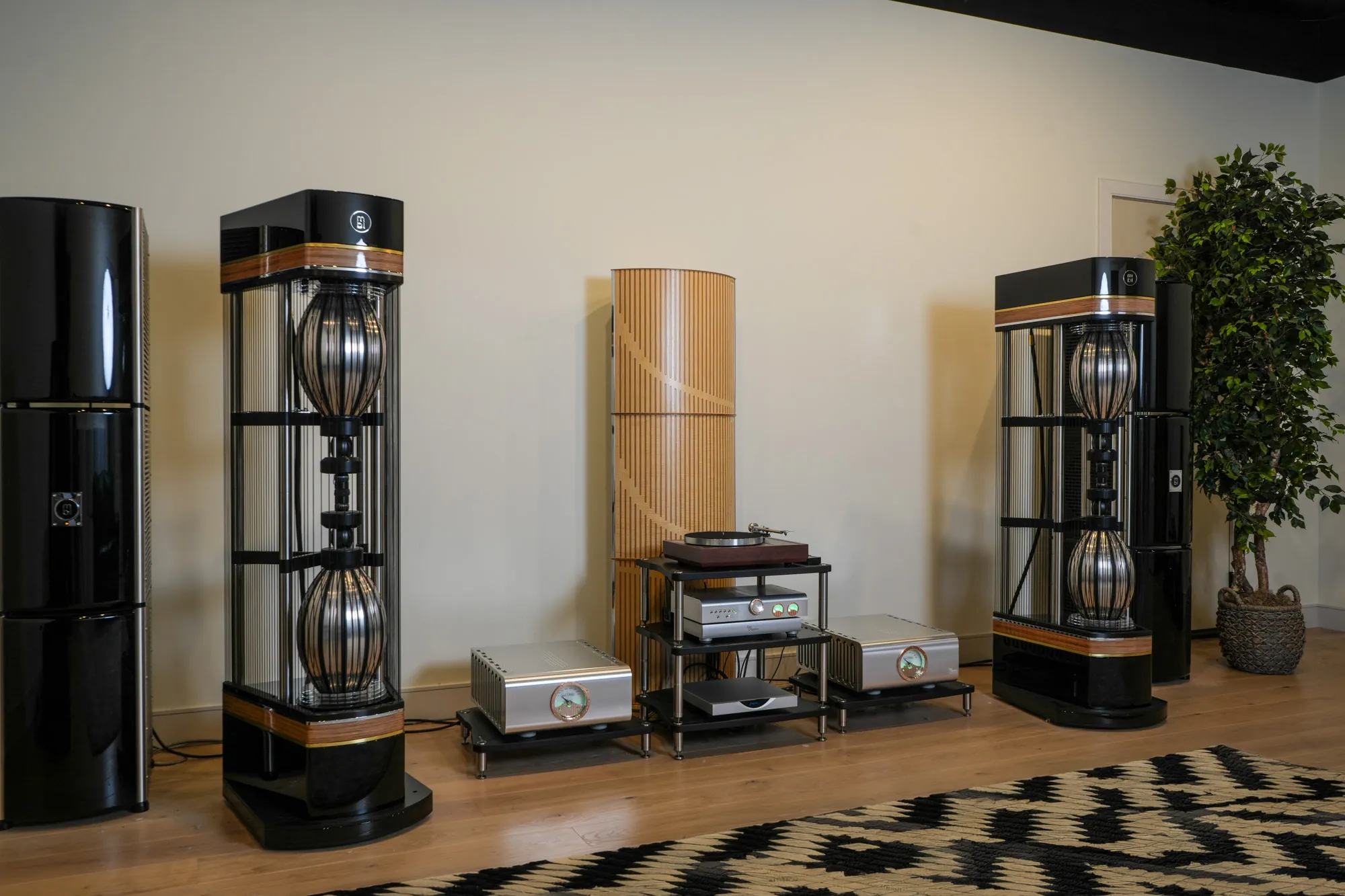
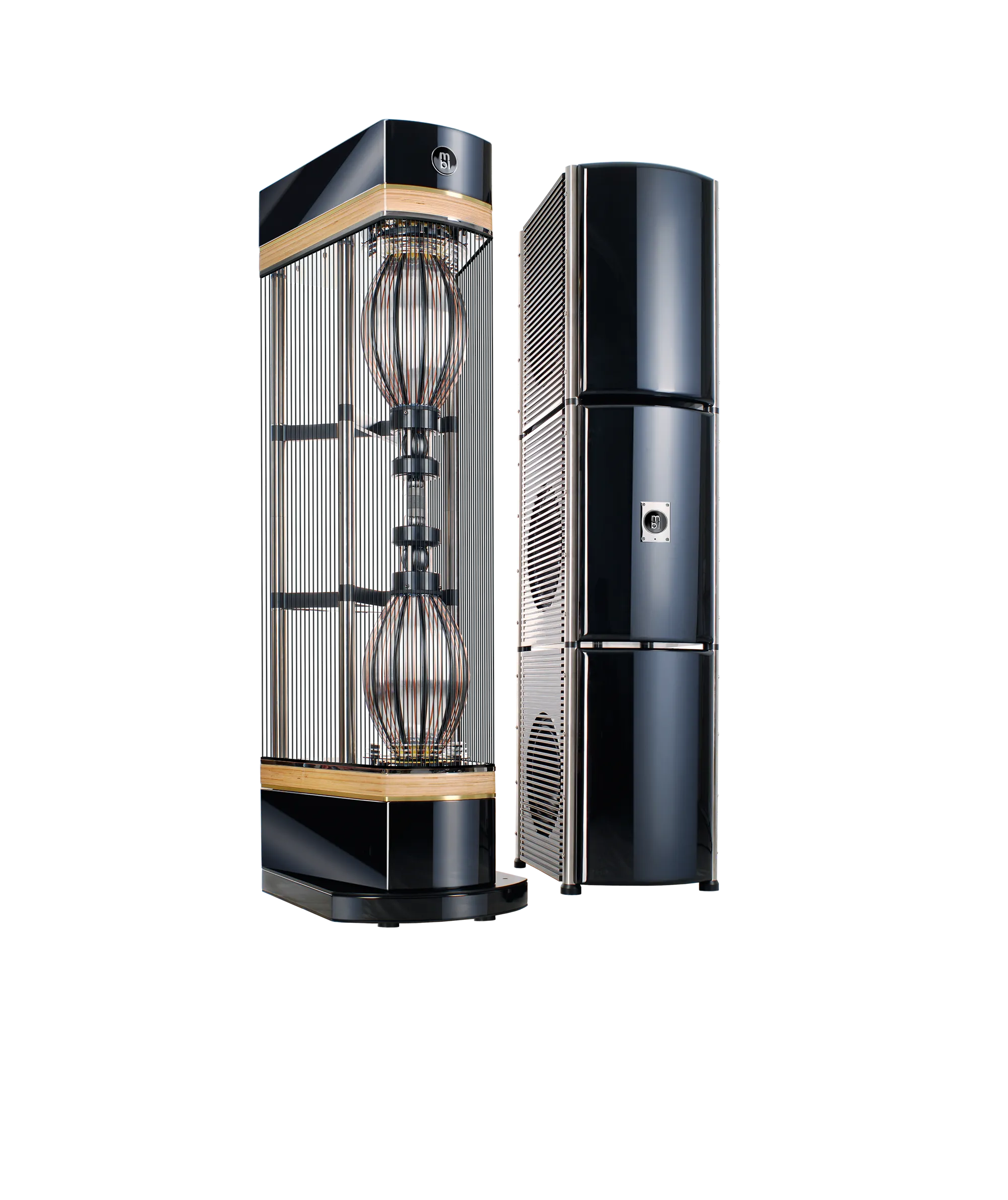
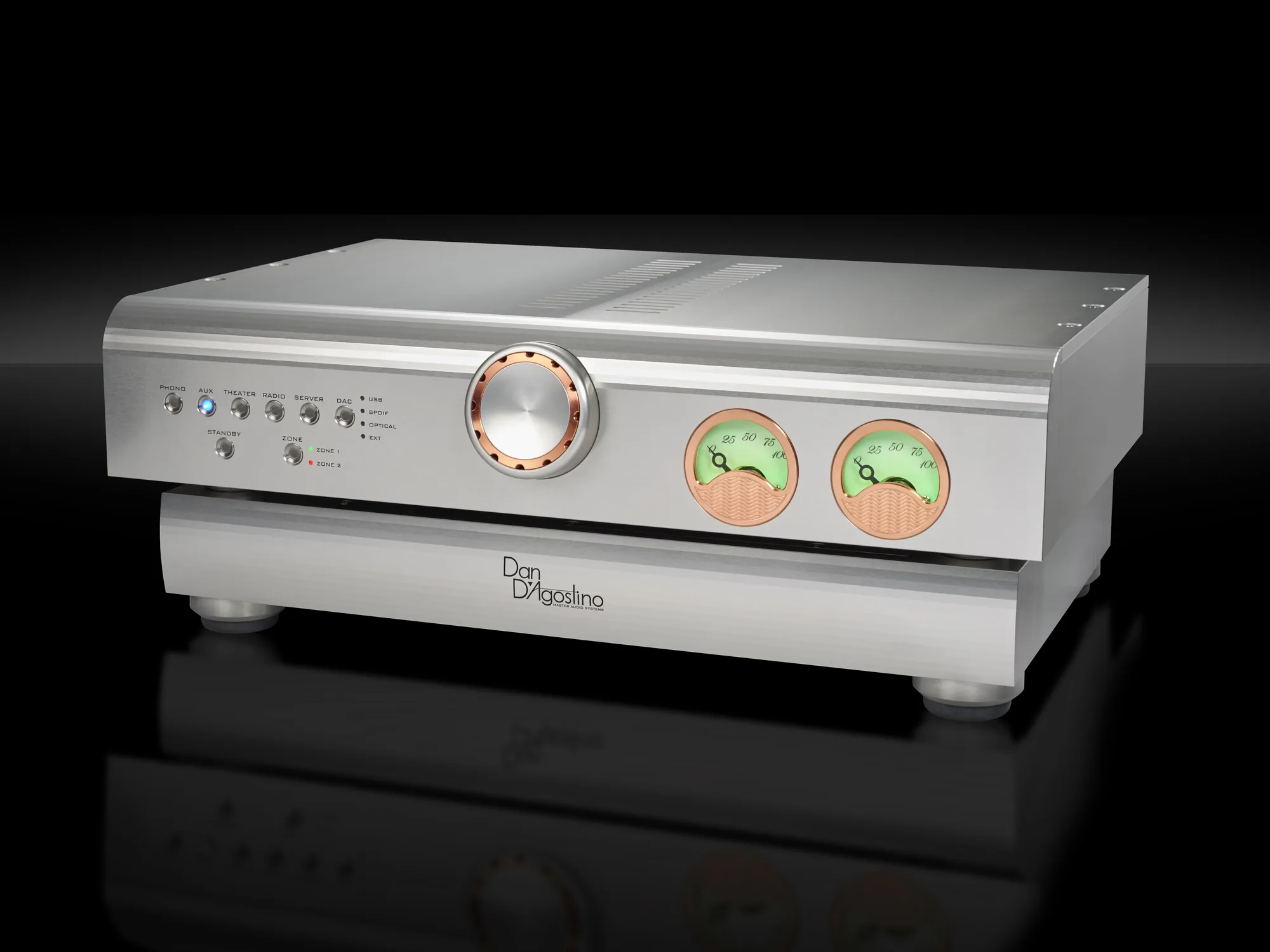
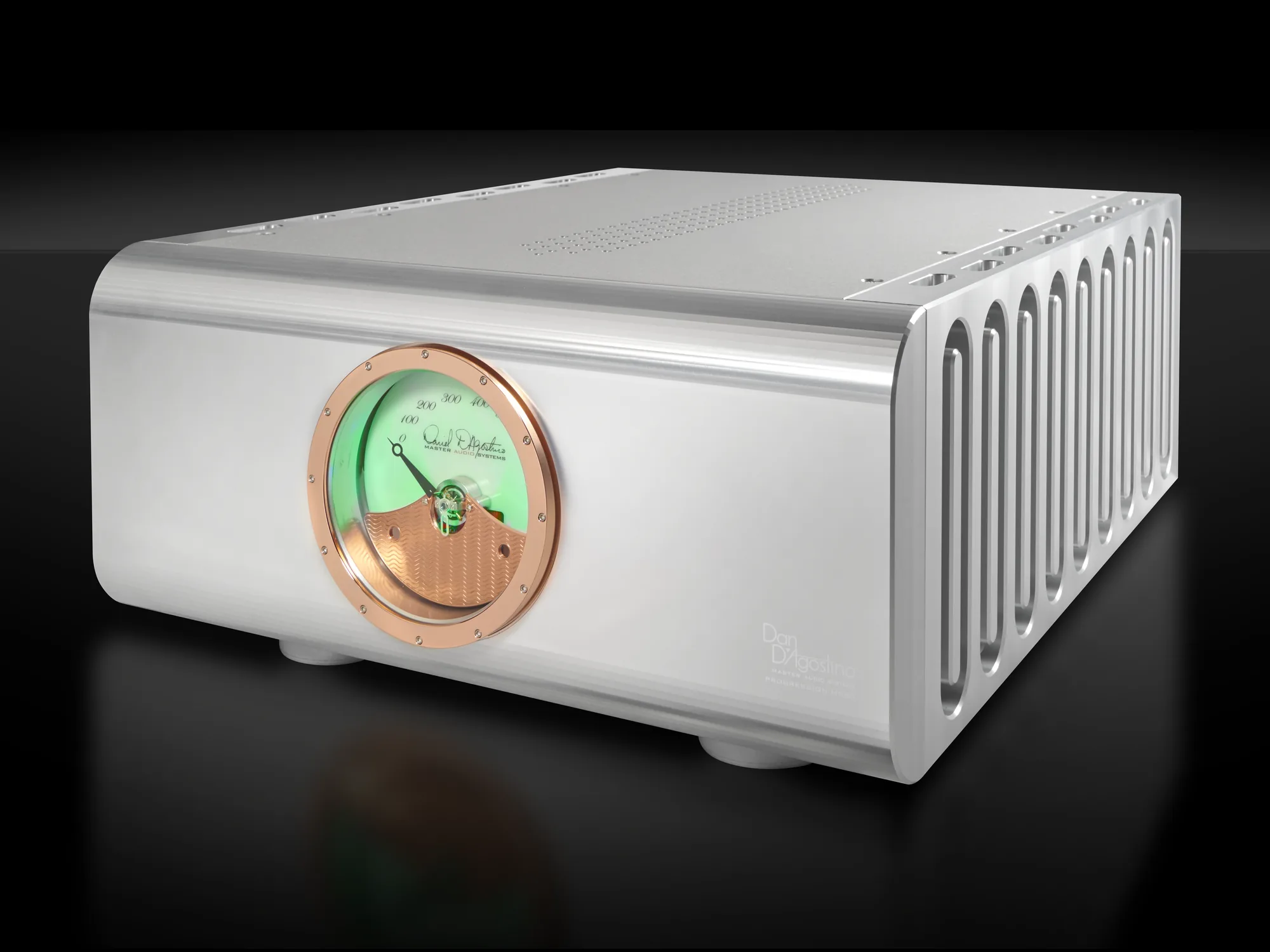
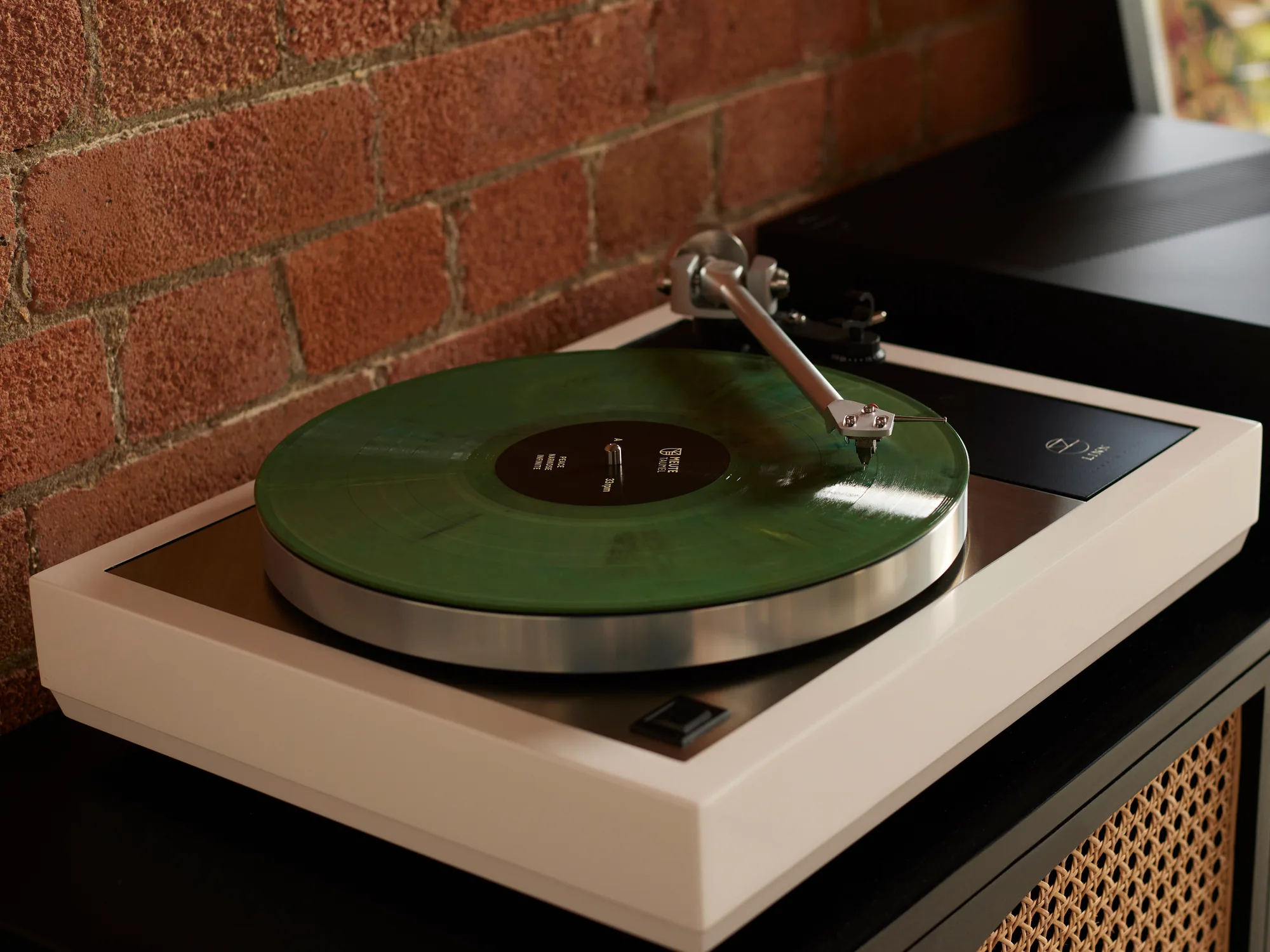
The four-tower 101 X-Treme MKIII Radialstrahler system on Dan D'Agostino Progression electronics — M550 monoblocks and the Progression Preamplifier — with Linn digital and vinyl.
Why This Pairing Works
Four towers per system: a stereo pair of Radialstrahler arrays and a stereo pair of active subwoofer towers, 984 kilograms all told. The arrays carry a D'Appolito arrangement of doubled tweeters, midranges and woofers plus an ambient tweeter; the subwoofer towers each hold six 12-inch aluminium cones in a push-push arrangement across three cabinets. The system reaches 17 Hz.
The MKIII generation brings a newly developed subwoofer amplifier module — lower idle power draw, lower distortion, better signal-to-noise — alongside MBL's current Radialstrahler tensioning and an updated crossover. Fine-tuning carried over from the MKII remains: tweeter wire selection, midrange coil selection, bass attack, and subwoofer delay, volume, Q-factor and two-band parametric EQ.
Driving it is Dan D'Agostino rather than MBL's own electronics — a pair of Progression M550 monoblocks on the Progression Preamplifier. The M550 is the flagship of the Progression line: 550 watts into 8 ohms that double to 1,100 into 4 and 2,200 into 2, drawn from 48 Relentless-type output transistors with the Class A range extended to 70 watts. Each elliptical heatsink is milled from a single 48.5-pound aluminium billet, which goes some way to explaining the 115 pounds per channel.
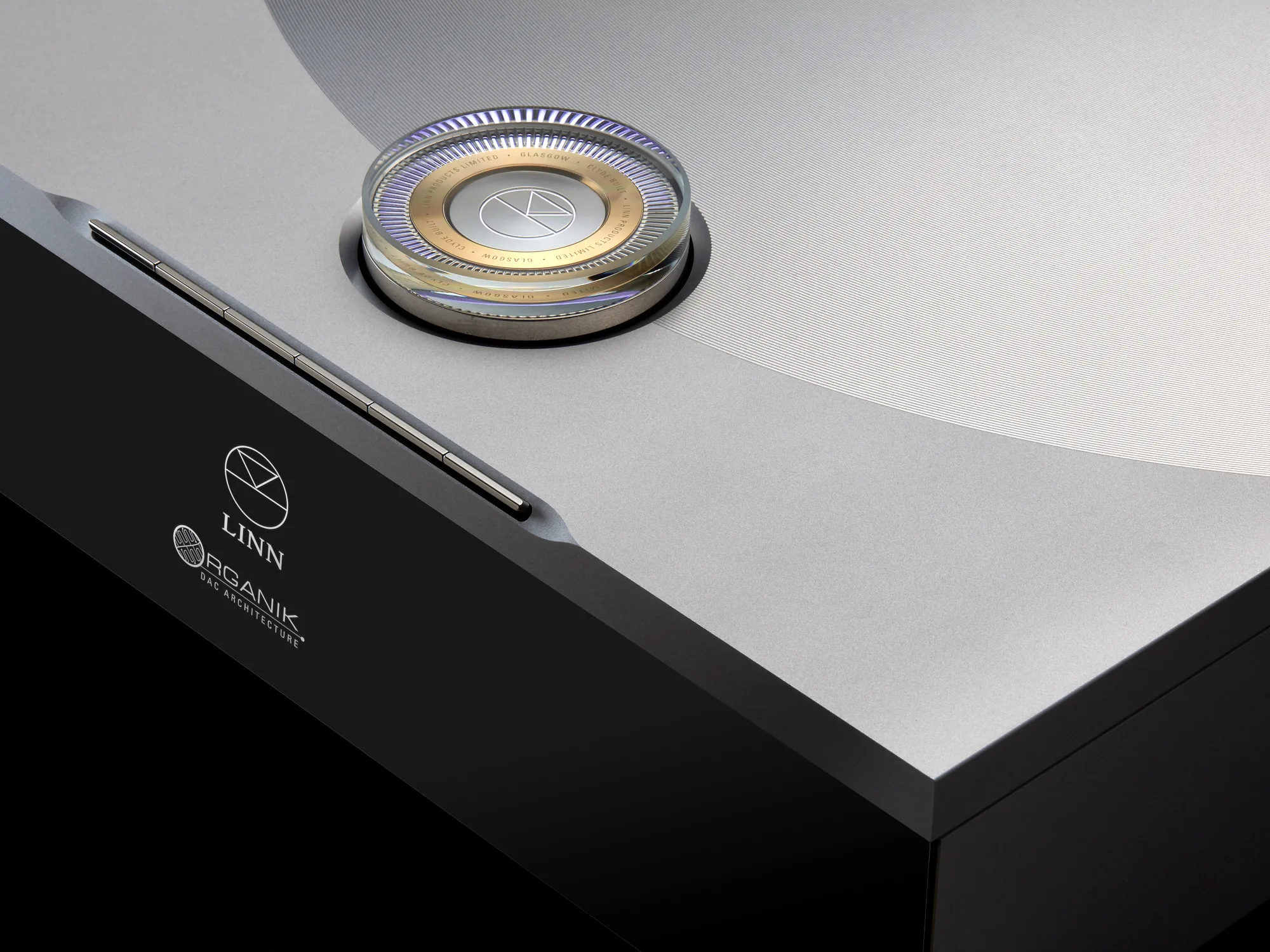
The Progression Preamplifier ahead of them runs a discrete, fully balanced signal path with no negative feedback anywhere — open-loop distortion below 0.006 per cent makes it unnecessary — and keeps its power supply in a separate shielded chassis. Linn's Klimax DSM handles streaming and a Selekt LP12 handles records.