Scottsdale · WAMM
The WAMM Room
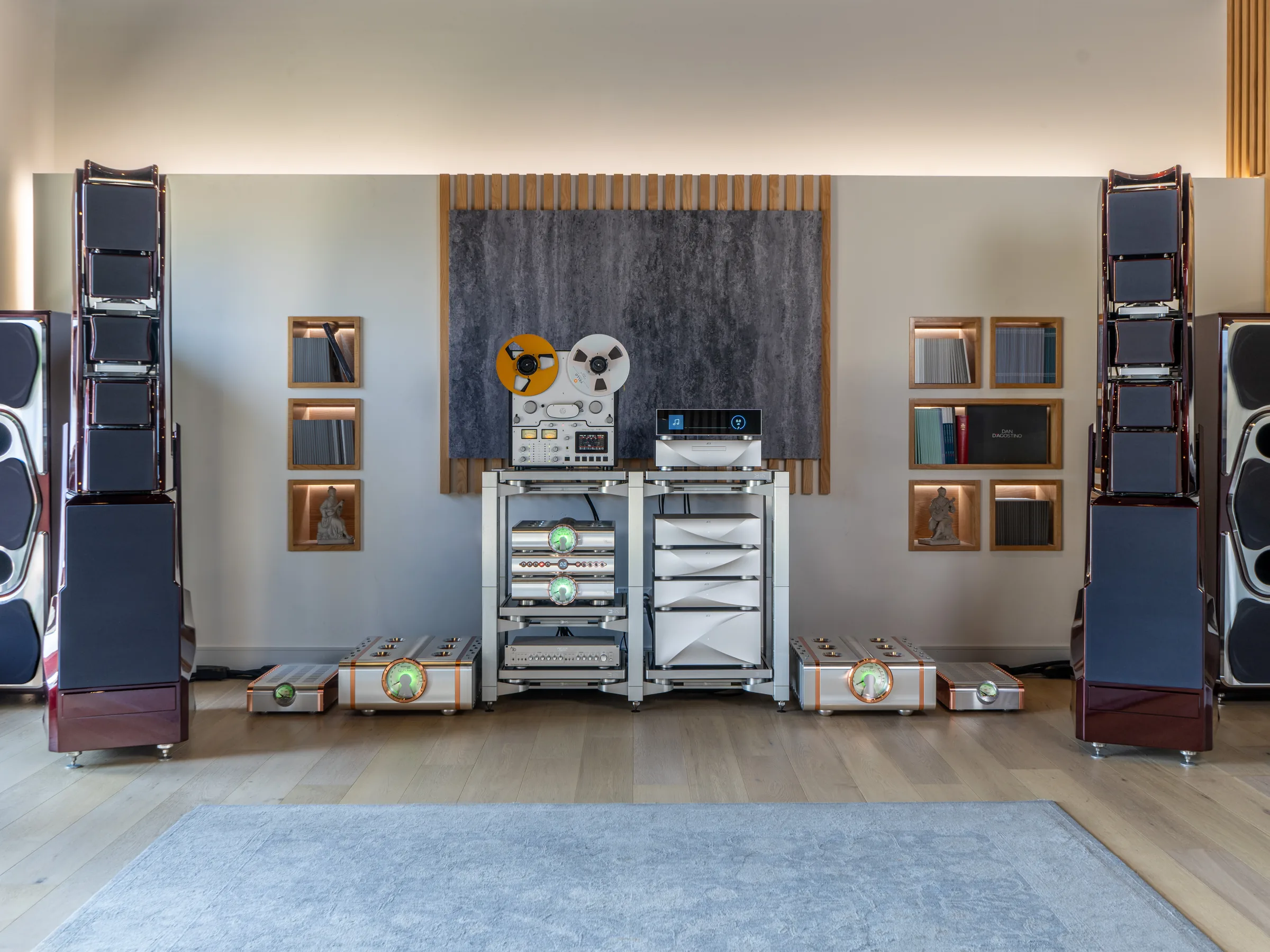
Wilson’s WAMM Master Chronosonic with WAMM Master Subsonic subs — driven by D’Agostino Relentless 800 and Momentum M400 MxV monoblocks, sourced by the full dCS Varèse Music System, Clearaudio Statement V2, and an Analog Audio Designs reel-to-reel. One of fewer than ten rooms in the world configured this way.
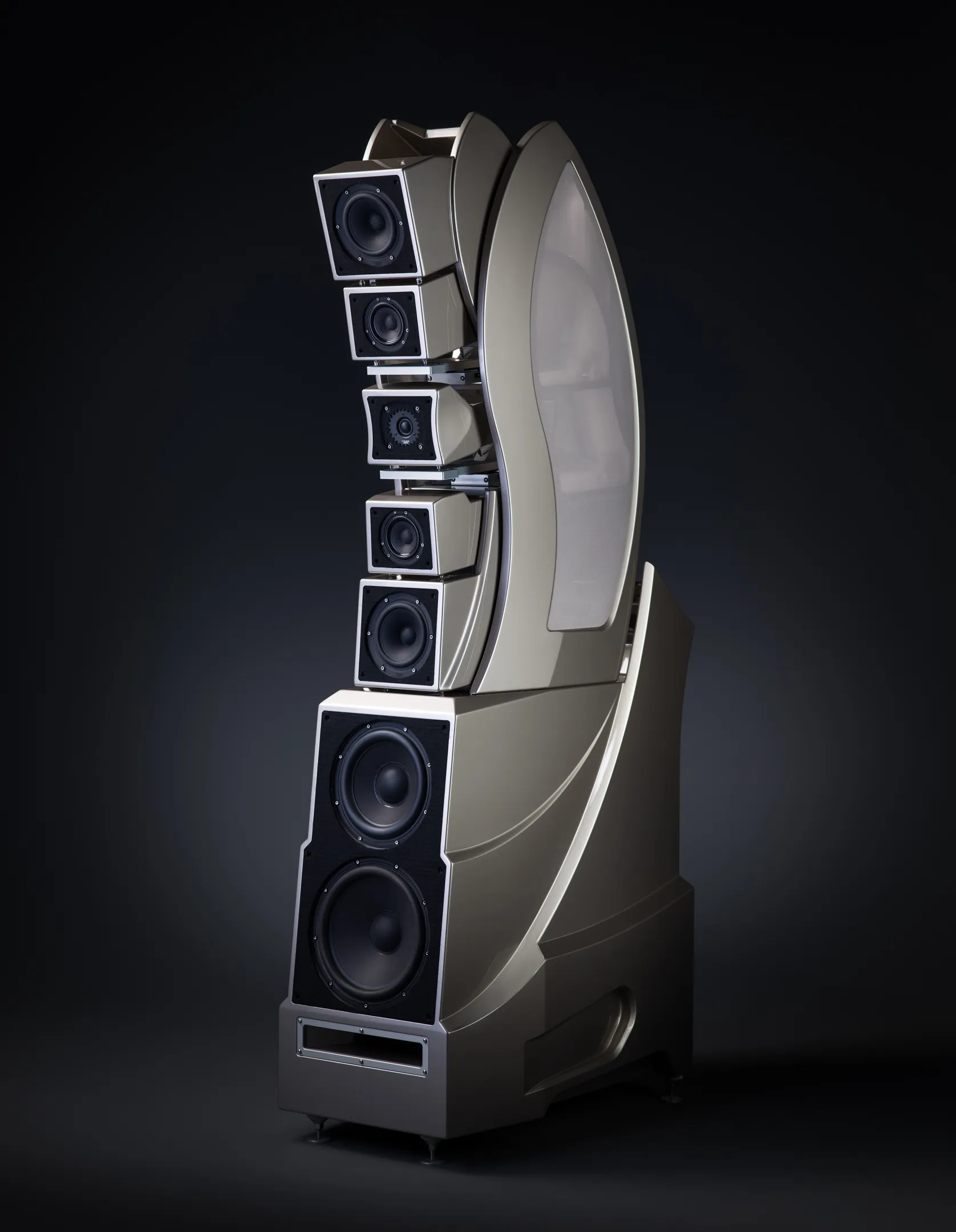
The WAMM Master Chronosonic is Dave Wilson’s magnum opus and the last loudspeaker he designed. Fewer than ten sit in demonstration rooms anywhere in the world. This is one of them, and every component placed in front of it was chosen on the understanding that the loudspeaker will not be the limiting factor.
The loudspeaker
The WAMM Master Chronosonic is joined here by a pair of WAMM Master Subsonic subwoofers, which extend the bottom octave below what the WAMM reaches on its own. That pairing is how Wilson intended the system to be heard at full scale — not as a loudspeaker with subwoofers added afterwards, but as a complete architecture in which the Subsonic handles the range the main enclosure was deliberately not asked to cover.
Designing a loudspeaker that stops where it stops, and then engineering a separate enclosure to take over from there, is the opposite of the usual approach of asking one cabinet to do everything and accepting the compromises at both ends of its range.
Amplification
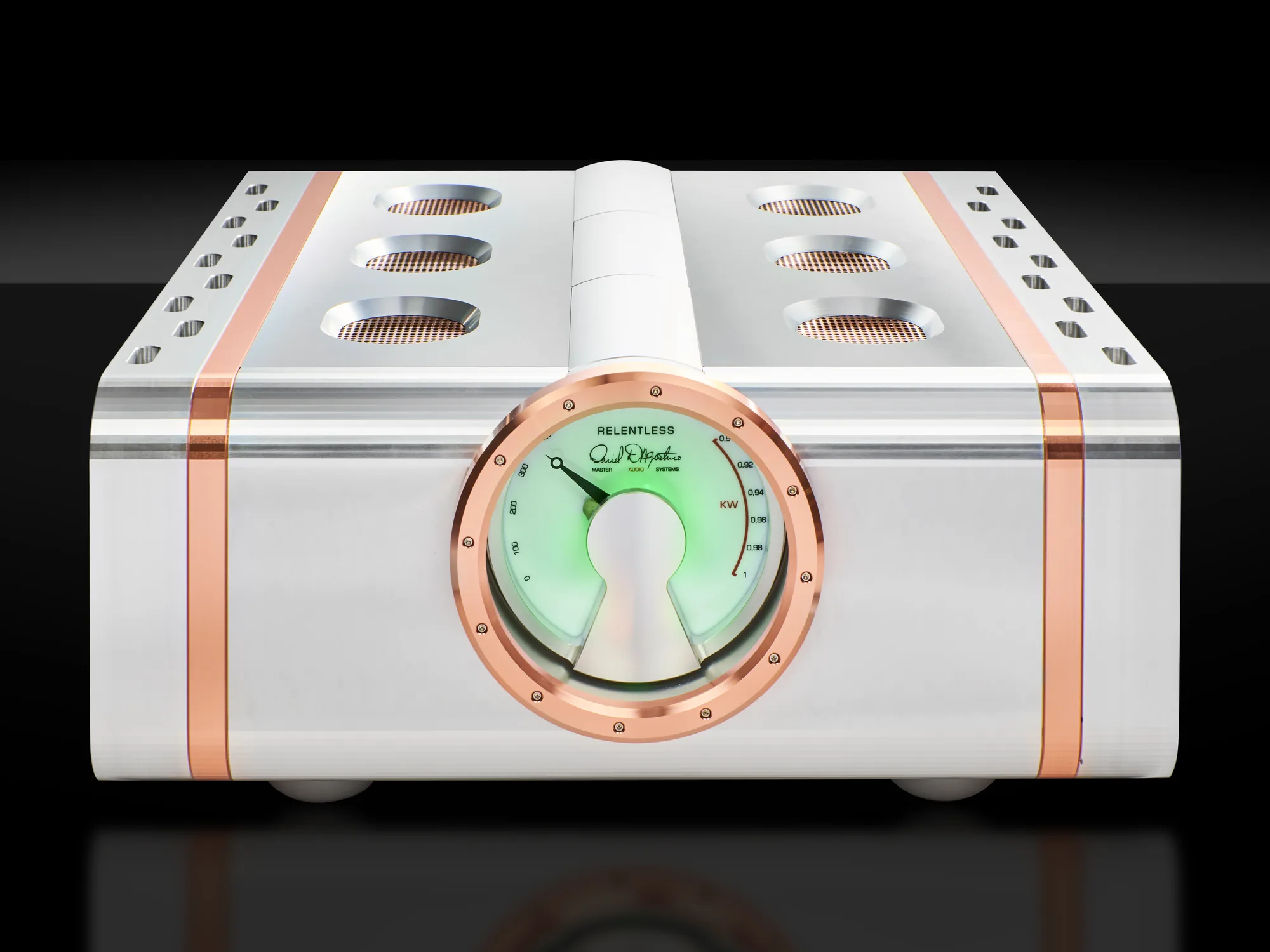
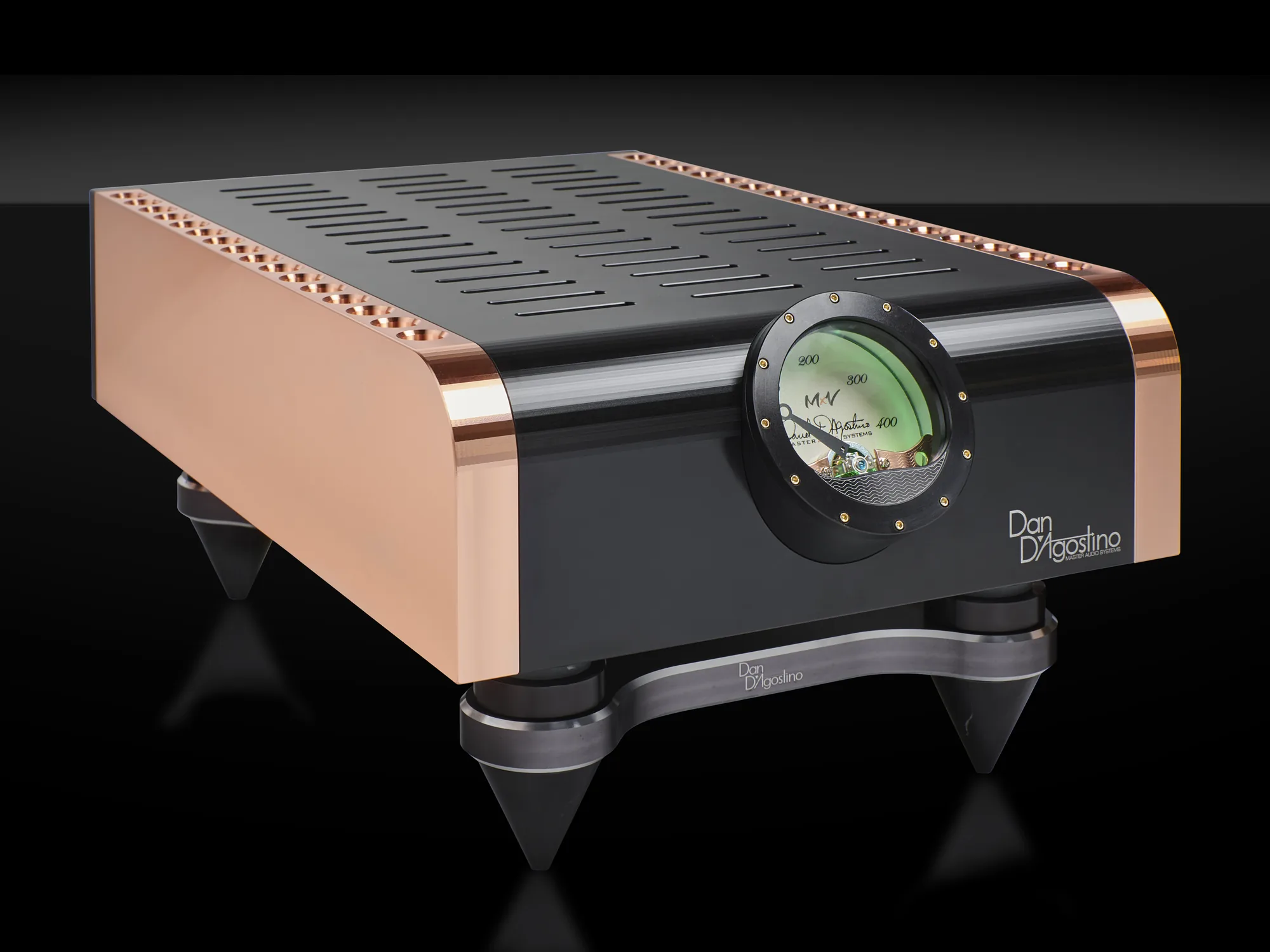
Dan D’Agostino’s Relentless 800 monoblocks drive the WAMM directly. Relentless is the flagship of the D’Agostino line and the amplifier the company builds when the brief is to remove every constraint that normally shapes an amplifier’s design — cost, size, weight and thermal management all subordinated to output and control.
The Master Subsonic pair is driven separately by Momentum M400 MxV monoblocks. Giving the subwoofers their own reference-tier amplification rather than an internal plate amp is the decision that keeps the bottom octave consistent in character with everything above it. The usual failure in a system of this scale is a bass register that sounds as though it came from a different system than the one playing above it.
Digital
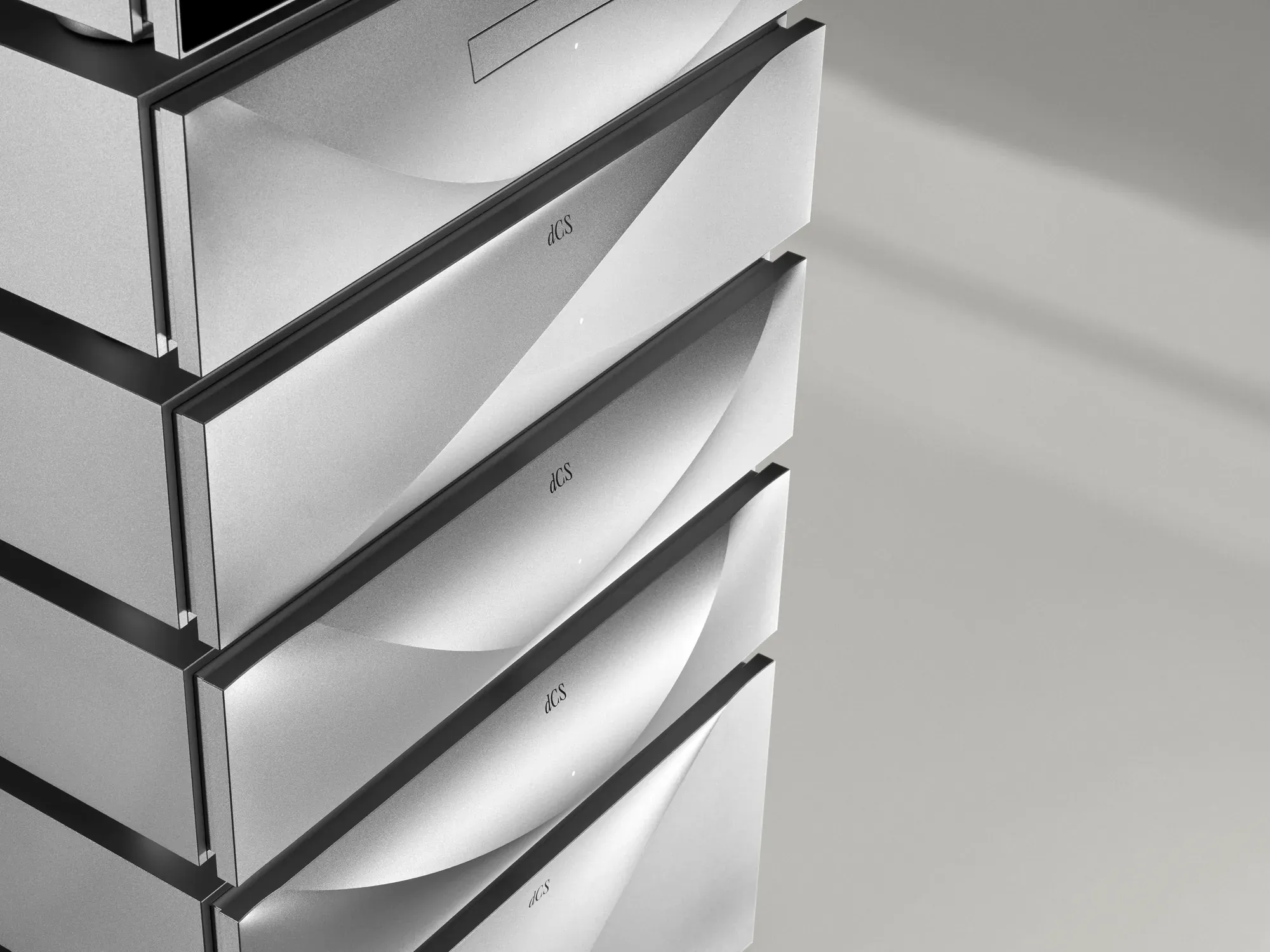
The digital front end is the full dCS Varèse Music System — Transport, DAC and Master Clock. Varèse sits above the Vivaldi line as dCS’s current statement, and the three-chassis division matters for the same reason it does further down the range: transport, conversion and timing each get dedicated power and dedicated isolation rather than competing inside one box.
Analogue
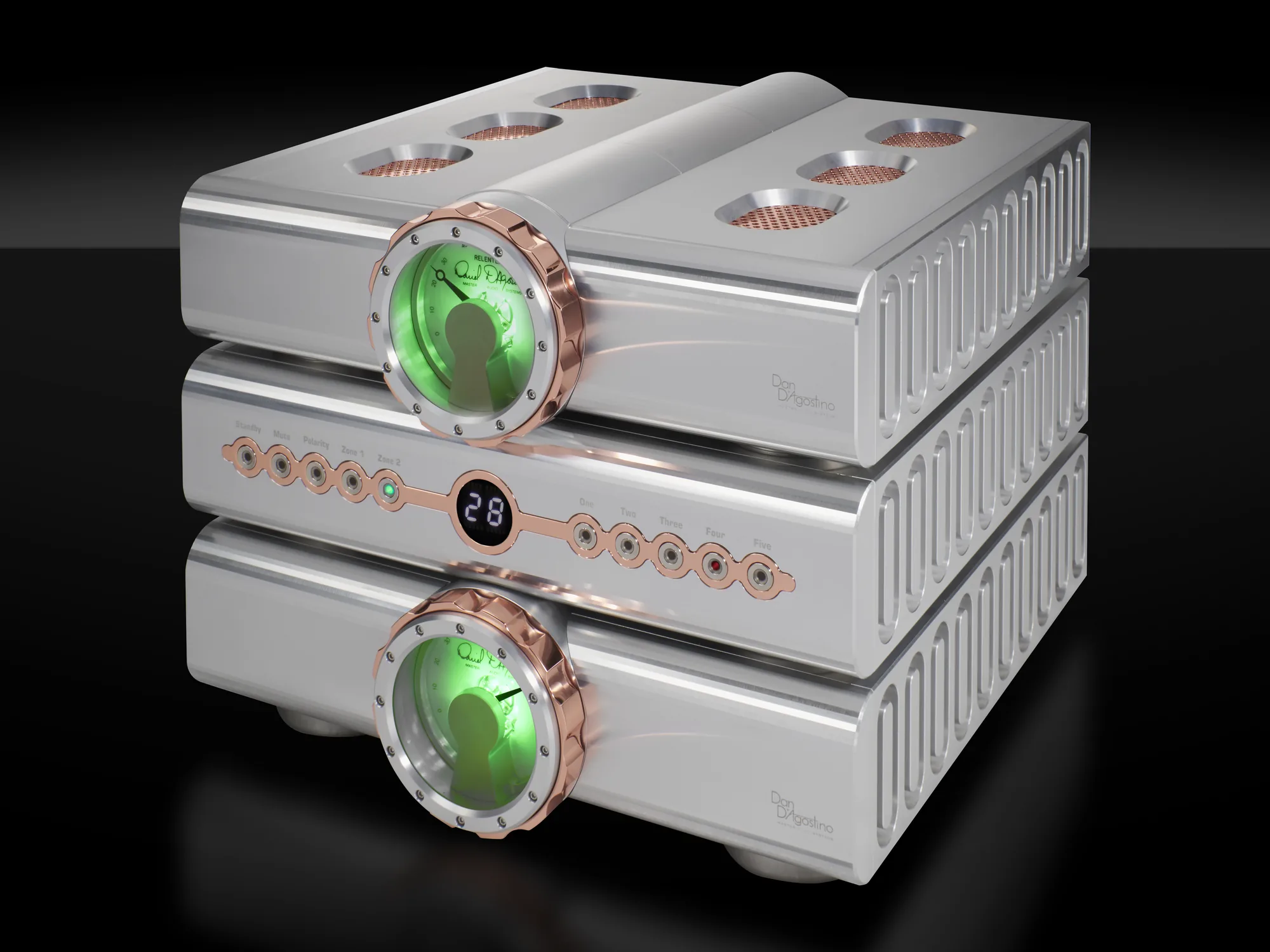
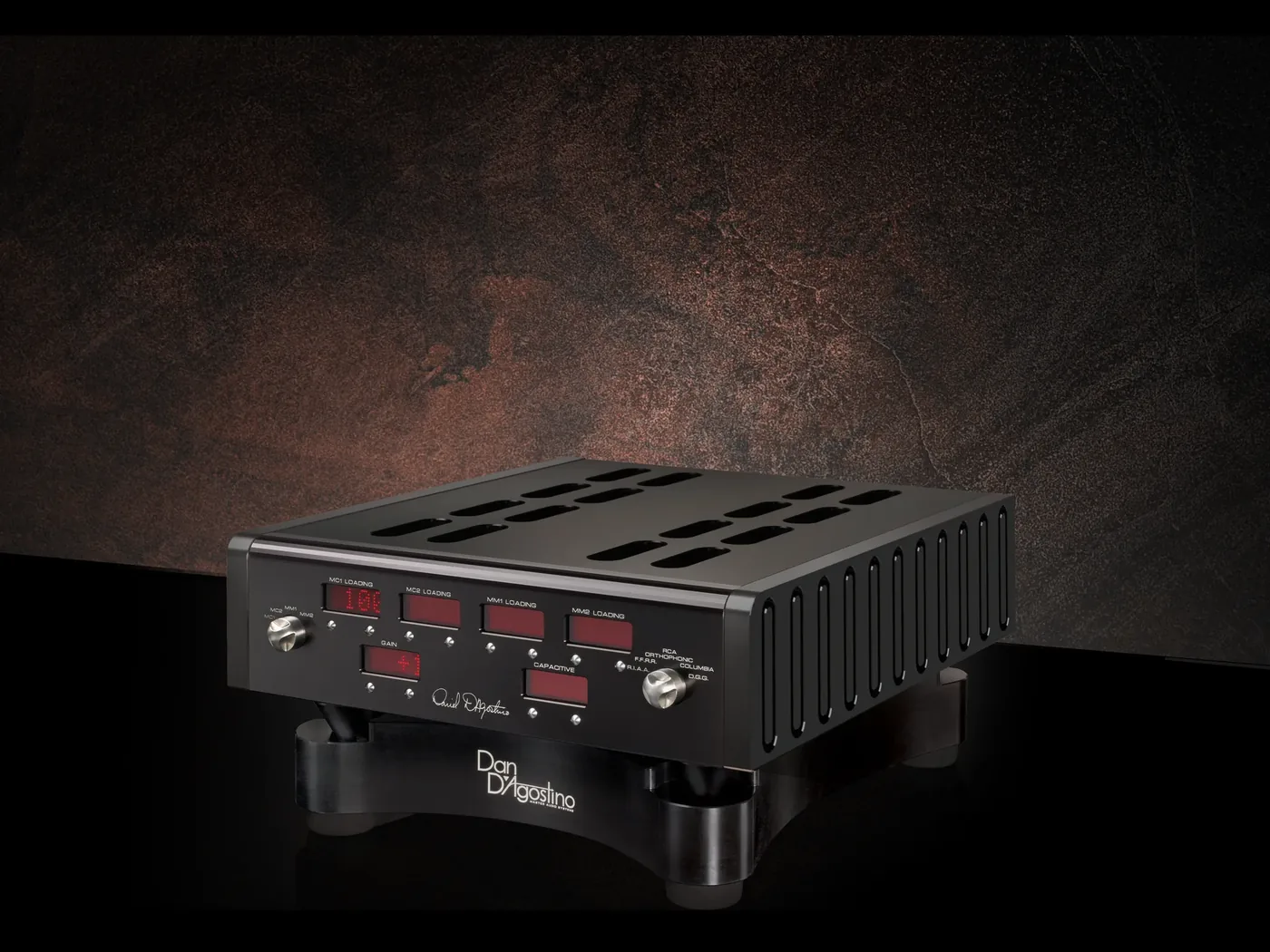
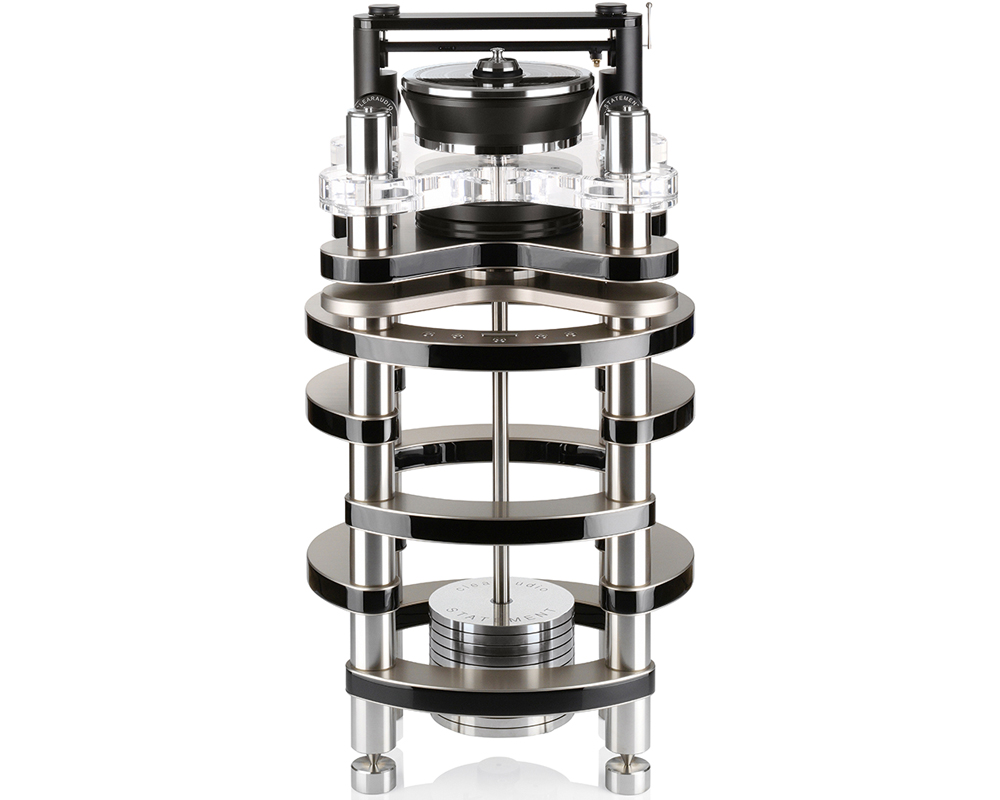
Vinyl runs on the Clearaudio Statement V2 — Clearaudio’s flagship turntable, and one of very few designs built to the same no-constraint brief as the loudspeaker it feeds. It passes through the D’Agostino Momentum Phonostage into the Relentless Preamplifier, which keeps the entire analogue path inside the same house as the amplification.
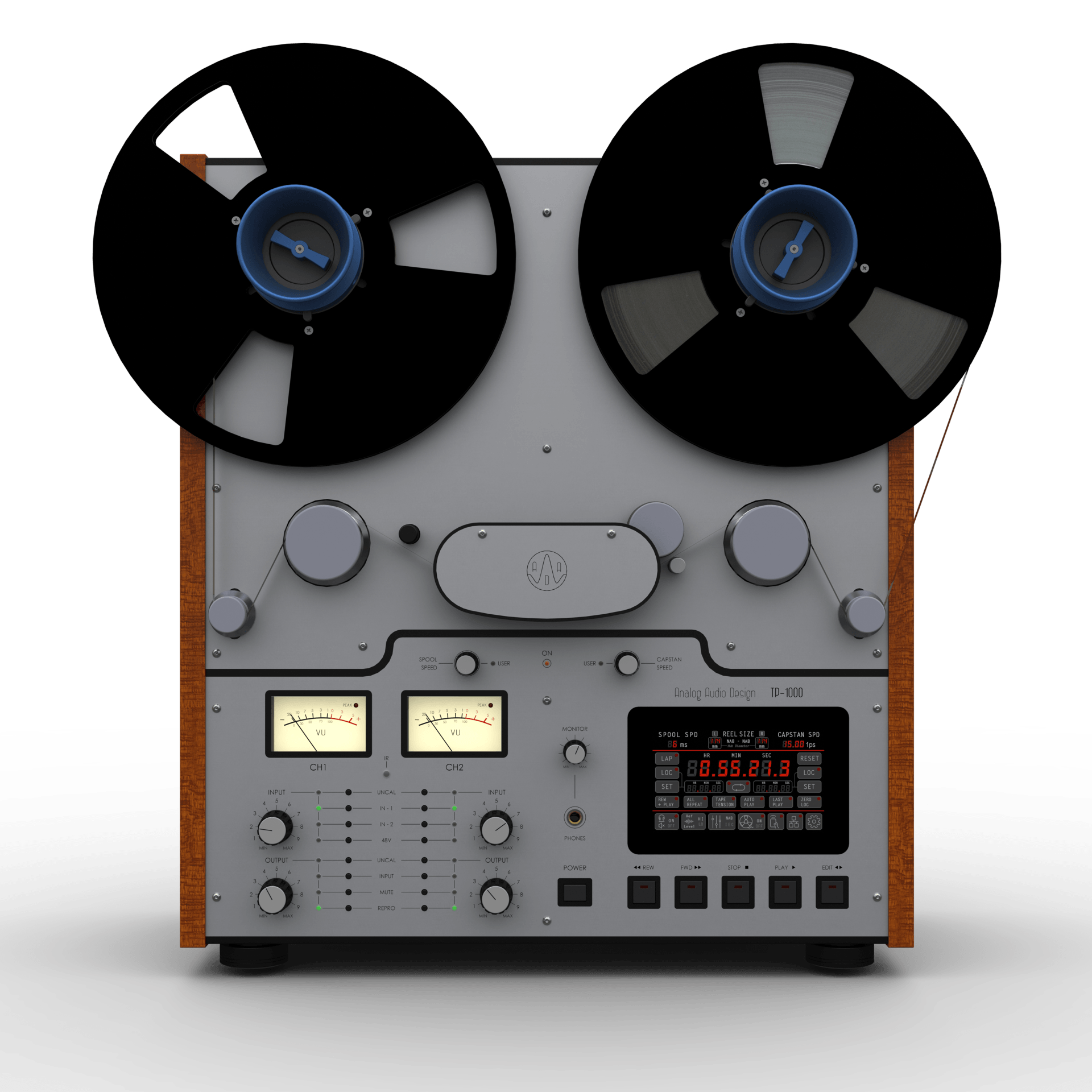
An Analog Audio Design reel-to-reel tape deck is also available in this room. Master tape remains the highest-fidelity consumer playback format that has ever existed — no groove geometry, no sampling, no conversion — and a room built to this standard is one of the very few places where the difference between tape and everything else is fully audible rather than a matter of belief.
Cabling
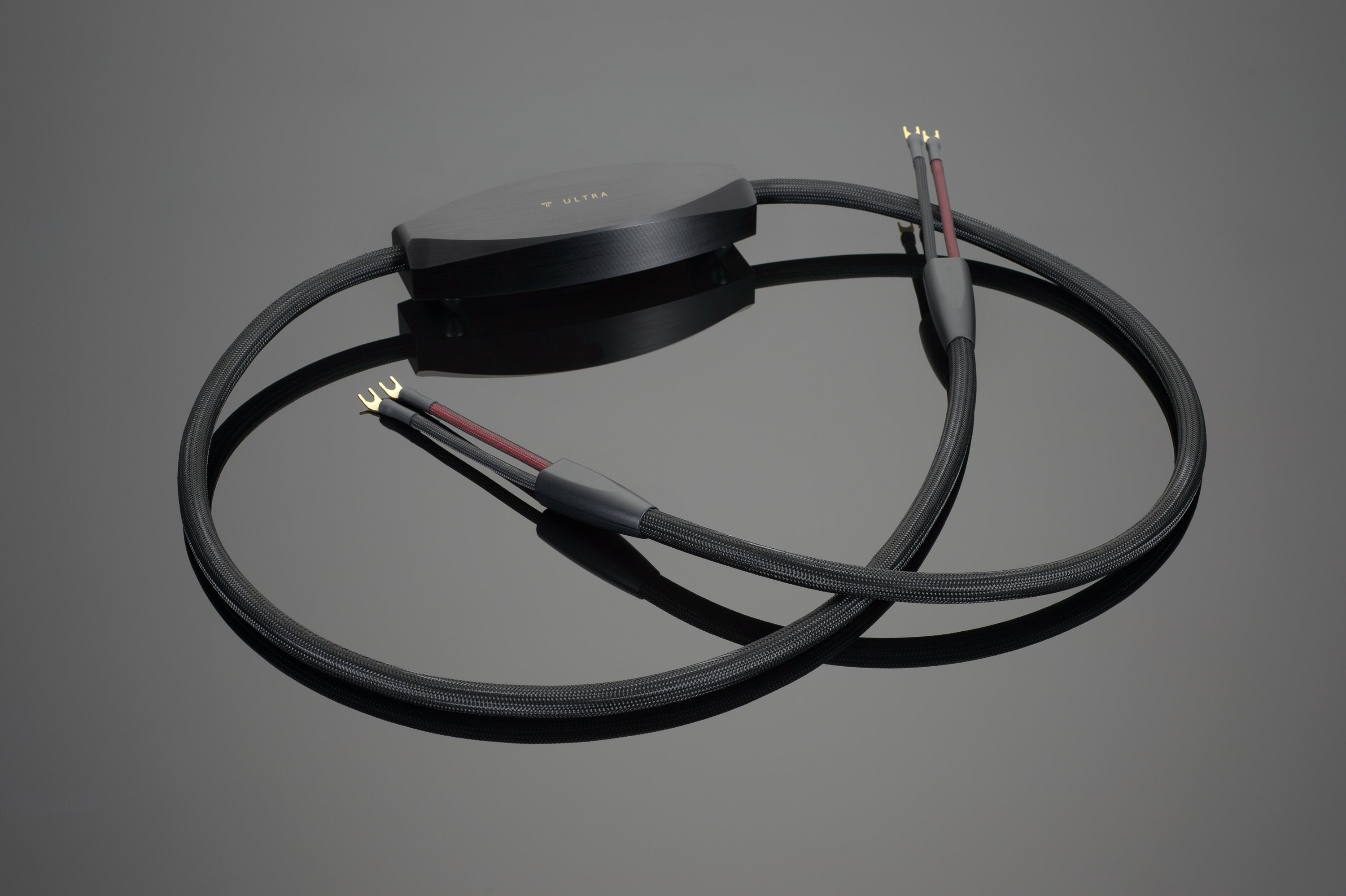
A full loom of Transparent Ultra Gen 6 ties the chain together. In a system where every other decision has been made without compromise, leaving the connections between them to chance would be the single inconsistency in the room.
The system in this room
- Wilson Audio WAMM Master Chronosonic loudspeakers
- Wilson Audio WAMM Master Subsonic subwoofers
- Dan D’Agostino Relentless 800 monoblock amplifiers — driving the WAMM
- Dan D’Agostino Momentum M400 MxV monoblocks — driving the Master Subsonic pair
- Dan D’Agostino Relentless Preamplifier
- Dan D’Agostino Momentum Phonostage
- dCS Varèse Music System — Transport, DAC and Master Clock
- Clearaudio Statement V2 turntable
- Analog Audio Design reel-to-reel tape deck
- Transparent Ultra Gen 6 cabling throughout
Hearing it
There is no comparison to set up in this room, because there is nothing here to compare against. What the WAMM Room offers instead is a reference point — the sound of a system assembled with no compromise at any position in the chain, which is the measurement every other system in both showrooms is implicitly made against.
Most people who sit here are not specifying a WAMM. They are calibrating their own expectations, and that is a legitimate reason to spend an hour in the chair. Knowing what the ceiling sounds like changes how you hear everything beneath it, and it tends to make the decision about your own system clearer rather than more difficult.
The Reference Room down the hall is where the same thinking gets applied within practical constraints, and most visits work best taken in that order.
The WAMM Room is in the Scottsdale showroom. Walk in during business hours, or book ahead if you want the room prepared with your own material and uninterrupted time in it.
System

The WAMM System
Wilson’s WAMM Master Chronosonic and WAMM Master Subsonic pair, driven by D’Agostino Relentless and Momentum M400 MxV monoblocks, sourced by the dCS Varèse Music System, Clearaudio Statement V2, and an Analog Audio Designs reel-to-reel deck.
View this system →