Brand
dCS
Digital, without compromise.
Authorized Dealer — Scottsdale & Tempe, Arizona
Trade-in credit toward new purchases · Full installation and calibration · Walk in during business hours or book ahead
See what's on demonstration now ↓dCS — the initials stand for Data Conversion Systems — was founded in Cambridge, England in 1987 by Oxford University physics graduate Mike Story and a team of electronics engineers. The company began as a consultancy to the British aerospace and defence sector, with clients including Ferranti, Marconi Avionics and British Aerospace; its most visible early work was the Blue Vixen radar system for the Royal Navy's Sea Harrier FA 2 fighter aircraft. That decade of precision signal-conversion work for radar and telecoms is not a footnote — it is where the entire dCS approach to digital audio came from.
In 1989, dCS pointed the same conversion technology at professional music recording and released the dCS 900: the world's first 24-bit analogue-to-digital converter, built around a discrete circuit dCS had developed in-house rather than any off-the-shelf DAC chip. That circuit is the Ring DAC, and it is still the foundation of every dCS product made today, more than thirty-five years later. In 1996 the company closed the consultancy side of the business, moved to its current facility at Great Chesterford in South Cambridgeshire, and released the Elgar — the first 24-bit high-resolution DAC for the domestic hi-fi market. Every dCS product since has been designed, engineered and hand-assembled in Cambridge.
The Ring DAC premise
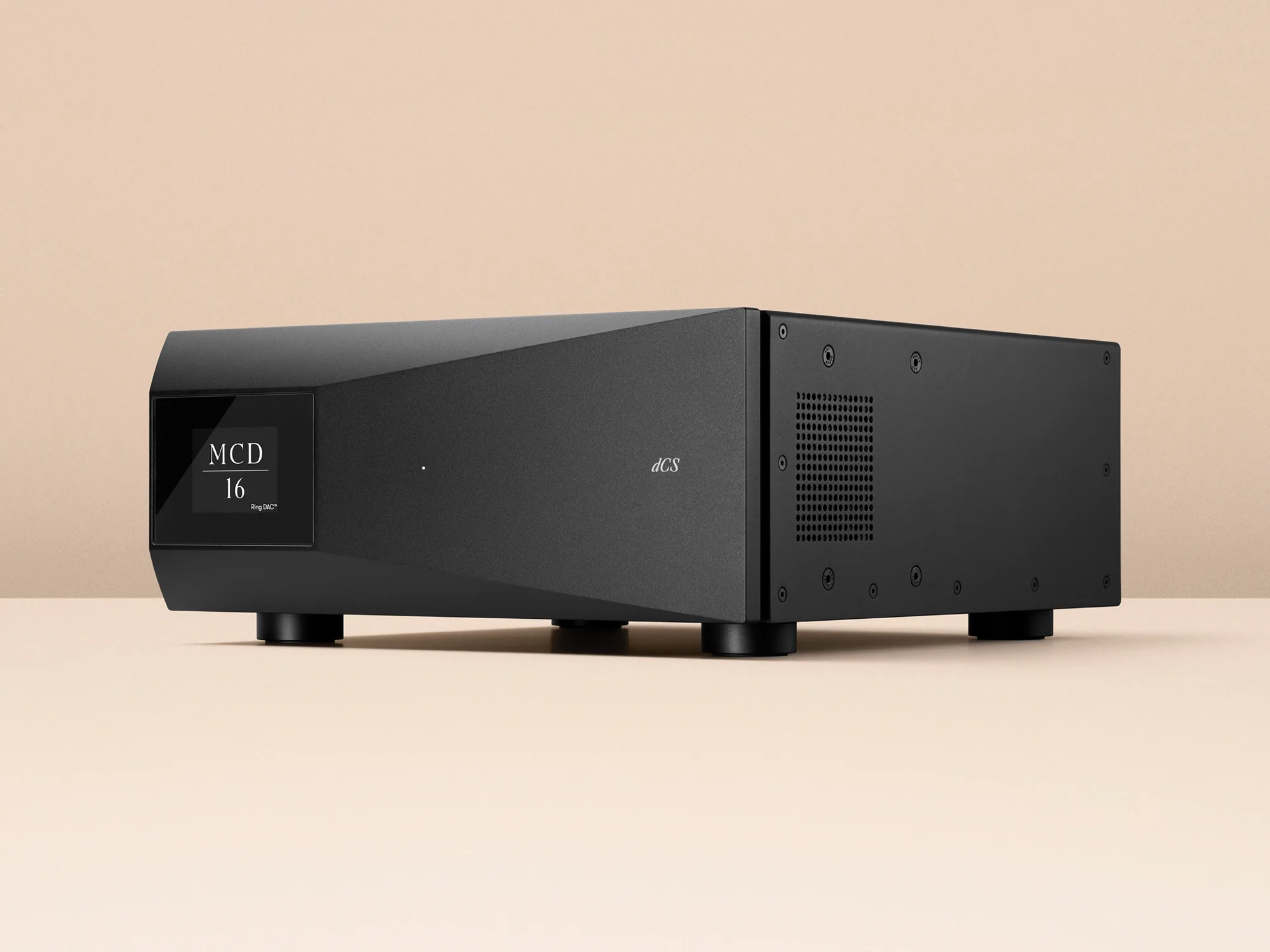
Almost every digital-to-analogue converter on the market uses one of a handful of DAC chips manufactured by ESS, AKM, Burr-Brown or Cirrus Logic. Those chips are excellent, and hundreds of respected products are built around them. dCS does not use any of them. The Ring DAC is dCS's own discrete implementation of the D/A conversion function — many current sources arranged in a ring topology, controlled by dCS's own mapping algorithm, and refined continuously in-house across more than three decades of software and hardware iteration. The audible difference is a particular way of resolving low-level detail and spatial cues that chip-based DACs generally do not match at any price. It is also the reason dCS can offer upgrade paths that most other digital manufacturers cannot: because the Ring DAC is proprietary, dCS can and does refine it continuously and back-port meaningful improvements to older products.
The most significant recent example is APEX, a 2022 hardware upgrade to the Ring DAC that originated during development of the flagship Varèse system. APEX redesigned the output stage to lower output impedance and improve how the clock signal is fed to each current source in the Ring DAC array. All current Vivaldi, Rossini and Bartók products ship as APEX; pre-2022 owners can send their units to dCS in Cambridge or to an authorised dealer for the hardware upgrade. That kind of long-life upgrade path is one of the reasons a dCS product tends to stay in a system for a decade or more.
The dCS line at LMC
The current range spans five families, and LMC carries all of them.
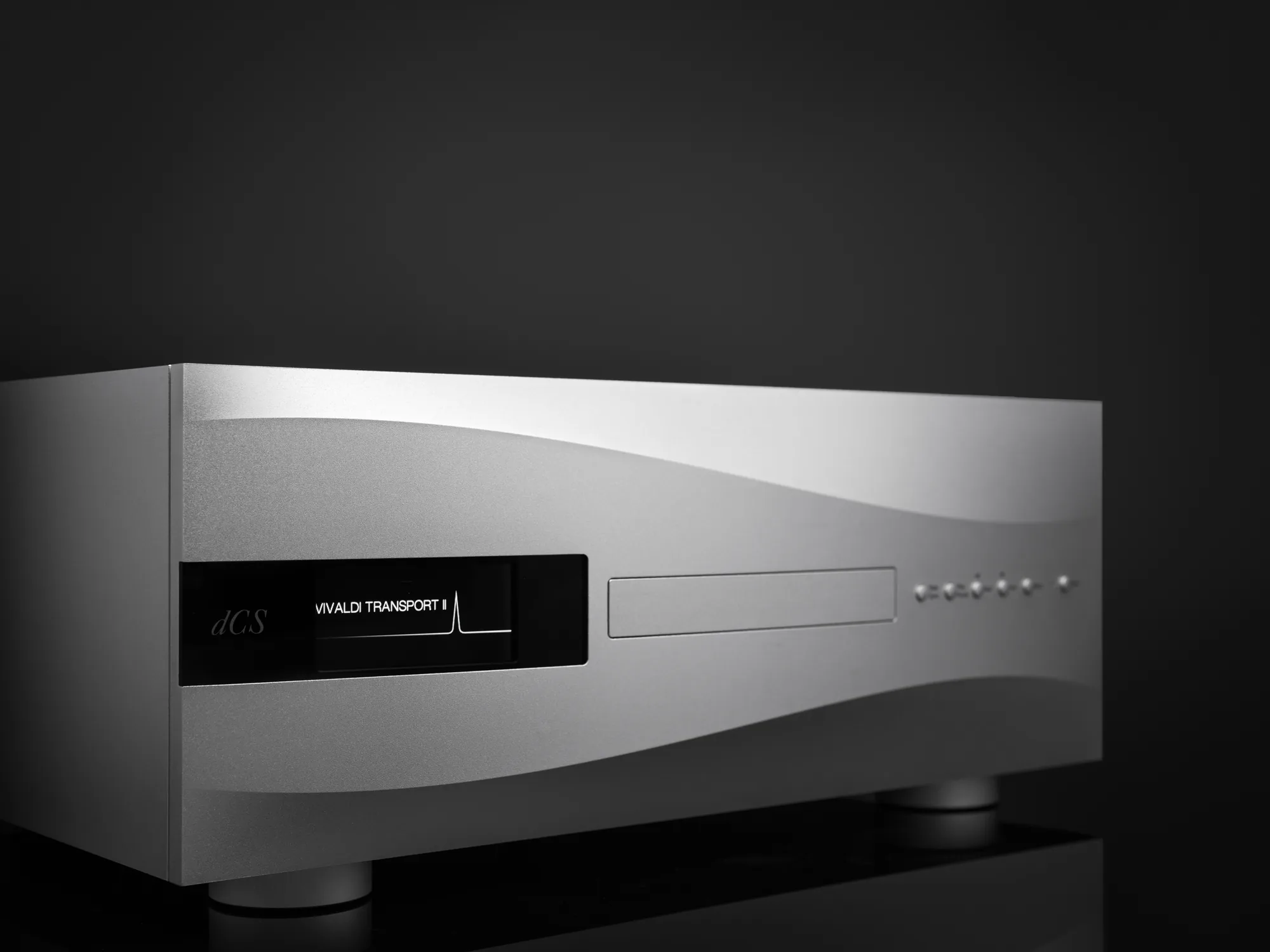
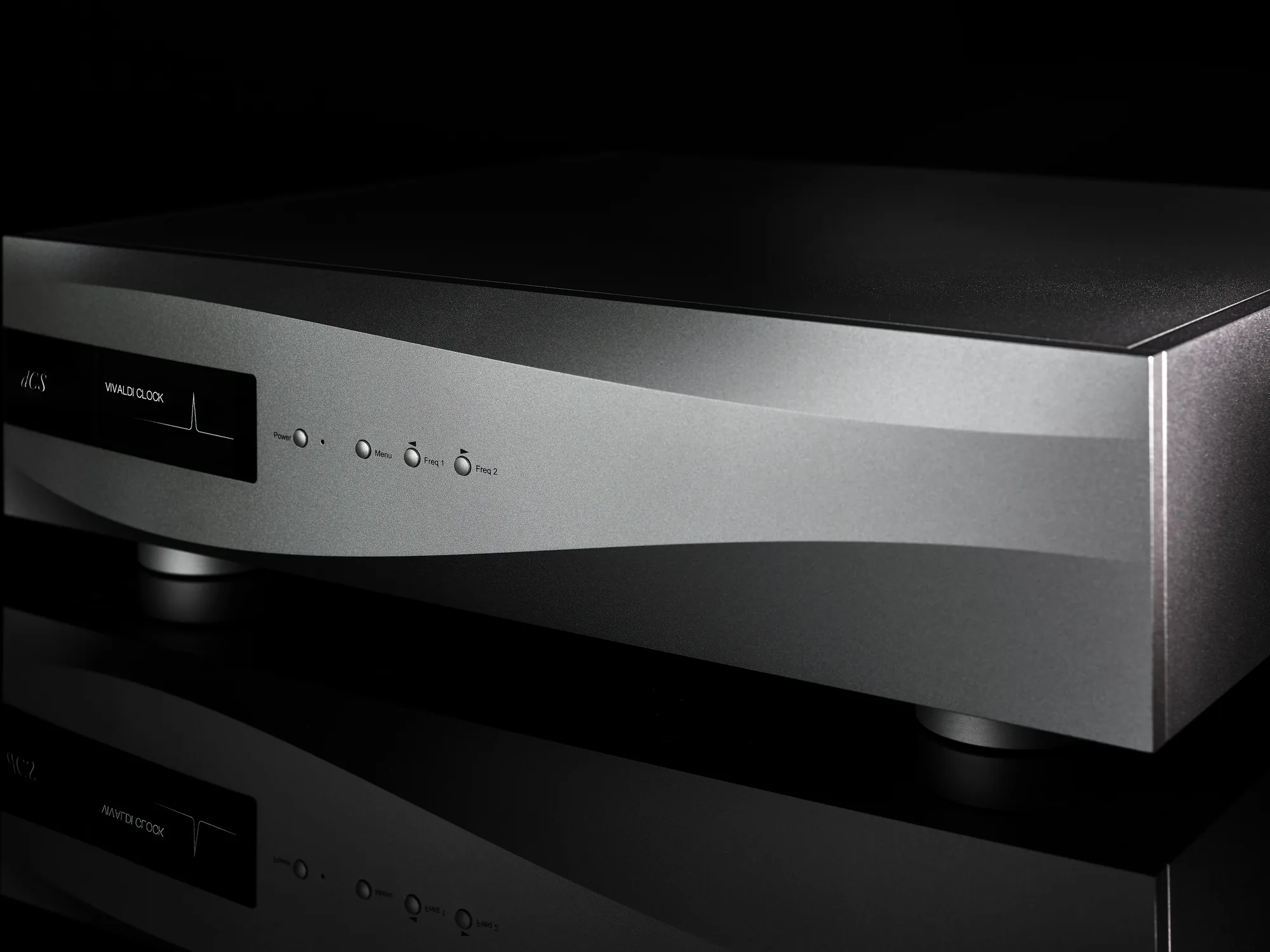
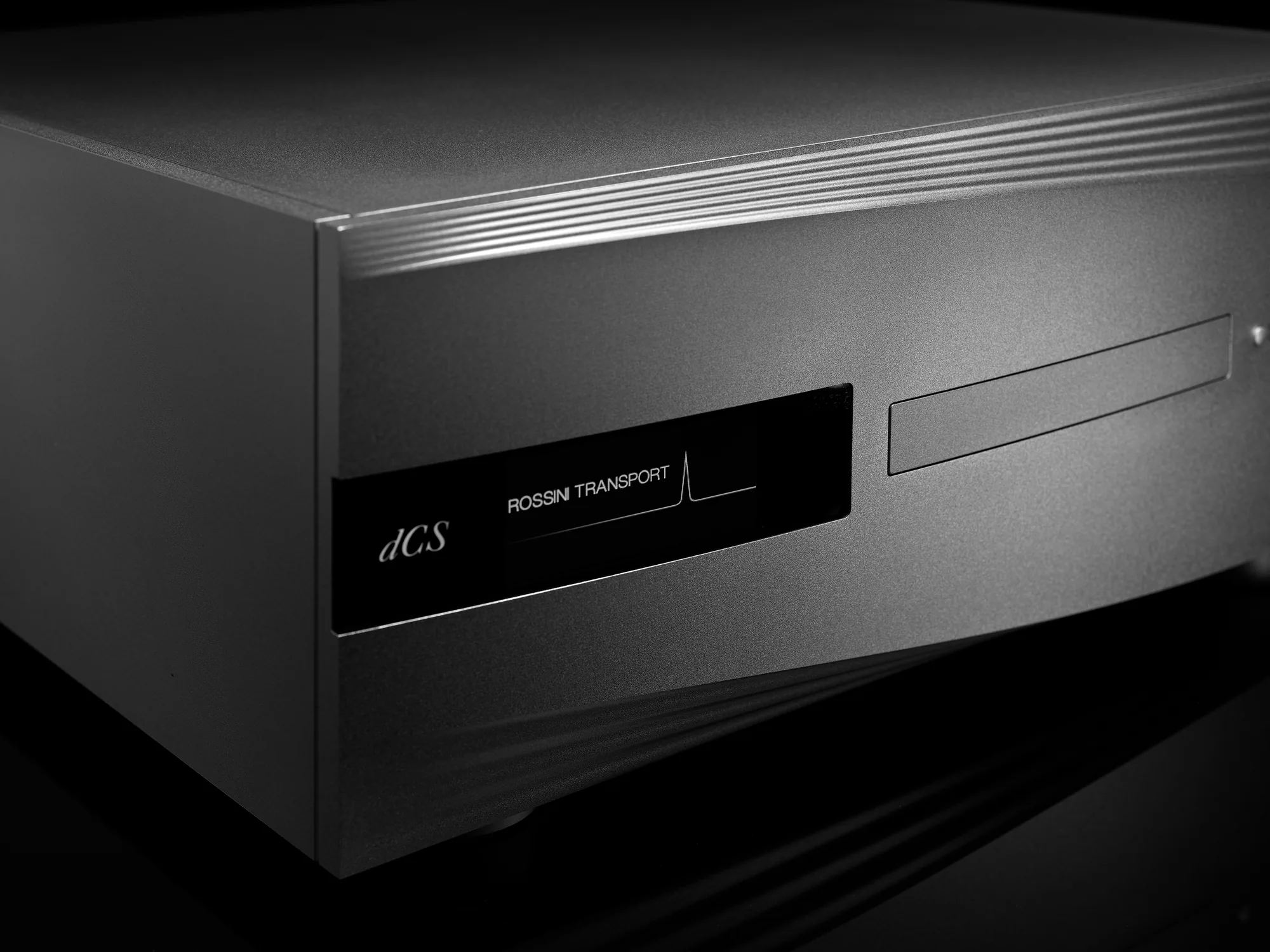
The Varèse is dCS's statement system, launched in 2023 and named for Edgard Varèse, the early-twentieth-century composer whose work integrated electronic instrumentation into classical music. It is a multi-chassis system — a Core Music Processor, two Varèse Mono DACs, a Master Clock, and a dedicated CD/SACD Transport added to the range in 2026 — connected by dCS's proprietary ACTUS (Audio Control Timing Unified System) infrastructure over custom LEMO-terminated cables. Every element of the analogue output circuit was rebuilt for Varèse from the Ring DAC APEX foundation, then given a mechanical and power-supply architecture designed to isolate it further.
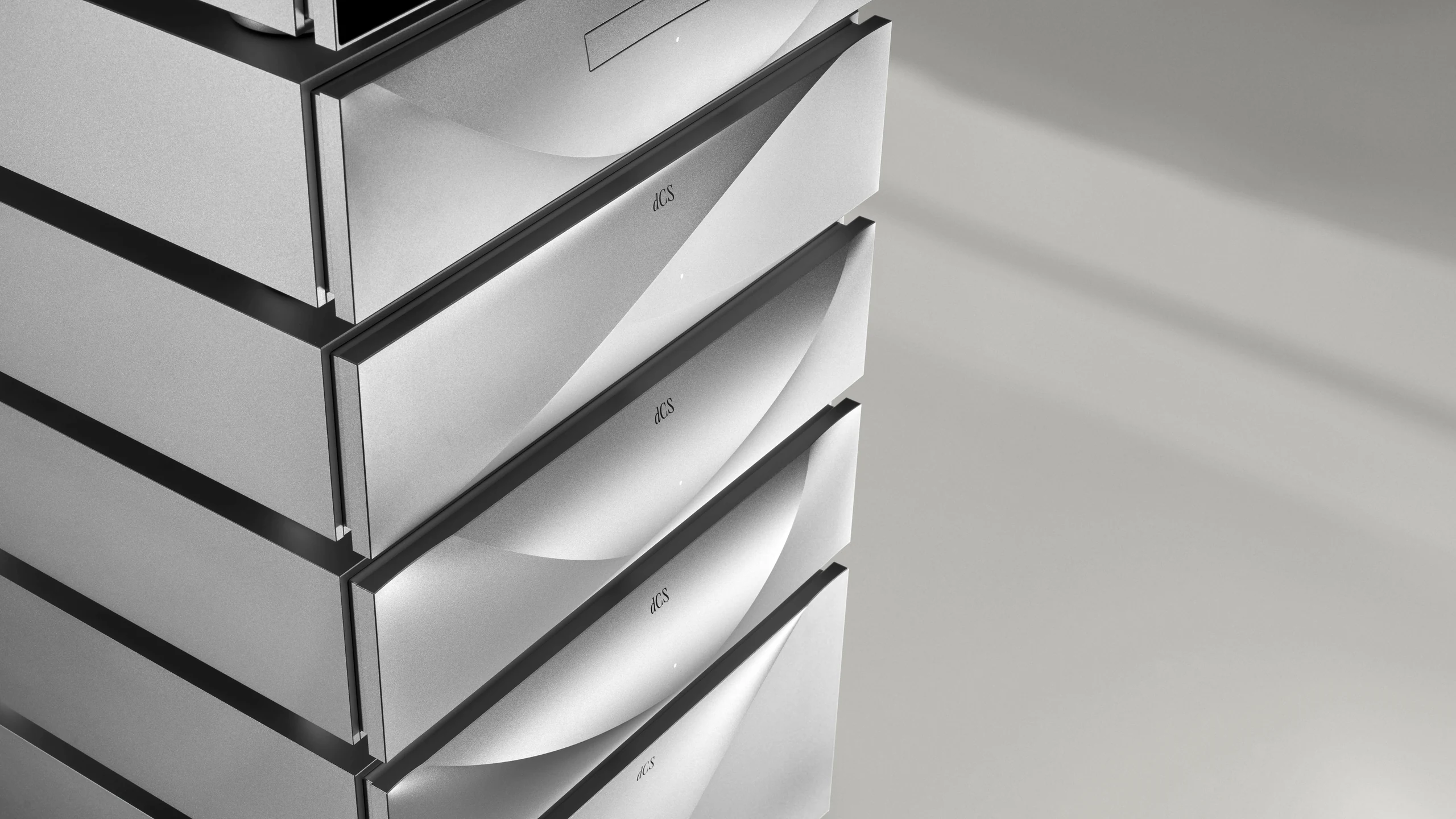
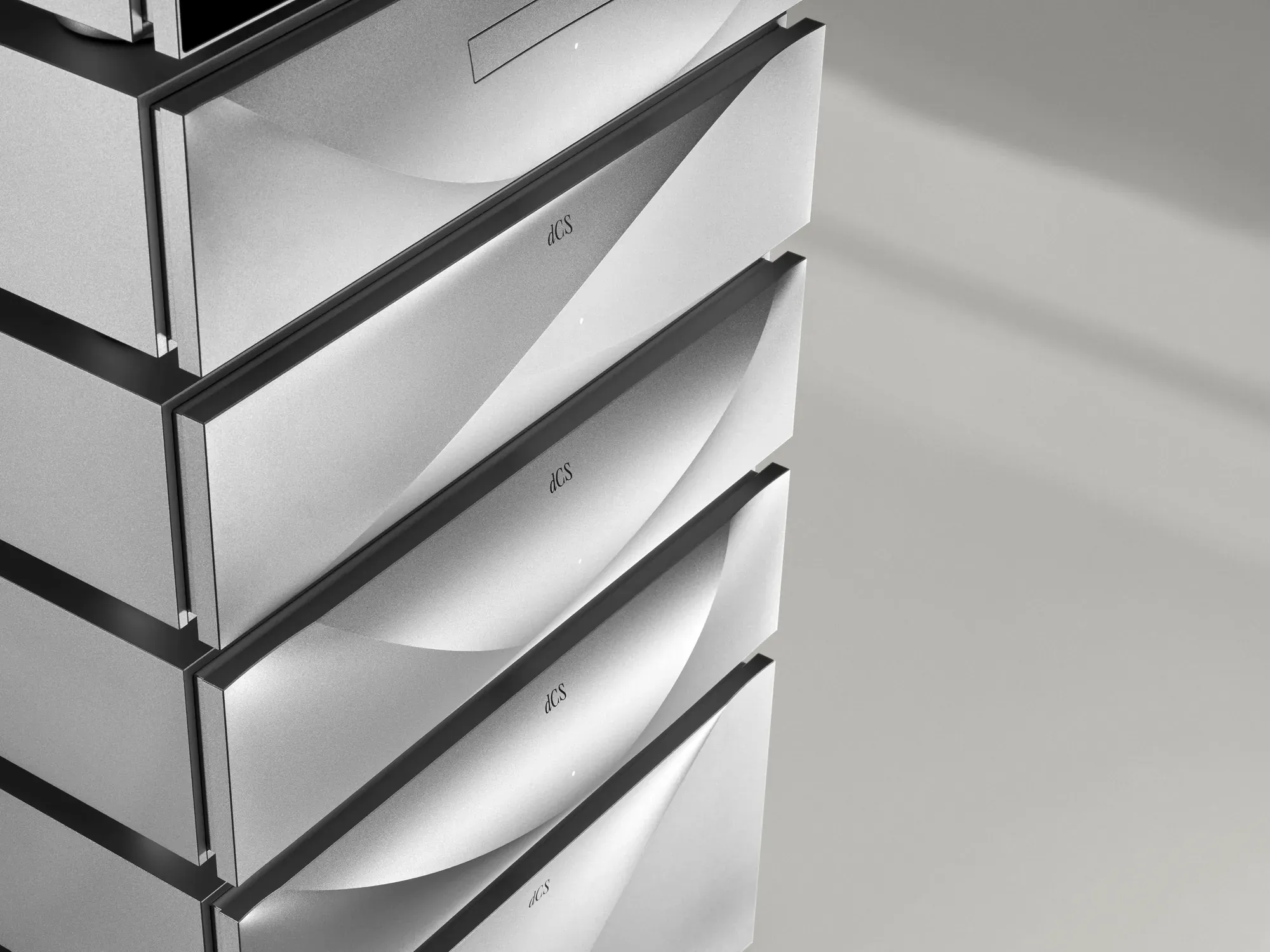
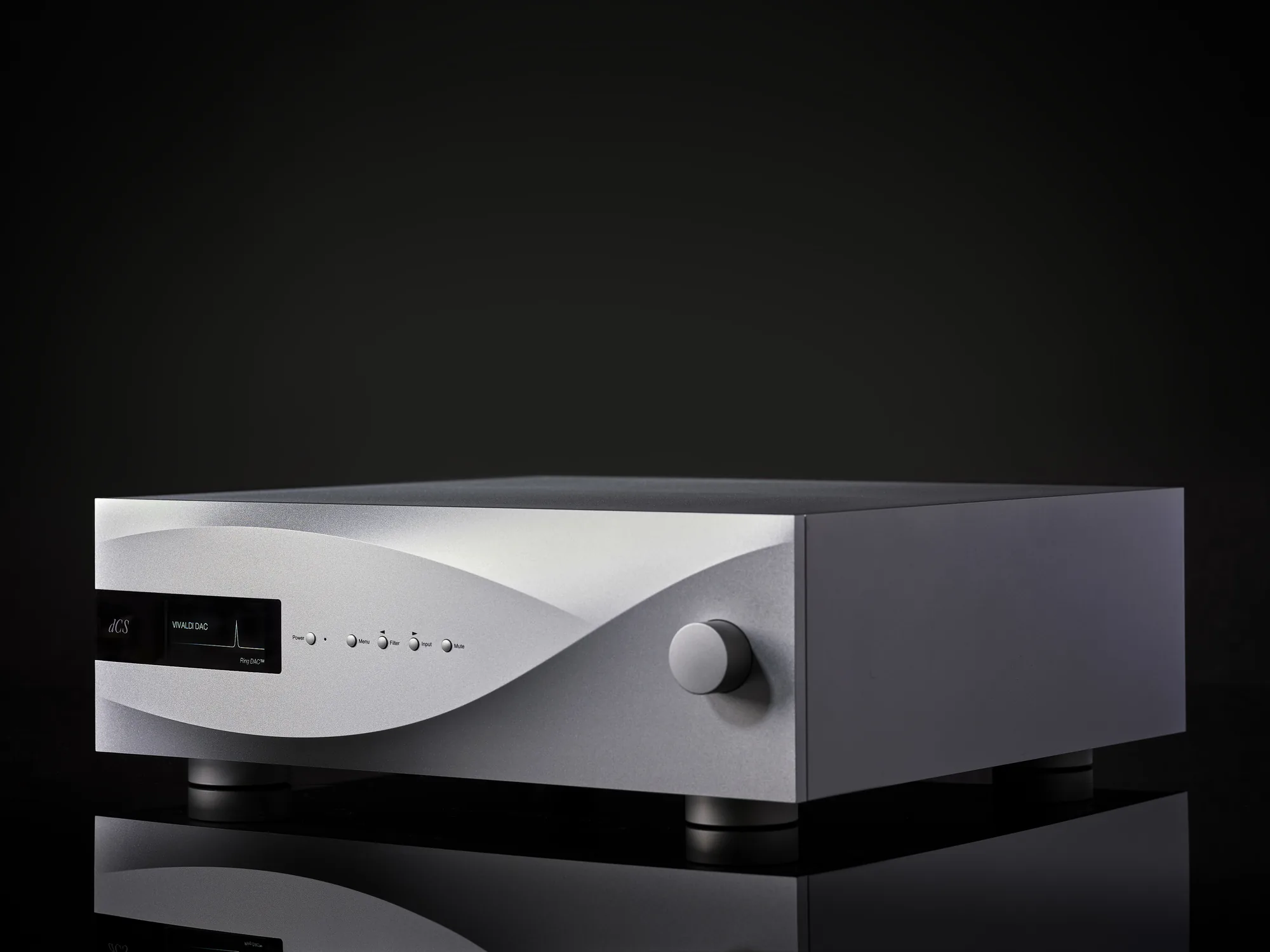
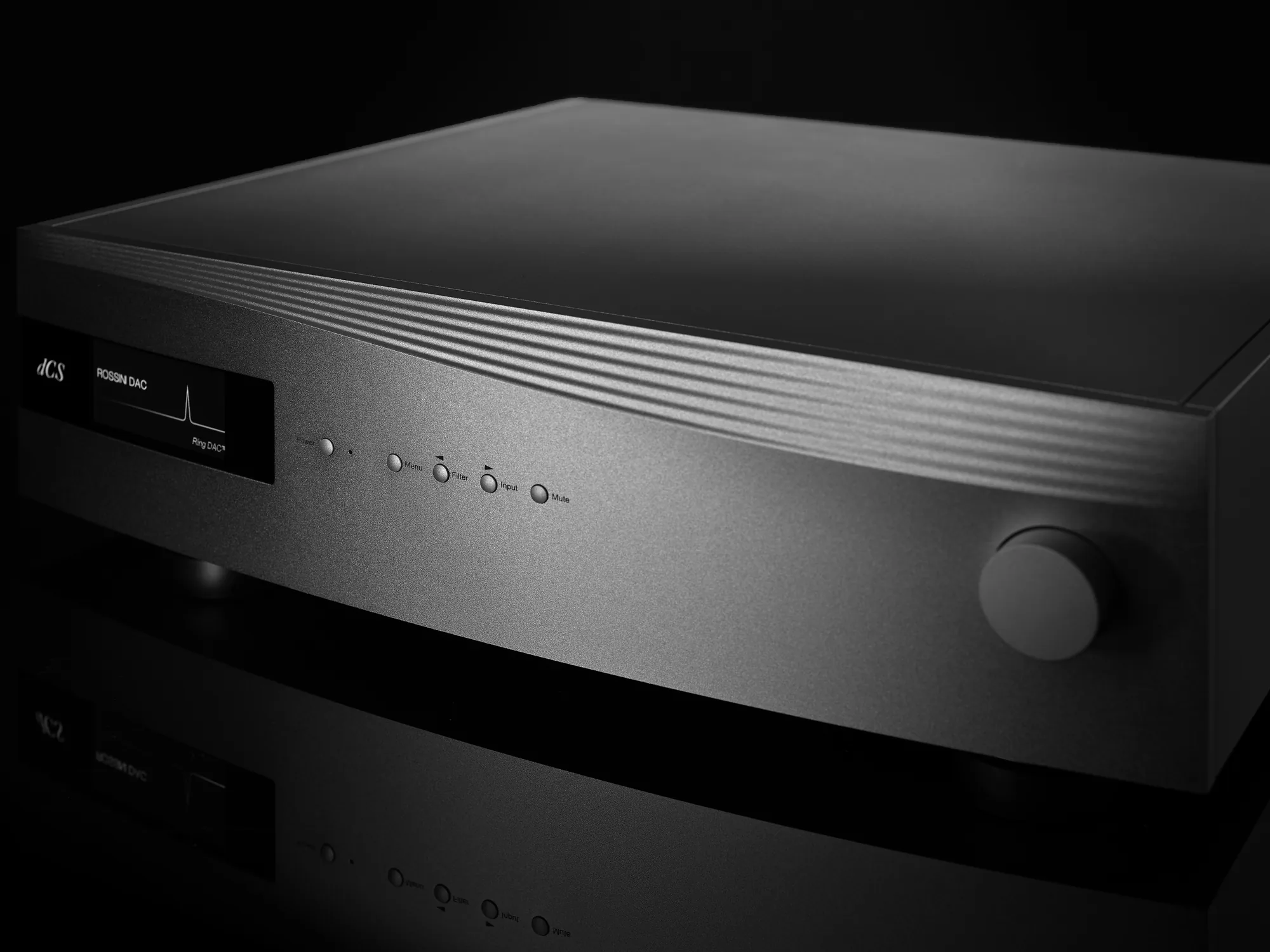
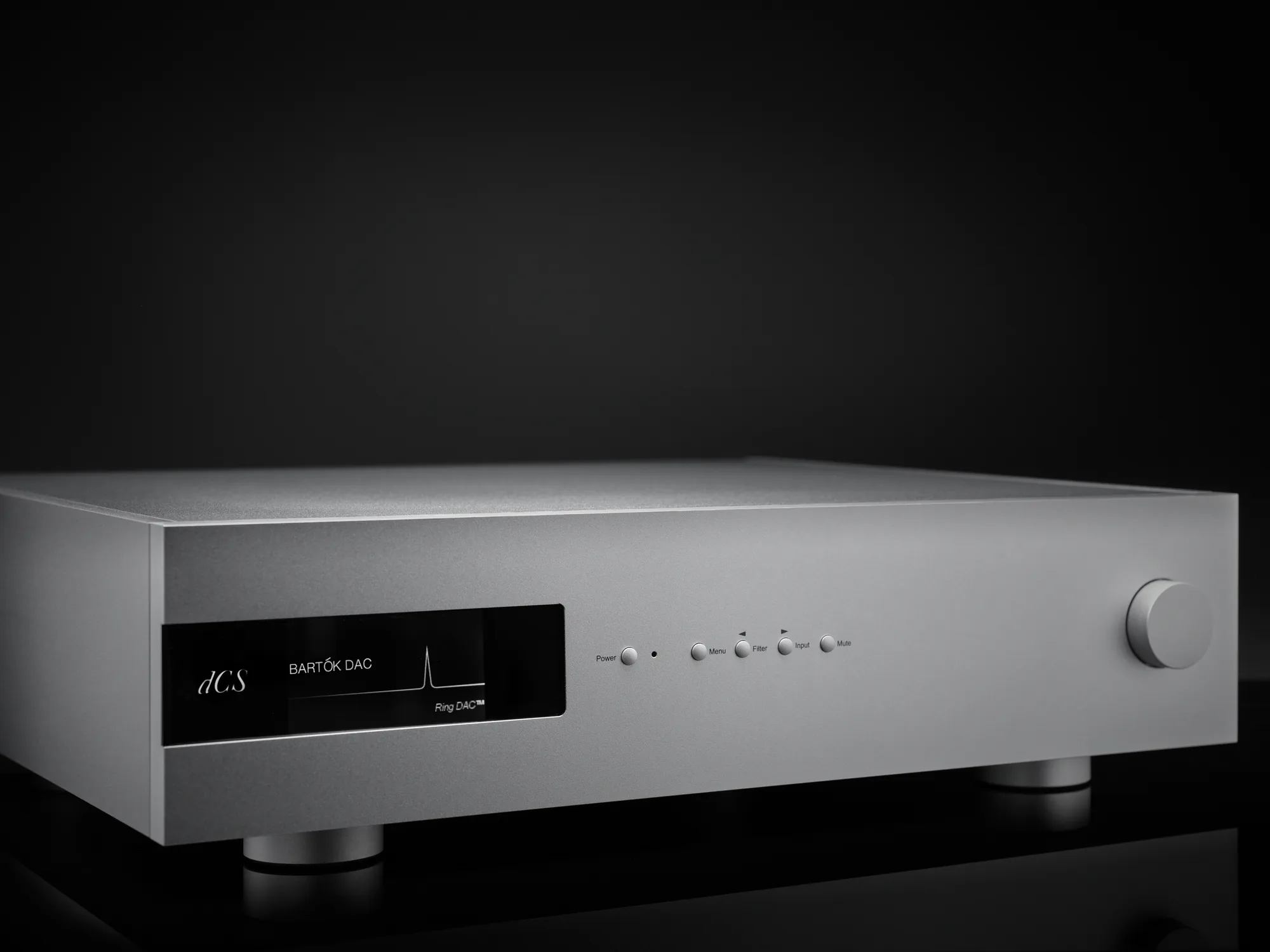
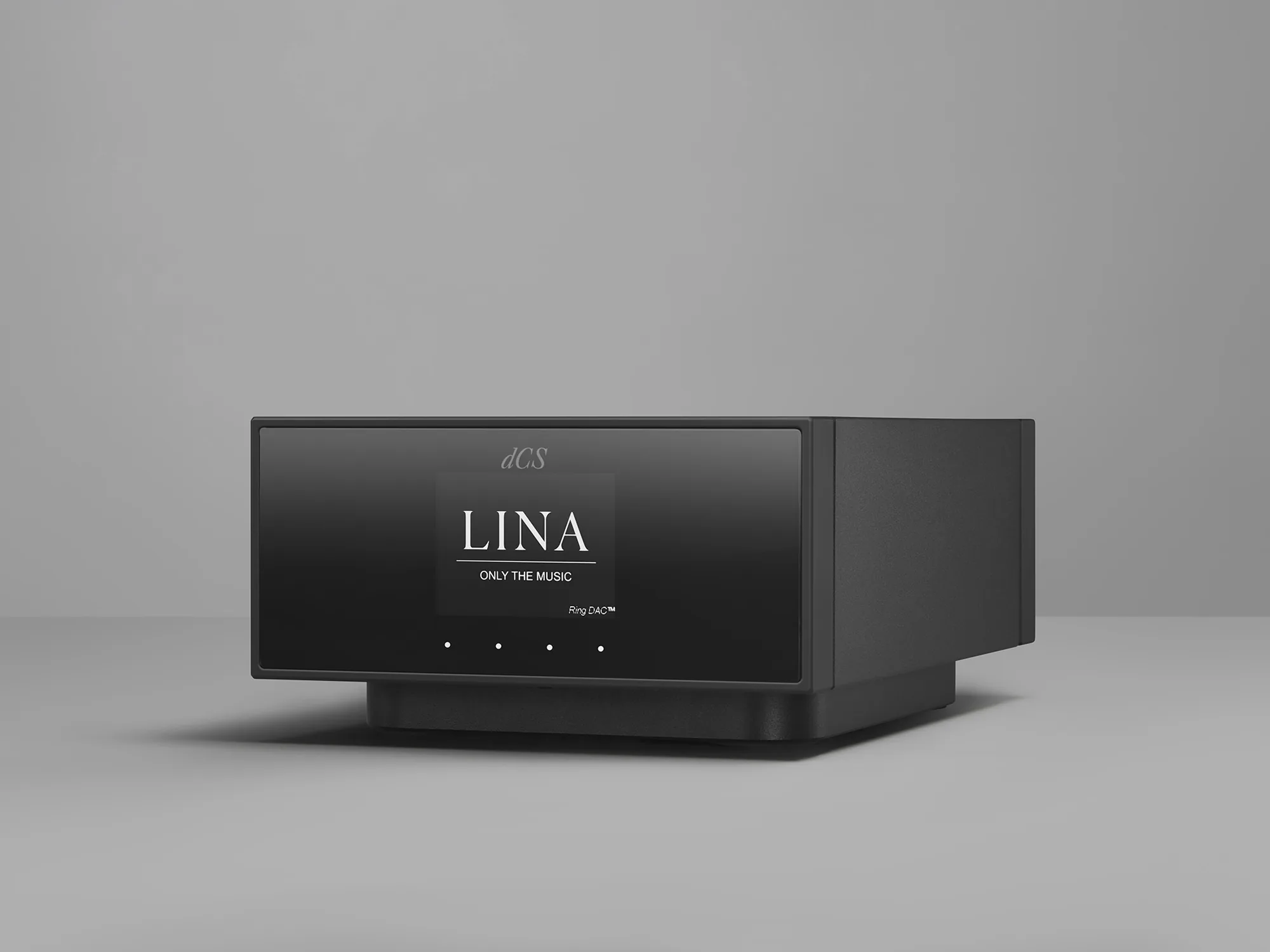
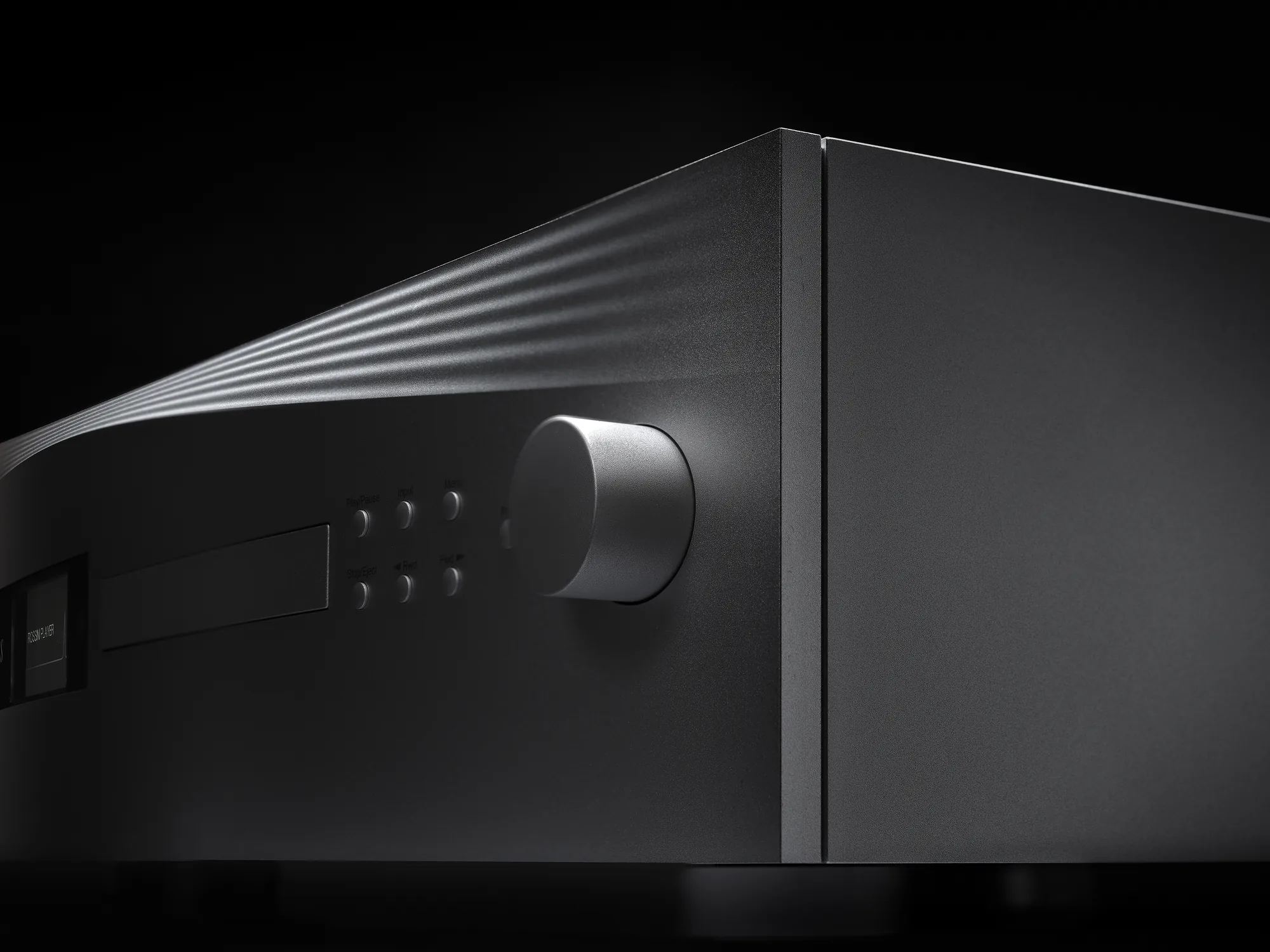
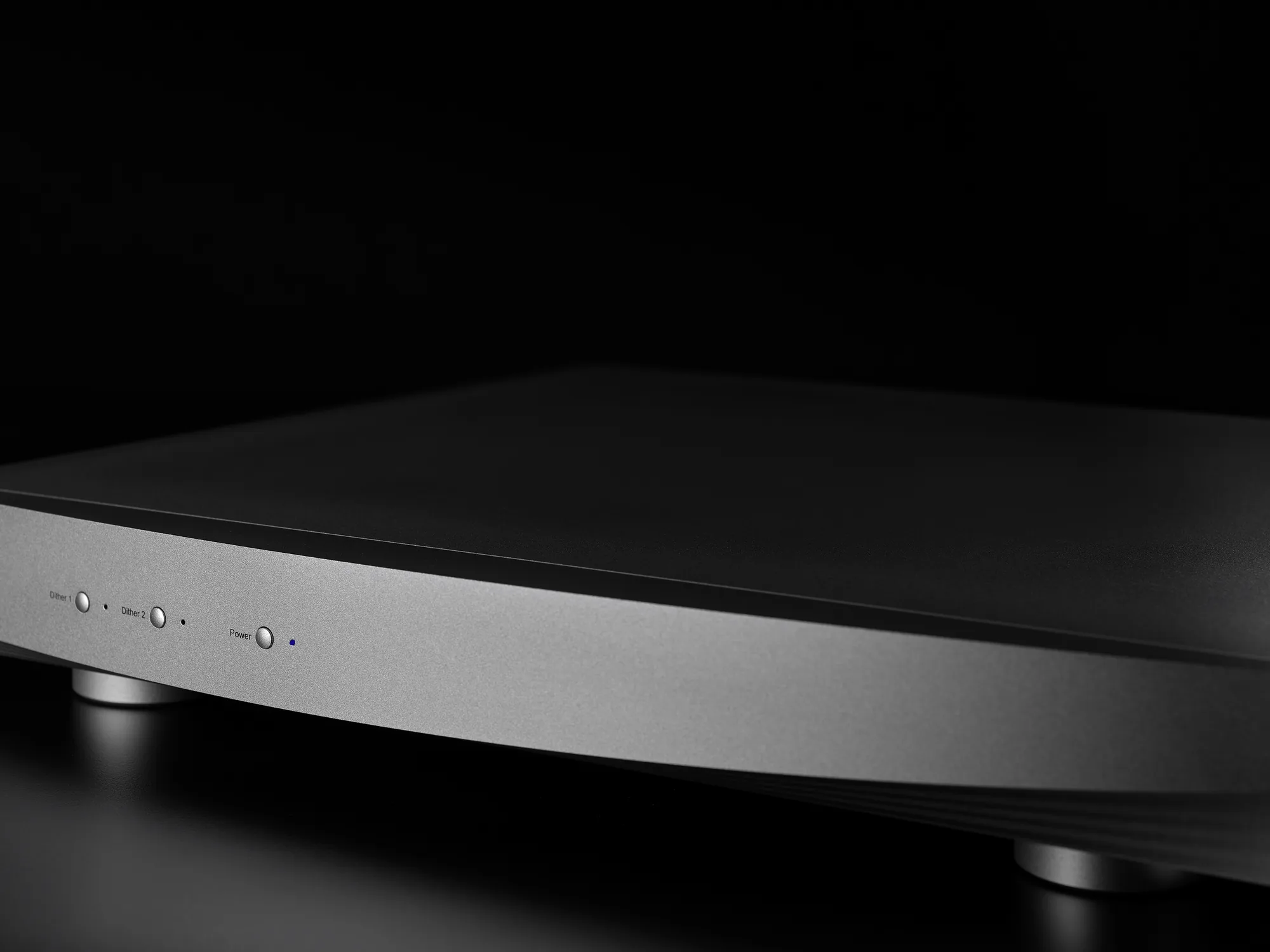
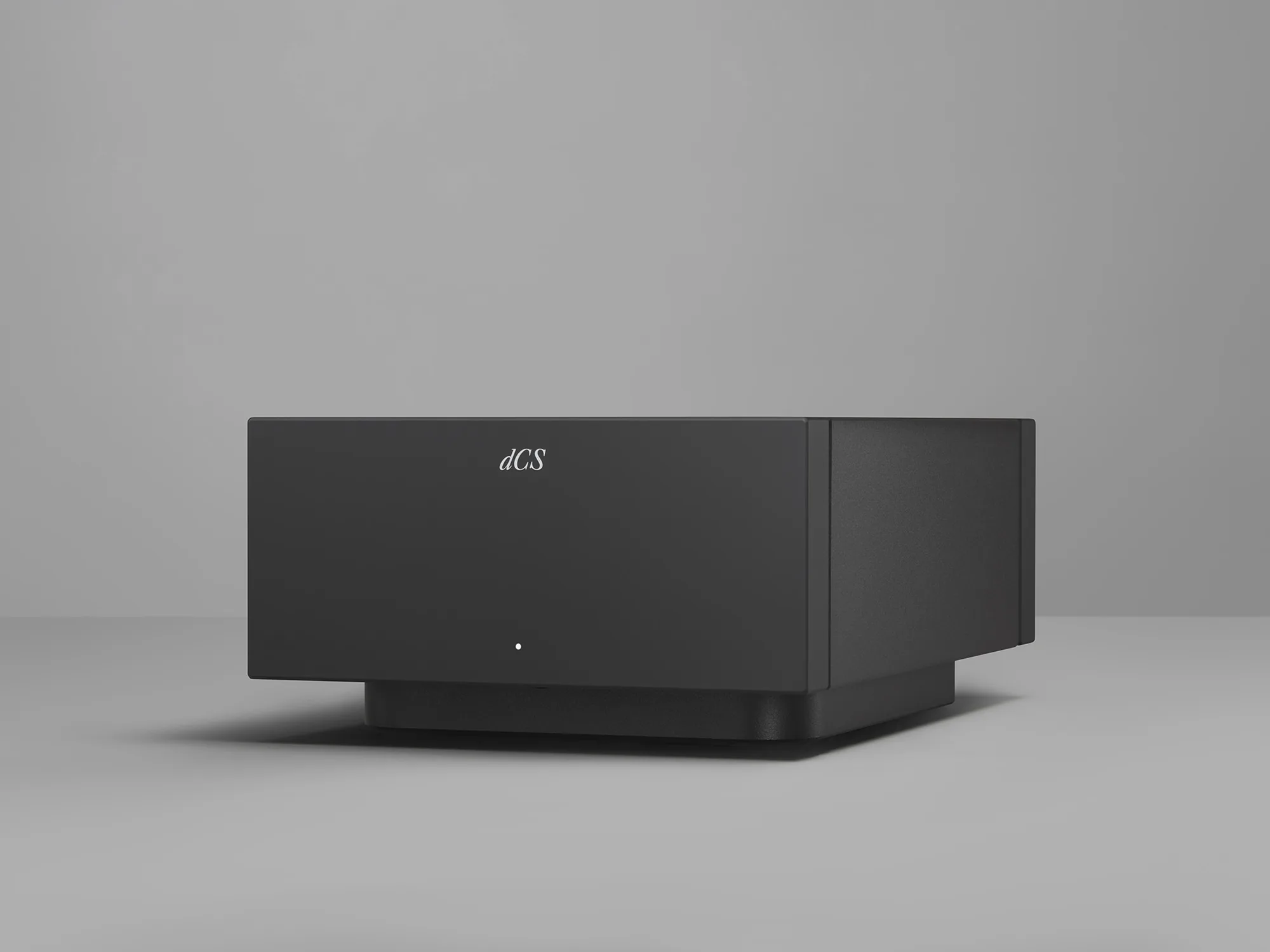
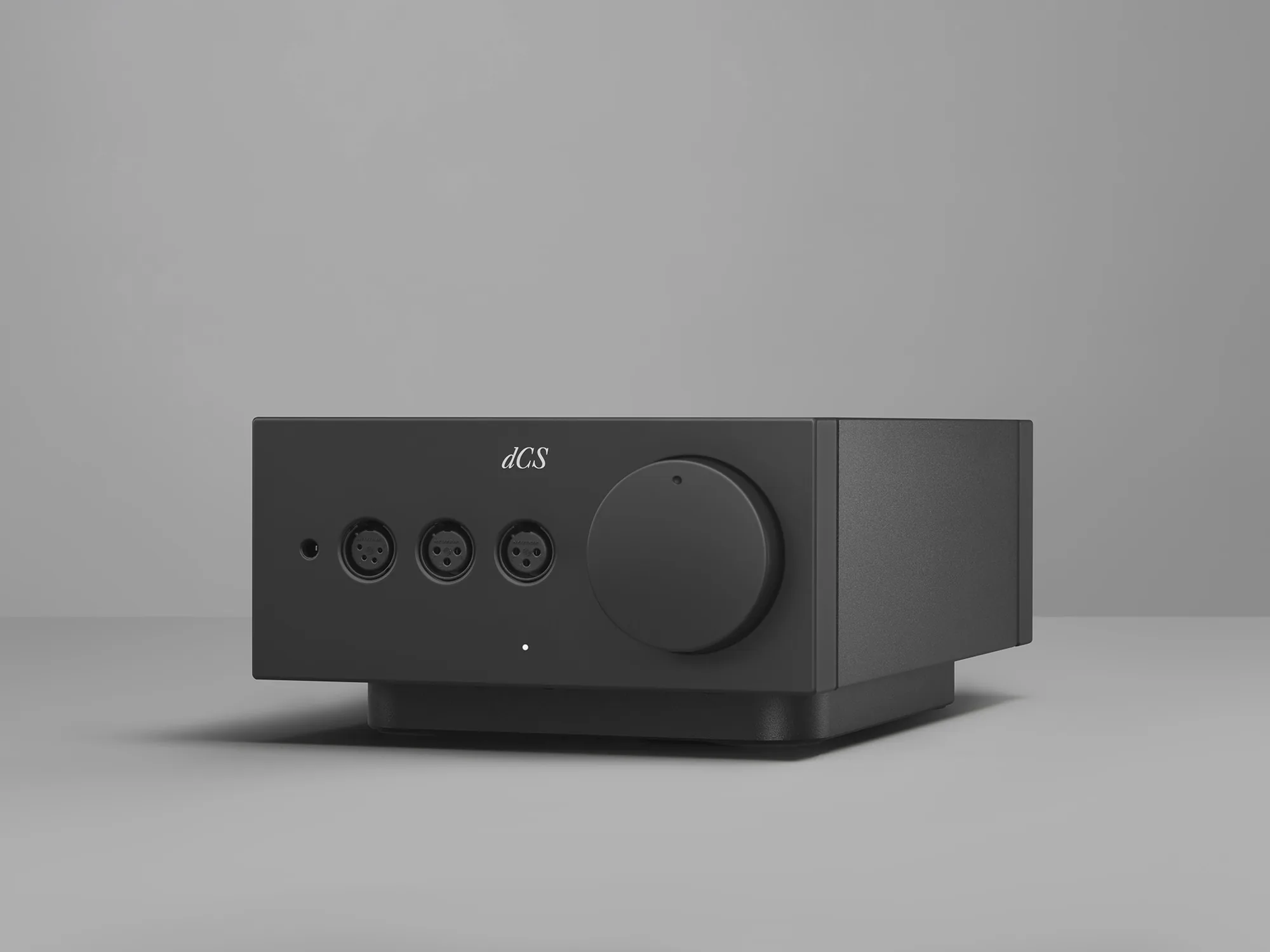
The Vivaldi APEX is a four-chassis system — Upsampler, DAC, Master Clock and CD/SACD Transport — that has been the company's reference-tier separates offering since 2012, with the APEX hardware upgrade and software 2.0 mapping algorithm keeping it current. The Rossini APEX sits below, available as an integrated Player or as separate DAC, CD/SACD Transport and Master Clock. The Bartók APEX is a single-chassis all-in-one — DAC, streamer, preamplifier and optional headphone amplifier — that distils thirty years of dCS engineering into a design most listening rooms and most budgets can accommodate. Paired with the Lina Master Clock and Headphone Amplifier, the Bartók APEX with Lina system was named DAC/Amplifier System of the Year 2024. Lina is dCS's compact family — Network DAC, Master Clock and Headphone Amplifier — introduced in 2022 and expanded since with 2.0 software.
The full dCS line, across four LMC reference rooms
LMC's Scottsdale showroom demonstrates the full current dCS lineup across four different rooms, on four different reference loudspeaker platforms — a commitment to dCS that goes well beyond the standard dealer relationship. Rather than one Varèse in a hero room and a second stack in a hallway, LMC has built four separate reference systems, each with its own dCS front end matched to its own amplification and loudspeaker.
The full Varèse Music System — Transport, DAC and Master Clock — fronts the WAMM Room, feeding Dan D'Agostino Relentless preamplifier and monoblocks into the Wilson WAMM Master Chronosonic and WAMM Master Subsonic. The Vivaldi APEX three-box stack — DAC, Upsampler and Master Clock — fronts the Suprema Room, into Burmester Signature Line 159 monoblocks driving the Sonus faber Suprema. The Rossini APEX DAC with matching Master Clock fronts the Reference Room's Alexia V system, driving Dan D'Agostino Momentum Z monoblocks into the Wilson Alexia V. And the Lina Network DAC sits alongside the McIntosh MCD12000 in the McIntosh Room, giving listeners a direct A/B between dCS's compact reference DAC and McIntosh's flagship Hybrid Drive SACD source, on Sonus faber Il Cremonese, Amati G5 and Serafino G2 loudspeakers.
When dCS launched Varèse into the Scottsdale market, dCS Managing Director David Steven and Director of Sales for North America Emron Mangelson personally hosted the introduction and active listening demonstrations at LMC. LMC is separately listed in the dCS events archive as a hosting partner for multiple formal dCS demonstration events at the Scottsdale showroom.
Walk in during business hours to hear any of the four dCS systems on demonstration. Book ahead if the audition needs a specific system warmed up and configured against your own recordings — the Varèse in particular takes time to settle into its full performance, and having the system on for a couple of hours before the audition changes what you hear.
Where to start
The right entry point into dCS depends on what the rest of the system is already doing. For a listener with a good pair of loudspeakers and a competent preamp/amp combination who wants to make the digital source the strongest link, the Bartók APEX on its own is the natural place to start — a genuinely reference-tier Ring DAC, streamer and preamplifier in a single chassis, and the one dCS product that will meaningfully outperform its own price point in almost any system it lands in. Adding the Lina Master Clock and Headphone Amplifier expands the Bartók APEX into full separate-headphone-system territory and adds measurable clocking benefits to the digital replay chain.
For a reference two-channel system where the amplifier and loudspeakers are already at a very high level, the Rossini APEX Player is the honest starting point — separate CD/SACD Transport and Master Clock can be added later without replacing anything. For a system built without compromise, the Vivaldi APEX four-chassis system remains a current reference and continues to receive software upgrades. And when the room, the loudspeaker and the amplifier will genuinely reveal what a Varèse can do — which is most obviously the case at LMC's Scottsdale reference-room level — the Varèse is the current state of the art.
What to listen for
Two tests are worth running deliberately in a dCS audition. On unamplified acoustic recordings — solo piano, string quartet, unaccompanied voice — the Ring DAC's low-level resolution and clocking accuracy tend to reveal what the recording actually contains: room ambience, the decay of a note into its own reverb tail, the placement of individual instruments in physical space. On dense, dynamically challenging material — full orchestra, large ensemble jazz, electronic music with wide bandwidth and heavy low-frequency energy — the way a dCS source keeps every strand of the mix legible as the volume rises is the other signature. If your recordings have never fully cohered on chip-based DACs, a dCS system is where you find out whether that was the recording or the converter.
Frequently asked questions
What is the Ring DAC, and why does dCS not use off-the-shelf DAC chips?
Almost every digital-to-analogue converter on the market uses one of a handful of DAC chips manufactured by ESS, AKM, Burr-Brown or Cirrus Logic. Those chips are excellent, and hundreds of respected products are built around them. dCS does not use any of them. The Ring DAC is dCS's own discrete implementation of the D/A conversion function — many current sources arranged in a ring topology, controlled by dCS's own mapping algorithm, and refined continuously in-house across more than three decades of software and hardware iteration. The audible difference is a particular way of resolving low-level detail and spatial cues that chip-based DACs generally do not match at any price. It is also the reason dCS can offer upgrade paths that most other digital manufacturers cannot: because the Ring DAC is proprietary, dCS can and does refine it continuously and back-port meaningful improvements to older products.
What is the Varèse Music System, and can I hear it at LMC?
Varèse is dCS's statement system, launched in 2023 and named for Edgard Varèse, the early-twentieth-century composer whose work integrated electronic instrumentation into classical music. It is a multi-chassis system — a Core Music Processor, two Varèse Mono DACs, a Master Clock, and a dedicated CD/SACD Transport added to the range in 2026 — connected by dCS's proprietary ACTUS (Audio Control Timing Unified System) infrastructure over custom LEMO-terminated cables. Every element of the analogue output circuit was rebuilt for Varèse from the Ring DAC APEX foundation. LMC has the full Varèse Music System — Transport, DAC and Master Clock — on active demonstration in the Scottsdale WAMM Room, feeding Dan D'Agostino Relentless preamplifier and monoblocks into the Wilson WAMM Master Chronosonic and WAMM Master Subsonic. When dCS launched Varèse into the Scottsdale market, dCS Managing Director David Steven and Director of Sales for North America Emron Mangelson personally hosted the introduction at LMC. Walk in during business hours to hear it, or book ahead if the audition needs the system warmed up against your own recordings — the Varèse in particular takes time to settle into its full performance.
Which dCS product is right for my system — Bartók, Rossini, Vivaldi, or Varèse?
The right entry point depends on what the rest of your system is already doing. For a listener with a good pair of loudspeakers and a competent preamp/amp combination who wants to make the digital source the strongest link, the Bartók APEX on its own is the natural place to start — a genuinely reference-tier Ring DAC, streamer and preamplifier in a single chassis, and the one dCS product that will meaningfully outperform its own price point in almost any system it lands in. Adding the Lina Master Clock and Headphone Amplifier expands the Bartók APEX into full separate-headphone-system territory. For a reference two-channel system where the amplifier and loudspeakers are already at a very high level, the Rossini APEX Player is the honest starting point — separate CD/SACD Transport and Master Clock can be added later without replacing anything. For a system built without compromise, the Vivaldi APEX four-chassis system remains a current reference. And when the room, the loudspeaker and the amplifier will genuinely reveal what a Varèse can do, the Varèse is the current state of the art.
What is APEX, and can I upgrade my older dCS DAC?
APEX is a 2022 hardware upgrade to the Ring DAC that originated during development of the flagship Varèse system. APEX redesigned the output stage to lower output impedance and improved how the clock signal is fed to each current source in the Ring DAC array. All current Vivaldi, Rossini and Bartók products ship as APEX. Pre-2022 owners can send their units to dCS in Cambridge or to an authorised dealer for the hardware upgrade — the audible improvement is meaningful and consistent with what a firmware update alone would not achieve. That kind of long-life upgrade path is one of the reasons a dCS product tends to stay in a system for a decade or more. For upgrade specifics on your existing dCS unit, reach the LMC team.
Can I use dCS with my existing streaming services?
Yes. Every current dCS network-capable product (Bartók APEX, Rossini APEX, Vivaldi APEX Upsampler, Varèse Core Music Processor, and the Lina Network DAC) supports the major streaming platforms — Tidal, Qobuz, Spotify Connect, Apple Music via AirPlay, plus UPnP for local network libraries and Roon Ready for full Roon integration. dCS's control app (Mosaic) manages source selection, playback and library access from an iOS or Android device on the same network. Setup at LMC includes configuring your specific streaming services and library sources during install so the system is ready to play the way you actually listen from day one.
How does the Bartók APEX compare to the Rossini APEX and Vivaldi APEX?
All three share the same Ring DAC APEX conversion architecture and the same in-house software mapping algorithm, so the fundamental character of what they resolve is consistent across the range. The differences are chassis count, power-supply headroom, clocking accuracy, and how much of the analogue output stage each product's chassis budget allows. Bartók APEX is a single-chassis integrated design — DAC, streamer, preamplifier and optional headphone amplifier in one box. Rossini APEX is available as an integrated Player or as separate DAC, CD/SACD Transport and Master Clock, allowing the digital chain to grow in stages. Vivaldi APEX is a four-chassis system (Upsampler, DAC, Master Clock, CD/SACD Transport) that has been the company's reference-tier separates offering since 2012, kept current with APEX and software 2.0. The right choice is less about which is objectively “better” and more about what your amplification and loudspeakers can actually reveal — which is the conversation to have with the LMC team before you commit.
The Lineup
Explore the Range


Experience The Brand